NATIONAL mean a person owing allegiance to and entitled to the protection of a sovereign state. CITIZEN is preferred for one owing allegiance to a state in which sovereign power is retained by the people and sharing in the political rights of those people. the rights of a free citizen SUBJECT implies allegiance to a personal sovereign such as a monarch. the king’s subjects NATIONAL designates one who may claim the protection of a state and applies especially to one living or traveling outside that state.
Population aging is a global issue, which has been recognized to have implications on the health care and social welfare systems. The process whereby the proportion of children in the population decreases and those of old people increases is known as the “aging of population”. The global population of the elderly has constantly been increasing during the second half of the last century. This has been possible due to the easy availability of life-saving drugs, famines’ control, various communicable diseases, better awareness and supply of nutrition and health facilities, and a comparatively better overall standard of living. These achievements have resulted in a drastic reduction in mortality rates and a substantial increase in the life expectancy at birth and the overall span of people.
What is Aging?
Aging is a continuous, irreversible, universal process, which starts from conception till the death of an individual. However, the age at which one’s productive contribution declines and one tends to be economically dependent can probably be treated as the onset of the aged stage of life. Old age is the last phase of the human life cycle, which is again universally true. UN recommended 60 years as the age of transition for the elderly segment of the population, and has been categorized as follows:
Young Old- between the ages of 60-75 years
Old-Old- between the ages of 75-85 years
Very Old- 85 years and above.
Disabilities in Old Age
The disabilities that a person experiences in the course of aging are multiple in nature. For some, aging enhances the status and enriches life satisfaction, but for many others, it may be difficult and problematic. On one hand, getting old provides an opportunity to relax, enjoy and do things they always wanted to do but never had the time for when they were young. On the other hand, old age also implies increasing physical, mental, and psychological disabilities. Such disabilities are the result of many factors. With the increasing age and decreasing health, the older person begins to depend unknowingly physically and psychologically on either the kinship group or the existing social support network.
Government’s Role
Since independence, the Indian government has been committed to supporting the old people in our society with certain interventionist welfare methods. The year 1999 was declared by the UN as the International Year of Older Persons followed on 13th Jan 1999, by the Government of India approving the National Policy for Older Persons for accelerating welfare measures and empowering the elderly in ways beneficial to them. Maintenance and Welfare of Parents and Senior Citizens Act, 2007 provides legal sanctions for the rights of the elderly. In addition constitutional provisions for old age security, old age pension, establishing old age homes, expanding geriatric services, and liberalizing housing policy for elders have also been undertaken.
Role of Old Age Homes
The concept of the old age home, though not very common in India, is not unknown. The first old age home was established in Bangalore in 1983 by the Bangalore Friends-in Need society and was called the ‘(obb Home)’. According to Help Age India estimates, there are 728 institutions at present, perhaps a majority of them in urban areas. Kerala has the largest number of old-age homes. More than 60 percent of the old age homes in India are of the charitable type, meant for destitute or very poor persons. About 20 percent of them are of the ‘pay and stay’ type and another 20 percent are mixed. About 15 percent of the homes were for women exclusively. In recent years, there has been a rapid increase in the number of old age homes and they are gradually gaining acceptance, especially by those who see these institutions as a better alternative than living in a son’s home where you are not wanted. There is a debate going on in India at present among seniors’ organizations, nongovernmental organizations, and others about whether this growth should be allowed, supported, or curbed. There is a strong feeling that the proliferation of old-age homes would make it easier for children to shirk their responsibility for taking care of their aging parents by placing them in institutions.
Conclusion
Despite the government’s and NGO’s efforts in rehabilitating the aged in India they are still the most vulnerable group facing multiple problems and hence require proper care and attention. Aging is a natural process. ‘Old age is an incurable disease’. But more recently J.S. Ross commented, “You do need old age, you protect it, you promote it, and you extend it”. A man is as old as he feels and a woman as old as she looks. Hence there is a need for proper care and protection for the elderly in the changing scenario.
The White Ribbon Alliance for Safe Motherhood is an alliance of organizations working together to increase awareness, build partnerships and act as a stimulus for action to decrease maternal mortality significantly. It was launched in India by the Centre for Development and Population Activities in 1999 and with a coalition of 1800 organizations, in 2003, it requested the Government of India to declare April 11th, Kasturba Gandhi’s birth anniversary, as National Safe Motherhood Day. India is the world’s first country to have officially declared a National Safe Motherhood Day.
Theme for 2022
Every year a nationwide advocacy theme is selected for Safe Motherhood Day, and activities and full-scale campaigns are carried out throughout the country to increase awareness of proper healthcare and maternity facilities for pregnant and lactating mothers. Also, the members, state associations, and non-profit organizations come together on National Safe Motherhood Day to share technical skills, expertise, and resources. This year’s theme is “Remain at home in the face of the Coronavirus; protect mother and child.”
Why this day is Celebrated?
India is the main country to have formally proclaimed a day committed to well-being and security, all things considered. Every year, WRAI individuals select a cross country topic for “Safe Motherhood Day.” They do crusades all across the country. The objective of these missions is to increment mindfulness that each lady has an option to live and endure pregnancy and labor.
Initiatives taken by Indian Government
In 2003, at the request of the WRAI, the Indian government designated April 11 (the anniversary of Kasturba Gandhi’s birth) as “National Safe Motherhood Day” (a coalition of 1,800 organizations). India is the world’s first country to establish a “National Safe Motherhood Day.” Every year, WRAI members choose a national publicity theme for “Safe Motherhood Day,” and WRAI members conduct activities and large-scale campaigns across the country. These annual campaigns, which are launched on “National Safe Motherhood Day,” aim to raise awareness that every woman has the right to survive and recover from pregnancy and childbirth. The White Ribbon Alliance of India was established in 1999.
Safe Motherhood Program
The aim of the National Safe Motherhood Program is to reduce morbidity and mortality rates of pregnant and lactating mothers and neonates and to improve their health through preventive strategies and activities related to health promotion as well as by addressing avoidable causative factors that can lead to death during pregnancy, childbirth and postpartum period. Nutritious snacks, such as vegetables, fruits, egg, yoghurt, cheese, pulses, sprouts, soya and milk products, along with proper hydration are ideal for a pregnant woman.
Significance of Motherhood Day
Our mothers are the only reason we were able to see the light of day and grow up to be strong people. Their numerous sacrifices, dedication, hard work, and blessings enable us to progress in life. Motherhood is one of the most special and important stages in a woman’s life, and she requires the greatest amount of care and affection during this time. Thus, National Safe Motherhood Day is observed in India on April 11 to raise awareness about motherhood and its importance. The entire period of pregnancy and delivery is critical and must be handled with extreme caution. Because of our government’s efforts, I can say with great pride and accomplishment that Madhya Pradesh has seen a significant decrease in Maternal Mortality Rate over the years.
Conclusion
Janani Express Ambulance has made it simple and quick to get to the hospital. Similarly, schemes such as Janani Suraksha Yojana, Surakshit Matritva Abhiyan, Mamta Abhiyan, and others have been launched to provide pregnant women with all necessary care and health facilities. The government is working around the clock to improve mothers’ health and hygiene. Motherhood, on the other hand, necessitates more than just medical and health advantages. As a result, it is critical to pay attention to her mental health and meet all of her needs. On this National Safe Motherhood Day, I humbly ask that everyone prioritize motherhood and pay special attention to pregnant and lactating women. In the absence of healthy mothers, we cannot envision a beautiful future.
World Hemophilia Day was started by the World Federation of Hemophilia (WHF) and is annually observed on the 17th of April. The international community started observing WHD in 1989 and April 17 was chosen to recognize Frank Schnabel the founder of WHF. World Hemophilia Day is aimed at raising awareness about hemophilia and other bleeding disorders. It also helps to raise funds for patients who cannot afford hemophilia treatment as well as attract volunteers for the World Federation of Hemophilia.
What is Haemophilia?
Haemophilia is an inherited condition that causes bleeding for a long time after injury or surgery and painful swelling of the joints either after injury or even without injury. (“Inherited” means that the disease is passed from parents to children through their genes). Haemophilia is the commonest X-linked disorder affecting approximately 1 in 10,000 male births; whereas women act as carriers of Haemophilia. Haemophilia is an inherited blood disorder disease in which blood does not clot properly. It is caused due to defects in the blood vessels, the coagulation mechanism, or the blood platelets and by a deficiency in a gene that resolves how the human body will make factors VII, IX, or XI.
Types of Haemophilia
Haemophilia has three forms namely Haemophilia A, B, and C. Out of these, Hemophilia A is the most common.
– Haemophilia A patient is treated by prescribing a hormone desmopressin.
– Haemophilia B patient is treated by infusing the patient’s blood with the clotting factors of a donor.
– Haemophilia C patient is treated by plasma infusion which ceases down profuse bleeding.
Theme of World Haemophilia Day
April 17, 2022, is World Hemophilia Day. The theme of the event this year is “Access for All: Partnership. Policy. Progress. Engaging your government, integrating inherited bleeding disorders into national policy“. By raising awareness and bringing hemophilia and other inherited bleeding disorders to the attention of policymakers, we can increase sustainable and equitable access to care and treatment.
Significance of World Haemophilia Day
The World Federation of Haemophilia (WFH) started celebrating the day in 1989 and chose April 17 to celebrate it in honour of the founder of WFH Frank Schnabel. Haemophilia was discovered in the 10th century and was found mainly in males. The disease was then known as Abulcasis. In the year 1937, Haemophilia genetic disorder was divided into two types namely A and B, however, no proper treatment was found till that time. Then, it was decided to raise awareness about the disease among the people and make them understand the need to give the right attention to this serious health issue. In 1963, the WFM was established to improve treatment and care for all haemophiliac patients.
Awareness-raising campaigns, conferences, workshops, etc. are being organized on this day by several communities and people. various kinds of activities are being performed to inform the general public about Haemophilia disease. Also, landmarks and monuments in Australia and around the world change their colour to red at the night to support World Haemophilia Day.
Conclusion
When there is a family history of Haemophilia, it is now possible to identify females who carry the Haemophilia gene. Women, who know they are carriers, or might be carriers, may have options for prenatal diagnosis to obtain information on the fetal status. According to National Blood Transfusion Council under National Aids Control Organization (NACO) guidelines, all state/UTs administration patients suffering from thalassemia, sickle cell anemia, and Haemophilia should be provided blood free of cost. The Rashtriya Bal Swasthya Karyakarama (RBSK) launched under the National Health Mission (NHM), provides early detection and treatment of children suffering from genetic disorders.
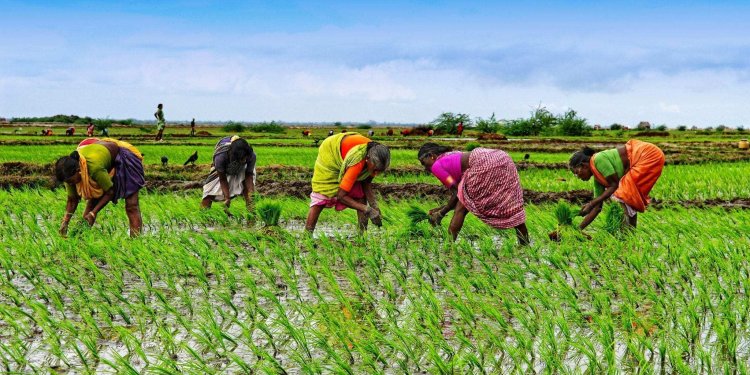
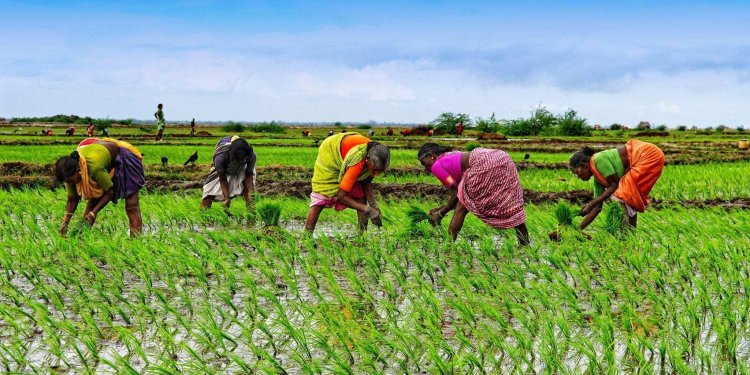
As a process driven largely by suicide and partly by the out-migration of men from rural areas is more a problem than women empowerment in the true sense. The feminization of agriculture here is not a result of women’s social or economic empowerment. Instead, women’s growing participation in agriculture appears to be strongly related to several indicators of poverty. Women’s growing contribution of labor in agriculture adds to the already heavy work burdens of most rural women, thereby further undermining their well-being, and suggests that the feminization of agriculture may better be described as the feminization of agrarian distress.
What is Feminization of Agriculture?
Feminization of Agriculture refers to the measurable increase of women’s participation in the agricultural sector, particularly in the developing world. The phenomenon started during the 1960s with increasing shares over time. In the 1990s, during liberalization, the phenomenon became more pronounced and negative effects appeared in the rural female population. Afterward, agricultural markets became gendered institutions, affecting men and women differently. In 2009 World Bank, FAO & IFAD found that over 80 percent of rural smallholder farmers worldwide were women, this was caused by men migrating to find work in other sectors. Out of all the women in the labor sector, the UN found 45-80% of them to be working in agriculture.
Feminizing the Agriculture
Migration results in “Feminizing Agriculture”, which means women get increasingly absorbed in agricultural and allied activities. According to Census 2011, there has been a 24 percent increase in the number of female agricultural laborers between 2001 and 2011, from 49.5 million to 61.6 million. Nearly 98 million Indian women have agricultural jobs, but around 63 percent of them are agricultural laborers, dependent on the farms of others, according to Census 2011. In addition to this, the mechanization of agriculture has also resulted in the confinement of women to traditional roles such as winnowing, harvesting, sowing seeds, and rearing livestock, which are low-paying. This clubbed with the burden of household chores, and a lower wage rate than men, contributes to further economic disparity.
Marginalization of Landless Women
Women in rural areas, who do not own land, usually engage in agricultural labor activities. NCRB defines a farmer/cultivator as one whose profession is farming and includes those who cultivate their own land/leased land/other’s land with or without the assistance of agricultural laborers. While counting farming suicides, cases of people who have landed on their names are considered farmers, according to several studies undertaken. There remains ambiguity in the definition and classification of farmers, which further affects the recognition of the female face in agriculture.
Conclusion
The larger problem also pertains to land ownership versus land control, as merely granting joint titles (which some states have) doesn’t necessarily mean that control of the property would be vested with the female. One example of such power appropriation emanates from the concept of “sarpanchpatis” or proxies of elected women sarpanches in gram panchayats. Though there is a 33 percent for women at the panchayat level, it is men who often exercise control. The draft Land Reform Policy (2013) of the Union government recognized the need to grant land ownership rights to rural women and redistribute land to all landless poor. However, the implementation of land reforms in India has remained tardy. Consider the Bhoodan movement started by Vinobha Bhave, which received over 16 million hectares from the rich for redistribution to the poor. Of this, only about 9 million hectares were redistributed. While reorganizing land rights for rural women may be an arduous and long-drawn task, alternative economic opportunities through schemes like the Mahatma Gandhi National Rural Employment Guarantee Act and National Rural Livelihood Mission must be strengthened to empower women in the agriculture sector.
The practice of manual scavenging has accursed Indian society since time immemorial. The efforts to abolish this custom have garnered momentum within the state machinery, advocacy groups and academia the last three decades, particularly since the constitution of the Safai Karamchari Andolan (SKA) in 1994. Safaimitra Suraksha Challenge, aims to completely mechanize all septic and sewage tank cleaning operations in 243 cities across India, by April 30, 2021. Officially, the number of manual scavengers dropped to 42,303 in 2018 from 770,338 in 2008. Notwithstanding the said developments, the drastic reduction in the official count in the recent past can be construed as indicative of gross underassessment rather than being reflective of their actual numbers in India.
What is Manual Scavenging?
Manual scavenging is the practice of removing human excreta by hand from sewers or septic tanks. India banned the practice under the Prohibition of Employment as Manual Scavengers and their Rehabilitation Act, 2013 (PEMSR). The Act bans the use of any individual for manually cleaning, carrying, disposing of or otherwise handling in any manner, human excreta till its disposal. In 2013, the definition of manual scavengers was also broadened to include people employed to clean septic tanks, ditches, or railway tracks. The Act recognizes manual scavenging as a “dehumanizing practice,” and cites a need to “correct the historical injustice and indignity suffered by the manual scavengers.”
Why it is still prevalent in India?
The lack of enforcement of the Act and exploitation of unskilled laborers are the reasons why the practice is still prevalent in India. The Mumbai civic body charges anywhere between Rs 20,000 and Rs 30,000 to clean septic tanks. The unskilled laborers, meanwhile, are much cheaper to hire and contractors illegally employ them at a daily wage of Rs 300-500. In 1993, India banned the employment of people as manual scavengers. In 2013, landmark new legislation in the form of the Manual Scavengers Act was passed which seeks to reinforce this ban by prohibiting manual scavenging in all forms and ensures the rehabilitation of manual scavengers to be identified through a mandatory survey. Despite progress, manual scavenging persists in India. According to the India Census 2011, there are more than 2.6 million dry latrines in the country. There are 13,14,652 toilets where human excreta is flushed in open drains and 7,94,390 dry latrines where the human excreta is cleaned manually. Seventy-three percent of these are in rural areas and 27 percent are in urban areas.
Act and its Implementation
The Prohibition of Employment as Manual Scavengers and their Rehabilitation Act, 2013 aims to eliminate insanitary latrines (those not connected to pits/septic tanks/sewage lines) alongside tracking the rehabilitation of manual scavengers in other occupations and conducting periodic surveys. To eliminate this practice, the act has provisions for stringent penalties, for direct or indirect employment of any person in hazardous cleaning of sewers or septic tanks by any person, local authority, or agency. For example, even the first instance of its contravention is punishable with imprisonment up to two years or a fine up to Rs 2 lakh or both. If a worker dies while performing such work, even with safety gear and other precautions, the employer is required to pay compensation of Rs 10 lakh to the family.
Conclusion
The state and society need to take an active interest in the issue and look into all possible options to accurately assess and subsequently eradicate this practice. It also warrants an engagement of all stakeholders for the proper introduction of mechanization and ensuring that it is made available to all those who are forced to engage in this undignified practice.
I hope you all are fit and healthy during this covid situation many diseases are occurring so need to take good care of our health. To be healthy and fit we always need to do yoga and exercise in the early morning. The international community observes June 21 as International Yoga Day, recognizing the many benefits of the ancient Indian practice of yoga. The year 2021 marks the 7th annual International Yoga Day.
History of Yoga Day
The practice of yoga finds its origin in India. There is a special day to celebrate yoga is the International Yoga Day which is celebrated on 21st June 2016 every year. This day was internationally recognized by the United Nations General Assembly (UNGA) on December 11, 2014. The idea of an international yoga day was proposed by our Prime Minister, Mr. Narendra Modi on September 27, 2014. Mr. Modi proposed the date to be June 21 and mentioned that this is the longest day of the year in the northern hemisphere and has special significance in many parts of the world. And the first international yoga day was celebrated on June 21, 2015.
Theme of Yoga Day
The message of Yoga in promoting both the physical and mental well-being of humanity has never been more relevant. A growing trend of people around the world embracing Yoga to stay healthy and rejuvenated and to fight social isolation and depression has been witnessed during the pandemic. Recognizing this important role of Yoga, the previous year’s commemoration of the International Day of Yoga focuses on “Yoga for well-being” – how the practice of Yoga can promote the holistic health of every individual.
What is Yoga?
Yoga is a process in which man tries to bring his mind, body, and soul together. Yoga is a Sanskrit word meaning to meet or be united. Yoga originates from Indian culture. People have been practicing Yoga since about 5000 years ago. Yoga does not have physical fitness primarily; in Yoga, people try to control their body and mind through mental focus and breathing methods. If men teach Yoga, then they are called yogis, and if women teach, they are called yoginis. Yoga Sutra is a 2000-year-old book. This is the only book in which written evidence of Yoga has been found. This book is the oldest book about Yoga. Yoga is divided into six branches, namely Hatha Yoga, Raja yoga, Karma yoga, Bhakti yoga, Jnana yoga, and Tantra yoga. There are also seven chakras of yoga styles namely Sahasram chakra, Ajna chakra, Vishuddha chakra, Anahata chakra, Manipura chakra, Svadhishthana chakra, Muladhara chakra.
Importance of Yoga
Practiced in India since the 5th century, Yoga has been beneficial in keeping the body and mind in sound health. A holistic approach, Yoga targets all the different systems of the body and mind. It is said that the asanas make the body strong and flexible, as health improves; the mind too is renewed with confidence. The practice of Pranayama regulates the purification of the internal system and the organs, acting as a superior and able supplement to asanas. The energy that is generated in the body through these physical practices is then channeled into meditation or Dhyan for stability, peace, and calm.
Objectives of Yoga Day
The main objective to adopt International Yoga Day is as mentioned below.
Promote enhanced mental and physical health advantages amongst the people
Aware the public of Yoga’s holistic advantages
Promote awareness among people about Yoga’s natural and amazing results
Assist people to connect with nature while practicing Yoga daily
Reduction in the rate of fatal diseases across nations
Unification of communities while devoting quality time for health from monotonous work routines.
Conclusion
The AYUSH protocol describes the folding hands logo of Yoga Day as reflecting “the union of individual consciousness with that of universal consciousness, a perfect harmony between mind and body, man and nature, the holistic approach to health and well being. The brown leaves in the logo symbolize the earth element, the green leaves of nature, blue the fire element while the sun symbolizes the source of energy and inspiration.”
The feeling of unconditional love and immense respect that led our forefathers to set us free from the evil clutches of the British Raaj.
The feeling of selflessness and undying devotion which encourages a soldier to sacrifice his life for the nation.
It is this patriotism, that changes mere zeros to superheroes, murders to martyrs, and sinners to saints.
My country right or wrong,
If right to be kept right and if wrong to be set right.
Should be the voice of a true patriot.
Our country is right in many things and not right in some things. We should be the ones to set it right.
In the pre-Independence days stepping out of one’s house, with one’s head held high was a dream for a common man. But it was the patience, persistence and sacrifice of our brave men and women which made this dream a reality.
Today corruption, poverty, unemployment, intolerance, communalism, gender inequality and many such issues are making it difficult for our country to stand high in the global ranking. Now it is our responsibility to carry the legacy of our forefathers and take part in building the nation.
The great leaders who framed our Constitution took the best ideas and principles from different countries so that we could have the best form of government. And for this democracy to flourish, it requires a certain level of ability, character and awareness from a common man.
It needs people’s participation, which is the key to nation building.
Where even the basic needs like health care and nutrition of people are not met,
Where there is discrimination based on caste, religion, language and economic background,
People’s participation is possible only when there is patriotism, feeling of oneness, and sense of national identity among the citizens.
It is our responsibility to work towards the betterment of our country with feeling of oneness and sense of patriotism.
“Light is good, no matter from what lamp it comes.”
~Dr. Sarvapalli Radhakrishnan
Human values, equality, social justice are the real values of all religions.
Good ideas and teachings are found in all the faiths of the world.
Religious tolerance is a unique feature of Indian people.
Our forefathers wanted to build a national character with chief facet of mutual tolerance.
Gandhiji put our secular nature in a nutshell,
“I do not wish my country to be walled in from all sides or want its windows shut; I wish the breeze of all the lands to blow in!”
Mahatma Gandhi
India has a rich cultural tradition. There is a harmonious blend of art, religion and philosophy in the Indian culture. They are so beautifully interwoven in the fabric of Indian way of life. It is only the dynamism and the flexibility of Indian culture that enabled it to survive the foreign invasions and retain its originality and traditional character even after imbibing the best of these external influences.
Indian people, by nature tolerant and fatalists, did not anytime ridicule the traditions of foreign civilizations. On the other hand, Indian mind has assimilated much of the thinking of the other cultures, thus enriching itself and thereby becoming unique in its character. Today, it is the uniqueness which attracts the Western societies to the Indian culture. Disillusioned with their materialistic lives, they turn to India for solace and peace.
We should remove the geographical, political, cultural and linguistic blockades and stand together for the well- being and prosperity of our nation.
The biggest religion is humanity and our country India will always favor this.
Let us work sincerely to make India a self – reliant and a developed nation, together with the loyal legislature that makes laws, accountable executive that carries out the laws and trustworthy judiciary that evaluates the laws.
Satyajit Ray was India’s first internationally recognized film-maker and, several years after his death, still remains the most well-known Indian director on the world stage. Ray has written that he became captivated by the cinema as a young college student, and he was self-taught, his film education consisting largely of repeated viewings of film classics by de Sica, Fellini, John Ford, Orson Welles, and other eminent directors.
Satyajit Ray
Early Life and Family Background
Satyajit Ray was born into an illustrious family in Kolkata (then Calcutta) on 2nd May,1921. His grandfather, Upendra Kishore Ray-Chaudhary, was a publisher, illustrator, musician, the creator of children’s literature in Bengali and a leader of the Brahmo Samaj, a religious and social movement in nineteenth century Bengal. His father, Sukumar Ray, was a noted satirist and India’s first writer of nonsensical rhymes, akin to the nonsense verse of Edward Lear. Having studied at Ballygunge Government High School, Calcutta and completed his BA in economics at Presidency College, Satyajit Ray went on to develop an interest in fine arts. Later in life, Satyajit Ray made a documentary of his father’s life. His film, Goopy Gyne Bagha Byne, was based on a story published by his grandfather in 1914, but even other films, such as Hirok Rajah Deshe, “The Kingdom of Diamonds”, clearly drew upon his interest in children’s poetry and nonsensical rhymes.
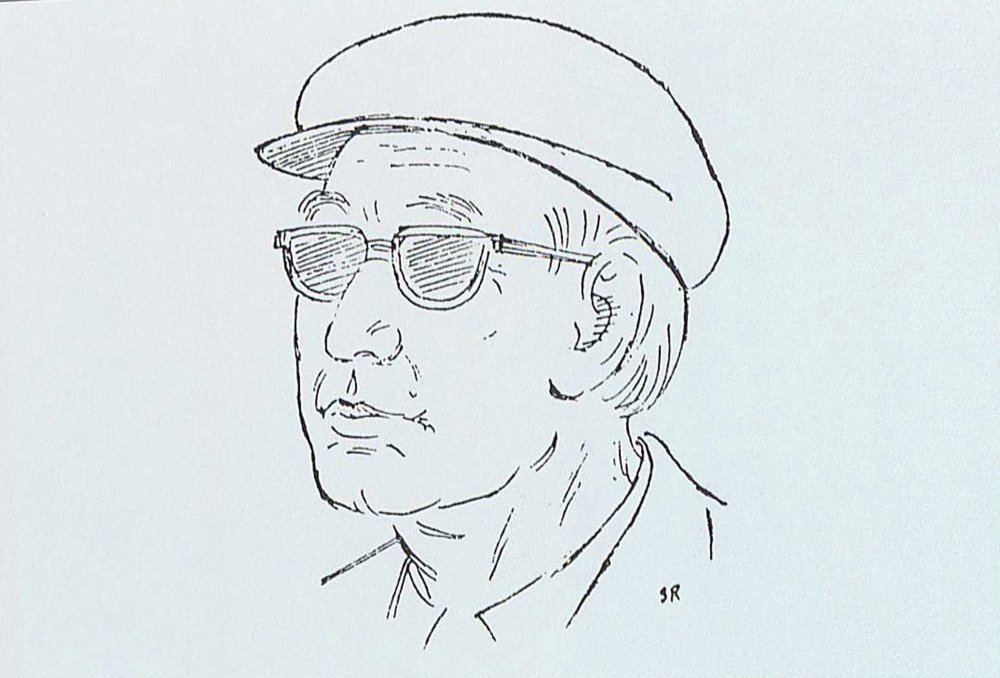
Satyajit Ray with Akira Kurosawa
The Crisis of Indian Cinema Before Ray
From the 1920s to the early 1950s, several directors working within Hollywood—as well as filmmakers in former Soviet Union, France, Italy, Germany, and Japan—considered cinema not as a mere tool of entertainment but as a medium for creative expression. Filmmakers such as Charlie Chaplin, Sergei Eisenstein, Jean Renoir, Roberto Rossellini, Vittorio De Sica, Akira Kurosawa, and others deployed artistically innovative filmic devices to convey profound statements about the complexities of life. Some of the aesthetically satisfying films produced during this period were hailed as cinematic masterpieces. Films in India, however, prioritised cliched elements such as sentimental slush, ersatz emotion, theatricality, romantic tales, spectacle-like songs, and happy endings in these decades. Instead of making serious attempts at formal experimentation, Indian directors continued catering to the lowest common denominator audience.
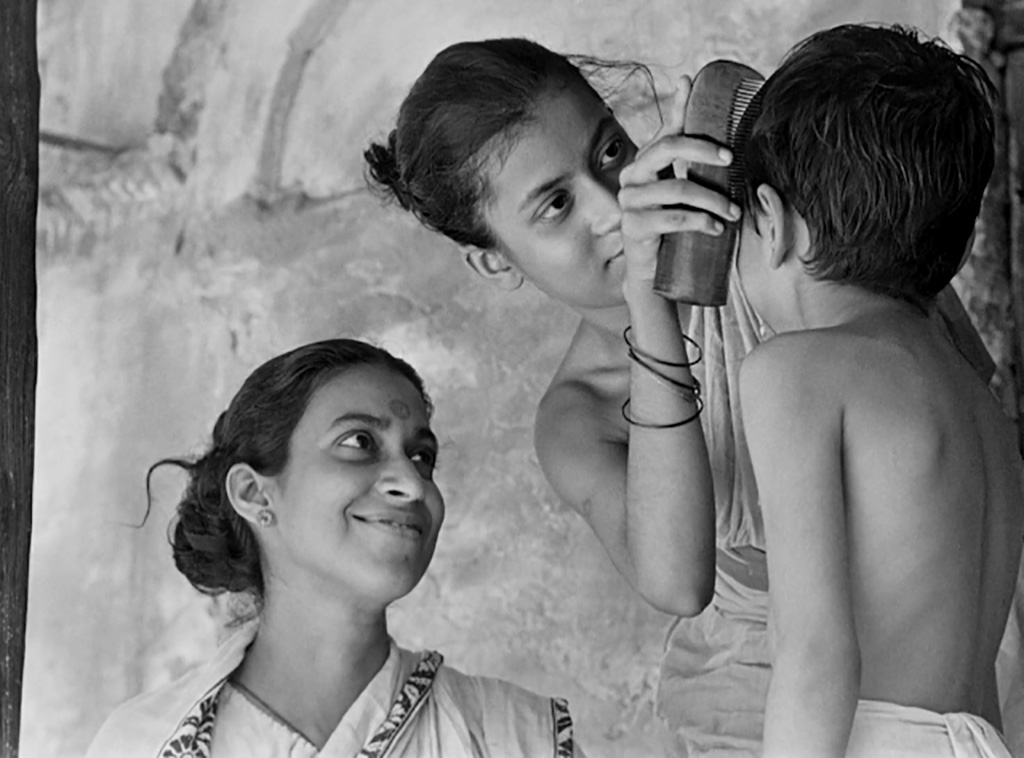
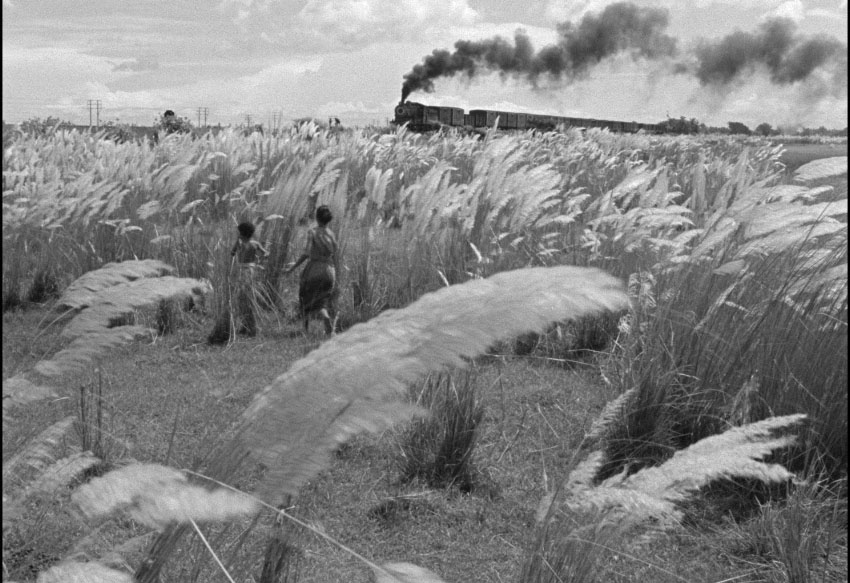
Iconic scene from Pather Panchali (1955)Pather Panchali (1955)
Breakthrough of Satyajit Ray
A young Ray had grown up on Hollywood movies, so when his ad agency sent him to London for higher training, he spent more and more of his time in the company of films and started “losing interest in advertising in the process,” he once said in an interview. During this trip, he saw Vittorio De Sica’s “Ladri di biciclette” (Bicycle Thieves),in 1948, a neo-realist Italian masterpiece of post-War despair and was entranced by its beguiling simplicity and humanism. Back in Calcutta, he heard that Jean Renoir was in town and walked straight into the hotel where the great French filmmaker was staying to confide in his own dreams of making a movie someday. Renoir, who was location-scouting for The River in Calcutta at the time, encouraged the aspirant. And so began the journey of the song of the little road.
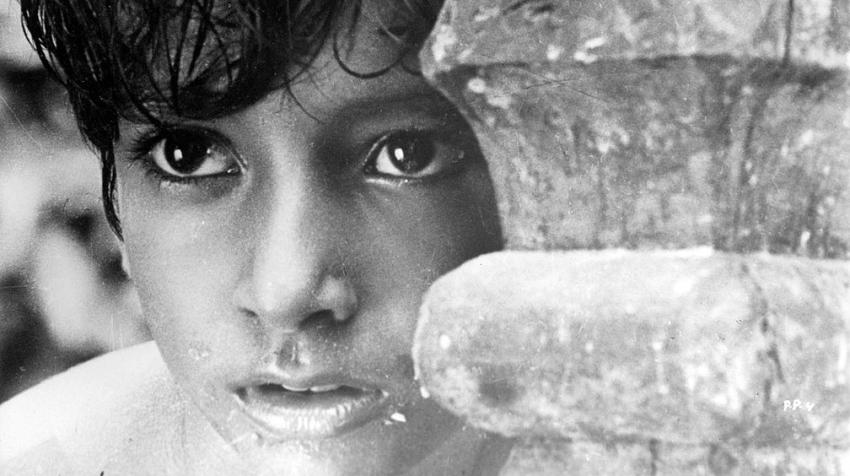
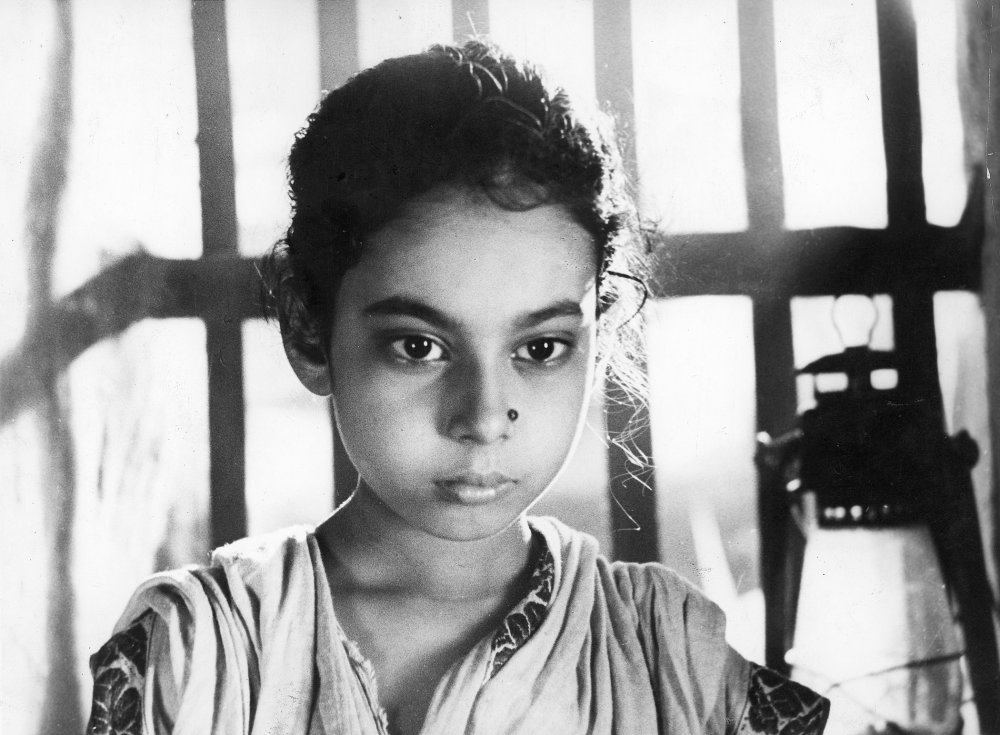
Subir Banerjee as Apu in Pather Panchali (1955)
Ray’s landmark debut, Pather Panchali ( which was adapted from eponymous 1928Bengali novel “Pather Panchali” by eminentBengali novelist Bibhutibhusan Bandopadhay) was on a shoe-string budget in 1955 with a mostly non-professional cast. All the while, he clung on to his job for a safety net even as he shot what would become the first of the classic Apu Trilogy on weekends. The film was apparently being made by a group of neophytes, who had to stop filming more than once, owing to the depletion of their shoestring budget.
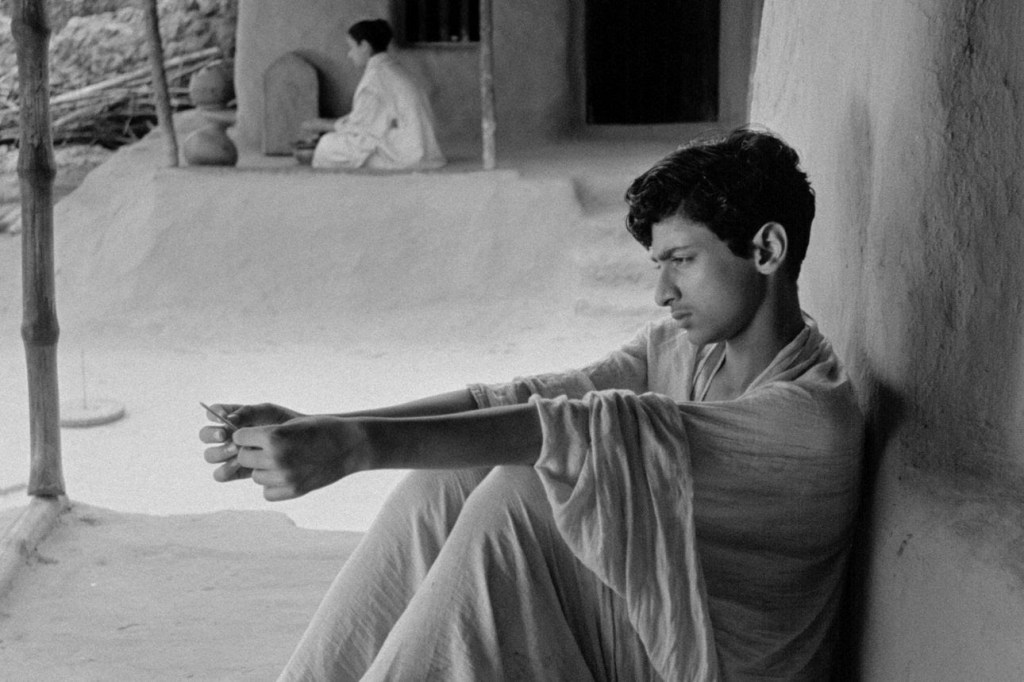
Smaran Ghoshal as Apu in Aporajito (1956)
Notable Films of Satyajit Ray
Ray directed 36 films, comprising 29 feature films, five documentaries, and two short films.Pather Panchaliwas completed in 1955 and turned out to be both a commercial and a tremendous critical success, first in Bengal and then in the West following a major award at the 1956 Cannes InternationalFilm Festival. sured Ray the financial backing he needed to make the other two films of the trilogy: Aparajito (1956; The Unvanquished) and Apur Sansar (1959; The World of Apu).Pather Panchaliand its sequels tell the story of Apu, the poor son of a Brahman priest, as he grows from childhood to manhood in a setting that shifts from a small village to the city of Calcutta.
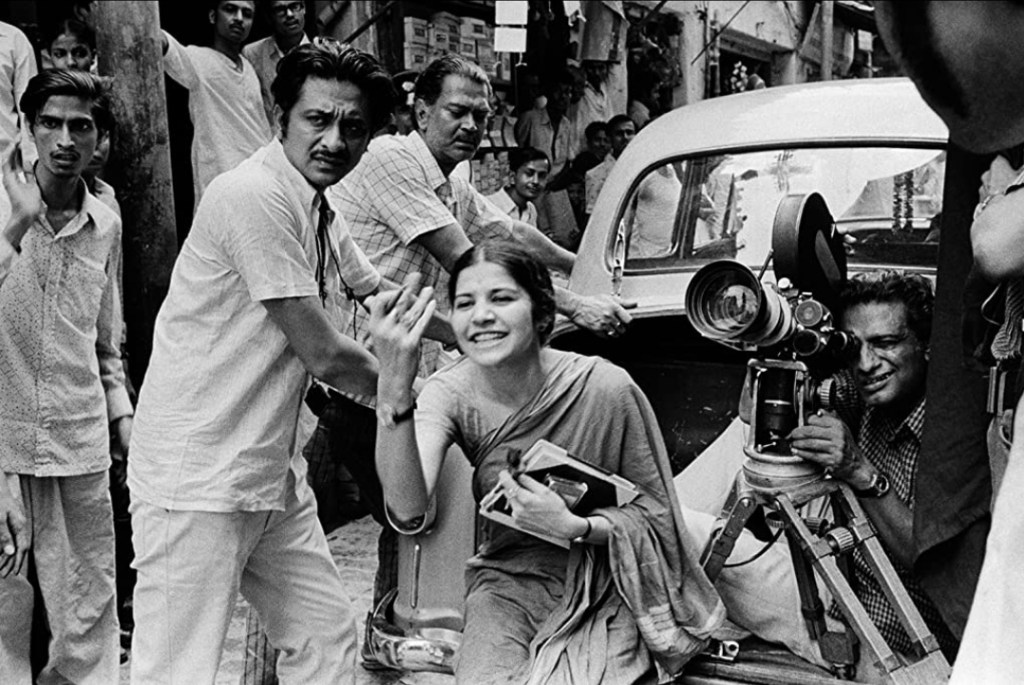
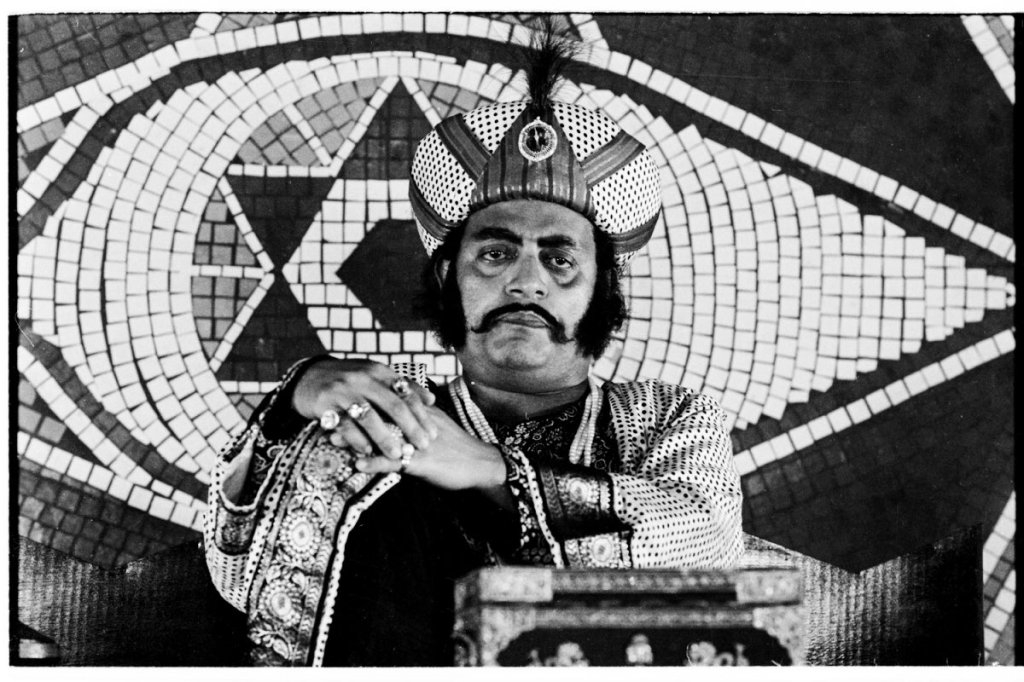
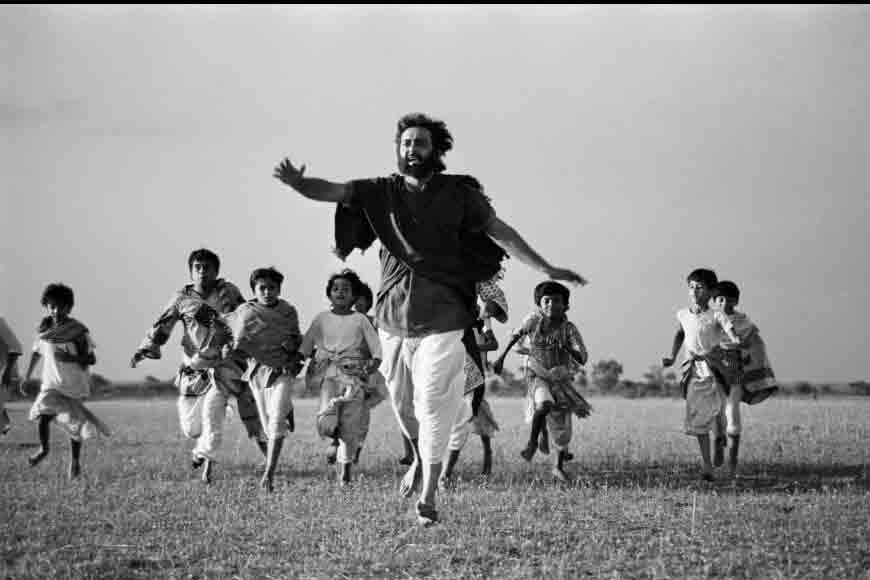
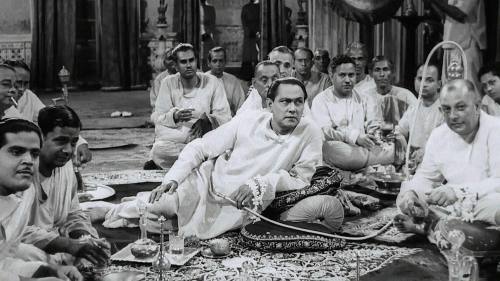
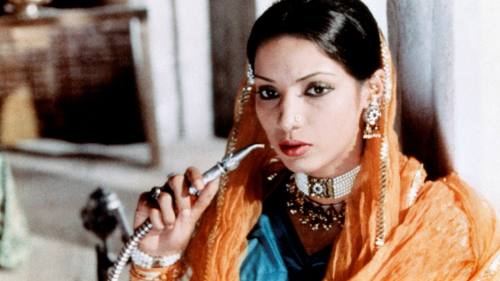
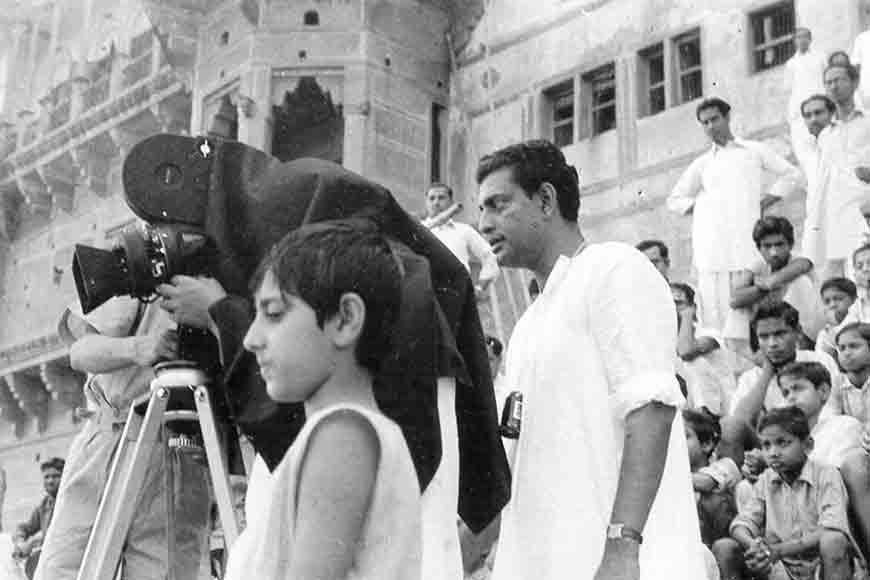
Chandana Banerjee in Teen Kanya (1961)During the Shooting of Jana Aranya (1975)Utpal Dutta in HirokRajar Deshe(1980)Soumitra Chatterjee in Hirok Rajar Deshe (1980)Chhabi Biswas (in middle) in Jalsaghar (1958)Shabana Azmi in Shatranj ke Khilari (1977)Satyajit Ray during the shooting of Sonar Kella(1974)
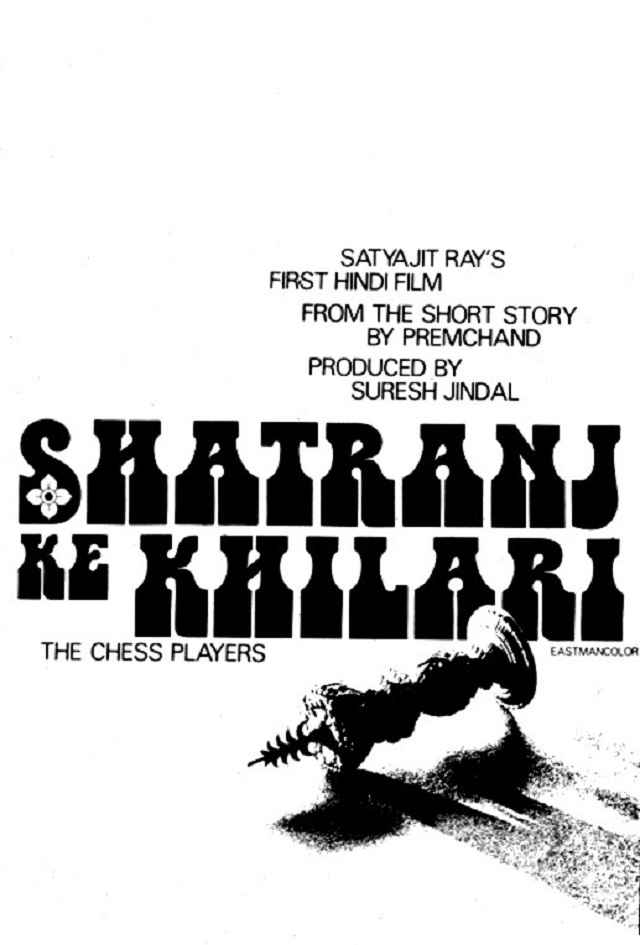
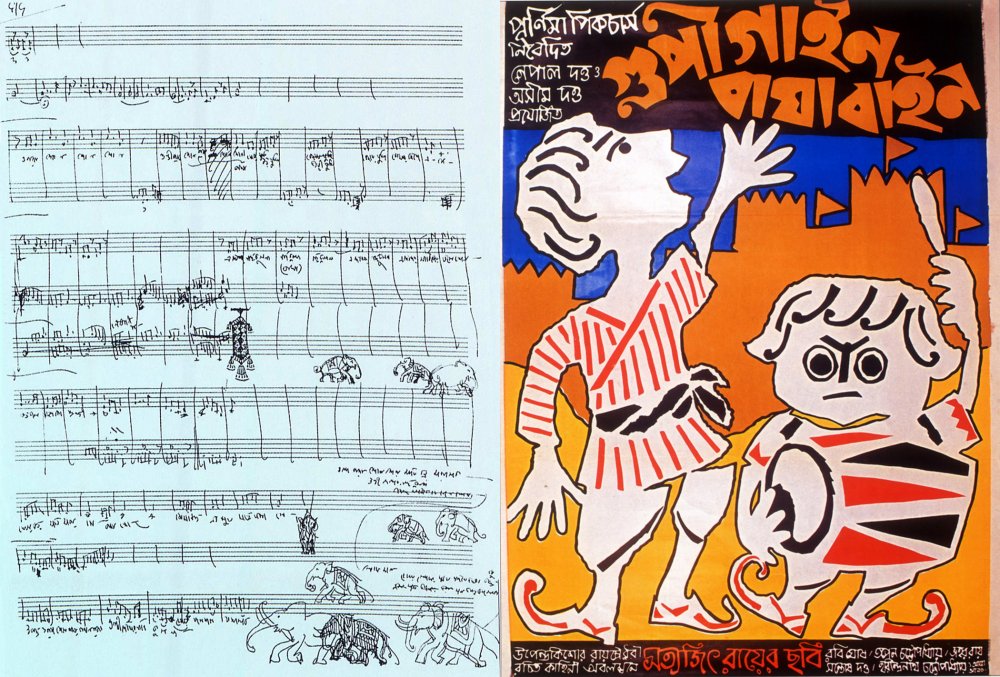
Ray’s major films about Hindu orthodoxy and feudal values (and their potential clash with modern Western-inspired reforms) include Jalsaghar (1958; The Music Room), an impassioned evocation of a man’s obsession with music; Devi (1960; The Goddess), in which the obsession is with a girl’s divine incarnation; Sadgati (1981; Deliverance), a powerful indictment of caste; and Kanchenjungha (1962), Ray’s first original screenplay and first colour film, a subtle exploration of arranged marriage among wealthy, westernized Bengalis.Shatranj ke Khilari (1977; The Chess Players), Ray’s first film made in the Hindi Language , with a comparatively large budget, is an even subtler probing of the impact of the West on India. Although humour is evident in almost all of Ray’s films, it is particularly marked in the comedy Parash Pathar (1957; The Philosopher’s Stone) and in the musical Goopy Gyne Bagha Byne (1969; The Adventures of Goopy and Bagha), based on a story by his grandfather.
His other notable films were Ahsani Sanket (1973; Distant Thunder), Aranyer Din Ratri (1970; Days and Nights in the Forest) , Mahanagar (1963; The Big City) and a trilogy of films made in the 1970s—Pratidwandi (1970; The Adversary), Seemabaddha (1971; Company Limited), and Jana Aranya (1975; The Middleman), Ganashatru (1989; An Enemy of the People), Shakha Prashakha (1990; Branches of the Tree), and the Agantuk (1991; The Stranger).
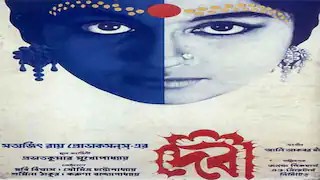
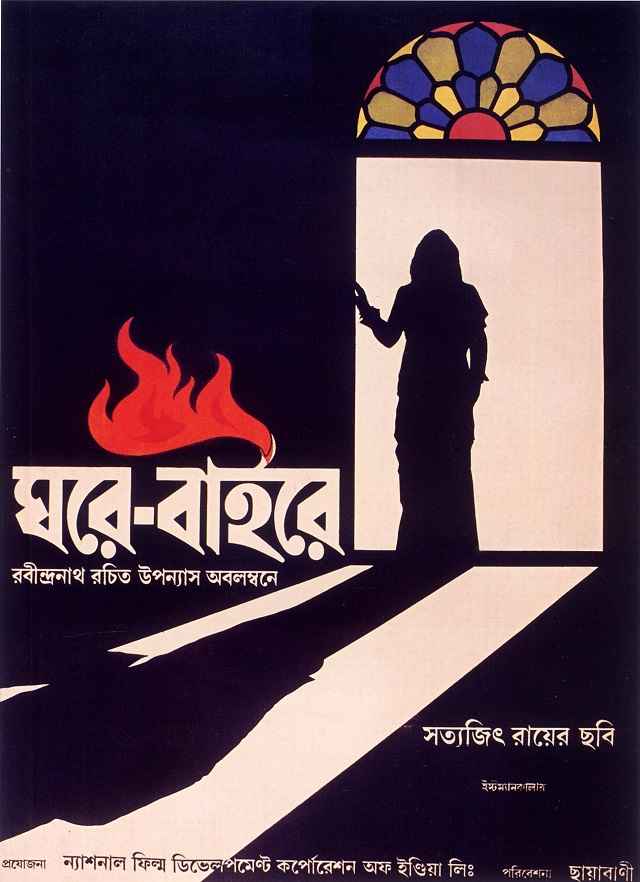
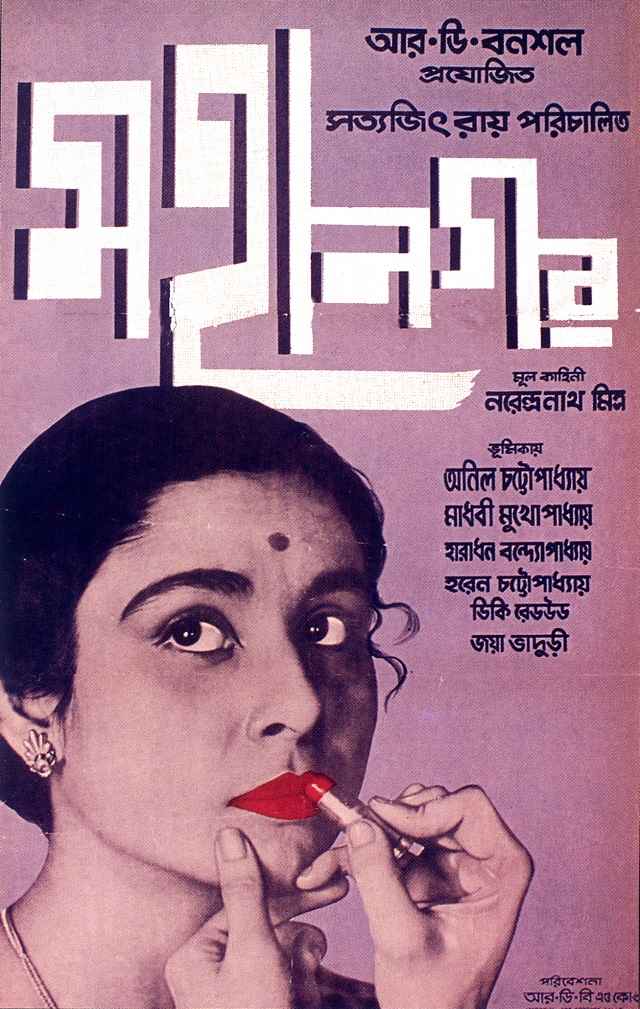
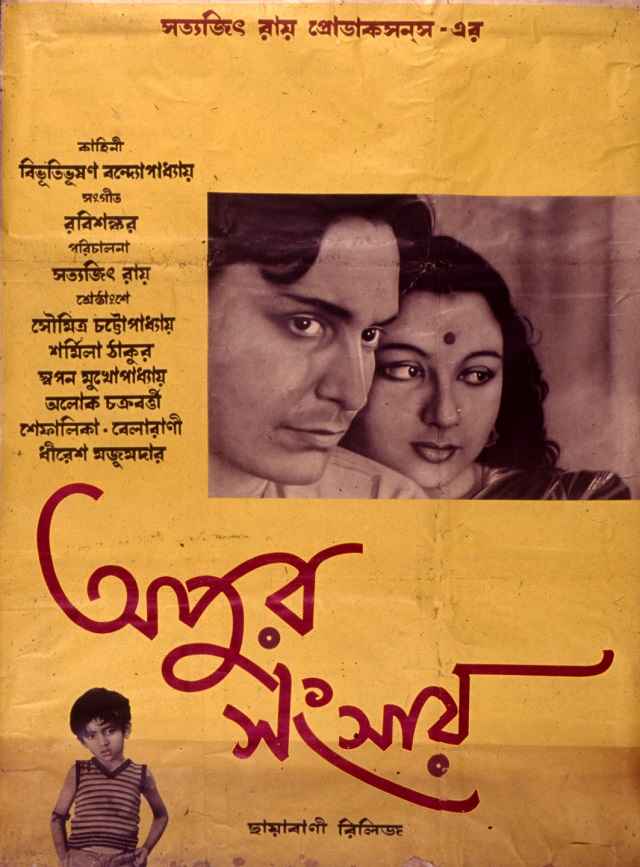
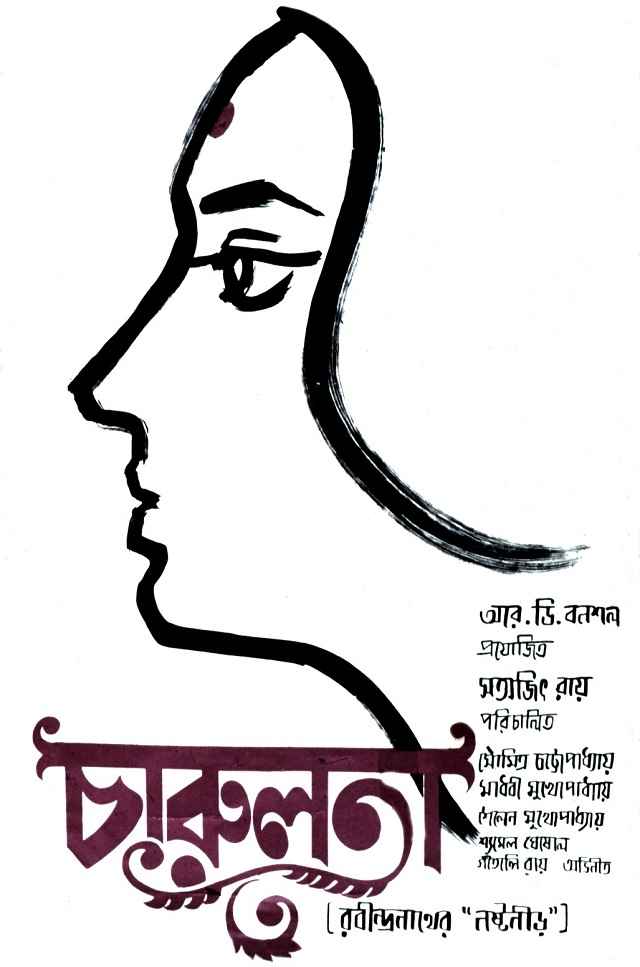
Poster of Shatranj ke Khilari (1977)Poster of Devi(1960)Poster of Ghore-BairePoster of Mahanagar(1963)Poster of Apur Sansar (1959)Poster of Nayak Poster of Charulata
Work As A Novelist
Ray created two popular fictional characters in Bengali children’s literature—Feluda, a sleuth, and Professor Shanku, a scientist. The Feluda stories are narrated by Topesh Ranjan Mitra aka Topse, his teenage cousin, something of a Watson to Feluda’s Holmes. The science fictions of Shonku are presented as a diary discovered after the scientist had mysteriously disappeared. Ray also wrote a collection of nonsensical verses named Today Bandha Ghorar Dim, which includes a translation of Lewis Carroll’s “Jabberwocky”. He wrote a collection of humorous stories of Mulla Nasiruddin in Bengali. Ray wrote an autobiography about his childhood years, Jakhan Chhoto Chhilam (1982), translated to English as Childhood Days: A Memoir by his wife Bijoya Ray. In 1994, Ray published his memoir, My Year’s with Apu, about his experiences of making The Apu Trilogy.
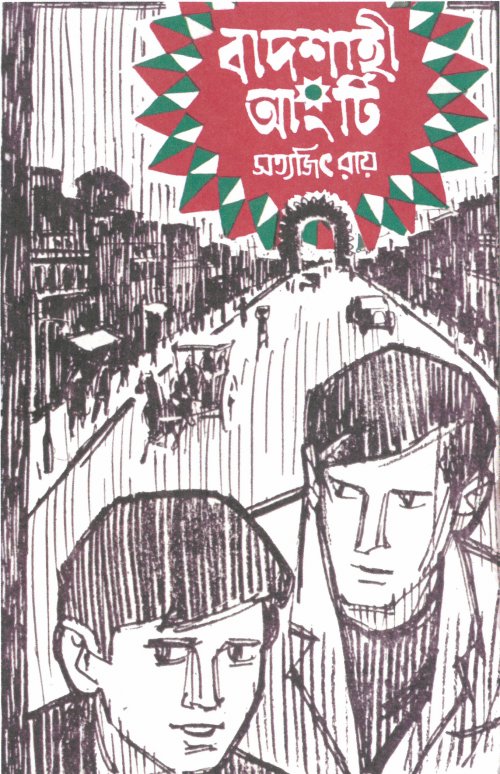
Book Cover illustrated by Satyajit Ray, himself for his first detective novel “Badshahi Angti”.The musical score and Poster for Goopy Gyne Bagha Byne(1969), done by Satyajit Ray, himself Portrait of Akira Kurosawa, illustrated by Satyajit Ray
Critical Analysis of Satyajit Ray
Instead of acting like a propagandist, Ray wanted to make people aware of the persistence of certain social problems. Devi and Ganasatru show people’s blind religious beliefs, Sakha Prasakhadiscloses the involvement of the top officials with bribery and corruption, Shatranj ke Khilari indicates the indolence and lack of political consciousness of the wealthy people, Aranyer Din Ratrireveals the insensitivity and boasting of the urban young men, and Mahapurushmockingly exposes the failure of the urban elite to embrace rational thoughts. Given the necessity of making people conscious of the same problems in present-day society, these films are still relevant today. Ray’s films also made a departure from tradition by frequently including strong women characters. Sarbajaya in Pather Panchali and Aparajito, Manisha in Kanchenjungha, Arati in Mahanagar, Charu in Charulata, Karuna in Kapurush, Aditi in Nayak, Aparna and Jaya in Aranyer Din Ratri, Sudarshana in Seemabadhdha, and Ananga in Asani Sanketappear as bolder, more confident, and more resilient than the male characters. In an interview, Ray states that the inclusion of unwavering women characters reflects his own attitudes towards and personal experience with women.
Awards Received by Satyajit Ray
Ray received many awards, including 36National Film Award by the Government of India, and awards at international film festival. In 11th Moscow InternationalFilm Festival 1979, he was awarded with the Honorable Prize for the contribution to cinema. At the Berlin International Film Festival, he was one of only four filmmakers to win the Silver Bear for Best Director more than once and holds the record for the most Golden Bear nominations, with seven. At the Venice Film Festival, where he had previously won a Golden Lion for Aparajito (1956), he was awarded the Golden Lion Honorary Award in 1982. That same year, he received an honorary “Hommage à Satyajit Ray” award at the 1982 Cannes International Film Festival. Ray is the second film personality after Charlie Chaplin to have been awarded an honorarydoctorate by Oxford University.
He was awarded the Dadasaheb Phalke Award in 1985, and the Legion of Honour by the President of France in 1987. The Government of India awarded him the Padma Bhusan in 1965 and the highest civilian honour, Bharat Ratna, shortly before his death. The Academy of Motion Picture Arts and Sciences awarded Ray an Honorary Award in 1992 for Lifetime Achievement. In 1992, he was posthumously awarded the Akira Kurosawa Award for Lifetime Achievement in Directing at the San Francisco International Film Festival.
Conclusion
Whenever we talk about radical filmmaking in the realm of Bengali cinema, Satyajit Ray’s maiden feature (made in the face of tremendous odds) is mentioned. From Pather Panchali to his last film Agantuk, Ray never compromised on high standards, thereby making a huge impression. Having a greater familiarity with the oeuvre of Ray would enable people to understand the impressive qualities and importance of socially-meaningful cinema. We are surely in need of films that would make us perceive the beauty of a dewdrop on a blade of grass, strengthen our sense of humanism, and raise our social consciousness—hence, the everlasting relevance of the cinema of Satyajit Ray.
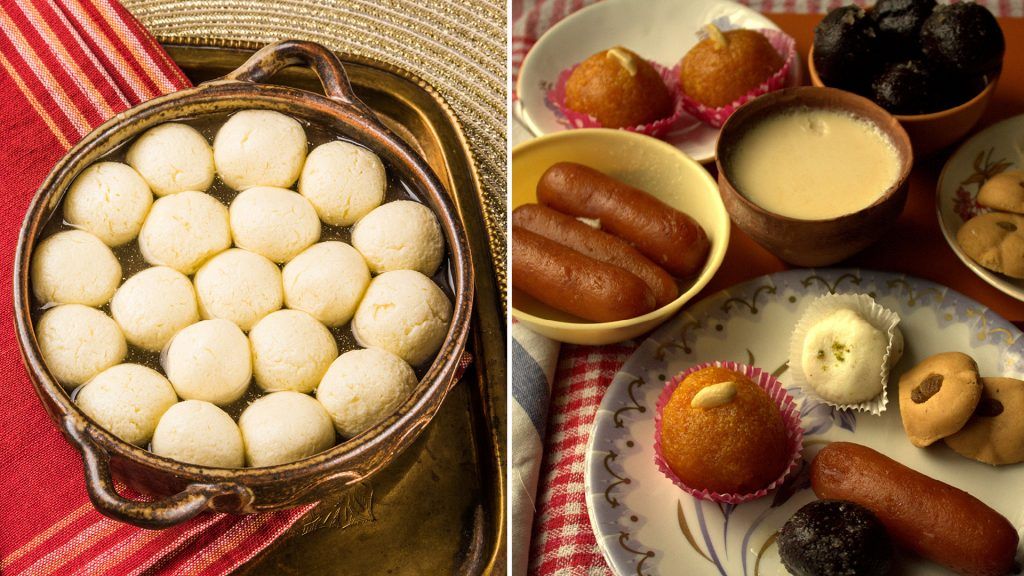
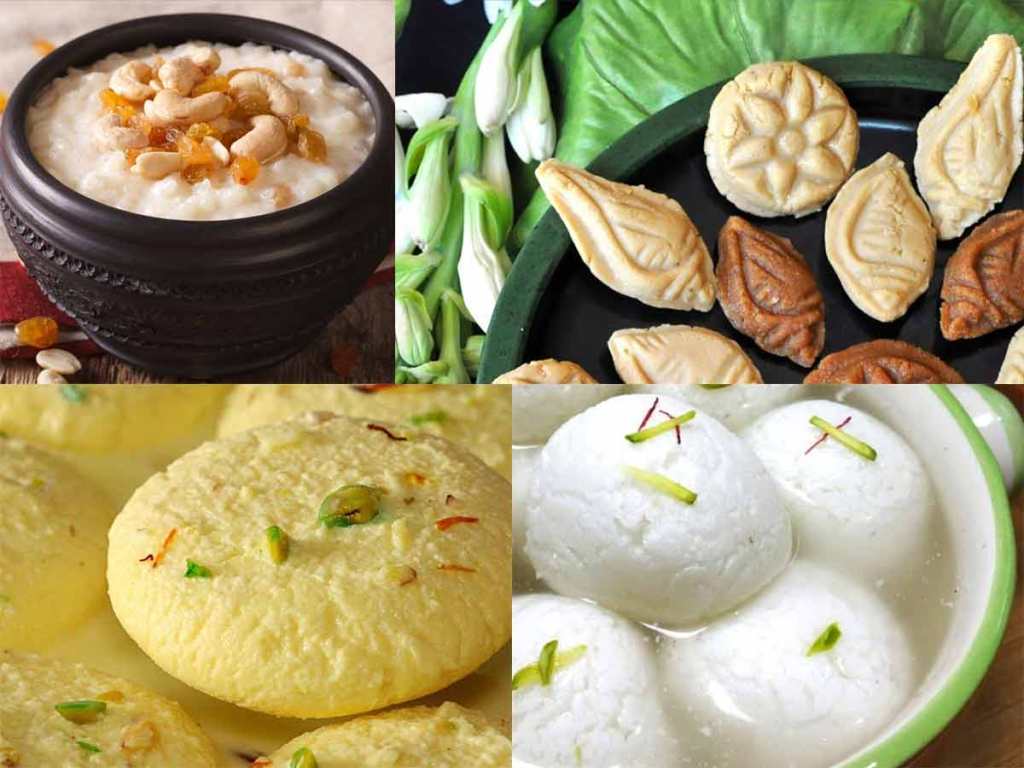
Bengal is well-known for its music, cinema and delicious food, especially the mouth-watering sweets. In fact, it’s rather hard not to run into a sweet shop in almost every corner of the land, including the narrowest of the lanes. And, it’s equally hard to find a Bengali who is not in love with their ‘mishti’. Bengalees are incredibly proud of the sweets of Bengal and their unique appeal. And for a good reason too — Bengali sweets have wooed Indians and foreigners alike.
Bengali Mishtis
History of Sweets in Bengal
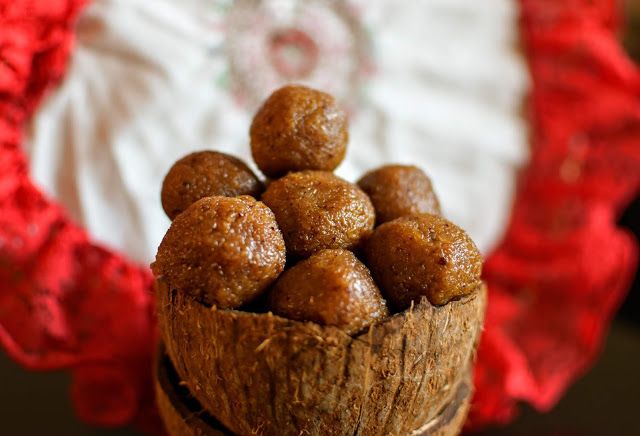
The prominent presence of sweets in Bengali cuisine can be noted throughout history. Ancient Bengal was known as ‘Gauda Banga’, a name believed to be originated from the term ‘Gur’ or molasses that were harvested in abundance in the region. The early Bengali sweets were made from the delicious jaggery or molasses and coconuts. There were several sweets made from ‘khoya and kheer’, which are Bengali names for milk solids and condensed milk, respectively. Sweets like ‘Naru’, ‘Moya’ and ‘Takti’ were popular in ancient Bengal. The uses of different fruits to make a variety of sweets were also prevalent. Books like Manasa Vijaya Kavya, written by 15th-century Bengali poet Bipradas Pipilai, also account for how varieties of ‘pithe’ or Indian Cake made from rice flour, jaggery, kheer and milk solids have been an integral part of Bengali rituals and festivals.
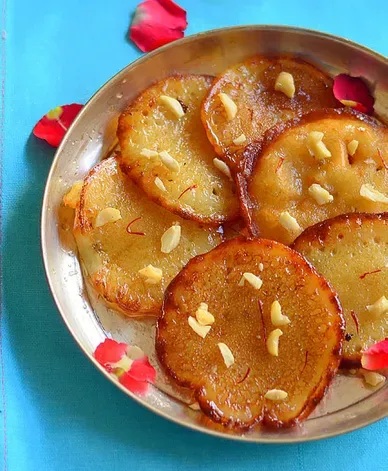
Traditional Coconut Balls or Narkel NaruPatisapta or Eggless CrepesMalpua or Indian Pancakes
The introduction of ‘Chhana’(Cottage Cheese) in Bengali cuisine happened after the Portuguese invaded Bengal, yet it’s interesting how today most of the characteristic Bengali sweets are made primarily from fresh ‘chhana’ (cottage cheese) and sugar. The curdling of milk with an acidic substance was forbidden according to Hindu cultures, but the Portuguese loved their cheese. After settling down in and around Kolkata in the 17th century, the Portuguese tradition of making sweets with cheese inspired the local cuisine as well. The Bengali confectioners then picked up this incredible art of curdling milk and creating mouth-watering ‘Sandesh’ and ‘Rosogollas’ among others.
Some Famous Bengali Sweets
Bengalees love all their sweets but among those, some are all time winners who can brighten up moods on a tiring day, and can even spoil a diet that you are maintaining for too long! Let’s dive deep into the varieties of some scrumptious and unique Bengali Mishtis.
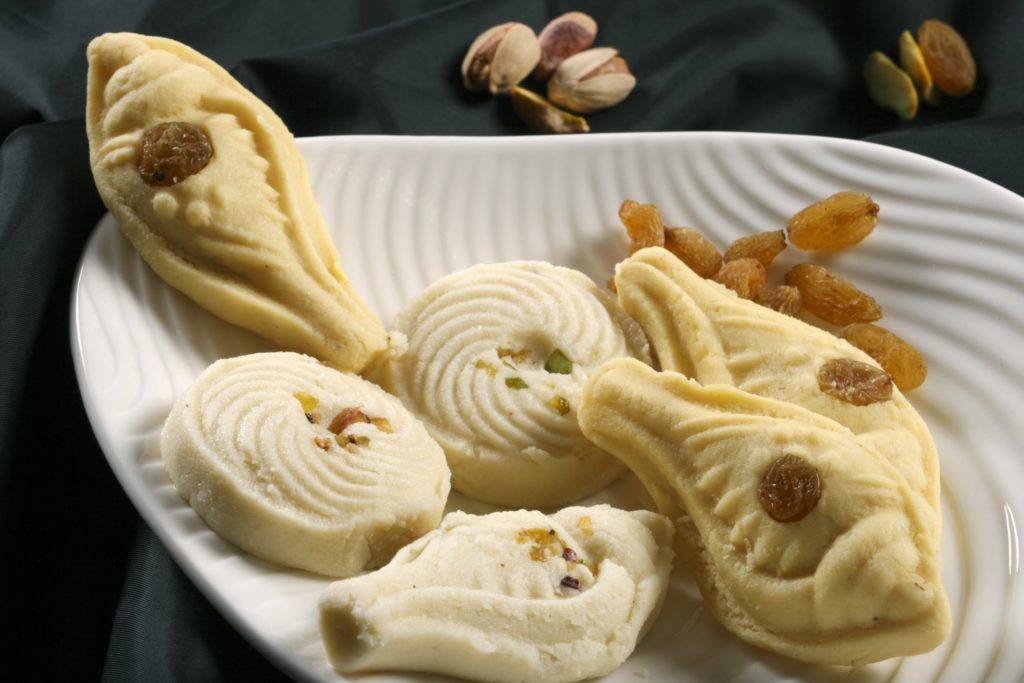
Sandesh
The simplest yet one of the mostloved sweet of Bengal, is Sandesh. Generally, made by fine kneading of fresh cottage cheese along with sugar powder, cardamom essence and pistachios to garnish. If jaggery is used, instead of sugar then, it’s called Nolen Gurer Sandesh.
Sandesh
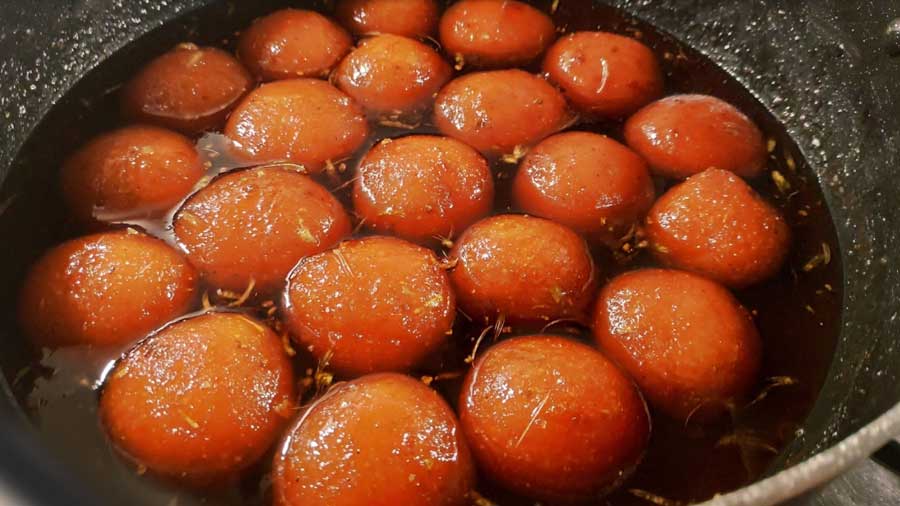
Pantua
One of Bengal’s most loved syrupy sweets, is Pantua. Though it has an uncanny similarity with North India originated Gulab Jamun, taste and procedure wise they are quite different. Balls made of cottage cheese, semolina are deep fried and then tossed in sugar syrup until completely soaked in. And unlike Gulab Jamun, they can be served cold too.
Pantua
Kheer Kadam
The name of this sweet is suggestive of a flower named Kadamphool in Bengal. The flower is bright yellow in colour cover by soft, white spikes and has a distinctive smell. This Mishti resembles the flower, and has a layer of Sandesh covered over small Rosogollas .
Kheer Kadam
Lyangcha
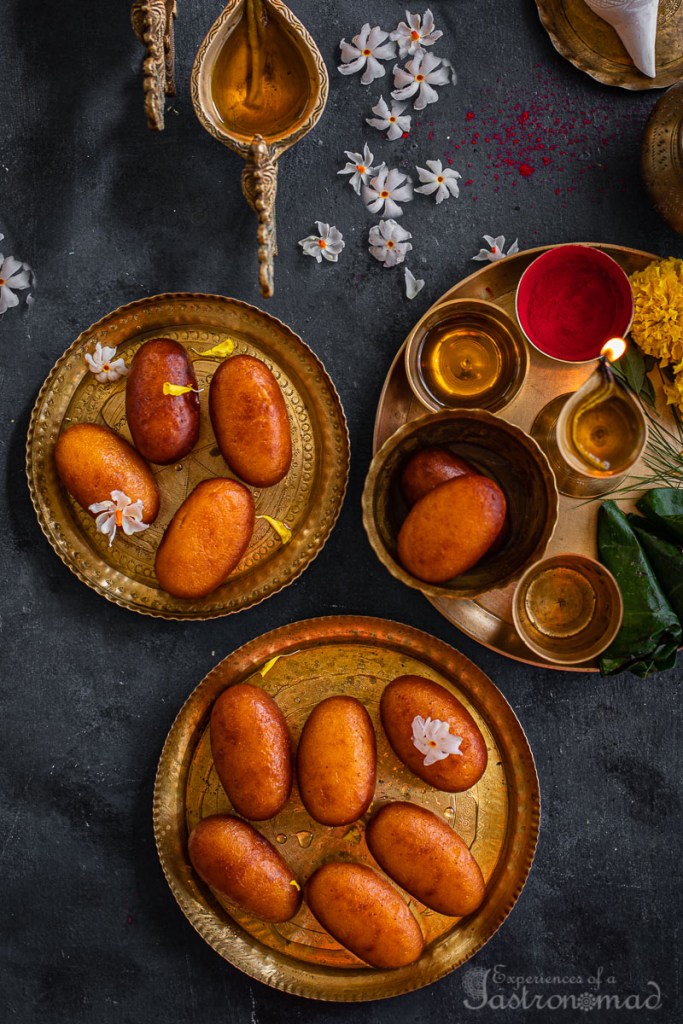
Lyangcha is a cylindrical fried sweet, soaked in sugar syrup and prepared with Fresh Chhena (Cottage cheese) and Mawa/ Khowa. To make soft and tasty Lyangcha use of Fresh Chhena is must. Originated from Shaktigarh, around 80kms from Burdwan in West Bengal, Lyangcha is a staple of Traditional Bengali Mishtis.
Lyangcha
Komola Bhog
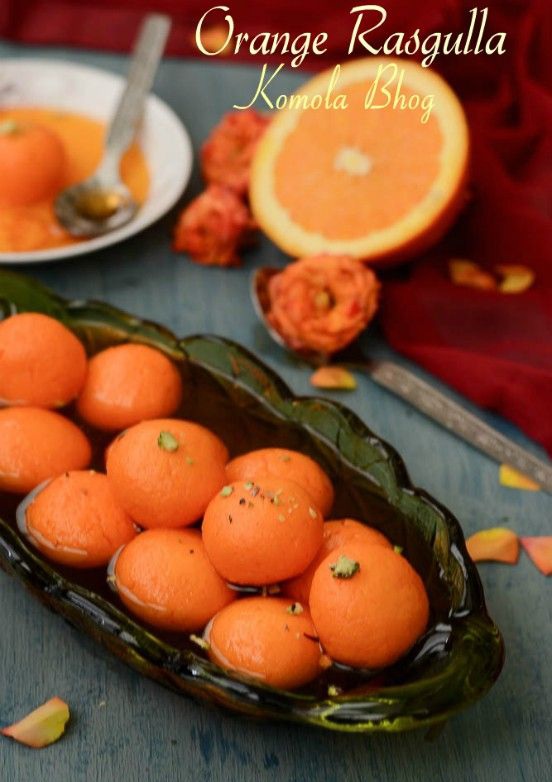
As the name suggests, Komola Bhog is literally the orangeflavored Rosogolla, (Komolameans Orange in Bengali) with the sweetness of Rosogollas and the tanginess of Orange. And of course, they are bright Orange in colour.
Komola Bhog
Jolbhora Sandesh
JolbhoraSandesh, also known as Taalsas, is a sweet shaped like a ‘taal’ or kernel of the palm fruit. The sweet was created on the event of ‘Jamaisasthi’ by Surjya Modak. It is filled with sweet ‘Nolen gur’ inside and thus got its name. According to stories, Bandopadhay family of Chandernagar requested these sweets for their son-in-law. When he took his first bite of the sweet, the sweet juice spilled out. The sweet, thus, got well-known among the Bengalis.
Jol Bhora or Taal sas Sandesh
Sitabhog
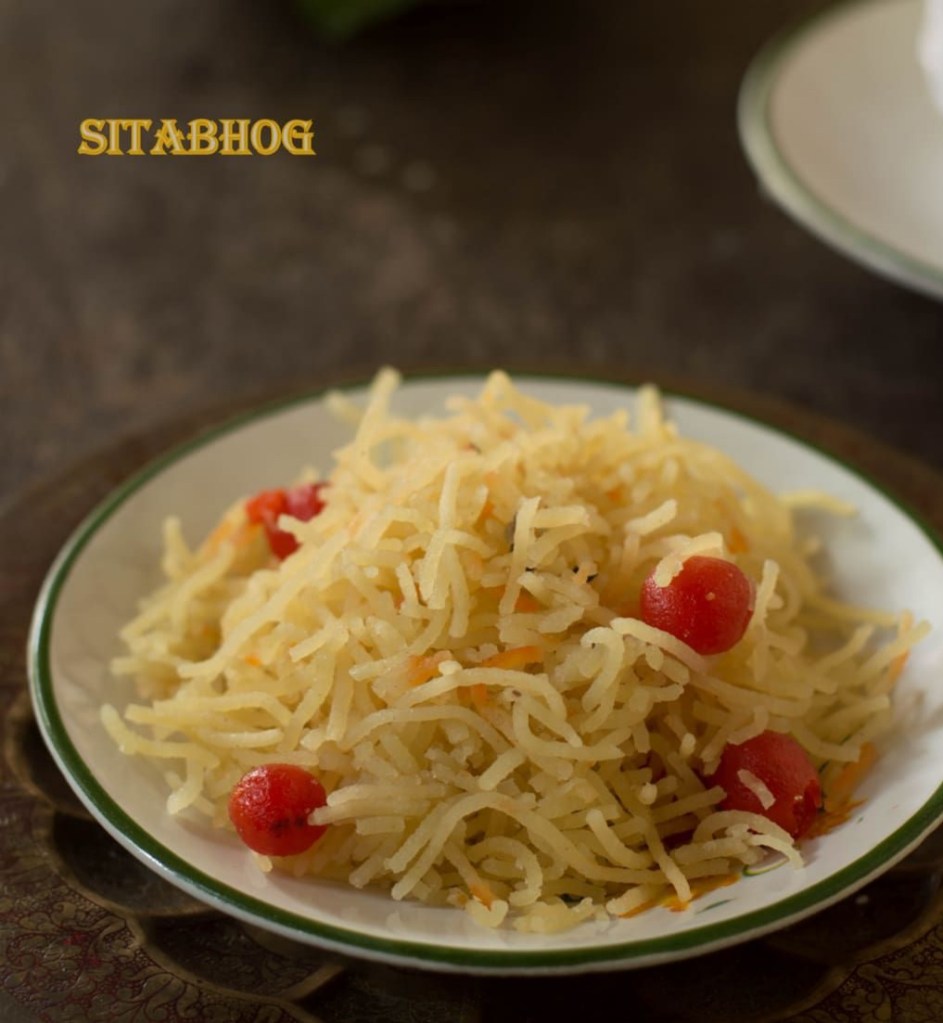
Originated from Burdwan in Bengal, Sitabhog, according to Legends, was Goddess Sita’s favourite dessert and hence the name. Sita Bhog is prepared by frying a dough made of cottage cheese and powdered rice in ghee and then soaking it in sugar syrup. The final product looks like vermicelli served along with mini Gulab jamuns.
Sitabhog
Mihi-Dana
Originated from Burdwan in Bengal , these are one of the famous sweets, that has similarities with Motichur. These are granular, deep fried and soaked into sugar syrup. Recently, Mihi-Dana has received GI Tag from UNESCO and has received its first enormous foreign order to export to The Kingdom of Bahrain.
Mihi-Dana
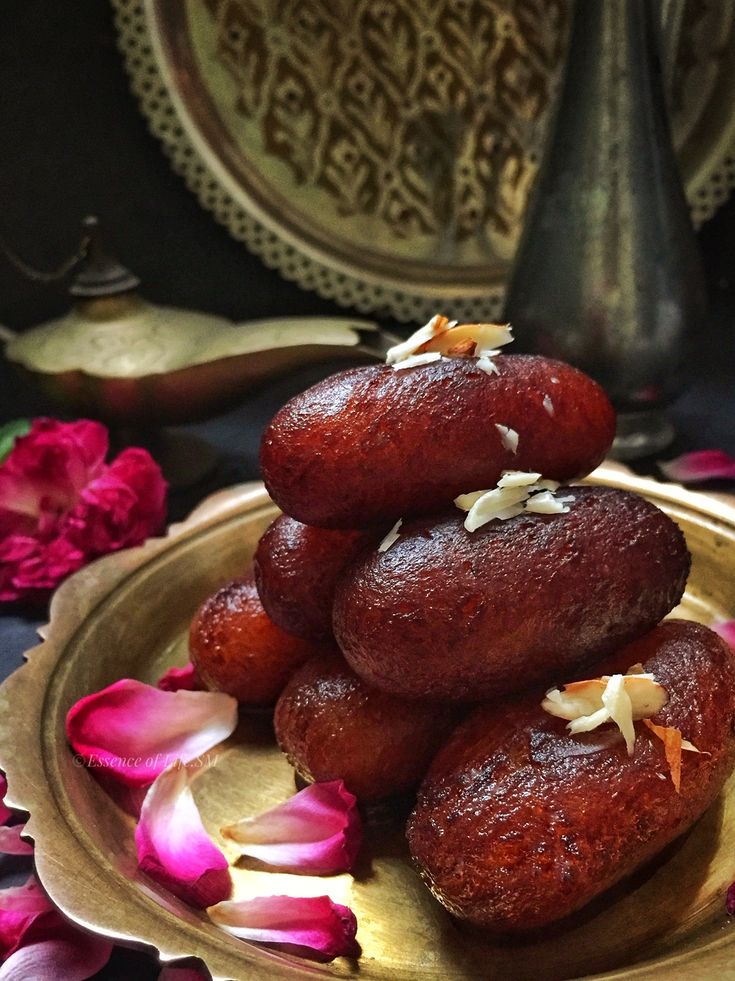
Ledikeni/ Lady Kenny
Ledikeni or lady Kenny has been a popular Bengali dish since the British rule. The dish is named after Lady Canning, the wife of Charles Canning who was the Governor-General of India during the 19th century. The dish a light brown sweet ball made of Chenna which is fried and then soaked in sugar syrup. It tastes divine and is prepared on most auspicious days.
Lady Kenny
Rosogollas
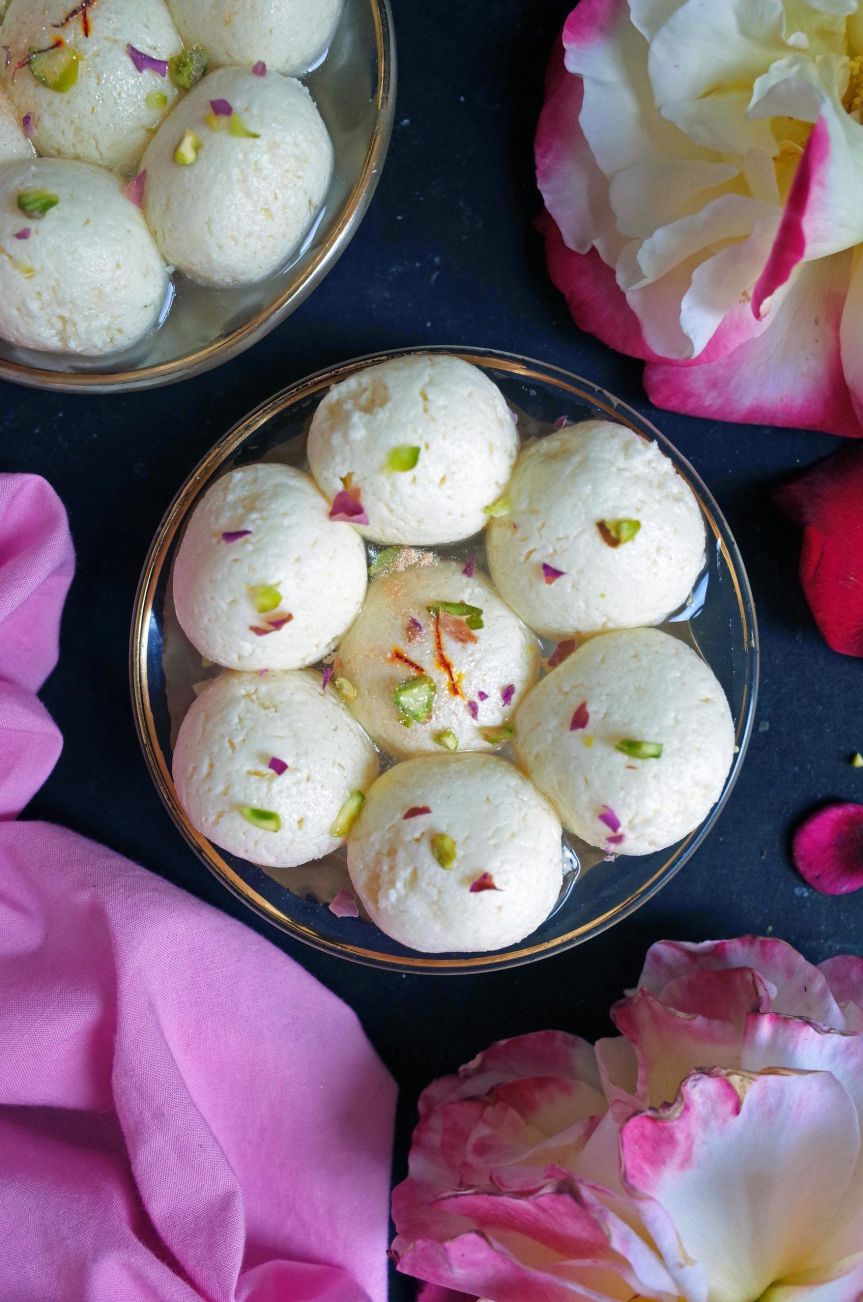
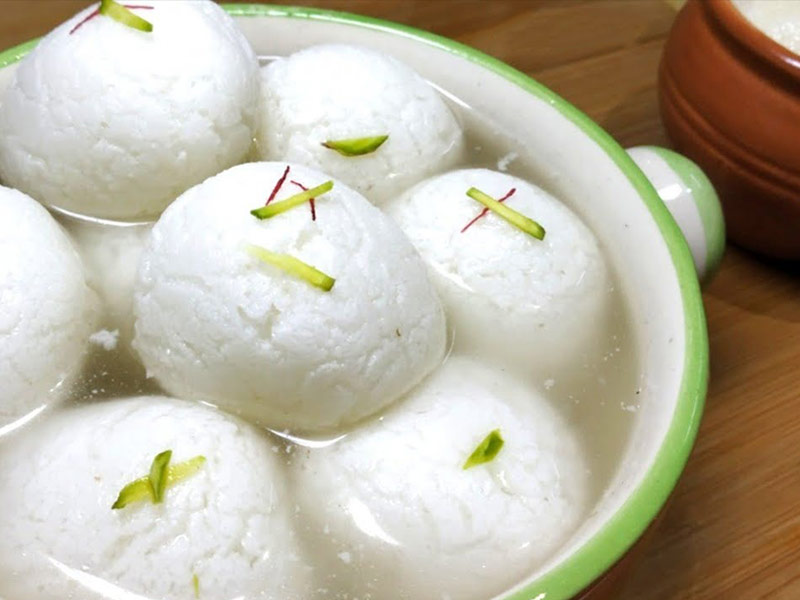
Rosogollas has done the honourable deed of introducing many, if not all, North Indians to the Bengali cuisine. These magical balls are prepared by dipping a mixture of cottage cheese and semolina dough into a sweet sugar syrup. The mere thought of those soft and spongy balls makes the mouth water.
Rosogollas
Laal Mishti Doi (Caramelized Sweet Yogurt)
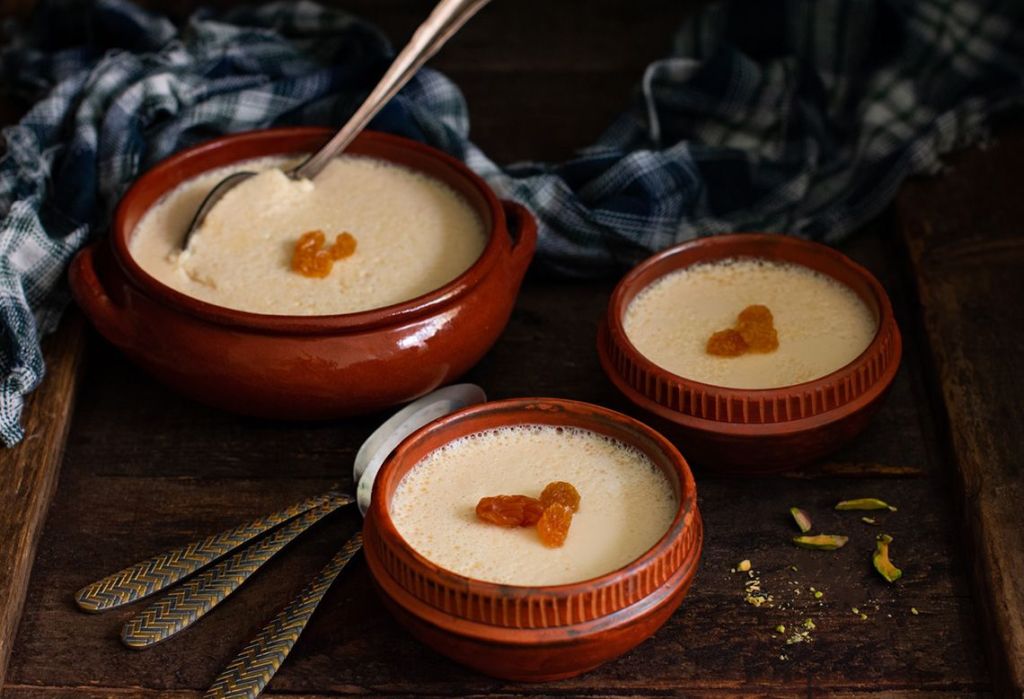
Just like the name, this Bengali dessert is extremely simple and sweet. Mishti Doi is essentially sweetened yogurt which is prepared by adding sugar to boiling milk, then leaving it to ferment overnight and is served chilled. This quintessential dessert is often served in small earthen pots which add to the aesthetics of this dish.
Laal Mishti Doi
Conclusion
Ending on a sweet note, Mishtis are also an important part of the culture and tradition of Bengal. Be it during the festivals or weddings or just greeting guests, Bengali Mishtis are always the stars of the show. If you’re a sweet-tooth, you should try these once in a while. And good news is, that many of them are now available online to order from in India and abroad.
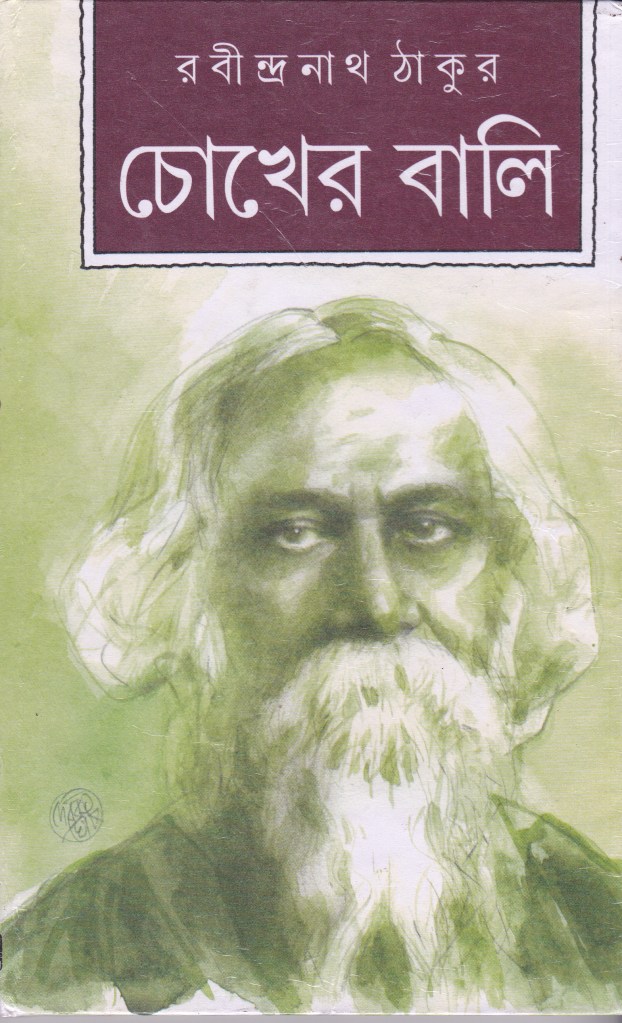
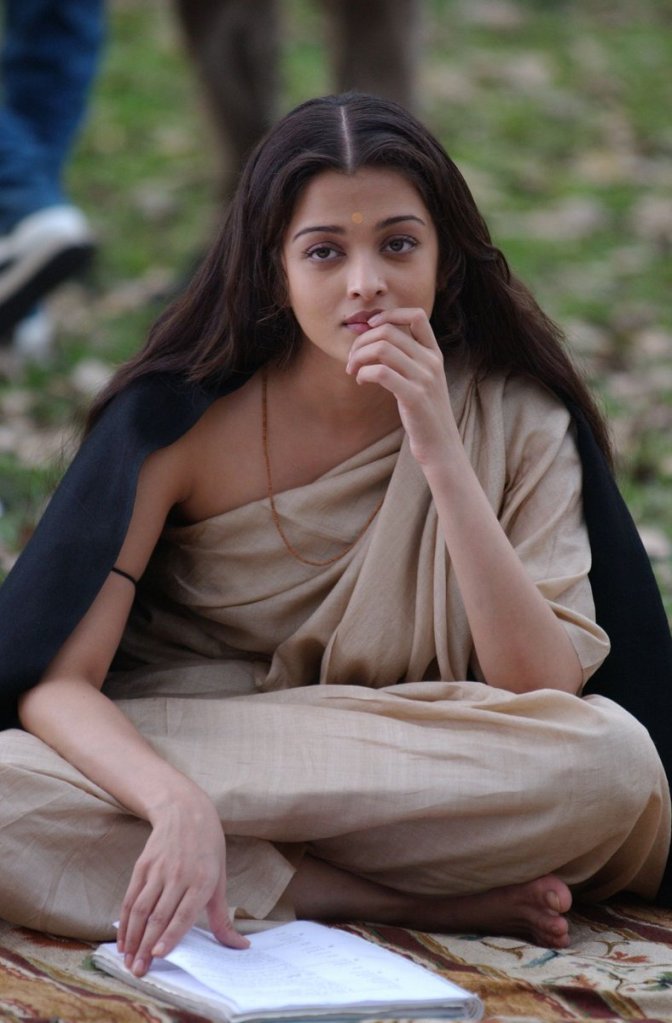
Rabindranath Tagore’s 1903 Bengali novel Chokher Bali is often referred to as India’s first modern novel, where he highlighted the issues of women’s education, child marriage and the treatment of widows in 19th and 20th century Bengal. It was first serialised in the Bengali literary magazine, Bangadarshan first founded in 1872 by Bankim Chanra Chattopodhay and later resuscitated under the editorship of Tagore in 1901.
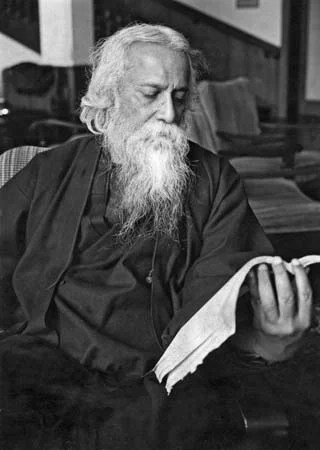
Rabindranath Tagore
About The Author
Rabindranath Tagore (7 May 1861 – 7 August 1941) was a Bengali Polymath —poet, writer, playwright, composer, philosopher, social reformer and painter. He reshaped Bengali Literature and music as well as Indian Art with Contextual Modernism in the late 19th and early 20th centuries. Author of the “profoundly sensitive, fresh and beautiful” poetry of Gitanjali, he became in 1913 the first non-European and the first lyricist to win the Nobel Prize in Literature. Tagore’s poetic songs were viewed as spiritual and mercurial; however, his “elegant prose and magical poetry” remain largely unknown outside Bengal. He was a fellow of the Royal Asiatic Society. Referred to as “the Bard of Bengal”, Tagore was known by sobriquet:Gurudev, Kobiguru, Biswakobi.
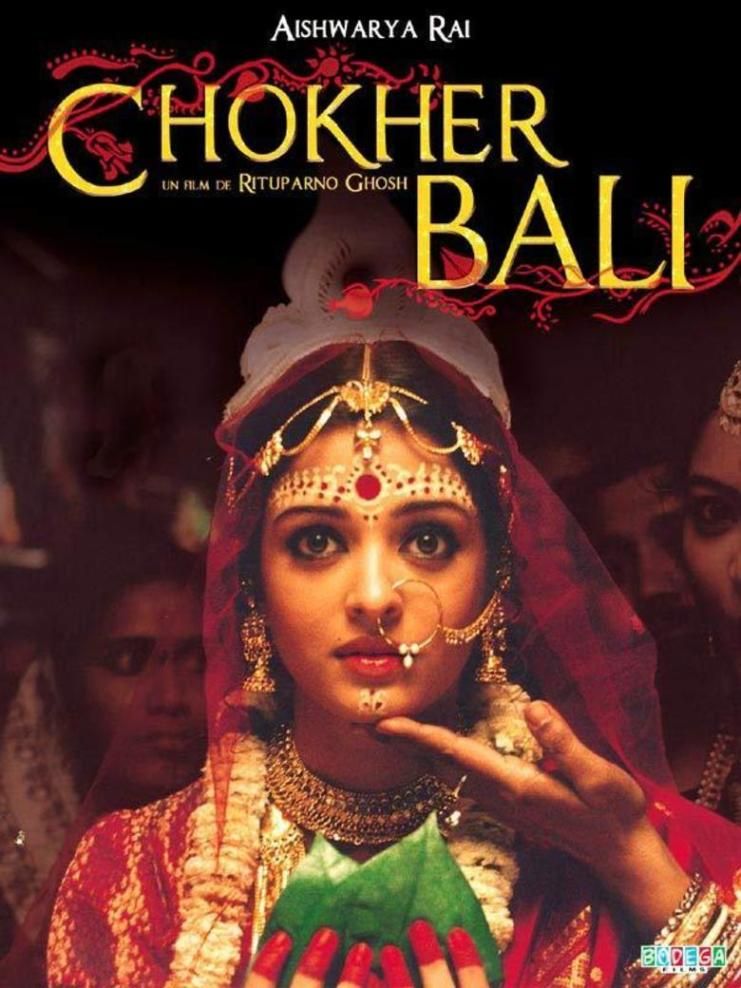
Aishwarya Rai Bachhan as Binodini in Chokher Bali (2003)
Storyline of The Novel
The plot revolves around four protagonists- Mahendra, Ashalata, Binodini and Bihari. Mahendra is the only scion of a rich family based in Calcutta. Bihari is his childhood friend, who frequents his house. Mahendra’s mother wanted him to marry Binodini, her friend’s daughter. But Mahendra refused. Then his mother requested Bihari to marry Binodini and save the poor girl which Bihari refused. Eventually, Binodini got married to a man who died soon after marriage. Meanwhile, Mahendra married Ashalata, a poor orphan girl. Mahendra was besotted with his wife when Binodini came to live in their house. With time, an extra-marital relationship develops between Mahendra and Binodini, which threatens to destroy his marriage with Ashalata. But soon Binodini discovers that Mahendra is a self-obsessed person, unable to provide a safe shelter to her. So she inclines towards Bihari, who lives life by principles. Throughout the novel, there is an implicit implication of Bihari’s affection towards Ashalata, though he never crosses the boundaries of the relationship. In the end, Bihari falls in love with Binodini when realizes her feelings for him. He proposed to marry her, which Binodini refused saying that she doesn’t want to ‘dishonour’ him further. During that period (the novel was written in 1902), widow remarriage was not well accepted in society. That may partially explain the reason behind Binodini’s refusal. In the end, Binodini leaves for Varanasi– a fate that awaited most of the widows in those days.
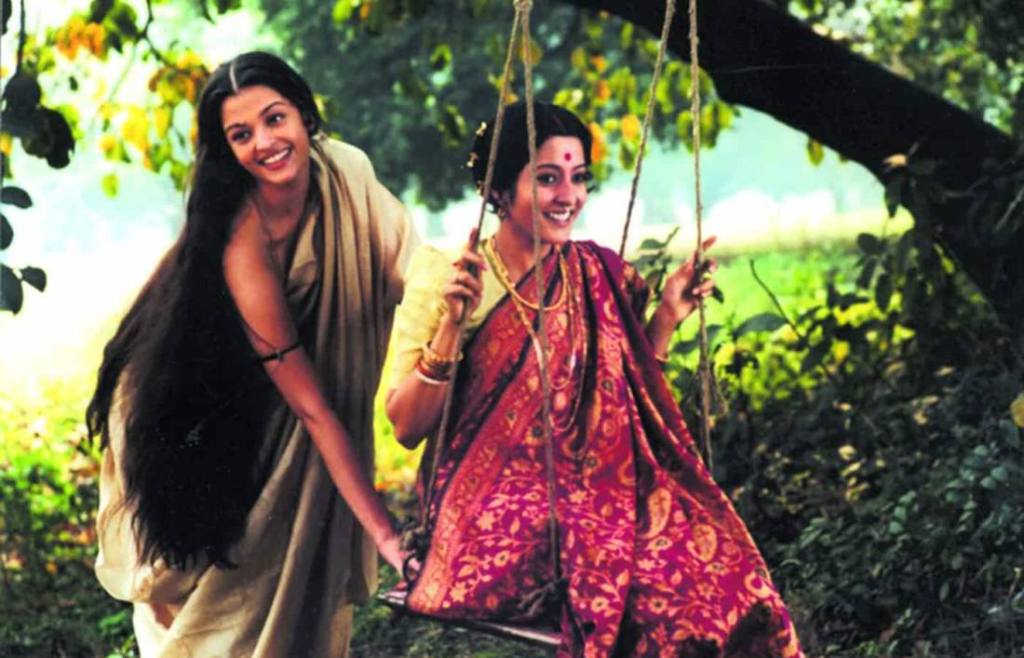
Aishwarya Rai Bachhan as Binodini and Raima Sen as Asha in Chokher Bali (2003)
Analysis of The Storyline
The term ‘Chokher Bali’literally means a sand grain in eye in Bengali and metaphorically means to bea source of irritation or disturbancein someone’s eyes, which is what Asha and Binodini become for each other. Binodini is presented in many avatars a hopelesswidow, a friend, a temptress, and a remorseful woman. Tagore gives readers an insight into her desires and longings, the feeling that many widows at the time had silently undergone. On the other hand, Asha is presented as naive and innocent, which combined with her illiteracy initially results in her subjugation. The narrative almost becomes an implicit debate on love and morality, urging readers to understand Asha and Binodini outside of the social norms of Bengali society. The central character Binodini is not an idealised Indian woman but a woman with shades of grey and very human flaws. Binodini cannot come to terms with her life as a widow, as she is still young and has wants and desires. She feels wronged as she believes she is superior to Asha in all respect and deserves the life she is living. Tagore’s depiction of Binodini is impressive as she subverts the expectation of society for widows to forgo all worldly desires.
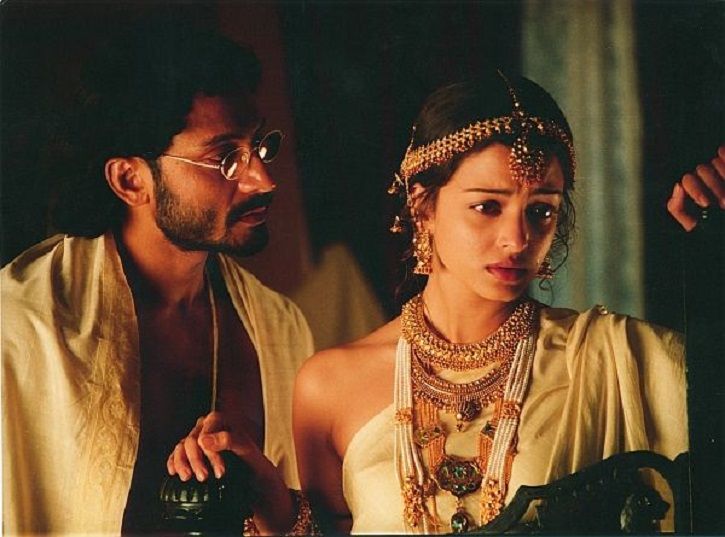
Tota Roy Choudhury as Bihariand Aishwarya Rai Bachhan as Binodini in Chokher Bali (2003)
Criticism of The Storyline
The story of this novel delves deep into many facets of human relationships and how a single wrong decision can make the life disharmonious. Jealousy and deprivation of happiness can result into an emotion strong enough to forget all other ties and relationships.Tagore shows the intellectual interchange between the characters, possible due to education and the interception of letters. The innocent and illiterate child bride Asha fails to understand the exploitation she faces at the hands of her husband and dear Bali (Binodini) whom she trusted blindly. Tagore does not justify Binodini’s actions and actually is sympathetic to Asha, perhaps stressing that Asha would have been able to avoid Binodini’s interference in her marital life, if she were educated enough to understand the intentions behind her friendly nature.However, one of Tagore’s greatest regrets in the novel is the ending. Despite his progressive portrayal of Binodini and Bihar, he does not allow them to marry at the end. Although, today we may see the girl marrying the guy as regressive today in Tagore’s time a widowed woman was not permitted to re-marry. Thus, ending the novel with Binodini and Bihari marrying would have been the most revolutionary.
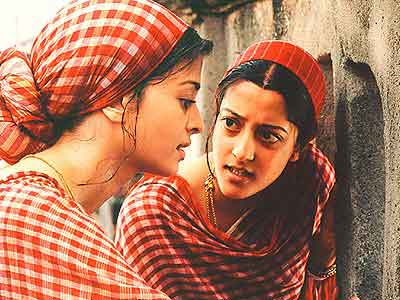
Scene from Chokher Bali (2003)
Movie Adaptation of The Novel
Adapted from Tagore’sChokher Bali, the movie with the same name was released in 2003, directed by eminent Bengali Moviemaker Rituparno Ghosh, starring Aishwarya Rai Bachhan, Raima Sen, Prosenjit Chatterjee and Tota Roy Choudhury in the lead roles. The movie won the National Film Award for Best Feature Film in Bengali and was nominated for the Golden Leopard Best Film award at the Locarno International Film Festival in 2003. Aishwarya Rai won the Best Actress award at the Anandalok Awards 2003.
Conclusion
A century after Chokher Bali, education is still a struggle for many women to access easily globally. Tagore’s novel is radical and unconventional presenting a viewpoint that is ahead of the conservative times of 19th and 20th century India. Through the story of Binodini, Tagore questions the societal norms. He condemns all kinds of taboos and unjust customs which deprive women and especially widows of their rightful freedom and autonomy; confined to live a mournful colourless life. As a man from a privileged background, his understanding of the emotions of Indian women and his empathetic attitude towards them is remarkable.
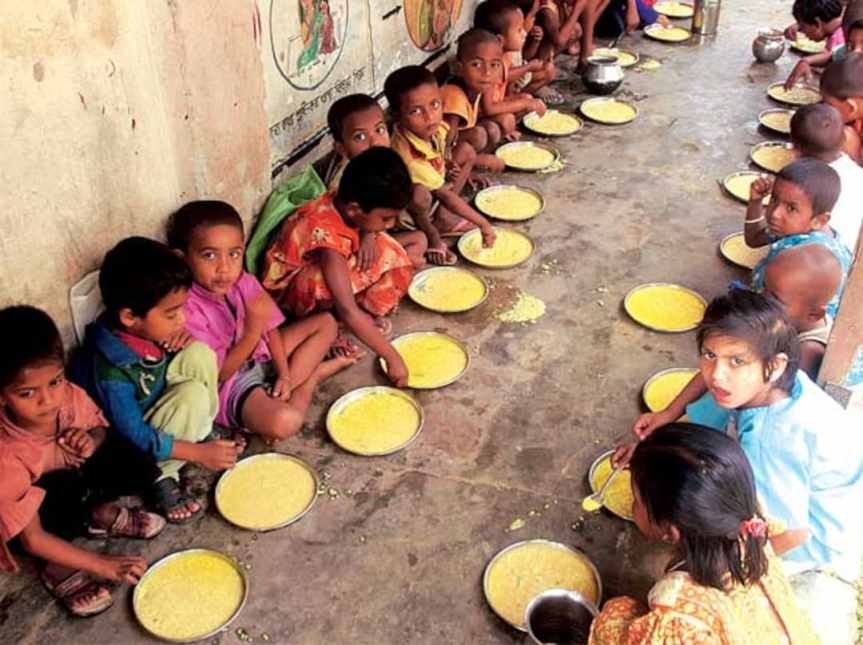
Food is a basic need of life. And Education is important to make the life affluent. A hungry stomach cannot grasp the teachings of Education at school, there to provide better Education, schools all around the world, offer lunch to the students. In India, the system of school lunch is referred to as Mid-day Meal. In today’s editorial, we’re going to share insights about the system of Mid-day Meal in India.
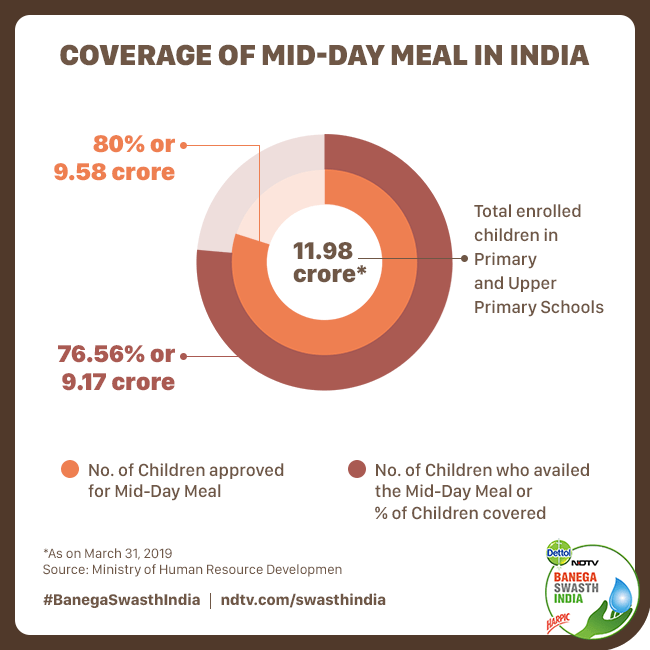
Coverage of Mid-day Meal Scheme in India
Brief Idea of What Mid-day Meal Is
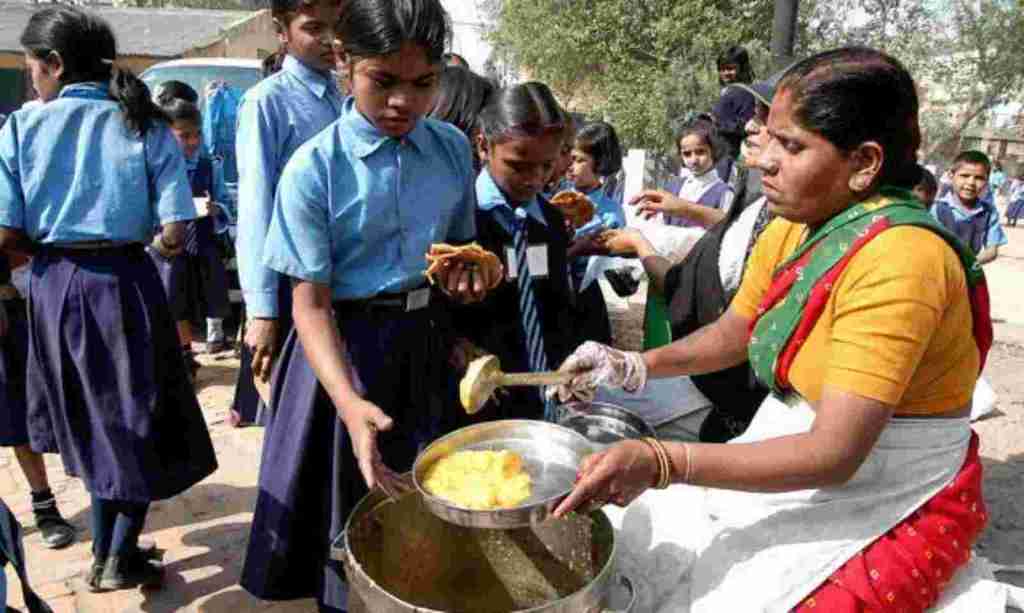
The Midday Meal Scheme, launched in 1995 by former Prime Minister of India, P.V. Narsimha Rao, under the Ministry of Education, is a school meal programme in India designed to better the nutritional standing of school-age children nationwide. The programme supplies free lunches on working days for children in primary and upper primary classes in government, government aided, local body, Education Guarantee Scheme, and alternate innovative education centres, Madarsa and Maqtabs supported under Sarva Shiksha Abhiyan , and National Child Labour Project schools run by the Ministry of Labour. Serving 120 million children in over 1.27 million schools and Education Guarantee Scheme centres, the Midday Meal Scheme is the largest of its kind in the world.
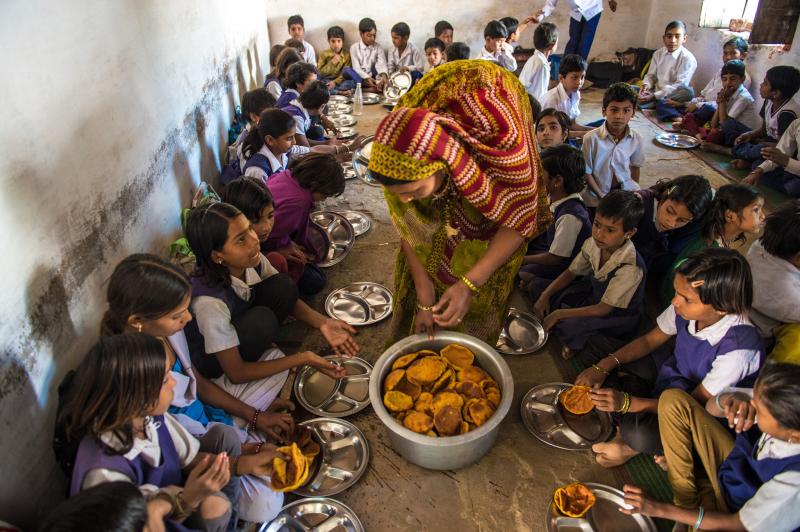
Students having Mid-day Meal at a School in India
Objectives of Mid-day Meal Scheme
To increase the enrolment in the schools of children who belong to disadvantaged sections of the society .
To increase attendance of students in Government and Government aided schools.
To retain the children studying in class I to VIII.
To give nutritional support to the children studying in the elementary level, specially in drought-prone areas.
To address hunger and malnutrition and increase socialization among the castes.
Mid-day Meal Scheme Timeline in India
Features of Mid-day Meal Scheme
It is one of the world’s largest school meal programs intended to achieve the goal of universalization of primary education.
For the implementation of the scheme, the Ministry of Human Resources and Development is the authorized body to implement the scheme.
It is a centre-sponsored scheme, so, the cost is shared between the states and the centre. Where the share of the centre is 60 percent.
The first state to implement the midday meal scheme was Kerala in 1984.
Till 2002, the scheme is designed especially for the government, government-aided and local body schools. But later on, the benefit of the mid-day meal scheme is extended to those children who were studying in educational guaranteed scheme centres or Alternative & Educational Centres.
In 2004, the scheme is again revised, and central assistance is offered for the cooking cost. Apart from that, the transport subsidy included for all states, maximum of Rs 100 per quintal is provided to the special category states and Rs 75 per quintal for other states.
The provision of serving mid-day meals during summer vacation to the children in drought-affected areas was also added.
In 2006, the cooking cost was enhanced to Rs 1.80 per child/ school day for states in North Eastern Region and Rs 1.50 per child/ school day for other states and UTs.
In 2007, the scheme benefit is also extended to the children studying in the educationally Backwards Blocks.
Apart from the calories and food intake, for micronutrients (tablets and deworming medicines), each child is entitled to receive the amount provided for in the school health program of the National Rural Health Mission.
Meals provided under the Mid-day Meal Scheme
Food Norms under Mid-day Meal Scheme
The quantity of food items provided under this scheme per child per school day is as follows:
Food items
Primary level (Class I-V)
Upper level (Class VI-VIII)
Food Grains
100 gms
150 gms
Pulses
20 gms
30 gms
Vegetables (leafy also)
50 gms
75 gms
Oil & fat
5 gms
7.5 gms
Salt & condiments
As per need
As per need
Calories Intake
Primary
Upper Primary
Energy
450 calories
700 calories
Protein
12 grams
20 grams
Serving of Mid-day Meal
Advantages of Mid-day Meal
It satisfies the hunger of many children.
Supplying nutrition to children of the poor section helps them in concentrating on their studies better.
Students come to government schools daily and won’t be asked to do labour work.
Addresses the issue of malnutrition.
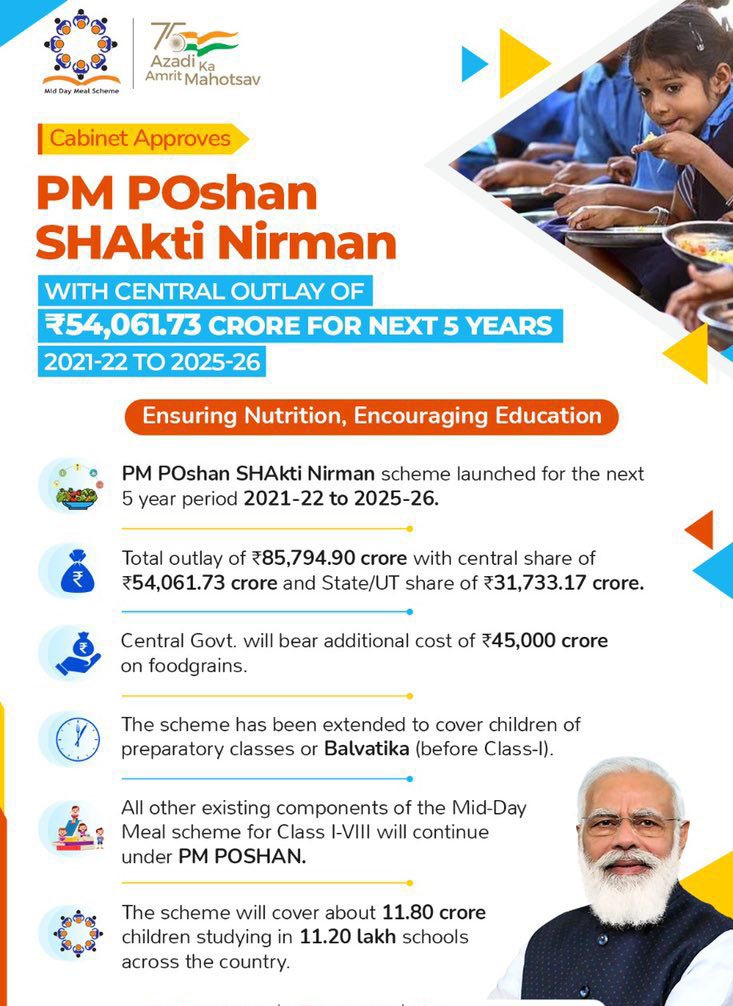
PM POSHAN SHAKTI NIRMAN
Recent Improvisation of Mid-day Meal Scheme
During the celebration of India’s75th Independence Day as Azadi Ka Amrit Mahotsav, the Cabinet approved for the implementation of PM POSHAN SHAKTI NIRMAN for next 5 years i.e. 2021-22 to 2025-26.
Conclusion
There is no doubt that school is the only place that contributes to the socio-economic development of society. Here children from various backgrounds come together for promoting the culture of unity and brotherhood. The education they receive at school prepares them to achieve their goals and lead a successful life. When we talk about government schools, here children mostly come from economically challenged backgrounds. So, even though education schemes like Sarva Shiksha Abhiyaan are being implemented, the difficult financial conditions force these children to skip school and go on work. In such kind of circumstances, the real potential of mid-day meal surfaces. Mid-day meal acts as an attractive incentive for parents to send their children to school with the sole hope that the young ones will receive at least one plate full of the meal for the day.
The Bauls of Bengal are an order of wandering folk singers that have kept their philosophies alive for centuries. But modern demands threaten to overtake their simple, itinerant lifestyles. Now, an audio-visual record is being taken to keep their vocal traditions alive for generations yet to come.
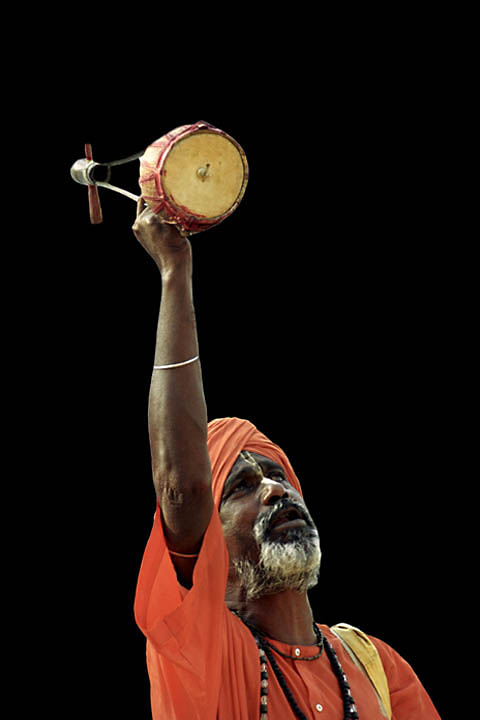
A Baul holding a Dotara
Bauls : Who They Are
In the Bengal region of South Asia, however, itinerant mystics are still welcomed widely, respected for their sincere but simple way of life, and rewarded for the brilliance of their performances, sharing memorable poetry and music, mainly with rural communities, much as they have done for several centuries. These are the Bauls of Bengal – a group that pursue a life of self-denial and meditative discipline, committed to a belief that ‘the ultimate’ existence is to be found, not so much through rituals in holy places, but in every ‘self’ and are enthusiastic to share this passion almost exclusively through their art. Bauls belong to an unorthodox devotional tradition, influenced by Hinduism, Buddhism, Vaishnavism and Sufi Islam, yet distinctly different from them. Bauls neither identify themselves with any organized religion nor with the caste system, special deities, temples or sacred places. They share only one belief —that God is hidden within the heart of man and neither priest, prophet, nor the ritual of any organized religion will help one to find Him there. To them we are all a gift of divine power and the body is a temple, music being the path to connect to that power.
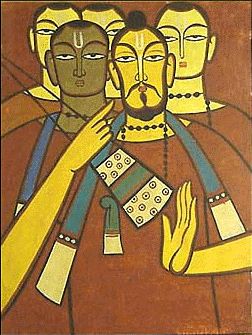
Baulsartwork by Jamini Roy
Historic Background
The word Baul comes from the Sanskrit word “Batul,” which means mad and is used for someone who is possessed or crazy for God. The Bauls are wandering minstrels of West Bengal and Bangladesh, whose song and dance reflect the joy, love and longing for mystical union with the Divine. The Baul tradition of mendicancy – ascetics who entertain in exchange for subsistence – has ancient origins, and seems to have thrived well before the rule of the great Mughal Emperors from the 16th to 18th centuries, a period during which Islam spread eastwards from the Middle East to Bengal and beyond. Originally the district of Birbhum in West Bengal was the seat of all Baul activity. Later, the Baul domain stretched to Tripura in the north, Bangladesh in the east, and parts of Bihar and Orissa in the west and south respectively. In Bangladesh, the districts of Chittagong, Sylhet, Mymensingh and Tangyl are famous for Bauls. Bauls from far off places come to participate in the Kenduli Mela and the Shantiniketan Poush Mela –the two most important fairs held in West Bengal for Baul music.
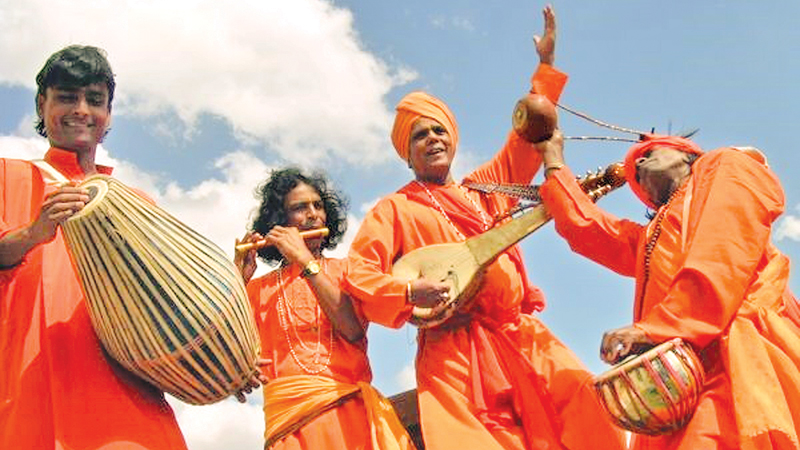
A group of Bauls in Bengal
The Characteristics and Attires
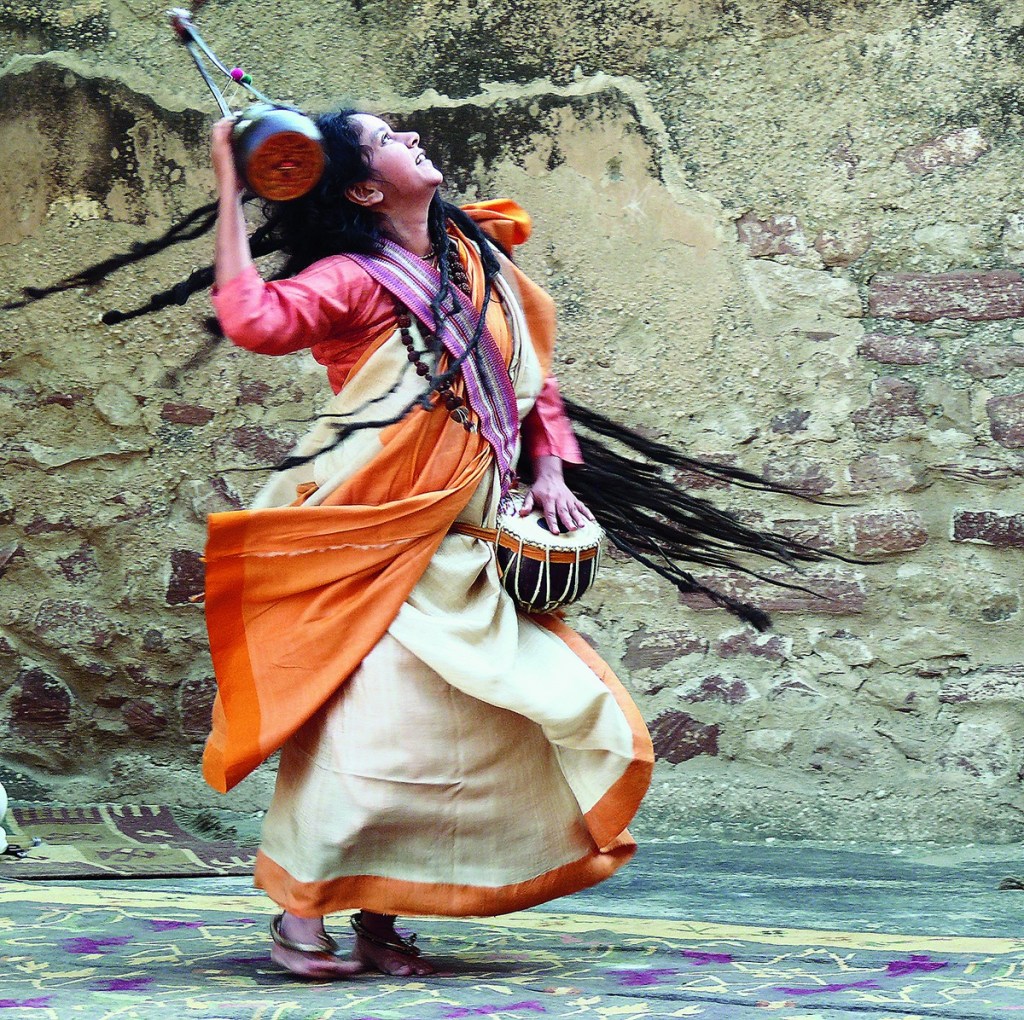
They can often be identified by their distinctive clothes and musical instruments. It’s easy to identify a Baul singer from his uncut, often coiled hair, saffron robe (alkhalla), a necklace of beads made of basil (tulsi) stems. Bauls use a number of musical instruments: the most common is the ektara, a one-stringed “plucked drum” drone instrument, carved from the epicarp of a gourd, and made of bamboo and goatskin. Others include the dotara, a long-necked fretless lute (while the name literally means “two stringed” it usually has four metal strings) made of the wood of a jackfruit or neem tree; besides khamak one-headed drum with a string attached to it which is plucked. The only difference from ektara is that no bamboo is used to stretch the string, which is held by one hand, while being plucked by another. Drums like the duggi a small hand-held earthen drum, and dhol and khol; small cymbals called kartal and manjira, and the bamboo flute are also used. Ghungur and nupur are anklets with bells that ring while the person wearing them dances.
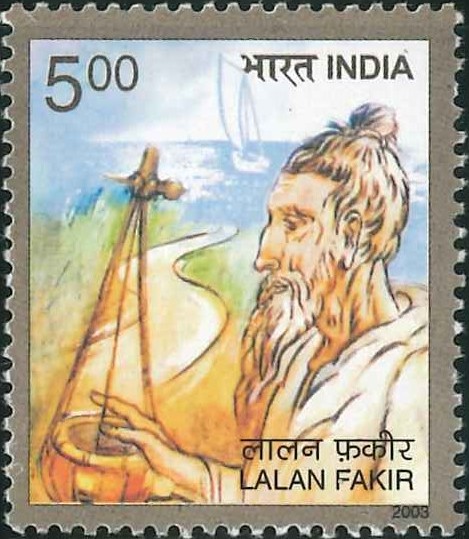
Lalan Fakir
Lalan Fakir : The Legend of Baul Movement
Lalan Fakir (1774 -1890), the greatest of all Bauls, continued to compose and sing songs for decades without ever stopping to correct them or put them on paper. He composed a thousand songs, of which just 600 can be traced. It was only after his death that people thought of collecting and compiling his repertoire. He rejected the division of society into communities, protesting and satirising religious fundamentalism of all kinds. Lalan’s metaphysical lyrics raise a basic question – that if there is a single creator then why so many religions exist ? This is a pertinent problem in today’s world; we all know that the different ‘Gods’ have created acrimony between races and sects and as of today this concept of different ‘Gods’ remains the most decisive divisive force on planet Earth. His most famous song quoted, “Khanchar Bhitor Ochin Pakhi Kemne Ase Jay”. In 2004, Lalan was ranked 12 in BBC’s poll of the GreatestBengali of all time.
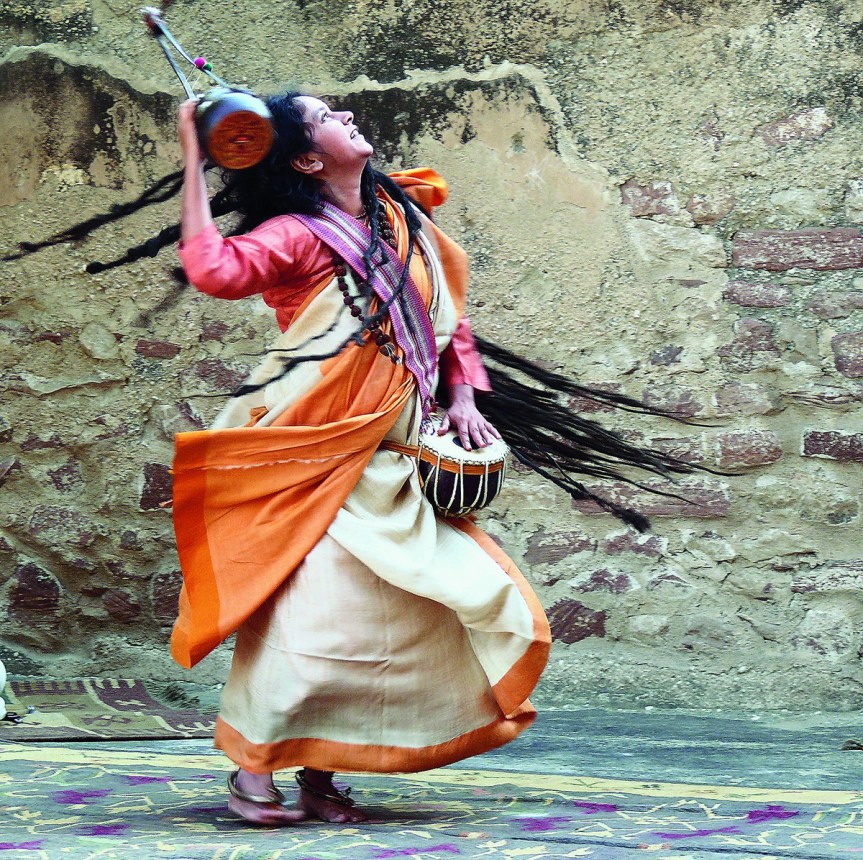
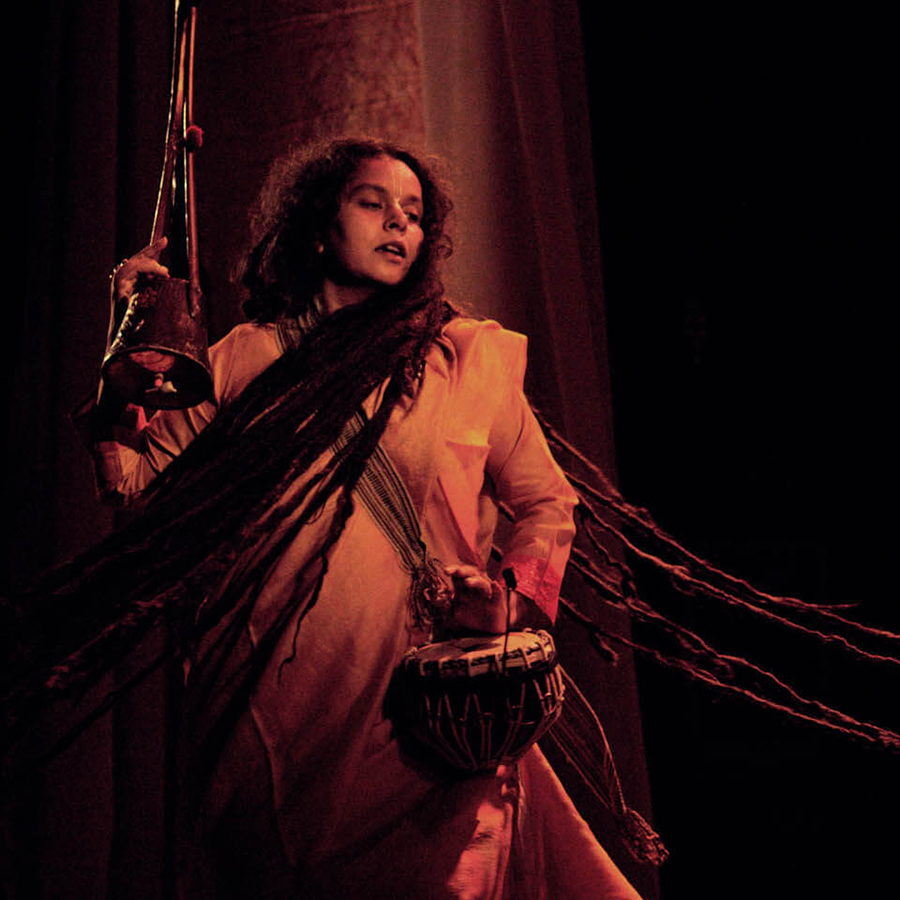
Parvathy Baul
Baul Philosophy
Bauls do not believe in the pious ‘other world’ and most of the times deny the presence of super powers. Looking from a different angle it can be said that according to them, ‘God’ resides in each human being and it is for the human being to realise this truth, the human beings are the best exponents of spirituality ever to tread on this Earth. Nowhere did this philosophy leave its imprint more powerfully than on the work of Rabindranath Tagore, who talked of Bauls in a number of speeches in Europe in the 1930s. An essay based on these was compiled into his English book ‘The religion of man’. An important part of Baul philosophy is “Deha tatta”, a spirituality related to the body rather than the mind. They seek the divinity in human beings. Often, the lyrics philosophize on love and stress to remain unattached and unconsumed by the pleasures of life even while enjoying them. Baul music celebrates celestial love, but does this in very earthy terms.
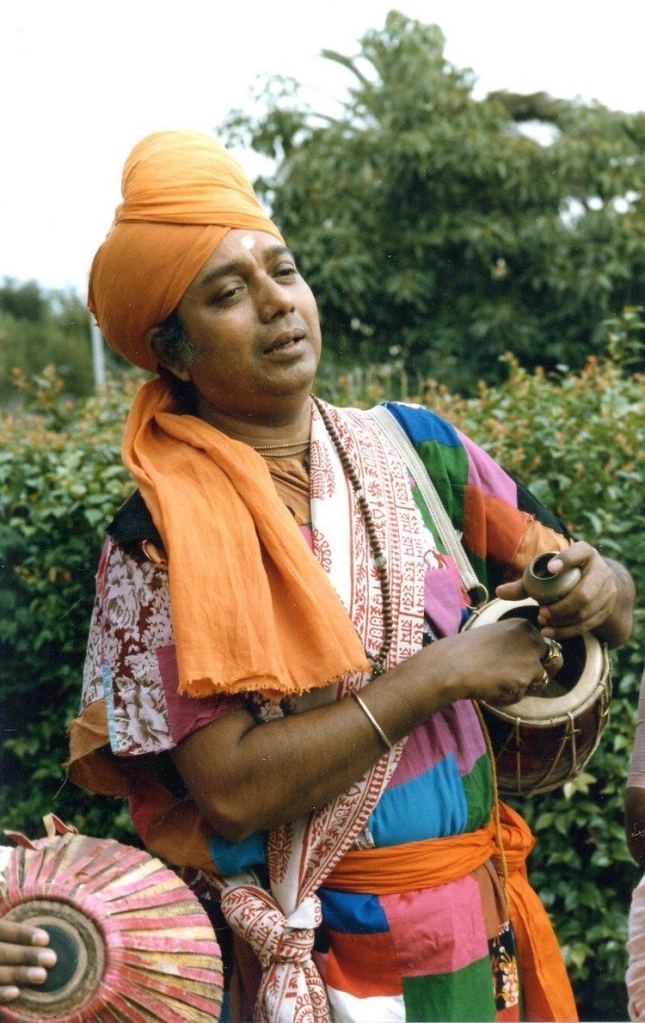
Purna Das Baul
International Connection
Referred to as the Baul Samrat, Purna Das Baul, introduced Baul songs to the West during an eight-months tour of the US in 1965 with stars like Bob Dylan, Joan Baez, Paul Robeson, Mick Jagger, Tina Turner, and all. Dubbed “India’s Bob Dylan” by the New York Times in 1984, Purna Das Baul has played with Bob Marley, Gordon Lightfoot and Mahalia Jackson and the likes. Currently another version of Baul called the folk fusion also called baul rock is also greatly accepted by the audience, especially in West Bengal. Kartik Das Baul has taken baul to different heights by associating himself with folk fusion. This type of baul was brought into the world of music by ‘Bolepur Bluez’, which was world’s first folk fusion band. There are also the Western Bauls in America and Europe under the spiritual direction of Lee Lozowick, a student of Yogi Ramsuratkumar. Their music is quite different (rock /gospel/ blues) but the essence of the spiritual practices of the East is well maintained.
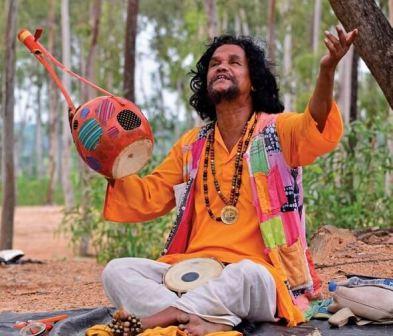
A Baul in Shantiniketan,Birbhum
Conclusion
The tradition is so integral to Bengal that it’s hard to think of Bengali culture sans the Bauls. They’re not only an intrinsic part of Bengal’s music, they’re in the mud and air of this land and in the mind and blood of its people. The spirit of the Bauls is the spirit of Bengal– ever-flowing in its society and culture, literature and art, religion and spirituality.






















 Eduindex
You must be logged in to post a comment.