NATIONAL mean a person owing allegiance to and entitled to the protection of a sovereign state. CITIZEN is preferred for one owing allegiance to a state in which sovereign power is retained by the people and sharing in the political rights of those people. the rights of a free citizen SUBJECT implies allegiance to a personal sovereign such as a monarch. the king’s subjects NATIONAL designates one who may claim the protection of a state and applies especially to one living or traveling outside that state.
Drug addiction is a worldwide malady. Eating into the vitals of the younger generation of the country. They are the future hopes of the nation. It had posed a grave problem to the society in the eighties. In the USA & some other developed western countries, it is so widespread that about 75% of the entire population is drug-addict, directly or indirectly. In India & many other developing countries, it has spread like a wildfire in the last few decades, leading the nation to the point of being doomed.
Generally, the young people of the well-to-do family fall into prey to drug addiction. Substances such as L. S. D, marijuana, heroin, cocaine, and nicotine are considered drugs. This drug trafficking enters the country from the USA, Pakistan, Burma, Thailand & Afganistan through illicit smugglers & some rich influential mafia groups. Unscrupulous pedlars sometimes sell these drugs through drugged food secretly thus making school goers & University students drug addicts at a very primitive age. This affects their life extensively & the trend is totally going crazy with the rise of the lucrative business of some extremely greedy dishonest businessman & mafia group who are carrying on this drug trafficking secretly.
There are many causes of drug addiction. The younger generation generally takes it up as a fad in or to copy the Western people. This habit results from frustration, deserted love, parental neglect, disinterest in studies, loneliness, unemployment stress & most importantly peer pressure. So it may be termed as a result of the modern way of life & industrial & western civilization. The process begins with some youths adapting without being aware of it. But once they take recourse to drugs, it’s tough to shake off this evil habit.
Drugs interact with the brain and body to alter moods, emotions, and behaviors by changing brain chemistry and a person’s perceptions, and by impacting how individuals interact with the world around them. It brings drowsiness, causes hallucinations, migrates people to the dreamland of their own pleasant creation. This makes them escapists from the harder realities of life & relieves them from the struggle of existence. It brings a very ruinous effect on their consumers, shattering their physical, mental & moral health & corrupting them completely. Moreover, it has the caliber to cause most killer disease, AIDS.
So all attempts must be made to uproot this evil habit of drug addiction from the society at an early date and at all costs in order to save the young generations from this sure & steady destruction. The Government must enact strict laws to face & stop this nuisance of drug trafficking. Campaigns must be regularly held & supported by the mass media. Arrangements should be taken for proper & speedy rehabilitation of the reformed drug addicts in the society so that they can return to their normal life.
I was fortunate enough to have a chance to visit the National Museum of Indian cinema in Mumbai. The museum is housed in two buildings – the 5 storey new museum building and the 19th-century Victorian gothic bungalow Gulshan Mahal. We arrived there at 1:40 p.m. The museum is housed in two buildings – the 5 storey New museum building and the 19th-century Victorian gothic bungalow Gulshan Mahal. It is a house of quaint artifacts of India’s pre-cinema history, it also showcases over a hundred years of Indian cinema through nine sections raining from the origins of Indian cinema to the studio era of new wave. Gulshan Mahal discovers nine aspects that are Origin of India, cinema comes to India, Indian silent film, the advent of sound, the studio era, the impact of world war 2, creative resonance, new wave and beyond & regional cinema. Besides artifacts, posters, film clipping, etc. Adjacent to the historic building is a classy building.
The swanky building house has mobile exhibitions, 3-D compatible theatres with 4 K projectors and 7.1 surround with specific themes Gandhi and Cinema, Children Film Studio, Technology, Creativity, and Indian Cinema & Cinema across India. Gandhi & Cinema: it not only depicts the movies made on the life of Mahatma Gandhi but also showcases the deep impact his life had on cinema. Children’s Film Studio gives visitors, particularly children, an opportunity to explore the science, technology, and art behind filmmaking. It offers hands-on experience on various facets associated with making a cinema-like camera, light, shooting, the experience of acting, etc. – presented in an interactive format. The exhibits displayed include chrome studio, immersive experience zone, stop-motion animation studio, virtual makeover studio, etc. Technology, creativity & Indian cinema: it showcases the creative use of technology by Indian filmmakers over the years to produce a cinematographic impact on the silver screen. Cinema across India: it showcases the charismatic kaleidoscopic presence of the vibrant cinematographic culture across India.
The trip aimed to gain knowledge on Indian Cinema and to understand Its importance. We get to know that Cinema has been one of the greatest influences in our modern life, and it’s also a form of art, the seventh art along with photography, architecture, literature, play, painting, and music. It’s the combination of technology, business, entertainment, and aesthetics, each and everything of these four has an important role in the present-day world. The first Bollywood movie was Raja Harishchandra (1913), however, it was a silent movie. In 1931, Alam- ara came which was India’s first sound film. Then in 1937 came Kisan Kanya which was India’s first color film. We were free to explore the museum on our own.
The visit to Gulshan Mahal was fascinating. The old artifacts gave us a brief idea about how films were made in the 20th century. There were instruments like Praxinoscope, Thaumatrope, Phenakistoscope, mutoscope Modern animation from plates of The Horse in Motion by Eadweard Muybridge, etc. that were used for making films. We also saw old film posters; cameras were used during that time. Then we visited the glass building which had all 21st-century movie posters and film equipment. Something which caught my interest the most was the Bioscope Show. There were different types of camera lenses used for shooting, we could also watch our favorite movie scenes and could listen to songs which made it fun.
Then my second favorite place was Children Film Studio. We had a lot of fun; we got experience or opportunity to become an actor, director, cameraman, animator, etc. We also tried using the green screen and got a virtual makeover. Amidst the fun, we realized how much we got to know about cinema. We then went to explore Gandhi & Cinema. Gandhi, British-Indian historical film, was released in 1982, which tells the story of Mahatma Gandhi and his struggle to win independence for India through nonviolent civil disobedience. The movie won eight Academy Awards, including that for best picture, and five Golden Globe Awards, We even had got to spin the Charkha. The charkha, or spinning wheel, was the physical embodiment and symbol of Gandhi’s constructive program. It represents Swadeshi, self-sufficiency, and at the same time interdependence, because the wheel is at the center of a network of cotton growers, carders, weavers, distributors, and users. It was an enjoyable and informative trip.
In a massive development, accused drug peddler Karamjeet Singh has allegedly given a list of 150 names to the Narcotics Control Bureau (NCB) of those involved in the Bollywood drug cartel. This list comes along with big names from the industry being summoned in the probe, including Deepika Padukone, Sara Ali Khan, Rakul Preet Singh, Shraddha Kapoor, Simone Khambatta, as well as TV stars like Abigail Pande and others, and producers such as Dharma Productions’ Executive Producer Kshitij Ravi Prasad.
The Narcotics Control Bureau has registered two FIRs as part of its probe that followed the death by suicide of actor Sushant Singh Rajput. The first case (FIR 15/20) was on the basis of purported chats of actor Rhea Chakraborty that were retrieved by the Enforcement Directorate (ED) that is probing a money laundering case against her. The ED provided these chats to NCB as they claimed that some of the chats were about marijuana.
Two days after this case, the NCB registered another FIR (16/20) suo moto with the express target of “uprooting the drug citadel in Bollywood” and have arrested 19 persons in the case, including Rhea and her brother Showik. So far no arrests have been made in the first FIR registered against Rhea.
As per the latest reports, Kshitij Ravi Prasad has been asked to join the probe by 11 am on Friday. His summons will take place on the same day as Deepika Padukone is to be questioned by the agency. The NCB which has managed to track down multiple drug peddlers across Mumbai and Goa has begun to compile a list of ‘A-listers’ who are involved in the alleged drug cartel in the film industry.
NCB officials said they have summoned Deepika and her manager Karishma Prakash, another Kwan employee, based on some WhatsApp chats of Jaya Saha. Apart from them, even producer Madhu Mantena, also a Kwan director, was summoned on the basis of Saha’s questioning. Since Saha is named as an accused in the first FIR all of them have been called in connection with this case. Rakul Preet Singh too has been summoned in connection with this context.
Amidst all of this drug conspiracy, KWAN Talent Management Agency’s name has been floating around, more so after certain chats between talent managers and celebs revealed a drug connection. KWAN manages the work of top Bollywood actors such as Deepika, Shraddha, Tiger Shroff, Jacqueline Fernandes amongst various others.
There are two versions here. While NCB sources said their names had come up during the interrogation of Rhea Chakraborty between September 6–9, before she was placed under arrest, her lawyer Satish Maneshinde has said Chakraborty has not mentioned any names during her interrogation. Sara and Shraddha have been summoned in FIR 16/20 in which Rhea Chakraborty, her brother Showik and 17 others have been arrested.
Following are chats accesed by times now which are circulating in the social media.
As per the chats, N says to J, “You promised me, get me some nice MD (apparently referring to MDMA) in Bombay and we will party together.”
To which, J responds, “How you are making me into a peddler. However, your wish is my command.”
In another WhatsApp exchanges, J says, “Hello, I’m sending the CBD oil with Jinal today.” Replying to J, S says, “Thank you.”
The Bollywood A-listers whose names appeared in these chats are under NCB scanner and are likely to be summoned by the anti-drugs agency in the near future.
The ones with N and S initials are allegedly top female actors.
In another chat that dates back to 2017, D asks K, “…Maal you have.” To which, K says, “ I have but at home. I am at Bandra…”
K further says, “I can ask Amit if you want”. D replies, “Yes!! Please.”
“Amit has, he is carrying it,” K says, to which D replies, “hash na. No weed.”
According to sources within NCB, the person with D initial is Deepika Padukone.
Dheeran Chinnamalai was an Indian revolutionary and chief of Kongu Nadu who revolted against the supremacy of British rule in India. He was a Palayakkarar in Tamil Nadu who fought against the British East India Company in the 18th century B. C.
He was born on 17th April 1756 in Melapalayam near Erode in Tamil Nadu. His birth name was Theerthagiri Sarkkarai Mandraadiyaar. He belonged to the famous Palaiya Kottai Pattakarar family. His parents are Rathnaswamy and Periyaatha. He had four brothers, Kudandiswamy, Thambi, Kilothar and Kuttiswamy and one sister Parvatham.
He got good training of Silambu and archery. He headed a huge army that fought in the Second Polygar War in 1801 to 1802. In late 1700s he Kongu Nadu was controlled by Mysore King Hyder Ali. When the diwan of Hyder Ali came to collect taxes from the farmers, he with his brothers seized the entire tax collected and distributed them back to the farmers. This incident took place between Sivan Malai and Chennimalai. He refused to accept the supremacy of Hyder Ali.
After the death of Hyder Ali on 12th July 1782, his son Tipu Sultan became the king of Mysore. He helped Tipu Sultan to gain victory in the battles at Chitheswaram, Mazahavalli and Srirangapatna by providing a big army of soldiers. More than 1000 Kongu Tamils joined the regiment of Tipu. After the death of Tipu he settled at Odanilai and fought with British at Cauvery, Odanilai and Arachalur.
As Dheeran Chinnamalai was running his own kingdom and did not respect the rules and regulations of the British East India Company they were annoyed. So they sent Colonel Makistan and his men to arrest him. Chinnamalai fought against him and won the battle. Again Captain Harris was sent to capture him. By his intelligence Chinnamalai was able to win this time also.
Velappan in the British army acted as an informer to Dheeran Chinnamalai. Later he was shot dead. After that the British arrested him and his brothers and kept them in the prison at Sankagiri. When they were asked to accept the rule of British they refused and so they were hanged by rope at the top of the Sankagiri fort on 31st July 1805
Puli Thevar was a poligar (or palayakarar) who ruled Nerkattumseval situated in the Sankarankoil taluk of Tamil Nadu. Puli Thevar who belongs to the warrior Maravar community was one of the earliest freedom fighters. He is one of the first Indian kings to have fought and defeated the British in India.Puli Thevar was born on September 1, 1715 in Puli Nadu, a part of Pandya Nadu to Chitraputra Thevan and Sivagnanam Nachiyar. Venni Kaladi was the general of Puli Thevar’s army
He is one of the earliest opponents of the British rule in South India. He was involved in a vendetta with the Nawab of Arcot who was supported by the British. Thevar’s prominent exploits were his confrontations with Marudhanayagam, who later rebelled against the British in the late 1750s and early 1760s.
Nelkatumseval was the headquarters of Puli Thevar, the first chieftain in India to resist the British.The author of the Thirunelveli District Gazetteer, H.R. Pate, observes as follows:
Nelkatumseval is chiefly memorable as having been in the eighteenth Century stronghold of the redoubtable Puli Thevar, who figured for many years as the leader of the Marava Confederacy against the troops of the Nawab and the Company. He had a shrewd insight into the political situation of the time and was a veritable thorn against the side of the Nawab’s agents.
Pulithevar remains one of the illustrious figures in the chequered history of palayakarars. The vivacity of his character gave him an ascendancy over the western palayakarars, while his determined resistance to the Nawab’s overlordship made him a potential enemy of the Wallajahs. He was the principal architect of the coalition of the palayakkars organised against the Nawab. The Nawab acknowledged his victory by presenting him with a gold plate and sword.
Pulithevar is regarded as the first ruler in Indian history, who sowed the seed, by his gallant resistance, to expel foreigners from his native land. His services to the nation are honoured; the government of Tamil Nadu has erected a memorial for him in Nelkatumseval where there are the remnants of his palace.
What happened after is nothing less that divine intervention. Puli Thevar started singing hymns in praise of Mahadeva and all of sudden the sound of the cracking of handcuffs were heard by the soldiers camping outside the temple. Disturbed by the sounds the soldiers rushed inside the temple to see what happened, only to see broken handcuffs and chains with Puli Thevar nowhere in sight and never to be seen again by any mortal. Some say he was taken by the Lord himself to his abode……
Not being a man who would give up or prostrate in front of the British their Muslim lackeys, Puli Thevar was thoroughly maligned by the British historians as a man who never kept his word and was deceitful to the core. While these events occurred in late 1760, the truth of the events was never fully told by the Marxist historians of secular India. Therefore I shall try and tell the tale of the heroic exploits of this man who very few Hindus outside of Southern India have ever heard about
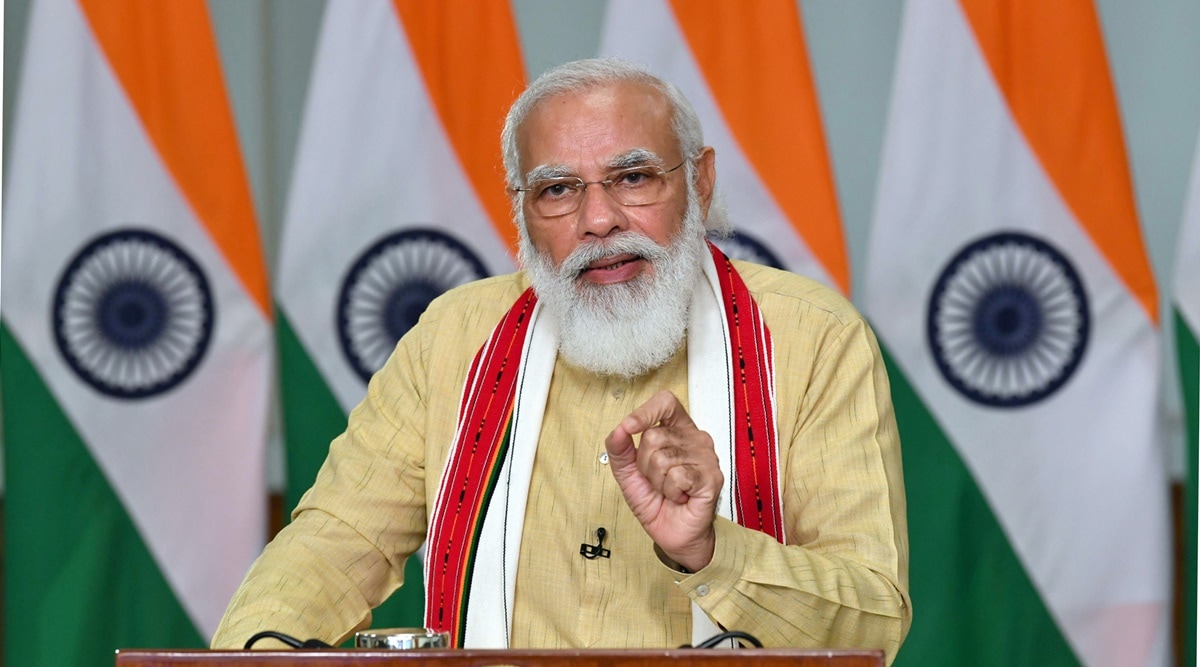
Celebrating the first anniversary of the Fit India movement, Prime Minister Narendra Modi interacted with several fitness influencers, celebrities and citizens in a nationwide, online “Fit India Dialogue”.
“Fitness ki dose, aadha ghanta roz,” PM Modi introduced a new slogan to encourage citizens to exercise for at least half-an-hour in a day.
Among the participants were Virat Kohli, Milind Soman, both known to be passionate about fitness, footballer Afshan Ashiq, paralympic javelin gold medallist Devendra Jhajharia, and celebrity nutritionist Rujuta Diwekar, among others.
The online interaction will see participants sharing anecdotes and tips of their own fitness journey while drawing out guidance from PM Modi on his thoughts about fitness and good health. In times of Covid-19, fitness has become an even more important aspect of life. This dialogue will see a timely and fruitful conversation on nutrition, wellness and various other aspects on fitness.
While talking about the importance of fitness and a healthy diet, he recounted how his mother always makes it a point to ask him if he is eating haldi (turmeric) or not. Turmeric has antioxidant properties; here are its other health benefits. While speaking to Diwekar, the Prime Minister also talked about his recipe for making parathas with drumsticks, which he said he still eats once or twice a week.
PM Modi also asked Kohli about the Yo-Yo test, which measures the endurance levels of athletes, to which the cricketer said how it is an important benchmark. He pointed out that India’s Yo-Yo test scores were on the lower side as compared to global standards. He then went on to talk about how his grandmother inspires him to eat healthy, home-cooked food.
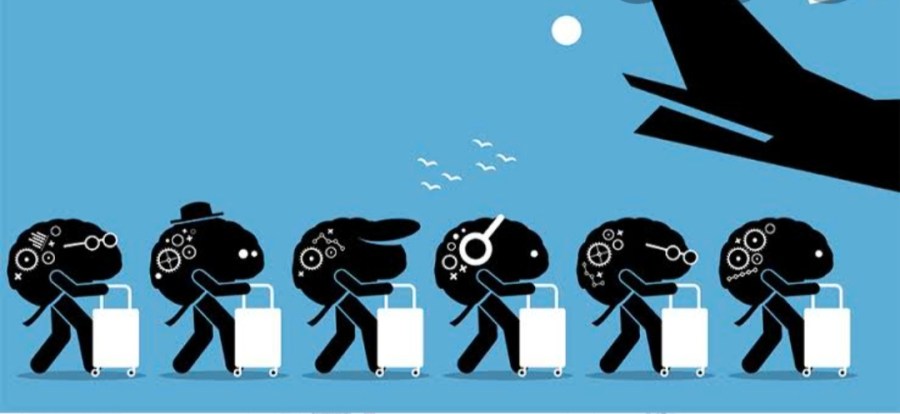
Many problems of an acute nature stare the development of developing countries in the face of modern times. One of them is brain drain. Although this pandemic has proven to be quite a beneficial solution to put a pause in the process. Not to forget this how this lockdown has also substantially caused to improve the environmental conditions. Except for the suffering humans, everything is getting benefitted. Thus nature is healing.
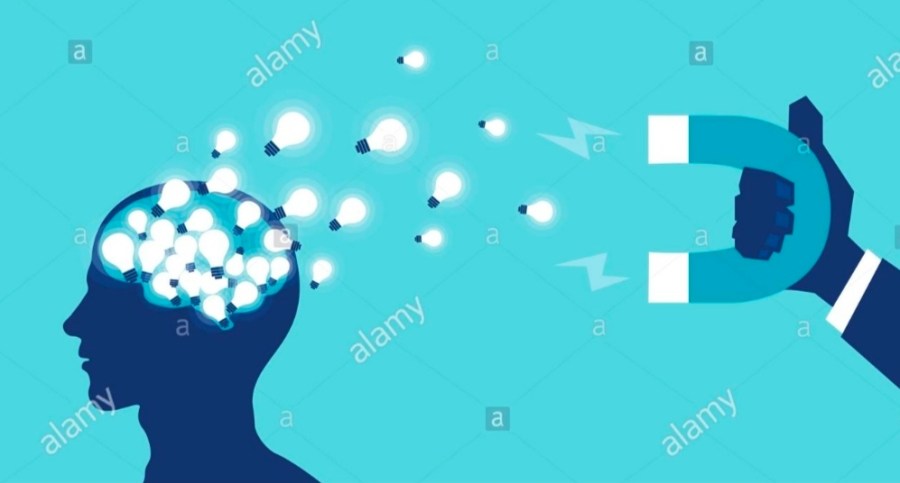
So, the concept of brain drain is defined as the substantial emigration or migration of individuals. Generally, such child prodigy’s most of whom are trained in different crafts in technologies & different science branches tend to show rising prosperity for better financial profit & prospect. Countless trained technicians, doctors, scientists & engineers leave their motherland in the greed of getting a good life. One reason for brain drain could be turmoil within a nation.
Such things severely affect countries that are on the verge of development. Training up these talented students with a great cost, who ultimately face a huge loss by the end, as these students mostly migrate to the USA or UK for higher education.
Further discussing there happen to be 3 different categories of brain-draining as mentioned below:
Geographical Brain Drain– This refers to the emigration of individuals of high-skills and high-brilliance to other nations. This also creates a negative impact on the home country’s economic development.
Organizational Brain Drain – This refers to the departure of individuals of skill, talent, and experience from one organization to another.
Industrial Brain Drain – This type involves the migration of skillful workers from one industry to another.
South Asia experiences a tremendous amount of emigration of talent. Furthermore, this trend is continuously rising with years passing by. Most noteworthy, there is a lot of demand for South Asian skilled, semi-skilled, and unskilled labor in the Gulf. Moreover, other favorite work locations for South Asians include Canada, United States, United Kingdom, and Australia.
Several reasons are responsible for the cause. Just for instance lack of suitable job opportunities. Besides these developing countries are hopelessly lacking in furnishing facilities for advanced research. On the contrary, the developed countries offer sufficient channels for research & well-objectified jobs with lucrative salaries. It is the need of the hour, for students need to develop a sense of gratitude & patriotism for their homeland that spends so much for their upbringing, training & education.
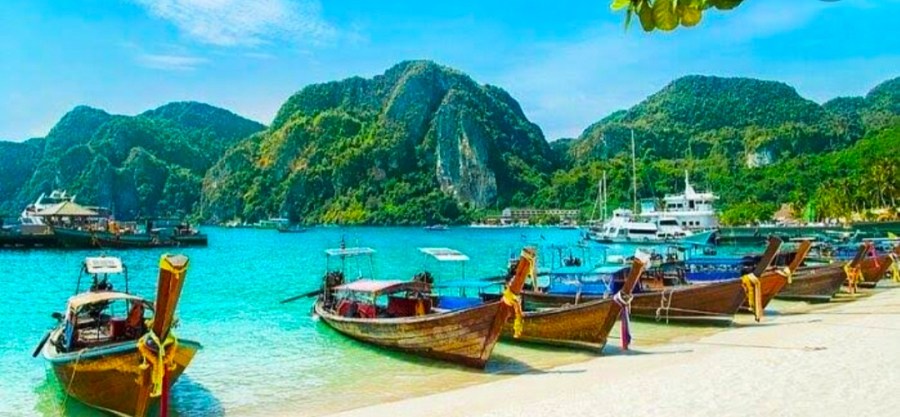
As everybody is eagerly waiting for some post-lockdown vacations, you too must be sighting for a cheap tropical vacation that offers golden sandy beaches, stunning outdoor destinations & the best sunny weather. So don’t you worry because here I’ve got you covered. Ranging from sunbathing on beaches to trekking amidst the tropical rainforest to experiencing a spiritual abode in temples. Here we have it all you want.
The following are the 5 best & budget-friendly destinations to travel nationally/internationally.
The capital city of the Andaman islands is home to thousands of species of aquatic life forms.
One can gaze at the serene azure blue water while basking under the sun at the breath-taking Corbyn Core Beach. Here you can find Jet ski’s, scuba diving, speed boat ride & even parasailing.
On the other hand, the iconic Cellular Jail homes the freedom fighter memorials. In the evening they hold the ‘light & sound show’ replicating days of hardships faced by the freedom fighters.
Samudrika Marine Museum is yet another getaway if you want to witness the history & anthropology of marine life. Nonetheless, it also showcases memoirs of 6 native tribes from Andaman.
Lastly, do not forget to visit the Munda Pahad, a trekking trail amidst the dense tropical forest. One can witness here, a spectacular view of the Indian Ocean & a beautiful sunset too.
Must Do’s:
South Asia’s only active Volcano – Barren
Enthralling pub – Alto Espirito
Foodophilic’s paradise & experience live music – Amaya
A trip to the Maldives is never complete without a visit to its pristine beaches overlooking the turquoise lagoons & stay at exotic hotels. Escape to a barefoot venture here as you dine with champagne, lobster & squids at amazingly affordable prices.
So here I bring you Vadhoo Beach also known as “sea of stars”. At night, you can stargaze & tantalize your senses with the glowing blue waves. Planktons exhibit bioluminescence, causing heaven to descend on earth. Diving & kayaking can be enjoyed here.
Sail to the Sunset point in traditional Dhoni cruise & also visit the submerged Whale submarine.
Manta Point is a treat to your senses. The visitors can swim with the Manta rays & whale sharks here. This plankton-rich protected marine environment maintains stability in the ecosystem.
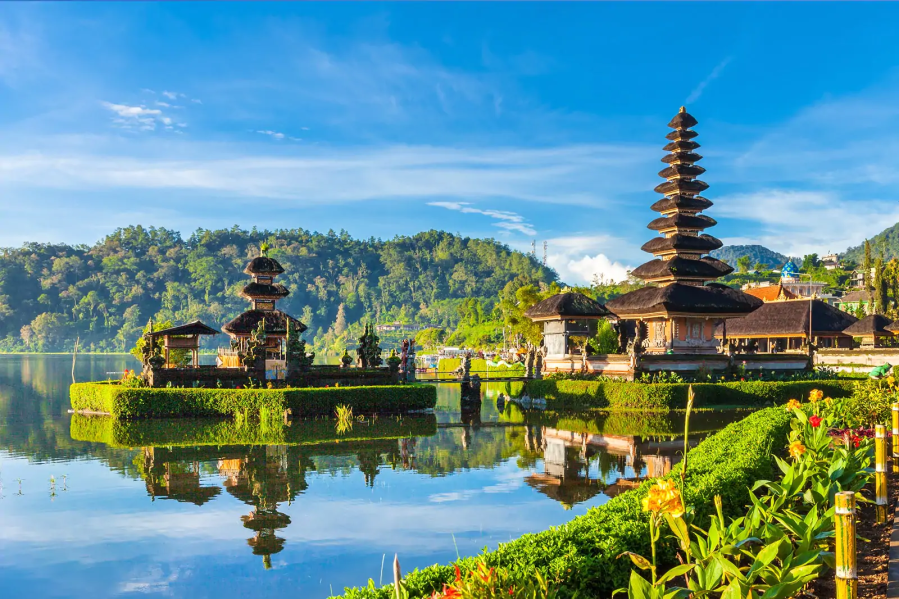
Citing this as one of the topmost tourist holiday destinations in the world, it had to be one of my picks. Ever thought of a beach of pink color? For all the pinkoholics out there, this is your place. This exotic Pink Beach will surely blow your mind with its dreamy beauty. A secluded beach with pink-hued sand & rocky cliffs. Build your sandcastles & get some princess vibes.
For all nature lovers, who want a wild & raw taste of Bali, Sekumpal Waterfall is your way. A series of falls cascading like long misty veils over a lush green cliff. This incredible natural beauty mesmerizes the soul within.
For the shopping enthusiasts, Seminyak shopping alley is the way. Dear bargain seekers, here you can find stalls crammed with clothes, jewelry, sculptures & handicrafts.
Located along the southeast coast of Africa, in the Indian Ocean. Besides relaxing on the white soft sand beaches you can explore the colourful capital, hike waterfalls, do sunset yoga & munch some traditional street food while shopping in the busy market roads.
All the active window-shoppers out there, Le Caudan Waterfront is your escape. A shopping & entertainment complex with a wide array of shops, restaurants, craft markets & a marina. Here they also host regular live street performance.
Le Morne Brabant is the roughest & wildest mountains of the island. So if you are searching for some adventure, this is it! Hike to the summit lasts for 2-3hrs & on top, you can discover a breathtaking panoramic view & turquoise lagoons with a pinch of land.
The Chamarel Waterfall is a natural abode to the flora & fauna. Set against a scenic backdrop of tropical rainforest & mountains, it’s the highest waterfall in Mauritius.
Must Do’s:
Vibrant nightlife fun & extremely affordable beverages & meals –Banana Beach Club
Situated in the Pacific Ocean, Hawaii is the hub to some extravagant dining, nightlife & shopping. The spectacular beaches & lush green valleys offer endless outdoor activities like surfing, skydiving, zip-lining & paragliding.
Waikiki Bay is an artificial beach that encompasses some parks, lagoons & harbours. It offers sensational sights, charming, pocket- friendly accommodations & exquisite cuisine.
Diamond Head will surely amaze you. A volcanic tuff in Oahu takes about 1.1 km uphill hiking as you admire a scenic beauty passing by tunnels and climbing a fleet of stairs to the summit.
If you are a history buff, Tolani Palace is your place. A national historic landmark where one can absorb the opulence & grandeur of the Hawaiian royalty. So don’t forget to enjoy yourself in the ostentatious surrounding the palace.
Must Do’s:
Visit the Polynesian Cultural Center to watch some indigenous Hula dance.
Most destinations in the world can be explored within budget without sacrificing too much on comfort. So even if you are not a backpacker, you can take advantage of all these deals & save money. As it’s rightly said by someone “Travel is the only thing you buy that makes you richer.”
Now it’s your turn to choose your adventure & let the memories begin.
Nature is essential to our lives – from the food on our plates to the clothes we wear, from medicines to mental health benefits. Pressures of daily life mean we’re increasingly detached from nature even though nature in many forms is there for us. One such place which made me realize the importance of nature is Saguna Baug which I visited on 23rd December 2019 for our Travel and Tourism Management trip. We reached there by 9:30 in the morning. The journey to there was fun filled with friends. Light refreshment were provided. All students and teacher were served with yummy breakfast cuisines . After that we started our bright sunny morning with knowing the importance of Honey Bees. Bees are known for their elaborate hives. They also build homes for millions of insects. Bees are renowned for their role in providing high quality food like honey, royal jelly and other products used in health care and other sectors (beeswax) etc. A third of the world’s food production depends on Bees. Bees are a sign of well-functioning ecosystem.
After that we were taken for a guided tour. The place is covered with paddy fields, coconut trees, cinnamon, nutmeg, bottle brush, lemon etc. Enjoying the beauty of water lilies and lotus we came to know about rare facts of lotus seed. Lotus seeds are benefiting the spleen, kidney, and heart it also helps stop diarrhea associated with qi deficiency. The seed also has calming properties that alleviate restlessness, palpitations, and insomnia
We enjoyed different activities. For me kayaking was the most thrilling activity among others as my friend and I had a fun time. Then we went for camel carriage ride and it was gratifying experience and the exhilarating Bullock cart ride was entertaining with all my friends shouting and telling the cart driver to stop. We even went for paddle – wheel boating. We even came to know what Mallakhamba is a traditional sport, originating from the Indian subcontinent, in which a gymnast performs aerial yoga postures and wrestling grips in concert with a vertical stationary or hanging wooden pole, cane, or rope. The word Mallakhamb also refers to the pole used in the sport.
They even gave us information about the practice of fish farming. A sustainable approach to fisheries and aquaculture will help to protect our natural resources. Aquaculture, in particular, has tremendous potential to enhance food security. Small-scale aquaculture is especially important for meeting the world’s growing demand for fish. They even told us that Emu farming. The Emu is an Australian flightless bird and its farming is now very well established in states of Maharashtra, Tamil Nadu, Gujarat and Andhra Pradesh. Presently emu farming is also being supported by various government organizations all over India which are providing farmers with offers. It was an unforgettable and fun experience getting to know about the importance of Nature and animal farming. Saguna Baug trip was indeed a very valuable experience for all which gave not only knowledge but memories too.
•Mahatma Gandhi, the father of our nation is an inspiring person, who shaped world history. Gandhiji stands out among the great men of the world as a symbol of non violent resistance to political and social repression. Mohandas Karamchand Gandhi was born on October 2nd, 1869 in Gujarat. He became the leader of a movement that attracted millions in the struggle for freedom. He was strong advocate of non-violence. India got freedom on August 15th, 1947. Gandhiji was assassinated on January 30th, 1948.
100th birth anniversary
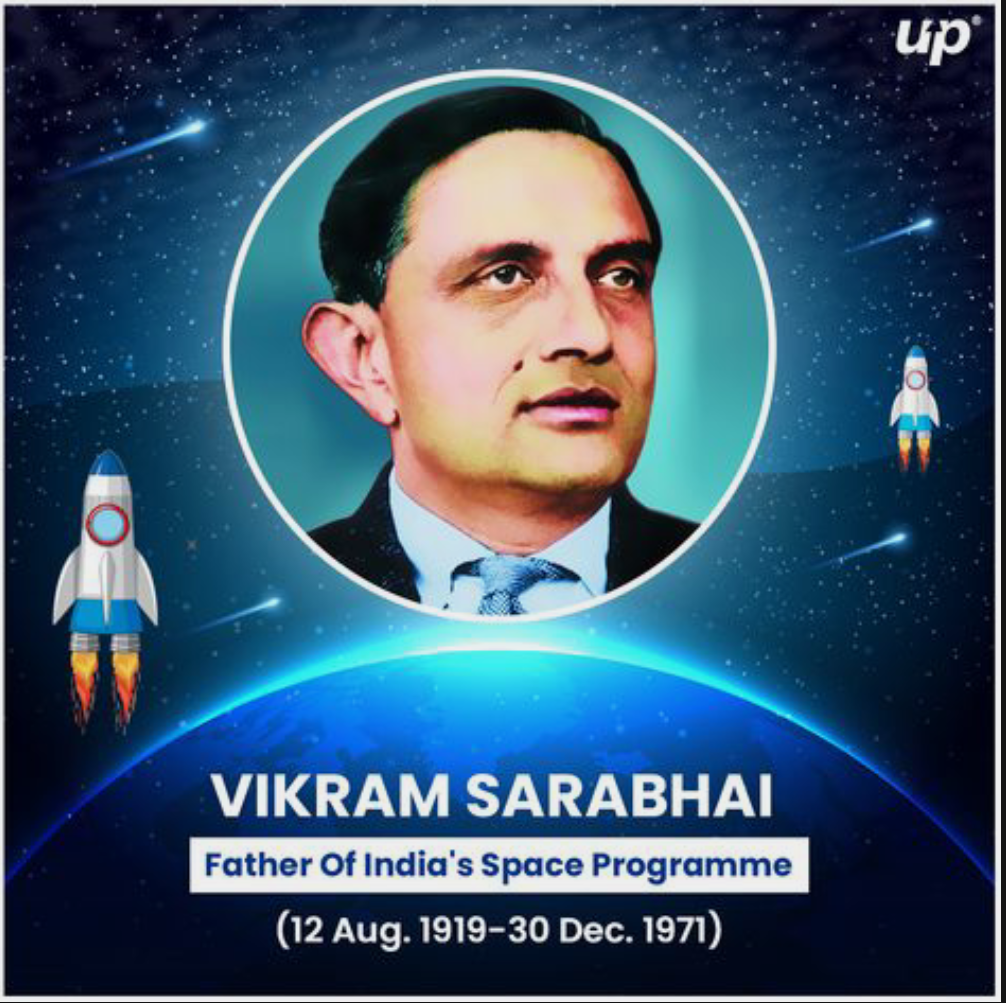
• The year 2019 marks the 100th birth anniversary of Dr. Vikram Sarabhai, the father of the Indian space programme. He was born on 12th August, 1919. Dr. Sarabhai has put India on the international map in the field of space research. In 1962, he became chairman of the Indian National committee for space research. The establishment of the Indian space research organisation, also known as ISRO, was one of his greatest achievements. Dr. Sarabhai died on 30th December 1971.
500th death anniversary
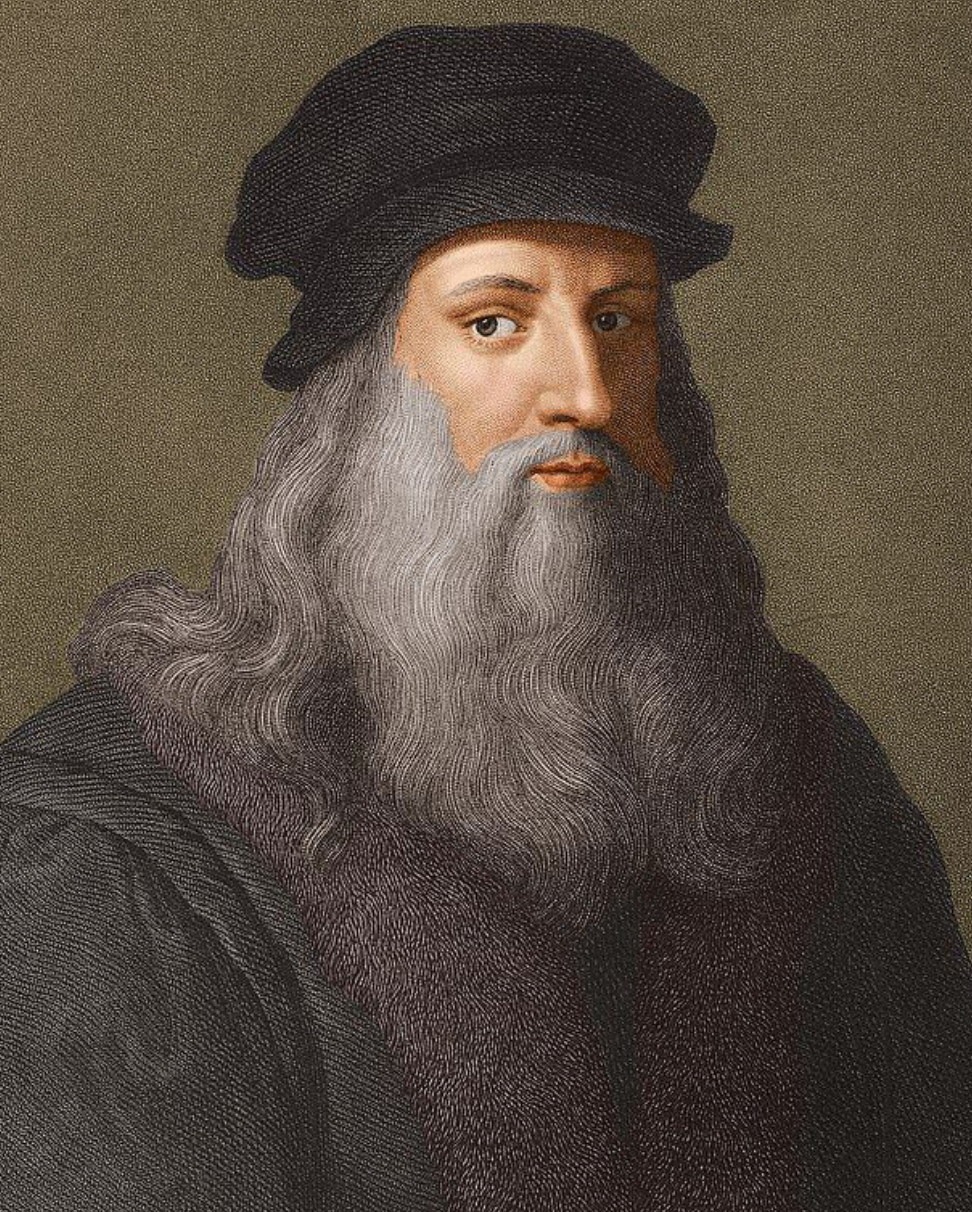
• Leonardo da Vinci was perhaps the most widely talented person ever to have lived. He was a consummate painter and sculptor, a great inventor, military engineer, scientist, botanist and mathematician! He lived during the Renaissance in Italy and while working in Milan as an artist, he began writing texts for his students and apprentices. His notebooks covered more than 1000 pages of observations and illustrations. They remained unpublished for more than a century and were printed only after his death. He was born on April 15th 1452 and died on May 2nd 1519.
150th anniversary
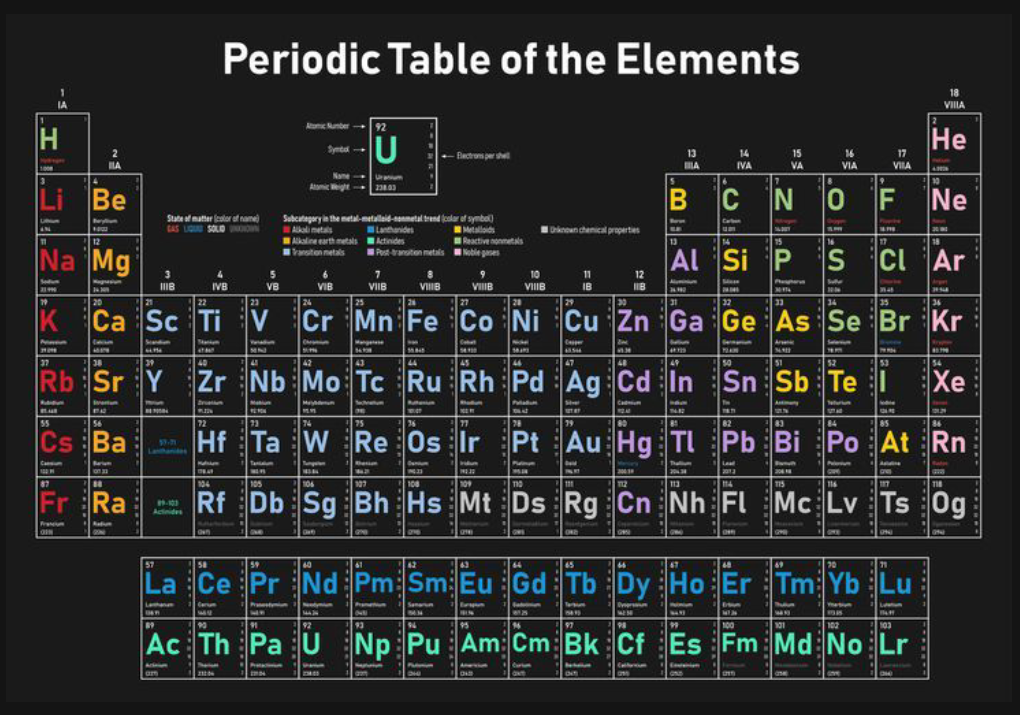
• The period table gives us information about element symbols and atomic weights. It brings order to information about the chemical elements and helps chemists to understand why elements react as they do. The milestone in the development of the periodic table was set by the Russian chemist Dmitri Mendeleev in 1869, who is acknowledged as the ‘father’ of periodic table though the title is also claimed by the German scientist Lothar Meyer. Today, the periodic table organizes the elements by order of increasing atomic number.
150th year of publication
• 2019 marks the 150th year of one of the greatest novels ever written – Leo Tolstoy’s ‘War and Peace’. This classic work from Russia was first published in the book form in 1869. Tolstoy took almost 7 years to finish this epic work and a Russian magazine named ‘Messenger’ serialised some portions of it during 1865-67. But the full novel came out as a book only in 1869. The story woven around Napoleon’s invasion of Russia covers a period of over 15 years. The unique literary style and the historical context make ‘War and Peace’ a monumental work.
125th year of publication
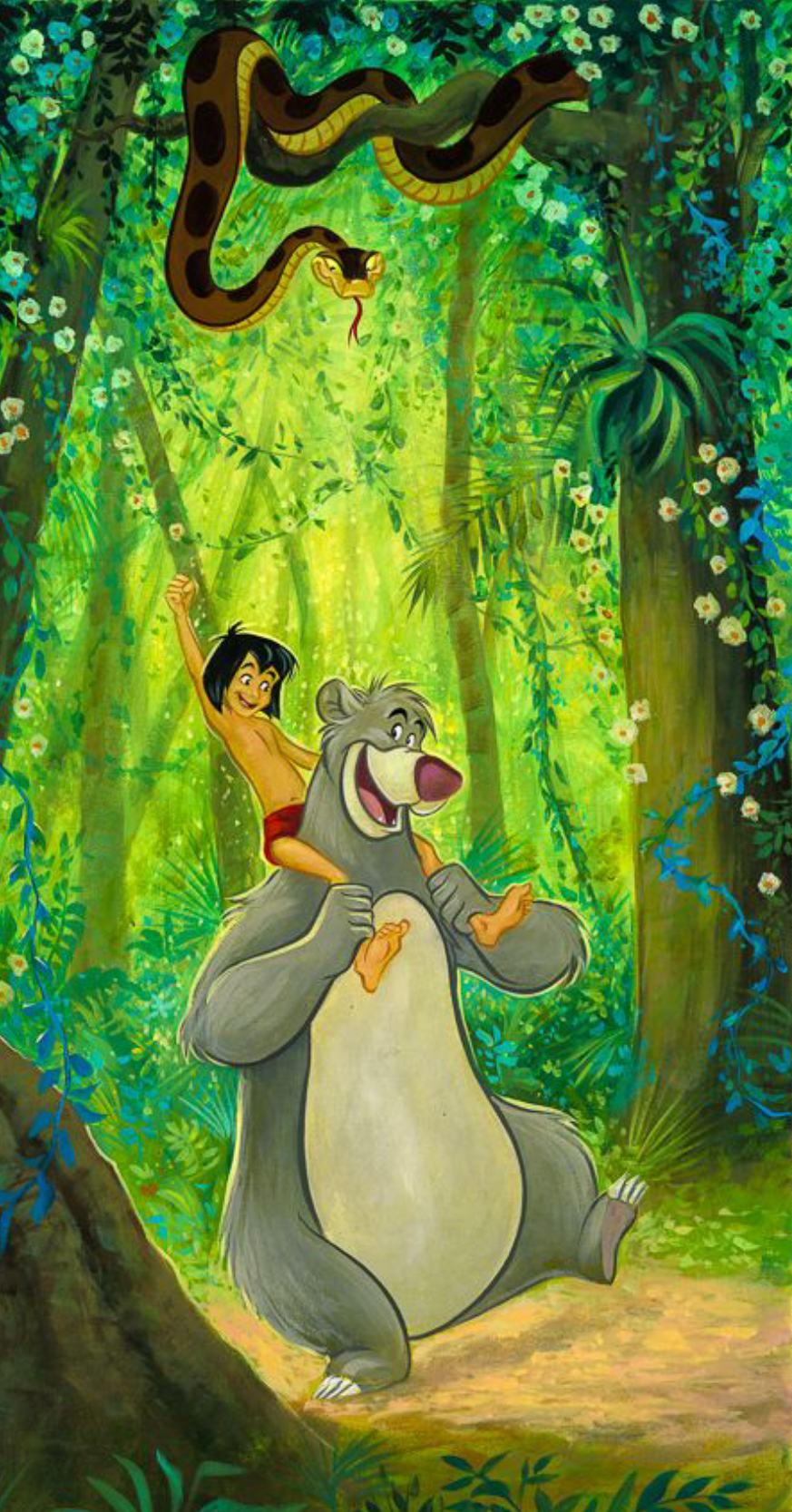
• Is there anyone who isn’t familiar with the famous character ‘Mowgli’? Hopefully none. The main character of the evergreen ‘Jungle Book’, a collection of stories written by Rudyard Kipling is a huge part of our childhood. ‘The Jungle Book’ was first published in 1894.
100th anniversary
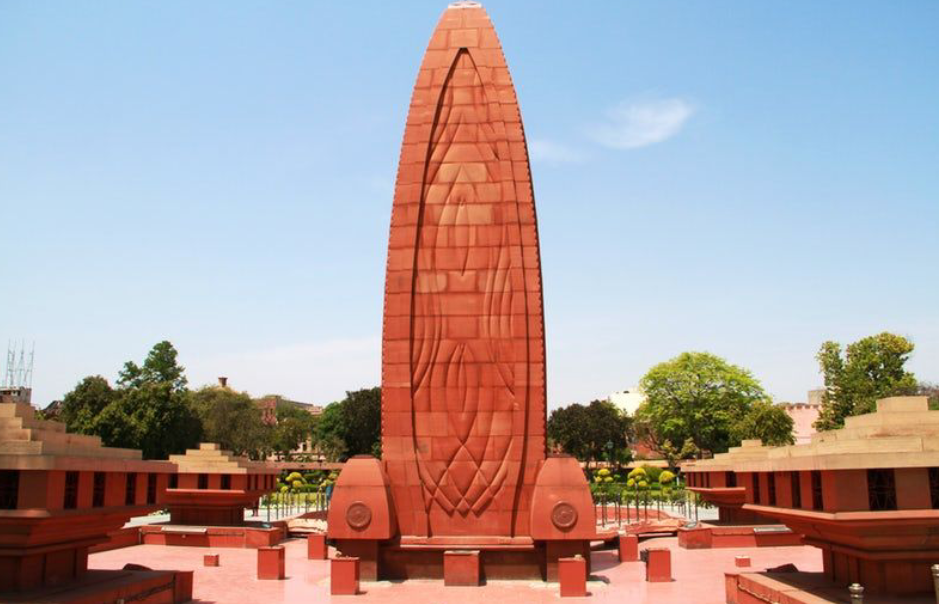
• The Jallianwala Bagh massacre was a turning point in our freedom movement. The British troops under the command of Colonel Reginald Dyer, opened fire on unarmed Indians on 13th April 1919. This event took place in the heart of Amritsar. Hundreds were killed and thousands injured. This was followed by widespread protests across a grieving country. Many Indians became convienced that the British had to be paid back in their own coin that violence has to be met with violence. The 100th anniversary of that cruel incident fell last year.
300th year of publication
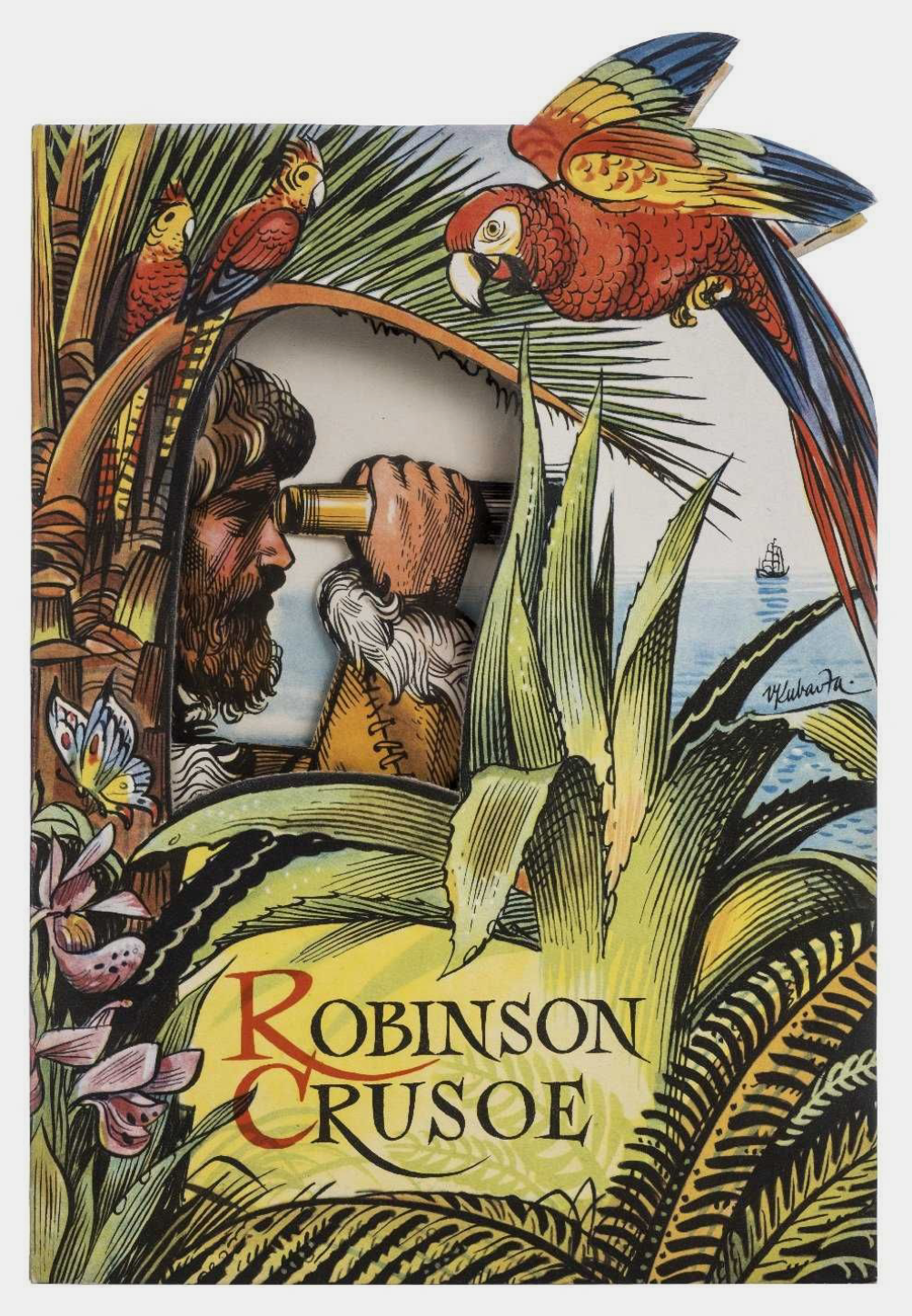
• Daniel Defoe’s ‘Robinson Crusoe’ has fascinated readers around the world for the last 300 years. Daniel Defoe was an English writer, famous for his novel Robinson Crusoe that was published in 1791. One reason for it’s popularity is that it us packed with excitement and adventure, with sailing ships, stormy seas and guns. Without doubt, Defoe’s ‘Robinson Crusoe’ established a realistic style of fiction and set the tone for modern novels.
Data consumption has already increased manifold during the global pandemic anyway. As much data is being generated, its consumption is also being done accordingly. Mobile phones, social media, apps, payment wallets are generating so much data that the need of experts is being felt to manage it.
According to a study, the demand for data scientists around the world is estimated to increase by about 28 per cent. At the same time, India is second after the US in terms of making the most appointments in the field of data science or analytics.
Actually, data scientists study data. By analyzing the data, they help companies or institutions plan for the future. Under this, they first collect data. Then store them and then sort them into different categories i.e. packaging of data. Finally, data delivery takes place. Simply to say that data scientists know how to visualize data better. Apart from all this, they also help in finding the lost data, removing the chaos and avoiding other flaws.
Important skills with academics
To become a data scientist, a candidate must have an M.Tech or MS degree in Maths, Statistics, Computer Science, Engineering, Applied Science. Under Data Science people have to study Maths, Algorithm Techniques, Statistics, Machine Learning and Programming languages like Python, Hive, SQL, R, etc. which requires a lot of hard work, time and patience. The data scientist should also have a good understanding of the business and strong communication skills. Also, it is good to gather complete information about any program or course before selecting it.
Course
Many top institutes in the country offer courses related to it. For example, the Post Graduate Diploma in Business Analytics (Data Science) program jointly run by IIM Calcutta, ISI Calcutta and IIT Kharagpur is quite popular. Apart from this, you can also do a course from IIIT Bengaluru. If you want to learn online, you can explore the platforms of Simplilearn, Jigsaw Academy, Edureka, Learnbay, etc. According to experts, the maths background is beneficial for making a career in data science.
The possibilities
By 2026, it is expected to be around 11 million new jobs coming in this sector. Talking about India, the demand for data scientists in 2018 was seen to increase by 4.17 per cent, which is likely to continue in the coming time. Youngsters aspiring to pursue a career in this field can work on the profiles of data engineers, data administrators, statisticians, data and analytics managers, etc. There will be good demand in sectors like agriculture, healthcare, aviation, cybersecurity etc.
Hiring will increase even after COVID 19
Data scientists play a key role in building business analytics, data products, and software platforms. Today, 2.5 quintillion bytes of data is being created in the world every day, which will require skilled professionals to manage. There will be tremendous opportunities for them. Especially in Big Data Analytics and IT industry, they will have special demand.
According to a global study, after COVID 19, millions of data science professionals will be needed in the US alone. Global companies will hire a large number of data scientists to manage their businesses.
A similar situation will prevail in India. For this, youth can enrol in postgraduate courses offered in different universities of the country or can also take online courses from Coursera, Metis, MIT (EDX), Harvard or Udemy. But doing a full course would be better. If you can work with machine learning in deep learning frameworks like Neural Networks, TensorFlow, Keras, PyTorch, and have working knowledge of Hadoop and Spark, then there can be golden opportunities to move forward in the industry. It is also important for the data scientist to have critical thinking.
The Maruthu Pandiyar brothers (Periya Maruthu & Chinna Maruthu) ruled Sivagangai, Tamil Nadu during the last part of the 18th century and they were the first to issue a proclamation of independence from the British rule from Trichy Thiruvarangam Temple, Tamil Nadu on June 10, 1801, which is 56 years before the North Indian rebellion – Sepoy mutiny of 1857.
In the year 1772, the English military of the East India Company, under the command of Lt.Col. Bon Jour attacked the state at Kalayar Kovil. As the war worsened, Raja Muthu Vaduganadhar lost his life on the spot. But the Maruthu brothers managed to escape along with Rani Velu Nachiar, wife of Raja Muthu Vadughanadhar and arrived at Dindigul which was ruled by Hyder Ali – the Sultan of Mysore as refugees. Hyder Ali supported them with all respects.
Arcot Nawab, the alliance partner of East India Company was not able to collect any taxes from the people of Sivaganga state for eight years, arranged for an agreement whereby the rule of Sivaganga was restored to Rani Velu Nachiar after he collected his dues from her. The Marudu brothers with 12,000 armed men surrounded Sivaganga and plundered Arcot Nawab’s territories. The Nawab on the 10th of March 1789 appealed to the Madras Council for aid. On 29th April 1789, the British forces attacked Kollangudi. It was defeated by a large body of Marudu’s troops.
They were in close association with Veera Pandiya Kattabomman of Panchalankurichi. Kattabomman held frequent consultations with Marudhus. After the execution of Kattabomman in 17th October 1799 at Kayattar, Chinna Marudhu gave asylum to Kattabomman’s brother Oomadurai (dumb brother). But, the British took this reason to invade and attacked Sivaganga in 1801 with a powerful army. The Maruthu Pandiyars and their allies were quite successful and captured three districts from the British. British considered it as a serious threat to their future in India that they rushed additional troops from Britain to put down Maruthu Pandiyars’ rebellion. These forces surrounded Maruthu Pandiyars’ army at Kalayar Koil, and the latter scattered. The Maruthu Brothers and their top commanders escaped. They regrouped and fought the British and their allies at Viruppatchi, Dindigul and Cholapuram. While they won the battle at Viruppatchi, they lost the other two battles.
The Marudhu Pandiyars, was the first king man who planned to war against British empire for India’s independence. They gave the protection to Velunachiyar from the British empire. They along with the war leader Sivagangai and many of their family members, were captured at Cholapuram and were killed at Thirupatur. They were hanged in the fort of Tirupputhur, which is now Sivaganga district, Tamil Nadu, on 24 October 1801.The kallarai of maruthu padiyar is located at Sivagangai.
Maruthu Brothers are good in aerodynamics and invented many variants of spears and Valari. They also founded guerilla war tactic in India during the early stages of colonisation. A commemorative postage stamp was released in October 2004. Every year people conduct Maruthu Pandiar Guru Puja at the Kalayakoil temple in October
Over some articles in past few days, we have discussed about the problem cinema has across the country. We are learning though, but we are still taking baby steps towards this movement. Alternatively, cinema around the world has gone through same but they are gradually learning and are ending this at much faster rates then us. There have been some examples where this issue has been busted very well. Hollywood has become progressively aware of situations and social implications of movies. They have corrected themselves exponentially in addressing such issues in mean time.
Industry comparison
But that’s not limited to the Hollywood, but one part of India has shown same level of sense. Often, we quote them as south cinema, but they are actually the Malayali cinema that has implicated the breakthrough. This industry has literally shocked everyone and has emerged in terms of defining the beauty standards. It has actually worked on the qualification one need to be feature in a movie in spite of being just fair in skin tone. They have really changed the perception and glorified the cinema that makes all proudly utter that we are the consumer of such cinema.
We might not have seen much of this thing as they so generous that they don’t even feel to go Gaga over their achievement. This is the quality a real cinema is all about because we are doing good, but it is not a miracle to cheer upon it. On the other hand, our industry is still at making, because even if we get successful like this, we will definitely be preachy about this and loads of award will be showered like a god has done some special just for our country.
If you just compare the advertisement of both industry, you will find the controversies around fair and lovely brand that makes fairness creams and showcases the same old mentality while Malayali ad of same product will just mesmerize you with their vision and justification of cream and advertisement.
Contrary we are addicted to justify that you might be darker in tone but we still feel good for you where it should have been just that we feel good about you irrespective of colour. Not to make one feel about their complexion and then showing our great mentality.
Revolution
But the fresh breeze has come ultimately with people not just dismissing the concept of such thing, we actually are taking dig to it and continuously objecting such vision of faulty measures. Earlier this was the condition that anything with some glossy and grandeur setup will be accepted but this has completely changed by now.
Due to unending debate of outsiders vs insiders, audience has now started understanding the purpose of cinema and Importance of content including such great thoughts of modernisation that ends these racism and colour discrimination problems. Cinema has power of uniting the whole world on one stand just like music does. Movies and films have language, but cinema and content does not rely on the language only.
Instead, such cinema which is positively uniting and providing a real thought that might change the world is getting appreciated. You may take example of Money heist and Parasite for both yet separate scenario of good content and good ideology. The reach of good cinema has increased exponentially in lockdown as audience is realising the worth of cinema and how easily it can put a very debatable topics be it community, racism, Colour discrimination, Religion and human behaviour at most of everything.
Recent times has been very horrifying for the world, not due to COVID-19 but because of some accidents happened based on colour discrimination. Peoples have been tortured due to their complexions. The crimes due to colour discrimination has seen a spike in recent years that too with some known personalities. Many has felt this issue at very high levels and have been vocal about this.
Black Lives Matter has been around since 2013, but there’s been a big shift in public opinion about the movement as well as broader support for recent protests. A deluge of public support from organizations like the N.F.L. and NASCAR for Black Lives Matter may have also encouraged supporters who typically would sit on the sidelines to get involved. On June 6, for example, at least 50,000 people turned out in Philadelphia, 20,000 in Chicago’s Union Park and up to 10,000 on the Golden Gate Bridge, according to estimates by Edwin Chow, an associate professor at Texas State University, and researchers at the Crowd Counting Consortium.
Setback
The problem they think is that they glorified the fair complex with another complex. But thing is not so simple. Also, problem is not with Bollywood instead this has been the impression of whole cinema across the globe. However, Things are getting simplified with better ways in other parts and countries of the world.
Recently after the incident of late George Floyd, whole world was shattered. Whole world stood united to trend and realise the fact that black lives does matters. Until now history has been suffering a lot due to such worst reasons. It is even disgusting to think the way those criminals that made them do such heinous crimes. In the 21st century, when we claim to be the most developed and progressive creature among all other species in universe.
Reasons
We have somehow been able to deal with racism and colour discrimination, but the crime rate has still not decreased. Crime has seen a surge; however general perception has definitely changed in peoples mind. There has been a notable change in the behaviour of public to such activities. Public has taken a brave step to reduce such happenings.
But the main perception still has been like #blackLivesmatter and quotes defining that they too are humans and they must be treated equally. They should get equalities in every manner all other complex peoples get.
But this idea has flaw because we have been taught to treat another complexion same as fair, but actually there should be point that colour does not matters at all. We should not just treat black peoples equally instead we should evolve to the thought of colours and complexion. We definitely have sense of that, but the idea has been restricted to give equal value. We have to stop judging the peoples on the basis of colour and also, we must realise that complex should not be criteria for anything. There should be the world where colour has no feature to be judged upon and it is person and personality that conquers everything in the world.
For better understanding I recommend you to read the part-1
The Commission of Enquiry that went into the incident fixed the blame on Jackson and relieved him of his post, thinking the Company’s plan to take over the entire country gradually could be marred by Jackson’s fight with Veerapandiya Kattabomman.
The new Collector of Tirunelveli wrote to Kattabomman calling him for a meeting on 16 March, 1799. Kattabomman wrote back citing the extreme drought conditions for the delay in the payment of dues and also demanded that all that was robbed off him at Ramanathapuram be restored to him. The Collector wanted the ruling house of Sethupathis to prevent Kattabomman from aligning himself with the enemies of the Company and decided to attack Kattabomman.
The British also instigated his long time feuding neighbor Ettayapuram Poligar to make provocative wars over Kattabomman on their long pending territorial disputes.
Kattabomman refused to meet the Collector and a fight broke out. Under Major Bannerman, the army stood at all the four entrances of Panchalankurichi’s fort. At the southern end, Lieutenant Collins was on the attack. When the fort’s southern doors opened, Kattabomman and his forces audaciously attacked the corps stationed at the back of his fort, and slew their commander Lt. Collins.
The British after suffering heavy losses, decided to wait for reinforcements and heavy artillery from Palayamkottai. Sensing that his fort could not survive a barrage from heavy cannons, Kattabomman left the fort that night.
A price was set on Kattabomman’s head. Thanapathi Pillai and 16 others were taken prisoners. Thanapathi Pillai was executed and his head perched on a bamboo pole was displayed at Panchalankurichi to demoralise the resisters. Soundra Pandian Nayak, another rebel leader, was brutally done to death by having his brains dashed against a village wall.
Veerapandiya Kattabomman hid in so many places including thirumayam, virachilai and finally stayed at Kolarpatti at Rajagopala Naicker’s house where the forces surrounded the house. Kattabomman and his aides fled from there and took refuge in the Thirukalambur forests close to Pudu-k-kottai. Bannerman ordered the Raja of Pudukkottai to arrest Kattabomman. Accordingly, Kattabomman was captured and on October 16, 1799 the case was taken up (nearly three weeks after his arrest near Pudukkottai).
After a summary trial, Kattabomman was hanged unceremoniously on a Tamarind tree in Kayathar (near Thirunelveli).
Some of the other noteworthy persons who were hanged along with Kattabomman were Veeraghechayan Naicker, Dali Ethalappa Naicker and Palayakarrars of Kaadalkudi, Nagalapuram Puthur, Vripachy, Sivagangai, to death by hanging on charges of treason.
The Fort of Panchalankurichi was razed to the ground and all of Kattabomman’s wealth was looted by the English soldiers. Few years later, after the second Polygar war, the site of the captured fort was ploughed up and sowed with castor oil and salt so that it should never again be inhabited by the orders of the colonial government.
In subsequent years, a good deal of legend and folklore developed around Kattabomman and the Marudu Brothers. Kayatharu, where Kattabomman was executed has remained a place of political pilgrimage.
In his Tinnevelly Gazetteer of 1917, H. R. Pate notes the presence, in Kayatharu, of “a great pile of stones of all sizes, which represents the accumulated offerings by wayfarers of the past hundred years. Folk songs recalling the heroism of the Poligar leaders remain alive in Tamil Nadu to this day…”
The popular Tamil slang for a traitor or committing treason is Ettapa or Ettapan, courtesy the Ettayapuram Polygar whom the British later conferred the title of Raja. But it is disputed that Ettapan committed treason Kattabomman was arrested by King of Pudukottai. The Campa Cola ground in Chennai belongs/belonged to Ettappan family. Lately there is cry that unfair portrayal of Ettappan in the film Kattabomman in which actor Sivaji Ganesan gave a great performance, is the main cause for this. It seems that Ma.Po.Si(Ma.Po.Sivanyanam) who wrote the dialogues for the film had some misunderstanding with the Ettappan family.









 Eduindex
You must be logged in to post a comment.