History of India & Indian National Movement.

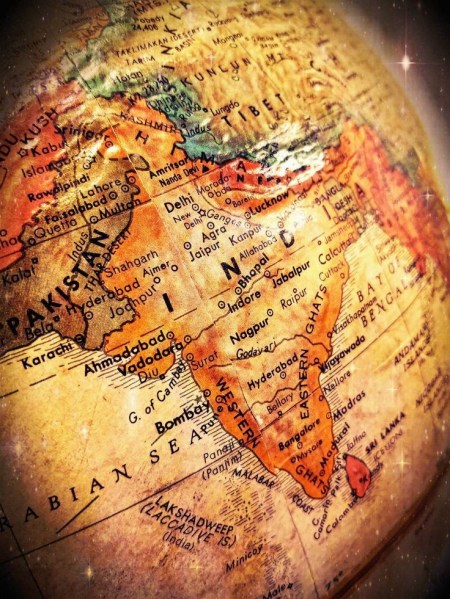
Early times the Indian subcontinent appears to have provided an attractive habitat for human occupation. Toward the south it is effectively sheltered by wide expanses of ocean, which tended to isolate it culturally in ancient times, while to the north it is protected by the massive ranges of the Himalayas, which also sheltered it from the Arctic winds and the air currents of Central Asia. Only in the northwest and northeast is there easier access by land, and it was through those two sectors that most of the early contacts with the outside world took place.

Within the framework of hills and mountains represented by the Indo-Iranian borderlands on the west, the Indo-Myanmar borderlands in the east, and the Himalayas to the north, the subcontinent may in broadest terms be divided into two major divisions: in the north, the basins of the Indus and Ganges (Ganga) rivers (the Indo-Gangetic Plain) and, to the south, the block of Archean rocks that forms the Deccan plateau region. The expansive alluvial plain of the river basins provided the environment and focus for the rise of two great phases of city life: the civilization of the Indus valley, known as the Indus civilization, during the 3rd millennium BCE; and, during the 1st millennium BCE, that of the Ganges. To the south of this zone, and separating it from the peninsula proper, is a belt of hills and forests, running generally from west to east and to this day largely inhabited by tribal people. This belt has played mainly a negative role throughout Indian history in that it remained relatively thinly populated and did not form the focal point of any of the principal regional cultural developments of South Asia. However, it is traversed by various routes linking the more-attractive areas north and south of it. The Narmada (Narbada) River flows through this belt toward the west, mostly along the Vindhya Range, which has long been regarded as the symbolic boundary between northern and southern India.
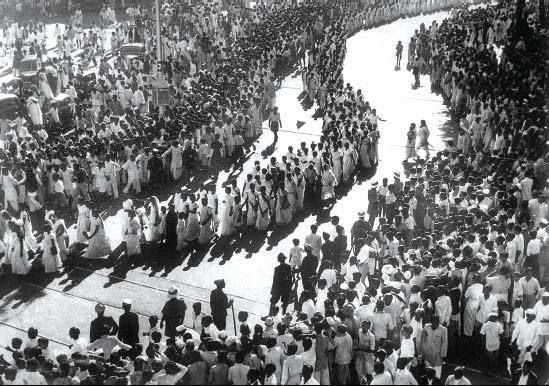
India’s movement for Independence occurred in stages elicit by the inflexibility of the Britishers and in various instances, their violent responses to non-violent protests. It was understood that the British were controlling the resources of India and the lives of its people, and as far as this control was ended India could not be for Indians.

On 28 December 1885 Indian National Congress (INC) was founded on the premises of Gokuldas Tejpal Sanskrit School at Bombay. It was presided over by W.C Banerjee and attended by 72 delegates. A.O Hume played an instrumental role in the foundation of INC with an aim to provide Safety Valve to the British Government.
A.O Hume served as the first General Secretary of INC.
The real Aim of Congress is to train the Indian youth in political agitation and to organise or to create public opinion in the country. For this, they use the method of an annual session where they discuss the problem and passed the resolution.
The first or early phase of Indian Nationalism is also termed as Moderate Phase (1885-1905). Moderate leaders were W.C Banerjee, Gopal Krishna Gokhale, R.C Dutt, Ferozeshah Mehta, George Yule, etc.
Moderates have full faith in British Government and adopted the PPP path i.e. Protest, Prayer, and Petition.
Due to disillusionment from Moderates’ methods of work, extremism began to develop within the congress after 1892. The Extremist leaders were Lala Lajpat Rai, Bal Gangadhar Tilak, Bipin Chandra Pal, and Aurobindo Ghosh. Instead of the PPP path, they emphasise on self-reliance, constructive work, and swadeshi.
With the announcement of the Partition of Bengal (1905) by Lord Curzon for administrative convenience, Swadeshi and Boycott resolution was passed in 1905.

ONE INDIVIDUAL MAY DIE; BUT THAT IDEA WILL, AFTER HIS DEATH, INCARNATE ITSELF IN A THOUSAND LIVES.

-Netaji Subhash Chandra Bose

Presidential Election

Recently, President election has been the talk of the town with Droupadi Murmu being elected as the India’s 15th President. Ms. Murmu becomes the second woman president and the first member of tribal community to do so as well as youngest president. She was the former Governor of Jharkhand and hails from the Santhal tribe and was born in Mayurbhanj in Odisha.

Coming to it lets know about how the election is conducted and it’s procedures:

The executive power of the Indian Union is vested with the President. The President is the head of the State and the supreme commander of the Defence Forces of India. The President exercises his powers on the advice of the Prime Minister and the Council of Ministers. According to the 42nd Amendment it is necessary for the President to exercise his/her functions with the advice of Council of Ministers.

Qualifications for Election:

A person shall be eligible for election as president if he/she :

  • is a citizen of India;
  • has completed the age of 35 years;
  • is qualified for election as a member of the Lok Sabha.
  • should not hold office of profit.

Whenever the office becomes vacant, the new president is chosen by an electoral college  consisting of:

the elected members of both houses of Parliament , the elected members of the State Legislative Assemblies of all States and the elected members of the legislative assemblies of union territories with legislatures, i.e. National Capital Territory of Delhi, Jammu and Kashmir and the Union Territory of Puducherry.

The nomination of a candidate for election to the office of the president must be subscribed by at least 50 electors as proposers and 50 electors as seconders. Each candidate has to make a security deposit of ₹15,000 (US$190) in the Reserve bank of India. The security deposit is liable to be forfeited in case the candidate fails to secure one-sixth of the votes polled.

The election is held in accordance with the system of proportional representation (PR) by means of the instant runoff vote (IRV) method .The voting is done by secret ballot  system. The manner of election of President is provided by Article 55 of the Constitution.

The actual calculation for votes cast by a particular state is calculated by dividing the state’s population by 1000, which is divided again by the number of legislators from the State voting in the electoral college. This number is the number of votes per legislator in a given state.

Rating: 3 out of 5.

Share Your University’s Educational News with a Wider Audience

📰 Publish on Eduindex (eduindex.org) Eduindex (www.eduindex.org) invites universities, colleges, institutes, and academic organizations to share their latest educational news, achievements, and campus events for publication on its widely read education news portal. Eduindex serves as a trusted digital platform dedicated to showcasing developments in higher education, research, innovation, and academic excellence from India and…

Rate this:

Rethinking Progress: How Technology and Global Shifts Shape the Business Landscape

Modern life feels like a constant movement forward. Industries evolve, consumer expectations rise, and technologies that once seemed futuristic have quietly become part of our routines. As the world integrates digital habits into nearly every sphere, the line between professional and personal life continues to blur. Today, business is no longer a separate domain —…

Rate this:

CryptoProcessing by CoinsPaid Strengthens Layer-2 Payment Capabilities with Arbitrum and Base

As demand for faster and more cost-efficient crypto payments continues to rise, infrastructure providers are increasingly turning to Layer-2 technologies to overcome the scalability limits of traditional blockchains. In response to these market needs, CryptoProcessing by CoinsPaid has expanded its payment rails by integrating two major Ethereum Layer-2 networks — Arbitrum and Base — enabling…

Rate this:

GATE Preparation, Reimagined: Learn, Practice, and Progress with Free Resources from Track2Training

4 GATE Preparation, Reimagined: Learn, Practice, and Progress with Free Resources from Track2Training The journey to cracking the GATE (Graduate Aptitude Test in Engineering) is often described as demanding, competitive, and resource-intensive. Many aspirants assume that success requires expensive coaching programs, bulky study materials, and paid test series. However, a growing number of students are…

Rate this:

Best Custom Knife: How to Choose the Perfect Blade for You
A best custom knife is the one that fits your tasks, your hand, and your budget without useless extras. Everything below is about how to reach that state consciously. What will you actually do with the knife? A clear purpose narrows your choices for knife type, steel, and geometry by 3–5 times and saves money…
Rate this:

, , , , ,

Every elected member of the parliament enjoys the same number of votes, which may be obtained by dividing the total number of votes assigned to the members of legislative assemblies by the total number of elected representatives of the parliament.

Rating: 1 out of 5.

Rating: 1 out of 5.

Rating: 1 out of 5.

Rating: 1 out of 5.

Importance of Cybersecurity.

Cyber security is the protection of Internet-connected systems such as hardware, software, and data from cyber threats. This technique is used by individuals and businesses to protect against unauthorized access to data centers and other computerized systems.

Cyber security is important because it protects all categories of data from theft and damage. This includes sensitive data, intellectual property data, government and industry information data and systems information,personally identifiable information , protected health information and personal identified information . Without cybersecurity programs, organizations cannot protect themselves from data breaches campaigns and are attractive targets for cybercriminals.
Global connectivity and the use of cloud services such as Amazon Web Services to store sensitive and personal information increase both inherent and residual risks. Along with increasingly sophisticated cybercriminals, widespread misconfiguration of cloud services means an increased risk for businesses suffering from successful cyberattacks and data breaches. Executives can no longer rely solely on off-the-shelf cybersecurity solutions such as antivirus software and firewalls, cybercriminals are smarter, and their tactics are more resilient to traditional cyber defense. It is important to cover all areas of cybersecurity to remain fully protected.
Cyber threats can come from all levels of an organization. Organization should educate employees about common cyber threats such as social engineering fraud, phishing, ransomware attacks and other malware designed to steal intellectual property and personal information. Should include cybersecurity awareness training for.

Types of Cyber Threats :
Malware-This is a type of malicious software that can use arbitrary files or programs to harm computer users. This includes worms, viruses, Trojan horses, and spyware. Ransomware-This is another type of malware. This involves an attacker locking the victim’s computer system files and requesting payment to unlock them.
Social Engineering-This is an attack that relies on human interaction to trick users into breaking security procedures and gaining sensitive information that is normally protected.
Phishing-This is a form of social engineering that involves sending deceptive emails or text messages similar to those from trusted or known sources. Often in random attacks, the purpose of these messages is to steal sensitive information such as credit cards and login information.
Spear phishing – This is a type of phishing attack aimed at targeted users, organizations, or businesses.

Cyber security is very important today. Our society is more dependent on technology than ever before and in today’s digital time data breaches that could lead to the theft of personal information which are easily disclosed to social media accounts. Sensitive information such as social security numbers, credit card information, and bank account details are now stored in cloud storage services such as Dropbox and Google Drive. In fact, whether you are an individual, a small business, or a large multinational company, in today’s time everyone rely on computer systems every day .

Misuse of Section 375 .

Section 375 of the Indian Criminal Code was created to protect women from rape. In Indian criminal law, in section 375 Men are said to commited rape if he :
(a) pierce the penis in some way or force a “rape” on a woman’s vagina, mouth, urethra, or anus.
(b) in some way insert an object or body part other than the penis into the woman’s vagina, urethra, or anus, or have the woman do so to him or others.
(c) manipulate any part of a woman’s body to penetrate or penetrate the woman’s vagina, urethra, anus, or other parts of her body.
(d) place the mouth in the woman’s vagina, anus, urethra.

Under Section 370 , If a person rape woman and do so in any of the following seven situations.
1) Against to their will. 2) Without their consent. 3)With consent and consent for fear of death or injury to them or those they are close to.
4) Consent is given because a man knows he is not her husband and believes that he is another man who is married, or that he is legally married. If so, with her consent
5) If she is under the age of 18, with or without her consent.

Abuse of power
One of the famous sayings used in connection with Section 375 is “Men are guilty until proved innocent, and women are not guilty until proved innocent.”
Laws enacted to empower women and reassure them in patriarchal societies soon turned into swords that killed the dignity of men in society by false accusations, or women misused laws and power made to protect them. The problem that is occurring in our world today is that women use verbal consent to have sexual intercourse and later refuse or refrain from having sexual intercourse or falsely accuse men that they had it without thier consent. In both cases, the man has the responsibility of proof and must prove his innocence.

According to an article published in The Times of India , only one person was convicted in each of the fourth cases of rape, and high probability that anyone who did not proven guilty after a full trial could be innocent. Leads to the high assumption that innocent people have been accused of rape. India’s conviction ratebin rape cases is 32%, which is self-evident from the fact that numerous false reports related to rape have been registered in India.

Being a victim of false rape allegations is as bad as being a victim of rape. You can’t imagine the shock, trauma, ridicule, and humiliation that someone experienced after being falsely accused of rape. Not only the man, but his family and close friends suffer from various consequences, and isolation and ridicule are just a few of them. Their future is shattered, the humiliation and shame that society suffers is enough to shatter it, and no one can think of them living as they used to.

What can be done ?
The creators of Article 375 of the 2013 Act and the Criminal (Amendment) having only one vision in context to the problem, consider only the safety of women and have not developed any means of protecting innocent men in society. Therefore, there is usually a debate about what we can do to protect innocent people from society who are falsely accused. Provision (Section 375) cannot be said to be gender-neutral to remove the slight justice that this section offers, as it acts as a hurdle for women to file genuine rape cases.
Then the question arises. What can you do? In such situations, the legislature and judiciary need to work together to strike the right balance between men and women so that the virtues of justice are provided to them equally.

Assassination Of Former Prime Minister Rajiv Gandhi .

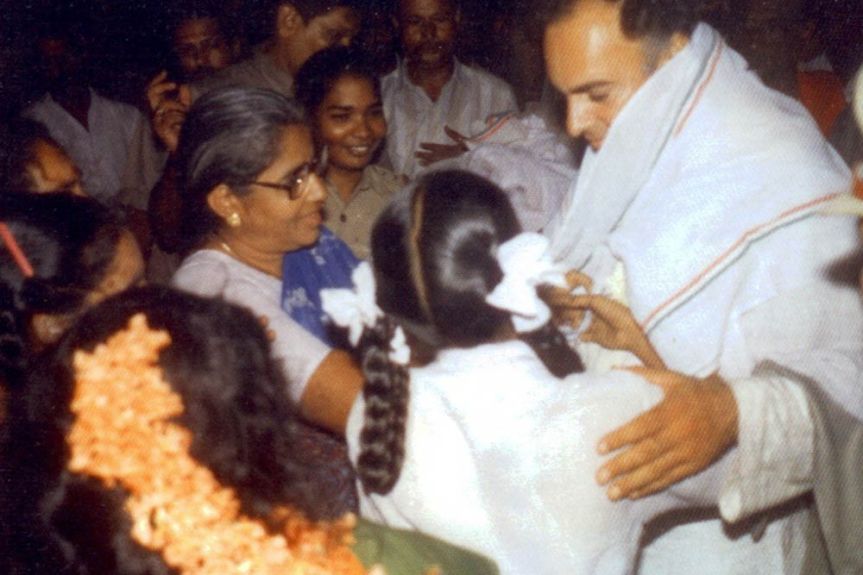
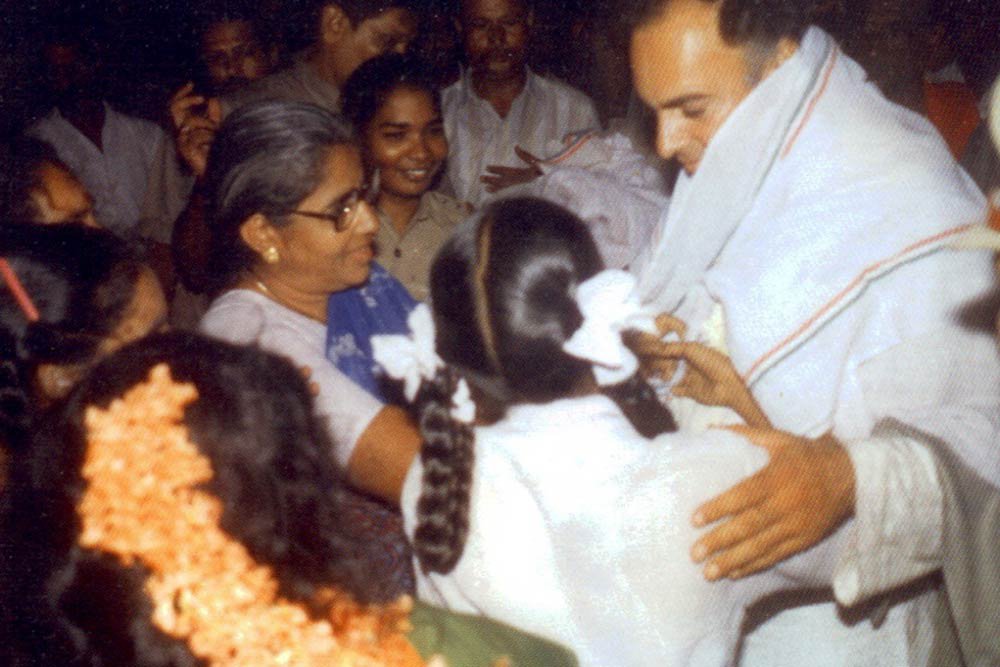
The assassination of former Prime Minister of India Rajiv Gandhi, , occurred on 21 May 1991 as a result of a suicide bombing in Sriperumbudur in Tamil Nadu, India . At least 14 others,we’re killed alongside Rajiv Gandhi in the suicide bombing.

The assassination was carried out by Thenmozhi Rajaratnam, a member of the Tamil Liberation Tigers (LTTE), a Tamil separatist organization in Sri Lanka, and Dr. Jagjit Singh Chohan of the National Council of Khalistan (NCK) and Gurjant Singh Budhsinghwala of the Khalistan Liberation Force. At that time, India had just finished its involvement in the civil war in Sri Lanka through the Indian Peace Keeping Force. Rajiv Gandhi along with G.K. Moupanal started election campaign in southern state of India. After campaigning in Visakhapatnam, Andhra Pradesh on May 21, his next destination was Sriperumbudur, Tamil Nadu. Approximately two hours after arriving in Madras ,Rajiv Gandhi rode a white ambassador car to Slipelumbudur in a convoy, stopping at several other campaign sites along the way. Arriving at the campaign rally at Sriperumbudur, Rajiv left the car and went up to the podium, where he gave a speech. After the soeech the assassin Danu (Thenmozhi Rajaratnam) approached and greeted him. Then she bent over and touched his leg, and at 10:10 pm, detonated a belt loaded with RDX explosives place under her dress. Gandhi, his assassin and 14 others were killed in a subsequent explosion, and 43 were seriously injured. The assassination was filmed by local photographer Haribab. Haribab’s camera and film were found intact on the scene, but he also died in the blast.

Apart from Rajiv Gandhi, former Prime Minister of India and the suicide bomber Thenmozhi Rajaratnam , several people were killed in the blast on 21 May 1991:
Including Pradeep K Gupta (personal security officer of Rajiv Gandhi ), K.S Mohammed Iqbal (police superintendent), Edward Joseph ( police inspector) ,Dharman,Chandra, Ethiraju Muruganand and Rajguru (police constables), Santhani Begum (Mahila Congressn Leader) ,Latha Kannan ( Mahila Congress worker,who was with her daughter Kokilavani ),Kokilavani (ten-year-old daughter of Latha Kannan, who sang a poem to Gandhi immediately before the blast), Munuswamy (former member of the Tamil Nadu Legislative Council) ,Saroja Devi (seventeen-year-old college student), Ravichandran (Black Cat commando).
Around forty-three spectator present in the campaign including police sub-inspector Anushiya Daisy were also injured in the explosion.

Immediately after the assassination, the Chandrasekhar government handed over the investigation to the CBI on May 22, 1991. Authorities, formed a special research team led by Karthikeyan to determine who is responsible for the assassination. A SIT investigation confirmed the role of the LTTE in assassination and was endorsed by the Supreme Court of India. Judge Millap Chand Jain’s interim report investigated the secret aspects of the assassination and accused DMK of working with the LTTE. The report concluded that the DMK provided the LTTE with shelter and made it easier for rebels to assassinate Rajiv Gandhi. The report also claimed that Jaffna’s LTTE leaders possessed confidential, encrypted messages exchanged between the federal and DMK state governments.Authorities also stated in reports “There is evidence that during this period some of the most important radio messages were exchanged between the LTTE agents stationed in Tamil Nadu and Jaffna. These later deciphered messages are directly related to the assassination of Rajiv Gandhi “. The Congress demanded withdrawal of DMK from the Union Front government, after claiming to have played an important role in Rajiv Gandhi’s death. According to reports Dr. Jagjit Singh Chohan supported the LITTE with logistic and tactical support. His involvement was first revealed in 2016, about 10 years later. Speculation. This was evidence of the Jain Commission’s report and was suspected that the LTTE had contacted Gurjant Singh Budhsinghwala with Jagjit Singh Chohan to plan the plot.

After the investigation on the assassination of former prime minister Rajiv Gandhi ,the court convicted and sentenced the seven persons who were involved in the assassination to life imprisonment. They are currently undergoing life imprisonment in prisons in India.
They are:
Murugan – A LTTE operative from Sri Lanka, Nalini – Wife of Murugan. Nalini is a citizen of India ,Jayakumar – The brother in law of Robert Pious ,Ravichandran – A Sri Lankan national ,T. Suthenthiraraja – A Sri Lankan national ,Robert Pious – A Sri Lankan national and A. G. Perarivalan – An Indian citizen who was arrested for supplying a 9-volt battery for the explosive device.

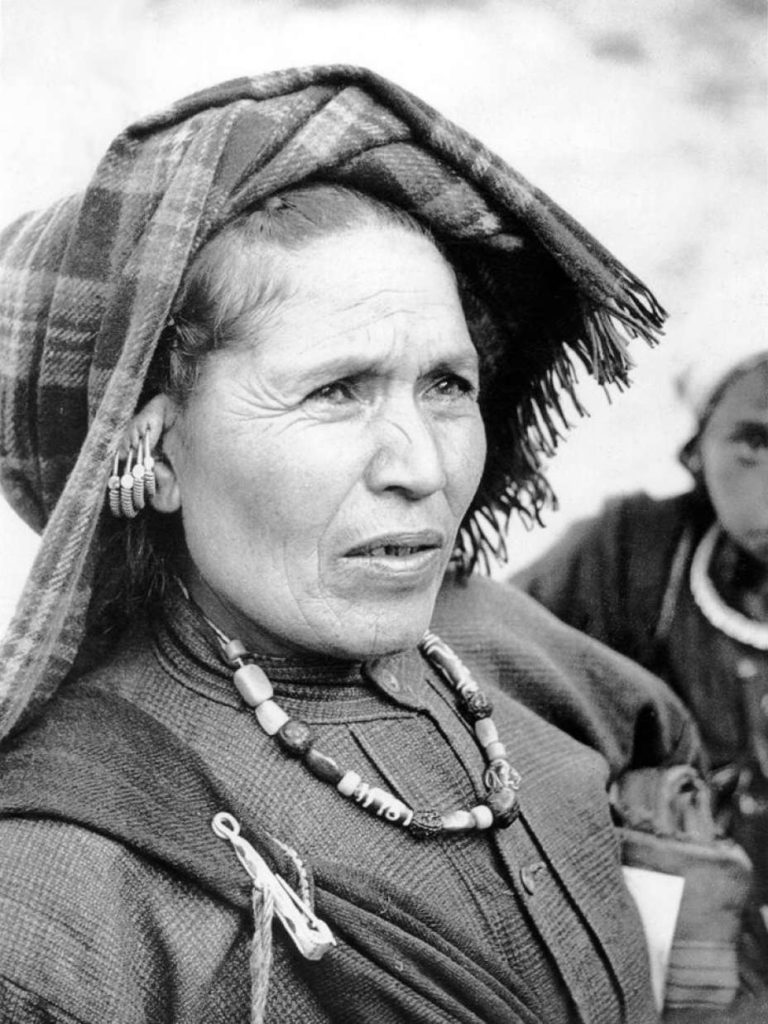
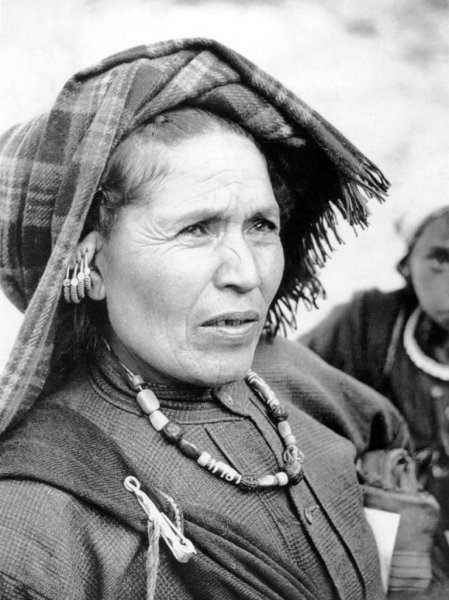
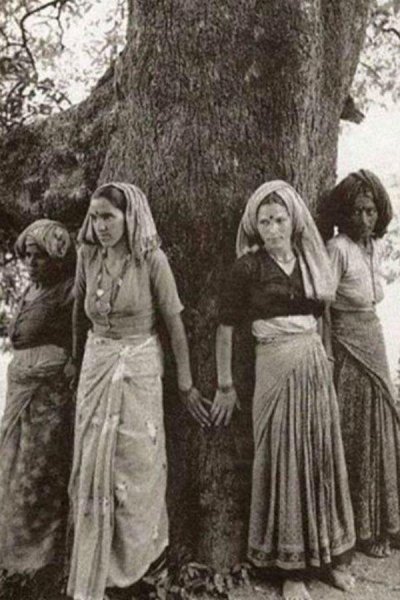
Gaura Devi who played an important role in Chipko Movement.

Gaura Devi (1925 – 1991) was a social activist and a rural women community leader from Uttarakhand, India who played an important role in the Chipko movement in 1970’s .
Gaura Devi was born in 1925 in a village named Lata of Chamoli district in the state of Uttarakhand. She got married at very young age, afer her marraige she moved to a nearby village named Reni by the Alaknanda River. At the age of 22 she was a widow with a child. After her husband death she moved to a new village which was near to the border of Indo-Tibet.

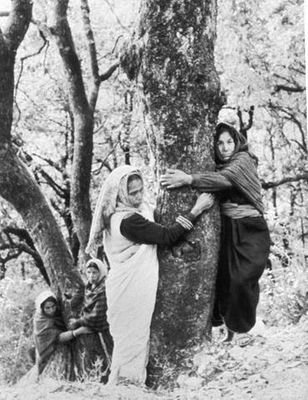
An environmentalist Sunderlal Bahuguna initially started the Chipko Movement . Gaura Devi became the leader of the Chipko movement in 1974. Gaura Devi was elected to lead the Mahila Mangal Dal (Women’s Welfare Association) in the wake of the Chipko movement. The organization worked towards protecting the forests of the community. On March 25, 1974, she learned from a young girl of the village that a local loggers of the village were logging a tree near the village. People in the village of Reni were told the news that according to government new policy, the government would pay compensation to the people for the land used by the army . Gaura Devi and 27 other women decide to take action against the loggers. She confronted the loggers and demanded that the men shoot her instead of cutting down trees, and she described the forest as “vandevta” (the jungle god) and her maika (mother’s house). Eventually, for the next three or four days Gaura Devi along with other village women’s protect the trees by hugging the trees , despite the insults and intimidation of the armed loggers,she was able to stop the logger’s work . After seeing the bravery of Gaura Devi and other village women’s how they protect the trees who are the important part of thier life other villagers from different villages joined the action with her . After this incident, the Uttar Pradesh government set up a specialized committee to investigate logging issues, and the logging company withdrew its subordinates from Reni. The Commission stated that the Reni Forest is an ecologically sensitive area where trees should not be logged. The Uttar Pradesh government who was in power of that area at that has since banned all logging in areas over 1150 km² for 10 years.

Some other important activist who played an important role in Chipko Andolan or Chipko movement along side Gaura Devi were :
Suraksha Devi, Sudesha Devi, Bachni Devi and Chandi Bhatt, Virushka Devi and others.

Gaura Devi passed away in July 1991, at the age of 66 in Reni village Chamoli.

“Ecology is permanent economy “

-Sunderlal Bahuguna

Operation Cactus by Indian Armed Forces which saved Maldives freedom.

Operation Cactus, led by the Indian Armed Forces in 1988, to stop a group of Maldives mercenaries led by businessman Abdullah Rutufi, and armed mercenaries of the Tamil Elam People’s Liberation Organization (PLOTE), a separatist Tamil organization in Sri Lanka. It’s strategy was to overthrow the government in the Maldivian island republic.

Thier were two coup attempr done before 1988.The 1980 and 1983 coup attempts against President Maumoon Abdul Game were not considered serious, but the third coup attempt in November 1988 surprised the international community. About 80 armed PLOTE mercenaries boarded a speedboat from a Sri Lankan cargo ship hijacked in the capital Male before dawn. A similar number has previously invaded Male in the guise of a visitor. The mercenaries soon gained control of the capital. This includes major government buildings, airports, ports, television and radio stations. The mercenaries then marched to the presidential residence, where President Gayoom lived with his family. However, before they arrived at the presidential residence, President Gayoom was escorted to the Defense Minister’s house by a Maldivian national security forces. The Secretary of Defense then took the president to a safe home.

Meanwhile, the mercenaries occupied the presidential residence and managed to take the Maldivian Minister of Education hostage. President Gayoom called on Sri Lanka and Pakistan government to intervene in the military, but both refused to help because of lack of military power. The president then demanded Singapore’s intervention, but Singapore refused for the same reason. He then contacted the United States and was told that it would take a couple of days for the US military to reach the Maldives from the nearest military base in Diego Garcia, which was almost 1000 km away. The president then contacted Britain and who advised them to seek help from India. After that, President Gayoom sought help from the Indian government. India soon accepted their request and an emergency meeting was convened at the Secretariat Building in New Delhi. Within 16 hours of SOS, India was ready for thier missions.

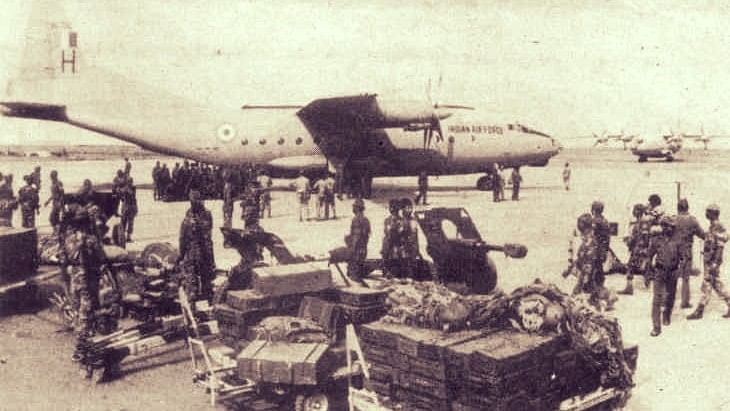
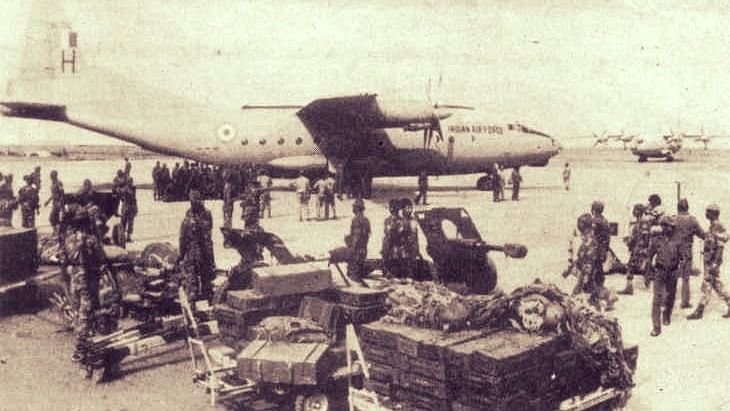
Rejaul Karim Laskar, a member of India’s then ruling party, the Indian National Congress, said that intervention of India in coup d’etat was necessary because without India’s intervention, outsiders powers were tempted to intervene and establish base in the Maldives. . Therefore, India intervened through “Operation Cactus”. On the night of November 3, 1988, the Ilyushin Il-76 aircraft of the Indian Air Force took elements of the 50th Independent Parachute Regiment, the 6th Parachute Regiment Battalion, and the 17th Parachute Field Paratrooper Regiment under Brigadier General Farsala from Agra Air. He flew non-stop for over 2,000 kilometers (1,240 miles) and landed at Male International Airport on Hulhule Island. Indian Army paratroopers arrived in Hulhule nine hours after President Gayoom proceedings.

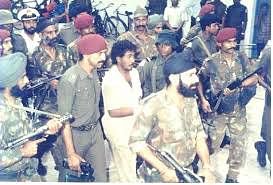
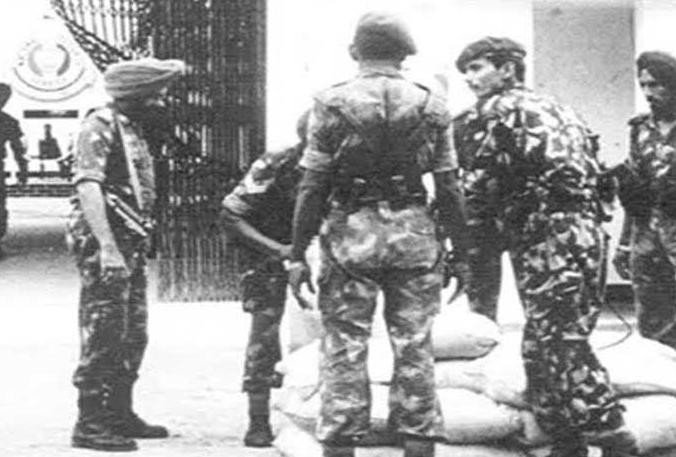
Indian paratroopers quickly secured an airfield and sailed to Male on a confiscated boat to rescue President Gayoom . Paratroopers handed over control of the capital to President Gayoom ‘s government within hours. Some of the mercenaries fled to Sri Lanka on a hijacked cargo ship. Those who could not arrive at the ship in time were immediately rounded up and handed over to the Maldivian armed Forces and government. According to reports, 19 people died in battle, most of them mercenaries. The dead included two hostages killed by mercenaries. And Operation Cactus took 18 hours for Indian Armed Forces from start to finish. Indian Navy frigate Godavari and Betwa intercepted a cargo ship off Sri Lanka and captured mercenaries. The swift intervention and accurate intelligence of the Indian Army was able to successfully subdue the coup attempted in the island nation.

“Black Tiger” Of India Ravindra Kaushik.

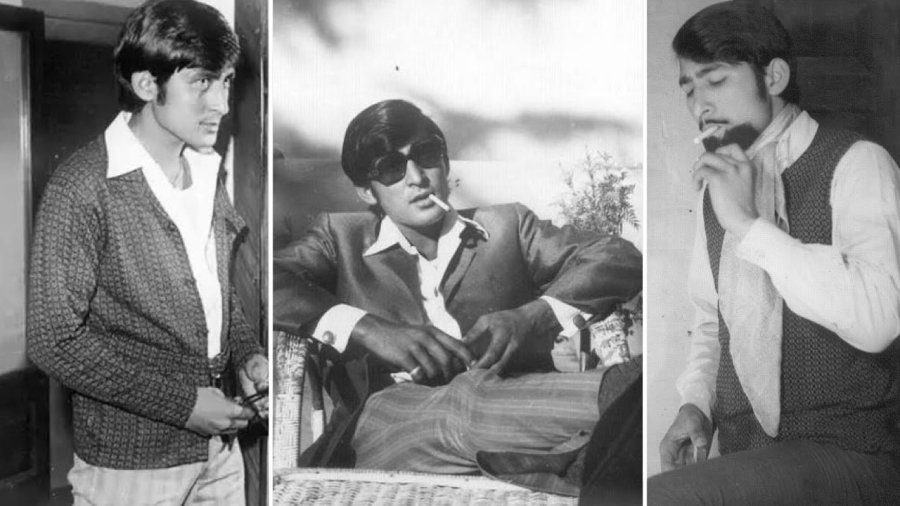
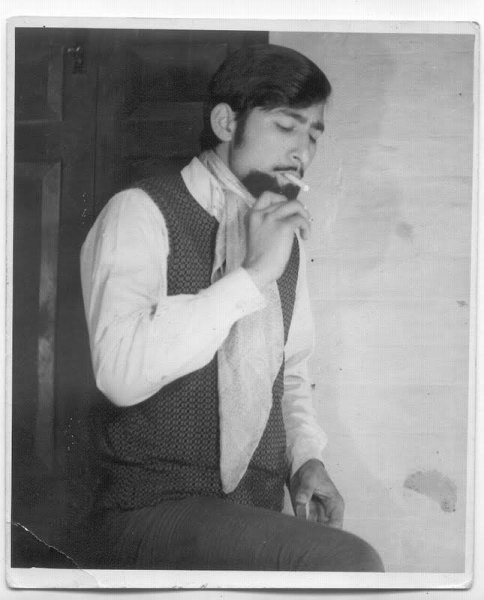
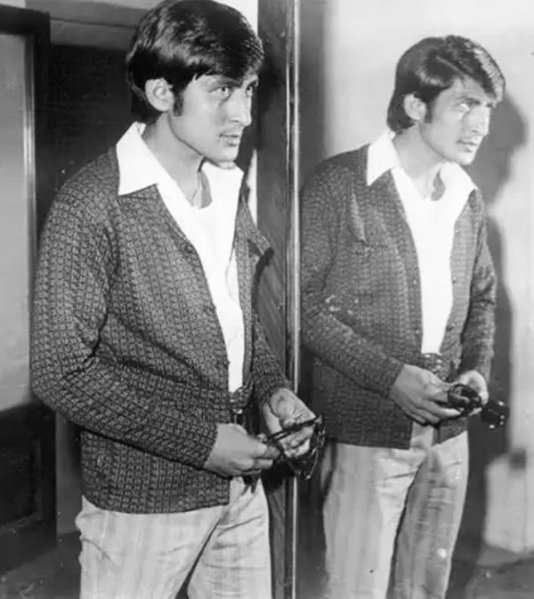
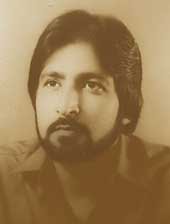
Ravindra Kaushik who served in (R&AW) ,famously known as Black Tiger was born in Sri Ganganagar, Rajasthan on 11 April 1952 in a Brahmin family.
Ravindra during his graduation days used to do drama plays and during this time Kaushik displayed his talent at the national level dramatic meet in Lucknow, Uttar Pradesh, which was witnessed by officials from the Research and Analysis Wing. After which he was contacted and offered a job of being an undercover Operative for Research and Analysis Wing in Pakistan.

After agreeing to work for R&AW Kaushik was given extensive training in Delhi for two years. He underwent circumcision so he could pass as a Muslim. He was taught Urdu, given Islamic religious education and acquainted with the topography and other details about Pakistan. Being from Sri Ganganagar, a city near Rajasthan’s border with Punjab, he was well versed in Punjabi, which is widely understood in Punjab and Pakistan as well., India. In 1975, at the age of 23, He was sent to Pakistan.
Kaushik was given the cover name “Nabi Ahmed Shakir” and entered Pakistan in 1975. He was successful in getting admission in Karachi University and from where he completed his LLB. He then joined Pakistan Army as a commissioned officer and eventually promoted to the rank of a major. While living in Pakistan under his cover he married a local girl named Amanat, the daughter of a tailor in one of the army units, and with whom he fathered a boy .

From 1979 to 1983, while working as an officer, he passed on valuable information to R&AW which was of great help to India. He was given the title of ‘Black Tiger’ by India’s then home minister late S. B. Chavan.

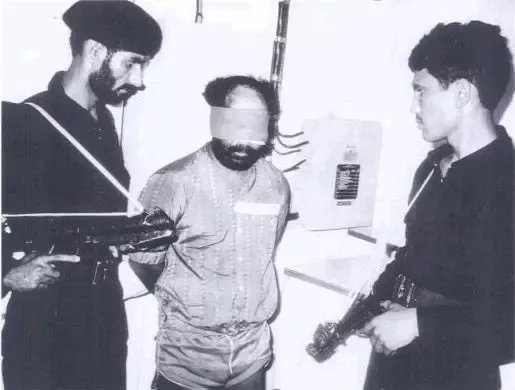
In September 1983, R&AW sent a low-level operative, Inyat Masih, to get in touch with Kaushik. However, Masih was caught by Joint Counterintelligence Bureau of Pakistan’s ISI and blew Kaushik’s cover. Kaushik was then captured, tortured for two years at an interrogation center in Sialkot. He was given the death sentence in 1985. His sentence was later commuted to a life term by the Supreme Court of Pakistan. He was kept in various jails in various cities, including Sialkot, Kot Lakhpat and in Mianwali jail for 16 years. He managed to secretly send letters to his family in India, which revealed his poor health condition and the trauma faced by him in Pakistani jails.He also adresses his thoughts on his country and department. In one of his letters he wrote:
“Kya Bharat jaise bade desh ke liye kurbani dene waalon ko yahi milta hai?” (Is this what people who sacrifice their lives for a big country like India get?”
In November 2001, he was caused with pulmonary tuberculosis and heart disease in Central Jail Mianwali in Pakistan.
He served for Research and Analysis Wing from 1975 to 1983.

“Writing about magic is harder than writing about spies because you’re dealing with something that doesn’t really exist.”

-Anthony Horowitz

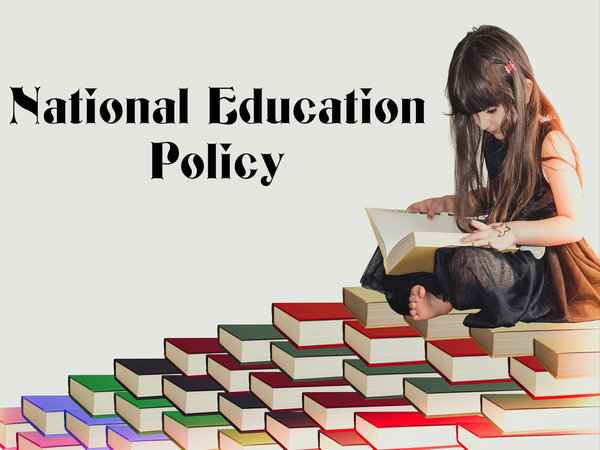
NEW EDUCATION POLICY TO BRING EVOLUTION IN THE EDUCATION SYSTEM.

NEW EDUCATION POLICY:
° Students are currently undergoing school exams conducted by responsible authorities in grades 3, 5, and 8.
° 10th and 12th grade board exams will continue, but will be redesigned for overall development.
° Mathematical reasoning and scientific temperament coding begins in 6th grade .Vocational training begins at school in sixth grade and includes internships.
° The 10 + 2 structure is replaced by 5 + 3 + 3 + 4. The new system consists of grades 12 and 3 years preschool / Anganwadi.
° Until 5th grade, this policy emphasizes the local / regional / native language as the teaching language.
° In schools and universities, Sanskrit is also included as a student option at all levels and consists of three language formulas.
° Under Graduate is now 3 or 4 years, with multiple degree options eligible for this period, such as a 1 year certificate, 2 years diploma, 3 years degree, 4 years bachelor’s degree in research, etc.
° An Academic Credit Bank (ABC) is created to store, transfer, and award bachelor’s degrees from digital learning achievements earned by students from various universities.
° The curriculum has been reduced to essentials for all subjects. They focus on critical thinking, discovery, inquiry, debate, and education based on analytical and holistic learning methods for education.
° Focus on e-learning so you can reduce your reliance on textbooks
Under the new policy, education will receive 6% of GDP, up from 1.7%. This definitely boosts the education system.
° By the end of 2040, all universities should be interdisciplinary institutions with more than 3000 students each. University affiliation will be phased out over the next 15 years.

Foucus on Regional /Mother Tongue Language:
As you know, young children learn new things as soon as they teach in their own language, not in another language they are unfamiliar with. This policy is aware of it, so children will be taught in their native language until the age of 5, but it can change to 8th grade .

NEW CURRICULUM STRUCTURE:
•) Rebuild the school curriculum and teaching methods into new 5 = 3 + 3 + 4 patterns.
•) The new curriculum structure is designed to attract the attention of learners at various developmental stages, such as 3-8 years old, 8-11 years old, 11-14 years old, 14-18 years old.
•) Elementary level lasts 5 years:
3 years before school, 1st and 2nd grade.
The preparatory stage lasts for 3 years: 3rd, 4th and 5th grade.
Middle school or high school lasts 3 years: 6th, 7th and 8th grade.
High school or junior high school lasts four years: 9th, 10th, 11th, 12th grade.
All of the above levels include Indian and regional traditions, ethical thinking, socio-emotional learning, quantitative and logical thinking, digital literacy, computational thinking, scientific manipulation, language and communication skills.

“Learning starts with failure; the first failure is the beginning of education.”

– John Hersey

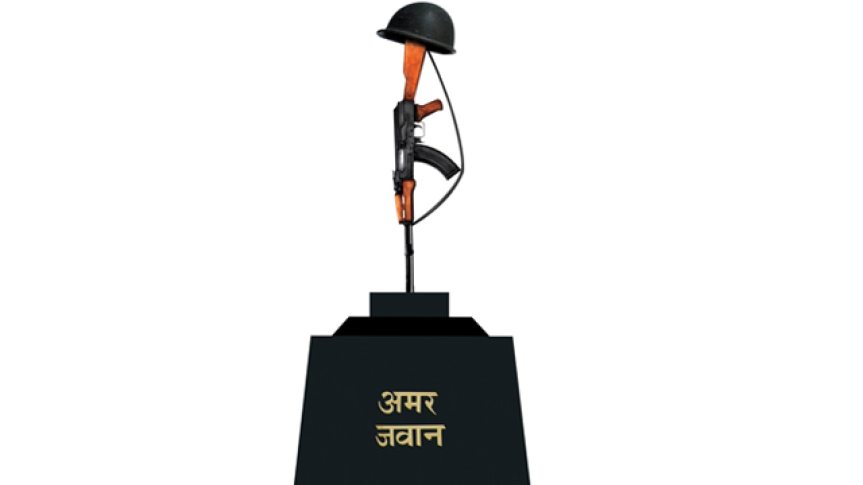
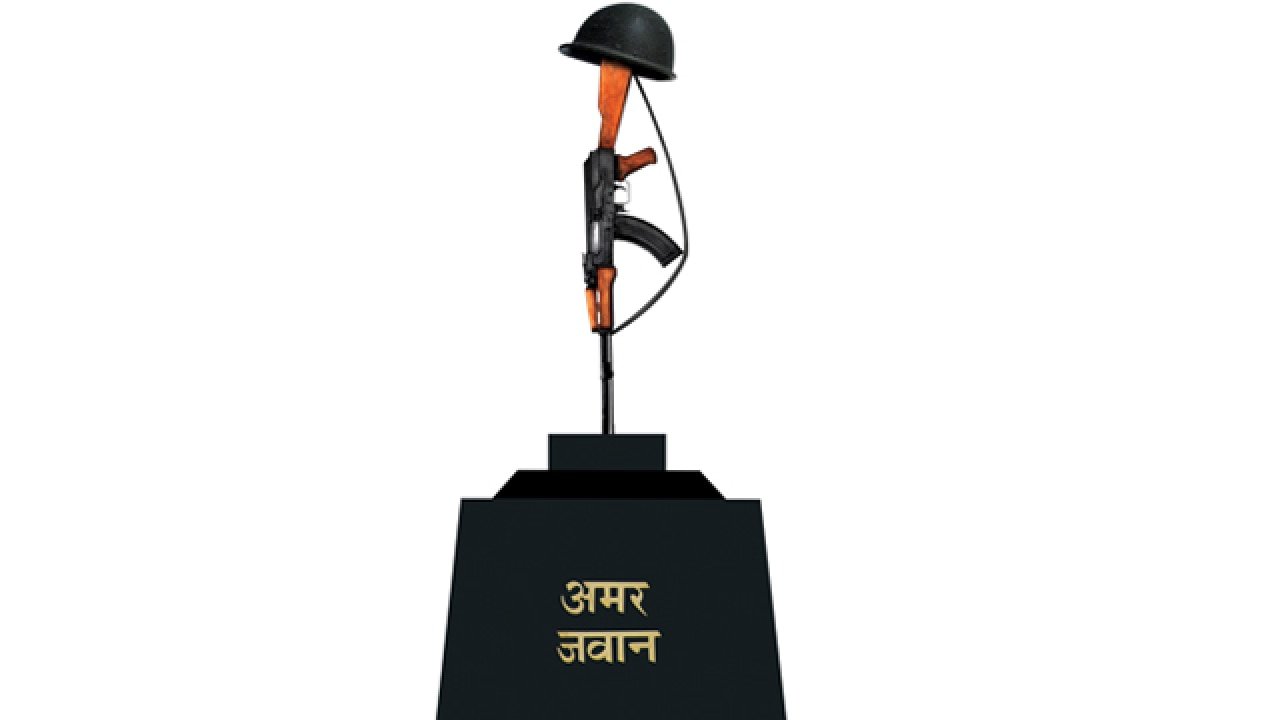
No use of ‘Martyr’ word in Army for death of on duty soldier .

History of the use of the word martyr:
The government has claimed for nearly a decade that the word “martyr” has not been officially recognized. In 2013 and 2014, in response to RTI’s request, the Ministry of Home Affairs revealed that the words “martyr” and “shahid” were not defined anywhere by the Government of India.
In December 2015, then Home Affair Minister Kireen Rijiju said in Lok Sabah that it is advised that the word “martyr” is not refer to any of the victims of the Indian army. He added that such terms were not used by Central Armed Police Forces (CAPF) and Assam Rifles personnel either.
In December 2021, Minister of State Home Nityanand Rai told Rajya Sabha again that there was no formal term like “martyr.”


Objections to the use of martyrs’ words:
The word “martyr” has religious implications and has historically been used to refer to people making sacrifices for their religious beliefs like in Christianity . The word “Shahid”, which is used as a Hindu alternative to the word “Martyr”, also has a religious meaning and is associated with the Islamic concept of Shahadat. The word “martyr” is said to be derived from the Greek word “martur”. In various dictionaries, “martyr” is defined as a person who is willing to die as a punishment for refusing to abandon religion.
Since the Indian army is not affiliated with any religion and does not sacrifice their lives for religious principles, the use of such words for their sacrifice is found wrong,including the supreme leader of the army. Using words like martyr may not be correct in context to armed forces especially in India according to many legal experts and prominent officers of army and retired officers.

Steps Taken By Government To Stop Use Of Martyr Word:
Despite the repeated assertions of the government about the word martyr having no official recognition, it was mostly used in government statements issued by various PR Officers for the defence services and the CAPFs. Many senior serving and retired officers also used it frequently to describe the death of soldiers in action. Thus, the word remained in common use.
The Army in 2022 issued a letter to all its commands asking them to abstain from using the word martyr as it may not be appropriate for soldiers who die in the line of duty. They have been, instead, asked to use phrases such as killed in action, supreme sacrifice for the nation, battle casualty, laid down their lives,veergati etc.

“Either I will come back after hoisting the tricolor, or I will come back wrapped in it, but I will be back for sure. “

-Late Captain Vikram Batra (PVC)

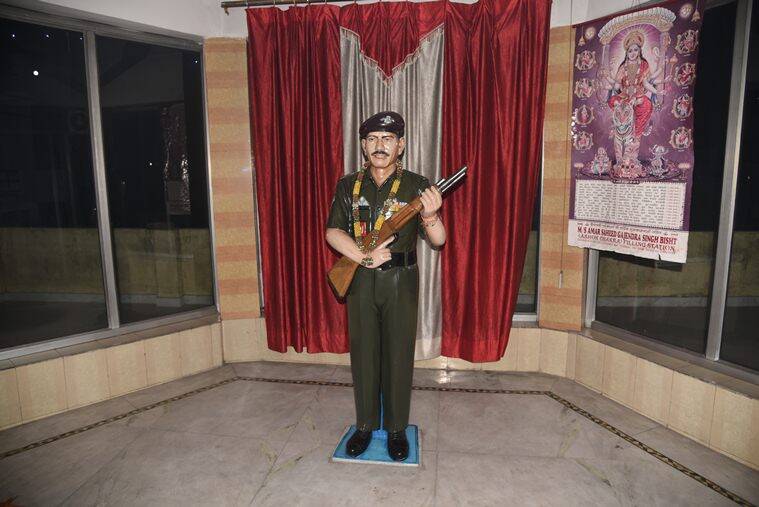
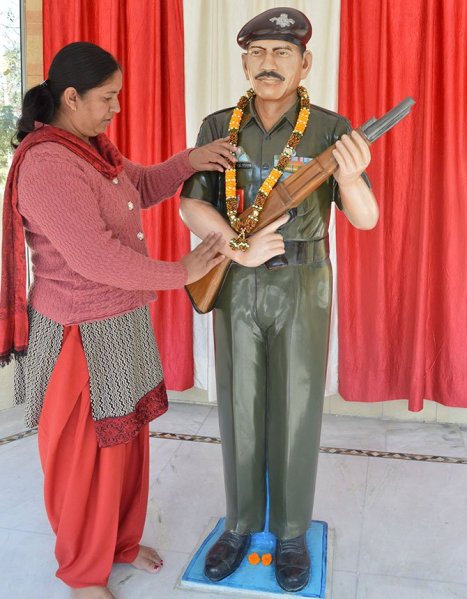
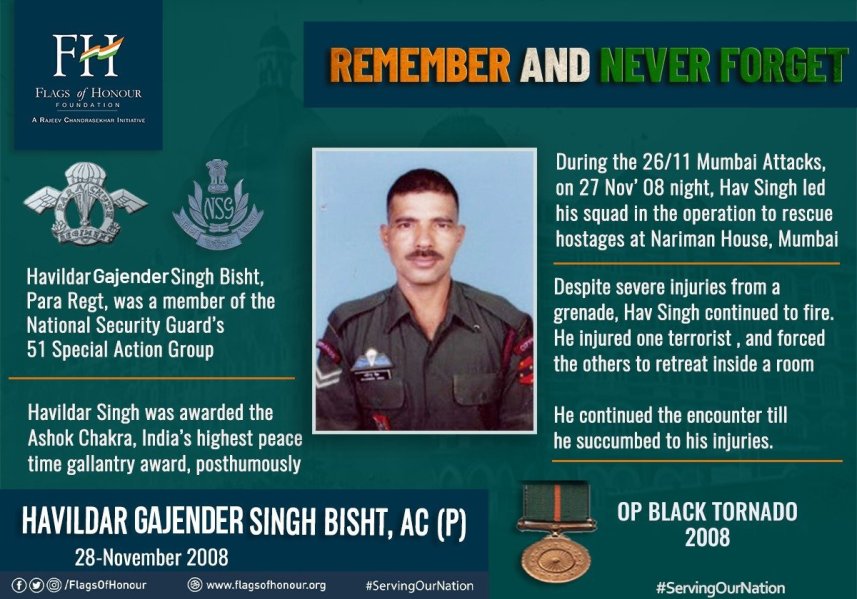
A warrior who can not be forgotten Hav. Gajender Singh Bisht.

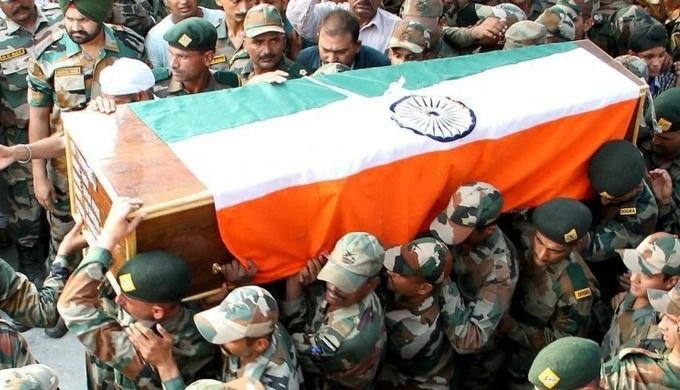
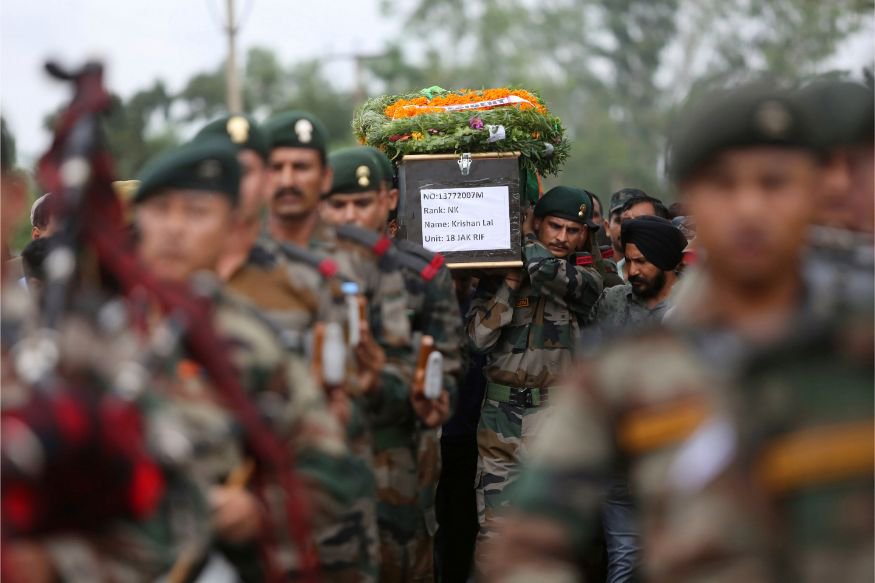
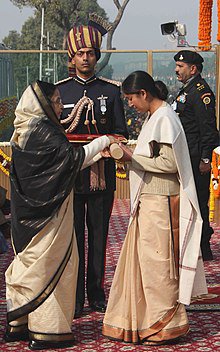
Havaldar Gajender Singh Bisht was an NSG commando who was martyred in the 2008 Mumbai attack. His bravery received the Ashoka Chakra Award from the President of India on January 26, 2009, on the Anniversary of the Republic of India.
He was born on 1 July,1972 in Dehradun, Uttarakhand.

He persued his education from the Janata Inter College in Naya Gaon.As a student he used to participate in every event organised in the school, sports or cultural activities. But he had a particular interest in boxing. Havaldar Gajendra Singh joined Garhwal Rifles in 1991 and later decided to become part of the 10 Para (Special Forces). Havaldar Gajendra also actively participated in Operation Kargil in 1999. Havaldar Gajendra was a trained commander of the Indian Army Special Forces, but he was commissioned to serve the National Security Guard’s Elite Special Action Group.
Gajendra Singh Bisht was a member of the 51st Special Action Group of the National Guard. He was part of a team of NSG Command rushed to the roof of Nariman’s house to neutralize an terrorist inside the building who had at least six hostages.


According to NSG Secretary Jyoti Krishna Dutt, Bisht led one of the teams entering the building. The team was hit by a violent terrorist attack and returned to fire while trying to contain the situation. Terrorists also threw some grenades at Commando. At this point,Bisht had the opportunity to retire with his team. But he realized they needed to seize this opportunity and went forward with thier mission.Instead of turning his back on the militants, he made the way to other troops instead, despite the grenades being thrown. He suffered multiple gunshot wounds in the process, but moved forward and was eventually injured. This allowed his team to secure a dominant position in the encounter. On the night of November 27, 2008, Havildar Gajender Singh Bisht led his army in an operation to rescue hostages from terrorists at the Nariman House in Mumbai. While securing the Nariman House during Operation Black Tornado, Bisht got fatally injured at Jewish center attack and died.

Agnipath Scheme a new vision for future India?


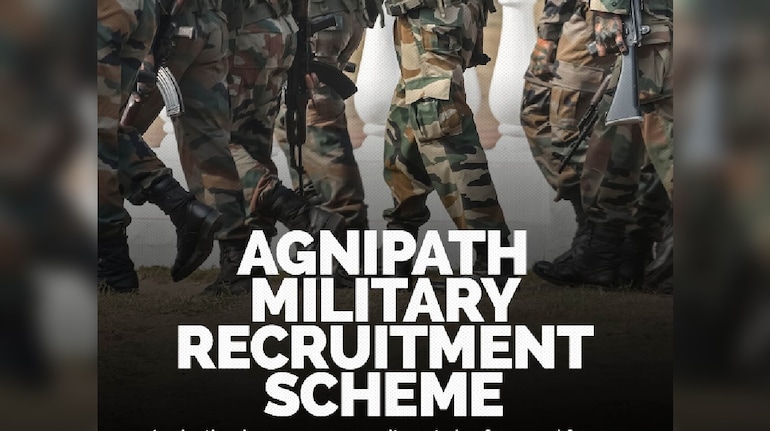
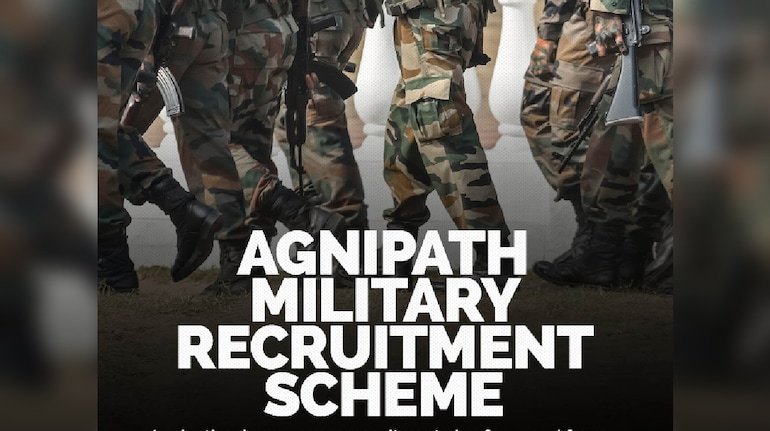
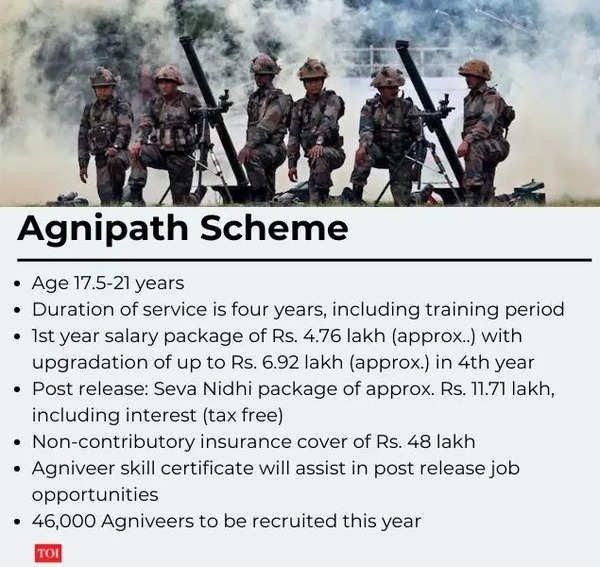
The Agnipath Program is a new program launched by the Government of India on June 14, 2022 to recruit soldiers under Corporal into three armies. The Agnipath program will be the only means of recruiting the military. All new employees will only be hired for 4 years. The personnel hired under this system are called Agniveers, a new military rank. The introduction of this system has been criticized for lack of consultation and open debate. The program is scheduled to start in September 2022. The Agnipath program was approved by the Government of India in June 2022 and will be implemented from September 2022. The announcement was made on June 14, 2022. This program is intended for both male and female applicants between the ages of 17.5 and 21. In widespread protests against the Agnipath program, the central government raised the cap from 21 to 23, but only in 2022. Recruitment under this program is held twice a year by the Indian Army, Indian Navy, and Indian Air Force. The available posts are below the executive list. The Agnipath program is the only way to serve in the army.


New employees, under the Agnipath scheme will be called “Agniveers,”who will have a four-year tenure, including six months of training followed by a 3.5-year deployment. After leaving the service, they have the opportunity to apply to continue in the army. Less than 25 percent of the retired group’s total strength is selected for the permanent roster. Employees who retire after four years of work are not eligible for a pension, but will receive a lump sum of approximately Rs 11,71,000 at the end of their tenure. The Government of India plans to hire 45,000-50,000 new employees each year through this program. In September 2022, 46,000 young people will be hired through this program. Prior to the start of the Agnipath program, soldiers were in the army for more than 15 years of service on a lifetime pension. As of 2019, there was no military recruitment for three years. The Government of India quoted the COVID-19 pandemic in India tye reason for no recruitment. Meanwhile, 50,000 to 60,000 soldiers continued to retire each year, leading to labor shortages and beginning to affect the military’s operational capabilities.


On June 16, 2022, fierce protests took place in several Indian states, where military candidates who were preparing for the armed forces were angry at the new system, demanding its rollback, and damaging public property. By June 17, 12 trains had been fired, affecting the movement of 300 trains. 214 trains were canceled, 11 trains were detoured, and 90 trains ended short of their destination. This scheme does not include long-term holdings, pensions and other benefits that existed in the old scheme. Individuals who wanted to join the army were disappointed with the rules of the new system. Of particular concern were short tenure, no early retirement pension, and an age limit of 17.5-21 years, making many of the current candidates unsuitable for serving in the Indian Army.

On June 20, a national strike called Bharat Bandh was summoned by a protesting organization calling for the withdrawal of the program. The call was made via social media without naming the organization. More than 600 trains were canceled due to a strike. Section 144 was imposed in parts of Rajasthan, Punjab, Uttar Pradesh and Haryana.

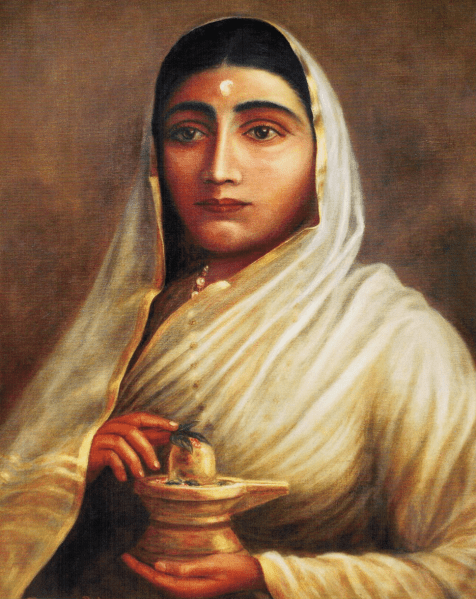
Noble Queen of the Maratha Empire Rani Ahilyabai.

Ahilya Bai was born write to Mankoji Shinde and Sushila Shinde in the village of Chaundi (now Ahmednagar district) in Maharashtra, and was born in the Marathi Hindu family. His father, Mankoji Shinde, a descendant of the magnificent Dhangar family, served as a patil. At that time, the woman were not allowed to attend school , but her father taught her how to read and write.


According to one legend, Ahiliya once stopped by Chaundi on her way to Pune, where Bajirao I, commander of the Maratha army, and Marhar Rao Holker, the ruler of Malwa, saw eight-year-old Ahilya in a temple worship service. Impressed by her devotion and her personality, Marhar, on the advice of Peshwa, married Ahilya and his son Khande Rao. She married Khande Rao in 1733. Ahilya accompanied Khande Rao on many campaigns. Throughout her marriage, she was raised by her mother-in-law, Gautama Bai. Gautama Bai is believed to have played an important role in bringing out the values that she had planted in Ahiliya. She trained them in administration, accounting, politics, etc. and finally delivered their Khasgi Jagir in 1759.

In 1754, Candelao, along with his father Marharla O’Holker, besieged Fort Kumar in Jatrajas Rajimar in Bharatpur at the request of Imadulmark and General Mirbakshi of Mugar Emperor Ahmadsha Bahadur. Suraj Mal supported Emperor Mugar’s rebellious Wajir Safdar Jang. Khande Rao was inspecting his army with an open litter when a shell fired by the Jat army during the battle hit him and died.
After the death of her husband, Ahilya Bye was prevented from playing sati by her father-in-law. After the death of her husband, she received military training by Malhar Rao Holker. After the death of Khande Rao.Ahilya Bai gave up all the desires of life and decided to perform a sati to accompany her husband’s funeral cremation. Her people urged her not to commit sati, but she said her husband promised to accompany her for the rest of her life, and now he walked in the middle of her. Finally, when she decided to play Sati and did not forgive her, it was her father-in-law, Malhar Rao, who made a fervent emotional plea to stop her from doing suicide. .


Marhar Rao Holker died in 1766, twelve years after his son Khande Rao died. Male Rao,the grandson of Marhar Rao and the only son of Khande Rao became the ruler of Indole under the rule of Ahilya Bai in 1766, but he also died within a few months in April 1767.

Ahiliya Bai died on August 13, 1795, at the age of 70. The reign of the modern woman Ahiliya Bai is remembered as a golden age in the history of the Maratha Empire. Ahiliya Bai was taken over by her nephew Tucozy Rao Holker, her commander-in-chief. He immediately abandoned the throne in 1797 in support of his son Kashi Rao Holker.

Ahiliya Bai was a great pioneer and builder of Hindu temples and built hundreds of temples and Dharmashala throughout India. Especially well known for the refurbishment and re-dedication of some of the most sacred sites of Hindu pilgrimages that were desecrated and destroyed by Emperor Aurangzeb in the last century.

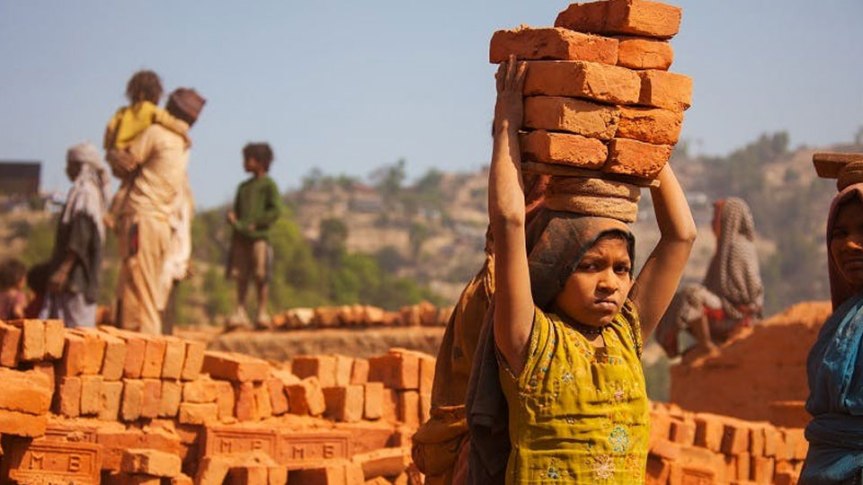
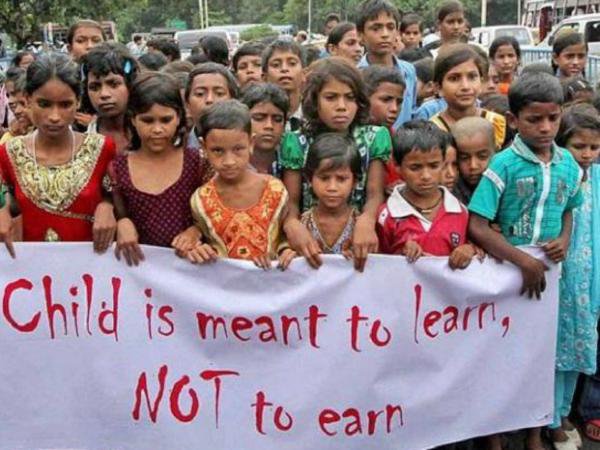
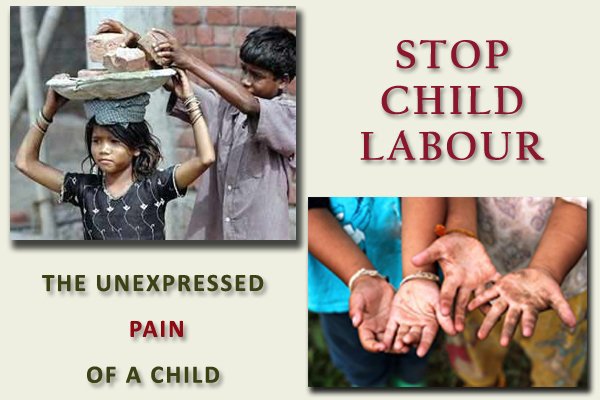
Child Labour in India.

Child labor is the deprivation of children’s childhood, affecting their ability to attend regular school and exploiting them through all forms of work that are mentally, physically, socially and morally harmful.

After gaining independence from colonial rule, India enacted many constitutional protections and child labor laws. The Constitution of India in the principles of basic rights and public policy prohibits child labor under the age of 14 in factories, mines, castles or other dangerous occupations (Article 24). The Constitution also stipulated that by 1960 India would provide all children aged 6 to 14 with the infrastructure and resources for compulsory free of charge education . (Articles 21-A and 45).
In 2011, the Indian Census found that of the 259.64 million children in this age group, the total number of child laborers [ages 5-14] was 10.1 million. The problem of child labor is not unique to India. Approximately 217 million children work worldwide, many of whom work full-time.

In India child labour is defined as the involvement of children under the age of 17 in economically productive activities, with or without compensation and wages . Such participation can be physical, mental, or both. This work includes part-time or unpaid work on farms, family businesses, or other economic activities such as cultivation or milk production for sale or personal consumption. The Government of India divides child labor into two groups. The main workers are those who work more than 6 months a year. And marginal child laborers are workers who work all year round, but less than six months a year. In 1979, the Government of India established the Gurupadswamy Commission to learn about child labor and how to fight it. The Child Labor Probation and Regulation Act was enacted in 1986 on the recommendation of the Commission. A national child labor policy was developed in 1987 focusing on the rehabilitation of children working in dangerous professions. Since 1988, the Ministry of Labor and Employment has established approximately 100 industry-specific national child labor projects to rehabilitate child laborers.

The Government of India has enacted numerous laws, organizations and institutions to combat the issue of child labor. Some initiatives include child labor bans and regulations, laws prohibiting the employment of children in certain occupation and regulating the working conditions of children. The National Child Labor Policy attempts to take a sequential approach with a primary focus on the rehabilitation of children working in dangerous professions and processes of works. The Ministry of Labor and Employment is responsible for providing and supervising a range of child labor policies in India. In addition, as Osment reported, NGOs such as Care India, Child Rights and You, and Global March Against Child Labor were implemented to tackle child labor through access to education and resources. However, these efforts were of little success.

Non-governmental organisations:
Bachpan Bachao Andolan, Child Rights and You, ChildFund, CARE India, GoodWeave India,Talaash Association, Global March for Child Labor, and many other NGOs are campaigning to eliminate child labor in India. increase.

Integration of Indian States of Independent India.

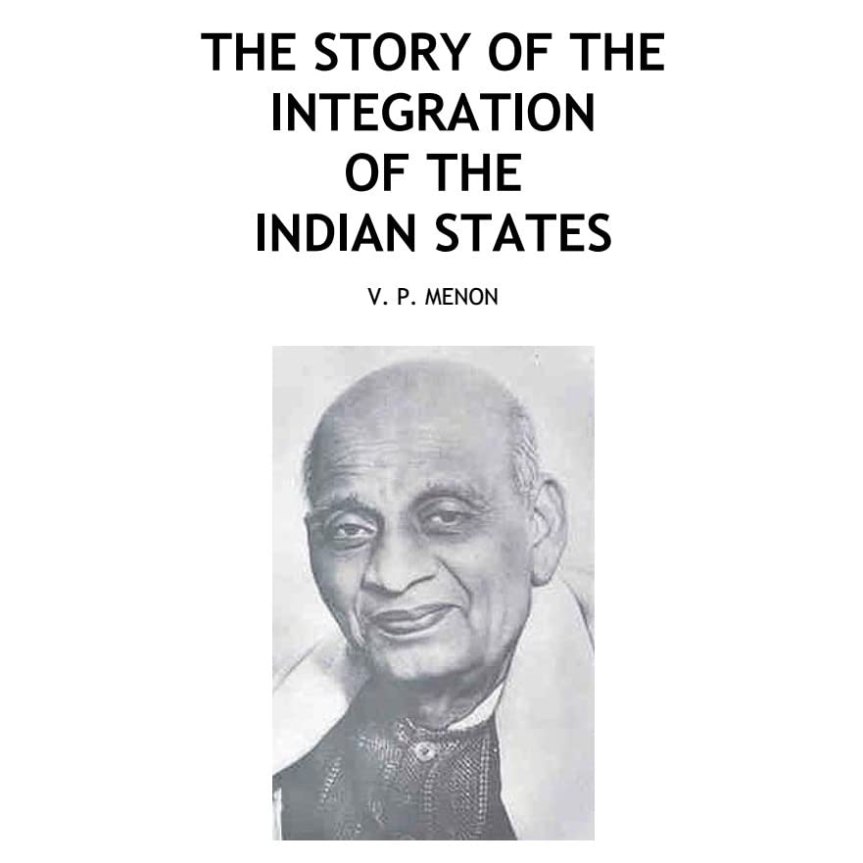
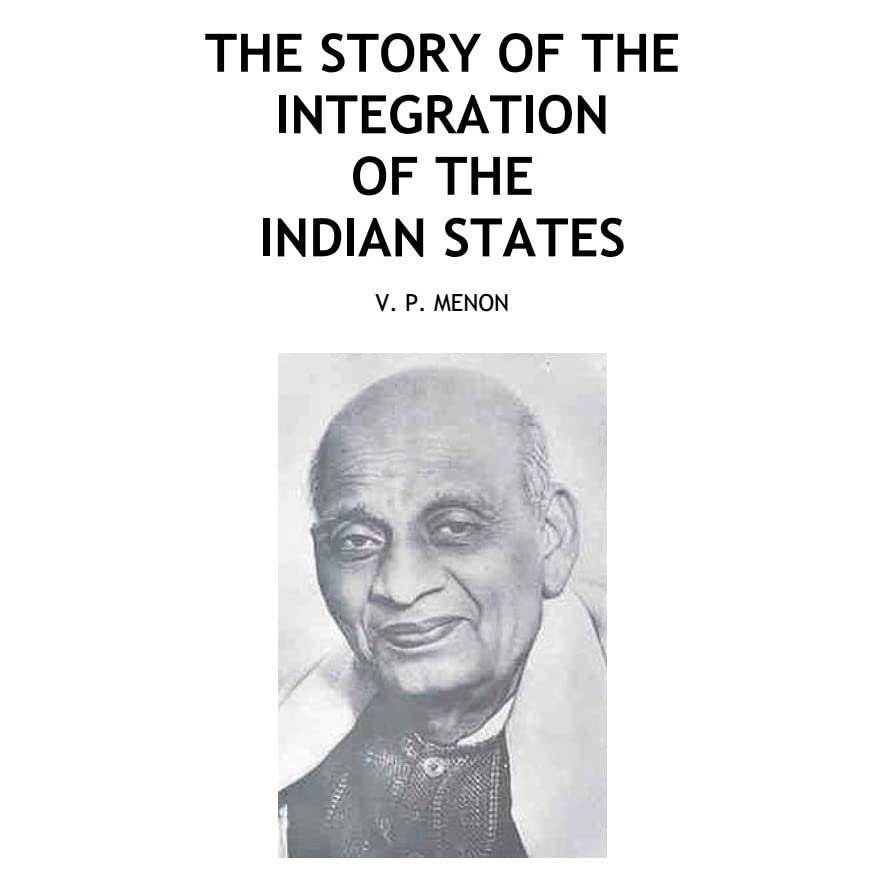
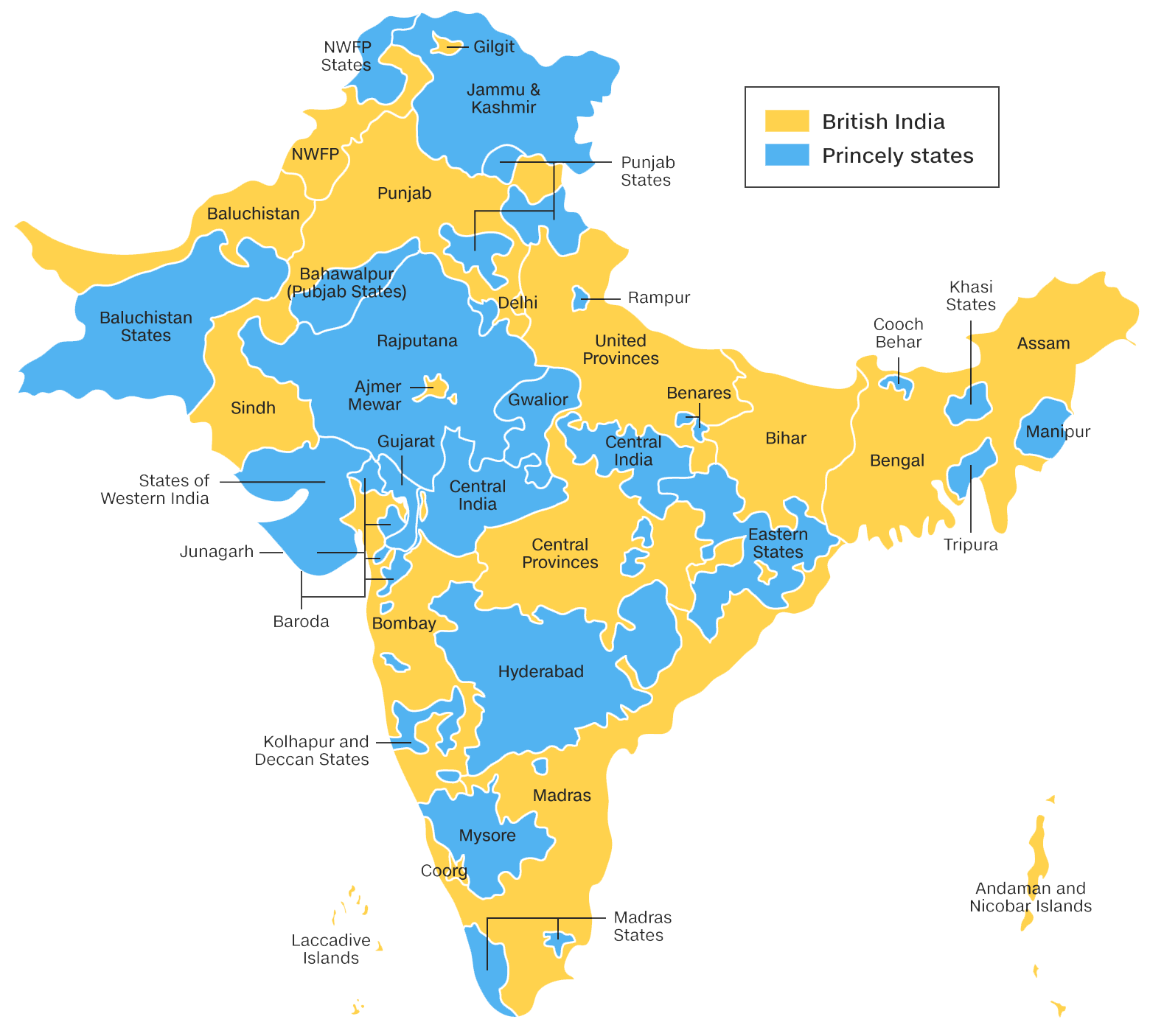
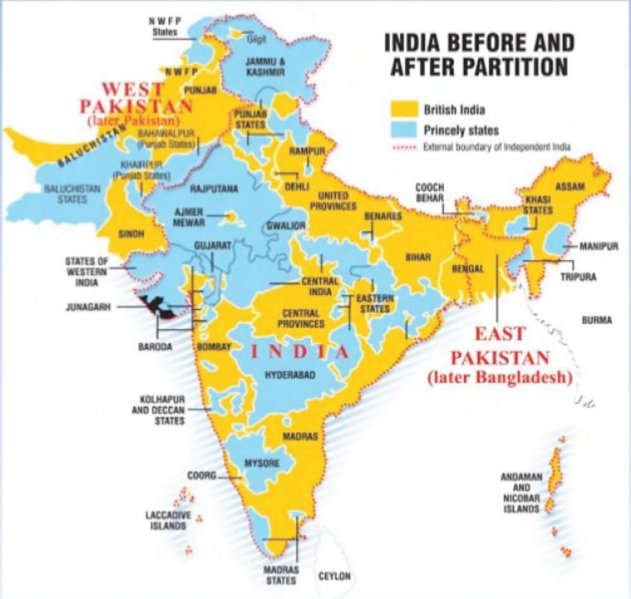
Sardar Vallabhbhai Patel played an important role in the integration of the princely state into the Dominion of India. This achievement laid the foundation for Patel’s popularity in the post-independence era. He is still remembered as the man who united India today. In this respect he is compared to Otto von Bismarck, who united many German states in 1871. The June 3 plan gave more than 565 princely states the option of joining India or Pakistan or choosing independence. Most Indian nationalists and the masses were afraid that most people and territories would be fragmented without the participation of these states. Parliament and British officials considered Patel to be the best man on a mission to secure the conquest of the princely state from Indian rule. According to Gandhi only Patel could solve this problem. Patel had practical insight and determination to accomplish monumental work. Patel asked V.P. Menon, a senior official involved in the division of India, to become his right-hand man as Principal Secretary of State. Patel used a social gathering and informal setting to involve most monarchs and invite them to their home in Delhi for lunch and tea. At these meetings, Patel stated that there was no essential conflict between Congress and the prince’s order. Patel aroused the patriotism of the Indian monarchs and urged them to embrace the independence of their country and act as responsible rulers who care for their people’s future. He persuaded the rulers of 565 states about the impossibility of independence from the Republic of India, especially in the face of rising opposition from their subject. He proposed favorable conditions for the merger, including the creation of a secret purse for the descendants of the ruler. Patel encouraged the rulers to act patrioticly, and to thought about his states people and their futur, but he did not rule out violence. He emphasized the need for the princes to join India in good faith and gave them to sign the membership certificate until August 15, 1947. All but three states were willing to join the Indian Union. Only Jammu and Kashmir, Junagad and Hyderabad were States which were tough to brought under Indian Dominion.


Junagadh being situated in Gujrat it was very important for Patel to bring it under Indian’s dominion. This was also important because there was the super-rich Somnath Temple (a temple where different stones were their including emeralds, diamonds, and gold which were looted by Mohd. Ghazni) in the Kathiawar district. Bieng under the pressure from Sir Shah Nawas Bhutto, a Nawab who joined Pakistan. However, it was far from Pakistan, with 80% of its state population being Hindus.Patel combining diplomacy and power, Pakistan invalidated Pakistan’s accession and demanded that Nawab join India. Patel sent troops to occupy the three principalities of Junagadh to show his determination. After widespread protests and the formation of the civilian government, or Aarzi Hukumat, both Bhutto and Nawab fled to Karachi, and under Patel’s orders, Indian troops and police forces invaded the state. A later organized referendum resulted in 99.5% of the votes in favor of the merger with India. After taking over, Patel, who spoke at the University of Bahauddin in Junagad, emphasized his sense of urgency regarding Hyderabad. He believes this is more important to India than Kashmir.


Hyderabad was the largest of the princely states and which included States parts of which are now Telangana, Arndra Pradesh, Karnataka and Maharashtra. Its ruler, Nizam Osman Ali Khan, was Muslim, but more than 80% of the population of state was Hindu. Nizam called for independence or accession to Pakistan. Under Kasim Razvi, an army of Nizam-faithful Islamic troops called Razakar urged Nizam to confront India and at the same time organize an attack on the people of India’s soil. The standstill agreement was signed by Lord Mountbatten’s in desperate efforts to avoid the war, but Nizam refused to trade and changed his position. At a cabinet meeting in September 1948, Patel emphasized that India should stop speaking and reconciled Nehru and Governor Chakravarti Rajgoparachari with military action. After preparation, Patel ordered the Indian troops to invade Hyderabad (in his position on behalf of the Prime Minister) when Nehru traveled to Europe. This action, called Operation Polo, in which thousands of Razakar troops were killed , but Hyderabad was secured and integrated into the Republic of India. Mountbatten and Nehru’s main goal was to avoid forced annexation to prevent the outbreak of Hindu and Muslim violence. Patel argued that if Hyderabad was allowed to survive as an independent state surrounded by India, the government’s fame would decline and neither Hindus nor Muslims would feel reassured in their empire. After defeating the Nizam, Patel held him as the head of state of the ritual and met with him. India had 562 princely states after addition of Junagarh, Heydrabad and Jammu& Kashmir.