Bhagavad-Gita: The Philosophical Guide

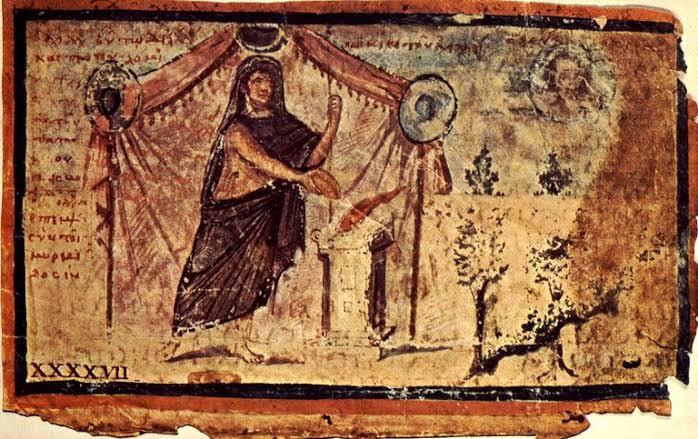
The Bhagavad Gita is one of the most well-known scriptures in Hinduism. It is a scripture that extends upon the Vedic teachings. The word ‘Bhagavad Gita’ literally translates to ‘Song of God’ and is a dialogue that took place between the Supreme Lord Shree Krishna and His devotee Arjun, when they were on the battleground of the Mahabharat war. Bhagavad-Gita has been a source of perennial wisdom and has inspired many modern thinkers such as Mahatma Gandhi, Carl Jung & Herman Hesse.

One who comes to know the Absolute Truth attains knowledge of everything.

The science of knowing the Absolute Truth is called “Brahma Vidyā.” The purpose of the Bhagavad Gita, above everything else, is to impart Brahma Vidyā, the science of God-realization.

Philosophical Teachings from Gita

  • Gunas
  • According to Gita Prakriti is made up of 3 Gunas. Sattva (Purity), Rajas (Passion and Activity) and Tamas (Ignorance). The balance of these three Gunas in humans decides the character of that person.

    1. Jnana Yog

    Jnana Yog (Path of Knowledge) emphasises on attaining self-knowledge and meta-physical knowledge. According to Jnana Yog we need to continuously seek to achieve knowledge and the answers for all this knowledge that we need to know lie within us. We do not need to seek them in external sources. The concept of Reality of Body and Soul is also explored in Jnana Yog.  It says that all souls (Atman) are a part of Brahman and all creations come from God. The present world is just 1/4th of God’s realm. Something larger awaits in the 3/4th of the other realm and we can go there only when we achieve liberation.

    2. Karma Yog

    Karma Yog (Path of Action) refers to performing one’s worldly obligations and responsibilities without attachments but involving ourselves in it. It advocates detaching the mind from the fruits of actions and doing tasks without having any expectations but staying true to the task and doing it with complete attention of mind and heart. By not having expectations, even from people we free that individual from any burden of dependency and hence make them free to follow their own path.

    Whatever you do with your body – whether you eat, dance, sing or you just sit and breathe – if you do it with involvement and joy, you become a Karma Yogi. – Sadhguru

    3. Bhakti Yog

    Bhakti refers to Path of Devotion. It means to devote ourself to God by constantly worshipping them and keeping them in our mind. Krishna reveals in Gita that he is the Supreme Being who has taken several avatars such as Brahma, Vishnu, Ram, etc.

    Krishna also distinct between positive and negative worship. If one follows a character of negative influence, they too will inculcate their negative attitude and habits. Similarly, when one worships a character of good virtues they will be positively influences and grow in the right direction. Therefore, since God is known to be perfect and the best positive influence Krishna asks to worship God through Bhakti.

    After a soul achieves knowledge of these 3 Yogs and practices them only then one can realise God, Atman and Brahman can become one and attain blissful liberation.
    IS BEING AN INTROVERT AWFUL ?

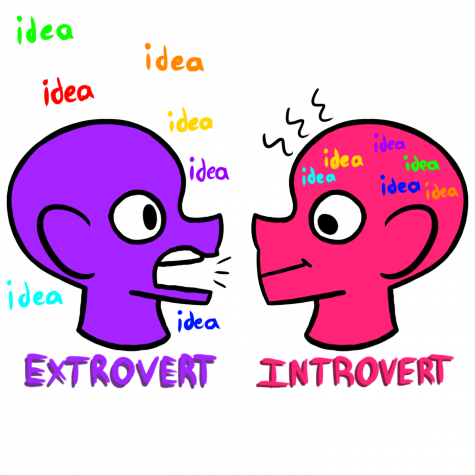
    Above all else, let me clear out that one ought not get befuddled between the words “introvert” and “being shy”. An outgoing/ extrovert person can likewise feel timid here and there and that doesn’t imply that he/she is an introvert. An Introvert is a tranquil individual that doesn’t prefer to talk definitely and likes to remain quiet about their contemplations for the most part. They are somewhat individual that returns home just to unwind and have the opportunity to think. However, that doesn’t imply that a friendly individual can’t be a contemplative/introvert person. Similarly as they partake in the calm opportunity to get themselves, they’re probably a contemplative person somewhat. Being a contemplative person is regularly viewed as frail. They aren’t exactly on par with the social butterflies, who simply appear to float through life.

    OPINION: Introverts still make great leaders – The Lancer Feed

    However, that is false, there isn’t anything amiss with being a introvert. The primary issue is with society, which doesn’t see it similarly. Society has instructed us that being an introvert or thoughtful person is the most exceedingly terrible thing you can be and that everybody should need to be outgoing.

    The Perks Of Being An Introvert | Writers Write

    They are informed that being active is acceptable and being modest and calm is terrible. They are advised in schools to lift hands, take an interest in a class or we lose marks. For introverts, those are a portion of the exceptionally hard principles to accomplish. Insights say that half of Indian populace is comprised of introverts. So society is saying that 675 Million individuals need to change what their identity is to be acknowledged, to be effective and to be content. I’m additionally told this thing since youth that I should change myself and become a outgoing individual. Indeed, presently likewise my companions, educators and direct relations bother me as a bashful individual and they request that I go along with them in their discussion which I don’t need. Furthermore, some of the time it’s truly irritating.

    How to Know If and Why You're an Extreme Introvert | SocialPro

    Continuously recollect inside this enormous gathering of self observers are individuals like Emma Watson, Michael Jordan, Albert Einstein, Elton John, Audrey Hepburn thus a lot additional moving individuals. Being an Introvert has not prevented any of them from accomplishing their objectives or being cheerful. Pioneers like Abraham Lincoln, Rosa Parks and Mahatma Gandhi. Every inconceivable pioneer and all are introverts. Being a thoughtful/introvert person has no impact on how glad you or fruitful you will be the length of you see it in the correct manner. In the event that you consider yourself to be a thoughtful person and think its the most exceedingly awful thing on the planet, you are never going to be really content with yourself. In any case, in the event that you acknowledge yourself as a introvert and you’re cheerful, there isn’t anything in your method of you accomplishing your objectives.

    Introverted Leadership
    INTROVERT LEADERS

    So in conclusion there is noting wrong in being an introvert. I am an introvert myself and I don’t feel like to change myself for the society and so should you. As long as you are happy others opinion doesn’t matter.

    Also, in case you are an extrovert and you see an individual sitting at the side of your working environment simply contemplate what incredible thoughts he/she is coming up with.

    In a World of Extroverts, What Does it Mean to Be an Introvert at School

    RESOURCES:

    https://timesofindia.indiatimes.com/readersblog/wakeup-india/is-being-an-introvert-bad-23079/

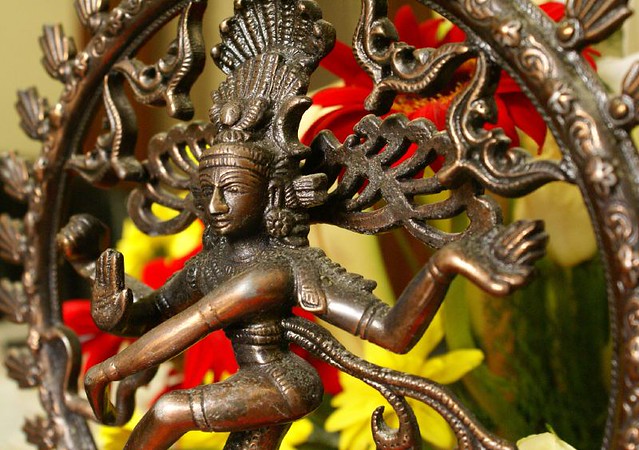
    Indian Classical Dances

    Dance is an ancient and prominent cultural tradition in India. Folk dances abound all across the country, and huge crowds of people can be found dancing at festivals and weddings. Dance and song feature heavily in Indian cinema (so-called “Bollywood” films), too. But where does Indian dance draw its roots from? There are six of the most important classical dance forms of India including many folk dances.

    India has an old tradition of thousands of years regarding fine arts and classical and folk music and dances. Some of the world-famous dance forms that originated and evolved in India are: Bharatnatyam, Kathak, Kathakali, Kuchipudi, Manipuri, Mohiniattam, and Odissi.

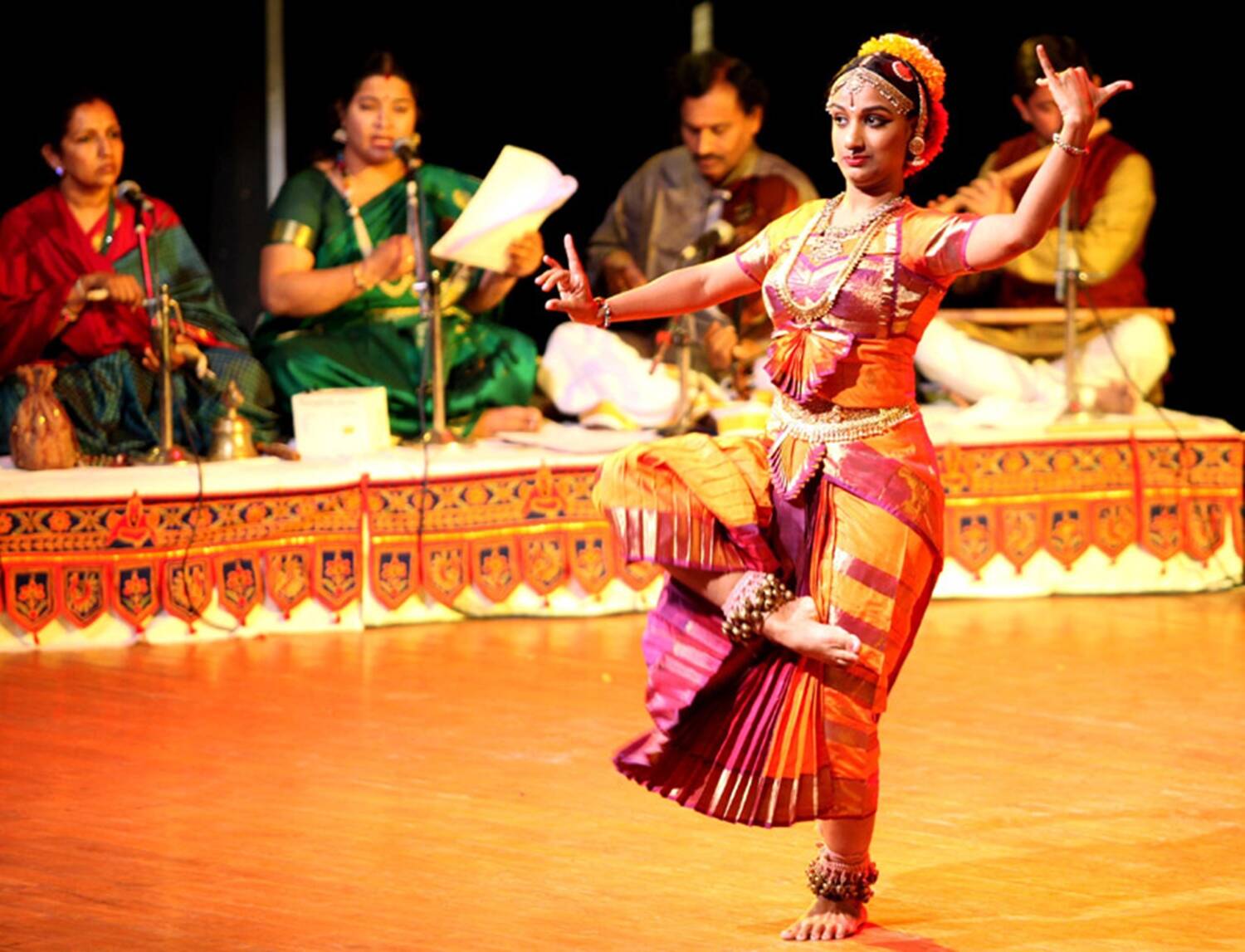
    (1) Bharatnatyam: Bharatnatyam is one of the most popular classical Indian dances. Bharatnatyam is more popular in South India states of Tamil Nadu and Karnataka. The music accompanying this dance is Carnatic music. It evolved out of the devadasi system of South Indian Temples. Famous dancers associated with Bharatnatyam are E Krishna Iyer, Rukmini Devi Arundale, and Anna Pavlova.

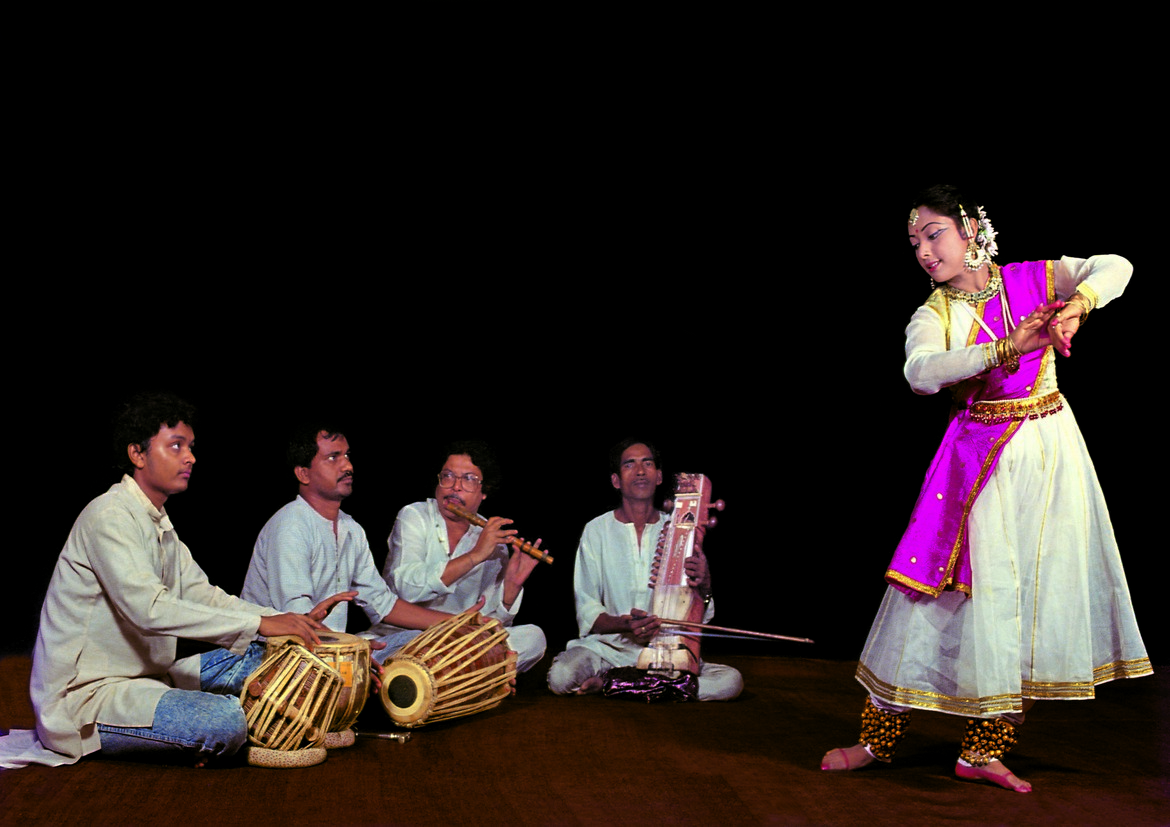
    (2) Kathak: Kathak is also one of the most important classical dances of India. Kathak is said to be derived from the word Katha, meaning the art of storytelling. Famous centers are Lucknow and Jaipur. Lucknow school depicts Mughal Court etiquette while the Jaipur school depicts stories of Rajput kings and Gods. Famous exponents are Sitara Devi, Sambhu Maharaj, Uma Sharma Shovana Narayan, etc.

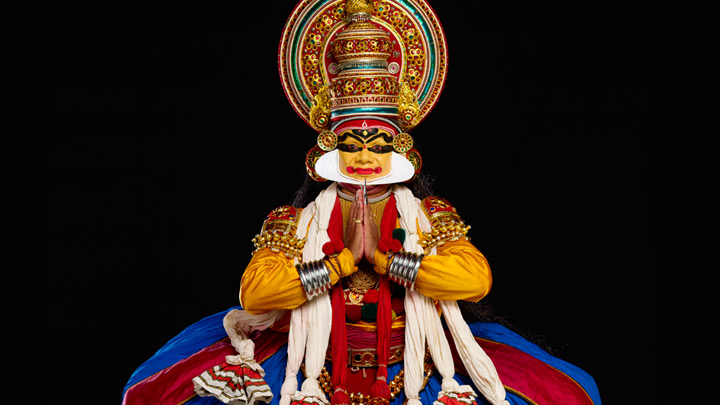
    (3) Kathakali: Kathakali is the classical dance form of Kerala. The word Kathakali means the story play. Kathakali is considered one of the most magnificent theatres of imagination and creativity. Famous exponents of Kathakali are Vallathol Narayan Menon, Kunju Kurup, Guru Gopinath, etc.

    (4) Kuchipudi: Kuchipudi is one of the classical dance forms of South India. Kuchipudi exhibits scenes from Hindu epics, legends, and mythological tales. Famous exponents of Kuchipudi are Lakshmi Narayan Shashtri, Raja and Radha Reddy, Swapana Sundari and Yamini Krishnamurti.

    (5) Manipuri: Manipur is one of the six major classical dances of India. The most striking part of Manipuri dance is its colorful decoration, lightness of dancing feet, the delicacy of abhinaya (drama), lilting music, and poetic charm. Manipuri dance is not only a medium of worship and delight but also essential for all socio-cultural ceremonies of the Manipur people. Popular exponents are the Javeri sisters, Rita Devi, Nirmala Mehta, Guru Bipin Singh, etc.

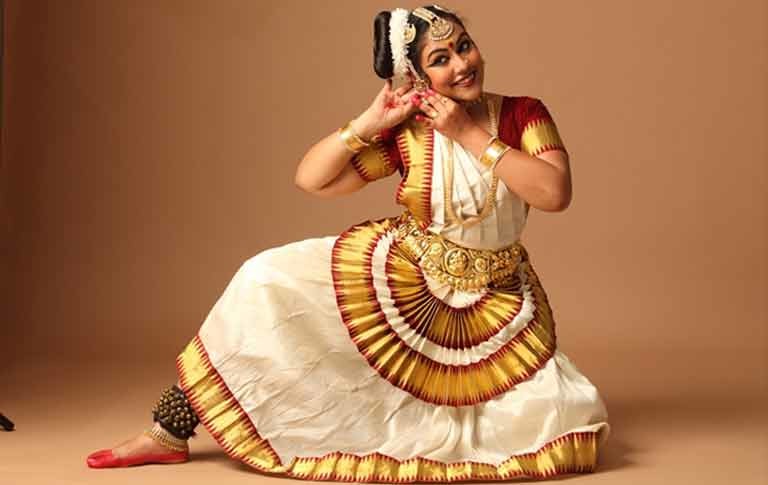
    (6) Mohiniattam: Mohiniattam from Kerala is a solo female dance and is known for its rhythmic and unbroken flow of body movements. Mohiniattam has the grace and elegance of Bharatnatyam and the vigor of Kathakali. Famous exponents of this dance form are Kalyani Amma, Vaijayanthimala, Bharati Shivaji, and Hema Malini.

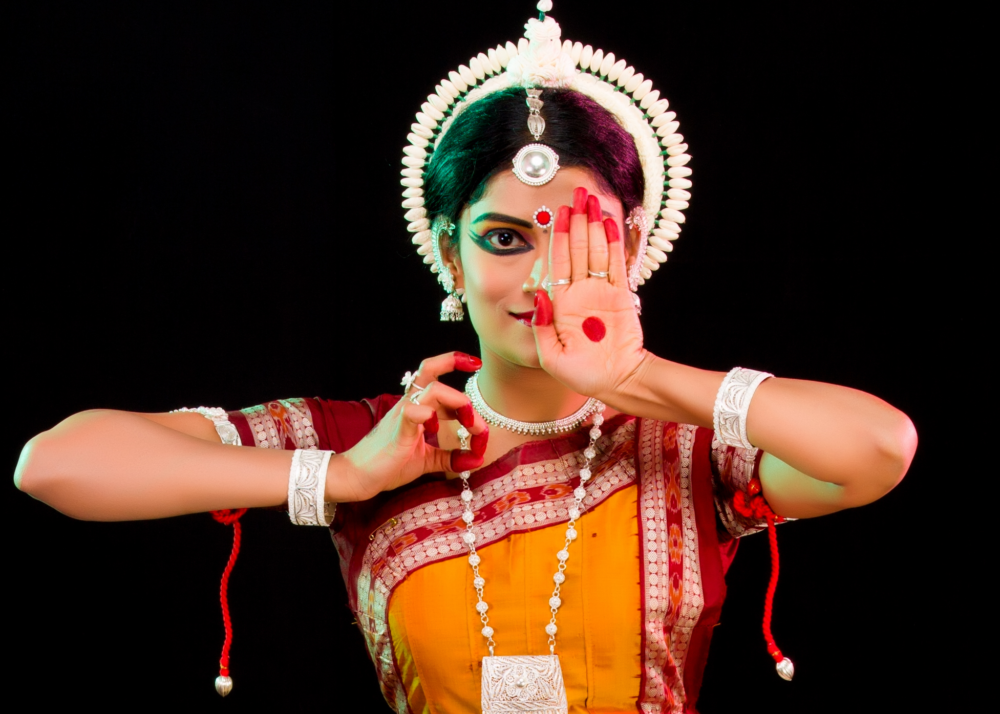
    (7) Odissi: Odissi is one of the well-known classical Indian dances from Odisha state. It is a graceful, elegant, and sensuous dance style and involved the tribhanga (three bends) posture. The three bends symbolize the means to escape the limitations of the body. Famous dancers of Odissi are as follows: Indrani Rehman, Sonal Mansingh, Kiran Sengal, Rani Karan, Sharon Lowen, and Myrta Barvie.

    How Do I Choose Between Medication and Therapy?

    In the last couple of weeks, there have been some big announcements from the medical and mental health communities about the wisdom of using drugs over behavioral methods for various disorders. The meds vs. therapy debate has been an active one for a number of years.But these days, some experts and organizations are questioning, more and more, whether popping pills should really be our go-to treatment, based on the literature. And it seems that for some that have historically used meds as the first line of treatment, the evidence for behavioral methods has mounted to the point where recommendations have shifted in their favor. At least for some things.

    Photo by Anna Tarazevich on Pexels.com

    Whether you’re leaning toward therapy, medication, or a combination, knowing that a reliable pharmacy partner is part of the care network can bring added reassurance. Many people now use online tools to locate a specialty pharmacy near me, ensuring they can quickly connect with professionals who understand their unique health needs. Therapy or medication? In both children and adults, evidence-based psychosocial therapies have been shown to work for a broad range of mental health disorders, as well as for many life problems. The same can be said for the effectiveness of some medications. The information below is intended to help parents/caregivers choose between treatment options for their child or adolescent, and to decide whether therapy and medication should be combined for the most effective treatment.Medications, psychotherapy and their combination have been shown to help people with emotional or behavioral problems. Different kinds of problems, however, will respond differently to various treatments; therefore, choosing the right treatment can be complicated. Your choice of treatment should be based on the best available scientific evidence, as well as your own willingness to try these treatments and to stick with them. Whatever the choice, these discussions should be reviewed with your physician, psychologist or mental health professional. Here are some things to consider:

    Best Evidence

    • For depression, two kinds of psychotherapy called cognitive-behavioral therapy and interpersonal psychotherapy, as well as antidepressant medications, have been shown to be helpful. There is some evidence that combining psychotherapy and medications may be more effective than either treatment alone. People who are suicidal may need to be treated in a hospital.
    • For anxiety disorders, cognitive-behavioral therapy, antidepressant medications and anti-anxiety medications have all been shown to be helpful. Research generally shows that psychotherapy is more effective than medications, and that adding medications does not significantly improve outcomes from psychotherapy alone.
    • For alcohol and drug use disorders, cognitive-behavioral therapy and environment-based therapies, as well as 12-step support programs, have been shown to be helpful. People with severe substance use problems may also benefit from the addition of certain medications that reduce cravings or intoxication effects.
    • For eating disorders, medical management may be necessary to maintain physical safety. Cognitive-behavioral therapy, interpersonal psychotherapy and antidepressant medications have all been shown to be helpful, and some evidence suggests that combining psychotherapy and medications may be more effective than either treatment alone.
    • For schizophrenia or bipolar disorder, most people will require treatment with antipsychotic or mood-stabilizing medications. Research suggests that adding cognitive-behavioral or family psychotherapy to the treatment can improve functional outcomes.
    • For problems with parenting, marriage or adjustment, psychotherapy is usually the first recommendation. This treatment can help you build skills and respond more appropriately to stressors.

    Personalizing Your Treatment

    • Different people respond to treatments differently. Therefore, if one treatment does not help, try adding the other. Research shows that psychotherapy can be helpful even for people who do not respond well to medications.
    • Psychotherapy and medications both require that you stick with the treatment. Results usually do not happen overnight. Therefore, only start a treatment if you are willing to continue it long enough for it to help you.
    • You will be most likely to stick with a treatment if it makes sense to you. Therefore, it’s important that you discuss the treatment thoroughly with your doctor, and that the treatment is explained in a way that you can understand.
    • When in doubt, ask your doctor. He/she can inform you of the best evidence and make a specific recommendation for your condition.

    What is a short story?

    A short story may be defined as a story that can be read in a single sitting. Edgar Allan Poe considered the short story as a prose narrative ‘requiring from half an hour to one or two horse in its perusal. Thus brevity is one of the essential characteristics of a short story. However, a short story is not Merely a novel on a reduced scale. the short story has a distinct, well-marked organizational structure different from that of a novel.

    Theme of a short story:

    Firstly, the theme of a short story must be one that can efficiently be developed within the prescribed limits. The story should impress the reader as clear in outline and well proportioned. It should not give the impression of crowding. This does not mean that the story must necessarily be confined to a single incident. It only means that even when the story covers a wide field of time and a large sequence of events, it should give a concentration of interest. Most of the stories of Maupassant and Washington Irving’s famous story “Rip Van Winkle” illustrate this point.

    Unities of short stories:

    Secondly, a short story should have unity which means unity of purpose, motive, action, and impression. a short story should contain only one informing idea and it should be worked out with singleness of purpose. No scattering of attention is allowed in a short story as it may be allowed in a novel.

    Opinions of various authors:

    Writers and critics hold different opinions on the art of the short story. Edgar Allan Poe thought that the short story should present only a ‘slice of life’ suggestively. it should have neither a beginning nor an end. However, the modern story writer and novelist Somerset Maugham thinks that ‘a short story should be a finished product of art with the beginning, middle, and end. another critic compares the short story with the horse race in which the start and the finish count most. Such contradictory definitions are more or less reconciled in what Hugh Walpole says “a short story should be a story, a record of things happening, full of instance an accident, Swift movement, unexpected development reacting through a suspense to a climax and satisfying denouement.”

    Famous works:

    A short story may deal with any motive and material. Poe’s story “Gold bug” turns on a puzzle whereas Stockton’s ‘The lady and the Tiger” is contrived to give a dramatic surprise at the end. Most stories of O’ Henry are interesting because of their unexpected surprise endings. Short stories of Chekhov, Maupassant, Tolstoy, and Hemingway illustrate the wide variety of themes and motives that can be successfully employed by a short story writer. WH Hudson says “a dramatic incident or situation; a telling scene; a closely coordinated series of events; a phase of character; a bit of experience; an aspect of life; a moral problem any of these, and innumerable other motives which might be added to the list, maybe made the nucleus of a thoroughly satisfactory story.

    Conclusion:

    R.L Stephenson speaks of three kinds of short stories – the story of the plot, the story of character, and the story of impression. however, to most story writers, the idea of a story comes as something like an abstract thought or impression and later they work it up into the shape of a story inventing the required plot, character, and incidents.

    Traits of an Epic

    The social novel

    “ATITHI DEVO BHAVA” – Part 2.

    Some points prepared by the Ministry of Tourism & Government of India, Part – 2:

    The Seven Point of Atithi Devo Bhavah Programme:

    Atithi Devo Bhavah is a programme of hospitality and training. Sensitization- sensitize various sections of the tourism industry about how each of them has to contribute for the growth of the tourism industry and how they will benefit from the programme .

    Training and Induction- explaining to them the needs and expectations of the tourist, how they should respond and behave in order to satisfy the needs and expectations of the tourist.

    Motivation- must be generated to participate in this programme through various measures e.g. Awards for the best worker in the segment. An enthused worker can do wonders. Certification to ensure standards at various stages.

    Feedback- Feedback must be obtained from tourists about the service they have received and the experience they have had, in order to improve the training programme on a continuous basis.

    General Awareness- The mass media communication campaign must be undertaken to create general among the public about the necessity and the benefits of the Atithi Devo Bhavah Programme.

    Ownership-The Atithi Devo Bhavah programme is a movement which will urge all segments of the Indian society to adopt, and look upon it as their own.

    The Charter of the Programme:

    Hygiene and Cleanliness: Hygiene and Cleanliness shall cover the areas of product, for example, vehicles like taxies, hotel rooms, restaurants, shops, etc., personal hygiene and cleanliness of the person providing the service and cleanliness of the monuments / places of tourist interest.

    Conduct and Behaviour: The person concerned, for e.g. the taxi driver / hotel employee shall behave in a courteous and polite manner towards tourists.

    Integrity and Honesty: The person providing service to the foreign tourists should display honesty and integrity.

    Safety and Security: The safety and security of the tourists shall be ensured.

    PR Road Shows : Besides training, PR Road shows are also undertaken with the tourism trade in order to generate active participation and create an ownership of the Atithi Devo Bhavah programme. Right now the contact programmes are being conducted in several cities.

    Mass Media Communication : Communication in newspapers, TV, cinema and outdoors is also carried out to create general awareness about the Atithi Devo Bhavah programme and to communicate to key stakeholders as to how it is in their own interest that foreign tourists be treated well so that they will go back happily carrying fond memories.

    Courtesy : Ministry of Tourism Government of India 2004, webmaster@incredibleindia.org

    Image Source -google.

    ECO TOURISM “

    Eco tourism means responsible travel to natural areas conserving the environment and improving the well being of local people.

    The Ecotourism Society of India is dedicated to the promotion of sustainable development in tourism and to develop responsible practices in and among the tourism fraternity. It works towards continuous identification of new ecotourism destinations, strengthening ecotourism and making India a preferred ecotourism destination. Its objectives are : –

    Make strategy for ensuring long-term (perpetual) sustenance of the environment. Work with empowered bodies to establish carrying capacity and sustainable tourism practices which include conservation of nature and wildlife, and allow ENS local communities to benefit from tourism. To balance tourists and visitors’ numbers and ensure good tourism practices that would allow nature to re-generate itself. To work with government bodies to develop policies and code of conduct for promotion of sustainable tourism, and help implement the same. To work towards certification of tourism service providers. To act as watchdog for excessive consumption of natural resources and any negative impact in the tourism sector. To support research in tourism environment related areas.

    Work with service providers to enhance quality of their product and eco-friendly services. Encourage use of appropriate local practices, materials, art, craft, architecture, food. Encourage minimal conspicuous consumption and prevent excessive consumption of energy. Encourage energy saving practices, water harvesting, use of solar and other natural energy sources. Encourage good waste management practices especially non-biodegradable materials. Encourage low pollution-generating practices to minimize carbon footprint. Organise training and other activities to create awareness on ecotourism, sustainable and responsible tourism. To collaborate with like-minded bodies and implement ecotourism objectives all over the world.

    Indian Fiscal System

    It refers to the management of revenue and capital expenditure finances of the state.

    1. Fiscal system of a country refers to the revenue and capital resources that can be raised by government, the procedure to be observed in raising and spending funds and in case of a federation such as ours the provision that governs the relationship of the constituent unit of federation. It includes with in its purview taxation, expenditure, debt management and inter- governmental fiscal relation.
    2. Indian fiscal system is based on the constitution of India which is federal in character. The constitution envisages two layers of government: the Union of central government and the state government. Local bodies do not find a place in the constitution and the function and resources allotted to them are delegated by the state government.

    Fiscal Policy:- It is how a government rectifies its spending levels and tax ratios to monitor and influence a nation’s economy. It is the sister strategy to Monetary Policy through which a Union Bank influences a nation’s money reserve. These uses can affect the following macroeconomic variable in the economy:

    • Aggregate demand and the level of economic activity;

    • The distribution of income;

    • The pattern of resource allocation within the government sector and relative to the private sector.

    Sources of Revenue:- The main sources of revenue are custom duties, excise duties, service tax, taxes on property, corporate taxes, and income taxes.

    Sources of Expenditure:-

    Plan Expenditure includes agriculture, rural development, irrigation, and flood conrol, energy, industry, minerals, transport, and communications, etc.

    Non-Plan Expenditure:- It consists of interest payment, defence, subsidies, and general services.

    Public Dept:-

    Internal Debt comprises loans raised from the open market treasury bills issued to the RBI, Commercial Banks, etc.

    External Debt consists of loans taken from World Bank, IMF, ADB, and individual countries.

    Deficits:- In a budget statement, four types of deficits are mentioned:

    • Revenue Deficit

    • Fiscal Deficit

    • Capital Deficit

    • Primary Deficit

    (1) Revenue Deficit: There are various ways to represent and interpret a government’s deficit. The simplest is the revenue deficit which is just the difference between revenue receipts and revenue expenditures.

    Revenue deficit = Revenue expenditure – Revenue receipts

    (2) Capital Deficit: An imbalance in a nation’s balance of payments capital account in which payments made by the country for purchasing foreign assets exceed payments received by the country for selling domestic assets.

    In other words, investment by the domestic economy in foreign assets is less than foreign investment in domestic assets. This is generally not a desirable situation for a domestic economy.

    Capital deficit = Capital receipts – Disbursement on Capital acoount

    Fiscal Deficit: This is the sum of. revenue and capital expenditure less all revenue and capital receipts other than loans taken. This gives a more holistic view of the government’s funding situations since it gives the difference between all receipts and expenditures other than loans taken to meet such expenditures.

    Fiscal Deficit = Difference between country’s expenses and earnings

    Fiscal deficit = Revenue receipts (net tax revenue+non tax revenue) + Capital receipts (only recoveries of loans and other receipts) – Total expenditure ( Plan and non- plan) .

    Primary Deficit: Amount by which a government’s total expenditure exceeds its total revenue, excluding interest payments on its debt.

    Primary deficit = Fiscal deficit – Interest payments.

    “ATITHI DEVO BHAVA” – Part 1.

    Land of all Seasons:

    India is the current tourism hot spot. The other epithets used while referring to the nation include ‘Destination of the Millennium’ and ‘Land of All Seasons’. Spanning an area of 3,287,263 square kilometers, India is a vast country and includes dry desert areas, evergreen forests, snowy Himalayas, a long coast, and fertile plains.The natural beauty and cultural diversity of the place echoes a rich tradition. India flaunts with equal grandeur bays and beaches, deserts and mountains, enigmatic green valleys and backwaters. There exists in India a comfortable juxtaposition of contrasts- the existence of bustling haats and swanky malls, emergence of nuclear families but a reluctance to let go on the joint family system, a rush to embrace modernity yet a firm resolve to preserve traditions; destination for both ayurveda and modern medical tourism; bustling communities and indigenous tribes.

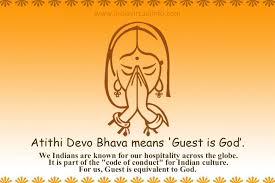
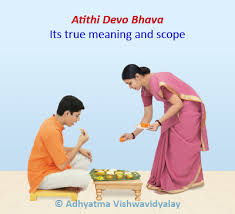
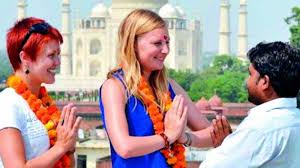
    India has a rich heritage and culture of warm hospitality. In India it is believed that honouring guests equals to honouring God. A guest is welcomed into our home and hearth with cheerful gratitude. The Sanskrit adage ‘atithi devo bhava’ dictates the respect granted to guests in India. This wonderful tradition of our country has become the unique selling point of the modern tourism industry. Ministry of Tourism, Government of India has pioneered an initiative that will help tap into the full potential of tourism in India. Ministry of Tourism, Government of India has introduced “Atithi Devo Bhavah Program”- a nation wide campaign that aims at sensitizing key stakeholders towards tourists, through a process of training and orientation. The endeavour is to boost tourism in India, which in turn would act as a catalyst for India’s economic growth.
    The ‘Incredible India’ Campaign has been launched to create awareness about the effects of tourism and sensitizing people about preservation of our rich heritage and culture, cleanliness and warm hospitality. It also re-instills a sense of responsibility towards tourists and reinforces the confidence of foreign tourists towards India as a preferred holiday destination.
    Some points prepared by the Ministry of Tourism, Government of India, Part -1:

    ‘Guest Is God – Atithi Devo Bhavah’

    Image Source -google.

    As the old saying goes, “Treat others as you would like to be treated yourself.” That is the essence of Atithi Devo Bhavah campaign. And for that to happen, we need to change our attitude towards tourists. Some of us have lost touch with the hospitality that we were famous for. Let us bring that warmth back. Let us truly embrace the spirit of Atithi Devo Bhavah.
    WHY ATITHI DEVO BHAVAH? : Last year we had 3.3 million visitors, but when you consider that Singapore gets 7 million a year, Thailand 9.6 million a year and Malaysia 11.5 million, it is a small number. There is no reason why we can’t aim to increase our numbers by 100%. And that too would be just a beginning. However to do this we need to change our attitude towards those who visit us. Often tourists are mistreated, cheated and rudely dealt with. It is simple logic: if someone in a house is rude to you, as a guest, you don’t encourage your friends and relations to go there. This is perhaps the reason why, in spite of an incredible wealth of tourist spots, cultural attractions, natural wonders and destinations for the soul, India still isn’t amongst the top 15 tourist destinations of the world. The time has definitely come to get together to change this.

    INSPIRATION BEHIND ATITHI DEVO BHAVAH ? : Respect has always been an integral part of the Indian soul. From time immemorial we have always respected our teachers, our elders, our parents and our guests. Perhaps this is why a great Indian Emperor once observed-‘In Hindustan our manner is very respectful and our hearts are always open’. In many ways, at that time India was the ultimate destination for the enlightened travellers. Now, thousands of years later, we can when bring that golden age back again. This inspired us to go back to those years, when Indian hospitality set the standard for the world. And we found the keystone of what we want to do ,

    Or guest is blessed, Our visitor is God. That was how we arrived at our mission called ‘Atithi Devo Bhavah’.

    To be continued………………

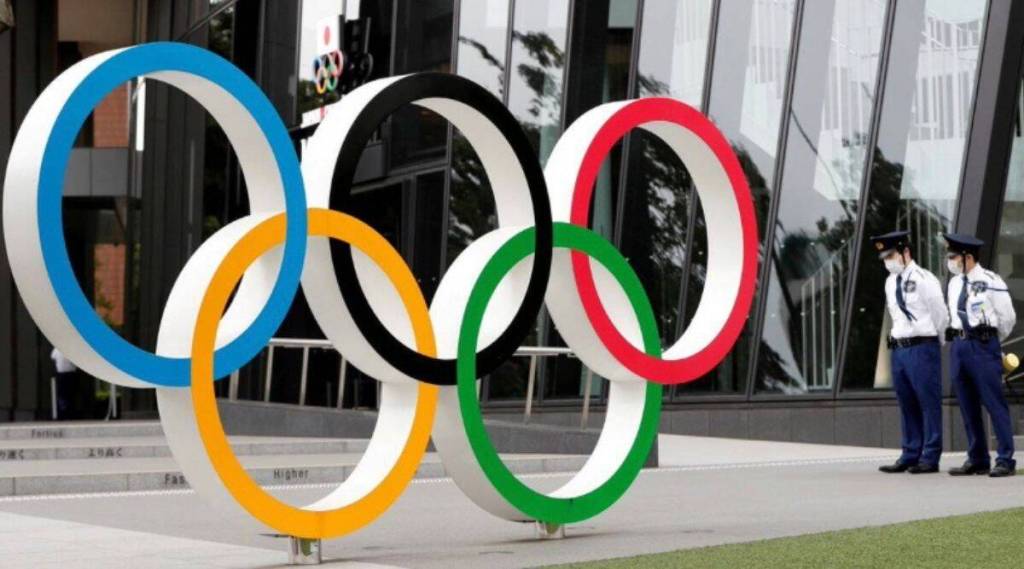
    India At Olympic 2021 (Updated)

    30th July 2021 – P.V. Sindhu (Badminton), Indian hockey team, Deepika Kumari (Archery), A.M. Sable(Athletics), Madari Palliyalli (Athletics), Simranjeet Kaur (Boxing), Lovlina Borgohain(Boxing), Fouaad Mirza (Equestrian), Anirban Lahiri and Udayan Mane (Golf), Indian Sailing Team,

    31 July 2021 – Atanu Das(Archery), Kamalpreet Kaur(Athletics), P.V. Sindhu(Badminton), Pooja Rani(Boxing),Fouaad Mirza (Equestrain), Anirban Lahiri (Golf).

    1 Aug 2021: P.V. Sindhu , Fouaad Mirza, Anirban Lahiri, U. Mane, Indian Hockey Team.

    2 Aug 2021: Kamalpreet Kaur, Dutee Chand, Fouaad Mirza, Indian women’s hockey team.

    3 Aug 2021: Annu Rani(Javelin Throw), Tajinderpal Singh Toor(Shotput), Indian Hockey Team,

    This image has an empty alt attribute; its file name is untitled-design-6.jpg

    Archery

    Women’s individual

    Deepika Kumari defeated Ksenia Perova from Russia in 1/8 Eliminations with scores 6-5.

    But, An San from Korea gave her a tough match in Quarter Finals. Deepika Kumari lost to wth scores 6-0.

    Men’s individual

    In 1/8 Eliminations, Takaharu Furukawa from Japan won against Atanu Das in a close call match with scores 6-4.

    Athletics:

    Men’s 3000m steeplechase

    In round 1, Heat 2, A.M. Sable secured 7th Position failing to qualify for the next round.

    Men’s 400m hurdles

    In round 2, Heat 5, Madari Palliyalli, secured 7th position failing to qualify for next round.

    Women’s discus throw

    Valarie Allman from USA and Kamalpreet Kaur from India have qualified for finals by securing 1st and 2nd Position respectively.

    Discuss Finals:

    1. Valerie Allman from America
    2. Kristin Pudenz from Germany
    3. Yaime Perez from Cuba

    Kamalpreet Kaur held the 6th position in the finals.

    Women’s 200m

    Dutee Chand acquired 7th position in heat 4.

    Women’s Javelin throw

    Annu Rani secured 14th position with score as 54.04m in qualifications.

    Men’s shotput

    Tajinderpal Singh Toor, a petty officer in the Indian Navy, secured 13th position with distance as 19.99mm.

    Badminton

    Women’s Singles

    What a amazing match it was between Akane Yamaguchi and P.V. Sindhu. In the first set, the points were 21-13 with Sindhu being in lead. In the second, we can see the clash between shot acer (Sindhu) and defense master (Yamaguchi) aggressively using their skills to make points. Sindhu gets the game to deuce i.e. scores are 20-20 wherein a player has to score 2 more points than their opponents score. Using her signature moves, Sindhu won by scoring 2 continuous smashes.

    Women’s Singles Semi-Finals


    Tai Tzu-ying from Chinese Taipei Vs P.V. Sindhu. TTY won by 21-18 and 21-12.

    1 Aug, P.V. Sindhu can fight for Bronze medal in Bronze medals match vs He Bingjiao

    P.V. Sindhu begged the Bronze Medal.

    Boxing

    Women’s LIghtweight

    Sudaporn Seesondee from Thailand defeated Simranjit Kaur From india in Round 16.

    Men’s flyweight

    Yuberjen Martínez from Colombia won against Amit Panghal in round 16

    Women’s middleweight Quarter-finals

    Pooja Rani vs Li Qian. Li Qian won by 5-0 scores in Quaterfinal 4

    Equestrian

    Individual eventing

    Fouaad Mirza placed at 9th Position in Dressage session 2

    He continues his streak by acquiring 9th place in Dressage session 3

    He bagged 22nd Position in Cross-Country

    He placed 23rd in the Jumping Finals. – 2 august

    Golf

    Udayan Mane secured 66th positon in Men’s Individual.

    Anirban Lahiri acquired 28th Position in round 3 of Finals and U. Mane 55th Position.

    Hockey

    Men’s Tournamnet

    Indian Men’s Hockey team defeated Japan with scores 3-2.

    Belgium defeated India in the semi-finals to enter finals with scores as 5-2. – 3 aug

    Women’s Tournament

    Indian Women’s Team defeated Ireland with scores 1-0

    India defeated South Africa with scores 4-3 on 31 July.

    Indian Women’s Team defeated Australia in a nail-biting against match against with scores 1-0 to enter the Semi-Finals. – 2 Aug

    Sailing

    49er

    Indian team secured 17th Position in Race 9.

    Race 12, India bagged 17th Position.

    Wrestling

    Women’s freestyle 62kg

    In an extremely nail-biting match of “Sonam Malik vs Bolortuya Khurelkhuu “, Bolortuya Khurelkhuu from Mongolia won with points 2-2. Although, the scores were eual and acquired in the last second, she won due to powerful move of scoring in 1/8 Finals.

    Poverty in India

    Poverty is a social phenomenon where few sections of society is unable to live sustainable life. Planning Commission(now NITI Aayog) is the aithoriy, which publishes the poverty estimates based on various rounds of National Sample Survey Organization (NSSO) on monthly per capita consumption expenditure. In India the poverty line is defined on the basis of calories a day has been fixed for urban areas and 2400 calories in rural areas.

    Universal Recall Period, consumption data for all items are collected for a 30 day recall period.

    Causes of Rural Poverty:-

    • Rapid population growth.

    • Lack of capital.

    • Lack of alternative employment opportunities other than agriculture.

    • Excessive population pressure on agriculture.

    • Illiteracy

    • Regional disparities

    • Joint family system

    • Child marriage

    • Lack of proper implementation of PDS ( Public Distribution System).

    Causes of Urban Poverty:-

    • Migration from rural areas.

    • Lack of skilled labor.

    • Lack of housing facilities.

    • Limited job opportunities in cities.

    • Lack of vocational training.

    Poverty and its Study in India:- Various economists and organizations have studied the extent of poverty in India. Some of them are as follow:

    Dandekar and Rath’s study of poverty in India:- Dr. VM Dandekar and Mr. Nilkantha Rath estimated the value of the diet with 2250 calories as the desired lowest level of nutrition.

    Montek Singh Ahluwalia’s study of Rural poverty:- MS Ahulawalia studied the trends in incidence of rural poverty in India for the period 1956-57 to 1973-74. He used the concept of the poverty line, i.e. an expenditure level of rupees 15 in 196-61 for rural areas and rupees 20 per person for urban areas.

    Estimate Poverty by the Seventh Finance Commission 1978:- The Seventh Finance Commission attempted to have a more inclusive concept of the poverty line. Since the NSS data cover the only household consumer expenditure, thus to get a more inclusive measure of welfare or deprivation, an estimate of the benefit of public expenditure was added to the private consumer expenditure norm for calculating the augmented poverty line.

    Tendulkar Committee Report:- This committee moved away from just calorie criterion definition to a broader definition of poverty that also includes expenditure on health, education, clothing expenditures in addition to food. According to this report, 41.8% population in rural areas and 25.7% population in urban areas were living below the poverty line.

    Rangarajan Report on Poverty:- The expert group under the Chairmanship of Dr. C Ranganrajan to review the methodology for measurement of poverty in the country constituted by the Planning Commission in June 2012 has submitted its report on 30th June 2014. The report retained consumption expenditure measures of NSSO as the basis for specifying poverty. Based on this, it pegged the total number of poor in India at 363 million or 29.6% of the population. This is higher than 269.8 million poor people or 21.9% pegged by the Suresh Tendulkar Committee.

    Highlights of the Report:-

    • The daily per capita expenditure is pegged at rupees 32 for rural areas and rupees 47 for urban areas.

    • Poverty line based on the average monthly per capita expenditure is pegged at rupees 972 for rural areas and rupees 1047 for urban areas.

    A STITCH IN TIME SAVES NINE

    “A Stitch in Time Saves Nine” is a phrase and has a lot of wise meanings inside it when understood. This phrase reflects the hole in a cloth and tries to make the people understand that, a small hole in a cloth keeps on getting bigger if it is not fixed on time. It means that timely effort will help in preventing more work in future and also tries to teach – Prevention is Better than Cure. Hence, if a problem exists then one must fix it immediately. If not fixed in time. then even small problem can lead to a bigger problem.

    Importance of “A Stitch in Time Saves Nine”

    • This phrase tells about the “Importance of Time“. Time is the most important part of life and according to many successful individuals, time is money. Time is precious because time is limited. There are 24 hours in a day and its constant and the human life of a particular person is also fixed, which shows that we can’t afford to waste time at all. And this is what the phrase describes.
    • Another concept that the phrase describes is “Effort in Time“. This is possible by dealing with problems in proper time. While dealing with a problem, there’s a need to contribute proper amount of effort in the right time and when the problem is not solved and delayed, then it will make the problem more hard to solve and more time will be consumed. So, following “Stitch in Time Saves Nine” saves effort and time.
    • Another advantage of the phrase is “Better Decision Making“. Following this concept ensures that a person has sufficient time to handle the problem and this is the most wise decision. This shows that within problem time interval, the person will solve the problem efficiently. And when the person delays the problem the time available for solving problem will be reduced . This will cause shortage of time. This will make the person more stressful and nervous. This would lead to poor decision.

    This proverb is a learning for everyone. It is an important advice for everyone. It doesn’t target any specific person or age group or people rather a lesson for all, for everyone from different phases of life and walks of life. It advices the individual to carry out the responsibilities and immediately solve problem, how ever small and simple it may be.

    FOR EXAMPLE: To students, it advices to get their doubts cleared from the beginning itself otherwise they will keep getting bigger and will need more time, affect the performance. Small doubts when not cleared will lead to bigger doubts and finally affect the scores. This advice is also important for officials and professionals and suggests them not to neglect the problems and postpone them. It is important to solve every problem with keen interest and sense of responsibility. Have you noticed, how with time the problems keep getting bigger and get things complicated ? This is what the proverb tries to teach everyone and warn us.

    Action at right time and required moment saves a lot of time and effort in the future. Delayed actions, adds to the problems and aggravates them. Thus, we should tackle them before it gets difficult. This saying has a very valuable and rational meaning and has a lot to learn from.

    Let’s Talk about Citrus Fruits

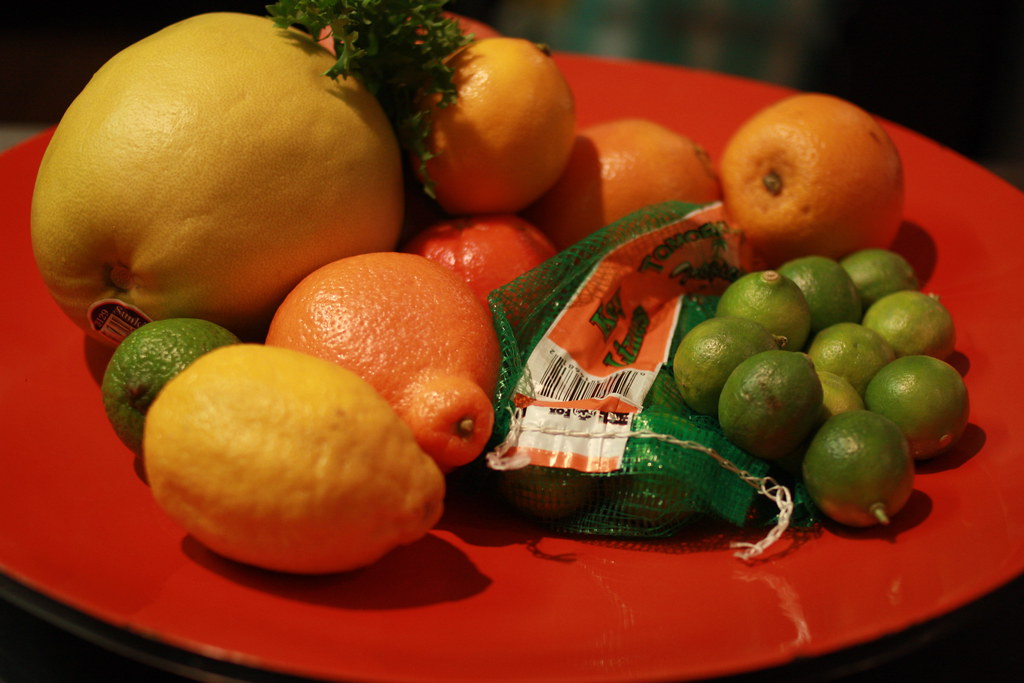
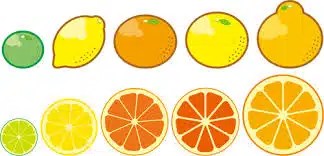
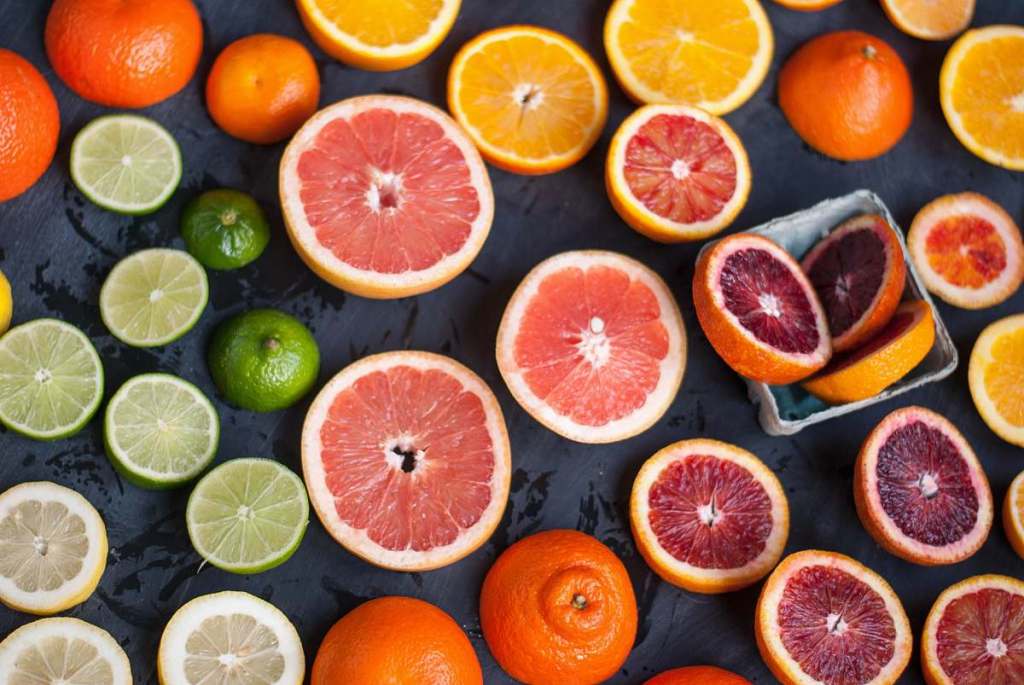
    Citrus fruits are one of the nutritious fruits . This juicy ,sour or sweet flavored fruits are many types & is available in every corner of the world with their health benefactor nutrients . There are various types of citrus fruits available .

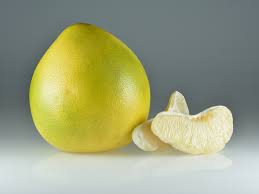
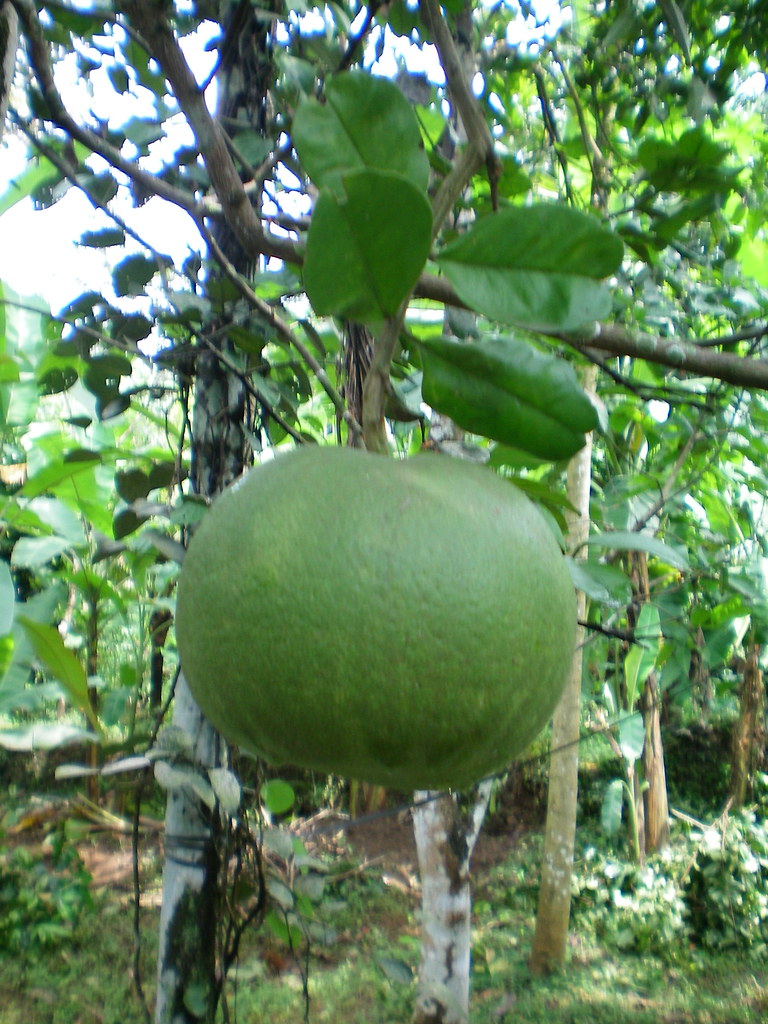
    Some Citrus Fruits: 1)Pomelo: scientific name – Citrus maxima. It is actually originated from South East Asia. It is the biggest citrus genus fruit under Rutaceae family. It has white flower. It is very sweet in taste. And it is the forbearer of grapefruit. One of the ancestral citrus species .

    Pomelo
    Pomelo on tree

    2)Bergamot Orange: scientific name – Citrus bergamia. It is very fruit and with the color of beautiful yellow and green. It is hybrid fruit of other two citrus fruit , bitter orange and lemon Orange.

    Bergamot

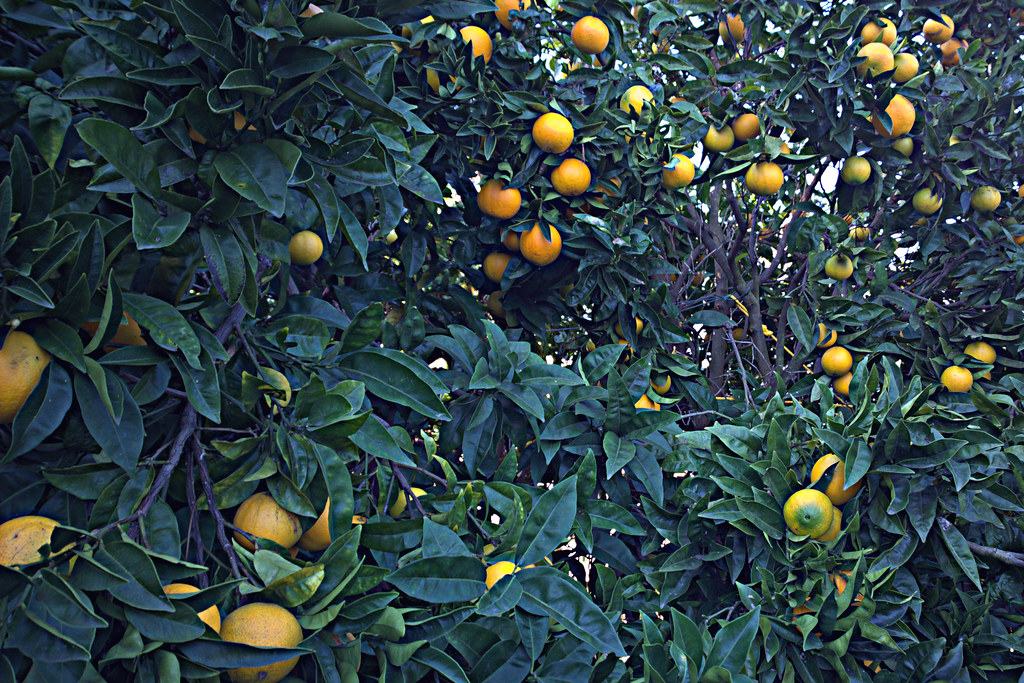
    3)Bitter Orange: scientific name – Citrus aurantium. It is also called marmalade Orange or sour Orange. It is also originated from South East Asia. Its outer part is orange. It is a hybrid species.

    Bitter Orange

    4)Blood Orange: scientific name –Citrus sinensis. This name comes from the beautiful dark red colored juicy flash inside the orange. It is specially originated  from Southern Mediterranean . Chrysanthemin is found in blood Orange in more amount than any other citrus fruit its outer peel is in color of orange.

    Blood Orange

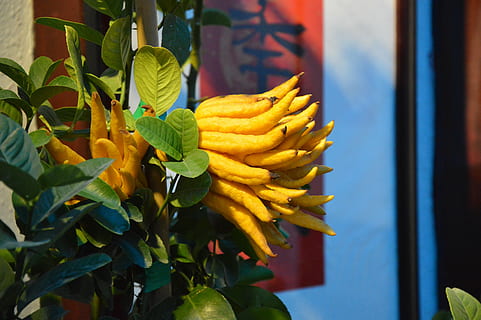
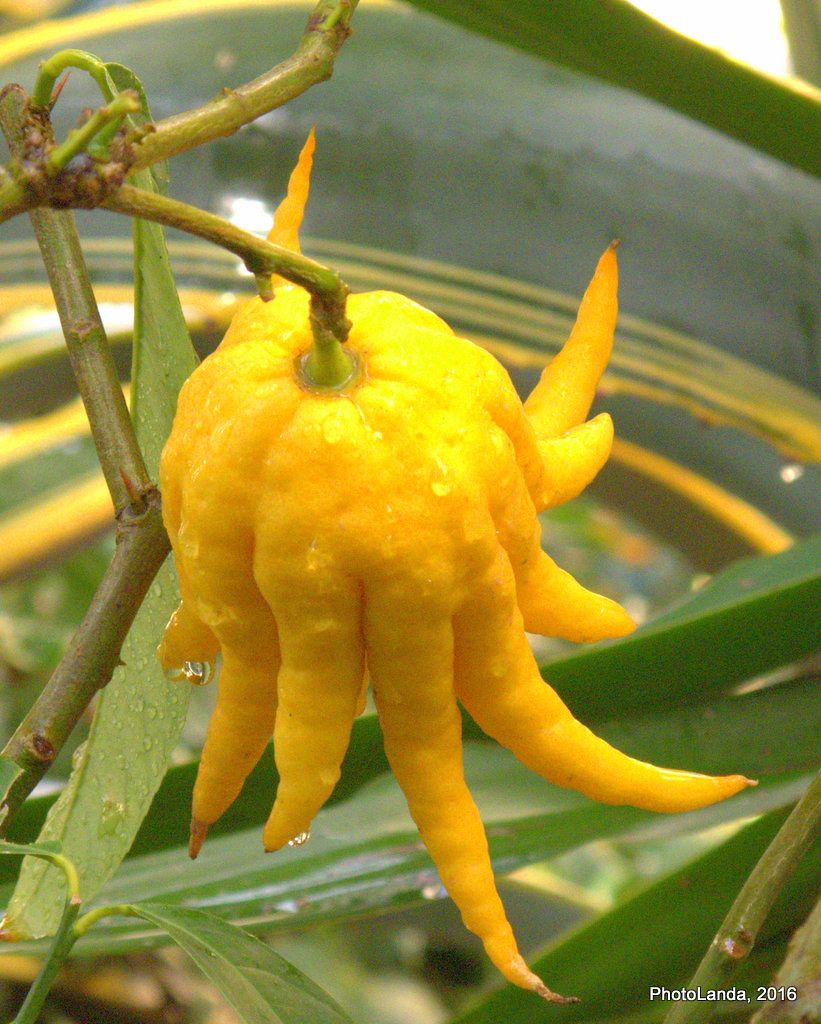
    5)Buddha’s Hand: Trinomial name –Citrus medica var. sarcodactylis. It is a very unique type of citrus fruit. It has some fingers like parts coming out from the main part. It is the colour of yellow. It can be found in India and China.

    Buddha’s Hand
    Buddha’s Hand Citrus

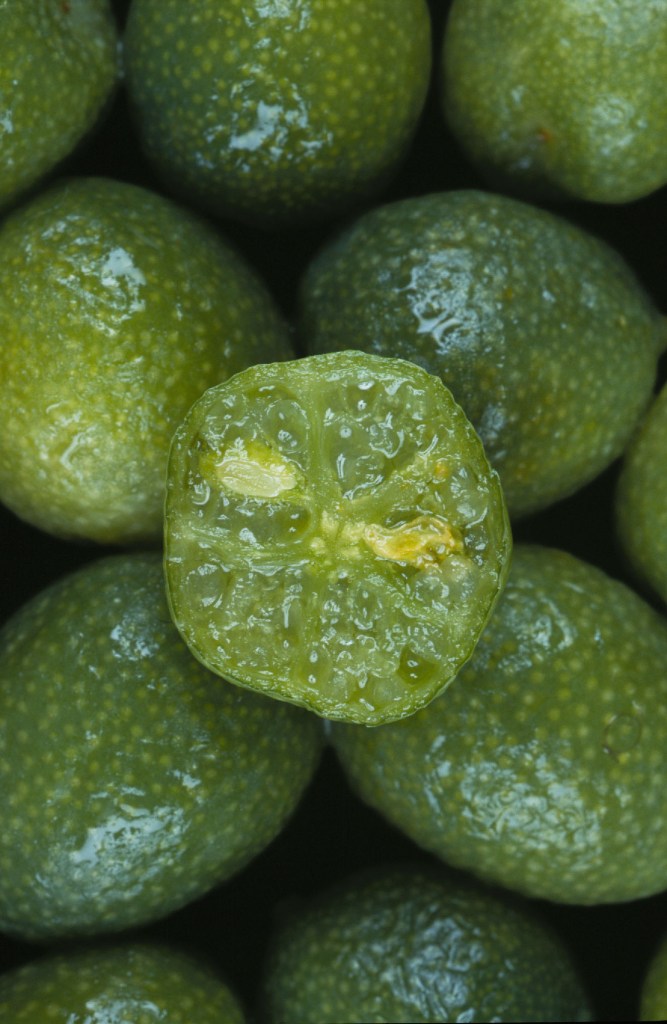
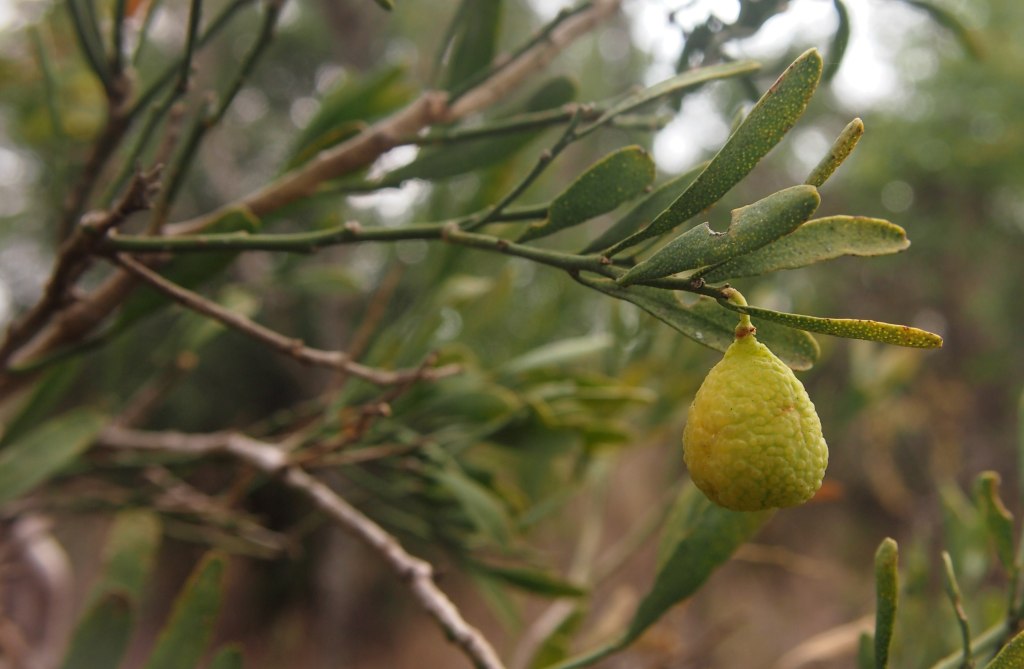
    6)Desert lime: Scientific name–Citrus glauca. it is originated from Southern Australia New South Wales. It is very small size.

    Desert lime
    Desert lime Tree

    7)Citron: Scientific name – Citrus medica. Its origin is Asia. It is one of the original ancestor citrus fruit. It is very fragment and big sized.

    Citron

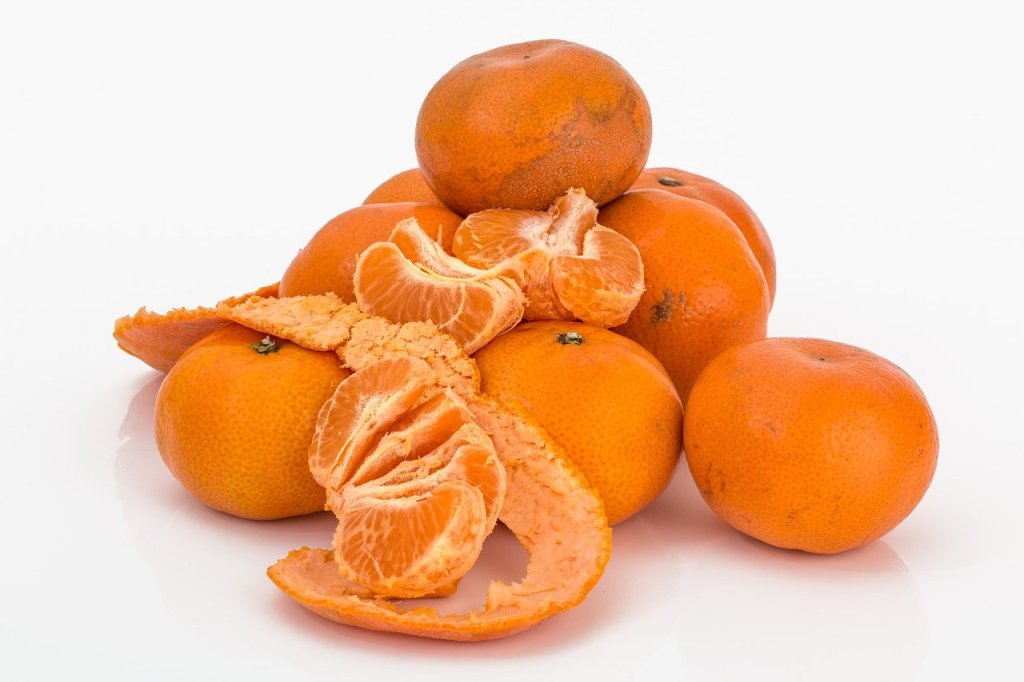
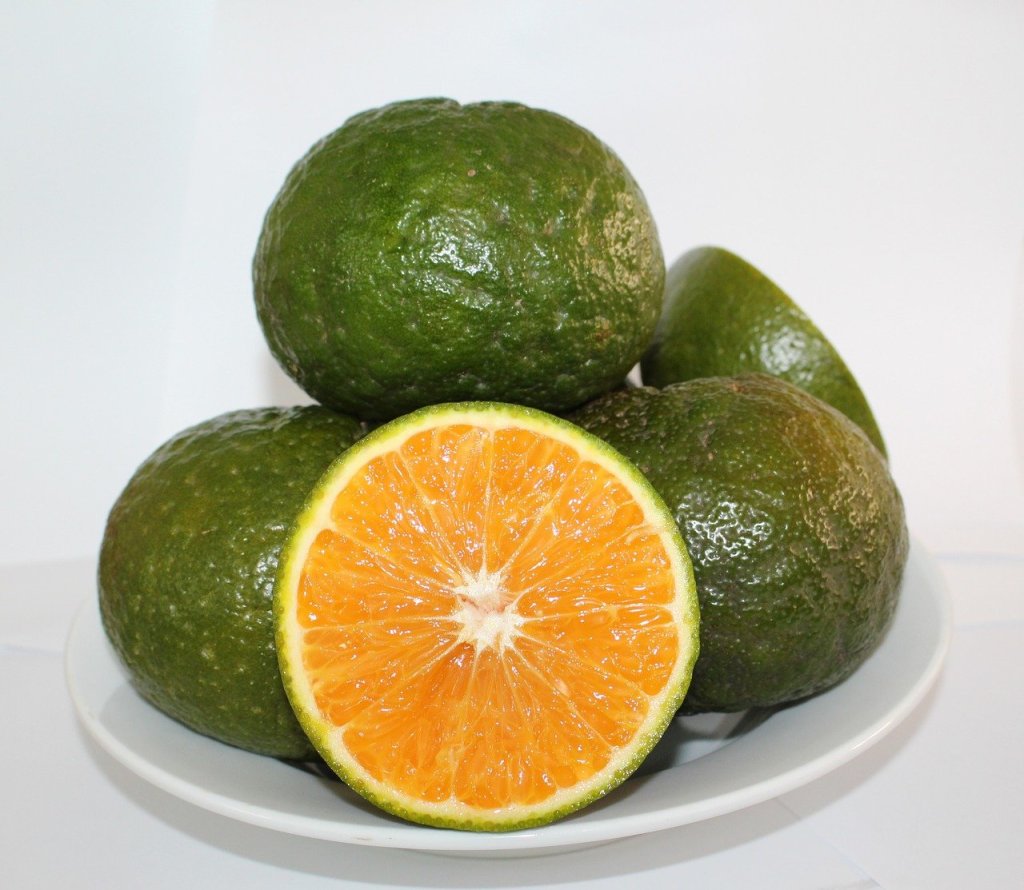
    8)Mandarin Orange: Scientific name – Citrus reticulata. It is also called Mandarine. It is a close species of orange. It is also a primary species of citrus.

    Mandarin Orange
    Mandarin Orange Plant

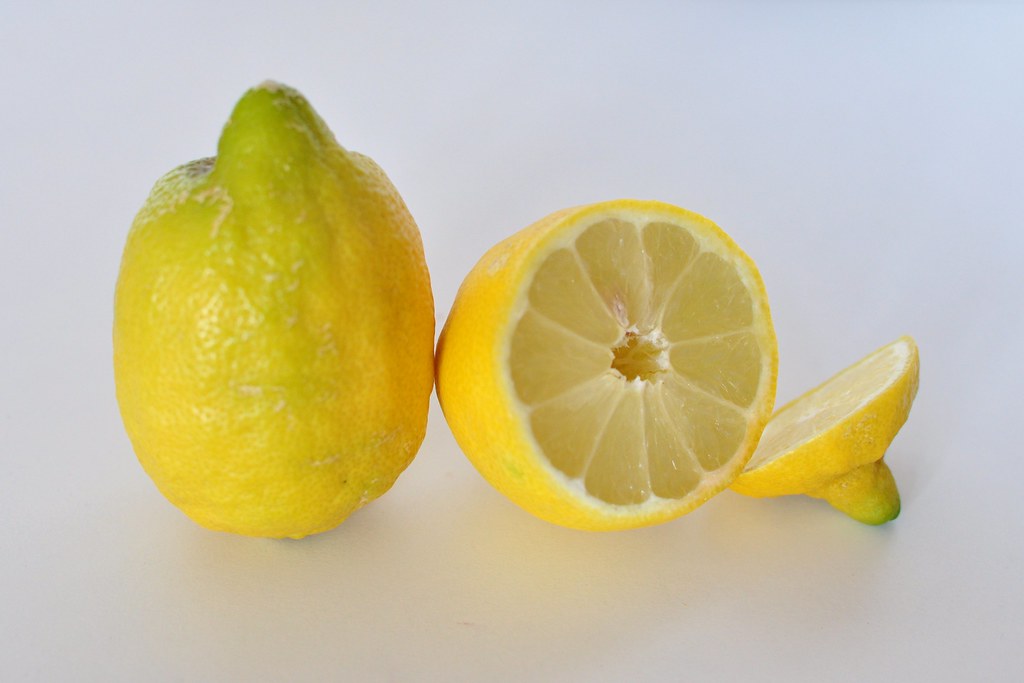
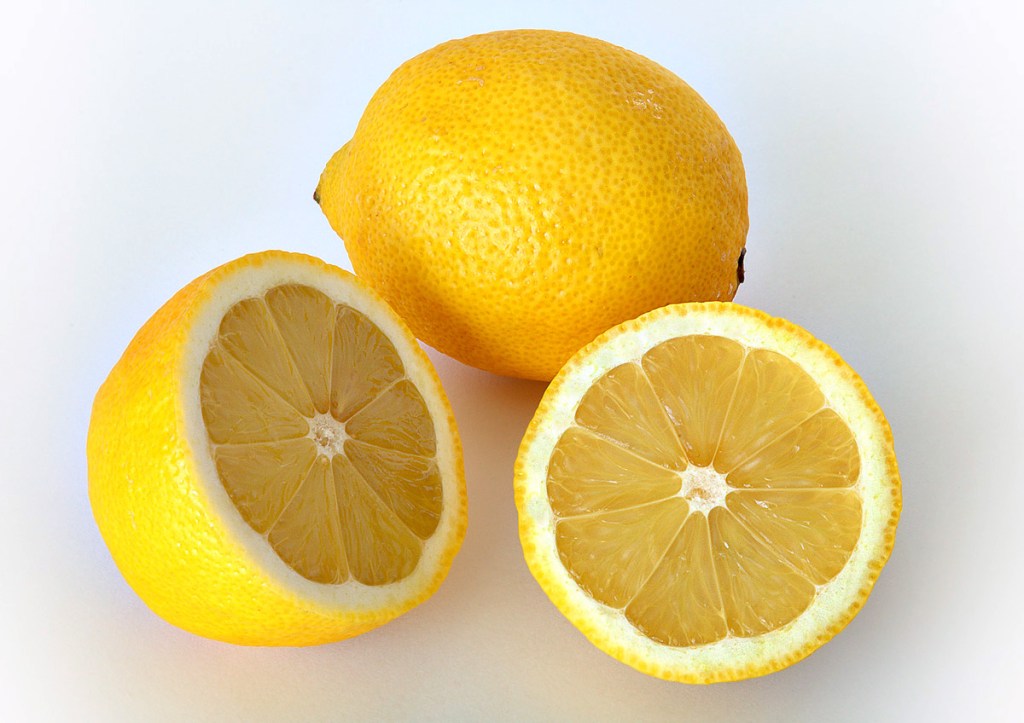
    9)Lemon: Scientific name –Citrus limon. It is also a hybrid spaces of citrus. It is originated from South Asia, specially Assam in India. Its color is young green or yellow. It has a very pleasant scent at its juice tests sour.

    Lemon

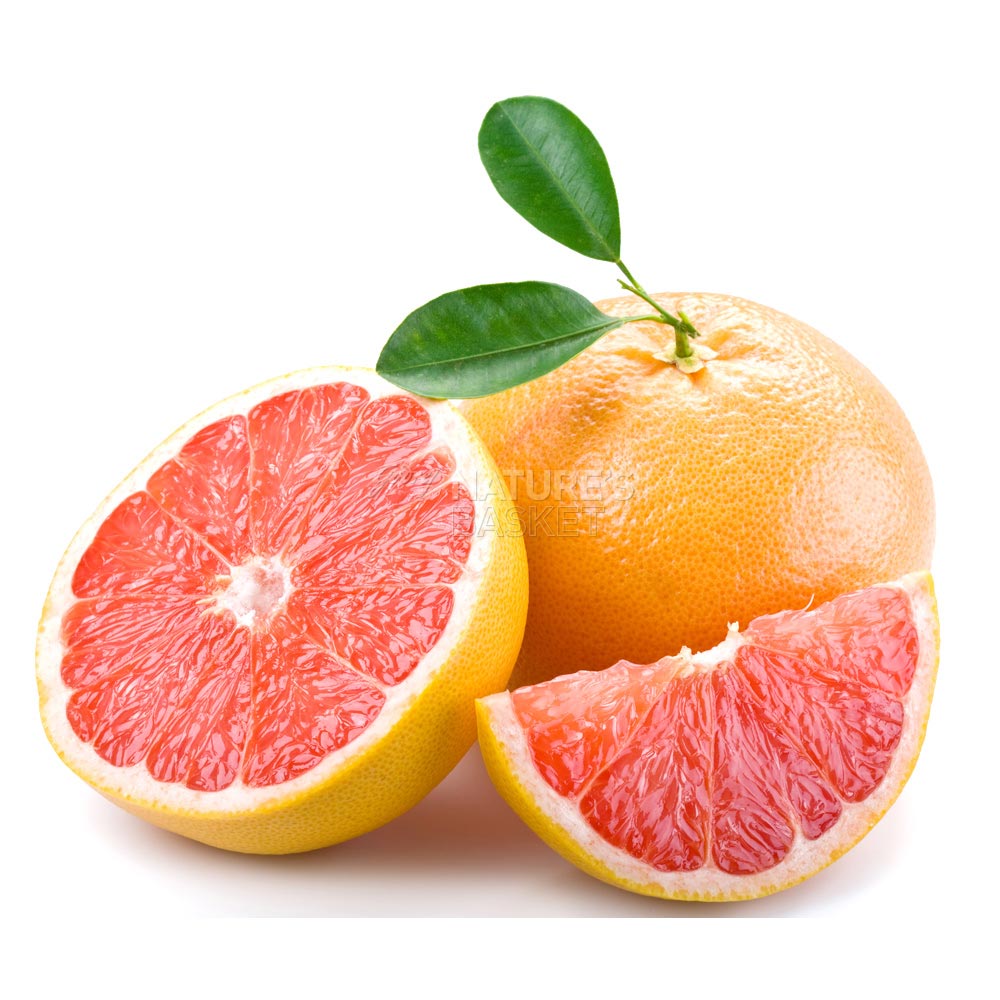
    10)Graph fruit: Scientific name – Citrus paralisi. It is also a hybrid citrus plant. Once it was called forbidden fruit. It looks like tangerine but the flash inside is the color of pinkish red and it is sweet in taste. It grows in tree as same as graph Cluster. So, it is called grapefruit.

    Graph fruit

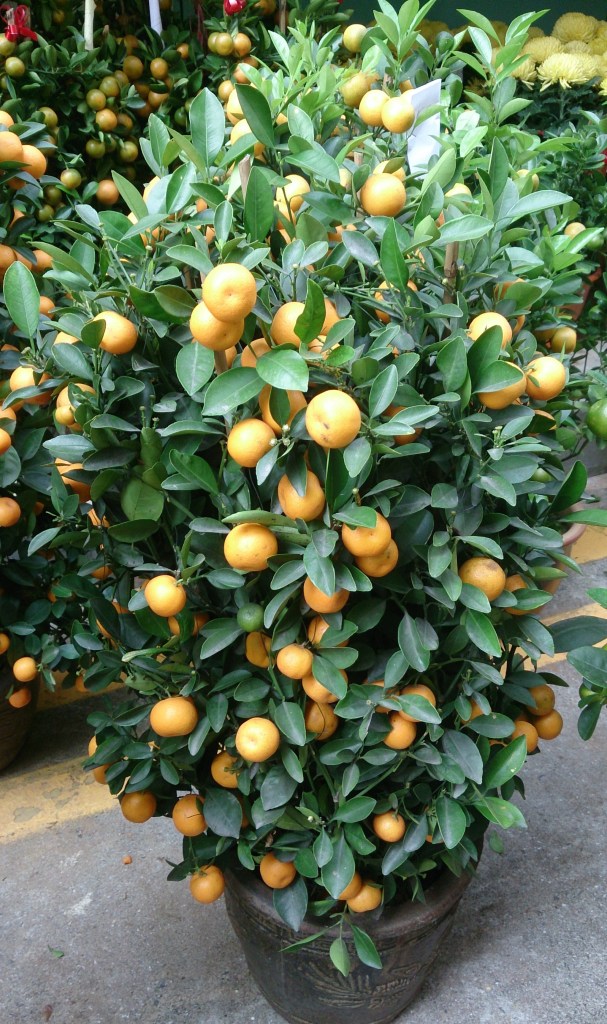
    11)Tangerine: Scientific name – Citrus tangerine. It is also a hybrid species. Sometimes people mistake tangerine as Orange but orange and Tangerine are not same. Tangerine are quite small in size and sweet in flavor.

    Tangerine
    Tangerine Plant

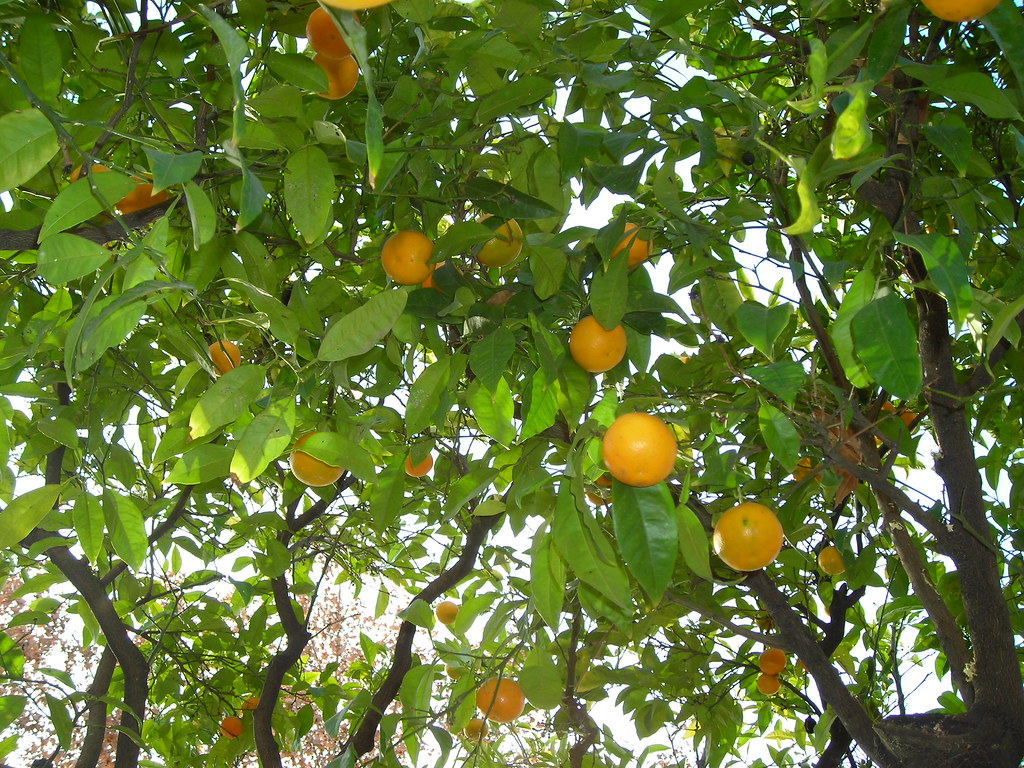
    12)Sweet Orange: Scientific name – Citrus sinensis. It is related to bitter Orange. It is initially originated from Southern China, North part of India, Myanmar.

    Sweet Orange
    Sweet Orange Tree
    Sweet Orange Plants

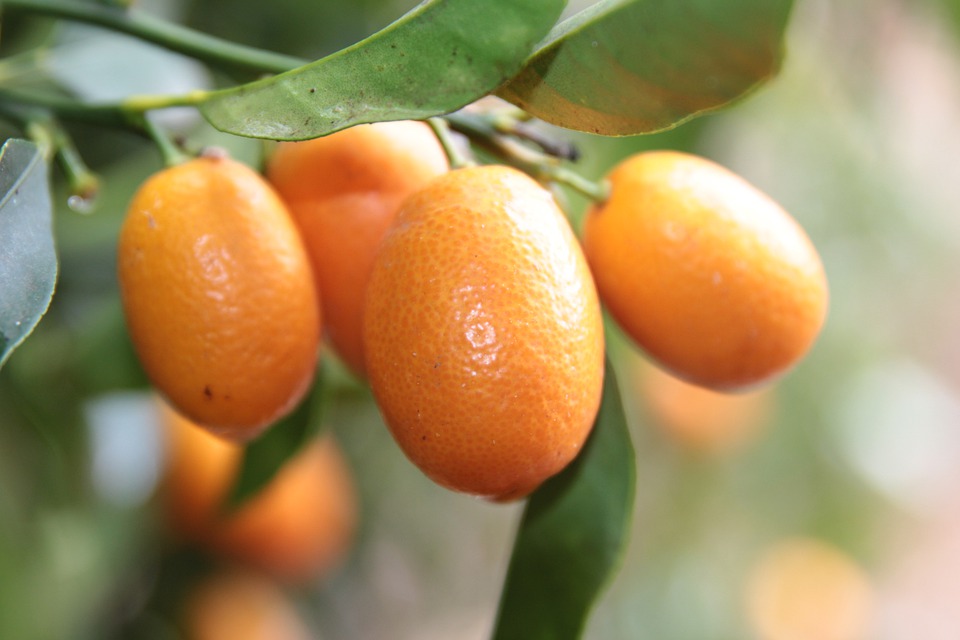
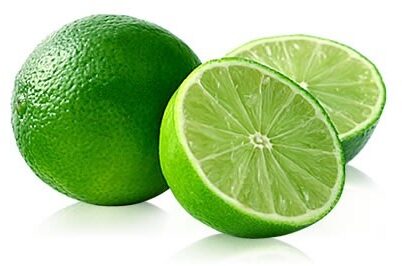
    Apart from them there are many other citrus fruits are available in the World – Kaffir lime, key lime, kumquat, lime orobalonco, Papeda, Greek Citron, Amanatsu, Balady Citron, sweet lemon, Rangpur lime , Dekopon Orange(one of the costly orange in the world) and many more.

    Dekopon Orange (one of the costly orange in the world)
    Kumquat Citrus
    Kumquat Citrus
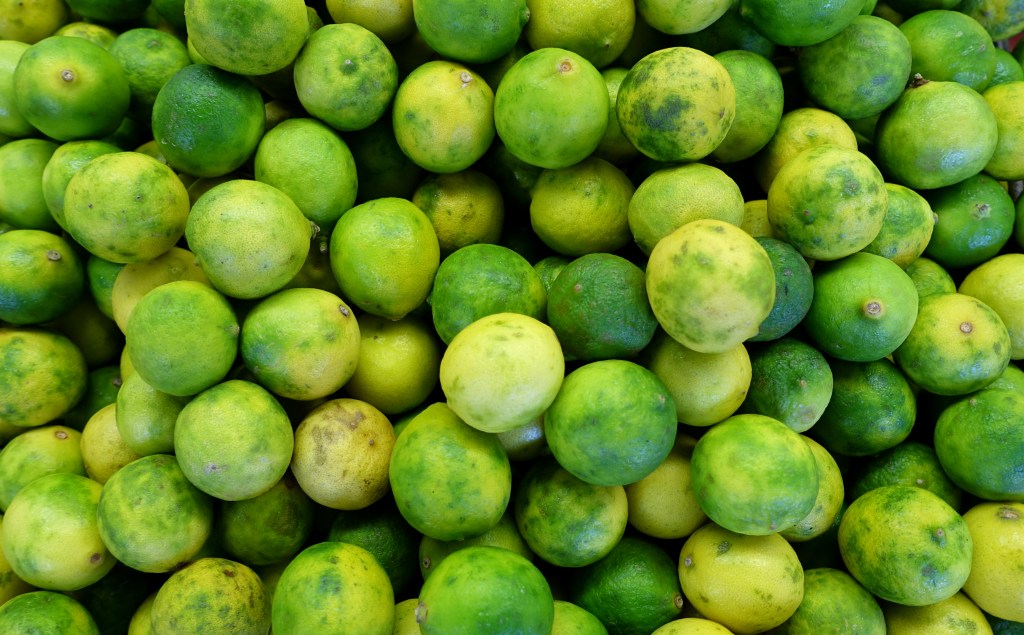
    Lime
    Kaffir lime
    key lime
    key lime
    Rangpur lime
    Nutrition of Citrus Fruits

    Available nutrients: The amount of nutrient varies for each citrus fruit. But the nutrients are same somewhat .

    1. Vitamin C is one of the common nutrients that is present in every citrus fruit in high amounts.
    2. Citrus have also fibers and sugar as carbohydrate.
    3. Citrus fruits do not contain any sodium, cholesterol or fat.
    4. It also contains calcium potassium, magnesium, phosphorus like minerals.
    5. For vitamins, it contains vitamin C, vitamin B6, riboflavin, folate, pantothenic acid etc.
    6. Citrus fruits contain lot of water in their juice.
    7. Citrus fruits can give more than 50 kcal energy.
    8. Lemon, lime, Orange, grape fruits, tangerines have high level of antioxidants like carotenoids, polyphenols, etc.
    9. Citrus fruits are good source of citrus acid and Vitamin C.
    Juice of citrus fruits
    Health benefits of citrus fruits

    Health Benefit:

    1. Vitamin C is one of the major elements in citrus fruit. Vitamin C has a very important role for boosting our immunity system by increasing the number of white blood cells. Thus, it prevents common cold and other health diseases.
    2. A 2014 research works shows that citrus fruits work against the risk of kidney stone.
    3. Grapefruit and other high antioxidant containing fruits are good for our cardiovascular system.
    4. citrus fruit juice has lots of water which helps to you keep hydrated.
    5. Citrus foods do not have any fat or cholesterol which helps to lose weight and prevent the rising of blood sugar level.

    .                                                              

    Telangana: Want to Resume physical classes for primary students….!!!

    With many states planning to start physical classes only for high school students, managements and teachers said that it is much more important to resume physical classes for primary students, as many of them unable to follow virtual classes.

    They said that offline classes should be conducted at least two days a week for primary students. “Even as per ICMR, the impact of Covid-19 on children under the age group of 10 is much less when compared with elder children and adults. Why not start physical classes for them as well,” V Amarnath, director.

    “These students are unable to concentrate, their confidence is low and communication skills have been impacted,” he said, adding that holistic development of a child has been impacted overall. Teachers said that physical classes should be resumed for all children in August within a gap of 10-15 days and all students should get to attend offline classes on alternate days.

    “Now, almost all teachers are vaccinated. The same is the case with parents. So the risk of children spreading Covid seems to be comparatively lower. However, the state should provide sanitation, medical staff and allocate sufficient budget to follow Covid protocols in schools. By following all norms, physical classes should be started,” said M Ravinder, a government teacher, adding students are already facing memory and conceptual loss.

    Parents agreed that it is a matter of urgency to resume physical classes, although they said that the same cannot be done in a haste.

    The government should form a committee and study the impact of reopening of schools. They need to communicate with parents, explain what to expect and give an assurance about their children and family members’ safety.

    Traits of an epic

    An Epic is a long narrative in verse on a great and serious subject related in an elevated style. An epic tells a generally well-known story and is centered around a heroine or semi-divine figure whose actions depend on the faith or a tribe, a nation are a human race.

    types of epics

    Historically, there have been two types of epics the primitive a big for the epic of growth, and epic of art all literary epic.

    The main traits of an epic are the following:

    1. The subject matter of an epic is heroine ok or mythical kind full stop the hero is a figure of national or even cosmic importance as an Achilles in Homer’s Iliad, Aeneas in Virgil’s Aenid, Adam or Christ in Milton Paradise Lost and Rama in Ramayana.
    2. The setting of an epic is vast and comprises several worlds. In Odyssey, the whole known word is the scene of action of Ulysses. In Virgil’s Aeneid and Dante’s Divine comedy, Earth, heaven, and hell are the scenes of action. In paradise lost also the scene of action has cosmic dimensions embracing Earth, heaven, and hell.
    3. The action in an epic involves superhuman deeds such as the deeds of Achilles or the journey of Ulysses. Paradise Lost presents The War and heaven, Satan’s journey through chaos, and his audacious attempts to outwit God by corrupting mankind. The Ramayana presents several wars and the prolonged wanderings of the hero.
    4. The action of an epic is often controlled by supernatural agents. Gods and Goddesses mingle with the humans and fight on both sides. In Homer, the Olympian gods participate in all activities and Paradise Lost devils, Angels, and God himself are involved.
    5. The Epic contains several thrilling episodes like battles, duals, wanderings, ordeals, and the like.
    6. In most Epics, there is a moral purpose. The hero represents a cause and the victory of good over evil is ensured. Sometimes characters themselves are personifications of good or evil.
    7. In the narration of an epic, certain conventions are followed. It is narrated in an ornate, ceremonial, and grand style that is deliberately distanced from ordinary speech. Epic similes, figures of speech, classical allusions and references, and repetitions are used. The characters are given set speeches. The narration usually begins with an invocation to the muse or a guiding Spirit. Both ‘Aenid’ and Paradise Lost begin with such invocations. Usually, the narrative starts in the middle of the story as in Paradise Lost which begins with the fallen angels gathering their Forces for revenge. Only later does Milton tell tells us what happened before the Fall.
    8. The Epic is usually divided into twelve books through Iliad and Odyssey have 24 books each. Spencer’s fairy Queen was planned in 12 book’s and Milton’s Paradise Lost also has 12 books.

    Some of the famous Epics:

    • Milton’s “Paradise Lost”
    • Spenser’s “Faerie Queen”
    • Arnold’s “Sohrab and Rustom”
    • “Hyperion” by Keats
    • The Epic of Gilgamesh
    • The Homeric Poems – The Odyssey
    • The Mahabharata
    • Virgil – The Aeneid The Aeneid
    • Ovid – Metamorphoses
    • Firdawsi – The Shahnameh
    • Beowulf

    The Epic

    The Farce