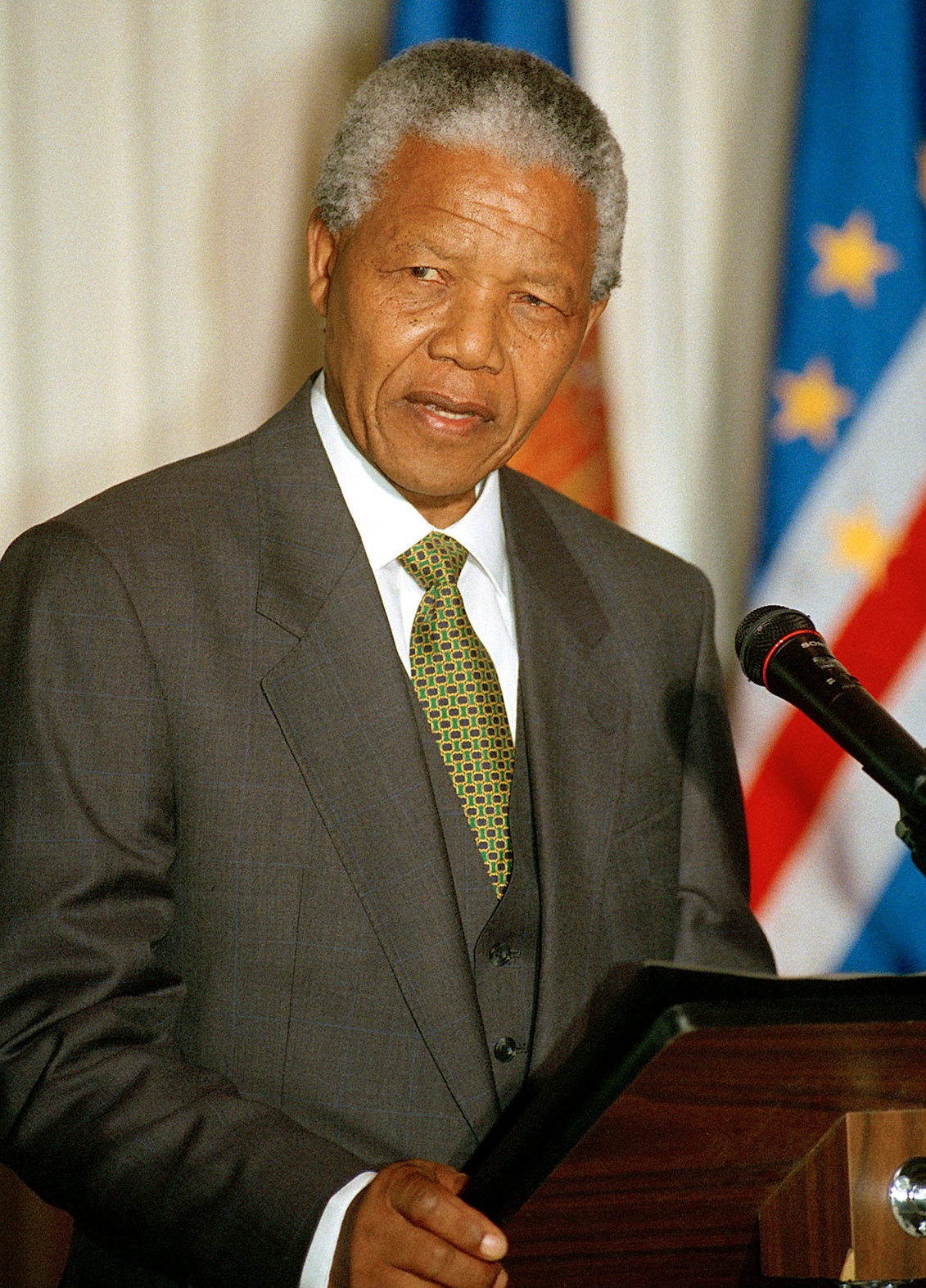
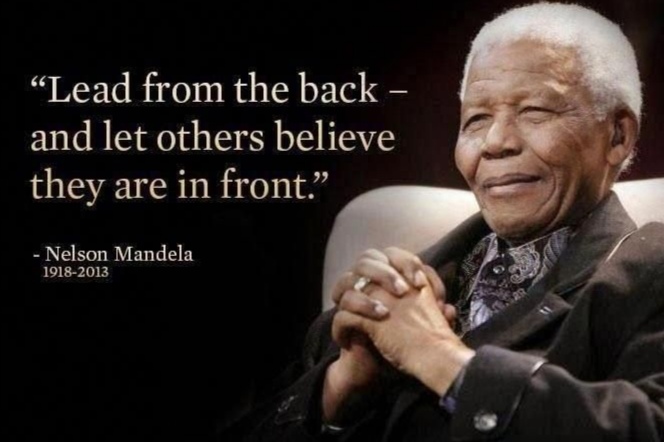
Nelson Mandela was a South African anti apartheid Revolutionary Statesman.
Nelson Mandela
He served as president of South Africa from 1994 to 1999.
Nelson Mandela was first black head of state and the first elected in a fully representative democratic election.
Nelson Mandela is known as Gandhi of South Africa.
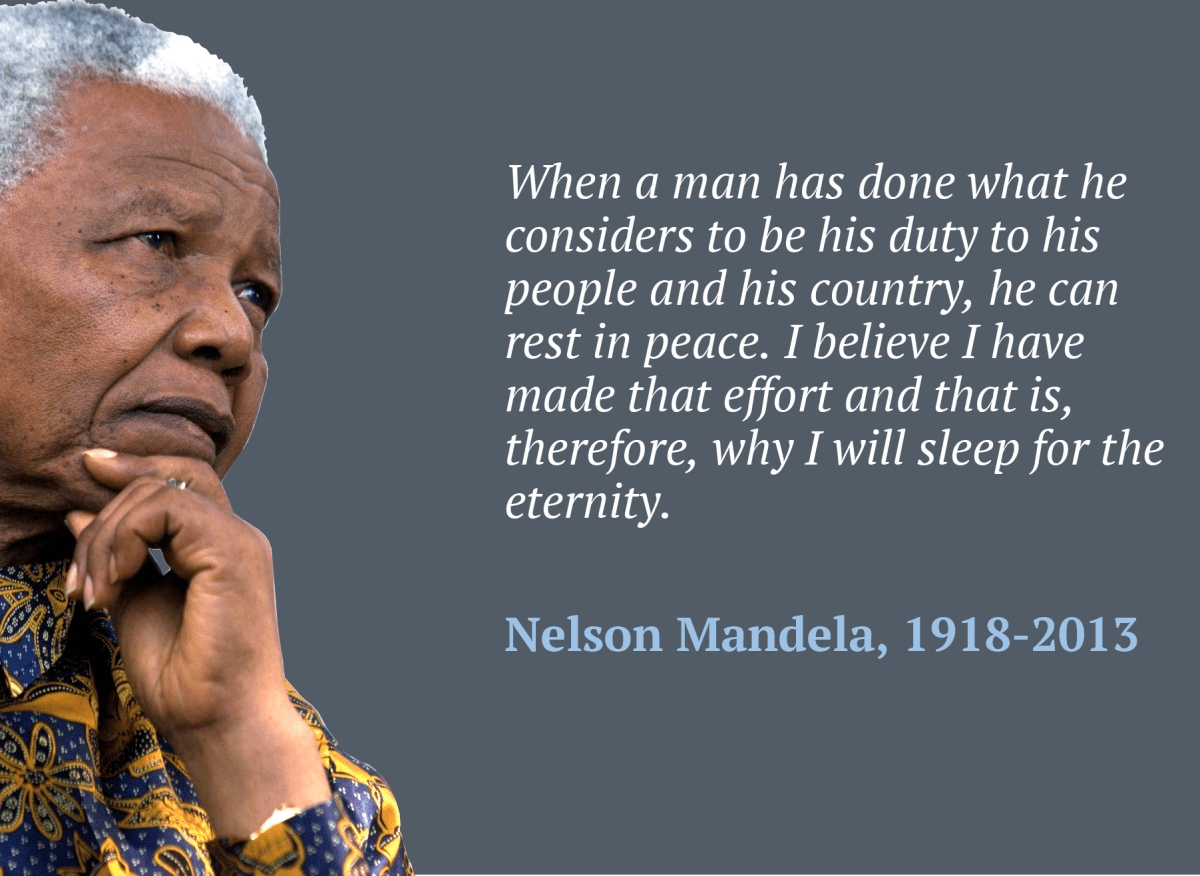
Nelson Mandela was born on 18 July 1918.
We died on 5th December 2013.
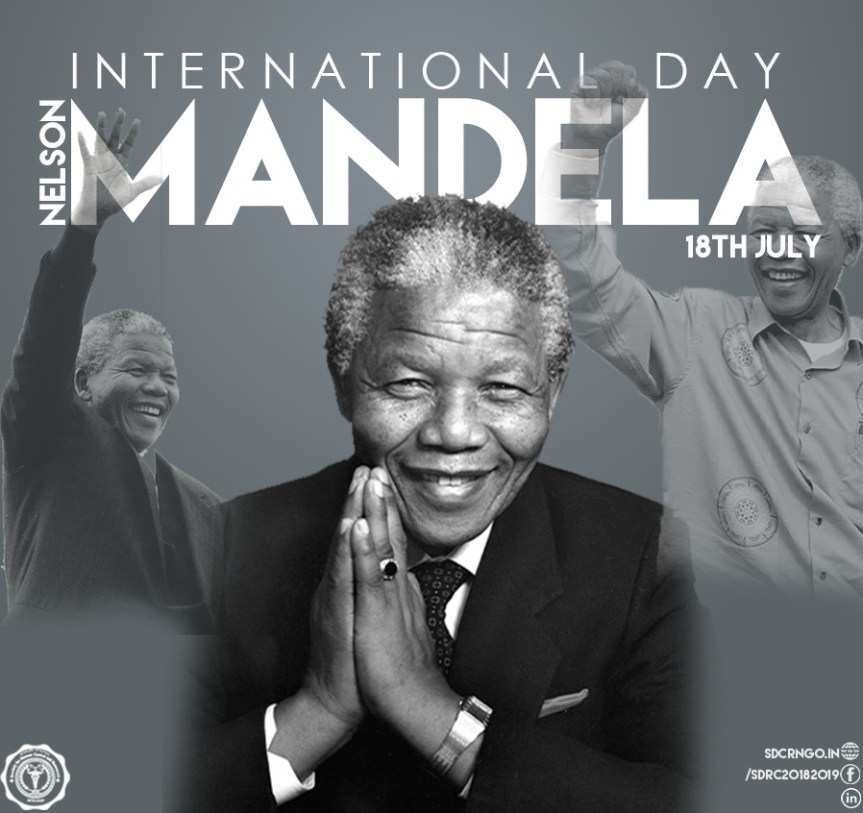
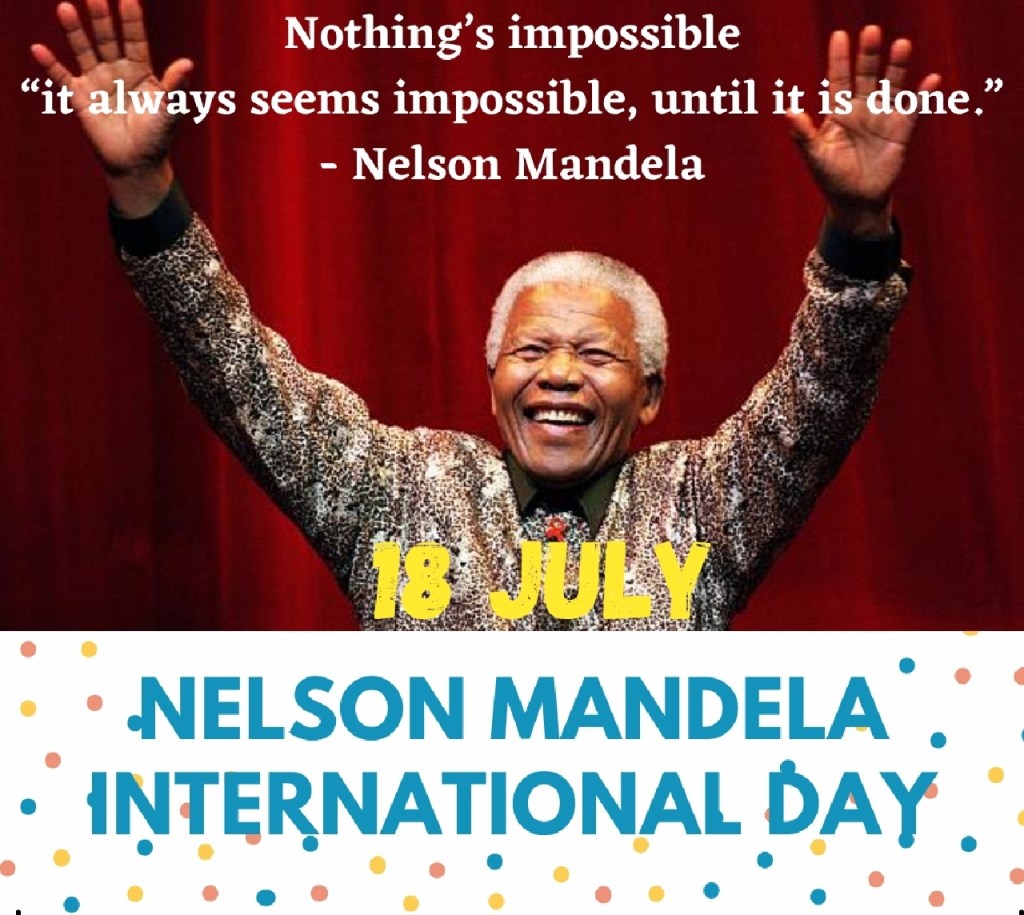
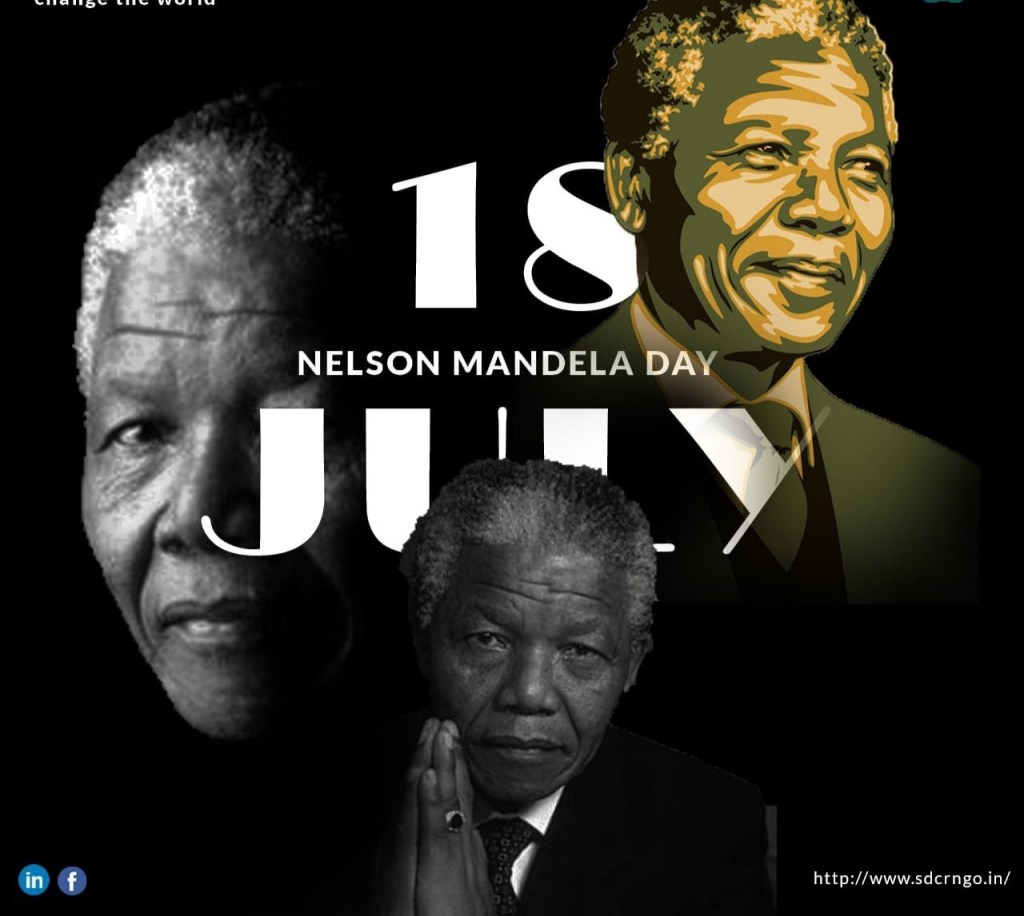
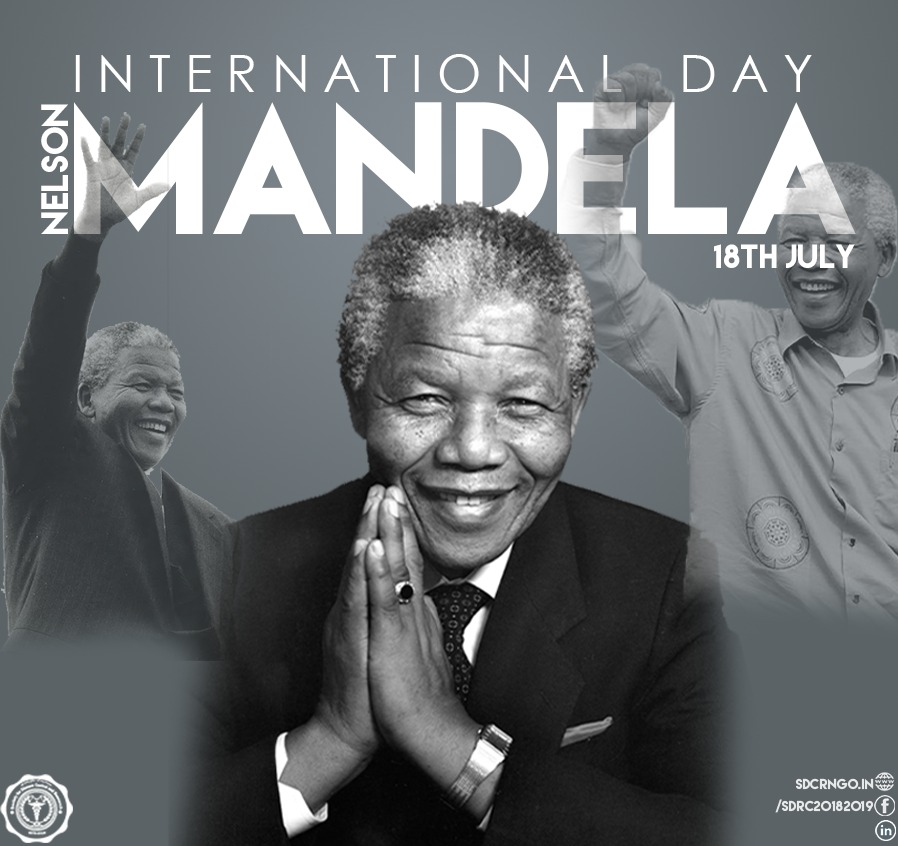
Nelson Mandela International Day is celebrated on 18 July every year.
Today is 103rd birth anniversary of Nelson Mandela.
Nelson Mandela opposes the racist system of Apartheid in South Africa and dedicated his life to establishing social equality for all.
Nelson Mandela was awarded the prestigious Nobel Peace Prize in 1993.
He involved in anti colonial and African Nationalist politics, joining the AMC in 1943 and co-founding its youth league in 1944.
In 1962, He was arrested, imprisoned and subsequently sentenced to life imprisonment for conspiring to overthrow the state following the Rivonia trial.
He served 27 years in prison.
Nelson Mandela was also known as Madiba.
Nelson Mandela was birth name Rolihlahla Mandela.
Nelson name was given by his Primary school teacher.
In 1931, he begin his College degree at University College of Fort hare.
Nelson Mandela was expelled for participating in a protest against the universities policies.
Nelson Mandela received his law degree from University of South Africa in 1989.
The king of his village threatened him and his cousin with arrange marriages but they both ran away.
Nelson Mandela along with his fellow AMC member established South Africa’s first black law practice in 1952.
Nelson Mandela was banned from leaving the country
In order to leave the country he used the name David Motsamayi to get out of country in secret.
In prison, he was mentor to to other prisoner and taught them about nonviolent resistance.
Nelson Mandela believed that sports has the power to change the world, it has the power to inspire,. It has the power to unite people in a way that letter else does. It speaks to youth in a language they understand. Sport can create hope where one there was only dispair. It is more powerful than government in Breaking Down racial barriers.
He was released from prison in 1990 by president Frederick William De klerk.
Nelson Mandela was 76 year old when he was elected as president of South Africa.
Theme of national Mandela International Day 2021
The theme of this year is One Hand Can Feed Another.
Last year’s theme was Take Action, Inspire change.
The theme highlighted the importance of Government and citizen working together to build a peaceful equitable and sustainable world for all.
Semiconductors are defined as crystalline or amorphous solids that have electrical conductivity opposite at temperatures to those of metal, higher electrical resistance than typical resistant materials, but still of much lower resistance than insulators. Semiconductors can be pure elements, such as silicon or germanium, or compounds such as gallium arsenide or cadmium selenide.
Some facts about Semiconductors :
1. Conducts electric current less than a conductor and higher than insulator.
2. Has high resistance and negative temperature coefficient.
3. Formed due to covalent bonds
4. A semiconductor chip is an electric circuit with many components such as transistors and wiring formed on a semiconductor wafer. An electronic device comprising numerous of these components is called Integrated Circuit (IC), and can be found in electronic devices such as computers, smartphones, appliances, gaming hardware and medical equipment.
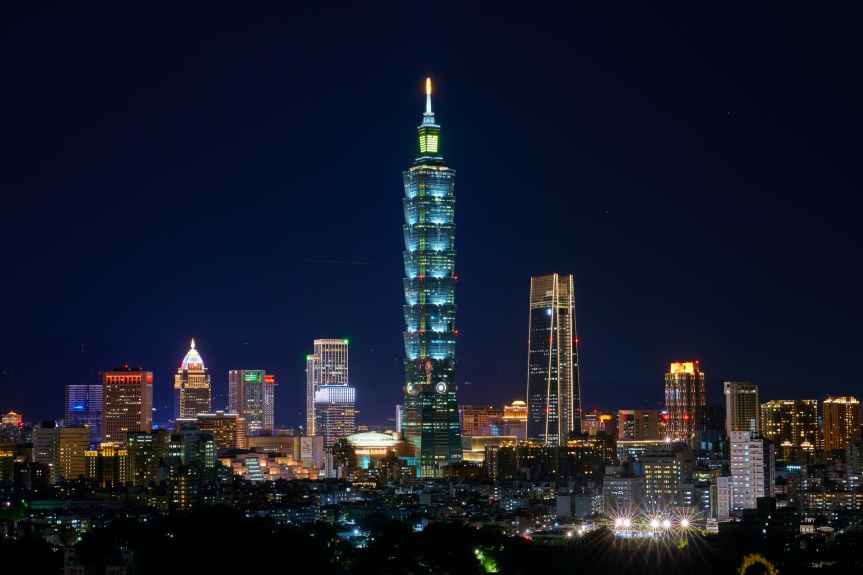
Taiwan is the world’s leading producer of semiconductors and other electronic components.The Taiwan Semiconductor Manufacturing Company (TSMC) has more than 55 per cent of the global market share in the production of high-end custom-made chips.Of the two rival companies that have survived, US-based Intel is in trouble and Korea’s Samsung has challenges of its own.
Due to the pandemic and the series of lockdowns being imposed, the world has been facing a shortage of semiconductors which has been affecting the industries dependent on them.The increase in chip consumption over the last decade is also partly attributable to the rising contribution of electronic components in a car’s bill of materials.Especially the car manufacturers and consumer electronics manufactures, have not been receiving enough of this crucial input to continue production.
This shortage has caused delayed vehicle deliveries, as carmakers in order to make just in time car deliveries , typically kept low inventory holdings and relied on an electronics industry supply chain to feed production lines as per demand. This has not only affected the international markets , but also affected the India based vehicle manufactures to curtail the production.
Also due to geopolitical tensions in Taiwan , prominently from China, this has opened an opportunity for India to realize it’s capacity and make positive changes in it.It should make extra efforts to solidify strategic-economic cooperation between Delhi and Taipei and make them more stronger.
Trade has increased from about $1 billion in 2001 to about $7 billion in 2018 . India has made a special effort to woo Taiwanese companies that are moving some of their production away from China.
India should continue to make it’s presence in Indo- Pacific stronger, and also come to terms with Taiwan’s critical role in shaping the strategic future of Asia’s waters.
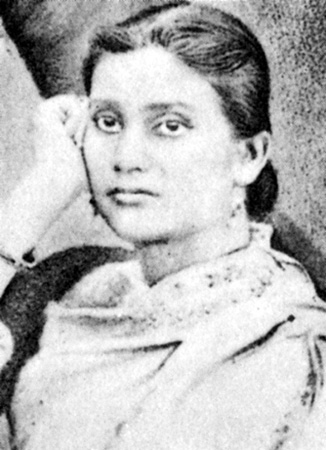
160 years ago, on this day, July 18, Kadambini Ganguly was born in a Bengali family in Bhagalpur, Bihar. As a child, she was rebellious with regard to sexism and patriarchy and was very hard-working as a student.
Picture of Dr. Kadambini Ganguly.
During her childhood, she had witnessed that in her area many women used to die without treatment as women could not get proper treatment because all doctors were males and Indian social culture didn’t approve a male doctor treating a female patient. From here, she dreamt of becoming a doctor during her childhood.
However, things didn’t happen according to her. She was married off at young age and thus she thought her dreams would go down the gutter. But it was then her husband who supported her in every walk of her life. She did her schooling partly at Banga Mahila Vidyalaya and partly at Bethune School. In 1878, she became the first female to pass the University of Calcutta entrance examination.
Within few years, she became one of the first few female graduates in the country alongside Chandramukhi Basu. When she wanted to study medicine, she was denied admission by University of Calcutta as the university wasn’t allowing female students back then. Dwarkanath Ganguly, Kadambini Ganguly’s husband challenged this patriarchal rule and in 1883 Kadambini Ganguly was the first female to take admission in Calcutta Medical College.
Kadambini Ganguly received a scholarship of two years and in 1886 she was awarded the GBMC award and thus making her the first female to have a degree in Western Medicine in the whole of South Asia.
It is also important to note that during that time people didn’t approve a female getting education and as a result she received strong opposition regarding her academical choices from conservatives even from her neighbourhood and relatives.
Bangabashi, a magazine of that time that was run by the then conservatives also called her a “whore” and this obviously didn’t go well with the Ganguly couple. Dwarkanath Ganguly legally filed a court case against the magazine and this resulted in 6 months jail term for the editor of the magazine.
Kadambini Ganguly also went abroad for her studies and got her further education in Edinburgh College of Medicines for Women. She quickly earned three different diploma degrees. Soon, she became popular in entire South Asia and Europe. Her name became so popular that the then King of Nepal invited her to treat his ailing mother.
Kadambini Ganguly had even advocated for social change in India and especially for women. It was due to her efforts that Bethune College in Kolkata added the Fine Arts course in their college. She was also one of the six female delegates to fifth session in Indian National Congress and even organised Women’s Conference in 1906 in Calcutta.
Authors of that time described Kadambini Ganguly as one of the “greatest” and the “most accomplished woman” of her time. And truly, all of us agree to it. Because of courageous women like her, so many women in the world must have got inspired to achieve their dreams. Kadambini Ganguly will always remain immortal in all her hearts.
Nelson Mandela was born on 18 July 1918, at Umtata, Cape of Good Hope in South Africa. He is an iconic figure in today’s world when it comes to fighting for one’s rights as a human being. The son of a Xhosa Chief, Mandela studied law at the University of Witwatersrand, and in 1944 joined the African National Congress (ANC), After the Sharpeville massacre (1960), he was disillusioned to the extent that he gave up his non-violent stance and became one of those who helped found the Spear of the Nation, the ANC’s military wing. Arrested in 1962, he was sentenced to life imprisonment. The South African Court convicted him on charges of sabotage as well as other crimes committed while he led the movement against apartheid.
How is Nelson Mandela International Day celebrated?
Mandela provides service to others and always wants to create a better world for everyone. So, on this day if people find injustice in the neighbourhood, city, or state they do everything to alleviate the problem. Work in soup kitchens, marched with protesters, volunteer in local organisations, and work to help bring about civil liberties for everyone. Inspire change, and make every day a celebration of Mandela Day. People work for others and want to improve the lives of people around them. They will do this by volunteering or taking part in protests.
“After climbing a great hill, one only finds that there are many more hills to climb.”
This day provides a global call for people to recognise their ability and have a positive effect on others around them. People also inspire others about the values that Mandela shared like democracy, freedom, diversity, reconciliation, and respect. To promote Nelson Mandela Day, many people and organisations around the world take part in several activities. These activities are volunteering, sport, art, education, music, and culture. This day also celebrates a campaign known as “46664”, in reference to Nelson Mandela’s Robben Island prison number. The campaign was originally launched to raise awareness about HIV/AIDS. In 1995 and 1999 Children’s Fund and the Nelson Mandela Foundation were established.
“I learned that courage was not the absence of fear, but the triumph over it. The brave man is not he who does not feel afraid, but he who conquers that fear.”
His Movements And Struggles:
In accordance with the conviction, Mandela served twenty-seven years in prison. While in jail, Mandela’s reputation grew and he became widely known as the most significant black leader in South Africa. The conditions that he had to go through as a prisoner were appalling. He performed hard labour in a lime quarry. Prisoners were segregated on the basis of race, and the black prisoners received the fewest rations. Political prisoners were kept separate from ordinary criminals and received fewer privileges. Mandela himself describes how as a D-group prisoner, the lowest classification, he was allowed one visitor and one letter every six months. Letters, when they came, were often delayed for long periods and made unreadable by the prison censors. It calls for nerves of steel for a man imprisoned for life to get a degree of Bachelor in Law from the University of London through correspondence.
In February 1985, President PW Botha offered Mandela conditional release in return for renouncing armed struggle. Mandela spurned the offer, releasing a statement through his daughter Zindzi saying, ‘What freedom am I being offered while the organisation of people remains banned? Only free men can negotiate. A prisoner cannot enter into contracts.’
Throughout Mandela’s imprisonment, local and international pressure mounted on the South African Government to release him. In 1989, South Africa reached a crossroads when Botha suffered a stroke and was replaced as President by Frederik Willem de Klerk. De Klerk announced Mandela’s release in February 1990. His release from jail was broadcast live all over the world.
South Africa’s first multi-racial elections, in which full enfranchisement was granted, were held in April 1994. The ANC won 62 per cent of the votes in the election. Mandela became the first black President. As President from May 1994 to June 1999, Mandela presided over the transition from minority rule and apartheid, winning international respect for his advocacy of national and international reconciliation.
It is not surprising that Mahatma Gandhi should have inspired Mandela in his war against apartheid. The most universally respected figure of post-colonial Africa, Mandela was awarded the Nobel Peace Prize in 1993 along with De Klerk for their efforts to end apartheid and bring about the transition to non-racial democracy. Mandela remains an inspiring figure for any man in any corner of the world who becomes conscious of his rights and is willing to fight for the same.
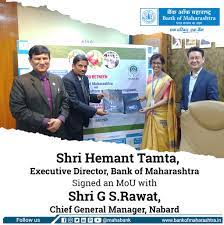
Bank of Maharashtra (BoM) has signed Memorandum of Understanding (MoU) with National Bank for Agriculture & Rural Development (NABARD) to boost ongoing developmental initiatives linked to priority sector lending in Maharashtra.
The MoU envisages joint initiatives for the assistance of farmers, farmer manufacturer organisations, joint liability groups, self help groups, rural artisans, weavers, agri-preneurs, agri start-ups, micro, small and medium enterprises in the State, BoM said in a statement.
Hemant Tamta, Executive Director, BoM, said with signing of this MoU, BoM and NABARD will work together towards complete improvement of rural regions of Maharashtra.
The MoU is basically meant to benefit farmers, farmer producer associations, joint liability groups, self-help groups, rural artisans, weavers, agri-preneurs, agri start-ups, and Micro, Small and Medium Enterprises (MSMEs) in the State.
BOM is the convenor bank of the State Level Bankers’ Committee (SLBC) of Maharashtra.
Coordination machinery
BoM is the convener of State Level Bankers’ Committee (SLBC) for Maharashtra. Each State/ Union Territory in the country has an Bankers’ Committee. The Committee is an apex inter-institutional forum to create adequate coordination machinery in a State for its development.
SLBC is chaired by the Chairman/ Managing Director/ Executive Director of the Convenor Bank. It comprises representatives of Banks, RBI, NABARD, heads of government departments, among others. They come together and sort out coordination problems at the policy implementation level.
Representatives of various organisations from different sectors of the economy such as industry bodies, retail traders, exporters, and farmers’ unions, are special invitees in the SLBC meetings for discussing their specific problems, if any.
General knowledge is very important in everyone’s life. The person without the knowledge is like the bird without the wings. It is very important to know what is happening across the world. So, it is very important to attain the general knowledge. To grab general knowlede, an individual must follow some of the techniques like reading books, articles, magazines, newspapers etc.
The newspaper consists of all the important things like the business purposes, sports, entertainment, some interesting puzzles, Hindi habits, food recipes, Current affairs etc.
Reading newspaper is an important thing because whenever an individual comes across a motivational thing, he or she will be motivated and focuses on the particular aspect. The individual will get to know the current affairs. The person will get a good grip on the general knowledge. solving puzzles improves the skills of the person. Reading about the healthy habits in the newspaper makes the individual to go for good and healthier meals.
Reading newspaper is very important because gives the chance to know what is happening around us. Early in the morning or evening whatever the time maybe, sparing at least 10 to 15 minutes of time on newspaper is a very good habit that an individual can develop.
The newspaper consists of all the important things like the business purposes, sports, entertainment, some interesting puzzles, Hindi habits, food recipes, Current affairs etc.
In one of the other way the individual develops good habits and focuses more on what they are trying to do.
Individual Differences :
Intelligence :
High scores on tests of general knowledge tend to also score highly on intelligence tests. IQ has been found to robustly predict general knowledge scores even after accounting for difference in age, and five factor model personality tarits. However, many general knowledge tests are designed to create a normal distribution of answers, creating a bell shaped curve.
General knowledge is also moderately associated with verbal ability, though only weakly or not at all with numerical and spatial ability. As with crystallized intelligence, general knowledge has been found to increase with age.
Long term semantic memory :
General knowledge is stored as semantic memory. Most semantic memory is preserved through old age, though there are deficts in retrieval of certain specific words correlated with aging. In addition, stress or various emotional levels can negatively affect semantic nemory retrieval.
Personality :
People high in general knowledge tend to highly open to new experiences and in typical intellectual engagement. The relationship between openness to experieñce and general knowledge remains robust even when IQ is taken into account. People high in openness may be more motivated to engage in intellectual pursuits that increase their knowledge. Relationships between general knowledge and other five factor model traits tend to be weak and inconsistent. Though one study found that extraversion and neutroticism were negatively correlated with general knowledge, others found that they were unrelated.
Predictor of achievement :
A number of studies have assesses whether performance on a general knowledge test can predict achievement in particular areas, namely in academics, proofreading and creativity.
Academic achievement :
General knowledge has been found to predict exam results in a study of Britush schoolchildren. The study examined congnitive ability and personality predictors of exam performance and found that general knowledge was positively correlated with GCSE english, mathematics, and overall exam results. General knowledge test scores presicted exam results, even after controlling for IQ, five factor model personality traits, and learning styles.
Proofreading :
General knowledge has been found to robustly predict proofreading skills in univeristy students. A study found that proofreading had a larger correlation with general knowledge than with general intelligence, verbal reasoning, or openness to experience. In a multiple regression analysis using general knowledge, general intelligence, verbal reasoning, five factor personality traits, amd learning styles as predictors, only general knowledge was a significant predictor.
Creativity
General knowledge has been found to have weak associations with measures of creativity. In a study examining contributions of personality and intelligence to creativity, general knowledge was positively correlated with tests of divergent thinking, but was unrelated to a bigraphical measure of creative achievemnet, self- rated creativity, or a composite measure of creativity. The realtionship between general knowledge and divergent thinking became non- significant when controlling for fluid intelleigence.
Game shows and Quizzes :
Many game shows use general knowledge questions for entertainment purpose. Game shows such as who wants to be a Millionarie? and fiteen to one centre their questions on general knowledge, while other shows focus questions more on specific subjects. Some show ask questions both on specific subjects and on general knowledge .
Debates concerning overpopulation may rapidly turn contentious because they raise the question of who is to blame for the problem and what, anything that, should be done to address it. Numerous population experts are concerned that debates about overpopulation will be exploited by small-minded people who claim that some humans are “right people” to be on the planet and others are the “wrong people” (typically people living in poverty, people of colour, foreigners, and so on). However, there are no “right” or “wrong” individuals on the world, and debating the issues of global overpopulation should never be used as a justification or as a platform for such a discussion.
Every human being has a legal right to an adequate and equitable share of the Earth’s resources. However, with a population reaching 8 billion, even when everyone chose a comparatively low materialistic quality of life, the Earth would still be pushed to the brink of ecological disaster. Furthermore, the “average individual” on Earth consume at a pace that is more than 50% more than what is feasible. Surprisingly, the average American consumes over five times more than the planet’s sustainable output.
If we are using the word “overpopulation,” we explicitly imply a scenario in which the Earth’s resources cannot be replenished each year due to the world’s population. According to specialists, this has been the situation every year since 1970, with each succeeding year growing increasingly harmful. To help moderate this highly unsustainable scenario, humans have to understand what is causing overpopulation and overconsumption, as well as how these patterns influence everything from climate change to sociocultural instability.
THE CAUSES OF OVERPOPULATION:
The Earth now has a population of over 7.8 billion people. And according to United Nations, the world’s population would reach 10.8 billion by 2100, assuming sustained fertility decreases in many nations. Surprisingly, if more progress can be made in women’s reproductive self-determination and fertility decreases faster than the United Nations predicts, the population in 2100 may be a relatively smaller 7.3 billion.
For the time being, the world’s population continues to grow at a rapid pace (approximately 80 million people per year), and our supply of critical nonrenewable resources is depleting. Many variables, including declining death rates, underused contraceptives, and a poor education for females, contributes to these unsustainable trends.
FALLING MORTALITY RATE:
An imbalance between births and deaths is the fundamental (and arguably most visible) driver of population increase. According to the World Health Organization, the worldwide infant mortality rate has dropped, with 4.1 million newborn deaths in 2017 compared to 8.8 million in 1990. Of course, this is good news for public health.
At the same time, people are living longer lives all across the world. Those of us alive now will most certainly live far longer lives than most of our forefathers. Because to advances in medical, technologies, and hygiene practices, global average life expectancy has more than quadrupled since 1900. Falling death rates are also nothing to grumble about, but universal lifespan contributes to the math of growing population numbers.
UNDERUTILIZED CONTRACEPTION:
According to the UN Population Division, the worldwide fertility rate has consistently declined over the years, falling from an average of 5 children per woman in 1950 to 2.4 children per woman now. Along with that encouraging trend, worldwide contraceptives use has gradually grown, going from 54 percent in 1990 to 57.4 percent in 2015. Nonetheless, contraceptives usage is underused in general. According to the World Health Organization, an estimated 214 million women in poor nations who wish to avoid pregnancy do not use contemporary contraception.
These women are not taking contraception for a number of reasons, including societal norms or religious beliefs that prohibit birth control, misunderstandings about negative side effects, and a lack of autonomy for women to make sex and family planning decisions. Between 2010 and 2014, an estimated 44 percent of pregnancies were unplanned. Giving more women access to and control over family planning options might go a long way toward flattening the population curve.
THE EFFECTS OF OVERPOPULATION:
It seems to reason that as the world’s population grows, so will the demand on resources. Higher population equals more demand for food, water, housing, energy, healthcare, transportation, and other necessities. All of this consumption adds to environmental degradation, increasing conflict, and an increased likelihood of large-scale calamities such as pandemics.
ECOLOGICAL DEGRADATION:
Population growth will undoubtedly generate pressures that will result in increased deforestation, diminished biodiversity, and increases in pollution and emissions, all of which will worsen climate change. Eventually, many experts think that unless we take action to assist prevent future population increase in the duration of this decade, the extra pressure on the planet will lead to ecological upheaval and breakdown so extreme that it affects the survival of life on Earth as we know it.
Garbage and pollution on beach
Each spike in the global population has a measurable impact on the planet’s health. According to estimates a family having one fewer child could reduce emissions by 58.6 tonnes CO2-equivalent per year in developed countries.
INCREASED CONFLICTS:
Scarcity caused by environmental damage and overpopulation has the ability to promote violence and political upheaval. Warfare over water, land, and energy resources is already taking place in the Middle East and other places, and the unrest is certain to worsen as the world population rises.
HIGHER RISK OF DISASTERS AND PANDEMICS:
Some of the recent new diseases that have wreaked havoc on humans throughout the world, such as COVID-19, Zika virus, Ebola, and West Nile virus, emerged in animals or insects before being transmitted to humans. Part of the reason the globe is approaching “a time of heightened outbreak activity” is because humans are demolishing natural habitats and coming into more frequent contact with wild animals. Now that we’re in the grip of a pandemic, it’s apparent how impossible it is to maintain social distance in a globe populated by over 8 billion people.
WHAT CAN BE DONE?
When tackling overpopulation, it is critical to use an empowerment-focused strategy while organising against anybody promoting the use of compulsion or violence to solve our issues. The combined efforts of expanding family planning information, enhancing women’s autonomy, and refuting commonly held contraceptive misconceptions will have a significant impact on the world’s population trajectory.
At Population Media Center (PMC), we observe firsthand how raising knowledge about family planning options and the environmental and economic benefits of having fewer families may influence reproductive behaviour. Listeners to our Burundian radio show Agashi (“Hey! Look Again!”), for example, were 1.7 times more likely than non-listeners to verify that they were willing to negotiate condom use with a sexual partner, and 1.8 times more likely to say that they generally approve of family planning for limiting the number of children.
At PMC, we use the power of storytelling to inspire listeners to live healthier and more affluent lives, which helps to stabilise the global population and allows people to live sustainably with the world’s renewable resources. Discover how PMC is combating overpopulation right now!
Magahi betel leaf (Paan) is an variety of betel grown in south Bihar region and mostly in Aurangabad, Gaya and Nalanda districts. This paan, is about 3.5 to 9.5 inches in size. It’s non-fibrous, sweeter, tastier and the soft.it got GI tagged in 2018 alongwith Jardalu mango and katarni rice
Magahi paan was popular even during ancient times. It is claimed that prince Vijai Mal was fond of Magahi paan and it is mentioned in the 1884 book of GA Grierson, an Irish administrator and linguist in British India. Several other references had been cited in the journal to establish Magahi paan being an exclusive produce of Magadh region
Magahi paan is sown during March-May each year, with leaves plucked during January-March. Each plant can give 40-60 leaves, yielding 500 dholis per year per katha .Every year, farmers have to sow new plants. When everything goes well, farmers can earn Rs 70,000-1,00,000 from one katha of land.
Problems encountered by betel leaf (paan) farmers
Betel leaf (paan) plants damaged due to cold
There is lack of insurance or MSP facility to the farmers. it is highly susceptible to bad weather conditions and is classified as horticulture, not agriculture product. Money is paid in installments by the buyer and Sometimes money is paid after one and a half years to the farmers.
Number of paan farmers is on the decline because of lack of any state help to ease their high cost of production, as the plant requires an artificial conservatory to grow.
Future ahead
A tie up between Agricultural and Processed Food Products Export Development Authority (APEDA) and Bihar Agricultural University (sabaur) is currently under process. Plan is to export GI tagged products Makhana, Jardalu Mango, Shear Rice, Litchi and Magahi Pan.
Let’s hope the things gets better and government policies should be made and implemented in a way keeping the problems faced by farmers and their needs at centre. Then, only these betel growing farmers will get benefitted from those government benefits.
When a query performed on Google implies local results should be shown, the search engine populates a map pack of 3 local results. The map pack has many other names, including “local pack,” or the “Google 3-pack.”
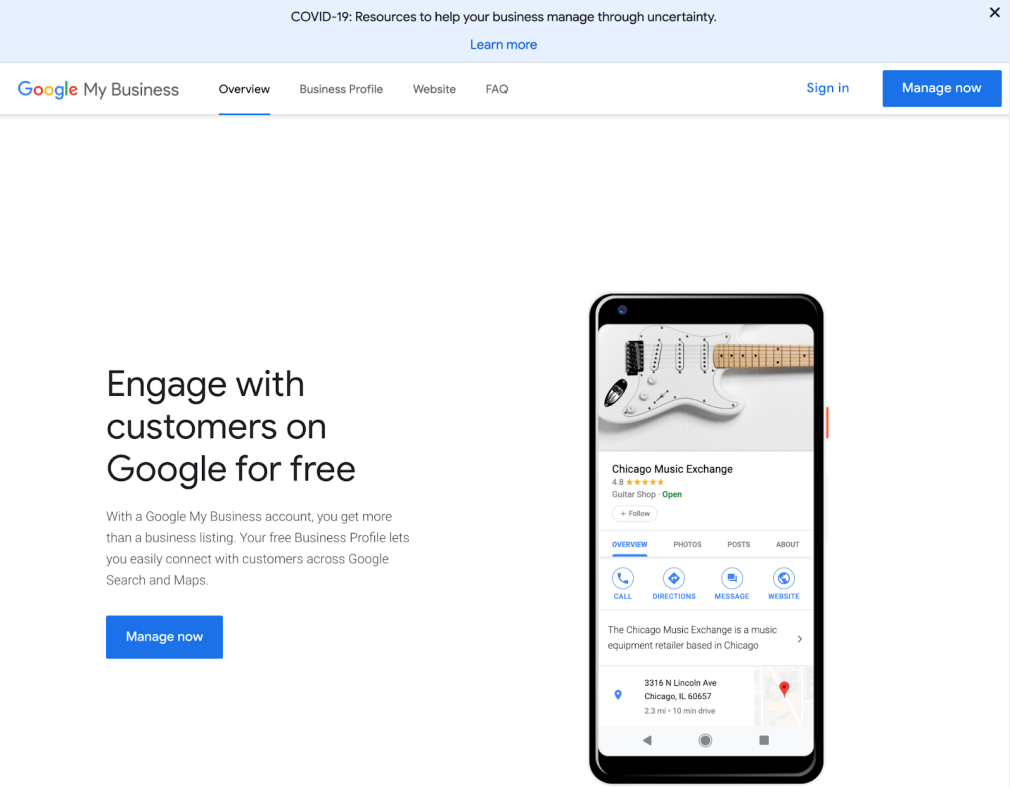
If you own or operate a business that caters to your local community, chances are you qualify to get a Google My Business listing. A quality Google My Business listing can get you one step closer to being added to a local pack.
In this guide, we’ll explore the best way to add your business on Google My Business and offer some tips to increase your local rankings.
Back in March 2021, Google noted that there are more than 2 billion visits to local websites each month. That’s a lot of website traffic.
If you’re a small business owner, your #1 driver of new business is likely going to be referrals.
Referrals are great!
But, even with a referral, most people will still Google your business name to learn more about your business, read reviews, etc — before even contacting you.
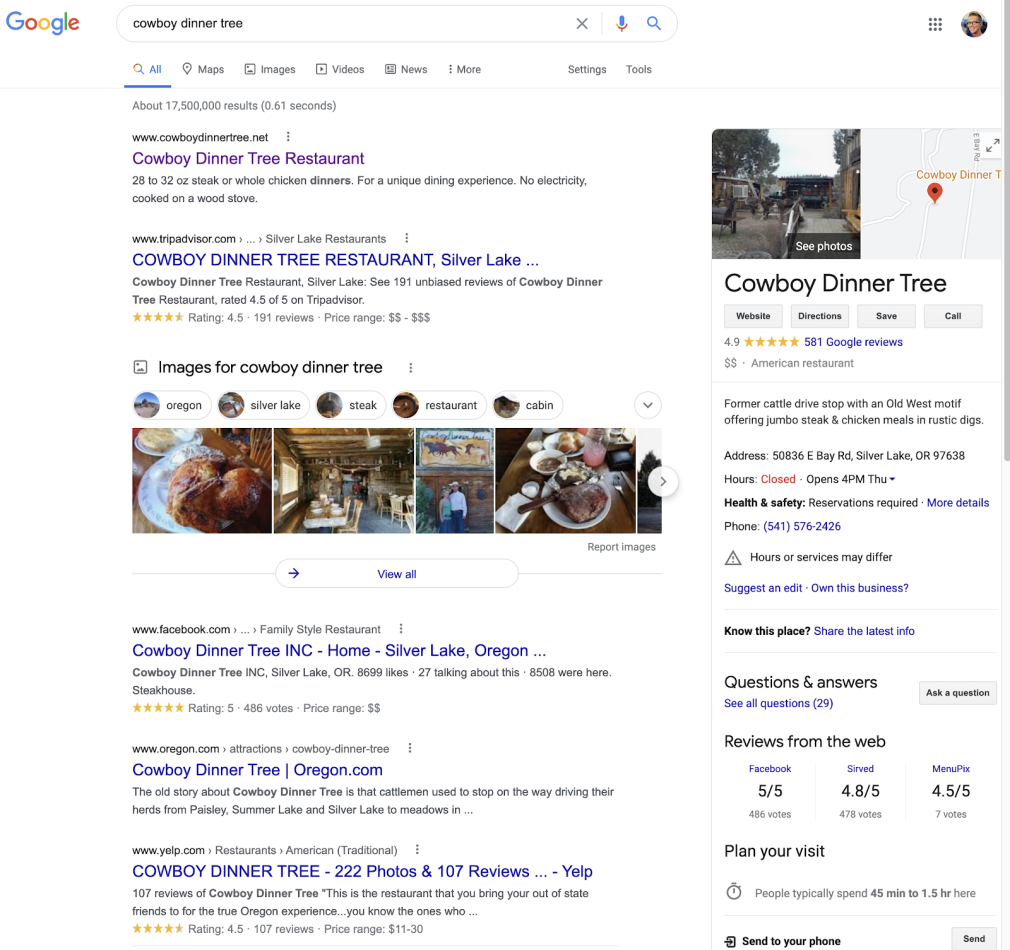
What happens when I perform a search on Google for “Cowboy Dinner Tree?”
The right-panel is generated by Google’s Knowledge Graph, but most of the data being populated here is sourced from Google My Business.
Now, what’s interesting about Cowboy Dinner Tree’s GMB listening is they don’t even have ownership of it. It isn’t owned by anyone.
Same with their Yelp, Facebook, etc. Even their website is very web 1.0.
How do they have a Google My Business listing if it isn’t claimed?
Google will automatically create one based on data they collect about businesses (entities). Keep this in mind as we get into the process of creating your own Google My Business listing.
Back to the benefits of owning your Google My Business listing.
You, the owner of your business, can provide the most accurate information about your business and have it displayed when someone does a search for your business on Google.
One of the other major benefits to claiming your Google My Business listing is that some simple optimizations and ongoing activities can help your chances of getting new business from organic search for free.Increase Your Visibilitywith the Listing Management ToolTry for Free →
How to add your business to Google My Business
You’ll have about 3 different scenarios to choose from:
Brand new business: Select Scenario 1 if your business is less than 6 months old.
Listing exists, unclaimed: If your business has been around longer than 6 months, start with Scenario 2 (but you may end up back at Scenario 1).
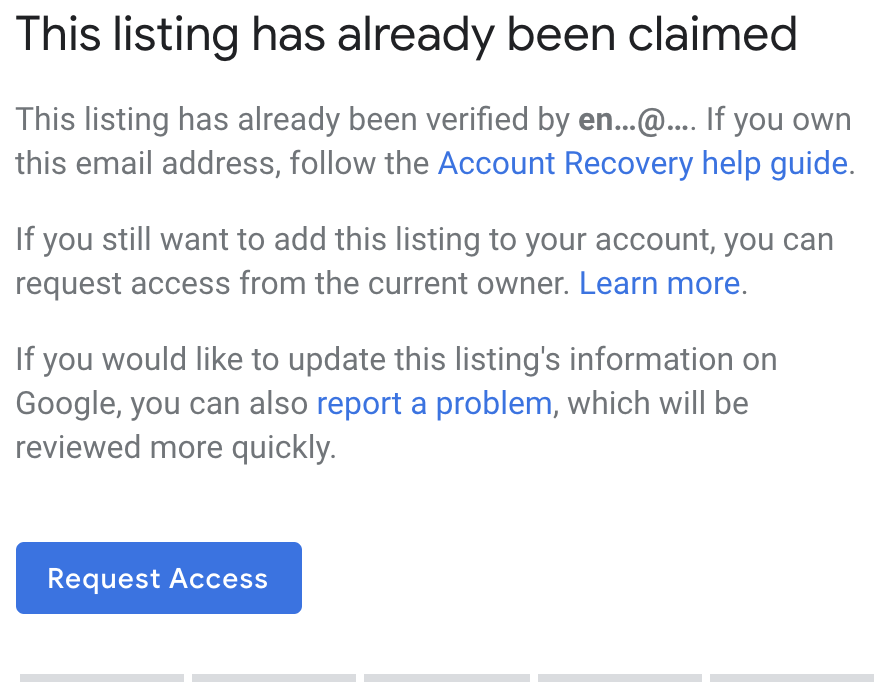
Listing exists, claimed: If you claimed your listing some time ago but don’t remember the login, the email is no longer active, or another person owns your listing, go with Scenario 3.
Scenario 1: Brand new business
Congratulations! Let’s get you on the path to getting you a Google My Business listing.
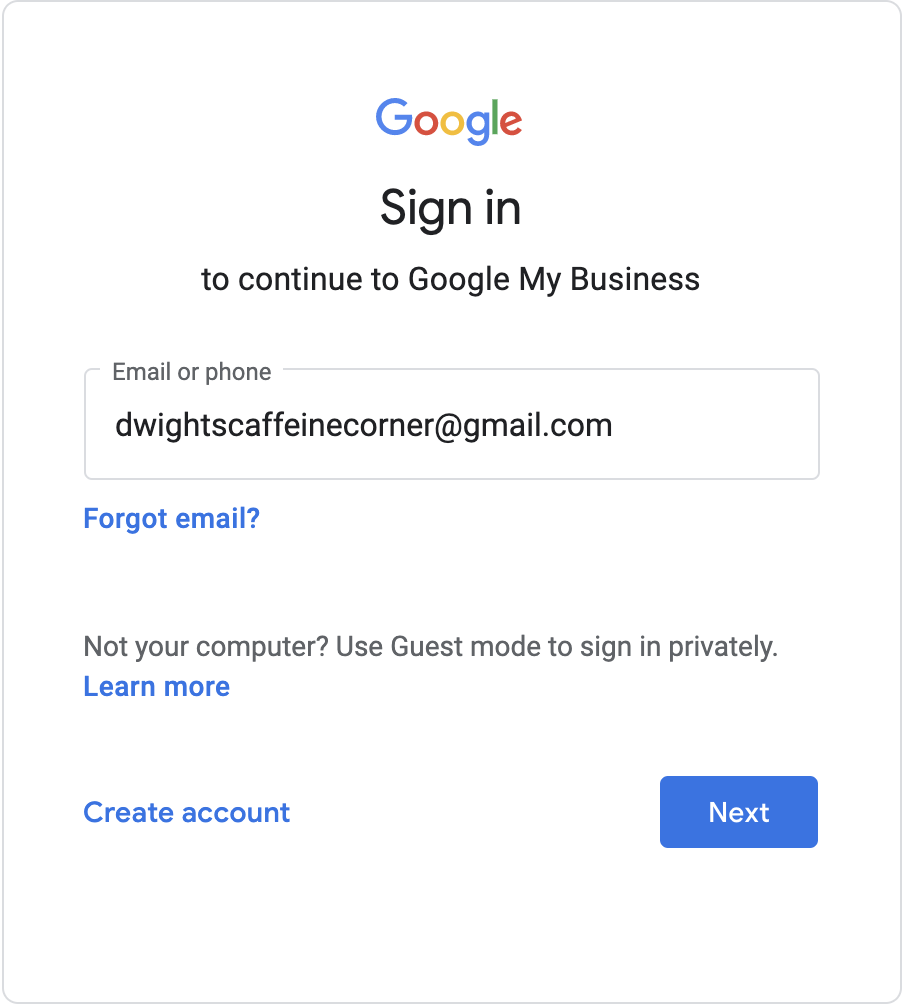
Step 2: Sign in to a gmail account that you own. This is important: remember what email address you are using here. This gmail account will be the Primary owner of the listing. Write it down on a post-it or take a screenshot if you need to.
Step 3: Once you have signed in, you’ll get taken to a page like the one below. Click on the Get Started button.
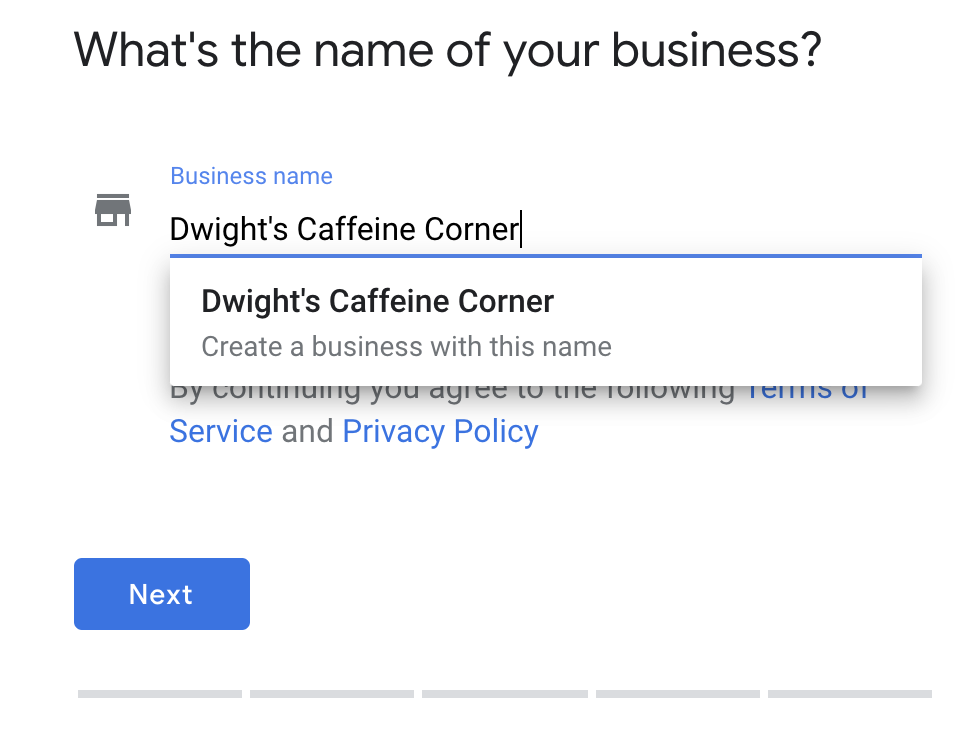
Step 4: Start typing in the name of your business. Google My Business will attempt to locate a listing but since your business is new, you likely don’t have one yet. When you spot the option to “create a business with this name,” click it, then click on Next.
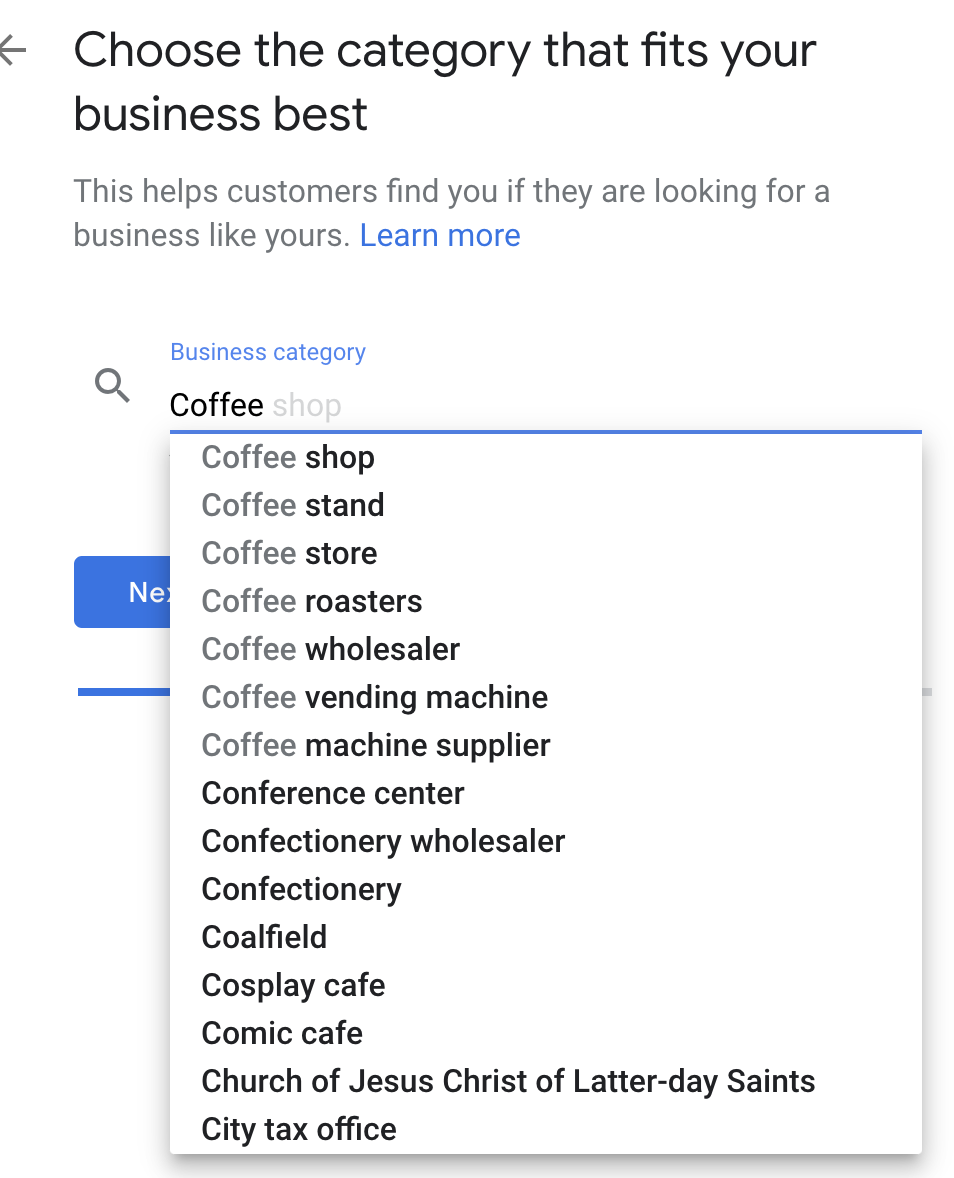
Step 5: Now we need to choose a Business category that best matches your business. For our example, coffee shops are the best matching category. If there are multiple categories that match your business, you’ll be able to add additional categories after your listing has been verified. Once you’ve chosen your category, click Next.
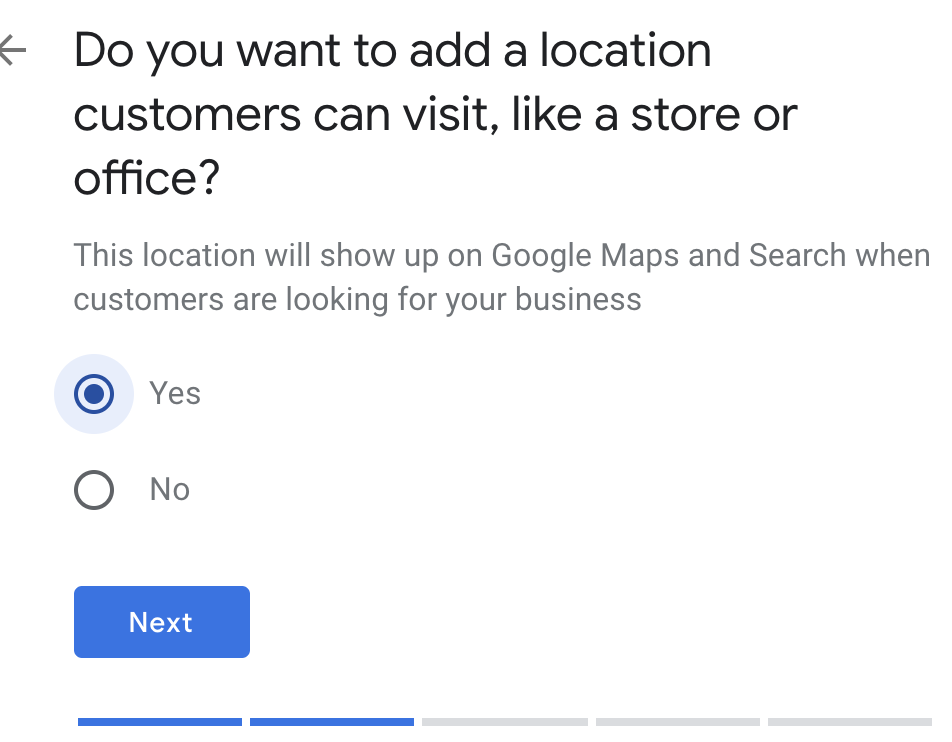
Step 6: Your next move depends on what type of business you operate. If your business is a brick and mortar, then the answer is yes. If you are a service provider (you go to your customers) and don’t have a physical storefront with signage then you will select no. If you are a service provider AND have a physical storefront with signage, then choose yes. Once you’ve made your choice, click Next.
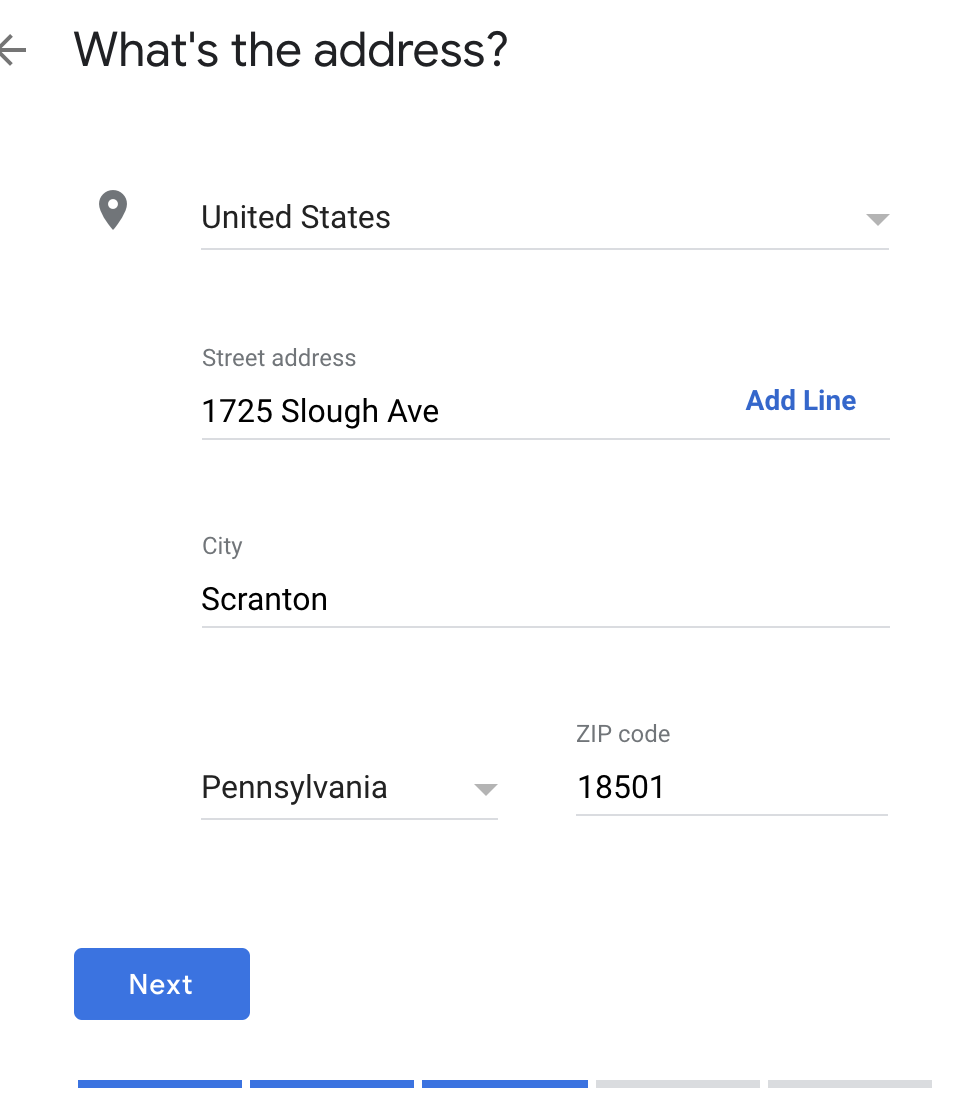
Step 7: Enter your address, then click Next if you answered yes in the previous step. If you chose no in the previous step, you will be asked to enter your service area. Once finished, click Next.
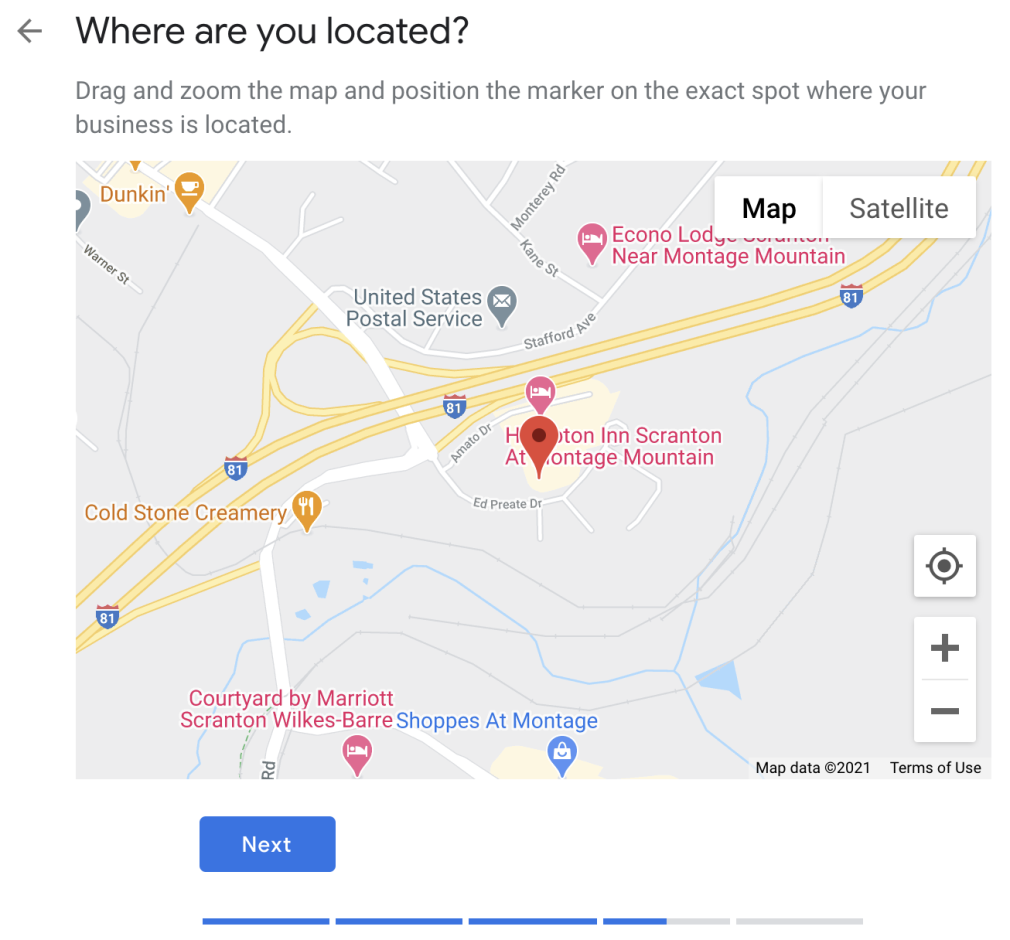
Step 8: If you are displaying your address, you might be asked to point to the exact spot where your business is located. Once finished, click Next. If you are not showing your address, you will be asked to provide your business phone number and website.
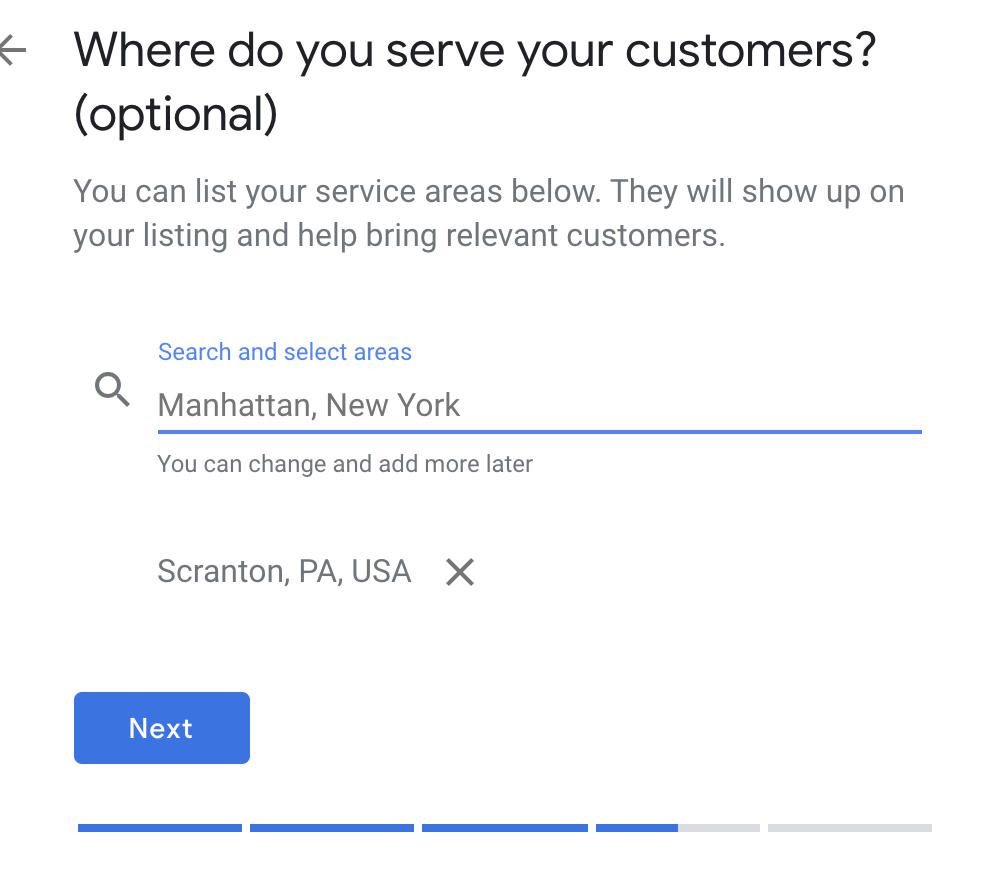
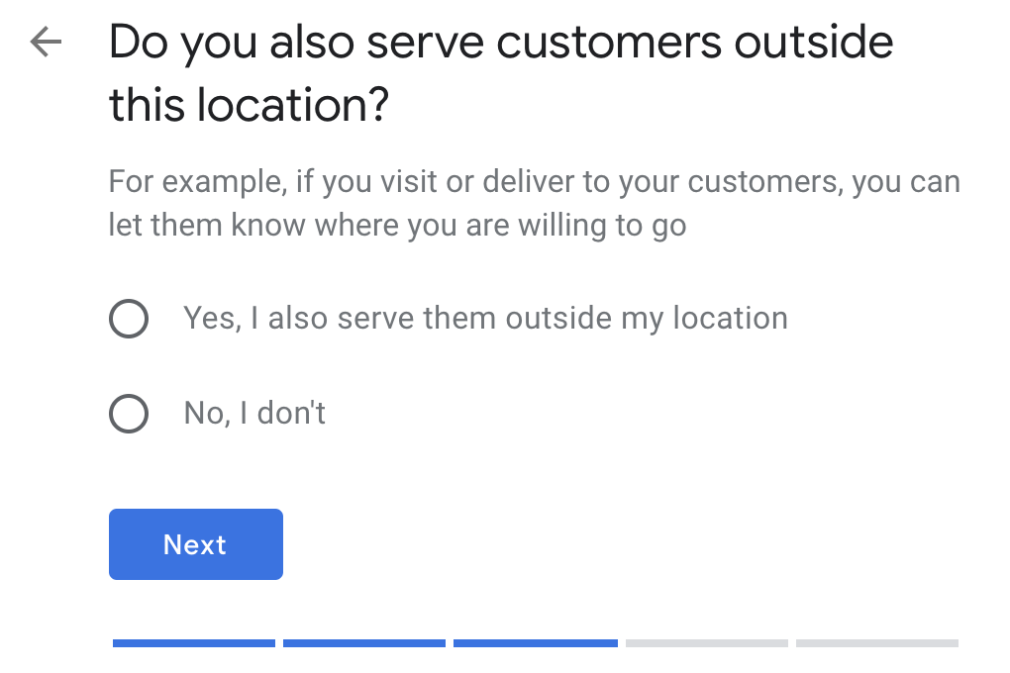
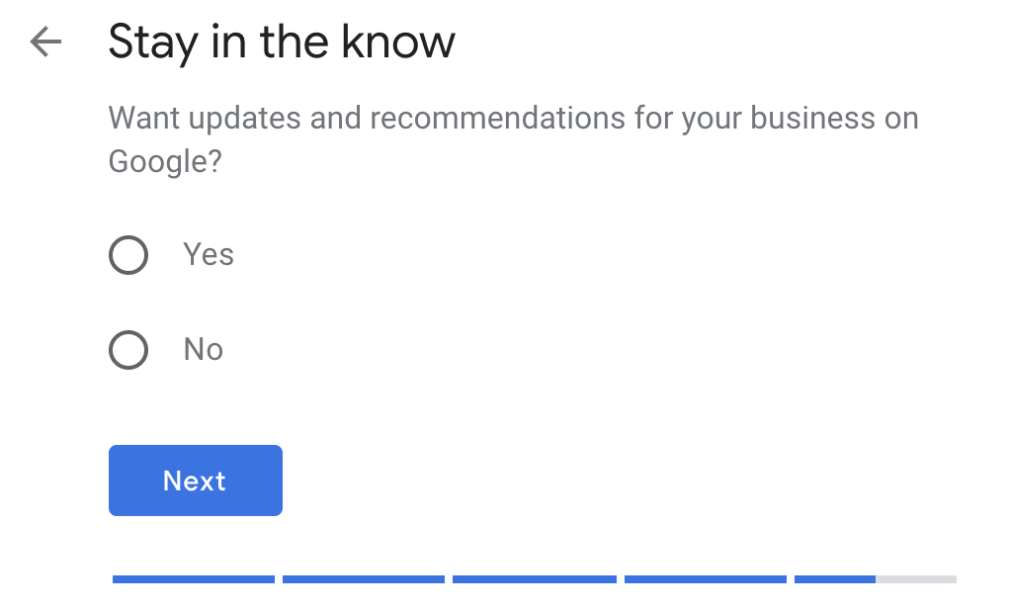
Step 9: If you’re showing your address, you’ll be asked if you also serve customers outside of your location. If you are not showing your address, you’ll be asked if you want to get updates and recommendations from Google. Choose your answer, then click Next.
Step 10: If you’re showing your address, you’ll be asked to add your phone number and website. If you are not showing your address, skip to Step 10. Once you’ve added your website address and phone number, click Next.
Step 11: Time to finish and start the verification process! Select “Finish.”
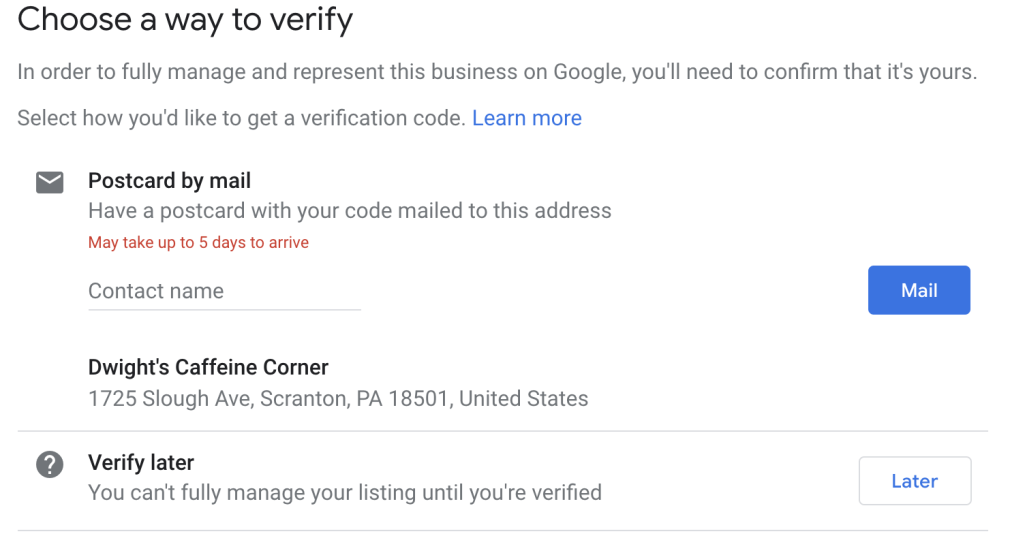
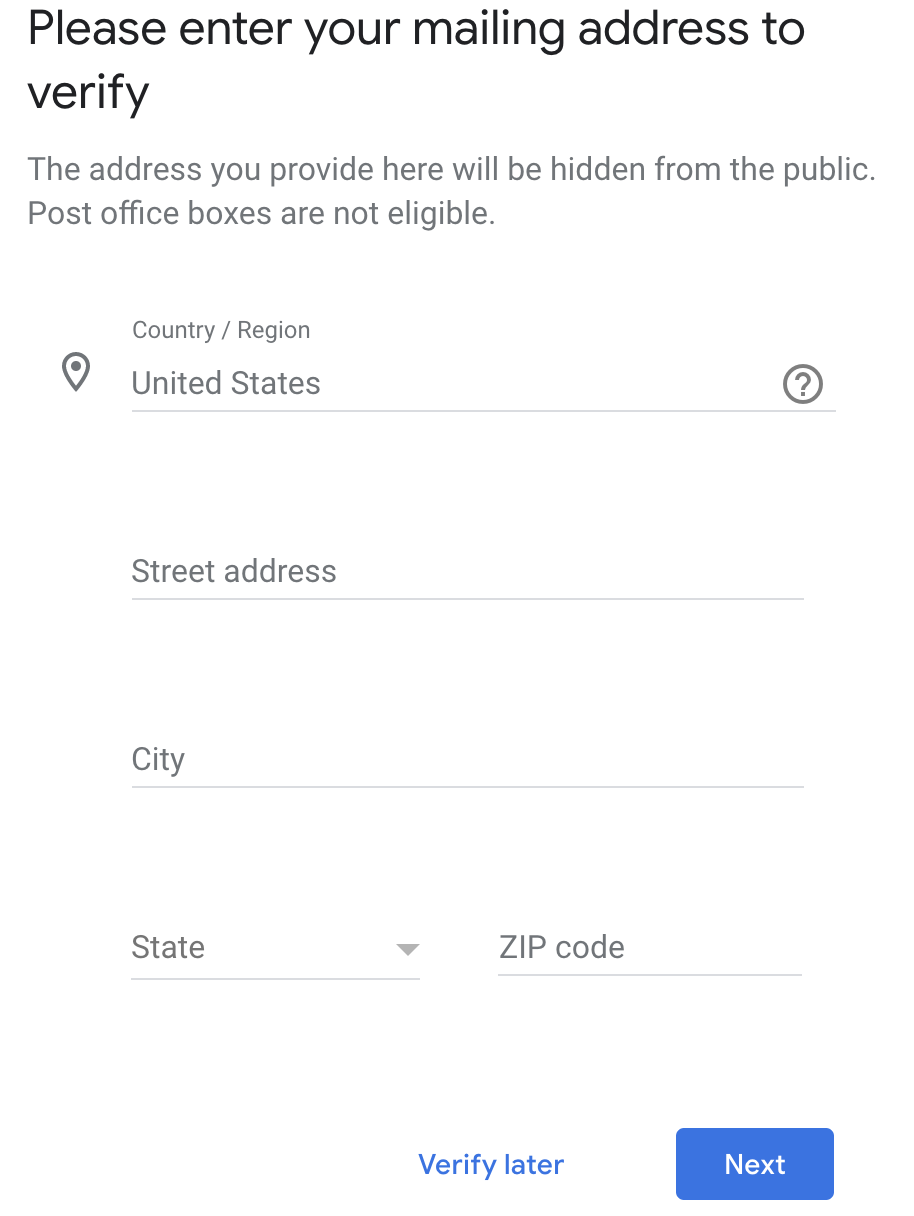
Step 12: If you are showing your address, you’ll be prompted to verify by postcard with an option to add a contact name. If you are hiding your address, you’ll be prompted to add an address for verification purposes. Your address will not be shown but is needed to verify your business.
Step 13: Once you receive the postcard (usually within 5 business days), log back into your listing to verify your listing.
Scenario 2: Listing exists, unclaimed
If your business has been around for at least 6 months, you might already have a Google My Business listing that was automatically created.
Go to Google Maps and perform a search for your business name. If a listing shows up and you see “Claim this business,” then claim it! If you see your listing and there’s a label that says ‘Manage this listing,” then head to Scenario 3.
If you have the option to claim the listing, you’re going to be asked to make sure the information is up to date, then you’ll go through the verification process.
Scenario 3: Listing exists, claimed
Maybe a former employee, an email address you don’t have access to anymore, or a former agency that claimed the listing on your behalf. Whatever the reason is, you don’t have access to your Google My Business listing.
Go to Google and perform a search for your business. Within the panel, you’ll see ‘Suggest an edit • Own this business?’ Select “own this business.”
Google will show the first 2 characters of the email address that owns the listing. Sometimes, this may spark your memory with the email address that you used years ago to claim the listing.
If you don’t know the email address, click on the Request Access button.
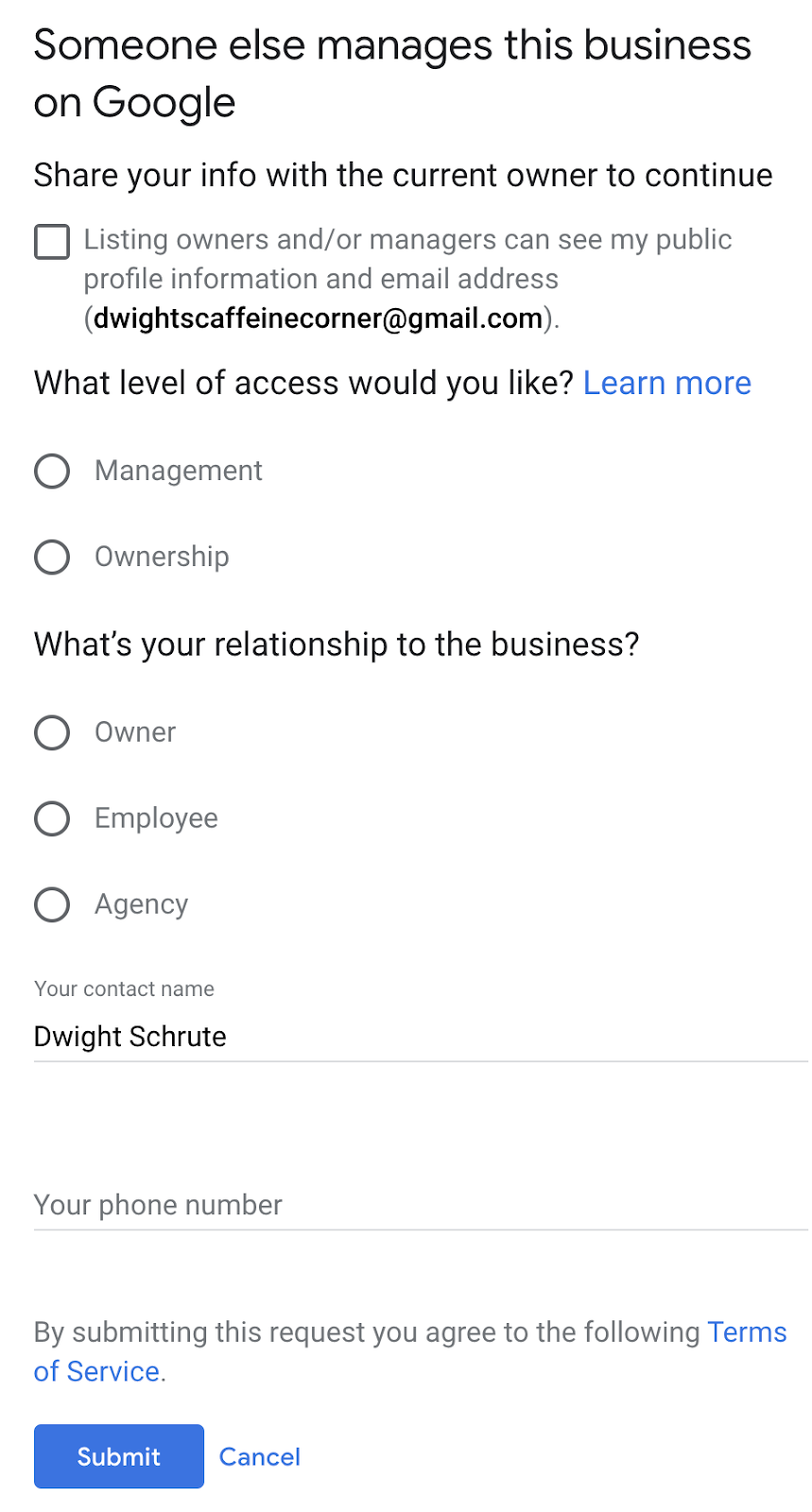
More often than not, you’re going to check the box to share your info with the current owners and managers of the listing.
For level of access, choose Ownership.
Your relationship to the business is likely going to be owner since you’re requesting ownership of the listing.
Provide your name and phone number, then submit.
After you submit the form, the current owner of the listing will get an email that asks them if the request is valid. You’ll also receive a confirmation email. Keep the confirmation email.
The current owner of the listing has 3 days to respond to your request. You can check the status of your request by clicking on the link within the confirmation email.
If your request is approved, you’ll get an email confirmation and can then start managing the profile.
If your request is denied, you’re going to need to contact Google My Business support via the Help Center.
Alternatively, you can get in touch with GMB Support on Twitter. It might take them a few days to respond, but they’ve been helpful in the past.
If the current listing owner does not respond within 3 days, you’ll get the option to claim the listing. Sign into g oogle.com/business and you should see an option to verify the listing.
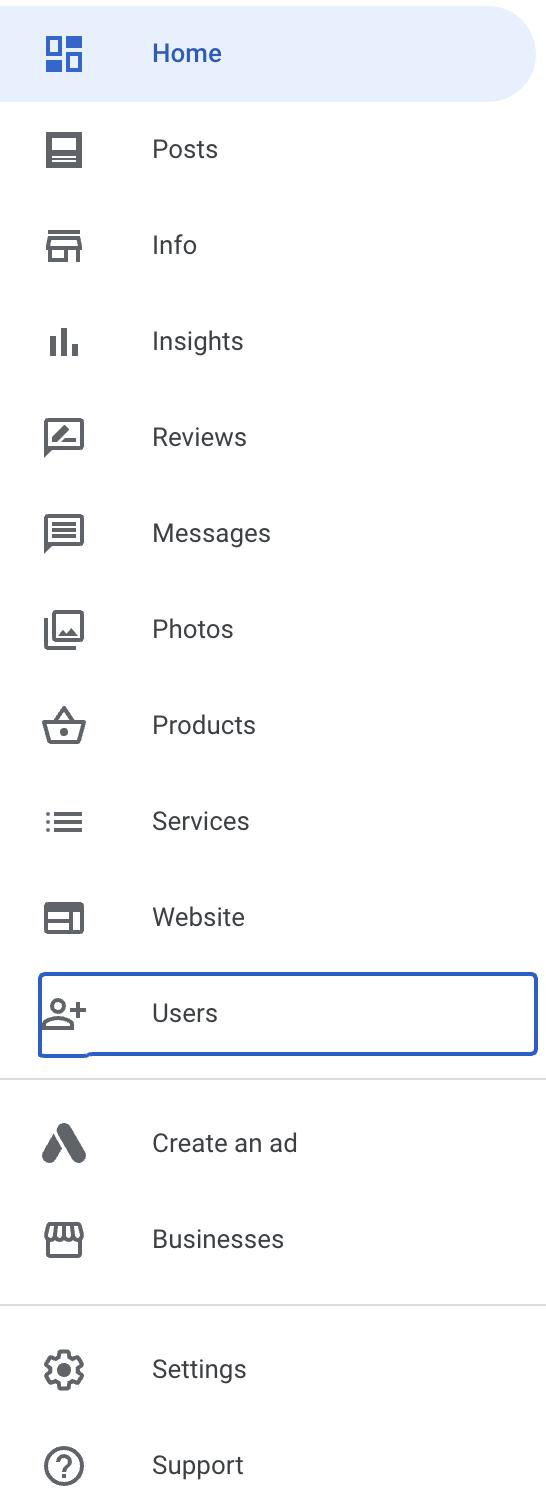
Once you get access to the listing, the first thing you will want to do is make sure that anyone who should have access to the listing does. Since you are now the primary owner of the listing, you can add or remove users from having access.
Next Steps
Once you’ve created or updated your listing, be sure to stay on top of it! Listing management is an important part of ensuring the information around your business is useful and accurate.
Set a predetermined time to check in on your listing, try a few marketing strategies to connect with your audience, and keep an eye out for any user interactions with your listing. You can also use listing management tools to take the guesswork out of managing your listing.
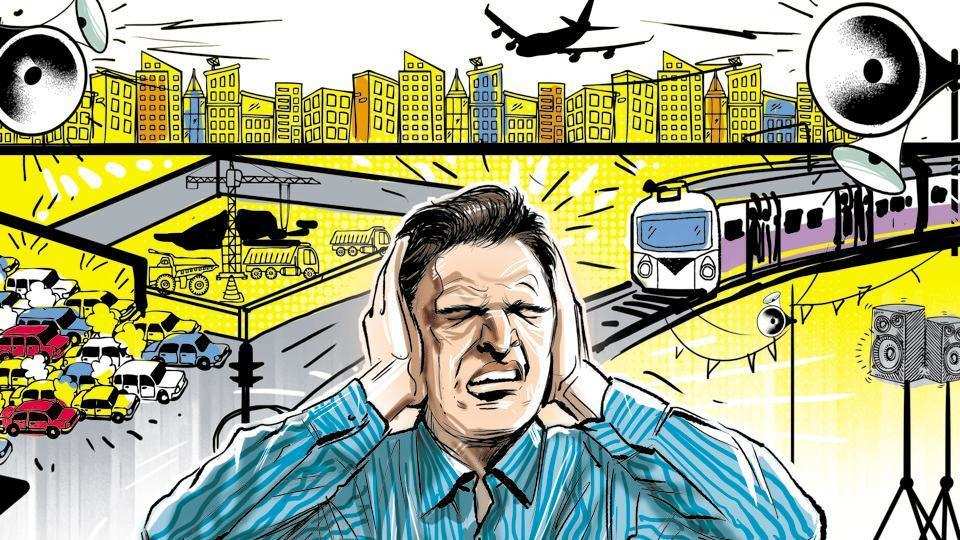
Noise pollution can cause health problems for people and wildlife, both on land and in the sea. From traffic noise to rock concerts, loud or inescapable sounds can cause hearing loss, stress, and high blood pressure. Noise from ships and human activities in the ocean is harmful to whales and dolphins that depend on echolocation to survive.
Noise pollution is an invisible danger. It cannot be seen, but it is present nonetheless, both on land and under the sea. Noise pollution is considered to be any unwanted or disturbing sound that affects the health and well-being of humans and other organisms.
Sound is measured in decibles. There are many sounds in the environment, from rustling leaves (20 to 30 decibels) to a thunderclap (120 decibels) to the wail of a siren (120 to 140 decibels). Sounds that reach 85 decibels or higher can harm a person’s ears. Sound sources that exceed this threshold include familiar things, such as power lawn mowers (90 decibels), subway trains (90 to 115 decibels), and loud rock concerts (110 to 120 decibels).
Noise pollution impacts millions of people on a daily basis. The most common health problem it causes is Noise Induced Hearing Loss (NIHL). Exposure to loud noise can also cause high blood pressure, heart disease, sleep disturbances, and stress.
These health problems can affect all age groups, especially children. Many children who live near noisy airports or streets have been found to suffer from stress and other problems, such as impairments in memory, attention level, and reading skill.
Noise pollution also impacts the health and well-being of wildlife. Studies have shown that loud noises cause caterpillars’ hearts to beat faster and bluebirds to have fewer chicks. Animals use sound for a variety of reasons, including to navigate, find food, attract mates, and avoid predators. Noise pollution makes it difficult for them to accomplish these tasks, which affects their ability survive.
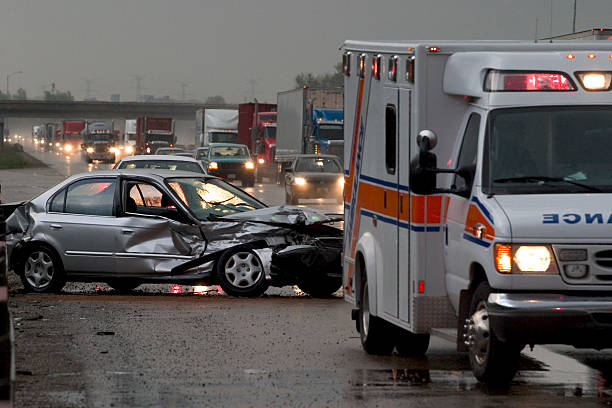
Road accidents are the order of the day in India. There is nothing unusual about innocent people losing their lives due to a combination of several factors. First and foremost is their own indifference and ignorance of traffic rules; combined with other factors like callous drivers or the absolute insensitivity shown by the transport authorities. There is no need to go for the statistical details about the exact number of deaths or serious injuries caused due to road accidents in a particular year. Such statistics do not reflect the truth under normal circumstances. The picture given below shows a man whose car has been turned over because of a collision with a truck and the man is presumably bleeding to death.
The policeman seems to have been able to nab the driver who looks more dazed than guilty, perhaps because of the impact of alcohol which is usually the driving force for drivers across India. An ambulance is in place and two men seem to be moving towards the victim with a stretcher. This is very assuring but the nature of the tragedy leaves us with considerable anxiety about the chances of the victim’s survival. Above all, the picture does not forget to show the common men who usually do not forget to play the role of either mute spectators or aggressive agitators under these circumstances. The spot is not as crowded as city areas are expected to be. Perhaps that also explains the presence of trees, clouds, and birds in the area rather than multistoried buildings and advertisement boards.
Car crash on major highway during rainfall at night. Ambulance in foreground and police car in background.
There are some serious questions that come to my mind when I look at this picture. If we contemplate the picture at a deeper level, we are bound to be confronted by certain very disturbing questions. Why are accidents so common in India? Can nothing be done to combat the menace of rash driving? Why can’t we have a more proactive approach from the police department so that a strict vigil on the roads discourages maniacs from indulging in the killing game of rash driving? The picture shows the policeman nabbing the driver and the medical team on the spot to help the wounded.
Both these incidents are utopian in the Indian context because most drivers in such cases flee the spot and reappear in the scene after a gap of about four or five months, when people have completely forgotten about this incident. Such people also take care to bribe certain dishonest policemen to stay out of legal hassles. The police are often unable to take these people to task. Moreover such is the state of medical care in our country that more often, accident victims die before they can reach the hospital and get proper medical care. Police investigation into these accident cases is such that the common man shies away from helping accident victims for fear of police harassment.
Auto accident involving two cars on a city street
There is no gainsaying the fact that this scenario needs to change. If we do not rush to the aid of an accident victim, it raises serious questions about our identity as civilised human beings. The concerned authorities and the common man should co-operate to improve the scenario with stricter traffic laws and efficient mobile health care units. But we need political will for such a thing to happen. Suppose this person is being taken to the hospital but his ambulance gets stuck in a traffic jam caused by a VIP’s transport facilities and the man dies, whom do you hold responsible? Can we depend on such individuals to make our roads and healthcare facilities better?
Scenario of Road accident in India:
India had most deaths in road accidents in 2019: Report A total of 151,113 people were killed in 480,652 road accidents across India in 2019, an average of 414 a day or 17 an hour, according to a report by the transport A total of 151,113 people were killed in 480,652 road accidents across India in 2019, an average of 414 a day or 17 an hour, according to a report by the transport research wing of the ministry of road transport and highways.
India continued to have the most road fatalities in the world, followed by China, a distant second at 63,093 deaths in 2,12,846 road accidents in 2019, the report revealed. The United States of America (USA) reported the most road accidents at 2,211,439, and witnessed 37,461 deaths in 2019.
According to the report, speeding was the leading cause of deaths, while, in terms of vehicles, two-wheelers were involved in most road fatalities.
Across states, most road accidents were reported in Tamil Nadu (57,228), followed by Madhya Pradesh (50,669), Uttar Pradesh (42,572), Kerala (41,111) and Karnataka (40,658) accidents.
Maharashtra ranked sixth with 32,295 accidents, but saw the second-highest number of fatalities (12,788), after 22,655 in Uttar Pradesh.
Among cities, Delhi retained its first rank with 1,463 deaths, followed by Jaipur (1,283), Chennai (1,252) and Bengaluru (768).
Mumbai ranked ninth with 447 people being killed in road accidents in 2019.
Why do we celebrate this day and its significance, his life and theme for 2021.
‘This day is also known as 67 Minutes Mandela Day, as for 67 years he fought for social justice.
The theme for 2021 Nelson Mandela International Day is “One Hand Can Feed Another.”
To further this recognition of his legacy, the month of July is also unofficially recognized as “Mandela Month” in South Africa.
About Nelson Mandela:
Nelson Rolihlahla Mandela was a South African anti-apartheid revolutionary, who served as President of South Africa from 1994 to 1999. He was also a statesman and philanthropist. Influenced by Marxism, he secretly joined the banned South African Communist Party (SACP). Although initially committed to non-violent protest, in association with the SACP he co-founded the militant Umkhonto we Sizwe in 1961 and led a sabotage campaign against the government. He was arrested and imprisoned in 1962, and subsequently sentenced to life imprisonment for conspiring to overthrow the state following the Rivonia Trial. Mandela served 27 years in prison
He was the country’s first black head of state and the first elected in a fully representative democratic election.
Over the course of his life, Mandela was given over 250 awards, accolades, prizes, honorary degrees, and citizenship in recognition of his political achievements. Among his awards were the Nobel Peace Prize, Bharat Ratna, the Soviet Union’s Lenin Peace Prize, and many more. Within South Africa, he was widely considered “The Father of the Nation” and “The Founding Father of Democracy.” Worldwide, he was regarded as a “Global Icon” and was described as “One of the most revered figures of our time” by Rita Barnard.
In the 1950s, he was elected as the leader of the youth wing of the African National Congress (ANC) liberation movement. He first resorted to peaceful protests. But he was met with violence by the government, he went on to support an armed movement. Mandela was an important symbol for the oppressed in South Africa who were fighting for their rights. He was extremely instrumental in tearing down the oppressive government and laid the foundation of democracy.
He started the Nelson Mandela Foundation to combat HIV or AIDS, support educational and rural development. In 2009, the United Nations proclaimed July 18th to be International Nelson Mandela Day. On this day, people are asked to spend 67 minutes doing something good for others, which represents all the 67 years he spent working towards change.
The 1st UN Mandela Day was held on 18th July 2010.
WHY ?
We celebrate this day to remember his struggle and contribution to the world which helped to pave a path for growth from the 20th – 21st century. It is a movement for all of us to renew and imbibe the values that inspired Nelson Mandela.
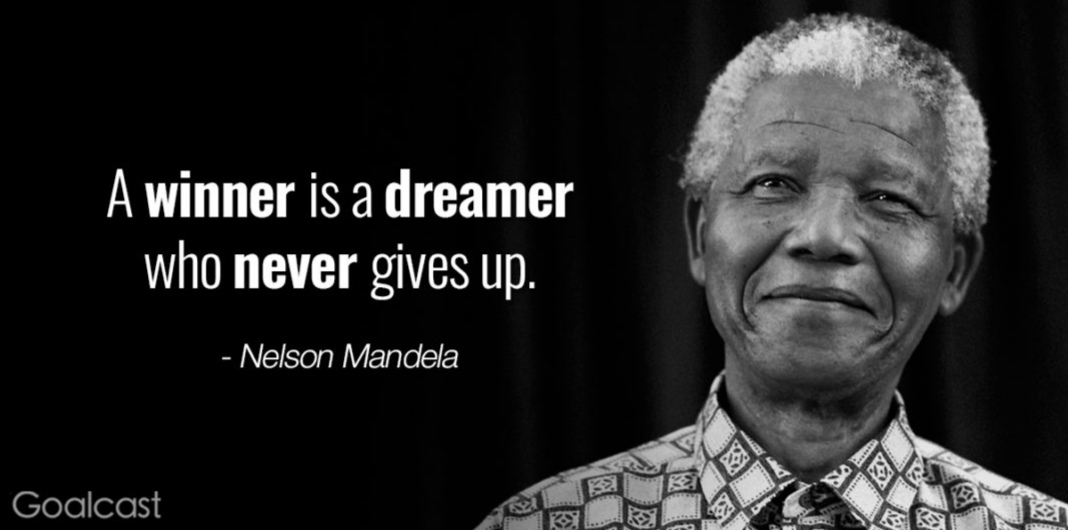
"It is easy to breakdown and destroy.The heroes are those who make peace and build."
- Nelson Mandela
Things to do:
Learn about human rights!
Get acquainted with what you can do to fight alongside communities you most connect with.
Read about what inspired Nelson Mandela and the steps to took to fight injustice.
Talk with NGOs nearby you and find out how can you help the cause they are working on.
Talk to the friend you miss!
Find shelters, volunteer, or contribute food, amenities to help our beloved furbabies!!
Take a minute and appreciate everything that made you who you are.
Look into your strengths and use them to give back to the world.
Never underestimate the words, actions that you put out in the world! You matter!
Peter Lynch is one of the most successful and top value investor of all time. He was a legendary fund manager who gave 29% returns to their investors for 13 years in a row. He wrote books on value investing , where he shared his investment lessons which he learned and used during his journey as an investor. He is one of the greatest value investor of all time. He is a firm believer that an average investor can also pick winning stocks as Wall Street professional with right research, patience , steady discipline and common sense.
Some of his investment principles are –
1. Invest in what you already know – “The worst thing you can do is invest in companies you know nothing about. Unfortunately buying stocks on ignorance is still a popular American pastime.” -Peter Lynch
People can perform well by investing in what they already know. For instance if a doctor wants to invest in banking sector (about which he know nothing) , he will not have that great return as compared to if he will invest in pharmaceutical companies ( as he already knew about drugs, healthcare sector and their companies)
“Invest in what you know. It leaves out the role of serious fundamental stock research. People buy a stock and they know nothing about it. That’s gambling and it’s not good.” -Peter Lynch
So, it’s better to choose the company whose products/services are either used by you or you are familier of the products/services of that company in some way or other. These knowledge will lead you to invest in better stocks .
2. Invest in companies not in stocks – “Look for small companies that are already profitable and have proven that their concept can be replicated. • Be suspicious of companies with growth rates of 50 to 100 percent a year”-Peter Lynch
Behind every stock there is a company. If companies will perform well, the stocks automatically will perform well. So, it’s important to know about the company, it’s business model. Choose a company whose fundamentals are strong. A company whose business model is so easy to understand that anyone can understand and run that company.
“Go for a business that any idiot can run – because sooner or later any idiot probably is going to be running it” -Peter Lynch
Know a companies management, it’s fundamentals and then ask yourself , “are you able to understand the mission and vision of the company? “ or “If you’ll be given the responsibility to run this company, will you be able to run the company? “
If the answers to the above questions are a YES then it’ll be great to invest in that company.
So always remember that you have to invest in a company and not in a single stock.
“Behind every stock is a company. Find out what it’s doing.” -Peter Lynch
“Never invest in a company without understanding its finances. The biggest losses in stocks come from companies with poor balance sheets.”
3. Don’t take unnecessary risks. Take calculated risks – You don’t have to take risks which you can’t bear. Only take calculated risks.
Let’s say, you have $10 dollar, maybe if you will lost this, you won’t regret. But what if you lost $100 or $1000! Always buy stocks of the amount if you lose won’t regret. You are not required to put all your money in market and risk all that money. Instead put only that amount which if you lose won’t make you regret of investing.
Also, invest only the amount you will not need ever back in your life
4. Peter Lynch said that the most important thing that keep in mind while investing is : know why you own it.
“ You have to know what you own ,and why are you own it .” -Petrr Lynch
It sounds simple but it is not . He said when I asked most people they just don’t know why they own a stock . 80% of investors have no answer to this question .
They maybe hear some tip from anywhere and put their money at risk and when they lose it they blame institutions .
First you have to know the reason . Why you should invest in this company ,research about that company . Check their balance sheets . Without proper research you are not investing you are just gambling . Read and know as much as you can about the company. And remember to buy the company and not just a stock.
“If you’re prepared to invest in a company, then you ought to be able to explain why in simple language that a fifth grader could understand, and quickly enough so the fifth grader won’t get bored.” – Peter Lynch
5. Invest for long time- Lynch used to hold stocks for long period of time. He used to sell the stocks when the fundamentals of any company gets changed. This is his advice for all investors out there to not go behind short term profits but invest for a long period of time.
He even conducted many studies to understand the power of compounding.
“People who succeed in the stock market also accept periodic losses, setbacks, and unexpected occurrences. Calamitous drops do not scare them out of the game.”
Some more investment lessons by Peter Lynch :
• “Never invest in any idea you can’t illustrate with a crayon .”
• “The trick is not to learn to trust your gut feelings, but rather to discipline yourself to ignore them. Stand by your stocks as long as the fundamental story of the company hasn’t changed”
• “Whenever you invest in any company, you’re looking for its market cap to rise. This can’t happen unless buyers are paying higher prices for the shares, making your investment more valuable.”
• “There’s no shame in losing money on a stock. Everybody does it. What is shameful is to hold on to a stock, or worse, to buy more of it when the fundamentals are deteriorating.”
• “Never invest in any company before you’ve done the homework on the company’s earnings prospects, financial condition, competitive position, etc”
• “Big companies have small moves, small companies have big moves.”
• “Good management, a strong balance sheet, and a sensible plan of action will overcome many obstacles, but when you’ve got weak management, a weak balance sheet, and a misguided plan of action, the greatest industry in the world won’t bail you out.”
• “In the long run, a portfolio of well chosen stocks and/or equity mutual funds will always outperform a portfolio of bonds or a money-market account. In the long run, a portfolio of poorly chosen stocks won’t outperform the money left under the mattress.”
This is how he succeed in the world of investment. You can learn from him and help yourself to reach the level you want in investment.
The definition of sedition is the conduct or speech inciting people to rebel against the authority of a state or monarch. Sedition is a crime under Section 124A in the Indian Penal Code (IPC). On 15th July 2021, the Supreme Court questioned the Central government asking whether the provision of Sedition in the Indian Penal Code is still required after 75 years of independence. This question was addressed by Chief Justice Ramana, heading a three-judge bench to the Attorney General K.K. Venugopal and Solicitor General Tushar Mehta, who were appearing for the Centre. Chief Justice Ramana said that Sedition is a colonial law that suppresses freedom and was used against Mahatma Gandhi and Bal Gangadhar Tilak. And it is a law prone to misuse by the government, so is it even necessary?
History
The Indian Penal Code came into force during the colonial Indian period, in 1860. But it did not have a section for sedition when it was introduced. Sedition was made part of the IPC in 1870 claiming that it got excluded from the original draft by mistake. The provision of sedition at that time was used by the British to hush the nationalists. This law was used against Bal Gangadhar Tilak, Mahatma Gandhi, Bhagat Singh and Jawaharlal Nehru.
Bal Gangadhar Tilak was the first person to be accused and convicted under the law of sedition. He was charged with it because of his articles in Kesari, a Marathi newspaper. He was convicted in 1897 by the Bombay High Court for 18 months. But the interpretation of Section 124A was changed by the Federal Court in 1937.
The word “sedition” was removed from the draft Constitution because of an amendment moved by KM Munshi specifically for this reason. It was meant to be in the Constitution as a ground to impose restrictions on the constitutional freedom of speech and expression. So, when the Constitution was adopted, the word “sedition” was not in it but it stayed in the Indian Penal Code.
In the Code of Criminal Procedure, 1973 which came into force in 1974, during the Indira Gandhi government, sedition was made a cognizable offence, which means that the police can make arrests without warrants.
The Law
Section 124A of the Indian Penal Code says Whoever by words, either spoken or written, or by signs, or by visible representation, or otherwise, brings or attempts to bring into hatred or contempt, or excites or attempts to excite disaffection towards the Government established by law in India, shall be punished with imprisonment for life, to which fine may be added, or with imprisonment which may extend to three years, to which fine may be added, or with fine.
Case Laws
In 1951, Tara Singh Gopi Chand vs The State, the Punjab High Court held that Section 124A was a restriction on the freedom of speech and expression and it invalidated the provision as it was in violation of a fundamental right. But because of this judgement, the Nehru government introduced Article 19(2) which gives the grounds on which the freedom of speech and expression can be restricted.
In 1954, Debi Soren & Ors vs The State, the Patna High Court upheld the validity of Section 124A. In 1958, the Allahabad High Court declared that Section 124A is void, in Ram Nandan vs The State. In the Kedar Nath case in 1962, a Constitution bench upheld the validity of Section 124A saying that the purpose of the crime was to save the government from being subverted.
In August 2018, the Law Commission of India said that sedition is essential to protect national integrity but it should not become a tool to restrict free speech.
Conclusion
It is clear that sedition came into existence because of the British. It was also removed from the Constitution as it was assumed to curb free speech yet it has still remained in the IPC and that is why the question is asked by Chief Justice Ramana. The law of sedition has been debated for a long time and has also been greatly criticized for its misuse. Hopefully this time the question will be answered properly and the debate will turn out differently.
Nuclear power is the use of nuclear reactions to produce electricity. Nuclear power can be obtained from nuclear fission, nuclear decay and nuclear fusion reactions. Presently, the vast majority of electricity from nuclear power is produced by nuclear fission of uranium and plutonium in nuclear power plants. Nuclear power is a clean and efficient way of boiling water to make steam, which turns turbines to produce electricity. Nuclear power plants use low-enriched uranium fuel to produce electricity through a process called fission—the splitting of uranium atoms in a nuclear reactor.
Nuclear power has one of the lowest levels of fatalities per unit of energy generated compared to other energy sources. Coal, petroleum, natural gas and hydroelectricity each have caused more fatalities per unit of energy due to air pollution and accidents. Since its commercialization in the 1970s, nuclear power has prevented about 1.84 million air pollution-related deaths and the emission of about 64 billion tonnes of carbon dioxide equivalent that would have otherwise resulted from the burning of fossil fuels. Accidents in nuclear power plants include the Chernobyl disaster in the Soviet Union in 1986, the Fukushima Daiichi nuclear disaster in Japan in 2011, and the more contained Three Mile Island accident in the United States in 1979.
Origins
The discovery of nuclear fission occurred in 1938 following over four decades of work on the science of radioactivity and the elaboration of new nuclear physics that described the components of atoms. Soon after the discovery of the fission process, it was realized that a fissioning nucleus can induce further nucleus fissions, thus inducing a self-sustaining chain reaction. Once this was experimentally confirmed in 1939, scientists in many countries petitioned their governments for support of nuclear fission research, just on the cusp of World War II, for the development of a nuclear weapon.
First power generation
The first organization to develop practical nuclear power was the U.S. Navy, with the S1W reactor for the purpose of propelling submarines and aircraft carriers. The first nuclear-powered submarine, USS Nautilus, was put to sea in January 1954. The S1W reactor was a Pressurized Water Reactor. This design was chosen because it was simpler, more compact, and easier to operate compared to alternative designs, thus more suitable to be used in submarines. This decision would result in the PWR being the reactor of choice also for power generation, thus having a lasting impact on the civilian electricity market in the years to come.
On June 27, 1954, the Obninsk Nuclear Power Plant in the USSR became the world’s first nuclear power plant to generate electricity for a power grid, producing around 5 megawatts of electric power. The world’s first commercial nuclear power station, Calder Hall at Windscale, England was connected to the national power grid on 27 August 1956. In common with a number of other generation I reactors, the plant had the dual purpose of producing electricity and plutonium-239, the latter for the nascent nuclear weapons program in Britain.
Nuclear waste
The normal operation of nuclear power plants and facilities produce radioactive waste, or nuclear waste. This type of waste is also produced during plant decommissioning. There are two broad categories of nuclear waste: low-level waste and high-level waste. The first has low radioactivity and includes contaminated items such as clothing, which poses limited threat. High-level waste is mainly the spent fuel from nuclear reactors, which is very radioactive and must be cooled and then safely disposed of or reprocessed.
Waste disposal
Disposal of nuclear waste is often considered the most politically divisive aspect in the lifecycle of a nuclear power facility. With the lack of movement of nuclear waste in the 2 billion year old natural nuclear fission reactors in Oklo, Gabon being cited as “a source of essential information today”. Experts suggest that centralized underground repositories which are well-managed, guarded, and monitored, would be a vast improvement There is an “international consensus on the advisability of storing nuclear waste in deep geological repositories”. With the advent of new technologies, other methods including horizontal drillhole disposal into geologically inactive areas have been proposed.
Safety
Nuclear power plants have three unique characteristics that affect their safety, as compared to other power plants. Firstly, intensely radioactive materials are present in a nuclear reactor. Their release to the environment could be hazardous. Secondly, the fission products, which make up most of the intensely radioactive substances in the reactor, continue to generate a significant amount of decay heat even after the fission chain reaction has stopped. If the heat cannot be removed from the reactor, the fuel rods may overheat and release radioactive materials. Thirdly, a criticality accident (a rapid increase of the reactor power) is possible in certain reactor designs if the chain reaction cannot be controlled. These three characteristics have to be taken into account when designing nuclear reactors.
With a death rate of 0.07 per TWh, nuclear power is the safest energy source per unit of energy generated. Energy produced by coal, petroleum, natural gas and hydropower has caused more deaths per unit of energy generated due to air pollution and energy accidents. This is found when comparing the immediate deaths from other energy sources to both the immediate and the latent, or predicted, indirect cancer deaths from nuclear energy accidents. When the direct and indirect fatalities (including fatalities resulting from the mining and air pollution) from nuclear power and fossil fuels are compared, the use of nuclear power has been calculated to have prevented about 1.8 million deaths between 1971 and 2009, by reducing the proportion of energy that would otherwise have been generated by fossil fuels. Following the 2011 Fukushima nuclear disaster, it has been estimated that if Japan had never adopted nuclear power, accidents and pollution from coal or gas plants would have caused more lost years of life.
Serious impacts of nuclear accidents are often not directly attributable to radiation exposure, but rather social and psychological effects. Evacuation and long-term displacement of affected populations created problems for many people, especially the elderly and hospital patients. Forced evacuation from a nuclear accident may lead to social isolation, anxiety, depression, psychosomatic medical problems, reckless behavior, and suicide. A comprehensive 2005 study on the aftermath of the Chernobyl disaster concluded that the mental health impact is the largest public health problem caused by the accident.Frank N. von Hippel, an American scientist, commented that a disproportionate fear of ionizing radiation (radiophobia) could have long-term psychological effects on the population of contaminated areas following the Fukushima disaster. In January 2015, the number of Fukushima evacuees was around 119,000, compared with a peak of around 164,000 in June 2012.






























 Eduindex
You must be logged in to post a comment.