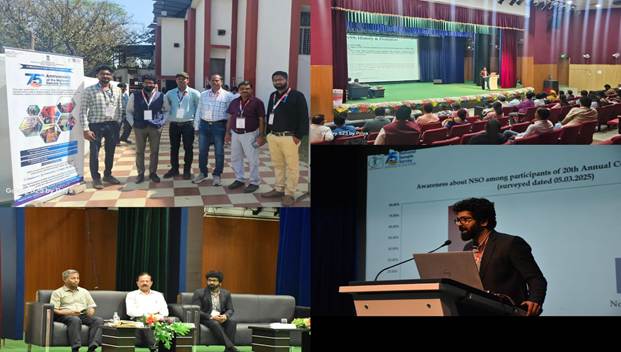
As part of celebration of 75th Anniversary of NSS, commemorating its transformative role in shaping India’s evidence-based policy making, an awareness campaign was organized by National Statistics Office (Field Operations Division), Govt. of India, Regional Office, Sambalpur at the 20th Annual Conference of Indian Association for Social Science and Health (IASSH) organized by Sambalpur University at Biju Patnaik Auditorium.The campaign was organized on 05.03.2025 and 06.03.2025. Publicity materials were displayed and distributed among the 250 nos. of participants of the conference.
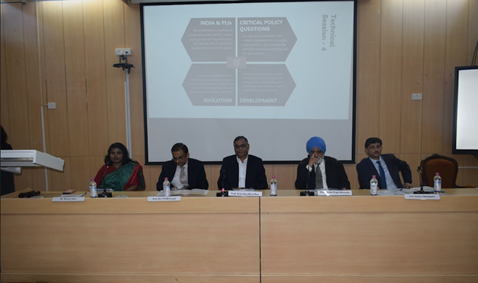
A plenary sessionwas conducted by NSO(FOD) RO, Sambalpur on the theme “Data for Development” on 06.03.2025. The session was chaired by Prof R. Nagarajan, IIPS Mumbai & Prof. Pradeep Kumar Panda from AIPH University, Bhubaneswar was the co-chair. Sh. Rahul Kumar Patel, Deputy Director & Regional Head, NSO(FOD) RO Sambalpur was the speaker. Importance of NSS data for policy formulation and decision making for the development and nation building were highlighted. A documentary about evolution of NSS during the last 75 years was also displayed. Information onrecently completed as well as ongoing surveys such as Periodic Labour Force Survey (PLFS), Household consumption Expenditure Survey (HCES), Annual Survey of Unorganized Sector Enterprise (ASUSE), Annual Survey of Industries (ASI), Socio-economic survey 80thround (Health & Telecom), Pilot study on Annual Survey of Service Sector Enterprises (ASSSE), Price Collection, Forward Looking Survey on Private Corporate Sector Capex Investment Intentions etc.,wasshared with the participants.As the participants were mostly the post-graduate students, researchers, academicians etc., hence process to access the unit level data of various surveys under NSO was also explained for the benefit of the participants.
Prof. R. Nagarajan and Prof. Pradeep Kumar Panda congratulated NSS for completing 75 years of successful data collection, dissemination and also stressed the importance of NSS data and how it has helped Govt, researchers, policy makers in decision making, economic growth and resource allocation.
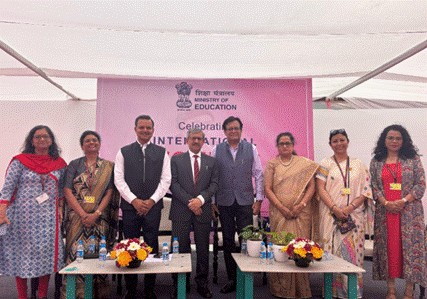
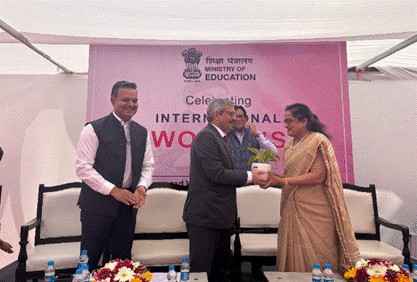
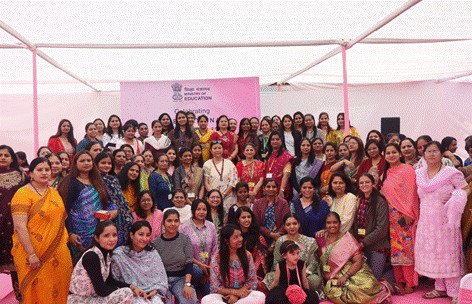
Ministry of Education celebrated International Women’s Day at its premises at Shastri Bhawan, New Delhi today, bringing together women employees from all departments to acknowledge their contributions, share inspiring stories. The event aimed to recognize the contributions of women in the Ministry of Education and promote their well-being through an interactive session.
Secretary, Department of Higher Education Shri Vineet Joshi; Additional Secretary, Sunil Kumar Barnwal; Additional Secretary, Department of School Education and Literacy Shri Anandrao Vishnu Patil; Joint Secretary, Higher Education, Smt. Rina Sonowal Kouli; graced the occasion with their presence. The event was further honored by the participation of the Vice Chancellor of NIEPA Shashikala Wanjari, who attended as the Guest of Honour.
During the event, Shri Vineet Joshi, highlighted the dedication and efficiency of women in task execution, emphasizing their responsiveness and sense of responsibility. He emphasized the Ministry’s commitment to maintaining a gender-inclusive workforce, ensuring equal opportunities for all. He highlighted the leadership demonstrated by women across various roles, acknowledging their contributions in strengthening the institution.
Prof. Shashikala Wanjari emphasized the extraordinary role of women in the Indian context, drawing inspiration from figures like Ahilyabai Holkar and Jijabai. She highlighted how these icons efficiently managed both family and administration, setting an example for society.
To inspire and empower the attendees, Dr. Jitendra Nagpal, psychiatrist at Moolchand Hospital, delivered a session focusing on the general well-being and professional growth of women employees. The session provided valuable insights on maintaining a healthy work-life balance.
All women employees of the Ministry of Education joined the celebration, reflecting the ministry’s commitment to acknowledging the hard work and dedication of its female workforce.
Eduindex News invites enthusiastic and talented college students to become Campus Educational News Reporters and share valuable updates on jobs, seminars, conferences, workshops, and other academic events happening in their institutions. This platform provides students with an opportunity to broadcast their educational news to a global audience.
Top-performing campus reporters will be recognized with a Certificate of Excellence and an Internship Certificate from the Eduindex News Team, acknowledging their contribution to educational journalism.
If you’re passionate about reporting and wish to enhance your skills while gaining recognition, drop an email to news@eduindex.org and join us in spreading knowledge to the world!
International Women’s Day is celebrated around the world on 8th March. It is a day when women are recognized for their achievements across national, ethnic, linguistic, cultural, economic or political boundaries. The theme of International Women’s Day 2025 is “For ALL Women and Girls: Rights. Equality. Empowerment.” This year’s theme calls for action to unlock equal rights, power and opportunities for all and an inclusive future where no one is left behind. Central to this vision is empowering the next generation—youth, particularly young women and adolescent girls—as catalysts for lasting change.
Further, the year 2025 is a pivotal moment as it marks the 30th anniversary of the Beijing Declaration and Platform for Action. This document is the most progressive and widely endorsed blueprint for women’s and girls’ rights worldwide, transforming the women’s rights agenda in terms of legal protection, access to services, youth engagement, and change in social norms, stereotypes, and ideas stuck in the past.
In India, the government has been actively working towards women’s empowerment and gender equality through various policies, schemes, and legislative measures. The country is witnessing a transition from women’s development to women-led development, ensuring equal participation in national progress. Women are playing a crucial role in shaping India’s socio-economic landscape, breaking barriers in education, health, digital inclusion, and leadership roles.
On March 3, 2025, Prime Minister Narendra Modi encouraged women across India to share their inspiring life journeys on the NaMo App Open Forum ahead of International Women’s Day. He praised the remarkable stories already submitted, highlighting the resilience and achievements of women from different walks of life. As a special initiative, he announced that selected women would take over his social media accounts on March 8 to amplify their voices and experiences. This initiative aims to celebrate women’s contributions and inspire others by showcasing their journey of empowerment, perseverance, and success.
Constitutional and Legal Framework
The Indian Constitution guarantees gender equality through provisions in its Preamble, Fundamental Rights, and Directive Principles of State Policy. Article 14 ensures equality before the law, while Article 15 prohibits discrimination based on sex. Article 51(a)(e) encourages citizens to renounce practices derogatory to women’s dignity. The Directive Principles, particularly Articles 39 and 42, emphasize equal livelihood opportunities, equal pay, and maternity relief.
India is a signatory to international treaties such as:
Universal Declaration of Human Rights (1948)
International Covenant on Civil and Political Rights (ICCPR, 1966)
Convention on the Elimination of All Forms of Discrimination Against Women (CEDAW, 1979)
Beijing Declaration and Platform for Action (1995)
United Nations Convention Against Corruption (2003)
Agenda 2030 for Sustainable Development
Government Schemes for Women’s Upliftment
1. Education
Education is the key to women’s empowerment and economic independence. India has undertaken several initiatives to ensure that girls have equal access to quality education from primary schooling to higher education. Gender parity in education has improved significantly, with female enrolment surpassing male enrolment in recent years.
Right to Free and Compulsory Education Act, 2009 ensures schools are within reach for all children.
Beti Bachao Beti Padhao (BBBP): Focuses on improving the child sex ratio and promoting girls’ education.
Samagra Shiksha Abhiyan: Supports school infrastructure and girl-friendly facilities.
National Education Policy (NEP) 2020 prioritizes gender equity and inclusion in education.
Eklavya Model Residential Schools: Promote quality education for tribal girls
Female Gross Enrollment Ratio (GER) has overtaken Male GER since 2017-18.
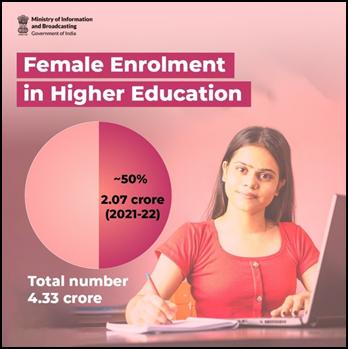
Female enrolment in higher education: 2.07 crore (2021-22), which is nearly 50% of the total number 4.33 crore.
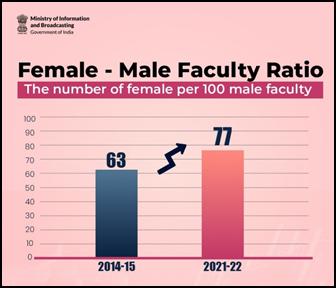
The female to 100 male faculty ratio has also improved to 77 in 2021-22 from 63 in 2014-15.
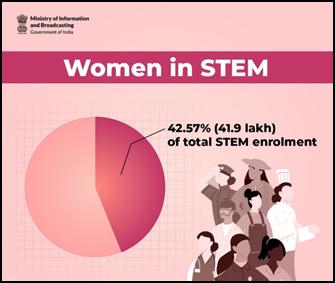
Women in STEM: 42.57% (41.9 lakh) of total STEM enrolment.
STEM Initiatives:
Vigyan Jyoti (2020) promotes STEM education for girls in underrepresented areas.
Overseas Fellowship Scheme supports women scientists in global research opportunities.
National Digital Library, SWAYAM, and SWAYAM PRABHA ensure access to online learning.
Over 10 lakh girl students benefitted under various scholarships for STEM fields.
Skill Development Initiatives:
Skill India Mission, Pradhan Mantri Kaushal Vikas Yojana (PMKVY), Women Industrial Training Institutes provide vocational and technical training to women.
Women Technology Parks (WTPs) serve as hubs for training and capacity building.
2. Health and Nutrition
Access to healthcare services is crucial for improving the well-being of women and reducing gender-based health disparities. The government has introduced several policies to ensure maternal and child health, nutrition, and medical support for women across all sections of society.
Pradhan Mantri Matru Vandana Yojana (PMMVY): Provides cash incentives to pregnant and lactating mothers, with ₹17,362 crore disbursed to 3.81 crore women, as of January 2025.
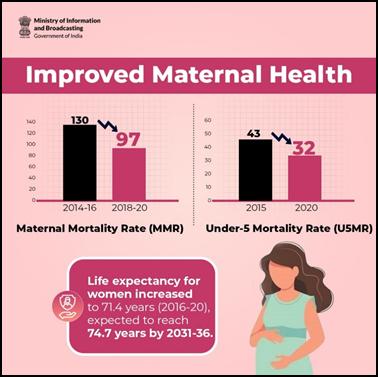
Improved Maternal Health:
Maternal Mortality Rate (MMR) reduced from 130 (2014-16) to 97 (2018-20) per lakh live births.
Under-5 Mortality Rate (U5MR) decreased from 43 (2015) to 32 (2020).
Life expectancy for women increased to 71.4 years (2016-20), expected to reach 74.7 years by 2031-36.
Nutrition and Sanitation:
Jal Jeevan Mission provided potable tap water to 15.4 crore households, reducing health risks.
Swachh Bharat Mission led to the construction of 11.8 crore toilets, improving sanitation and hygiene.
Poshan Abhiyaan: Strengthens maternal and child nutrition programs
Over 10.3 crore clean cooking gas connections distributed under the Ujjwala Yojana.
3. Economic Empowerment and Financial Inclusion
Women’s participation in the workforce is a key driver of economic growth. The government has launched multiple initiatives to promote financial independence, entrepreneurship, and employment opportunities for women.
Women’s participation in major household decisions: Increased from 84% (2015) to 88.7% (2020).
Financial Inclusion:
PM Jan Dhan Yojana: Over 30.46 crore accounts (55% belonging to women) opened.
Stand-Up India Scheme: 84% of loans under ₹10 lakh to ₹1 crore sanctioned to women entrepreneurs.
MUDRA Scheme: 69% of microloans given to women-led enterprises.
Self-Help Groups under NRLM: 10 crore (100 million) women connected to 9 million SHGs.
Bank Sakhis Model: 6,094 women banking correspondents processed transactions worth $40 million in 2020.
Employment and Leadership:
Women in Armed Forces: Entry into NDA, combat roles, and Sainik Schools.
Civil Aviation: India has over 15% women pilots, higher than the global average of 5%.
Working Women’s Hostels (Sakhi Niwas): 523 hostels benefiting 26,306 women.
Women Entrepreneurs in Startups: 10% of funds in the Small Industries Development Bank of India reserved for women-led startups
4. Digital and Technological Empowerment
In the digital era, access to technology and digital literacy are crucial for women’s socio-economic progress. The government has been proactive in ensuring women are part of the digital revolution through various initiatives.
Digital India Initiatives:
PMGDISHA (Prime Minister’s Digital Saksharta Abhiyan): 60 million rural citizens trained in digital literacy.
Common Service Centres (CSCs): 67,000 women entrepreneurs running digital service centers.
Ayushman Bharat Digital Mission (ABDM): Bridging healthcare accessibility through digital solutions.
SANKALP Hubs for Women Empowerment: Functioning in 742 districts across 35 States/UTs
Financial Technology and Inclusion:
Digital banking and Aadhaar-linked services ensure financial security for women.
Government e-marketplaces encourage female entrepreneurship and online businesses.
5. Safety and Protection
Ensuring women’s safety is a top priority for the Indian government. Several legislative measures, dedicated funds, and fast-track courts have been established to curb crimes against women and provide legal and institutional support.
Key Legal Frameworks:
Criminal Law (Amendment) Act, 2018: Enhanced penalties for crimes against women.
Protection of Women from Domestic Violence Act, 2005.
Sexual Harassment of Women at Workplace Act, 2013.
POCSO Act, 2012: Strengthened laws against child abuse.
Ban on Triple Talaq (2019): Criminalizing instant divorce practices.
Prohibition of Child Marriage Act, 2006: Protects minors from forced marriages.
Nirbhaya Fund Projects (₹11,298 crore allocated):
One Stop Centres (OSCs): 802 centers functional, assisting over 1 million women.
Emergency Response Support System (ERSS – 112): 38.34 crore calls handled.
Fast Track Special Courts (FTSCs): 750 operational courts, 408 exclusively for POCSO cases.
Cyber Crime Helpline (1930) and cyber forensic labs for digital safety.
Safe City Projects: Implemented in 8 cities to enhance women’s safety.
14,658 Women Help Desks in Police Stations, 13,743 headed by women.
Institutional and Legislative Reforms
Bharatiya Nyaya Sanhita (BNS), 2023: Strengthens provisions for gender justice.
Marital rape (for wives under 18) criminalized.
Enhanced punishment for sexual offenses and trafficking.
Witness protection and digital evidence admissibility improved.
Women’s representation in CAPFs: 33% reservation in select forces.
Nari Adalat: Piloted in 50 Gram Panchayats each in Assam and J&K, now expanding.
Conclusion
India has made remarkable progress in women’s empowerment through comprehensive policies, targeted schemes, and legal frameworks. From economic participation to safety, digital inclusion to education, the government’s initiatives have led to significant improvements in women’s lives. On this International Women’s Day, it is crucial to reaffirm the commitment to building an inclusive, gender-equal society where women play a central role in shaping the nation’s future. Sustained efforts in policy-making, community engagement, and digital inclusion will ensure that women continue to drive India’s growth story in the years to come.
The Government of India will be celebrating the International Women’s Day on 8th March, 2025. The Ministry of Women & Child Development (MWCD) is holding a national level conference at Vigyan Bhawan, New Delhi on the theme “Nari Shakti Se Viksit Bharat”. The President of India Smt. Droupadi Murmu will inaugurate the National Conference. The event will also be graced by Minister for Women and Child Development, Smt. Annpurna Devi, and Minister of State, Smt. Savitri Thakur, along with senior officials and distinguished guests. On this occasion, mega campaign through #SheBuildsBharat is also being organised.
The event will witness the participation of women officers from the armed forces and para military forces and Delhi police along with My Bharat volunteers, Anganwadi Workers, ASHA workers, Self Help Group members etc. Additionally, lady officers from various Ministries/ Departments have been invited to participate in the event. The event will also mark the presence of representatives from international organizations such as the World Bank, UNICEF, UN Women, UNDP, UNFPA etc.
After the inaugural session, the day will continue with a valuable high Level Panel Discussion.
On the sidelines of the above event, three technical sessions will be organized to bring together renowned women leaders from STEM, business, sports, media, and governance.
Trailblazers and Luminaries – Looking Back and Forging Ahead on the 50th Anniversary of International Women’s Day
This session will bring together renowned women leaders from STEM, business, sports, media, and governance to share their experiences and inspire future generations.
Capitalizing on Women Power – Breakthroughs in Financial Inclusion
This session will focus on financial inclusion, entrepreneurship, and empowering women in the economy.
Women in Leadership – Panchayat to Parliament
A dedicated discussion on policies and frameworks to accelerate gender equality through political leadership.
A unique Digital Media and Interactive Zone will engage participants through real-time discussions, multimedia exhibits, and storytelling initiatives, showcasing the contributions of women in shaping a progressive India.
The proceedings will be livestreamed on Doordarshan, Webcast link, the Ministry of Women, and Child Development’s social media platforms and World Bank Live for widespread reach and engagement.
The Government of India, under the visionary leadership of Prime Minister Shri Narendra Modi, remains steadfast in its mission to empower women through transformative policies and initiatives. As India moves forward on the path of development, Nari Shakti will continue to be the cornerstone of a self-reliant and prosperous Bharat.
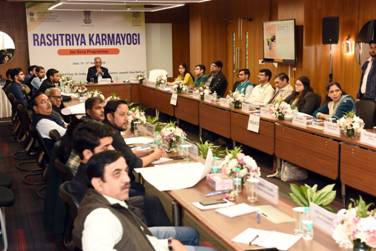
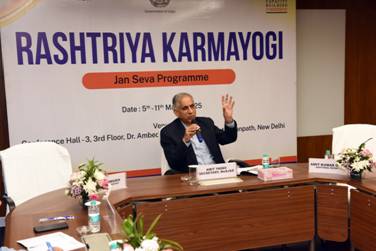
The Department of Social Justice and Empowerment (DoSJE), Union Ministry of Social Justice and Empowerment, successfully inaugurated the first batch of the Rashtriya Karmayogi Jan Seva Programme. The initiative, launched by Capacity Building Commission, aims at fostering a stronger sense of Seva Bhav (spirit of service) among government officials who are solution oriented, compassionate, and citizen-focused.
The programme features four short training sessions (approximately 1.5 hours each), designed to encourage open discussions, teamwork, and practical problem-solving through service-oriented narratives. The Rashtriya Karmayogi Jan Seva Programme at the Department of Social Justice and Empowerment will go on from 5th to 11th March 2025 at Dr. Ambedkar International Centre, New Delhi.
The programme was inaugurated by Shri Amit Yadav, Secretary, DoSJE, who, in his address, emphasized the fundamental purpose of government service. He stated, “Many of us enter public service with a passion to make a difference. However, over time, daily routines and limited citizen interaction can make us lose sight of that purpose. This programme serves as a reminder of why we serve – to bring meaningful change in people’s lives. Every action taken by public servants contributes to the nation’s progress”.
Further, Shri Yadav highlighted the importance of personal development and self-fulfilment in public service. He emphasized that citizen interaction is at the heart of governance, and how officials engage with the public, address concerns, and resolve issues plays a pivotal role in effective administration. Speaking on the philosophy of the programme’s name, he added, “‘Karmayogi’ signifies our duty—towards our nation, our department, our citizens and ourselves. This initiative is an opportunity for every officer to develop leadership skills, adopt a solution-oriented approach, and embrace Seva Bhav in their roles.”
The training sessions are led by Master Trainers – Ms. Kajal Singh (Director) and Shri Puspendra Singh (Deputy Secretary), DoSJE, with support from Ms. Shipra Singh (Program Coordinator), Capacity Building Commission. The session witnessed active participation from attendees, who gained a deeper understanding of their roles and responsibilities within the Department of Social Justice and Empowerment and its critical contribution to nation-building. The Vision and Mission of the department were discussed.
Insights from the successful implementation of the nationwide welfare initiatives and campaigns were referenced while discussing the training modules, providing participants with practical, real-world context. Additionally, key aspects of the department’s role in policy formulation, grievance redressal, legal frameworks, and enhancing ease of access to social justice schemes were deliberated in alignment with the programme’s objectives. This approach enabled participants to connect the learnings of the programme with their day-to-day responsibilities.
*****
Daily writing prompt
Which animal would you compare yourself to and why?
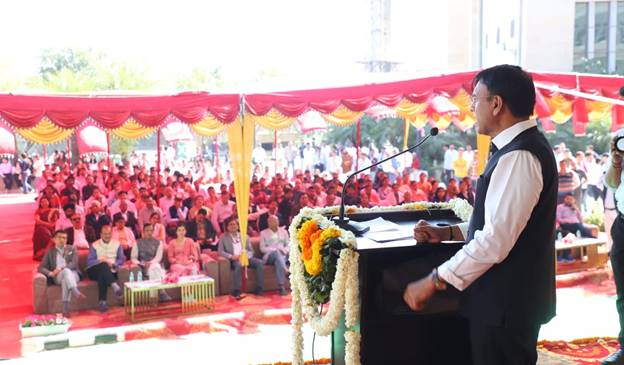
Union Minister for Labour & Employment and Youth Affairs & Sports, Dr. Mansukh Mandaviya today participated in a seminar on “Health Challenges and Healthy Lifestyle” organized by Arogya Bharti in collaboration with ESIC Medical College & Hospital, Faridabad in Faridabad, Haryana.
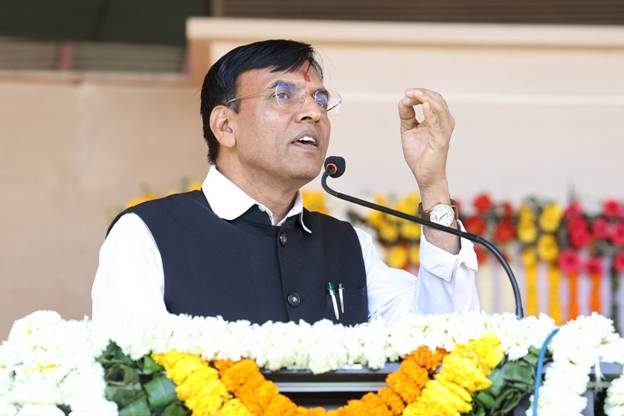
Addressing the gathering, Dr. Mandaviya emphasized the importance of preventive and promotive healthcare in building a healthy and fit India. Citing the wisdom of ancient Indian medical pioneers like Charak, Sushruta, and Lord Dhanwantari, he highlighted India’s rich healthcare legacy. He stressed the significance of meditation, yoga, and fasting as key components of preventive healthcare and commended Arogya Bharti’s efforts in organizing wellness camps across the country to promote holistic well-being.
Inauguration of Cutting-Edge Medical Facilities
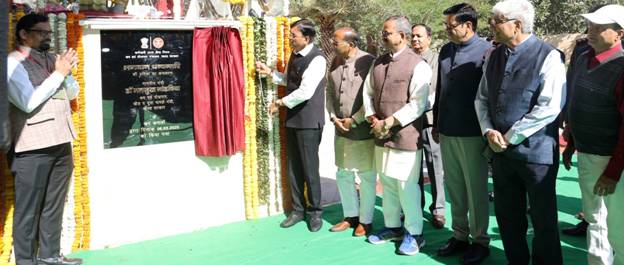
During his visit, Dr. Mandaviya inaugurated three state-of-the-art medical facilities at ESIC Medical College & Hospital, Faridabad:
Digital Mammography Services – A high-resolution, digital detector-based mammography machine designed for advanced imaging, particularly beneficial for early detection and evaluation of breast cancer.
1000 mA Digital Radiography Fluoroscopy (DRF) System – A modern diagnostic system for high-quality X-ray radiography and fluoroscopic-guided interventions, enhancing diagnostic capabilities for insured workers and their families.
Next-Generation Sequencing (NGS) Application – A cutting-edge technology that will aid in oncology research, RNA sequencing, and pathogen identification, paving the way for precision medicine.
The addition of these facilities will significantly improve diagnostic and treatment services for insured workers and their dependents, ensuring access to world-class healthcare within the ESIC network.
Unveiling of Lord Dhanwantari’s Statue
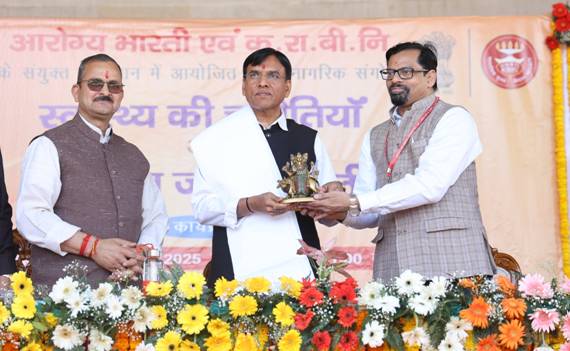
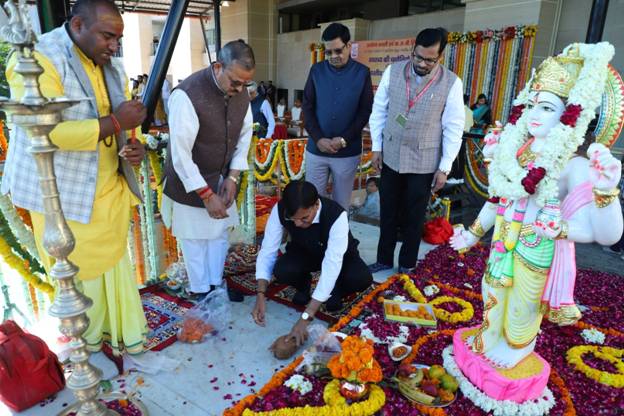
As a tribute to India’s ancient healing traditions, Dr. Mandaviya also unveiled a statue of Lord Dhanwantari, the god of Ayurveda, at ESIC Medical College & Hospital.
Engaging Participation from Healthcare & Industry Leaders
The seminar witnessed active participation from doctors, paramedics, medical students, industrial workers, and office bearers of industrial associations and Arogya Bharti, reflecting a shared commitment to preventive healthcare and holistic well-being.
*****
Daily writing prompt
Which animal would you compare yourself to and why?
Sahitya Akademi, India’s premier literary institution working under the Ministry of Culture, Government of India, will be organizing its annual Festival of Letters at Rabindra Bhavan in New Delhi from 7th March 2025 to 12th March 2025. Union Minister for Culture and Tourism Shri Gajendra Singh Shekhawat, Government of India, will inaugurate the festival. Sri Mahesh Dattani, eminent English Playwright will be the chief guest of the award ceremony in which the prestigious Sahitya Akademi Awards in 23 languages will be presented and Sri Upamanyu Chatterjee, eminent Writer and Scholar will deliver this year’s Samvatsar Lecture.
This is Asia’s Largest Literature Festival with about 700 writers from different parts of the country representing more than 50 languages participating in the festival that spans over 100 sessions. The theme of the festival will be Indian Literary Traditions and a National Seminar on the topic featuring eminent thinkers and writers will be organized during the last three days of the festival.
The festival will feature Young Writers, Women Writers, Dalit Writers, Writers from North East, Tribal writers and poets, LGBTQ writers and poets along with many eminent writers, translators, publishers, poets and distinguished personalities from different walks of life and Festival of Letters continue its status as India’s Most Inclusive Literature Festival since 1985.
A daylong programme for children, Spin A Tale, will be organized on the final day of the festival. Throughout the festival, there will be presentations, readings and discussions by eminent authors, poets, translators, publishers and critics on a wide range of subjects.
On three evenings, cultural performances by eminent artists like Rakesh Chaurasia (flute recital), Nalini Joshi (Hindustani Vocal) and Fouzia Dastango and Ritesh Yadav (Dastan-e-Mahabharata) will be organized. The Festival of Letters is open and free for all the literary lovers and those who wish to taste the flavour of Indian’s longest running Literature Festival.
Discussions around shaping the contours of India’s industrial policy in light of the evolving geopolitical landscape, the role of Production Linked Incentive (PLI) schemes in driving manufacturing competitiveness, India’s green transition and inclusive sustainability in shaping India’s industrial policy and creating resilient global supply chains was at the central of the international conference organised by the Centre for Trade and Investment Law (CTIL).
The international conference was based on the theme “Navigating the Future: Industrial Policy and Global Competitiveness” organised by the Centre for Trade and Investment Law (CTIL), established by the Ministry of Commerce and Industry, Government of India, in collaboration with the Centre for International Trade and Business Laws, NALSAR University of Law and the World Trade Institute, University of Bern, together with the WTO India Chairs Programme. The international conference was held during 17th to 19th January 2025 at the NALSAR University of Law, Hyderabad.
Importantly, the conference discussed the role of WTO disciplines in ensuring that industrial policy measures do not negate the core principle of the ruled-based international trading system. The conference featured key insights into the current geopolitical landscape and energy transition.
The central theme of the conference ‘Navigating the Future: Industrial Policy and Global Competitiveness’ was explored through a series of panel discussions and technical sessions. The inaugural sessions featured discussions on the resurgence and evolution of industrial policy, metrics to measure its impact, and their compatibility with WTO rules in a changing global context. Prof. James J. Nedumpara, Head, CTIL, in his welcome speech, highlighted the relevance of the conference theme and the importance of green industrial policy in fostering innovation and technology in the current global context. This was followed by the presidential address delivered by Prof. Srikrishna Deva Rao, Vice Chancellor of NALSAR University of Law. Shri. Ujal Singh Bhatia and Professor Peter Vanden Bosche, former members of the WTO Appellate Body, also emphasised the need for an in-depth examination of the linkages between trade policy and industrial policy.
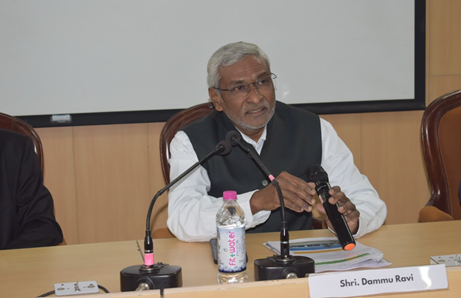
Shri Dammu Ravi, Secretary (Economic Relations), Ministry of External Affairs, during his address highlighted that emerging economies can play a catalyzing role in energy transition and pioneer an economic transformation. The Secretary emphasised the role that India can play in the global critical raw material supply chains and underscored that any strategy for value chain integration must be focused on creating value within India, including creating employment opportunities.
In the plenary session, Shri Montek Singh Ahluwalia, Former Deputy Chairman of the Planning Commission highlighted the global shift from free trade to protectionism in response to challenges from China’s rise and evolving U.S. policies. Shri. Ahluwalia emphasized the need for clear, cost-effective interventions in critical sectors, transparency in initiatives like PLIs, and adherence to WTO rules, as part of a balanced approach to security and economic priorities.
Several renowned scholars and policy experts of in the field of international trade and policy including Dr. Werner Zdouc, former Director of the Appellate Body, Mr. Sumanta Chaudhuri, Head Trade Policy, CII, Dr. Pritam Banerjee, Head, Centre for WTO Studies, Prof. Henry Gao, Professor, Singapore Management University, Professor Abhijit Das, former Head, Centre for WTO Studies, Dr. Alicia Gracia, Senior Fellow at Brugel, Dr. Isabelle Van Damme, Director, World Trade Institute, Dr. Rosmy Joan, Associate Professor, NALSAR University, among others spoke in the programme.
In the inaugural session, CTIL launched its monthly investment law newsletter, ‘Investment Law Compass: Navigating through the Global Investment Framework’ which aims to highlight the developments in the investment law landscape and transform it into an accessible and insightful journey for enthusiasts and professionals alike. The newsletter will be available online at www.ctil.org.in.
At the valedictory address, Professor James J Nedumpara reflected on the rich discussions on industrial policy and its various dimensions over the three days and highlighted that the conference was enriched by global participation. He extended his felicitations to the co-collaborators NALSAR and WTI and congratulated them on the successful conclusion of the Conference.
***
Daily writing prompt
What is your middle name? Does it carry any special meaning/significance?
Pariksha Pe Charcha 2025 has redefined student engagement, transforming into a dynamic, interactive experience that is resonating deeply with students, teachers, and parents across the country. Moving beyond the traditional Town Hall format, this edition fosters meaningful, two-way conversations, equipping young minds with practical strategies, life skills, and a fresh perspective on learning.
The eighth edition began on 10 February 2025 in the serene surroundings of Sunder Nursery, New Delhi, where Prime Minister Shri Narendra Modi connected with 36 students from across India. In a free-flowing, insightful discussion, he explored themes like Nutrition & Wellness, Mastering Pressure, Leadership, and 360º Growth, offering real-world wisdom on tackling academic challenges with confidence. His words inspired students to think beyond exams, embrace curiosity, and develop a mindset geared for lifelong learning.
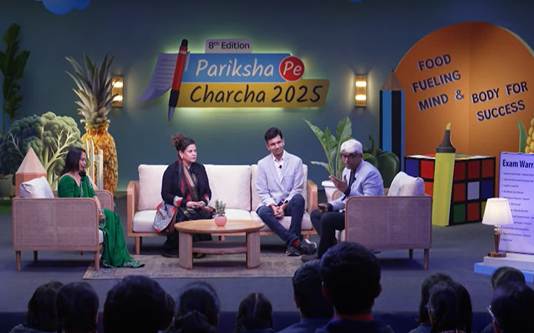
In today’s engaging fourth episode, leading nutrition experts Shonali Sabherwal, Rujuta Diwekar, and Revant Himatsingka—popularly known as the Food Pharmer—interacted with students on the vital role of nutrition in staying healthy and stress-free during exams.
They emphasized the power of superfoods like millets such as jowar, bajra, and ragi, which are packed with fibre, protein, and essential nutrients. These grains, they explained, help sustain energy levels and sharpen focus, making them a must-have in every student’s diet.
Shonali Sabherwal highlighted the link between a balanced diet, quality sleep, and concentration. She urged students to opt for light, nutritious meals to maintain focus and avoid sluggishness. Her golden rule? Ghar ka khana (home-cooked food) is always the best! She also suggested smart swaps for unhealthy snacks, like beetroot juice instead of soda and sweet potato chips instead of packaged snacks.
Rujuta Diwekar explained the benefits of rice and served students with delicious, exam-friendly recipes. From vegetable biryani and curd rice to homemade chakli and chaas/lassi, she explained why these wholesome foods are ideal for maintaining energy and mental clarity.
Revant Himatsingka talked about another crucial aspect of exam preparation—setting realistic goals. He warned against the stress and disappointment of unrealistic expectations, urging students to take a practical, step-by-step approach instead. He echoed the wisdom of Prime Minister Shri Narendra Modi, who encourages young minds to focus on setting attainable targets.
The session also saw participation from students beyond India, who had their queries answered by the experts. Many students later shared their experiences, calling the session eye-opening, enjoyable, and incredibly helpful in understanding the role of good nutrition in exam success.
On 12th February 2025 renowned actor Deepika Padukone interacted with around 60 in the second episode of the 8th edition of Pariksha Pe Charcha. Deepika shared how addressing mental health challenges can be empowering and spoke about the valuable lessons she learned from her own struggles.
On 13th February 2025, tech and finance took center stage as Gaurav Chaudhary (Technical Guruji) and Radhika Gupta (MD & CEO, Edelweiss Mutual Fund) introduced students to Artificial Intelligence and Machine Learning. They explored practical applications of AI tools, including ChatGPT and AI-powered image generation, while also discussing financial literacy – a crucial skill for future success.
The two-day Visitor’s Conference at Rashtrapati Bhavan concluded today.
The Conference deliberated on the themes – Flexibility in academic courses, Credit Sharing and Credit Transfer with multiple entry and exit options; Internationalisation efforts and collaboration; Translation Research and Innovation related to converting research or innovation into useful products and services; Effective student selection processes and respecting student choices in context of NEP; and Effective assessments and evaluation. The outcome of deliberations was presented before the President of India, Smt Droupadi Murmu.
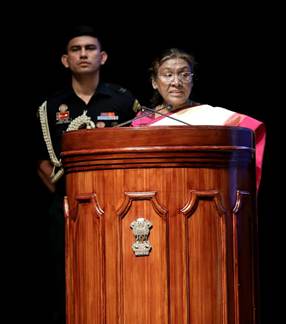
In her concluding remarks, the President said that our national goal is to make India a developed country before the end of the first half of this century. To achieve this goal, all stakeholders of the educational institutions and students would have to move forward with a global mindset. Young students would make a more effective identity for themselves in the 21st century world with the strengthening of internationalisation efforts and collaborations. Availability of excellent education in our higher education institutions would decrease the tendency to study abroad. Our young talent would be better utilized in nation building.
The President said that India is moving towards becoming the third largest economy in the world. Being self-reliant is the hallmark of a truly developed, large and strong economy. Self-reliance based on research and innovation would strengthen our enterprises and economy. Such research and innovation should get every possible support. She highlighted that in developed economies, the academia-industry interface appears strong. Due to continuous exchange between the industry and higher education institutions, research work remains linked to the needs of the economy and society. She urged the heads of institutions of higher learning to make institutional efforts to have continuous discussions with senior people of industrial institutions in mutual interest. She said that this would benefit the teachers and students doing research work. She also told them that connecting the laboratories of educational institutions with local, regional, national and global needs should be their priority.
The President said that it is imperative and challenging to have an education system that is system-based and flexible according to the special talents and needs of the students. In this context, there is a need to remain constantly alert and active. Appropriate changes should continue to take place based on experience. Empowering students should be the objective of such changes.
The President said that a nation becomes strong and developed only on the strength of characterful, sensible and capable youth. In educational institutions, the character, prudence and capability of our young students are developed. She expressed confidence that the heads of institutions of higher learning would achieve the proud ideals of higher education and would present a bright future to the young children of Mother India.
Union Minister for Education Shri Dharmendra Pradhan, while addressing the gathering, expressed his gratitude to President Smt. Droupadi Murmu for her guidance and words of inspiration during the inauguration and the concluding session. He also expressed gratitude to academic leaders for their active participation and meaningful discussions at the Visitor’s Conference. He noted that their diverse perspectives and forward-thinking ideas had enriched the confluence and contributed to shaping a roadmap for the country’s bright future.
Highlighting the collective responsibility of shaping India’s education system, he emphasized that the swift and large-scale implementation of NEP 2020 should be a national mission.
Acknowledging the challenges ahead, he affirmed that with collective efforts, a shared vision, and strong commitment, the education system could be redefined, paving the way for a knowledge-driven, self-reliant Bharat on its journey to becoming a developed country by 2047.
He further underscored the significance of students as the most important stakeholders and the backbone of the education system.
Reiterating the vision of Prime Minister Shri Narendra Modi, he stressed the importance of prioritizing students’ interests by investing in their education, equipping them with the right skills, empowering them to dream big, and supporting them in achieving their aspirations—not merely as an academic obligation but as a duty toward the nation.
Union Minister of State for Education & Development of the North Eastern Region, Dr. Sukanta Majumdar presented the Vote of Thanks. Secretary, Department of Higher Education, Dr. Vineet Joshi presented the summary of the session. Shri Amit Khare, Advisor to the Prime Minister and Smt. Deepti Umashankar, Secretary to the President were also graced the occasion. Officials of the President’s house, Ministry of Education and Heads of Higher Education Institutes were also present at the event.
In addition to summing up the key takeaways of the five sessions, Dr. Joshi, in his speech, stated that the conference had served as a platform that brought together visionary leaders, educationists, and policymakers to deliberate on the future of higher education in India. He highlighted that the National Education Policy (NEP) 2020, which is a transformational reform rooted in ancient Indian principles, upholds the pursuit of knowledge (Gyan), wisdom (Pragyaa), and truth (Satya) as the highest human goals. He emphasized the five key pillars of NEP 2020, which are Learner-Centric Education, Digital Learning, Academic Research and Internationalization, Industry-Institute Collaboration, and Indian Knowledge Systems. The policy is aimed at creating a holistic, inclusive, high-quality, and accessible education ecosystem, he also added.
Session Summary:
Session 1:
The theme of the 1st Session was Flexibility in academic courses, Credit Sharing and Credit Transfer with multiple entry and exit options. The session summary was presented by Prof. Anand Bhalerao, Vice-Chancellor of the Central University of Rajasthan. He informed the key snippets of the deliberation, which were, The Need for Academic Flexibility; Credit Sharing and Transfer: A Pathway to Student Mobility; Global Best Practices as a Model for India; Multiple Entry and Exit Options Will Democratize Higher Education; and Challenges in implementation and the way forward. The Session also focused on areas of focus such as institutional readiness, Inter-university coordination, technology and infrastructure, Quality Control, and Regulatory Framework. He also informed the recommendations of the Panel which were strengthening policy and regulatory framework, building digital infrastructure for credit transfer, enhancing university collaboration and partnership, capacity building for faculty and administrators, ensuring student awareness and engagements and fostering industry collaboration and skill development.
Session 2:
The theme of the 2nd session was Internationalization efforts and collaborations and Prof. M. Jagadesh Kumar, Chairman, UGC, presented the summary. He highlighted the great potential that India has for the Internationalization of Education. Three kinds of Internationalization were discussed during the deliberation, which were encouraging Indian institutions to set up campuses outside India, the potential India has to attract international students and providing high-quality international education to Indian students in India. He especially highlighted how discussions were carried out on keeping Global South in focus. He also emphasized how Institutes can implement NEP2020, introducing the Indian Knowledge System to international students to present a unique opportunity.
Session 3:
The theme of the 3rd session was Translation Research and Innovatio. Prof. Govindan Rangarajan, Director, Indian Institute of Science (IISc) Bangalore, presented the session summary for this session. He highlighted a few challenges the HEIs face in translational research and innovation from Lab to Land. He showed the link between Science (Know-Why), Engineering (Know-How) and ‘Technology’ (Show-How). Emphasizing the importance of fundamental research, he listed the factors important for changing the faculty mindset (Publications to Products); not diluting fundamental research; link between Product patents and research papers; inspiring to solve local problems (society, industry); Translational research fellowships etc. The factors needed for building the necessary ecosystem; How to attract and partner with industry (Trust & Track record); were also discussed during the deliberation, he informed.
Session 4:
The theme of the 4th session was Effective student selection processes and respecting student choices in the context of NEP for which the session summary was presented by Prof. Manindra Agrawal, Director, IIT Kanpur.
Session 5
The theme of the 5th session was Effective Assessment & Evaluation for which the session summary was presented by Dr. K Radhakrishnan, Former Chairman, ISRO and Chairman, BoG IIT Kanpur. He elaborated on the context of the discussion, which was Technology, which is advancing exponentially and pervading (Including Pedagogy); Imperative for the multidisciplinary mind; Holistic Development of Students; Outcome-based education; and transforming the key Enablers, which are faculty, programme, and institutions. He elaborated on the facets of holistic development of studies, which include intellectual, aesthetic, social, physical, extracurricular Arts, Sports, emotional, ethical, and value-based education. He also elaborated on the discussion that took place on five dimensions of outcome-based education, which were Knowledge Acquisition (Recall); Application of Knowledge (Problem-Solving); Analytical Ability (Decipher Patterns, Trends, Critical Thinking); Synthesis (New Ideas from Multi-farious inputs); and Learning how to learn.
Click here to see the President’s speech in Hindi:
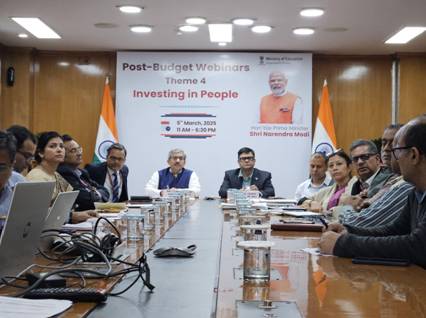
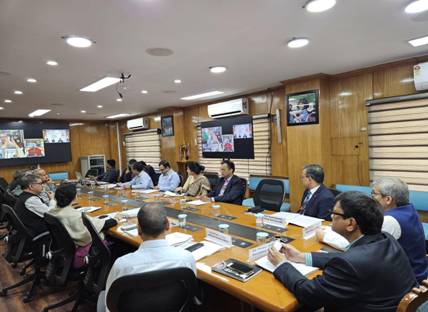
Ministry of Education organised Post Budget Webinar on the theme ‘Investing in People’, today. The Prime Minister Shri Narendra Modi delivered a special address at the inaugural session. Union Education Minister Shri Dharmendra Pradhan along with Secretary, Department of School Education & Literacy (DoSEL), Shri Sanjay Kumar; UGC Chairman Professor M. Jagadesh Kumar ; Secretary, Dept. of Higher Education, Shri Vineet Joshi; Secretary, Ministry of Health and Family Welfare Smt. Punya Salila Srivastava; Secretary Labour & Employment Ms. Sumita Dawra participated in the session.
The webinar brought together experts from the government, industry, and academia to discuss key reforms in job creation, academic flexibility, credit mobility, and future-ready skills—paving the way for a highly skilled and globally competitive workforce in line with Viksit Bharat 2047.
Speaking about the webinar, Shri Pradhan said that investment is one of the engines outlined in the Union Budget 2025-2026 which will turbocharge our journey to Viksit Bharat by 2047. He further said that the insightful special address by the Prime Minister Shri Narendra Modi has put forth new ideas for realising aspirations, future-proofing our population, accelerating inclusive development and ensuring benefits of Union Budget reaches every citizen of the country.
He expressed his gratitude to the Prime Minister for drawing attention to the vast potential of ‘Education Tourism’ and its key role in facilitating employment-linked growth and development. The Minister assured that the academic community will engage in comprehensive deliberations to chart out a strong roadmap for moving ahead in this direction. He further said that, together, with the spirit of jan-bhagidari and right investment in right direction, academia and industry will work together for bridging skills gap, harnessing demographic dividend, leveraging AI in education, catalysing research landscape and strengthening deep-tech start-up ecosystem for a future-ready workforce, stronger economy and Viksit Bharat.
Prof M. Jagadesh Kumar opened the session by emphasizing the transformative role of higher education. He highlighted that the implementation of NEP 2020 provided a unique opportunity to reshape India’s higher education landscape. During the webinar, Prof M. Jagadesh Kumar, Chairman, UGC stated that the policy was not merely reformative but transformative, designed to empower youth with the skills, knowledge, and adaptability required to thrive in the 21st century. He stressed that investing in people through quality education, research, and innovation was central to building a self-reliant, inclusive, and globally competitive economy.
Shri Sanjay Kumar stated that education is fundamentally about investing in people. He acknowledged the broad perspective provided by the UGC Chairman on higher education and noted that the 2025-26 Budget included key announcements regarding the establishment of 50,000 Atal Tinkering Labs in government schools over the next five years and the provision of broadband internet connectivity to government schools in rural areas. He further highlighted a significant trend observed over the last decade, noting that the proportion of female teachers has increased. He mentioned that in 2014-15, male teachers comprised 52 percent of the total, while female teachers accounted for 48 percent. By 2025, these figures have reversed, with female teachers now making up 52 percent and male teachers 48 percent, reflecting a move towards greater gender parity in the education sector.
The discussions reinforced the need for strategic investments in human capital to ensure sustainable economic growth, social equity, and global leadership. The government remained committed to fostering a skilled workforce, ensuring India’s continued rise as an innovation and technology hub.
Prime Minister’s address the Post-Budget Webinar on boosting job creation- Investing in People, Economy, and Innovation
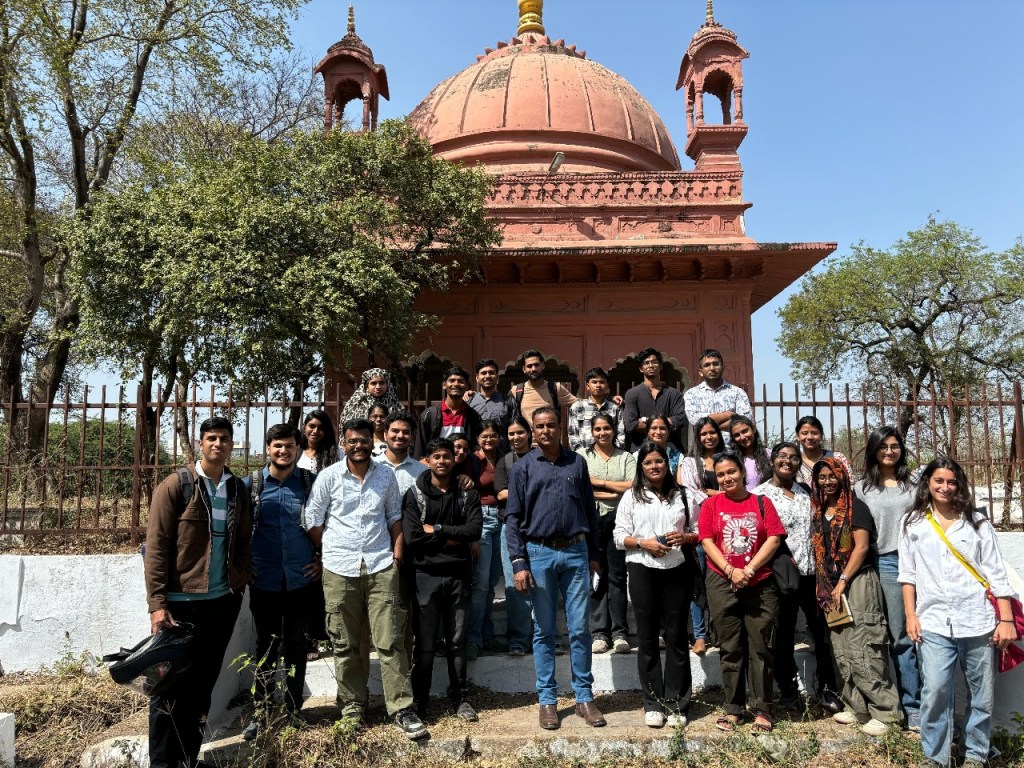
Bhopal: The historic Bada Bagh stepwell and mausoleums in Bhopal are undergoing conservation efforts under the guidance of Professor Jagdish Singh from the Department of Architecture and Planning, MANIT Bhopal, in collaboration with the INTACH Bhopal Chapter. This remarkable heritage site, dating back to 1809-1816, is a three-story deep stepwell located within the Bada Bagh cemetery. Originally commissioned by Nawab Wazir Mohammad Khan, it was later preserved and maintained by Nawab Qudsia Begum.
The site also houses the mausoleums of Wazir Mohammad Khan (1806-1816) and his son, Nazar Mohammad Khan (1816-1819). Following Nazar Mohammad Khan’s demise, Qudsia Begum constructed her husband’s tomb within the same premises, at which point the stepwell became known as Nazar Bagh. A detailed architectural study has revealed intricate design elements, including colonnaded structures adorned with arches and slender pillars, showcasing the craftsmanship of that era.
The conservation efforts focus on structural stabilization, documentation of architectural details, and restoring the stepwell’s original grandeur. Special attention is being given to preserving the ornamental structures surrounding the well. This initiative bridges academic research with practical heritage conservation, ensuring that Bada Bagh’s historical significance is safeguarded for future generations. Awareness programs are also being conducted to highlight the site’s cultural heritage.
Through collective restoration efforts, this project aims to revive the architectural marvel of Bada Bagh, cementing its place as an invaluable part of Bhopal’s historical and cultural legacy.
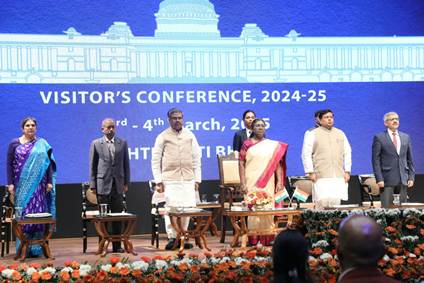
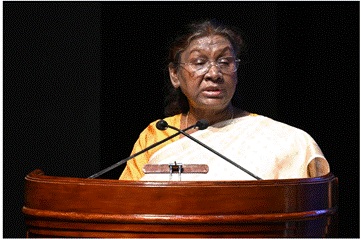
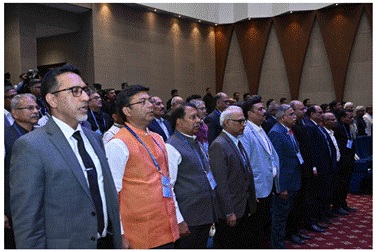
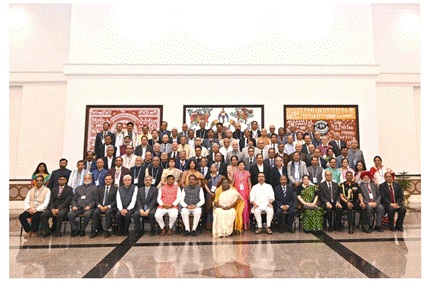
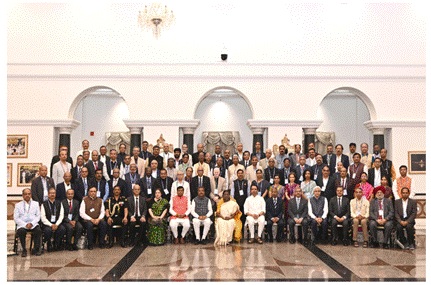
The President of India, Smt Droupadi Murmu inaugurated the two-day Visitor’s Conference 2024-25 at Rashtrapati Bhavan today (March 3, 2025). The President of India is the Visitor of 184 Central Institutes of Higher Education.
In her inaugural address, the President said that the level of development of any country is reflected in the quality of its education system. She told the heads of the institutions of higher learning that they have a crucial role in achieving the goal of establishing India as an important centre of the knowledge economy. She highlighted the need to pay a lot of attention to research along with education. She said that the Government of India has established the National Research Fund with a very good objective. She expressed confidence that institutions of higher learning would make good use of this important initiative and encourage research.
The President said that the ambition of our higher education community should be that researchers from our institutions get recognition at the world level, patents of our institutions can bring change in the world, and students from developed countries choose India as a preferred destination for higher education.
The President said that students from India enrich the world’s leading educational institutions and developed economies with their talent. She emphasised the need of making efforts to utilize their talent in our country. She stated that our national goal of establishing India as a Global Knowledge Super Power would be achieved only when the world community is eager to adopt the work being done in our laboratories.
The President said that many higher education institutions of our country have global brand value. The students of these institutions get big responsibilities in the best institutions and companies of the world. However, all our institutions should move ahead very fast. The leadership of heads of institutions of higher learning would be recognised by developing and utilising the immense talent of our large youth population.
The President said that along with excellence, social inclusion and sensitivity should also be an essential aspect of our education system. No economic, social, or psychological limitation of any kind should be a hindrance in getting higher education. She said that heads and teachers of institutions of higher learning should take care of young students, remove any insecurity from their minds and provide them moral and spiritual strength. She urged them to make every possible effort to provide counselling and inspiration to students and spread positive energy in the campuses.
The President said that our country has a rich tradition of scientific achievements. The branches and sub-branches of Indian knowledge and science have flourished in every region of the country. It would be very useful to rediscover the invaluable but extinct streams of knowledge and science by doing intense research. She stated that it is the responsibility of the higher education ecosystem to find ways to use such organically grown knowledge systems in today’s context.
The President said that educational institutions shape the future of the nation. Young students learn from the conduct of our policy makers, teachers, heads of institutions, and senior students. She expressed confidence that with their global thinking, the heads of higher learning institutions would prepare a generation of builders of a developed India.
During the inaugural session, the President presented the eighth Visitor’s Awards in the categories of Innovation, Research, and Technology Development.
The Visitor’s Award for Innovation was given to Prof Saripella Srikrishna, Banaras Hindu University, for developing Novel Indigenous Innovation in Quantum Technology to boost the National Green Hydrogen Mission.
The Visitor’s Award for Research in the field of Physical Sciences was conferred upon Prof Ashwini Kumar Nangia, University of Hyderabad, for his seminal research in the discovery and development of high bioavailability drugs and pharmaceuticals with enhanced efficacy at affordable cost.
The Visitor’s Award for Research in Biological Sciences was jointly presented to Prof Rina Chakrabarti, University of Delhi and Prof Raj Kumar, Central University of Punjab. Prof Chakrabarti has been conferred the Award for her research contributions to Sustainable Freshwater Aquaculture while Prof Raj Kumar has been presented the Award for his research contributions to exploring various cancer hallmarks and the development of synthetic anticancer lead molecules.
The Visitor’s Award for Technology Development was presented to Dr Venkateswarlu Chintala, Gati Shakti Vishwavidyalaya, for his research contributions to the petrol and diesel production at commercial scale from landfill municipal mixed plastic waste.
Tomorrow, the Conference will deliberate on issues such as – Flexibility in academic courses, Credit Sharing and Credit Transfer with multiple entry and exit options; Internationalisation efforts and collaboration; Translation Research and Innovation related to converting research or innovation into useful products and services; Effective student selection processes and respecting student choices in context of NEP; and Effective assessments and evaluation. The outcome of these deliberations will be presented before the President in the closing session of the Conference.
Shri Dharmendra Pradhan, while presenting the opening remarks, expressed his gratitude to the President, Smt. Droupadi Murmu, for guiding the academic fraternity with constant guidance, steady support, and visionary leadership. He also congratulated all the distinguished recipients of the 8th Visitor’s Awards.
Shri Pradhan mentioned that Smt. Droupadi Murmu’s leadership has always shown the way forward in breaking new ground in education, achieving national educational priorities, navigating the ever-evolving learning landscape, as well as taking significant strides toward making India the epicentre of knowledge, research, and innovation.
He urged the participants of the Conference to share their concerns, discuss best practices, and envision the future of higher education. He also highlighted that NEP 2020 stands at the heart of today’s discussions, a transformative blueprint reshaping the country’s education system.
The Minister urged everyone to create an ecosystem that empowers the youth, strengthens the workforce, and accelerates India’s journey toward Viksit Bharat 2047.
Expressing his gratitude to Prime Minister Shri Narendra Modi for his clarion call of Viksit Bharat by 2047, the Minister said the nation ought to be self-reliant, innovative, and knowledge-driven. Education must go beyond degrees; it must create thinkers, innovators, solution-givers, and job creators, for which the implementation of NEP 2020 in letter and spirit is essential, he noted. He emphasized the importance of rising above institutional silos to ensure that NEP 2020 translates into real and long-lasting impact.
He stressed the importance of working collaboratively and sharing best practices to optimize academic strength, strengthen policies, and execute them well with a real impact on the ground.
Showing his optimism, he said that academic institutions will emerge as the lighthouse of Viksit Bharat, anchoring the developmental journey in the Amrit Kaal and beyond. He also expressed confidence that the Visitor’s Conference will provide a clear roadmap for holistically transforming the education system, empowering the youth, strengthening the workforce, and establishing India’s higher education ecosystem as a global benchmark.
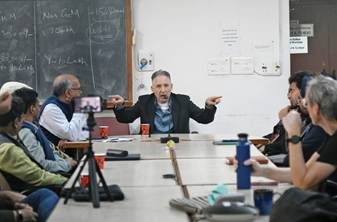
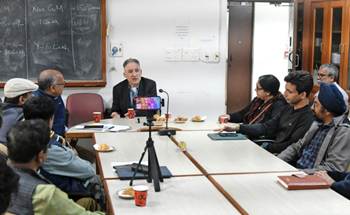
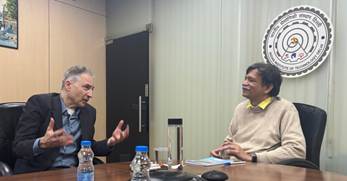
Prof. Brian Greene, renowned Theoretical Physicist, Author, and Professor of Mathematics & Physics, Columbia University, visited Indian Institute of Technology (IIT) Delhi today and interacted with the students. Director of IIT Delhi, Dr. Rangan Banerjee, faculty and students were present at the event. Prof. Greene also visited the Research & Innovation Park of the Institute and appreciated the facilities.
While interacting with the students, Prof. Greene expressed his gratitude for the wonderful visit and the engaging discussions with both the faculty and students. He appreciated their energy, creativity, and zeal for innovation. He also emphasized that their keen interest in scientific and technological development is highly significant, as it will pave the way for a better future.
Acknowledging India’s rapid advancements in scientific innovation, Prof. Greene expressed his hope that this progress would position the country as a global leader in science and technology. He praised IIT as a world-class institute, highlighting the remarkable faculty dedicated to nurturing some of India’s greatest minds.
During the session, students posed intriguing questions, including where, in his opinion, subjects such as physics and mathematics diverge and converge, as well as inquiries about string theory. In response, he elaborated on his work related to the mathematics of string theory.
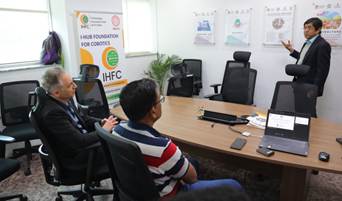
Prof. Greene visited the Research & Innovation Park of IIT Delhi. The establishment was inaugurated by President of India Smt. Droupadi Murmu during the Diamond Jubilee Celebrations of the Institute. It focuses on innovation and product development where IIT Delhi, industry, entrepreneurs and government agencies interact and enable creation of advanced technological solutions. The Park works towards accelerating research translation, providing avenues for IIT Delhi students and faculty to interact more closely with industry and bring to market technological breakthroughs through incubation, amplifying technological and societal impact of R&D, and galvanizing entrepreneurial aspirations. It has facilities including labs for start-ups, board rooms, conference hall, meeting and training rooms, etc.















 Eduindex
You must be logged in to post a comment.