The Department of School Education & Literacy, Ministry of Education, is proud to announce the successful completion of Special Campaign 4.0, with active participation from all Autonomous Bodies and schools across the country. Inspired by Prime Minister Shri Narendra Modi’s vision to improve workplace efficiency and institutionalize cleanliness (Swachhata), the campaign focused on key objectives such as disposal of public grievances and public grievances appeals, reducing pendency, record management and promoting the optimum utilization and beautification of office spaces.
Launched on 2nd October , 2024 the campaign has led to significant, focused improvements, contributing to a cleaner, more organized, and efficient work environment. This initiative has not only enhanced the physical spaces but also fostered a culture of sustainability and responsibility towards the environment across institutions and schools nationwide.
In addition to the on-ground efforts, extensive awareness campaigns were carried out through social media platforms under the hashtag #SpecialCampaign4. These campaigns successfully garnered widespread attention and encouraged greater public engagement, furthering the message of cleanliness and organizational efficiency. Through these combined efforts, the campaign has left a lasting impact on both the work environment and the overall experience for staff members.
Key achievements during Special Campaign 4.0:
A total of 2,90,845 cleanliness drives were organized by institutions and schools across the country, demonstrating enthusiastic participation that reinforces the message of Swachhata and encourages others to join in the mission.
Over 1,44,000 square feet of space was cleared, generating more than Rs. 40 lakhs in revenue as a join effort by the Department and its Autonomous Bodies.
During this period, 887 out of 904 Public Grievances (98.11%), 253 out of 273 MP References (92.7%), 30 out of 33 State Government References (91%), 3 out of 4 PMO References (75%), and 5 out of 6 Parliament Assurances (83.3%) were disposed of.
A comprehensive Records Management initiative was undertaken, fully meeting the target. A total of 61,100 physical files and 1,367 e-Files were reviewed i.e. 100% of the target. The review exercise resulted in the weeding out of 40,244 physical files and the closure of 893 e-Files.
One of the best practices under Special Campaign 4.0 is the sustainability initiatives to foster awareness of environment related issues as well as environment friendly behaviour. These initiatives include the installation of eco-friendly benches made of recycled plastic and rejuvenation of the garden area at Gate No. 6 of Shastri Bhavan, New Delhi. The corridors have been adorned with paintings by Mouth and Foot Painting Artists etc. in collaboration with Bisleri International under its CSR Programme.
Students have been educated on environmentally friendly habits aligned with the “3R” formula: Reduce, Reuse, and Recycle in schools across the nation under Eco Clubs for Mission LiFE. They also learned to create art and craft from waste materials and design practical items from repurposed materials.
The achievements of Special Campaign 4.0 at the Department of School Education & Literacy (DoSE&L) highlight its dedication to establishing an efficient, well-organized, cleaner, and supportive workplace for employees. DoSE&L is steadfast in its goal to deliver effective public service and create positive community impact.
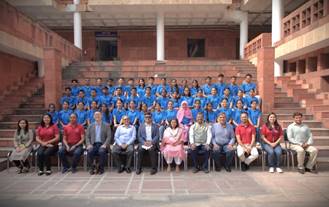
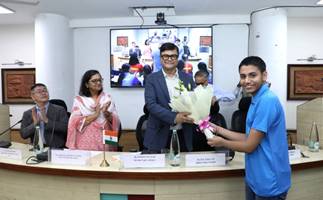
Shri Sanjay Kumar, Secretary, (DoSEL), Ministry of Education, flagged off a group of 47 enthusiastic and excited school children, who have been invited to participate in Sakura Programme 2024 from India along with 5 countries (Indonesia, Marshall Islands, Micronesia, Palau and Peru) from 10th-16th November 2024. The ceremony at CIET-NCERT, New Delhi, was organised by DoSEL and was attended by Prof. Dinesh Prasad Saklani, Director, NCERT; Smt. Archana Sharma Awasthi, Joint Secretary, DoSEL; Mr. Kemmochi Yukio, Manager, Japan Science and Technology Agency, Japan; Dr. Amarendra Prasad Behera, Joint Director, CIET-NCERT; and officials from DoSEL.
In this group, Japan Science and Technology Agency (JST) has invited 47 school students and 4 supervisors. These 47 students (18 boys and 29 girls) are from Kasturba Gandhi Balika Vidyalaya and Government Schools of Telangana, Jharkhand, Sikkim, Chandigarh, Kerala, Manipur, Meghalaya, Haryana, Arunachal Pradesh, Jammu & Kashmir, Uttar Pradesh and Maharashtra and Kendriya Vidyalayas.
To develop the intellectual horizon and scientific exploration among young learners, the JST has been implementing the “Japan-Asia Youth Exchange Program in Science” also known as the “Sakura Science Programme” since 2014. India was added to the Sakura Program in 2015. The students are invited under the programme for short-term visits to Japan, giving them the opportunity to experience Japan’s cutting-edge science and technology as well as its culture.
The National Education Policy (NEP) 2020, while emphasizing the importance of curriculum and pedagogy in schools, endorses that “Learning should be Holistic, Integrated, Enjoyable and Engaging in itself. Also, NEP-2020 states that in all stages, experiential learning will be adopted as standard pedagogy within each subject and with explorations of relations among different subjects. It is in this context that educational trips and excursions to various places of importance in terms of historical, cultural, social and technological development are of paramount importance. Japan, as a developed nation, a friendly country, along with technological advancements, is also a favourite destination for educational exposure. Therefore, visiting a country like Japan is always enriching and provides an opportunity to explore innovative practices.
India participated in the program for the first time in April 2016. So far, 572 students along with 87 supervisors have visited Japan under this programme. The last batch visited Japan in October 2024.
The QS World University Rankings: Asia 2025 reflect the dynamic landscape of higher education across the continent, spotlighting the top institutions excelling in academic and research excellence, innovation, and internationalization. This year’s rankings emphasize the growing competition among Asian universities and showcase the region’s commitment to advancing global educational standards.
This edition highlights India’s impressive upward trajectory in higher education across the continent. India boasts two institutions within the top 50 and seven in the top 100 of the QS Asia Rankings 2025, with the Indian Institute of Technology Delhi (IITD) leading at 44th place. The University of Petroleum and Energy Studies (UPES) achieved the most significant improvement among Indian institutions, climbing 70 spots to 148th, driven by notable advancements in nine of the 11 ranking metrics, especially in International Research Network, Citations per Paper, and Papers per Faculty. India’s strongest average indicator scores are in Papers per Faculty and Staff with PhD.
Key Insights from QS World University Ranking: Asia 2025
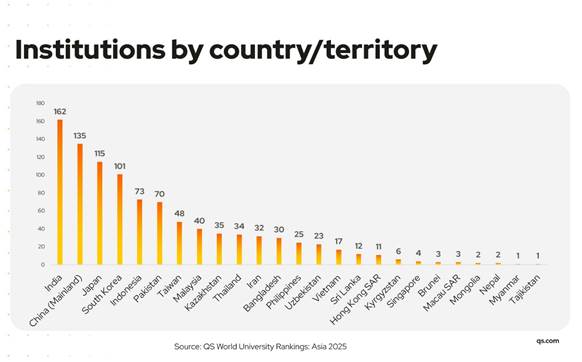
This ranking assesses 984 institutions covering 25 countries in Eastern, Southern, South-Eastern and Central Asia. The QS World University Rankings: Asia 2025 allows institutions and students to make direct comparisons on institutional performance within their region, with a more granular approach to metrics. Ranng
India stands out with the highest number of institutes in the latest rankings, showcasing a diverse array of both emerging and well-established universities.
The country dominates the top ten universities in Southern Asia, with seven institutions making the list.
Top 50: India features two institutions — IIT Delhi (44th) and IIT Bombay (48th).
Top 100: Five institutions, including IIT Madras (56), IIT Kharagpur (60), Indian Institute of Science (62), IIT Kanpur (67), and University of Delhi (81), showcase India’s robust academic standing.
Top 150: Institutions such as IIT Guwahati, IIT Roorkee, Jawaharlal Nehru University, Chandigarh University (120), UPES (148), and Vellore Institute of Technology (150) highlight the depth of quality education.
Indian Institute of Technology Delhi (IITD) has achieved the highest ranking for India, moving up to 44th place from 46th last year, with an impressive employer reputation score of 99%.
Indian Institute of Technology Bombay (IITB) follows closely at 48th and boasts an employer reputation score of 99.5% and an academic reputation score of 96.6%.
The University of Delhi has improved its ranking, moving up from 94th to 81st, achieving a high score of 96.4% in the International Research Network.
Anna University achieved a perfect score of 100 in the Papers Per Faculty indicator, emphasizing high research output.
15 universities scored above 99% in the staff with PhD indicator, underscoring the high standard of education and teaching.
North Eastern Hill University and University of Agricultural Sciences, Bangalore attained a perfect score of 100 in faculty-student indicator, demonstrating top-tier academic credibility.
The Indian education sector has made impressive strides, both globally and within Asia, as evidenced by the QS World University Rankings 2025. India earlier saw the inclusion of 46 institutions in the 2025 edition compared to just 11 in 2015 edition showcasing a 318 per cent increase in last 10 years among G20 nations. This growth underscores India’s commitment to fostering academic excellence and enhancing global competitiveness. India’s educational landscape shines as a model of growth and resilience at Asia level also with two institutions in the top 50 and seven in the top 100 in Southern Asia region. Led by the Indian Institute of Technology Delhi (IITD), ranked 44th, India showcases strengths in key areas such as “Papers per Faculty” and “Staff with PhD,” underlining its dedication to quality education and impactful research. This achievement emphasizes India’s ability to balance research productivity with high-caliber teaching, establishing it as a formidable competitor among global education powerhouses and solidifying its reputation as an emerging hub for higher learning in Asia.
For more detailed information on the QS World University Rankings, please visit:
National Education Day is celebrated on November 11 every year in honor of Maulana Abul Kalam Azad, the first Education Minister of independent India and a prominent educationist. This day highlights the importance of education in shaping India’s future. With 65% of the nation’s population under the age of 35, it is crucial to provide them with opportunities for quality education and skills development. The Government of India is dedicated to building strong education infrastructure that fosters the holistic development of students and empowers the youth to drive the nation towards progress.
Transforming India through Education
The Government of India has taken significant strides to promote access to education through various initiatives and constitutional provisions. The introduction of free primary education, reinforced by the 86th Amendment of the Constitution through Article 21-A, guarantees free and compulsory education for children aged six to fourteen as a Fundamental Right. The Rights to Education (RTE) Act, 2009, which came into effect on April 1, 2010, further supports this by ensuring that every child receives quality elementary education in a formal school that meets prescribed norms. These legal frameworks, backed by government schemes and initiatives, reflect India’s commitment to building an inclusive and equitable educational system for all.
NEP 2020: Under the dynamic leadership of Prime Minister Narendra Modi, the Union Cabinet of India approved the National Education Policy (NEP) 2020 on July 29, 2020. The NEP seeks to overhaul India’s education system to better align with the needs of the 21st century, fostering a more inclusive and forward-thinking approach.[3]
PM SHRI: Prime Minister Shri Narendra Modi approved the PM SHRI Schools (PM Schools for Rising India) scheme on 7th September 2022. The initiative aims to strengthen over 14,500 schools across India, showcasing the components of the National Education Policy 2020. The scheme will foster quality education, cognitive development, and 21st-century skills in students. With a total project cost of ₹27,360 crore, it will be implemented over five years (2022-2027), with a central share of ₹18,128 crore.[4]
Samagra Shiksha: Aligned with the NEP 2020 recommendations, Samagra Shiksha aims to provide quality education with an inclusive and equitable classroom environment for all children, addressing their diverse backgrounds and needs. The scheme, launched on April 1, 2021, will continue for five years, ending on March 31, 2026. It focuses on fostering active participation and enhancing academic abilities across various student groups.[5]
PRERNA: Launched its pilot phase from January 15, 2024, to February 17, 2024, at a vernacular school in Vadnagar, Gujarat. The initiative is a week-long residential program designed for selected students from class IX to XII. It aims to offer an experiential and inspirational learning experience, blending heritage with innovation through state-of-the-art technology. Each week, a batch of 20 students (10 boys and 10 girls) from across the country will participate in the program.[6]
ULLAS: Also known as Nav Bharat Saaksharta Karyakram (New India Literacy Programme – NILP), ULLAS was launched by the Government of India for the period FY 2022-2027. This centrally sponsored initiative aligns with the National Education Policy (NEP) 2020 and aims to empower adults aged 15 and above, especially those who missed out on formal schooling. The program seeks to enhance their literacy, enabling them to better integrate into society and actively contribute to the nation’s development.[7]
NIPUN Bharat: The National Initiative for Proficiency in Reading with Understanding and Numeracy (NIPUN Bharat) was launched by the Department of School Education & Literacy on 5th July 2021. The mission aims to ensure that every child in the country achieves foundational literacy and numeracy by the end of Grade 3, with a target completion by 2026-27.[8]
Vidya Pravesh: The VIDYA PRAVESH guidelines for the Three-month Play-based School Preparation Module for Grade-I children were released on 29th July 2021. The initiative aims to provide a warm and welcoming environment for children entering Grade-I, ensuring a smooth transition and fostering a positive learning experience.[9]
Vidyanjali: The School Volunteer Management Program, launched by Prime Minister Shri Narendra Modi on 7th September 2021, aims to enhance the quality of education in schools by fostering community involvement, and encouraging contributions from corporate social responsibility (CSR) initiatives and the private sector across the country.[10]
DIKSHA: It was launched on 5th September 2017 by Hon’ble Vice President of India, Shri M. Venkaiah Naidu. The platform aims to enhance teacher training and professional development by accelerating innovative solutions and experiments in education. DIKSHA empowers states and Teacher Education Institutes (TEIs) with the flexibility to customize the platform to meet their specific needs, benefiting teachers, teacher educators, and student teachers across the country.[11]
SWAYAM Plus: SWAYAM Plus, which was officially launched on 27th February 2024 by Shri Dharmendra Pradhan, Hon’ble Minister of Education. The initiative seeks to revolutionize higher education and improve employability by implementing an innovative credit recognition system for industry-relevant courses, emphasizing skill development, employability, and forging stronger industry partnerships.[12]
NISHTHA: The NISHTHA (National Initiative for School Heads’ and Teachers’ Holistic Advancement), launched by the Ministry of Education on 21st August 2019, aims to enhance the professional development of 42 lakh elementary teachers and school heads. In response to the COVID-19 pandemic, the program was transitioned to NISHTHA-Online on 6th October 2020, delivered through the DIKSHA platform. Building on this success, in 2021-22, NISHTHA 2.0 was launched for secondary school teachers, while NISHTHA 3.0, focusing on Foundational Literacy and Numeracy, was introduced on 7th September 2021.[13]
NIRF Ranking: The National Institutional Ranking Framework (NIRF), launched by the Ministry of Education on 29th September 2015, marked a pivotal step toward enhancing the quality and accessibility of higher education in India. NIRF introduced a structured and transparent system for assessing and ranking universities, colleges, and other institutions, fostering healthy competition and encouraging improvements in education and infrastructure.[14]
PM-Vidyalaxmi scheme: The Union Cabinet, led by Hon’ble PM Shri Narendra Modi, has approved the PM-Vidyalaxmi scheme to support meritorious students by providing financial assistance for quality higher education. This scheme offers education loans for students admitted to the top 860 institutions across India, benefiting over 22 lakh students each year. With a budget allocation of Rs. 3,600 crore from 2024-25 to 2030-31, the scheme aims to assist an additional 7 lakh students. Implemented through a fully digital, transparent, and student-centric platform, PM-Vidyalaxmi ensures easy access and smooth interoperability for students nationwide.[15]
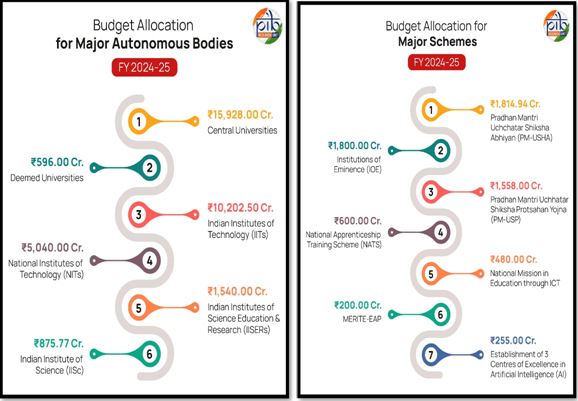
India’s path to global leadership is closely linked to the strength of its education system. To expand access to quality education and build a resilient learning environment, the Department of School Education & Literacy has been allocated a record ₹73,498 crore in the FY 2024-25 budget. This represents a substantial increase of ₹12,024 crore (19.56%) over the Revised Estimate for FY 2023-24, highlighting the government’s commitment to bolstering the education sector.
Notably, the highest-ever allocations have been made to key autonomous bodies, with ₹ 9,302 crore allocated to Kendriya Vidyalayas (KVS) and ₹ 5,800 crore to Navodaya Vidyalayas (NVS). This substantial investment reflects a clear intent to further elevate India’s education system.
For FY 2024-25, the Department of Higher Education’s budget allocation is set at Rs. 47,619.77 crore, with Rs. 7,487.87 crore dedicated to schemes and Rs. 40,131.90 crore for non-scheme expenses. This reflects a significant increase of Rs. 3,525.15 crore, or 7.99%, over the previous fiscal year. Notably, the allocation for specific schemes has risen by Rs. 1,139.99 crore, underscoring a strengthened focus on targeted initiatives within higher education.
Increase in Enrolment in Higher Education Institutions: AISHE Report 2021-22[17]
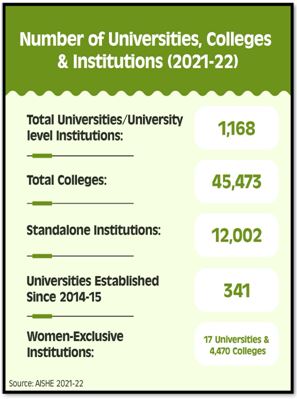
The Ministry of Education, Government of India, released the All India Survey on Higher Education (AISHE) 2021-2022 in January 2024. Since its inception in 2011, AISHE has been collecting comprehensive data from all registered Higher Educational Institutions (HEIs) across the country, covering key parameters such as student enrolment, faculty, and infrastructure. The survey highlights significant improvements over the years, reflecting the positive advancements in India’s education sector, with increased enrolment, enhanced inclusivity, and stronger infrastructure, contributing to a more robust and dynamic higher education system.
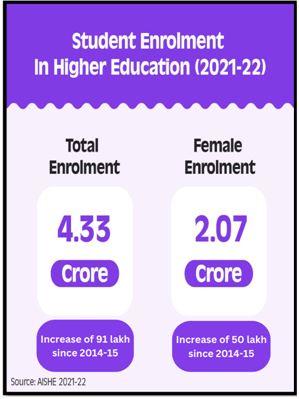
Female enrolment has also shown remarkable growth, rising from 1.57 crore in 2014-15 to 2.07 crore in 2021-22, an increase of 32%. The enrolment of students from disadvantaged groups, including SC, ST, OBC, and minorities, has grown significantly, with notable increases in female enrolment across all categories. In 2021-22, the Gender Parity Index (GPI) reached 1.01, reflecting a consistent trend of more female students enroling in higher education than males.
In terms of fields of study, enrolment in STEM disciplines has seen a steady rise, with 98.5 lakh students enroled in UG, PG, and Ph.D. levels in 2021-22. Despite challenges, women are leading in disciplines such as Medical Science, Social Science, and Arts. The dropout rate at the secondary level has also decreased significantly from 21% in 2013-14 to 13% in 2021-22.
In FY 2024-25, the Department of Higher Education saw a budget increase of ₹3,525.15 crore (7.99%) compared to FY 2023-24, underlining the government’s commitment to further strengthening the higher education sector and supporting inclusive growth.
Conclusion
Education holds the power to break barriers, open doors of opportunity, and empower individuals to contribute meaningfully to society. India’s educational landscape has evolved significantly, building a robust system through continuous innovation and comprehensive reforms. By embracing a holistic, 360-degree approach that integrates new ideas, technologies, and teaching methods, India is creating an environment where youth can thrive, transforming them into key assets for the nation’s growth. As we honor the legacy of Maulana Abul Kalam Azad, let us reaffirm our commitment to education as the cornerstone of a brighter, more inclusive future for all.
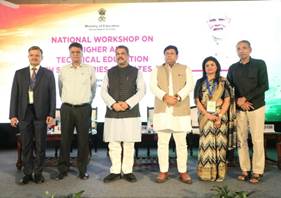
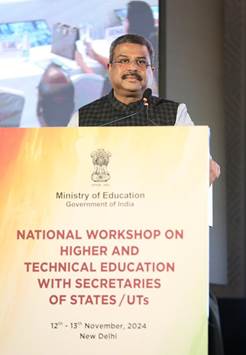
Union Minister for Education, Shri Dharmendra Pradhan, inaugurated a two-day National Workshop on Higher and Technical Education with Secretaries of States/UTs in New Delhi today. Minister of State for Education and the Development of North Eastern Region, Dr. Sukanta Majumdar, was also present at the event. Secretary, Department of Higher Education, Shri K. Sanjay Murthy; Additional Secretary, Department of Higher Education, Shri Sunil Kumar Barnwal; Chairman, UGC, Prof. M. Jagadesh Kumar; Joint Secretary, Department of Higher Education, Smt. Manmohan Kaur; Secretaries of States/UTs, academicians, Head of the Institutes, and officials of the Ministry were also present.
While addressing the event Shri Pradhan said that the workshop will serve as a platform for rigorous academic brainstorming, particularly how education can bring substantive improvements in furthering ease of living, enhancing per capita income and achieving national priorities set by Prime Minister Shri Narendra Modi. He also said that the country has to become a producing economy by utilising the opportunities presented by Industry 4.0 and leapfrog and develop the education infrastructure that surpasses global standards. Education infrastructure is a multi-dimensional concept and beyond just developing brick-and-mortar structures, he added.
The Minister suggested five key areas for the academic leaders and administrators to focus on. These were strengthening public universities through innovative modes of funding; setting up think tanks for aligning and tailoring curriculum as per the demand of industry and also as per the needs and aspirations of states/UTs; adopting a multidisciplinary approach to research and innovation for assuming leadership in solving global problems; promoting Academic Leadership Development Programmes in each state/UT through collaborations with eminent central/state institutions; and reviving vibrancy of campus life through sports, debate, poetry, drama, performing arts (already creditized through NEP) and giving primacy to these non-scholastic areas.
Shri Pradhan also emphasised the importance of teaching in Indian languages. Stressing the accountability towards the students of the country, he said everyone will have to work together to establish India’s global leadership in education.
Dr. Sukanta Majumdar, in his address, expressed his gratitude to Prime Minister Shri Narendra Modi for his vision to reshape India’s educational landscape through the National Education Policy (NEP) 2020. NEP is not just a policy; it is a roadmap to make India a global knowledge superpower, he added. Highlighting the five pillars of NEP 2020, which are access, equity, quality, affordability, and accountability, Dr. Majumdar said that these are the foundation for a modern, inclusive, and globally competitive education system. He urged the states and UTs to adopt NEP 2020 in both its letter and spirit. By implementing the policy, states can foster economic growth, build a skilled workforce, and enhance innovation and technological advancement, he said.
Shri K. Sanjay Murthy, in his address, set the context for the workshop. He briefly described the 14 technical sessions that would be held during the event. He also highlighted the key factors that emerged from serious deliberations over the past three years and mentioned that twenty guidelines have been developed, providing a framework for the universities. Additionally, he expressed his gratitude to Shri Dharmendra Pradhan for spearheading the implementation of NEP 2020 and for offering valuable guidance through his insights.
The objective of this workshop is to disseminate various approaches and methodologies to implement NEP 2020; effectively articulate the roadmap and implementation strategies, fostering knowledge exchange; provide a common platform for all stakeholders to come together and network for effective and smooth implementation of the NEP 2020 and encourage its adoption in state institutions, paving the way for a more robust, inclusive, and globally competitive education system across India.
Adopting NEP 2020 offers numerous benefits for states’ higher education systems. It can drive economic growth by creating a more skilled workforce, attracting investments, and boosting development. By aligning higher education with international standards, it enhances the global competitiveness of states’ education systems, potentially attracting more international students and collaborations. The policy’s emphasis on research and a multidisciplinary approach fosters innovation ecosystems within states, leading to technological advancements and economic benefits.
Successful implementation of NEP 2020 in higher education requires active participation and commitment from state governments. By leveraging central government schemes and aligning state policies with NEP 2020, states have the opportunity to transform their education systems to meet the challenges of the 21st century while preserving their unique cultural identities.
During this two-day workshop, 14 technical sessions on the themes of NEP 2020 Implementation – Challenges and Roadmap; Technology in Education; Collaboration in Education; Digital Governance; Capacity Building & Leadership; and Financing of Higher Education are going to be held by eminent panellists.
More than 1.76 crore school students from all 36 States and UTs have participated enthusiastically in Project Veer Gatha 4.0. The students have sent poems, paintings, essays, videos, etc. in honour of the acts of bravery and sacrifice of the officers/personnel of the Armed Forces.
Project Veer Gatha was instituted in 2021 with the aim of disseminating the inspiring tales of valour, selfless sacrifice and courage of the Gallantry Awardees and the life stories of these bravehearts among the students to inculcate the spirit of patriotism amongst them. Project Veer Gatha enhanced this noble aim by providing a platform for the school students to do creative projects/activities based on heroic deeds and sacrifice of gallantry award winners.
Three editions of the Veer Gatha Project have been conducted in 2021, 2022 and 2023, respectively. Under the Veer Gatha Project 4.0, the following activities have been conducted till date:
Activities at the School Level: Schools have conducted various projects/activities (from 16.09.2024 to 31.10.2024) and have uploaded a total of 4 best entries from each school, on the MyGov portal.
Simultaneously, to enrich the knowledge about the gallant heroes and unsung stories among school students, the Ministry of Defence, through its field organisations or Army/Navy/Air Force, has organized virtual meets/face-to-face awareness programmes/sessions for schools across the country.
Since its inception, the project has witnessed increasing participation of students across the country. It may be noted that 8 lakh students had participated in the Veer Gatha Project (Edition-I); 19.5 lakh students participated in the second edition and the third edition saw a participation of 1.36 crore students.
During the Veer Gatha Project Editions I and II, 25 winners (Super 25) were selected and their felicitation was done by the Ministry of Education and Ministry of Defence in New Delhi. In Veer Gatha Project 3.0, 100 winners (Super 100) were selected at the National Level. This year too, under Project Veer Gatha 4.0, 100 winners will be selected and their felicitation will be done jointly by the Ministry of Education and Ministry of Defence in New Delhi. Each winner will be awarded a cash prize of Rs. 10,000. Also, there will be 4 winners each at the District level and 8 winners each at the State/UT level and all such winners will be felicitated by the respective District & State/UT.
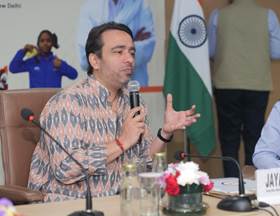
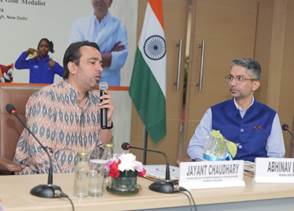
Union Minister of State for Skill Development and Entrepreneurship (Independent Charge) and Minister of State for Education, Shri Jayant Chaudhary, interacted with young athletes and para-athletes from Kendriya Vidyalayas and Navodaya Vidyalayas, who have excelled in various national and international sports events today. The first Indian to win an individual Olympic Gold and the first Indian to win a World Championship Gold in Air Rifle shooting, Shri Abhinav Bindra was also present at the event. Secretary, Department of School Education & Literacy, Shri Sanjay Kumar; Commissioner, KVS, Smt. Nidhi Pandey, and other officials of the Ministry of Education, KV and NV were also present at the event. Fourteen award-winning student-athletes interacted with the Minister and Shri Bindra, and hundreds of students and teachers from KV and JNV connected virtually in the event.
Shri Jayant Chaudhary, during his address, highlighted that the day was dedicated to celebrating the achievements of the student-athletes and expressed gratitude to Shri Bindra for sharing his insights. He stressed that sporting champions are not necessarily made on the field alone; a specific mindset, structured approach, and discipline are essential for achieving success on the field. He mentioned that both the Ministry of Education and the Ministry of Skill Development and Entrepreneurship are keen on providing exposure to various streams at a young age. Using Shri Bindra as an example, he underscored the importance of reinventing oneself and embracing lifelong learning, as emphasized in the NEP 2020.
Shri Abhinav Bindra, while interacting with the students emphasised how sports play an important role in education and expressed his gratitude to the Minister for conceiving this programme that will motivate the students. He briefly described his 22-year-long journey and the learning that he received during it. Sports taught him not about wins and losses, the importance of hard work, integrity and honesty, listening intently, respecting rules, competitors, outcomes, and self-respect, he stressed. He also mentioned three Olympic values: Excellence, Respect, and Friendship.
Shri Sanjay Kumar expressed his gratitude to Shri Jayant Chaudhary for envisioning the programme and noted that the presence of Shri Bindra among the children would serve as a source of motivation. He also highlighted how the key components and vision of the National Education Policy 2020 are being implemented in Kendriya Vidyalayas and Navodaya Vidyalayas to ensure a bright future for the students of the country.
Fourteen student-athletes—six from KV and eight from NV—shared their achievements and experiences with the dignitaries, who commended and appreciated their efforts. Additionally, several students who participated virtually had the opportunity to ask their questions to Shri Bindra, who thoughtfully addressed each of their queries.
Department for Promotion of Industry and Internal Trade (DPIIT) today celebrated the 8th anniversary of 4 new industrial corridors namely Amritsar-Kolkata Industrial Corridor (AKIC), Chennai-Bengaluru Industrial Corridor (CBIC), East Coast Economic Corridor (ECEC), and Bengaluru-Mumbai Industrial Corridor (BMIC) being added to India’s Industrial landscape— that have accelerated India’s journey towards becoming a global manufacturing powerhouse.
Earlier, India’s first corridor Delhi Mumbai Industrial Corridor (DMIC) spanning Uttar Pradesh, Haryana, Rajasthan, Madhya Pradesh, Gujarat and Maharashtra was solely leading the Silent Industrial revolution in the country.
Approved on 20 November 2019, these corridors represent the Government of India’s pioneering vision to boost manufacturing and drive planned urbanization nationwide, creating significant socio-economic benefits.
The establishment of these corridors has been a critical step toward transforming India’s industrial landscape. Spread across key regions in India, each corridor was strategically designed to integrate industry and infrastructure, establishing world-class connectivity that supports rapid industrialization. With high-speed rail networks, modern ports, dedicated logistics hubs, and advanced airports, these corridors are setting new standards in infrastructure development.
Each of the five corridors has played a distinctive role in shaping India’s economic narrative:
Delhi-Mumbai Industrial Corridor (DMIC) has emerged as a flagship of industrial and urban development. Anchored by advanced infrastructure, DMIC’s Dholera Special Investment Region in Gujarat, Shendra-Bidkin Industrial Area in Maharashtra, Integrated Industrial Townships- Greater Noida and Vikram Udyogpuri have created a benchmark in high-tech manufacturing, offering ‘plug-and-play’ infrastructure that facilitates ease of doing business. As a joint initiative between Japan and India, DMIC also exemplifies international collaboration for industrial growth.
Amritsar-Kolkata Industrial Corridor (AKIC) connects Delhi, Amritsar, and Kolkata, spanning over 1,800 km and impacting 20 cities. This corridor benefits 40% of India’s population, supporting regional industrial development in one of the world’s most densely populated areas. Regions like Khurpia in Uttarakhand and Rajpura-Patiala in Punjab have seen a surge in industry interest, driven by tailored investment incentives and robust connectivity.
Chennai-Bengaluru Industrial Corridor (CBIC) is planned to achieve accelerated development and regional industry agglomeration in the states of Tamil Nadu, Karnataka and Andhra Pradesh. It is enhancing trade between East Asia and Southern India, with nodes stretching from Chennai to Bengaluru, and planned extensions to Mangalore.
East Coast Economic Corridor (ECEC), India’s first coastal corridor, has amplified the nation’s trade and export capacities. Several ports located across the corridor not only serve as international gateways but, more importantly, act as critical links in the supply chain. By supporting logistics, packaging, and other services for production clusters and distribution centers, they are a valuable source of economic activity and development. The Vizag-Chennai Industrial Corridor (VCIC) has been designated as the first phase of the ECEC.
Bengaluru-Mumbai Industrial Corridor (BMIC) has prioritized regions with high industrial potential, such as Dharwad in Karnataka and Satara in Maharashtra. As one of the latest corridors, BMIC is establishing high-tech, multi-modal logistics and manufacturing hubs that complement existing industrial zones, ensuring balanced regional development and bridging the north-south economic axis.
On 28 August, 2024, the Cabinet Committee on Economic Affairs chaired by the Prime Minister Shri Narendra Modi approved 12 new project proposals under the National Industrial Corridor Development Programme (NICDP) with an estimated investment of Rs. 28,602 crore. Spanning across 10 states and strategically planned along 6 major corridors, these projects represent a significant leap forward in India’s quest to enhance its manufacturing capabilities and economic growth.
Some of these new projects are situated directly on the five corridors.
On DMIC, the Dighi node in Maharashtra and Jodhpur-Pali node in Rajasthan will amplify the corridor’s capacity for high-tech manufacturing and logistics.
On AKIC, Khurpia in Uttarakhand, Rajpura-Patiala in Punjab, Agra and Prayagraj in UP, Gaya in Bihar will further integrate northern states into the nation’s industrial landscape, leading to inclusive regional economic growth.
On CBIC, Palakkad in Kerala will enhance connectivity with southern manufacturing hubs, promoting trade and export potential.
On ECEC, The nodes of Kopparthy and Orvakal in Andhra Pradesh will strengthen coastal supply chains, bridging export-driven industries with inland clusters.
These industrial smart cities, like jewels in India’s economic necklace, represent the next generation of connected, self-sustaining hubs that will support local communities and elevate India’s global standing. As the nation marks five years of significant industrial progress, the recent approval of 12 new nodes signals a strong future for India’s industrial landscape, strengthening the country’s capacity for innovation, self-reliance, and sustainable economic development.
As India celebrates this milestone, the significance of the industrial corridors becomes ever more evident. These corridors are not just roads and factories; they are arteries of growth, pumping life into the nation’s industrial ambitions. They are a testament to India’s potential and its commitment to innovation, resilience, and progress. As the nation steps into the future, the corridors stand as both a foundation and a promise of what lies ahead.
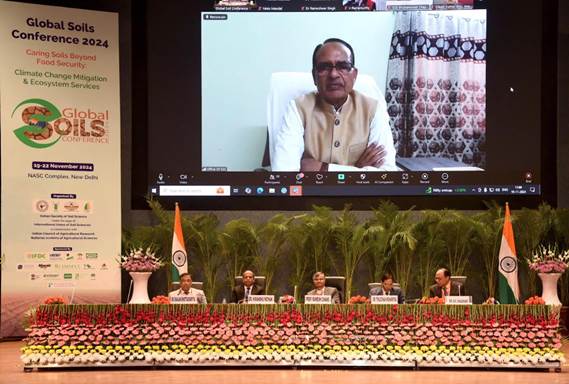
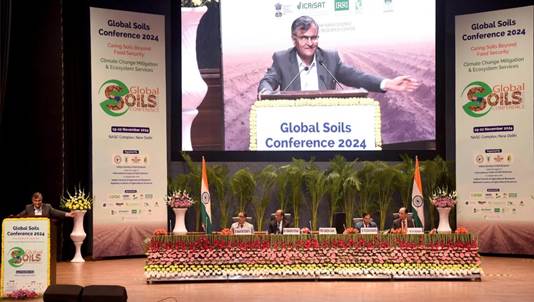
Union Agriculture & Farmers’ Welfare and Rural Development Minister Shri Shivraj Singh Chouhan addressed the Global Soils Conference 2024 organized in PUSA New Delhi today through video conferencing. Union Agriculture minister said that the basic mantra of Indian culture is the belief in a shared consciousness among all beings. Our sages have taught that there is only one universal consciousness in everyone; hence, the whole world is one family, and we should treat everyone as our own. This consciousness is not limited to humans but extends to animals as well. He also added that it is also present in the soil, emphasizing that soil is not lifeless but living.
Shri Chouhan stated that our body is made up of various elements, among which soil is a major component and only if there is soil, there is life. If the soil becomes unhealthy, living beings cannot remain healthy either. We complement each other, so it is essential to ensure that the soil remains healthy. Today, the whole world is concerned about the health of the soil. This earth does not belong to us alone; animals and plants also have rights to it, Shri Chouhan added. He also emphasized that soil health is a matter of serious concern today. India has made remarkable progress in agriculture since independence. At one time, there was a shortage of food grains in the country, and food had to be imported from other nations. However, the Green Revolution brought about a significant transformation in India, the union minister added. The adoption of high-yielding crops and their varieties, better irrigation techniques, and modern agricultural systems have ensured food security for millions of Indians. Following this, the Rainbow Revolution further diversified agriculture through horticulture, dairy, aquaculture, poultry, and other sectors, making agriculture a main pillar of the Indian economy. “I am pleased to share that India now produces 330 million tonnes of food grains annually, contributing significantly to global food trade and generating $50 billion in export earnings” the union Agriculture minister said.
Shri Chouhan also added that increasing use and dependence on chemical fertilizers, indiscriminate exploitation of natural resources and unstable weather have put pressure on the soil. Today India’s soil is facing a major health crisis. According to many studies, 30 percent of our soil has been spoiled. Soil erosion, salinity, pollution are reducing the level of essential nitrogen and micro nutrients in the soil. The lack of organic carbon in soil has weakened its fertility and resilience. These challenges not only affect production but will also create livelihood and food crisis for farmers in the times to come, Union Minister said. Our government has taken many initiatives for soil conservation and which leads to higher soil fertility. Making Soil Health Card was started in 2015 under the leadership of Prime Minister Shri Narendra Modi. More than 220 million cards have been made and given to farmers. And Farmers now know which fertilizer to use in what quantity through the soil health card. Under Pradhan Mantri Krishi Sinchai Yojana- Per Drop More Crop, we have focused on judicious use of water, reducing wastage and reducing peak nutrient residues. An organic basic development compilation has been created for the North East and farmers in these 8 states are being motivated to adopt organic farming practices while protecting the biodiversity of the ecologically sensitive area. The work of making natural farming a mission is also going on in India. He also said that chemical fertilizers are not only deteriorating the health of the soil but also the health of humans and animals. To maintain soil fertility, integrated nutrient and water management methods will have to be adopted. We should take all measures to improve soil health, reduce soil erosion and water storage capacity through various methods like micro irrigation, crop diversification, agro-forestry etc.
Shri Shivraj Singh Chouhan said that the role of solution and extension systems of scientific innovations on war footing is important. Krishi Vigyan Kendras of India, in collaboration with agricultural technology management agencies, are also working to provide knowledge and skills to farmers. The lab to land distance between science and farmers has to be reduced. We are continuously making efforts to ensure timely delivery of correct information from scientists to farmers. Krishi Vigyan Kendra is also making many efforts in this direction. Shri Chauhan added that we are also going to start the program of Modern Agriculture Chaupal soon in which scientists will continuously discuss with the farmers and give information and also solve the problems. Apart from this, private and NGO led extension services have brought advanced technology to the farmers and farmers are now taking advantage of it.
The Union Agriculture Minister also added that farmers are the biggest guardians of the soil and we have to empower them through education, encouragement and modern scientific information. Youth should also be included in this. Agriculture is a profitable and respectable profession; there is a need to encourage the youth for this also. Women students and researchers should play a leading role in developing innovations that address local and global soil challenges. He said that soil erosion is not only a national issue but a matter of global concern which is a part of the Sustainable Development Goals of the United Nations. It is essential to achieve the SDGs. The conference is an opportunity for nations to collaborate, share technologies and work towards sustainable land management. I urge all participants to consider solutions that can be implemented on a large scale that will benefit not only the farmer, but entire humanity and the entire fauna and trees. I call upon scientists, stakeholders, policy makers, industry representatives, NGOs and students to join hands in the mission to restore soil health. The Government of India is committed to supporting initiatives that ensure sustainable and profitable agriculture, resilient ecosystems and food security for all. Together we pledge to ensure a sustainable future for all living beings and future generations, Shri Chouhan concluded.
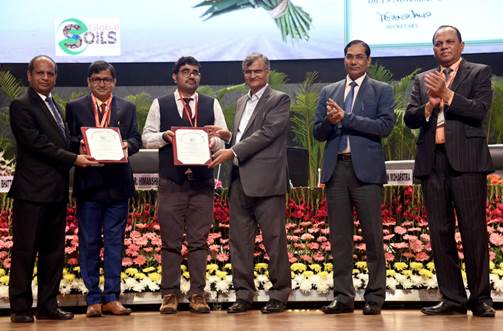
Prof.Ramesh chand, Member of NITI Aayog, Dr.Trilochan Mohapatra, chairperson Protection of Plant Varieties and Farmers’ Rights Authority, and former Secretary DARE and DG ICAR, Dr Himanshu Pathak, Secretary DARE and Director General, ICAR&President ISSS were present at the function.
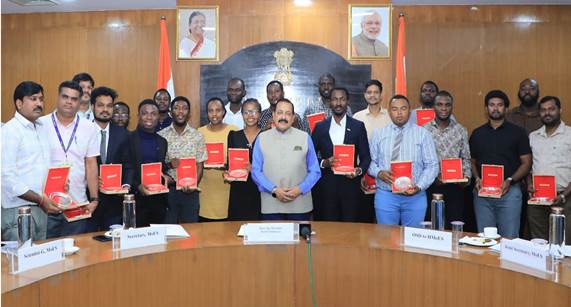
In a move highlighting India’s commitment to sustainable ocean development, Union Minister of State (Independent Charge) for Science and Technology, Minister of State (Independent Charge) for Earth Sciences, MoS PMO, Department of Atomic Energy, Department of Space, Personnel, Public Grievances and Pensions, Dr Jitendra Singh felicitated international trainees from six countries including Nigeria, Kenya, Sri Lanka, Tanzania, Ghana and Jamaica, who had completed a specialised trading programme in Ocean Exploration.
The event, organized with the International Seabed Authority (ISA), celebrated the completion of advanced seabed exploration training and underscored India’s dedication to environmental stewardship, international collaboration, and resource-sharing.
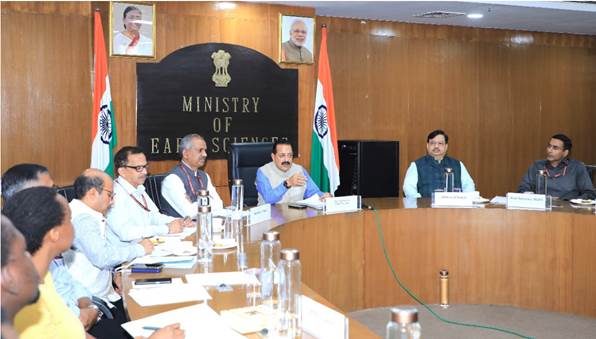
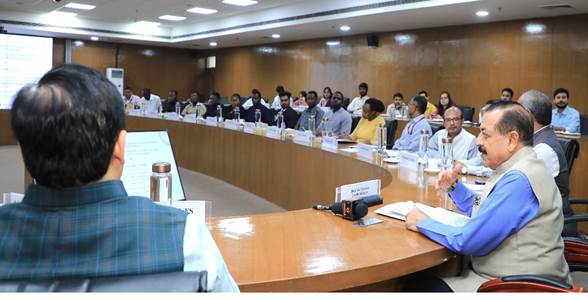
In a significant address at New Delhi’s Ministry of Earth Sciences, Union Minister Dr. Jitendra Singh recognized a group of international trainees who had completed a specialized training program focused on polymetallic nodules (PMN) and polymetallic sulphides (PMS) exploration. This training, facilitated by the ISA, attracted participants from nations including Ghana, Kenya, Nigeria, Jamaica, Sri Lanka, and Tanzania, underscoring India’s role as a hub for sustainable marine exploration and capacity building.
Dr. Jitendra Singh began by welcoming the trainees on behalf of the Government of India, congratulating them on successfully completing the rigorous program. He emphasized India’s leadership in responsible seabed exploration, framing the training as an opportunity to build a network of skilled professionals dedicated to environmental sustainability. “You are not only trainees; you are ambassadors of a sustainable future,” he said, encouraging participants to use their expertise to champion marine conservation in their home countries.
During his address, Dr. Jitendra Singh outlined India’s approach to seabed mining, defined by four guiding principles: sustainable utilization of seabed minerals for the common good, strict adherence to marine environmental protection, the development of seabed mineral regulations, and alignment with the United Nations Convention on the Law of the Sea (UNCLOS). India, he reiterated, is “fully dedicated to safeguarding marine ecosystems while pursuing responsible exploration to benefit humanity.”
As a signatory of the UNCLOS since 1982, India has maintained a strong voice in the ISA, which was established in 1994 to oversee mineral-related activities in the international seabed area. India holds two of the 31 ISA exploration contracts, covering PMN and PMS mining, and is committed to following strict protocols for environmental impact assessment, from preliminary exploration to the post-extraction phases. These actions position India as a global leader in the environmentally responsible development of ocean resources.
The Minister observed that the training program aligns closely with Prime Minister Narendra Modi’s “Blue Economy” policy, which prioritizes the sustainable use of ocean resources for economic growth, job creation, and improved livelihoods. The Blue Economy initiative aims to harness ocean wealth responsibly; ensuring benefits reach local communities without compromising the health of marine ecosystems.
Dr. Jitendra Singh reiterated India’s stance that true economic progress comes from a balance between development and environmental conservation.
The training modules covered diverse aspects of sustainable seabed exploration, including advanced exploration technologies, remote-operated vehicles, deep-sea mapping, mineral sample analysis, and environmental impact assessment methods.
Dr. Jitendra Singh encouraged the trainees to foster networks with their Indian peers and return home with India’s commitment to both technological innovation and environmental responsibility. India’s ongoing role as a mentor in ISA programs reflects its dedication to supporting other nations in developing a skilled workforce capable of managing marine resources sustainably, he said.
Addressing the trainees, Dr. Jitendra Singh added, “You have become a part of India’s extended scientific community. This partnership in knowledge-sharing represents our commitment to a collaborative, sustainable future in marine science.”
Attendees included senior officials, scientists, and other dignitaries from the Ministry of Earth Sciences, all of whom shared Dr. Jitendra Singh’s optimism for the program’s impact. The Minister invited the trainees to continue providing feedback on their experiences, noting that their insights could further refine and enhance India’s role in international training programs. He also emphasized the importance of these collaborations, calling the trainees “global messengers of ocean conservation” with the potential to shape their countries’ approaches to seabed mining.
Dr. Jitendra Singh concluded the event by reaffirming India’s intent to deepen its partnerships with ISA and other international entities to ensure a sustainable marine environment for future generations. He expressed hope that India’s efforts would inspire other nations to adopt similar frameworks for responsible ocean exploration, setting the stage for greater international cooperation in marine science and environmental protection.
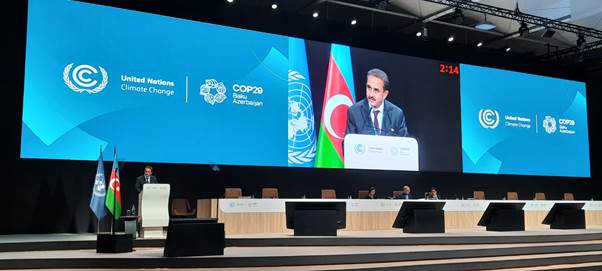
Delivering India’s National statement at the High-level Segment of the CoP29 of UN Climate Change Conference at Baku, Azerbaijan today, Union Minister of State for Environment, Forest and Climate Change, Shri Kirti Vardhan Singh called the CoP as historic and called all Nations to put up a collective fight against Climate Change, under UNFCCC and its Paris Agreement. He said, “What we decide here, will enable all of us, particularly those in the Global South, to not only take ambitious mitigation action but also adapt to Climate Change. This CoP is historic in this context”.
The Minister reiterated that the decisions on this forum should be guided by the core principles of Equity, Climate Justice and Common but Differentiated Responsibilities and Respective Capabilities provided in the UNFCCC and its Paris Agreement. The context of different national circumstances, sustainable development goals and poverty eradication, particularly in respect of the Global South should not be lost sight of, he added.
India’s statement noted that the high Carbon Emission Development Pathways of the Global North in past have left very little carbon space for the Global South. However, it read, the growth trajectories for fulfilling the primary needs of sustainable development and poverty eradication cannot be compromised. The Minister asserted, “Despite not contributing to the problem, we in the Global South are bearing huge financial burden on account of climate actions for mitigation on the one hand, and losses and damages caused by climate change on the other, thus severely limiting our capacity to meet our developmental needs. But these have not dampened India’s resolve and commitment to take ambitious climate actions.”
Informing the gathering about India’s initiatives towards combating Climate Change, Shri Singh said that the country has achieved the 2015 NDC targets on emission intensity reduction and non fossil based installed electricity generation capacity much earlier than 2030 and have further enhanced its ambition. The Minister talked about how India’s Renewable Energy Capacity has nearly tripled from its 2014 levels and the country is on the course to achieve the 500 GW target by 2030. Further, he said, “India has launched the Mission LiFE- Lifestyle for Environment to encourage the sustainable lifestyle practices at the global level. Mission LiFE inspires individuals, communities and societies to exercise choices and behaviours that focus on mindful utilisation of resources.”
Talking about how India is at the forefront of pro-planet actions, Shri Singh stated, “The campaign – ‘Ek Ped Maa ke Naam’ – was launched by Prime Minister Shri Narendra Modi, on World Environment Day 2024, wherein one billion saplings have been planted already. ‘Plant4Mother’, which exhorts everyone to plant a tree as a mark of love, respect and honour of our mother and Mother Earth has resonated across the spectrum because of its powerful, inspirational and emotional connect, the Minister added.
Furthermore, the Indian statement informed about its initiatives like the International Solar Alliance, Coalition for Disaster Resilience Infrastructure (CDRI), Global Biofuel Alliance, Leadership Group on Industry Transition and Resource Efficiency and Circular Economy Industry Coalition that have been launched with different partner countries, in pursuance of global climate actions.
India called out some of the developed countries that have resorted to unilateral measures making climate actions more difficult for the Global South. Raising of climate ambitions to align with Paris Temperature Goals has to be preceded by free availability of green technologies, producing them on scale and availability of finance for their deployment, particularly in the Global South. The statement read, “The emergent situation we are in, there is no option but to break all barriers to flow of technology, finances and capacity to the Global South. The theme of this CoP – ‘enabling actions and enhanced ambition’ is very relevant in this context. CoP29 is the CoP for Climate Finance – the New Collective Quantified Goals (NCQG) on Climate Finance for mobilizing climate finance for meeting the needs and priorities of Developing countries.”
In the statement, Shri Singh called for the need to appreciate that huge costs are being imposed on a Developing country like India, for undertaking the climate actions. He said, “What we decide here on NCQG must be founded on the principle of Climate Justice. The decisions must be ambitious and unambiguous, taking into consideration the evolving needs and priorities of the Developing countries, and their commitment to sustainable development and eradication of poverty.”
Reminding the gathering that the Nationally Determined Contributions (NDCs) are due for submission the next year, India stated that the breach of carbon space seems imminent towards the end of this critical decade. The statement said, “It is imperative, therefore, that the Developed countries show leadership in mitigation actions, as required under Paris Agreement, by not just advancing their net zero targets but providing enough carbon space for Developing countries like ours to develop. What we decide here will determine the course of history. I urge that all of us should work with determination towards making the CoP 29, meaningful and impactful in its outcomes. Please be assured of India’s full cooperation for a successful COP-29.”
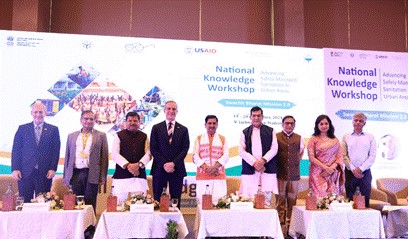
The challenges posed by rapid urbanization are vast, and safe sanitation in urban India remains one of the most pressing concerns. Under the Swachh Bharat Mission-Urban 2.0, the shift from Open Defecation Free (ODF) to ODF++ is gaining significant momentum, with cities increasingly prioritizing the advancement of safely managed sanitation systems. In line with this objective, the Ministry of Housing and Urban Affairs (MoHUA), in collaboration with the Government of Uttar Pradesh, USAID, BMGF and the WASH Institute, is organizing a two-day workshop on ‘Advancing Safe Sanitation in Urban Areas’ on November 19-20, 2024, in Lucknow.
The theme for World Toilet Day 2024, “Toilets – A Place for Peace,” highlights the importance of sanitation and sustainable solutions. MoHUA is hosting a two-day national workshop on “Advancing Safely Managed Sanitation in Urban Areas,” bringing together experts in sanitation, toilet infrastructure, and Used Water Management.
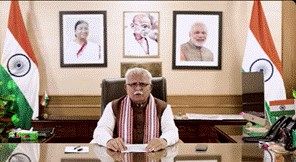
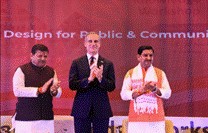
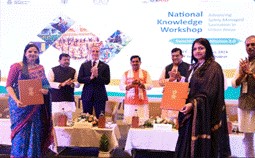
At the National Knowledge Workshop in Lucknow, Shri Manohar Lal, Minister of Housing and Urban Affairs, highlighted SBM’s achievements over the past decade. He emphasized PM Modi’s remarks on toilets improving public health, reducing infant mortality, and empowering women and girls. While acknowledging progress, he noted challenges due to rapid urbanization and called for diverse solutions. Launching the Clean Toilet Campaign 2024, he stressed that cleanliness is ongoing and urged stakeholders to maintain and repair toilets for safe sanitation.
Shri Tokhan Sahu, MoS, MoHUA, spoke on the Swachh Bharat Mission’s sanitation journey that has become a part of our Sanskar and the importance of progressing towards ODF++. Speaking on the Clean Toilet Campaign 2024, Swachh Shauchalaya Humari Zimmedari initiative, he urged the States to ensure clean, safe, and accessible toilets. He acknowledged progress but emphasized the journey is ongoing, encouraging participants to share insights and learn from challenges.
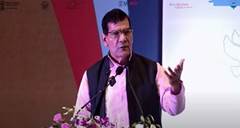
On World Toilet Day, U.S. Ambassador Eric Garcetti lauded SBM’s impact on safe sanitation and empowerment of girls. Shri Arvind Kumar Sharma and Shri Amrit Abhijat highlighted India’s sanitation shift, worker safety, and UP’s progress with mechanization and daily toilet monitoring. While addressing the delegates at the National Workshop, Ms. Roopa Mishra, JS & MD, SBM, MoHUA, stressed on journey from access to safe sanitation to sustaining & strengthening the ODF journey and prioritizing cleanliness and maintenance of urban Toilets.
The Knowledge Workshop focused on safe sanitation access, with leaders from Swachh Bharat Mission-Urban, USAID, BMGF, and the US Embassy discussing their partnership. Experts from Sulabh International, Toilet Board Coalition, and others addressed urban migration, community toilets, and sustainable sanitation. Sessions on “Manhole to Machine Hole” explored mechanization, empowering sanitation workers. MoUs were signed with HUL for a PPP model in community toilets and with Sulabh International for toilets in high-footfall areas. Design guidelines for STPs, faecal sludge management, multi-storey STPs, and PT architecture were also released. The dignitaries also toured the exhibition highlighting key initiatives of SBM-U 2.0, including Toilet 2.0, UWM, and Manhole to Machine Hole.
SBM-U rolled out a 5-week long ‘Clean Toilets Campaign 2024’Swachh Shauchalaya- Humari Zimmedari from 19th November (World Toilet Day) to 25th December (Good Governance Day) 2024 aiming to transform over 70,000 Community and Public Toilets across the country, focusing on cleaning, maintenance, and beautification. The initiative promises to transform all public and community toilets in Urban India.
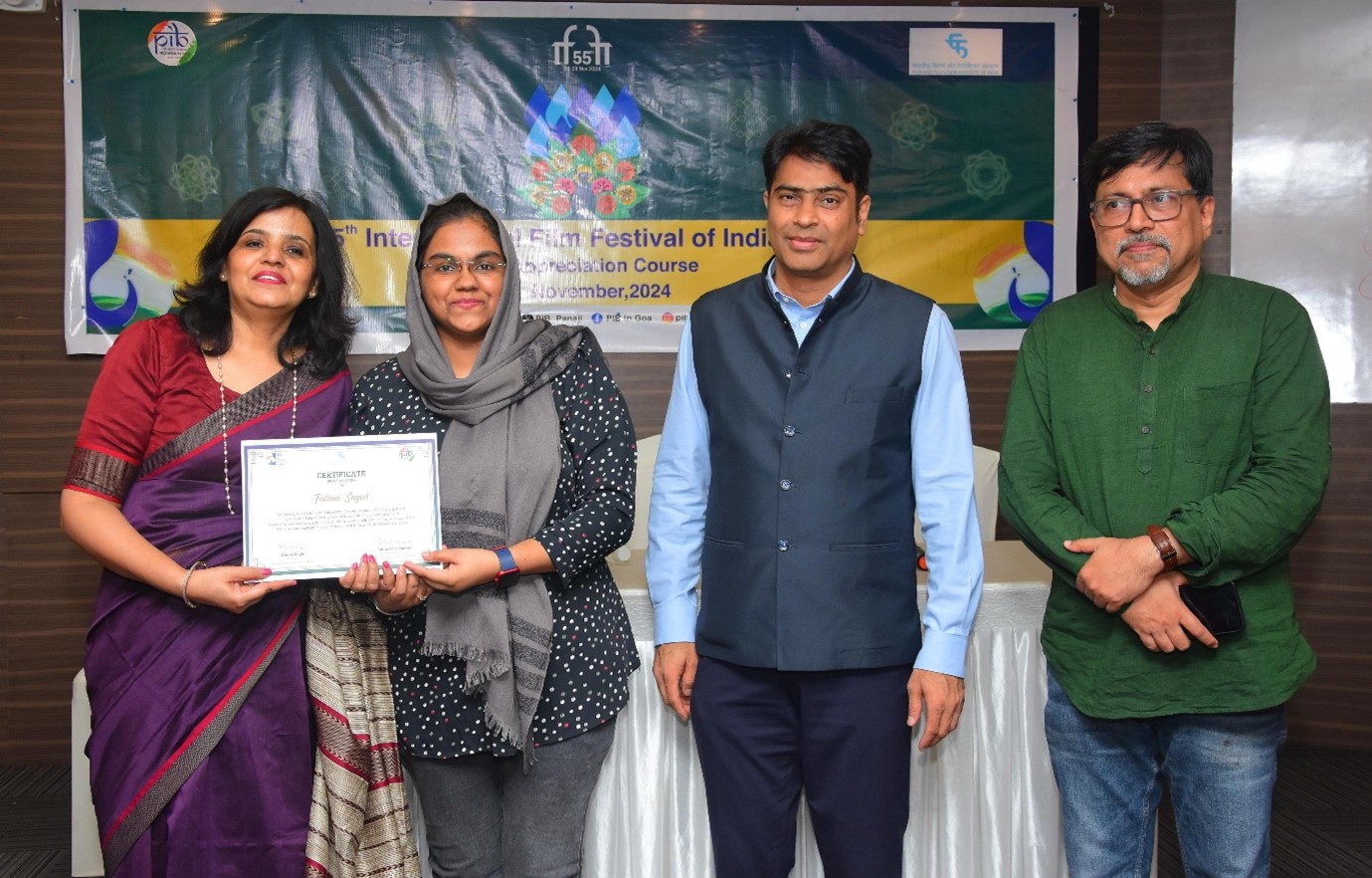
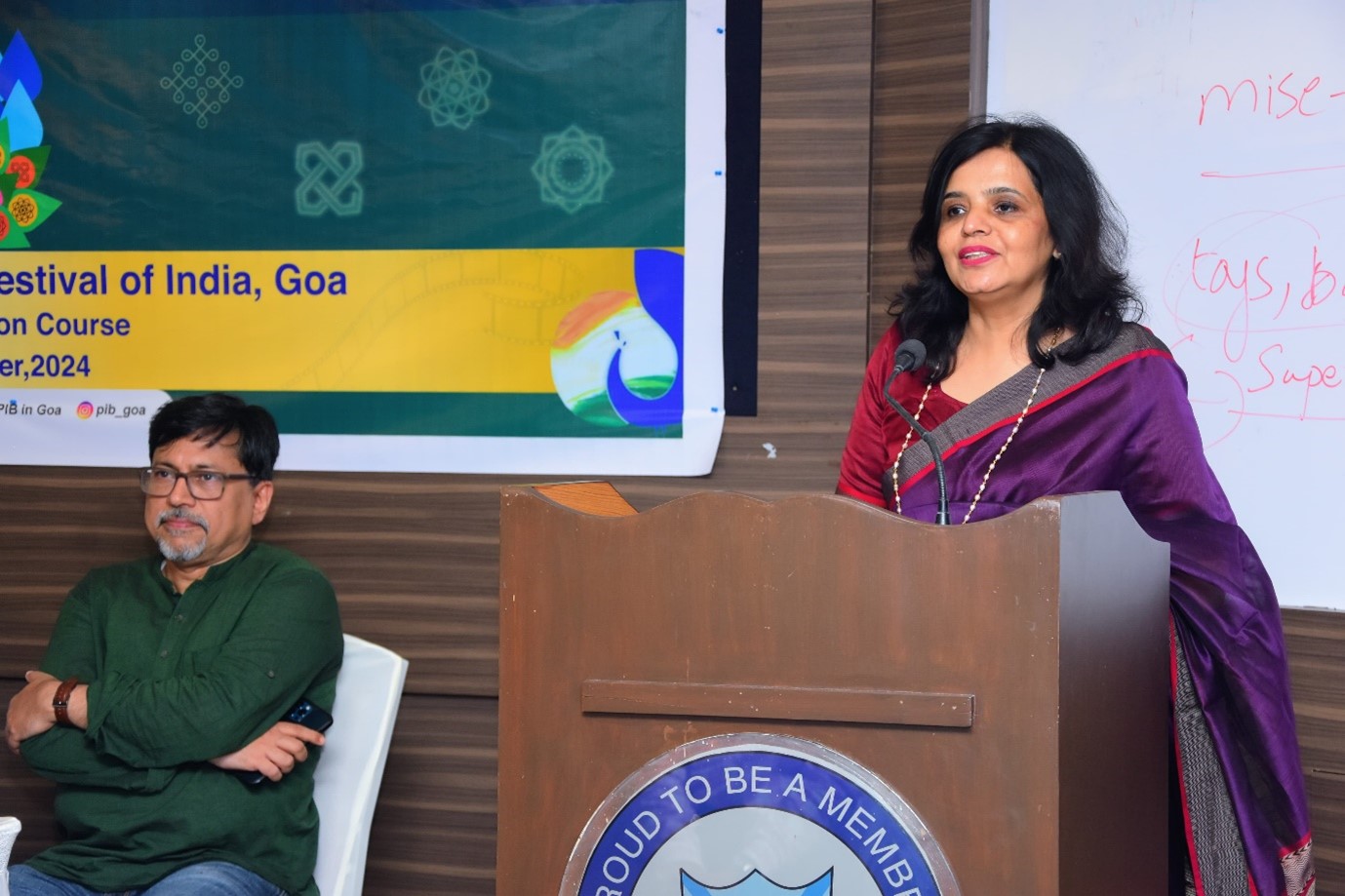
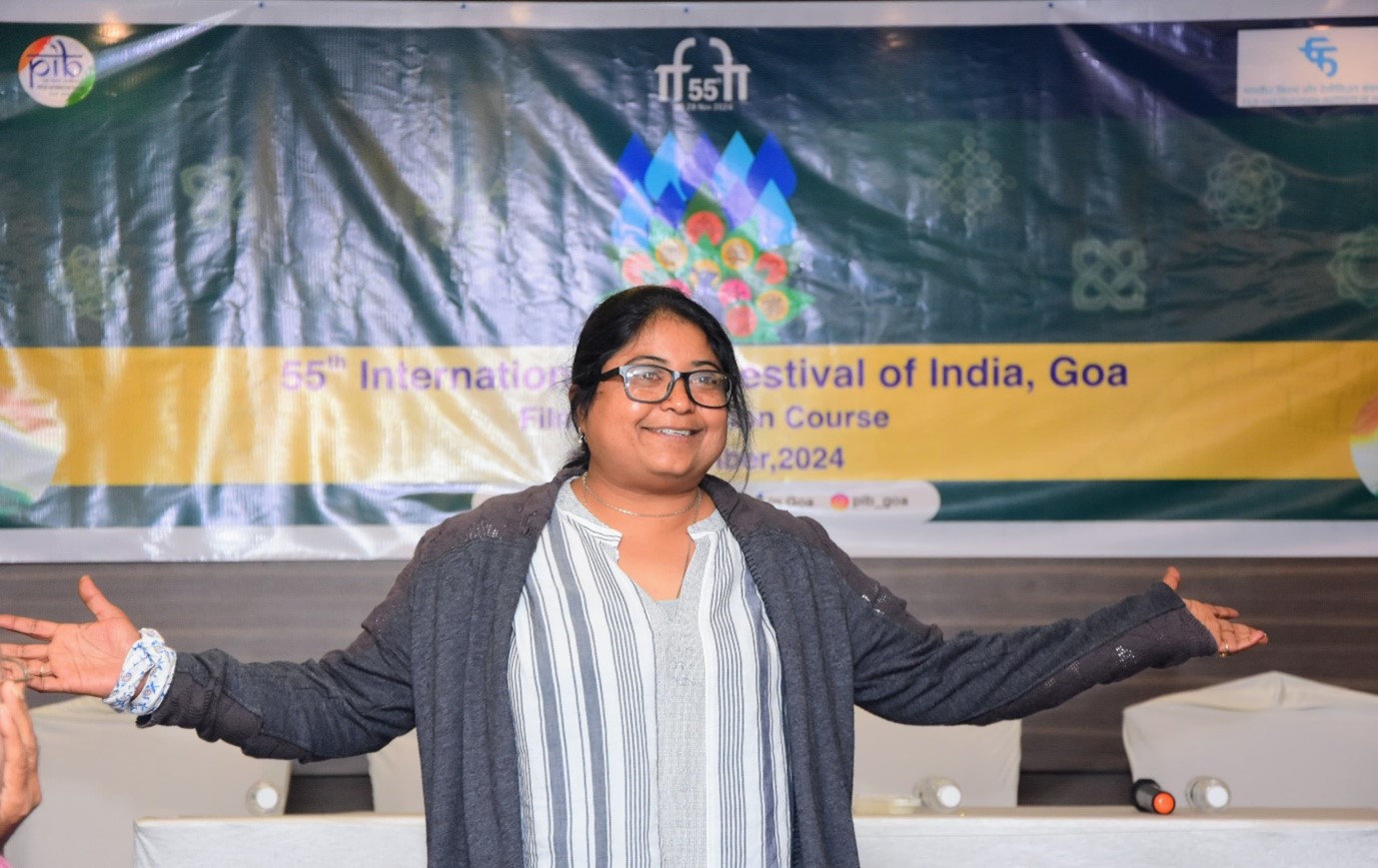
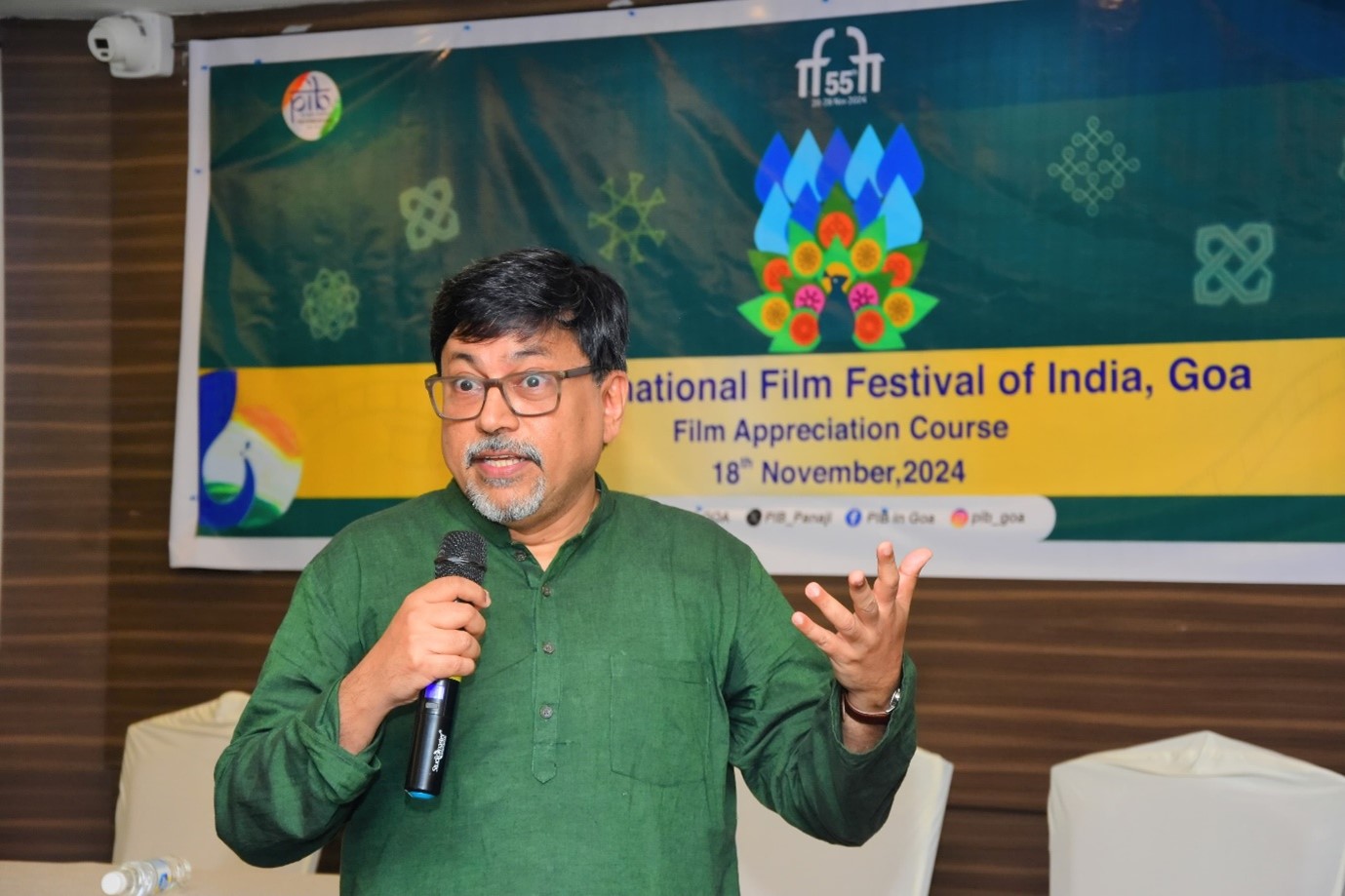
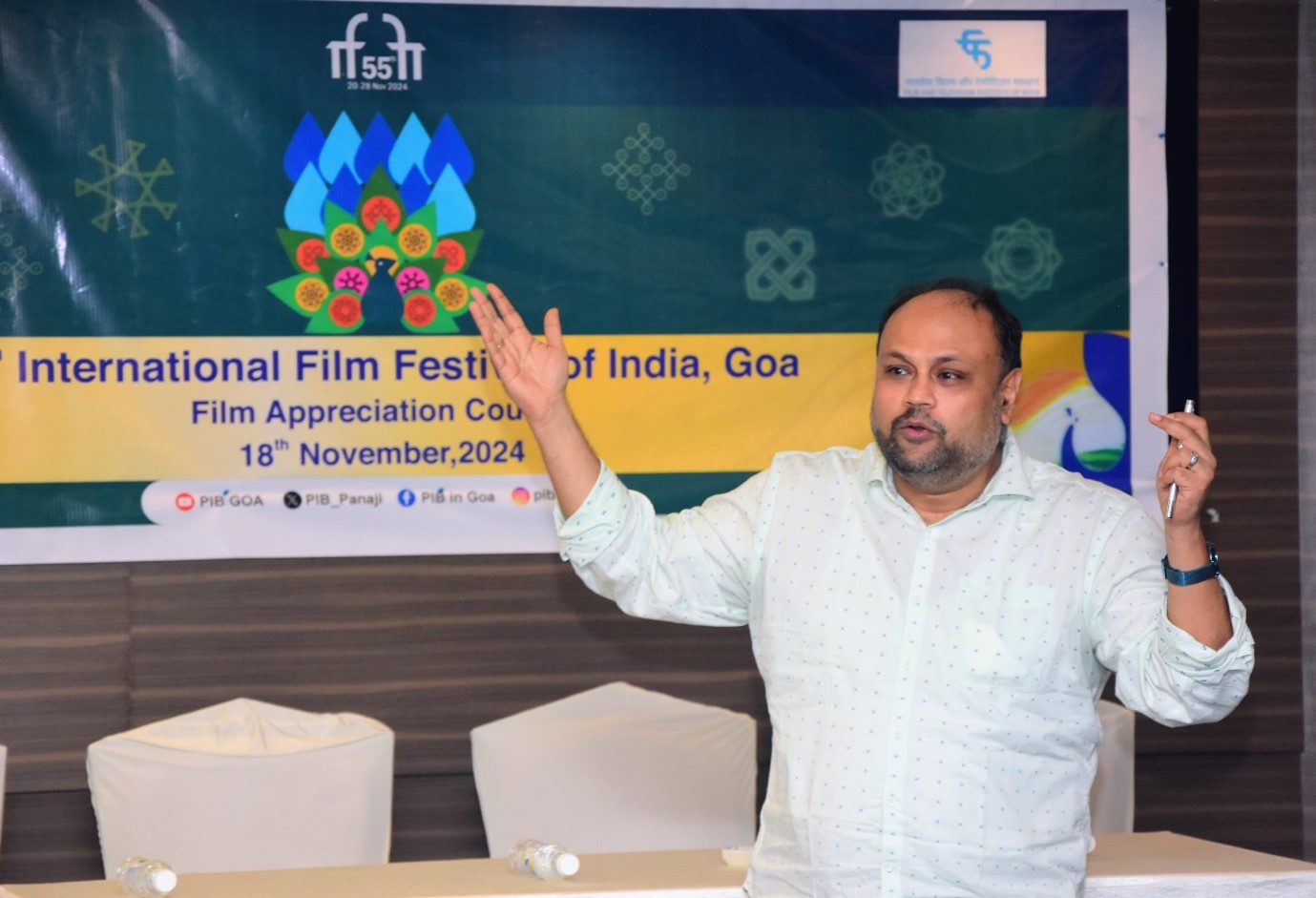
The Press Information Bureau (PIB), Ministry of Information & Broadcasting, in collaboration with the Film and Television Institute of India (FTII), Pune, organised an engaging Film Appreciation Course on ‘Reviewing Films: From Critiquing to Reading Cinema’ for media delegates on the sidelines of the 55th International Film Festival of India (IFFI) in Goa. The course was organized exclusively for IFFI media delegates focused on exploring the various aspects of the art and craft of films and the importance of learning to read the films in an informed manner. The course was led by industry experts such as Dr. Indranil Bhattacharya, Prof. Amlan Chakraborty, and Ms. Malini Desai from FTII, Pune.
The participants were introduced to ‘Principles of Film Analysis,’ by Prof. Dr. Indranil Bhattacharya. This was followed by a session on ‘Editing as an Artistic Tool’ led by Prof. Amlan Chakraborty. In another engaging session, Prof. Malini Desai explored the significance of ‘Lighting as a Dramatic Tool.’
Prof. Amlan Chakraborty also highlighted the importance of film appreciation, stating that “Film appreciation is not just about admiration but about understanding. Every film is designed to impact its audience. Some films stay with you, and you need to ask why.” He illustrated the deeper sociological meanings embedded within films illustrating the example of India’s official entry for Oscars 2025, Lapata Ladies.
Later, Prof. Bhattacharya conducted a special session focused on the analysis of short films, offering participants valuable insights into the structure and storytelling techniques of short-form cinema.
Managing Director, NFDC Shri Pritul Kumar thanked the Media for their active participation and stressed the significant role played by media in promoting films. Speaking about the importance of understanding films, he mentioned, “the Film Appreciation Course will be really helpful in delving deep into the world of films which will enrich the media in understanding and writing about them.”
Director General West Zone, M/o I&B. Ms. Smita Vats Sharma while addressing the participants informed that “the course was open to media across India, including both Goan and all-India representatives as Media plays a critical role in the celebration of cinema and taking the films across the country and the world, and hence this course has been timed during IFFI to facilitate our media professionals.” She also thanked FTII for their invaluable support in making this possible.
Joint Director, PIB Mumbai, Sayyid Rabeehashmi emphasized the need to not only celebrate films but also delve into their intricate details.
Speaking about the significance of such initiatives, Prof. Malini Desai emphasized, “Media plays an essential role in exchanging ideas and helping the world understand the art of cinema. And as filmmakers we are also communicating our perspectives to the audience. This interaction between media and filmmakers – both of whom are into ‘communication’ greatly enriched our understanding about each others’ perspective.”
Appreciating the initiative, journalist and participant, Ms. Harshita from Screen Grafia who has been covering IFFI since 1999, said that “this is a great initiative by the Ministry to educate film journalists. It will expand their knowledge about films. I hope this course is repeated in future editions too.”
Shri Satyendar Mohan, a Veteran Journalist who has been attending IFFI since four decades expressed that “I’ve been attending IFFI since 1983. This session was very informative and educational. It will help journalists appreciate films on a much deeper level, adding immense value to the 55th IFFI.”
The event concluded with a Valedictory Session. Certificates were distributed to more than 30 media delegates who attended the session, acknowledging their efforts in advancing their understanding of film appreciation.
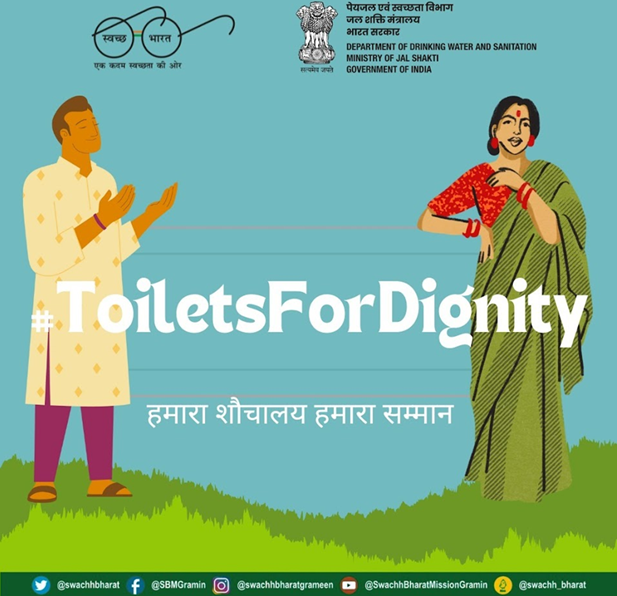
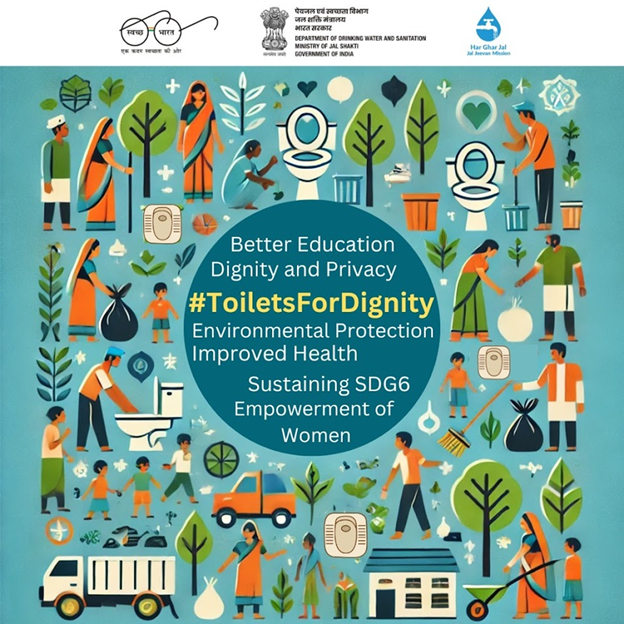
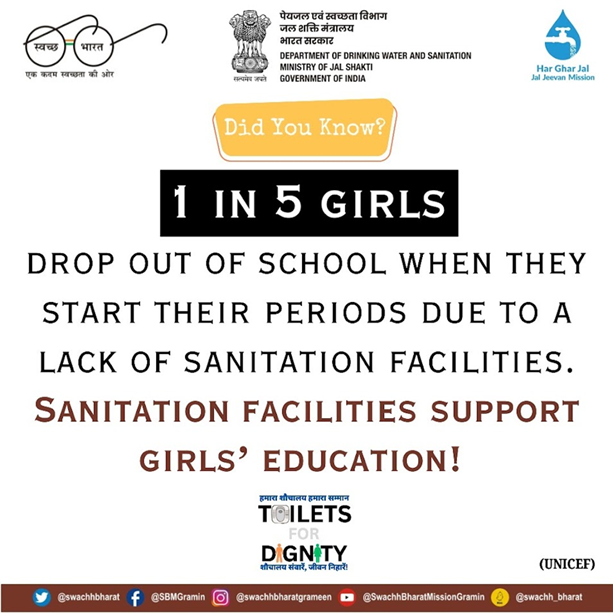
The Department of Drinking Water and Sanitation launched the nationwide campaign “Hamara Shauchalay: Hamara Samman” (HSHS) (हमारा शौचालय: हमारा सम्मान). November 19, World Toilet Day and the campaign will culminate on Human Rights Day, December 10, 2024, emphasizing the critical link between sanitation, human rights and dignity.
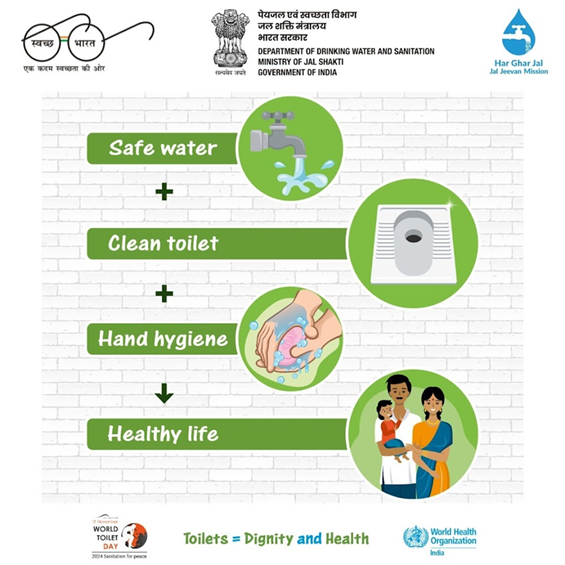
The campaign reaffirms India’s commitment to maintaining its Open Defecation Free (ODF) status while promoting behavioral change for cleaner, healthier communities. While India achieved ODF status in 2019, the Phase II of the Swachh Bharat Mission (Grameen) was launched to focus on the creation of ODF Plus Model villages, where the first criterion is sustaining ODF achievements. This aligns with the spirit of World Toilet Day, reminding and ensuring continued toilet usage and maintenance is as important as achieving initial milestones. The HSHS campaign serves as a timely call to action to sustain and build on these efforts.
With a strong focus on vulnerable groups, particularly women and girls, this initiative underlines that toilets are more than infrastructure, they are foundational to dignity, equality, and public health aligned with the campaign tagline “शौचालय संवारें, जीवन निखारें” Speaking of this campaign, Secretary, DDWS, Ashok KK Meena, emphasized the importance of a bottom-up approach in ensuring sustained behavioral change. “Sanitation is a cornerstone of dignity and development. The ‘Hamara Shauchalay: Hamara Samman’ campaign is designed to empower communities, with responsibilities allocated across every level, Gram Panchayats, blocks, districts, and states. This ensures that every stakeholder contributes to sustaining sanitation practices, building pride, and driving long-term impact.” He further added, “On World Toilet Day, as we align with global efforts to achieve SDG 6, India renews its commitment to creating equitable access to sanitation and ensuring no one is left behind.”
Key Campaign Activities
The campaign involves a variety of activities aimed at reinforcing sanitation practices and fostering pride in clean and functional toilets.
Competitions will be held to identify and reward the best-maintained household toilets (IHHLs) and community sanitary complexes (CSCs) at every administrative level. These events will recognize efforts in both functionality and aesthetics, encouraging others to follow suit.
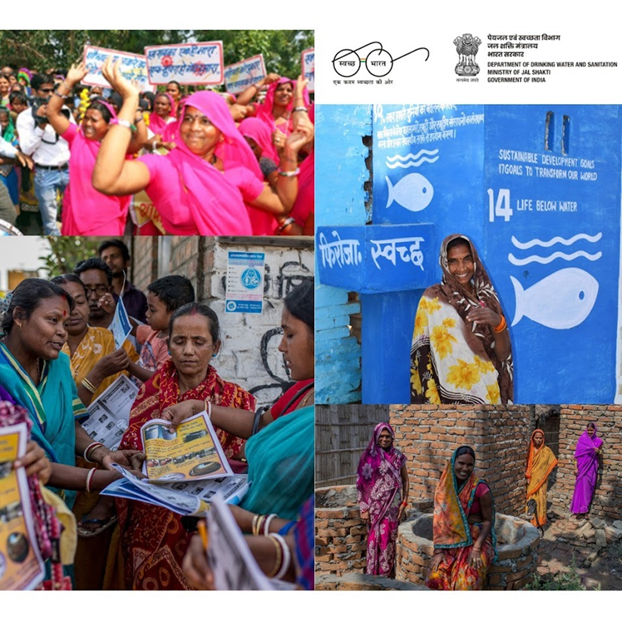
Community outreach will play a vital role, with initiatives like “Ratri Chaupals”and WASH clubs that will bring together people and inspire change.
Sanitation workers will be celebrated through special dignity camps, ensuring their inclusion in welfare programs, and honoring their role in maintaining cleanliness.
Citizens will be encouraged to share their sanitation success stories through social media platforms including MyGov using hashtags #ToiletsForDignity and #MyToiletMyPride.
Participation from all levels of governance, with Chief Ministers and State Ministers leading state-level events, while District Magistrates and elected representatives overseeing district-level programs.
The campaign aims to improve sanitation infrastructure, foster behavior change, and strengthen community pride by enhancing the functionality and aesthetics of toilets across the country. By promoting ODF sustainability, it emphasizes that sanitation is not a one-time achievement but a continuous journey toward a healthier and more dignified India.
Department of Drinking Water & Sanitation (DDWS) under the Ministry of Jal Shakti, appealed everyone to make HSHS a success. DDWS requested the citizen to work together for building sustainable sanitation solutions whilst the nation take forward the legacy of Swachh Bharat Mission.
The third regional event of the ‘Hamara Samvidhan Hamara Samman’ campaign is being organised to commemorate 75th anniversary of the adoption of the Indian Constitution and India’s establishment as a Republic whichwas successfully held today at IIT Guwahati from 4:30 PM to 5:30 PM. In the series of regional events as a part of a year-long nationwide campaign, this third regional event was organized under the aegis of the Designing Innovative Solutions for Holistic Access to Justice (DISHA) scheme[1], implemented by the Department of Justice, Ministry of Law and Justice, Government of India.
The event was graced by Shri Arjun Ram Meghwal, the Minister of State for Law and Justice (Independent Charge) and Minister of State for Parliamentary Affairs, who delivered the keynote address. Hon’ble Minister emphasized the importance of Constitutional awareness and legal empowerment. Shri Justice Vijay Bishnoi, the Hon’ble Chief Justice of the High Court of Gauhati, attended the event as the Guest of Honour. Hon’ble Justice Shri Lanusungkum Jamir attended the program as an esteemed guest and shared the dais.
The event began with a significant and symbolic gesture of planting of saplings to honor the 15 women members of the Constituent Assembly, who played a crucial role in the creation of India’s Constitution. This tribute under the campaign of ‘Ek Ped Maa Ke Nam’ was an attempt to highlightthe pivotal yet often overlooked role of women in shaping the country’s democratic foundation.
Welcoming the dignitaries on the dais and the audience, Secretary (Justice) DoJ, shared the various elements of the Hamara Samvidhan Hamara Samman Campaign and the releasesof three products which were launched during the event namely Samvidhan Katta, Comic Book and Podcasts.
The Samvidhan Katta magazine, which showcases 75 stories that illustrate the impact of the Indian Constitution in everyday life. These stories, shared by stakeholders and field functionaries from the Tele Law and Nyaya Bandhu programs, provided insightful perspectives on how the Constitution continues to safeguard the rights of Indian citizens.
A Comic Bookwas unveiled during the event, featuring the real-life stories of 10 beneficiaries who have used the Tele Law and Nyaya Bandhu programs to protect their Constitutional rights. Presented in an engaging comic format, the book aims to make legal rights more accessible and relatable to the general public.
In addition, eight podcasts were released, focusing on the role of the Tele Law and Nyaya Bandhu programs in helping citizens safeguard their rights. These podcasts, aimed at reaching a broader audience, provide practical insights into the significance of the Constitution and how it can be used to defend legal rights.
Highlighting the significance of the Hamara Samvidhan Hamara Samman campaign, Guest of Honor, Hon’ble Chief Justice of Gauhati High Court, Shri Vijay Bishnoi reflected he Constitution of India, as the fundamental law of the land, embodies the values, principles, and governance framework of our country. All the organs of the State owe their origin and derive their authority from the Constitution and discharge their respective functions within its framework. The Constitution of India is the supreme legal authority which binds the legislative, executive, and judicial organs of our country, and guides the State’s functioning, while ensuring citizen’s rights and responsibilities. He further mentioned that this awareness is necessary so that all of us, irrespective of our social, political, Ideological, religious, linguistic and economic differences, can lead dignified life in a just society.
Addressing the audience Hon’ble Minister reflected that the Constitution of India protects the citizens of India. Hon’ble Minister mentioned that the planting of sapling is a special tribute in honor of 15 women members of the Constituent Assembly. These remarkable women, who worked tirelessly and selflessly, have often remained unsung heroes in the narrative of India’s democratic journey. Hon’ble Minister mentioned that as we planted these saplings, we symbolize not only the deep roots of our Constitution but also the growth of values such as justice, equality, and freedom, which continue to nurture our society today. He also mentions about the drafting Committee member who belonged from Assam,Syed Muhammad Saadulla was the only member from Assam to serve on the Drafting Committee of the Constitution of India. He also mentions about the female member of the Constituent assembly which was Late Smt. Leela Roy. Hon’ble Minister made the participants aware about the contributors in the making of the Constitution. The purpose behind organizing third regional event in Assam was to remember the contributions made by the people of Assam in the making of the Constitution as it’s the 75th year of its adoption.He paid tribute to Dr. B.R. Ambedkar to his contribution in the making of the Constitution of India. He also elaborated His last speech before the adoption of the Constitution. He further mentioned about the importance of Ashoka chakra in our National Flag where 24 spokes which have its own relevance and importance to the daily lives of the citizens. Furthermore, he elaborated on the core values of the Constitution, with a particular focus on equality, liberty and fraternity and encouraged attendees to remain aware of their rights and perform their respective duties as citizens by elaborating an example from daily life.
Dignitaries were presented with special mementoin the form of Preamble of the constitution of India.Shri Niraj Kumar Gayagi, Joint Secretary, Department of Justice.Presented a vote of thanks at the end of the event.
Approximately 1400 participants attended the event, including Hon’ble Judges of the Gauhati High Court, officials from the High Court Registry, officials from the Assam State Legal Services Authority, advocates from the Guwahati Bar Association, judicial officers, Village-Level Entrepreneurs (VLEs) from the Common Service Centers (CSCs), students and faculty from National Law University, Guwahati, and senior officials from IIT Guwahati, along with Central and State government representatives. In addition, several stakeholders of the Department of Justice joined the event virtually, contributing to the event’s outreach and inclusivity.
The ‘Hamara Samvidhan Hamara Samman’ campaign, which was officially launched by the Hon’ble Vice President of India on 24th January 2024 at the Dr. B.R. Ambedkar International Centre in New Delhi, has aimed to promote the understanding of the Indian Constitution and raise awareness about legal rights among citizens. As part of its efforts, regional events have been organized across the country, with Bikaner and Prayagraj already hosting successful events in the past year. The Guwahati event marks a significant step in furthering the campaign’s goals, reaching diverse communities in the Northeast.







 Eduindex
You must be logged in to post a comment.