Classification of Roads in India

A. National Highways
National Highways from the most important system of road transportation in India. These highways are running through length and breadth of the country connecting capitals of states, major ports rail junctions, industrial and tourist centers.

Ministry of Road Transport and Highways of India, is responsible for the development and maintenance of National Highways in India. The longest National Highway is NH-44 which runs from Varanasi in Uttar Pradesh to kanniyakumari in Tamil Nadu covering a distance of 2369 km. The shortest national highway is NH-47 A, which runs from Ernakulam to kochi port (willington Island) covering a distance of 6 km.

b) State Highways
The state highways are usually roads that link important cities, towns and district headquarters within the state and connect them with national highways or highways of neighbouring states. These roads are administered and financed by state governments.

C) District Roads
District Roads provide connectivity between the district and taluk headquarters with in state highways and national highways. District Roads are constructed and maintained by the Public Works Department of the states.

D) Rural Roads (Village Roads)
These roads are vital for providing links in the rural areas. It links the different villages with neighbouring towns. They are maintained by village panchayats.

E) Border Roads
These are the roads of strategic importance in border areas. They are constructed and maintained by Border Roads Organization. It was established in 1960 for the development of the roads of strategic importance in the northern and northeastern border areas. Border Roads Organization has constructed world’s highest road joining Chandigarh and Leh in Ladakh. This road runs at an average altitude of 4,270 meters.

F) Golden Quadrilateral
Golden Quadrilateral 5,846 km long road of4/6 lanes connects, India’s four metropolitan cities: Delhi-Kolkata-Chennai-Mumbai-Delhi. This project was launched in 1999.

G) North-South and East-West Corridors
North-South corridor aims at connecting Srinagar in Jammu and Kashmir with Kanniyakumari in Tamil Nadu (including Kochi-Salem Spur) with 4,076km long road. The East-West Corridor has been planned connect silchar in Assam with 3640km of road length. The two corridors intersect at Jhansi.

H) Expressways
These are multi-lane good quality highways for high speed traffic. Some of the important expressways are;
Mumbai-Pune Road,
Kolkata-Dumdum Airport road
Durgapur-kolkata Road
Yamuna expressway between Delhi and Agra.

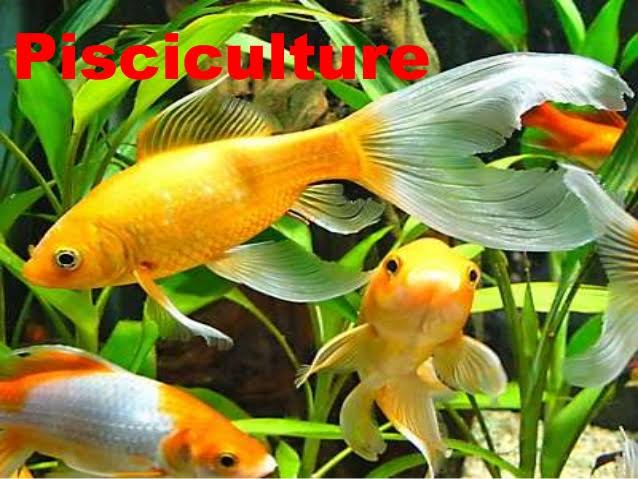
PISCICULTURE

Pisciculture or Fish culture is the process of breeding and rearing of fishes in ponds, reservoirs (dams), lakes, rivers and paddy fields. It is the farming of economically important fishes under controlled conditions.

Types of Fish Culture

Extensive fish culture

Culture of fishes in large areas with low stocking density and natural feeding.

Intensive fish culture

Culture of fishes in small areas with high stocking density and providing artificial feed to increase production.

Monoculture

It is the culture of single type of fish in a water body. It is also called mono species culture.

Polyculture

It is the culture of more than one type of fish in a water body. It is also called composite fish culture.

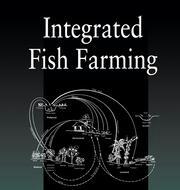
Integrated fish farming

It is the culture of fishes along with agricultural crops or animal husbandry farming, Rearing of fish along with paddy, poultry, cattle, pig and ducks.

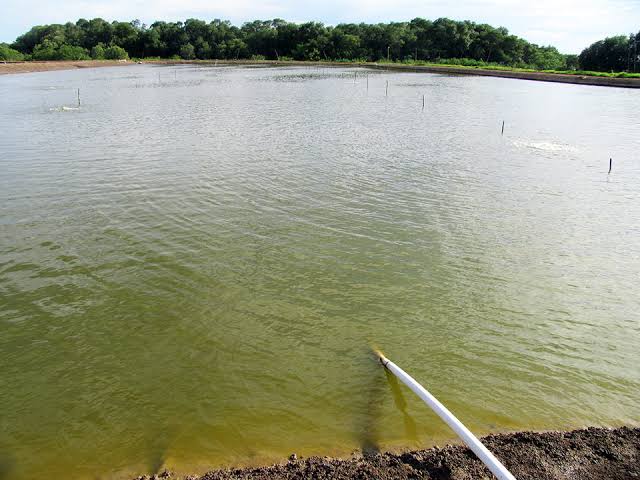
Types of Ponds for Fish Culture

Fish farm requires different types of pond for the various developmental stages of fish growth. They are given below:

Breeding pond

Healthy and sexually mature male and female fishes are collected and introduced in this pond for breeding. The eggs released by the female are fertilized by the sperm and fertilized eggs float in water as frothy mass.

Hatching pits

The fertilized eggs are transferred to hatching pits or hatching hapas for hatching.

Nursery ponds

The hatchlings are transferred from hatching pits after 2 to 7 days. The hatchlings grow into fry and are cultured in these ponds for about 60 days with proper feeding till they reach 2 – 2.5 cm in length.

Rearing ponds

Rearing ponds are used to culture the fry. The fish fry are transferred from nursery pond to rearing ponds and are maintained for about three months till they reach 10 to 15 cm in length. In these rearing ponds the fry develops into fingerlings.

Stocking pond

The stocking pond is also called as culture pond or production pond. These ponds are used to rear fingerlings upto the marketable size.

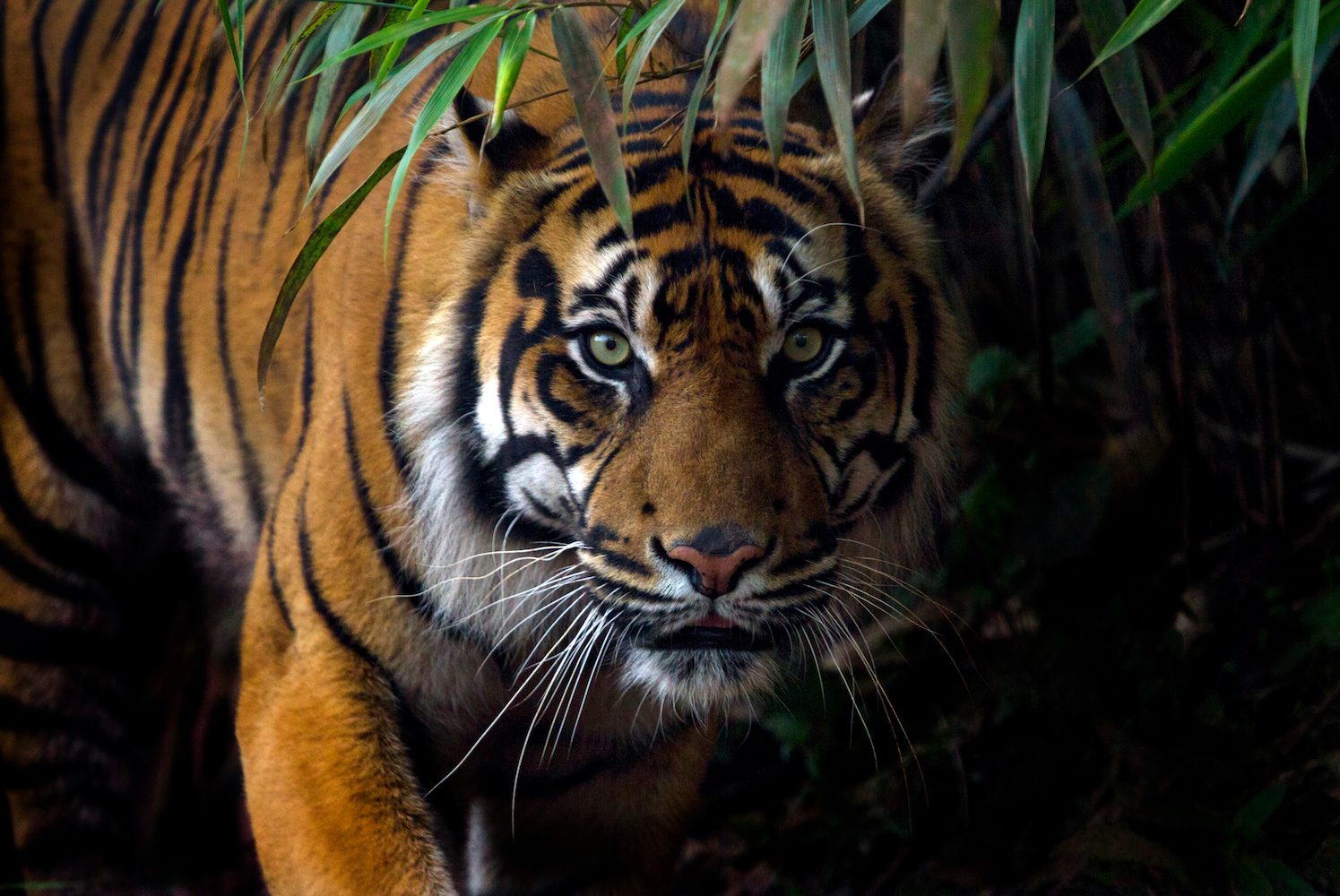
International Tiger Day

Today is International Tiger Day – 28th July 2021. It’s significance and theme this year.

 Theme this year: “Their survival is in our hands”.

The day is observed to spread awareness about dangers faced by tigers, the threat to their natural habitats due to natural or man-made reasons, to protect them from poachers. Wild tiger numbers dropped by more than 95% since the beginning of the 20th century.

Over 18 States in India provide habitat for tigers. 70% of the total number of tigers in the world are in India. National Tiger Conservation Authority (NTCA) and the Wildlife Institute of India (WII) have mapped 32 major tiger corridors and several smaller ones. (By: ANI)

It has been reported that the number of India has increased over time due to active actions by local community. Reportedly approximately 3,900 tigers now. It is reportedly also known that many tigers live in cage rather than out in wild.

The tiger is officially declared as endangered by the IUCN.

Tiger daywas celebrated first in 2010 at the Saint Petersburg Tiger Summit in Russia.13 tiger range countries came together to create Tx2, the global goal to double the number of wild tigers by the year 2022. Government officials, citizens, celebrities and many organizations from all over the world came together and showed the tiger range countries that there is worldwide support for tiger conservation efforts and to encourage the Tx2 goal.

“Doubling tigers is about tigers, about the whole of nature – and it’s also about us” 

Marco Lambertini, Director General WWF

WWF has contributed greatly to this cause. Animal adoptions, funding local communities to help them in tiger conservation, reducing poaching, and creating awareness by letting people be in proximity of this beautiful and ferocious animal to encourage them to take actoins.

https://www.wwf.org.uk/get-involved/schools/calendar/international-tiger-day

Facts about tigers:

  • Tigers are nocturnal creatures. They prefer engaging in most of their hunting activities at night. 
  • Tiger cubs are born blind. They follow their mother through her scent, almost half of them die due to thirst, hunger, or by other animals.
  • Unlike other cats, tigers like to play and hunt in water.
  • Their lifespan is about 25 years.
  • Ambush/ Steak : When a tiger are in a group, also when a tigress is with her cub.
  • Hybrid Cubs:
    • Tigon : Male cat and female lion’s cub is called Tigon.
    • Liger: Male lion and female tiger’s cub is called LIger.
  • They can imitate any animal!!
  • They do not normally look at humans as a prey.

What can you do to conserve our precious King of the jungle?

  1. For starters, learn about them, their habitats.
  2. Get acknowledged with organizations near you. Gather information about how they work and in what ways you can contribute.
  3. Visit WWF site, adoption, foster, donation and spread awareness by sharing it among your friends.
  4. Tigers are very important for our ecosystem. Advocate for banning poaching and hunting.
  5. Try to reduce pollution, garbage on land, sea, forest; when you visit them.
  6. Actively become the voice for our dear animals and roar for their right to live.

EVOLUTION OF AMAZON


FROM BOOKSTORE TO SUPERSTORE

Can you believe that a little more than
two decades ago, Amazon was still one man, a light bulb idea and a home garage?

Circa 1994, Jeff Bezos began working on a
business plan (yes, in his garage) for what would eventually become the largest
internet retailer in the US. In 1995, the company made its official debut.

In those early days, Bezos and his
employees would pack books and bring them to the post office themselves, and
even after the company began to build warehouses and acquire more assets, many
investors still wrote them off as another dot-com pipedream.
Of
course, even Bezos couldn’t have mapped out every twist and turn, as our
selection of key turning points in Amazon’s journey from garage to the globe
proves.

Jeff Bezos launched Amazon as an online
bookstore, and strategically chose Seattle, Washington as the home base
location. Due to Washington’s lack of sales tax, it allowed Amazon to sell
nearly all over without having to collect sales tax from its customers. Bezos finally
made the decision to go with “Amazon”, named after the largest river in the
world (his goal was to lead the company to become the largest bookstore in the
world.) He thought of the idea while looking through the dictionary,
specifically targeting names that began with “A” as he believed it would give
the company the advantage of being listed higher in alphabetized lists.

Amazon
moved into a whole new area of business as it began to allow third-party
sellers to move merchandise through the site.

In terms of revenue, Amazon is the biggest
internet-based company in the world. When it started out selling books online
in 1994, Jeff Bezos had an idea that the best way to succeed online was to grow
big and fast.
Today, the company sells everything from
books to groceries to shipping container houses. It has become a one-stop-shop
and has many ambitions for its future.

Amazon was not the first company to hit on
this business strategy. Another company, Computer Literacy (a Silicon Valley
bookstore) began selling its own wares online as early as 1991.

The difference that Amazon.com had to
offer was its greater convenience. It, from the off, was based on a model of
delivering online orders directly to the customer’s address anywhere in the
world.

As we all know now, Amazon.com is about a
lot more than just books today. This was always the plan, according to Bezos.

During
an earnings call in 2005, Jeff Bezos announced a customer loyalty program that
offered free two-day shipping on any order, along with other perks and benefits
for only $79 per year. Prime has proved to be a massive success: it now has
more than 112 million members across the globe.
Amazon
had been developing the Echo (and Alexa capabilities) since 2011, and finally
began selling the devices in June 2015. The idea of an in-home virtual
assistant was novel and exciting for many, but few realized just how big it
would become in such a short time.

No organisation has escaped the worldwide
impact of the Coronavirus pandemic, but few have been such prominent players as
Amazon.

Water is life. don’t waste it.

Water resource management is the activity of planning, developing, distributing and managing the optimum use of water resources.

With the growing uncertainities of global climate change and the long term impacts of management actions, the decision making will be even more difficult.

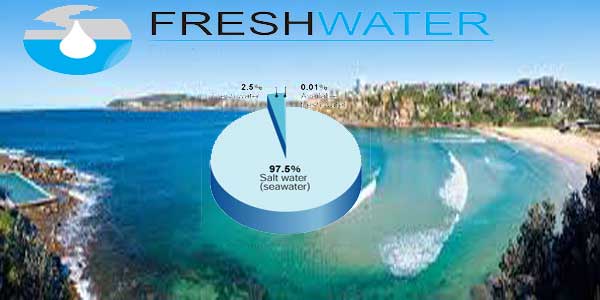
Fresh water is an important natural resource necessary for the survival of all ecosystems. The use of water by humans for activities such as irrigation and industrial applications can have adverse impacts on down stream ecosystems.

Fresh water is any naturally occurring liquid/solid water containing low concentrations of dissolved salts and other total dissolved solids.

Although the term specifically excludes seawater and brackish water, it does include non-salty mineral rich waters such as chalybeate springs.

Fresh water may encompass frozen and meltwater in ice sheets, ice caps, glaciers, snowfields and icebergs, natural precipitations such as rainfall, snowfall, hail/sleet and graupel, and surface runoffs that form inland bodies of water such as wetland, ponds, lakes, rivers, streams, as well as groundwater contained in a quires, subterranean rivers and lakes.

Water is critical to the survival of all living organisms. Many organisms can thrive on salt water, but the great majority of higher plants and most insects, amphibians, reptiles, mammals and birds need fresh water to survive.

Fresh water is not always potable water, that is, water safe to drink by humans. Much of the earth’s fresh water on the surface and groundwater is to a substantial degree unsuitable for human consumption without some treatment. Fresh water can easily become polluted by human activities or due to naturally occurring processes, such as erosion.

Fresh water is a renewable and variable, but finite natural resource. Fresh water can only be replenished through the process of the water cycle, in which water from seas, lakes, forests, land, rivers and reservoirs evaporates, forms clouds, and returns back inland as precipitation.

Locally, however, if more fresh water is consumed through human activities then is naturally restored, this may results in reduced fresh water availability or water scarcity from surface and underground sources and can cause serious damage to surrounding and associated environments.

Water pollution and subsequent eutrophication also reduces the availability of fresh water.

The History of Money

According to various individuals: Money is said to be the root of all evil. Yet it is money which controls the world. But what exactly is money? Money is a term that refers to two concepts: the abstract unit of account in terms of which the value of goods, services, and obligations can be compared; and anything that is widely established as a means of payment. Frequently the standard of value also serves as a medium of exchange, but that is not always the case. Nowadays we have digital currencies such as Bitcoin alongside our modern-day dollars and pounds. But how exactly did we reach to these currencies in the 21st century?

The Beginning: The Barter System

Barter is the exchange of resources or services for mutual advantage. Tribes in Mesopotamia were likely the starting point of the bartering system back in 6000 BC. Phoenicians (in the eastern Mediterranean; a part of modern-day Lebanon) saw the process, and they adopted it in their society. The barter system was frequently used by ancient people to get the food, weapons, and spices they needed. Because of salt’s great value, Roman soldiers bartered their services for the empire in exchange for it. In Colonial America, the colonists used bartering to get the goods and services they needed. Today, individuals, organizations, and governments still use, and often prefer, barter as a form of exchange of goods and services.

9000 – 6000 B.C.: Cattle and Grains

Cattle, which includes not only cows but also sheep, camels, and other livestock, are the first and oldest form of money. The livestock was also frequently bartered in exchange for various commodities. With the advent of agriculture also came the use of grains and other plant products as a standard form of barter in many cultures

1200 B.C.: Cowrie Shells

The first use of cowries, the shells of a mollusc available in the shallow waters of the Pacific and Indian Oceans, was in China. Historically, many societies have used cowries as money, and even as recently as the middle of this century, cowries have been used in some parts of Africa. The cowrie is the most widely and longest used currency in history.

1000 B.C.: First Metal Money

Bronze and Copper cowrie imitations were manufactured by China at the end of the Stone Age and are considered some of the earliest forms of metal coins. Metal tool money, such as knife and spade monies, was also first used in China. These early metal monies developed into primitive versions of round coins. These coins were made out of base metals, often containing holes so they could be put together like a chain.

500 B.C.: Coins

Outside China, the first coins developed out of lumps of silver. They soon took the familiar round form and were stamped with various Gods and emperors to mark their authenticity. These coins first appeared in Lydia (a part of present-day Turkey) but the techniques were quickly copied and further refined by the Greek, Persian and later the Roman empires. Unlike Chinese coins these new coins were made from precious metals such as silver, bronze, and gold, which had more inherent value.

118 B.C.: Leather Money

Leather money was used in China in the form of small pieces of white deerskin with colourful borders. This could be considered the first documented type of banknote.

806: Paper Currency

The first known paper banknotes appeared in China. China experienced over 500 years of early paper money, spanning from the ninth through the fifteenth century. Over this period, paper notes grew in production to the point that their value rapidly depreciated and inflation soared. Then beginning in 1455, the use of paper money in China disappeared for several hundred years. This was still many years before paper currency would reappear in Europe, and three centuries before it was considered common.

1816: The Gold Standard

Gold was officially made the standard of value in England in 1816. At this time, guidelines were made to allow for a non-inflationary production of standard banknotes which represented a certain amount of gold. Banknotes had been used in England and Europe for several hundred years before this time, but their worth had never been tied directly to gold. In the United States, the Gold Standard Act was officially enacted in 1900, which helped lead to the establishment of a central bank.

1930: End of the Gold Standard

The massive Depression of the 1930s, felt worldwide, marked the beginning of the end of the gold standard. In the United States, the gold standard was revised and the price of gold was devalued. This was the first step in ending the relationship altogether. The British and international gold standards soon ended as well, and the complexities of international monetary regulation began.

The Present:

Modern Day money is now longer restricted to simply coins or banknotes but has also advanced to the virtual world with new digital currencies outside the jurisdiction of governments such as cryptocurrency and various electronic wallets which are done through a portable electronic device, such as a smartphone, or a tablet now called mobile payment.

The evolution of money has truly seen various forms including physical ones such as livestock and coins made out of precious metals and has now even included virtual ones which now fit in the palm of your hand. Money makes the world round and its unknown what its new form will be.

The blind cricketer

Lachma Shekhar Naik was born on 7 April 1986, in a nomadic Banjara Family in southern Karnataka, as the son of a farmer. He was born completely blind as his mother and other 15 members of his family suffered from visual impairment, Naik was seven when he injured his head after falling along the bank of the River he was taken to a health camp where the doctor released that the possibility of restoring sight his right eye, he was operated in Bangalore and was able to restore 60 % of his right eye vision.


He was sent to Shri Sharada Devi School for blind in Shimoga, he learned to play cricket while at school, he used to work in filed in summer holidays to save money for his cricket ambitions, his mother died when he was the age of 12, while he off from playing he used to work as sports coordinator for an NGO ‘Samarthanam’ which funds for the cricket Association for Blind people in India.
He was selected in Karnataka Team in 2000, he was called up to India national Blind Cricket Team in 2002, went to captain the team in 2010. He was the man of the match in the 2006 World cup, he also led the team to victory in the 2014 cricket world cup.
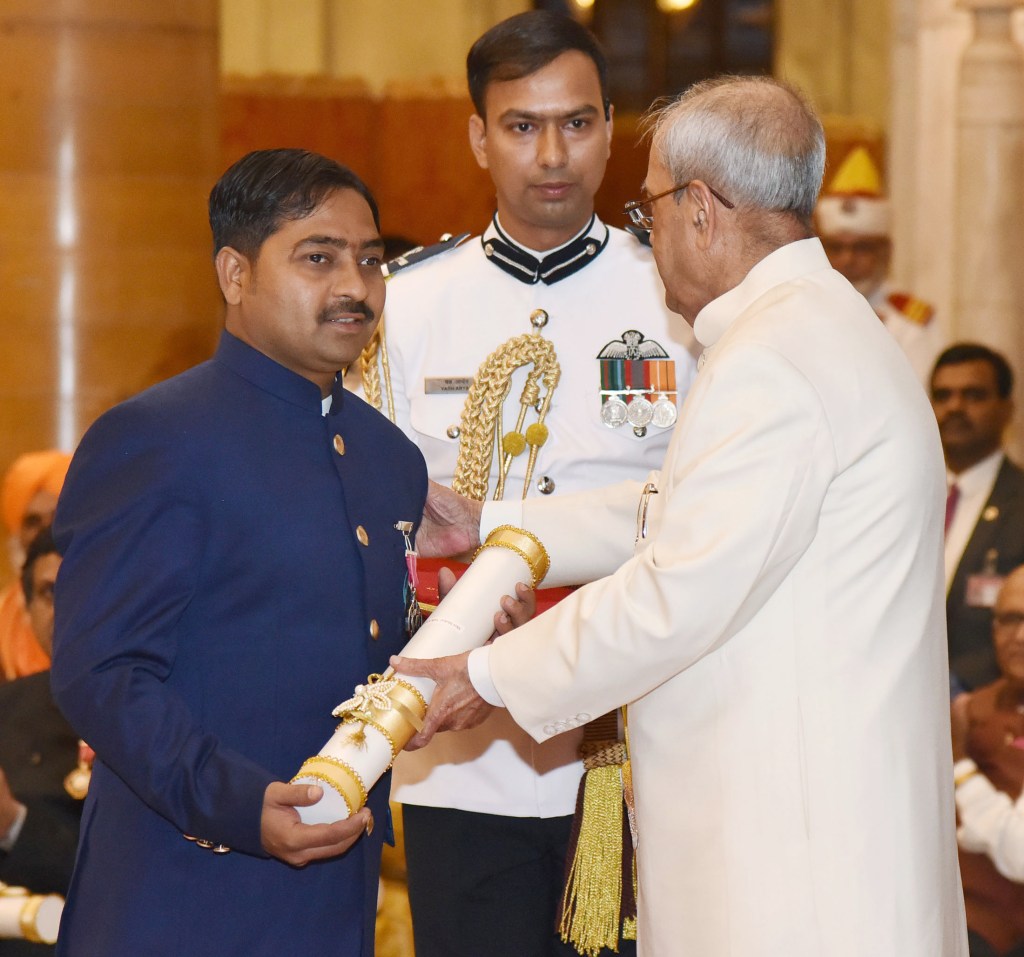
In 2017 he was honored by the country’s fourth highest Civilian honor Padma Shri by the Government of India.

Women empowerment

Women empowerment refers towomen to make them capable of deciding for themselves. Women have suffered a lot through the years at the hands of men. In earlier centuries, they were treated as almost non-existent. As if all the rights belonged to men even something as basic as voting. As the times evolved, women realized their power. There on began the revolution for women empowerment.

Essay on Women Empowerment

As women were not allowed to decision for them, women empowerment came in like a breath of fresh air. It made them aware of their rights and how they must make their own place in society rather than depending on a man. It recognized the fact that things cannot simply work in someone’s favor because of their gender. However, we still have a long way to go when we talk about the reasons why we need it.

Need for Women Empowerment

Almost every country, no matter how progressive has a history of ill-treating women. In other words, women from all over the world have been rebellious to reach the status they have today. While the western countries are still making progress, third world countries like India still lack behind in Women Empowerment.

In India, women empowerment is needed more than ever. India is amongst the countries which are not safe for women. There are various reasons for this. Firstly, women in India are in danger of honor killings. Their family thinks its right to take their lives if they bring shame to the reputation of their legacy.

How to Empower Women?

There are various ways in how one can empower women. The individuals and government must both come together to make it happen. Education for girls must be made compulsory so that women can become illiterate to make a life for themselves.

Women must be given equal opportunities in every field, irrespective of gender. Moreover, they must also be given equal pay. We can empower women by abolishing child marriage. Various programs must be held where they can be taught skills to fend for themselves in case they face financial.

Most importantly, the shame of divorce and abuse must be thrown out of the window. Many women stay in abusive relationships because of the fear of society. Parents must teach their daughters it is okay to come home divorced rather than in a coffin.

Printers:

Printer is an output device that prints text or images on paper or other media (like transparencies). By printing you create what is known as a ‘hard copy’. There are different kinds of printers, which vary in their speed and Print quality.

The two main types of printers are:

🔹️impact printers:
🌟 Line printer
🌟 Serial printer(Dot matrix printer)

🔹️Non-impact printers:
🌟 Thermal printer(fax)
🌟 Laser printer
🌟 Inkjet printer

Impact printers include all printers that print by striking an ink ribbon. Impact printers use a print head containing a number of metal pins which strike an inked ribbon placed between the Print head and the paper. Line printers, dot matrix printers are some of the Impact printers.

Characteristics of Impact printers:

🔸️In Impact printers, there is physical contact with the paper to produce an image.
🔸️Due to being robust and low cost, they are useful for bulk printing.
🔸️Impact printers are ideal for printing multiple copies (that is, carbon copies) because they can easily print through many layers of paper.
🔸️Due to its striking activity, Impact printers are very noisy.
🔸️Since they are mechanical in nature, they tend to be slow.
🔸️Impact printers do not support transparencies.

Non-impact printers are much quieter than Impact printers as their printing head do not strike the paper. Non-impact printers include laser printers, inkjet printers and thermal printers.

Characteristics of Non-impact printers:

🔸️Non Impact printers are faster than Impact printers because they have fewer moving parts.
🔸️They are quiet than Impact printers because there is no striking mechanism involved.
🔸️They possess the ability to change typefaces authentically.
🔸️These printers produce high-quality graphics.
🔸️These printers usually support the transparencies.
🔸️These printers cannot print multipart forms because no Impact is being made on the paper.

Line Printer:

Line printer are high-speed printers capable of printing an entire line at a time. A line printer can print 150 lines to 3000 lines per minute. The limitations of line printer are they can print only one front, they cannot print graphics, the print quality is low and they are noisy to operate. But it can print la,large volume of text data very fast compared to the other printers. It is also used to print on multipart stationaries to prepare copies of a document.

Dot Matrix Printer:

The most popular serial printer is a Dot matrix printer. It prints one line of 8 or 14 points at a time ,with print head moving across a line. They are similar to typewriters. They are normally slow. The printing speed is around 300 Characters per second. It uses multipart stationaries to prepare copies of a document.

Thermal Printer:

Thermal printers are printers that produce image by pushing electrically heated pins against special heat-sensitive paper. They are inexpensive and used widely in fax machines and calculator. Thermal printer paper tends to darken over time due to exposure to sunlight and heat. So the printed matters on the paper fade after a week or two. It also produces a poor quality print.

Laser printer:

Laser printers uses the laser beam and dry powered ink to produce a fine dot matrix pattern. It can change very good quality of graphics images. One of the chief characteristics of laser printers is their solution – how many dots per inch (dpi) that lay down. The avaliable resolution range from 300 fpi at the low end to around 1200 dpi at the high end.

Inkjet Printer:

Inkjet printers uses color cartridges which combine magneta, yellow and cyan inks to create color tones. A black cartridge is also used for crisp monochrome output. Inkjet printers work by spraying ionizing ink at a sheet of paper. Magnetized plates in the ink’s path direct the ink onto the paper in the described shapes.

Mahatma Gandhi

Mahatma Gandhi was a great patriotic Indian, if not the greatest. He was a man of an unbelievably great personality. He certainly does not need anyone like me praising him. Furthermore, his efforts for Indian independence are unparalleled. Most noteworthy, there would have been a significant delay in independence without him. Consequently, the British because of his pressure left India in 1947. In this essay on Mahatma Gandhi, we will see his contribution and legacy.

Essay on Mahatma Gandhi

Contributions of Mahatma Gandhi

First of all, Mahatma Gandhi was a notable public figure. His role in social and political reform was instrumental. Above all, he rid the society of these social evils. Hence, many oppressed people felt great relief because of his efforts. Gandhi became a famous international figure because of these efforts. Furthermore, he became the topic of discussion in many international media outlets.

Mahatma Gandhi made significant contributions to environmental sustainability. Most noteworthy, he said that each person should consume according to his needs. The main question that he raised was “How much should a person consume?”. Gandhi certainly put forward this question.

Legacy of Mahatma Gandhi

Mahatma Gandhi has influenced many international leaders around the world. His struggle certainly became an inspiration for leaders. Such leaders are Martin Luther King Jr., James Beve, and James Lawson. Furthermore, Gandhi influenced Nelson Mandela for his freedom struggle. Also, Lanza del Vasto came to India to live with Gandhi.

The United Nations has greatly honored Mahatma Gandhi. UN has made 2nd October as “the International Day of Nonviolence.” Furthermore, many countries observe 30th January as School Day of Nonviolence and Peace.

The awards given to Mahatma Gandhi are too many to discuss. Probably only a few nations remain which have not awarded Mahatma Gandhi.

In conclusion, Mahatma Gandhi was one of the greatest political icons ever. Most noteworthy, Indians revere by describing him as the “father of the nation”. His name will certainly remain immortal for all generations.

Save Trees

From childhood, we have heard that trees are our best friend but in practical life, we didn’t see anyone who treats trees as their friends. Although they are the most valuable life source on the earth. They benefit every life form in a direct or indirect way. And the earth is connected to them to maintain a natural balance. In this essay on save trees, we are discussing the reason why our friends need saving.

They nourish us and protect us in many ways. Also, they keep our  green and clean. So, it becomes our responsibility to repay them for the things they do for us by saving them. Besides, large trees are more beneficial than small ones because they capture more carbon, capture more water, combat the heat, filtergreenhousegases, gives shelter from heat and sunlight, etc. So, it can be said that we depend on them more rather than they on us.

essays on save trees

Advantages and Importance of Trees

As we have discussed the benefits of trees in short but here we are going to discuss them in detail.plants and trees fight the climatic changes that are destroying the earth. They also filter the air that we breathe and absorb all the harmful chemical gases and odors from the environment. Also, they take in the harmful carbon dioxide and gives out oxygen.

They are good for the diversity of flora and fauna. They give us food, shelter and many more things that we can’t count. Besides, they never demand anything from us and also prevent . Above all, they control and manage the effects .

Dr.APJ Abdul Kalam

Dr.APJ ABDUL KALAM is a famous name in the whole world. He is counted among the greatest scientists of the 21st century. Even more, he becomes the 11th president of India and served his country. He was the most valued person of the country as his contribution as a scientist and as a president is beyond compare. Apart from that, his contribution to the ISRO (Indian Space Research Organization) is remarkable. He headed many projects that contributed to the society also he was the one who helped in the development of Agni and Prithvi missiles. For his involvement in the Nuclear power in India, he was known as “Missile Man of India”. And due to his contribution to the country, the government awarded him with the highest civilian award.

Career and Contribution of APJ Abdul Kalam

APJ Abdul Kalam was born in Tamil Nadu. At that time the financial condition of his family was poor so from an early age he started supporting his family financially. But he never gave up education. Along with supporting his family he continued his studies and completed graduation. Above all, he was a member of the Pokhran nuclear test conducted in 1998.

There is a countless contribution of Dr.APJ Abdul Kalam to the country but he was most famous for his greatest contribution that is the development of missiles that goes by the name Agni and Prithvi.

Source: sivadigitalart

Presidency Period

The great missile man becomes the President of India in 2002. During his presidency period, the army and country achieved many milestones that contributed a lot to the nation. He served the nation with an open heart that’s why he was called ‘people’s president’. But at the end of his term period, he was not satisfied with his work that’s why he wanted to be the President a second time but later on forfeited his name.

Post-presidency Period

After leaving the presidential office at the end of his term Dr. APJ Abdul Kalam again turn to his old passion which is teaching students. He worked for many renowned and prestigious institute of India located across the country. Above all, according to his the youth of the country is very talented but need the opportunity to prove their worth that’s why he supported them in their every good deed.

The Modi Era

The smooth transition of governments witnessed by India on the basis of power of ballots has been a testimony to the real functioning of the entire nation. While our neighbours have had their struggles with political instability and various other issues, The Indian democracy has paved its way through to become a role model at the global front. In spite of numerous numbers of problems like poverty, illiteracy, malnourishment and infrastructural deficit India has still managed to ensure that political masters still remain committed to the right cause. The establishment of universal adult franchise has been one of the strongest bases for our democratic success. With the reduction of voting age from 21 to 18, Indian has further strengthened its democracy as it recognized the role of youth in nation building process. Irrespective of any stratified society, people of all colour, caste, creed, language religion, region make up in a single line to express their choice on the Election Day. This integral approach has been the strength of Indian democracy which helped to empower the nation. Indian democracy has managed to go from strength to strength. With the passing of 73rd and 74th Amendment Acts, the democratic decentralization percolated to the Indian grassroots. Panchayati Raj and Municipality Institutions have brought governance closer to the people. They have managed to empowered the people by giving an elected forum to bring about local level and grassroot level development. Democracy in the country brought new vibrancy through local governance to enable rapid social-economic progress in the Indian villages.

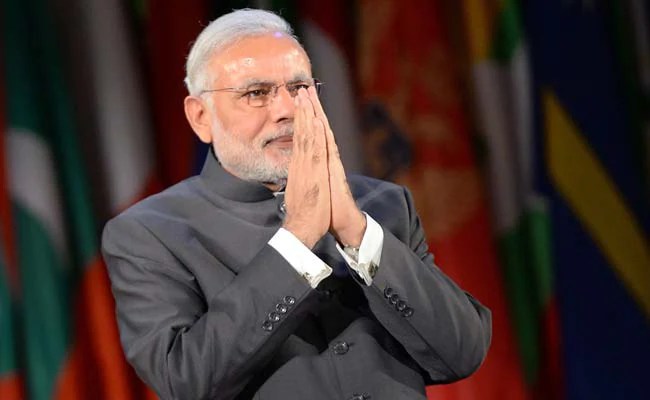
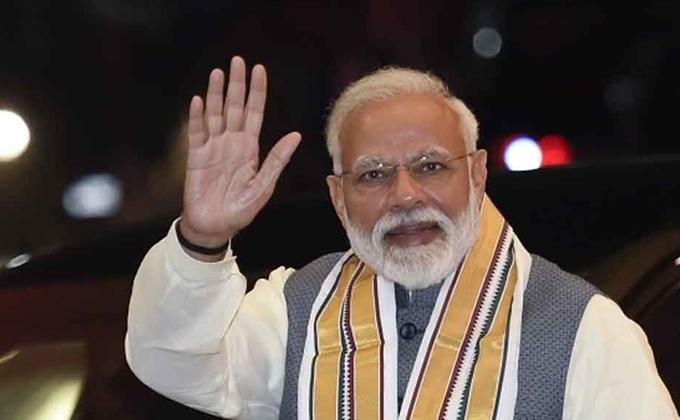
Prime Minister Narendra Modi was elected in the year 2014. He is the 14th prime minister of India. Before becoming the Prime Minister of the country, Mr Modi was the chief minister of state of Gujarat from the year 2001 to 2014. Narendra Modi is one of the most popular prime ministers in India after Rajiv Gandhi and Indira Gandhi. He is known to make tough decisions to fight terrorism, poverty, corruption and other important problems that the country is going through. Mr. Modi won the second term as prime minister in 2019 with even more majority of votes than what was obtained in the year 2014. His government is the only government that has no strong opposition in the parliament since the years he has been appointed as a prime minister. His humbleness when he was initially a tea seller makes him a loved leader by the citizens of India.

Narendra Modi Biography, Success Story, Inspiration - MBA Rendezvous

He is one of the most known Prime Minister of country who rose to power after defeating the incumbent National Congress which was corruption-ridden. Being chief minister of Gujarat for more than 11 years, he is a seasonal politician and a very smart decision-maker. Narendra Modi is a member of Rashtriya Swayamsevak Sangh which is an ideological arm of Bhartiya Janta Party (BJP) Before making his career in politics, Mr Modi was a tea seller in the railway station in the state of Gujarat. His tenure includes certain tough decision making like demonetisation and goods and services tax. He took the decision to lockdown India to prevent the spread of the deadly coronavirus in the country is hailed by people all over the world. Mr. Modi has one of the highest followers on Twitter and Instagram among various global leaders of the world. Mr. Modi is also often criticized by people across the globe for his lack of interaction with the press and his right-wing ideological approach in his work. Irrespective of his ups and downs the Modi government has gained immense applauds, the popularity of Mr. Modi in India is as high as it was in the beginning of his tenure. 

In the span of his work as prime minister, Mr. Modi is credited to have introduced long-awaited reforms in the country which have been beneficial. However, with his four years still remaining in his second term, his government has been recognized as one of the best governments after Indian national congress. Some of his achievements-

  • Jan Dhan Yojana- Over 10 crore RuPay debit cards were issued and with life cover, pension. More than 15 crore bank accounts were opened.
  • The corporate sector adapts his reforms of “Swachh Bharat” mission with promise of sanitisation.
  • Cooking gas is now under direct-cash-benefit transfer scheme, with the potential saving over $5 billion annually in subsidies, plus the Diesel prices have de-regulated in the country. 
  • Foreign equity in rail infrastructure is allowed and is without any limit
  • Foreign equity cap in defence was raised up to 49 per cent; 74 per cent in case of any technology transfer.
  • Fast-tracking of the defence purchases: 36 Rafale fighters being bought, orders for many long-pending purchases placed.
  • Foreign equity cap in insurance and pension sectors were increased up-to 49 per cent.
  • Nod was for IPOs/FPOs by banks to raise the funds, as long as the government equity remains 52 per cent or over it.
  • Nod for real estate and infrastructure investment in trusts, with tax benefits was also done.
  • Cabinet nodded for Prime Minister’s 100 Smart Cities Project which was
  • $130 billion proposed spending on railways over five years on schemes including the high-speed trains.
  • Definitive steps forward in introducing the pan-India goods and services regime in the country was introduced.
  • Successful conclusion of two rounds of coal block auctions is more lined up which is beneficial.
  • Impasse in mining sector ended with passage of new bills for regulation and development in India.
  • The Successful conclusion of auctions for the telecom spectrum for mobile telephony and broadband in the country.
  • The Launch of ‘Make-in-India’, ‘Digital India’ and ‘Skill India’ initiatives  like this were with the focus on the defence and electronics, primarily to create jobs in the country to decrease the rate of unemployment.
  • The Mudra bank launched with Rs 20,000 crore corpus to extend loans of between Rs 10 Lakh rupees and Rs 50,000 to small entrepreneurs to help them establish their business and improve their income and moreover to make their businesses expand across the globe with this.
  • The Commencement of divestment programme in the public sector companies was bought forward.
  • Disbanding of the various ministerial groups for faster decision-making was beneficial.
  • Adoption of  the14th Finance Commission recommendation on far-reaching changes in sharing of revenues between the Center and the State government was brought forward under his government.
  • Single-window scheme for the various clearances to steel, coal and power projects was introduced by his government.
  • Price stabilisation fund set up for the agricultural -commodities to check inflation has helped the farmers.
  • The Warehouse Infrastructure Fund with Rs 5,000 crore corpus to increase the shelf-life of the farm produce (replace if it’s possible).
  • Clarity of tax treatment on income of foreign funds whose fund managers are located in the country, as also on transfer pricing for resident and non-resident tax payers which are there.
  • The Panel set up under law commission chairman on issue of minimum alternate tax has helped the country in some aspects.
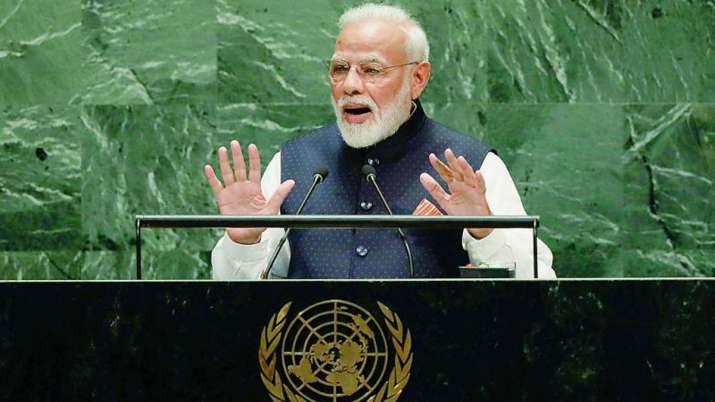
PM Modi to deliver speech virtually at UN General Assembly today | India  News – India TV

Modi has a huge mass appeal and there is a strong reason as to why crowds gather in large numbers to hear Mr.Modi. His campaigns have always been multidimensional focusing on the youth empowerment, fighting over corruption, wiping out terrorism and there is much more. With an aim to replicate social-economic success, he strives to connect with the masses and the youth of the country on a deeper level. He has managed to vow to enforce a contemporary the uniform civil code for harmonising tradition with the present times. Prime minister Modi’s government will continue to focus on the “Jan Dhan” or financial inclusion of the poor from the country. The two new aspects are also included which are: “Jal Dhan” programmes for increasing the agriculture network and the other is the “Van Dhan” programmes for protecting the forest resources. Mr. Modi vows to rationalise the ministries and departments present in the country. Mr. Modi is going well on his way to expand and empower the nations pool of diplomats. This happens to be a Part of his proactive diplomacy has begun with the invites to neighbouring countries for his swearing-in ceremony.

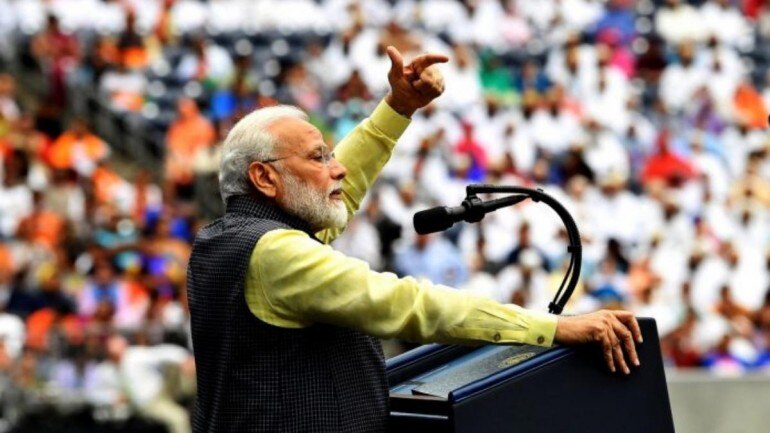
Howdy, Big Data! PM Modi Pitches India As The New Global Data Haven

The Swacch Bharat Abhiyan is a brilliant initiative of how the PM Modi has managed to reign in the youth and the children of the country to battle the issue of cleanliness and the hygiene which has been a traditional concern of India. In this process, he has managed to introduce various healthy competition by naming many clean cities and clean railway stations as well, putting cleanliness on the national agenda of India.  The Modi government’s focus on the economic development of the country is termed to be undeniable. It is here that we should let numbers do the talking. In the economic growth rate of the country in 2013-14 was pegged at the rate of  about 4.7 percent, which  a slight increase over the 4.5 percent of  growth  as compared to of 2012-13. Make in India is an initiative which was declared by the Prime minister of the country from the ramparts of the Red Fort managed to woke the nation up to its potential. Mr. Modi’s flagship campaigns – Digital India and skill India is nation’s turning point on a global platform.

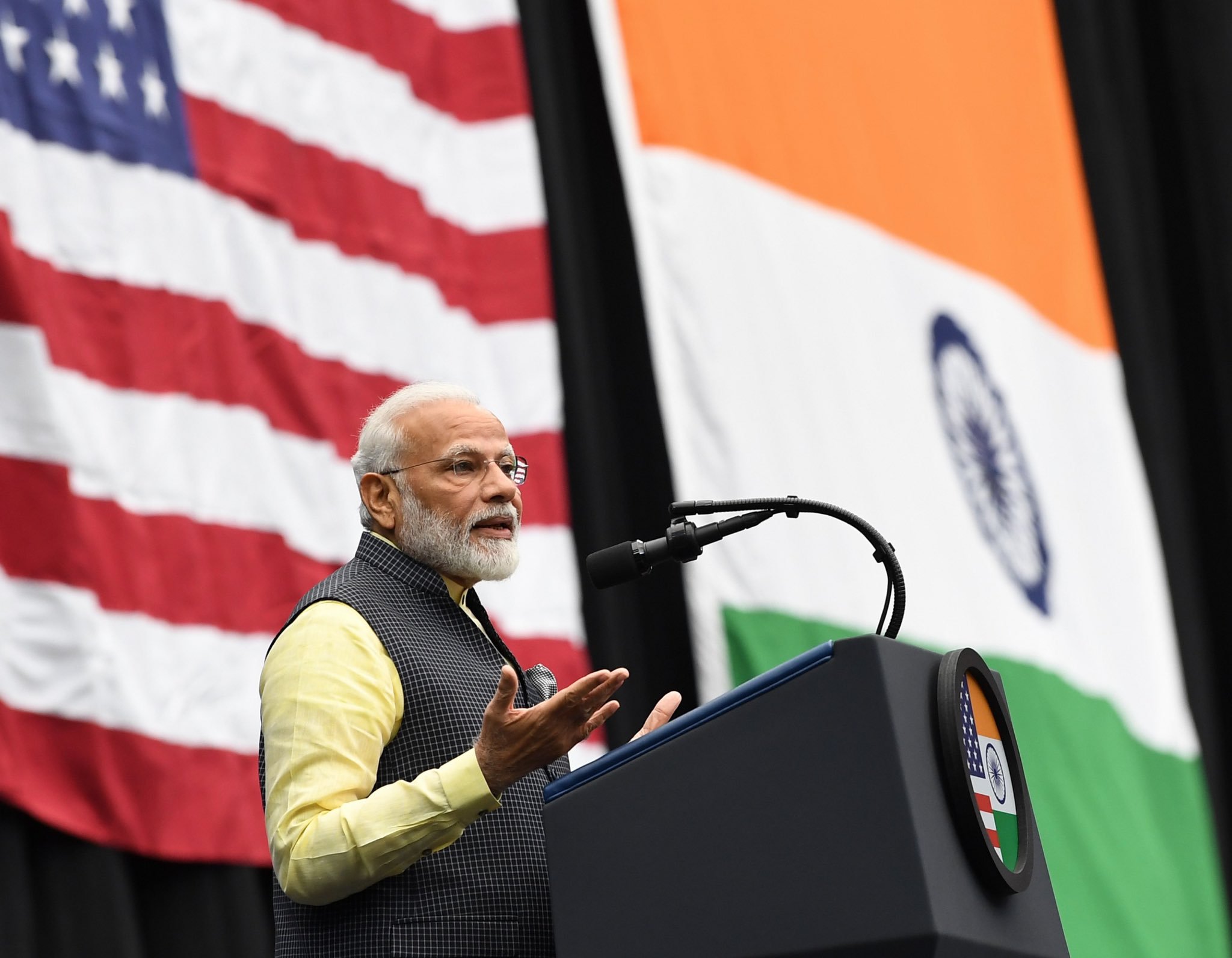
Howdy, Modi!, global award, statesman UN speech: Highlights of PM Modi's US  visit in 10 points

International Youth Day

It is observed on 12 August every year to raise awareness about the youth and draws attention to the issues faced by the youth all across the world. For the first time, it was declared by the United Nations General Assembly.

From 1965 to 1975 an International policy on youth was emphasised and both the General Assembly and the Economic & Social Council focus on three basic themes that is participation, development, and peace in the field of youth.

WATER

How much water should you drink?

Drink plenty of water throughout the day to avoid dehydration.

How much water should you drink a day? You probably know that it’s important to drink plenty of fluids when the temperatures soar outside. But staying hydrated is a daily necessity, no matter what the thermometer says. Unfortunately, many of us aren’t getting enough to drink, especially older adults. “Older people don’t sense thirst as much as they did when they were younger. And that could be a problem if they’re on a medication that may cause fluid loss, such as a diuretic,” says Dr. Julian Seifter, a kidney specialist and associate professor of medicine at Harvard Medical School.

Benefits of drinking water:

Water keeps every system in the body functioning properly. The Harvard Medical School Special Health Report 6-Week Plan for Health Eating notes that water has many important jobs, such as:

•Carrying nutrients and oxygen to your cells

•Flushing bacteria from your bladder

•Aiding digestion

•Preventing constipation

•Normalizing blood pressure

•Stabilizing the heartbeat

•Cushioning joints

•Protecting organs and tissues

•Regulating body temperature

•Maintaining electrolyte (sodium) balance.

Giving your body enough fluids to carry out those tasks means that you’re staying hydrated.

If you don’t drink enough water each day, you risk becoming dehydrated. Warning signs of dehydration include weakness, low blood pressure, dizziness, confusion, or urine that’s dark in color.

So how much water should you drink? Most people need about four to six cups of water each day.

How much water should you drink a day?

The daily four-to-six cup rule is for generally healthy people. It’s possible to take in too much water if you have certain health conditions, such as thyroid disease or kidney, liver, or heart problems; or if you’re taking medications that make you retain water, such as non-steroidal anti-inflammatory drugs (NSAIDs), opiate pain medications, and some antidepressants.

How much water a day should you drink if you fit into that category? There’s no one-size-fits-all answer. Dr. Seifter says water intake must be individualized, and you should check with your doctor if you are not sure about the right amount for you.

But even a healthy person’s water needs will vary, especially if you’re losing water through sweat because you’re exercising, or because you’re outside on a hot day. If you’re wondering how much water you should drink on those occasions, speak with your doctor, but a general rule of thumb for healthy people is to drink two to three cups of water per hour, or more if you’re sweating heavily.

Tips for avoiding dehydration:

It’s not just water that keeps you hydrated. All beverages containing water contribute toward your daily needs. And it’s a myth that caffeinated beverages or those containing alcohol are dehydrating because they make you urinate. They do, but over the course of the day, the water from these beverages still leads to a net positive contribution to total fluid consumption.

Of course, there are many reasons why water is still the better choice. Remember, sugary drinks can lead to weight gain and inflammation, which can increase your risk for developing diseases such as diabetes. Too much caffeine can give you the jitters or keep you from sleeping. And, alcohol intake should be limited to one drink per day for women, and 1-2 drinks per day for men.

To ward off dehydration, drink fluids gradually, throughout the day. An easy way to do this is to have a drink at each meal, as well as socially, or with medicine.

And know that you also get fluids from water-rich foods, such as salads, fruit, and applesauce.