CYBER CRIME


Everybody thinks that only stealing
someone’s private data is Cyber Crime. But in defining terms we can say that
‘Cyber Crime refers to the use of an electronic device (computer, laptop, etc.)
for stealing someone’s data or trying to harm them using a computer.

Computer related networks that involve the
use of computers, networks and gadgets can be interconnected to a cyber crime.
In such crimes, the security of networks, persons, institutions or a whole
nation could be at risk and threat.

Speaking in a broad way we can say that
Cyber Crime are categorized into four major types. These are Financial,
Privacy, Hacking, and Cyber Terrorism.

Hackers steal confidential data in
unethical ways and utilize this information and data for spurious purposes.
Cyber crimes are high functional frauds that can wipe off big online financial
transactions and transfer the entire amount into criminal accounts. It involves
digital devices as tools or targets. It can be defined as an unlawful act that
is done to harm someone.

In, hacking they intentional deface a
website to cause damage or loss to the public or owner. Apart from that, they
destroy or make changes in the existing websites to diminish its value.

In financial crime they steal the money of
account holders. And they also steal the data of big companies in order to fulfil
their desire or to seek revenge with someone.

In this age of technology and easy access
to internet anyone can easily hack your PC or your system. No matter how useful
the internet is, at the same time it has its own pros and cons as well.

Many
people think cyber crime refers to targeting people and stealing their money.
However, that is not the case. Cyber crimes may include credit card frauds,
voice phishing, distribution of viruses, cyber-stalking, child pornography,
forgery, unauthorized access, etc.

To stop this highly spreading cyber crime and
for the safety of netizens government has made several laws related to
cyber crime. And they have also introduced several cyber cell departments, where
we can complain about the fraud that has been committed against us.

But the thing is mostly people afraid of
complaining about the fraud, which is not good. If a crime is committed we must
go seek help from cyber cell department. They try to solve our problem as fast
as possible.

Cyber crimes can bring down a person, an
institution or even a whole nation with the breach of privacy. Cyber criminals
use underdeveloped laws of the developing countries to manipulate records and
remain anonymous. So we must stay alert.

Education and awareness are the initials
steps taken to prevent cyber crimes from taking place. It is not like that we
are waiting for someone to aware us, if we have internet then we also can learn
about prevention against cyber crime on internet itself. We must not open any
illegal link recklessly. We must also aware our loved ones who use internet. Download
applications from trusted sources.
Use encryption for your
most sensitive files such as tax returns or financial records, make regular
back-ups of all your important data, and store it in another location. And always
stay alert.

Bad bank and NPA

 Bad Bank and NPA

“If banks cannot truly be customers intimate, they are doomed to be just dumb
commodities; acting behind the scenes, like utilities”. But somewhere this is
misunderstood and that is now bad loans are NPA. Suppose SBI gives a loan of Rs. 10 Crores to a company (Kingfisher Airlines). Consider that they agreed upon an interest 10%
per annum. Initially, everything was good and market forces are supporting the airline industry. Therefore the company was able to pay the interest amounts later,
due to technical reasons the company did not pay interest rates for 90 days. This is called NPA. So, NPA means it is a credit facility in respect of which interest on the installment of principal has remained as ‘post due’ for a specified time generally 90 days
in India.
If once the borrower has failed to make interest or principal payments for 90 days it
is also called as NPA. The account remains ‘out of order’ for a period of 90 days or more in
respect of Over Draft / Cash Credit.
NPA’S are categorized into 3 types: Substandard Assets: 
The assets which remain as NPA for a period not exceeding 12 months are called substandard. These have to be maintained 15% of its reserves in the bank.
Doubtful Assets: The assets which remain as NPA for a period exceeding 12
months.
Loss Assets: It is when the assets has been identified by bank or internal or
external auditor or central bank inspector. But the amount has been written off wholly or
partly.
OVERVIEW ON NPA:
According to RBI an asset including a leased asset become NPA.
When it ceases to generate income for a bank. NPA affected countries are
1.CHINA
2.SOUTH AFRICA
3.BRAZIL
4.RUSSIA
5.INDIA
To lessen NPA’S they are some advanced tools which help to detect fraud. For an
instance, Experian India’s Hunter Fraud Score have launched work on data mining and
calculate some genuine score that can help banks to detect fraud and lower the loses.
How serious is India’s bad loan problem?
a.More the Rs 1 lakh crores worth loans are as NPA’S in India.
b.Roughly 10% of loans that were given are nerve paid back which results in
substantial loss of money to banks.
c.When reconstructed and unorganized assets are added the total stress would
be 15-20% of total loans.
d.The bad performance is not a good sign and can result in the crashing of banks
which was happened in 2008 USA I.e; Sub Prime crisis.
e.NPA problem in INDIA is worst when comparing, other emergency economics
in BRICS. And even ‘ Reconstructing norms are being misused’.
Reasons for NPA’S:
i. Diversification of funds to unrelated bussiness or fraud.
ii. Lapses due to careless work.
iii. Business loses due to change in business or regulatory environment.
iv. Lack of confidence, particularly when government schemes which had waive loans.
v. Due to severe competition ( Telecom sector in India )
vi. Cheap import due to dumping leads to business loss of domestic companies.
High concern cases on NPA:➢ SBI, PNB which is mired in the 11,400 crore Nirav Modi scam and IDBI Bank
limited top the list of bank loans given out by PSB’S in terms of quantum of loan
amount.
➢ Vijay Mallaya case: A consortium of 17 banks led by SBI has filed a case to recover
duls worth over Rs. 9000 crores
➢ Rotomac case: The CBI has quizZed 6 otficials of Bank of Baroda in connection with
Rs. 3695 crores bank fund. Rotamac pen company and its directors i.e. Vikram
Kothat and Rahul Kothari, Sadhana Kothari 7 banks led by Bank of Baroda had
charges of cheating.
Impact on Indian Economy:
Lender suffer lowering of profit margins. Stress in banking sector causes less money
available to fund other projects ie., negative impact on larger economy. Higher interest
rates by banks to maintain profit margin. investment gets struck, it may result in
unemployment. In case of public sector banks the bad health of banks means a bad return
for a share holder. I.e., GOI gets less money as dividend which results in social and political
costs. Balance sheet syndrome in India characterizes both banks & corporate sector have
stressed the investment by halting it.
Will bad bank effect deposits?
If loans become bad, banks will fail to make profit and cannot serve interest to depositors
and meet their expenses. Ultimately they will incure loss and banks failure. Apprehending
deposits loss customers will try to withdraw entire deposits from banks and there may be a run on banks.
According to Rating Agency (CARE) as of June 2017, SBI leads the list of scheduled banks
with highest NPA.
According to financial stability report 2017 released by RBI states that India’s gross
NPA’S stands at 9.6%. IDBI 24.11%, IOB-23.6%, Kotak 2.58%, HDFC – 1.24% and SBI
9.97% (ratio’s). PARA (Public Sectors Asset Rehabilitation Agency)- PARA colloquialy
called as Bad Bank’ is to assume the NPA of public sector banks in India to deal with
recovery of bad loans. It has been proposed in Economic Survey 2016-2017. The main
function of it is to charge the most difficult cases and make political decisions to reduce
debt.
Steps taken by Government:
➔ Mission Indradhanush for Banks: It is a 7 pronged plan launched by government of
India to resolve issues faced by public sector banks. It aims to revamp their
functioning them to compete with private sector banks. 7 parts are appointments,
Banks board bureau capitalization, de-stressing, empowerment, framework of
accountability and governance
reforms.
➔ Amendment in law making of banks ie. to give more power to RBI.
➔ RBI’s loan restructuring schemes.
➔ Recapitalization of PSB’S- bonds and budgetary allocation ➔ Prompt corrective actions by RBI for PSB’s.
➔ Reforms within the working of the bank
i. Asset quality review
ii. Cautious lending
iii. Capital adequacy Ratio as per Basel IlI norms
iv. Bankruptcy laws.
v. Revenue Recovery Act.
CONCLUSION:
The NPA’s are the outcome of credit activity of the bank which is important to earn profit.
By considering all NPA problems the solutions has to be designed with consideration o1
political economy of India. For all these we need a larger committee to speedily vet loan
write of. It is advisable to constitute a Loan Resolution Authority by an Act of Parliament.
Bank and government should work in Tandem.
–E. LALITHA 

Temple Kartik Swami


Kartik Swami


It is believed that the Uttarakhand is the land of god that’s why it’s known as Devbhoomi. In this article , we will tell you about a temple named  Kartik Swami which is a temple of mystic ambiance and exquisite views. The shrine is dedicated to Lord Shiva’s son Kartikeya and is situated on a big rock atop the highest cliff. It is situated near Kanak Chauri Village on Rudraprayag-Pokhari route in the district of Rudraprayag of the state Uttarakhand and this popular Hindu temple is perched on a hilltop at an elevation of 3050metre above the sea level.


Read more about this at :- https://prashantshukla2021.blogspot.com/2021/07/temple-kartik-swami.html

Interesting facts about our country India!

  • India never invaded any country in her last 100000 years of history.
  • When many cultures were only nomadic forest dwellers over 5000 years ago, Indians established Harappan culture in Sindhu Valley (Indus Valley Civilization)
  • The name ‘India’ is derived from the River Indus, the valleys around which were the home of the early settlers. The Aryan worshippers referred to the river Indus as the Sindhu.
  • The Persian invaders converted it into Hindu. The name ‘Hindustan’ combines Sindhu and Hindu and thus refers to the land of the Hindus.
  • Chess was invented in India.
  • Algebra, Trigonometry and Calculus are studies, which originated in India.
  • The ‘Place Value System’ and the ‘Decimal System’ were developed in India in 100 B.C.
  • The World’s First Granite Temple is the Brihadeswara Temple at Tanjavur, Tamil Nadu. The shikhara of the temple is made from a single 80-tonne piece of granite. This magnificent temple was built in just five years, (between 1004 AD and 1009 AD) during the reign of Rajaraja Chola.
  • India is the largest democracy in the world, the 7th largest Country in the world, and one of the ancient civilizations.
  • The game of Snakes & Ladders was created by the 13th century poet saint Gyandev. It was originally called ‘Mokshapat’. The ladders in the game represented virtues and the snakes indicated vices. The game was played with cowrie shells and dices. In time, the game underwent several modifications, but its meaning remained the same, i.e. good deeds take people to heaven and evil to a cycle of re-births.
  • The world’s highest cricket ground is in Chail, Himachal Pradesh. Built in 1893 after leveling a hilltop, this cricket pitch is 2444 meters above sea level.
  • India has the largest number of Post Offices in the world. And world’s only floating post office.
  • The largest employer in India is the Indian Railways, employing over a million people.
  • The world’s first university was established in Takshila in 700 BC. More than 10,500 students from all over the world studied more than 60 subjects. The University of Nalanda built in the 4th century was one of the greatest achievements of ancient India in the field of education.
  • Ayurveda is the earliest school of medicine known to mankind. The Father of Medicine, Charaka, consolidated Ayurveda 2500 years ago.
  • India was one of the richest countries till the time of British rule in the early 17th Century. Christopher Columbus, attracted by India’s wealth, had come looking for a sea route to India when he discovered America by mistake.
  • The Art of Navigation & Navigating was born in the river Sindh over 6000 years ago. The very word Navigation is derived from the Sanskrit word ‘NAVGATIH’. The word navy is also derived from the Sanskrit word ‘Nou’.
  • Bhaskaracharya rightly calculated the time taken by the earth to orbit the Sun hundreds of years before the astronomer Smart. According to his calculation, the time taken by the Earth to orbit the Sun was 365.258756484 days.
  • The value of “pi” was first calculated by the Indian Mathematician Budhayana, and he explained the concept of what is known as the Pythagorean Theorem. He discovered this in the 6th century, long before the European mathematicians.
  • Algebra, Trigonometry and Calculus also originated in India. Quadratic Equations were used by Sridharacharya in the 11th century. The largest numbers the Greeks and the Romans used were 106 whereas Hindus used numbers as big as 10*53 (i.e. 10 to the power of 53) with specific names as early as 5000 B.C. during the Vedic period. Even today, the largest used number is Terra: 10*12(10 to the power of 12).
  • Until 1896, India was the only source of diamonds in the world (Source: Gemological Institute of America).
  • The Baily Bridge is the highest bridge in the world. It is located in the Ladakh valley between the Dras and Suru rivers in the Himalayan mountains. It was built by the Indian Army in August 1982.
  • Sushruta is regarded as the Father of Surgery. Over 2600 years ago Sushrata & his team conducted complicated surgeries like cataract, artificial limbs, cesareans, fractures, urinary stones, plastic surgery and brain surgeries.
  • Usage of anaesthesia was well known in ancient Indian medicine. Detailed knowledge of anatomy, embryology, digestion, metabolism,physiology, etiology, genetics and immunity is also found in many ancient Indian texts.
  • The four religions born in India – Hinduism, Buddhism, Jainism, and Sikhism, are followed by 25% of the world’s population.
  • Jainism and Buddhism were founded in India in 600 B.C. and 500 B.C. respectively.
  • Indian Constitution is the longest constitution till date.
  • Islam is India’s and the world’s second largest religion.
  • The oldest European church and synagogue in India are in the city of Cochin. They were built in 1503 and 1568 respectively.
  • Jews and Christians have lived continuously in India since 200 B.C. and 52 A.D. respectively.
  • Varanasi, also known as Benaras, was called “the Ancient City” when Lord Buddha visited it in 500 B.C., and is the oldest, continuously inhabited city in the world today.
  • His Holiness, the Dalai Lama, the exiled spiritual leader of Tibetan Buddhists, runs his government in exile from Dharmashala in northern India.
  • Martial Arts were first created in India, and later spread to Asia by Buddhist missionaries.
  • Yoga has its origins in India and has existed for over 5,000 years.

The First World War

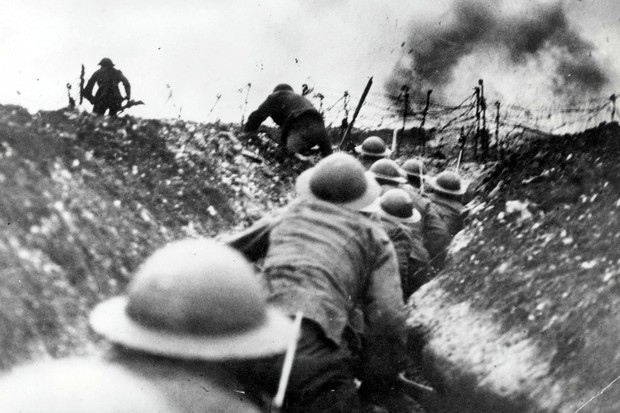
World war 1 was a global war that Started from Europe. World war 1 began in 1914 and lasted till 1918.it was the one of the deadliest and destructive war in history, with an estimated death of 8.5 million soldiers and 13 million civilian.

The major European states were divided into 2 blocks through treaties .Britain, France and Russia had formed one block that was called Triple Entene while Germany, Hungary-Austria and Italy had formed another block that was called Triple Alliance. a mutual hatred was created between these two alliances by secret alliances that ultimately led to the first world war.

During the 19th and early 20th centuries, European countries had come to dominate rest of the world either through conquest or unequal treaties. with backward countries. then the world war was started in 1914. it involved rest of the world also that is why it is called First world war.

Causes of World war 1

1. Rivalries of colonies: colonial power of Europe controlled vast overseas territories in south America, south Asia and many areas. Britain had the largest colonial empire. By the begining of 20th century, Germany had emerged as one of the most advanced Countries of Europe, however they lagged behind Britain and France. Germany was looking for a share in colonial markets. On the other hand Britain and France were following some policies to avoid Germany to achieve their goals. War was the only way for Germany to achieve their target.

2. Armament race:- All developed countries were busy making weapons for defence of their respective countries, but it led to fear and hatred among the various nations. they did not realize the outcome of growing their armaments.

3. Militant nationalism:-Nationalism became a very hot topic in Europe in 19th century. Each country wanted to become free from dominance of any other country. They wanted to be free. During this wave, Greece, Romania ,Bulgaria and Serbia became independent nations.

4. Territorial conflicts:-There were many conflicts between Turkey and some eastern European states due to territory issue. just before the start of first world war. the other European countries tried to solve the matter but Serbia was not happy and decided to start war. the France people wanted to get back Alsace-Lorraine which was taken away from them in 1870 by Germany.

5.Germany dream of becoming Superpower :-Germany always wanted to become a world leader but after 1890, the state of affairs was passed to a aggressive ang highly ambitious Emperor Kaiser Wilhelm. . he wanted to take a strong position in Europe. One by one each of the European countries became Germany’s enemy. slowly alliances were made to opposed Germany’s dominance and aggression.

Participation in war

The Russians declared support for Serbia that provoked Germany. On 4th of August ,Britain declared war against Germany. .Austria-Hungary declared war on Russia on 6th August. Turkey and Bulgaria joined war on Austria -Hungary side. Japan also joined war on the side of Britain. Later USA also joined war on the side of Britain.

result

it was the one of the deadliest and destructive war in history. Russia was badly defeated by Germany. The combined forces of USA, Britain and France were defeated Austria, Hungary and Germans .on the other hand, Turkey lost the territories to Palestine, Iraq, Syria and others. Germany lost many island in the east. The war came to an end in 11th of November 1918. and Treaty of Versailles was signed later.

Wettest places of India


As UAE using 100% of their brain using drones for producing fake rain, wherein India, we are considering the maximum rainfall as a natural gift, here are some places considered to be having the highest rainfall in order


1.Mawsynram


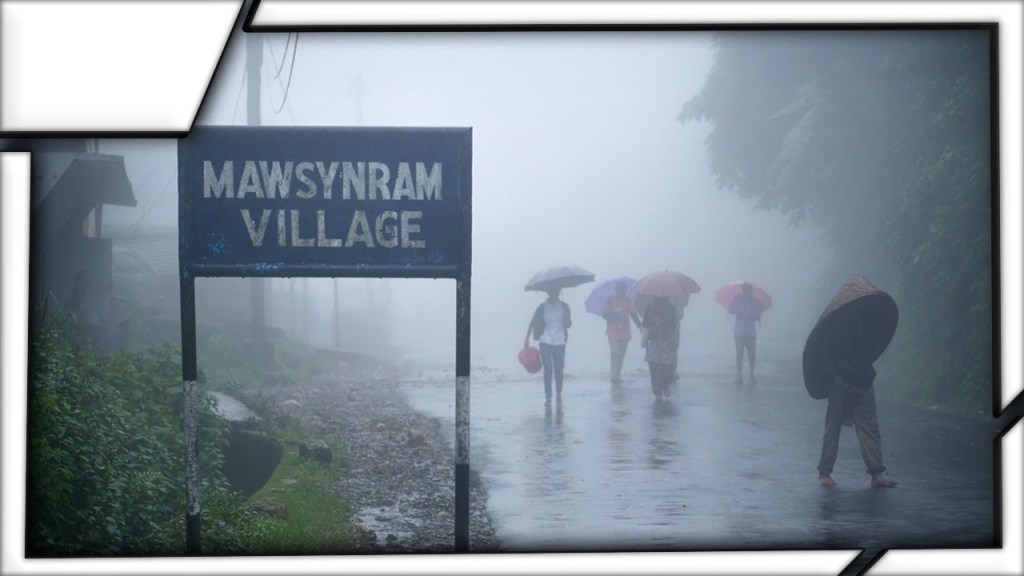
Leaving behind Cherrapunji, a town in Khasi hills district of Meghalaya Mawsynram, secure the title of been having the highest rainfall not just of India but of the world with a record of 11,872 mm of rainfall during monsoon season.
60.9 km from Shillong, the capital of the State has a subtropical highland climate with a long monsoon season and short dry season. Landslides are common incidents in their due to excessive rainfall, for survival during the rainy season, the residents of that small village prepare themselves by making knups, using bamboo silvers, plastic sheets, and broom grass to create shields.Cherrapunji
Securing the second position Cherrapunji or Sohra has a rainfall of 11,619 mm, lies in the slopes of southern parts of Khasi hill, Meghalaya facing the plains of Bangladesh, interesting fact out there is that the rainfall is mostly been in the night time which doesn’t interpret the day works apart from that Sohra is famous for its living bridges.

2.Agumbe


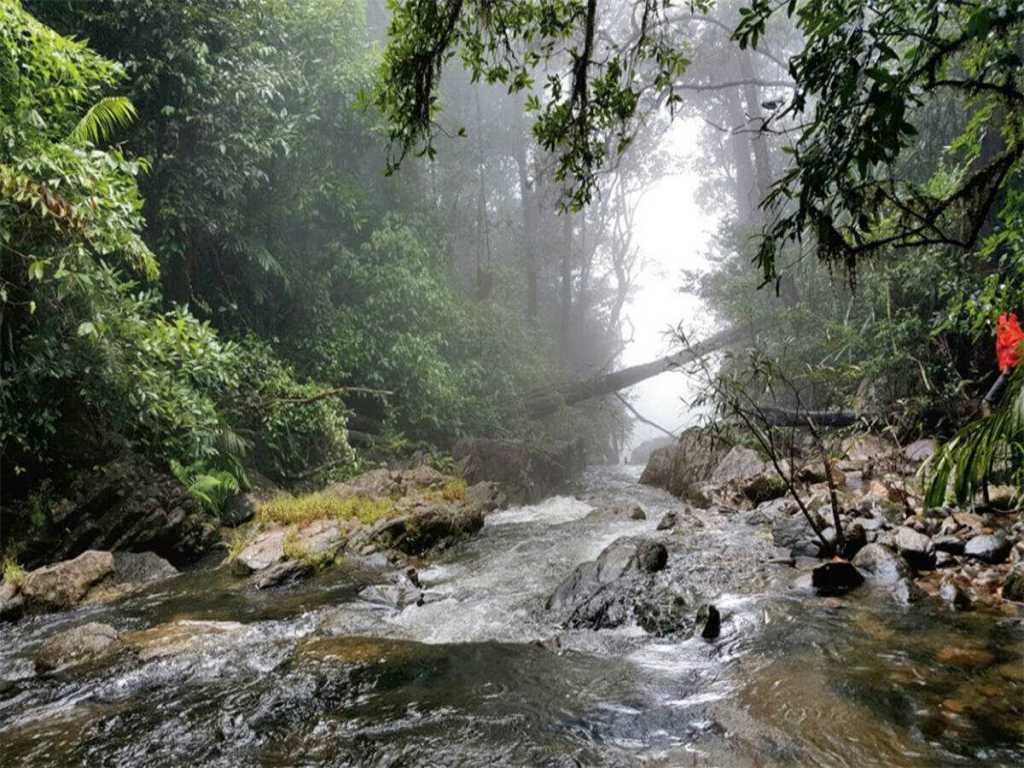
A small town in Shimoga district, Karnataka surrounded by thickly forest Malenadu region of the western ghats Mountain Range. Receiving an average of 7,691 mm of rainfall. Having green views for trekking and photography and associated with important rainforest stations for research, promotion of cottage industry, documentation of medicinal plants.

3.Amboli


A hill station Shimoga district, Maharashtra, it is the last hill station before the coastal highlands of Goa, famous for tourism encompasses amazing gorges and waterfalls during monsoonsSitutaed at an altitude of 690 meters above the sea level `witness around 7,500 mm of rain every year. In Amboli it is hard to find a single house where at least one member of the family has not served in the Indian Army.


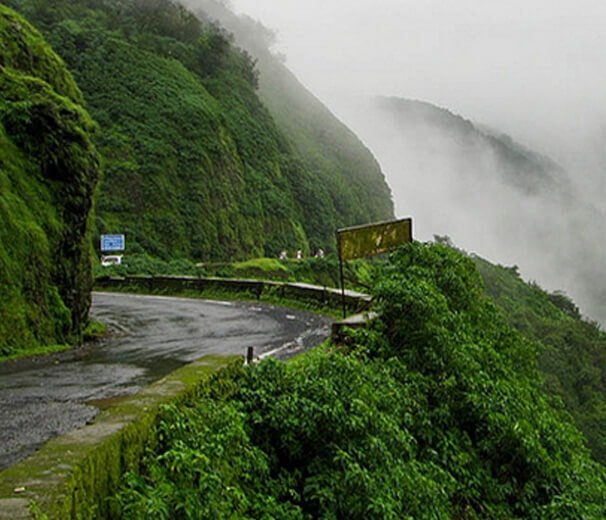
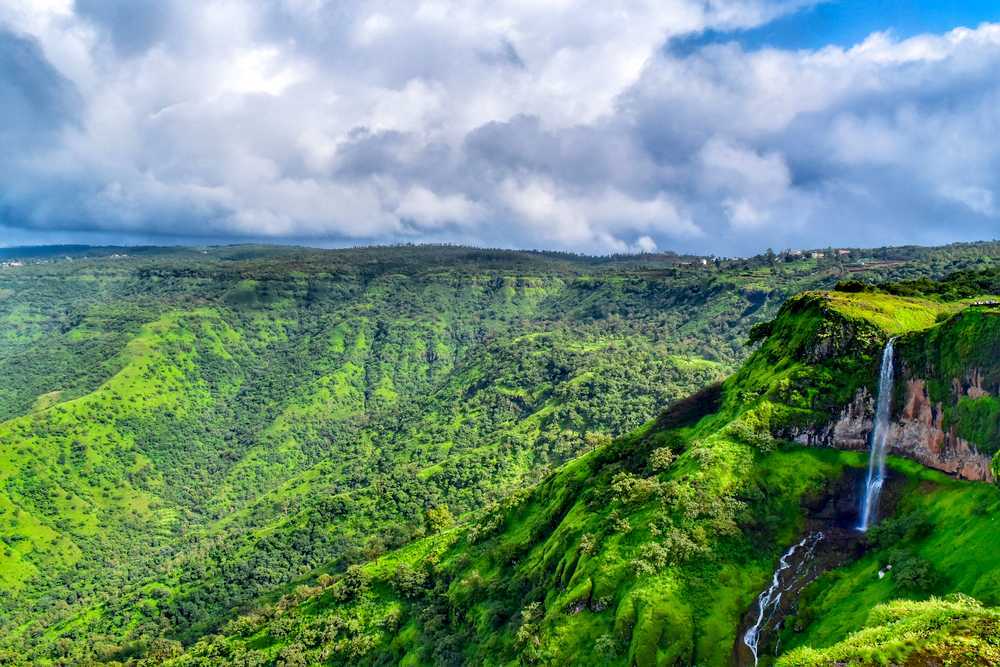
4.Mahabaleshwar


Having a record of 5,618 mm of rainfall, located close to western ghats a hill station lies 270 km away from the capital of Maharashtra, apart from that it has many mythological temples to visit.

The climate of Mahabaleshwar is suitable for strawberry cultivation, it contributes 85% of its strawberry production in the country.
It is the source of Krishna River, it has some viewpoints such as Venna Lake, Arthur point, 3 Monkey point and so on.

FEMINISM- IMPORTANCE AND IMPACTS


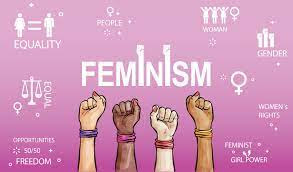
 Feminism is a social and political movement that advocates for the rights of women on the grounds of equality of sexes. It does not deny the biological differences between the sexes but demands equality in opportunities. It covers everything from social and political to economic arenas. In fact, feminist campaigns have been a crucial part of history in women empowerment. The feminist campaigns of the twentieth century made the right to vote, public property, work and education possible. Thus, an essay on feminism will discuss its importance and impact.

Importance of Feminism

Feminism is not just important for women but for every sex, gender, caste, creed and more. It empowers the people and society as a whole. A very common misconception is that only women can be feminists.

It is absolutely wrong but feminism does not just benefit women. It strives for equality of the sexes, not the superiority of women. Feminism takes the gender roles which have been around for many years and tries to deconstruct them.

This allows people to live freely and empower lives without getting tied down by traditional restrictions. In other words, it benefits women as well as men. For instance, while it advocates that women must be free to earn it also advocates that why should men be the sole breadwinner of the family? It tries to give freedom to all.

Most importantly, it is essential for young people to get involved in the feminist movement. This way, we can achieve faster results. It is no less than a dream to live in a world full of equality.

Thus, we must all look at our own cultures and communities for making this dream a reality. We have not yet reached the result but we are on the journey, so we must continue on this mission to achieve successful results.

Impact of Feminism

Feminism has had a life-changing impact on everyone, especially women. If we look at history, we see that it is what gave women the right to vote. It was no small feat but was achieved successfully by women.

Further, if we look at modern feminism, we see how feminism involves in life-altering campaigns. For instance, campaigns that support the abortion of unwanted pregnancy and reproductive rights allow women to have freedom of choice.

Moreover, feminism constantly questions patriarchy and strives to renounce gender roles. It allows men to be whoever they wish to be without getting judged. It is not taboo for men to cry anymore because they must be allowed to express themselves freely.


DIGITAL MARKETING


Digital Marketing

Any marketing that uses electronic devices to convey promotional messaging and measure its impact. In practice, digital marketing typically refers to marketing campaigns that appear on a computer, phone, tablet, or other device. It can take many forms, including online video, display ads, and social media posts. Digital marketing is often compared to “traditional marketing” such as magazine ads, billboards, and direct mail. Oddly, television is usually lumped in with traditional marketing.


Did you know that more than 3 quarters of Americans go online on a daily basis? Not only that, but 43% go on more than once a day and 26% are online “almost constantly.”

These figures are even higher among mobile internet users. 89% of Americans go online at least daily, and 31% are online almost constantly. As a marketer, it’s important to take advantage of the digital world with an online advertising presence, by building a brand, providing a great customer experience that also brings more potential customers and more, with a digital strategy.

What is digital marketing?

Digital marketing, also called online marketing, is the promotion of brands to connect with potential customers using the internet and other forms of digital communication. This includes not only email, social media, and web-based advertising, but also text and multimedia messages as a marketing channel.

Essentially, if a marketing campaign involves digital communication, it’s digital marketing.

Inbound marketing versus digital marketing

Digital marketing and inbound marketing are easily confused, and for good reason. Digital marketing uses many of the same tools as inbound marketing—email and online content, to name a few. Both exist to capture the attention of prospects through the buyer’s journey and turn them into customers. But the 2 approaches take different views of the relationship between the tool and the goal.

Digital marketing considers how each individual tool can convert prospects. A brand’s digital marketing strategy may use multiple platforms or focus all of its efforts on 1 platform.

Inbound marketing is a holistic concept. It considers the goal first, then looks at the available tools to determine which will effectively reach target customers, and then at which stage of the sales funnel that should happen.

The most important thing to remember about digital marketing and inbound marketing is that as a marketing professional, you don’t have to choose between the 2. In fact, they work best together. Inbound marketing provides structure and purpose for effective digital marketing to digital marketing efforts, making sure that each digital marketing channel works toward a goal.

B2B versus B2C digital marketing

Digital marketing works for B2B as well as B2C companies, but best practices differ significantly between the 2.

  • B2B clients tend to have longer decision-making processes, and thus longer sales funnels. Relationship-building strategies work better for these clients, whereas B2C customers tend to respond better to short-term offers and messages.
  • B2B transactions are usually based on logic and evidence, which is what skilled B2B digital marketers present. B2C content is more likely to be emotionally-based, focusing on making the customer feel good about a purchase.
  • B2B decisions tend to need more than 1 person’s input. The marketing materials that best drive these decisions tend to be shareable and downloadable. B2C customers, on the other hand, favor one-on-one connections with a brand.

Of course, there are exceptions to every rule. A B2C company with a high-ticket product, such as a car or computer, might offer more informative and serious content. Your strategy always needs to be geared toward your own customer base, whether you’re B2B or B2C.


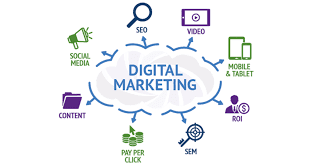
Types of digital marketing

There are as many specializations within digital marketing as there are ways of interacting using digital media. Here are a few key examples.

Search engine optimization

Search engine optimization, or SEO, is technically a marketing tool rather than a form of marketing in itself. The Balance defines it as “the art and science of making web pages attractive to search engines.”

The “art and science” part of SEO is what’s most important. SEO is a science because it requires you to research and weigh different contributing factors to achieve the highest possible ranking. Today, the most important elements to consider when optimizing a web page include:

  • Quality of content
  • Level of user engagement
  • Mobile-friendliness
  • Number and quality of inbound links

The strategic use of these factors makes SEO a science, but the unpredictability involved makes it an art.

In SEO, there’s no quantifiable rubric or consistent rule for ranking highly. Google changes its algorithm almost constantly, so it’s impossible to make exact predictions. What you can do is closely monitor your page’s performance and make adjustments accordingly.

Content marketing

SEO is a major factor in content marketing, a strategy based on the distribution of relevant and valuable content to a target audience.

As in any marketing strategy, the goal of content marketing is to attract leads that ultimately convert into customers. But it does so differently than traditional advertising. Instead of enticing prospects with potential value from a product or service, it offers value for free in the form of written material.

Content marketing matters, and there are plenty of stats to prove it:

  • 84% of consumers expect companies to produce entertaining and helpful content experiences
  • 62% of companies that have at least 5,000 employees produce content daily
  • 92% of marketers believe that their company values content as an important asset

As effective as content marketing is, it can be tricky. Content marketing writers need to be able to rank highly in search engine results while also engaging people who will read the material, share it, and interact further with the brand. When the content is relevant, it can establish strong relationships throughout the pipeline.

Social media marketing

Social media marketing means driving traffic and brand awareness by engaging people in discussion online. The most popular platforms for social media marketing are Facebook, Twitter, and Instagram, with LinkedIn and YouTube not far behind.

Because social media marketing involves active audience participation, it has become a popular way of getting attention. It’s the most popular content medium for B2C marketers at 96%, and it’s gaining ground in the B2B sphere as well. According to the Content Marketing Institute, 61% of B2B content marketers increased their use of social media this year.

Social media marketing offers built-in engagement metrics, which are extremely useful in helping you to understand how well you’re reaching your audience. You get to decide which types of interactions mean the most to you, whether that means the number of shares, comments, or total clicks to your website.

Direct purchase may not even be a goal of your social media marketing strategy. Many brands use social media marketing to start dialogues with audiences rather than encourage them to spend money right away. This is especially common in brands that target older audiences or offer products and services not appropriate for impulse buys. It all depends on your company’s goals.

To learn more about how Mailchimp can help with your social media strategy, check out the comparison of our free social media management tools versus others.

Pay-per-click marketing

Pay-per-click, or PPC, is posting an ad on a platform and paying every time someone clicks on it.

How and when people see your ad is a bit more complicated. When a spot is available on a search engine results page, also known as a SERP, the engine fills the spot with what is essentially an instant auction. An algorithm prioritizes each available ad based on a number of factors, including:

  • Ad quality
  • Keyword relevance
  • Landing page quality
  • Bid amount

Each PPC campaign has 1 or more target actions that viewers are meant to complete after clicking an ad. These actions are known as conversions, and they can be transactional or non-transactional. Making a purchase is a conversion, but so is a newsletter signup or a call made to your home office.

Whatever you choose as your target conversions, you can track them via your chosen platform to see how your campaign is doing.

Affiliate marketing

Affiliate marketing lets someone make money by promoting another person’s business. You could be either the promoter or the business who works with the promoter, but the process is the same in either case.

It works using a revenue sharing model. If you’re the affiliate, you get a commission every time someone purchases the item that you promote. If you’re the merchant, you pay the affiliate for every sale they help you make.

Some affiliate marketers choose to review the products of just 1 company, perhaps on a blog or other third-party site. Others have relationships with multiple merchants.

Whether you want to be an affiliate or find one, the first step is to make a connection with the other party. You can use a platform designed to connect affiliates with retailers, or you can start or join a single-retailer program.

If you’re a retailer and you choose to work directly with affiliates, there are many things you can do to make your program appealing to potential promoters. You’ll need to provide those affiliates with the tools that they need to succeed. That includes incentives for great results as well as marketing support and pre-made materials.

Native advertising

Native advertising is marketing in disguise. Its goal is to blend in with its surrounding content so that it’s less blatantly obvious as advertising.

Native advertising was created in reaction to the cynicism of today’s consumers toward ads. Knowing that the creator of an ad pays to run it, many consumers will conclude that the ad is biased and consequently ignore it.

A native ad gets around this bias by offering information or entertainment before it gets to anything promotional, downplaying the “ad” aspect.

It’s important to always label your native ads clearly. Use words like “promoted” or “sponsored.” If those indicators are concealed, readers might end up spending significant time engaging with the content before they realize that it’s advertising.

When your consumers know exactly what they’re getting, they’ll feel better about your content and your brand. Native ads are meant to be less obtrusive than traditional ads, but they’re not meant to be deceptive.

Marketing automation

Marketing automation uses software to power digital marketing campaigns, improving the efficiency and relevance of advertising.

According to statistics:

  • 90% of US consumers find personalization either “very” or “somewhat” appealing
  • 81% of consumers would like the brands they engage with to understand them better
  • 77% of companies believe in the value of real-time personalization, yet 60% struggle with it

Marketing automation lets companies keep up with the expectation of personalization. It allows brands to:

  • Collect and analyze consumer information
  • Design targeted marketing campaigns
  • Send and post marketing messages at the right times to the right audiences

Many marketing automation tools use prospect engagement (or lack thereof) with a particular message to determine when and how to reach out next. This level of real-time customization means that you can effectively create an individualized marketing strategy for each customer without any additional time investment.

Email marketing

The concept of email marketing is simple—you send a promotional message and hope that your prospect clicks on it. However, the execution is much more complex. First of all, you have to make sure that your emails are wanted. This means having an opt-in list that does the following:

  • Individualizes the content, both in the body and in the subject line
  • States clearly what kind of emails the subscriber will get
  • Offers a clear unsubscribe option
  • Integrates both transactional and promotional emails

You want your prospects to see your campaign as a valued service, not just as a promotional tool.

Email marketing is a proven, effective technique all on its own: 89% of surveyed professionals named it as their most effective lead generator.

It can be even better if you incorporate other techniques such as marketing automation, which lets you segment and schedule your emails so that they meet your customer’s needs more effectively.

Is Coronavirus Pandemic an existential crisis?

-Aditi Raj

“covid is an existential crisis that comes from an awareness of your own freedom” says Dr Sarb Johal

The word existential means feelings of unease about meaning, choices and freedom in one’s life. Whatever you call it, the main motive is the same: the idea of our life being meaningless because it is continuously facing restrictions, and with a conclusion that at the end our life will end with death. In this article we will discuss the feeling of existential crisis in an individual mind has a positive or a negative impact.

The ideation sounds quite bleak, but if we do think about it it’s not an uncommon experience. It’s just we barely have a conversation over such topic, and when we experience this in our own, we think we’re alone in this experience, so we end up choosing to hide it. Forging ahead to the article I would like to attach few words of fiction written by me during the beginning of this pandemic.

Last sleepless night(which is quite frequent nowadays),some astonishing thoughts suddenly appeared in my mind. As I had an integrated night, soon that thoughts changed into overthinking. I had a thought that how everything is so interim in our life. Last month we were so engrossed in our daily schedule and here we are in complete isolation where we don’t even know how to spend our day. Have we ever thought that a virus can entirely transform our way of living? Have we ever thought that sitting ideally will be subtitled as “serving the tribe”? One moment we were so busy with everything and the second moment everything has stopped. Things that were decisive for us now seem worthless. Lying on my bed, my brain bursted with the thought that how temporary everything is. The body is mortal and anything can happen anytime. And the most important thing is our lives and the people we love.

An existential crisis often occurs after major life events, such as one’s career or their job, death of their close one’s, diagnosis of a life-threatening illness or experiencing a trauma. For existentialists, an existential crisis is considered to be a journey, a necessary experience and a complex phenomenon. It comes from awareness of your own freedom and realization of how our life will end up one day. Experiencing an existential crisis can also be positive as it brings out the self guidance and also the question where you realize the purpose of life and finding directions.

Around the world, many have found that the covid-19 crisis has helped them realize what is truly important in their lives. The basics :like health, stable relationships with family and closed one and a comfortable and safe place called home.

And in the conclusion, the process of learning to live with this existential anxiety should possibly be framed as adaption rather than anxiety. Adaption means adjusting yourself according to the condition, rather than moving yourself to some imaginary point which may never happen.

LADLI FOUNDATION


LADLI FOUNDATION


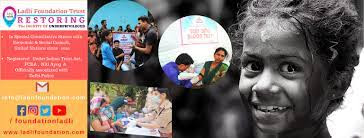
Ladli Foundation is an internationally recognized non-profit organization. It is known for its innovative action research initiatives and effective community outreach at the grassroots level.

Foundation is also listed by the Niti Aayog – The highest policy-making body of the Government of India.

Driven by concerns of gender equality as an integral and critical dimension of human rights, Ladli Foundation became a reality in 2012 for working as a grassroots social catalyst.

Officially associated with government departments and Delhi Police, Ladli has been known to bring positive reformative changes in society through its unique initiatives at the grassroots level, bringing direct benefits to program recipients.

Further, in acknowledging its well-meaning endeavors, Ladli Foundation gained the reputed Special Consultative Status in the United Nations Economic and Social Council.

Recently the organization was recognized by the United Nations Secretary-General Mr. António Guterres during the 65th Session of Commission on the Status of Women for raising the voice to prioritize the agenda of Women’s Health and elimination of Child Marriages in developing countries for achieving Gender Equality (SDG5).

With a mission of building a gender-sensitized inclusive society with equal access to basic, essential amenities and services- healthcare, education, workforce participation by women- the foundation has been diligently working in 50 districts across 10 states in India.

Ladli foundation have taken many initiatives for unprivileged and illiterate women and children who are living in slum areas. This foundation is created to make society for developing in every field. Ladli scheme has been started to spread awareness about the safety and importance of girls. Along with it, the Ladli scheme has been started with the aim of increasing the trend of registering girl child after her birth and promoting the education of girl child. This organization also contribute to those women who have skills and talents by making homemade crafts and food items. By this, the organization helps to take the products to the market. There are certain many privileges which are given by Ladli Foundation: – 1. To provide education to poor girls, getting 50 poor girls married in a year and includes all work like bearing all the expenses. 2. Preventive and Primary healthcare is given to the needed ones. 3. Education and skill development is practiced for the children who cannot afford school fees. 4. Making campaigns and providing all the necessities to the poor people. This was spread among millions through media and it was praised by our honorable Home Minister of India Sh. Rajnath Singh. There were many initiatives taken by Ladli Foundation: – 1. Foundation have diagnosed nearly 57,000 girls and women in the country at various locations. 2. Used to approach and sensitize the affected women to counsel and educate them. 3. Under Ladli Foundation’s Scheme initiative, they sensitize both mother and daughter because there is no barrier for discussions related to any such issues faced by a girl. Equally, it aims to create awareness among the global community about the significance of scientifically proven Indian traditional practices for advancing sustainable living for achieving United Nations sustainable development goals.


THE 26/11 ATTACK

The Mumbai 2008 attack a.k.a 26/11 was a chain of terrorist attack that took place in November in the year of 2008. There were 10 members of Lashkar-e-Taiba, it was an Islamist terrorist organization from India’s biggest enemy country, Pakistan. They successfully achieved 12 synchronized bomb attacks and firing that lasted 4 days in the Mumbai.  This attack withdrew the attention of everyone all over the world. The attack lasted for 4 days, began on Wednesday, 25 November 2011 and continued till Saturday, 29 November 2011.

174 people died in this attack, including 9 terrorist and more than 300 people were injured. Chhatrapati Shivaji Terminus, Mumbai Chabad House, The Oberoi Trident, the Taj Palace & Tower was attacked 8 times. There was also a massive explosion in Mazagaon. On 28 November, in the early morning except Taj Hotel all the sites were secured by Mumbai Police and security force. Operation Black Tornado was conducted by Indian’s National Security Guard to wash out the left-over attackers, this winded up with death of remaining attacker in Taj Hotel and ended the strike. Pakistan dined the attack. Ajmal Kasab was the only attacker who survived the strike. He revealed that he and other 9 were the members of terrorist group named Lashkar-e-Taiba. Soon later the Indian Government declared that the attackers were from Pakistan, and they were controlled from there itself only. After this Pakistan confirmed that the sole survivor of the attack was a citizen of Pakistan. On 19 April 2015, the major person Zakiur Rehman Lakhvi who initiated the attack was prison free on bail and got vanished. He was then again caught and arrested in Lahore on 2 January 2021.

THE BACKGROUND

Mumbai has faced many terrorists attack since the 13 interrelated bomb explosions in which 257 were killed and 700 were injured. In the year 1993 an attack was carried out with the feeling of taking revenge in earlier religious breakdown for peace that killed many Muslims. In the year 2006 on 6th of December, a blast in a Ghatkopar station killed two people and 28 were injured. The bomb explosion took place on the 10th anniversary of the destruction of the Babri Mosque in Ayodhya. In January 2003, the Prime Minister of Indian, Atal Bihari Vajpayee visited the city, and a day before that a bicycle bomb explode near the Vile Parle station in Mumbai, in which one person died and 25 were injured. On 25 August in the year 2003, two bombs were dropped in South Mumbai, one near the Gateway of India and the other at Zaveri Bazaar situated in Kalbadevi, 44 people were killed and 150 were serious due to this attack. On the Suburban Railway in Mumbai seven bomb were exploded within 11 minutes on 11th of July 2006, which killed 209 people, 22 foreigners were also included in this and more than 700 injured. According to the Mumbai Police, the bombings were carried out by Laskhar-e-Taiba group of terrorists.

With due respect I salute Mumbai police the real life heroes who were standing still and showed enough bravery to fight against the group of terrorists not once but many times and made all the people of Mumbai to feel safe and secure.

Depay eager to link up with ‘best player in the world’ after Barca unvieling

Memphis Depay says playing with Lionel Messi “will be a dream” for him after his unveiling at Barcelona, as he will get the chance to link up with the “best player in the world”.

Depay was officially presented as a new Barca player on Thursday, having been snapped on a free transfer following his departure from Lyon at the end of the 2020-21 campaign.

The 27-year-old joins a star-studded squad that is likely to include Lionel Messi, once the final terms of his new contract are finalised, and he can’t wait to work alongside the six-time Ballon d’Or winner.

The Netherlands international is excited to work alongside a Blaugrana “legend” that he says “can do everything” with the ball at his feet

My life is art. Art is my life :

Being an artist isn’t just about putting pencil to paper, or brush to canvas. Art can and does mean so much more than that, to so many people. Art is a way of seeing the world, a way of expression, oftentimes a compulsion: we simply must create!

Art may be a way to explore your world or your imagination. Art may inspire a beginning painter to take steps into learning a new medium, or an accomplished artist to experiment with a new technique. Art is teaching, art is learning. Art can be exciting, empowering, and an expression of love. Art can be a challenge: both frustrating and rewarding at the same time, leading to a sense of accomplishment — or a determination to do more. Art can be a message: of politics, of peace, of brutality or beauty. Art can be an escape, an idealization, or simply a means of play. Art can be anything and everything you let it be!

To succeed they have to work very hard. Picasso said inspiration comes when you are working. They have to have complete mastery of the materials they use which takes endless practice. They have to be aware of what other artists have done. And then the best ones have to have original ideas they want to express.

3D Printed organs

Bioprinting is a method that enables cellular structures to be made from bio inks loaded with stem cells. Layer by layer, the biomaterial is deposited to create skin, tissue or even an organ. Bioprinting projects are growing, and each new project is one-step closer to being a fully functional and viable solution. Laboratories and research centers are bioprinting human livers, kidneys and hearts. The objective is to make them suitable for transplantation, and viable long-term solutions. In fact, this method could allow to cope with the lack of organ donors, and to better study and understand certain diseases. There is still progress to be made but we wanted to present the main bioprinting projects in the listing below, including 3D printed organs and other human body parts.

Bioprinted ovaries :

In May 2017, researchers from Northwestern University were developing a solution for women with fertility issues. Back then, they had succeeded in implanting a bio-printed ovary in a sterile mouse. Two years later, the researchers made some very promising progress. They were able to map the location of structural proteins in a pig ovary, allowing them to create a bio ink to bio print functional ovaries for human use. Additionally, the team explained that their methodology could be used to identify other types of proteins that could facilitate the creation of bio inks for other organs!

Bioprinting pancreas :

A team of scientists from the “Foundation for Research and Development of Science” has set itself the goal of developing a functional 3D printed pancreas by 2020, which will help diabetic patients avoid having to inject insulin and minimize the risk of related secondary complications, which often lead to death. For the bioprinting, a biopsy of the patient, and stem cell harvest is first performed. The cells are then converted into cells capable of producing insulin and glucagon.

PADMA AWARDS

The Padma Awards are one of India’s highest civilian accolades, given out on the eve of Republic Day every year. The three categories of awards are as follows:-

  1.  Padma Vibhushan which is given for extraordinary and distinguished service
  2.  Padma Bhushan for distinguished service of higher level
  3. Padma Shri for distinguished service in any field

The award is intended to reward accomplishments in all professions or disciplines where public service is a factor. The profession may include art, sports, trade, and industry etc. They are given out based on the recommendations of the Padma Awards Committee, which is formed every year by the Prime Minister. The public is invited to participate in the nomination process. Even one can nominate oneself. These honors are open to everyone, regardless of ethnicity, occupation, status, or gender. Government employees, including those who work for PSUs, are not eligible for these awards, with the exception of physicians and scientists. 

The President has authorized the conferment of 119 Padma Awards this year, including one dual case in which the Award is considered as one. There are seven Padma Vibhushan awards, ten Padma Bhushan awards, and 102 Padma Shri awards on the list. There are 29 women among the honorees, as well as 10 foreigners, NRIs, PIOs, and OCIs, 16 posthumous awards, and one transgender awardee. The list is as follows:-

PADMA VIBUSHAN (7)

NAMEDISCIPLINE/FIELDSTATE/COUNTRY
1 Shri Shinzo AbePublic affairsJapan
2.Shri S P Balasubramanian(posthumous)Art Tamil Nadu 
3.Dr. Belle Monapo HedgeMedicine Karnataka
4. Shri Narinder Singh Kapany (Posthumous)  Science and engineering United states of America 
5. Maulana Wahiduddin Khan Others-spiritualismDelhi 
6. Shri B. B. Lal  Others-ArcheologyDelhi 
7. Shri Sudarshan Sahoo  Art Odisha 

PADMA BHUSHAN(10)

NAMEDISCIPLINE/FIELDSTATE/COUNTRY
1.Ms. Krishnan Nair Shantakumari Chithra Art Kerala
2.Shri Tarun Gogoi (Posthumous)Public affairsAssam 
3.Shri Keshubhai Patel(Posthumous)  Public affairsGujrat 
4.Shri Chandrashekhar Kambara Literature and Education Karnataka 
5.Ms. Sumitra Mahajan Public Affairs Madhya Pradesh 
6.Shri Nripendra Misra Civil service Uttar Pradesh 
7.Shri Kalbe Sadiq (Posthumous)Others-spiritualism Uttar pradesh 
8. Shri Tarlochan Singh  Public affairs Haryana 
9.Shri Rajnikant Devidas Shroff Trade and industryMaharashtra 
10.Shri Ram Vilas Paswan (posthumous)Public Affairs Bihar 

PADMA SHRI(102)

NAMEDISCIPLINE/FIELDSTATE/COUNTRY 
Gulfam AhmedArtUttar Pradesh
P. AnithaSportsTamil Nadu
Rama Swamy AnnavarapuArtAndhra Pradesh
Subbu ArumugamArtTamil Nadu
Prakasarao AsavadiLiterature and EducationAndhra Pradesh
Bhuri BaiArtMadhya Pradesh
Radhe Shyam BarleArtChhattisgarh
Dharma Narayan BarmaLiterature and EducationWest Bengal
Lakhimi BaruahSocial WorkAssam
Biren Kumar BasakArtWest Bengal
Rajni BectorTrade and IndustryPunjab
Peter BrookArtUnited Kingdom
Sangkhumi BualchhuakSocial WorkMizoram
Gopiram Bargayn BurabhakatArtAssam
Bijoya ChakravartyPublic AffairsAssam
Sujit  ChattipadhyayLiterature and EducationWest Bengal
Jagdish Chaudhary (Posthumous)Social WorkUttar Pradesh
Tsultrim ChonjorSocial WorkLadakh
Mouma DasSportsWest Bengal
Srikant DatarLiterature and EducationThe U.S.A.
Narayan DebnathArtWest Bengal
Chutni DeviSocial WorkJharkhand
Dulari DeviArtBihar
Radhe DeviArtManipur
Shanti DeviSocial WorkOdisha
Wayan DibiaArtIndonesia
Dadudan GadhaviLiterature and EducationGujarat
Parshuram Atmaram GangavaneArtMaharashtra
Jai Bhagwan GoyalLiterature and EducationHaryana
Jagdish Chandra HalderLiterature and EducationWest Bengal
Mangal Singh HazowaryLiterature and EducationAssam
Anshu JamsenpaSportsArunachal Pradesh
Purnamasi JaniArtOdisha
Matha B. Manjamma JogatiArtKarnataka
Damodaran KaithapramArtKerala
Namdeo C. KambleLiterature and EducationMaharashtra
Maheshbhai and Nareshbhai Kanodia (Duo) (Posthumous)ArtGujarat
Rajat Kumar KarLiterature and EducationOdisha
Rangasami Lakshminarayana KashyapLiterature and EducationKarnataka
Prakash KaurSocial WorkPunjab
Nicholas KazanasLiterature and EducationGreece
K. KesavasamyArtPuducherry
Ghulam Rasool KhanArtJammu and Kashmir
Lakha KhanArtRajasthan
Sanjida KhatunArtBangladesh
Vinayak Vishnu KhedekarArtGoa
Niru KumarSocial WorkDelhi
LajwantiArtPunjab
Rattan LalScience and EngineeringThe U.S.A.
Ali ManikfanOthers- Grassroots InnovationLakshadweep
Ramachandra ManjhiArtBihar
Dulal MankiArtAssam
Nanadro B MarakOthers- AgricultureMeghalaya
Rewben MashangvaArtManipur
Chandrakant MehtaLiterature and EducationGujarat
Rattan Lal MittalMedicinePunjab
Madhavan NambiarSportsKerala
Shyam Sundar PaliwalSocial WorkRajasthan
Dr. Chandrakant SambhajiMedicineDelhi
Dr. J. N. Pande (Posthumous)MedicineDelhi
Solomon PappaiahLiterature and Education- JournalismTamil Nadu
PappammalOthers- AgricultureTamil Nadu
Krishna Mohan Pathi MedicineOdisha
Jaswantiben Jamnadas PopatTrade and IndustryMaharashtra
Girish PrabhuneSocial WorkMaharashtra
Nanda PrustyLiterature and EducationOdisha
K. K. Ramachandra PulavarArtKerala
Balan PutheriLiterature and EducationKerala
Birubala RabhaSocial WorkAssam
Kanaka RajuArtTelangana
Bombay Jayashri RamnathArtTamil Nadu
Satyaram ReangArtTripura
Dhananjay DiwakarMedicineKerala
Ashok Kumar SahuMedicineUttar Pradesh
Dr. Bhupendra Kumar Singh SanjayMedicineUttarakhand
Sindhutai SapkalSocial WorkMaharashtra
Chaman Lal Sapru (Posthumous)Literature and EducationJammu and Kashmir
Roman SarmahLiterature and Education- JournalismAssam
Imran ShahLiterature and EducationAssam
Prem Chandra SharmaOthers- AgricultureUttarakhand
Arjun Singh ShekhawatLiterature and EducationRajasthan
Ram Yatna ShuklaLiterature and EducationUttar Pradesh
Jitender Singh ShuntySocial WorkDelhi
Kartar Paras Ram SinghArtHimachal Pradesh
Kartar SinghArtPunjab
Dilip Kumar SinghMedicineBihar
Chandra Shekhar SinghOthers- AgricultureUttar Pradesh
Sudha Hari Narayan SinghSportsUttar Pradesh
Virender SinghSportsHaryana
Mridula Sinha (Posthumous)Literature and EducationBihar 
K. C. Sivasankar (Posthumous)ArtTamil Nadu
Guru Maa Kamali SorenSocial WorkWest Bengal
Marachi SubburamanSocial WorkTamil Nadu
P. Subramanian (Posthumous)Trade and IndustryTamil Nadu
Nidumolu SumathiArtAndhra Pradesh
Kapil TiwariLiterature and EducationMadhya Pradesh
Father Valles (Posthumous)Literature and EducationSpain
Dr. Thiruvengadam Veeraraghavan (Posthumous)MedicineTamil Nadu
Sridhar VembuTrade and IndustryTamil Nadu
K. Y. VenkateshSportsKarnataka
Usha YadavLiterature and EducationUttar Pradesh
Col. Quazi Sajjad Ali ZahirPublic AffairsBangladesh