Journey Of Vitamins

vitamins: Sources,Physiological role and Deficiency.

In our daily life, we take various types of food material. For our good and healthy life, our diet should be rich in all elements such as minerals, proteins, carbohydrates, vitamins, etc. A good diet gives us healthy life. so let’s know about vitamins…..

Vitamins are organic molecules that are essential to the body. they are micronutrients needed in small quantities for the proper functioning of the body. it is not synthesized in the body therefore taken from the diet. there are different vitamins essential for our body. they are vitamins- A, B, C, D, E, K. they are divided into two types- 1)fat-soluble vitamins: A, D, K, E. 2) Water-soluble vitamins: B, C.lets see in detail…

FAT-SOLUBLE VITAMINS:

1)Vitamin A= It is also called Retinol. It is present in marine fish(cod, shark) liver oil, Egg yolk, Milk, Butter, Papaya, carrots. Its physiological role in the body is to maintain the visual cycle. Retinal is important for pigmentation in the eyes. it also plays a vital role in spermatogenesis. the deficiency of vitamin A causes Xerosis of the eye,bitot’s spot, phrynoderma (dry skin), sterility in males.

2)Vitamin E= Its other name is alpha-tocopherol. it is obtained from Wheat germ oil, cereals, nuts, spinach. Physiological role in antioxidant and also avoid free radicle damage, keep immunity strong. A deficiency causes abortion, degenerative changes in the spinal cord, neuromuscular and neurological defects.

3)Vitamin D= It is a group of two vitamins -D2(Calciferol), D3(Cholecalciferol). Calciferol is obtained from yeast, bread, milk while cholecalciferol is obtained from UV rays. Calciferolhelps help in the absorption of calcium and phosphorus from the intestine. It is also important to strengthen the bone. Deficiency results in Ricketts in children and osteoporosis in adults.

4)Vitamin K= There is a combination of three vitamins- K1(phytonadione), K2(menaquinone), K3(synthetic). K1 is obtained from Alphalfa grass and K2 is obtained from Saradine sea fish. It plays important role in clotting. It helps in the synthesis of Prothrombin, Factor VII, IX, X. its deficiency causes Bleeding tendency(ecchymoses) and haematuria.

WATER-SOLUBLE VITAMIN:

1) Vitamin B= There are various subclasses – B1(Thiamine), B2(Riboflavin), B3(Niacin), B6(Pyridoxine), B12(cyanocobalamin).

  • Thiamine is obtained from cereals, nuts, pulses. it bplays major role in carbohydrate metabolism. its deficiency cause dry or wet beriberi.
  • Riboflavin is present in Milk, leafy vegetables, Egg yolk. sore and raw toughs, dry skin, loss of hair results due to deficiency.
  • Niacin present in fish, meat, husk, nut. It play major role in Elecron transport chain. Deficiency cause Pllegra, dermatitis, dementia.
  • Pyridoxine is rich source in soyabean, egg yolk, meat. Its physiological role in synthesisi of non essential amino acid. Deficiency shows Seborrheic dermatitis,glottis’s.
  • cyanocobalamin derived from fish, egg, animal liver. This nutrient helps to keep blood and nerve cells healthy. The deficiency results in anemia.

2)Vitamin C= it is ascorbic acid. It is rich in citrus fruit such as lemon, oranges. other sources are tomatoes, chilies, cabbages. its physiological role is an oxidative reaction. its deficiency cause scurvy.

Vitamins are micronutrients essential for the body. Daily intake should be from a daily diet.

PHARMACOVIGILANCE: NEW INSIGHT IN PHARMA FIELD

Pharmacovigilance support safe and effective use of drugs.the safety concern of drugs now becoming priority of area.In developing countries drug safety is more focused area. Here is detailed information about role of pharmacist in pharmacovigilance.

According to WHO ” pharmacovigilance is the science and activities relating to detection, assessment, understanding and prevention of adverse effect and any other drug related problem.” Let’s see how pharmacovigilance work? And also the role of pharmacist in pharmacovigilance. It contains various steps such as adverse event Reporting, individual Case Safety Report, medical coding, aggregate reporting, signal detection and risk management.

  1. Adverse case management- It is the first step where Adverse event is reported in various platforms such as hospital, regulatory agencies, review of manufacturing company. After reporting validation of event is done by using 4 parameters that are – patient, product, report, adverse event.
  2. Individual Case Safety Report- When the event is validate then individual safety report is created.here special/ separate report of adverse event is made by detail study of patient and product.
  3. Medical coding- The ICS report come to medical coding to create medical report. The translation of medical report into short code used in healthcare industry is called as medical coding.
  4. Aggregate reporting- It is the process of compilation and submission of aggregate report to regulatory agencies over the period of the product life cycle.there are various types of aggregate report such as DSUR, PSUR etc.
  5. Signal detection- the process of actively searching for and identifying safety Signal from wide variety data source. It done in two ways – qualitative and quantitative.
  6. Risk management- Drug undertaken to promote safe use of medicine and safeguard health of patient. Risk: Benefit ratio is calculated and depending upon that drug given in market or withdraw from market.

In each step of pharmacovigilance there requires good knowledge of drug use , it’s formulation and detailed analysis of Adverse event. The pharmacist know drug in all way so he/she has better understanding ability of adverse event than any other healthcare professionals. There are various drugs developed regularly and they also has some side effects. To avoid that effect and giving better life to patient is most important. pharmacovigilance is essential field for drug safety. That’s why it is new insight in pharma field.

Women in the Field of Science

When we talk about women’s empowerment, gaining formal education, a career or some form of a stable means of livelihood forms an important part. From not allowing girls entry into schools and colleges to witnessing women make pioneering discoveries in the fields of science, technology, medicine, and space, the world has come a long way.

However, let us also not forget the fact that only 33% of researchers globally are women (UN Women 2022). They are also provided fewer funds than men and promoted less. According to a study conducted by The Times of India in 2018, women made up only about 25% of the scientific faculty of universities and institutions. While they form a significant fraction of science teachers in both government and private schools and colleges, the number of women sitting in top positions and with successful careers in these fields is quite small. This is mostly because women more often than not face the pressure of balancing their careers with their families. There remains an inherent belief among many that maintaining the family is primarily the women’s responsibility and cannot be compromised because of their job. A portion of female students enrolled in PG courses and female Ph.D. researchers end up unable to complete their courses due to family pressure regarding marriage. More than 50% of female graduates end up choosing a teaching career, rather than working as professionals in physics, mathematics, and engineering.

Then there are also the numerous complaints of harassment and biased and discriminatory behavior reported in such institutions. The representation of women in the overall field of science is small because people generally see science as a profession for men.

Despite all this, there have been many women visionaries in India who have made significant contributions in the field of science. Here are some of the well-known females in India’s scientific field:

  • Kamala Sohonie {1912-1998} was the first female student of C.V. Raman and was the first woman to obtain a Ph.D. degree in a scientific discipline. She discovered that every cell in a plant tissue contained the ‘cytochrome c’ enzyme which was involved in the oxidation of all plant cells.
  • Anandibai Gopalrao Joshi (1865-1887) was the first Indian woman to have graduated with a degree in western medicine in the U.S and went on to become the first woman physician in India.
  • Janaki Ammal (1897-1984) was a talented botanist who worked on developing different varieties of homegrown sugarcane and eggplant. She received the Padma Shri award in 1977 and was also appointed the Director-General of the Botanical Survey of India.
  • Asima Chatterjee (1917-2006) was a chemist well-known for her contribution in the fields of organic chemistry and phytochemistry.
  • Tessy Thomas (1963-) is the Director-General of Aeronautical Systems of DRDO. She is also the first woman scientist to head a missile project in India. 
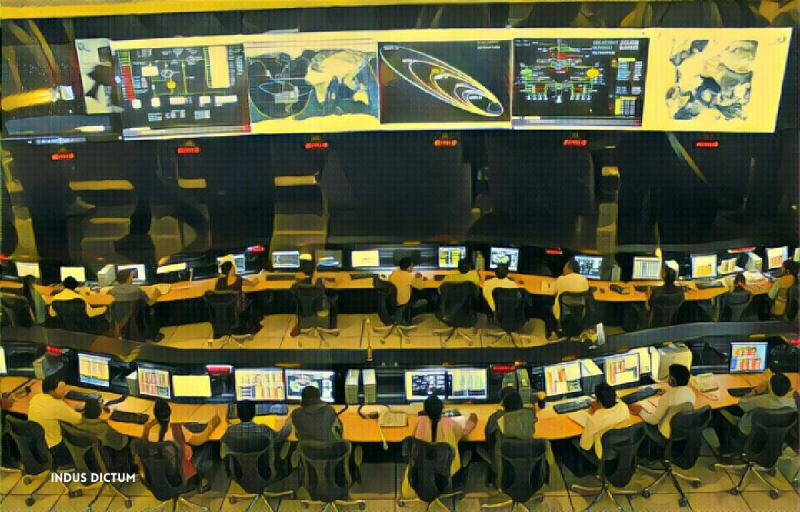
  • Major women scientists of ISRO, like Ritu Karidhal, T.K. Anuradha, Nandini Harinath, and V.R. Lalithambika among many others have received widespread praise and recognition for their work on various successful space missions like Mangalyaan, Chandrayaan, etc.

All of this goes to show us that science is not just a men’s field of play. It is as much a woman’s subject as it is a man’s and this is definitely not the last we will see of women in the field of science.

The science of Sleep

Sleep is one of the most important part of our lives . We spend about one third of our life sleeping. It is as necessary as food and water. Sleep affects almost every type of tissue and system in the body.

Anatomy of sleep

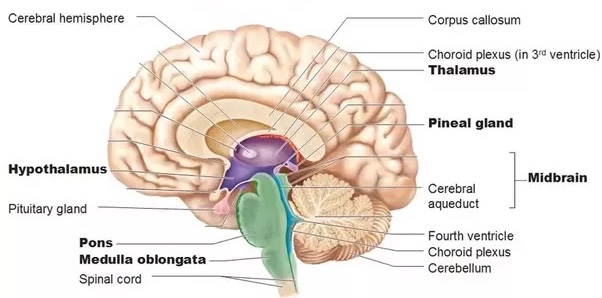
Hypothalamus

It is a peanut- sized structure above the Pituitary gland deep in the brain. It acts as the control centre responsible for shutting down the brain’s arousal signals that affect sleep. The nerve cells of neurons in the hypothalamus are strongly activated during sleep. Within the hypothalamus is the Suprachiasmatic nucleus (SCN)- groups of thousands of cells that receive data about light exposure directly from the eyes and controls the sleep rhythm.

Brain stem

The Pre-optic neurons and the brain stem produce a neurotransmitter called Gamma Amino Butyric Acid (GABA) which acts as an inhibitor as it blocks certain of signals and decreases activity in the nervous system.

Pons and Medulla

Pons, Medulla and mid brain send signals to relax or `paralyse’ muscles essential for body movement in the REM( rapid eye movement )sleep. This prevents The body to move the limbs in dreaming state and protects it from any damages by acting out.

Thalamus

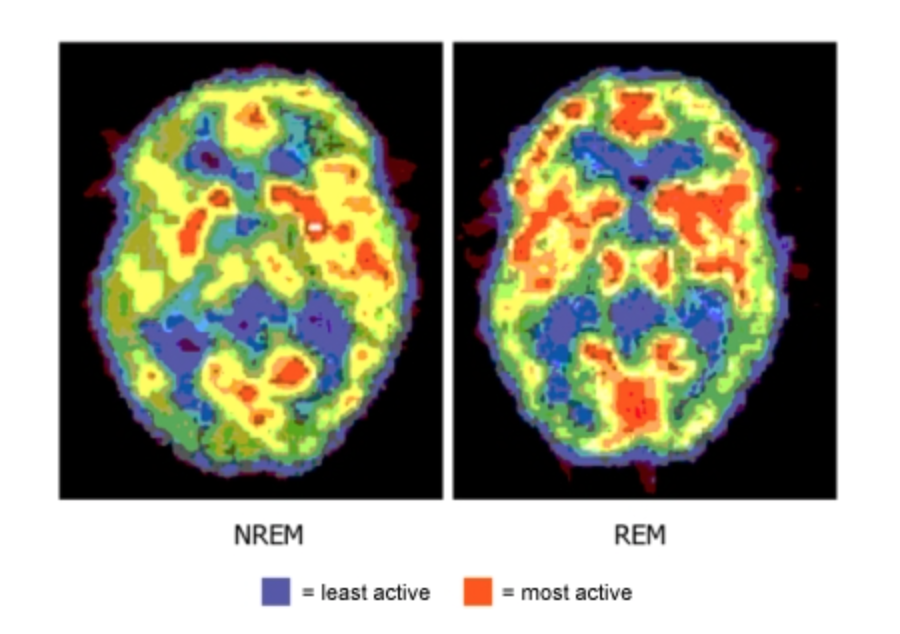
It acts as a relay for information from the senses to the Cerebral Cortex. The cerebral cortex processes data from memory. In deep sleep stage, thalamus becomes quiet but during REM sleep or when we are dreaming, it becomes active sending out sounds,pictures or emotions that make our dreams.

Pineal gland

It is situated in the middle of the brain and is the major site for the production of hormone called Melatonin. This hormone helps put the body asleep when the lights go off. It helps with the timing of Circadian rhythm (internal biological clock) and with sleep.

Amygdala

An almond -shaped structure located deep within the temporal lobes of the brain. It is involved in the processing of emotions and memories. It becomes highly active during REM sleep.

Release of adenosine ,which is a chemical released by cells in the basal forebrain supports sleep drive. Taking caffeine blocks the action of this chemical.

Stages of sleep

Stage 1 Non REM sleep (NREM)

  • The brain slows down.
  • The heartbeat , eye movements and breathing slows.
  • Body relaxes and muscles may twitch.
  • Lasts 5-10 mins.

Stage 2 NREM sleep

  • The body becomes less aware of the surroundings.
  • Body temperature drops.
  • Eye movements stop.
  • Lasts about 20 minutes per cycle

The brain also produces rapid,rhythmic brain waves known as sleep spindles. This allows it to gather ,process and filter newly acquired memories.

Stage 3 NREM

  • Slow brain waves called Delta waves are produced.
  • It allows you to feel refreshed the next day.
  • This is the state of deepest sleep.
  • You are blood pressure drops and breathing slows.

REM sleep

  • Voluntary muscles become immobilised.
  • Rapid eye movement from side to side.
  • You are breathing becomes faster and irregular.
  • Heart rate and blood pressure increase.
  • You dream ( about 2 hours every night).
  • Begins about 90 minutes after falling asleep.
Brain wave activity

An average sleep cycle lasts about 90 minutes . Ideally, we need 5-6 cycles of sleep every 24 hours. Adults need 7 to 8 hours of sleep a night. Although scientists are still trying to learn exactly why we need sleep but studies show that sleep is necessary for survival. The amount of sleep affects our immune system ,nervous system, growth and memory. After all , it is a well know fact that:

Sleep is the best medicine.

How ‘ The Great Himalayas ’ were formed?

The Himalayan mountain range stretches from Brahmaputra to the Indus River. It ranges over 2500 km and about 250 km thick. So how were these Great Himalayas built?

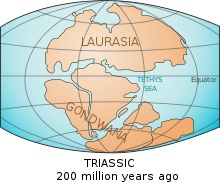
During the late Neoprotozoic era (1000mya-541mya) and early Palaeozoic (541-252mya) , the Indian tectonic plate was a part of the southern Gondwana land .This was separated by the Eurasian plate by the large Tethys ocean . In the early Carboniferous period , an early stage of rifting developed between the Indian subcontinent and the Gondwana land.

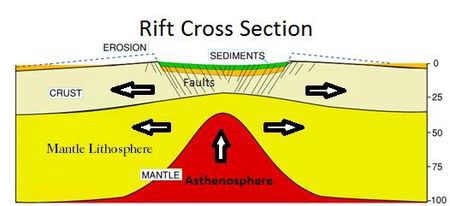
What is a Rift?

A rift is a zone where the lithosphere layer is stretched or pulled apart. In the early stage ,the upper part of the lithosphere starts to extend . As it evolves,some of the fault zones start to connect with each other and become even larger bounding faults .The crust becomes thin causing the rise of Asthenosphere. This way two new tectonic plates are formed from the older single one.

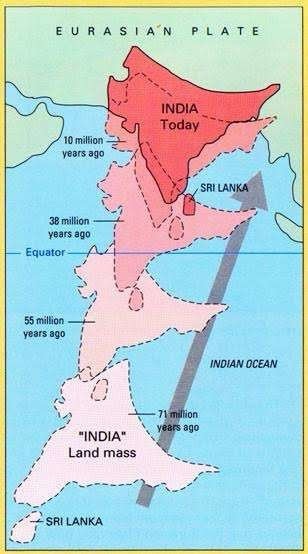
In the Norian period(210 mya), after a major drifting episode the Gondwana land split into two parts. The Indian subcontinent became a part of East Gondwana along with Australia and Antarctica. Later in the early Cretaceous(130 -125 mya), the Indian plate broke off from Australia and Antarctica with the ‘formation’ of Southern Indian Ocean.

At the end of Cretaceous period ,the Indian plate started drifting northward at speeds of about 18 to 20 cm per year which is the highest among all the continental drifts. It covered a distance of more than 6000 km in that time and rotated about 45° counterclockwise relative to the Eurasian plate. Interaction of the Eurasian plate with the coming Indian plate started at about 65 million years ago with the oceanic crust of the latter subducting under the Eurasian plate.

This started the formation of the youngest mountain ranges of the world , The Great Himalayas . This collision was so strong that till present also the Indian plate is colliding northward and the Himalayas continue to rise more than 5 mm a year but due to the stretching of Eurasian plate horizontally and effect of gravity this rising is affected.

Effect on Climate

According to a report of ‘Nature’ magazine, the Himalayan range ormation may have also started Asia’s monsoon about 8 million years ago and contributed to several ice ages that began 2.5 million years ago. The mountain’s and Tibetan Plateau’s uplift gave rise to a dry Central Asia that resulted in the formation of Gobi and Mongolian deserts.

This may have caused a dustier phase in the earth’s atmosphere . The Himalayan range obstructs the passage of cold continental air from north into India in winter and also forces the south westerly monsoon winds to give up most of their moisture before crossing the range northward.

The Himalayas are gigantic and lively and on the other hand they are calm and tranquil, perfect for the soul to grow spiritually.

The Geological time scale

Geologists subdivide timescale by events that happened in geological history . These time intervals are unequal in length, geological timescale describes the timings and relationship of those events that changed Earth’s geology. This time scale is developed by carefully studying and analysing the rock layers ,evolution of species, rock dating, fossil samples and atmosphere.

Eons

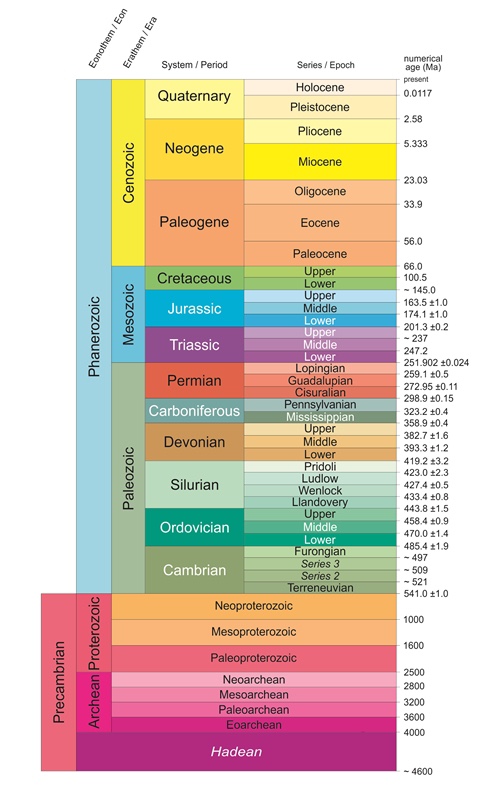
Eons are the largest divisions in geological Time and span to millions of years . There are four eons catalogued till present day, these are — Hadean, Archean, Protozoic and Phenerozoic eon . The first three eons are collectively referred to as the Precambrian super eon.

Hadean Eon

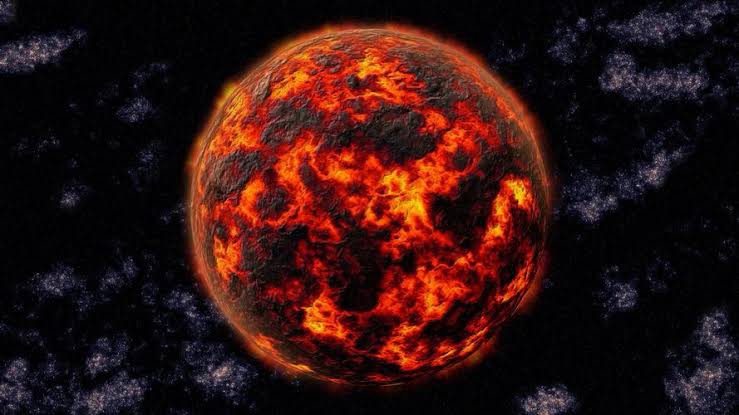
The Hadean eon began when the earth formed about 4.6 billion years ago and ended 4 billion years ago . The planet’s condition was very dynamic , earth was still very hot and frequently collided with other planetary bodies.

Archean Eon

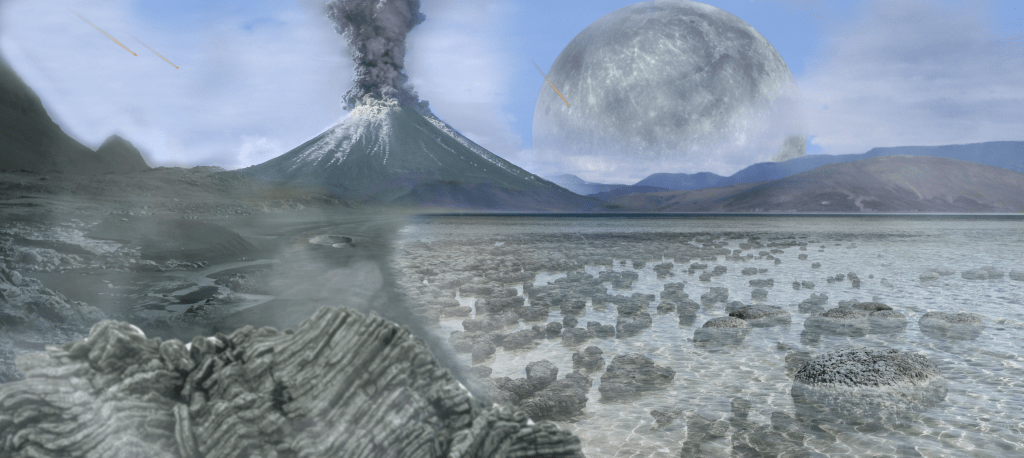
It began about 4 billion years ago till 2.5 billion years . The earth’s crust slowly started cooling and stabilising to form landmass .The earliest lifeform probably anaerobic microbes called stromatolites survived. example – Cyanobacteria, Proteo bacteria , microbial mats. Volcanic activity was very high and Archean rocks were often metamorphosised water segments like volcanic segments and mud rocks.

It is further divided into eras:

Eoarchean

( 4000 mya-3600 mya)

(mya- million years ago)

  • The first Supercontinent Vaalbara appeared.
  • Earth possessed a firm crust for the first time.
  • Prokaryotic microbes called Archaea appeared.

Paleoarchean

( 3600-3200mya)
  • Earliest confirmed evidence of life.
  • Stromatolites may have been created.
  • Microbial mats work present.

Mesoarchean

( 3200-2800mya)
  • Tectonic plates subduction.
  • Expansion of microbial life.
  • Ocean temperatures around 55-85°C
  • High levels of methane and carbon dioxide in the atmosphere.

Neoarchean

(2800-2500 mya)
  • Major development in complex life and continued formation.
  • Rise of oxygen in the atmosphere.

Proterozoic Eon

It spanned the interval from 2500-541 mya . For the first time oxygen appeared in the earth’s atmosphere . Mountain formation activity began because of the continuation of continental accretion .Glaciers began to form . Processes like subduction were active due to high tectonic plate movement. It is further divided into 3 eras-

Paleoproterozoic era

(2500-1600 mya)
  • Longest era
  • Continents stabilised
  • One day duration was 20 hours.
  • Enormous increase in oxygen.
  • Anaerobic life form largely died because oxygen was highly toxic for them.
  • First mass extinction happened.
  • Eukaryotes emerged.
  • Periods in which this era is divided- Siderian, Phyacean and Orosirian.

Mesoproterozoic era

( 1600-1000 mya)
  • Evolution of sexual reproduction.
  • Development of multi cellular organisms.
  • Break up of Columbia supercontinent.
  • Periods – Ectasian and Stenian .

Neoproterozoic era

( 1000-541 mya)
  • Most glaciation.
  • Ice sheets reached equator.
  • Snowball Earth formed.
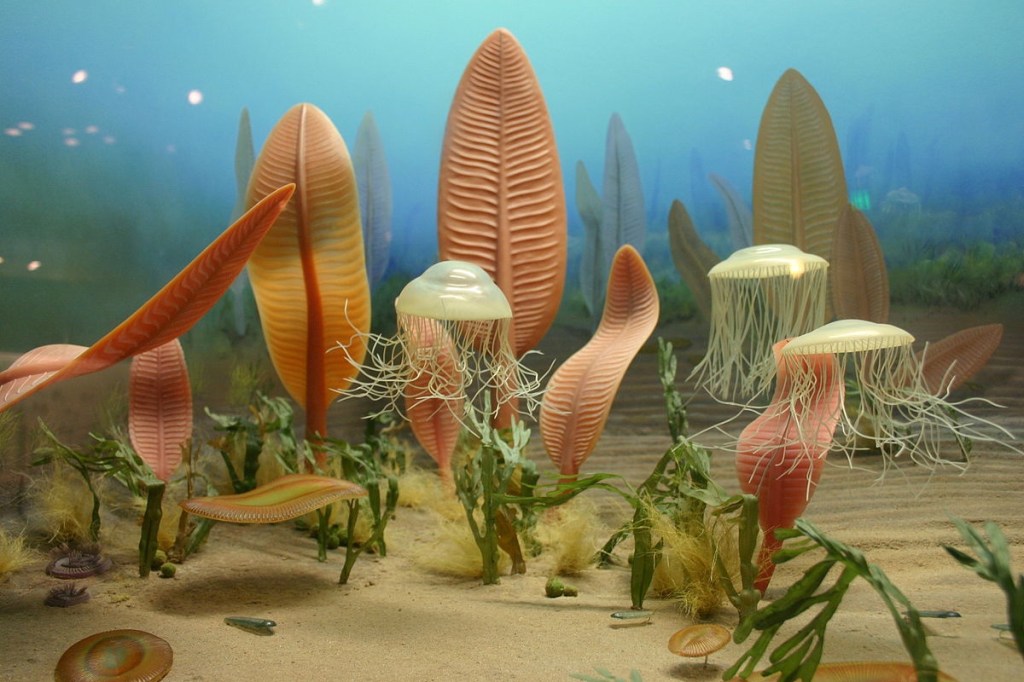
  • First appearance of Trilobites ans Sponges.
  • Periods- Tonian, Cryogenian and Ediacaran.

Phanerozoic Eon

It covers timeline from 541 million years ago to the present. At the start of this eon , complex plants and multi cellular organisms with hardshells appeared . There was a single landmass known as Pangaea. It is divided into 4 eras:

Paleozoic era

(541-252 mya)
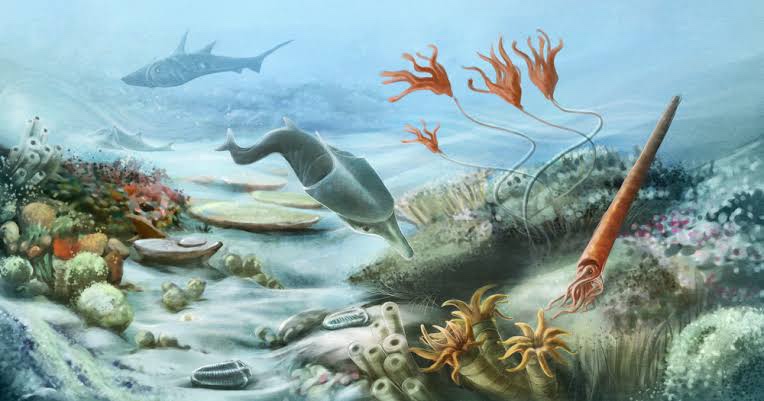
  • Most rapid diversification of life called Cambrian explosion.
  • Evolution of arthropods ,fish and amphibians.
  • Life transition to the land.
  • Forests of primitive plants appeared.
  • Largest extinction event called Permian- Triassic extinction event happened.
  • Appearance of invertebrate animals phyla.
  • Reptiles prospered.
  • Periods- Cambrian, Ordovian, Silurian, Devonian, Carboniferrous and Permian.

Mesozoic era

(252-66 mya)
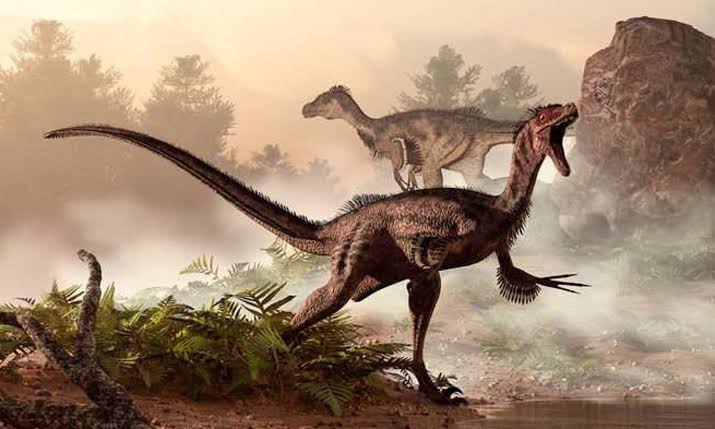
  • Dominance of reptiles like dinosaurs.
  • Abundance of Conifers and Ferns.
  • Breakup of Pangaea.
  • Dinosaurs appeared in mid Triassic period and remained till early Jurassic period (about 150-135 mya).
  • Archaic birds appeared in Jurassic period.
  • Flowering plants appeared in early Cretaceous period.
  • Periods- Triassic, Jurassic and Cretaceous.

Cenozoic era

( 66 mya – present)
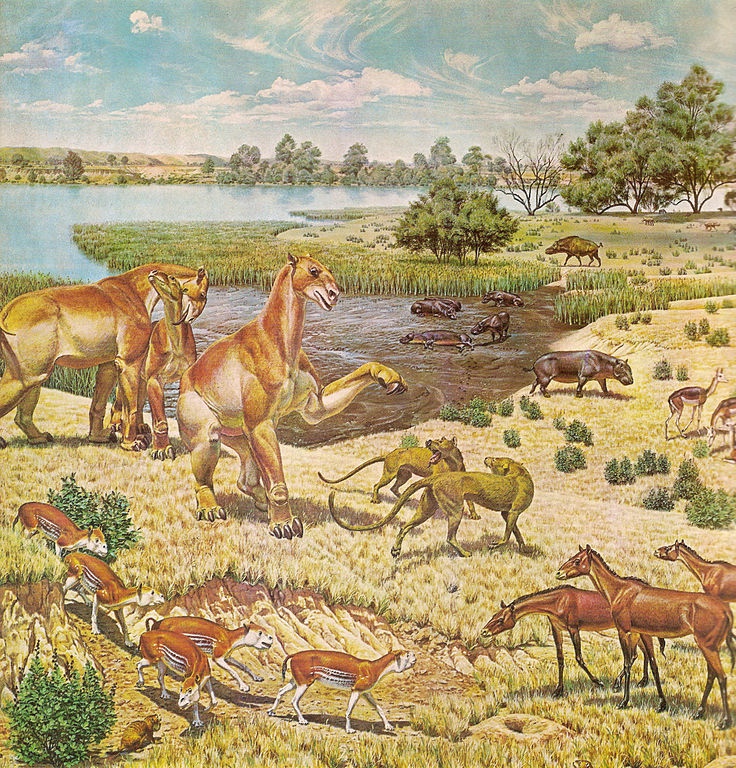
  • Dominance of mammals , birds and flowering plants.
  • Cool and dry climate.
  • Complex life evolved.
  • This error started with mass extinction event called Cretaceous spell Eugene extension event in which many species including non-even dinosaurs became extinct possibly due to a large asteroid impact
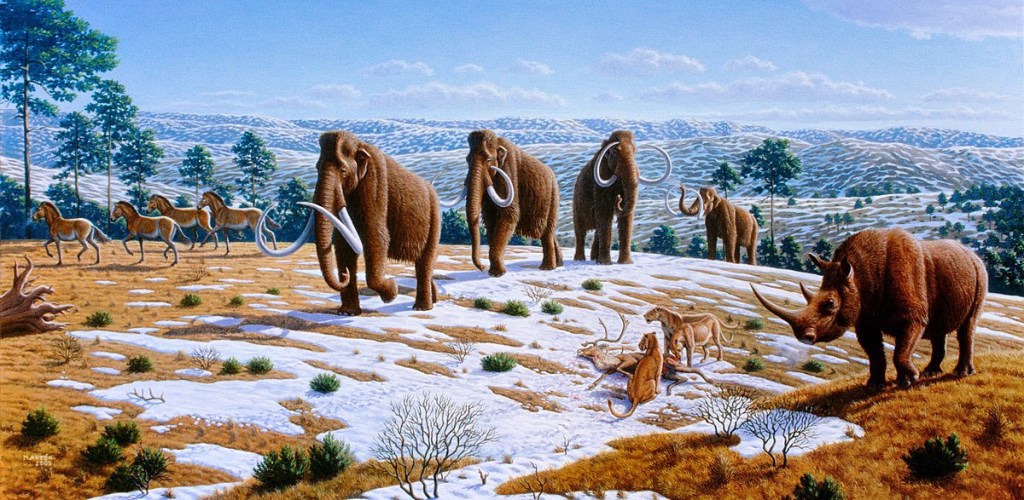
  • The Quarternary period saw Mammoths and wooly animals. It was marked by ice ages due to the cooling trend of earth.
  • Around 50 million years ago , Earth entered a cooling period mainly due to the collision of Indian tectonic plate with Eurasia. This caused the rise in the Himalayas.
  • Periods- Paleogene, Neogene and Quaternary.
The  Earth went through many violent and beautiful events before Homosapians arrived . We must make sure to protect and cherish our dear planet . 

What’s a Caldera?

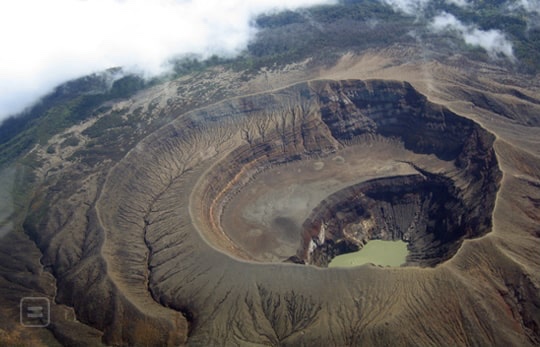
A Caldera is a large depression or a hollow area that forms when a volcano erupts and the magma chamber below it empties. This results in the collapse of side and top of the volcano.Without any structural support below the area, the erupting volcano vent collapses inwardly due to gravity creating a bowl shaped Caldera. There is a difference between a Caldera and crater. Craters form by the outward explosion of materials from a volcano. Craters are more circular than a caldera because in the latter the land collapses unevenly.

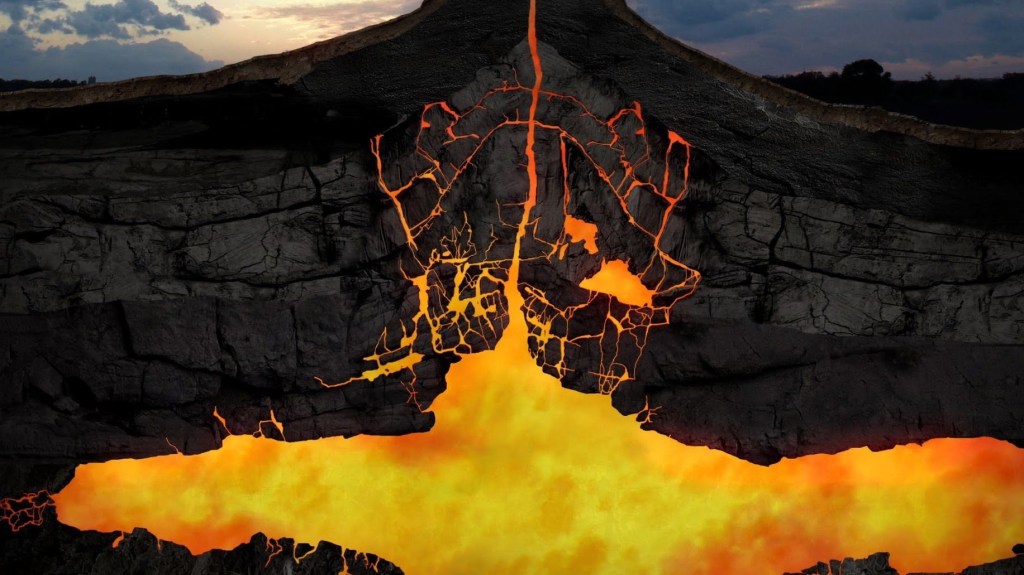
Magma chamber

It is a large pool of molten rock or magma below the surface of earth or under the existing volcano . The density of magma is less than that of the surrounding hard rocks so it starts to rise through cracks beneath the crust. When the magma is not able to find its way to the surface of the earth ,it is collected and pools into a magma chamber . Over the passage of time , this magma chamber grows in size due to the successive injections from horizontal and vertical magma and thus the pressure inside the chamber increases.

The magma chamber bears the weight of the volcano above it due to the buoyant forces which are acted upon the chamber by the surrounding rocks . The buoyant force gives a resultant upward push to the pool of magma chamber .

Sometimes when a volcano erupts, the whole pool of magma beneath it empties and this results in a void . Now there is nothing to support the weight of volcano. This causes volcano to collapse and form a caldera . Calderas are rare ; only 7-8 of them have known to occur in the last century. They are more than 25 kms in diameter and several kms deep.

Magma chamber ( pool of magma at the bottom)

Types of calderas

Explosive calderas

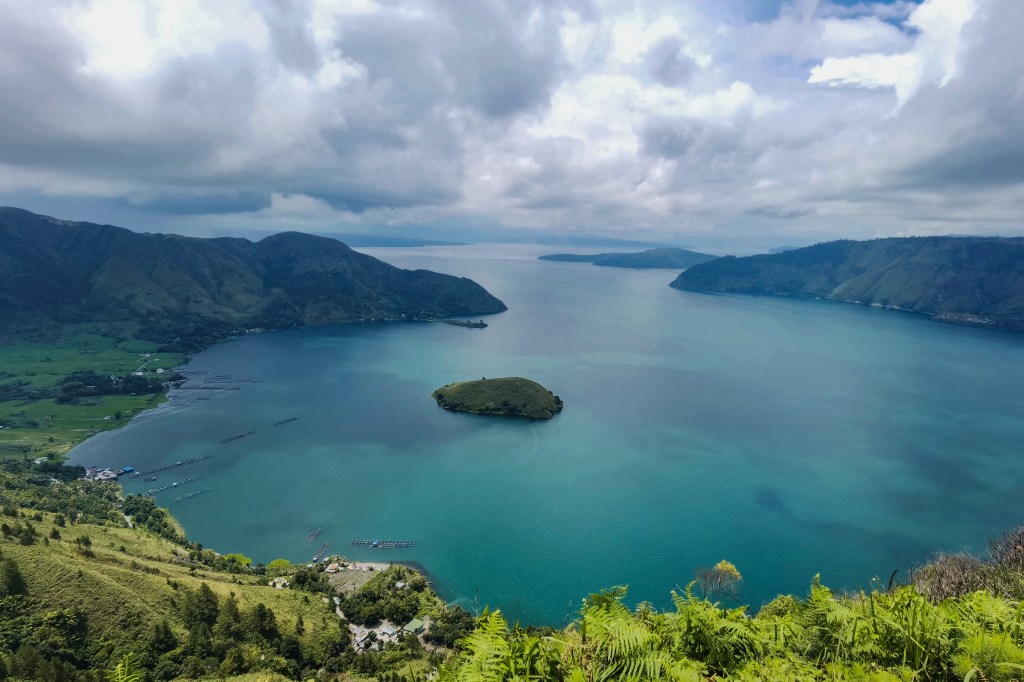
Explosive caldera forms when large magma chambers filled with silica (highly viscous)and gas move upwards. The high viscosity silica holds the gas bubbles under high pressures but as the material rises to the surface, due to decrease in the pressure the gas expands . This causes an enormous explosion which throws away rocks and magma to form a caldera . eg. Yellowstone caldera ,Toba caldera.

Toba caldera lake

Non-explosive calderas

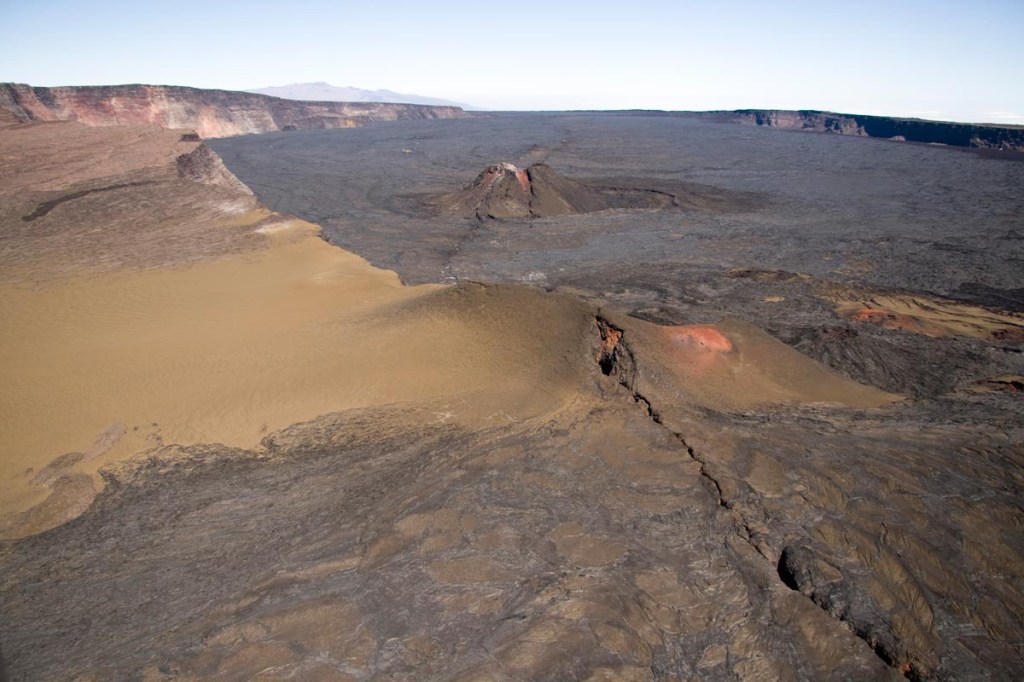
When the matter is composed of basalt , which is much less viscous, the magma chamber is gradually drained by large lava flows rather than a single explosive eruption. eg. caldera atop Fernandina Island and Mauna Loa caldera.

Mauna Loa caldera

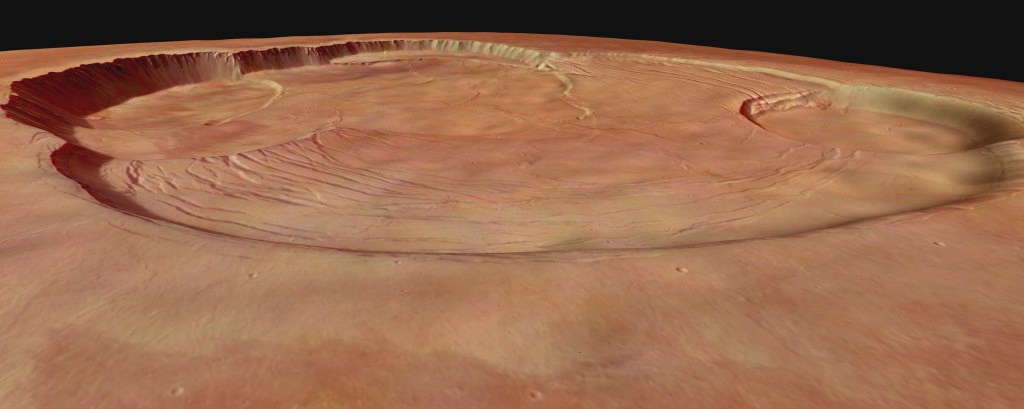
Calderas are not limited to Earth . Other planets like Venus and mars or our moon also has caldera formations.

Caldera of Olympus Mons( Volcano on Mars- largest volcano known in the Solar System)

Branches of Philosophy

Aesthetics

This branch of philosophy deals with beauty , art and taste of things. It examines what happens in our minds when we are involved in aesthetic objects like art, music, poetry or while exploring Nature. Aesthetics consider why we like some specific thing over other. Aesthetic judgements may be linked to emotions and mood. When we say an object or art piece is beautiful , it triggers an aesthetic pleasure in ourselves . Beauty is a positive aesthetic value in contrast to ugliness, which is negative.

Epistemology

It deals with questions on nature and scope of knowledge. It focuses on sources of people’s consciousness, cognition ( structure and forms) and the relationship between mind and reality. It examines questions such as ‘ what we mean when we say we know something?’ ; the ability to differentiate between what one knows and what one believes.

Ethics

Ethics is the study of morals and the concept of right and wrong conduct. It deals with questions such as – What is morality ; does morality exists? It has 3 types :

Meta ethics ~ deals with foundations and nature of moral values.

Normative ethics ~ deals with systems of morality and questions on how one ought to act morally.

Applied ethics~ deals with what a person is obliged to do in specific situations.

Logic

It is the act of being rational by application of reason. The reasoning process can be done well or badly. Logic allows human beings to distinguish good reasoning from bad. In logic , we study rules and techniques that enables us to do correct ( whether good /bad ) reasoning. A logic must formulate precise standards for evaluating reasoning by developing proper set of arguments.

Metaphysics

Metaphysics deals with existence. It concerns with the fundamental nature of reality.

Theme 1~ The study of first causes — It studies that which does not change and from which the world has come into play. Some identify it with God.

Theme 2~ The study of being— Study of the fundamental categories of being or which exists. This field is also called Ontology.

It is further divided into disciplines such as cosmology, rational psychology and theology. Specific issues like immortality , free will are discussed.

Philosophy of mind

The branch of philosophy that deals with nature of mind and its relation with body . The aspects of mind such as thought, mental properties , consciousness are studied. It addresses issues like the hard problem of consciousness. It tries to explain how a supposedly non materialistic mind can influence material body and vica-versa. Rene Descartes was the first person to clearly identify mind with consciousness and self-awareness and to distinguish it from the brain , where intelligence lies.

Axiology

It is the study of origin of values or study of worth. Through axiology, one can determine what is valuable and why something can be said to be valuable.

Philosophy of language

It investigates nature of language , meaning, language use and language cognition. It explains how the meaning of complex sentences is derived from the meaning of their parts.

Political philosophy

Political philosophers seek to establish basic principles that will justify the formation of state, show individuals their rights and tell the fair distribution of society’s resources among its members . This usually involves analysing ideas like freedom , justice , authority and democracy and then applying them to institutions in a methodological way.

Philosophy of Science

It studies assumptions , foundation and implications of science. Questions addressed are: What is science; does science lead to certainty and truth; nature of statements and conclusions or how does science explain , predict and harness technology. It deals with the reliability of scientific theories and the ultimate purpose of science .

Philosophy in different parts of the world

The word philosophy means ‘ love of wisdom ’ in Greek. It is the pursuit of wisdom , truth and knowledge. It is the study of life’s fundamental questions involving truth, morality, ethics, reasons, logic and existence. A human being , at some point in his life , has wondered upon questions such as ‘ why am I here’ , ‘what is truth’, ‘what is reality’ , ‘is there a free will’ , ‘ what is right and wrong’ etc. These questions come in the realm of philosophy. It is closely related to natural sciences.

History of philosophy

Western philosophy

The ancient western era was dominated by Greek philosophical school of thoughts. This era was largely influenced by Socrates and Aristotle. The common topics discussed included metaphysics, cosmology, atomism and monism . In the medieval period , with the rise of the Roman Empire and Christianity , questions such as mature of God , evil & good were pondered upon. Modern philosophy concerned with developing a secular foundation and discarded the authority of religion.

Islamic Philosophy

Islamic philosophy is mostly done in Arabic . Two main schools of thought were Kalam ( which focused on Islamic theology) and Falsafa. Philosophers such as Al Kindi , Avicenna and Averroes were greatly influenced by the work of Aristotle whereas Al Ghazali was highly critical of him. The 19th and 20th century Arab world witnessed Nahda movement ( The Awakening or The Arab Renaissance). This shaped the modern Islamic philosophy.

Indian Philosophy

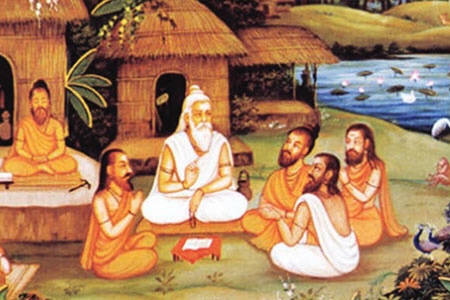
Indian philosophy included concepts like dharma , karma, pramana , dukha-sukha and moksh. It is grouped based on teachings of Vedas and Upanishads . The Himdu philosophers of various orthodox ( astika) schools investigated topics such as metaphysics, ethics , psychology. These schools presented different interpretation within the framework of Vedic knowledge. On the other side , the unorthodox (nastika) traditions rejected the ideas of Atman , Brahman and Ishwara . Jainism accepted atman bit discarded ishwara, vedas and brahman. Buddhism only accepted concept of rebirth and karma.

East Asian Philosophy

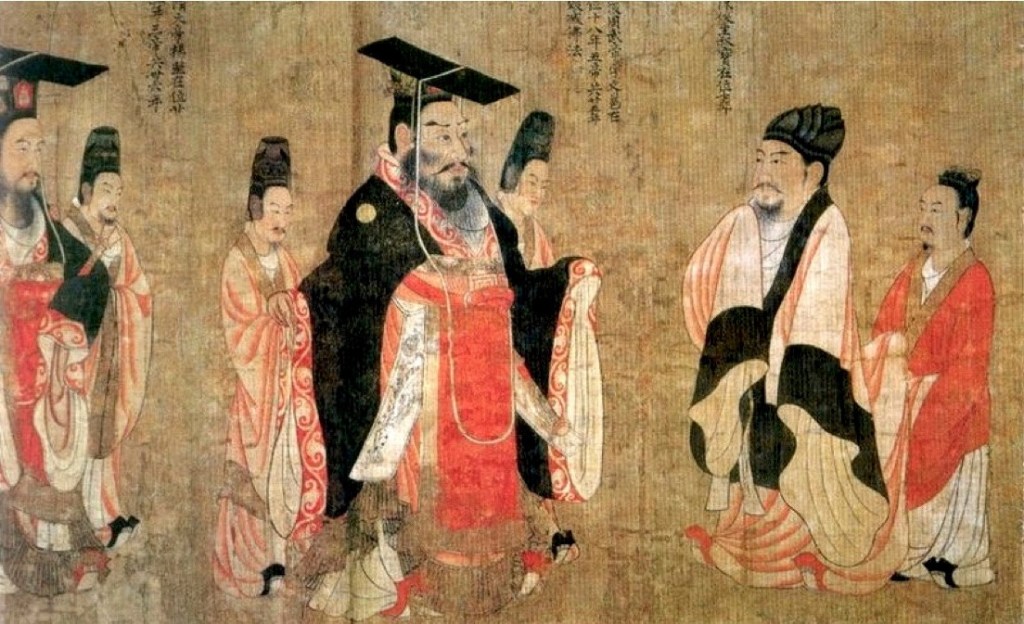
The Chinese philosophy saw the rise of schools such as Confucianism , Legalism and Taoism. These traditions developed metaphysical , political and ethical theories such as Tao, Yin & Yang , Ren & Li. Buddhism arrived in China through Silk route and transformed into Chinese form Zen. Many different philosophies such as that of Korea, Japan and Vietnam were influenced by the Chinese philosophy. In modern era, China and Japan philosophers have incorporated ideas of western philosophy. Kokugaku thinker from Japan returned to pure traditions called Shinto that is untainted by foreign influence.

Indigenous American Philosophy

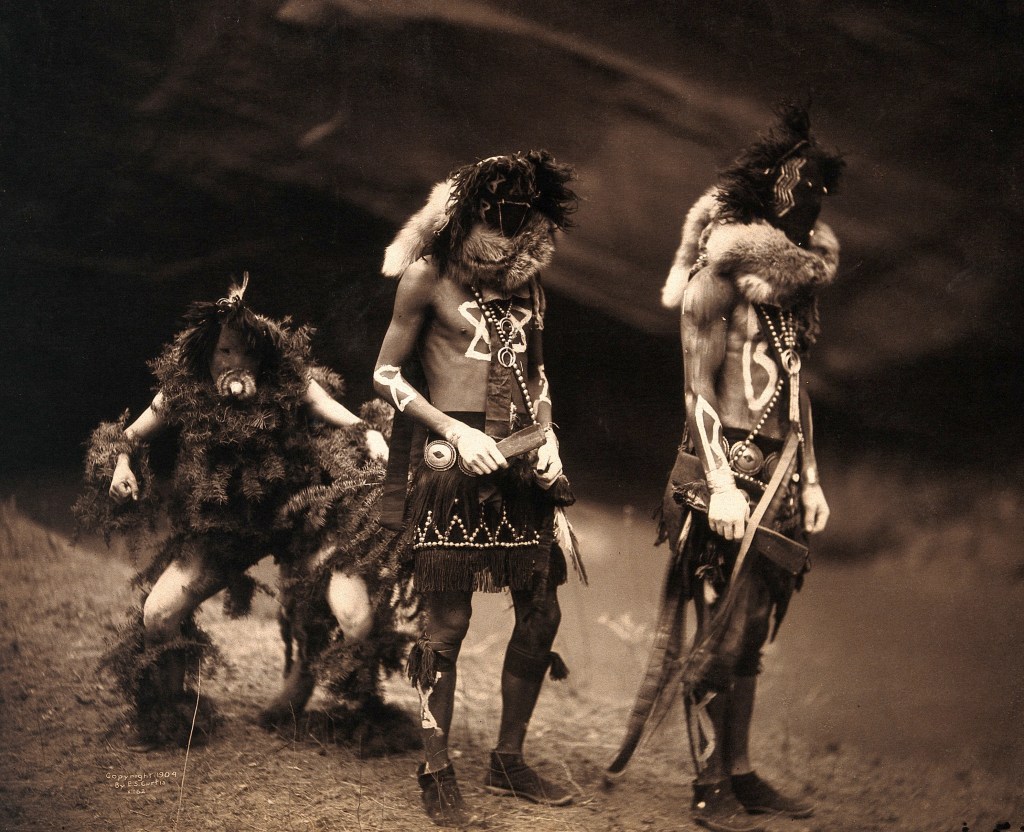
This consists of variety of beliefs including principle of presence of ‘ The Great Spirit’ and concept of Orenda or spiritual power. The practices to access the transcendental experiences of mind came to known as Shamanism. The Nahua metaphysics proposed the concept of an ultimate universal energy which it says is single, vital , self generating sacred force.

Impact Of Increasing Oil Prices On Indian Economy

The latter will come true as more than half of India’s remittances will go through the Gulf countries, which are likely to see better economic conditions with higher oil prices. In terms of numbers, a $10-a-barrel rise in crude oil prices would increase spending on commodity imports by about $20 billion, offset in part by a $6-billion increase in oil exports and dollars in workers’ remittances. The cost of imports will be halved if the price of crude oil continues to hover around $30 a barrel. In addition, every $10 increase in crude oil prices has a direct impact on a country’s current account (CAD) deficit.

Thus, when crude oil reaches $85 per barrel, the oil deficit will rise to $106.4 billion, or 3.61% of India’s GDP. According to a report by the Reserve Bank of India (RBI), every $10/barrel rise in crude oil prices would lead to an additional deficit of $12.5 billion, equivalent to 43 basis points of India’s GDP. According to an analysis by the Reserve Bank of India, every $10-a-barrel rise in crude oil prices would result in an additional $12.5 billion deficit. Higher prices affect the current account deficit, which means that the value of imported goods and services exceeds the value of exports.

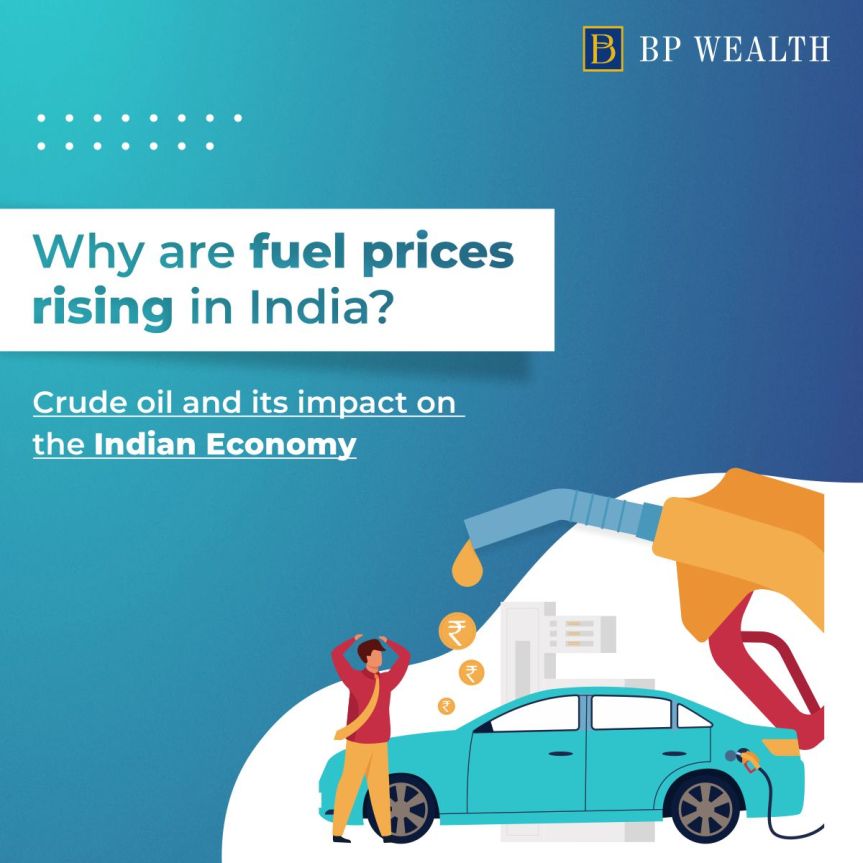
Changes in commodity prices can affect the economic ecosystem at all levels, from family budgets to corporate income and national GDP. Rising oil prices have a negative impact on several factors such as the stock market, currency, inflation, transportation and manufacturing sectors, and government spending. Rising oil prices will drive up the cost of energy, which, combined with the oncoming winter and increased commercial activity as the pandemic eases, will have a major impact on the economies of most countries of the world. India, which relies on imports for more than 80% of its fuel consumption and already has fuel prices above Rs 100 for both petrol and diesel in most cities, will be no exception.

Rising crude oil prices have helped lift the price of gasoline and diesel in India to record highs. High crude oil prices are the result of less drilling by shale gas producers in the United States, disruptions to crude oil supplies due to hurricanes in the Gulf of Mexico, and runaway fuel demand as the global economy stabilizes. -19 pandemic, which significantly reduced economic activity. With the global economic recovery following COVID-19, global demand for crude oil increased in 2021, driving prices up sharply. Crude oil prices have risen steadily since early 2021, when Brent crude traded at around $52 a barrel, fueled both by hopes of improved demand thanks to regional economic recovery and reduced supply from major oil producing countries.

Crude oil prices hit a two-year high, with Brent oil rising above $71 a barrel on Wednesday, reaching its highest level since May 2019, when major oil-producing countries announced they were joining plans to gradually increase crude oil production. World crude oil prices rose to their highest level in 13 months, driven by strong demand prospects amid a global economic recovery and supply disruptions in the Middle East. In February and March 2020, crude oil prices accelerated their decline in response to the coronavirus pandemic and the expected sharp decline in oil demand. The fall in prices is associated with an increase in supply due to hydraulic fracturing.

This was followed by price increases again since 2004, and this upward trend in the cost of oil continues to this day. In addition, since 1996 there have been high fluctuations in oil prices. If we look at the evolution of crude oil prices since the 1950s (see attached chart), price spikes have mostly been accompanied by geopolitical tensions or other factors. leading to a supply shortage.

Due to the pandemic, these oil-producing countries continue to slowly increase production, which leads to higher oil and gas prices. According to the IEA, oil production in non-OPEC Plus countries will increase by 710,000 bpd in 2021. 5.4 million bpd in 2021 and another 3.1 million bpd in 2022.

Since none of the largest oil-producing countries in the world is likely to increase oil supplies, experts predict that by 2019 the price could even reach $100 per barrel. Despite a 430% jump in Brent oil prices since March 2020, oil seems cheap. long term vision. Goldman Sachs expects Brent oil prices to exceed $80 on average in the third quarter of this calendar year, with peaks above that price; JP Morgan expects crude oil to top $80 in the last quarter of 2021, and Bank of America expects Brent oil prices to hit $100 by next summer.

Any rise in global crude oil prices directly affects India as the country imports over 80% of its oil. India paid over $110 billion for oil imports in 2017. Thus, if oil prices double within a year, a country’s import spending will also double over the same period.

Since India imports most of its fuel, it needs more dollars to buy crude oil, which results in liquidity being squeezed. This is bad news for India, which depends on imports for 85% of its crude oil needs and is the third largest importer of fossil fuels in the world.

Given India’s dependence on oil imports and the current pressure on the country, New Delhi is pushing OPEC to increase oil production to contain prices. Analysts say a rise in production by major oil producers is probably India’s biggest hope for a short-term solution, as some economists warn of the risk that crude oil prices could approach $100 a barrel by the end of this year. At the same time, oil-producing countries will be careful enough to maintain a balance in production so that prices do not collapse.

There will also be a significant impact on the Consumer Price Index (CPI) and the CPI inflation rate could be 5% in FY23 due to higher oil prices. The report predicts that rising oil prices could also lead to WPI-based inflation rates of 12% and 6% in FY22 and FY23 respectively. % of crude oil will lead to an increase in India’s Wholesale Price Index (WPI). by almost 0.9%.

An increase in oil prices by 15-25% within one year will affect the Indian economy in different ways. As a general rule, a $10 per barrel increase in crude oil prices would have a negative impact on the current account deficit of $10-11 billion (or 0.4% of GDP). Therefore, rising crude oil prices could increase India’s spending, thereby negatively impacting India’s budget deficit, the difference between total government revenue and total spending.

Managing Different Ailments

Heart disease and cancer account for more than half of all deaths in New York State. About half of all American adults have at least one chronic disease, a long-term health problem that requires ongoing medical attention, such as diabetes, arthritis, depression, heart disease, or cancer. A diagnosis of cancer, heart disease, or another serious illness can be devastating. When someone you care about has experienced a serious illness or is facing a life-threatening illness, it can be hard to know what to say or do.

You must also take steps to manage your attitudes, emotions, and relationships. If you’ve been diagnosed with cancer, stress management can help you reduce anxiety, relieve fatigue and sleep disturbances, and improve your mood. By learning to manage stress, you can maintain a positive physical, emotional, and spiritual outlook on life. Following the recommended treatment plan can help control symptoms and stress.

Because the effective management of chronic conditions depends on the patient’s actions, all interactions with healthcare professionals should focus on the patient’s strengths and difficulties in managing the condition. Disease management plans should emphasize preventing exacerbations and complications, using evidence-based practice recommendations and patient empowerment strategies, while evaluating clinical, economic, and human outcomes to improve patients’ overall health and quality of life. Disease management programs are designed to slow the progression of chronic diseases by identifying and treating them more quickly and effectively, thereby improving the health of people with chronic diseases and reducing the costs associated with preventable complications.

Disease management is a system of coordinated medical interventions and communications for specific groups of patients with conditions in which self-care efforts can be implemented. Disease management is defined as “a system of coordinated medical interventions and communications for populations with conditions in which the patient’s self-management efforts are significant. For people who can access healthcare professionals or peer support, it (and often family/friends/guardians) share knowledge, responsibilities and care plans with healthcare professionals and/or colleagues.

It provides them with the medical care, information, skills and resources they need to effectively manage their disease on a daily basis. A long-term illness or chronic health condition is any condition that lasts six months or more, such as asthma, arthritis, cancer, obesity, diabetes, chronic pain, or heart disease. Chronic diseases have specific symptoms, but they can also cause invisible symptoms such as pain, fatigue, and mood disturbances. Stress can contribute to or exacerbate many different health problems, including cardiovascular disease, high blood pressure, gastrointestinal disorders, chronic pain, postoperative and wound healing, and some of the side effects of cancer and its treatments.

However, applying stress management techniques can help you deal with these health issues. Even after a heart attack or heart surgery, for example, stress management can help by enhancing the benefits of cardiac rehabilitation or by reducing the amount of medication needed to control blood pressure. Treatment for pain associated with a chronic disease may include pain medication, physical therapy (such as physical therapy), and other treatments such as cognitive behavioral therapy. Interventions to improve patient management can bring positive outcomes, including better monitoring, fewer symptoms, improved physical and psychosocial functioning, and reduced use of care.

Data describing the outcomes of complex and structured disease management interventions in hospitalized patients in clinical and community settings suggest that they may be usefully associated with several chronic diseases. A 2015 systematic review of randomized controlled trials examining the effects of chronic disease management programs on adults with asthma found that a coordinated planning approach involving more health care providers than usual can have positive health effects. Functional and perceived quality of life. In a 2008 study, of 15 care coordination (disease management) programs over a two-year period, “several programs improved patient behavior, health, or quality of care” and “no programs reduced overall costs. or net cost”. Despite the small number of studies, CIS interventions have shown benefits for both professionals and patients, especially in type 2 diabetes and hypertension.

This is inconsistent with the results of our 2006 review and may indicate the increasing complexity of CIS interventions with computerized feedback and reminder systems, physician feedback, and access to computerized DS tools [23]. The next most common element of ICC as a primary intervention associated with statistically significant improvement in outcomes was DSD, which benefited from physiological measures of disease control and health care worker behavior in patients with type 2 diabetes and hypertension, but had no effect on other conditions.

Objective A addresses the need to translate and replicate an important evidence base for chronic disease self-management programs. Health status of MCC patients. Examples include basic research aspects of the medical treatment of MCC patients; epidemiological studies of the impact of various types of comorbidities on disease trajectories; the effectiveness, efficiency, and comparative effectiveness of promising health promotion and self-management intervention trials; and Assess the impact of health management strategies. These issues include managing emotions (eg, depression, fear, and depression); medication use and side effects; adherence to diet and physical activity; and communication with healthcare professionals. 15 Several conceptual models have been developed in an attempt to move from case management to a broader approach to chronic disease management. In recent decades, the types of healthcare systems (66), the specific roles of clinicians, and the specific clinical skills needed to help patients cope with chronic conditions have been recognized (21).

In contrast, disease management programs focus on multiple aspects of patient care and maximize the health of certain patient groups. The concept of disease management is the prevention or minimization of the consequences of disease through comprehensive treatment, thereby reducing health care costs and improving the quality of life of people with chronic diseases. The continuum of care is an opportunity to strengthen the doctor-patient relationship, empower patients, and provide support during the most challenging stages of chronic disease. By identifying the subjective perceptions and symptoms of the disease, the attending physician formally acknowledges the validity of the patient’s experience.

Self-care — now commonly defined as a person’s actions to acquire or maintain a desired level of health regardless of interaction with a physician — is generally considered an inappropriate term for chronic disease management, given that most conditions require full participation. doctor and the use of accepted treatment regimens as part of the patient’s treatment regimen.

In most if not all major chronic diseases, the core of important concepts related to changes in patient behavior includes a knowledge base for management (38, 49).

Taking action early will help you understand and manage the many consequences of chronic disease. The most important step you can take is to seek help as soon as you feel you cannot handle the situation.

All about James Webb Space Telescope

History

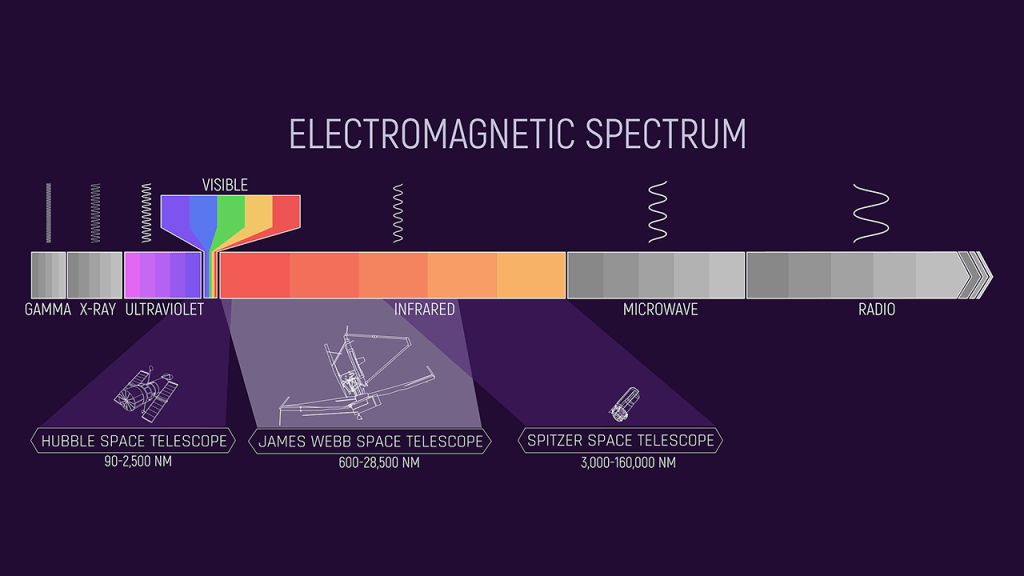
The success of Hubble Space Telescope after its repair mission in 1993 motivated the organizations to make a larger infrared light telescope that could see the past better. Hubble telescope system’s temperature interfered with the infrared radiation it received from the outer space. A new innovative next generation telescope was needed which was faster , better and cheaper. In 2003, NASA’s initial contract for James Webb Space Telescope(JWST) was $824.8 million collaborating with European Space Agency (ESA) , Canadian Space Agency(CSA). in 2005 after major redesign and re-planning , the mission cost reached a hefty amount of $4.5 billion. The telescope has a history of major cost overruns and delays due to backlashes from people and lack of funds.

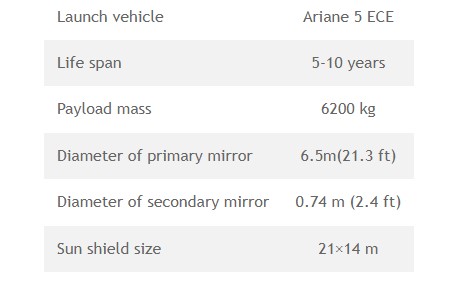
Nevertheless, JWST launched on December 25, 2021 in Ariane 5 rocket from NASA Goddard Space Flight Centre, French Guiana. this orbiting infrared observatory will complement and extend the discoveries of the Hubble space telescope.

The telescope will cover a wavelength of 0.6 – 28.5 microns for the light falling from red till mid infrared wave spectrum .

Location

JWST will not orbit earth but will be move in a orbit of second Lagrange point(L2 point) which is about 1.5 million km away from the earth. The L2 point is sufficiently near to the earth allowing proper signal communication and the sun shield will prevent any infrared radiation coming from the Sun.

Sun-shield protection

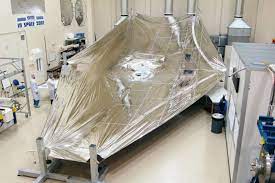
For it to make observation in the infrared spectrum , it must be kept under 50K (−223.2 °C) otherwise the infrared radiation from its system , the earth , moon and sun will interfere with the data. It uses a large 5 layered tennis court sized sun-shield to block that radiation and maintains its surface temperature. the single layer is as thin as a human hair and made with polyamide films . the membranes are coated with aluminium from both sides and a silicon doped layer facing the sun. the shield can be folded 12 times to fit in the Ariane rocket .

The Honeycomb mirrors

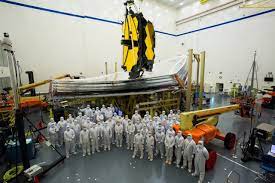
The primary optical mirror is beryllium reflector with area 25.4 m2 . gold is used to coat all the 18 mirror segments because it is a highly reflective material for infrared wavelength. The honeycomb pattern utilizes the best use of space available and are also deployable .

Mission goals

  1. Search for galaxies formed after the big bang . It can look 13.5 billion years into the past , about 400 million years after the big bang.
  2. How galaxies evolve.
  3. Observe the formation of stars.
  4. Measure physical and chemical properties of the planetary systems including the Solar System.

This mission will take the Space Science to the next level, thanks to our Scientists……

The Era Of Digitalisation

Even those who remain in their current positions will need to be trained in the emerging new technologies of the digital age. This transformation could be a key proposition as organizations seek specialized skills in their workforce to achieve their business goals and add value to the business. Of course, improving the quality of solutions through digital transformation is not only about technology companies.

Companies that understand the technologies of the digital age know that customers have a choice. This is why digital marketing and strategy is mainstream and the focus for starting digitalization. To succeed in this new digital age, businesses must use digital technologies in everything. Start digitizing, the truth is that innovation will never stop.

The era of digital transformation has arrived for companies of all sizes and types, from Fortune 500 companies to startups. The influence of digital technologies prevails in all areas of our lives, and therefore the current era is also called the “digital age”. The process of digitization began about fifty years ago with the advent of information technology and digital electronics.

Today, we are probably alone in the midst of a transformation between the pre-digital era and the post-digital era. To truly understand this progression, it is important to see where we come from and where we are going. When trying to understand what the digital age is, it is important to understand that it is driven by technology.

India’s industry has shifted to digitalization, with some industries able to recognize and capitalize on the benefits earlier than others. With access to “big data” and artificial intelligence algorithms, companies in the digital age can make data validate almost any conclusion they want. In 2020, we have been consuming more information through digital data and video at home, in our hands, and on demand. Digital technologies open up enormous opportunities in accessing, storing and transmitting information, and digital reading environments offer ways to present information that is difficult or impossible to obtain in the form of text on paper.

Digitization improves many processes in several ways, email and automation being one of them. Just like electricity and its impact on corporate and individual life, digital technologies will also become ubiquitous. Along with these advances, the changes in network speeds with the deployment of 5G and the devices capable of accessing those speeds will further advance the technology of the digital age. Social networks are taking over the digital world and their population is increasing year by year.

With multiple social media platforms available around the world, many companies are considering social media as an integral part of their marketing strategy. It is a wise decision for a company to include social media in their marketing campaign as they are online 24/7 waiting for a customer to check out a product to purchase or a potential customer who is looking for a service to use in their business.

From time to time, no matter which social media platform a company uses, the algorithms change. Well, digitization is any process in which information is converted into a virtual or digital format and organized into bits. To explore this new form of work, characterized by rapid change and transformation, mainly digital publications of literature and statistics were used.

Based on this data, several papers are being prepared, some of which have already been presented at the Digilog talks, the EPSA conference and the DVPW congress. The practical part presents the advantages and disadvantages of digital nomadism, opportunities and challenges, and based on this, possible recommendations for action and possible future strategies for employees, self-employed workers and traditional companies are obtained. The theoretical part explains and delimits the terms underlying the work, and presents the concept and development of digital nomadism.

Digitalization targets a wide range of cutting-edge issues seen by the Company, which include ensuring adequate broadband bandwidth to provide legitimate and versatile association administrations (correspondence administrations) with data for all segments of the population at large, which varies by age, gender and occupation. . Government agencies have sent out various plans to people working in different fields to promote digitization and also to reassure people that this is a reliable, fast and beneficial change. In all scenarios, it seems to be beneficial to enhance the digital skills of stakeholders.

We show that digital agricultural policies do more than replace analog technologies used in traditional agricultural policies. In particular, it provides opportunities for better spatial targeting and tool customization, including results-based grants.

Digital transformation can also improve the quality of solutions through managed and incremental product launches. Every company’s path to digital transformation will be different because each company has unique needs and goals.

As digitalization disrupts society and business models, it presents both a challenge and an opportunity for compliance managers. This transformation is more than ever a compelling argument to emphasize the importance of business ethics in the conduct of any business. Walk the Talk management sets the tone for values ​​throughout the organization, not just by maximizing efficiency, monitoring business processes, and automating compliance reviews. He will explain what will be required of traditional employees and digital nomads in the future, what opportunities and risks will present and what adjustments traditional companies will have to make.

In the near future, companies as a relevant target group will be interested in digital nomads on two fronts. Using digital technology and understanding them are two completely different beasts. Nearly 80 percent of companies are reportedly pursuing digital initiatives, and nearly 70 percent believe they need to invest in digital strategies to remain competitive.

This era of modernization is being supported in Belgium by the rebuilding plan of Wallonia, a community organization created to provide direct support to local authorities in the field of information technology and digitization in order to achieve the following dual goal. Hence, in order to promote and work with this developing new idea of ​​digitization, the government sent a program called “Computerized India”. However, it remains unclear what the digitalization of the sector will mean for future agricultural policy.

These include 1) digitalization of the sector in line with current directions at current rates as a base case, 2) strong digitalization of the regulatory government, 3) use of autonomous agricultural technologies, and 4) digitalization of the food business. Technology-based pricing strategies, such as dynamic pricing, have become widespread across industries around the world. If you want to find your products and/or services on search engines like Google, Bing, and others, you can include search engine optimization (SEO) in your list of digital marketing strategies and strategies. The search engine is definitely and will be on the list, especially in digital marketing.

They do this to make it easier to manage, control and monitor water consumption in real time. An amplification of this is digital or modern nomadism, in which people work multi-locally from home, in the office, in specially equipped co-working spaces or on the street in so-called transit zones, such as at the airport. However, if a company invests resources in alleviating its operational and implementation weaknesses by leveraging digital transformation (in this case, by automating manual processes), it can bring the continuous added value of mobile capabilities to market faster.


Covid-19: Biodiversity Conservation– Our Solutions Are In Nature

The social energy generated by the COVID-19 pandemic provides an opportunity to develop and implement many new ways to build sustainable and adaptable relationships between people and the rest of nature. The public can be prepared for a recovery that includes effective and sustainable biosecurity with elements of human health, biodiversity conservation, and climate change adaptation as a package based on sustainable development principles. A biosecurity approach that simultaneously tackles the COVID-19 pandemic, biodiversity loss, and climate change crises can leverage economic incentives for greener national economies.

Increase investment in the conservation, sustainable use, and restoration of biodiversity. Set biodiversity spending targets for COVID-19 stimulus measures and recovery plans. . For example, the German International Climate Initiative (IKI) is implementing a €68 million Crown response package that will, among other things, provide financial support for the conservation of nature reserves in IKI partner countries to address the immediate impacts of COVID-19 (Platform Redesign 2020, 2020 [101 ]). For example, the EU has introduced a new biodiversity strategy as part of its Green Deal, which proposes introducing new conservation and land-use planning targets, including a commitment to ensure that at least 30% of Europe’s land and seas are protected areas by 2030.

In other countries, the integrated protection of biodiversity has been recognized as a key component of a successful green recovery from COVID-19. While the overall environmental impact of the blockade and other pandemic policies has been mixed, COVID-19 has helped highlight the importance of protecting biodiversity. Because the COVID-19 pandemic is similar to the COVID-19 pandemic but is of greater global concern than recent past zoonotic pandemics such as SARS, the current pandemic provides additional opportunities to reframe conservation monitoring in favor of public health (Jones et al.., 2008; Morse et al. al., 2012; Zinsstag et al., 2011), as well as to understand the biodiversity changes associated with the global extent of human isolation and the long-term effects of sustaining the social and behavioral changes associated with the pandemic (Bates et al., 2020; Cheval et al. ., 2020; Soga et al., 2021; CS1, CS2, CS3, CS5, and CS6).

Understanding how the current epidemic will affect biodiversity conservation in the short and long term, and to what extent this impact will differ from past disturbances, is critical to achieving biodiversity conservation outcomes in an uncertain future. The global COVID-19 pandemic shows how changes in the scale, type, and extent of human activity can affect biological conservation. Conservation of natural habitats, in turn, requires profound changes in human food production and human encroachment on remaining natural habitats.

Decisions to prevent pandemics and protect nature must be permanently elevated to the highest levels of government. In the absence of this awareness, protecting the environment and biodiversity in a post-COVID-19 world may be pushed further down the national and international agenda. Conservation research is unlikely to be a government priority during the post-pandemic economic recovery, and conservation biologists need to communicate the many benefits that this research and biodiversity itself brings to society.

The diversion of funds for more urgent purposes, as well as travel restrictions, are likely to have a direct impact on research activities such as long-term monitoring programs, prioritizing conservation of species and ecosystems, social-ecological research involving humans, and poorly studied expeditions. places. Immediate impact Conservation and development projects that require human presence, such as monitoring protected areas, treating plant and wildlife diseases, and eradicating invasive alien species, may fall by the wayside. Concerns persist that the COVID-19 pandemic will trigger hasty government action that will harm conservation efforts or spark a social backlash against species considered to be vectors of zoonoses, with negative consequences for the local conservation of these species and their habitats (MacFarlane & Rocha, 2020). ). There are huge risks that when COVID-19 vaccines are available and memories of the crisis fade, so will the resolve to prevent pandemics while conserving biodiversity.

There is no doubt that our immediate priority in dealing with the pandemic must be to protect people and prevent its spread, but our long-term strategy must be to combat deforestation, biodiversity loss and the illegal wildlife trade. There are countless benefits to strategizing and investing in natural solutions for the planet’s holistic well-being. We need to understand the simple fact that nature does not need people, but people need nature.

Covid-19 has provided us with a great opportunity to re-examine our lost relationship with nature and to put nature at the center of our decision-making. COVID-19 is our opportunity to redefine our relationship with nature and rebuild a more environmentally responsible world. Combatting the current coronavirus (COVID-19) pandemic and protecting against future global threats requires proper management of hazardous medical and chemical waste; robust integrated management of nature and biodiversity; A good recovery”, a clear commitment to creating “green” jobs and facilitating the transition to a carbon-neutral economy.

The current pandemic is a wake-up call for all of us to build a resilient economy together, conserve nature and biodiversity, to regain lost glories. Because the theme of the International Day for Biodiversity 2021 suggests that we are part of the solution for nature, and solutions are indeed nature’s. Other zoonoses and devastating global pandemics are inevitable unless we fundamentally rethink our relationship with nature.

The emergence of COVID-19 has highlighted the fact that by destroying biodiversity, we are destroying the system that sustains human life. The positive and negative impacts of Covid-19 on biodiversity resources are predictable as the current pandemic intensifies as population grows around the world. The Covid-19 pandemic has affected virtually every sector and sector of biodiversity conservation at the local, regional and global levels (Corlett et al., 2020).

Its impact on biodiversity conservation is numerous and can be both negative and positive, but the negative impact outweighs the positive (Muhumuza and Balkwill, 2013; Roe et al., 2015; Corlett et al., 2020). Like previous outbreaks, Covid-19 has resulted in the inability to manage protected areas and implement conservation programs due to a complete lockdown (Corlett et al., 2020). The consequences of Covid-19 are inevitable as anthropogenic pressure on the natural ecosystem is reduced due to the blockage of social and economic activities. Protecting biodiversity contributes to social and economic resilience4 Integrating biodiversity into the recovery from COVID-19 is important not only to prevent future pandemics; it is also vital to economic sustainability and human well-being.

Investing in nature has immediate and long-term benefits for economic development and social stability, health and well-being, and climate resilience and biodiversity conservation. Based on this experience, we must be part of the solution to create nature through reforestation, preserving existing forests and other landscapes that are home to biodiversity.

These civil society engagement efforts can become more effective tools for biodiversity conservation and awareness raising. Since the beginning of the pandemic, there have been numerous changes in national and international conservation policy and practice. Growing political interest in biodiversity conservation is fueled by the recognition that our economy is heavily dependent on nature and that proper protection and management of biodiversity ecosystems can help address other social challenges, including climate change.

Feed your soul with some Astronomy….

Astronomy is a subject that produces a spark in everyone. Who doesn’t like gazing at the stars with awe or secretly trying to make a wish when looking at the falling stars or more precisely ‘meteors’ . As it is famously said-

You are not a human being looking at the Universe but the universe looking itself in human form .

Some say, time travel is impossible but often we don’t realise that when gazing at the night sky , you are literally looking millions of years into the past. This thought can make anyone’s heart dance and excite them to explore such a gigantic cosmos.

Astronomy takes your imagination to the next level. We are connected to this field since the arrival of human on this planet. From ancient times , farmers used sky to decide the sowing seasons of crops, astrologers for predicting fortune and astronomers for making calendars and navigation routes for ships. Our ancestors knew the significance of Sun and thus worshipped it. The ancient Mayan Civilisation and Egyptians constructed the pyramids in such a way that their location coincided with that of the positions of the Constellations above.

Certainly this suggests that Astronomy is in our blood . Renowned astronomer Carl Sagan quoted “ The Cosmos is within us. We are made up of star stuff. We are a way for the Universe to know itself.” By studying Astronomy , you understand there are no limitations to what we can achieve, you surrender yourself and your ego before this humongous Cosmos, you feel free and connected to the Nature. If one is interested in going to the depths of this field , one can follow these tips:

1) Be curious- Curiosity kills fear more than courage will ever do.

2) Be patient- Good things take time.

3) Seek knowledge and wisdom- Your soul is most happy when you are in a learning state.

4) Be truthful- A scientist must always be truthful to herself/himself and to the world. Truth is the ultimate thing that a being chases.

5) Be fearless- Know in your mind that you are as old as this Universe and there is nothing to be afraid of because we all are essentially same at the root level.

Always be hopeful because somewhere in this vast universe something incredible is waiting to be known.