Are you hungry all the time?

Bulimia Nervosa

Bulimia (boo-LEE-me-uh) nervosa, commonly called bulimia, is a serious, potentially life-threatening eating disorder. People with bulimia may secretly binge — eating large amounts of food with a loss of control over the eating — and then purge, trying to get rid of the extra calories in an unhealthy way.

To get rid of the gained weight this people follow things like self-induce vomiting or misuse laxatives, weight-loss supplements, diuretics or enemas after bingeing.

Or you may follow other unhealthy measures such as fasting, strict dieting or excessive exercise.

Causes

The exact cause of bulimia is unknown. Many factors could play a role in the development of eating disorders, including genetics, biology, emotional health, societal expectations and other issues.

Symptoms

The major symptoms of this disorder are:

  • Being preoccupied with your body shape and weight
  • Living in fear of gaining weight
  • Repeated episodes of eating abnormally large amounts of food in one sitting
  • Feeling a loss of control during bingeing — like you can’t stop eating or can’t control what you eat
  • Forcing yourself to vomit or exercising too much to keep from gaining weight after bingeing
  • Using laxatives, diuretics or enemas after eating when they’re not needed
  • Fasting, restricting calories or avoiding certain foods between binges
  • Using dietary supplements or herbal products excessively for weight loss

Diagnosis

If you have any bulimia symptoms, seek medical help as soon as possible. If left untreated, bulimia can severely impact your health.

Share your bulimia symptoms and feelings with a mental health professional and seek treatment immediately.

Some symptoms you can notice in a bulimia affected person are:

  • Constantly worrying or complaining about being fat
  • Having a distorted, excessively negative body image
  • Repeatedly eating unusually large quantities of food in one sitting, especially foods the person would normally avoid
  • Strict dieting or fasting after binge eating
  • Not wanting to eat in public or in front of others
  • Going to the bathroom right after eating, during meals or for long periods of time
  • Exercising too much
  • Having sores, scars or calluses on the knuckles or hands
  • Having damaged teeth and gums
  • Changing weight
  • Swelling in the hands and feet
  • Facial and cheek swelling from enlarged glands

Complications

Bulimia may cause numerous serious and even life-threatening complications. Possible complications include:

  • Negative self-esteem and problems with relationships and social functioning
  • Dehydration, which can lead to major medical problems, such as kidney failure
  • Heart problems, such as an irregular heartbeat or heart failure
  • Severe tooth decay and gum disease
  • Absent or irregular periods in females
  • Digestive problems
  • Anxiety, depression, personality disorders or bipolar disorder
  • Misuse of alcohol or drugs
  • Self-injury, suicidal thoughts or suicide

Prevention methods

Although there’s no sure way to prevent bulimia, you can steer someone toward healthier behavior or professional treatment before the situation worsens. Here’s how you can help:

  • Foster and reinforce a healthy body image in your children, no matter what their size or shape. Help them build confidence in ways other than their appearance.
  • Have regular, enjoyable family meals.
  • Avoid talking about weight at home. Focus instead on having a healthy lifestyle.
  • Discourage dieting, especially when it involves unhealthy weight-control behaviors, such as fasting, using weight-loss supplements or laxatives, or self-induced vomiting.
  • Talk with your primary care provider. He or she may be in a good position to identify early indicators of an eating disorder and help prevent its development.
  • If you notice a relative or friend who seems to have food issues that could lead to or indicate an eating disorder, consider supportively talking to the person about these issues and ask how you can help.

Android or iOS

The greatest and most used wonder of technology today is smartphones. The idea of having a fully functional and super smart computer, small enough to fit inside a pocket is crazy.  The first computer ever made used only binary codes to process information and was the size of a small room. They were also very slow and had a very small set of skills or functions. 

Generation after generation we now have smartphones capable of processing an obscene amount of data in milliseconds without any problems. 

These smartphones we carry with us everyday everywhere work on an operating system or OS for short. These operating systems are complex codes which allow the device to function the way it functions. There are operating systems for all the computers for example Windows and mac are two main operating systems for PC’s or laptops. The two main operating systems which are widely used all over the world for smartphones are android created by google, and iOS created by apple. While other operating systems like windows and blackberry OS exist, android and iOS are the most popular ones in the market. 

There is always an ongoing debate between the customers about which OS is better and why. 

While both OS are made with extreme precision they both have ups and downs. 

Android offers much more power and control into the hands of the user as it allows you to change or modify most of the elements of android. It allows the user to change how the OS looks or even some parts of how it functions. There are apps that can be installed which offer way more control over the device that you’d ever get on iOS. But the downside to that kind of control is that it lacks the security of iOS and is easier to hack into. And it also allows third party or unverified apps which google does not recommend the user to install. Android devices also come in very affordable prices with some more downsides to performance etc. 

iOS devices are excellent for companies because they are secure. iOS does not allow the installation of any unverified app and also gives very restricted control to the user. The area for customisation and modification is minimal. Hut provides the upside in security, Smoothness and power. 

Android is designed for people who want everything to be exactly how they want it and are willing to take a risk on security and at times performance. Whereas iOS is designed for people who generally want a straight forward simple device which is powerful and secure. 

Both these operating systems are good and comparing them just doesn’t feel right. While one person might like android more and another one iOS, both of them can go about their daily life equally as efficiently using either of the operating systems. Google and apple work continuously to add updates and bug fixes to their operating systems to add more features and fix the issues their respective users face. So choose the device on basis of your need and what you like and not on what opinion other people might have about the devices 

HEMATOLOGY

Hematology is a branch of medicine concerned with the cause, prognosis, treatment, and prevention of diseases related to blood. Some of the tests carried out in this section are PCV, CBC, ESR, ABO blood grouping, Antigen typing, Cross Matching etc..

MATERIALS USED IN HEMATOLOGY
Pipette, Haematocrit centrifuge machine for PCV, Haematocrit reader for PCV, Hematology analyzer for CBC, Microscope, Glass Slides, Electrophoresis Machine, Cover slips, Bunsen Burner, Capillary Tubes, Test Tubes, EDTA, Scissors, Normal Saline, Immersion Oil etc…

COMPLETE BLOOD COUNT (CBC) TEST
Complete Blood Count, CBC is a very common and easy test to determine the total number of different cells present in the patient’s blood. A doctor may order CBC as a normal routine test or if you have an unexplained symptoms of bleeding.
For the test, Blood Sample is collected in the EDTA bottle and is mixed properly with the anticoagulant.
The main equipment used for the CBC test is HEMATOLOGY ANALYZER. The EDTA bottles are put under the hematology analyzer sensitive probe so that the machine can analyze the samples and give the appropriate results.

PACKED VOLUME (PCV) TEST
It is also known as Hematocrit Test. PCV test is a measurement of percentage of blood that is made up of cells. The test value is expressed in percentage. For eg, if the PCV value comes out to be 30% then it means that there are 30ml of cells present in 100ml of blood. The doctor may order for the test if he finds the symptoms related to Anaemia, Polycythaemia or dehydration. The value of PCV rises when the number of RBCs increases or when the total blood volume is reduced.
Reference values:
Newborn infants – 50 – 70%,
Newborn at one week of age – 37 – 49%,
Infant at three month of age – 30 – 36%,
Infant at one year of age – 28 – 45%,
Child at ten years of age – 36 – 40%,
Adult female – 36 – 46%,
Adult male – 38 – 50%

ERYTHROCYTE SEDIMENTATION RATE (ESR)

It is a test that directly or indirectly tests the inflammation in the body. It also measures the rate at which erythrocytes present in the blood sediments. In the test, blood sample is collected by the patient in the EDTA tube and the rate at which RBCs settle down at bottom is measured.
The followings are considered normal ESR test results:
• Women under age 50 : >20mm/hr
• Men under age 50 : >15mm/hr
• Women over age 50 : >30mm/hr
• Men over age 50 : >20mm/hr
• Newborns : >2mm/hr

BLOOD GROUPING TEST
Blood Grouping, generally known as ABO Blood grouping is a test which can determine the patient’s blood group. The blood group of a patient may be A, B, O or AB type. Three different types of serum are used in this test i.e. Anti-A, Anti-B, Anti-D.
In the test, Blood samples are collected from the patient in the EDTA bottle. A sterile glass slide is taken and was labeled as A,B and D. Blood drops were put on the slide in the three different regions. Anti-A , Anti-B and Anti-D serums were added to the blood on the slide at the respective regions and mixed with a toothpick. Agglutination was observed after some time and results were recorded.

Block chain Technology- Implementations

You must have heard a lot about the emergence of blockchain, isin’t? But here in this article, we will focus on the practical issues for blockchain implementation.

Introduction

In the tech world, blockchain technology is still the leading buzzword. Its ability to work in a distributed environment without getting tampered is the core source behind all the hypes.

As the technology is still in its developing phase, despite various possibilities in almost every sector, it will still take some course of time to get over all the challenges it is facing right now. Let’s explore what the practical blockchain implementation issues are.

As blockchain is revolutionizing rapidly, its scope and career opportunities are beyond imagination. If you are looking to start a profession in blockchain space and want to become a blockchain expert or a blockchain developer, favorable chances are on its way.

Practical Blockchain Implementation Issues

Blockchain technology is an algorithmic immutable ledger that presents a future-ready architecture for organizations to transact and exchange business-related information securely.

Does it mean it has no challenges? Of course not. There are various challenges associated when it comes to implementation. So let’s get started.

Lack of Internal Blockchain Knowledge

The first and foremost challenge while implementing blockchain is that most organizations have insufficient knowledge about technology. Companies do not have Blockchain experts and professionals who clearly understand the core concept of technology.

Thus organizations find it challenging to choose and adopt the best enterprise blockchain platform. Moreover, the companies are not aware of blockchain implementation steps that should guarantee the best outcome.

High Implementation Cost

Although popular enterprise blockchain platforms such as Hyperledger Fabric have made great strides in terms of the transaction speeds( just about twice the rate over VISA platform), most of the existing platforms such as Bitcoin(transacts 3 to 5 transactions per second ) and Ethereum (up to 15 transactions per second ) are inefficient in terms of speed of transactions and the energy consumption. Thus we can infer that the most convenient blockchain platforms come at a vast implementation and energy costs.

Backup and Recovery

Backup and recovery of data for blockchain networks are also one of the significant implementation issues. Although theoretically, creating a new node is easy, but it’s not practical spending several hours for a new node to sync with existing blockchain nodes and transfer configuration metadata. The recovery becomes even more critical when there is a requirement to migrate a node across datacenters.

Data privacy

Data privacy is a crucial bottleneck problem in blockchain as most enterprises do not appreciate the case where anyone can view their sensitive data, which might be delicate to their core business. Those who plan to share confidential business data are worried about confidentiality between several participants and shielding this data from access by other companions.

But, when blockchain nodes are run as a managed cloud service with users only able to access them through the APIs and event subscriptions, data privacy can be maintained to a great extend.

Blockchain Interoperability

Although they are various enterprise blockchain platforms, interoperability is a pertinent issue to which Blockchain developers are looking for mass adoption. The basic idea is to join one particular platform and to utilize the service on another enterprise platform if required without any severe compatibility problems.

Therefore, developers are finding a way through which users of different software can interact and conduct meaningful business.

Performance

In the blockchain network, the performance requirement is never the same. It varies from one scenario to the other. Like for example, the performance metrics include throughput and latency, and outcomes will vary in terms of network size and hardware configurations, and the tradeoffs between higher throughput versus lower latency.

Thus, based on the deep understanding of the business demands and platform architecture, a reasonable performance optimization solution needs to be adopted.

This is not the end of the list. Moreover, a lack of regulatory clarity is one of the significant implementation issues. Many governments are still unsure about how they consider this technology from a legal standpoint, and this leads to complexity.

Conclusion

Enterprise blockchain is gaining popularity and adoption in almost all sectors and for different use cases. Although blockchain might seem to be offering several advantages to the industries, it needs to be re-architected depending on various use cases for greater acceptance of enterprise blockchain in the mainstream.

The buzz around blockchain probably won’t subside, so hurry up and upgrade your skills now with the best online Blockchain certification courses.

To get instant updates about Blockchain Technology and to learn more about online blockchain certifications and become a blockchain expert, check the online opportunities which deals with all levels – beginner, intermediate and professional learning.

Journey of the Technologies that shaped today’s world: IC Engine

Steam engines changed a lot. They revolutionized how things were carried around, how people moved around and how industries worked. However, steam engines worked on of course, steam, which is not easy to create. It cannot be stored easily. So, one needed water and coal. Coal needed to be burned, water would heat up and steam would build. To generate sufficient power, the entire setup needed to be significantly large. That meant its applications could not be ubiquitous.

Therefore, despite the efficiency, cost-effectiveness, and power of steam engine, it was not practical to be adopted in all the places. Especially for day to day activities, it was not sensible to use such bulky machinery. As a result, steam engine despite their success in industrial and large applications, did not change a lot of things for individuals. For personal usage, the machinery needed to be compact, portable, and most importantly safe. This was achieved when Internal Combustion engines arrived on the scene.

The first Internal Combustion Engine was created by Étienne Lenoir around 1860. However, the real popularity and application of Internal Combustion Engines came Nicolaus Otto created the modern IC engine in 1876. The IC Engine works on hydrocarbon fuels which are extracted from Petroleum- mostly Diesel, Petrol and Gas. These fuels have high calorific value and they are highly combustible. This makes these fuel very useful but also very dangerous. IC Engines used valves to control the flow of fuel and supply of air. The controlled combustion generates heat which makes the gases expand. As the space is confined with only piston movable. The piston moves and through crank-shaft mechanism the wheel moves.

The most popular IC engines are 4-stroke engines. 4-stroke means there are four steps in each cycle of the engine operation. These steps are-

  • Intake stroke
  • Compression stroke
  • Combustion stroke
  • Exhaust stroke

As the fuel has high calorific value, a very small engine can generate sufficient power to move a car or a truck or a bike. These can be very compact and highly portable. IC engines have revolutionized how people move individually. The first modern car was built by the German engineer by Karl Benz in 1885. In early 1900s, companies like Ford and General Motors took car-making to next level. Assembly line production made the car manufacturing and later the entire manufacturing industry very fast and highly efficient. In last 100 years, cars and bikes have taken over the roads. More and more people now have cars and bikes. Cars are still costly and remain a status symbol in the society.

The compactness of IC Engines also made it possible to design small but powerful machines. This independence made it possible to design machines that could fly or travel under water. While the independence of owning individual machines is exciting, but this also increases the pollution. The cars and motorbikes are one of the largest polluters across the world.

Our independence to move around is wonderful and precious but we also have to understand that the environment is priceless. We have only one earth. We got it from our forefathers, and we have to handover this to the next generation. We should use our bikes and cars sparingly and responsibly. Pool whenever possible, use public transport whenever possible. Let’s not turn the boons bestowed by the science into a curse.

Easing out the lockdown

The World Health Organization (WHO) has declared that the rate of infection of coronavirus has increased in those countries that relaxed the lockdown at once. They have indicated that underestimating the challenges that may arise in the future needs to be taken into consideration by the stakeholders.

WHO Director-General Tedros Adhanom Ghebreyesus has said that China and Germany have reported an increase in cases after a lockdown was relaxed. Any lifting of restrictions imposed for safeguarding the people be done with proper planning and catering for the contingencies, which includes testing on priority and vigilance of the government on every development.

The country lifting the lockdown should possess enough medical potential to deal with the development of new clusters of the coronavirus. Easing out the pressure on medical fraternity is the need for time as they are under stress for the last couple of months. A gradual and firm approach in lifting the restrictions is required. Indian public health system has been doing well when we think of coping up with the coronavirus pandemic.

India needs to facilitate investment in the health system to cope with any development of the second wave. The limitations of testing can be addressed by the government on top priority to avoid any resurgence going unnoticed for a longer period. A steep rise in the infected coronavirus cases can be seen for the last three days, India is about to touch the figure of the daily rise of coronavirus infected cases to ten thousand which is a matter of concern.

Rolling out of effective plans to revive the economy amidst the spread of coronavirus after keeping a lockdown for a considerable period is understood. However, hurried opening or relaxing the restrictions may boomerang on society and can cause a huge spread of coronavirus. Social distancing measures can be converted to the law for a certain period and people breaking the same can be imposed a penalty to stay in quarantine etc. this will reduce the unnecessary burden of movement of people.

Health and survival of the people be given the topmost priority over giving impetus to economics. A steep rise in the coronavirus cases during the past week in India is a sign to the government to monitor the cases more closely. The government needs to plan an effective exit strategy for a smooth transition from a complete halt.

Workplaces that require less manpower and contribute more to the development of the economy can be opened by the government on priority rather than the opening of malls and educational institutes that may become a hub of the spread of the infection. India has succeeded in keeping the mortality rate low due to coronavirus at a bare minimum in comparison with the developed countries of the world who delayed the lockdown and suffered the loss of lives.

Migrant workers moved to their native place causing economic loss to the place from where they moved and adding to the burden of accommodating them to their native place. Unemployment is increasing in urban areas and the migration of people has carried the infection to rural areas too. Unambiguous guidelines of the government are required and center-state face-off must be avoided on political grounds by both, rather the states should support the central government in dealing with the entire scenario diligently.

Worst incidents of 2020 till date!!!

2020 is probably the year of histories to be created and to taught in the coming decades that how intelligent and cruel are the humans!!!

There is the series of bad events on it self starting of the year…again and again humans are proved that the level of damage can be upmost by them. We are taking ourselves to the path of destruction which might not have any end. Let us see what are the events that give us hint that 2020 will be written in history.

1- Australian forest fire

Australia encounters fires almost every year but this time it gave a new signal. Over 1 billion animals are believed to be dead and an estimated 2,000 homes were lost, the overall damage and economic losses would reach 100 billion US$.

brown open field
Photo by Matthis Volquardsen on Pexels.com

2- Flood in Jakarta- Indonesia

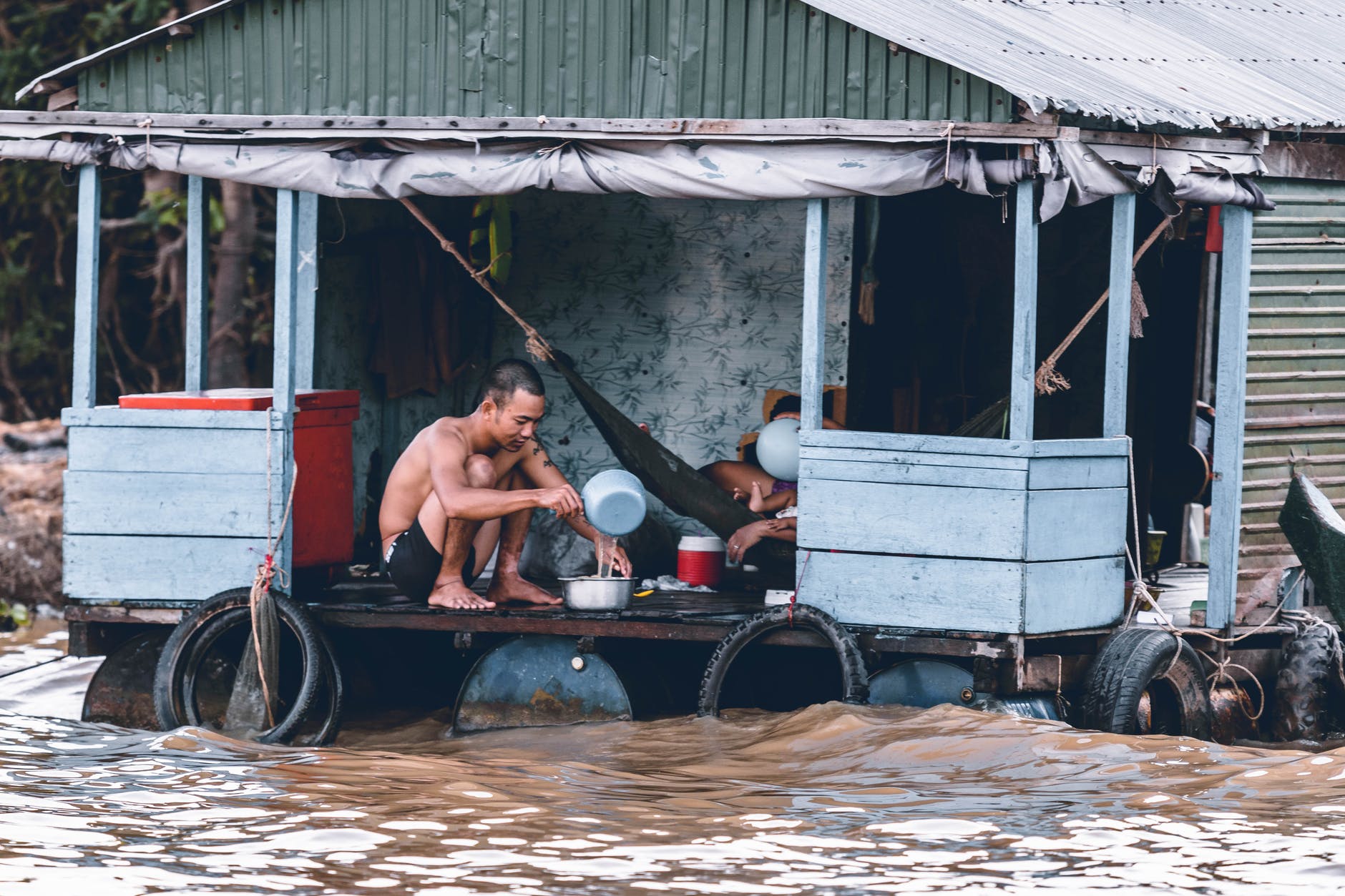
In Indonesia, flooding is common particularly during the rainy season of October-April, but this particular flood occurred in January and killed almost 70 people on Sulawesi Island and hundreds of people were displaced by heavy rain in West Java.

man pouring water from dipper on blue and grey house
Photo by hitesh choudhary on Pexels.com


3- Riots in Delhi

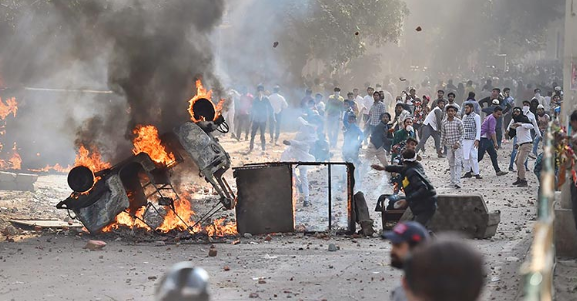
Riots in Delhi was based on anti-CAA protest in which violence, property destruction and also rioting that killed 53 people, most of whom were Muslims shot, slashed with kicks and set on fire by Hindu mobs in North East Delhi.

image-75

Image source: This week

4- The Pandemic- COVID-19

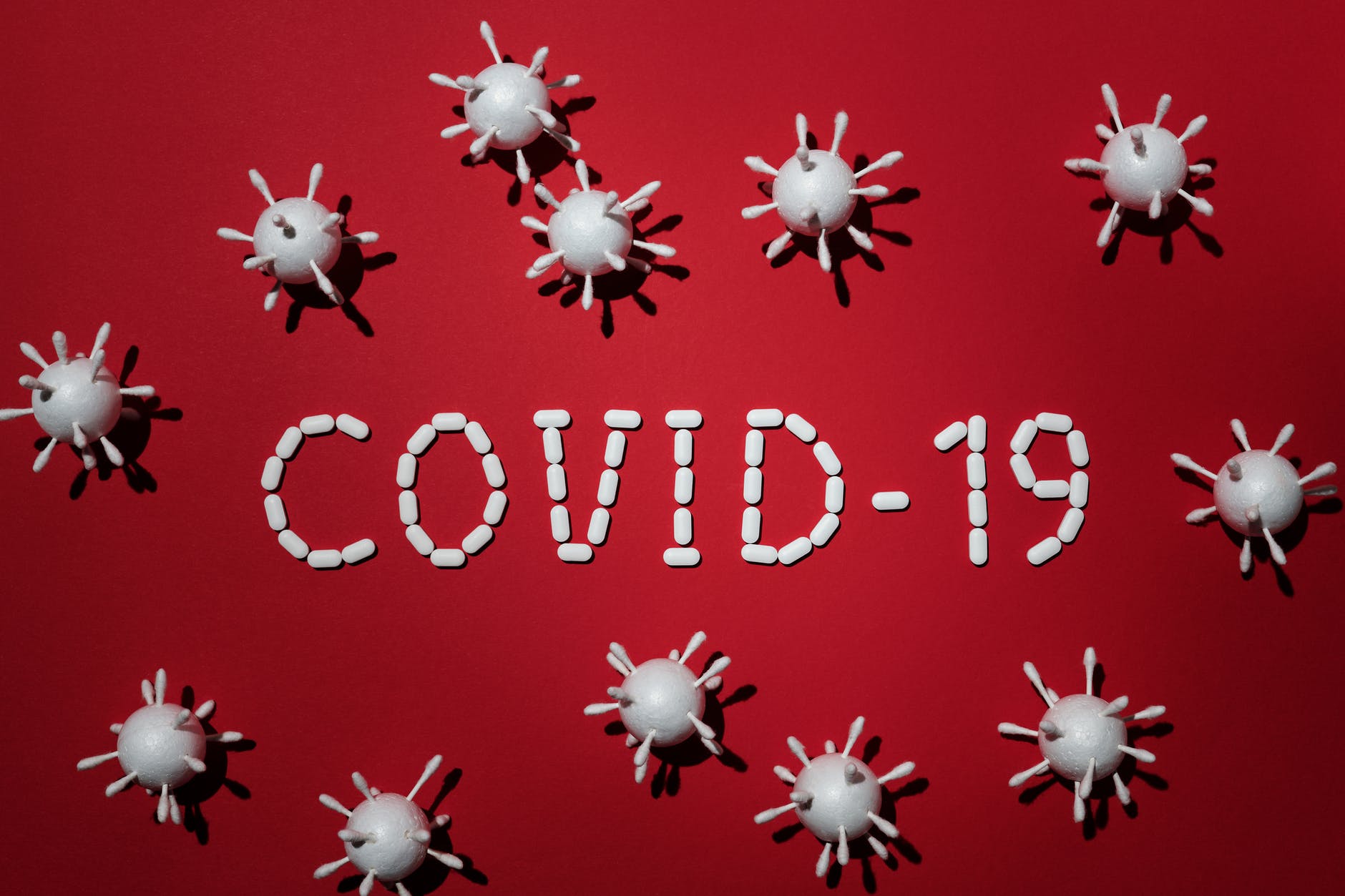
This is the worst situation till date of 2020 a 2 gm virus( research says that total molecules of corona virus from all over the world would weigh 2 gm i.e. equal to a coin weigh) it almost broke the economic condition of every country in the world.

pexels-photo-4031867.jpeg
Photo by Edward Jenner on Pexels.com

5- Olympics & IPL- 2 biggest event of world brought to halt.

Due to COVID-19 outbreak 2 most popular event were called off which was very disappointing for the players as well as their supporter.


6- Brutal killing of Saints

This incident took place in Palghar were people of village mysteriously attacked the van on saints which was heading towards their senior saints funeral program. People on investigation said that they were informed that this van contain corona virus patient, it was more worse when police also joined people in this attack.

Man-Lynched

Image source: Siasat.com

7- Gas leakage- Visakhapatnam

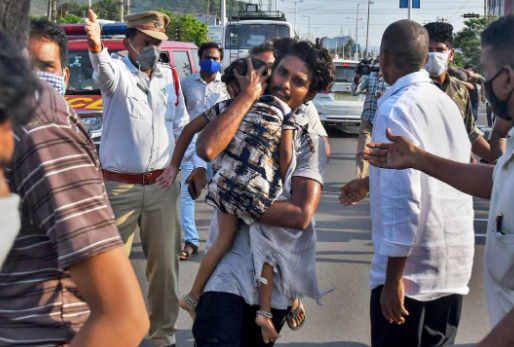
This was a major gas leak in LG polymers chemical plant in Visakhapatnam which killed 11 people, 800 were hospitalized and many more faced issues like headache, ill, vomiting etc.

image-4

Image source: The Hindu

8- Justice for Blacks

The conflict raised when George Floyd, 46, died on May 25, after a video showing a white Minneapolis police officer kneeling on his neck for almost 9 minutes.

crowd of protesters holding signs
Photo by Josh Hild on Pexels.com

9- Indian cinema lost 2 gems

Bollywood lost 2 precious gems Irfan Khan an Rishi Kapoor. Actor Irfan Khan were facing problem related to Neuroendocrine tumor which became the reason for his death where as on the other hand actor Rishi Kapoor died by Leukemia.

10- Brutal death of a pregnant Elephant- Kerala

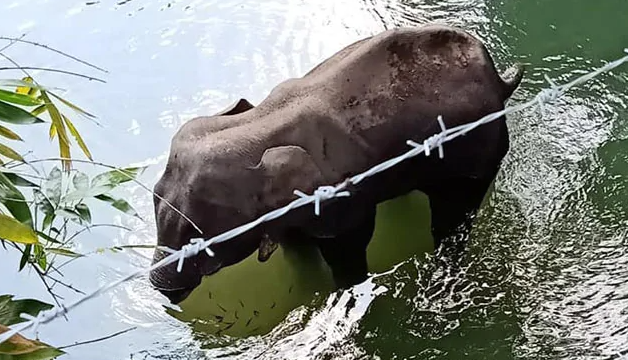
This incident took place in Velliyar River in Kerela where a pregnant elephant came in search of food where local offered a pineapple loaded with fire cracker which exploded in her mouth, doctors tried to save her but unfortunately couldn’t save. Suspect was arrested by forest officials and was interrogated. This shows how cruel has mankind became over the years.

image-5

Image source: Facebook


Like, Comment and Share the post if you agree.

Big Bang Theory has refrased as Universe Origin Theory : World Exclusive …………

Big-bang model, widely held theory of the evolution of the universe. Its essential feature is the emergence of the universe from a state of extremely high temperature and density —the so-called big bang that occurred 13.8 billion years ago. Although this type of universe was proposed by Russian mathematician Aleksandr Friedmann and Belgian astronomer Georges Lemaitre in the 1920s, the modern version was developed by Russian-born American physicist George Gamow and colleagues in the 1940s.

The Big bang theory itself is the outcome of thousands of brilliant minds put all together in astronomy and cosmology cautiously for exploring the origin of our universe.

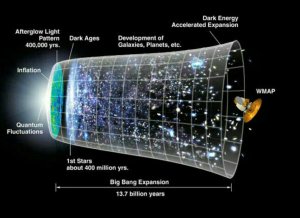
Let’s move back in time. 13.82 billion years ago, what was there?

Credit: Third Party Reference

A point of singularity, extraordinary small and hot where no laws of physics were applied, the time has no existence, all four fundamental forces exist forming a unified force called super force suddenly exploded because of no reason.

”SOMETHING CAME FROM NOTHING”

In less than one second, gravity split off from the super force. Three minutes later, the temperature dropped to 10 billion degrees of Fahrenheit, an appropriate temperature for the formation of atoms to take place. Lighter element, hydrogen came into existence.

Credit: Third Party Reference

After 380,000 years, light travelled through the darkness. 4 billion years later, stars started shaping due to the presence of heavier elements such as nitrogen, oxygen, carbon etc. At the age of 13.7 billion years, the sky filled with stars and galaxies.

Credit: Third Party Reference

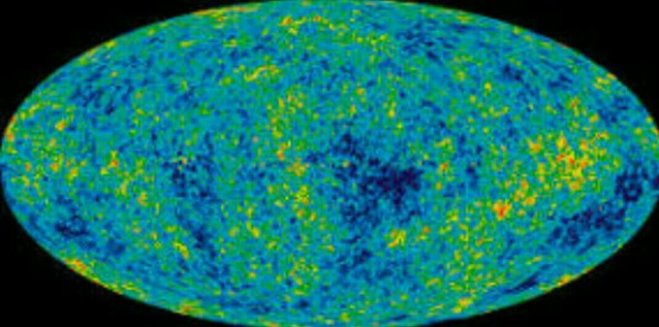
In 1965, Arno Penzias and Robert Wilson build a radio receiver which accidentally recorded echo or aftershock noise of big bang docking from everywhere and every corner of the universe. This was experimentally proved by NASA’S Wilkison microwave Anisotropy probe on 3 June 2001.

In February 2003, Cosmic microwave background provided a baby picture of our universe. Some of the major anomalies with the big bang theory were the unanswerable questions –

IS THERE SOMETHING OUT OF OUR UNIVERSE?

WHAT HAPPENED AT THE POINT OF SINGULARITY?

WHAT’S THE EXACT SHAPE OF OUR UNIVERSE?

HOW IS SPACE STRETCHING ITSELF FASTER THAN THE SPEED OF LIGHT?

WHAT WAS THE REASON BEHIND BIG BANG EXPLOSION?

Many alternate theories exist claming answer to these questions but none of them is experimentally verified.In 1980’s Alan Guth came up with the hypothesis of cosmic inflation i.e expanding universe which is now accepted as part of big bang theory.

Reference- https://divyanshspacetech.wordpress.com and https://www.britannica.com/science/big-bang-model

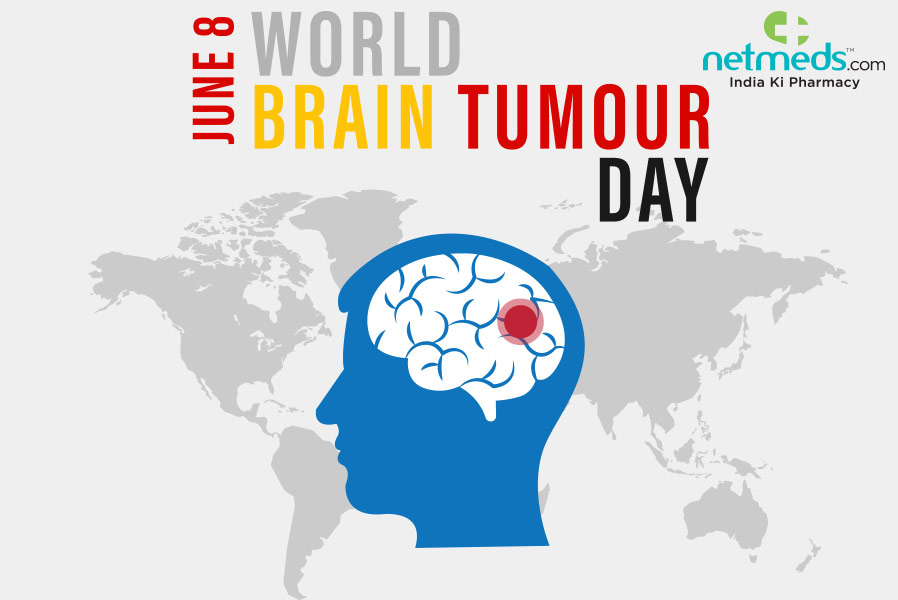
WORLD BRAIN TUMOR DAY

Every year World Tumor Day is observed on 8 JuneWorld Brain Tumor Day was first marked by Deutsche Hirntumorhilfe, a Non-Profit, German Brain Tumor Association. Deutsche Hirntumorhilfe declared the World Brain Tumor Day in the year 2000 to spread the awareness about the brain tumor among the people and tribute to all brain tumor patients and their families.

What is a Brain tumor?
Unnecessary growth of cells that are either within or around the structure of the brain is known as a Brain tumor. This abnormal collection of cells in your brain or central nervous system can disrupt brain function. Brain tumors are mainly of two types:

  • Malignant Tumors
  • Benign Tumor

Malignant primary brain tumors are cancerous and Benign brain tumors are non-cancerous.

Symptoms of Brain Tumor


•Changes in personality and behavior
•Double vision and blurred vision
•Severe headache
•Memory loss and confusion
•Nausea and vomiting
•Drowsiness
•Sleep problems
•seizures

Causes of Brain tumor

Age- with increase age risk of a brain tumor increases.

Chemical exposure- Being exposed to certain chemicals, such as pesticides, herbicides, and fertilizers that may find in a work environment can increase your risk for brain cancer. 


Exposure to ionizing radiation- People who have been exposed to high-radiation cancer therapies or radiation from nuclear fallout are on the increased risk of brain tumors.

Frequent use of cellphones: the radiofrequency energy from cellphones is capable of causing brain tumors.

Family History- brain tumors may be genetically inherited. If your family member is diagnosed with a brain tumor than consult your doctor immediately.

HOW TO CHOOSE MOST APPROPRIATE ANTIBACTERIAL CHEMOTHERAPY?

Choosing an antibacterial drug therapy can depend on various factors which are mentioned below:

BACTERIOSTATIC V/S BACTERICIDAL
Antibacterial chemotherapeutic agents can be categorized as bacteriostatic and bactericidal on the basis of their interaction with the targeted bacterial pathogens.
Bacteriostatic drugs work by inhibiting the growth of specific bacteria. Static drugs work by reversibly inhibiting the growth i.e. if the agent (drug) is removed or if its effect if over, the microorganism will get recovered and will grow again causing the same infection again.
Bactericidal drugs work by directly killing the target bacteria from the location. Cidal drugs may act as static drugs at low concenteration.

Use of any drug also depends on the immune system of the host because static drug does not completely eliminate the target bacteria. For patients with strong immune system, either static or cidal drugs can be used for curing infection while in case of immunocompromised individual, only cidal drugs are essentially required for complete removal of the bacterial infections.

SPECTRUM OF ACTIVITY
On the basis of their range or spectrum of activity, the chemotherapeutic agents can be broadly categorized into 5 different categories:

  1. Narrow spectrum antibiotics are only active against less no. of microorganisms. They target only a specific strains of bacterial pathogens, especially gram positive bacteria.
  2. Moderate spectrum antibiotics target most of the gram positive bacterial pathogens as well as most systemic, enteric and urinary tract gram negative bacterial pathogens.
  3. Narrow and moderate spectrum antibiotics are known to cover all the β-lactam antibiotics which can effectively work against gram positive and negative bacteria. Some members of this classification are only effective against gram negative while others can also kill gram positive bacteria.
  4. Broad spectrum antibiotics, as the name suggests targets a broad range of bacterial pathogens which includes almost all the prokaryotic organisms except mycobacteria and pseudomonas. They are also effective against polymicrobic infections (mixed infections caused by multiple bacterial species). It is used when other spectrum antibiotics fail to treat infections due to drug resistance. There is a risk of superinfection while using broad spectrum antibiotics.
  5. Anti-mycobacterial antibiotics are only effective against mycobacterial strains of pathogenic bacteria.

DOSAGE AND ROUTE OF ADMINISTRATION
• Dosage –
The minimum or maximum amount of drug that a patient is given is the dosage of the drug. The dosage of the particular drug needs to be determined carefully to ensure that the optimum level of that particular drug is achieved at the site of infection for the elimination of the infection without causing any toxic side effects. Therefore, the selection and standardization of dosage of a particular drug is done so that it has the minimum side effect.
• Route of administration –
It can be defined as the method by which a drug is introduced in the patient’s body. There are different ways of administration of a drug. The most preferred drugs are the one that can be administered orally because it is easier for the patients to take them even at their home without visiting the health care professionals again and again. However, it is observed that not all drugs can be absorbed from the gastro intestinal tract. E.g. Bacitracin, Polymyxin and many antifungals. These drugs may be available to the patients in the form of topical preparations so that they can be applied for the treatment of superficial skin infections.
The another condition arises when a patient is unable to take oral drug initially due to some illness like vomiting. In that condition, the drug is preferably administered through parenteral route i.e. intramuscular or intravenous injections. In general, for most of the drugs, the drug levels in plasma introduced via intravenous is higher than that of oral or intramuscular route.

POTENTIAL FOR SIDE EFFECTS
The adverse effects which are seen in the patient’s body after administration of any drug can be classified into 3 main types:

  1. PHARMACOLOGICAL SIDE EFFECTS
    These are the toxic side effects which the drug shows by damaging the infected or even healthy cells by the production of some toxic chemicals on cell surface or their interior.
  2. ALLERGIC SIDE EFFECTS
    Some drugs show the allergic reactions in the patient’s body which is due to the antigen-antibody reaction which in turn effects other cells and show some allergy.
  3. BIOLOGICAL TYPE SIDE EFFECTS
    This type of side effect is worst and it involves interference of the drug with the normal microflora of the body which is followed by either local chemical damage or superinfection.

POTENTIAL INTERACTION BETWEEN DRUGS
Most of the time, antibiotics are administered in the patient’s body as a single agent but many time it becomes necessary to take two or more drugs at a time. So, different drugs administered at a single time show some interaction among them.
The interaction may be positive or negative.
Sometimes, a synergistic or positive interaction is shown by two antibiotics when they are administered together. Some drugs show bactiostatic effect when used as a single agent but are able to show bactericidal effect when combined with other antibiotic.
On the other hand, some drugs when used together show negative effect or antagonistic effect. Antagonism can occur between two antimicrobial or between one antimicrobial and one non-antimicrobial. The antagonistic interactions thus cause toxic side effects, loss of drug activity, decreased effect of drug at the site of infection. For e.g. Penicillin and bacteriostatic drugs are antagonists of each other.

Endless blues: World’s Ocean Day.

What is it About?

World Oceans Day is a worldwide initiative by the United Nations to spread knowledge and awareness about the vast expanse of oceans on Earth. It is based on the idea of preserving the infinite number of life forms and coral reefs that are a part of the ocean and being aware of how human actions can harm their natural habitat. The principal focus of this initiative is to bring the oceans at the forefront of global environmental discussions, and plan and execute a sustainable method to save our oceans and the planet at large.

When is World Oceans Day?

We celebrate World Oceans Day on June 8, and a lot of activities at global, national and community levels are organised worldwide to observe this event.

What is the History of World Ocean Day?

World Oceans Day was first proposed by Canada’s International Centre for Ocean Development and the Ocean Institute of Canada in 1992, at the Earth Summit in Rio de Janeiro. Since 2002, the World Ocean Network has been instrumental in garnering support and organising worldwide activities on June 8. A huge network of more than 2000 organisations worldwide are invested in making sure that the ocean is protected from any damage due to technology or other human actions.

Why is World Oceans Day Important?

The composition, temperature, currents and life in the oceans drive every natural system that makes Earth habitable for humankind. Even the balance of oxygen that we breathe is primarily dependent on the ocean. The health of our oceans has become a matter of grave concern, due to the damage they have endured.

Dedicating a particular day to this cause not only helps in spreading awareness among people, but also in mobilising conscientious civic and political efforts towards addressing this global problem. Though spending just one day celebrating the oceans is not enough to bring about the changes required to conserve marine ecology, it works wonders as a starting point for people, especially young minds, to come together to take action against any damage done to ocean.

Other Important Facts About World Oceans Day

Knowing about World Oceans Day is not enough for your children to be able to grasp the whole concept of how important the ocean is for human survival. To encourage your children to celebrate our oceans and strive to make a difference, you could share some fun facts on World Oceans Day and how important the oceans are:

• 97% of Earth’s water is in the oceans, which is home to more than 200, 000 known species and millions of unidentified organisms.

• The oceans purify the air we breathe by absorbing 30% of the carbon dioxide in the air, which also helps in reducing the effects of global warming and climate change.

• Oceans are the world’s largest source of protein, and more than 2.6 billion people depend on the oceans as their primary source of protein.

• 40% of the oceans of the world are today affected by human actions causing pollution, depletion of fisheries, loss of coral reefs and endangerment of marine species. Seven out of the 13 great whale species are endangered today.

•13, 000, 000 tonnes of plastic leak into the ocean water each year. It has been predicted that there will be more plastic than fish in the ocean by 2050. Over 100, 000 marine wildlife animals are killed each year due to plastic contamination of the oceans.

• Each year a new theme is assigned to this day to cover different aspects of marine life and human dependency on oceans. In 2020, the celebratory theme on World Oceans Day is “Gender and The Ocean”, which emphasises the harm that gender disparity can bring to our oceans.

• The President of UN General Assembly has launched a global campaign “Play It Out”, against the use of plastic.

• Marine Protected Areas have been chalked out as an initiative to protect the oceans from illegal fishing.

• Jellyfish as a species is older than dinosaurs and has been on this earth for more than 650, 000 years.

• 75% of the world’s volcanoes are located under the Pacific Ocean around Ring of Fire, the largest zone of active volcanoes.

World Ocean Days Activities for Kids

It doesn’t matter how small their hands are, children can drive this movement and even inspire adults to participate. Here are a few activities that your kids can organise on World Oceans Day:

  1. Clean-up Drive

Invite all the children in the neighbourhood to the beach or any water body close by to clean the area. This will help them to understand how much litter ends up in the oceans through different waterways polluting the habitat of marine life.

  1. Ocean Themed Programme

An ocean theme-based arts and crafts competition can attract a lot of attention from children of all ages. You can engage kids in a drawing competition and then display their creative works. You can even inspire a few young writers to submit stories and poems based on marine life.

  1. Ocean Hunt

Treasure hunts are an intriguing way to engage children. Keeping the spirit of World Oceans Day, you can organise an ocean hunt by creating puzzles around facts from the oceanic world, leading to prizes like ornaments made out of sea-shells, passes to any nearby aquarium, books with interesting facts about the ocean, etc.

  1. Storytelling Competition

It is safe to say that all kids love stories, especially when they get to be the judge of who is the best storyteller. Engage the adults around and encourage them to bring in their theatrical talents to entice the kids with amazing storytelling skills. You can always use the sounds of the waves or wild animals from the ocean to enhance your performance.

5.Let the Kids Instruct

No child will say no to an opportunity to give some sound advice to his/her parents. Ask the children to make a list of human actions that harm our oceans and come up with instructional ideas to preserve them. Organise a session with all the adults, where the kids present their points of view on how to keep our oceans and planet safe.

History behind World brain Tumor day:June 8

June 8 2020 is also observed as World Brain Tumor Day apart from World Ocean Day which was intiated by a non profit organization in Germany called Deutsche Hirntumorhilfe in German.

They are providing facilities for scientists and health professionals to develop efficient treatment of Brain tumor. They also provide support to the Brain tumor patients and their families.

Apart from the tribute given, This day is also observed as international day to provide awareness about the disorder and spread information on it.

A Tumor is basically the abnormal growth of cells. This can be broadly decided into two Benign (non-cancerous) and Malignant (cancerous). Malignant tumor can be again divided into primary originating from Brain Or spine where as secondary are those cancer that spread from elsewhere in the body to the Brain. This secondary is more common than primary.

Causes and major risk factors:

The exact cause of brain cancer is unknown. However, factors that can increase your risk of brain cancer include exposure to high doses of ionizing radiation and a family history of brain cancer.

Cancer in other part of the body is also a risk factor. Major cancers that spread to Brain are:

  • Lung cancer
  • Breast cancer
  • Kidney cancer
  • Bladder cancer
  • Melanoma

Other factors are:

  • increased age
  • long-term smoking
  • exposure to pesticides, herbicides, and fertilizer
  • working with elements that can cause cancer, such as lead, plastic, rubber, petroleum, and some textiles
  • having an Epstein-Barr virus infection, or mononucleosis

Symptoms

Symptoms that arises due to increased pressure inside the skull. They are:

Severe head ache associated with nausea and vomiting, blurring or dimmed vision, excessive sleepiness, loss of memory, seizures.

Symptoms that are arise due to location of tumor. They are:

Weakiness of one side of body, hearing loss, visual blindness, facial deviation, slurring of speech.

Diagnosis method

CT scan or MRI scanning of the brain. Further diagnosis can be done by PET scan or angiography.

Treatment

Surgery is the main treatment. Modern micro surgical methods and aids such as neuro navigation and intra op imaging have made surgery safe and effective.

Other modalities such as Gamma knife/stereotaxis radiosurgery, radiation therapy and chemotherapy may be used alone or in combination

Prognosis

Brain tumor is considered as incurable disease but if given proper treatment it gives good outcome and patients are able to go to their normal lives.

Conclusion

Brain tumor can give good outcome when diagnosed and treated early. It may lead to severe mental, physical and financial burden to the patient and family. One should consult the best doctor and get adequate treatment. More public awareness need to be given to reduce panic.

World’s food safety day

It is necessary to assure that food remains safe at every stage from production to harvest, processing, storage, distribution, preparation, and consumption. That’s why World Food Safety Day is celebrated on 7 June to highlight the health consequences of contaminated food and water. The World food safety day was observed by the United Nations from 2019. This year’s world is celebrating second world food safety day. Unsafe food is a threat to human health and economies, and marginalized people, especially women and children.

World Food Safety Day Theme: Food-Safety Everyone’s Business

This year’s theme for world food safety day is food safety everyone’s business. This campaign will promote global food safety awareness and will call upon countries, the private sector, civil society, UN organizations, and the general public to take action. The theme Food-safety everyone’s business depicts that whether we grow, transport, process, distribute, store, sell, prepare, or consume food, everyone has a role to play in making consumed food safe and uncontaminated for people. Through World Food Safety Day, the World Health Organization pursues its efforts to mainstream food safety in the public agenda and reduce the burden of foodborne diseases globally.

Food Safety Tips

* It is important to keep foods safe to maintain healthy eating. We all can reduce contaminants in food and keep food safe by following food safety tips:

* Wash your hands properly with soap and water before going to the kitchen.

* Before eating, cooking, and cutting fruits and vegetables rinse them properly under running water.

* Clean inside and outside of appliances and buttons and handles of appliances.

* Daily sanitize kitchen surfaces with hot and soapy water or use disinfectant.

* While doing food shopping keep raw seafood, poultry, and meat in a separate bag and fresh fruits and vegetables ina separate bag.

* Clean your refrigerator once a week, discard cooked leftovers in 4 days and raw poultry and ground meats in 1 to 2 days.

But why can’t Globalized Navic as World Recognized GPS System : Super Exclusive >>>>>>>>

Why Navic :-

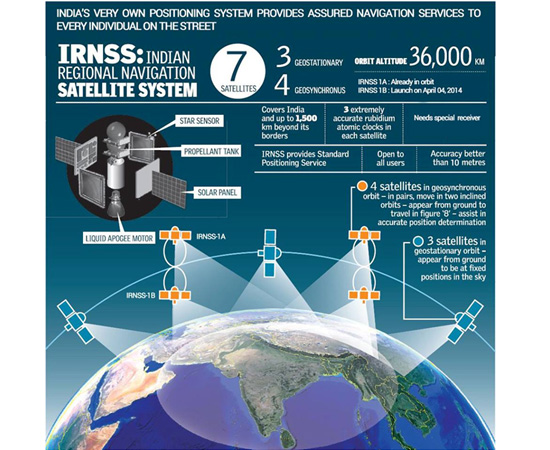
Navic is an independent Indian Satellite based positioning system for critical National applications. The main objective is to provide Reliable Position, Navigation and Timing services over India and its neighbourhood, to provide fairly good accuracy to the user. The IRNSS will provide basically two types of services

  1. Standard Positioning Service (SPS)
  2. Restricted Service (RS)

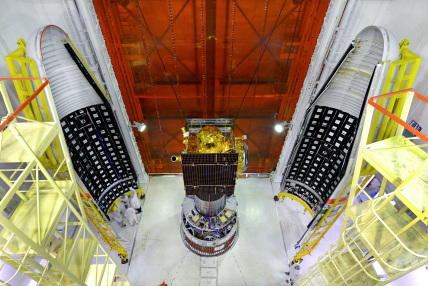
To date, ISRO has built a total of nine satellites in the IRNSS series; of which eight are currently in orbit Three of these satellites are in geostationary orbit (GEO) while the remaining in geosynchronous orbits (GSO) that maintain an inclination of 29° to the equatorial plane. The IRNSS constellation was named as “NavIC” (Navigation with Indian Constellation) by the Honourable Prime Minister, Mr. Narendra Modi and dedicated to the nation on the occasion of the successful launch of the IRNSS-1G satellite. The eight operational satellites in the IRNSS series, namely IRNSS-1A, 1B, 1C, 1D, 1E, 1F, 1G and 1I were launched on Jul 02, 2013; Apr 04, 2014; Oct 16, 2014; Mar 28, 2015; Jan 20, 2016; Mar 10, 2016, Apr 28, 2016; and Apr 12, 2018 respectively. The PSLV-39 / IRNSS-1H being unsuccessful; the satellite could not reach orbit.

Credit: Third Party Reference

Oh, Did I just ask to not address NAVIC (Navigation with Indian Constellation) as our own GPS (Global Positioning System). Have I lost my mind to go against the trend media has created? Am I actually serious about it? Well, let’s see why I am making such a preposterous appeal.

I have realised while talking to a lot of people on social media that they think GPS is a technology per say in generic terms which is completely incorrect. And the headlines all over media are reflecting as such. So first let’s talk about different satellite based navigation systems.

WHAT IS GPS :-

GPS (Global Positioning System) is a global satellite-based navigation system made up of a network of 24 satellites placed into orbit by the U.S. Department of Defense (DoD). It is a U.S.-owned utility that provides users with positioning, navigation, and timing (PNT) services. This system consists of three segments: the space segment, the control segment, and the user segment. GPS is operated and maintained by the U.S. Air Force. It is currently the world’s most utilized satellite navigation system.

ABOUT GNSS :-

The generic name of what we assume to be GPS is GNSS (Global Navigation Satellite System). Currently there are two operational GNSS:
1) Global Positioning System (GPS) is owned by the United States.
2) GLONASS is owned by Russia.

The third GNSS- GALILEO of European Union isn’t completely operational yet, 12 of 30 satellites in orbit. The forth BeiDou (Chinese Navigation system) is a limited test system, its full-scale global navigation system or GNSS also known as COMPASS or BeiDou-2 is currently under construction, it has about 20 satellites in orbit at present.

THEN WHAT’S THE ISSUE?

See, by now we have developed GPS isn’t a generic term, it’s just most popular and we human race runs after something that’s always more popular and it’s exactly what needs to be changed if we want to create our own identity in this world, if we want to stand with pride, if we want other nations to respect and recognise us then we need to be own people and not some ripped off identity of other nation and that’s what NAVIC deserve.

Credit: Third Party Reference

NAVIC was developed after so much of continuous handwork of ISRO scientists, thorough research and loads of money. It isn’t just another satellite based navigation system, it made us the fifth elite nation in this world to have our own navigation satellite system and it is a big deal. I am forever grateful to GPS for extending its services to us but we (India) developed and deployed NAVIC because many of the GPS services weren’t available to defence forces specially and we needed that thus came NAVIC.

NAVIC made us a proud nation, it showed the world the powerful force India is, it showed that we were Inventers/developers, we are and we always will be. We have some of the best brains in the world that is what NAVIC represents. It’s our pride and giving it a second hand name just dishearten me and it should dishearten you as well.

China has its own search engine Baidu and they do not call it ‘Chinese Google’. We do not call Flipkart as ‘India’s Amazon’ or Ola as ‘India’s Uber’ or every Smartphone an iPhone. Even you wouldn’t like to be called by other’s names!

What we say today, what we trend today will be remembered tomorrow and I do not want NAVIC to be known as ‘Indian GPS’.

If you agree with me then kindly share this post, raise your voice, talk about it, and aware more people about it. All I want is NAVIC to be known as NAVIC to the entire world and I need your help in doing so.

Reference- divyanshspacetech.wordpress.com and isro.gov.in

Worlds first “Internet controlled robot” By 23 year old Indian boy : Covid-19

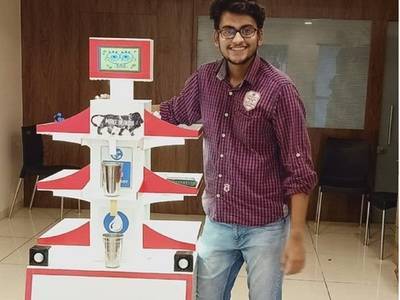
A 23 year old Thane engineer has developed worlds first-of-its-kind internet controlled robot which can be used to treat covid patients in hospitals.

The robot delivers food, water, beverages, medicines and even some good advices to the patients without the help of any hospital nurses or staffs.

This aCoro-bot’ eliminates the need of physical presence or contact of nurses or ward boys with the patient. It can deliver food, water, medicines and interact with the patients through a camera. Through a speaker, it can also advise patients on various precautions like sanitizing their hands before picking up anything from the robotic tray,” Says Pratik tirodkar the creator and designer of this robot.

This smart boy is also the founder of a start up ‘PNT solutions’. Whatsmore this young lad had developed other unique creations when he had barely stepped to college. This include world’s first ‘Humanoid’ with 47 body (axis) movements, a robotic bird ornithopter for various outdoor applicationsapplications,  a mini packaging robot and several others.

This genius has even given over a 100 guest lectures to the brain students of IITs and NITs in the country.

This robot can be operated from any part of the world through internet. The robot comes with 3 trays with a carrying capacity of 10-15 kg each, plus a 30-kg storage at the bottom, enabling it to serve the supplies to over a dozen patients at a time in the COVID-19 ward.

There are separate dispensers for water, tea, coffee, besides sensors for sanitizers which flow out quickly when the patient holds his hand below it and cuts off the supply when the hand is removed. Thus there is minimum wastage,” Tirodkar explained.

“Not only the COVID-19 patients, Coro-bot can also take care of itself. It has three nozzles at the back to give itself a disinfectant bath regularly, it goes on spraying sanitisers on both sides of the path, plus disinfects the ground it moves on by using UV lights” Says the genius.

The Coro-bot also has LED lights illumination to make it convenient for night usage as well, timers for indicating lunch-dinner, emergency button, besides a small PC like screen on the top for basic computer work or entertainment, he said.

This is now successfully deployed at Holy Cross Hospital in kalyan. Impressed by this robot over a dozen of other hospitals have ordered coro-bot in Mumbai.

The Coro-bot costs between Rs 1.60-Rs.3.80 lakhs, depending on various specifications like the load-carrying capacity, etc, and the Ornithopter is around Rs 30,000. I have a small manufacturing unit at Dombivali, but if I can get a good investor, I can get into mass production,” he said.

Pratik tirodkar is currently doing his Btech in instrumentation engineering from Bharati  Vidyapeeth College of Engineering, Navi Mumbai.