

Human development refers to the process of widening people’s choices, freedom and opportunities as well as raising the level of their well being. Human development focusses on the enlargement of all human choices whether economic, social, cultural or political.
Economic growth or development alone cannot guarantee human development. This is because these two terms pertain to economic advancement which is usually expressed in monetary terms. Accumulation of wealth does not necessarily mean the fulfilment of several kinds of human choices. For instance, a society does not have to be rich to afford democracy or equality. It is the how we use the wealth and not the wealth itself that is decisive in attaining human development. The real wealth of a society is its people and development of those people can transform that society.
In recent times, an alternative to GNP as a measure of economic development has lead to computation of the Human Development Index. This measure has been enlarged and many related indices like gender development index, gender inequality index, human poverty index, etc. have been developed as well. Human development is necessary for several reasons.
Human development leads to higher productivity. A healthy and skilled labour is a very important productive asset for any economy. Improvement in education not only enhances skills but also helps in lowering family sizes. Education makes people aware of the benefits of smaller families.
Human development also leads to a better physical and social environment. Population growth effects the environment. Deforestation, desertification etc decline with a decline in poverty. Reduced poverty also contributes to a healthy civil society, increased democracy and greater social stability.
Human development embraces the entire society and not just the economy. The political, cultural and social factors are given much importance as the economic factors.
Some of the important components of human development are equity, empowerment, sustainability and productivity. People must enjoy equitable access to opportunities. They must be empowered so that they are in a position to exercise choices of their own free will. The development should be sustainable i.e. needs of future generations should also be under consideration. Productivity is an essential part of human development as therefore should always be a priority.
In the recent years, economists have shifted their concern from economic growth to human development. This has lead to the creation of Human Development Index (HDI). HDI is a measure of human development done on the basis of three dimensions: long and healthy life, access to education and decent standard of living. Long and healthy life can be measured through life expectancy while literacy rate shows access to knowledge. For measuring standard of living, GNP is often used.
Since human development is so closely linked to economic growth, it is important that planning in economic growth should coincide with human development. It means that equal emphasis should be laid on production and distribution objectives. Human beings should be declared the ultimate objective of economic planning. There are enormous difficulties in doing so but it is worthwhile.
Category: Skill Development
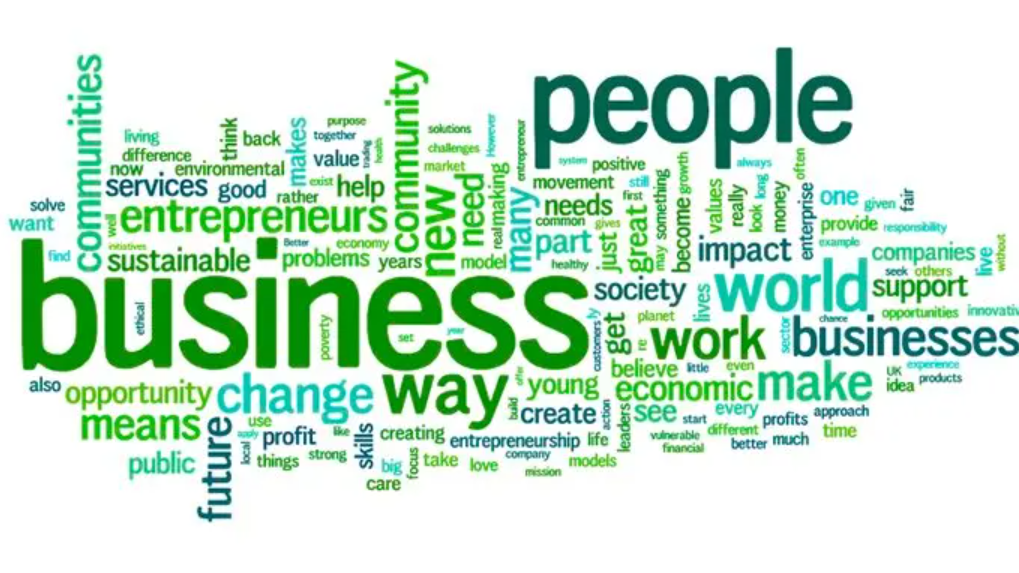
Business and management related topics
INTRODUCTION:-
Business management involves the supervision, organisation and coordination of business resources and operations to achieve specific objectives.Managing yourself: introduction to management and leadership styles. Managing money and key financial concepts, including the implications of various sources of finance and the relative importance of cash flow and profit. Managing people, stakeholder management and professional communication.
Topics Of Business AND Management:-
* Advertising
* Business Planning
* Business Planning Guides
* Business Structure
* Business Structure
* E-Commerce
* Employment Issues
* Energy Topics
* Financial Management
* Integrating Business and Family
* Inventory Control
* Insurance
* Legal Issues
* Marketing
* Market Research
* Merchandising
* Packaging
* Pricing
* Record Keeping
* Risk Management
* Self-Employment Assessment
* Social Media
* Taxes
* Time Management
1. Advertising:-
Advertising — A fact sheet on advertising your business from the U.S. Small Business Administration.
Advertising (PDF) — Another advertising fact sheet from U.S. Small Business Administration.
Advertising — A PowerPoint presentation on advertising by Rutgers University Cooperative Extension.
Advertising Topics — A variety of advertising topics for agricultural business owners.
Online Advertising — Tips on online advertising by the U.S. Small Business Administration.
2. Business Planning:-
Business Planning — Business planning fact sheet by Penn State University.
Business Planning Workbook — Business planning resources for small farmers from the University of Maryland.
Business Plans Made Simple — A six-page fact sheet on how to write a business plan for your small business from the Nevada Small Business Development Center.
Economic Analysis of a New Business — Doing It Right — An eight-page fact sheet on conducting an economic analysis of your new business from Kansas State University Research and Extension.
Market Planning for Value-Added Agricultural Businesses (PDF) — A 53-page market planning guide and workbook from the University of New Hampshire.
Plan Your Farm — Business planning tools for small-scale farmers from Cornell University.
Restaurant Start-Up Profile (PDF) — A 51-page fact sheet on starting-up your own restaurant from the Illinois Institute for Rural Affairs.
Starting a Business — A fact sheet on starting a home-based business from the Iowa Small Business Development Centers.
Starting a Business in Your Home: Weighing the Pros and Cons — A four-page fact sheet on the pros and cons of starting a home-based business from UMaine Extension.
Starting a Home Business — An eight-page fact sheet on starting a home-based business from UMaine Extension.
Starting a Successful Catering Business (PDF) — A six-page fact sheet on starting a catering business from Virginia Cooperative Extension.
Starting Your Own Business (PDF) — A four-page fact sheet on starting your own business from the University of Wisconsin Extension.
Ten Frequently Asked Questions for Micro and Home Based Business Start-Ups — A four-page fact sheet on micro and home-based business start-ups from the Oklahoma Cooperative Extension Service
Writing a Business Plan (PDF) — A six-page fact sheet on business planning by the University of Tennessee.
3. Business Planning Guides:-
Business Plan Guide — Guide with worksheets to assist in developing your business plan from the Massachusetts Small Business Development Center Network
Business Planning — A guide for writing farm-based business plans from Cornell University.
Business Planning for the Agriculture Sector: A Guide to Business Plan Development for Start-up to Mid-Size Operations — A book to help agricultural business operators and a full fledged business plan from Cornell University
Business Plans and Profiles Index — A subject guide to sample business plans and profiles for specific business types from Carnegie Library.
Developing a Bed & Breakfast Business Plan — A 98-page fact sheet on creating a bed and breakfast business plan from Illinois Extension.
Developing a Business Plan for Value-Added Agricultural Products — A four-page fact sheet on developing a business plan for value-added agricultural products from Oklahoma State University
Landscape Business Planning Guide — How to develop and implement a well-defined business strategy from Cornell University
Online Business Planning Software — A free business planning software tool for agricultural and natural resource businesses from the University of Minnesota.
Sample Business Plan: Moose Mountain Cafe — Sample plan for a cafe business from New Hampshire Small Business Development Center.
Sample Business Plans — A selection of business plans to assist in the wording of your own plan from Michigan Small Business & Technology Development Center.
Sample Business Plans — A list of business plans to assist in drafting a plan for your business from the Small Business Development Center Network.
Sample Business Plans — Sample business plans for a wide range of businesses.
Scaling Up for Regional Markets — Scaling up for regional markets tutorial by ATTRA.
4. Business Structure:-
Choose Your Business Structure — A fact sheet written by the U.S. Small Business Administration.
Determine Your Federal Tax Obligations — A fact sheet on what form of legal entity you should use from the U.S. Small Business Administration.
Farmers’ Guide to Business Structures — A SARE publication outlining the various forms of business structures available to farmers’ and small businesses.
How to Organize Your Business — A six-page fact sheet on how to organize your home-based business from UMaine Extension.
Selecting an Organizational Structure for Your Small Business — A four-page fact sheet on structuring a small business from Montana State University.
Starting, Operating, or Closing a Business — Web links to a new business checklist, selecting a business structure, employees, deductions, recordkeeping and accounting methods, and FAQs from the IRS.
5. Customer Service:-
Customer Service — Customer service video by the U.S. Small Business Administration.
Focus on Customer Service — A Colorado State University Fact Sheet on improving your service to customers.
Obtaining Referrals to Increase Sales — Methods of gaining referrals in the sales industry from the University of Florida Extension.
So You’re in Sales — A six-page fact sheet on customer service for your home-based business from UMaine Extension.
The Customer is Still King — University of Maryland Extension bulletin on customer service.
6. E-Commerce:-
Creating Valuable Content that Converts — Recorded webinar exploring ways to improve the online presence for small businesses from eXtension.org.
Email Marketing — A fact sheet for eMarketing from the U.S. Small Business Administration.
Five Key Ingredients in Creating a Small Business Website — An article about creating a website for your small business by the U.S. Small Business Administration.
Maps, Apps and Mobile Media Marketing — Recorded webinar exploring a variety of ecommerce tools for your business from eXtension.org.
Selling On-line — A 24/7 Opportunity – Factors to consider in starting an on-line business by the University of Maryland Extension.
You are Here — Recorded webinar exploring mapping tools for small businesses from eXtension.org.
7. Employment Issues:-
Charming the Worker Bees — A fact sheet on employee compensation from the Iowa Small Business Development Center
Communication on the Job for Employees — A four-page fact sheet on communication for employees from the Alabama Cooperative Extension System.
Communication Skills for Daily Use at Work — A four-page fact sheet on communication skills at work from the Alabama Cooperative Extension System.
Developing and Implementing Sound Hiring Practices — A ten-page fact sheet on hiring procedures and practices from Purdue University Cooperative Extension.
Evaluating Employee Performance — A fact sheet from eXtension.org.
Great Employees Require Great Employers — A fact sheet on recruiting employees from the Iowa Small Business Development Center
Independent Contractor or Employee? — A fact sheet from the Internal Revenue Service.
Managing Employees — A fact sheet on employees from the U.S. Small Business Administration.
Orientation and Training of New Employees (PDF) — A fact sheet from North Carolina State University Cooperative Extension.
Overtime Rule — (Maine DOL Information and Resources). Maine Department of Labor information about the new overtime rule.
Recruiting and Retaining Employees — A video from the U.S. Small Business Administration.
Writing Effective Job Descriptions — A fact sheet from the U.S. Small Business Administration.
8. Energy Topics:-
Saving money through energy conservation and alternative energy sources — Energy saving tips for the homeowner, traveler, and business owner. Includes video how-to from UMaine Extension.
Efficiency Maine Business Program — Save energy and money and improve the environment from Efficiency Maine.
9. Financial Management:-
Balance Sheet Template — An Excel spreadsheet from the Maine Small Business Development Center.
Benchmark Data — 2015 Farm Credit East financial benchmark data for selected natural resource-based industries.
Break-Even Analysis Template — An Excel spreadsheet from the Maine Small Business Development Center.
Capital Sources for Your Business — A six-page fact sheet on finding capital sources for your business from UMaine Extension.
Cash Flow Template — An Excel spreadsheet from the Maine Small Business Development Center.
Developing an Income Statement (PDF) — A fact sheet from Oklahoma State University Extension.
Managing a New Business: A Beginner’s Guide to Financial Concepts and Tools — A 16-page fact sheet on successful small business management from Oregon State University.
Preparing Financial Statements — A fact sheet from the U.S. Small Business Administration.
Profit and Loss Template — An Excel spreadsheet from the Maine Small Business Development Center.
Setting Up Your Own Business: Financing Your Business — A three-page fact sheet on financing your business from the University of Nebraska – Lincoln Extension.
Setting Up Your Own Business: Monitoring the Health and Growth of Your Business — A six-page fact sheet on using financial statements to measure the health and growth of your business from the University of Nebraska – Lincoln Extension.
10. Integrating Business and Family:-
Setting Personal, Family and Business Goals for Business Success — from Iowa State University.
11. Inventory Control:-
Managing your Inventory — A fact sheet on stock control in your small business from the Iowa Small Business Development Center
12. Insurance:-
Agricultural Business Insurance — A fact sheet on insurance options for farm businesses from Penn State University.
Business Insurance: The Basics — When considering business insurance, business owners should start with the basics from the Missouri Small Business development Centers.
Get Insurance — What type of insurance to get for your business from the U.S. Small Business Administration.
How to Insure Your Business — 4-page fact sheet covers insurance types, state laws, insurance options and steps to setting up an insurance program from UMaine Extension.
13. Legal Issues:-
Avoiding Patent, Trademark and Copyright Problems — An eight-page fact sheet on how to avoid patent, trademark and copyright problems from the Nevada Small Business Development Center
Copyright Basics — A fact sheet on dealing with copyright issues from the Iowa Small Business Development Center
Deciding if Bankruptcy is an Option for You — Information about bankruptcy options provided by the Virginia Cooperative Extension.
Patents, Trademarks and Copyrights — U.S. Small Business Administration video on intellectual property protection.
Taxes and Permits — A six-page fact sheet on taxes and permits for your home-based business from UMaine Extension.
14. Marketing:-
Building Your Brand During a Downturn — Fact sheet on branding from the Missouri Small Business & Technology Development Centers.
Developing a Sensible and Successful Marketing Attitude — A five-page fact sheet on general marketing principles from Purdue University Cooperative Extension.
Developing and Implementing a Successful Marketing Plan — A five-page fact sheet on developing and implementing your marketing plan from Purdue University Cooperative Extension.
Direct Marketing of Farm Produce and Home Goods (PDF) — Direct marketing alternatives and strategies for beginning and established producers.
Food for Profit: Marketing Your Food Product — A fact sheet on the basics of marketing food products profitable by Penn State University Extension.
Is There a Market for My Product or Service? — A fact sheet on marketing techniques for growing businesses from the Iowa Small Business Development Center
Marketing Specialty Forest Products (PDF) – A fact sheet discussing was entrepreneurs can market their specialty forest products by the University of Nebraska.
Marketing Strategies to grow your business — A fact sheet on understanding marketing for small businesses from Penn State University.
Marketing: What Needs to be Done — An eight-page fact sheet on marketing from Kansas State University Research and Extension.
15. Market Research:-
A Do-it-Yourself Approach to Market Research — A fact sheet on conducting market research from MissouriBusiness.net.
Building Healthy Communities: Analyzing Local Markets — An eight-page fact sheet on analyzing local markets from Kansas State University Extension.
Demographics and Lifestyle Analysis — A fact sheet from the University of Wisconsin Cooperative Extension.
Estimating Retail Market Potential — A four-page fact sheet on estimating retail market potential for your home-based business from UMaine Extension.
Marketing Research for Entrepreneurs and Small Business Managers (PDF) — An eight-page fact sheet on market research for small businesses from Montana State University Extension Service.
Market Research: Surveying Customers to Determine Their Needs — A two-page fact sheet to aid in conducting your market research from the University of Wisconsin Extension.
Micro and Home-Based Businesses: Market Research — A six-page fact sheet on market research from Oklahoma State University Extension
Tradeshow Marketing — A fact sheet to help prepare for trade shows from the U.S. Small Business Administration.
16. Merchandising:-
Merchandise Presentation for Agricultural Businesses — A Penn State University publication on food product merchandising.
17. Packaging:-
The Role of Packaging in Society and the Environment — Understanding the types of packaging and the purpose from the University of Florida.
18. Pricing:-
How to Price Your Products and Services — A four-page fact sheet on pricing your products and services from the Iowa Small Business Development Center
Introduction to Pricing — A U.S. Small Business Administration resource to sound pricing strategies.
Micro and Home-Based Business Product Pricing — A four-page fact sheet on pricing for micro and home-based businesses from Oklahoma Cooperative Extension Service
Smart Pricing Strategies — A fact sheet on pricing from the Virginia Cooperative Extension.
Understanding Pricing Objectives and Strategies — A publication on pricing strategies for the value-added agricultural producer.
19. Record Keeping:-
Financial Statements — A fact sheet describing the balance sheet, income statement, and the cash flow statement from UMaine Extension.
Ratio Analysis — A fact sheet on using ratios to analyze your business performance from UMaine Extension.
Recordkeeping — A fact sheet from the U.S. Internal Revenue Service.
Record Keeping for a Small Business — A Powerpoint Presentation on basic recordkeeping from the U.S. Small Business Administration.
Record Keeping for Profit — A six-page fact sheet on record keeping for your home-based business from UMaine Extension.
Records — A fact sheet on tips for successful record keeping from UMaine Extension.
Setting Up Your Own Business: Records and Bookkeeping — A six-page fact sheet on records and bookkeeping for your small business from the University of Nebraska-Lincoln Extension.
The Projected Cash Flow Statement — A fifteen-page fact sheet on developing a projected cash flow statement from Purdue University Cooperative Extension.
20. Risk Management:-
Risk Management Agency Homepage — Website listing of resources related to risk management in Agriculture from the United States Department of Agriculture Risk Management Agency.
The Ag Risk Education Library — Risk Management Education Center from the University of Minnesota.
21. Self-Employment Assessment:-
Self- Assessment Checklist (PDF) — A self-assessment tool from the Nevada Small Business Development Center.
Small Business Readiness Assessment Tool — Take a test to see if you are ready to start your own business from the U.S. Small Business Administration.
Starting and Managing a Business — Programs and services to help you start, grow and succeed from the U.S. Small Business Administration.
22. Social Media:-
Getting Down to Business with Social Media — Recorded webinar exploring the use of social media in your business from eXtension.org.
How to Use Social Media for Your Farm Business(PDF)— A workbook designed to help you better understand how to use social media marketing in your farm business.
Intro Social Media for Small Business — Introduction to using social media in small business from the Alabama Cooperative Extension System.
Social Media and Internet Marketing — Social media and Internet marketing for small business from SBDC.NET.
Social Media for Agricultural Businesses: Blogs — A Penn State University publication about using Blogs as a marketing tool in your business.
Social Media for Agricultural Businesses: Facebook — A Penn State University publication about using Facebook as a marketing tool in your business.
Social Media for Agricultural Businesses: Twitter — A Penn State University publication about using Twitter as a marketing tool in your business.
Using Facebook to Grow Your Farm Business — A webinar that will teach you how to use Facebook to help market your farm business.
Using Social Media to Grow Your Farm Business — A webinar outlining strategies for using social media to help market your farm business.
23. Taxes:-
Business Use of a Car — A fact sheet from the U.S. Internal Revenue Service.
Filing and Paying Taxes — A fact sheet from the U.S. Small Business Administration.
IRS Checklist for starting a business — Start up checklist for small businesses from the IRS.
Self-Employed Individuals Tax Center — Basics on self-employment, filing requirements, and reporting responsibilities for independent contractors from the IRS.
Small Business and Self-Employed Tax Center — One stop resource assistance center for filing your business returns from the IRS.
Taxes and Permits — A six-page fact sheet on taxes and permits for your home-based business from UMaine Extension.
24. Time Management:-
7 Leaders Share Insights About Work-Life Balance — A Syracuse University publication offering seven time management tips for balancing work and life.
Managing Time in the Workplace — A four-page fact sheet on learning to manage time from the University of Florida.
Ten Strategies for Better Time Management–A fact sheet written by the University of Georgia Extension.
Time Management for a Small Business (PDF) — A time management guide from the U.S. Small Business Administration.
25. Branding:-
Branding Power Video — Proper branding creates an anchor in the customer’s mind which can be triggered by recurring events. When you really, really build a brand, every time that somebody has that recurring need in their life, your product is what is going to pop in their mind and that is what branding is.
Marketing Your School Foodservice DVD & Guide — Join FAME’s Golden School Foodservice Director of the Year, Jean Ronnei, and foodservice branding guru, Tom Whitney, for a step-by-step guide to marketing and branding your school foodservice program.
Accelerate Your Business — How can any organization consistently improve its most important desired outcomes, and do it in a way that is sustainable? In the end, it comes down to mastering simple, practical processes that can be repeated over and over again. In this content-loaded seminar.
Reference Link:
https://extension.umaine.edu/business/library/small-business-management-topics/
The Power of Giving

Note: I recently shared this only with the readers of my newsletter. I thought I’d post it here too.
Have you heard the reciprocity principle in social psychology?
It’s a social rule that says people give back what they receive, it was popularized by Robert Cialdini in his book Influence. Everyone has been in that type of situation.
When you feel obligated to invite that annoying colleague for your birthday, it’s because he/she invited you as well. And you feel like you have to return the favor, right?
Reciprocity is a common technique used by marketers. It’s about giving with the expectation that you get something back.
Altruism is different. Which is basically giving for the sake of giving. You don’t expect anything in return.
And then there’s reciprocal altruism (originally a term from evolutionary biology), which is what most thought leaders use. People have different terms for it.
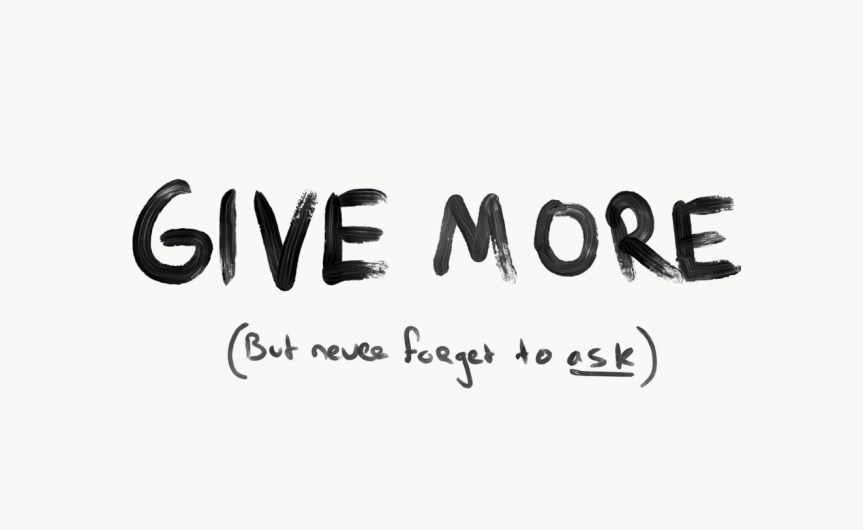
It comes down to this: Give more than you ask.
I like that idea for three reasons.
- Giving is an excellent way to demonstrate your expertise and skills. That makes it easier for people to hire you or buy your products.
- Giving is a way to stand out from the crowd.
- Giving is a win-win situation.
The first point is straightforward. You don’t ask someone to sleep with you on the first date, right?
You also don’t get a promotion without adding value.
Or, you don’t just buy a book from any author. It’s only after you’ve read multiple articles or signed up for the newsletter before you consider purchasing the book.
Second, we live in a selfish economy. It’s always about me, me, me. People want to sell you all kinds of stuff you don’t need. And they pretend they are giving. But that’s not true.
They’ve read some marketing books and try to use ‘giving’ as a sales technique. We see through that because it’s not authentic. Now, it’s totally different when you give without expecting something in return. When you do that, you truly stand out from the crowd.
The third point is often overlooked (the win-win of giving). When I write articles, It’s not only about marketing or giving, it’s also a way to improve my skills.
It’s a true win-win situation. You get a free article with value. And I improve my thinking, analyzing, and writing skills.
That’s why Seth Godin, one of the most well-known marketing thinkers, recommends everyone to blog for that reason. I agree.
No matter what you do, there’s one thing you always want to keep in mind. I learned this from my mentor: Life is business.
So always remember why you do what you do. And never forget to ask.
- Do you blog to get more freelancing clients?
- Do you do free consulting because you want to get into a new market?
- Do you work for free because you want to learn more?
There has to be a reason behind what you do. Otherwise, you’re wasting your time.
That’s also a basic idea I learned from pragmatist philosophy.
Never forget that nothing in life will happen by itself.
You can’t assume people will always give back. After you give, give, give: Ask.
- If you want a promotion: Ask.
- If you want people to buy your book: Ask.
- If you want someone to hire you: Ask.
When you do that, you get a great economy. People give and take. But not everyone does that.
Most people prefer to take, take, take. That means if you do give, you stand out.
Do you see? When you give more than you take, you will receive more eventually. It’s not about altruism, it’s not about changing the world. It’s about creating a win-win situation.
That’s the true power of giving. Try it.
Why Competition Is Bad


In ancient times, the rules of nature were easy. If you didn’t compete for food, shelter or women, you would die. We still compete for those things, but the competition actually makes us weaker.
When we compete, two negative things can happen.
- We start imitating the competition
- We focus too much on our competitor, instead of our business
In our personal lives, we often imitate our competitors. We all compete on some level with colleagues, friends, and family. This will make you lose your identity and dignity. True power comes from within. Don’t compete with others. You don’t have to have a better car.
You can also apply this to business. When Microsoft and Google were focussing on each other, Apple became one of the biggest tech companies in the world. Microsoft dropped the ball because they only focused on Apple. In the meantime, Apple focused on innovation and creating value.
In life and business, it’s not a case of “best” so and so. That’s only true in sports. But in life, most things are subjective. Being different is what matters more. And in business, the ones who are first win.
Competition itself is bad because it’s not the point. Focus on the value that you add, not on how much better you are compared to someone else.
“Your competition is not other people but the time you kill, the ill will you create, the knowledge you neglect to learn, the connections you fail to build, the health you sacrifice along the path, your inability to generate ideas, the people around you who don’t support and love your efforts, and whatever god you curse for your bad luck.”
– James Altucher
How I Stay Positive

One of my readers recently replied this to one of my weekly newsletter emails:
“How are you so positive?”
I thought to myself, “Haven’t I written about this before?” I went through all my articles and the answer is no. I have written about the importance of having a positive mindset a lot.
But after 6 years of blogging, this was the first time I got that question. And it’s so on point. Sometimes we take things for granted. Even though I’ve experienced many challenges in life (like almost every other human being), I never gave up my positive mindset.
Often, we look at the world and consider it negative. That’s not a surprise. Because taking one glance at a news website will make the steadiest person depressed. It happens to me too. But calling the world negative is a misjudgment.
That will only cause frustration. The Stoic philosopher Epictetus made that evident in his teachings, two thousand years ago (quote is from The Good Life Handbook):
“So when we are frustrated, angry or unhappy, let’s hold ourselves responsible for these emotions because they are the result of our judgments.”
The Stoic perspective is all about being objective in your perceptions. When your thoughts become negative “because” of something, you’re making misjudgments. Epictetus continues:
“No one else is responsible for them. When you blame others for your negative feelings, you are being ignorant. When you blame yourself for your negative feelings, you are making progress. You are being wise when you stop blaming yourself or others.”
Not blaming others nor yourself is one of the most important things if you want to stay positive. But there are also 4 other things I do to stay positive. Here they are.
1. Practice gratitude
Taking a few moments every day to write down a few things you’re grateful for changes your perspective. The funny thing about this practice is that when you read about it, you think, “It can’t be THAT effective!”
I was exactly the same. But once I started actively practicing gratitude, I felt more in control of my life. A while back, I stopped writing about the things that make me feel grateful. For the first few weeks, I didn’t feel any different.
But after a few months, I noticed that I complained more than usual. I was also more frustrated compared to before. When I started practicing gratitude again, I went back to being consistent. Consistently calm, that is.
Remember that you can also be grateful for things that you didn’t ask for. Be grateful for everything—even the bad things.
2. Don’t take it personally
A lot of our frustration comes from what other people do or say. “OMG! I can’t believe he said that! How does he dare?!”
Well, maybe it’s time to lighten up a bit. We overanalyze every single thing people say and do. Sometimes, people just do dumb things. Not everything people do is personal.
If you want to live a good life, you can’t take everything personally. Understand that there are more important things to life—things like your health, family, and career.
3. Let it out
I’m a big fan of processing your thoughts, experiences, and emotions. We all deal with difficult things in our lives.
A partner that doesn’t listen to you, colleagues who piss you off, a landlord that doesn’t fix the drain, the loud neighbors, you name it. No one’s life is perfect and tranquil.
That’s something we really need to understand. But that took me many years. I always thought that you could achieve some kind of magic place in life where you would have no stress and annoying responsibilities.
But then I grew up. Life is basically one challenge after the other. We can’t let that get the best of us. That’s why we need to let it all out.
All your anger, frustration, anxiety, insecurity—it needs to get out of your system. Whether you do that by journaling, talking to a friend, or going to therapy is your choice. Just make sure you don’t keep all those things inside yourself.
4. Focus on improvement
Look, life’s not always pretty. And we tend to overemphasize the bad times. When we experience a setback or negativity, we blow it up in our minds. “This is the worst thing ever.”
Think about it. Is it really? Or is there a way you can improve your life situation? Because that’s how I like to look at it.
Where you are now is a temporary situation. No matter how good or bad it is—this very moment will pass. Do you realize that?
Because if you do, you know that you have a chance to improve your life. And to me, that’s the best use of your time and energy.
Don’t spend one second on feeling sorry for yourself and focus on what you can do NOW to improve something about your life. It doesn’t even matter what it is.
Go for a walk. Take a shower. Shave. Start a journal. Fix something in your house. Write down some ideas. Set a goal.
You can even do those things while you’re feeling bad. Because that’s not the point. As am I writing this article, I’m not feeling well. I ate something bad two days ago, and I have food poisoning symptoms since yesterday morning.
I feel weak. And yet, I feel better mentally after I wrote this article.
In the back of my mind, I know I will recover. I understand this is a small example and much worse things happen in life. But when you practice a positive attitude on the small stuff, you will be better at dealing with the big stuff.
I like how Napoleon Hill, the author of the famous self-help book, Think And Grow Rich, put it:
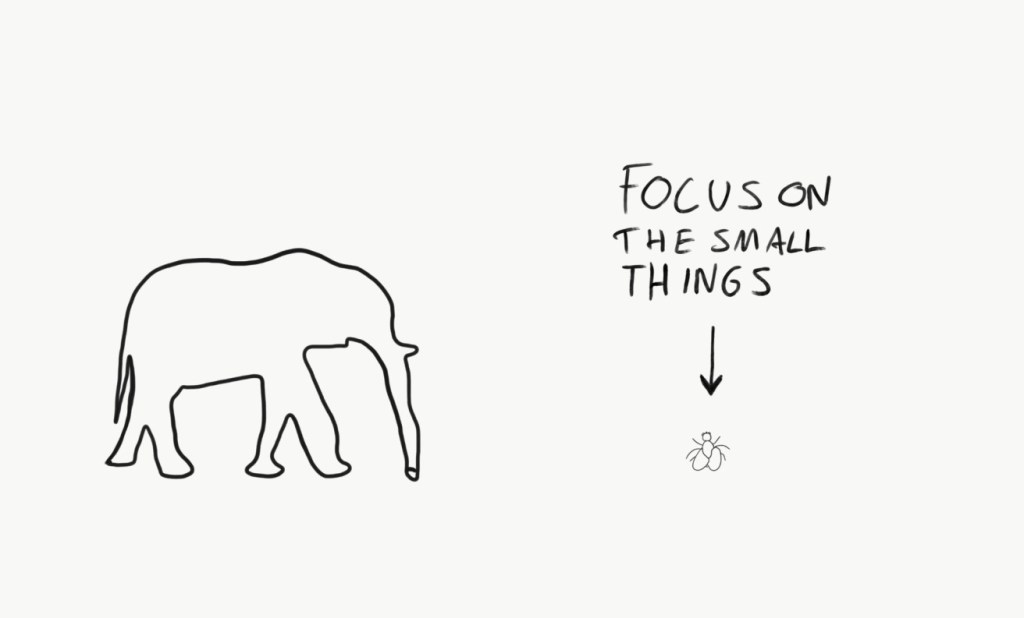
“If you cannot do great things, do small things in a great way.”
It’s unquestionable: Doing small things will make you feel better. But you don’t need to believe me. Just go and do a small thing now and see it for yourself.
How to start coding? Part-2

This article is in continuation to How to start coding part-1. So now you have decided which programming language to choose from to starting coding. But here comes the tricky part, learning. There are again tons of resources available to learn from. But it is not humanly possible to scrap through all of those. So in this article, I will show you how you choose from the pool of resources available.

Youtube
The pre-eminent of all the resources, Youtube has “python programming” playlists that are quite lucid. These playlists/courses are free to watch. Similar to classroom learning experience from the comfort of your home, Youtube provides content that is worth laudable.
W3 Schools
If you are more into learning from reading rather than watching tutorials, then this site is the perfect place for avid readers like you. With laconic content, it will surely bolster your learning experience. The small bits of example try yourself will surely help you get your foundation laid.
Python org
This official documentation of python also provides with lucid explanation for beginners. Along with the explanation, this site also has all the python version released ready to install on your system. Documentation, community, news, events, jobs, everything related to python under one hood.
The list does not end here. There are also other popular resources available. It is not feasible for me to cover all these. Hope you find all these resources useful.
Indian festivals!
Festivals in India are celebrated in many parts of India, as India is subdivided into different Linguistic States. The local Government in each State also specifies certain festivals, in addition to Central Government festivals and holidays, depending on the local population which have elected them.
INDIA
INDIA
Festivals of India
Festivals in India
Festivals in India are celebrated in many parts of India, as India is subdivided into different Linguistic States. The local Government in each State also specifies certain festivals, in addition to Central Government festivals and holidays, depending on the local population which have elected them.
India is a multi-cultural country
India is a multi-cultural country, and it is reflected in the Festivals of India: Festivals of India is about various social, religious, and national festivals celebrated in different parts of India. India has been rightly described as a sub-continent and of its major festivals, many are region-specific festivals too. There are many festivals which are celebrated as national festivals; while a number of them are celebrated by members of particular religious or social groups. India is a land of festivals. These Indian festivals bind all Indians together of different castes, religions, etc there is no discrimination while celebration. When there is no discrimination then it is called INDIA.
The major festivals are from religious groups as under:
Diwali or Deepawali
Dussehra
Raksha Bandhan
Krishna Janmastami
Ugadi
Maha Shivaratri
Ramanavami
Makar Sankranti
Holi
Pongal
Onam
Bonalu
Hanuman Jayanthi
Vasant Panchami
Thaipusam
Chaitra Navratri
Gangaur Festival
Mahavir Jayanti
Rath Yatra
Mahavir Jayanti
Guru Purnima
Ganesh Chaturthi
Maharishi Valmiki jayanti
Karva Chauth
Dhanteras
Govardhan Puja
Bhai Dooj
Eid-ul-Fitr
Muharram
Ramzan
Barawafat
Milad-Un-Nabi
Giaravahin Sharif
Hazarat Ali’s Birthday
Shab-e-Barat
Jamat-Ul-Vida
Id-ul-Zuha (Bakrid or Eid-Ul-Zuha)
Good Friday
Easter
Christmas
Losar
Buddha Purnima
Hemis Gompa
Ullambana
Guru Nanak’s Birthday Jayanti
Guru Govind Singh’s Birthday Jayanti
Guru Teg Bahadur’s Martyrdom Day
BaisakhiMJNJ
And many more! But this is the power of our Indian culture we celebrate all of the festivals together and happily.
19 Lessons For Life During The COVID Era

We all thought this was a temporary thing. But here we are. People are already calling this the “COVID era” as if they are reading about it in a history book. But we’re still going through it.
For most of my friends and family, the social distancing and handwashing aren’t that bad. We got used to that stuff quickly. The tough part about this era is that life has changed permanently for many folks.
Rifts are created between people with different beliefs on wearing a mask. Complete industries are swept away and will probably never be the same. The world has truly changed.
In this article, I’m sharing 19 lessons I’ve learned from observing all these changes. Hopefully, these short reminders will make life during this era easier for you. These things surely have helped me a lot.
- It’s hard on everybody
I know your life is hard. But so is the life of your neighbor. That puts us all in the same boat. So go easy on yourself and others. - Nothing is forever
It seems like this will last forever. But everything dies. And so will pandemics. - Accept it as if you chose this
This is the only form of useful lying in the world. Trick yourself into believing you wanted a more tranquil and solitary life. This is a classic Stoic exercise. Simply accept everything that’s outside of your control as something you wanted. Life will be a lot rosier. - Make the best of your time
Accepting circumstances doesn’t mean we give up. Make the best of it. To be clear: Worrying and thinking about stuff that’s outside of your control is NOT a good use of your time. - Take a breather
Literally. Take a moment for yourself and breeeeath…. Aaaah. Yes, that’s the feeling. - Exercise every day
Stay in shape. If you’re not injured or ill, it’s your duty to take care of your body. Never take this lightly. - Get off social media
It’s a waste of your time. “Always?” Pretty much. - Read books
This is a better use of your time. We all have reading lists with hundreds of books on them. And we’re not going to live 200 years. That means you need to make some tough choices. Which books will you read before you die? - Learn new skills
Technology is improving and changing so fast that we’re not aware what’s going on. We just learn it after the fact. But that’s too late. So stay on top of your field and keep learning new skills you need to do good work. - Keep a daily journal
This will probably be one of the weirdest times of our lives. Don’t you want to document this? Even if you never read it again, it’s still worth writing because it makes you a better thinker. - Inspiration comes from within
“I need to go to Paris for inspiration.” Replace Paris with any city or place in the world. Why do we think inspiration comes from the outside? Look inside! - Good food improves your mood
One of the few pleasures that you never get used to. Research new recipes, be creative, and cook food that makes you go, “Hmmmmnn.” - Objects will not make you happy
STOP BUYING CRAP ONLINE! I had to tell myself that after a few too many useless purchases. - More money is not the answer
Look, I’m not going to lie. Having a little bit of money will lighten the load. So start that online business or side-gig you’ve been thinking about. But don’t expect that money will make you happy. It just solves your money problems. Nothing else. - Do work you enjoy
Just because you need to survive, don’t say yes to the first available job you encounter. And also don’t start some kind of soulless online business so you can make a few bucks. Find something you enjoy and pays the bills. - Appreciate what you have
The grass is always greener. We tend to forget. So here’s a reminder: If you’re reading this on your smartphone in the comfort of your house, your life isn’t so bad. - Give back
Do something altruistic. It’s fine to give money to charity. But I’m not talking about that. Talk to your elderly neighbors, hold the door for someone, share your hard-earned lessons with others. Small things that have a positive impact on people. - Change is good
This is a difficult period if your industry got swept away. But remember, change is a part of life. And in the long-term, it’s good. We just don’t see the sunshine when we’re going through a storm. - Stop consuming—Start creating
The world never changed for the better by doing nothing. Right now, our biggest challenge is paralysis by consumption. We’re over-consuming everything: News, food, clothes, entertainment, you name it.
To get through this era, we need more action. So stop sitting there and go create something. Without creation, there’s no progress.
7 Best Windows 10 apps in 2021
(By Bhoomika Saini)
Since, this pandemic known as Covid 19 commenced, it made a huge impact to the whole world and everything went digital. And the necessity for using windows and its best features became more important. We’ll talk about Windows 10 and some of its best apps to ease up your work from home or many other experiences. There’s a wide range of apps available and it might be difficult to choose. So, whether you’re in need for a better work from home experience or beneficial productivity or some entertainment, we got you covered with some of the best apps for Windows 10 for 2021.
- Spotify Music
Microsoft store on Windows 10 makes it easier for you to download this app. All the music and podcasts lovers can discover a lot here. The sync feature of this app is amazing as it can easily switch from your mobile to desktop and vice versa. Moreover, it provides a clean user interface and it has a “made for you“ playlist for your every mood.
A little mood enlightenment from work requires some good music and Spotify got it all covered.
2. Netflix
Who refuses to Netflix and chill? A break from work is necessary.
And Netflix brings all your favorite shows and movies in one place. It got a huge range of your favorites with the genre of your choice. Moreover, you can choose from 3 subscription plans, skip the intros and all the videos are streaming.
So, what’ s stopping you?
3. Audible
Love reading books but can’t make out time to read? This app solves it all.
Audio book app is accessible anytime, anywhere. Just plug-in your earphones and explore the world of your favorite books. It’ll also improve your fluency, vocabulary, attention span and memory. And the biggest benefit, time management.
So from now, listen your books.
4. Duolingo
If you love languages, then this is the best place for you.
You can download this app from Microsoft store easily. Moreover, this app asks for no fee and is ad-free. It’s small lessons will help you to achieve your goals smoothly as it picks up the course from the basic level.
Learn languages from the highest rated platform from the comfort of your home.
5. Google Meet
Whether it’s a business meeting or online schooling, Google meet became one of the most important educational tool for workspace.
More than 100 million users access this app and it’s easily available on Microsoft store. This app is secure and virus free. Moreover, it’s features like live captioning, speech to text, easy messaging, layout and screen setting and compatibility makes it beneficial and easy to use.
6. WhatsApp Desktop
Messaging has become an important feature and WhatsApp became a huge success during this pandemic.
WhatsApp desktop is easily available on Microsoft store. If you have less disc space then WhatsApp web is best for you. This app brings keyboard shortcuts for a better productivity. You can use a type in keyboard, drag, drop, copy or paste files from the sites and ease your work load.
Bigger screen experience without any problem is good, isn’t it?
7. Pinterest
Need some inspiration or ideas for life? Don’t worry!
This platform is for everyone- your hobbies, interests, etcetera, everything is available here. It has a five star rating on the store for a good reason, you get to the source directly and moreover it’s free of cost, you just need to sign in. So, pinning your interests or pinning interests of your choice is up to you.
Keep exploring and expand your knowledge.
Saying No Can Lead To A Happier Life
We believe that we always have to say yes to opportunities. We fear that saying no leads us to miss out on money, fun, and other experiences. But by always saying yes, we don’t value our time.
Blindly we say yes to everything that comes our way. We often don’t look at saying “no” as a skill. If we are at work and our manager asks you to hand in a report before the end of the day, we say, “sure thing.” It interrupts our work, and we often have to push other things aside.
There was never any fear for me, no fear of failure. If I miss a shot, so what?
– Michael Jordan
We say yes in our personal lives all the time. When friends ask us to go out while we have other things to do, we say yes. We friends or acquaintances a favor, without thinking about it. We even say yes to bigger things that we don’t want. We take jobs we don’t like. We start relationships with people who we are not in love with.
Why do we do this? We are afraid to say no, to let people down, to avoid confrontation. The stress of saying no often makes us say yes automatically. And then we complain or blame ourselves, “why couldn’t I just say no.” And with relationships, we are afraid that if we turn down an opportunity to settle down, another one maybe won’t show up.
I see this often with relationships at work. You spend time with a person at work so often and if you feel physically attracted to each other it easy to start a relationship. If you start a relationship, you cannot ‘kind of’ want it. No, you should be in love. Saying yes doesn’t always make you happy.
Other People’s Expectations
Learning to say no can save us a lot of time and stress. While we are afraid that we have to let people down, the opposite is true. People will start respecting you more when you start saying no. People perceive that as a strong character trait.
It’s time to stop doing things to live up to other people’s expectations. You don’t have to do things you don’t like. If you don’t start saying no, and keep doing things you don’t want to do, you begin to dislike the person you are trying to please. Saying no is not only for your benefit but actually by saying no, you are thinking about other people as well.
If you say yes to a night out with your spouse and you don’t feel like it, you probably won’t be in a great mood. It’s not fair for your spouse if you are not present mentally. If you rather go out the next day because you are tired tonight, say so. Your partner will respect you for that. If she doesn’t, we have to explain why we say no. And encourage them to say no when they don’t want to do something as well.
Conforming to other people expectations can impact your life’s outcome. When you say yes to one night out, when you don’t feel like it, doesn’t have huge life consequences. But sometimes it is about choices that will influence our life outcome. When parents expect their children to go to university, the children often give into that.
We are all unique and have things we want from life, asking people to do something they don’t like is not fair. If you don’t wish to go to university because of a good reason, then don’t. We have to follow our passion and make our own path.
Say No To Noise
We should say no to everything that is noise. Greg Mckeown, writes in his book Essentialism about how the ‘disciplined pursuit of less’ allows us to regain control over our choices. Mckeown says that many successful people in history were ‘essentialist’, people who can separate the essential from the non-essential in life. Saying no is a way of showing what you consider ‘essential’ by saying no to everything that is noise.
About the importance of saying no, Mckeown says, “ yet as hard as it can be to say no to someone, failing to do so can cause us to miss out on something far more important.” When we have a purpose in life, everything that doesn’t contribute to our purpose, becomes noise.
When we want to live a stress-free life, we have to choose “no”. Saying blindly yes to invitations from our colleagues, friends or family causes us stress. We often regret saying yes for days. We worry about damaging our relationships. We worry that we burn bridges. We worry about what people would think if we say no. We live in an abundant world. By saying no you don’t miss anything. The world is filled with opportunity and beauty.
We think we are not good friends or colleagues when we say no. You’re not a bad person when you say no. Once we start saying no, we lose the fear of disappointing people and find out that it wasn’t that hard. We find that we replace the noise with silence and clarity. We enjoy the things we do say yes to more. We become more present and happy.
What Idiots Can Teach You About Life
Have you ever met an idiot and thought “What an idiot?” Well, don’t be so quick to judge — idiots can teach you a lot about life.
A few years ago I went to Shangai. When I boarded the plane in Amsterdam, I met a first class idiot as soon as I stepped foot on the aircraft.
When I got to my seat, the overhead bin was already full, so I had to store my bag on the other side. But when I tried to do that, an idiot came from nowhere and started screaming at me. I didn’t understand him, but I got his message: “That’s my seat, and I want to store my bag there.”
I grabbed my bag, walked two rows down, asked the person who was sitting there if it was ok I placed my bag in his overhead bin; he said yes, I stored my bag, walked down to my seat, and sat down.
Was that difficult? No. Could the idiot have done that? Yes. He didn’t have to make a scene.
“People are surprised to find out that an awful lot of people think that they’re idiots.”
– Eric Schmidt
In my life, I’ve had many other encounters with people that had bad behavior — let’s call them idiots.
You know what I’m talking about, right? Idiot bosses, coworkers, strangers, friends. Idiots do things that are not cool. It’s not bad to be an idiot — I sometimes do idiotic things, everyone does.
Dealing With Idiots
Is it cool to call people idiots? Yes, I call myself an idiot sometimes. People think they should only learn from successful people — billionaires, entrepreneurs, athletes.
But that’s not the only way to learn. How many billionaires and athletes do you know? We all know idiots. From them, we can learn how we should not behave.
Maybe someone at work stabs you in the back. Maybe your girlfriend cheats on you with your best friend. Maybe someone wants to start a fight with you. Maybe someone bullies you.
Without a doubt, people in your life have, or will, let you down. There’s no escaping that. What’s more important is your response. Do you become bitter about people? Do you think that all people are bad?
If someone does something bad to you, don’t see it as a reason to justify that behavior. For example, when I first started working for a major corporation, I noticed quickly that people accept backstabbing. You screw someone over on one day, and get promoted the next day.
Is that good? Is that bad? It’s neither, as Shakespeare put it: “There is nothing either good or bad but thinking makes it so.”
However, it’s also not a ‘get out of jail free card’. We have to watch ourselves that we do not become what we despise. No one on this planet is born an idiot — we become one. So choose not to.
When people behave like idiots, don’t be offended, don’t take it personally, study them instead.
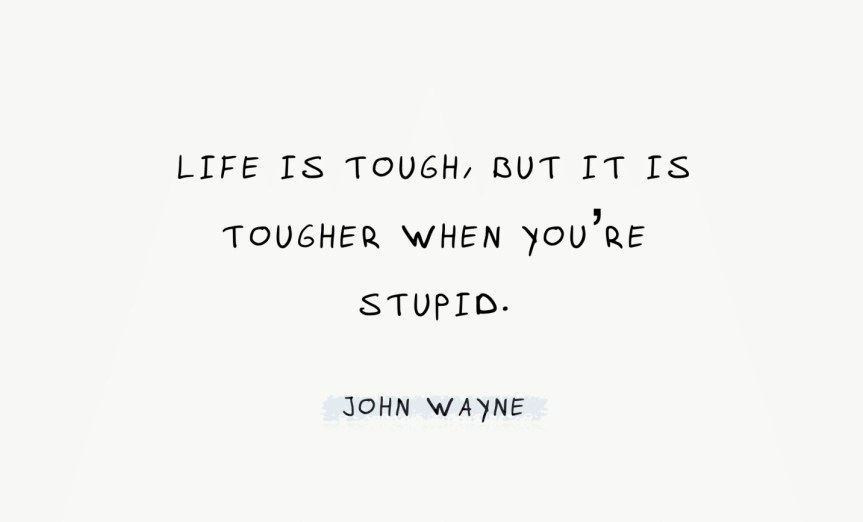
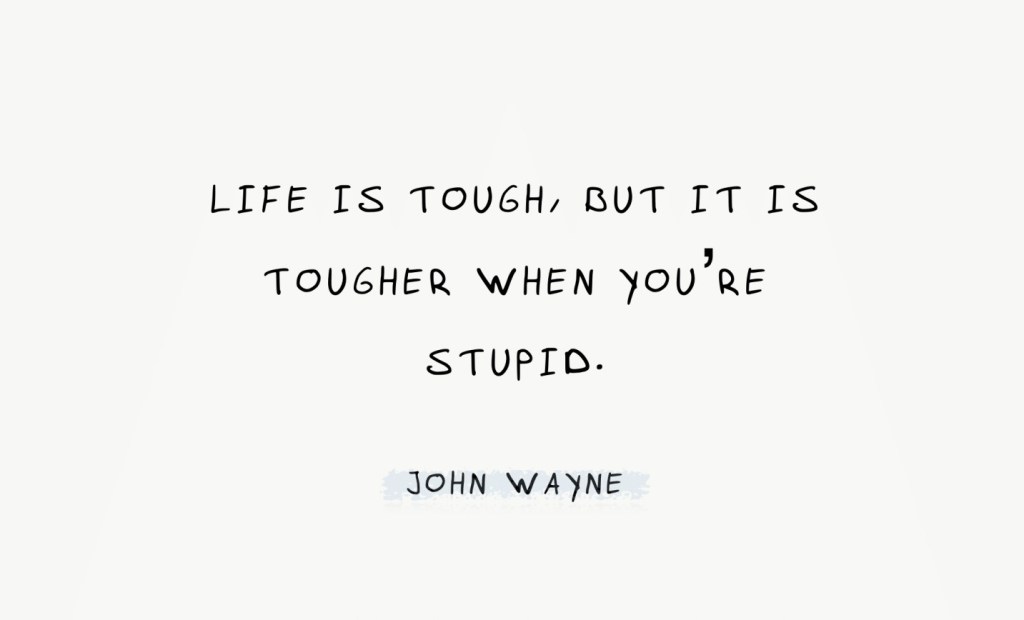
“Life is tough, but it’s tougher when you’re stupid.”
– John Wayne
I observe idiots doing bad stuff like cheat, lie, be aggressive, rude or anything else that is not ok to me. Then, I consciously decide to not be like them.
By observing behavior that you don’t want to associate yourself with, you will become clear on the type of person you do want to be.
Just answer to yourself: What is ok, and what isn’t? For example, stabbing people in the back for a promotion — not ok.
In the end, do whatever you think is right. Always make sure you do the right thing — but please, don’t be an idiot.
How To Find Your Dream Job In 9 Steps

Many people have a job they don’t like. Many take jobs they don’t like. The reason we take jobs we don’t like is because we need money. I can’t think of any other reason people would waste their time doing something that is not passionate about. I challenge you to find your dream job—a job that you love doing 7 days a week. Work that doesn’t feel like work. In that way, you are not only living for the weekend.
Many of us only live on the weekend and after 5 pm on weekdays. ‘The American Time Use Survey’ shows that we spend almost 40% of our time at work. Would you waste 40% of your money? I’ve never heard an average person saying, “I have $10.000 in savings, I’ll just throw $4.000 away.”
Time is more valuable than money. So why would you give away your time? By doing what you love to do, you are doing something of meaning. Stop the busy work and find your dream job! Here are 9 steps that you can use as a guideline.
- Decide exactly what kind of job you want. If the job doesn’t exist, create it.
- Choose the company or person you want to work for.
- Study your potential future employer
- Find out what kind of competencies you need to be successful
- Do a strengths/weaknesses analysis of yourself. You have to be clear about what kind of value you can offer.
- Create a plan of how you’re going to develop your competencies you need further.
- Now, apply. Forget about job openings or vacancies. If you can add value to a company, they would be idiots not hiring you.
- Once you know what job you want, what the company needs, what competencies you have, and what value you can add, put it on paper. Hire a copywriter or who can help you with his. Or have someone who is in sales look at it. You have to be persuasive.
- Find out who has the ‘power’ to hire you. Browse LinkedIn for the senior manager of the department you want to work for. If it is a smaller company, contact the CEO.
This method may take you longer and more analysis of your skills. But it’s worth it to find your dream job. Financially and mentally. By doing something you love you will save yourself many headaches in the long run. You’ll probably earn more money as well. If you follow the standard hierarchy and climb the ladder like everybody else, you will earn exactly the same as everybody else.
Learn More About Finding Your Dream Job
If you’re interested in learning more about finding your dream job, feel free to check out my course.
How Two Words Can Change Your Life

We live in a uniquely safe, risk-free, and good time.
Mortality rate is at an all-time low. Poverty is decreasing year over year. Diseases are treatable. You get to live longer. And technology makes life easier and safer.
Evolution is a beautiful thing (if you only look at the facts).
However, that’s not the full story. People are still miserable. Suicide rates increase. People have more depressions and burnouts. More and more people are on meds. I’m not going to flush you with all the hard statistics. It’s not pretty.
But there are also soft measures that show the ugly side of today’s world. When you walk around on the streets, go to restaurants, parties, festivals, or take public transportation, you see a bunch of zombies instead of happy individuals who are celebrating life.
Because to me, that’s what I think everybody is doing: Dancing around all the time and saying, “I’m alive! I’m alive.” I can’t be more wrong than that.
The reality is that we, humans, are ungrateful idiots. Always have been.
The Greek Stoic philosopher Epictetus, who lived between AD 50–135, put it best:
“Do not spoil what you have by desiring what you have not; remember that what you now have was once among the things you only hoped for.”
Why do we always desire what we don’t have? Desiring things you don’t have is not necessarily a bad thing. That same trait is also the reason the world developed the way it did. If we didn’t desire unattainable stuff, the world probably wouldn’t advance one bit.
But when I read about historical figures such as Christopher Columbus, the Wright Brothers, or Nikola Tesla, they used that desire for good things. They didn’t complain and had an innate desire to achieve things.
- Can you image Columbus saying: “Fuck this stupid boat. Let’s sail back home, I want to chill out.”
- And that the Wright Brothers said to each other: “Man, screw this flying thing. Let’s play checkers and drink beer.”
- Or that Tesla would say: “Who cares about current? Let Edison and his stupid DC current win. I’m going for a swim in the lake.”
Of course not.
Just Be Thankful For Goodness Sake.
Two words. That’s all.
Say it. Believe it.
Thank you.
Easy.
Or you can go with a casual “thanks.” You can say it to people, but more importantly, you can also say it to random things.
When I wake up, I just say: “Thanks.”
I don’t even know who I’m thanking. God? The universe? Life? I’m just happy to be alive. And that mindset changes everything in your life. When you say thank you, and you truly believe it, you become a grateful person.
Gratitude changes the way you:
- Think
- Behave
- Talk
- Walk
- Eat
- Love
You can also say it to people. When your mother, father, brother, sister, spouse, boyfriend, girlfriend, friend, colleague, manager, does something for you (no matter how small), say: “Thank you.”
What you will find is that people appreciate you too. Gratitude goes both ways.
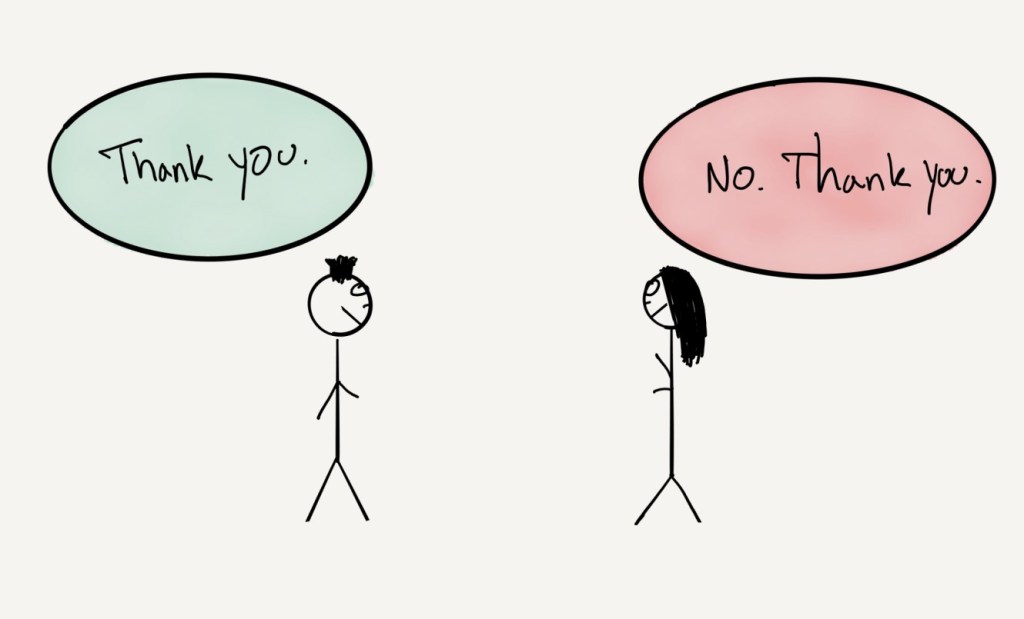
- “Thank you.”
- “No. Thank you.”
Saying thank you is a habit. It shows that you appreciate everything. Big things and little things. And appreciation is an important aspect of a happy life.
The French philosopher Voltaire put it well:
“Appreciation is a wonderful thing. It makes what is excellent in others belong to us as well.”
- If you want to enjoy life, start by appreciating it.
- And you appreciate things by saying thank you.
Thank you for reading this article.
Talk to you in the next one.
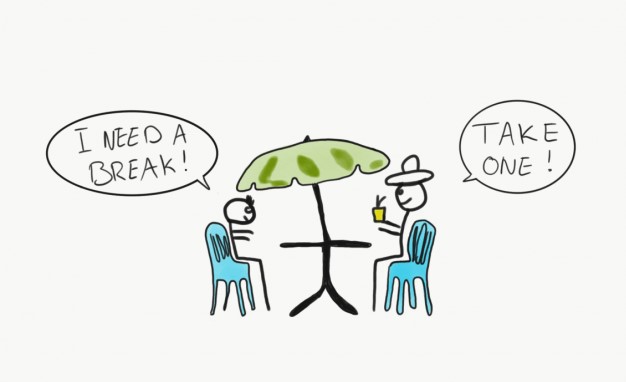
If You Feel Like You Need A Break, Take One
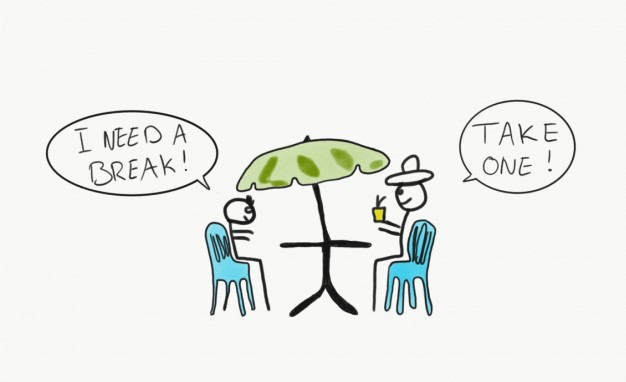
You recharge your phone when it runs out of juice. You refill your gas tank when you’re running on empty. But sometimes, you forget to take a break and recharge your most precious possession: Your body (and the brain that’s inside of it).
Whether you love what you do, are in between jobs, or have a job you hate: You’re working. Living is also a job. A pretty tough one, actually. Just the act of getting up in the morning can be a daunting task. And I’m not even talking about all the responsibilities we have.
So why do you make your life even more challenging by not taking a vacation to recharge? I’m not talking about your weekends that are packed with activities, or holidays where you do more work than relax.
No, that type of “free time” only costs energy. I’m talking about resting with a very specific reason: To recharge your battery so you can get back to living a productive life.
A break reduces stress and improves productivity.
Scientific research shows that a vacation decreases perceived job stress and burnout. Now, that’s a pretty solid benefit of taking a few days off. But there’s more.
As you may know, I’m always interested in productivity. In the case of resting or a vacation, my question is:
Will I get more things done when I get back?
The answer is yes, but there’s one major thing to keep in mind. But let’s back up a bit: What does it mean to get more done? Getting things done has nothing to do with time—if you work more hours, you don’t necessarily get more done.
In fact, research shows that working more hours general means less productivity.
Why? Well, we often waste time if we have a lot of it. It’s simple: If I say to you, you have a year to write an article. What would you do? Put it off until tomorrow, right?
But what if I tell you that you only have 2 hours? You’ll probably get started right away. So in a way, having more days off, and fewer days to work, forces you to be more effective with your time.
Research shows that a vacation in itself won’t make you more productive, but when you have more days off, you have a strong desire to get more things done in less time.
And that’s a win-win situation for everybody: You, your business, or your job. You take off a few days, recharge, spend time with your family or friends, and when you come back, you’re more productive.
Sounds great. But wait, there’s a caveat.
When your vacation is stressful, the positive benefits go away. So keep the stress at a minimum on your holiday. Otherwise, you’ve wasted a perfect opportunity to relax and boost your overall productivity.
I recently felt I needed a break for several reasons. I had a few injuries that didn’t seem to go away and had less energy. I could have powered through, but instead, I decided to go on a vacation with my family. For a week, I did absolutely no work. And when I came back, I was full of energy.
Here are a few tips that might help you to take a break that fully recharges you.
1. Do What You Want
There are no rules for taking vacations and everybody relaxes in a different way. If you like to plan your holiday, just do it. If you want to go with the flow, then do that.
Want to wake up early? Do it. Don’t like waking up early? Sleep in. Even if you go on a vacation with your partner, friends, or family, you don’t have to be together 24/7. You can also sometimes do things that you enjoy.
The key is to not have expectations on your vacation. Let go of everything. I also don’t like to post vacation pictures on social media. Otherwise, I’m constantly thinking about taking a cool picture so I can impress others.
You’ll probably even do things you wouldn’t do just to take a picture. “I really need to rent a jet ski so I can take a picture with it.” No, you don’t.
Who cares? Focus on enjoying the moments you experience. Whatever those moments may be.
2. Read
Bill Gates is famous for his voracious reading habit. He is also known for his ‘Think Week’ where does nothing else but read and think.
You don’t have to be Bill Gates to think about your life and career. We all have our daily, weekly, and monthly routines. Usually, routines and habits work very well. However, you can also get stuck inside a loop.
That’s why I recommend you to step back from your daily life and career. If you do that, two things can happen: When you step away, you miss your daily life and can’t wait to pick up where you left off.
Or, the opposite will happen. You don’t want to go back. See that as a sign that you need to make a change. Either way, a break always serves a purpose. It doesn’t only help you to recharge, it will also make you think.
That’s why I like to read for hours on my vacation.
3. Get Bored
One of my favorite strategies for finding new ideas is to get bored out of my mind. It sounds easier than it is because of distractions.
In the past, I would do everything to NOT get bored: Watch TV, go out, browse Facebook, etc. But did you know that you can use boredom to your advantage?
Instead of giving into distractions, just give into the boredom and see it leads your mind to. In fact, one of my favorite artists of all time, Andy Warhol, embraced boredom. You can tell by the boring films he made or the references he made in The Philosophy Of Andy Warhol about getting bored.
Whenever I hit a creative wall, I just do nothing. Literally, nothing. Try it sometime. It’s a great strategy; maybe you come up with the next best thing in your industry.
It’s never a good time to take a break.
- “I just need to finish this project.”
- “My boss will never accept it.”
- “People will think I’m lazy.”
- “I don’t have time.”
- “My family needs me.”
Yeah, yeah, I’ve been there too. But what would you rather: Continue to work without resting and burn out? Or take some rest before you’re tired?
So before you use all those valid reasons to not take a break, think about what all the people in your life have to do if you’re not here anymore. Yes, you’re important. So take care of yourself. Take a break and come back with more energy.
The closet of your dreams
Who doesn’t love good clothes, shoes or accessories? The perfect fit makes us fall in love with ourselves and makes us feel and look confident. A lot of the time we scroll Pinterest and follow celebrities or influencers for their fashion inspiration. We adore what they wear and love their closet.
It makes us think about our dream closet. We might obviously have a few clothes we adore but there are some pieces of clothes we aren’t exactly fond of and we don’t even know why we bought them in the first place.
We all have a closet of our dreams. Some people’s closet is more filled with shoes and accessories while others include clothes. But, we all have this closet that we think we will own someday. Well, the good news is you can start owning the closet from today. But, there are a few things you need to keep in mind:
Buy what you will wear: We often go shop and buy these average-looking clothes that don’t match our aesthetic or our style. We buy them thinking we will wear them on a casual day. But we never end up wearing it or even if we wear it someday, we don’t feel so great about it. Well not anymore, the next time you purchase a piece make sure you fall in love with it and can picture yourself wearing it from time to time.
Empty the space: we need space for what we like in our closets. So, give in the clothes you don’t wear to thrift shops or donate them to the people who need them. This way your closet will have more space and the clothes you don’t wear will be out of your vision.
Spice it up: You can always let your creative side experiment with your current clothes. If a pair of boring jeans is sitting in your closet, don’t be afraid to convert them into ripped jeans or shorts. Same way with your t-shirts, you can always crop them, tie-dye them, or dye them a different colour or even add a sequence of your choice. This would be a fun way to spice up your old boring clothes.
Fashion has no rules: Our generation has a certain piece of clothing, shoes, accessories that are considered “trendy”. But just because everyone is wearing it doesn’t mean you have to wear it too. There are no rules when it comes to fashion. You can wear whatever you like and what you feel comfortable in. The trends keep coming and changing so don’t be afraid to try something new.
Don’t go over budget: yes, you heard me right. You don’t have to spend a lot of money to get the closet of your dreams. Wearing designer brands shows people you have money, it doesn’t show people that you have a great fashion sense. There is no harm in having a few statement designer pieces but you don’t only have to buy expensive stuff.
Organize: Now that you have the closet of your dreams. Make sure to always organize it nicely. You can always colour coordinate your outfits or arrange them according to the occasion. This will make your closet look great and organized.
Clothes of your choice: If you are someone who isn’t able to find good clothes in the stores near you because they only have fast fashion clothes. Don’t be afraid to order clothes online. You can try a bunch of online sites but make sure they have a return policy. So in case, you don’t like the clothes you can always return them. There are also a lot of influencers who have their clothing lines, you can also try ordering from those. You can always try thrifting but make sure the thrift stores are good. We know that LA has great thrift stores but we don’t know if stores near us have that quality.
Fashion is about wearing what you feel most comfortable and powerful in. It is a way to express ourselves so don’t think about what people have to say. Wear what you like and wear it with confidence.
 Eduindex
You must be logged in to post a comment.