
Problems of Aged in Changing Scenario

Credit: Metropolis

Introduction

Population aging is a global issue, which has been recognized to have implications on the health care and social welfare systems. The process whereby the proportion of children in the population decreases and those of old people increases is known as the “aging of population”. The global population of the elderly has constantly been increasing during the second half of the last century. This has been possible due to the easy availability of life-saving drugs, famines’ control, various communicable diseases, better awareness and supply of nutrition and health facilities, and a comparatively better overall standard of living. These achievements have resulted in a drastic reduction in mortality rates and a substantial increase in the life expectancy at birth and the overall span of people.

What is Aging?

Aging is a continuous, irreversible, universal process, which starts from conception till the death of an individual. However, the age at which one’s productive contribution declines and one tends to be economically dependent can probably be treated as the onset of the aged stage of life. Old age is the last phase of the human life cycle, which is again universally true. UN recommended 60 years as the age of transition for the elderly segment of the population, and has been categorized as follows:

  1. Young Old- between the ages of 60-75 years
  2. Old-Old- between the ages of 75-85 years
  3. Very Old- 85 years and above.

Disabilities in Old Age

The disabilities that a person experiences in the course of aging are multiple in nature. For some, aging enhances the status and enriches life satisfaction, but for many others, it may be difficult and problematic. On one hand, getting old provides an opportunity to relax, enjoy and do things they always wanted to do but never had the time for when they were young. On the other hand, old age also implies increasing physical, mental, and psychological disabilities. Such disabilities are the result of many factors. With the increasing age and decreasing health, the older person begins to depend unknowingly physically and psychologically on either the kinship group or the existing social support network.

Government’s Role

Since independence, the Indian government has been committed to supporting the old people in our society with certain interventionist welfare methods. The year 1999 was declared by the UN as the International Year of Older Persons followed on 13th Jan 1999, by the Government of India approving the National Policy for Older Persons for accelerating welfare measures and empowering the elderly in ways beneficial to them. Maintenance and Welfare of Parents and Senior Citizens Act, 2007 provides legal sanctions for the rights of the elderly. In addition constitutional provisions for old age security, old age pension, establishing old age homes, expanding geriatric services, and liberalizing housing policy for elders have also been undertaken.

Role of Old Age Homes

The concept of the old age home, though not very common in India, is not unknown. The first old age home was established in Bangalore in 1983 by the Bangalore Friends-in Need society and was called the ‘(obb Home)’. According to Help Age India estimates, there are 728 institutions at present, perhaps a majority of them in urban areas. Kerala has the largest number of old-age homes. More than 60 percent of the old age homes in India are of the charitable type, meant for destitute or very poor persons. About 20 percent of them are of the ‘pay and stay’ type and another 20 percent are mixed. About 15 percent of the homes were for women exclusively. In recent years, there has been a rapid increase in the number of old age homes and they are gradually gaining acceptance, especially by those who see these institutions as a better alternative than living in a son’s home where you are not wanted. There is a debate going on in India at present among seniors’ organizations, nongovernmental organizations, and others about whether this growth should be allowed, supported, or curbed. There is a strong feeling that the proliferation of old-age homes would make it easier for children to shirk their responsibility for taking care of their aging parents by placing them in institutions.

Conclusion

Despite the government’s and NGO’s efforts in rehabilitating the aged in India they are still the most vulnerable group facing multiple problems and hence require proper care and attention. Aging is a natural process. ‘Old age is an incurable disease’. But more recently J.S. Ross commented, “You do need old age, you protect it, you promote it, and you extend it”. A man is as old as he feels and a woman as old as she looks. Hence there is a need for proper care and protection for the elderly in the changing scenario.

References

An Analysis of National Safe Motherhood Day

Credit: Eduwar

Introduction

The White Ribbon Alliance for Safe Motherhood is an alliance of organizations working together to increase awareness, build partnerships and act as a stimulus for action to decrease maternal mortality significantly. It was launched in India by the Centre for Development and Population Activities in 1999 and with a coalition of 1800 organizations, in 2003, it requested the Government of India to declare April 11th, Kasturba Gandhi’s birth anniversary, as National Safe Motherhood Day. India is the world’s first country to have officially declared a National Safe Motherhood Day.

Theme for 2022

Every year a nationwide advocacy theme is selected for Safe Motherhood Day, and activities and full-scale campaigns are carried out throughout the country to increase awareness of proper healthcare and maternity facilities for pregnant and lactating mothers. Also, the members, state associations, and non-profit organizations come together on National Safe Motherhood Day to share technical skills, expertise, and resources. This year’s theme is “Remain at home in the face of the Coronavirus; protect mother and child.”

Why this day is Celebrated?

India is the main country to have formally proclaimed a day committed to well-being and security, all things considered. Every year, WRAI individuals select a cross country topic for “Safe Motherhood Day.” They do crusades all across the country. The objective of these missions is to increment mindfulness that each lady has an option to live and endure pregnancy and labor.

Initiatives taken by Indian Government

In 2003, at the request of the WRAI, the Indian government designated April 11 (the anniversary of Kasturba Gandhi’s birth) as “National Safe Motherhood Day” (a coalition of 1,800 organizations). India is the world’s first country to establish a “National Safe Motherhood Day.” Every year, WRAI members choose a national publicity theme for “Safe Motherhood Day,” and WRAI members conduct activities and large-scale campaigns across the country. These annual campaigns, which are launched on “National Safe Motherhood Day,” aim to raise awareness that every woman has the right to survive and recover from pregnancy and childbirth. The White Ribbon Alliance of India was established in 1999.

Safe Motherhood Program

The aim of the National Safe Motherhood Program is to reduce morbidity and mortality rates of pregnant and lactating mothers and neonates and to improve their health through preventive strategies and activities related to health promotion as well as by addressing avoidable causative factors that can lead to death during pregnancy, childbirth and postpartum period. Nutritious snacks, such as vegetables, fruits, egg, yoghurt, cheese, pulses, sprouts, soya and milk products, along with proper hydration are ideal for a pregnant woman.

Significance of Motherhood Day

Our mothers are the only reason we were able to see the light of day and grow up to be strong people. Their numerous sacrifices, dedication, hard work, and blessings enable us to progress in life. Motherhood is one of the most special and important stages in a woman’s life, and she requires the greatest amount of care and affection during this time. Thus, National Safe Motherhood Day is observed in India on April 11 to raise awareness about motherhood and its importance. The entire period of pregnancy and delivery is critical and must be handled with extreme caution. Because of our government’s efforts, I can say with great pride and accomplishment that Madhya Pradesh has seen a significant decrease in Maternal Mortality Rate over the years.

Conclusion

Janani Express Ambulance has made it simple and quick to get to the hospital. Similarly, schemes such as Janani Suraksha Yojana, Surakshit Matritva Abhiyan, Mamta Abhiyan, and others have been launched to provide pregnant women with all necessary care and health facilities. The government is working around the clock to improve mothers’ health and hygiene. Motherhood, on the other hand, necessitates more than just medical and health advantages. As a result, it is critical to pay attention to her mental health and meet all of her needs. On this National Safe Motherhood Day, I humbly ask that everyone prioritize motherhood and pay special attention to pregnant and lactating women. In the absence of healthy mothers, we cannot envision a beautiful future.

References

An Analysis of World Haemophilia Day

Credit: Deccan Chronicle

Introduction

World Hemophilia Day was started by the World Federation of Hemophilia (WHF) and is annually observed on the 17th of April. The international community started observing WHD in 1989 and April 17 was chosen to recognize Frank Schnabel the founder of WHF. World Hemophilia Day is aimed at raising awareness about hemophilia and other bleeding disorders. It also helps to raise funds for patients who cannot afford hemophilia treatment as well as attract volunteers for the World Federation of Hemophilia.

What is Haemophilia?

Haemophilia is an inherited condition that causes bleeding for a long time after injury or surgery and painful swelling of the joints either after injury or even without injury. (“Inherited” means that the disease is passed from parents to children through their genes). Haemophilia is the commonest X-linked disorder affecting approximately 1 in 10,000 male births; whereas women act as carriers of Haemophilia. Haemophilia is an inherited blood disorder disease in which blood does not clot properly. It is caused due to defects in the blood vessels, the coagulation mechanism, or the blood platelets and by a deficiency in a gene that resolves how the human body will make factors VII, IX, or XI.

Types of Haemophilia

Haemophilia has three forms namely Haemophilia A, B, and C. Out of these, Hemophilia A is the most common.

– Haemophilia A patient is treated by prescribing a hormone desmopressin.

– Haemophilia B patient is treated by infusing the patient’s blood with the clotting factors of a donor.

– Haemophilia C patient is treated by plasma infusion which ceases down profuse bleeding.

Theme of World Haemophilia Day

April 17, 2022, is World Hemophilia Day. The theme of the event this year is “Access for All: Partnership. Policy. Progress. Engaging your government, integrating inherited bleeding disorders into national policy“. By raising awareness and bringing hemophilia and other inherited bleeding disorders to the attention of policymakers, we can increase sustainable and equitable access to care and treatment.

Significance of World Haemophilia Day

The World Federation of Haemophilia (WFH) started celebrating the day in 1989 and chose April 17 to celebrate it in honour of the founder of WFH Frank Schnabel. Haemophilia was discovered in the 10th century and was found mainly in males. The disease was then known as Abulcasis. In the year 1937, Haemophilia genetic disorder was divided into two types namely A and B, however, no proper treatment was found till that time. Then, it was decided to raise awareness about the disease among the people and make them understand the need to give the right attention to this serious health issue. In 1963, the WFM was established to improve treatment and care for all haemophiliac patients.

Awareness-raising campaigns, conferences, workshops, etc. are being organized on this day by several communities and people. various kinds of activities are being performed to inform the general public about Haemophilia disease. Also, landmarks and monuments in Australia and around the world change their colour to red at the night to support World Haemophilia Day.

Conclusion

When there is a family history of Haemophilia, it is now possible to identify females who carry the Haemophilia gene. Women, who know they are carriers, or might be carriers, may have options for prenatal diagnosis to obtain information on the fetal status. According to National Blood Transfusion Council under National Aids Control Organization (NACO) guidelines, all state/UTs administration patients suffering from thalassemia, sickle cell anemia, and Haemophilia should be provided blood free of cost. The Rashtriya Bal Swasthya Karyakarama (RBSK) launched under the National Health Mission (NHM), provides early detection and treatment of children suffering from genetic disorders.

References

An Analysis of Feminization of Agriculture

Credit: JournalsOfIndia

Introduction

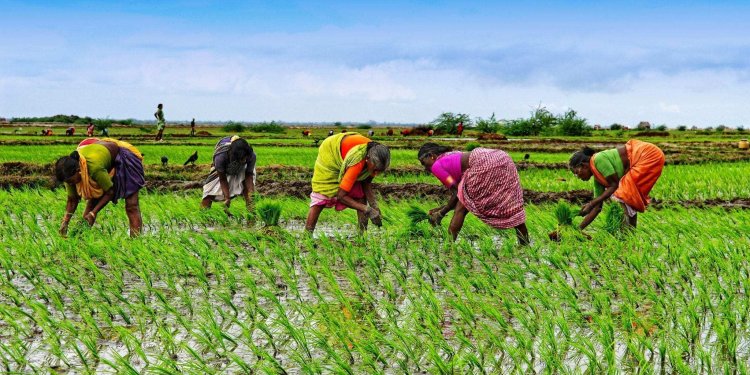
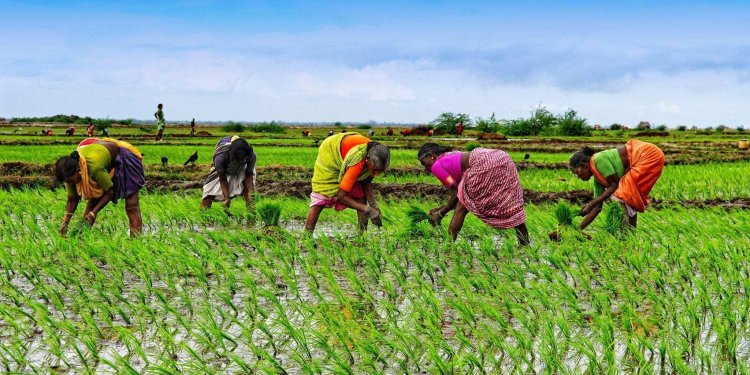
As a process driven largely by suicide and partly by the out-migration of men from rural areas is more a problem than women empowerment in the true sense. The feminization of agriculture here is not a result of women’s social or economic empowerment. Instead, women’s growing participation in agriculture appears to be strongly related to several indicators of poverty. Women’s growing contribution of labor in agriculture adds to the already heavy work burdens of most rural women, thereby further undermining their well-being, and suggests that the feminization of agriculture may better be described as the feminization of agrarian distress.

What is Feminization of Agriculture?

Feminization of Agriculture refers to the measurable increase of women’s participation in the agricultural sector, particularly in the developing world. The phenomenon started during the 1960s with increasing shares over time. In the 1990s, during liberalization, the phenomenon became more pronounced and negative effects appeared in the rural female population. Afterward, agricultural markets became gendered institutions, affecting men and women differently. In 2009 World Bank, FAO & IFAD found that over 80 percent of rural smallholder farmers worldwide were women, this was caused by men migrating to find work in other sectors. Out of all the women in the labor sector, the UN found 45-80% of them to be working in agriculture.

Feminizing the Agriculture

Migration results in “Feminizing Agriculture”, which means women get increasingly absorbed in agricultural and allied activities. According to Census 2011, there has been a 24 percent increase in the number of female agricultural laborers between 2001 and 2011, from 49.5 million to 61.6 million. Nearly 98 million Indian women have agricultural jobs, but around 63 percent of them are agricultural laborers, dependent on the farms of others, according to Census 2011. In addition to this, the mechanization of agriculture has also resulted in the confinement of women to traditional roles such as winnowing, harvesting, sowing seeds, and rearing livestock, which are low-paying. This clubbed with the burden of household chores, and a lower wage rate than men, contributes to further economic disparity.

Marginalization of Landless Women

Women in rural areas, who do not own land, usually engage in agricultural labor activities. NCRB defines a farmer/cultivator as one whose profession is farming and includes those who cultivate their own land/leased land/other’s land with or without the assistance of agricultural laborers. While counting farming suicides, cases of people who have landed on their names are considered farmers, according to several studies undertaken. There remains ambiguity in the definition and classification of farmers, which further affects the recognition of the female face in agriculture.

Conclusion

The larger problem also pertains to land ownership versus land control, as merely granting joint titles (which some states have) doesn’t necessarily mean that control of the property would be vested with the female. One example of such power appropriation emanates from the concept of “sarpanchpatis” or proxies of elected women sarpanches in gram panchayats. Though there is a 33 percent for women at the panchayat level, it is men who often exercise control. The draft Land Reform Policy (2013) of the Union government recognized the need to grant land ownership rights to rural women and redistribute land to all landless poor. However, the implementation of land reforms in India has remained tardy. Consider the Bhoodan movement started by Vinobha Bhave, which received over 16 million hectares from the rich for redistribution to the poor. Of this, only about 9 million hectares were redistributed. While reorganizing land rights for rural women may be an arduous and long-drawn task, alternative economic opportunities through schemes like the Mahatma Gandhi National Rural Employment Guarantee Act and National Rural Livelihood Mission must be strengthened to empower women in the agriculture sector.

References

Manual Scavenging: A Dehumanizing Practice

Credit: pin interest

Introduction

The practice of manual scavenging has accursed Indian society since time immemorial. The efforts to abolish this custom have garnered momentum within the state machinery, advocacy groups and academia the last three decades, particularly since the constitution of the Safai Karamchari Andolan (SKA) in 1994. Safaimitra Suraksha Challenge, aims to completely mechanize all septic and sewage tank cleaning operations in 243 cities across India, by April 30, 2021. Officially, the number of manual scavengers dropped to 42,303 in 2018 from 770,338 in 2008. Notwithstanding the said developments, the drastic reduction in the official count in the recent past can be construed as indicative of gross underassessment rather than being reflective of their actual numbers in India.

What is Manual Scavenging?

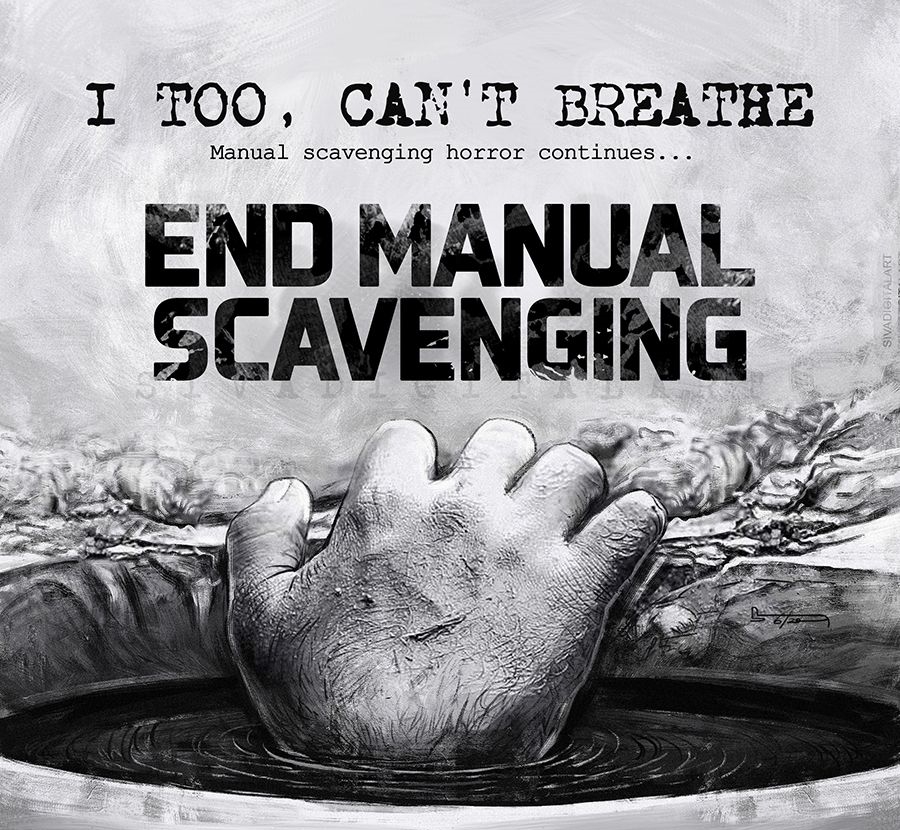
Manual scavenging is the practice of removing human excreta by hand from sewers or septic tanks. India banned the practice under the Prohibition of Employment as Manual Scavengers and their Rehabilitation Act, 2013 (PEMSR). The Act bans the use of any individual for manually cleaning, carrying, disposing of or otherwise handling in any manner, human excreta till its disposal. In 2013, the definition of manual scavengers was also broadened to include people employed to clean septic tanks, ditches, or railway tracks. The Act recognizes manual scavenging as a “dehumanizing practice,” and cites a need to “correct the historical injustice and indignity suffered by the manual scavengers.”

Why it is still prevalent in India?

The lack of enforcement of the Act and exploitation of unskilled laborers are the reasons why the practice is still prevalent in India. The Mumbai civic body charges anywhere between Rs 20,000 and Rs 30,000 to clean septic tanks. The unskilled laborers, meanwhile, are much cheaper to hire and contractors illegally employ them at a daily wage of Rs 300-500. In 1993, India banned the employment of people as manual scavengers. In 2013, landmark new legislation in the form of the Manual Scavengers Act was passed which seeks to reinforce this ban by prohibiting manual scavenging in all forms and ensures the rehabilitation of manual scavengers to be identified through a mandatory survey. Despite progress, manual scavenging persists in India. According to the India Census 2011, there are more than 2.6 million dry latrines in the country. There are 13,14,652 toilets where human excreta is flushed in open drains and 7,94,390 dry latrines where the human excreta is cleaned manually. Seventy-three percent of these are in rural areas and 27 percent are in urban areas.

Act and its Implementation

The Prohibition of Employment as Manual Scavengers and their Rehabilitation Act, 2013 aims to eliminate insanitary latrines (those not connected to pits/septic tanks/sewage lines) alongside tracking the rehabilitation of manual scavengers in other occupations and conducting periodic surveys. To eliminate this practice, the act has provisions for stringent penalties, for direct or indirect employment of any person in hazardous cleaning of sewers or septic tanks by any person, local authority, or agency. For example, even the first instance of its contravention is punishable with imprisonment up to two years or a fine up to Rs 2 lakh or both. If a worker dies while performing such work, even with safety gear and other precautions, the employer is required to pay compensation of Rs 10 lakh to the family.

Conclusion

The state and society need to take an active interest in the issue and look into all possible options to accurately assess and subsequently eradicate this practice. It also warrants an engagement of all stakeholders for the proper introduction of mechanization and ensuring that it is made available to all those who are forced to engage in this undignified practice.

References

The Crisis of Drug Addiction

Credit: DrugAbuse

Introduction

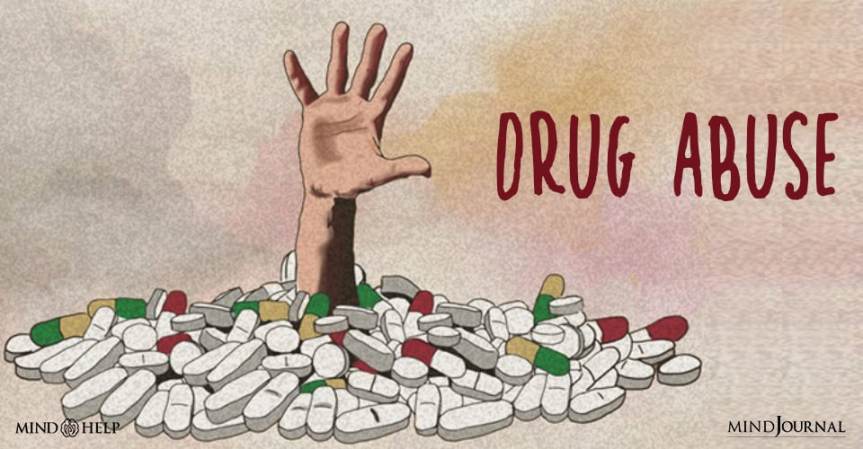
People from all walks of life can experience problems with their drug use, regardless of age, race, background, or the reason they started using drugs in the first place. Some people experiment with recreational drugs out of curiosity, to have a good time, because friends are doing it, or to ease problems such as stress, anxiety, or depression. However, it’s not just illegal drugs, such as cocaine or heroin, that can lead to abuse and addiction. Prescription medications such as painkillers, sleeping pills, and tranquilizers can cause similar problems. Addiction to opioid painkillers can be so powerful it has become the major risk factor for heroin abuse.

When Drug becomes an Addiction?

Drug abuse is when you use legal or illegal substances in ways you shouldn’t. You might take more than the regular dose of pills or use someone else’s prescription. You may abuse drugs to feel good, ease stress, or avoid reality. But usually, you’re able to change your unhealthy habits or stop using altogether. Addiction is when you can’t stop. Not when it puts your health in danger. Not when it causes financial, emotional, and other problems for you or your loved ones. That urge to get and use drugs can fill up every minute of the day, even if you want to quit. Addiction also is different from physical dependence or tolerance. In cases of physical dependence, withdrawal symptoms happen when you suddenly stop a substance. Tolerance happens when a dose of a substance becomes less effective over time. When you use opioids for pain for a long time, for example, you may develop tolerance and even physical dependence. This doesn’t mean you’re addicted.

Sign and Symptoms of Drug Addiction

Although different drugs have different physical effects, the symptoms of addiction are similar. If you recognize yourself in the following signs and symptoms, talk to someone about your drug use.

  • You’ve built up a drug tolerance: You need to use more of the drug to experience the same effects you used to attain with smaller amounts.
  • You use to avoid or relieve withdrawal symptoms: If you go too long without drugs, you experience symptoms such as nausea, restlessness, insomnia, depression, sweating, shaking, and anxiety.
  • Loss of control over your drug use: You often do drugs or use more than you planned, even though you told yourself you wouldn’t. You may want to stop using, but you feel powerless.
  • Your life revolves around drug use: You spend a lot of time using and thinking about drugs, figuring out how to get them, or recovering from the drug’s effects.
  • You’ve abandoned activities: You used to enjoy such as hobbies, sports, and socializing, because of your drug use.

Warning Signs of Drug Abuse

In recent years, prescription drug abuse has become an escalating problem, most commonly involving opioid painkillers, anti-anxiety medications, sedatives, and stimulants. Many people start taking these drugs to cope with a specific medical problem—taking painkillers following injury or surgery, for example. However, over time, increased doses are needed to achieve the same level of pain relief and some users can become physically dependent, experiencing withdrawal symptoms if they try to quit. One of the earliest warning signs of a developing problem is going through the medication at a faster-than-expected rate. In other cases, people start abusing medication not prescribed to them to experience a high, relieve tension, increase alertness, or improve concentration.

Conclusion

Addiction is a complex problem that affects every aspect of your life. Overcoming addiction requires reaching out for support and making changes to the way you live, deal with problems, and relate to others. Recovery is within your reach but doesn’t try to go it alone; it’s very easy to get discouraged and rationalize “just one more.” Whether you choose to go to rehab, rely on self-help programs, get therapy, or take a self-directed treatment approach, support is essential.

References

Euthanasia: Right to Die with Dignity

Credit: iPleaders

Introduction

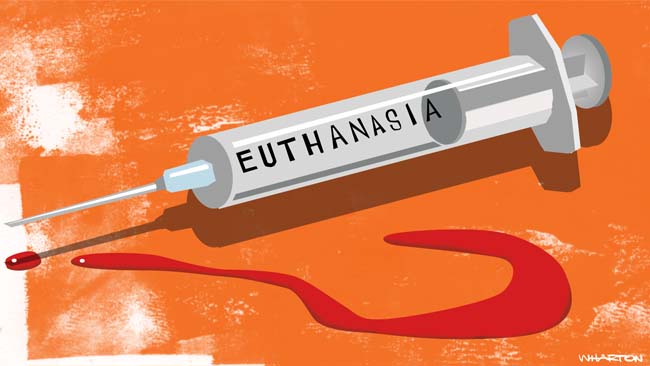
Euthanasia, also called mercy killing, acts or practice of painlessly putting to death persons suffering from a painful and incurable disease or incapacitating physical disorder or allowing them to die by withholding treatment or withdrawing artificial life-support measures. Because there is no specific provision for it in most legal systems, it is usually regarded as either suicide (if performed by the patient himself) or murder (if performed by another). Physicians may, however, lawfully decide not to prolong life in cases of extreme suffering, and they may administer drugs to relieve pain even if this shortens the patient’s life.

What is Euthanasia?

The term was derived from the Greek words ‘EU’ and ‘Thanatos’ which means ‘good or easy death’. Euthanasia can
be defined as the intentional killing by act or omission of a dependent human being for his or her alleged benefit. It is also known as ‘Mercy Killing’ which is an act where the individual who, is in an irremediable condition or has no chances of survival as he is suffering from painful life, painlessly ends his life. The Right to die is a concept that is based on the opinion that a human being is entitled to make any decisions about ending his or her life (this also includes undergoing voluntary euthanasia).

Types of Euthanasia

There are primarily two types of Euthanasia.

  • Active euthanasia refers to the physician’s deliberate act, usually, the administration of lethal drugs, to end an incurably or terminally ill patient’s life.
  • Passive euthanasia refers to withholding or withdrawing treatment that is necessary for maintaining life.


Both euthanasia and assisted suicide are considered illegal in many countries since they can amount to murder in disguise.

Classification of Euthanasia

Euthanasia can also be classed as voluntary or involuntary.

  • Voluntary: When euthanasia is conducted with consent. Voluntary euthanasia is currently legal in Belgium, Luxembourg, The Netherlands, Switzerland, and the states of Oregon and Washington in the U.S.
  • Non-voluntary: When euthanasia is conducted on a person who is unable to consent due to their current health condition. In this scenario, the decision is made by another appropriate person, on behalf of the patient, based on their quality of life and suffering.
  • Involuntary: When euthanasia is performed on a person who would be able to provide informed consent, but does not, either because they do not want to die, or because they were not asked. This is called murder, as it’s often against the patient’s will.

Conclusion

Euthanasia is indeed a contentious issue, with the heart of the debate lying at active voluntary euthanasia and physician-assisted suicide. There is an urgent need to invest in our health care system so that people suffering from
serious ill-health can access free health care. Investment in health care is under ‘Right to Health’ which is bestowed under ‘Right to Life’ of our Constitution. Thus, the complete expenses need to be borne by the State so that the ‘Right to life’ becomes a reality and succeeds before the ‘Right to die with dignity.

The Power of Organ Transplantation to Save Life’s

Credit: Health Matters

Introduction

Organ transplantation (OT) is one of the most successful advances in modern medicine. For patients with end-stage disease, transplantation most often provides their only chance for survival. Even before the first transplant was performed, it was clear that OT could only be successful with a multidisciplinary approach. The history of OT has involved a series of breakthroughs in medicine that has influenced all aspects of health care. As you will see, for nearly a century, the contributions of specialists in anesthesiology and critical were largely underrepresented in the world’s literature.

What is Organ Donation?

Organ donation and transplantation is removing an organ from one person (the donor) and surgically placing it in another (the recipient) whose organ has failed. Organ transplantation is a medical procedure in which an organ is removed from one body and placed in the body of a recipient, to replace a damaged or missing organ. The donor and recipient may be at the same location, or organs may be transported from a donor site to another location. Organs must be removed as soon as possible after the determination of brain death, while circulation is being maintained artificially. Tissues may be removed within 12 to 24 hours.

Benefits

The benefits of an organ transplant depend on the organ a person receives. Some benefits may include


o Avoiding medical procedures such as dialysis
o Living a longer life
o Living a healthier or less painful life
o Gaining an improved quality of life, such as when a cornea
transplant restores a person’s sight
o Correcting congenital disabilities that endanger a
person’s life
o Spending less time in the hospital, needing fewer
surgeries, or taking fewer medications.

Challenges

The shortage of organs is a major problem worldwide. There are many more patients awaiting transplantation than there are organ donors. Low socioeconomic status is a big hurdle for organ transplantation. Superstitions such as being born with a missing organ (that has been donated); and that tampering with the body will not free their dead relatives from the cycle of life–death–rebirth are some of the prevalent superstitions. The lack of an adequate number of transplant centers with staff as well as transplant coordinators who are adequately educated and well versed with the procedures required to conduct an organ donation program is acting as a significant roadblock to the deceased organ donation program. Sometimes, organs are transported from the donor hospital to the transplant center where the recipient is located. There have been many instances where valuable organs have been wasted due to delays in the transportation process.

Organs that can be Transplanted

Organs and tissues that can be transplanted include:

  • Liver.
  • Kidney.
  • Pancreas.
  • Heart.
  • Lung.
  • Intestine.
  • Corneas.
  • Middle ear.
  • Skin.
  • Bone.
  • Bone marrow.
  • Heart valves.
  • Connective tissue.

Conclusion

Solid-organ transplantations save lives in patients affected by terminal organ failures and improve quality of life. Solid-organ transplant programs provide excellent results in children and young adults and are increasingly challenged by the expanding proportion of elderly transplant patients. Solid-organ transplant program activity has been growing in the last two decades and is essential for developed and mature health care systems.

References

An Analysis of International Women’s Day

Credit: iStock Photo

Introduction

International Women’s Day is a global day celebrating women’s social, economic, cultural, and political achievements. The day also marks a call to action for accelerating gender parity. Significant activity is witnessed worldwide as groups come together to celebrate women’s achievements or rally for women’s equality. Marked annually on March 8th, International Women’s Day (IWD) is one of the most important days of the year to celebrate women’s achievements, raise awareness about women’s equality, lobby for accelerated gender parity, and fundraise for female-focused charities.

Theme for 2022

The campaign theme for International Women’s Day 2022 is “Gender Equality Today for a sustainable tomorrow”. Whether deliberate or unconscious, the bias makes it difficult for women to move ahead. Knowing that bias exists isn’t enough. Action is needed to level the playing field.

History of Celebrating this day

The roots of International Women’s Day lie in the mobilization of women in the early decades of the 20th century for better pay and voting rights. In India, the republic’s founders placed trust in universal adult franchise, the Constitution made the promise of equality to all citizens, irrespective of gender or caste. But the journey of Indian women since Independence has been a struggle to grasp that equality, against the formidable weight of culture, patriarchy and economic deprivation ranged against them. To mark March 8 is to reckon with the present in the light of this history. In the here and now, there are reasons for both despair and hope.

Aim for Celebration

The purpose of the International Women’s Day website is to support the supporters, and in doing so it provides a platform to help forge positive change for women. 

Three central beliefs underpin and guide the purpose and provisions of the International Women’s Day include

  • identifying, celebrating, and increasing the visibility of women’s achievements can help forge equality.
  • strategic collaborations based on a foundation of shared purpose, trust, and appreciation can impact positive change for women.
  • worldwide awareness-raising via meaningful narratives, resources and activity can help combat gender bias and discrimination to accelerate gender parity.

Conclusion

All days must belong to women — not just one day in a calendar year. There is little in that aspiration to quarrel with. But it is not an argument against marking and celebrating International Women’s Day. True, like all remembrances, it is prone to be turned into an empty token or made palatable, pink, and powerless. But the day exists as a reminder that gender equality is a work in slow progress. And to recall that the vast majority of women in India, whose labor and skills keep institutions running, from the home.

References

Rice Fortification – A Competent way to combat Anemia

Image taken from NITI Aayog

Introduction

India has made impressive progress in reducing stunting and anemia among children over the last decade. However, anemia still impacts more than one in two children and women. The WHO has declared anemia among women and children as a “severe” public health problem, demanding immediate attention. Rice fortification is an effective, preventive and cost-efficient complementary strategy to address the nutrition problem within a short period. However, ensuring access to and affordability of healthy and diverse diets would be the key to a sustainable long-term strategy.

Current Situation

Recent statistics indicate rise in anemia levels amongst among women and children in 16 and 18 of 22 States/UTs respectively (NFHS-5). Iron deficiency-anemia is the biggest cause of disability for the past 10 years and contributed 20 per cent direct and 50 per cent associated maternal deaths in India. Its economic burden is equivalent to about 4 per cent of GDP. Apart from iron, deficiency in micronutrient like vitamin B12, vitamin A, folate and zinc also contribute to rising anemia levels. Evidence suggests vitamin B12 deficiency impacts one in six pre-school children and one in three adolescents; folate deficiency in one in three school-aged children and one in four adolescents.

What is Food Fortification?

Fortification is the practice of deliberately increasing the content of one or more micronutrients (i.e., vitamins and minerals) in a food or condiment to improve the nutritional quality of the food supply and provide a public health benefit with minimal risk to health. Fortification is the addition of key vitamins and minerals such as iron, iodine, zinc, Vitamin A & D to staple foods such as rice, milk and salt to improve their nutritional content. These nutrients may or may not have been originally present in the food before processing.

Fortification of Rice

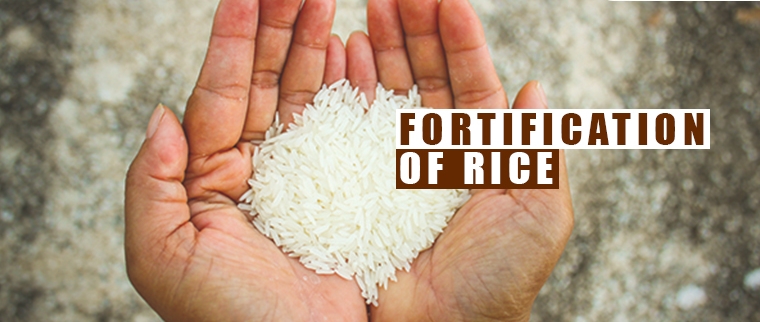
According to the Food Ministry, fortification of rice is a cost-effective and complementary strategy to increase vitamin and mineral content in diets. According to FSSAI norms, 1 kg fortified rice will contain iron (28 mg-42.5 mg), folic acid (75-125 microgram) and Vitamin B-12 (0.75-1.25 microgram). In addition, rice may also be fortified with micronutrients, singly or in combination, with zinc, Vitamin A, Vitamin B1, Vitamin B2, Vitamin B3 and Vitamin B6. Fortifying rice involves grinding broken rice into powder, mixing it with nutrients, and then shaping it into rice-like kernels using an extrusion process. These fortified kernels are then mixed with normal rice in a 1:100 ratio and distributed for consumption.

Need for Fortification

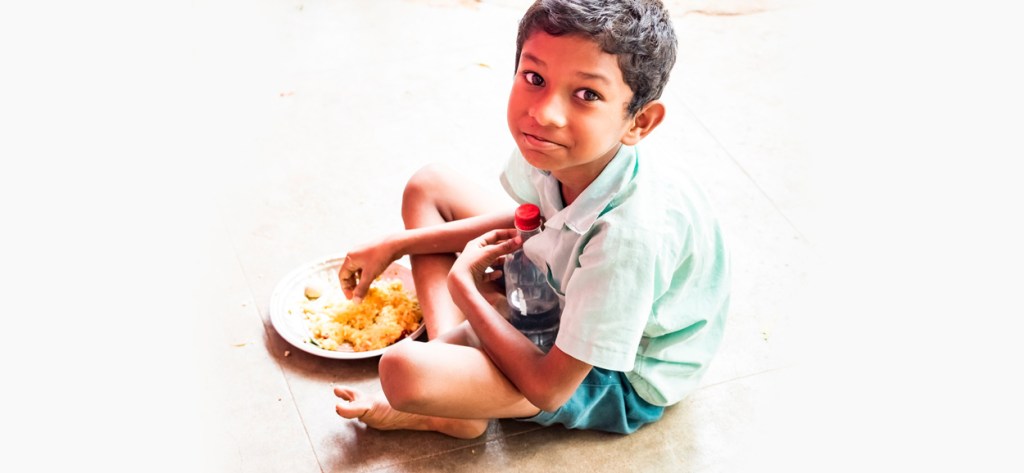
India has very high levels of malnutrition among women and children. According to the Food Ministry, every second woman in the country is anemic and every third child is stunted. India has slipped to 101st position in the Global Hunger Index (GHI) of 116 countries, from its 2020 position of 94th. The deficiency of micronutrients or micronutrient malnutrition, also known as “hidden hunger”, is a serious health risk. Rice is one of India’s staple foods, consumed by about two-thirds of the population. Per capita rice consumption in India is 6.8 kg per month. Therefore, fortifying rice with micronutrients is an option to supplement the diet of the poor.

Conclusion

Rice fortification is the most viable and welcome, preventive and complementary intervention to solve the problem of anemia in a short period of time. Historically, India has tested this idea of fortification by mandating iodized salt in 1962. Interestingly, CNNS Report 2016-18, subtly hinted the success of universal fortification of salt by revealing iodine to be the only exception to micronutrient deficiencies in the tested sample.

References

Schindler’s Ark: The Book Review

First Printed Edition of Schindler’s Ark

Introduction

Australian author Thomas Keneally‘s novel first “Schindler’s Ark” (later republished as Schindler’s List) brought the story of Oskar Schindler’s rescue of Jewish people during the Nazi Holocaust, to international attention in 1982, when it won the Booker Prize. It was made by Steven Spielberg into the Oscar-winning film Schindler’s Listin 1993, the year Schindler and his wife were named Righteous Among the Nations.

Schindler’s Ark later republished as Schindler’s List

About The Author

Thomas Michael Keneally, (born 7 October 1935) is an Australian novelist, playwright, essayist  and actor.  Keneally’s first story was published in The Bulletin  magazine in 1962 under the pseudonym Bernard Coyle. By February 2014, he had written over 50 books, including 30 novels. He is particularly famed for his Schindler’s Ark  (1982) (later republished as Schindler’s List), the first novel by an Australian to win the Booker Prize and is the basis of the film Schindler’s List. He had already been shortlisted for the Booker three times prior to that: 1972 for The Chant of Jimmie Blacksmith, 1975 for Gossip from the Forest, and 1979 for Confederates. Many of his novels are reworkings of historical material, although modern in their psychology and style.

Thomas Keneally

Storyline of The Novel

The story of the novel is based on true events, on account of the Nazi Holocaust during World War II. Oskar Schindler, (born April 28, 1908, Svitavy [Zwittau], MoraviaAustria-Hungary  [now in the Czech Republic]—died October 9, 1974, Hildesheim, West Germany), German industrialist who, aided by his wife and staff, sheltered approximately 1,100 Jews from the Nazis  by employing them in his factories, which supplied the German army during World War II.

Poster of Steven Spielberg‘s movie Schindler’s List (1993)

In the shadow of Auschwitz, a flamboyant German industrialist grew into a living legend to the Jews of Kraków. He was a womaniser, a heavy-drinker and a bon viveur, but to them he became a saviour. This is the extraordinary story of Oskar Schindler, who risked his life to protect Jews in Nazi-occupied Poland and who was transformed by the war into a man with a mission, a compassionate angel of mercy.

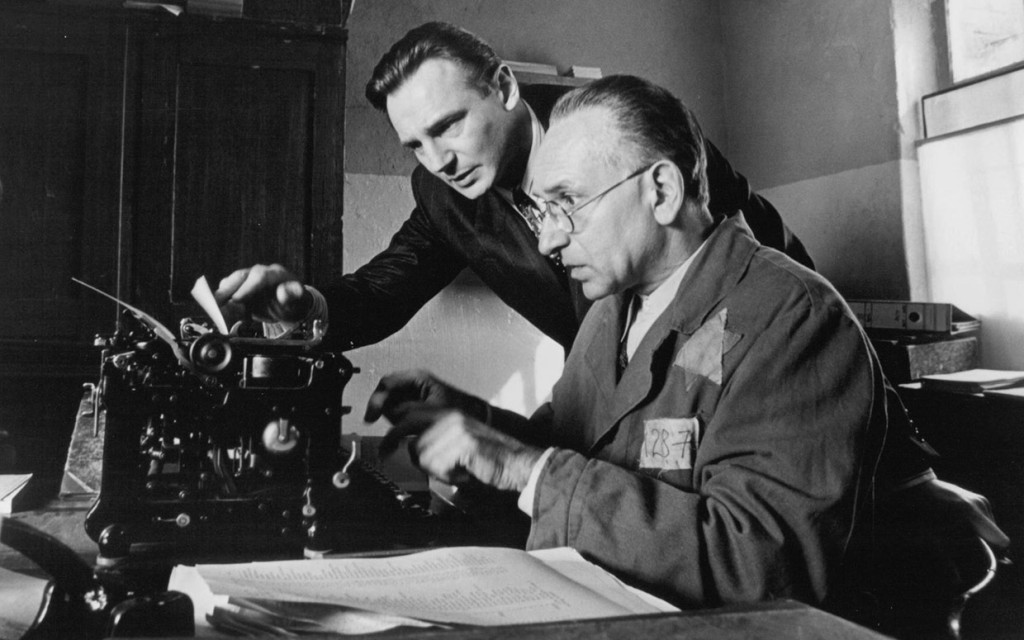
Liam Neeson as Oskar Schindler in Schindler’s List (1993)

Analysis of The Storyline

The novel introduced a vast and diverse cast of characters. However, the focus of the narrative was between Oskar Schindler and Amon Goeth. In the story, there was a dichotomy between what is essentially good and what is evil, that was personified by these two primary characters. Goeth represented everything evil. The war churned out a selfish and heartless sadist who found delight in inflicting pain on the Jews. Ironically, he lusted after his Jewish maid. Schindler, on the other hand, was portrayed as the Good German. He didn’t believe everything that the Nazi regime was saying against the Jews. He was, however, a man of contradictions. Despite being depicted as the epitome of goodness, he lived a self-indulgent lifestyle, which included proclivity towards the bottle and women. His infidelities have been a constant source of pain for his wife, Emilie. He also uses his connections to gain the upper hand in negotiations; it would also be a seminal part of his campaign to save the Jews.  

Ralph Fiennes as Amon Goeth in Schindler’s List (1993)

Criticism of The Storyline

The amount of research poured to recreate the story of Oskar Schindler was astounding. And the starting point to this is as interesting as the novel itself. As noted in the Author’s Note, a chance encounter in 1980 led to the novel. Schindler’s motivation for protecting his workers was rarely ever clear, especially at the start. Questions still hound his true intentions. He, after all, brazenly took advantage of the cheap labour the Jews offered at the start of his enterprise. Is Schindler an anti-hero? The answer can be found in Keneally’s extensive research. Through interviews with surviving Schindlerjuden and different Second World War archives, he managed to identify the point in which Schindler decided to protect the Jews. While horseback riding on the hills surrounding Kraków, he witnessed an SS Aktion unfold on the Jewish ghetto below. The Jews were forcefully taken out of their houses. Those who resisted were shot dead, even in the presence of children. Witnessing the atrocious acts firsthand turned Schindler’s stomach. It was then that he resolved to save as many Jews as he can.

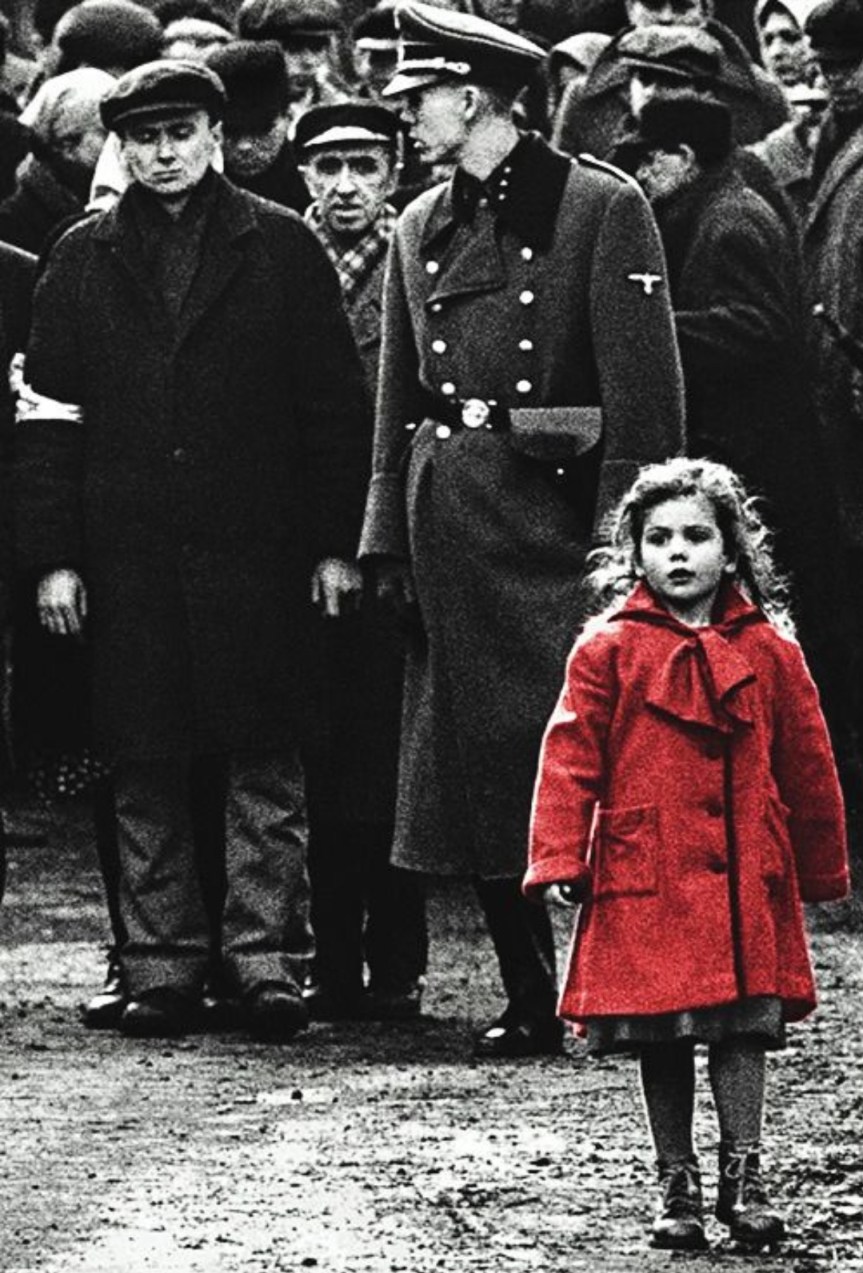
Scene from Schindler’s List (1993)

Overall, what didn’t work was the manner in which Keneally related the story of Oskar Schindler. As the story moved forward, it became clearer that Keneally was unsure of how to deliver the story. His resolve to remain loyal to Oskar’s story was commendable. He endeavored to do just that but it never fully came across. The result was an amalgamation of fiction and historical textbook. The strange mix muddled the story and the result was a perplexing work of historical fiction. It is without a doubt that one of the darkest phases of contemporary human history is the Second World War. Nobody expected that the meteoric ascent of Der Führer, Adolf Hitler, in the German political ladder would lead to a devastation of global scale. As the Axis forces march towards and beyond their boundaries, they would leave death and destruction in their wake, stretching from Europe, to the Pacific, and to the Far East. The consequences of the war would resonate well beyond its time. With genocides, concentration camps, and slave labour commonplace, the war was a reflection of the human conditions. Its peak, the Holocaust, exhibited the extent of the darkest shades of the human spirit. It was a grim portrait.

Indeed, the Second World War brought out the worst in humanity. However, in times of darkness, there are those among us who rise to the occasion. One of them is Oskar Schindler whose story was related by Thomas Keneally in his nonfiction novel, Schindler’s List (1982).

Conclusion

While Keneally‘s dramatization of this great man’s exploits is lacking in novelistic shape or depth, the brutality and heroism are satisfyingly, meticulously presented–as plain, impressive, historical record; and if admirers of Keneally’s more imaginative work may be disappointed, others will find this a worthy volume to place beside one of the several Wallenberg biographies.

Importance of Self-Confidence

Self-Confidence is one of the important things needed in our life. It has the power to either push us up or pull us down. Most people lack self-confidence at some point in their life due to failures and disappointments. Self -Confidence can be increased due to the motivation of others, but it is not the only way to boost our inner confidence. The confidence that comes from inside is the one that resists for long and helps us achieve more and more in our life. Let us see some of the ways to boost our confidence and try to use them in our daily life.

Photo by Snapwire on Pexels.com

Ways to Boost Self Confidence

  1. Tell good words to yourself : It may feel silly on reading this. But actually it works during the time of crisis. Whenever we feel low, we can tell some good words to “We can do it”,”We are capable of doing it”,”Nothing is impossible”. These words lowers our stress as well as helps in boosting our confidence. We can even ask our friends and family to tell good words to us. Getting these words from those we trust , gives immense amount of confidence in our life.
  2. Take a deep breath : Before starting any task, taking a deep breath will definitely helps us. We should allot some two to three minutes before the beginning of the job and we should take a deep breath without thinking about anything else. During that time, we should not concentrate on the outside environment or thinking about how to do the job. Our only focus must be on taking a breath and relaxing both our mind and the body.
  3. Thinking on past success : When we are doing a difficult or stretchy job, we can think on our past success or achievement for some moments. Beware, it must only be for some moments. Sometimes it will lead to over -confidence and destroys both the time ,the effort and the task.
  4. Thinking on our good time : Everyone will definitely have such moments in our life that brings us instant laughter or instant happiness on our face. During our low time, we can think on these things for some moments to boost up our energy and confidence to do the job. These times can be with the family or friends or colleagues or anyone. Here too, over thinking may lead to procrastination , which is the dangerous one that won’t led us to finish the job.
  5. Hobbies : Hobbies can make an individual feel happy, calm ,satisfied and acts as a complete stress buster. Taking out some time for hobbies can help us to make our brain relaxed and peaceful. These hobbies can be done during breaks or free time.
  6. Talk to yourself : This task doesn’t need anyone to perform. During our low times or when we have no one with us, this is the best way to keep us away from negativity and low confidence. We can talk anything and everything to ourselves. Just imagine yourself as another human and tell everything that is going on our mind.

Believe you can and you’re Halfway there.

Theodore Roosevelt

Chokher Bali: The Book Review

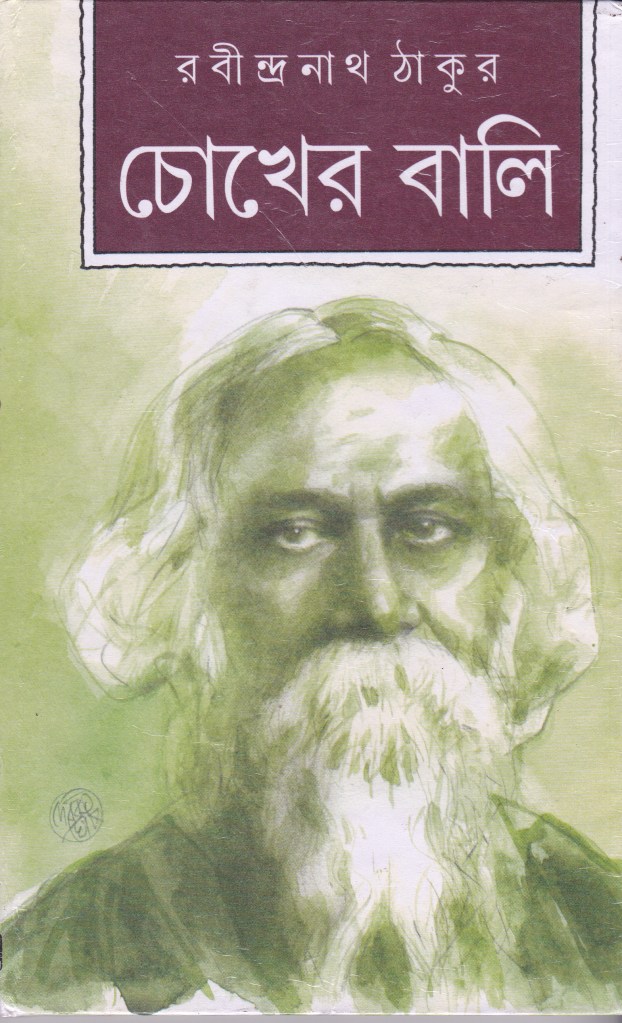
Cover of Chokher Bali (1903) in Bengali

Introduction

Rabindranath Tagore’s 1903 Bengali novel Chokher Bali is often referred to as India’s first modern novel, where he highlighted the issues of women’s education, child marriage and the treatment of widows in 19th and 20th century Bengal. It was first serialised in the Bengali literary magazineBangadarshan first founded in 1872 by Bankim Chanra Chattopodhay and later resuscitated under the editorship of Tagore in 1901.

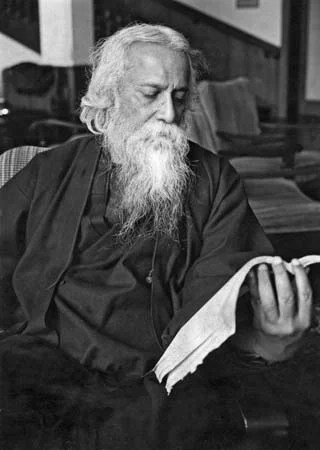
Rabindranath Tagore

About The Author

Rabindranath Tagore (7 May 1861 – 7 August 1941) was a Bengali  Polymath —poet, writer, playwright, composer, philosopher, social reformer and painter. He reshaped Bengali Literature  and music  as well as Indian Art with Contextual Modernism in the late 19th and early 20th centuries. Author of the “profoundly sensitive, fresh and beautiful” poetry of Gitanjali, he became in 1913 the first non-European and the first lyricist to win the Nobel Prize in Literature. Tagore’s poetic songs were viewed as spiritual and mercurial; however, his “elegant prose and magical poetry” remain largely unknown outside Bengal. He was a fellow of the Royal Asiatic Society.  Referred to as “the Bard of Bengal”, Tagore was known by sobriquet: GurudevKobiguruBiswakobi.

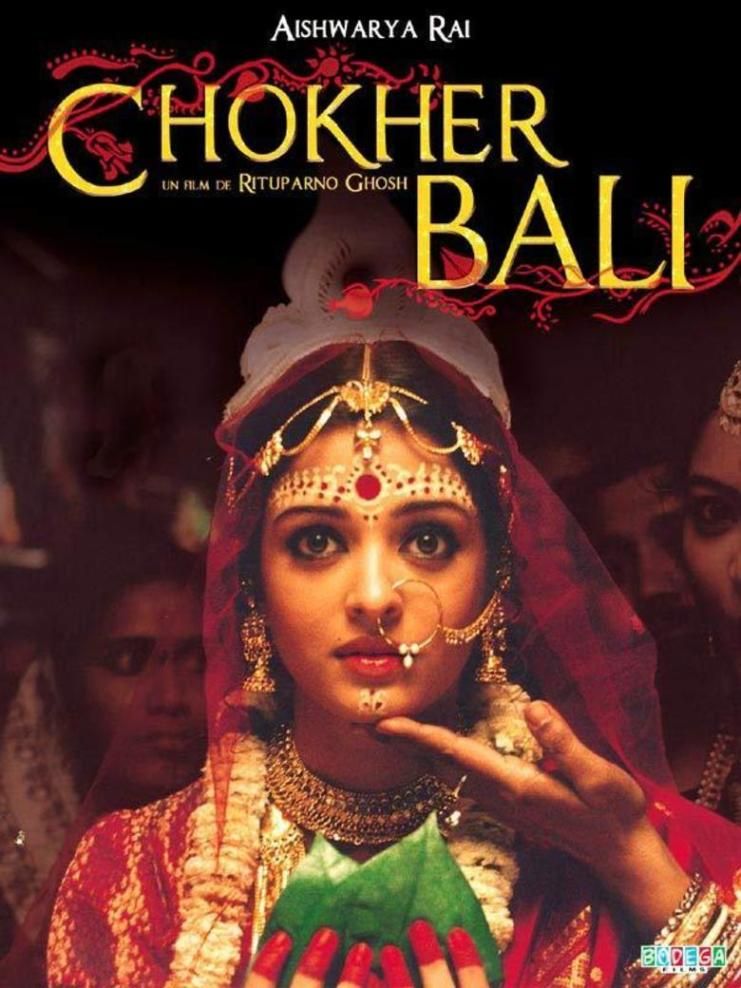
Aishwarya Rai Bachhan as Binodini in Chokher Bali (2003)

Storyline of The Novel

The plot revolves around four protagonists- Mahendra, Ashalata, Binodini and Bihari. Mahendra is the only scion of a rich family based in Calcutta. Bihari is his childhood friend, who frequents his house. Mahendra’s mother wanted him to marry Binodini, her friend’s daughter. But Mahendra refused. Then his mother requested Bihari to marry Binodini and save the poor girl which Bihari refused. Eventually, Binodini got married to a man who died soon after marriage. Meanwhile, Mahendra married Ashalata, a poor orphan girl. Mahendra was besotted with his wife when Binodini came to live in their house. With time, an extra-marital relationship develops between Mahendra and Binodini, which threatens to destroy his marriage with Ashalata. But soon Binodini discovers that Mahendra is a self-obsessed person, unable to provide a safe shelter to her. So she inclines towards Bihari, who lives life by principles. Throughout the novel, there is an implicit implication of Bihari’s affection towards Ashalata, though he never crosses the boundaries of the relationship. In the end, Bihari falls in love with Binodini when realizes her feelings for him. He proposed to marry her, which Binodini refused saying that she doesn’t want to ‘dishonour’ him further. During that period (the novel was written in 1902), widow remarriage was not well accepted in society. That may partially explain the reason behind Binodini’s refusal. In the end, Binodini leaves for Varanasi– a fate that awaited most of the widows in those days.

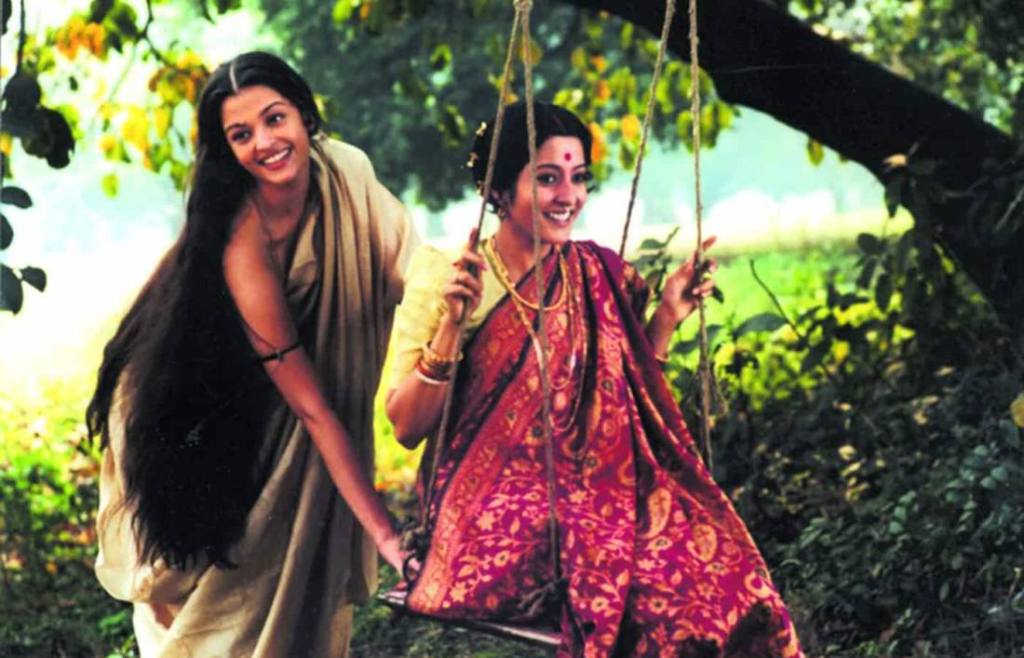
Aishwarya Rai Bachhan as Binodini and Raima Sen as Asha in Chokher Bali (2003)

Analysis of The Storyline

The term ‘Chokher Bali’ literally means a sand grain in eye  in Bengali  and metaphorically means to be a source of irritation or disturbance in someone’s eyes, which is what Asha and Binodini become for each other. Binodini is presented in many avatars a hopeless widow, a friend, a temptress, and a remorseful woman. Tagore gives readers an insight into her desires and longings, the feeling that many widows at the time had silently undergone. On the other hand, Asha is presented as naive and innocent, which combined with her illiteracy initially results in her subjugation. The narrative almost becomes an implicit debate on love and morality, urging readers to understand Asha and Binodini outside of the social norms of Bengali society. The central character Binodini is not an idealised Indian woman but a woman with shades of grey and very human flaws. Binodini cannot come to terms with her life as a widow, as she is still young and has wants and desires. She feels wronged as she believes she is superior to Asha in all respect and deserves the life she is living. Tagore’s depiction of Binodini is impressive as she subverts the expectation of society for widows to forgo all worldly desires.

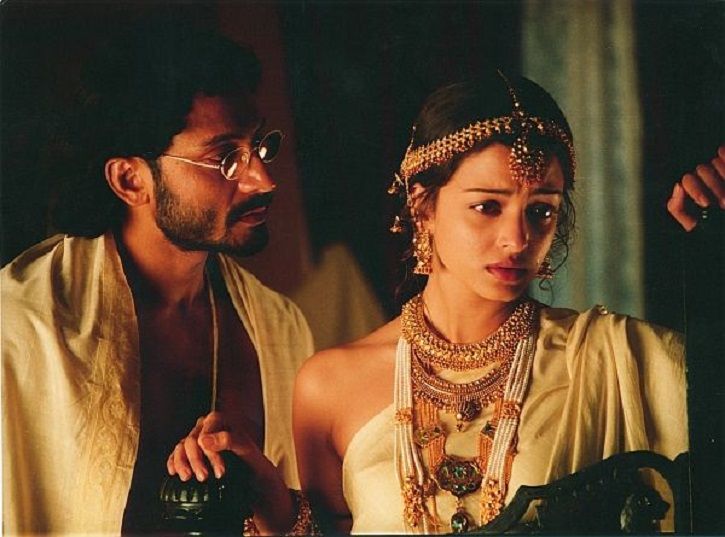
Tota Roy Choudhury as Bihari and Aishwarya Rai Bachhan as Binodini in Chokher Bali (2003)

Criticism of The Storyline

The story of this novel delves deep into many facets of human relationships and how a single wrong decision can make the life disharmonious. Jealousy and deprivation of happiness can result into an emotion strong enough to forget all other ties and relationships.Tagore shows the intellectual interchange between the characters, possible due to education and the interception of letters. The innocent and illiterate child bride Asha fails to understand the exploitation she faces at the hands of her husband and dear Bali (Binodini) whom she trusted blindly. Tagore does not justify Binodini’s actions and actually is sympathetic to Asha, perhaps stressing that Asha would have been able to avoid Binodini’s interference in her marital life, if she were educated enough to understand the intentions behind her friendly nature. However, one of Tagore’s greatest regrets in the novel is the ending. Despite his progressive portrayal of Binodini and Bihar, he does not allow them to marry at the end. Although, today we may see the girl marrying the guy as regressive today in Tagore’s time a widowed woman was not permitted to re-marry. Thus, ending the novel with Binodini and Bihari marrying would have been the most revolutionary.

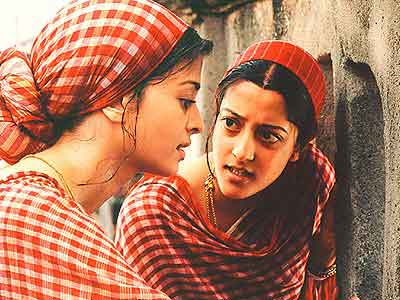
Scene from Chokher Bali (2003)

Movie Adaptation of The Novel

Adapted from Tagore’s Chokher Bali, the movie with the same name was released in 2003, directed by eminent Bengali Moviemaker Rituparno Ghosh, starring Aishwarya Rai Bachhan, Raima Sen, Prosenjit Chatterjee and Tota Roy Choudhury in the lead roles. The movie won the National Film Award for Best Feature Film in Bengali and was nominated for the Golden Leopard Best Film award at the Locarno International Film Festival in 2003. Aishwarya Rai won the Best Actress award at the Anandalok Awards 2003.

Conclusion

A century after Chokher Bali, education is still a struggle for many women to access easily globally. Tagore’s novel is radical and unconventional presenting a viewpoint that is ahead of the conservative times of 19th and 20th century India. Through the story of Binodini, Tagore questions the societal norms. He condemns all kinds of taboos and unjust customs which deprive women and especially widows of their rightful freedom and autonomy; confined to live a mournful colourless life. As a man from a privileged background, his understanding of the emotions of Indian women and his empathetic attitude towards them is remarkable.

Water Crisis in India: The Present and The Future

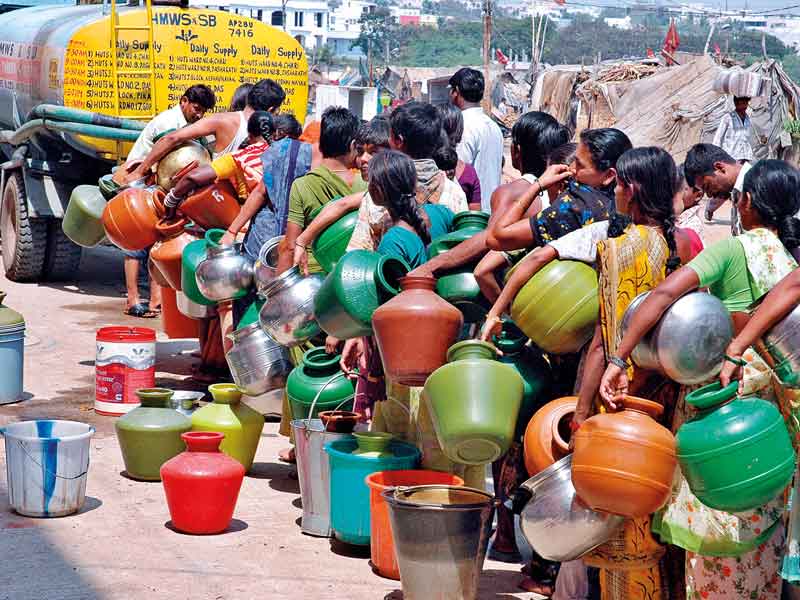
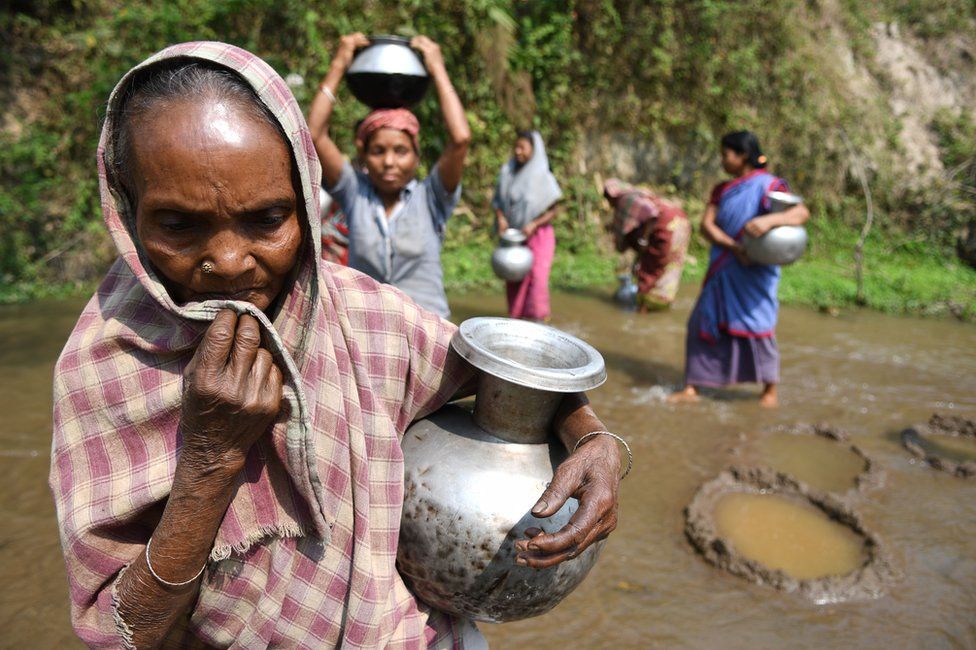
Queue for daily water collection

Introduction

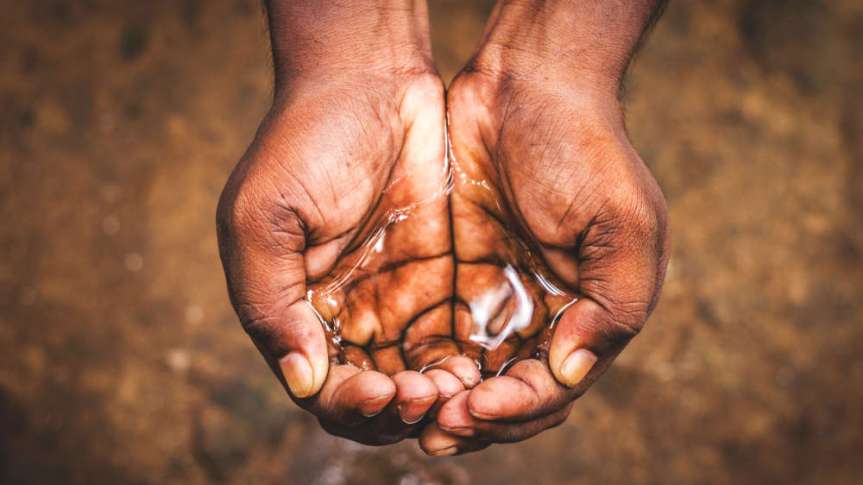
Water is the most essential element of life and livelihood. And India is having a hard time, coping up with the severe crisis of water. India constitutes 16 per cent of the world’s population, but the country has only four per cent of the world’s freshwater resources. With the changing weather patterns and recurring droughts, India is now declared as “water stressed”.

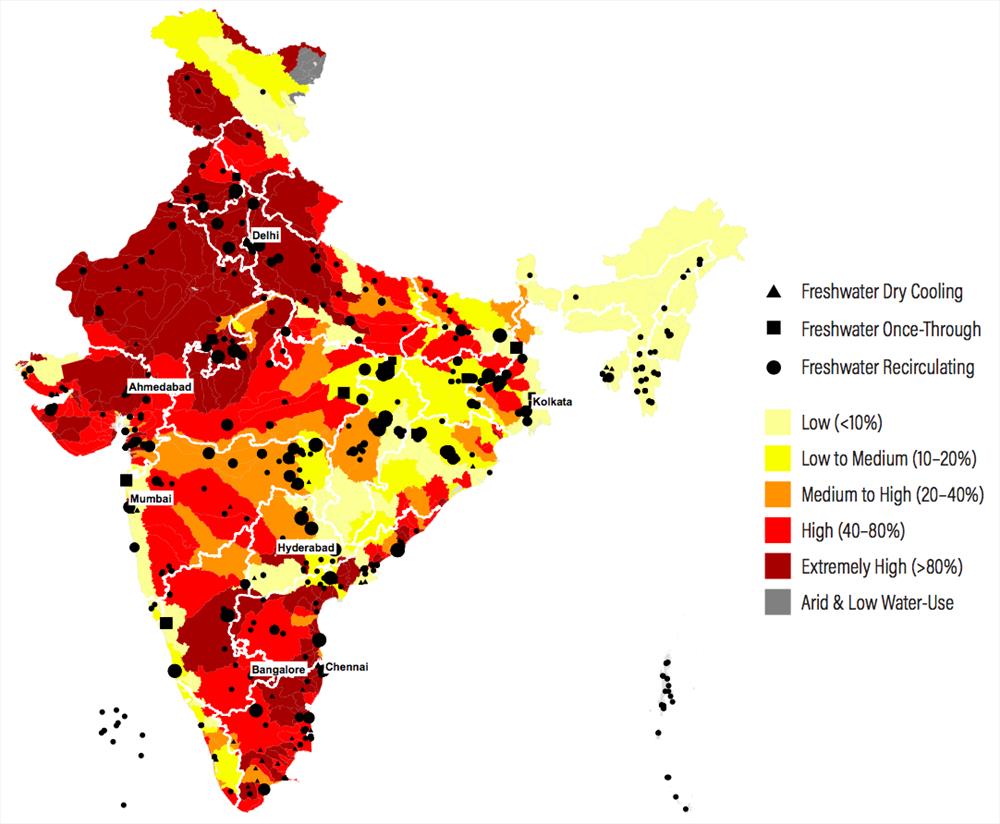
Statistical representation of India‘s Water Crisis

Background

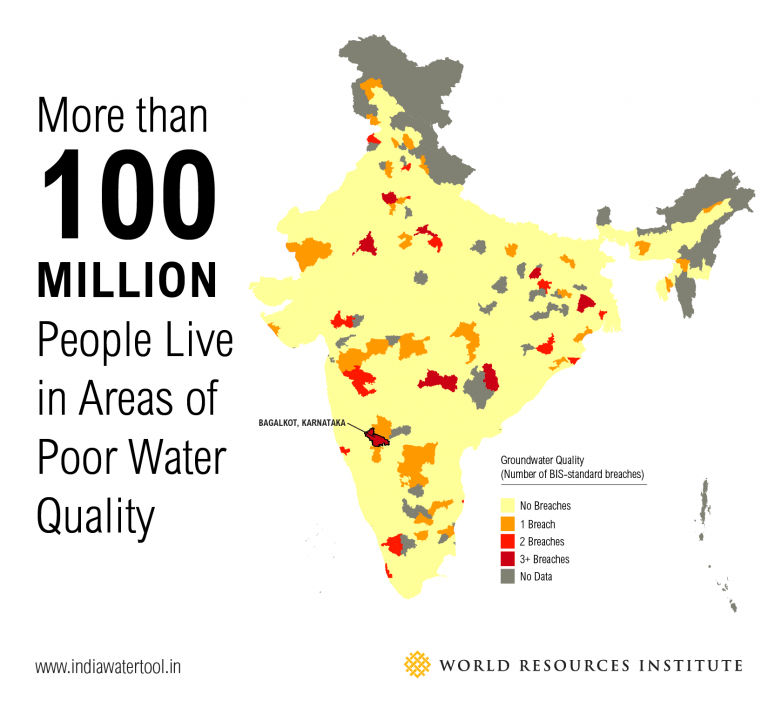
Archaeological researchers had assumed the fall of Great Indus Civilisation was due to a catastrophic water scarcity caused either by shifting rivers or by drastic climate change that forced people to abandon city settlements. And history seems to repeat for present day India again. According to a NITI Aayog report in 2018, about 600 million people, or nearly half of India’s population, are facing extreme scarcity of water. The three-fourths of India’s rural households do not have stable running water supply and rely on sources that can cause serious health risks. The report also stated that India has become the world’s largest extractor of groundwater, accounting for 25% of the total. Moreover, 70% of the water sources were labelled as contaminated .And the conclusion of the report was ‘India is suffering from its worst water crisis in its history.’ It also pointed out 21 Indian cities to be run out of groundwater by 2020.

Reasons behind Water Crisis in India

1. Climate Change : The North-East monsoon is responsible for 10%-20% rainfall of the total rainfall in India, while the South-West monsoon provides approximately 80% of rainfall. In 2018, the North-East monsoon decreased by 44% and the South-West monsoon was deficient by 10%, causing the total rainfall in the area to decrease by 36 percent in comparison to the 50-year average. Because of the lower rainfall, water levels in reservoirs across the country decreased and led to extreme shortages of water in many major cities of India

. 2. Ground Water Extraction: Groundwater meets more than half of the country’s need of water supply and nearly 89% of the groundwater extracted in India is used for irrigation purposes. The traditional techniques of irrigation are also to blame for the water crisis as they result in a majority of water loss and evaporation during the irrigation process.

3. Pollutions in Our Rivers: Due to the lack of long term water management plans, most of the country’s rivers either run dry or have remained polluted over decades. The national river of Ganges is also the one that is most severely polluted, which is mainly resulted from untreated sewage of densely populated cities, industrial waste as well as due to religious ceremonies in and around the river.

4. Wastage of Unmanaged Water : According to the Central Water Commission, even though climate change has resulted in a reduction in rainfall and lack in underground water reservoirs, the country still receives enough rainfall to meet the needs of over 1 billion people. However, India only catches only 8 percent of its annual rainfall due to poor rainwater harvesting. Also for lacking the treatment of wastewater reuse, approximately 80% of domestic wastewater is drained out as waste and ends up flowing into salt water bodies.

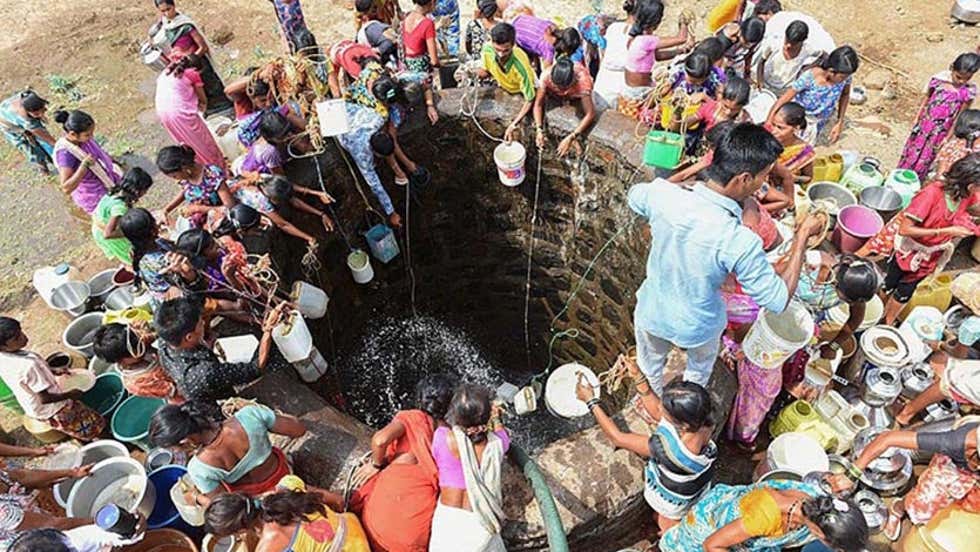
Struggle for daily water collection in water-stressed areas of India

Effects of Water Crisis in India: Where We Stand Today

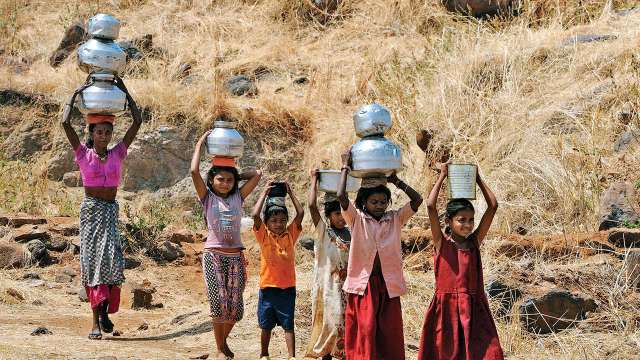
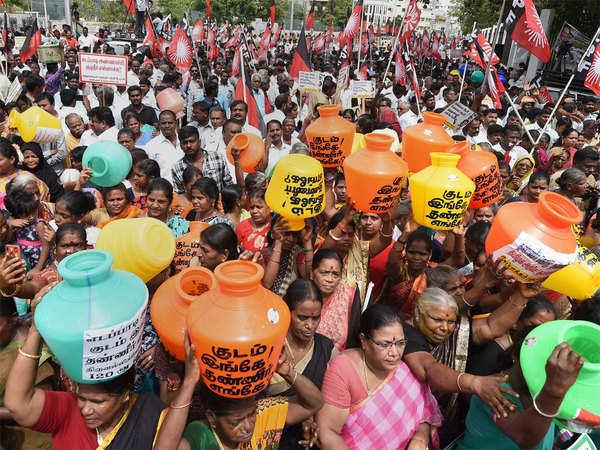
As many as 256 of 700 districts have reported ‘critical’ or ‘over exploited’ groundwater levels, according to a data from the Central Ground Water Board (2017). Fetching water in India has been perceived as a women’s job for centuries, especially in the rural areas. As groundwater resources come under increasing pressure due to over-reliance and unsustainable consumption, wells, ponds drying out fast, escalating the water crisis and placing even greater burden of accessing water on women. A rural woman in Rajasthan walks over 2.5 kilometres to reach a water source, according to a report by the National Commission for Women. Moreover, according to a non-profit named Water, women around the world spend a collective 200 million hours fetching water for their family. In addition to the time spent collecting water, millions may also spend significant amounts of time finding a place to go to relieve themselves. This makes up an additional 266 million hours lost each day. The acute crisis has even led to polygamy in one drought-prone village of Maharashtra. This involves having more than one spouse to collect water. The arrangement is termed as ‘water wives’.

The struggle for women

The Solution to the Crisis: Future Stands

Children also becoming victims of Water Crisis

The Government has taken up the most important role to eradicate the crisis by forming the Ministry of Jal Shakti and launching “Jal Jeevan mission”- Rural in 2019 to promote “Har Ghar Jal” by 2024. Goa and Telengana have achieved the first two Indian states to reach “Har Ghar Jal“, while Andaman & Nicobar Islands and Puducherry became first Indian Union Territories to reach the milestone. In 2021, “Jal Jeevan mission”-Urban was launched to complement the project. “Jal Shakti Abhiyan-Catch the rain” is also introduced to capture and reuse of rain water at the grassroot level as a Jan Andolan. Along with this, for the cleaning and filtration of Ganges river “Namami Gange” had been rolled out as a national flagship mission. Coastal Reservoirs, Desalination of sea water and improved irrigation techniques are now been adopted to address the crisis.

Conclusion

Along with time, active participation from every layer of society in solving the water crisis of India is being witnessed. The youth has come forward with an appealing message to properly addresses the crisis and solve the drawbacks together. Now, the emerging awareness spreading among masses India can hope for a better future to handle the crisis more effectively.

Is Indian Handicraft at risk ?

Handicraft as we all know it, is the craft work of processing materials by hands or simple hand tools. The outcome of such a craftwork involves decorative pieces or useful objects. The materials used in the making are mostly natural, but can be industrially processed or even recycled too.
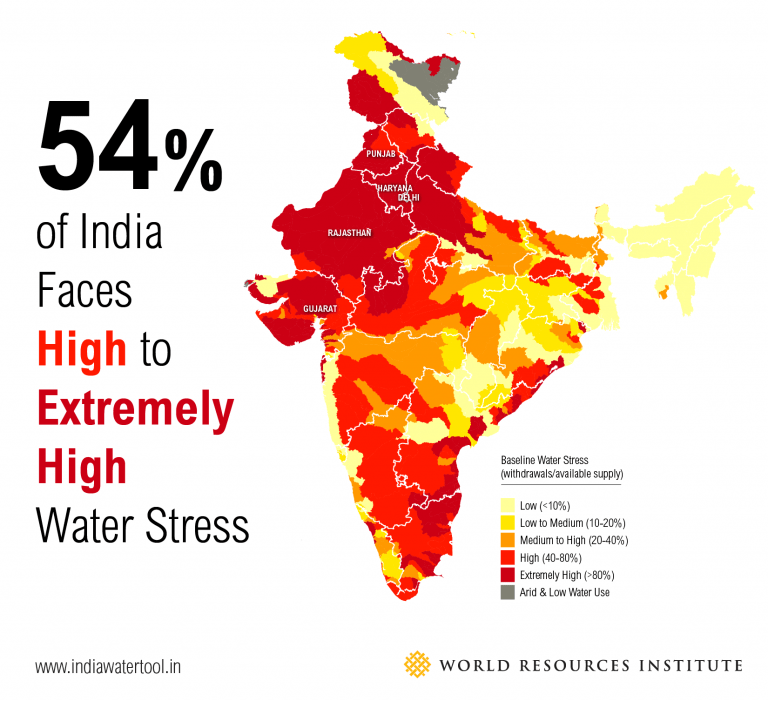
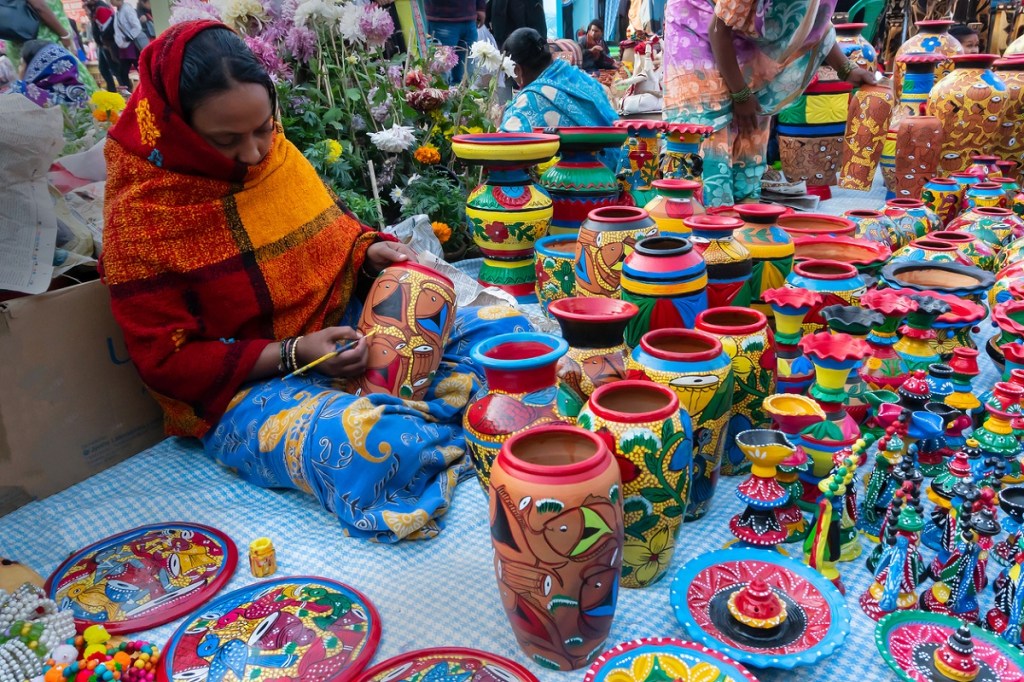
Handicraft is an artform that is deeply rooted in the traditions of India. And the sector provides livelihood to lakhs of people. They produce goods ranging from carpets, potteries, paintings, embroidery and the list goes on. Every region in India has handicraft that is unique to that region. Such as Chikan Kari weaving from Lucknow. Madhubani paintings from Mithalia, Bidri metal handicraft from Karnataka, Pashmina shawls from Kashmir and so on.
However, over the years this industry had to endure certain challenges, making it hard for the artisans to flourish and make a living.

Issues faced by artisans

There are a number of reasons why artisans in the craft industry are facing problems. Some of the widely varied reasons are;

  • Informal sector- Handicraft industry is a highly informal sector. Artisans are usually structured through informal contracts between traders, middlemen, master artisans and low skilled artisans. Along with that, this industry is largely unorganised, making it hard for the industry to flourish organically.
  • Lack of education- The lack of education makes it difficult for the artisans to manage inventory, access government schemes information and bargain with traders and middleman.
  • Outdated production methods- Artisans lack the funds to upgrade to better tools and technologies or undergo training.
  • Competition from organised sector- Artisans are losing customers, due to the arrival of cheaply priced machine made products, especially Chinese made goods.

These are few of the reasons handicraft industry is lagging behind. However, it is never too late to make amends and prevent the sector from sinking.

How to revive the Handicraft industry?

One of the first steps to be taken to boast the Handicraft industry, is the action to make this industry organised. It is a given fact that middlemen and traders mend their ways into benefiting from the sales by jeopardizing the livelihood of artisans. Having an organised and formal sector will help with the righteous distribution  of profit. This is the task of the government to take needful action and prioritise this industry just like any other high yielding industry.

Along with taking into account the mission of creating awareness among the artisans and educating them on basic information about the working and functioning of the industry. Apart from that, it is also important for the government to create awareness among the common public and urge them to help save the livelihood of handicraft workers, and avoid choosing cheaper machine made alternative. Thus helping to preserve the Indian tradition.

Government’s role in empowering Indian Handicraft

Over the past few years, the Government of India has launched schemes and plans that could potentially benefit the handicraft artisans. Some of the schemes are;

  • National Handicraft Development Programme
  • Ambedkar Hastshilp Vikas Yojna
  • Handicraft Mega Cluster Mission
  • Integrated Handloom Development Scheme

Mentioned above are just few of the schemes launched by the government. But just launching schemes would not be of much help, until and unless those schemes are actually implemented at the grassroot level.

In instances like these, NGOs like Cradftizen Handicraft, Asha Handicraft Association, etc.,  play a vital role in campaigning such schemes across the artisans, and making them aware about their right and benefits.

                   The handicraft industry makes Rs 25,000 crores annually by exporting goods. This sector has a lot of potential that can be tapped and channelised into a highly profitable industry, along with benefit and uplifting the artisans, who are keeping the Indian traditions and craft alive.