Should borders be open?

The question of immigration in the modern world is a fact of life. It is deemed to be a problem because the world that we live in is a world of states and these states guard the right to determine who may settle within their borders. There are many reasons for opposition to open borders. These include security factor for example, the overarching fear of terrorism, secondly in the name of preserving a certain cultural integrity. Thirdly, as immigrants impose certain costs on society, the states wish to avoid these extra burdens i.e. if the state is a welfare state, they will have to fend for immigrants as well.

Thinkers such a Chandran Kukathas are in favour of open borders. He gave two reasons for the same. The first reason is the principle of freedom which talks about freedoms such as freedom of movement freedom of selling their labour, the freedom to associate with others and so forth. The second is the principle of humanity which talks about how most people live in poverty and therefore need to move to make their lives better. According to this principle, there must be very good reasons if one is to justify turning the disadvantaged away.

An important debate is between nationality and immigration. National interests are given greater importance than that of outsiders. Large immigration may change a society’s character is what defenders of closed borders are worried about. Outsiders who don’t share the same values will not be able to help sustain the same economy, culture or social institutions. There are also fears that bonds of social solidarity may break down.

While addressing the aspect of Security, the proponents of open borders suggest that security from terrorism, security of political system from foreign threats are all legitimate issues but instead of restricting legal immigration what should be done is that illegal immigration should be controlled. Meanwhile the advocates of closed borders do not agree with such a proposition. David Miller argues that people certainly have the interest in being able to migrate internationally but it cannot be a human right. While the right to exit is important as it enables movement from current state of residence, it does not entail an obligation of other nations to let such individuals in. He suggested the idea of entry applications where states can choose whom to accept rather than it being forced on them.

For Miller, the policy of open migration is not a solution because the very poor will anyhow not have the resources that are needed to move to a richer country. If open migration leads to doctors, engineers and other professionals moving from underdeveloped to economically developed countries, the country of origin will be deprived of vital skills. So equalizing opportunity for the few will diminish opportunity for the rest. Thus, improving life conditions at ground level becomes important.

Many underlie the importance of admitting all long-term immigrants to full and equal citizenship in the receiving society. There need to be active policies to help ensure immigrants become a part of the political life of the community.

Should we fear the Moral Police

Freedom is being You without anyone’s permission

Anonymous

Moral police is an umbrella category of vigilante groups which act to enforce a code of morality in India. Some of India’s laws, and some actions of police forces in India are also considered to be instances of moral policing.The target of moral policing is any activity that vigilante groups, the government or police deem to be “immoral” and/or “against Indian culture”.

India has several vigilante groups that claim to protect the Indian culture. They resist and oppose cultural concepts that they deem to have been imported from the Western culture. They have been known to attack bars and pubs.Some of these groups have attacked or have forced to shut down art exhibitions, where they claim obscene paintings were being displayed. They have issued diktats against western attires. Some have also condemned beauty parlours. Some members of the media have also colluded with such groups.Some politicians have supported such viewpoints and occasionally such activities.This question has striked hard in the light of recent events of the moral policing attack on kollywood actress Samyuktha Hedge in a public park in Bangalore.

Kannada actor Samyuktha Hegde on Saturday alleged that she and her friends were morally policed, abused and assaulted in a Bangalore park by a lady called Kavitha Reddy and some men for wearing a workout clothes in a public place.

Samyuktha recorded the entire altercation on Instagram live. In another video, a man threatens Samyuktha that he will tell the media that she was doing drugs. Kavitha had called the cops and she wished for Samyuktha and her friends to be booked for public indecency.

“After being in a democracy and following all the norms of social distancing, we were abused and ridiculed by Kavitha Reddy and the mob in Agara Lake for practicing our hula-hoop while wearing sportswear. Despite being polite and trying to solve the problem, the lady hit my friend and used disparaging remarks about me and my friends,” Samyuktha Hedge said in her Instagram post.

“I was extremely disappointed with how the police who came to the location behaved, like nothing was wrong and spoke to her with respect while asked us to be quiet. The cops stood there while her mob harassed us and even after requesting the police continuously, they decided to stand there and support this (proof on igtv). Yesterday was really hard and it was so disturbing to go through this,” she added.

After the consequences of her Action Kavitha publicly apologized to Samyuktha saying that she was always against moral policing and that she realized her actions were constructed as such. She also apologized for her aggressive reactions as well.

Samyuktha accepted Kavitha Reddy’s apology and wrote, “Apologies accepted Ms Kavitha Reddy. I hope we can all move forward from the incident and make women feel safe everywhere.

This action and reaction has made us to think again that should we need moral policing when there is law and order to protect the citizens of India.

There are three things india should say goodbye to:

1. Moral Policing

2.Intolerence

3.Castesim and religious extremism.

Mental Health is not a taboo

Mental Health needs a great deal of attention. It’s the final taboo and it needs to be faced and dealt with -Adam Ant

Mental Health is important for all of us just as Physical Health. How we feel and think is central to the way we live our lives. Just like our physical health, our mental health can have ups and downs. It is not only about psychological illness or mental disorders this is just one part of a bigger frame. It’s good to think about mental health as being on a continuum rather than people being either mentally ill or mentally well. People with mental health conditions deserve just as much support and compassion as people with physical health conditions. We are all on the continuance and we move up and down according to factors such as our genetic makeup and upbringing our life circumstances and the stresses we are under but one end of the perpetuity we develops mental disorders like anxiety, depression and at the other end, we have state of constructive mental health when we are thriving the contempt and fulfilled the aim of mental health interventions is to move people up the continuum so that they are able to reach the full potential and live satisfying lives. The World Health Organization mentioned mental health as a state of well-being in which every individual realizes his or her own potential, can cope with the normal processes of existence, can work efficiently and usefully and can make a contribution to his or her society. Being psychologically well means being strong and able to cope with difficult situations. Very few people with mental disorders access existing treatment services due to the prevailing stigma attached to seeking help, lack of understanding mental health problems, the uncertainty of how to get help or fear of disclosing mental health problems. 

There is lack of awareness for Mental issues:

• Suicide was decriminalised only in 2017, but section 309 of IPC still exists.

• This section penalises attempted suicide, unless the person can prove severe stress

• Stigma and taboo are still widely attached to mental health illnesses.

From all these factors, stigma remains the biggest factor preventing people from seeking help early for their mental health problems and getting the appropriate support they need. Stigma and discrimination prevent people with mental health problems from getting housing, jobs, and education as well as prevent people from seeking needed help. Myth is that the people with mental illness are violent and dangerous. The truth is that, as a group mentally ill people are no more violent than any other group. In fact, they are far more likely to be the victims of violence than to be violent themselves. Mental health is necessary to handle the natural ups and downs of life and to develop positive and sustainable coping mechanisms. It is important to acknowledge that we all have mental health and have a personal responsibility to learn how we can improve our well being in order to live meaningful and satisfying lives.

One Rule…can end up corruption by 70%


There are many people who talks about it , and few screams and fight to end it…………but since ages, it’s not being possible to make a difference, and still have not got independence from it’s foul smell, where someone dwelling in it , without sense. But, should we live in this rut forever ?…And to accept ourselves as incapable of destroying it, and to live like a looser.


I have a one brilliant rule, if it comes into play that undoubtedly changes the fate of the country. Before i reveal it, let us know why this rule works besides many measures being taken were failing since decades.
The main feasible condition for corruption, is lack of surveillance and awareness among people,and how it greatly damages our standard of living. So,creating awareness among all the people might sometimes work, but most of the time it rewards us with great disappointment. because, India has biggest population, it’s hard to make all of us to bring on to one platform with one voice.


But, there was no dearth of solution, if we think and the first said idea is………….
This idea works with collection of students, professors, university bodies, govt anti corruption and adminstrative bodies , police.
You may wonder that how, could you connect students, professors with police?
The bitter fact is, about 90% of indian passouts graduates are unskilled according to the several esteemed surveys. The main reason for it is, not having a platform to access practical knowledge, we have severe shortage of internship opportunities and real time project works. This problem can also be indirectly solved by our main idea.

The govt should make project works mandatory and give them more importance in their course, some may refrain with this idea…but if we couldn’t able to perform on projects itself, how can we able to sustain after getting to global market; initially it might be hard, but with support of our peer and lecturers we can excel gradually.
Now, we all should be assigned project works by our colleges in collaboration with national education body (now MHRD), only on all governmental assets and organisations….here comes a game changing shot. But, how is it possible?

The government must allow all the students to study governmental organisations, properties, and projects build by them.(let’s say a dam, hospital etc…). This helps to make an assessment for the quality of work being done in various govt fields and organisations.The reports submitted by students can be used by anti corruption agencies and help them to understand the situation at very ground level. As it’s not possible for anti corruption agencies to keep an eye over every inch of the whole country, they can use this student community as a strongest trustworthy network as they don’t provide false reports, if in case; the professor and the whole college who guided him will be felt guilt, and leads to their lack of reputation in society. so, this locking system can help students ro not provide false reports.

All the students must be allotted some projects on live aspects(like dams, hospitals ,industries built and being run by govt) in their respective fields, and we have to start analyzing their maintenance and prepare and submit the report of it’s quality and working efficiency. Here itself, we get an opportunity to dig up the flaws went up and to make a change by preparing efficient reports of the atrocities made and corruption that underwent.

For say, i’m a student of civil engineering, got a project to understand about kaleshwaram dam and have to submit report on it. I started by when it has built, and how much cost it took, what are the materials used in it, what are the technologies use in it, why does the walls of the dam is being getting cracks just after 5 years of its inauguration, what is the reason for recent fire accident……..when i submit the detail report to the college, I am gonna get my marks
The above said will be the work of every student in every field, not only engineering also health,law, agriculture,finance and every field.
Instead the anti corruption bureau working on intensive ground level, they can collect all the project reports form all colleges and will be easier for them to take action, by using the information.
As, it is a real time project, the professor of individual group must take care of no flaws and genuinity of information, as it will be a major source for higher govt authorities to take action.
In simple, students has to set on to study the past govt projects and organisations; and the detailed project reports and student community acts as a strong surveillance framework and it bring out the corruptions of the past as well as prevents the corruptions of the future. This idea, if it honed by the bright minds of our country, it can surely be an influential act.

COVID-19 Pandemic Led to Delays in Care for Nearly Half of Breast Cancer Survivors

Breast Cancer is nowadays rapidly increasing in the urban Indian women.The early weeks of the COVID-19 pandemic caused 44% of breast cancer survivors to have a delay in care, according to an online survey.Because COVID-19 is so contagious, and to save healthcare resources for people diagnosed with COVID-19, many hospitals and other healthcare facilities delayed or cancelled elective procedures beginning in March 2020. Elective procedures included anything that didn’t need to be done to save someone’s life. Breast cancer screening was considered an elective procedure, so many mammograms were delayed or cancelled. Some breast cancer surgeries and other treatments also were delayed, changed, or cancelled.

The researchers from the University of Illinois Chicago who did this study wanted to see how changes in healthcare due to the pandemic affected people who had been treated for breast cancer.The researchers wrote a 50-question online survey to figure out how the COVID-19 pandemic had affected breast cancer care. The researchers invited adults who had been diagnosed with breast cancer to complete the survey by sending invitations via email, posting on social media, and sending invitations to breast cancer support networks. The coronavirus disease (COVID-19) pandemic has had a profound impact on cancer care across the globe. Early data indicate increased risk of COVID-19 morbidity and mortality for cancer survivors.

Delays in a routine or follow-up doctor appointment were the most common, followed by delays in breast reconstruction surgery and diagnostic imaging or testing.About 30% of the respondents said they had a delay in treatment, including radiation, infusions, and surgery to remove the cancer.

As time has passed, doctors have seen how protective procedures, such as wearing a face mask, washing your hands, maintaining physical distancing, and avoiding gathering with people in a group, have helped slow the spread of the virus. So most facilities are once again offering all aspects of breast cancer care, including screening.

During the pandemic, the weekly average number of people diagnosed with these six cancers dropped by 46.4%. Specifically, breast cancer diagnoses dropped by 51.8% — from 2,208 to 1,064.

“Our results indicate a significant decline in newly identified patients with 6 common types of cancer, mirroring findings from other countries,” the researchers wrote. “The Netherlands Cancer Registry has seen as much as a 40% decline in weekly cancer incidence, and the United Kingdom has experienced a 75% decline in referrals for suspected cancer since COVID-19 restrictions were implemented.

“While residents have taken to social distancing, cancer does not pause,” they continued. “The delay in diagnosis will likely lead to presentation at more advanced stages and poorer clinical outcomes. One study suggests a potential increase of 33,890 excessive cancer deaths in the United States.”

Drinking water, or soluble chemicals.

Water, you might have known it’s value, when your are thirsty but out of water. we nearly feel like to be gonna die. For, traditional Indians, you might known it’s value when you experience sudden cutoff of water supply ,in bathroom. All of us take this important thing for granted, but if once water wants to escape from us, the screams of 1.3 billion bangs the whole world. You may wonder, why only Indians scream …….ok, before you wanna know about it, also think ; Is your drinking water safe?, hey!..don’t tell that, i’m alright from the time i have born, no problem with drinking water.

Here, i just would like to bring up some most fundamental aspects of our life, i wanna recall we aren’t so much safe and being effected by things, but we never realize until they blasts a bomb in our life. One such is, drinking water; seems to be pure in color, no visible dust particles to our naked eye, but they have already been carrying invisible toxic substances with it, and ready to destroy us slowly after getting inside of us. Most of you might not care this, and stamps this as a boring story, but never forget; your taking some chemicals at every time you have a sip, and leaving your organs as a playground for the toxics that have gone inside you, along with the water you intake.

You better know the water sewage infrastructure in india, even some have been setup for namesake. So, the only option left for us to take care of ourselves. we cannot stop the flow of untreated chemicals and industrial waste into water. sometimes, There rises a campaigns and goes to sleep within no time.

Then, how to get a solution for this problem and to have a safe drinking water. The one thing is to setup water treatment plants by forming as a community, or to use water purifiers at home, leaving no space to compromise with it’s quality, Just even getting into debt; in long run saves you from unsolvable threats. But the bitter fact is, the cost of water purification is too high. But sadly we were pretending to believe the low level mechanisms and being fooled. One such example is, at rural areas or some public water suppliers , can get a 10 litres of water for just 2 rupees, whereas the premium water brands like tata provides the purified mineral water bottle of 1 litre for 20 rupees. This scenario can make us understand , how we are being pretended that low filtered water as mineral.The looters have just redefined the meaning of name itself.

we have been facing many health issues, one of the most important is, elders are facing problems regarding bone strength and losing immunity at very mid ages. This was an indirect effect of consuming water, because there is a clear picture of releasing pollutants from industries into water, but we confine ourself it might be because of age. This gonna definitely show impact on generations, if not resolved our life span keeps on reducing untill we open our eyes.

There is a huge need for communities to come forward and have awareness about the fundamental thing of our life, and come up with a feasible solutions.

Small amount of consumption of alcohol can be bad for the health

While daily consumption of alcohol increases apetite, studies have also associated alcohol with an increase in the amount of subcutaneous fat, both in men and women, especially around the abdominal area.Alcohol consumption makes certain changes in the body which results in weight gain. Researchers at the University of Liverpool found that daily consumption of alcohol increases the appetite by reducing the functioning of leptin (the hormone which manages and reduces hunger), which ultimately results in weight gain. 

As per the US-based Centers for Disease Control and Prevention, moderate use of alcohol is defined as two drinks a day for men and one for women, depending on alcohol content in the concerning drink. But recent research done on 2.7 crore people shows that even a small amount of alcohol can have a strong negative effect on people.

The results of the analysis showed that alcohol consumption has a strong association with obesity, as well as metabolic syndrome. Metabolic syndrome is a cluster of conditions such as obesity, abnormal blood sugar levels and high blood pressure, all of which increase the risk of heart disease, stroke and type 2 diabetes.

It was found that men who consumed either half or one standard drink a day (which is equivalent to 7.1 to 14 grammes of alcohol) were around 10 percent more likely to suffer from obesity and metabolic syndrome while the ones who consumed up to two drinks a day (which is equivalent to 14.1 to 24 grammes of alcohol) showed 22 percent to 25 percent increased risk of getting the disease.

Amongst all, the men who drank more than two drinks (24 grammes of alcohol) per day showed 34 percent higher risk for developing obesity and 42 percent increased risk of suffering from metabolic syndrome.

Let’s get inclusive!

Do you often come across terms like cisgender, agender, bigender, queer,intersex etc and get confused? Well now it’s high time to get used to these terminologies and understand them.

There was a recent Twitter battle after the Hollywood actor William Shatner took offence at being called ‘CIS’, short for ‘cisgendered’. He considered it to be a slur and harassment term. But is it actually a slur or rather a harmless adjective? The term cisgendered is used to define people whose gender identity matches the identity assigned to them at birth. The gender is considered to be a social construct and growing up the child may not correspond to that assigned at birth. Just like it is necessary to label the ‘trans’ people, in the same way it is significant to label the people who are not trans as ‘cis’. The reason is that giving a tag only to the transgendered would mean that the rest are at default or ‘normal’, which further aggravates the societal position of the trans people.

This gives us the opportunity to explore the arena of the terms which will help to make our vocabulary more inclusive. Here are a few of the gender identifiers:

Agender: Someone who identifies as not belonging to any gender

Androgynous: Someone who identifies as neither man nor woman

Bigender: Someone who identifies as both man and woman

Non-binary: Someone who rejects the binaries of male and female

Genderfluid: Someone whose gender identity changes

Genderquestioning: Someone who is exploring which gender they identify as

Genderqueer: An umbrella term for people not subscribing to traditional genders

AFAB, AMAB: Assigned Female At Birth, Assigned Male At Birth

Intersex: Those who do not possess the physical characteristics of either males or females

Third Gender: Those who have a gender identity beyond man or woman

These are just a few of the many terms which should be normalized and made use of in our daily conversations. By just using the right label for the person, we can contribute our bit towards the marginalized section of the LGBTQ+. Cheers to a more inclusive future!

Climate Change and Human Rights

It is an indisputable fact that climate change has detrimental effects on human beings and in particular on the disadvantaged. Yet, many normative frameworks of analysis tend to ignore the human rights angle.

Scholars such as Simon Caney believe that a Human Rights approach is the appropriate way forward to use as the main lens while viewing and analyzing Climate Change. Caney recognized three major elements of this.  1. Climate change jeopardizes some key human rights. 2. A human-rights-cantered analysis of the impacts of climate change enjoys several fundamental advantages over other dominant ways of thinking about climate change. 3. A human-rights-cantered analysis of the impacts of climate change has far-reaching implications for the kind of action that should be taken.

The need of the hour is an understanding among the international community at large that climate change isn’t simply a political or economic issue. It is very much a human rights issue, the biggest one of its kind. Problems such as greenhouse gas emission into the atmosphere, not only destroy ecosystems but at the same time, they also violate human rights.

The United Nations Environment Programme in its 2015 Climate and Human Rights report outlined that extreme weather events are more prevalent in a warming world, leading to death, destruction of property and crops and limited access to food, water, shelter, healthcare as well as education. This report hence highlighted the detrimental implications that climate change has on human life.

World leaders must understand the severity of the problem at hand. A lot is at stake for humanity and the question of human rights if we continue to delay climate action. Environmentalists believe that most effective option would be to reduce greenhouse gas emissions as quickly as possible. The impacts of the greenhouse gasses currently in the atmosphere will be felt for decades. Thus, applying a human rights approach is more crucial than ever before.

As climate change intensifies, people will be forced to adjust, invest big in infrastructure or migration. This shows that those who have more money can afford to escape severe damage. But those who are historically neglected or marginalized in will be further disadvantaged and threatened. This shows that climate change does not impact everyone equally. Low income communities, women will all be disproportionately affected as global temperatures rise. These groups will thus suffer the most due to climate change. But what this inequality of climate impacts could lead to is a continued hindrance to the progress of climate action as those better-off would continue to feel that they’re relatively safe from the adverse effects of climate change.

Thus, in order to level the playing field, it is crucial to recognize the adverse effects of climate change, which violates human rights and disproportionately affects communities that are already most vulnerable. The reason that we need a human-rights approach is because it attempts to protect the vulnerable, while a cost-benefit analysis fails to do so because of its character, and a security-based approach fails to do so because its concern is only with climate change that causes conflict.

Rape Is Violation Of Victim’s Fundamental Right Under Article 21

It is remarkable, refreshing and reassuring to learn that just recently on 31 August 2020, the Gauhati High Court in a latest and laudable judgment titled Nasiruddin Ali vs The State of Assam and Anr. Represented by P.P.  in Case No. Crl.A. 227/2016 has laid down in no uncertain terms that rape is a violation of victim’s fundamental right under Article 21 of the Constitution. Mrs Justice Rumi Kumari Phukan of Gauhati High Court who authored this noteworthy judgment minced no words to say in simple, straight and strict language that rape tantamount to a serious blow to the supreme honour of a woman and is a crime against the entire society as well! Very rightly so!

                             To start with, the ball is set rolling in para 2 of this notable judgment wherein it is observed that, “Present appeal is directed against the judgment and order dated 12.07.2016, passed by the learned Assistant Sessions Judge, Tinsukia, in Sessions Case No. 64(M)/2011, whereby the accused/appellant has been convicted under Section 376 of the IPC and sentenced to undergo rigorous imprisonment for a period of 9 (nine) years and to pay fine of Rs. 1,000/-, in default further imprisonment for three month.”    

                 While dwelling on the facts of the case, it is then stated in para 3 that, “The prosecution case in nutshell is that on the night of 26.11.09 at about 10:00 P.M., while the victim was on her way to home on foot from Digboi Chariali market and arrived near Digboi club, one Muslim man having beard forcefully took her to the bathroom of nearby swimming pool and committed rape upon her. On receiving the verbal information from the victim on the following day i.e. on 27.11.2009, at 11.45 A.M., the Digboi Police Station GD Entry No. 1014, dated 27.11.2009 was made and the victim was sent to the hospital for medical examination. ASI Sashi Thakuli, who was entrusted with the investigation of the case by the Officer-in-charge, Digboi P.S., visited the place of occurrence and prepared the sketch map and also recorded the statement of the witnesses. On 27.11.09 itself, as shown by the victim, the accused was apprehended and brought to the police station. The formal ejahar was lodged by the victim on the same day at about 5.30 P.M. and accordingly Digboi P.S. Case No. 264/09, under Section 376 of the IPC was registered. The statement of the victim was recorded under Section 164 of the CrPC and the accused was arrested and forwarded to Court. The medical report of the victim was collected and after completion of the investigation, the charge sheet was filed against the accused/appellant under Section 376 of the IPC.”

                 To put things in perspective, it is then pointed out in para 28 that, “In his statement under Section 313 CrPC, the accused appellant has given the same statement as he has given in his evidence as DW-1. Thus, the plea of the accused appellant is relevant in the present case, inasmuch, as he has admitted his presence at the time of occurrence at such odd hours of night. In Answer to the Question No. 4 under Section 313 CrPC, he stated as follows:-

“At the time of occurrence, I was doing night duty at Digboi club. At night, security personnel came on patrolling duty twice. I saw one Sanjay Upadhyay entered into the tennis Court along with a girl. I ran to the place along with chowkidar of the garden, Basu ray and one Gogoi and said Sanjay Upadhyay and the girl was caught hold. Sanjay Upadhyay worked in the Digboi Club and I asked Sanjay as to why he had brought girl to the Club and as I rebuked them, both the girl and Sanjay went away. On the very next day, said girl came to my house and asked for my identity card and otherwise, she will lodge case against me. I will examine Vasu Ray as defence witness.””

                                              While punching holes in the accused’s version, it is then pointed out in para 29 that, “Since the accused person has taken a specific plea as stated above, the burden shifts to him to prove such plea. But as discussed above, prosecution has been able to prove that on the fateful day, the accused has committed the offence of rape upon the victim in the said vicinity whereas, the accused has totally failed to prove his plea taken during the course of the trial. He did not produce the other chowkidar, Basu Ray in support of his plea, whereas, evidence of PW-2, who also happened to be present at the time of occurrence has belied the story projected by the accused. Further, his statement also supported the contention of the victim girl that she went to the house of the accused to complain to his wife and thus, the testimony of the victim is found to be an authentic one.”  

                                 Be it noted, para 30 then illustrates the nitty-gritty of this leading case by stating that, “Although the victim has reported the matter to so many other persons of the Digboi Club, but those were not examined by the IO, but same cannot be a ground to discard the prosecution case, as evidence of the prosecutrix is supported by other evidence and facts and the circumstances of the case. On closer scrutiny of the entirety of the matter, there appears nothing on the part of the prosecutrix for false indication of the accused person, there being no earlier acquaintance nor any enmity between the duo. Each and every aspect, she narrated, has been supported by the witnesses, but yes, there is no eye-witness to the occurrence and having regard to the isolated place of occurrence, odd hours of night and having no immediate residence nearby, non-having of eye witness/independent witness is natural. The victim has withstand the lengthy cross-examination without any vital contradiction to raise suspicion. Only the fact remains that the victim girl in her statement under Section 164 CrPC after raising all the allegations, has also said one line that for the interest of the family of the accused, she is not interested to proceed with the case. The victim, in course of trial, has also admitted about saying so, but he also boldly denied that because of falsity of allegation, she did not want to proceed with the case. She might have made such statement under pressure being a young girl of 20 years. However it cannot lose sight that the victim pursued the case till conclusion of the trial and her statement remained consistent all through. Some minor omission regarding the time of occurrence 09:30/10:00 pm and that she did not mention in the FIR about working on wages in IOC Hospital, that the FIR did not disclose all details above, are of little consequence and not destructive of genesis of the case. The evidence of prosecutrix in the given facts and circumstances give no room for any doubt and her evidence is akin to the “sterling witness” as she has qualified the test of “sterling witness” as has been held in the decisions referred above. The victim, herein is a poor girl and earns her livelihood as a daily wage earner and there appears no any occasion for false implication of the accused person. Non-seizure of wearing apparels of the victim for tending to FSL, is a lapse on the part of the Investigating Officer. On the other hand, the victim was examined after 2 years of the occurrence and some omission in her testimony that Police took her cloth is not found fatal.”     

                                Interestingly enough, it is then pointed out in para 31 that, “So far as regards the non-finding of injury upon the victim, as per the medical evidence, it is to be noted that injury is not a sine qua non for deciding whether rape has been committed or not. It has to be decided on the factual matrix of each case. The Hon’ble Apex Court in (2013) 11 SCC 688, Radhakrishna Nagesh Vs State of Andhra Pradesh, it has been held that penetration itself proves offence of rape, but contrary is not true, i.e., even if there is no penetration, it does not necessarily mean that there is no rape. The Hon’ble Apex Court further held that absence of injuries would justify any adverse inference against prosecution. In (2014) 13 SCC 574; Krishan Vs State of Haryana, it was also held by the Hon’ble Apex Court that it is not expected that every rape victim should have injuries on her body to prove her case.”

                         More significantly, it is then envisaged in para 32 that, “In the present case, the conduct of victim is noteworthy, who immediately after the occurrence, reported the matter to the nearby people, to the Police, to the authority of the Digboi Club and the GD Entry and FIR was made on the next day of the occurrence without any delay and there is no material variation in her version. As the FIR was written by some other person, not by the prosecutrix herself, different mentioning of time etc. is not fatal as it does not go to the root of the case. There being no any other adverse circumstances, solitary version of the prosecutrix can be accepted as a true version of the occurrence, which is fully supported by the other evidence on record, coupled with the defence version. The prosecutrix has been able to prove the charge under Section 376 of the IPC, beyond the reasonable doubt and the learned trial Court has appreciated all relevant aspects.”     

                                Most significantly, it is then remarkably and rightly held in para 33 that, “The chastity of a woman ruined as soon as such offence is committed, while in a civilized society, respect or reputation is a basic right. No member of society can afford to conceive the idea that he can create a hollow in the honour of a woman. Such thinking is not only lamentable but also deplorable. Youthful excitement and an attempt for momentary pleasure on the part of a person upon a woman, had a devastating effect in the entire body and mind of the victim. It is to be kept in mind that such offence lowers the dignity of a woman and mars her reputation. The Courts are sensitized that rape is a violation of victim’s fundamental right under Article 21 of the Constitution and rape victim is placed on a higher pedestal than an injured witness. Being the most hatred crime, rape tantamount to a serious blow to the supreme honour of a woman and is a crime against the entire society as well.”

                             Finally, it is then held in the last relevant para 34 that, “For the reasons and the discussions above, this Court is of considered view that the order of conviction is liable to be sustained and calls for no interference. However considering the fact that the accused person have family with five children and behind the bar since the date of conviction, when maintaining the conviction he is sentenced to statutory minimum period of conviction of seven years and the sentence remains the same. The period of detention already undergone shall be set off.”

                                          To sum up, the crux of this ruling is that rape is the most heinous crime and it really tantamount to a serious blow to the supreme honour of a woman and is a crime against the entire society as well. How can any civilized society justify it on any pretext whatsoever? Rape cannot be justified under any circumstances and those who commit it must be prepared to face the music of law as it cannot be condoned under any circumstances! 

                               Needless to say that, “A rape is a rape”! There should be certainly no minimum punishment for it as those who commit it deserve no mercy under any circumstances! Under no circumstances should a rapist be allowed to somehow escape the strictest punishment as laid down under our law! There can be certainly no denying it!

Sanjeev Sirohi, Advocate,

s/o Col BPS Sirohi,

A 82, Defence Enclave,

Sardhana Road, Kankerkhera,

Meerut – 250001, Uttar Pradesh

Internet for aspiring engineers

Engineering is being one of the most popular courses since few decades, especially in India. But, the idea of exactly what a engineer is ?.. lacking among most of us. That’s ok, not a problem…..because our’s is a nation, where most of the people recently got being aware about education. So, it takes sometime to build strong educational infrastructure and awareness among us. This process, can be done faster only when all of us actively take up initiatives on our own, which indirectly affects the whole nation’s growth.

Internet been a great game changer, without which the technology evolution would be infinitesimally small. Do you know, India is providing internet at very cheap price than any other countries in the world. So,we are really lucky to have easy access to such powerful resource. So, i will get started to atleast introduce you with one interesting thing and you will start using it, when necessary.

Engineering definitely demands creativity and also knowledge. There are humongous amount of resources available, but sometimes only few delivers the best content and meets our requirements. I just want to give you a few names of websites to find about your academics. But, engineers should also have sound knowledge of basics, mostly of class 11 and class 12, through only helps us to understand further concepts. Toppr is one the best website provides you with free content,in a creative way. Embibe, will be a best source for solving questions and provide you with analytical reports and schedules. Vedantu,byjus,unacademy,askiitians,brilliant.org are the other few that provides various articles on individual topics.

Now, to getting onto the engineering academics, there are no specific websites that fulfills all of your interest, because various colleges design curriculum in their own way. But, The knowledge we learn always gives us an extra edge over others. It is always necessary to follow up the trends of education and industrial requirements. so, we have to follow some premium resources, and for us it’s better to refer the websites and social pages of iits,nits and government organisations. They always be helpful to measure our position nationally.

khan academy, edx, coursera, futurelearn, cisco will be some best resources to learn courses for free, but can obtain certificate by paying some money after completion of your course. Nptel is one of the best resource available to all, and also can value your learning by getting certificate at very reasonable pay, after giving a test.

here comes up with good youtube channels…iisc banglore, 3blue1brown,crashcourse, Neso academy, Tutorial point, mathsindepth, allaboutelectronics, letslearn,math-u- see, nptel, gradeup, seeker, IMA video, quanta magazine are few channels.

And there were few channels that able to improve your lifestyle, and are mike boyd, wall street journal, quint, mind your decisions, mind valley, momspresso, tedx, fightthenewdrug,cs dojo, kodegod,timelabpro, fearless soul, phlearn and many more.

There is always many more to explore in your own style, but every resource above directs towards various perspectives. pdfdrive, internet archive, z-library for books and for basic programming w3schools, tutorialpoint,javatpoint,sololearn, programiz, begineersbook.com and others.

Period Leaves: Necessity For A Faction

Zomato, a restaurant aggregator and food delivery company, has been dominating the headlines of the tabloids since August. The reason? A landmark decision of introducing ‘period leaves’ for their women and transgender employees. On an annual basis, 10 leaves can be availed under this category. Regardless to say, this has stirred a full blown debate on and off the screens.

Though most of the people on Twitter have expressed support and elation over this progressive move, a faction of people have opposed the whole idea. The most common arguments that one will hear from the ‘against’ camp are about how women managed these with their sick/casual leaves. Or how the employers would be less inclined to include more female staff in the workforce, or consider them for an important position. Or, how there is a scope for the female employees to abuse these leaves and get an easy way out of commitments. 

Managing periods with casual leaves is a very ungrounded argument, for the labour policies vary drastically across different Indian states.  Under the Shops and Establishment Act, an employee working in Maharashtra has no sick leaves per say, and can avail a paid leave of upto 5 days for every 60 working days. On the other hand, an individual working in Assam can avail 12 sick leaves annually and has 16 earned leaves after 12 months of continuous service. This shows the glaring irregularity in the leave policies, which makes it very difficult for female employees of various regions to take menstrual leaves. Corporate sector needs to consider this, and seriously! Meanwhile, the government needs to find a ubiquitous solution too. As, this affects a significant working population of the public and private sector. The Menstruation Benefit Bill, introduced by Ninong Ering, a MP of Arunachal Pradesh in 2017, though didn’t see the light of the day, opened up the large avenue for consideration for the government. Bihar government has set an example here, by availing leaves of two days per month categorized ‘for biological reason’ since 1992.

We, as a society, have a flawed understanding about menstruation. As a result, most of the men, and sometimes women, consciously or otherwise, fail to acknowledge that menstrual conditions are far from universal. Each female experiences different kinds of pain and/or discomfort during their menstruation phase. Individuals with medical conditions endometriosis,dysmenorrhea, PCOS etc. suffer the worst brunt. Sometimes, even the travel to work elevates the pain and makes it unbearable. And trying to justify the gender bias on the basis of biological processes is a matter of regressive judgement. Now, a question might be possessed, is it constitutional? Especially when our Constitution stresses on equality. The answer is an undebated yes. Article 42 of the Constitution mandates “provision for just and humane conditions of work and maternity relief.” As a mid way solution, some companies have the provision of work from home, for those who have the desk jobs. This allows the female employees to work comfortably at their own convenience. Also, with the technological support available, attending meetings are also a possibility and in many companies, a reality. A bit of co-operation can go a long way for inclusivity of all the employees without any compromise on their health and well being. 

The naysayers made a special point regarding the field jobs, for it is more demanding and requires being in action all the time. Regarding this, journalist Barkha Dutt has argued how female employees have to work double hard in certain fields to prove their merit than their male counterparts. And the introduction of ‘period leave’ might leave them with an obvious disadvantage. While this is a valid concern and hence needs further discussion and deliberation, the moot point boils down to how this leave is an OPTION for those who are in dire need of it, and hence does not account for the blatant generalization that is being made.

At present, open conversation and sensitization about menstruation is a requirement. Because, the stigma attached with the leave prevents many women from availing it. With the taboo about menstruation in India, many women actually choose pain over the shame and embarrassment! The de-stigmatisation also creates an understanding and sense of empathy in the male counterparts. At the very least, individuals availing the leave deserve a ‘benefit of doubt’. Also, not everyone has the same pain threshold, so it is upon the females alone to decide if the pain is overbearing enough to avail the leaves. 

It is high time that menstruation is viewed just as a biological process, shedding all the social taboos attached to it. Then only, proper and inclusive discussions can be held regarding the validity of these leaves, where women from all spheres of economic development have their contribution.

Website referred:

https://paycheck.in/labour-law-india/leave-and-holidays/state-wise-leave-provision

startup-in a simple language

As you have seen above, let us explore the idea of startup in simple sense. Startup is simply coming up with a solution for earlier unsolved problems, or with a more enhanced solution than that of the solutions, which already discovered.

startups are the only way to bring up equality among all citizens, by providing equal opportunity for all of us to execute our own plans. But,I wonder!, how is it possible for all of us to make startup ? and How do they help in bringing up equality?. Cool…let’s us get into the thick jungle,slowly.

It’s really hard to come up with a whole new solution, but we definitely inherit the talent of adding colors to the existing product in our own style. This little glimpse added by us, keeps us apart from the whole crowd and paves a way full of opportunities. This is the ideology, which created a unique brand for desi chai, mobile dosa van, desi handicrafts and many more have emerged into promising brands. One thing in common is adding the local swag to every product and enriching it with our culture creates more opportunities for common man to sustain in this corporate world. There is a great necessity for all of us to promote our very businesses to the next level by analysing trends in the market and making appropriate changes for our products.

If startups have not emerged, it leads to dearth of job opportunities, in return leaves huge amount of youth unemployed. You know better, what are the problems to be faced being an unemployed ?. There is an other alarming effect of not coming up with startups. All the wealth will be not distributed uniformly and the flow of money ceases. The best example of this is one man being the fame since decades, the ambani being one of the master businessman and had occupied space in almost every area.The money directly or indirectly from a tiny village to metro city is being transferred to his account. In return, who knows the savings of ambani in banks and as well as the unliquified money in the form of valuable assets. The money from the whole nation reached heavily to one place. To disburse this money equally, it is necessary to come up with startups, but not merely with business. Because, business always cannot reward profits, but we have high opportunities to turn every startup into successful business as it has one unique feature which always helps us to be on top.

The above said format of startups are not very risky neither requires great outstanding intelligence. But, there is always necessary for bright minds to use their knowledge to discover whole new solutions for the problems not yet resolved and being haunting us since ages. There was no great amount of awareness among us regarding research, which was one of the vital base of strong startup. We are just being dwelled in struggle, striving to understand the academics, it is because of poor quality of teaching and educational practices. So, it must be our responsibility to take up new pathways by understanding the whole scenario.

we could able to create, only when we able to learn and apply what we learnt. In the process of pursuing studies by real life applications, enables us to find the gaps and new thoughts bloom in our minds to bridge that gaps. That is what innovation is..and with right vision and the ability to take it into the market makes a great startup…….however, so much glad , that most of the youth are turning towards this naya trend called startup swag…and turning their dreams into reality.

Surveillance and Privacy

The debate on Surveillance and Privacy has become an indisputable component of all environments. While some degree of surveillance has always existed, in the last few decades it has expanded due rise of Information Communication Technologies (ICTs). Surveillance practices particularly in technologically advanced societies have increased because of use of ICTs.

What is Surveillance? Surveillance can be understood as any focused attention on personal details. This could be for the purpose of influence, management, or exercising control. Besides those who may be suspects (owing to their record of alleged offences), the everyday lives of ordinary people like workers, travelers etc find that their personal data is of high interest to others.

Everyday life may now appear less private, and ordinary people might feel that they are more vulnerable to control, due to the use of searchable databases, for categorizing and profiling where deep rooted questions of power are also involved. A lot of scholars have suggested that what exists now is an increased need for ethics of information in an era where we are witnessing intensifying surveillance. This is also because life chances and choices are likely to be negatively affected by the judgments made on the basis of such data, which means that surveillance is deep rooted in basic questions of social justice and freedom.

ICTs are being used to increase the power, reach, and capacity of surveillance systems. The most controversial element in this regard is the processing of personal data for the purposes of control, in order to influence or manage population. Sociologist Gary T. Marx coined the term ‘surveillance society’ back in mid-1980s. Later historians remarked that surveillance societies were becoming ‘information societies.’ Gilles Deleuze went on to suggest that we all now live in societies where cameras, personal identification numbers (PINs), barcodes are all used to determine which opportunities will be open, and which will be closed to whom in daily life.

The idea of a surveillance society gains credence by the fact that in ordinary everyday life, not only are people themselves constantly being watched, they are also willing to use such technical devices to watch others. For instance, there are plenty of domestic technologies in the market that provide video camera protection to homes and offices, such as CCTV which is now common in schools, colleges, work places etc.

What becomes important here is that in most cases, surveillance is already known about by those whose data are stored, manipulated, processed in many other ways. Sociologist David Lyon gave the example of those buying houses, they are already aware that checks will be made on them. Similarly, video surveillance cameras are visible on the street and generally speaking, people are aware that they exist. Another example being that Internet users are aware that their activities are traceable.

Thinkers recognize that Surveillance has been expanding since the start of the twenty‐first century particularly in an international response to global terrorism and now more recently to tackle the global pandemic. What it is evident is that surveillance is now much more internationally networked because of ICTs. This has inevitably led to several debates on the breach of privacy.

Reference- https://panoptykon.org/sites/default/files/FeedsEnclosure-oxford_handbook_3.pdf

Are Online Classes Being Able To Replace Traditional Classrooms?

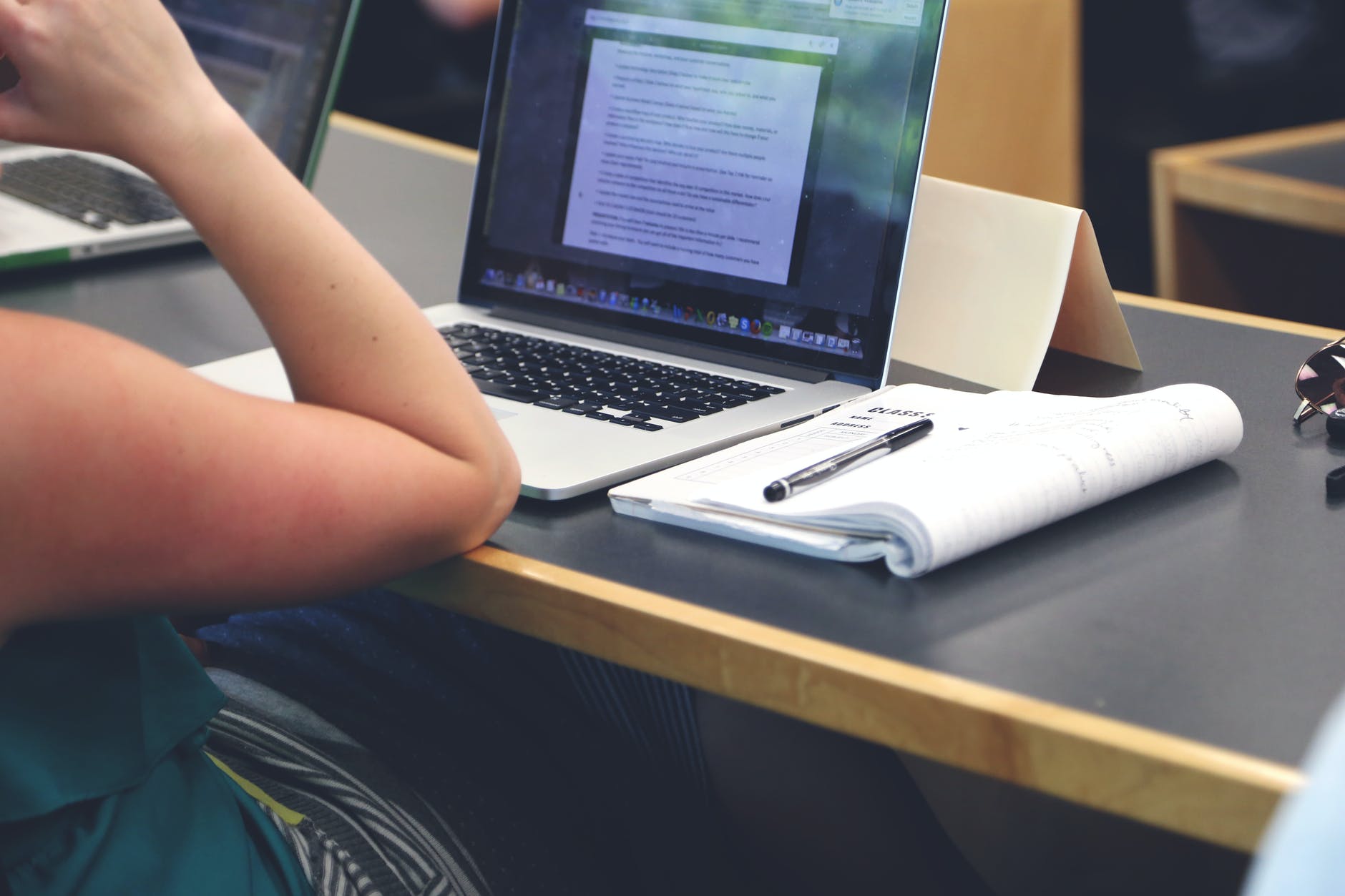
With the rise of the pandemic and the extended lockdown, educational institutions have been prompted to shift towards online teaching. While initially digital classrooms seem to be a great alternative, whether it can successfully replace traditional classroom teaching is a question yet to be answered. Online teaching has also posed a threat to students belonging to the economically backward sections of the society. In a country like India, a great percentage of students do not have the access to such means or find it difficult to avail those options.

Photo by Startup Stock Photos on Pexels.com

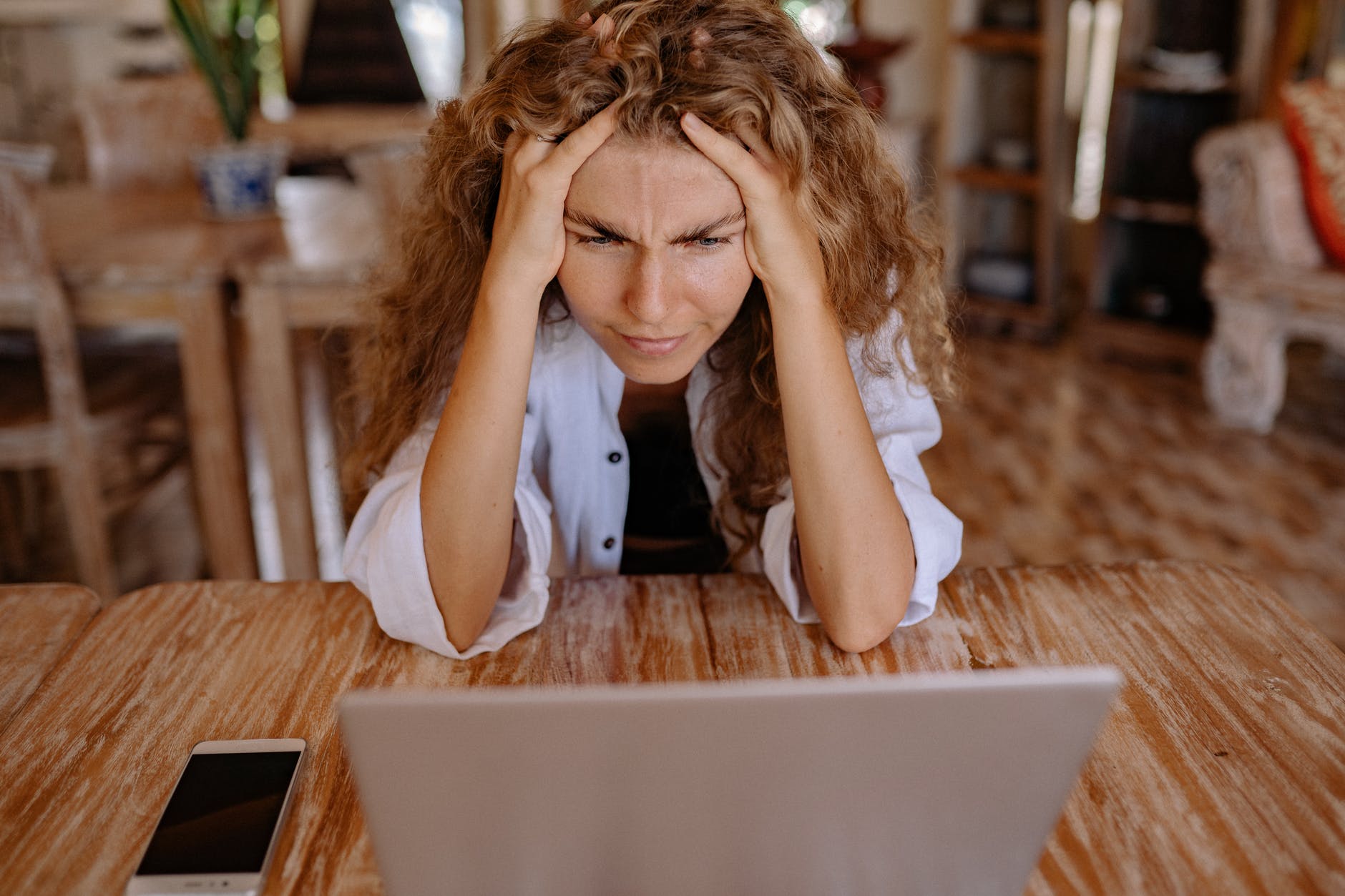
According to survey findings there is a noticeable change in behavior and habits following the forced lockdown among the school goers. The sleep cycle and sleeping pattern of nearly 50 per cent children have been disturbed. It also indicates that 13 per cent of children have no regular pattern of sleeping. As a result, 67 per cent of parents think that their child’s screen time has gone up by at least 50 per cent during the lockdown. Increased screen time is known to severely affect concentration levels and leading to insomnia and other sleep disorders. The fear of pandemic has affected children in the worst way, nearly 40 per cent of the children who were surveyed, have been known to have mental health and unaddressed anxiety issues.

Schools and Colleges have set timetable in such a way so that there are breaks in between classes but because of network connectivity issues, students have started logging in earlier, which have lessened the break times. A teacher said in an interview, “In the first month, things were fine but with time students are losing interest and a kind of boredom is setting in even for the bright kids. For students in senior classes or those who will appear for board exams there is pressure from teachers and parents which is taxing.” After attending classes online, many students are also sitting for online tuition or extracurricular activity classes.

Teachers of many schools have reported that students have become “more subdued” in class and their energy levels have decreased than before. According to psychiatrists and teachers, months of being inside and attending classes from within the screen has made students “fatigued” and “demotivated.” Even students who are academically strong have not been responding in class like before, teachers said. They have observed that the “naughty and mischievous” ones who would always be up to some mischief in classrooms have become “quiet and subdued” during online classes.

Photo by Yan on Pexels.com

Psychiatrist Jai Ranjan Ram said to a newspaper, “Teachers are trying but online classes are not the same as what school was for children. No wonder they are feeling demotivated and fatigued. They have to attend continuous classes on the screen, at times not on laptops but on phones. All this while there is monotony of the same environment. It’s difficult to maintain a sense of well-being. In an online class the nuances of non-verbal communication are completely lost.”

Sneha Priya S, Co-Founder & CEO of SP Robotic Works, has said, “Covid has proven to be the turnstile for education in India. The current situation has unearthed the immense potential of platforms with experiential and interactive learning which engage children in practical tasks and logical reasoning.”

In a physical classroom, students and teachers would even discuss things not related to academics and eagerly share their experiences. While there are downsides, there are also some positive aspects to it. Educational institutions have been closed for months at a stretch. With online classes there is the possibility to catch up with studies. Many students feel that at least in an online mode there is some form of interaction which helps them in these trying times. Online classes have made possible for students and teachers to get back to their routines within safe conditions. They also provide students with something to look forward to everyday. But amidst the current social conditions, students long to go back to their campuses. As we adjust to the ‘new normal’ many young people who are at the beginning of their career are also uncertain of what challenges they might face in the future.