
The perfect life of a student

Photo by Tirachard Kumtanom on Pexels.com

The life of a student is often seen as the “perfect life”. There is not much complexity to their life. After all, what they have to do is get up, get dressed, have their breakfast made by their mom and then rush to school without worrying about anything else. After their school, they return home, having everything prepared for them by their parents. What a perfect life, isn’t it? Nothing to worry about or to stress about! Everything they need is fulfilled by their parents. But in reality, is this what a student actually feels? Well, of course not! It’s only the point of view of everyone excluding the student himself who actually goes through the so- called “perfect life”? Let’s look more into it.

Nobody ever has a perfect life. Everybody has something that he wishes was not the way it is.

Stan Lee


The very notion of a “Perfect Life” is flawed. Nobody ever on the surface of earth has had a “perfect life”. Each and every person has been through or is going through some or the other kind of problem in their life. As in the case of students, the major issue faced by them is society’s expectations from them. As easy as it seems to have a student life, in reality it is nothing but a burden in today’s world. People, especially in many cases the parents, have high expectations from their children. They want their child to become doctor, engineer, administrative officials, etc., as per their expectations without paying any interest to what the child actually wants to do. Sometimes they force their child to take unnecessary tuitions and courses at an early age just to compete with others and to fulfill their expectations regardless of the child’s wish. This behavior, as normal and beneficial may seem, isn’t that encouraging and promising. Such behavior creates a stressful environment for the child who is subject to constant nagging and scolding if he/she defies the parents wish.

Photo by Pixabay on Pexels.com


The stress of exams is an additional issue that overcrowds the mind of a student. The need to complete the syllabus in time without leaving behind any portion, the need to complete the assignments in time, the need to be the best student in front of the teacher’s eyes and above all the need to fulfill the dreams of their parents are some of the never-ending thoughts which constantly consume the mind of a student. A student has to go through many hurdles in order to satisfy the wants of the society. Career options revolving around any kind of art form, fashion designing, management courses, etc., are still seen to be inferior to that of doctor and engineer. If both parents are doctors, then the child has to become a doctor as per the social tradition cum orthodox. It is not new that children are at risk to many mental health issues due to this reason. Mental health deterioration in children is often neglected in the society which in turn, results in some severe damage to the emotional capability of a child. Failure in exams is still one of the top reasons behind suicide and depression in India. Apart from all this, a child subject to all this kind of stress, when does not get proper aid and time from the parents, becomes prey to ADHD and in some cases, turns to alcohol and drugs which results in nothing but self-destruction. Mental health of a student is as important as the physical health in order to gain prosperity. The increasing levels of competition and stress, the constant nagging by the society to win in this so-called “rat race” takes a toll on the mental health of a student. Comparison with other students, no matter how constructively be suggested, results in self-doubt within the students.


In conclusion, no matter how easy the life of a student may seem, in reality it is not a cakewalk! The burden of fulfilling the wishes of the parents and the society results in nothing more than unnecessary stress, confusion and self-doubt. Thus, the parents need to be aware of the unwanted pressure they are putting on their child’s shoulder and rather be more attentive and invested in their child’s wishes and dreams.

Children are not thing to be molded, but people to be unfolded.

-Jess Lair

What is Cyberbullying and how to deal with it?

Photo by Valery on Pexels.com

Cyberbullying is a form of online harassment or bullying using electronic means.  It has become increasingly common, especially among teenagers. Cyberbullying includes sending, posting, or sharing negative, harmful, false, or mean content about someone else. It can include sharing personal or private information about someone else 
The most common places where cyberbullying occurs are:

• Social Media, such as Facebook, Instagram etc.

• Text messaging and messaging apps on mobile or tablet devices

• Online forums, chat rooms, and message boards, such as Reddit

• Email

• Online gaming communities

How we can stop or prevent cyberbullying?
1) Don’t respond to any emails, app messages, or text messages sent by cyberbullies.
2) Don’t be an accomplice by forwarding any of the messages to others kids.
3) Take screeshots as proof and evidence of cyberbullying.
4) If you are being bullied, tell an adult to get help solving the problem.

What is Cyber Crime?


Cyber crime is any criminal related activity done by a person using a computer or network. It can also be defined as any illegal activity done via the internet. Offences that are committed against individuals or group of individuals with a criminal motive to imtentionally harm the reputation of the victim or cause physical or mental harm using modern telecommunication networks such as Internet (e – mails, chat rooms, etc) and mobile phones(bluetooth, sms, mms) is termed as cyber crime.

Listed below are some ways to prevent Cyber Crime:

1)Strong password

Passwords should be of eight characters (including a combination of letters, numbers and symbols).

2) Ensure your software is up-to-date

3) Don’t fall for pop-ups

If an email or pop-up window asks you to enter username or password, don’t do it. Instead, open your browser and visit the site directly.

4) Secure your internet network with a strong encryption passwoed and a VPN

5) Educate yoir children about internet risks

Communicate with them and assure them that they can come to you if they face any stalking, bullying or online harassment.

6) Protect your financial data

Remember this: Legitimate banks or companies will never ask for any personal details or ask you to transfer money into an account.

7) If you fall victim to Cyber crime, then:

a) contact the banks or companies where the fraud occured.

b) place fraud alerts and get your credit reports

c) register complaint with cyber cell or local police station


The negative impact of Television and Internet on Children

Photo by cottonbro on Pexels.com

Children are being negatively impacted because of exposure to tv and internet. Today kids spend more time watching tv or on phone which tends to slow down thier metabolism rate. Infact browsing stuffs online to playing games all day can make  them dull and unproductive. Spending insignificant amount of time on tv and internet can make children suffer from lack of sleep and cause serious health problems. Henceforth, a healthy balance and strict timetable needs to be devised by parents which should restrict the amount of time a child spends on tv and internet. For instance, a child can watch educational videos on youtube which can help them to understand their lessons better or can watch news on tv to get equipped with current affairs apart from just playing games or watching cartoons. Limiting the amount of time being spent on tv and internet, parents can involve their children in other healthy activities such as practising yoga or taking up a sport or say learning a new musical instrument. That way a child can do better not only in his academics but can also excel in other creative artforms

The Anthropocene

The Earth is divided into geological time scales, each denoting events that occurred in Earth’s geological history, by scientists. The scale begins with the formation of the Earth about 4.5 billion years ago, known as “Hadean”. The current geological epoch is known as the “Holocene”, which began approximately 11,700 years ago. The Holocene epoch is characterized by the rapid proliferation and spread of the human species on Earth. The “Anthropocene” is a proposed epoch that follows the Holocene and marks the period when human activity has started to have a significant impact on the planet’s ecosystem. The term “Anthropocene” was first proposed by the Dutch chemist Paul J. Crutzen and American biologist Eugene F. Stoermer (Crutzen & Stoermer 2000) to denote the current period in Earth’s geological history wherein, instead of the environment shaping humans it is the humans who are shaping and drastically altering the environment.

The Anthropocene, according to Steffen et al. is divided into three periods (616). It begins with the industrial revolution, wherein man first harnessed the energy of fossil fuels, coal, and oil and gas. The extensive use of the newfound wealth of energy in the form of fossil fuels stamped a significant imprint on Earth’s environment, evident in the increase in deforestation and rise in the concentration of methane, carbon dioxide, and nitrous oxide in Earth’s atmosphere (616). The second period, from 1945-to 2015, is known as the “great acceleration”. This period is characterized by an exponential increase in the impact of humans on the Earth system. An increase in the population of humans and an increase in industrialization resulted in a substantial increase in the concentration of greenhouse gases in Earth’s atmosphere (618). The third period, from 2015 onwards, is known as “stewards of Earth’s system”. This period is marked by the recognition of Anthropogenic influences on the Earth system and the subsequent filtration of this growing awareness on decision-making processes (618).

The major problem represented by the Anthropocene is the radical shifts in Earth’s temperature and biodiversity. These shift include global warming, extinction of species, habitat loss, and changes in the chemical composition of oceans and soils. Other probelms inlclude sustenance of human vices like greed, indifference, and intemperance.

There are, according to Steffen et al., three philosophical approaches to dealing with these problems. Firstly, is the business-as-usual philosophy (619), which employs a laissez-faire mindset when dealing with the changing global environment. The second is mitigation which is “based on the recognition that the threat of further global change is serious enough that it must be dealt with proactively” (619). And the third option is geoengineering (619), which attempts to solve the problem of climate change with technology.

Works cited

Crutzen, Paul J. and Eugene F. Stoermer 2000. The “Anthropocene.” Global Change Newsletter (41): 17–18.

Steffen, Will, et al. “The Anthropocene: Conceptual and Historical Perspectives.” Philosophical Transactions of the Royal Society A: Mathematical, Physical and Engineering Sciences, vol. 369, no. 1938, 2011, 842–67. Crossref, https://doi.org/10.1098/rsta.2010.0327.

Steffen, Will, Paul J. Crutzen, et al. “The Anthropocene: Are Humans Now Overwhelming the Great Forces of Nature.” AMBIO: A Journal of the Human Environment, vol. 36, no. 8, 2007, 614–21. Crossref. https://doi.org/10.1579/0044-7447(2007)36[614:taahno]2.0.co;2

MOB VIOLENCE AND LYNCHING

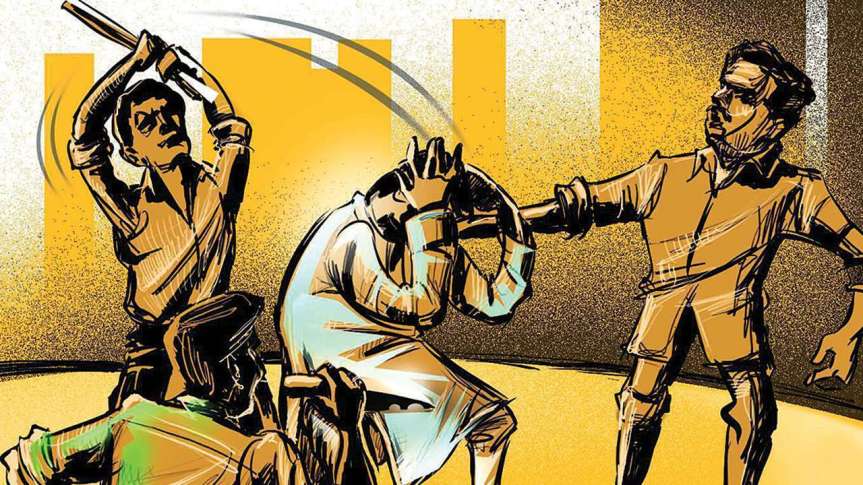
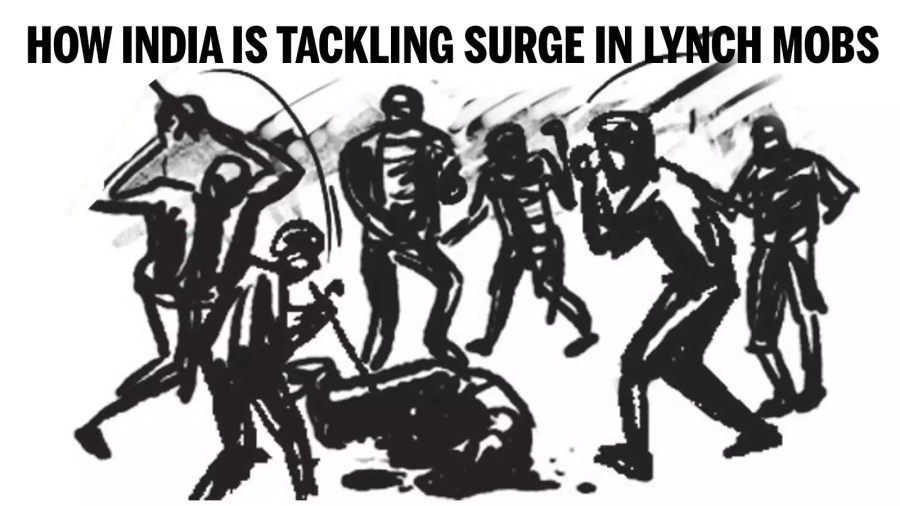
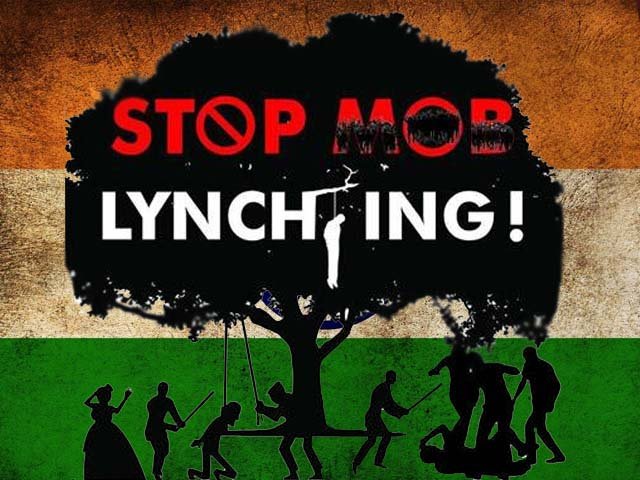
Mob Violence or Lynching is one of the major challenges to State authority. Though it can be done by group of people in rage, typically it involves vigilante group, i.e. self-appointed doer of justice, who keep watch over people and punish them in their own way (Vigilantism). In both forms, it goes against the rule of law and notion of a civilized society due to the destructive expression of emotions in it for immediate gratification.

About Mob Violence/lynching 

Mob Violence or Mob Lynching is defined as targeted homicidal aggression, including killing, against a person/s by a group of people or mob to Punish for a crime actually committed or mere suspicion based on allegations or misinformation.

Fundamentally, it is seen in two ways as- 

  • Defence of society, i.e. protest against anarchy, due to failure of law enforcement agencies in curbing the issues of cow theft, kidnapping, crimes etc. or 
  • Offence against society, i.e. return of anarchy, as it goes against the fundamental principle of law, i.e. what the law provides must be taken by lawful means. Self-appointed people holds no right to undertake law enforcement 

Ethically, it goes against the moral principles like fairness and reasonableness. If it is not controlled, it may give rise to social hatred with increased tendency of mass criminal outburst, ultimately leading to a state of anarchy.

Reasons behind Lynching

  • Religious Beliefs or Principles: Being a multi-religious society, the religious beliefs or principles play an important role with imposition of one’s beliefs on others.
  • Socio-cultural Influences: This includes the historical socio-cultural norms or moral principles which govern a person’s behaviour or attitude towards an action. E.g. From 2000-2012, nearly 2,097 lynching due to witchcraft were reported from 12 states of India. 
  • Feelings of Fear or Hate: Often, the rumours of being kidnappers or actual action of person/s give rise to lynching. E.g. the killing of Sadhus in Palghar on rumour.
  • Lack of trust in the efficacy of laws: Either due to dissatisfaction from implementation of laws or judicial delays, mob justice is seen by non-state actors as a discharge of public duty.

Solution to Lynching 

In Tehseen Poonawalla vs UOI (2018), Supreme Court issued preventive, remedial and punitive guidelines to deal with mob violence and lynching . Calling it a “horrendous act of mobocracy”, the Supreme Court also asked Parliament to establish lynching as a separate offence with punishment. Presently, it is mainly dealt under various sections of IPC with a handful of states taking legal initiatives.

  • Societal Approach: Regulation of social behavior is the first step to stop mob violence and protect rights conferred to the citizens.
  • Governmental Approach: Apart from bringing laws and guiding society on social behaviour, the government should apply emotional intelligence to handle conflicts with equal condemnation of social and political violence to avoid revenge tendencies. 
  • People-centric Approach: As the people make society and government, people must seek true freedom through a life based on reason (objectivity or rational will), self-control and virtues of empathy, compassion, and humanity.

Caste based Census

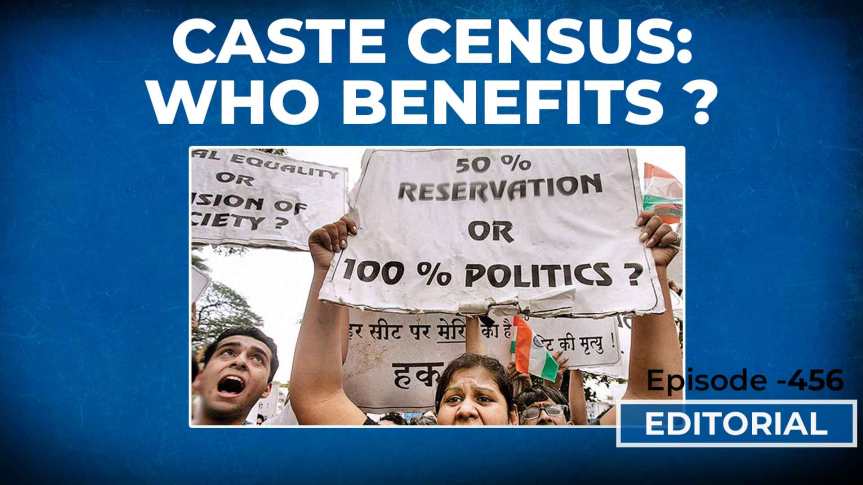
Bihar government has announced that it will undertake a socio-economic survey of all castes and communities (SECC). The Socio-Economic and Caste Census (SECC) was conducted in 2011 for the first time since 1931. SECC is meant to canvass every Indian family, both in rural and urban India, and ask about their:

  • Economic status, so as to allow Central and State authorities to come up with a range of indicators of deprivation, permutations, and combinations of which could be used by each authority to define a poor or deprived person.
  • It is also meant to ask every person their specific caste name to allow the government to re-evaluate which caste groups were economically worse off and which were better off.
  • SECC has the potential to allow for a mapping of inequalities at a broader level.

The Census provides a portrait of the Indian population, while the SECC is a tool to identify beneficiaries of state support. Since the Census falls under the Census Act of 1948, all data are considered confidential, whereas according to the SECC website, “all the personal information given in the SECC is open for use by Government departments to grant and/or restrict benefits to households.”

Pros

  • Helpful in Managing Social Equity Programmes: India’s social equality programmes cannot be a success without the data and a caste census would help fix that.
  • Due to the lack of data, there is no proper estimate for the population of OBCs, groups within the OBCs and more.
  • Census enumeration would yield a wealth of demographic information (sex ratio, mortality rate, life expectancy), educational data (male and female literacy, ratio of school-going population, number of graduates) and policy relevant information about economic conditions (house-type, assets, occupation) of the OBCs’.
  • A caste-based census could go a long way in bringing a measure of objectivity to the debate on reservations.

Cons:

  • Caste has an emotive element and thus there exist the political and social repercussions of a caste census. There have been concerns that counting caste may help solidify or harden identities.
  • Caste Is Context-specific: Caste has never been a proxy for class or deprivation in India, it constitutes a distinct kind of embedded discrimination that often transcends class. For example:
  • People with Dalit last names are less likely to be called for job interviews even when their qualifications are better than that of an upper-caste candidate.
  • They are also less likely to be accepted as tenants by landlords. Thus, difficult to measure.
  • Marriage to a well- educated, well-off Dalit man still sparks violent reprisals among the families of upper-caste women every day across the country.

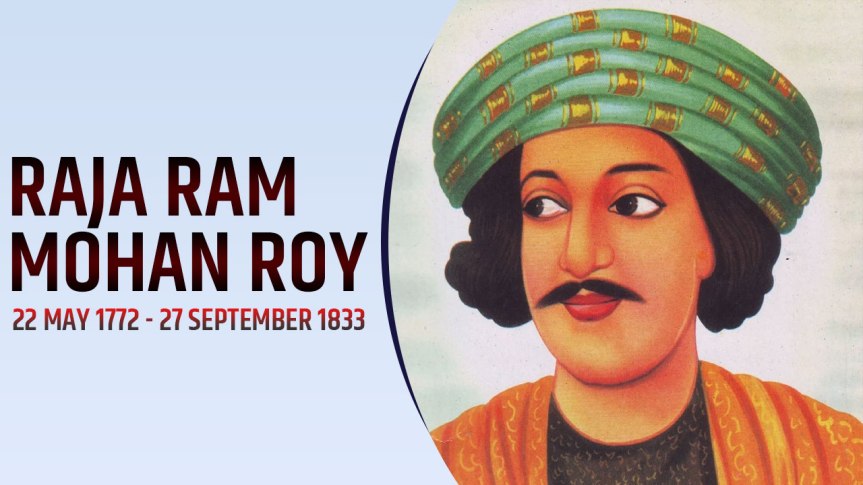
Raja Ram Mohan Roy

Raja Ram Mohan Roy was the father of Modern India’s Renaissance and a tireless social reformer who inaugurated the age of enlightenment and liberal reformist modernisation in India.

Life:

  • Raja Ram Mohan Roy was born on 22nd May 1772 in Bengal. His early education included the study of Persian and Arabic at Patna where he read the Quran, the works of Sufi mystic poets and the Arabic translation of the works of Plato and Aristotle.
  • From 1803 to 1814, he worked for East India Company as the personal diwan first of Woodforde and then of Digby.
  • In 1814, he resigned from his job and moved to Calcutta in order to devote his life to religious, social and political reforms.
  • In November 1830, he sailed for England to be present there to counteract the possible nullification of the Act banning Sati.
  • Ram Mohan Roy was given the title of ‘Raja’ by the titular Mughal Emperor of Delhi, Akbar II whose grievances the former was to present before the British king.
  • In his address, entitled ‘Inaugurator of the Modern Age in India,’ Tagore referred to Ram Mohan as ‘a luminous star in the firmament of Indian history’.

Ideology:

  • Ram Mohan Roy was greatly influenced by western modern thought and stressed on rationalism and modern scientific approach.
  • He believed that religious orthodoxies have become causes of injury and detrimental to social life and sources of trouble and bewilderment to the people, instead of tending to the amelioration of the condition of society.
  • He believed in social equality of all human beings and thus was a strong opposer of the caste system.
  • Ram Mohan was attracted to Islamic monotheism. He said that monotheism is also the fundamental message of Vedanta.
  • His idea of a single, unitarian god was a corrective to the polytheism of orthodox Hinduism and to Christian trinitarianism. He believed that monotheism supported one universal model for humanity.
  • Raja Ram Mohan Roy believed that unless women were freed from unhuman forms of oppression like illiteracy, child marriage, sati, purdah, Hindu society can not progress.
  • He characterised sati as the violation of every humane and social feeling and as symptomatic of the moral debasement of a race.

Contributions

Religious reforms:

  • Raja Ram Mohan Roy’s first published work Tuhfat-ul-Muwahhiddin (a gift to deists) published in 1803 exposed irrational religious beliefs and corrupt practices of the Hindus as the belief in revelations, prophets, miracles etc.
  • In 1814, he founded Atmiya Sabha in Calcutta to campaign against idolatry, caste rigidities, meaningless rituals and other social ills.
  • He criticized the ritualism of Christianity and rejected Christ as the incarnation of God. In Precepts of Jesus (1820), he tried to separate the moral and philosophical message of the New Testament, which he praised, from its miracle stories.

Social reforms:

  • Raja Ram Mohan Roy conceived reformist religious associations as instruments of social and political transformation.
    • He founded the Atmiya Sabha in 1815, the Calcutta Unitarian Association in 1821, and the Brahmo Sabha in 1828 which later became the Brahmo Samaj.
    • He campaigned against the caste system, untouchability, superstitions and use of intoxicants.
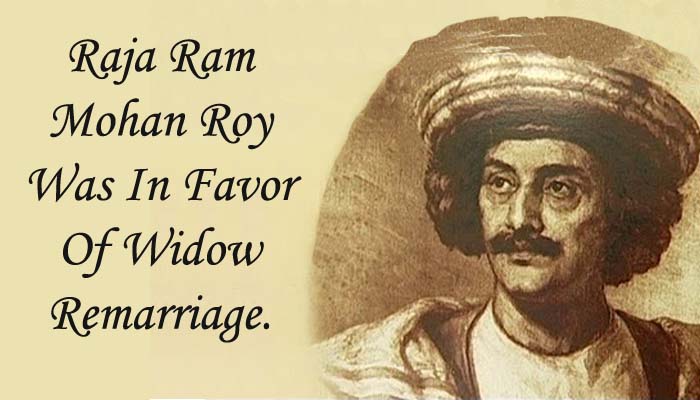
    • He was well known for his pioneering thought and action on the emancipation of women and especially on the abolition of sati and widow remarriage.
    • He attacked child marriage, illiteracy of women and the degraded state of widows and demanded the right of inheritance and property for women.

Educational reforms:

  • He supported David Hare’s efforts to the Hindu College in 1817, while Roy’s English school taught mechanics and Voltaire’s philosophy.
  • In 1825, he established Vedanta college where courses in both Indian learning and Western social and physical sciences were offered.

Economic and Political Reforms:

  • Civil liberties: Roy was impressed and admired the British system of constitutional government for the civil liberties it gave to the people. He wanted to extend the benefits of that system of government to Indian people.

Press freedom: 

Through his writings and activities, he supported the movement for free press in India. When press censorship was relaxed by Lord Hastings in 1819, Ram Mohan found three journals- The Brahmanical Magazine (1821); The Bengali weekly, Samvad Kaumudi (1821); and the Persian weekly, Mirat-ul-Akbar.

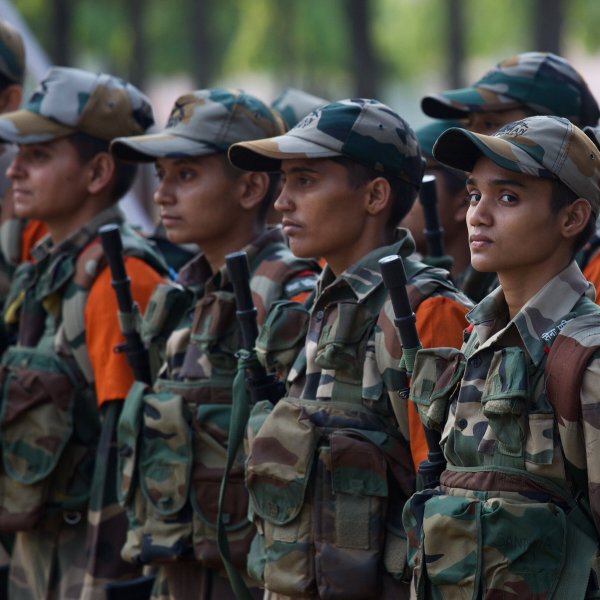
Representation of Women in Armed Forces

Recently, Captain Abhilasha Barak, created history by becoming the first woman officer to join the Army Aviation Corps as a Combat Aviator (pilot).

Captain Barak has been assigned to the second flight of the 2072 Army Aviation Squadron that operates the Dhruv Advanced Light Helicopter (ALH). While women officers in the Indian Air Force and the Indian Navy have been flying helicopters for long, the Indian Army paved the way for women pilots in 2021 by starting the ‘Army Aviation course’.

Army Aviation Corps is the component of the Indian Army which was established on 1st November, 1986, headed by a director-general at the Army headquarters in New Delhi.

It was inducted into ‘Operation Pawan’ which was a crucial test for the newly formed corps.

The Army Aviation Corps of the Indian Army primarily carries out the evacuation of the injured troops during operations or health emergencies in the high-altitude areas.

State of Women’s Representation in the Military

  • The Army, Air Force and Navy began inducting women as short-service commission (SSC) officers in 1992. This was the first time when women were allowed to join the military outside the medical stream.
  • One of the turning points for women in the military came in 2015 when Indian Air Force (IAF) decided to induct them into the fighter stream.
  • In 2020, the Supreme Court (SC) ordered the central government to grant permanent commission (PC) to women officers in the Army’s non-combat support units on par with their male counterparts.
  • In early 2021, the Indian Navy deployed four women officers on warships after a gap of almost 25 years.
  • There are 9,118 women currently serving the army, navy and air force.
  • According to 2019 figures, women comprise only 3.8% of the world’s second-largest army – compared to 13% of the air force and 6% of the navy.

Significance

  • Gender is not a Hindrance: As long as an applicant is qualified for a position, one’s gender is arbitrary. In modern high technology battlefield technical expertise and decision-making skills are increasingly more valuable than simple brute strength.
  • Military Readiness: Allowing a mixed gender force keeps the military strong. The armed forces are severely troubled by falling retention and recruitment rates. This can be addressed by allowing women in the combat role.
  • Effectiveness: The blanket restriction for women limits the ability of commanders in theatre to pick the most capable person for the job.
  • Tradition: Training will be required to facilitate the integration of women into combat units. Cultures change over time and the masculine subculture can evolve too.
  • Global Scenario: When women officially became eligible for combat positions in the American military in 2013, it was widely hailed as another step towards the equality of sexes. In 2018, the UK military lifted a ban on women serving in close combat ground roles, clearing the way for them to serve in elite special forces.

The United States, Israel, North Korea, France, Germany, Netherlands, Australia and Canada are among the global militaries that employ women in front-line combat positions.

It is the right of every woman to pursue a career of her choice and reach the top since Equality is a constitutional guarantee.

Surrogacy

Recently, a petition was filed before Delhi High Court, challenging the exclusion of a single man and a woman having a child from surrogacy and demanding commercial surrogacy’s decriminalisation.

The Petitioner argued that the personal decision of a single person about the birth of a baby through surrogacy,a is a facet of the right to privacy guaranteed under Article 21 of the Constitution. Thus, the right of privacy of every citizen or person to be free from unwarranted governmental intrusion into matters fundamentally affecting a decision to bear or beget a child through surrogacy cannot be taken away.

What is Surrogacy?

About:

  • Surrogacy is an arrangement in which a woman (the surrogate) agrees to carry and give birth to a child on behalf of another person or couple (the intended parent/s).
  • A surrogate, sometimes also called a gestational carrier, is a woman who conceives, carries and gives birth to a child for another person or couple (intended parent/s).

Altruistic surrogacy:

  • It involves no monetary compensation to the surrogate mother other than the medical expenses and insurance coverage during the pregnancy.

Commercial surrogacy:

  • It includes surrogacy or related procedures undertaken for a monetary benefit or reward (in cash or kind) exceeding the basic medical expenses and insurance coverage.

Surrogacy (Regulation) Act, 2021

Provisions:

  • Under the Surrogacy (Regulation) Act, 2021, a woman who is a widow or a divorcee between the age of 35 to 45 years or a couple, defined as a legally married woman and man, can avail of surrogacy if they have a medical condition necessitating this option.
  • It also bans commercial surrogacy, which is punishable with a jail term of 10 years and a fine of up to Rs 10 lakhs.
  • The law allows only altruistic surrogacy where no money exchanges hands and where a surrogate mother is genetically related to those seeking a child.

Challenges:

The exploitation of the Surrogate and the Child:

  • One could argue that the state must stop the exploitation of poor women under surrogacy and protect the child’s right to be born. However, the current Act fails to balance these two interests.

Denies Legitimate income to Surrogates:

  • Banning commercial surrogacy also denies a legitimate source of income of the surrogates, further limiting the number of women willingly to surrogate.
  • Overall, this step indirectly denies children to the couples choosing to embrace parenthood.

Emotional Complications:

  • In altruistic surrogacy, a friend or relative as a surrogate mother may lead to emotional complications not only for the intending parents but also for the surrogate child as there is great deal of risking the relationship in the course of surrogacy period and post birth.
  • Altruistic surrogacy also limits the option of the intending couple in choosing a surrogate mother as very limited relatives will be ready to undergo the process.

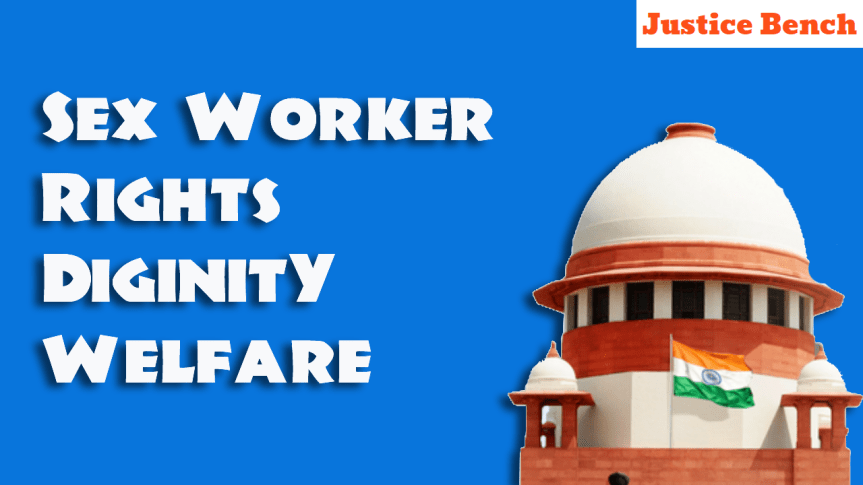
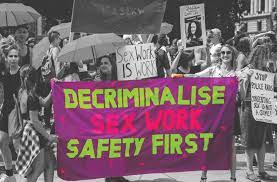
SC Recognises Sex Work as a Profession

Recently, in a significant order, Supreme Court has recognised sex work as a “profession” and observed that its practitioners are entitled to dignity and equal protection under the law. The court invoked its special powers under Article 142 of the Constitution. 

Highlights of the Supreme Court Judgment

Sex workers are entitled to equal protection of the law and criminal law must apply equally in all cases, on the basis of ‘age’ and ‘consent’.

  • When it is clear that the sex worker is an adult and is participating with consent, the police must refrain from interfering or taking any criminal action.
  • Sex workers should not be “arrested or penalised or harassed or victimised” whenever there is a raid on any brothel, “since voluntary sex work is not illegal and only running the brothel is unlawful”.

A child of a sex worker should not be separated from the mother merely on the ground that she is in the sex trade.

  • Further, if a minor is found living in a brothel or with sex workers, it should not be presumed that the child was trafficked.
  • In case the sex worker claims that he/she is her son/daughter, tests can be done to determine if the claim is correct and if so, the minor should not be forcibly separated.

The media should take “utmost care not to reveal the identities of sex workers, during arrest, raid and rescue operations, whether as victims or accused and not to publish or telecast any photos that would result in disclosure of such identities.

Challenges Faced by Sex Workers

Discrimination and Stigmatisation:

  • The rights of sex workers are non-existent, and those doing such work face discrimination due to their criminalised status.
  • These individuals are looked down upon and have no place in society, and most times are treated harshly by their landlords and even the law.

Abuse and Exploitation:

  • Most times, sex workers are exposed to a slew of abuses that range from physical to mental attacks.
  • They would face harassment from clients, their own family members, the community, and even from people who are supposed to uphold the law.

Indira Gandhi Shahri Rozgar Guarantee Yojana

The Rajasthan government has come up with the job description under its much-touted Indira Gandhi Shahri Rozgar Guarantee Yojana. Announcing the employment scheme for urban areas on the lines of Mahatma Gandhi NREGA.

While MGNREGA assists people in rural areas, there is no such scheme for street vendors and those working at dhabas and restaurants in urban areas.

About:

  • Under the scheme, 100 days of employment per year will be provided to families residing in urban areas.
  • The ratio of cost of material to payment for labour work of “general nature” will be in the ratio of 25:75, while for special works, it will be 75:25.

Eligibility:

  • All those aged between 18 and 60 years and residing within urban body limits are eligible for the scheme, and in special circumstances such as a pandemic or a calamity, migrant labourers may be included.

Significance of Urban Employment Schemes?

  • Ensures social inclusion by strengthening the livelihood base of rural poor.
  • It gives urban residents a statutory right to work and thereby ensures the right to life (Art 21) guaranteed under the Constitution.
  • It provides employment for skilled and unskilled workers among urban youth and addresses the concerns of underemployment and unemployment.
  • Such programmes can bring in much-needed public investment in towns, which, in turn, could boost local demand, improve the quality of urban infrastructure and services, restore urban commons, skill urban youth, and increase the capacity of ULBs.

Six books about Black lives in American fiction

359 Racism Protest Illustrations & Clip Art - iStock

Racial discrimination is one of the social evils which had took the lives of a whole lot of innocent people. This evil has not only killed people, it has also made life miserable for many. Even the so called “most civilized society” in the world could not free itself from this social evil and in fact it has been stage for the most alarming cases we had ever heard. There were a whole lot of legislations implemented aiming to prevent this, and it has helped at least for developing a public opinion against racial discrimination.

People around the world have raised their voice against this evil in whatever ways possible and one such strong means was through literature. Several authors have shared either their experiences or some strong stories which had acted as an eye opener for many people. The realistic stories have created an empathetic attitude among general public. Some books are:

The help

The Help is a historical fiction novel by American author Kathryn Stockett. The story is about African Americans working in white households in Jackson, Mississippi, during the early 1960s. The thrust of the book is the collaborative project between the white Skeeter and the struggling, exploited “colored” help, who together are writing a book of true stories about their experiences as the ‘help’ to the white women of Jackson. Not all the stories are negative, and some describe beautiful and generous, loving and kind events; while others are cruel and even brutal. The book, entitled “Help” is finally published, and the final chapters of “The Help” describes the aftermath of the book’s success.

To kill a mocking bird

o Kill a Mockingbird is a novel by the American author Harper Lee. The plot and characters are loosely based on Lee’s observations of her family, her neighbors and an event that occurred near her hometown of Monroeville, Alabama, in 1936, when she was ten. The historian Joseph Crespino explains, “In the twentieth century, To Kill a Mockingbird is probably the most widely read book dealing with race in America, and its main character, Atticus Finch, the most enduring fictional image of racial heroism.” However, reaction to the novel varied widely upon publication.

Uncle tom’s cabin

Uncle Tom’s Cabin; or, Life Among the Lowly is an anti-slavery novel by American author Harriet Beecher Stowe. Published in two volumes in 1852, the novel had a profound effect on attitudes toward African Americans and slavery in the U.S., and is said to have “helped lay the groundwork for the American Civil War”. This is one great book which could not be ignored while we discuss racism.

Roots: The Saga of an American

Roots: The Saga of an American Family is a 1976 novel written by Alex Haley. It tells the story of Kunta Kinte, an 18th-century African, captured as an adolescent, sold into slavery in Africa, and transported to North America; it follows his life and the lives of his descendants in the United States down to Haley. It stimulated interest in African American genealogy and an appreciation for African-American history.

The color purple

The Color Purple is a 1982 epistolary novel by American author Alice Walker which won the 1983 Pulitzer Prize for Fiction and the National Book Award for Fiction. The story revolves around Celie a young poor, uneducated 14-year-old African-American teenager girl living in the Southern United States in the early 1900s. The novel has been the frequent target of censors and appears on the American Library Association list of the 100 Most Frequently Challenged Books of 2000–2009 at number seventeenth because of the sometimes-explicit content, particularly in terms of violence.

Beloved

Beloved is a 1987 novel by the American writer Toni Morrison. Set after the American Civil War, it tells the story of a family of formerly enslaved people whose Cincinnati home is haunted by a malevolent spirit. Beloved is inspired by an event that actually happened: Margaret Garner, an enslaved person in Kentucky, who escaped and fled to the free state of Ohio in 1856. She was subject to capture in accordance with the Fugitive Slave Act of 1850; when U.S. marshals burst into the cabin where Garner and her husband had barricaded themselves, she was attempting to kill her children, and had already killed her two-year-old daughter, to spare them from being returned to slavery.

It is of severe concern that even in today’s world where borders merely exist, people are discriminated and even killed on grounds of their color, caste, creed or race. These books could be an eye opener for all those who believe themselves to be superior than others merely on ground of their genetic roots.

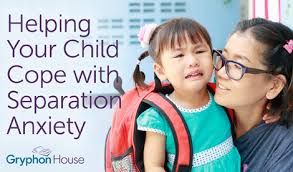
How to manage separation anxiety in children.

As a parent, it’s sometimes hard to be away from your kids. But it’s an indescribable, heartwarming feeling when you return – their smiles, the running to you with open arms, their tiny arms squeezing your neck. Whether you’ve been gone ten minutes or two days, that moment, this sweet reward, is everything.But what if reunions aren’t possible because the goodbyes are too much for your child to bear? If goodbyes are full of tears and fits, your little one might have separation anxiety.

Separation anxiety is a normal part of development that occurs when toddlers begin to grow more aware and develop stronger relationships with their caregivers. This awareness can make them more apprehensive and possibly feel unsafe without their parent or caregiver.Whether it’s dropping your child off at day-care or leaving your child at home as you head out to work, farewells can be difficult. Your child may understand that mommy and daddy didn’t vanish, but they might not know for how long. All they know is that they feel safest when you’re around.

When does it begin?

Separation anxiety typically develops before age 1 and peters out around age 3, but it can be experienced by older children and young adults as well—particularly during major life changes like transitioning to high school or leaving for college. Certain life stressors can trigger feelings of anxiety about being separated, such as divorce, loss of a pet, new caregiver, a new sibling, a new school or moving to a new place.

Separation anxiety can be normal and temporary. Although it can be difficult for your child, and for you as their parent, remember this indicates a strong attachment between you and your child.However, if you notice your child’s anxiety starts affecting their daily life and academics, talk to their doctor. Things like stomach aches, vomiting, headaches, constant worry about losing you or a loved one to a disease or illness or a reluctance to sleep away from you may be a sign of a more serious emotional problem called separation anxiety disorder (SAD. The main difference between the two is that with SAD their fears keep them from normal activities. Adult separation anxiety can have an onset in childhood or adulthood. Similar to other anxiety disorders, adult separation anxiety can affect your quality of life, but the condition can be managed with treatment. Talk to a medical professional if you suspect you or someone you love is living with this disorder.

Common causes of separation anxiety disorder

Separation anxiety disorder occurs because a child feels unsafe in some way. Take a look at anything that may have thrown your child’s world off balance, made them feel threatened, or upset their normal routine. If you can pinpoint the root cause—or causes—you’ll be one step closer to helping your child through their struggles.Common causes of separation anxiety disorder in children include:

  • Change in environment. Changes in surroundings, such as a new house, school, or day care situation, can trigger separation anxiety disorder.
  • Stress. Stressful situations like switching schools, divorce, or the loss of a loved one—including a pet—can trigger separation anxiety problems.
  • Insecure attachment. The attachment bond is the emotional connection formed between an infant and their primary caretaker. While a secure attachment bond ensures that your child will feel secure, understood and calm enough for optimal development, an insecure attachment bond can contribute to childhood problems such as separation anxiety.

Tips to reduce separation anxiety

Separation anxiety may come and go, but there’s plenty you can do to help ease your child’s symptoms. These tips can help them through this difficult period.

  • Talk to your child in a calm, positive tone. Let your child know what will happen while you are gone, who they will be with and all the fun things they get to do. Even if you feel your child is too young to understand, your positive tone and attitude will send a reassuring message. It may even be helpful to find and read picture books that talk about separation and that goodbyes aren’t forever.
  • Practice separating. Practice leaving your child at home with a caregiver for a short period of time. As time goes on, you can extend the time you are away before returning home.
  • Ease the separation. Leave your child with their favorite stuffed animal or toy.
  • Prepare an activity. Engage your child in a fun activity when the caregiver arrives or ask the daycare teacher to have an activity ready as soon as you drop your child off.
  • Make your goodbye short. Whenever you leave your child or drop them off, keep the goodbye brief. If you act anxious or keep returning for just one more hug or kiss, you may unnecessarily worry your child
  • Follow through on your promise. It’s important that you return when you promised to return as this helps your child build confidence and trust.
  • Aim for consistency. Kids like consistency, so try to schedule the same caregiver whenever possible, so your child feels more comfortable when you leave. Develop a brief, consistent routine for when you leave to create a familiar transition from being with you to being without you.
  • Attention: When separating, give your child full attention, be loving, and provide affection. Then say good-bye quickly despite their antics or cries for you to stay.

Additional tips for older children

Although separation anxiety tends to lower during adolescence, teens can experience it too. it is necessary to make sure an older child still feels safe and emotionally well to start being independent or it can resurface in untimely situations. . Here are some additional tips to help your adolescent child:

  • Acknowledge their fears. Let them know you’re there for them and that uneasy feelings are natural parts of adolescence.
  • Praise them for doing something they are anxious about.
  • Gently encourage, don’t force, them to do things that make them anxious.
  • Wait until your child is anxious before stepping in to help.
  • Remind your child of times when they were initially afraid but still managed to do something.

ENERGY EXTRACTION: FROM NEED TO GREED

Can the World Run on Renewable Energy? - Knowledge at Wharton

There is enough in the world for everyone’s need, but there is not enough to meet everyone’s greed, said Mahatma Gandhi, Father of our nation. By these Mahatmaji is calling our attention towards the greed of the world’s most greedy species, namely the human being. As human beings are the only species which could think and feel, it is also the only species that exploits the nature in any which ways possible for their short-term gain. Ignoring the fact that human beings are comparatively new species when we consider the entire time frame of life on earth, we are behaving as if the entire planet and its resources are solely meant for making human lives easier.

The social and economic development of a country owes a lot to the development of energy resources. Man’s greed and uncontrolled use of these resources has resulted in its depletion and in turn has put a question mark on the future of this beautiful planet.

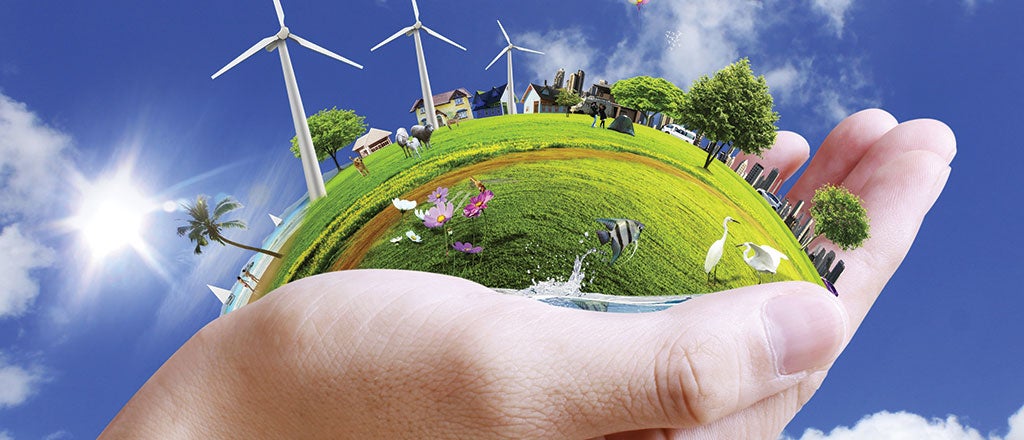
Scientists fear that the conventional energy sources like crude oil, natural gas, etc may become extinct before the end of this century. This has turned man towards the development and promotion of alternate energy resources.

The most important source is solar power because sun is the largest source of energy in this universe. Our country India receives 5000 trillion kilo watt of solar radiation per year. Most part of our country have not less than 300 clear days in a year. It is possible to generate 20 mega watt solar power per square kilometer land area. This energy can be used for a variety of applications like cooking, water heating, water pumping, lighting, etc. Latest innovations have made it possible to run vehicles like cars, trains and even small aircrafts. The German railway, a pioneer in the entire organization will be operated by solar energy by the end of another 25 to 30 years.

Another one is wind power. India now holds a significantly high position in the list of wind power capacity. The gross wind power potential of India is estimated to be above 45000 milli watt, while the present technical is only near one third of this capacity. It should be noted that the government has initiated several plans and policies to make use of this immense potential.

We can also obtain energy from biomass. It includes food and food waste, municipal waste, land fills gas and biogas. The use of Ethanol blended fuel and bio diesel is also an emerging trend which could replace several other means effectively.

Hydro power is also a prospect for the world with two third of the planet covered with water. If widely used hydro power could be generated from the enormous water resources available in this planet by setting up small hydro power plants.

As the eminent scholar professor Yashpal rightly quoted, “we have not inherited this world from our ancestors, but we have borrowed it from our children”. So, it is high time we turn to some alternative energy sources and leave something for our future generation also.