

In UK ,a five month old, baby is turning into a stone due to some unusual diesease. Lexi Robin born on 31 January is ‘turning to a stone’ due some extremely rare genetic diesease .Her X-ray in April shows that she has bunion on her feet and double -jointed thumb.This condition is known as Fibrodysplasia ossificans progresiva (FOB) which turns muscle into bones.Its perceived that such conditions generally turns a body into stone.
Category: Western
The art of cooking
A culinary art is the art of cooking. Cooking is the process of preparing food and meals that will be eaten or the food served to other people.

The word “culinary” is defined as something related to, or connected with, cooking or kitchens. People who are working in the culinary arts are known as culinarians. A person working in restaurants is commonly known as a cook. The skillfully preparation of food and meals that are as pleasing to the palate as to the eye is the responsibility of the Culinary artist. Culinary artists require a lot of knowledge about the science of food they prepare and a good understanding of how diets and nutrition affect people in the preparation of their meals. Culinary artists work in restaurants, hospitals and other institutions where kitchen conditions vary depending on the type of business.
The culinary art is comprised of many categories. Some of which are tools, methods, combination of spices and ingredients that adds flavor to the food. It normally needs the right measurements, proper selection and accurate combination of ingredients involved to reach desired result.
The diversity of the culinary arts around the world mirrors many considerations such as Economic, Aesthetic, Nutritional, Religious and Cultural.
The dawn of fire, and the culinary arts, if not always, is associated with fire. The heat generated by fire is required to change the food’s texture, flavor, nutritional contents and even its appearance. Heating is important in the culinary arts because it disinfects the food and makes it softer. The food danger zone is between 4 to 60 degrees Celsius. Within these temperatures, the bacteria found in the found or even those that were transferred to the food can grow at a very alarming rate. Under ideal conditions bacteria can double their population every twenty minutes. Although at a glance, these foods may not appear harmful, when ingested they can be. Many people have the misconception that bacteria will die when we freeze our food or refrigerate them, but this actually does not rid the food of bacteria, merely it slows down their expansion.

One of the most famous departments in the culinary arts is probably baking. Baking is the art of cooking food using an oven in culinary arts. Through applying dry heat evenly through the oven and onto the food which then cooks the food. It is used in producing pastry based desserts such as tarts, pies and cakes. The ovens dry heat causes the starch to gelatinize, and the results to the browning or charring of the outside of the food. Some uneducated in the culinary arts might think that the charred part or the brown part is not as tasty as it sounds, but this part is actually what gives taste and flavor to the baked good, partly sealing the moisture of the food. The browning apparent in the baked good is caused by the sugar caramelizing and the chemical reaction that happens between the reduction of sugar and the amino acid (Mail-lard reaction). Moisture in the baked goody, on the other hand, is not really completely kept in time as the goody is being baked it will become drier and drier.
reference-https://www.paranetinfo.com/learn-the-importance-of-cooking-food/
Krishna River
• Rises from the Western Ghats in Maharashtra.

• Total length – 1,400 km.
• Outfall – Bay of Bengal.
• Extension – Andhra Pradesh ; Telangana ;
Maharashtra; Karnataka .
• 8% of the total geographical area.
• Boundary – Balaghat range (north), Eastern Ghats (south and the east) , Western Ghats
(west)
Major tributaries – 13
Right bank tributaries – Six
• The Ghataprabha
• The Malaprabha
• The Tunga Bhadra
Left bank tributaries – Seven
• The Bhima
• The Musi
• The Munneru
• Major Hydro Power stations
● Koyna ; Tungabhadara ; Sri Sailam ; Nagarjuna
Sagar ; Almatti ; Naryanpur ; Bhadra.
• Rich mineral deposits – industrial development.
• Important industrial activities – Iron and steel,
cement, sugar cane, vegetable oil extraction and rice milling.
• Major Urban Centers – Pune, Hyderabad.
• Hydrological observation – Central and State Governments.
Top 20 best mystery Thriller movies
There is an undefined beauty in the film, filled with mystery and unexpected events. It drives most of us crazy when we don’t know what will happen next. When watching a mystery movie, the scenario is completely different. We love watching movies where it is impossible to predict. A mystery film becomes even better when the flavor of thriller is added to it. Thrillers are also about plausibility. Once magic or science-fiction works its way into the storyline, the film becomes less about normal people surviving harrowing situations and more about the mechanics of the fantasy world it now inhabits. The events of a thriller may be highly unlikely but they could, at least in an impressionistic way, happen in the real world. That’s what makes them captivating. It could happen to you. keeping this in mind I had prepared the list of best rated mystry thriller movies. The list consists of both , Hollywood as well as bollywood movies. The Movies are mostly numbered on the basis of their ratings, reviews from critics and public response. This is not a universal list in this genre, just take it as some suggestions if you wanna watch on this genre.
20. Prisoners (imdb- 8.1)
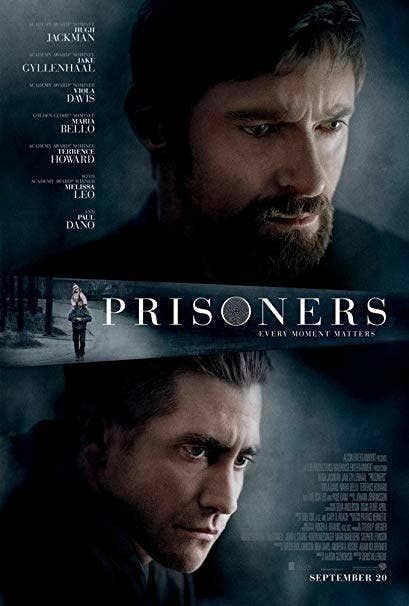
Prisoners is a 2013 American thriller film directed by Denis Villeneuve from a screenplay written by Aaron Guzikowski. The plot focuses on the abduction of two young girls in Pennsylvania and the subsequent search for the suspected abductor by the police. After police arrest a young suspect and release him, the father of one of the daughters takes matters into his own hands. It was chosen by the National Board of Review as one of the top ten films of 2013, and at the 86th Academy Awards, it was nominated for Best Cinematography.Gyllenhaal received the Best Supporting Actor of the Year Award at the 2013 Hollywood Film Festival for his “truly compelling, subtly layered” performance as Detective Loki.
19.kahaani (IMDb-8.1)
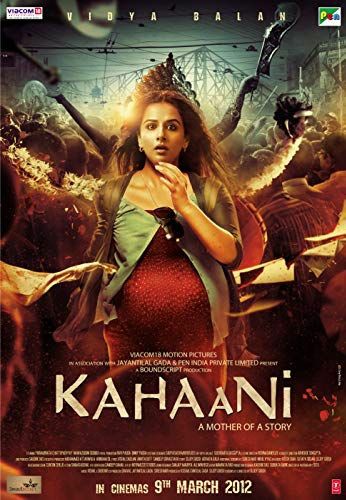
Kahaani is a Indian Hindi-language thriller film co-written, co-produced and directed by Sujoy Ghosh. It stars Vidya Balan as Vidya Bagchi, a pregnant woman searching for her missing husband in Kolkata during the festival of Durga Puja, assisted by Satyoki “Rana” Sinha and Khan. Kahaani garnered generally positive reviews from critics. The film won several awards, including three National Film Awards and five Filmfare Awards. The latter included trophies for Best Director (Ghosh) and Best Actress (Vidya).
18.A Wednesday (IMDb-8.1)
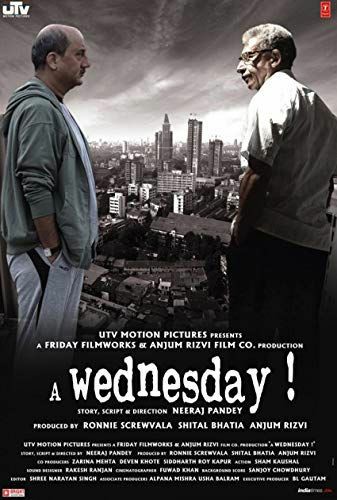
A Wednesday! released on 5 September 2008 is a 2008 Indian Hindi-language thriller film written and directed by Neeraj Pandey.It stars Naseeruddin Shah and Anupam Kher. Set between 2 pm and 6 pm on a Wednesday,the film depicts an about-to-retire police commissioner (Anupam Kher) narrating a sequence of events that unfolded on a particular Wednesday. There does not exist any written record. The awareness of the incident exists only in his mind and in those of several individuals who were involved, willingly and unwillingly, and how those events affected the lives of all the concerned people. it won a number of awards including the Indira Gandhi Award for Best Debut Film of a Director at the 56th National Film Awards.
17.The sixth sense (IMDb- 8.1)
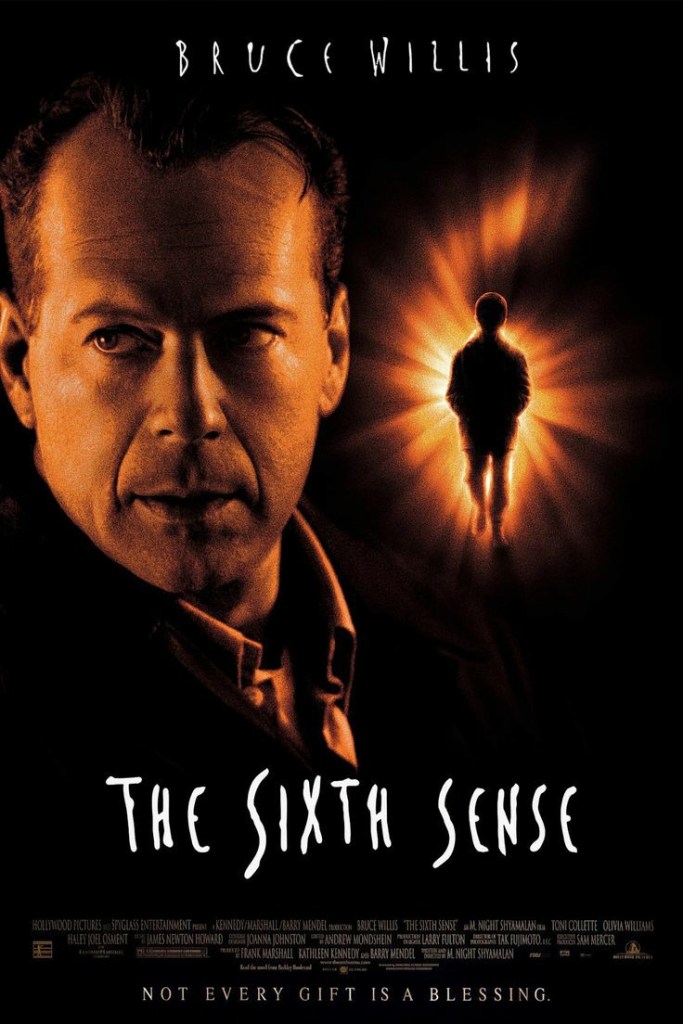
The Sixth Sense is a 1999 American supernatural psychological thriller film written and directed by M. Night Shyamalan. It stars Bruce Willis as a child psychologist whose patient (Haley Joel Osment) can talk to the dead. The film established Shyamalan and introduced the cinema public to his traits, most notably his affinity for surprise endings.It was nominated for six Academy Awards, including Best Picture, Best Director and Best Original Screenplay for Shyamalan, Best Supporting Actor for Osment, and Best Supporting Actress for Collette. It was the second-highest-grossing film of 1999, taking about $293 million in the US and $379 million in other markets.In 2013, the Writers Guild of America ranked the screenplay #50 on its list of 101 Greatest Screenplays ever written.
16.The memory of a murder(IMDb-8.1)
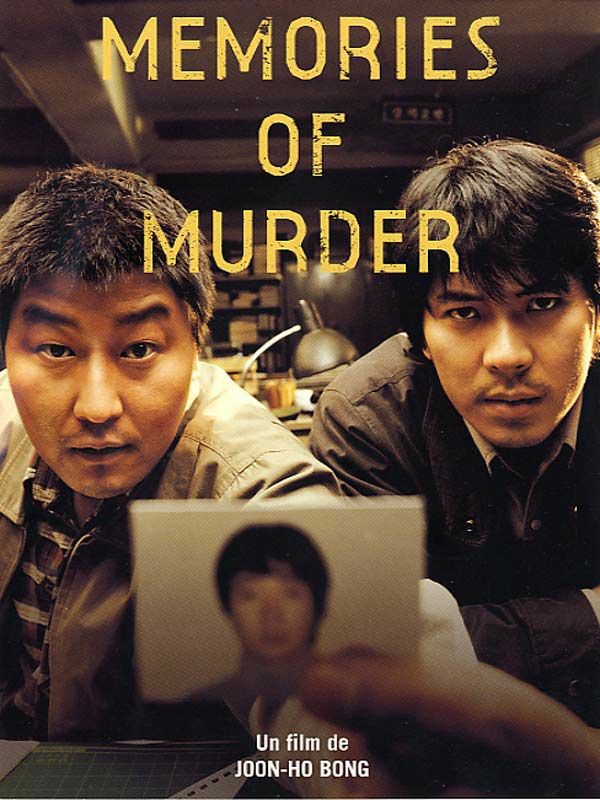
Memories of Murder is a 2003 South Korean crime thriller film co-written and directed by Bong Joon-ho. It is loosely based on the true story of Korea’s first confirmed serial murders, which took place between 1986 and 1991 in Hwaseong, Gyeonggi Province.The film has earned critical acclaim for its twisted tone, cinematography, editing, score, Song’s performance, and Bong’s direction and screenplay. Since its release, it won numerous national awards and has been regarded by many to be one of the finest films of the 21st century. It received screenings at several international film festivals, including Cannes Film Festival, Hawaii International Film Festival, London International Film Festival, Tokyo International Film Festival and San Sebastian International Film Festival, where Bong Joon-ho won the Best Director Award.
15.Talvar (IMDb- 8.2)
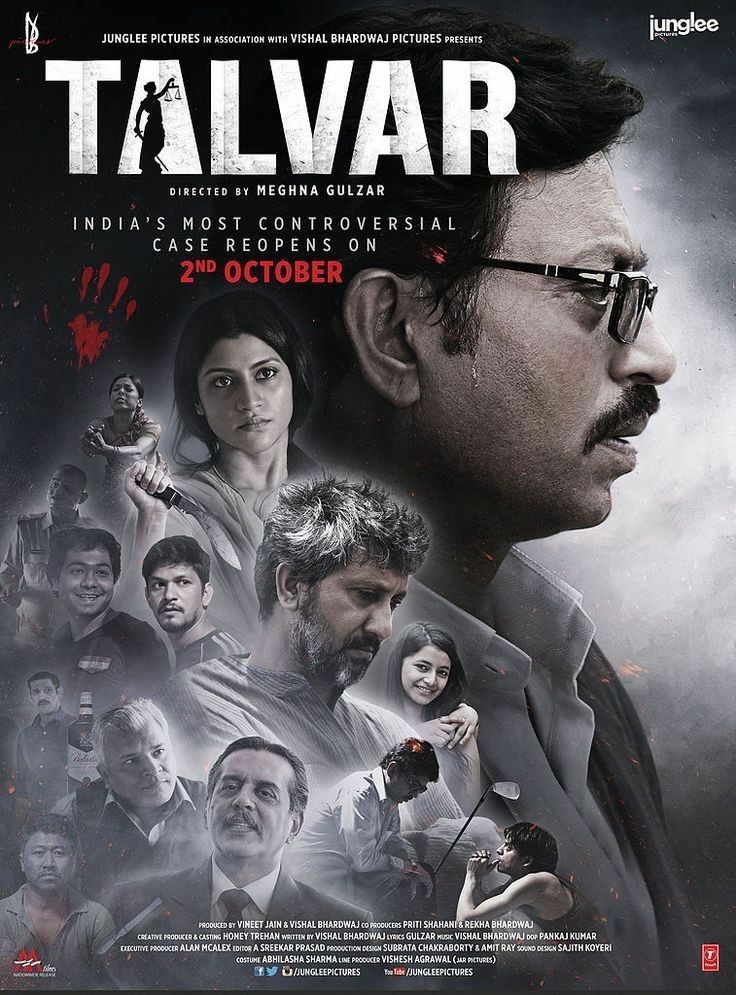
Talvar is a 2015 Indian Hindi-language thriller drama film directed by Meghna Gulzar and written by Vishal Bhardwaj. Produced by Bhardwaj and Vineet Jain, the film is based on the 2008 Noida double murder case involving a teenage girl and her family’s servant. Starring Irrfan Khan, Konkona Sen Sharma and Neeraj Kabi, the film follows the investigation of a case from three different perspectives in which her parents are either guilty or innocent of the murder charges by the police investigation, the first CBI probe and an investigation by a different CBI team.Talvar received a positive critical reception.Bhardwaj received the Best Adapted Screenplay Award for Talvar at the 63rd National Film Awards, and Prasad received the Award for Best Editing at the 61st Filmfare Awards.
14.Andhadhun (IMDb-8.2)
Andhadhun is a 2018 Indian Hindi-language black comedy crime thriller film co-written and directed by Sriram Raghavan, produced by Matchbox Pictures, and distributed by Viacom18 Motion Pictures. The film revolves around Akash, a piano player pretending to be visually-impaired, unwittingly becomes entangled in a number of problems as he witnesses the murder of a former film actor.Critics highlighted the writing, and Khurrana and Tabu’s performances. It won four awards, including Best Director and Best Screenplay, at the Screen Awards ceremony and five Filmfare Awards, including Best Film (Critics) and Best Actor (Critics) for Khurrana. It also won three National Film Awards: Best Feature Film in Hindi, Best Actor for Khurrana, and Best Screenplay.
13.The secret in their eyes (IMDb-8.2)
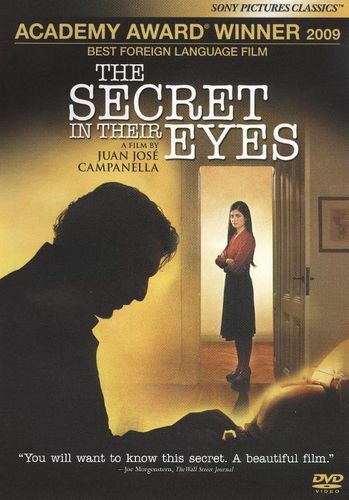
The Secret in Their Eyes is a 2009 Argentinian crime drama film directed, co-written, produced and edited by Juan José Campanella.The film depicts a judiciary employee and his boss, a law clerk, in 1974, played by Ricardo Darín and Soledad Villamil, as they investigate a rape and murder case, while also following the characters 25 years later reminiscing over the case and unearthing the buried romance between them.The film received awards in both Hollywood and Spain, notably the Academy Award for Best Foreign Language Film at the 82nd Academy Awards, making Argentina, with 1985’s The Official Story, the first country in Latin America to win it twice. In 2016, The Secret in Their Eyes was ranked No. 91 by international critics for the BBC’s 100 Greatest Films of the 21st Century.
12.shutter island (IMDb- 8.2)
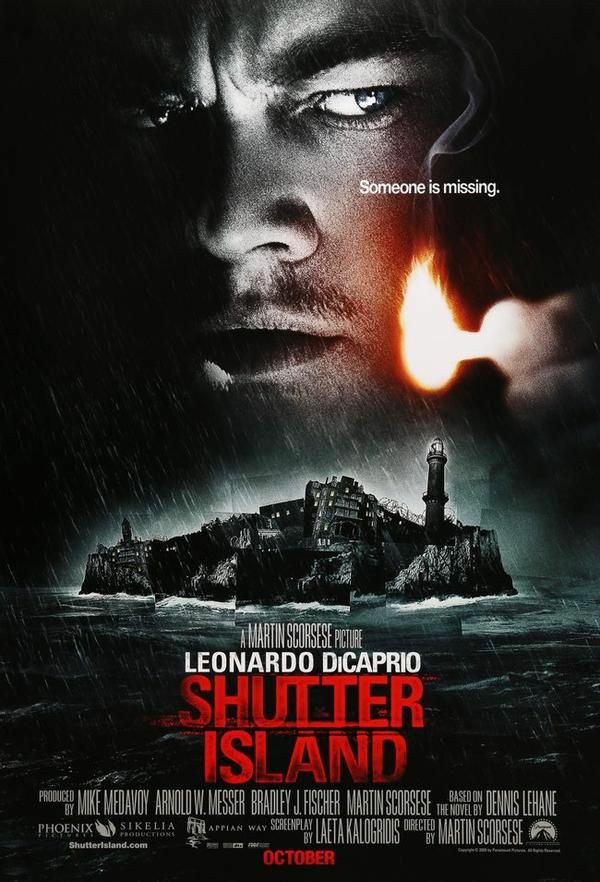
Shutter Island is a 2010 American neo-noir psychological thriller film directed by Martin Scorsese and written by Laeta Kalogridis, based on Dennis Lehane’s 2003 novel of the same name. Leonardo DiCaprio stars as Deputy U.S. Marshal Edward “Teddy” Daniels, who is investigating a psychiatric facility on Shutter Island after one of the patients goes missing. Mark Ruffalo plays his partner and fellow deputy marshal, Ben Kingsley is the facility’s lead psychiatrist, Max von Sydow is a German doctor, and Michelle Williams is Daniels’ wife. Released on February 19, 2010, the film received mostly positive reviews from critics, was chosen by National Board of Review as one of the top ten films of 2010, and grossed over $294 million worldwide.
11.Drishyam (IMDb- 8.2)
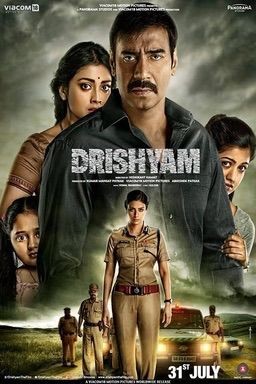
Drishyam is a 2015 Indian Hindi-language thriller film directed by Nishikant Kamat. The film is a remake of the 2013 Malayalam-language film of the same name. The film was jointly produced by Kumar Mangat Pathak, Ajit Andhare and Abhishek Pathak, and stars Ajay Devgn, Tabu and Shriya Saran, and also features Ishita Dutta and Mrunal Jadhav. The movie revolves around Desperate measures that are taken by a man who tries to save his family from the dark side of the law, after they commit an unexpected crime.
10.memento (IMDb- 8.4)
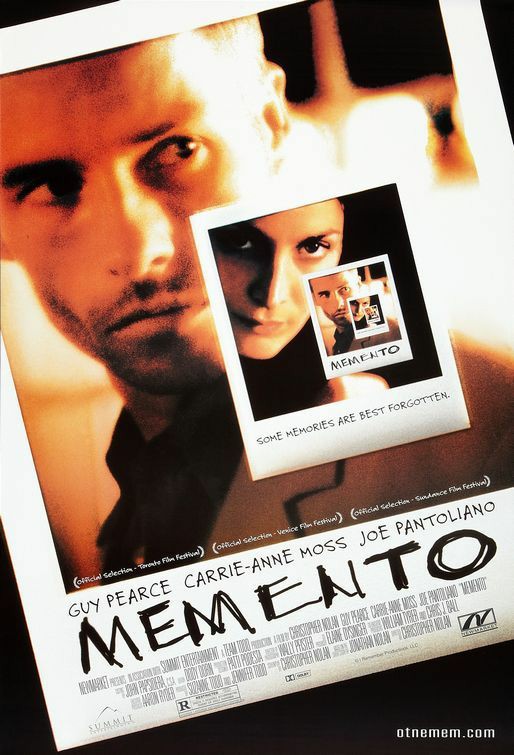
Memento is a 2000 American neo-noir psychological thriller film written and directed by Christopher Nolan, and produced by Suzanne and Jennifer Todd. It revolves around a man who, as a result of an injury, has the inability to form new memories) and has short-term memory loss approximately every fifteen minutes. He is searching for the people who attacked him and killed his wife, using an intricate system of polaroid photographs and tattoos to track information he cannot remember.Memento received numerous accolades, including Oscar nominations for Best Original Screenplay and Best Film Editing.The film is now widely regarded as one of Nolan’s finest works and one of the best films of the 2000s.
9.The lives of others (IMDb-8.4)

The lives of others is a 2006 German drama film written and directed by Florian Henckel von Donnersmarck marking his feature film debut. The plot is about the monitoring of East Berlin residents by agents of the Stasi, East Germany’s secret police. It also won the BAFTA Award for Best Film Not in the English Language and European Film Award for Best Film, while was nominated for the Golden Globe Award for Best Foreign Language Film.
8.oldboy (IMDb- 8.4)
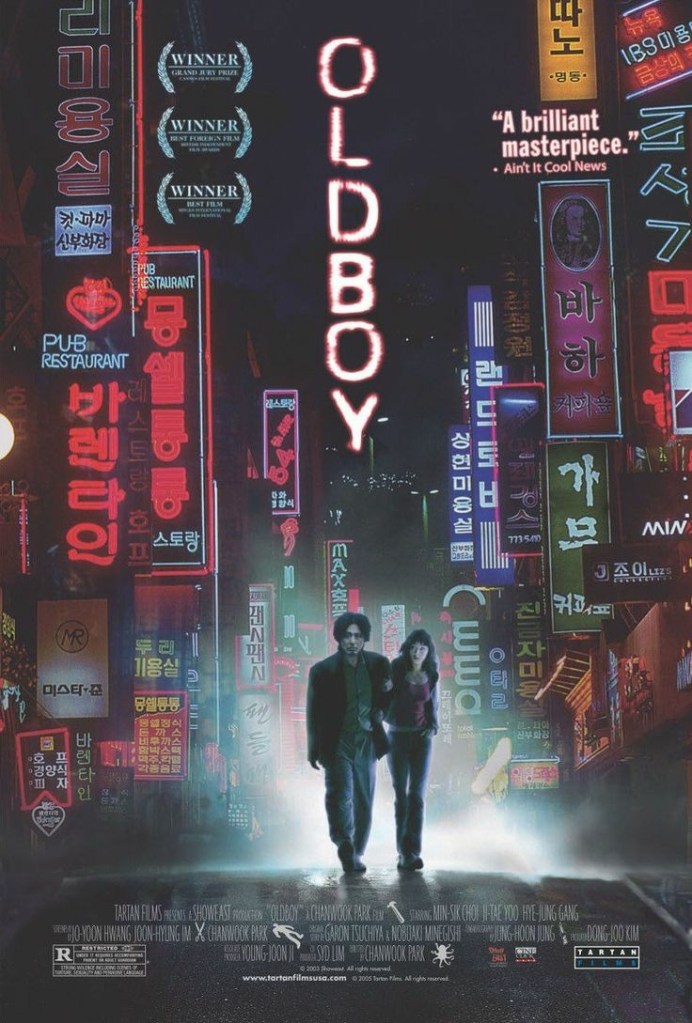
It is a 2003 South Korean neo-noir action thriller film, co-written and directed by Park Chan-wook. The film follows the story of Oh Dae-su, who is imprisoned in a cell which resembles a hotel room for 15 years without knowing the identity of his captor or his captor’s motives. When he is finally released, Dae-su finds himself still trapped in a web of conspiracy and violence. His own quest for vengeance becomes tied in with romance when he falls in love with an attractive young sushi chef, Mi-do.
The film won the Grand Prix at the 2004 Cannes Film Festival and high praise from the President of the Jury, director Quentin Tarantino.
7.The usual suspect (IMDb- 8.5)
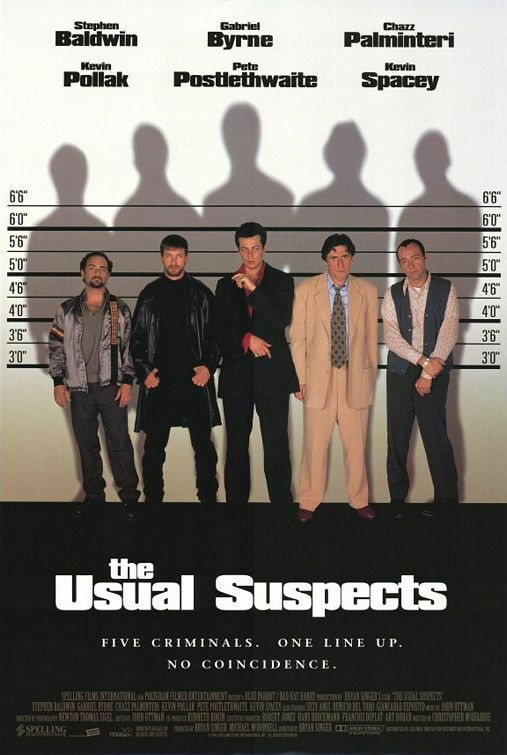
The Usual Suspects is a 1995 American neo-noir mystery thriller film directed by Bryan Singer and written by Christopher McQuarrie.The plot follows the interrogation of Roger “Verbal” Kint, a small-time con man, who is one of only two survivors of a massacre and fire on a ship docked at the Port of Los Angeles. Through flashback and narration, Kint tells an interrogator a convoluted story of events that led him and his criminal companions to the boat, and of a mysterious crime lord—known as Keyser Söze—who controlled them. .The film was shown out of competition at the 1995 Cannes Film Festival.It received favorable reviews and was eventually given a wider release. McQuarrie won an Academy Award for Best Original Screenplay and Spacey won the Academy Award for Best Supporting Actor for his performance.
6.The prestige (IMDb -8.5)
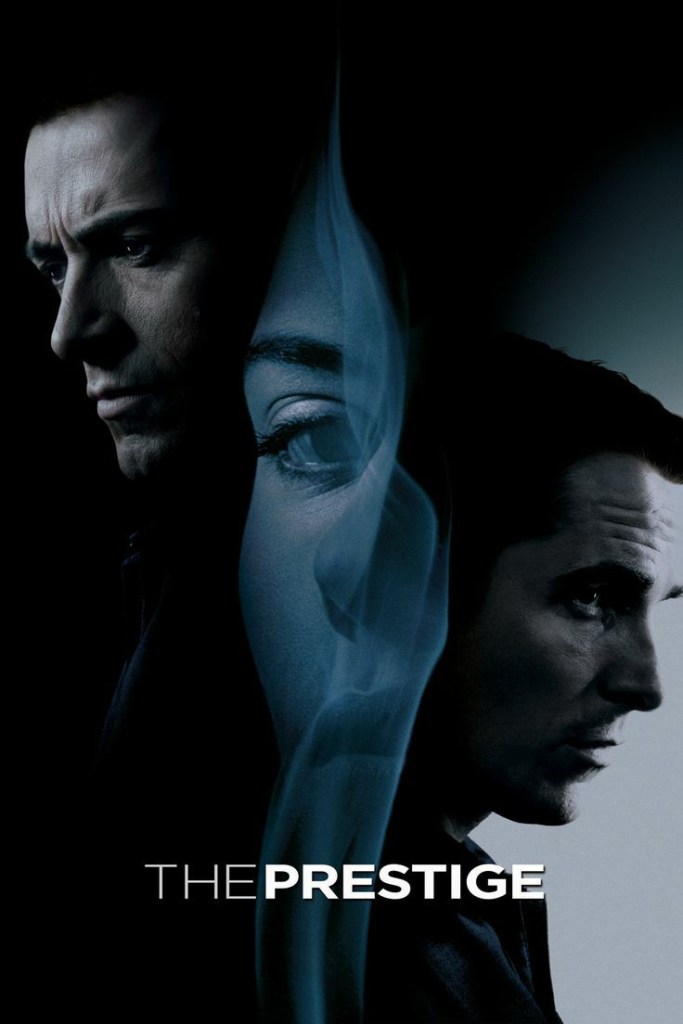
The Prestige is a 2006 science fiction psychological thriller film directed by Christopher Nolan, written by Nolan and his brother Jonathan, based on the 1995 novel of the same name by Christopher Priest. It follows Robert Angier and Alfred Borden, rival stage magicians in London at the end of the 19th century. Obsessed with creating the best stage illusion, they engage in competitive one-upmanship, with fatal results. It got Academy Award nominations for Best Art Direction and Best Cinematography.
5.The. Departed (IMDb- 8.5)
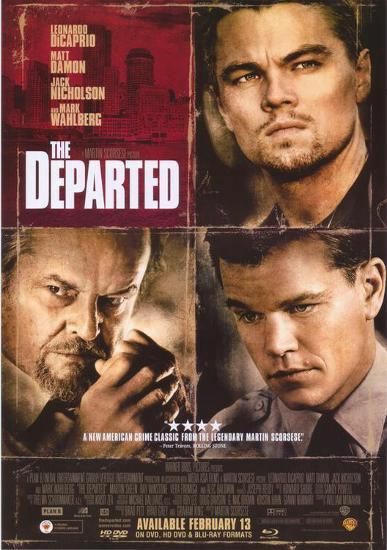
The Departed is a 2006 American crime thriller film directed by Martin Scorsese and written by William Monahan. The film takes place in Boston. Irish Mob boss Frank Costello (Nicholson) plants Colin Sullivan (Damon) as a mole within the Massachusetts State Police; simultaneously, the police assign undercover state trooper Billy Costigan (DiCaprio) to infiltrate Costello’s crew. When both sides realize the situation, Sullivan and Costigan each attempt to discover the other’s identity before they are found out.
The Departed was a critical and commercial success, and won several awards, including four Oscars at the 79th Academy Awards, for Best Picture, Best Director, Best Adapted Screenplay, and Best Film Editing, becoming Scorsese’s first win for Best Director; Wahlberg was also nominated for Best Supporting Actor.
4.The silence of the lambs (IMDb- 8.6)
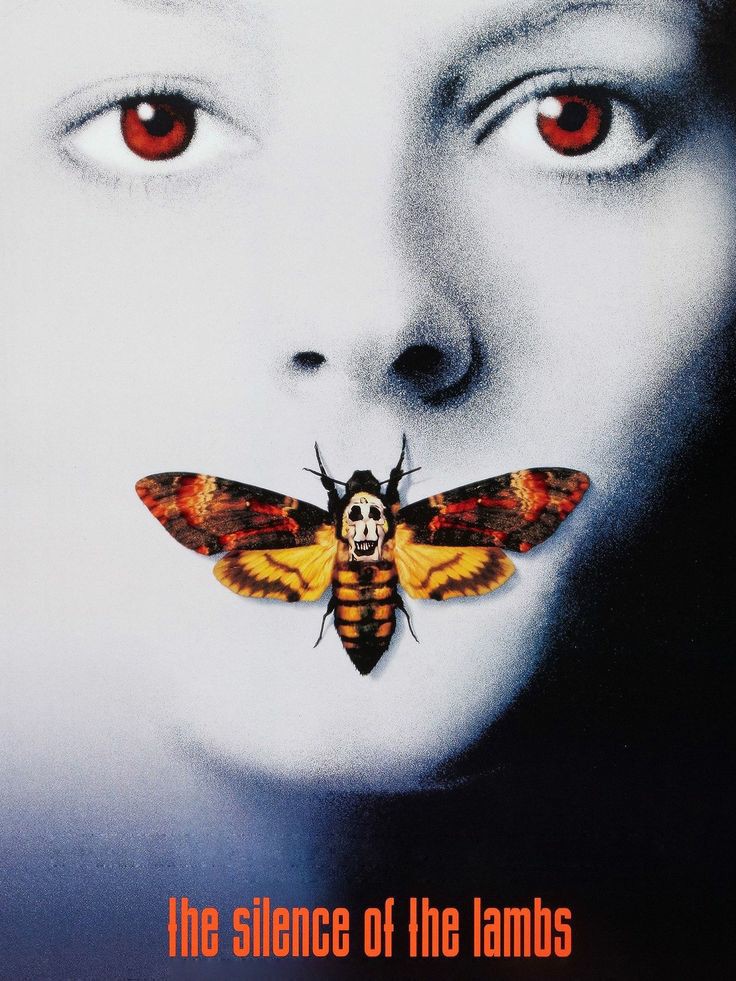
The Silence of the Lambs is a 1991 American psychological horror[ film directed by Jonathan Demme. It revolves around a young FBI trainee who is hunting a serial killer, “Buffalo Bill” (Ted Levine), who skins his female victims. To catch him, she seeks the advice of the imprisoned Dr. Hannibal Lecter (Anthony Hopkins), a brilliant psychiatrist and cannibalistic serial killer. The film also features performances from Scott Glenn, Anthony Heald and Kasi Lemmons.
The Silence of the Lambs is regularly cited by critics, film directors and audiences as one of the greatest and most influential films. It won Academy Awards in all the top five categories: Best Picture, Best Director, Best Actor, Best Actress, and Best Adapted Screenplay.
3.seven
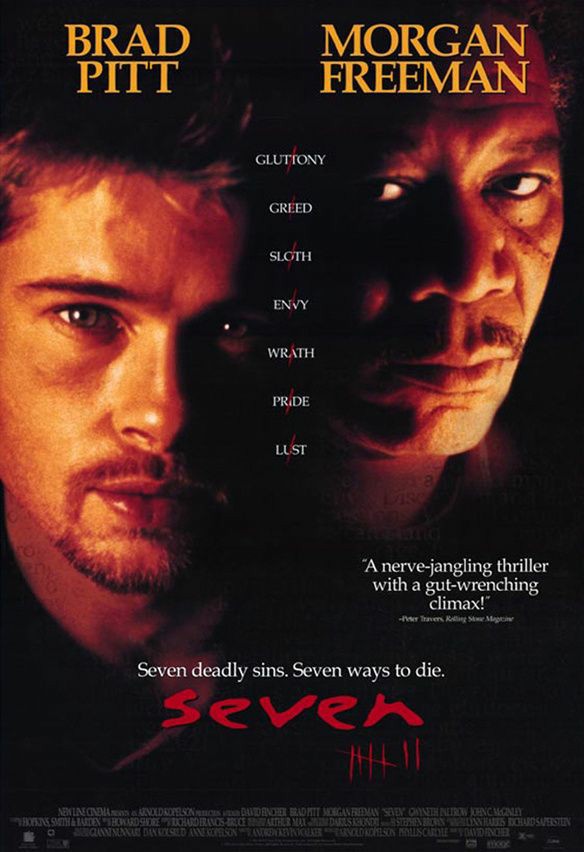
Seven is a 1995 American neo-noir psychological crime thriller film directed by David Fincher and written by Andrew Kevin Walker. It stars Brad Pitt, Morgan Freeman, Gwyneth Paltrow, Kevin Spacey, R. Lee Ermey and John C. McGinley. The film tells the story of David Mills (Pitt), a detective who partners with the retiring William Somerset (Freeman) to track down a serial killer who uses the seven deadly sins as a motif in his murders.itwas the seventh-highest-grossing film of the year, grossing over $327 million worldwide. It was well received by critics and was nominated for Best Film Editing at the 68th Academy Awards.
2.parasite (IMDb -8.6)
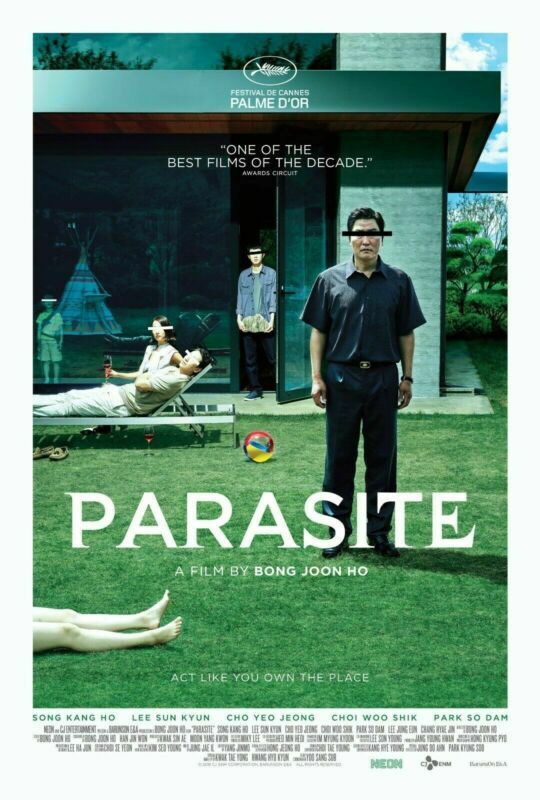
It is a 2019 South Korean black comedy thriller film directed by Bong Joon-ho, who co-wrote the screenplay with Han Jin-won.It revolves around a poor family who scheme to become employed by a wealthy family and infiltrate their household by posing as unrelated, highly qualified individuals.
Parasite premiered at the 2019 Cannes Film Festival on 21 May 2019, where it became the first South Korean film to win the Palme d’Or. Among its numerous accolades, Parasite won a leading four awards at the 92nd Academy Awards: Best Picture, Best Director, Best Original Screenplay, and Best International Feature Film, becoming the first non-English language film to win the Academy Award for Best Picture.
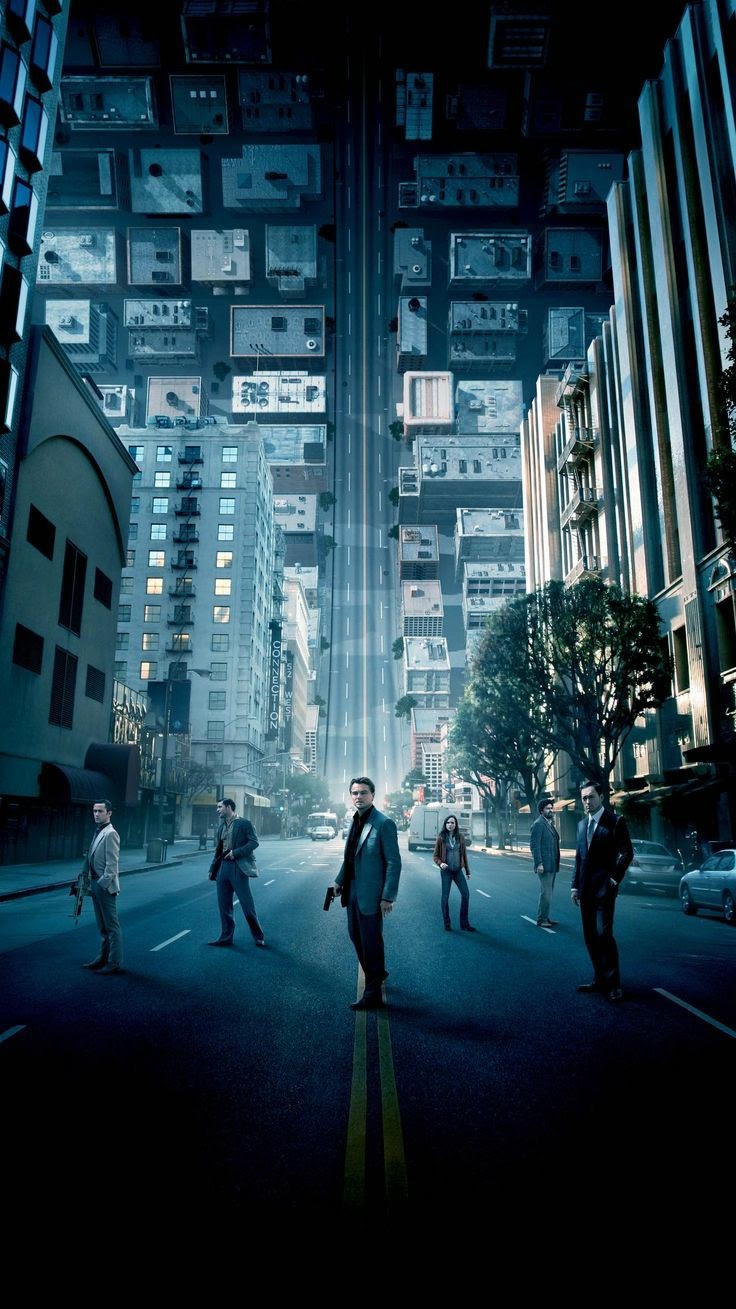
1.inception (IMDb-8.8)
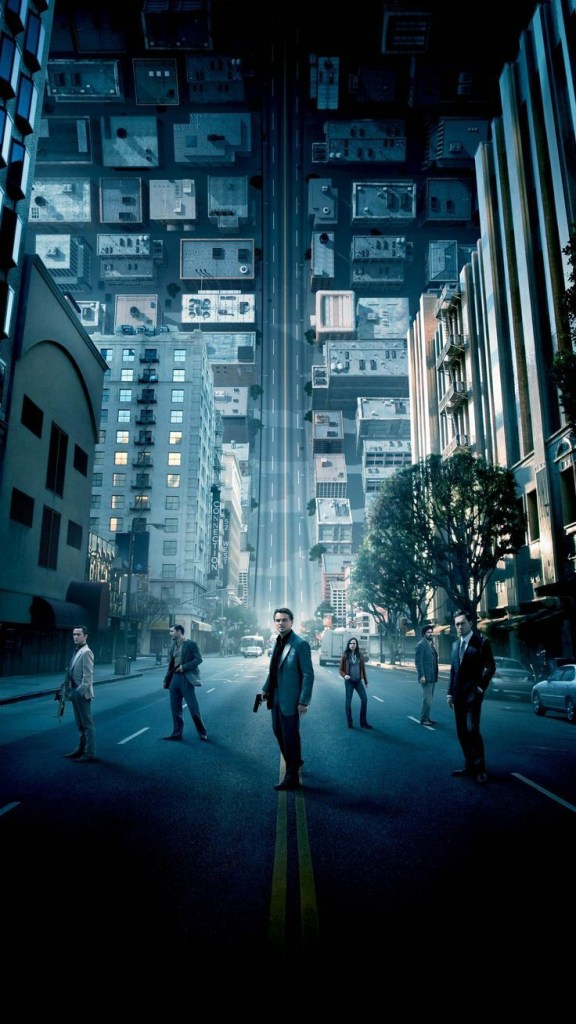
The film stars Leonardo DiCaprio as a professional thief who steals information by infiltrating the subconscious of his targets. He is offered a chance to have his criminal history erased as payment for the implantation of another person’s idea into a target’s subconscious.Inception received critical praise for its screenplay, direction, themes, action sequences, visual effects, musical score, and ensemble cast. It won four Academy Awards in Best Cinematography, Best Sound Editing, Best Sound Mixing, and Best Visual Effects and was nominated for four more: Best Picture, Best Original Screenplay, Best Art Direction, and Best Original Score.
Aristotle’s view on the Tragic Hero [Part B]
![Aristotle’s view on the Tragic Hero [Part B]](https://eduindex.org/wp-content/uploads/2021/07/attl.jpg?w=198&h=1&crop=1)
Along the same lines of how a tragic hero need to be an enabler for not just a good plot but to reach for the desired set of emotions equally is 5) Hamartia a tragic hero with imperfections; the specific being his/her “tragic flaw” not the best adaptation of Hamartia, but is far more commonly used for a characteristic moral failing in an otherwise predominantly good man. The Hamartia of the hero is closely and inseparably connected with 6) “Peripety” the several of fortune from the point-of-view of the character involved and for a spectator or a reader the plot of the play as a whole is a reversal of the direction of the action. The analogy is thus that Peripety is contained in the idea of the boomerang effect of one’s own action. 7) Discovery – “A change from ignorance to knowledge.” The discovery of the truth of the matter is the costly beginning from the state of ignorance which is the very essence of “hamartia”. Hamartia, Peripety and Discovery all together in their ideal schematisation of the tragic plot.
Furthermore, tragedy, is presupposed as purging out of emotions of Pity and Fear i.e. Catharsis; exhilaration, a pleasurable sense of relief and the Tragic hero is given the title of the enabler of the purgation of these emotions. Relation of emotional catharsis which tragedy helps generate is the tragic pleasure. Therefore the continuous insistence towards Pity and Fear is because pity is generated under the pretence of a tragedy towards the character whose punishment for the audience is exceeding his crime; the punishment is more that what he deserves, and similarly Fear is when the hero; who being “not pre-eminently just and virtuous” is still better than ourselves and yet failed, then what hope do we have left?
Therefore the catharsis that Aristotle mentioned just once in Poetics is of emotions that occurs accidentally but surely in a tragedy is something he elaborates on, this accident is to be experienced to everyone in the audience or to anyone reading a work of art; no
matter of high intellect does experience this form of proper pleasure which happens through proper tools and albeit perceived to be an “accident” is a sure shot guaranteed by the tragic hero.
Thus the tragic hero of Aristotle accounts to the whole of the Tragedy to be brought up to its potential and serve its purpose.
Aristotle’s view on the Tragic Hero [Part A]
Make sure you also read the second part of this post.
When Aristotle is talking about the tragic hero, it’s important to pan out where the tragic hero is being placed at and accordingly the significance of the ‘tragic hero’ needs to be questioned. This is furthered by the interpretation of the plot and the use of tragedy in the said plot that would give the idea of what Aristotle is describing as the tragic hero. So it’s important to understand tragedy; before anything, and so Poetics seems to be a plausible guide alongside plenty of other definitions within a dictionary which although correct; doesn’t fully help apply the idea of Aristotle. No-one in any absolute sense could define what Poetics denote as words have been genuinely lost in translation and what we could scavenge are a sense of one’s own point-of-view or interpretation to pacify their intellect; one could contest it to be inconsistent and probably is right in doing so, but the fact of the matter is the idea of lost in translation remains undeterred.
Additionally, discussing on the characteristics of the tragic hero is an extremely elaborated idea of what Tragedy is and while, Aristotle’s Tragic Hero is someone who is primary agent in his Tragedy; which is an essential element in the notion of arousing Pity and Fear – the catharsis of Pity and Fear for Tragic Pleasure is also an important characteristic feature for the Tragic Hero.
Humphrey house affirm seven points directed towards the dramatic character or the tragic hero 1) The tragic hero or the character in a tragedy must be Good. Tragedy is a limitation of personages better than the ordinary man. Hence goodness of character is a prerequisite for Aristotle as it is the foundation of initial sympathy in a spectator without which tragic emotions cannot be roused, that is tragic pleasure is ultimately conveyed through sympathy or Pity, a very basic of the whole tragic pleasure. All characters in a tragedy for Aristotle should be equivocally good. Although Aristotle’s good man is not good unless he is desiring specific, positive, good ends and working towards the attainment; therefore its necessary for the execution of a tragic plot that the hero has to be “not prominently virtuous or just”; adding here Immanuel Kant who talks action to be morally worthy, something that should be executed to do the right thing for the right reason and is said to hold that to do the right thing for personal reason isn’t morally right and that the motive of duty should be autonomous and not altruistic. Scholars have questioned on what does Aristotle mean by “good”, and it’s later when reading Poetics is established on the Ethical Goodness of a character. 2) Appropriateness of Character – a fitting character, the Plot should attempt to guarantee the individuality of Character in compliance to its status which is fundamental. 3) “Likeness” of Character – the literary portrait produced by the poet should be ‘like the original’, i.e. like what the personage in question is in history of legend; depriving the poet of his creative freedom and ties him to a quiet indefinable exemplar, because history and legends are largely the creation of other writers. Likeness — Aristotle differentiating Tragedy and Comedy by the consideration of type of characters shown acting in each — characters are either better or worse than ourselves, or just like ourselves: although Comedy makes its personages “worse” and Tragedy makes its personages “better than the men of the present day.” 4) Consistency – Aristotle describes a formula “consistently inconsistent” it is not concerned with momentary conflicting passions but with “the basis or foundation of a character “, — habit, bent or tendency.
Longinus on ‘the Sublime’
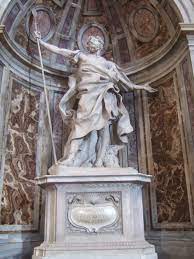
In terms of its influence in modern literary criticism, aesthetics and philosophy of art, Longinus’s Theory of Sublime is a very critical piece of work. He is placed second to Aristotle’s Poetics by many scholars. Peri Hypsous is simply a rhetorical treatise offering an especially strong inclination of the awe-inspiring or high style of quality writing siding with the glories of written literature.
The ownership of the treatise is a debate since its emergence during the Italian Renaissance with several manuscripts around until the initial publication by Italian humanist and philologist Francesco Robortello shaping the pre-existing dominant ideas in the world of literary criticism by Horace and Aristotle. The Theory of Sublimity is considered to be subjective as well as intersubjective on account of literary practice. The entirety of Longinus’s work is constructed over the notion of expressing greatness in one’s language and that being an important precursor for a writer, it also adds to what his predecessors helped shape the art of writing and diction. Longinus’s approach is characterised as distinctive and original on its precisely subjective drift: its focus on the creative and receptive facet of verbal arts, on the wit of the writer and affect on the audience is a crucial role of the text.
In western thought, the theory of Hysous is seen at length from its production contesting that the theory doubles itself as a theory of Genius. Longinus has also successfully inclined towards sublime being considered as a dual experience of simultaneously being overwhelming and elevating, dominating and exalting.
We are acquainted with the five forces of Sublimity; 1) Grandeur of thought and ability to form grand conception & 2) Powerful and inspired emotions – These are related to writers innate or natural capacity. 3) The effective use of stylistic & rhetorical figures as a means of increasing emotional impact of literature, 4) Noble diction & phrasing — the skilful use of metaphors and other figures of speech & 5) Dignified & elevated composition, most effective arrangements of words – is an artificially gained tool for achieving sublimity. The nurtured virtue in an author who must skilfully cultivate into the feeling in what he/she writes is proposed as; Sublimity as the echo of noble mind, could be a viable thought. “Sublimity is” for Longinus, “a kind of eminence or excellence of discourse. It is the source of distinction of the very greatest poets and prose writers and the means by which they have given eternal of their own fame.” It’s a discussed that the hypsous is intrinsically related to logos — translated as discourse; that the thought and diction — is inherently linked to the nobility of supreme and that a piece of art containing flashes of Sublimity — for a text need not be dripping in Sublimity but its position could be elevated with just these flashes — is universal and transhistorical.
The Sublimity of a text is acknowledged by its affect; its feeling and emotion, and so the most consequential way of defining sublimity of a text is by describing its affect on the audience.
Colourism in India

Colourism entered the Indian society through British rule. The British people would often prefer light skin Indians as candidates for important roles. Even the European or the Mughals were relatively light-skinned people. This made Indians start looking at light skin as a sign of superiority.
Even today the obsession with white skin tone continues. A lot of girls from a young age have to go through things like:
“you should apply turmeric and saffron paste to make your skin fair”
“you should do a particular type of wax which removes tan”
“he married her despite her being dark”
“you should use light skin makeup to look fair”
Well, these are a few of the thousands of sentences that a person with dark skin goes through. Growing up sentences like these make the person feel insecure about their colour. Nobody is born with insecurities; a child will never differentiate between a skin tone. It’s the people around us that make us like a particular skin tone.
The media never fails to make money out of the beliefs of people. People consider white skin good, so they decided to bring products like fair & lovely. There are so many more products and creams which say things like natural fairness, or natural white to attract consumers. Many young men and women use these products daily. What they don’t realise is that these products contain bleach, steroids, and other harmful ingredients that lead to skin cancer and liver damage in the long term.
After #blacklivesmatter, products like fair and lovely were trolled so they decided to change the name into glow & lovely. But it is still the same product that was built to support light skin.
A lot of other brands also did initiatives like Johnson & Johnson stopped their line of skin lightening products. They also told how they will include all shades of skin colour in their band-aids.
Changing the name of the product doesn’t mean that people won’t buy it and use it as a fairness cream. But, let’s still appreciate the little changes the multinational companies made. But, there is still a long way to go.
Another thing you must have noticed is the matrimonial ads in your newspaper. If I got money every time I saw the word “fair” I would be a billionaire.
What people fail to understand is that our skin tone depends on the geographic conditions, that is how exposed we are to direct sunlight. In places that are sun-soaked people have a dark skin tone. This is because their skin is rich in the pigment melanin. Melanin creates a shield from the radiation of the sun.
This is why when light-skinned people visit places with a lot of sunlight they experience sunburn because they don’t have enough melanin to protect them from the sun.
Our skin colour solely depends on how far we are from the equator. So, I don’t really understand why light-skinned people are given superiority when clearly this isn’t something we can control. Our skins are built of a certain tone to protect us from the environment we live in.
Next time if someone around you shames you or anyone for their skin colour make sure to correct them scientifically and also tell them how much money white people spend on tanning regularly. White people tan for hours, buy lotions, get spray tans to get the colour that we have. I am not stating this to hate on them, I just want to point out how they spend money on tanning while we bleach out our tan.
Globalization
Introduction
Globalization is the process of interaction and integration among people, companies, and governments worldwide. It is used to describe the growing interdependence of world’s economies, cultures, and populations, brought about by cross-border trade in goods and services, technology, flow of investment, people, and information. Countries have built economic partnerships to facilitate these movements over many centuries and years. Globalization has accelerated since the 18th century due to advances in transportation and communication technology. The term gained popularity after the Cold War in the early 1990s, precisely after the fall of the Soviet Union, as these cooperative arrangements shaped the modern daily life.
Importance
This increase in global interactions has caused a growth in international trade and the exchange of ideas, beliefs, and culture. The wide-ranging effects of globalization are complex and politically charged. Economically, globalization involves goods, services, data, technology, and the economic resources of capital. Advances in transportation, like the steam locomotion, steamship, jet engine, and container ships, and developments in telecommunication infrastructure, like the telegraph, Internet, and mobile phones, have been major factors in globalization and have generated further interdependence of economic and cultural activities around the globe. Globalizing processes affect and are affected by business and work organization, economics, socio-cultural resources, and the natural environment. Academic literature commonly divides globalization into three major areas: economic globalization, cultural globalization, and political globalization
Negative Effects
Despite its benefits, the economic growth driven by globalization has not been done without awakening criticism. The consequences of globalization are far from homogeneous: income inequalities, disproportional wealth and trades that benefit parties differently. In the end, one of the criticisms is that some actors (countries, companies, individuals) benefit more from the phenomena of globalization, while others are sometimes perceived as the losers of globalization.
Travel the World!!
Figuring out how to travel the world is no easy feat, especially when you’re trying to do it on a budget or planning world travel with a family.
There are many factors to keep in mind when evaluating your trip, including what to do before leaving and your budget. To help you get started, we’ve put together a guide on how to travel the world, including everything from how to start looking into your trip to how to save money once you’re abroad.

Get prepared
If you want to travel the world, there are some planning measures you want to take first to ensure you have durable luggage and the proper documents — a passport and possibly visas — and figuring out how much time off you’ll need.
Book travel far in advance
After all that preparation, you’re ready to book your trip around the world, which will likely be a round-the-world plane ticket, a journey by sea, or a combination of flights and ground transportation.
Avoid hidden travel and communication fees
Once you’ve started your trip, there are tips and tricks to help you travel each destination across the world on a budget. City-pass offerings vary by location, but many will give you free or discounted admission to top attractions in a city, as well as fast-track options to cut lines
Choose Restaurants Wisely
While eating food from around the world is often one of the best parts of traveling, dining out for every meal can become expensive. To save some money: stay away from restaurants located near tourist attractions, which generally have higher prices and lower quality.
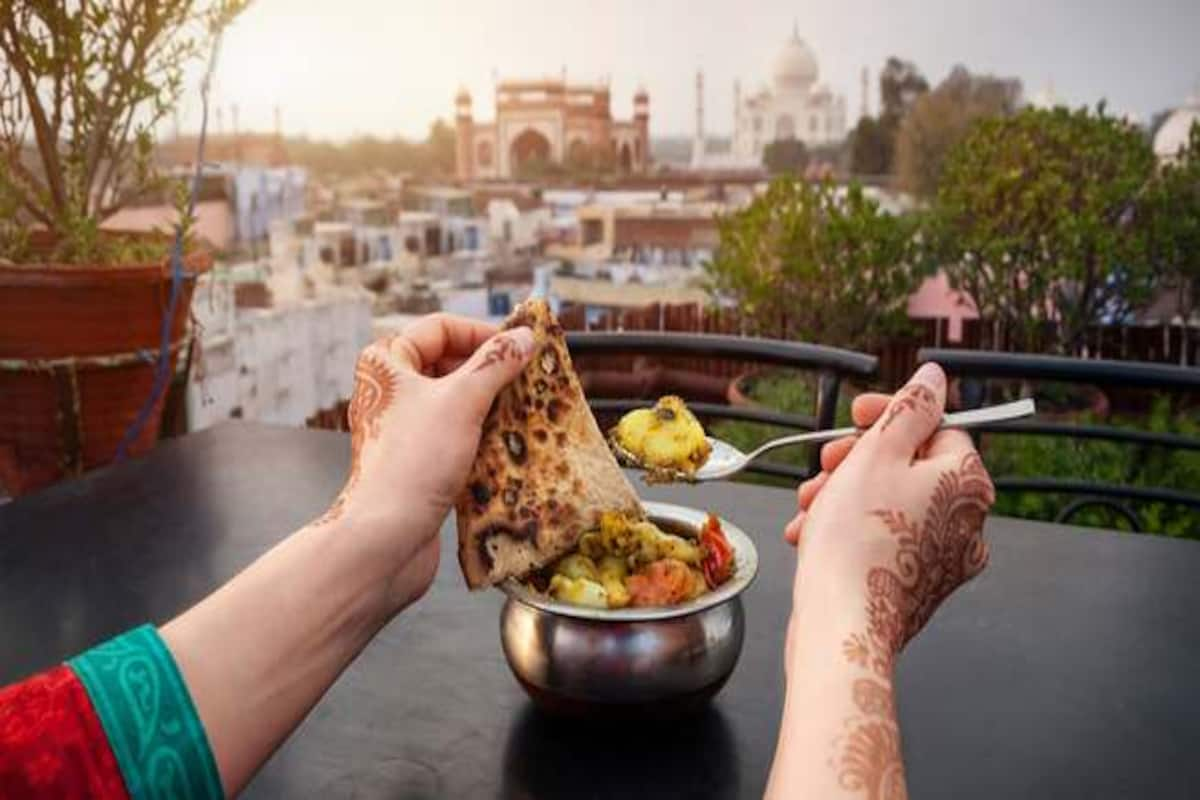
Ask about free amenities on flights and at hotels
Some airlines and hotels have free perks available to guests who know to ask for them. On flights, for example, travelers can request everything from ukuleles on some Hawaiian Airlines flights to hot chocolate on Southwest Airlines. Some hotels also offer free amenities that range from night lights, chargers and curling irons
reference-https://www.thetravelmagazine.net/articles
Tamil at Harvard University

What is Tamil Chair?
Tamil Chair Inc. is a non-profit organization registered in the state of Maryland (USA) that is currently working on fund raising for Harvard Tamil Chair
6m $ is required to establish it
Tamil is one of the very few languages of the world with a classical past and a robust literary tradition that has continued to this day. Despite many foreign occupations of the Tamil country and other outside influences, this noble language has always shined, producing vibrant literature for over 2 thousand years.
In addition to the literature, there have been numerous grammar books, commentaries, religious works, didactic books, secular literature and works from many other genres.
This is what the Tamil chair of Harvard university states about tamil
What is the need for a Tamil Chair?
- Tamil language has one of the oldest written traditions in all of Asia and boasts a rich body of literary work dating back 2,500 years. Tamil has been accorded with a prestigious recognition as one of the seven classic languages (Greek, Sanskrit, Latin, Hebrew, Persian, Tamil and Chinese), and it is one of the very few that has survived all the way through to the modern world since its beginning.
- Currently, Tamil is the 20th most commonly-spoken language (by 80 million people) in the world, with vibrant literatures for over 2 thousand years. Literature represents the culture and tradition of a language or people, and it provides a kind of blueprint of human civilization.
- Thus far the global reach of Tamil literature is so limited, and for its ancient and Classic standing, Tamil literature deserves to be critically looked from new and diverse perspectives and the resulting knowledge needs to be shared across other cultures for mutual benefits.
- So the purpose of this chair is multifold. First, it is a matter of great prestige for Tamils to have our language taught at the world’s most prestigious university which attracts brilliant students from all over the world.
- There is also a need for research in ancient classical Tamil literature. Harvard will produce Tamil scholars who will be trained in research methodologies.
IMPORTANCE OF TAMIL CHAIR IN HARVARD UNIVERSITY AND THE WAY IT ENRICHES THE LANGUAGE
- Helps building History
History can be written on the basis of outputs from researching a language.
Research about a language is a step to build a history.
Ex: In recent, historians of India use vedic texts of sanskrit to build the own history.
They build Indian history with vedas as base.
If more outputs from researching tamil comes out it will help build Indian History which may be seen from view of tamil literature.
2. Helps developing the language
In India Hindi and sanskrit are given importance by central government for promoting and developing them. These types of actions from Indian government limits Tamil as a regional language and major funding is deprieved.
Promoting through a reputed university will ensure good amount of funding for research.
It will help explore the Tamil studies on a much deeper level through a rigorous approach executing formal academic research processes to bring out the traditions, the cultural, intellectual, and social practices of the Sangam period that are barely explored as of now. This will elicit Tamil’s long tenured literary tradition to the peer academic communities and establish it’s much deserved recognition as a Classic language.
3. Competition with Sanskrit and other classical languages
Indian goverment in name of Hindu Nationalism promotes only sanskrit.
For all other Classic and widely spoken languages like Sanskrit, Greek etc , there is so much research and progressive work that is done at various international academic centers. It is quite urgent and highly imperative that the same world class effort is put forth for Tamil to expand its stature and reach. It will enhance not only the chances for continual use but also the newly embraced recognition from the global populace.
4. Intensive Research and development
Any developments on language of Tamil is stopped by Indian government . Without funds researchers are suffering. Even if someone come out with good research it is deemed valued by Hindutuvas/Hindi Nationalist Indian government
Independent research in a foreign country will only enrich it for good without influence by Indian Government.
5. Gets world wide interest and new learners
Developing the language in a well known University will gather world wide interest for the language and gather new learners.
May revoke intersets in researchers to resume archaelogical excavations a, Keezhadi, Poombukar, Adhichanallur which were currently banned by Indian government for excavating. Because they provide excessive proofs to Independent tamil culture in Sangam period, so that it will affect sanskrit’s claim on Tamil.
Assures Tamil language’s legacy to survive and grow.
This endeavour will cerainly increase the horizon of Tamil
Minimalism
What is Minimalism?
Minimalism is defined as a design or style in which the simplest and fewest elements are used to create the maximum effect. Minimalism had its origins in the arts—with the artwork featuring simple lines, only a few colors, and careful placement of those lines and colors. More recently, it has become representative of a lifestyle that aims to remove clutter from all facets of life.
Minimalism is all about owning only what adds value and meaning to your life (as well as the lives of the people you care about) and removing the rest. It’s about removing the clutter and using your time and energy for the things that remain. We only have a certain amount of energy, time, and space in our lives. In order to make the most of it, we must be intentional about how we’re living each day.
There are many different approaches to minimalism, but it’s really just a tool to help you prioritize what’s important in your life.
Joshua Becker of Becoming Minimalist offers this definition: “Minimalism is the intentional promotion of the things that bring you joy and the removal of those that do not.” It might be called simple living, tiny living, intentional living, and a myriad of other things—but there is at least one common thread: the idea of curating the things we own to best reflect our priorities and vision for our lives.
If the idea of minimalism sounds intimidating to you or if you’ve seen some images and thought, “that’s a nice idea, but I’d never want to live like that,” don’t worry. You can benefit from applying minimalism in your life whether you live in a tiny home, suburban house, or a mansion. You can use minimalism as a guiding philosophy and customize based on what works best for you.
Common Misconceptions of Minimalism
Contrary to what some people think, there aren’t any actual rules to minimalism. There’s no official board of minimalism to determine whether or not you’re doing minimalism right. Minimalism truly looks different for everyone.
You don’t have to own below a certain number of items. You can still have nice things, and no, you don’t need to get rid of your favorite collection—whether it’s books, shoes, or music. Minimalism doesn’t have to look like white-walled, modern and sparse homes you’ve probably seen in magazines and videos, a common minimalism mistake. Minimalism is also not a one and done project. It is a a continual practice to ensure everything in our lives is working for us in our vision, not against us. Its used over the years to make substantial changes in our careers, home, lifestyle, buying behaviors, etc.
Everyone can benefit from applying the principles of minimalism to their lives. It’s a process of removing distractions and things that no longer add value to our lives.
Why Minimalism Is An Effective Tool For Living An Intentional Life?
In the end, minimalism is less about owning fewer items and more about actively making choices on what kind of things truly matter to you.
We exist in a society that creates false value on owning more stuff and having no time to use them much. The constant pursuit of bigger and better is an endless cycle. There will always be a nicer car to buy, a bigger boat, a larger home, and or a faster private jet. Did you know that there’s a website for billionaires to shop? Yeah. It never ends.
It may seem like an overwhelming challenge at first, but as you untangle the life you built around owning more things, you’ll find the stress disappearing and the world starting to slow down. Those choices you make will begin to build a muscle that will fundamentally change the way you live your life.
Body positivity

I have thighs that giggle a little when I run. So what?
I like it that way.
When I adorn myself in a new black dress some tell that it adds on to my darkness. So what?
I like it that way.
People presume that I may have any syndrome as I appear very thin. So what?
I like it that way.
You would be shocked to know that 20% of adults feel shamed and depressed of their body weight. Adults say that the images used in magazines and advertisements have caused them to worry about their body weight. 64% of teenage boys and 94% of teenage girls are being body shamed for the way their body looks. A doctor says that she sees patients as young as six years old with body image issues. Anorexia Nervosa is an earing disorder causing people to obsess about their body weight with an unwarranted fear of being overweight. It is the most lethal of all psychiatric conditions. It is the leading cause of death of many teenage girls.
Is being plus body sized, dusky, dark complexed or being very thin becomes a stigma or an an insecurity or does it mean that a person isn’t beautiful enough?
Body positivity renders a great response to all of these alike questions. Body is neither an object of shame nor an entitlement. Body positivity is a social movement initially laid to empower and popularize overweight women and men, while also challenging the ways in which the society presents and views a physical body. The movement advocates the acceptance of all physical bodies irrespective of size, race, appearance or physical ability. It asserts that all people over here deserve to have a positive body image, regardless of how others view them. It also recognizes that judgements are often made based on race, gender, shape, and appearance.
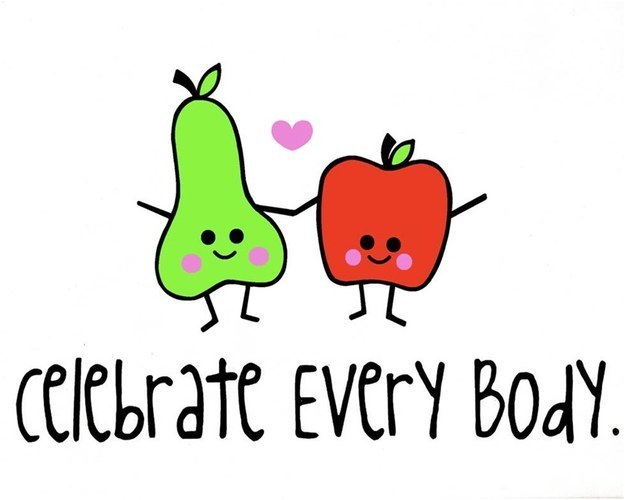
What do we mean by being beautiful? Is it being fair, slim, tall, chubby cheeks and rosy lips? The definition of beauty is being switched over randomly by people in line with their marketing of products. A Hair product adverts that silky and smooth hair is beauty. A skin product adverts that the soap and creams they vend makes you more beautiful. A diet product adverts that the food they provide you, turns you to size zero. All of these beauties just end up being a fantasy. What actually beauty means? It is possessing the quality that gives pleasure or satisfaction to see hear and think about. It is about being genuine, authentic and real, being yourself. Dimple chin or double chin doesn’t matter, DARE TO BE YOURSELF.
By whom are these are these beauty standards being framed ? Day in and day out people are being influenced by several factors like advertisements, brands, magazines and influencers who device body image problems and then exploit them. When we were young we would have had a great craze for barbie dolls which dictated the definition of beauty( fair, slim and tall). According to a study done the barbie dolls does have a huge effect on a younger and older girls’ self esteem because if a child is raised with dolls such as barbie wouldn’t their idea of perfect body image come from their experience by playing with their perfect barbie dolls. When we grow up beauty brands define perfect skin, fair and spotless. Images used in magazines, televisions and newspapers influence the concept of an ideal body weight of nearly 70% adolescent girls. In this world where beauty care is an investment people are expecting the providers of said products to deliver results. There are still products who actually do what they claim and invest on the actual research of products. However in this world where persuasion is done by emotion a lot of beauty care brands invest in advertisements rather than on the real products. If we think in depth beauty brands use hashtags like #loveyourself and #beyourself but are they really encouraging us to do so? They obliquely delude us that we aren’t beautiful enough and impose their selling of products on us. By using our ignorance the cosmetic industry climbs up and up the ladder.

Be aware of the business behind the products you use. Get rid of the unreal things happening around you. Body positivity is the only weapon to overcome these unreal beauty facts created by random people and stop getting influenced. It is the idea that one should be proud, happy and comfortable of ourselves regardless of the size and looks. Body positivity movement has flooded the timeline for years now. There are some who say that it promotes unhealthy lifestyle and encourages obesity, but the movement is all about self acceptance and not letting your physical appearance let you down. Don’t try hard to stick to the stereotypical order that someone has created. KNOW YOUR WORTH AND DEFINE YOUR OWN BEAUTY. There are many ways to motivate you to lose or gain weight but if you dont wish to do so gain enough confidence lose your timidness and confront others valiantly.
DONT TRY TO IMPRESS PEOPLE BY BECOMING FAIR OR SLIM , INSPIRE THEM BY BEING YOURSELF!!!
Mimesis in Aristotle’s Theory of Art [Part B]
![Mimesis in Aristotle’s Theory of Art [Part B]](https://eduindex.org/wp-content/uploads/2021/07/a1819.jpg?w=259&h=1&crop=1)
In addition to imitation, representation and expression; mimetic activity produces appearance and illusion that affects the perception and behaviour of people, though this doesn’t negate Plato’s theory on the “realness” of imitation. For, though it is a common belief that perpetual experience allows us to have a closer look at the ‘real’ because works of art are encoded in such a way that humans are not duped into believing that they are the reality but rather recognise features from their own experience of the world within the work of art that cause the representation to seem valid and acceptable – not just existing object or element but beautifies, improves upon and universalises these artistic musings. Aristotle next explores how imitation gives knowledge not just only to the philosophers but to everyone, which in turn creates a delight. Art unlike Plato who dismisses the said notion of art as an imitative form brings about the best in an artist, in terms of how he produces art. It is also essential to note that Aristotle doesn’t put Mimesis in some hierarchical nomenclature like Plato who’d put it to the lowest level of stratification. In any Tragedy, Aristotle insists on a plot arousing Pity and Fear by spectacle/audience which adds more to comprehending imitation; the spectator need not see the object in person which though is crucial, isn’t a deal – breaker, as even a play which has this element of imitation – can convey the plot effectively this can. Be achieved by delivering the speech, actions, the chorus, setting and other elements in such a way that imitation of the desired idea is carried out with brilliance and would successfully be rousing the cathartic element of tragic pleasure is also an important idea with Mimesis.
He dwells upon how Art doesn’t reflect any aspect of natural life as origin of art to the human affinity is through imitation, and while doing so isn’t discarding or trampling is as something necessarily bad but is entirely critical of an artist. Furthermore, he speaks on The Theory of Art as a productive science — for Aristotle, something which only rational human beings can engage in — as the quality produced determines merit of Art, and so art in its absolute formation is acknowledged by Aristotle focusing on its imitative element, as all works of art are modes of mimesis.
Mimesis in Aristotle’s Theory of Art [Part A]
Please make sure that you read cache up on the next post for more.
Aristotle in his Theory of Art reasons on the imitative nature of art; and further proposes that art imitates everything that is nature. In his theory he hints out that a poet, by his work tells us what is to happen unlike a historian who recites on what occurred in the past, which is put forth by Aristotle himself on the imitative nature of ‘poets’ work. The Oxford English Dictionary defines Mimesis as “a figure of speech, whereby words or actions of another are imitated” or “the deliberate imitation of the behaviour of one group of people by another as a factor in social change”. Mimicry as “the action, practice, or art of mimicking or closely imitating … the manner, gesture, speech, or mode of actions and persons, or the superficial characteristics of a thing” .
Aristotle focuses on the Mimetic nature of Art which isn’t a sole focus of Poetics, and while doing so, he had opposed to what Plato believed, that mimesis was manifested in ‘particulars’ which copies or imitates the forms from which they are derived; thus, the mimetic world (the world of representation and the world of structure of conscious experience) is inherently inferior in that it consists of imitations which will always be subordinate or auxiliary to their original. Aristotle, unlike Plato, has his own interpretation to the theory of imitation and thus doesn’t comply with what Plato presents when he talks about Mimesis. Aristotle has evidently accepted and agreed of the heterogeneous notion of art being produced by different artist differently, which gives a distinct identity to the theory of imitation and so he believes that an artist is responsible to birth an art form unlike Plato, who negates any form of Art – as it’s being thrice removed from reality. He contests these notions of reality and argues to the point that imitation is an extremely natural instinct in human nature, something very basic, the ability to imitate sets human beings apart from other animals and so not only it is natural to imitate it further helps to learn and simultaneously experience delight from it. In Poetics, what Aristotle has wrapped up for us isn’t a very definite answer, for what he means about ‘Mimesis’, instead has left it broad and elusive. Although various discussions on ‘Mimesis’ to be an integral fraction to the relationship between art and nature and to the relations governing works of art themselves. Therefore, we can assert the various species that Mimesis is distinguished in, i.e. Mean; Object; Mode of Imitation. Although for Aristotle, Imitation involves not merely physical resemblance, but also what one might call generally the relations between things or the ‘mechanism’ of things, he thus proposes the three key distinguishers through which one could filter imitations. Mean – is something a poet applies to his work of art, say Poetry and Dance, what distinguishes these two forms is; one requires spoken language to be at fruition and the other, not essentially emphasises on language and it thus could be substituted by music, similarly in Poetry difference in its metres or rhyme scheme and the structure in general could itself separately each genre from the other like Epics, Ballads or Elegy, et cetera. Next is Object of imitation – what the mean — the ‘matter’ of imitation — represent, and this would produce for better or worse or the same effect of the original piece imitated, here Aristotle points at the distinction of Tragedy and Comedy, for tragedy we’d need a better mode of imitation and for Comedy one uses caricature i.e. laughing at the object of imitation, to show an inferior or worse form of imitation to produce the choice effect. Further along is Means of imitation which in poem could be what the poet chooses as a form of delivering his work of imitation.
 Eduindex
You must be logged in to post a comment.