Contribution of NGOs towards the society

Non-governmental Organizations (NGOs) play an important role in the economic development of developing countries. They provide services to society through welfare works for community development, assistance in national disasters, sustainable system development, and popular movements. They take numerable for actions developing our society. NGOs take up and execute projects to promote welfare of the community they work with. They work to address various concerns and issues prevailing within the society. NGOs are not-for-profit bodies which means they do not have any commercial interest. NGOs are run on donations made by individuals, corporate and institutions. They engage in fundraising activities to raise money for carrying out the work they do. Ever since independence, NGOs have played a crucial role in helping the needy in India, providing aid to the distressed and elevating the socio-economic status of millions in the country.

NGOs which have revolutionised Healthcare in India:

1.CRY: Child Rights and You

CRY works towards several causes for children, one of them being malnutrition. It introduced kitchen gardens in anganwadis in Chhattisgarh to provide fresh and healthy food to children. This not only came as a boon to the underprivileged children but also accelerated the anganwadi workers in the same direction. This noble initiative of CRY has helped to see a decrease in the number of malnourished children by about 9-10%.

2.Smile Foundation

Inspired by the philosophy of Peter Senge, the founder of ‘Society for Organisational Learning’, a group of young corporate professionals founded this in 2002. They began working from scratch to bring about a difference in the lives of underprivileged families and communities. Since urban slum dwellers lack the education to be aware of diseases and healthcare, they do not approach hospitals for checkups out of risking a day’s wages. Smile has a two-fold approach to tackle this problem. They first bring quality healthcare services within easy access of the needy. The second step is to promote healthcare awareness and encourage the poor to seek help.

3. Goonj

Goonj has several campaigns, one of them being ‘Share a Bite to your Heart’s Delight.’ It is a venture to encourage people to contribute daily essentials like rice, pulses and so on to the less fortunate. This is an innovative step towards solving the problem of food shortage and thus nutrition among the poor. Goonj has also taken considerable effort towards detaching the stigma associated with menstruation. It has helped college girls speak more boldly and openly about the issue and also involved many Rajasthani women in their menstrual hygiene initiative.

4. HelpAge India

A leading charity working for the disadvantaged elderly of India, has been active for over four decades. It has one of the largest mobile healthcare programs across India, providing free healthcare services to destitute elders. HelpAge India also works towards providing palliative care to end-stage cancer patients. Pairing with several credible and competent hospitals, the organisation helps the poor elderly who cannot afford expensive medication for cancer. HelpAge India has received several awards for his commendable contribution to society. It holds the Chairman’s Challenge Award, Times Social Impact Award and NGO Leadership & Excellence Award among several others.
Bizzare Indian Superstitions

https://www.pexels.com/

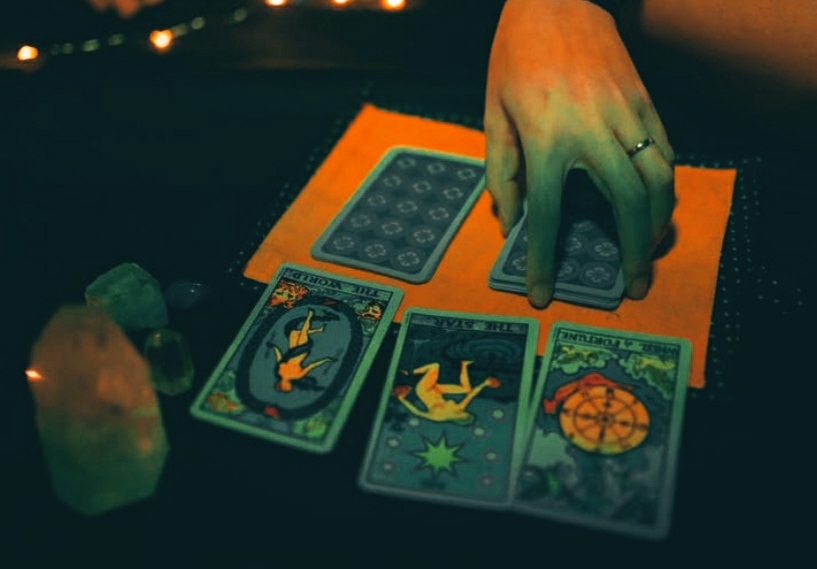
 As the world has entered the era of drone delivery & Chandrayaan launches, yet it fails to get rid of age-old beliefs that have no scientific or logical reasoning behind it. The Cambridge dictionary defines superstition as “a belief that is not based on human reason or scientific knowledge but is connected with old ideas about magic & etc. “
  This blind belief upon superstitions turns one into a mentally-weak, peevish & ridiculous person. This directly or indirectly causes retardation in the progress of the country.
  Although this blind trust upon superstitions is not the same as faith. Exemplary support to describe faith can be the existence of God. It’s not a superstition to believe in his existence. Faith is necessary for a man’s existence. This theism instills the quality of being religious & god-fearing thus ennobling one morally & spiritually.  
There are still many people in the country who believe and follow many of such beliefs and superstitions. While superstitions are usually attributed to lack of education, well-educated Indians also follow these superstitions quite blindly. Although you can’t make out the reason behind them. But they are still being followed within some Indian societies with utmost sincerity. So here is a collection of 10 super-weird & fun superstitions curated just for you :
1] A black cat crossing your way hints one to delay or postpone the work. To tackle the situation, people usually tend to change their way or direction, avoiding to take that particular path that the cat crossed.
2] The hooting of an owl & moaning of dogs are considered to be a bad omen.
3] This has to the most prominent Indian superstition by far. Having a spoonful of sweetened curd before heading out, to begin with, something important is considered auspicious.
4] If a crow is calling by your place, implies you are having guests. On the contrary, a crow’s shit is also implied to bring good luck.
5] Getting hiccups hints that someone is probably thinking of you.
6] Adding a rupee to the cash meant to be given, is considered auspicious.
7] One can easily spot some chilies & a lemon hanging by a string in front of shops in India. This is believed to avert the evil power from your place.
8] There’s a right time & period to cut hair & nails. One shouldn’t cut his nails or hair on Thursdays & Saturdays. Plus also not in the night time.
9] No. 3 or 13 is said to bring bad luck. So one must avoid these numbers.
10] Wearing rings of different stones & metals is said to bring good luck. 

Human Security and Development

The concept of human security has given rise to a range of responses and attracted a lot of attention. It has connected the idea of security with that of human development. The very notion of human security has become a part of a broader political discourse. Typically speaking, the concept represents a departure from traditional security studies, which focus on the security of the state. The subjects of the human security approach are individuals, and its end goal is the protection of people from traditional (i.e. military) and non-traditional threats such as poverty and disease.

The advocates of human security have generally been less focused on meta-theoretical debates about the nature of security and have instead focused on influencing policy to take into account the security of individuals in a more practical sense. The concept of Human Security is often believed to have its basis in the realm of policy and the 1994 UNDP Report is believed to be the key official statement of the concept. The report sought to shift the focus from inter-state conflict to that of issues related to development.

Beyond territorial and military concerns, the Report argued that human security is fundamentally concerned with human life and dignity. For analytical purposes, UNDP classified its four main characteristics as: 1) it is universal, 2) its components are interdependent, 3) it is best ensured through prevention, 4) and it is people-centred.

For UNDP, human security meant safety from chronic threats such as hunger, disease, and repression, and it meant protection from sudden and hurtful disruptions in the patterns of daily life. Understood in these terms, it has also been embodied in the policy axiom of “freedom from fear” and “freedom from want”. While acknowledging the varying intensity of possible threats to human welfare, UNDP grouped these threats in seven non-exhaustive and nonexclusive security categories: –

1) community- protection of traditional culture of ethnic groups

2) economic- freedom from poverty

3) environmental- protection from factors such as pollution and degradation

4) food security- i.e. access to food

5) health- access to healthcare

6) personal- physical safety from the use of violence

7) and political- protection of civil liberties and freedom of political expression

One of the key debates in regarding the definition of Human Security. Primarily these are narrow human security and broad human security. The narrow definition emphasizes on ‘freedom from fear’ i.e. essentially conflict prevention and resolution. On the other hand, the broad definition emphasizes on ‘freedom from fear’ and ‘freedom from want’ i.e. conflict prevention and resolution as well as broader social issues such as health and education.

For many scholars operating within the ambit of critical security studies, the emerging practices associated with human security and development are a source of both critical opportunity and concern. Some say that what usually happens is that the policies and practices, in the name of human security, often fail to fulfill its progressive potential. Thus, Human Security is one of the most challenging contemporary ideas that critical approaches to Security are trying to come to terms with. The concept of Human Security provides a continuing source of debate.

Should borders be open?

The question of immigration in the modern world is a fact of life. It is deemed to be a problem because the world that we live in is a world of states and these states guard the right to determine who may settle within their borders. There are many reasons for opposition to open borders. These include security factor for example, the overarching fear of terrorism, secondly in the name of preserving a certain cultural integrity. Thirdly, as immigrants impose certain costs on society, the states wish to avoid these extra burdens i.e. if the state is a welfare state, they will have to fend for immigrants as well.

Thinkers such a Chandran Kukathas are in favour of open borders. He gave two reasons for the same. The first reason is the principle of freedom which talks about freedoms such as freedom of movement freedom of selling their labour, the freedom to associate with others and so forth. The second is the principle of humanity which talks about how most people live in poverty and therefore need to move to make their lives better. According to this principle, there must be very good reasons if one is to justify turning the disadvantaged away.

An important debate is between nationality and immigration. National interests are given greater importance than that of outsiders. Large immigration may change a society’s character is what defenders of closed borders are worried about. Outsiders who don’t share the same values will not be able to help sustain the same economy, culture or social institutions. There are also fears that bonds of social solidarity may break down.

While addressing the aspect of Security, the proponents of open borders suggest that security from terrorism, security of political system from foreign threats are all legitimate issues but instead of restricting legal immigration what should be done is that illegal immigration should be controlled. Meanwhile the advocates of closed borders do not agree with such a proposition. David Miller argues that people certainly have the interest in being able to migrate internationally but it cannot be a human right. While the right to exit is important as it enables movement from current state of residence, it does not entail an obligation of other nations to let such individuals in. He suggested the idea of entry applications where states can choose whom to accept rather than it being forced on them.

For Miller, the policy of open migration is not a solution because the very poor will anyhow not have the resources that are needed to move to a richer country. If open migration leads to doctors, engineers and other professionals moving from underdeveloped to economically developed countries, the country of origin will be deprived of vital skills. So equalizing opportunity for the few will diminish opportunity for the rest. Thus, improving life conditions at ground level becomes important.

Many underlie the importance of admitting all long-term immigrants to full and equal citizenship in the receiving society. There need to be active policies to help ensure immigrants become a part of the political life of the community.

It’s Alzheimer’s Month

Dementia is an umbrella term for several diseases affecting memory, other cognitive abilities, and behavior that interfere significantly with someone’s ability to maintain their activities of daily living. These functions include memory, language skills, visual perception, problem-solving, self-management, and the ability to focus and pay attention. Some people with dementia cannot control their emotions, and their personalities may change. Dementia ranges in severity from the mildest stage, when it is just beginning to affect a person’s functioning, to the most severe stage, when the person must depend completely on others for basic activities of living. Although age is the most known risk factor for dementia, it is not a normal part of aging.

Fifty million people worldwide currently live with dementia, a condition that causes significant psychological burden as well as social and financial distress to those living with it, their carers, and families. There are nearly 10 million new cases every year. Two in three people with dementia live in low- and middle-income countries.

There is often a lack of awareness and understanding of dementia, resulting in stigmatization and barriers to diagnosis and care. The impact of dementia on carers, family, and society at large can be physical, psychological, social, and economical.

There are many different forms of dementia. Alzheimer’s disease is the most common form and may contribute to 60–70% of cases. Other major forms include vascular dementia, dementia with Lewy bodies (abnormal aggregates of protein that develop inside nerve cells), and a group of diseases that contribute to frontotemporal dementia (degeneration of the frontal lobe of the brain). The boundaries between different forms of dementia are indistinct and mixed forms often co-exist.

There is no treatment currently available to cure dementia or to alter its progressive course. Numerous new treatments are being investigated in various stages of clinical trials. The principal goals for dementia care are:

1.Early diagnosis to promote early and optimal management

The early stage of dementia is often overlooked, because the onset is gradual. Common symptoms include: forgetfulness, losing track of the time and becoming lost in familiar places.

2.Optimizing physical health, cognition, activity and well-being

As dementia progresses to the middle stage, the signs and symptoms become clearer and more restricting. These include:

  • becoming forgetful of recent events and people’s names
  • becoming lost at home
  • having increasing difficulty with communication
  • needing help with personal care
  • experiencing behaviour changes, including wandering and repeated questioning.

3.Identifying and treating accompanying physical illness

The late stage of dementia is one of near total dependence and inactivity. Memory disturbances are serious and the physical signs and symptoms become more obvious. Symptoms include:

  • becoming unaware of the time and place
  • having difficulty recognizing relatives and friends
  • having an increasing need for assisted self-care
  • having difficulty walking
  • experiencing behaviour changes that may escalate and include aggression.

4.Detecting and treating challenging behavioural and psychological symptoms

The following are used to temporarily improve dementia symptoms.

  • Cholinesterase inhibitors. These medications — including donepezil (Aricept), rivastigmine (Exelon) and galantamine (Razadyne) — work by boosting levels of a chemical messenger involved in memory and judgment.
  • Side effects can include nausea, vomiting and diarrhea. Other possible side effects include slowed heart rate, fainting and sleep disturbances.
  • Memantine. Memantine (Namenda) works by regulating the activity of glutamate, another chemical messenger involved in brain functions, such as learning and memory. In some cases, memantine is prescribed with a cholinesterase inhibitor.
  • A common side effect of memantine is dizziness.
  • Other medications. Your doctor might prescribe medications to treat other symptoms or conditions, such as depression, sleep disturbances, hallucinations, parkinsonism or agitation.

Several dementia symptoms and behavior problems might be treated initially using non drug approaches, such as:

  • Occupational therapy. An occupational therapist can show you how to make your home safer and teach coping behaviors. The purpose is to prevent accidents, such as falls; manage behavior; and prepare you for the dementia progression.
  • Modifying the environment. Reducing clutter and noise can make it easier for someone with dementia to focus and function. You might need to hide objects that can threaten safety, such as knives and car keys. Monitoring systems can alert you if the person with dementia wanders.
  • Simplifying tasks. Break tasks into easier steps and focus on success, not failure. Structure and routine also help reduce confusion in people with dementia.

5.Providing information and long-term support to carers.

Dementia symptoms and behavior problems will progress over time. Caregivers might try the following suggestions:

· Enhance communication

· Encourage exercise

· Engage in activity

· Establish a nighttime ritual

· Keep a calendar

· Plan for the future

· Learn as much as you can about memory loss and dementia.

World Alzheimer’s Month is the international campaign to raise awareness about dementia. September 2020 will mark the 9th World Alzheimer’s Month.

SCIENCE BEHIND CONSPIRACY THEORIES….

Despite an unparalleled proliferation of information (or perhaps because of it), many people continue to believe in myths or false narratives that exaggerate, idealize, or misconstrue reality. Indeed, recent surveys have suggested that many people in different parts of the world subscribe to ‘conspiracy theories’.

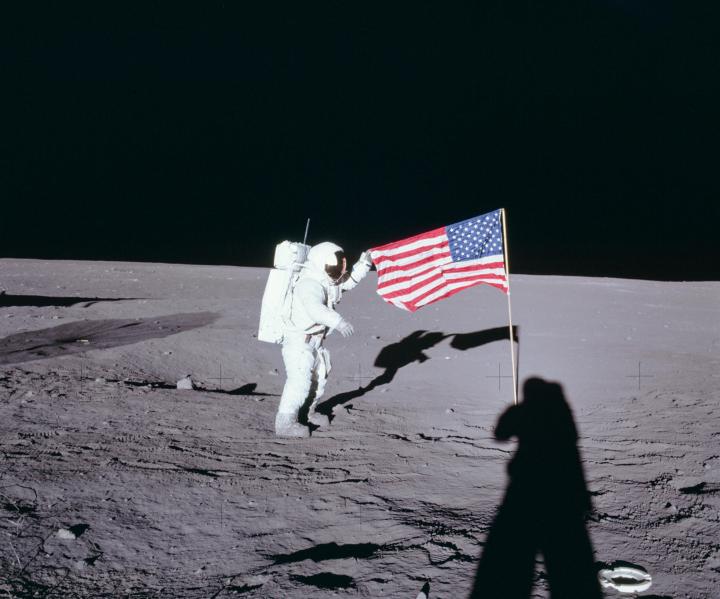
The Moon Landing Hoax

From NASA: Apollo 12 commander Charles “Pete” Conrad unfurls the United States flag on the lunar surface during the first extravehicular activity on Nov. 19, 1969.


In the 1978 film Capricorn One, American astronauts and NASA faked a Mars landing. Though a mediocre film, it was an interesting idea, and one that would endure for decades. In 2001, Fox television aired the program “Conspiracy Theory: Did We Land on the Moon?,” which rehashed many discredited “discrepancies” between the official version of the moon landing and photographs of the landing. (Curiously, they never explain why NASA would distribute photographs that would “prove” that they had faked the moon landing.) Websites such as BadAstronomy.com have pages and pages of point-by-point, detailed refutations of the Fox claims.

Of course, even if there was some credible evidence showing that the 1969 Apollo moon landing was a hoax, conspiracy theorists must also account for later moon missions, involving a dozen astronauts. And there’s the issue of the hundreds of pounds of moon rocks that have been studied around the world and verified as of extraterrestrial origin… how did NASA get the rocks if not during a moon landing? Many astronauts have been offended by the implication that they faked their accomplishments. In fact in 2002, when conspiracy theorist Bart Sibrel confronted Buzz Aldrin and called him a “coward and a liar” for faking the moon landings, the 72-year-old punched Sibrel in the jaw.

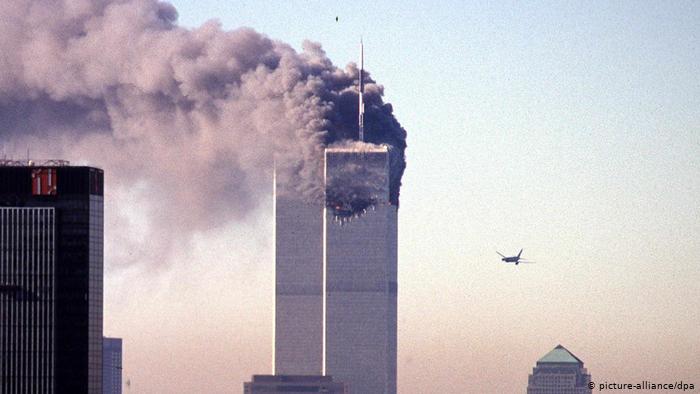
The 9/11 Conspiracies


The evidence is overwhelming that the terrorist attacks of Sept. 11, 2001, were indeed the result of a conspiracy. There’s no doubt about it: A close (or even cursory) look at the evidence makes it clear that it was carefully planned and executed by conspirators. The question, of course, is who those conspirators were. Osama bin Laden and the crew of (mostly Saudi) hijackers were part of the conspiracy, but what about President Bush and Vice-President Dick Cheney? Did top Bush advisors, including Paul Wolfowitz and Donald Rumsfeld, either collaborate with bin Laden, or intentionally allow the attacks to happen?

Put another way, was it an inside job? Conspiracy theorists believe so, and point to a catalog of supposed inconsistencies in the “official version” of the attacks. Many of the technical conspiracy claims were debunked by Popular Mechanics magazine in March 2005, while other claims are refuted by simple logic: If a hijacked airplane did not crash into the Pentagon, as is often claimed, then where is Flight 77 and its passengers? Are they with the Roswell aliens at Hangar 18? In many conspiracy theories, bureaucratic incompetence is often mistaken for conspiracy. Our government is so efficient, knowledgeable, and capable—so the reasoning goes—that it could not possibly have botched the job so badly in detecting the plot ahead of time or responding to the attacks. I find that hard to believe.

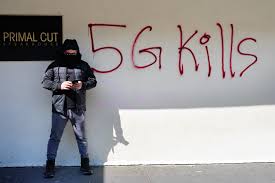
Blaming 5G

This conspiracy theory should be easy to debunk: it is biologically impossible for viruses to spread using the electromagnetic spectrum. The latter are waves/photons, while the former are biological particles composed of proteins and nucleic acids. But that isn’t really the point — conspiracy theories are enticing because they often link two things which at first might appear be correlated; in this case, the rapid roll out of 5G networks was taking place at the same time the pandemic hit. Cue a viral meme linking the two, avidly promoted by anti-vaccine activists who have long been spreading fears about electromagnetic radiation, egged on by the Kremlin.

It’s worth repeating, as the World Health Organization (WHO) points out, that viruses cannot travel on mobile networks, and that COVID-19 is spreading rapidly in many countries that do not have 5G networks. Even so, this conspiracy theory — after being spread by celebrities with big social media followings — has led to cellphone towers being set on fire in the UK and elsewhere.

BUT WHY?

Why are people drawn to conspiracy theories?

There’s been a lot of recent work in psychology attempting to figure out why some people are particularly drawn to conspiracy theories. For example, research has found that people who believe in conspiracy theories tend to have a greater need for cognitive closure (the desire to find an explanation when explanations are lacking) and to be unique. They’re more likely to have a cognitive bias called hypersensitive agency detection or tele logic thinking (whereby events are over attributed to hidden forces, purposes, and motives). Some research has also found that conspiracy beliefs are associated with lower levels of education and analytic thinking.

That said, studies have also revealed that half of the US population believes in at least one political or medical conspiracy theory.So belief in conspiracy theories is far more “normal” than many of us might think. 

The popularity of films like JFK, The Manchurian Candidate, and Conspiracy Theory illustrates how many of us can be drawn to a good conspiracy theory. Over the two past years, half of the country has been anxiously expecting that the Mueller report would reveal one of the biggest conspiracy plots in American history, while the other half believes that the conspiracy was the Mueller investigation itself. And of course, occasionally conspiracy theories turn out to be true! 

SCIENCE BEHIND

CURIOSITY

Yes, Human brain is the most powerful super computer and an idea emerging from is the most powerful weapon (Eg: Nuclear Bomb). The brain is always trying to connect the dots around us to make a pattern and when it successfully connected the dots the dopamine that released by it feels pleasurable.

END

TEACHER’S DAY 2020

https://www.pexels.com/

  Every year on 5th September India observes Teacher’s Day. This is a day marked with some remarkably enthusiastic celebrations at various educational institutions. But this has been now replaced by ideally sulking at home. Days when a class used to buzz of screaming & wailing children and the rest is history. The traditional classroom teaching has now been replaced by online classes. This pandemic has caused a total 180-degree split in everybody’s life. 

   You must remember days when your class used to be compared to a fish market, right? A class without a teacher is like an earthquake hit. This followed a drop-dead silence in the class plus some students kneeling in the corridor. This is a day to convey a humble tribute to the teachers nationwide for dealing with their students & guiding them the correct path to soar high. According to Hindu culture, a teacher is considered to have a niche equal to that of the Gods. Thus on this occasion, I’ll like to quote this :

 GururBrahma gururVishnu

 GuruDevo Maheshwarah |

 Guru Sakshat ParaBrahma

 Tasmai Shri Gurave Namah ||

 Meaning: Guru-the spiritual guide- is Brahma, Vishnu, and Mahesh. Guru is Parabrahma (Supreme God or the absolute truth). With this knowledge, I offer my obeisance to the Guru. 

    This is an ancient Sanskrit shloka composed by the great Hindu mystic, Adi Shankaracharya. 

    On this occasion let’s recall some of the most famous teachers from Indian mythology :

 1] Dronacharya

 Dronacharya is probably the most popular mythological teacher. He was the ‘guru’ of Pandavas and Kauravas. He is also known for his widely known association with his brilliant student Eklavya. 

 2] Valmiki 

 He is generally known for writing the Ramayana. But he was also the teacher of Lord Rama’s & Sita’s sons, Luv & Kush. He taught the twins shastras & the art of using weapons. 

 3] Parshurama 

 He is an avatar of Lord Vishnu who also served as a mentor to Bhishma & Dronacharya. 

https://in.pinterest.com/

    A teacher is someone who helps students to gain knowledge and competence as well as impart ethics. As it is rightly said, “A teacher is like a candle that consumes itself to light the way for others.” This saying has been credited to the Italian poet Giovanni Ruffini and the Turkish statesman Mustafa Kemal Atatürk.

     Lastly, how can we probably forget the greatest mentors of all times who, have contributed to the development of the nation? Let’s get some insight into these great personalities :

 1] Dr. Sarvepalli Radhakrishnan

 Dr. Sarvepalli Radhakrishnan was born on September 5, 1888. His birthday is celebrated as the Teachers’ Day in the country. He served as the first Vice President and second President of Independent India. Before joining politics, he taught at Madras Presidency College. 

 2] Dr. APJ Abdul Kalam

 Dr. APJ Abdul Kalam was born on October 15, 1931. He has served the country as the 11th President of India & has also taught at various colleges such as IIT, IIM, BHU, etc. 

 3] Swami Vivekananda

 Swami Vivekananda was born on January 12, 1863. He was an Indian Hindu monk who was behind Ramakrishna Mission. He propagated the Gurukul system in the country, where teachers and students lived together.

4] Savitribai Phule

 Savitribai Phule was born on January 3, 1831. She was an Indian social reformer & educationalist. She is the first female teacher of India who played a vital role in improving women’s rights in India. 

    So let’s all extend heartfelt gratitude to all the teachers who have been tirelessly working even through this hardship of the pandemic to prevent disruptions to students. Aware of the current situation, the online classes aren’t doing any justice compared to traditional classes. But we can do is stand united in these times of difficulty & hope for a better tomorrow. 

One Rule…can end up corruption by 70%


There are many people who talks about it , and few screams and fight to end it…………but since ages, it’s not being possible to make a difference, and still have not got independence from it’s foul smell, where someone dwelling in it , without sense. But, should we live in this rut forever ?…And to accept ourselves as incapable of destroying it, and to live like a looser.


I have a one brilliant rule, if it comes into play that undoubtedly changes the fate of the country. Before i reveal it, let us know why this rule works besides many measures being taken were failing since decades.
The main feasible condition for corruption, is lack of surveillance and awareness among people,and how it greatly damages our standard of living. So,creating awareness among all the people might sometimes work, but most of the time it rewards us with great disappointment. because, India has biggest population, it’s hard to make all of us to bring on to one platform with one voice.


But, there was no dearth of solution, if we think and the first said idea is………….
This idea works with collection of students, professors, university bodies, govt anti corruption and adminstrative bodies , police.
You may wonder that how, could you connect students, professors with police?
The bitter fact is, about 90% of indian passouts graduates are unskilled according to the several esteemed surveys. The main reason for it is, not having a platform to access practical knowledge, we have severe shortage of internship opportunities and real time project works. This problem can also be indirectly solved by our main idea.

The govt should make project works mandatory and give them more importance in their course, some may refrain with this idea…but if we couldn’t able to perform on projects itself, how can we able to sustain after getting to global market; initially it might be hard, but with support of our peer and lecturers we can excel gradually.
Now, we all should be assigned project works by our colleges in collaboration with national education body (now MHRD), only on all governmental assets and organisations….here comes a game changing shot. But, how is it possible?

The government must allow all the students to study governmental organisations, properties, and projects build by them.(let’s say a dam, hospital etc…). This helps to make an assessment for the quality of work being done in various govt fields and organisations.The reports submitted by students can be used by anti corruption agencies and help them to understand the situation at very ground level. As it’s not possible for anti corruption agencies to keep an eye over every inch of the whole country, they can use this student community as a strongest trustworthy network as they don’t provide false reports, if in case; the professor and the whole college who guided him will be felt guilt, and leads to their lack of reputation in society. so, this locking system can help students ro not provide false reports.

All the students must be allotted some projects on live aspects(like dams, hospitals ,industries built and being run by govt) in their respective fields, and we have to start analyzing their maintenance and prepare and submit the report of it’s quality and working efficiency. Here itself, we get an opportunity to dig up the flaws went up and to make a change by preparing efficient reports of the atrocities made and corruption that underwent.

For say, i’m a student of civil engineering, got a project to understand about kaleshwaram dam and have to submit report on it. I started by when it has built, and how much cost it took, what are the materials used in it, what are the technologies use in it, why does the walls of the dam is being getting cracks just after 5 years of its inauguration, what is the reason for recent fire accident……..when i submit the detail report to the college, I am gonna get my marks
The above said will be the work of every student in every field, not only engineering also health,law, agriculture,finance and every field.
Instead the anti corruption bureau working on intensive ground level, they can collect all the project reports form all colleges and will be easier for them to take action, by using the information.
As, it is a real time project, the professor of individual group must take care of no flaws and genuinity of information, as it will be a major source for higher govt authorities to take action.
In simple, students has to set on to study the past govt projects and organisations; and the detailed project reports and student community acts as a strong surveillance framework and it bring out the corruptions of the past as well as prevents the corruptions of the future. This idea, if it honed by the bright minds of our country, it can surely be an influential act.

COVID-19 Pandemic Led to Delays in Care for Nearly Half of Breast Cancer Survivors

Breast Cancer is nowadays rapidly increasing in the urban Indian women.The early weeks of the COVID-19 pandemic caused 44% of breast cancer survivors to have a delay in care, according to an online survey.Because COVID-19 is so contagious, and to save healthcare resources for people diagnosed with COVID-19, many hospitals and other healthcare facilities delayed or cancelled elective procedures beginning in March 2020. Elective procedures included anything that didn’t need to be done to save someone’s life. Breast cancer screening was considered an elective procedure, so many mammograms were delayed or cancelled. Some breast cancer surgeries and other treatments also were delayed, changed, or cancelled.

The researchers from the University of Illinois Chicago who did this study wanted to see how changes in healthcare due to the pandemic affected people who had been treated for breast cancer.The researchers wrote a 50-question online survey to figure out how the COVID-19 pandemic had affected breast cancer care. The researchers invited adults who had been diagnosed with breast cancer to complete the survey by sending invitations via email, posting on social media, and sending invitations to breast cancer support networks. The coronavirus disease (COVID-19) pandemic has had a profound impact on cancer care across the globe. Early data indicate increased risk of COVID-19 morbidity and mortality for cancer survivors.

Delays in a routine or follow-up doctor appointment were the most common, followed by delays in breast reconstruction surgery and diagnostic imaging or testing.About 30% of the respondents said they had a delay in treatment, including radiation, infusions, and surgery to remove the cancer.

As time has passed, doctors have seen how protective procedures, such as wearing a face mask, washing your hands, maintaining physical distancing, and avoiding gathering with people in a group, have helped slow the spread of the virus. So most facilities are once again offering all aspects of breast cancer care, including screening.

During the pandemic, the weekly average number of people diagnosed with these six cancers dropped by 46.4%. Specifically, breast cancer diagnoses dropped by 51.8% — from 2,208 to 1,064.

“Our results indicate a significant decline in newly identified patients with 6 common types of cancer, mirroring findings from other countries,” the researchers wrote. “The Netherlands Cancer Registry has seen as much as a 40% decline in weekly cancer incidence, and the United Kingdom has experienced a 75% decline in referrals for suspected cancer since COVID-19 restrictions were implemented.

“While residents have taken to social distancing, cancer does not pause,” they continued. “The delay in diagnosis will likely lead to presentation at more advanced stages and poorer clinical outcomes. One study suggests a potential increase of 33,890 excessive cancer deaths in the United States.”

Drinking water, or soluble chemicals.

Water, you might have known it’s value, when your are thirsty but out of water. we nearly feel like to be gonna die. For, traditional Indians, you might known it’s value when you experience sudden cutoff of water supply ,in bathroom. All of us take this important thing for granted, but if once water wants to escape from us, the screams of 1.3 billion bangs the whole world. You may wonder, why only Indians scream …….ok, before you wanna know about it, also think ; Is your drinking water safe?, hey!..don’t tell that, i’m alright from the time i have born, no problem with drinking water.

Here, i just would like to bring up some most fundamental aspects of our life, i wanna recall we aren’t so much safe and being effected by things, but we never realize until they blasts a bomb in our life. One such is, drinking water; seems to be pure in color, no visible dust particles to our naked eye, but they have already been carrying invisible toxic substances with it, and ready to destroy us slowly after getting inside of us. Most of you might not care this, and stamps this as a boring story, but never forget; your taking some chemicals at every time you have a sip, and leaving your organs as a playground for the toxics that have gone inside you, along with the water you intake.

You better know the water sewage infrastructure in india, even some have been setup for namesake. So, the only option left for us to take care of ourselves. we cannot stop the flow of untreated chemicals and industrial waste into water. sometimes, There rises a campaigns and goes to sleep within no time.

Then, how to get a solution for this problem and to have a safe drinking water. The one thing is to setup water treatment plants by forming as a community, or to use water purifiers at home, leaving no space to compromise with it’s quality, Just even getting into debt; in long run saves you from unsolvable threats. But the bitter fact is, the cost of water purification is too high. But sadly we were pretending to believe the low level mechanisms and being fooled. One such example is, at rural areas or some public water suppliers , can get a 10 litres of water for just 2 rupees, whereas the premium water brands like tata provides the purified mineral water bottle of 1 litre for 20 rupees. This scenario can make us understand , how we are being pretended that low filtered water as mineral.The looters have just redefined the meaning of name itself.

we have been facing many health issues, one of the most important is, elders are facing problems regarding bone strength and losing immunity at very mid ages. This was an indirect effect of consuming water, because there is a clear picture of releasing pollutants from industries into water, but we confine ourself it might be because of age. This gonna definitely show impact on generations, if not resolved our life span keeps on reducing untill we open our eyes.

There is a huge need for communities to come forward and have awareness about the fundamental thing of our life, and come up with a feasible solutions.

Small amount of consumption of alcohol can be bad for the health

While daily consumption of alcohol increases apetite, studies have also associated alcohol with an increase in the amount of subcutaneous fat, both in men and women, especially around the abdominal area.Alcohol consumption makes certain changes in the body which results in weight gain. Researchers at the University of Liverpool found that daily consumption of alcohol increases the appetite by reducing the functioning of leptin (the hormone which manages and reduces hunger), which ultimately results in weight gain. 

As per the US-based Centers for Disease Control and Prevention, moderate use of alcohol is defined as two drinks a day for men and one for women, depending on alcohol content in the concerning drink. But recent research done on 2.7 crore people shows that even a small amount of alcohol can have a strong negative effect on people.

The results of the analysis showed that alcohol consumption has a strong association with obesity, as well as metabolic syndrome. Metabolic syndrome is a cluster of conditions such as obesity, abnormal blood sugar levels and high blood pressure, all of which increase the risk of heart disease, stroke and type 2 diabetes.

It was found that men who consumed either half or one standard drink a day (which is equivalent to 7.1 to 14 grammes of alcohol) were around 10 percent more likely to suffer from obesity and metabolic syndrome while the ones who consumed up to two drinks a day (which is equivalent to 14.1 to 24 grammes of alcohol) showed 22 percent to 25 percent increased risk of getting the disease.

Amongst all, the men who drank more than two drinks (24 grammes of alcohol) per day showed 34 percent higher risk for developing obesity and 42 percent increased risk of suffering from metabolic syndrome.

PUBG MOBILE APP BANNED BY GOVERNMENT

PUBG MOBILE, a wildly popular online multiplayer shooting game, is among 118 Chinese apps blocked by the government Wednesday amid tension over fresh Chinese provocation in Ladakh. Ministry of Electronics and Information Technology (MeitY) has banned 118 more Chinese apps including one of the most popular mobile games PUBG Mobile. The official press release stated that all of these apps have been “banned under section 69A of the Information Technology Act”. The government said that it has “decided to block 118 mobile apps since in view of the information available they are engaged in activities which is prejudicial to sovereignty and integrity of India, defence of India, security of the state and public order.”

The apps have been banned in the country on Wednesday. The apps are still available on the Google Play store and Apple App store. It takes some time for such orders to get enforced and hence both PUBG Mobile and PUBG Mobile Lite are still available on the app stores. Users can still be able to download the game before it’s gone from the app store. If PUBG MOBILE does not turn off server access to the region, users will still be able to play the game on their smartphone.

In a measure of PUBG’s huge popularity in India, Prime Minister Narendra Modi, during an event on exam stress last year, had remarked to a mother complaining about her teen: “Yeh PUBG-wala hai kya (Is he a PUBG player?)”. 

In June, the government banned 59 mobile apps including Bytedance’s TikTok, Alibaba’s UC Browser and Tencent’s WeChat, also citing security concerns.After the PUBG Mobile ban, many people are worried about their money, which they had invested in the game for buying skins, Royale Pass and more. PUBG Mobile has not provided any statement regarding this. But, most possibly players will have to raise a dispute regarding this on the respective app stores to get their money back.

Climate Change and Human Rights

It is an indisputable fact that climate change has detrimental effects on human beings and in particular on the disadvantaged. Yet, many normative frameworks of analysis tend to ignore the human rights angle.

Scholars such as Simon Caney believe that a Human Rights approach is the appropriate way forward to use as the main lens while viewing and analyzing Climate Change. Caney recognized three major elements of this.  1. Climate change jeopardizes some key human rights. 2. A human-rights-cantered analysis of the impacts of climate change enjoys several fundamental advantages over other dominant ways of thinking about climate change. 3. A human-rights-cantered analysis of the impacts of climate change has far-reaching implications for the kind of action that should be taken.

The need of the hour is an understanding among the international community at large that climate change isn’t simply a political or economic issue. It is very much a human rights issue, the biggest one of its kind. Problems such as greenhouse gas emission into the atmosphere, not only destroy ecosystems but at the same time, they also violate human rights.

The United Nations Environment Programme in its 2015 Climate and Human Rights report outlined that extreme weather events are more prevalent in a warming world, leading to death, destruction of property and crops and limited access to food, water, shelter, healthcare as well as education. This report hence highlighted the detrimental implications that climate change has on human life.

World leaders must understand the severity of the problem at hand. A lot is at stake for humanity and the question of human rights if we continue to delay climate action. Environmentalists believe that most effective option would be to reduce greenhouse gas emissions as quickly as possible. The impacts of the greenhouse gasses currently in the atmosphere will be felt for decades. Thus, applying a human rights approach is more crucial than ever before.

As climate change intensifies, people will be forced to adjust, invest big in infrastructure or migration. This shows that those who have more money can afford to escape severe damage. But those who are historically neglected or marginalized in will be further disadvantaged and threatened. This shows that climate change does not impact everyone equally. Low income communities, women will all be disproportionately affected as global temperatures rise. These groups will thus suffer the most due to climate change. But what this inequality of climate impacts could lead to is a continued hindrance to the progress of climate action as those better-off would continue to feel that they’re relatively safe from the adverse effects of climate change.

Thus, in order to level the playing field, it is crucial to recognize the adverse effects of climate change, which violates human rights and disproportionately affects communities that are already most vulnerable. The reason that we need a human-rights approach is because it attempts to protect the vulnerable, while a cost-benefit analysis fails to do so because of its character, and a security-based approach fails to do so because its concern is only with climate change that causes conflict.

The Apatani

Arunachal Pradesh is the land of lofty mountains, pristine landscape, and a large tribal population. Surrounded by blue rolling hills, tucked in foothills of Himalayas, and nestled in the lap of nature, is the tiny yet picturesque town of Zero. Zero Valley is the home to the Eastern Himalayan ethnic group, Apatani or Tanii as they call themselves. The Apatani people were unknown to the outside world until the 1900s. The valley is dotted by paddy fields and the tribe makes its living from farming and fishing. They reflect a beguiling co-existence between man and nature.
The Apatani tribe is non-nomadic which means, unlike other tribes, they don’t travel. Though, some sources say they migrated from Mongolia and Tibet regions.
The Apatani has no written historical record, but a very strong oral culture. It is through folklores and stories transmitted orally from generations, one gets to know about their rich past.

The Apatani also had some traditions which seem quite unusual to the modern world. One of them being the forceful abduction of girls and women by the men of their tribe in to wed them. Once the girl is picked by the man, the shaman, the religious priest, would check their compatibility in the chicken’s liver, thus declaring them married. They are also one of the very few tribes who practice their religion. Apatani follows the Dongi- Polo religion which is worshipping nature, the Sun, and the Moon. They have a totem in every house and sacrifice animals to seek spiritual blessings for their tribe and land. Their major festivals are Murung in January and Dree in July.

Besides their cultural heritage is distinct too. The Apatani women adorn themselves with big wooden nose plugs known as Yaping Hurlo and facial tattoos known as Tippie. At the time Apatani women’s first menstruation their face is tattooed and nose plugged. The ink of the tattoo is made up of pig fat and soot from the fireplace and the motif is hand-poked on the face using a thorny plant. The tattoo is a line extending from their forehead till the tip of the nose and five lines under the lower lip. Men also have a T shape tattoo on their chin.

The famous story behind the practice of nose plugs and the facial tattoo is fascinating. The Apatani tribe women were considered to be the most beautiful women in Arunachal Pradesh, and men from neighboring tribes would try to steal them. To protect them, the Apatani women were made to have the nose plugs and cover their faces in the tattoo. This was done to disfigure them so they look less appealing and over time it has embedded in their local culture. But this is just one of the stories one gets to hear about this practice. There are other stories for different reasons. But unfortunately, there is no written account to solve the mystery.

But this ‘Apatani art’, as the older Apatani women call it, is slowly dying. The newer generations are not into nose plugs and facial tattoos. They are now going out to the ‘Indian mainland’ to study and believe that this practice is a visual identification of their tribe, often making them prone to discrimination in their social lives. Also, the tradition was banned by the government in the 1970s and thus is no more in practice. The nose plug and tattoo are only visible on older Apatani women. But the last bearers of this tradition are proud of their identity.
Presently, only 60,000 Apatani people are living in the Zero Valley. Their tribe and its tradition are on the verge of extinction.

startup-in a simple language

As you have seen above, let us explore the idea of startup in simple sense. Startup is simply coming up with a solution for earlier unsolved problems, or with a more enhanced solution than that of the solutions, which already discovered.

startups are the only way to bring up equality among all citizens, by providing equal opportunity for all of us to execute our own plans. But,I wonder!, how is it possible for all of us to make startup ? and How do they help in bringing up equality?. Cool…let’s us get into the thick jungle,slowly.

It’s really hard to come up with a whole new solution, but we definitely inherit the talent of adding colors to the existing product in our own style. This little glimpse added by us, keeps us apart from the whole crowd and paves a way full of opportunities. This is the ideology, which created a unique brand for desi chai, mobile dosa van, desi handicrafts and many more have emerged into promising brands. One thing in common is adding the local swag to every product and enriching it with our culture creates more opportunities for common man to sustain in this corporate world. There is a great necessity for all of us to promote our very businesses to the next level by analysing trends in the market and making appropriate changes for our products.

If startups have not emerged, it leads to dearth of job opportunities, in return leaves huge amount of youth unemployed. You know better, what are the problems to be faced being an unemployed ?. There is an other alarming effect of not coming up with startups. All the wealth will be not distributed uniformly and the flow of money ceases. The best example of this is one man being the fame since decades, the ambani being one of the master businessman and had occupied space in almost every area.The money directly or indirectly from a tiny village to metro city is being transferred to his account. In return, who knows the savings of ambani in banks and as well as the unliquified money in the form of valuable assets. The money from the whole nation reached heavily to one place. To disburse this money equally, it is necessary to come up with startups, but not merely with business. Because, business always cannot reward profits, but we have high opportunities to turn every startup into successful business as it has one unique feature which always helps us to be on top.

The above said format of startups are not very risky neither requires great outstanding intelligence. But, there is always necessary for bright minds to use their knowledge to discover whole new solutions for the problems not yet resolved and being haunting us since ages. There was no great amount of awareness among us regarding research, which was one of the vital base of strong startup. We are just being dwelled in struggle, striving to understand the academics, it is because of poor quality of teaching and educational practices. So, it must be our responsibility to take up new pathways by understanding the whole scenario.

we could able to create, only when we able to learn and apply what we learnt. In the process of pursuing studies by real life applications, enables us to find the gaps and new thoughts bloom in our minds to bridge that gaps. That is what innovation is..and with right vision and the ability to take it into the market makes a great startup…….however, so much glad , that most of the youth are turning towards this naya trend called startup swag…and turning their dreams into reality.