A nano meter is a unit of length in the metric system, equal to billionth of a meter (10).
Technology is the making ,usage and knowledge of making tools, machines and techniques ,in order to solve a problem or perform a specific function.
Nanotechnology is the study of manipulating matter on an atomic scale.
Nanomaterials in textiles have proved to be immensely valuable for the manufacturing of protective garments for workers involved in emergency services such as military personnel, firefighters and medical workers.
There are different methods for the production of nanoengineered textiles. For example, sometimes synthesized nanoparticles are incorporated into the fibers or textiles.
Nanoparticles are also applied as a coating on the surface of the finished product. There are also different coating techniques such as sol-gel, plasma polymerization and layer-by-layer that are used in the application of nanoparticles onto textile fibers.
These techniques can enhance durability and are also capable of making the fabric resistant to extreme weather conditions. The composition of nanocoating materials, such as surfactants and carrier medium, can alter the surface texture of fabrics.
Nanotechnology materials advantages are:
Lighter
Faster
Stronger
Smarter
Safer
Cleaner
Even more precise.
Nanotechnology materials disadvantages are:
Very expensive
Hard to create
Single molecule of powder or dust can damage the whole thing.
National symbols: Jaguar (national animal), macaw (national bird) and cattleya orchid (national flower), national colours: green, yellow and blue, the constellation of the Southern Cross
Satyajit Ray was India’s first internationally recognized film-maker and, several years after his death, still remains the most well-known Indian director on the world stage. Ray has written that he became captivated by the cinema as a young college student, and he was self-taught, his film education consisting largely of repeated viewings of film classics by de Sica, Fellini, John Ford, Orson Welles, and other eminent directors.
Satyajit Ray
Early Life and Family Background
Satyajit Ray was born into an illustrious family in Kolkata (then Calcutta) on 2nd May,1921. His grandfather, Upendra Kishore Ray-Chaudhary, was a publisher, illustrator, musician, the creator of children’s literature in Bengali and a leader of the Brahmo Samaj, a religious and social movement in nineteenth century Bengal. His father, Sukumar Ray, was a noted satirist and India’s first writer of nonsensical rhymes, akin to the nonsense verse of Edward Lear. Having studied at Ballygunge Government High School, Calcutta and completed his BA in economics at Presidency College, Satyajit Ray went on to develop an interest in fine arts. Later in life, Satyajit Ray made a documentary of his father’s life. His film, Goopy Gyne Bagha Byne, was based on a story published by his grandfather in 1914, but even other films, such as Hirok Rajah Deshe, “The Kingdom of Diamonds”, clearly drew upon his interest in children’s poetry and nonsensical rhymes.
Satyajit Ray with Akira Kurosawa
The Crisis of Indian Cinema Before Ray
From the 1920s to the early 1950s, several directors working within Hollywood—as well as filmmakers in former Soviet Union, France, Italy, Germany, and Japan—considered cinema not as a mere tool of entertainment but as a medium for creative expression. Filmmakers such as Charlie Chaplin, Sergei Eisenstein, Jean Renoir, Roberto Rossellini, Vittorio De Sica, Akira Kurosawa, and others deployed artistically innovative filmic devices to convey profound statements about the complexities of life. Some of the aesthetically satisfying films produced during this period were hailed as cinematic masterpieces. Films in India, however, prioritised cliched elements such as sentimental slush, ersatz emotion, theatricality, romantic tales, spectacle-like songs, and happy endings in these decades. Instead of making serious attempts at formal experimentation, Indian directors continued catering to the lowest common denominator audience.
Iconic scene from Pather Panchali (1955)Pather Panchali (1955)
Breakthrough of Satyajit Ray
A young Ray had grown up on Hollywood movies, so when his ad agency sent him to London for higher training, he spent more and more of his time in the company of films and started “losing interest in advertising in the process,” he once said in an interview. During this trip, he saw Vittorio De Sica’s “Ladri di biciclette” (Bicycle Thieves),in 1948, a neo-realist Italian masterpiece of post-War despair and was entranced by its beguiling simplicity and humanism. Back in Calcutta, he heard that Jean Renoir was in town and walked straight into the hotel where the great French filmmaker was staying to confide in his own dreams of making a movie someday. Renoir, who was location-scouting for The River in Calcutta at the time, encouraged the aspirant. And so began the journey of the song of the little road.
Subir Banerjee as Apu in Pather Panchali (1955)
Ray’s landmark debut, Pather Panchali ( which was adapted from eponymous 1928Bengali novel “Pather Panchali” by eminentBengali novelist Bibhutibhusan Bandopadhay) was on a shoe-string budget in 1955 with a mostly non-professional cast. All the while, he clung on to his job for a safety net even as he shot what would become the first of the classic Apu Trilogy on weekends. The film was apparently being made by a group of neophytes, who had to stop filming more than once, owing to the depletion of their shoestring budget.
Smaran Ghoshal as Apu in Aporajito (1956)
Notable Films of Satyajit Ray
Ray directed 36 films, comprising 29 feature films, five documentaries, and two short films.Pather Panchaliwas completed in 1955 and turned out to be both a commercial and a tremendous critical success, first in Bengal and then in the West following a major award at the 1956 Cannes InternationalFilm Festival. sured Ray the financial backing he needed to make the other two films of the trilogy: Aparajito (1956; The Unvanquished) and Apur Sansar (1959; The World of Apu).Pather Panchaliand its sequels tell the story of Apu, the poor son of a Brahman priest, as he grows from childhood to manhood in a setting that shifts from a small village to the city of Calcutta.
Chandana Banerjee in Teen Kanya (1961)During the Shooting of Jana Aranya (1975)Utpal Dutta in HirokRajar Deshe(1980)Soumitra Chatterjee in Hirok Rajar Deshe (1980)Chhabi Biswas (in middle) in Jalsaghar (1958)Shabana Azmi in Shatranj ke Khilari (1977)Satyajit Ray during the shooting of Sonar Kella(1974)
Ray’s major films about Hindu orthodoxy and feudal values (and their potential clash with modern Western-inspired reforms) include Jalsaghar (1958; The Music Room), an impassioned evocation of a man’s obsession with music; Devi (1960; The Goddess), in which the obsession is with a girl’s divine incarnation; Sadgati (1981; Deliverance), a powerful indictment of caste; and Kanchenjungha (1962), Ray’s first original screenplay and first colour film, a subtle exploration of arranged marriage among wealthy, westernized Bengalis.Shatranj ke Khilari (1977; The Chess Players), Ray’s first film made in the Hindi Language , with a comparatively large budget, is an even subtler probing of the impact of the West on India. Although humour is evident in almost all of Ray’s films, it is particularly marked in the comedy Parash Pathar (1957; The Philosopher’s Stone) and in the musical Goopy Gyne Bagha Byne (1969; The Adventures of Goopy and Bagha), based on a story by his grandfather.
His other notable films were Ahsani Sanket (1973; Distant Thunder), Aranyer Din Ratri (1970; Days and Nights in the Forest) , Mahanagar (1963; The Big City) and a trilogy of films made in the 1970s—Pratidwandi (1970; The Adversary), Seemabaddha (1971; Company Limited), and Jana Aranya (1975; The Middleman), Ganashatru (1989; An Enemy of the People), Shakha Prashakha (1990; Branches of the Tree), and the Agantuk (1991; The Stranger).
Poster of Shatranj ke Khilari (1977)Poster of Devi(1960)Poster of Ghore-BairePoster of Mahanagar(1963)Poster of Apur Sansar (1959)Poster of Nayak Poster of Charulata
Work As A Novelist
Ray created two popular fictional characters in Bengali children’s literature—Feluda, a sleuth, and Professor Shanku, a scientist. The Feluda stories are narrated by Topesh Ranjan Mitra aka Topse, his teenage cousin, something of a Watson to Feluda’s Holmes. The science fictions of Shonku are presented as a diary discovered after the scientist had mysteriously disappeared. Ray also wrote a collection of nonsensical verses named Today Bandha Ghorar Dim, which includes a translation of Lewis Carroll’s “Jabberwocky”. He wrote a collection of humorous stories of Mulla Nasiruddin in Bengali. Ray wrote an autobiography about his childhood years, Jakhan Chhoto Chhilam (1982), translated to English as Childhood Days: A Memoir by his wife Bijoya Ray. In 1994, Ray published his memoir, My Year’s with Apu, about his experiences of making The Apu Trilogy.
Book Cover illustrated by Satyajit Ray, himself for his first detective novel “Badshahi Angti”.The musical score and Poster for Goopy Gyne Bagha Byne(1969), done by Satyajit Ray, himself Portrait of Akira Kurosawa, illustrated by Satyajit Ray
Critical Analysis of Satyajit Ray
Instead of acting like a propagandist, Ray wanted to make people aware of the persistence of certain social problems. Devi and Ganasatru show people’s blind religious beliefs, Sakha Prasakhadiscloses the involvement of the top officials with bribery and corruption, Shatranj ke Khilari indicates the indolence and lack of political consciousness of the wealthy people, Aranyer Din Ratrireveals the insensitivity and boasting of the urban young men, and Mahapurushmockingly exposes the failure of the urban elite to embrace rational thoughts. Given the necessity of making people conscious of the same problems in present-day society, these films are still relevant today. Ray’s films also made a departure from tradition by frequently including strong women characters. Sarbajaya in Pather Panchali and Aparajito, Manisha in Kanchenjungha, Arati in Mahanagar, Charu in Charulata, Karuna in Kapurush, Aditi in Nayak, Aparna and Jaya in Aranyer Din Ratri, Sudarshana in Seemabadhdha, and Ananga in Asani Sanketappear as bolder, more confident, and more resilient than the male characters. In an interview, Ray states that the inclusion of unwavering women characters reflects his own attitudes towards and personal experience with women.
Awards Received by Satyajit Ray
Ray received many awards, including 36National Film Award by the Government of India, and awards at international film festival. In 11th Moscow InternationalFilm Festival 1979, he was awarded with the Honorable Prize for the contribution to cinema. At the Berlin International Film Festival, he was one of only four filmmakers to win the Silver Bear for Best Director more than once and holds the record for the most Golden Bear nominations, with seven. At the Venice Film Festival, where he had previously won a Golden Lion for Aparajito (1956), he was awarded the Golden Lion Honorary Award in 1982. That same year, he received an honorary “Hommage à Satyajit Ray” award at the 1982 Cannes International Film Festival. Ray is the second film personality after Charlie Chaplin to have been awarded an honorarydoctorate by Oxford University.
He was awarded the Dadasaheb Phalke Award in 1985, and the Legion of Honour by the President of France in 1987. The Government of India awarded him the Padma Bhusan in 1965 and the highest civilian honour, Bharat Ratna, shortly before his death. The Academy of Motion Picture Arts and Sciences awarded Ray an Honorary Award in 1992 for Lifetime Achievement. In 1992, he was posthumously awarded the Akira Kurosawa Award for Lifetime Achievement in Directing at the San Francisco International Film Festival.
Conclusion
Whenever we talk about radical filmmaking in the realm of Bengali cinema, Satyajit Ray’s maiden feature (made in the face of tremendous odds) is mentioned. From Pather Panchali to his last film Agantuk, Ray never compromised on high standards, thereby making a huge impression. Having a greater familiarity with the oeuvre of Ray would enable people to understand the impressive qualities and importance of socially-meaningful cinema. We are surely in need of films that would make us perceive the beauty of a dewdrop on a blade of grass, strengthen our sense of humanism, and raise our social consciousness—hence, the everlasting relevance of the cinema of Satyajit Ray.
Australian author Thomas Keneally‘s novel first “Schindler’s Ark” (later republished as Schindler’s List) brought the story of Oskar Schindler’s rescue of Jewish people during the Nazi Holocaust, to international attention in 1982, when it won the Booker Prize. It was made by Steven Spielberg into the Oscar-winning film Schindler’s Listin 1993, the year Schindler and his wife were named Righteous Among the Nations.
Schindler’s Ark later republished as Schindler’s List
About The Author
Thomas Michael Keneally, (born 7 October 1935) is an Australian novelist, playwright, essayist and actor. Keneally’s first story was published in The Bulletin magazine in 1962 under the pseudonym Bernard Coyle. By February 2014, he had written over 50 books, including 30 novels. He is particularly famed for his Schindler’s Ark (1982) (later republished as Schindler’s List), the first novel by an Australian to win the Booker Prize and is the basis of the film Schindler’s List. He had already been shortlisted for the Booker three times prior to that: 1972 for The Chant of Jimmie Blacksmith, 1975 for Gossip from the Forest, and 1979 for Confederates. Many of his novels are reworkings of historical material, although modern in their psychology and style.
Thomas Keneally
Storyline of The Novel
The story of the novel is based on true events, on account of the Nazi Holocaust during World War II. Oskar Schindler, (born April 28, 1908, Svitavy [Zwittau], Moravia, Austria-Hungary [now in the Czech Republic]—died October 9, 1974, Hildesheim, West Germany), German industrialist who, aided by his wife and staff, sheltered approximately 1,100 Jews from the Nazis by employing them in his factories, which supplied the German army during World War II.
Poster of Steven Spielberg‘s movie Schindler’s List (1993)
In the shadow of Auschwitz, a flamboyant German industrialist grew into a living legend to the Jews of Kraków. He was a womaniser, a heavy-drinker and a bon viveur, but to them he became a saviour. This is the extraordinary story of Oskar Schindler, who risked his life to protect Jews in Nazi-occupied Poland and who was transformed by the war into a man with a mission, a compassionate angel of mercy.
Liam Neeson as Oskar Schindler in Schindler’s List (1993)
Analysis of The Storyline
The novel introduced a vast and diverse cast of characters. However, the focus of the narrative was between Oskar Schindler and Amon Goeth. In the story, there was a dichotomy between what is essentially good and what is evil, that was personified by these two primary characters. Goeth represented everything evil. The war churned out a selfish and heartless sadist who found delight in inflicting pain on the Jews. Ironically, he lusted after his Jewish maid. Schindler, on the other hand, was portrayed as the Good German. He didn’t believe everything that the Nazi regime was saying against the Jews. He was, however, a man of contradictions. Despite being depicted as the epitome of goodness, he lived a self-indulgent lifestyle, which included proclivity towards the bottle and women. His infidelities have been a constant source of pain for his wife, Emilie. He also uses his connections to gain the upper hand in negotiations; it would also be a seminal part of his campaign to save the Jews.
Ralph Fiennes as Amon Goeth in Schindler’s List (1993)
Criticism of The Storyline
The amount of research poured to recreate the story of Oskar Schindler was astounding. And the starting point to this is as interesting as the novel itself. As noted in the Author’s Note, a chance encounter in 1980 led to the novel. Schindler’s motivation for protecting his workers was rarely ever clear, especially at the start. Questions still hound his true intentions. He, after all, brazenly took advantage of the cheap labour the Jews offered at the start of his enterprise. Is Schindler an anti-hero? The answer can be found in Keneally’s extensive research. Through interviews with surviving Schindlerjuden and different Second World War archives, he managed to identify the point in which Schindler decided to protect the Jews. While horseback riding on the hills surrounding Kraków, he witnessed an SS Aktion unfold on the Jewish ghetto below. The Jews were forcefully taken out of their houses. Those who resisted were shot dead, even in the presence of children. Witnessing the atrocious acts firsthand turned Schindler’s stomach. It was then that he resolved to save as many Jews as he can.
Scene from Schindler’s List (1993)
Overall, what didn’t work was the manner in which Keneally related the story of Oskar Schindler. As the story moved forward, it became clearer that Keneally was unsure of how to deliver the story. His resolve to remain loyal to Oskar’s story was commendable. He endeavored to do just that but it never fully came across. The result was an amalgamation of fiction and historical textbook. The strange mix muddled the story and the result was a perplexing work of historical fiction. It is without a doubt that one of the darkest phases of contemporary human history is the Second World War. Nobody expected that the meteoric ascent of Der Führer, Adolf Hitler, in the German political ladder would lead to a devastation of global scale. As the Axis forces march towards and beyond their boundaries, they would leave death and destruction in their wake, stretching from Europe, to the Pacific, and to the Far East. The consequences of the war would resonate well beyond its time. With genocides, concentration camps, and slave labour commonplace, the war was a reflection of the human conditions. Its peak, the Holocaust, exhibited the extent of the darkest shades of the human spirit. It was a grim portrait.
Indeed, the Second World War brought out the worst in humanity. However, in times of darkness, there are those among us who rise to the occasion. One of them is Oskar Schindler whose story was related by Thomas Keneally in his nonfiction novel, Schindler’s List (1982).
Conclusion
While Keneally‘s dramatization of this great man’s exploits is lacking in novelistic shape or depth, the brutality and heroism are satisfyingly, meticulously presented–as plain, impressive, historical record; and if admirers of Keneally’s more imaginative work may be disappointed, others will find this a worthy volume to place beside one of the several Wallenberg biographies.
Models walk the runway at the 3.1 Phillip Lim Fashion Show during Mercedes-Benz Fashion Week Fall 2015 at Skylight Clarkson SQ. on February 16, 2015 in the Brooklyn borough of New York City.
Introduction
The sense of fashion never goes out-of-date for a true fashionista. Among the Millions of fashion lingos in today’s market , one that often dominantly buzzes around, is the term “Contemporary Fashion”.Meant to describe labels with a designer aesthetic and more accessible price points and we use the term “accessible” loosely, with most pieces averaging out around $500 , the term means big bucks where the fashion industry’s concerned, having become one of the biggest areas people spend their money in the last few years.
What Contemporary Fashion Is
Contemporary apparel is clothing that is accessible, in price and in terms of the way people wear it. The contemporary category often contains more modern-style clothes compared to the higher end luxury market. The voice of the contemporary industry is a bit more modern and a tad younger. Contemporary brands appeal to both the luxury shopper and the new breed of aspirational shopper. This tier has become a go-to for women who can no longer justify shelling out huge amounts of cash on designer garb. It is also appealing to people bored of regular fashionand who are prepared to spend that little bit extra for something that will last.
A great contemporary brand is one with a unique look and feel. Garments and accessories will have interesting construction details and a good-quality finish. The collections are in line with seasonal trends but also incorporate signature items that consumers immediately recognize and associate with the designer brand.
A Harpen Fashion Show
Is It Futurist: The Sustainability Question
In fashion, the term ‘futuristic’ is often used to describe avant-garde clothing designs. It could refer to several things, such as the clothing’s method of production, the materials used, or the garment’s design. Futurism can even refer to the 20th century Italian art movement, and indeed, this movement addressed the problem of designing fashion for the 20th century. We would learn much by examining Futurist fashions in order to understand its legacy in relation to contemporary fashion designers viewed as futuristic today. This paper will review this legacy by looking at five specific examples—Italian Futurists and their contribution to classless and genderless fashion; French designer Yves Saint Laurent’s iconic minidress inspired by the De Stijl art movement; fashion designed specifically for women with active lifestyles; technological advancement and space exploration seen in the designs of André Courrèges and Pierre Cardin; and advancements in textile manufacturing during the late 20th and early 21st century in relation to Karl Lagerfeld, Donatella Versace, and Hussein Chalayan. This leads to the primary analysis of Iris van Herpen and other contemporary designers including Noa Raviv and Neri Oxman. Their designs will be discussed in relation to the problem of labelling fashion as futuristic.
A Paris Georgia Apparel
Challenges of Contemporary Fashion
The contemporary brands fashion market is clearly brimming with a high level of competition. The up-and-coming contemporary designers are forced to continuously compete with older, established luxury brands in the targeting of the younger generation of consumers. The contemporary market began out of consumers’ need and want to own versatile clothing that could be worn on a daily basis. Stylish consumers were hungry for locating a head-to-toe outfit that luxury brands create, but could be sold at a more reasonable tag.
Simone Racha Catwalk Show at London Fashion Week
Scopes of Contemporary Fashion
Due to the fact that contemporary brands appeal to several groups of consumers, this industry will continue to see global opportunities. Fashion editors and industry insiders agree that contemporary brands have stolen the limelight and are helping to bridge the gap between luxury brands and main street.
Not only will contemporary labels allow you to up your designer arsenal without forcing you to exist on an exclusively Kraft Dinner diet, but the pieces are also constructed with everyday wear in mind (no couture-like assembly required). Not to mention that contemporary lines still boast that oh-so-coveted designer aesthetic and quality craftsmanship—perfect if you’re looking to break away from the usual suspects in fast fashion retail.
Famous Contemporary Fashion Designers and Their Works
Carven: Founded in 1945 in Paris, Carven has enjoyed a resurgence since the hiring of designer Guillaume Henry in 2009, who transformed the house from old-school couturier into the cool girl’s label du jour.
Carven Spring 2014 ready-to-wear collection Carven Fall-Winter 2015-16 collection
N°21: Started in 2010 in Milan by designer Alessandro Dell’Acqua, the brand offers a smorgasbord of whimsical designs that can be effortless.
Jonathan Simkhai: Starting from NYC His first womenswear collection was shown in 2010, where Simkhai debuted his take on dressing for today’s cosmopolitan woman. A master at tailoring oversized pieces to flatter the female form, his designs run the gamut from exaggerated boxer shorts to basketball jerseys.
Simkhai Fall 2017 collection Simkhai Fall 2020 ready-to-wear collection
Sandro : Launched by husband-and-wife duo Didier and Evelyne Chétrite, Sandro is a well-known and popular brand in the contemporary market. Since its launch in 1984 (in the Marais district of Paris), the label has gathered a cult following with women charmed by its insouciant, season less separates and rock’n’roll aesthetic. Sandro has stores worldwide in places such as New York and Japan, and a flagship store based in Covent Garden, central London.
A Sandro StoreSandro Spring-Summer 2021 Menswear Collection
Conclusion
Consumers want to feel like they own something special and unique. They want exclusive quality labels that are not mass produced, yet are still affordable. It is important to keep in mind that this category is less expensive then higher tiers such as Haute Couture, but the prices are clearly higher than budget collections.The changing demographic of fashion consumers and the rise of contemporary brands. To stay in the game, luxury fashion marketers must compete on a global scale.
Ghana is well known for it’s dark chocolate. Infact, it is the 2nd largest chocolate exporter in the world. Several children are forced into child labour for the extraction of cocoa seeds and they are made to work from the crack of dawn till night. To keep the price of chocolate minimum, child labour is infused since children are not paid for their work. Top international chocolate brands such as Nestle, Hershey’s and Mars buy cocoa from them. Apart from child labour, there is another ritual since prevalent in Ghana that is inflicted upon young women. Trokosi or female ritual servitude still exists in parts of Ghana, Togo , Benin and parts of Nigeria too till this very day. It takes place when a member if a family commits a crime. The crime can be rape,theft , murder etc. And once the crime is uncovered the family members fear punishment from the gods. So in order to please the gods, the father of the family would take one of his virgin daughters and give her to a local shrine as atonement for the crimes made by the family member. The shrines are run by old male priests. The young girls are forced to work for these priests without any proper education, food or clothing and often raped and sexually assaulted and in many cases leaving her with children who continue to live and work in these shrines. However NGO’s and other human rights organizations are fighting this practice. Many individuals and private groups in Ghana have had successes in persuading priests to stop this practice. Since 1998, International Needs Ghana which is a local group played an integral part in a campaign which led to the release of around 2,800 Trokosi girls and the banning of the Trokosi practice in Ghana. Even Today, International Needs help many of the liberated girls by providing education and vocational training.At the Adidome Vocational Training Centre, the girls can take free training courses to learn new skills. They can learn how to bake, sew , make beauty products and so on. They are also given literacy classes.The centre also offers medical check-ups counselling and support for the girls. And once they are done with the training and leave the centre they are supported with equipments so they can begin their own small business and make a living.
The studies of History never ceases to amaze us with its unfolding secrets, bizarre facts and notable events that took place throughout ages. History has made many rulers popular, many famous and many infamous through their deeds during their ruling periods. But, Cleopatra VII of Egypt, still remains a fantasy for the connoisseurs of History for her incredible brain and beauty. In Today’s editorial, we’re going to discuss about Cleopatra, the empress of Egypt who enticed the world with her inevitableruling skills and irresistiblecharm.
Cleopatra VII
Cleopatra: Who She Was
Cleopatra VII ruled ancient Egypt as co-regent (first with her father, then with her two younger brothers and finally with her son) for almost three decades. She was part of a dynasty of Macedonian rulers founded by Ptolemy, who served as general under Alexander the Great during his conquest of Egypt in 332 B.C. Well-educated and clever, Cleopatra could speak various languages and served as the dominant ruler in all three of her co-regencies. Her romantic liaisons and military alliances with the Roman leadersJulius Caesar and Mark Antony, as well as her supposed exotic beauty and powers of seduction, earned her an enduring place in history and popular myth.
Artwork of Cleopatra, by Frederick Arthur Bridgman (1896)
Early Life and Ascension to The Throne
Cleopatra, in full Cleopatra VII Thea Philopator (born 70/69 BCE—died August 30 BCE, Alexandria) was the daughter of King Ptolemy XII Auletes. Cleopatra was destined to become the last queen of the Macedonian dynasty that ruled Egypt between the death of Alexander the Great in 323 BCE and its annexation by Rome in 30 BCE. The line had been founded by Alexander’s general Ptolemy, who became King Ptolemy I Soter of Egypt. Cleopatra was of Macedonian descent and had little, if any, Egyptian blood. Coin portraits of Cleopatra show a countenance alive rather than beautiful, with a sensitive mouth, firm chin, liquid eyes, broad forehead, and prominent nose. When Ptolemy XII died in 51 BCE, the throne passed to his young son, Ptolemy XIII, and daughter, Cleopatra VII. It is likely, but not proven, that the two married soon after their father’s death. The 18-year-old Cleopatra, older than her brother by about eight years, became the dominant ruler. Evidence shows that the first decree in which Ptolemy’s name precedes Cleopatra’s was in October of 50 BCE. Soon after, Cleopatra was forced to flee Egypt for Syria, where she raised an army and in 48 BCE returned to face her brother at Pelusium, on Egypt’s eastern border. The murder of the Roman general Pompey, who had sought refuge from Ptolemy XIII at Pelusium, and the arrival of Julius Caesar brought temporary peace.
Statue of Julius Caesar in Rome, Italy
Cleopatra’s Romantic Roman Connection
Cleopatra realized that she needed Roman support, or, more specifically, Caesar’s support, if she was to regain her throne. Each was determined to use the other. Caesar sought money for repayment of the debts incurred by Cleopatra’s father, Auletes, as he struggled to retain his throne. Cleopatra was determined to keep her throne and, if possible, to restore the glories of the first Ptolemies and recover as much as possible of their dominions, which had included southern Syria and Palestine. Caesar and Cleopatra became lovers and spent the winter besieged in Alexandria. Roman reinforcements arrived the following spring, and Ptolemy XIII fled and drowned in the Nile. Cleopatra, now married to her brother Ptolemy XIV, was restored to her throne. In June 47 BCE she gave birth to Ptolem Caesar . The Child was believed to be Caesar’s child, and was known by the Egyptian people as Caesarion, or Little Caesar.
Assassination of Julius Caesar
Sometime in 46-45 B.C., Cleopatra traveled with Ptolemy XIV and Caesarion to Rome to visit Caesar, who had returned earlier. After Caesar was assasinated in March 44 B.C., Cleopatra went back to Egypt; Ptolemy XIV was killed soon after (possibly by Cleopatra’s agents) and the three-year-old Caesarion was named co-regent with his mother, as Ptolemy XV.
Mark Antony
Mark Antony: The Love of Cleopatra
When, at the Battle of Phillpi in 42 BCE, Caesar’s assassins were routed, Mark Antony became the heir apparent of Caesar’s authority—or so it seemed, for Caesar’s great-nephew and personal heir, Octavian, was but a sickly boy. Antony, now controller of Rome’s eastern territories, sent for Cleopatra so that she might explain her role in the aftermath of Caesar’s assassination. She set out for Tarsus in Asia Minor loaded with gifts, having delayed her departure to heighten Antony’s expectation. She entered the city by sailing up the Cydnus River in a barge while dressed in the robes of the new Isis. Antony, who equated himself with the God Dionysus, was captivated.
Decadent affair between Mark Antony and Cleopatra
In 40 BCE Cleopatra gave birth to twins, whom she named Alexander Helios and Cleopatra Selene.
Cleopatra’s Death: The End
On September 2, 31 B.C., Octavian’s forces soundly defeated those of Antony and Cleopatra in the Battle of Actium . Cleopatra’s ships deserted the battle and fled to Egypt, and Antony soon managed to break away and follow her with a few ships. With Alexandria under attack from Octavian’s forces, Antony heard a rumour that Cleopatra had committed suicide. He fell on his sword, and died just as news arrived that the rumour had been false.
Mark Antony‘s Death
On August 12, 30 B.C., after burying Antony and meeting with the victorious Octavian, Cleopatra closed herself in her chamber with two of her female servants. The means of her death is uncertain, but Plutarch and other writers advanced the theory that she used a poisonous snake known as the asp, a symbol of divine royalty, to commit suicide at age 39. According to her wishes, Cleopatra’s body was buried with Antony’s, leaving Octavian (later Emperor AugustusI) to celebrate his conquest of Egypt and his consolidation of power in Rome.
William Shakespeare‘s Antony and Cleopatra
Cleopatra: The Enchantress Throughout Ages
Cleopatra remains a charm to cultures having relevance even today. Her bizarre beauty hacks including pomegranatelip-tint and a bath regime curated out of jennet(female donkey) milk arestill a talk among Beauty enthusiasts. Her famous pearl in vinegar concoction drink stirs curiosity among people. Her life was made into various plays and movies. From Shakespeare stems a wealth of Cleopatra-themed art—plays, poetry, paintings, and operas. In the 20th century Cleopatra’s story was preserved and further developed through film.
Theda Bara as Cleopatra (1917)Claudette Colbert as Cleopatra (1934)Cleopatra (1934)Elizabeth Taylor as Cleopatra (1963)Cleopatra (1963)Cleopatra (1963) poster
Many actresses, including Theda Bara (1917), Claudette Colbert (1934), and Elizabeth Taylor (1963), have played the queen, typically in expensive, exotic films that concentrate on the queen’s love life rather than her politics. Caesar and Cleopatra, four-act play by George Barnard Shaw , written in 1898, published in 1901, and first produced in 1906. It is considered Shaw’s first great play. Cleopatra, American epic movie, released in 1963, that was perhaps best known for its off-screen drama, notably production overruns that nearly bankrupted Twentieth Century-Fox and the affair between stars Elizabeth Taylor and Richard Burton.
Conclusion
A queen, an empress, a ruler, a passionate lover, a beauty with brain – Cleopatra was literally all in one. She’s definitely considered as one of the most celebrated queen recorded in World history. Tales of her rule and of her beauty still make her unforgettable to the modern Era of History learners. She was a legend, who is encrypted in History forever, with the never ending myths surrounding her life.
1.You owe it to yourself to experience a total solar eclipse | David Baron
Ever heard of the word ‘umbraphile’ ? Meet David Baron : not-mystical, not-spiritual eclipse evangelist. In 12 minutes and 20 seconds David tells the story of his first tryst with eclipses and subsequent adventures. A gifted story-telling episode that makes you want to sit in the front row and experience it live. He then passes on the advice that changed his life –’before you die, you owe it to yourself to experience a total solar eclipse’
I’ve lived as a man & a woman — here’s what I learned | Paula Stone Williams | TEDxMileHigh
“Now, I get my hair cut about half as often as I used to, but it costs ten times as much.So, I can go on vacation or I can get my hair cut ”
Paula stone was fired from her job as the president of the christian church planting organization Orchard Group when she came out as a transgender woman. Unfortunately that wasn’t it, she went on to face many obstacles because of her transition. But she was now gifted with knowledge only few on earth would possess: to have lived as a man AND as a woman. In her hilarious and eye-opening talk she tells us anecdotes on her experiences of mansplaining, gender politics and of course womens’ jeans pocket sizes!
3.Your elusive creative genius | Elizabeth Gilbert
Elizabeth Gilbert, no doubt, is one of the most gifted speakers of all time. As an aftermath of the success of her memoir Eat,Pray,Love, Elizabeth has a realization that leads her to uncover the truth of creative mindset.I can only describe this talk as her splitting and disintegrating our society’s stereotypes of artists and creative geniuses. She makes us question if we should stick to our renaissance-cy thought process that has only brought our artists pain and anguish or if we should re-invent.
4. I got 99 problems… palsy is just one | Maysoon Zayid
Listen to the hilarious comedian maysoon as she tells us about her life with cerebral palsy. Her anecdotes are charming and inspirationa.At the end you will be in awe of her positive attitude and determination to achieve her dreams.You will appreciate life a little more.
5. Inside the massive (and unregulated) world of surveillance tech | Sharon Weinberger
Thanks to dystopian novels, we all know surveillance is a weapon in the information age. But it might shock you to know that selling surveillance technology does not require you to have an export license in most countries including the United States(the way most arms sales would). It’s this unregulated weapon technology that journalist Sharon Weinberger warns us about. From devices that can collect DNA just by swiping across the skin to devices that can identify a person and their exact geographical location just based on their unique voice print technology in the spy bazaar is alarming. This talk will open your eyes to the dangers of an unregulated market.
A Jest of God is a novel by Canadian author Margaret Laurence. It was first published in 1966. It won the Governor General’s Award for 1966 . In 1968, directorPaul Newman and screenwriter Stewart Stern adapted A Jest of God into the motion picture Rachel, Rachel. It starred Joanne Woodward in the lead role and Estelle Parsons as Calla, both of whom received Academy Award nominations for their performances. It was also nominated for Best Picture.
Revised Cover of A Jest of God (1966)
About The Author
Margaret Laurence (née Jean Margaret Wemyss), was a Canadian novelist (born 18 July 1926 in Neepawa, MB; died 5 January 1987 in Lakefield, ON). Margaret Laurence was one of the pivotal and foundational figures in women’s literature in Canada. Two of her novels — A Jest of God (1966) andThe Diviners(1974) — won the Governor General’s Literary Award for fiction. She also wrote acclaimed poetry, short stories and children’s literature, helped found the Writers’ Union of Canada and the Writers’ Trustof Canada, and served as chancellor of Trent University. She was made a Companion of the Order of Canada in 1972 and was named a Person of National Historic Significance by the Government of Canada in 2018.
Margaret Laurence
Storyline of The Novel
The tale of the dutiful daughter who returned home to care for her ailing widowed mother records with appalling accuracy the life of a thirty-four year old spinster school–teacher in a small town outside of Winnipeg. The relentless confinement of Rachel Cameron‘s life is disrupted the summer the milkman’s son, now a teacher in a Winnipeg high school, returns to visit his parents. Rachel is an easy mark; her affair with Nick brings out passion after awkwardness, and the yearning for a family of her own. The understanding that Nick is married destroys the affair but not her longing, and when she thinks she is bearing his child she determines to go through with her pregnancy. The prospective infant turns out to be a tumour, benign; Nick turns out to be unmarried and the more inaccessible; but Rachel emerges from her experience with a new conception of herself and her environment. She will no longer be a victim, though she may be a reluctant jester, and she makes the needed move to a place where her old responsibilities and limitations will remain but where there will be a greater freedom. Saved from soap opera by an utter sureness and honesty of vision, from dreariness by the aptitude of its portrayals, this carries a compassionate conviction that will reach a limited but sensitive feminine readership.
Poster of movie Rachel, Rachel (1968) based on novel A Jest of God (1966)
Analysis of The Storyline
The novel gets told with difficulty because Rachel’s voice is halting, obsessive. She begins her story as an observer, watching the children in the schoolyard, watching herself both in her immediate present as a teacher and remembering back to her childhood. She thinks of the “secret language” children share. In contrast, her own language is halting, and she finds difficulty establishing a voice. She frequently interrupts to judge her voice critically. She wonders: “Am I beginning to talk in that simper tone?” . Then, as a corrective, she speaks “more sharply than necessary,” and cautions herself to “strike a balance” . But, if we read this story in Jungian terms. (as many critics do),we perceive that Rachel cannot achieve this desired balance until she accepts her shadow side. Locked in a pattern of avoidance, no wonder she finds “my own voice sounds false to my ears”.
Joanne Woodward as Rachel in Rachael, Rachael (1968)
Because she resists acknowledging her desires, she remains blocked. When she approaches a recognition of her “darker,” “shadow” selves, she retreats, and stops the story. If she fears she is entertaining “morbid” thoughts or eccentric fantasies, she admonishes herself: “This must stop. It isn’t good for me. Whenever I find myself thinking in a brooding way, I must simply turn it off and think of something else”. She retreats from her sexual fantasies : “I didn’t. I didn’t…. Rachel, stop it. You’re only getting yourself worked up for nothing. It’s bad for you”. Yet these private fantasies are colourful and engaging, in vibrant contrast to her stilted public language and constrained behaviour. Fortunately, almost in spite of herself, she comes to acknowledge her desires and to face the implications of sexual passion. Through a symbolic descent into the underworld, the womblike, tomblike mortuary presided over by Hector Jonas (/Jonah), she realizes that she has the power to affirm her passions, to choose life.
scene from Rachel, Rachel (1968)scene from Rachel, Rachel (1968)
Conclusion
A Jest of God is beautifully written, a sympathetic, tender novel which sees Rachel come to a new understanding about herself, and her standing with her difficult mother. A thoroughly beautiful novel, that still possesses its relevance to today’s readers.
Perfume: The Story of a Murderer (German: Das Parfum: Die Geschichte eines Mörders ) is a 1985 literary historical fantasy novel by German writer Patrick Süskind. The novel explores the sense of smell and its relationship with the emotional meanings that scents may have. An acclaimed bestseller and international sensation, Patrick Suskind‘s classic novel provokes a terrifying examination of what happens when one man’s indulgence in his greatest passion – his sense of smell – leads to murder. This novel was later adapted into a famous movie in 2006 with the same name, starring Ben Whishaw, Alan Rickman, Karolina Herfurth and others.
Ben Whishaw as Grenouille in Perfume: The Story of A Murderer (2006)
About The Author
Patrick Süskind ( born 26 March 1949) is a German writer and screenwriter, known best for his novel Perfume: The Story ofaMurderer, first published in 1985. Süskind lives as a recluse in Munich, in Seeheim , and in France at Montolieu. After spending the 1970s writing what he has characterized as “short unpublished prose pieces and longer un-produced screenplays”, Patrick Süskind was catapulted to fame in the 1980s by the monodrama Der Kontrabass [The Double Bass, 1981:], which became an instant success and a favourite of the German stage. In 1985 his status as literary wunderkind was confirmed with the publication of the novel Das Parfüm. Die Geschichte eines Mörders [Perfume. The Story of a Murderer], which quickly topped the European best-seller list and eventually sold millions of copies worldwide.The public knows little about him; he has withdrawn from literary society and does not grant interviews or allow himself to be photographed.
Ben Whishaw as Grenouille and Karolina Herfurth as Girl with Plums in Perfume: The Story of A Murderer (2006)
Storyline of The Novel
The novel is set in Paris in the 1700’s and follows the life of a man named Jean-Baptiste Grenouille who is born with an incredibly strong sense of smell. His nose is so keen that he is able to smell people coming, can locate lost items simply by their scent, and can catalogue smells in his mind. Whilst his sense of smell may be keen, his heart is empty and he seems to be completely unrestrained by everyday emotions. As a young lad, Grenouille encounters the irresistible smell of a young girl entering puberty. He promptly murders her and sniffs every inch of her body to catalogue the unique scent. Believing it is his destiny to bottle such a scent, Grenouille decides to pursue a career as a master perfumer, he works as an apprentice where his unique skills quickly make him the best perfumers in France. The story then follows Grenouille as he becomes a famed perfumer and experiments in scents that allow him to either go unnoticed or incite various emotions among those who smell it. His obsession with scents goes on to reaches a head with extreme consequences for all.
Ben Whishaw as Grenouille in Perfume: The Story of A Murderer (2006)
Analysis of The Storyline
A book about the sense of smell could have been a dull affair, were it not for the excellent way it is written by Suskind. His use of language is beautiful and his descriptions make even some with a dull nose like mine feel like they can smell the essences on the page. It’s not hard to see why this book has become such a modern classic given how excellent Suskind’s prose is. I challenge anyone not to read this and not then start using their nose a little more.
Scene from Perfume:The Story of A Murderer (2006)
The character of Grenouille is both fascinating, sympathetic, and yet also repulsive. In early life he is beat down at every corner and one can’t help but root for the character as he tries to rise above his terrible beginnings. As he becomes more in control of his life, Grenouille quickly becomes insidious and deceptive and there’s something very creepy in the way he is described as living like a tick. Grenouille does indeed live like a parasite, taking whatever he needs from people. As he becomes more unstable, eventually resorting to killing a young virgin, Grenouille turns into a monster, but a compelling one nonetheless. Like Humbert Humbert from Lolita, he’s a character you feel bad for sympathising with, though Grenouille may be a little more redeemable.
Scene from Perfume: The Story of A Murderer (2006)
Criticism of The Storyline
this is in every sense an olfactory novel gives a striking sensory immediacy to the fiction itself. ”Perfume” is a historical novel but one in which the sheer physicality of its theme lends it an honorary present tense. And if Grenouille is the hero of the novel, his obsessions are also its informing presence. Just as he has difficulty with words ”designating non-smelling objects, with abstract ideas and the like,” so the novel itself creates an elemental world in which such abstract matters are only of token significance. The nose is defined here by a priest as ”the primitive organ of smell, the basest of the senses,” with its powers springing from ”the darkest days of paganism”; but it flourishes in Grenouille, even in an age of ”enlightenment,” and the unspoken message of ”Perfume” is that it flourishes still. The point about genuine historical fiction is that it is primarily concerned with the contemporary world. This is not a historical romance, full of ”Prithees!” and strange objects known as poniards, but a meditation on the nature of death, desire and decay.
Scene from Perfume: The Story of A Murderer (2006)
Conclusion
The story of perfume made us really re-evaluate the importance of scents and how certain smells can influence us on a subconscious level. It makes one wonder how much of our everyday lives are dictated by scents without us even realising it. Throughout the book, you get the feeling pressure is mounting and it ends in a finale that sees an orgy of scents come together in one hell of an ending that isn’t likely to leave you any time soon.
Nothing Ventured heralds the start of a brand-new series in the style of Jeffrey Archer’s #1 New York Times bestselling Clifton Chronicles: introducing Detective William Warwick. But this is not a detective story, this is a story about the making of a detective. The novel was originally published on 3rd September,2019.
About the Author
Jeffrey Howard Archer is an English novelist, life peer and former politician. His work includes novels and short stories such as Kane and Abel & A prisoner of Birth. He is the only author ever to have been a number one bestseller in fiction, short stories, and non-fiction.
Jeffery Archer
Storyline of The Novel
Jeffery Archer starts a new series of books that entails the story of a detective choirboy who fights the city crime against all odds. This new series introduces William Warwick, a family man and a detective who will battle throughout his career against a powerful criminal nemesis. Through twists, triumph and tragedy, this series will show that William Warwick is destined to become one of Jeffrey Archer’s most enduring legacies.
William Warwick has always wanted to be a detective, and decides, much to his father’s dismay, that rather than become a lawyer like his father, Sir Julian Warwick QC, and his sister Grace, he will join London’s Metropolitan Police Force. William Warwick after graduation from Kings’ college reveal to his father, sir Julian Warwick, that he wants to be a copper and has no intention to serve Her Majesty’s court. Under the attentive mentorship of Fred Yates, William begins his life on the beat. After some eighteen months on the beat, William becomes a neophyte detective in Scotland Yard’s Arts and Antiquities squad where one of his cases involves the hunt for a Rembrandt painting stolen some seven years earlier from the Fitzmoleon Museum. His career, both with the Met and with Scotland Yard, will define his life. On his journey to Scotland yard’s William is assigned tasks of Investigating the theft of Rembrandt painting. During his chase of the Rembrandt, he meets the love of his life and the Fitzmolean Museum’s gallery assistant Beth Rainsford. While putting the clues together he comes across a self-styled farmer and suave art collector Miles Faulkner, his friend and lawyer Booth Watson, and Christina (Miles’s wife). Along with the story Christina befriends William and Beth but on whose side is she on, remains a suspense.
Nothing Ventured (2019)
Analysis of The Storyline
The book starts with William revealing to his father that he’ll not be working in his chambers instead he’s interested in becoming a cop and would like to pursue the same. The author carves the character of William as honest, loyal, and hardworking. We fellow him from his childhood to becoming a successful & ambitions cop. He joins the beat at Scotland yard under the mentorship of Fred Yates who with his oft-repeated pearls of wisdom taught valuable lessons which were far more useful than MET’s handbook. Soon William was assigned to the task of finding a precious/expensive painting on his journey. The book takes you through various twists in the plot which keeps the readers on the edge of their seats. Through the story, each character grows both in their personal and professional lives as well. The end of the book is the lead into its next part “Hidden in Plain Sight”, after a series of twist and turn in the story the Rembrandt finally hangs in Fitzmolean with another prestigious painting named Rubens. The author leaves the reader with a bit of a surprise when the conman Miles invites Constable Warwick to his New York’s apartment “Should you ever find yourself in New York, do give me a call because I would like to invite you round to my apartment to show you the Originals”.
Criticism of The Storyline
Serving as the inaugural book for a new series, “Nothing Ventured” is a genial introduction to William Warwick. With likable characters and some interesting twists in the plot, the narrative keeps the reader’s interest. Throughout the telling of the tale, William grows, both in his career and in his personal life. And then there’s the ending that, while certainly designed to serve as a lead-in to the next book in the series, is sure to leave readers wondering why, given the circumstances, Miles Faulkner would ever voluntarily make such a comment to William. It seems completely out of character for a suave, clever, resourceful man.
Conclusion
The book takes us through the story of a detective, Courtroom, Museum and Conman. The storyline is well rounded with good narratives and less paragraph chunks. Any reader of The Clifton Chronicles will remember Harry Clifton’s work as an author and creator of William Warwick, now Archer has brought Warwick and those books to life by writing them.
As millennials or members of Gen Z, most of us have been exposed to some form of social media from quite a young age. Our parents’ generation saw social media begin its growth, we grew up with it, and the coming generation is not going to know a life without it. So, where did it all start, and how did we reach here?
Precursors:
In simple terms, social media refers to computer-based platforms that can be used to share thoughts, ideas, and information through the internet. It gives users quick electronic communication of content, such as personal information, documents, videos, and photos.
But before the internet, there was the Morse Code as a precursor to the social media we know of today. Morse code used a series of dots and dashes which were tapped out by hand on a telegraph machine to communicate some information. The first message using Morse code was sent on 24 May 1844 from Baltimore to Washington D.C.
The emergence of ARPANET (Advanced Research Projects Agency Network) in 1969 by the United States Department of Defense and NSFNET (National Science Foundation Network) in 1987 by the National Science Foundation was crucial for laying the technical foundation of the Internet.
The Timeline:
With the advent of the Internet, there were a lot of communication services coming up in the U.S such as CompuServe, America Online, and Prodigy. They provided users digital communication services through email, bulletin board messaging, and real-time online chatting. But the first online social media is considered to be Six Degrees which was the first platform that made it possible for users to have a profile. A profile is like a virtual character that resembles the user’s identity. Six Degrees was developed by Andrew Weinreich in 1997 and the name was derived from the “six degrees of separation” theory according to which “everyone in the world is connected to everyone else by no more than six degrees of separation”. This platform was shut down in 2000 but is now active again and you can find it with a simple Google search!
The landing page of Six Degrees
A lot of instant messaging applications came up between 1997 and 1999, like AOL Instant Messenger, Yahoo Messenger, and Microsoft’s MSN Messenger. Brad Fitzpatrick founded LiveJournal which caused a large number of people to get into blogging.
Friendster was another platform that was launched in March 2003. It allowed users to contact other members, maintain those contacts, and share online content and media with those contacts. Users could share videos, photos, messages, and comments with other members via profiles and networks. it was redesigned as a social gaming platform in June 2011.
Both LinkedIn and MySpace were launched in 2003. LinkedIn was founded as a networking site for career-minded professionals and still remains the social media site of choice for job-seeking people as well as employers looking for qualified professionals. MySpace allowed users to share new music on their profile pages and was the most visited website on the planet by 2006. It was beaten in popularity by Facebook in 2008, which has now grown into a huge networking service that literally everybody knows about.
Modern Social Media:
Facebook was founded in 2004 by Mark Zuckerberg and his Harvard collegemates and gained popularity over other social media sites because it provided frequently updated content in their News Feed. “The Wall” feature also enabled its users to post publicly. The “Like” button was introduced in 2009 and “The Wall” was replaced by the “Timeline” feature which organized the user’s posts chronologically. Over the years, Facebook has also been the subject of various controversies, including issues related to user privacy, mass surveillance, and political manipulation. The platform has 2.8 billion active monthly users, as of 2020.
Steve Huffman launched Reddit in 2005 as a web-content rating and discussion website where users can vote content up or down. In 2006, Jack Dorsey launched Twitter as a microblogging site where users can post and interact with messages known as “tweets”. As of 2020, Twitter has 186 million active users.
Instagram is another big social media site that was launched in 2010 by Kevin Systrom. It was launched as a photo-sharing website but has now included sharing of media content that can be edited using filters and featuring hashtags. Viewers can like, browse other users’ posts, and view trending content. Instagram was purchased by Facebook in 2012. It has since then come up with several features like messaging, ‘stories’ and live-stream features, and ‘reels’ which allows users to post quick 15, 30, or 60-second video clips. It is said to have 1.386 billion active users as of 2022.
Pinterest was launched in 2010 by Ben Silbermann as an image sharing and social media service site. Users can save and find information using images, GIFs and animated videos. Snapchat is another popular site that was launched in 2011 by Evan Spiegel. Instagram developed its ‘stories’ feature because of the competition from Snapchat which allows users to post pictures and messages that are available only for a short time.
Other popular social media platforms include TikTok, which was founded in 2016 by a Chinese company called ByteDance. Users can post very short videos on the site and it has rapidly grown to be hugely popular among teens and young adults across the world. As of 2021, it has about 1 billion users, even though it has been banned in various countries due to issues with content and security.
Over the years, social media has grown from being a place for people to connect with friends and family, to also being a major platform for businesses and corporations. Sponsored advertisements have been a part of all the modern social media sites like Facebook, Twitter, and Instagram. Companies use organic social media marketing to increase brand awareness, develop and nurture relationships with customers, generate leads and increase conversions, and learn from competitors. Social media sites like Facebook, Instagram and Twitter also regularly come under fire for spreading fake news, and causing psychological effects like addiction, and self-esteem issues in teenagers and young adults.
The landscape of social media is rapidly changing and we can only wait and watch how this industry grows and changes in the future.
The movies of Alfred Hitchcock, seem to have a permanent place in both American and Global Cinematic history. He is a common topic to turn when discussing auteur directors, film history, suspense and psychoanalysis. His visual style is very distinct, the close-ups, subjective camerawork, unusual camera angles and the list goes on. Today, in this article, we intend to analysis the visual choices of Hitchcock’s most well known works including Vertigo, Rear Window and Psycho.
Sir Hitchcock before the shooting for Psycho (1960)
About Alfred Hitchcock
Sir Alfred Joseph Hitchcock (13 August 1899 – 29 April 1980) was an English filmmaker who was one of the most influential figures in the history of cinema. In a career spanning six decades, he directed over 50 feature films, many of which are still widely watched and studied today. Known as the “Master of Suspense“, he became as well known as any of his actors thanks to his many interviews, his cameo roles in most of his films, and his hosting and producing the television anthology Alfred Hitchcock Presents (1955–65). His films garnered 46 Academy Awards nominations, including six wins, although he never won the award for Best Director despite five nominations.
Sir Hitchcock
Techniques and Methodology of Hitchcock’s Works
Alfred Hitchcock’s attention to detail in his films is one of the many things that makes him one of the most recognized film auteurs of all time. He was very particular what about he wanted seen on screen and how he wanted to get those shots. From camera movements to the things found in the mise-en-scène, Hitchcock was very precise about every little thing that is seen in his on screen worlds. He would strategically place objects throughout the mise-en-scène and have characters wear certain clothing. By doing this, Hitchcock is able to let the audience know things about the characters and the plot without it having to be said on camera. Hitchcock once said that “If it’s a good movie, the sound could go off and the audience would still have a perfectly clear idea of what was going on” . To Hitchcock, the conversations in his films were not important. Visuals were of the utmost importance. He loved point of view shots, which showed a shot of the actor and then cut to a shot of what the actor was looking at in order to convey what the actor is looking at; pretty much, the Kuleshov effect.
Sir Alfred Hitchcock on the set of one of his movies
The soundtrack was extremely important to Alfred Hitchcock, as he managed to sync the music with the actions of the scenes. His most famous scene would be the shower scene in Psycho, where the orchestra is perfectly correlated with the murder. In his famous film, Hitchcock also incorporated the use of shot/reverse shot, a standard shot pattern that directors use to film conversations between two characters. In general, the actors avoid speaking directly to the viewer, because doing so acknowledges the audience’s presence and destroys the illusion of a naturally unfolding story. From panning shots, to tracking shots Alfred Hitchcock used his techniques in filming and editing in order to create great products that continue to intrigue audiences to this day.
James Stewart as Jeff and Grace Kelly as Lisa Carol in Hitchcock’s Rear Window (1954) movie
Analysis of The Film “Rear Window” (1954)
The cinematography ofRear Window mainly focuses on the use of lighting and shadows. With the darkness and mystery of the film, Alfred Hitchcock was able to use his lighting to his best advantage. The light always is picking up on important symbols or messages in the scene. Such as the scene when the salesman finally comes into Jeff‘s room, the light only picks up on Jeff’s most valuable senses; his hands and eyes. Along with the lighting, the interesting angles are very common. Not only did it create suspense, it creates confusion and the viewer wants to see more. Mise en Scene was very important in this film, as all of the scenes happened in the same group of apartments. In the city of New York, everything is very tight because of the huge population. The use of the differently decorated rooms also created personality and character for the roles who didn’t even speak.
Scene from Hitchcock’s Rear Window (1954) movie
Although sound and music weren’t always in the film, it was there when it needed to be. The traffic and sounds of the city were placed delicately to remind the viewer of the area. The mix of piano from the songwriter in one apartment, from the screeching violins during nail-biting moments, created emotions for the viewer. Editing was evident everywhere, especially during a fight scene, or used very consciously during high suspense. The fades were apparent from day to day, which helped the viewer better understand the passage of time.
Poster of Hitchcock’s Vertigo (1958) movie
Analysis of The Film “Vertigo” (1958)
Vertigo is a 1958 suspense thriller directed by Alfred Hitchcock, written by Alec Coppel and Samuel Taylor and based upon the 1954 novel ‘D’entre Les Morts’ by Pierre Boileau and Thomas Narcejac. Starring James Stewart, Kim Novak and co-starring Barbara Bel Geddes.
James Stewart as John Ferguson and Kim Novak as Madeleine in Hitchcock’s Vertigo (1958) movie
Vertigo is a film which functions on multiple levels simultaneously. On literal level it’s a mystery suspense story of a man hoodwinked into acting as an accomplice in a murder, his discovery of a hoax, and the unravelling of the threads of the murder plot. On a Psychological level, the film traces the twisted , circuitous routes of a psyche burdened down with guilt, desperately searching for an object on which to concentrate its repressed energy. Finally, on an allegorical or figurative level, it is a retelling of a immemorial tale of a man who has lost his love to the death and in hope of redeeming her descends into the underworld, the most famous of these stories being that of Orpheus and Eurydice in Greek Mythology. Vertigo’s complexity however does not end with this multilevel approach to its tale, the film also succeeds in blurring the already fine line between objectivity and subjectivity . It takes the viewers so far into the mind of its main characters ( Scottie, played by Hitchcock veteran James Stewart), that audiences’ own objectivity, at least initially, is lost and replaced by complete identification with Scottie’s fantasies and obsessions.
Anthony Perkins as Norman Bates in Hitchcock’s Psycho (1960) movie
Analysis of The Film “Psycho” (1960)
Hitchcock’s Psycho has been commended for forming the archetypical basis of all horror films that followed its 1960 release. The mass appeal that Psycho has maintained for over three decades can undoubtedly be attributed to its universality.
Scene from Hitchcock’s Psycho (1960) movie
In Psycho, Hitchcock allows the audience to become a subjective character within the plot to enhance the film’s psychological effects for an audience that is forced to recognize its own neurosis and psychological inadequacies as it is compelled to identify, for varying lengths of time, with the contrastingpersonalities of the film’s main characters. Hitchcock conveys an intensifying theme in Psycho, that bases itself on the unending subconscious battle between good and evil that exists in everyone through the audience’s subjective participation and implicit character parallels. The initial confrontation between Marion and Norman Bates is used by Hitchcock to subtly and slowly sway the audience’s sympathy from Marion to Norman. Hitchcock compels the audience to identify with the quiet and shy character whose devotion to his invalid mother has cost him his own identity. Upon the introduction of Norman, Hitchcock introduces the first of several character parallels within Psycho. The clash between Marion and Norman, although not apparent to the audience until the end of the film, is one of neurosis versus psychosis.
Anthony Perkins as Norman Bates and Janet Leigh as Marion Crane in Hitchcock’s Psycho (1960) movie
The fear that Psycho creates for the audience does not arise from the brutality of the murders but from the subconscious identification with the film’s characters who all reflect one side of a collective character. Hitchcock enforces the idea that all the basic emotions and sentiments derived from the film can be felt by anyone as the unending battle between good and evil exists in all aspects of life.The effective use of character parallels and the creation of the audience’s subjective role in the plot allows Hitchcock to entice terror and convey a lingering sense of anxiety within the audience through a progressively intensifying theme. Hitchcock’s brilliance as a director has consolidated Psycho’s place among the most reputable and profound horror films ever made.
Scene from Hitchcock’s Psycho (1960) movie
Conclusion
Alfred Hitchcock who has been entitled to the master of apprehension, suspense and fear, entices the audience to discern his unknown inner in a simulation over cinema curtain. Human, sets back his instincts for years; withholds sex and anger and wrap it in his inner depths where even is impenetrable for himself. But there is always probability of arising it in the society as a coarse event. Eruption of anger from sub-consciousness of Hitchcock’s characters brings along murder, crime and often imagination, tragic psychic disturbances. Anyone might be involved with the condition of these characters in real world. Most of Hitchcock’s movies create suspense in very first minutes of the show. The propensity to know arouses in him. He limits and draws attention of the audience to the film.Dark spaces, long and fearsome roads, deserted places and empty of habitat, are signs and symbols which sometimes refers to unaware and its inner events. Making use of sharp-pointed lines and thorn-shaped edges in locations and shades, which are taken from Gothic style, makes the movies horror and terror. Hitchcock through increasing vigilance, guides the audience toward making a powerful “ego” against incidents which mostly indicates determinism.
Love can happen to anyone at anywhere, even at a hospital. Five Feet Apart by Rachael Lippincott ( co-authored with Mikki Daughtry and Tobias Iaconis) is such an endearing, engaging and modern-age young adult novel. Talking about the difficulties of life and love while struggling with a inherited chronic disease, is artistically presented in this book. This novel appeals a demand for its readers to think the priorities of a normal life, that often a person with persistent sickness fails to enjoy. The Book Five Feet Apart is adapted into a movie under the same title with Haley Lu Richardson and Cole Sprouse as lead characters.
About The Authors
Rachael Lippincott is the coauthor of All This Time, #1 New York Times bestsellerFive Feet Apart, and She Gets the Girl and the author of The Lucky List. She holds a BA in English writing from the University of Pittsburgh.
Rachael Lippincott
Mikki Daughtry is an American screenwriter and Young Adult Fiction author. She is best known for writing, along with writing partner Tobias Iaconis, the films The Curse of La Llorona (2019), Five Feet Apart (2019) and Nightbooks (2021).
Mikki Daughtry and Rachael Lippincott
Storyline of The Novel
The story evolves around two teenagers Stella Grant and Will Newman. Stella is a chronically ill teen with Cystic Fibrosis (CF). She’s been in and out of hospitals for lengthy treatments most of her life. A rule-follower and control freak, Stella is careful to take her medications on time and do whatever is needed to maintain her treatment regimen. Only then can she hope for a lungs transplant. She maintains a website through which tens of thousands of viewers follow her journey. Her friend, Poe, who also has CF, is a patient at the same hospital. They communicate frequently, but often via text. Individuals with CF must remain 6 feet apart at all times to avoid sharing life-threatening germs. Will is a new patient at the hospital. His wealthy mother has arranged for him to participate in clinical trials all over the world. Nothing has helped. Will’s problem is worse than Stella’s and Poe’s. On top of CF, he has a condition called B. cepacia, which will deplete his lung function rapidly. This condition makes him ineligible for a lung transplant and far more dangerous to other CF patients.
Stella and Will meet at the hospital, and almost immediately fall in love with each other. If Stella catches this disease, she will get crossed off the list of people that can get new lungs and start a new life. This makes the relationship between the two very difficult since they must refrain from touching or even approaching each other closer than 6 feet. The more the two fall in love, the more tempting it is for them to break the rules and come closer, hold hands, or even kiss. Poe is a secondary character that is best friends with Stella and provides great support for her. The two have been friends since the age of 6, and are very close emotionally, but haven’t ever been close physically because of CF.
Haley Lu Richardson as Stella Grant and Cole Sprouse as Will Newman in Five Feet Apart movie (2019)
Analysis of The Storyline
Rachael Lippincott delivers an intriguing, emotional, well-plotted and well-written read here with relatable and likeable characters that readers can’t help but to fall in love with. The story is told in alternating perspectives between Stella and Will in a thoroughly enjoyable narrative manner. They complimented each other so well that both of their situations and feelings towards each other ring true.
While there are predictable elements in Five Feet Apart by Rachael Lippincott, as a whole it is tender, emotional and heartfelt. Its easy to root for these characters. The romance may be sudden but given the circumstances, it makes sense and their interactions felt genuine. With heart and humour, FiveFeet Apart by Rachael Lippincott is a good read.
Five Feet Apart movie (2019)
Criticism of The Storyline
The book flows very well and is very fast-paced. It is fun to read and is entertaining enough to read in one sitting. The authors used modern and teenage language by incorporating informal conversations ( and sometimes slangs) which adds lucidity to the novel and overall improves the readability. The authors did a good job explaining the disease that the two protagonists have which makes the book easy to understand even to the readers with no prior knowledge of the Cystic Fibrosis disease.
Five Feet Apart is a book that will move you to tears at times. It is heart-felt and gives light to the seriousness of Cystic Fibrosis. The authors included a lot of detail, writing about the daily struggles and tasks that the patients if CF have to go through. Every author tries to write in a way that makes it so the reader can live through the book and Lippincott, Daughtry, and Iaconis do a beautiful job at this. The reader can really feel the emotions of the characters and this is why the book is so gripping. You’re so engrossed in the story that you must know how it ends, with the hope that Stella and Will can conquer anything. This book is touching and definitely worth reading.
Scene from Five Feet Apart movie (2019)
Conclusion
This book is recommended to modern-age readers and fans of YA romance because the book tells you that even if you stand different and have difficulties to deal with in your life and health, you can still find love, even at places it is least expected to be found in general. This book is a definitely good romance novel that takes two people that think that they don’t have anything in common to them falling in love.
Even after years since Frida Kahlo’s demise, her charisma and powerful sense of style continue to captivate the world. The Mexican artist, famed for her self-portraits, is celebrated in her home country for her attention to indigenous culture, and by feminists worldwide for her depiction of the female experience and form. In fact, she was an advocate of feminism way before it became a staple in the social media age.
Frida
Early Life of Frida Kahlo
Magdalena Carmen Frida Kahlo y Calderónwas born on 6 July 1907 in Coyoacán, a village on the outskirts of Mexico City. Born to a German father and a Mestiza mother, Kahlo spent most of her childhood and adult life at La Casa Azul, her family home in Coyoacán – now publicly accessible as the Frida Kahlo Museum. Although she was disabled by polio as a child, Kahlo had been a promising student headed for medical school until she suffered a bus accident at the age of 18, which caused her lifelong pain and medical problems. During her recovery, she returned to her childhood interest in art with the idea of becoming an artist.
Diego and Frida, Self-Portrait With her Husband
Art Works of Frida Kahlo
Mexican artist Frida Kahlo is remembered for her self-portraits, pain and passion, and bold, vibrant colors. She is celebrated in Mexico for her attention to Mexican and indigenous culture and by feminists for her depiction of the female experience and form.
Life experience is a common theme in Kahlo’s approximately 200 paintings, sketches and drawings. Her physical and emotional pain are depicted starkly on canvases, because of her traumatic bus accident and multiple miscarriages depriving her of Motherhood and leading turbulent relationship with her husband, Mexican Mural artist Diego Rivera, who she married twice. Of her 143 paintings, 55 are self-portraits. She quoted, “I paint self-portraits because I am so often alone, because I am the person I know best.”
Kahlo’s first self-portrait was Self-Portrait in a velvet dress in 1926. It was painted in the style of 19th Century Mexican portrait painters who themselves were greatly influenced by the European Renaissance masters. She also sometimes drew from the Mexican painters in her use of a background of tied-back drapes. Self-Portrait Time Flies (1929), Portrait of a Woman in White (1930) and Self-Portrait (1937) all bear this background.
Two Fridas
Self-Portrait With cropped hair (1940), Kahlo is depicted in a man’s suit, holding a pair of scissors, with her fallen hair around the chair in which she sits. This represents the times she would cut the hair Rivera loved when he had affairs. The 1937 painting Memory, The Heart, shows Kahlo’s pain over her husband’s affair with her younger sister Christina. A large broken heart at her feet shows the intensity of Kahlo’s anguish. Frida Kahlo and Diego Rivera divorced in 1939, but reunited a year later and remarried. The Two Fridas (1939) depicts Kahlo twice, shortly after the divorce. One Frida wears a costume from the Tehuana region of Mexico, representing the Frida that Diego loved. The other Frida wears a European dress as the woman who Diego betrayed and rejected. Later, she is back in Tehuana dress in Self-Portrait as a Tehuana (1943). Pre-Columbian artifacts were common both in the Kahlo/Rivera home (Diego collected sculptures and idols, and Frida collected Jewelry) and in Kahlo’s paintings. She wore jewelry from this period in Self-Portrait Time Flies (1926), Self-Portrait With Monkeys (1938) and Self-Portrait With Braid (1941), among others. Other Pre-Columbian artifacts are found in The Four Inhabitants of Mexico City (1938), Girl With Death Mask (1938).
Frida‘s Self-Portrait With Monkeys
Analysis of Frida’s Artworks: Mexican Nationalism
Frida Kahlo was heavily influenced by the Mexicayotl movement, which sprung from the colonialist mindset that native Mexican culture is inferior and that Mexico should emulate Europe. The Mexicayotl movement aimed at protecting the indigenous culture and traditions among the Mexican people. In most of Kahlo’s self-portraits, she paints herself in traditional indigenous Mexican dress. She wears long, colourful skirts, huiplis (loose-fitting tunic), rebozos (shawls) and elaborate headdresses. Painting herself in the Tehuana dress was a chance for Kahlo to express her anti-colonialist ideas and pay homage to her indigenous ancestry.
Frida‘s Portrait of Deer with Human Face
Symbolism and Surrealism
After periods of depression and miscarriages in her life she gave herself to pets around her. She liked to use animals as models in her artworks. Her paintings are domesticated by monkeys, hummingbirds, dogs, and cats. One of her self-portraits depicts her with three spider monkeys. The animals became protective and tender symbols to Kahlo. On the contrary, Mexican Mythology suggests monkeys are symbols of lust. Frida’s significant self-portrait was Self- Portrait with Thorn Necklace and Hummingbird. According to some art historians, Kahlo wanted to show that she had been resurrected and had started a new life with this painting. As a symbol of this idea, the hummingbird was placed in her necklace. The hummingbird symbolizes hope and good luck in Mexican culture. However, the audience may notice the black cat – known as a symbol of bad luck – taking its place behind the right shoulder of Kahlo. Different interpretations say that the hummingbird pendant refers to Huitzilopochtli. It is the Aztec god of war and may refer to the pain Kahlo suffered all her life internally. Other important symbols of the painting were butterflies and the thorn necklace. Butterflies symbolize resurrection and it may refer to her rebirth in life after the accident. Furthermore, the thorn necklace she wears may be the symbol of Jesus’ crown of thorns, which he bore while being dragged to his crucifixion. In addition to these symbols, Kahlo created a painting that both uses Christianity and animal symbolism in one subject matter. Painting The Little Deer, 1946 made by Frida depicts her as a deer with a human face. The artist portrayed herself in this painting. However, there is a much more important detail in this artwork – the deer wounded by the arrows reminds us of Andrea Mantegna’s depiction of Saint Sebastian from 1480. It may also be a reference to crucifixion and resurrection.
Frida‘s Self-Portrait With Thorn Necklace and Hummingbird
Conclusion
Women prior to Kahlo who had attempted to communicate the wildest and deepest of emotions were often labelled hysterical or condemned insane – while men were aligned with the ‘melancholy’ character type. By remaining artistically active under the weight of sadness, Kahlo revealed that women too can be melancholy rather than depressed, and that these terms should not be thought of as gendered.







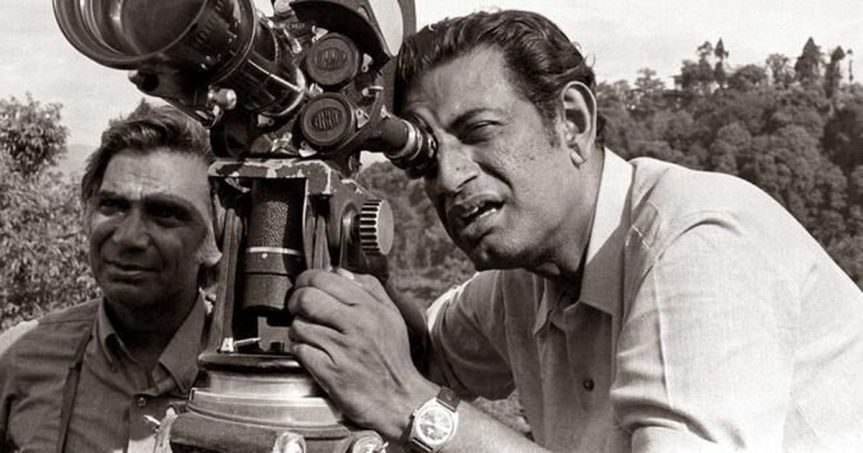
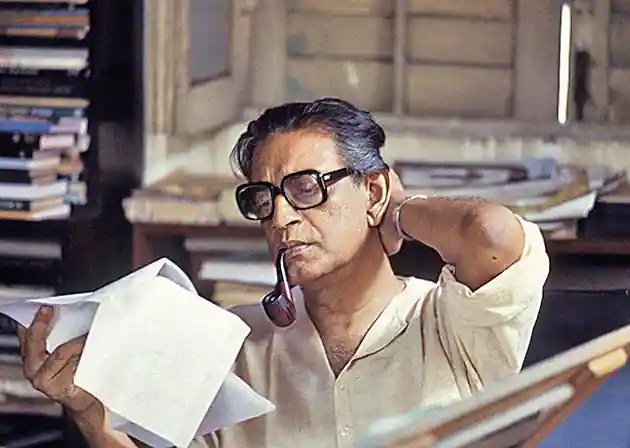
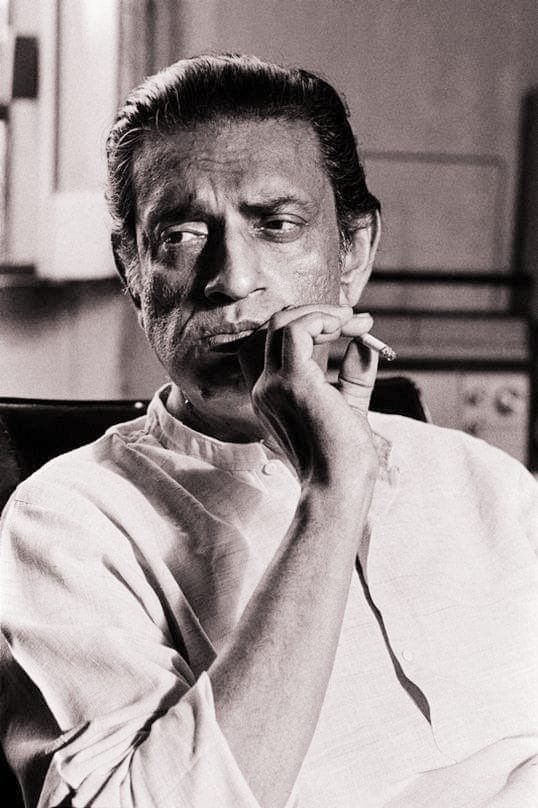
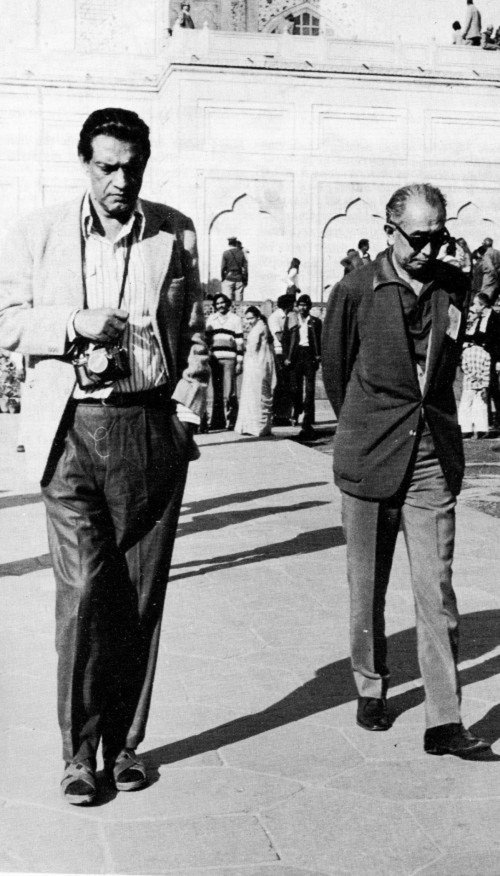

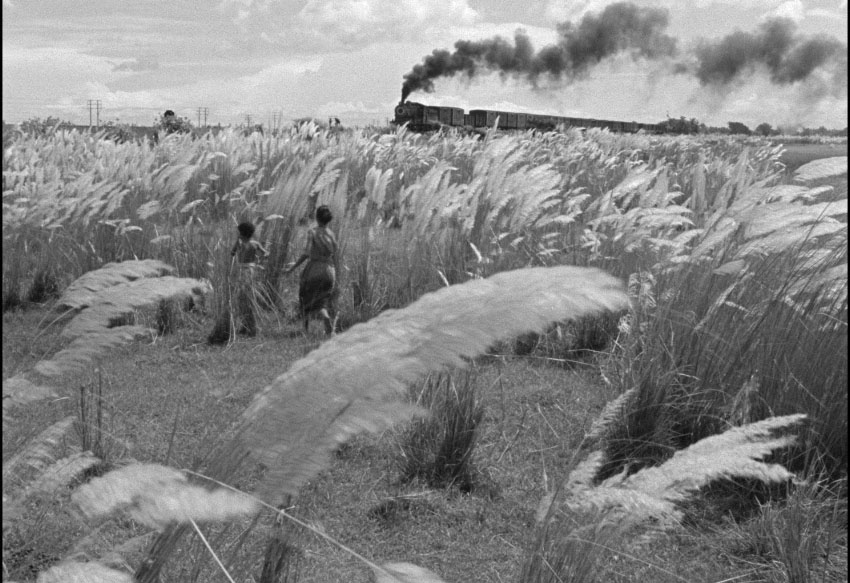
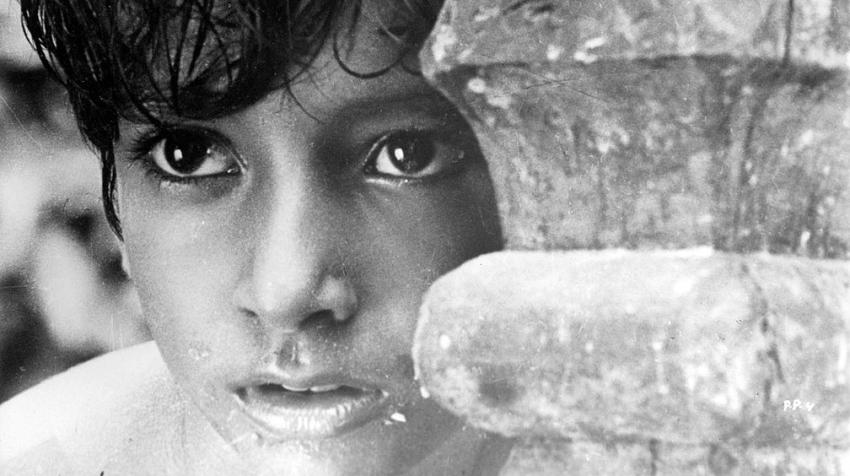
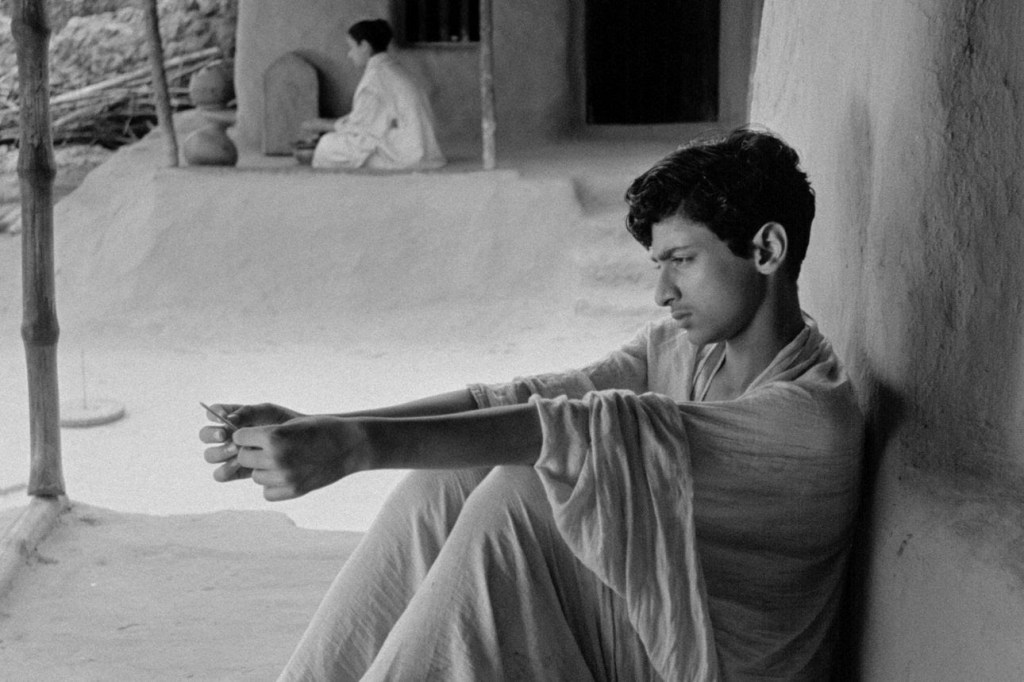
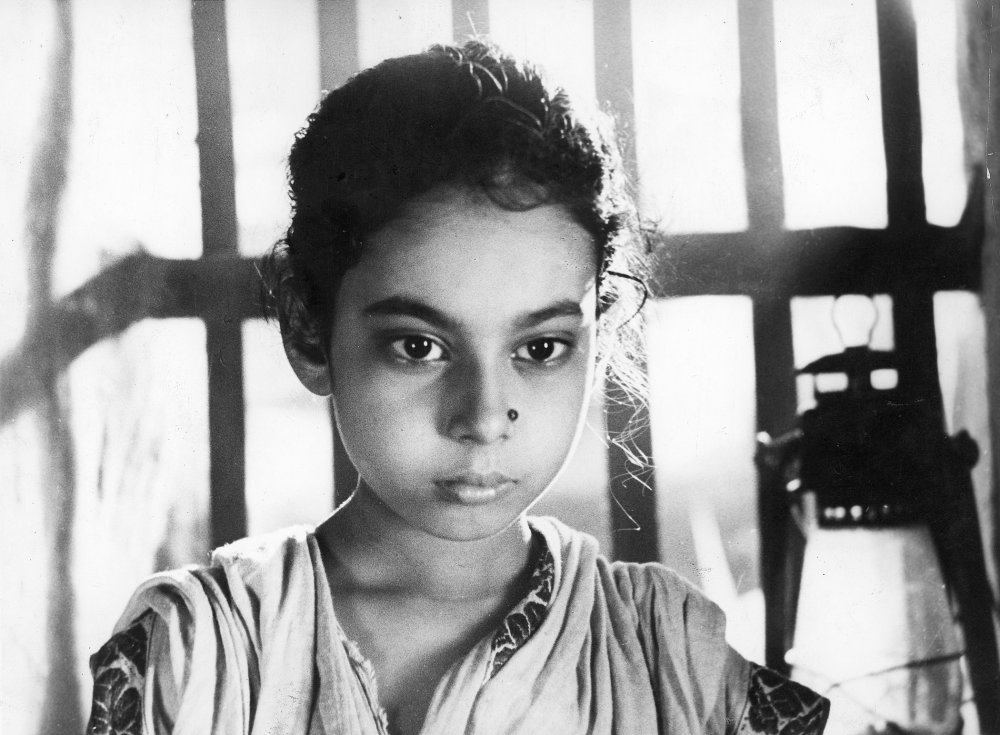
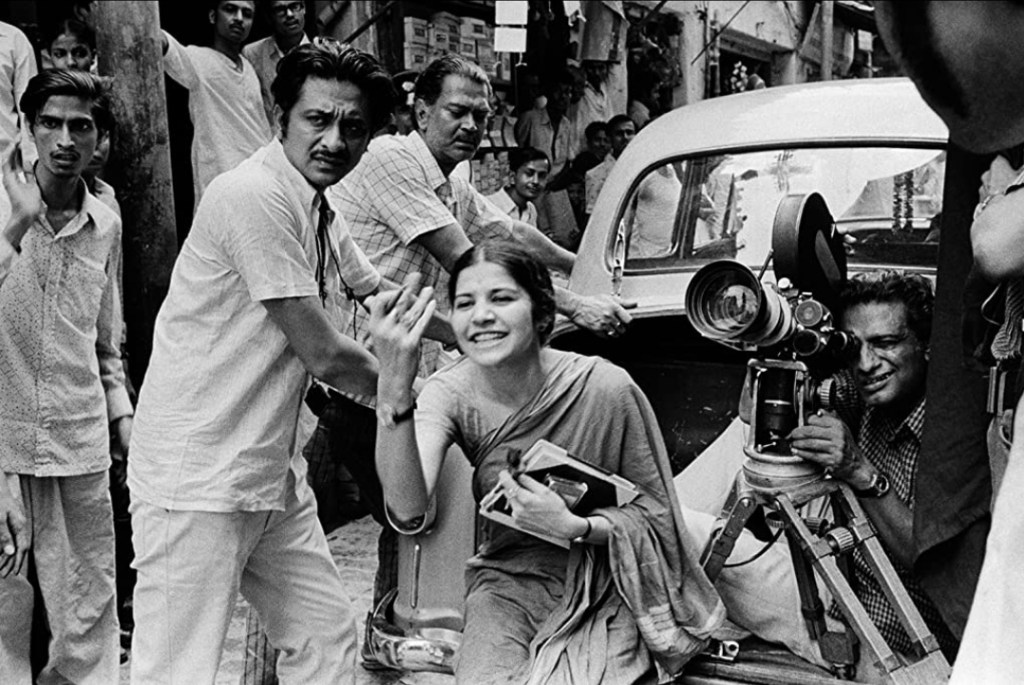
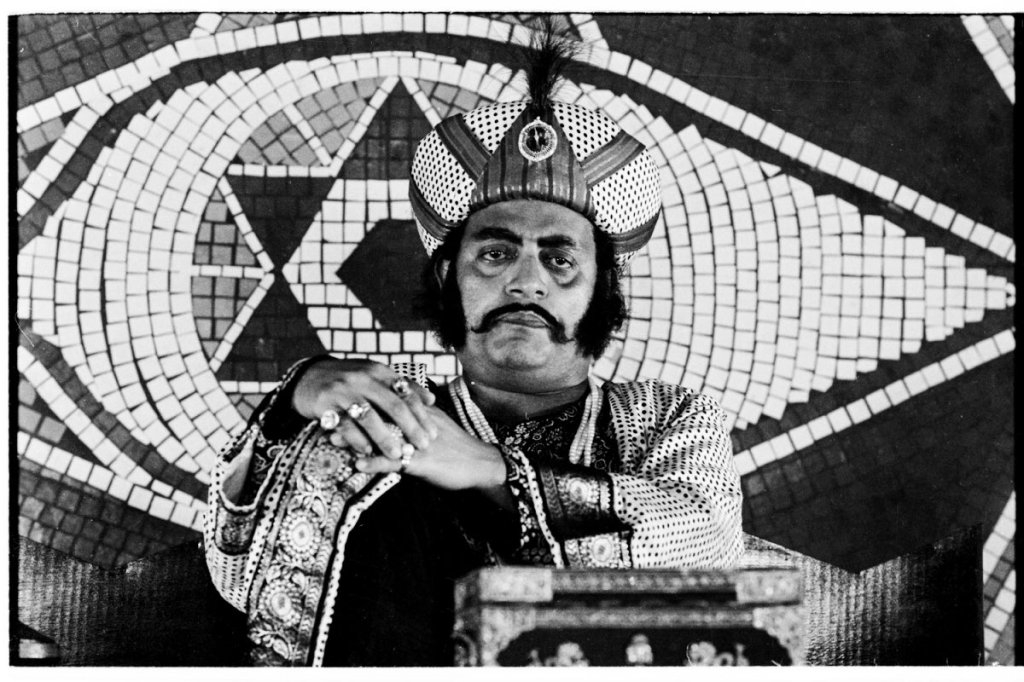
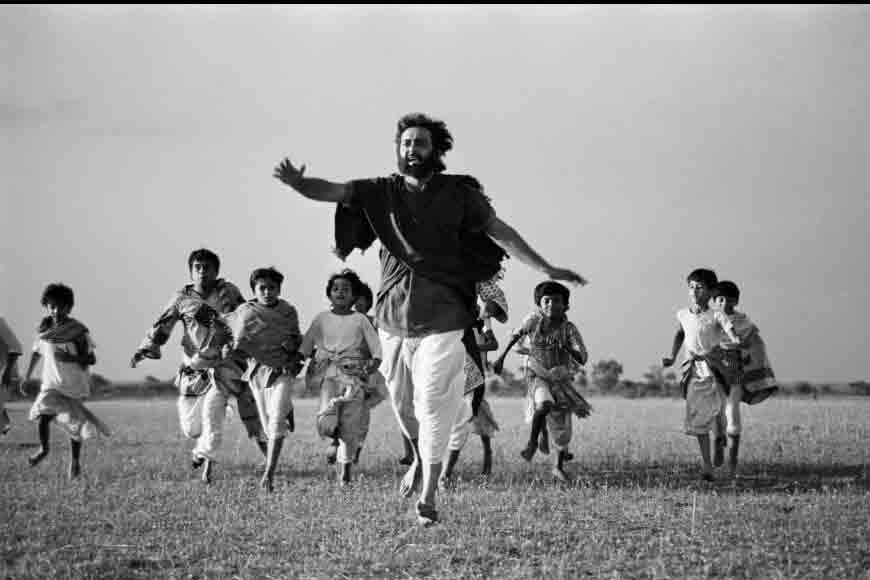
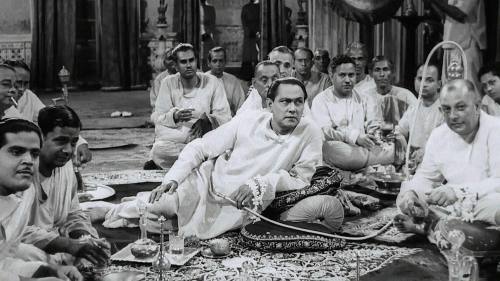
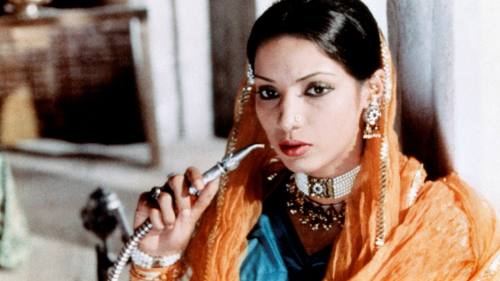
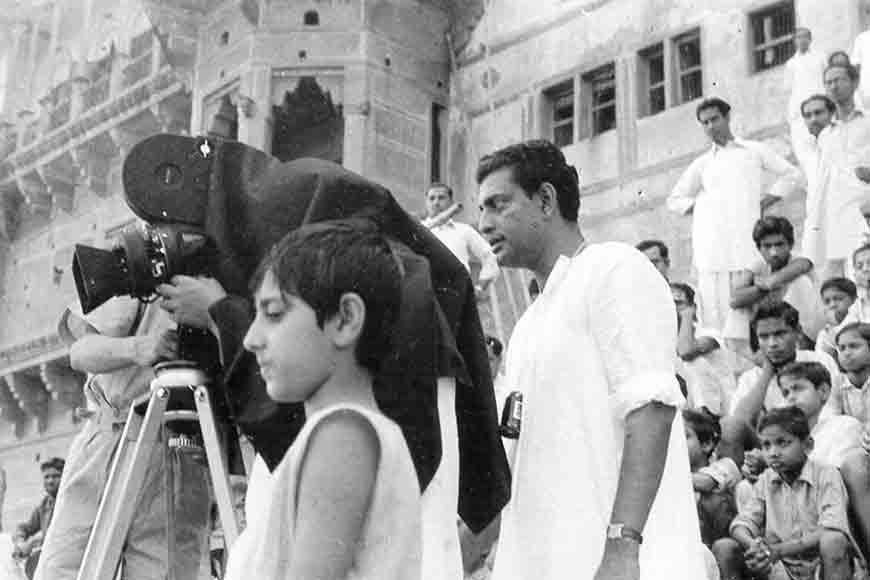
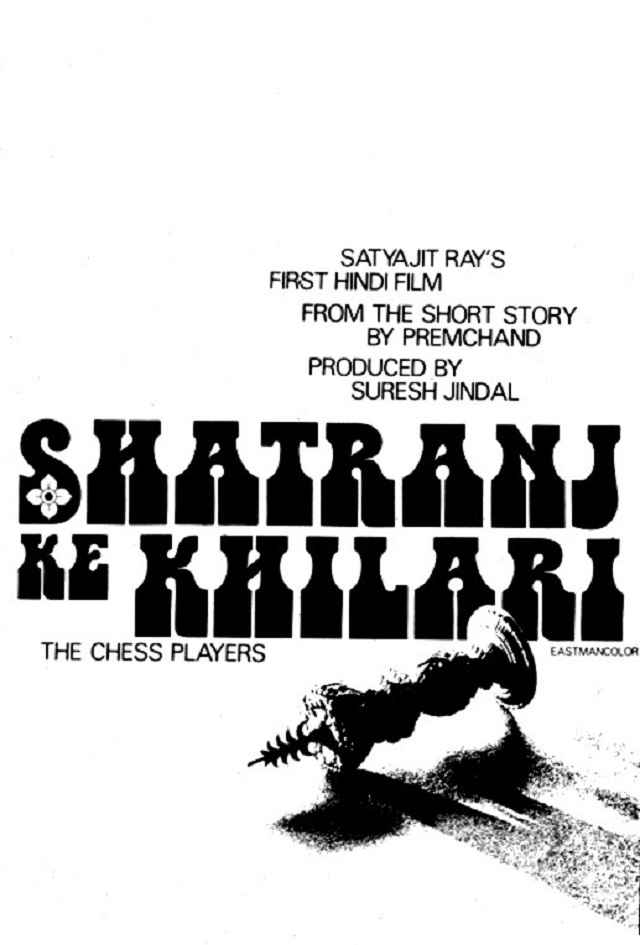
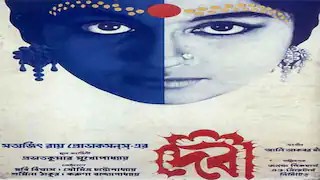

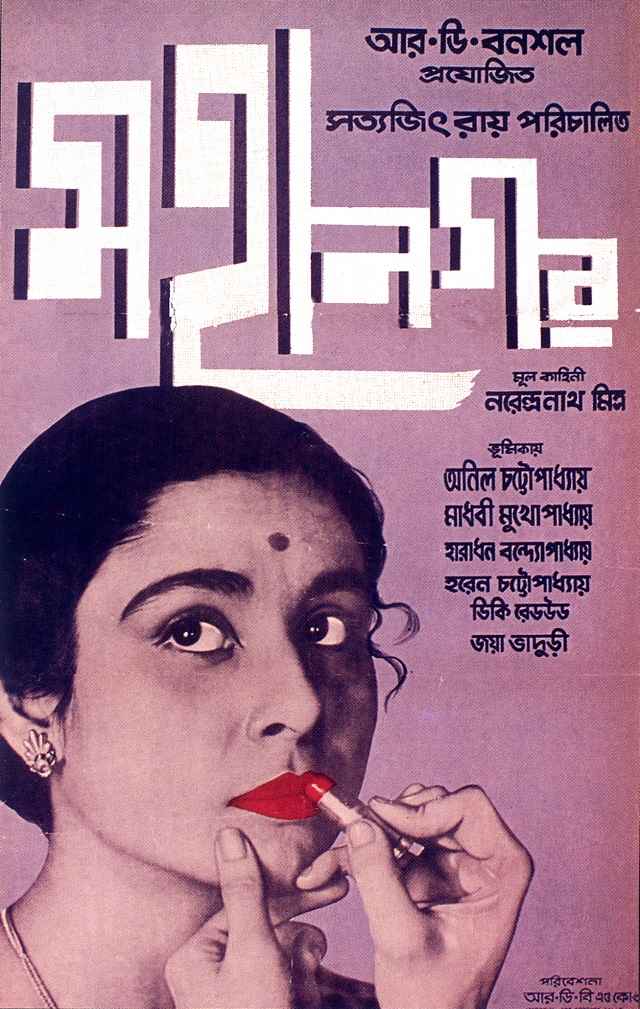
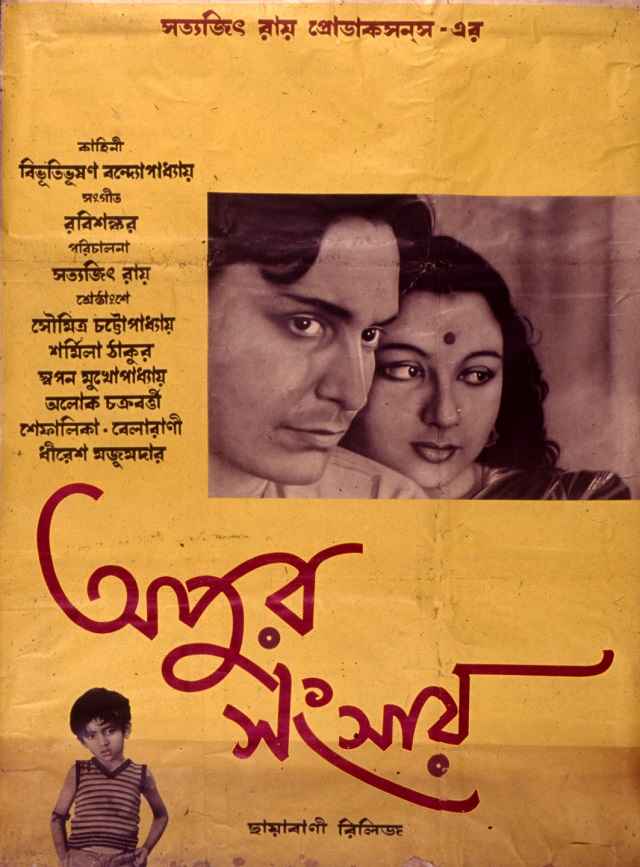
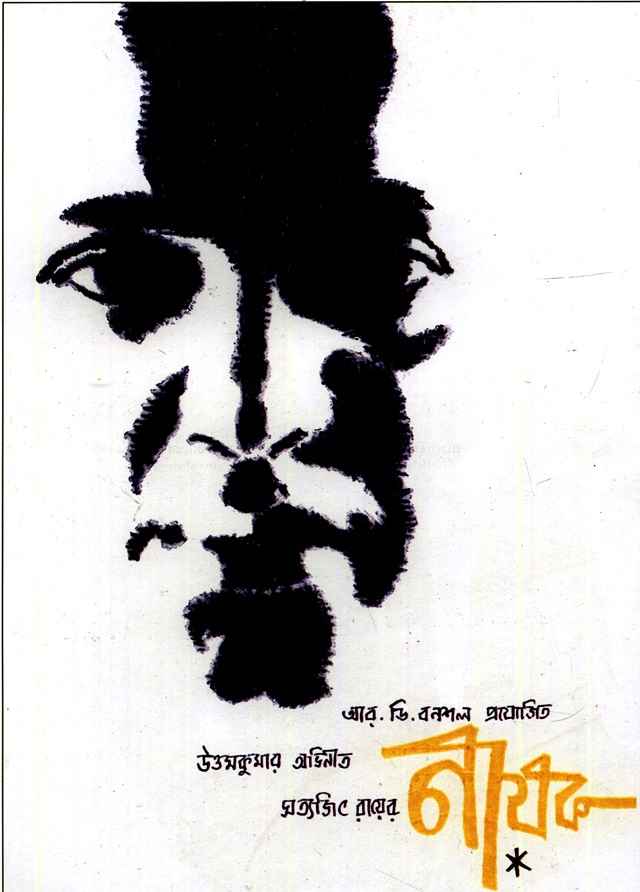

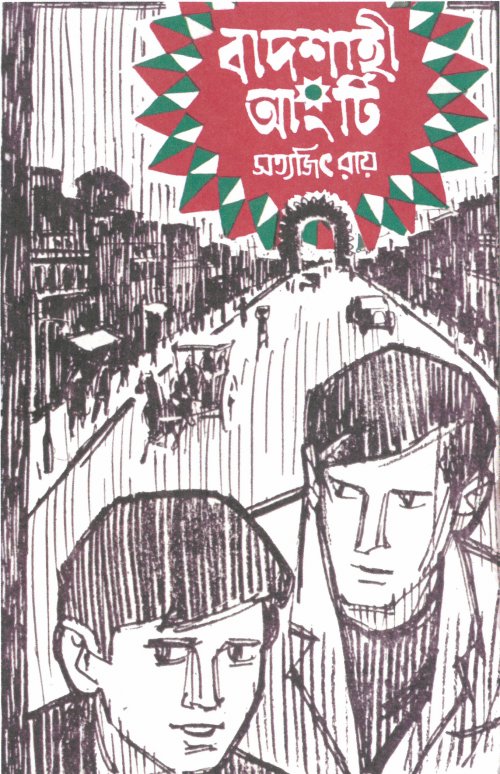
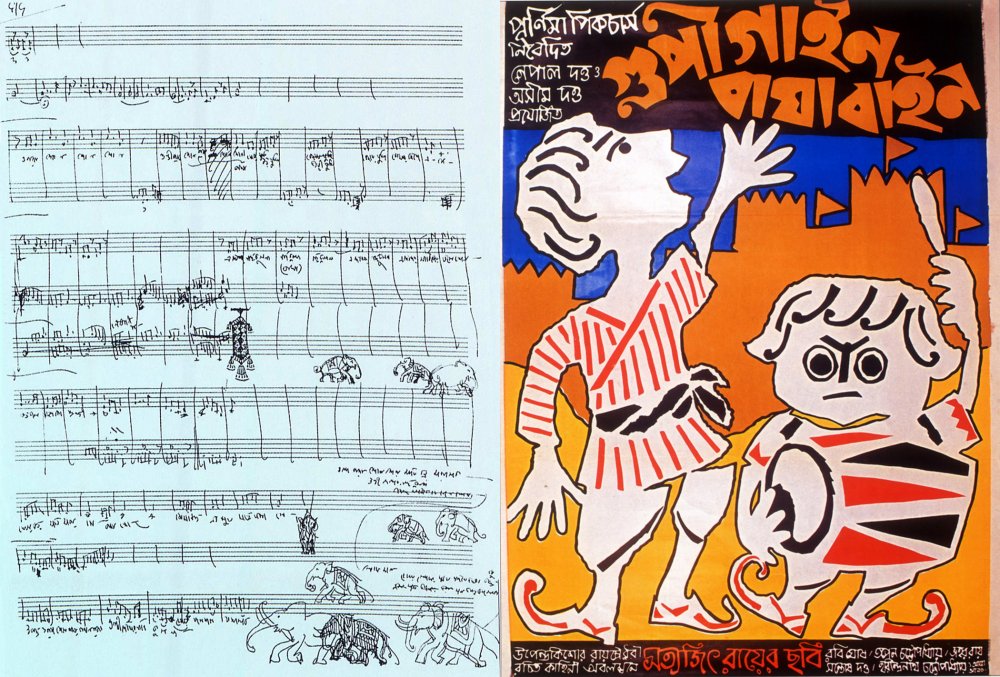
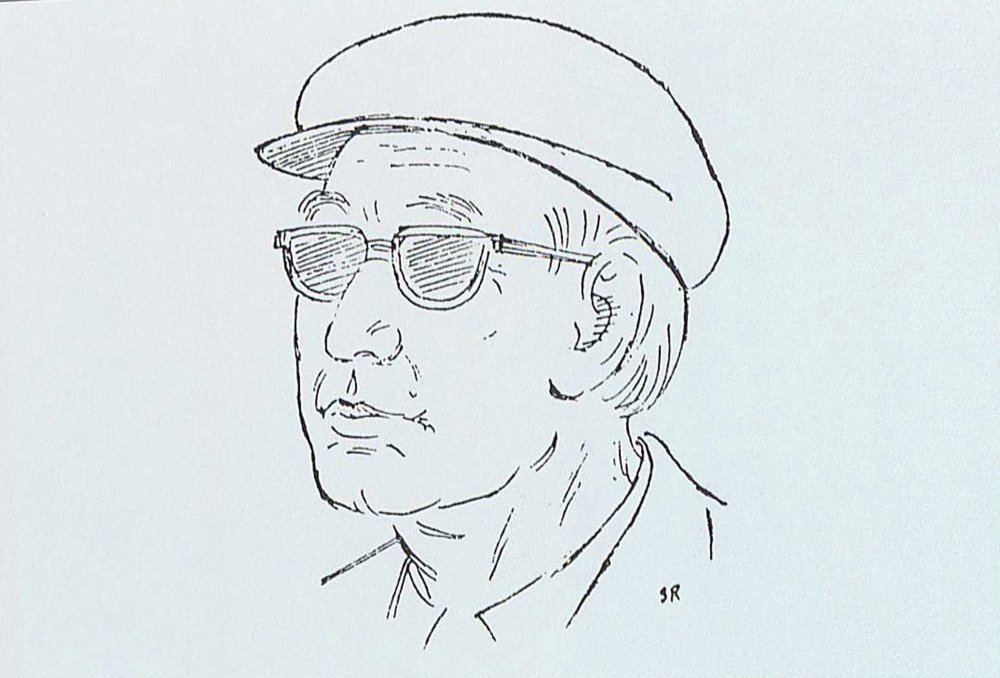
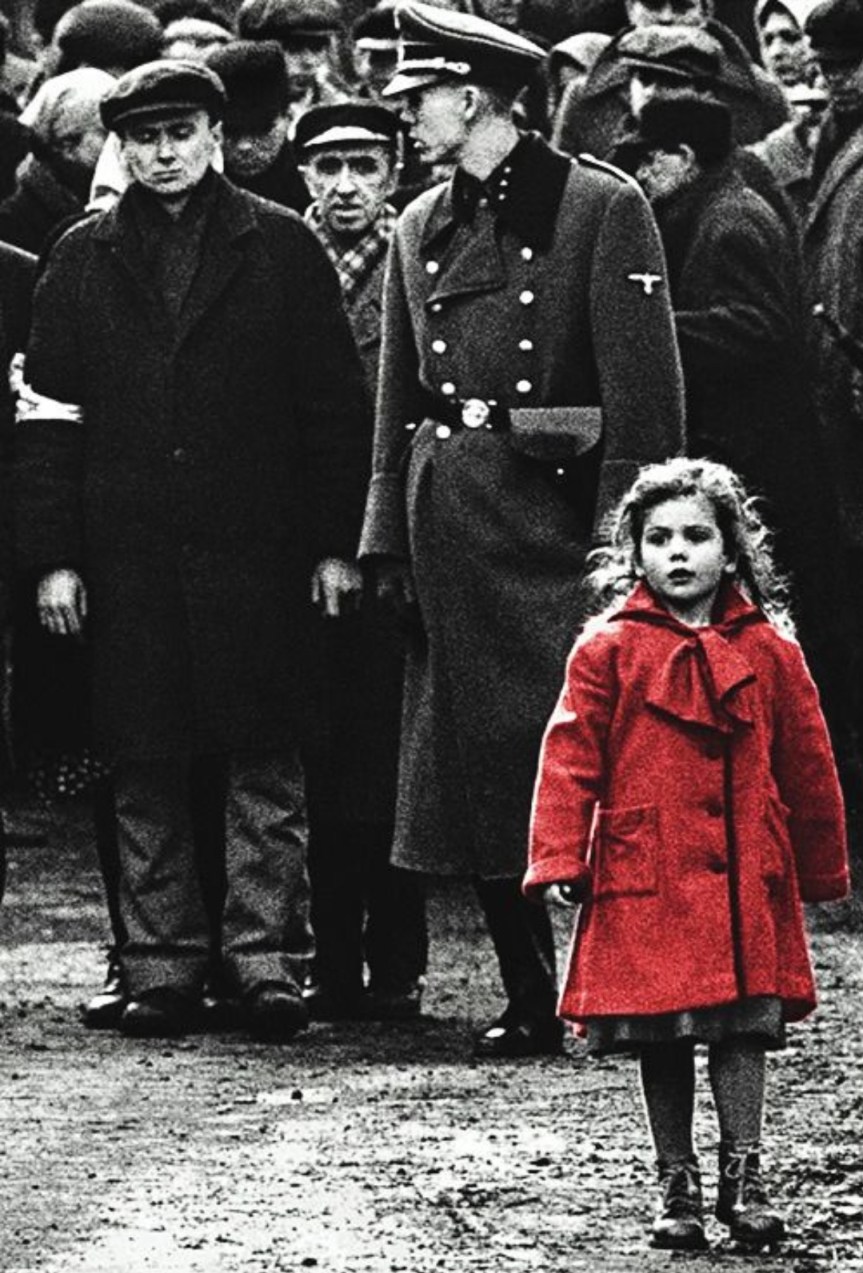
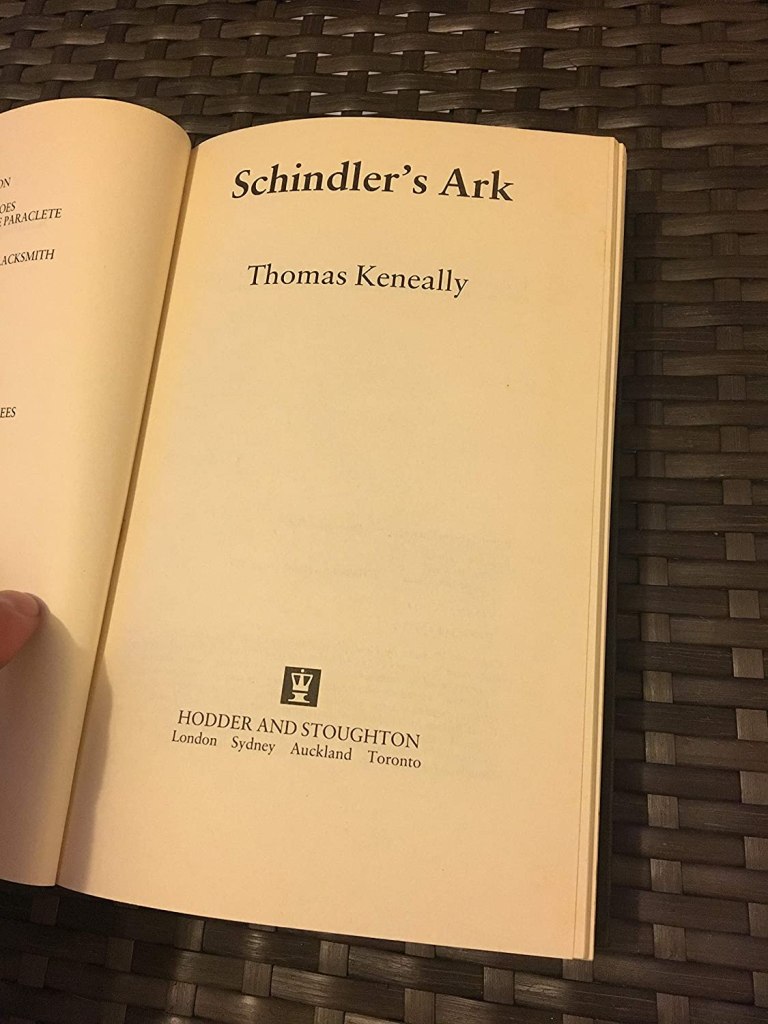



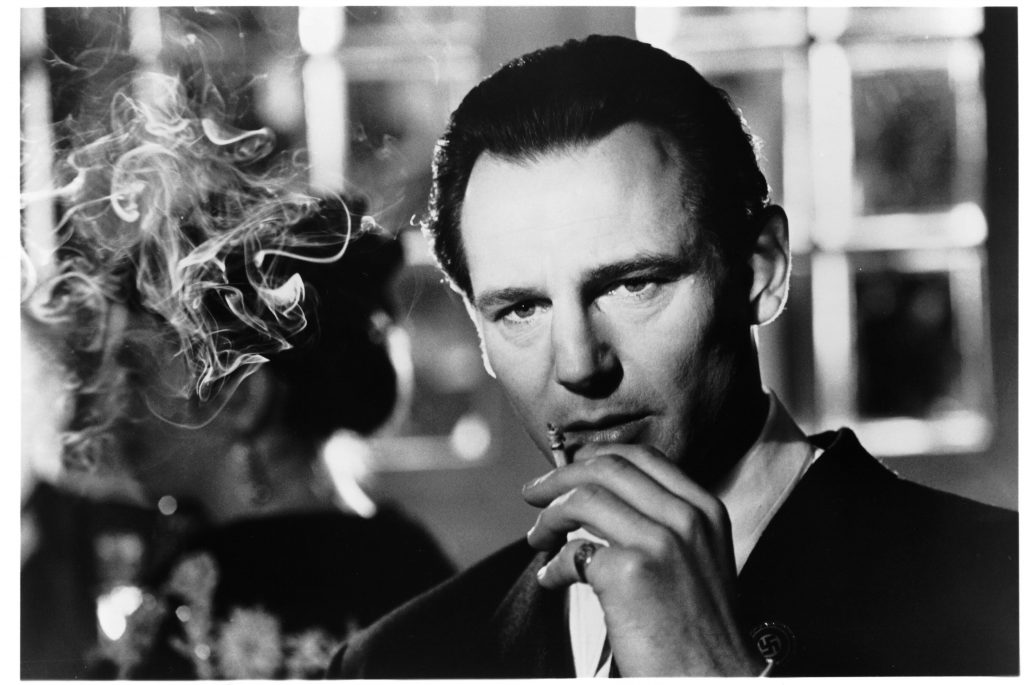

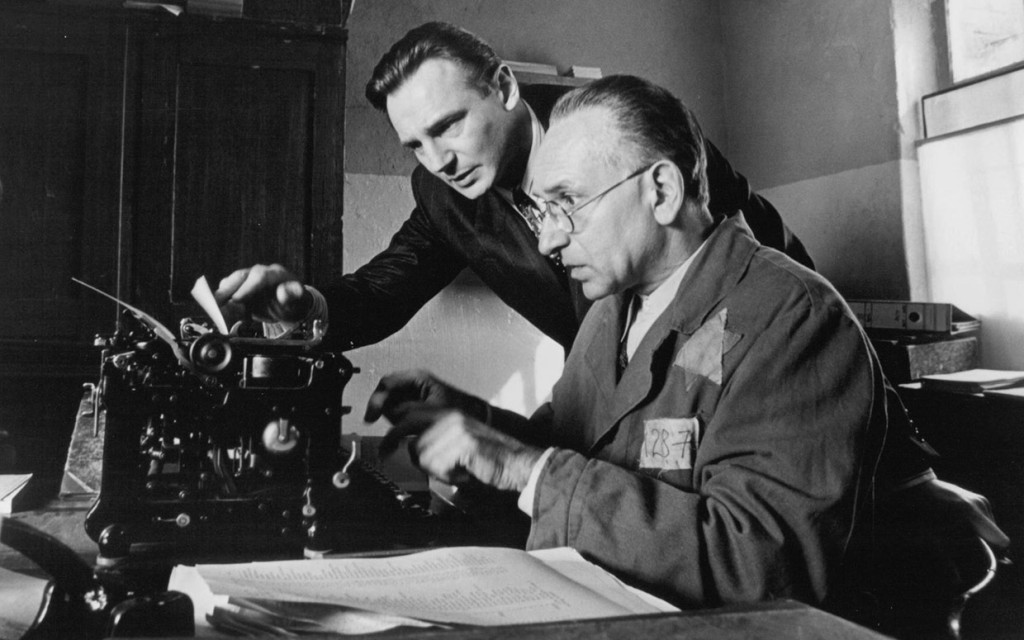














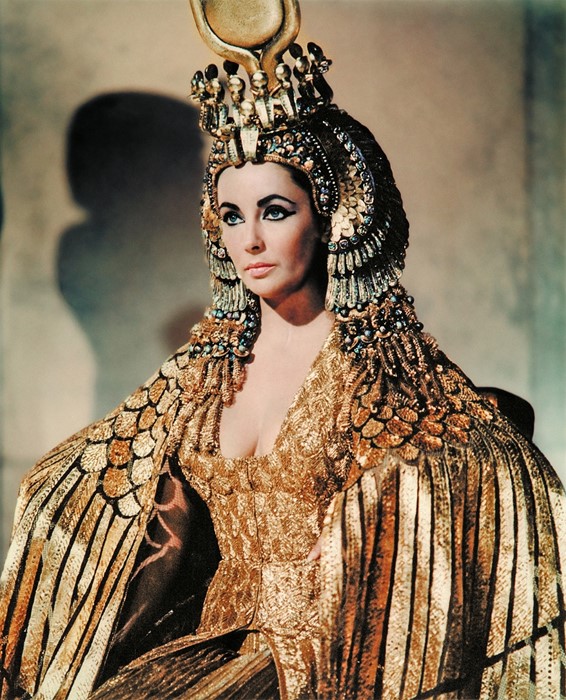
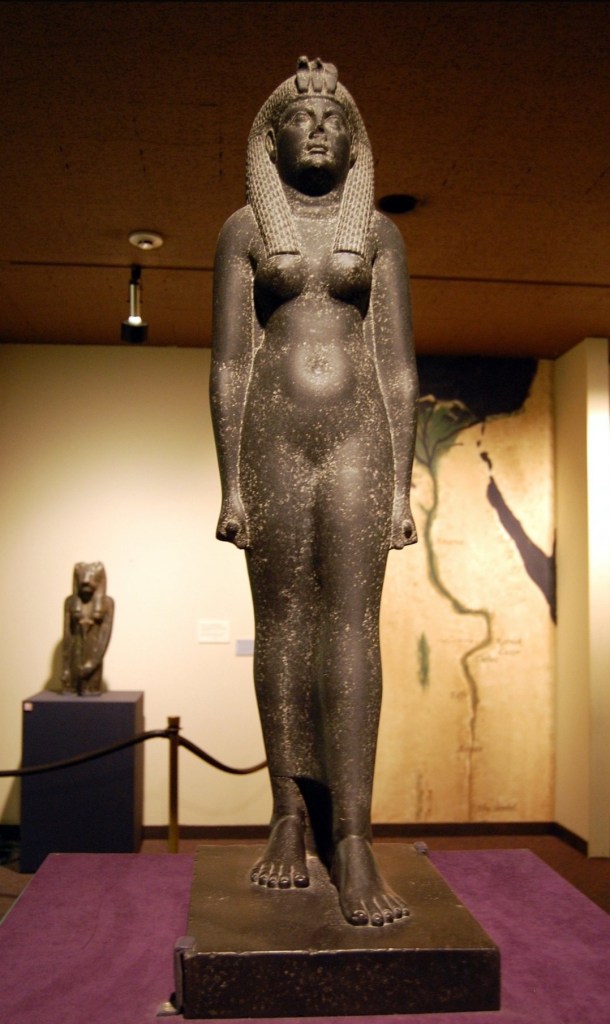
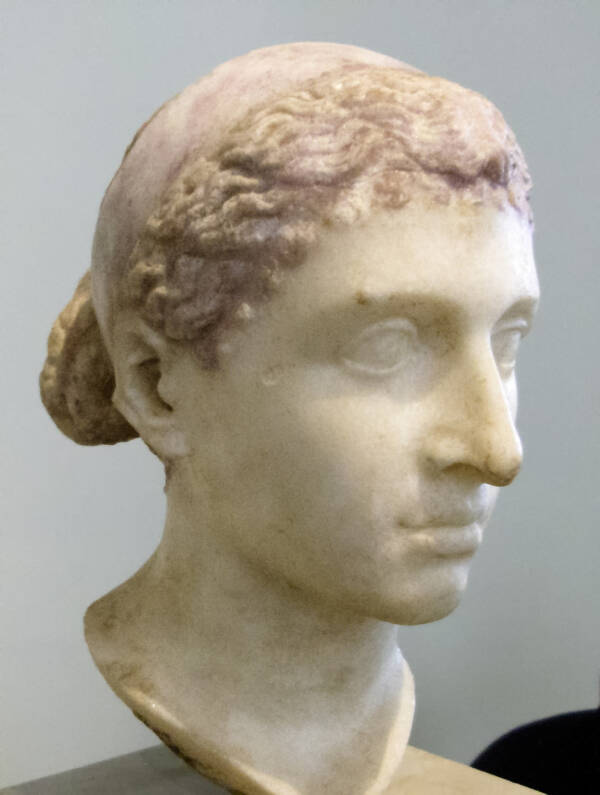
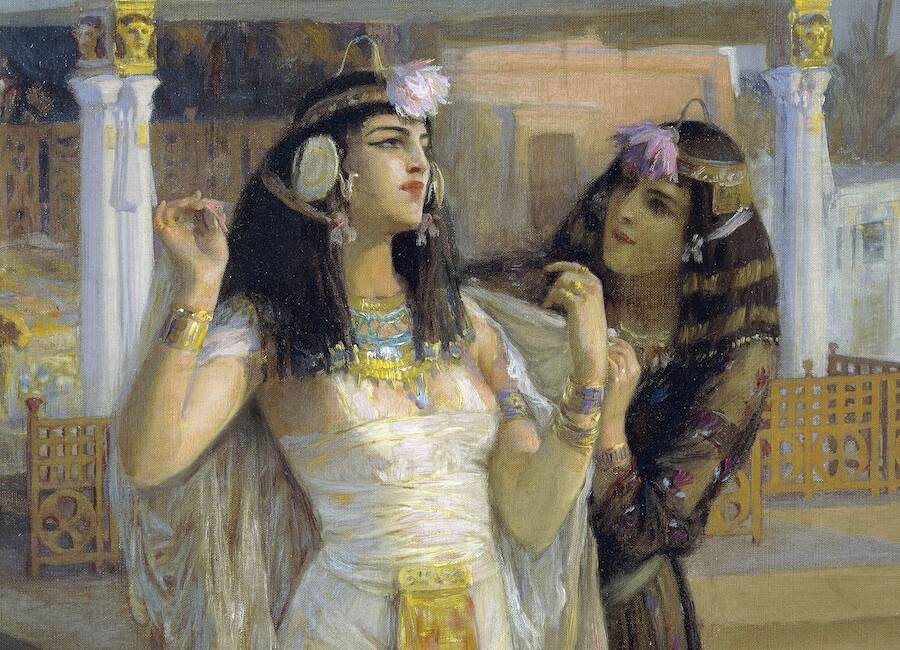
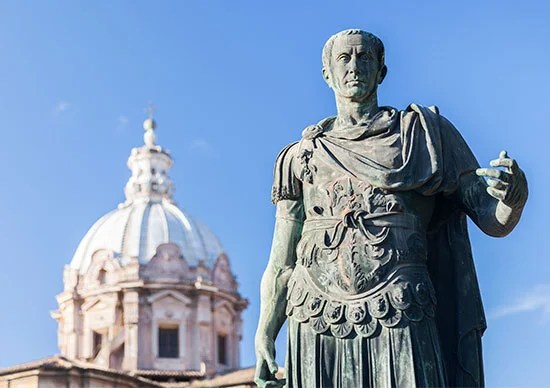
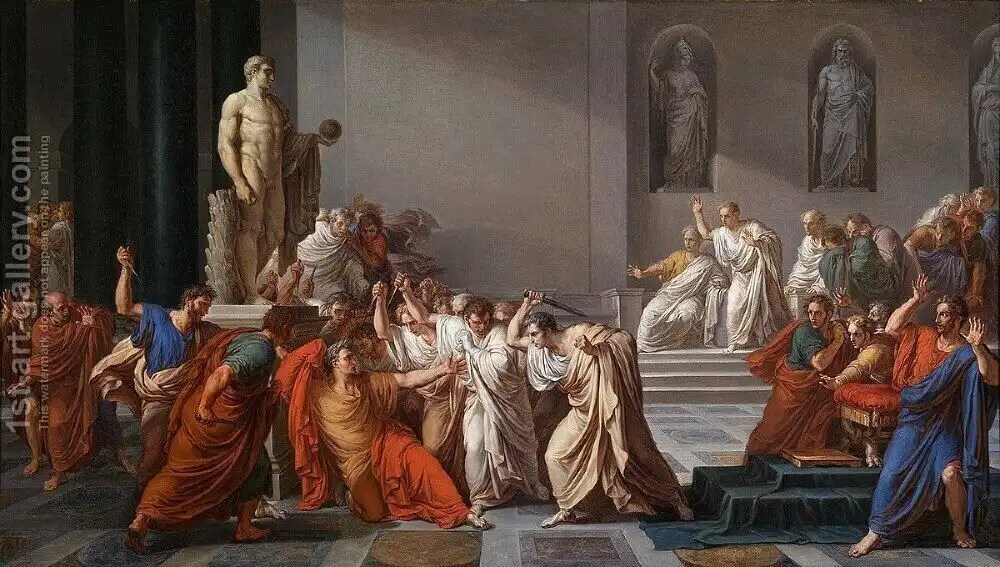
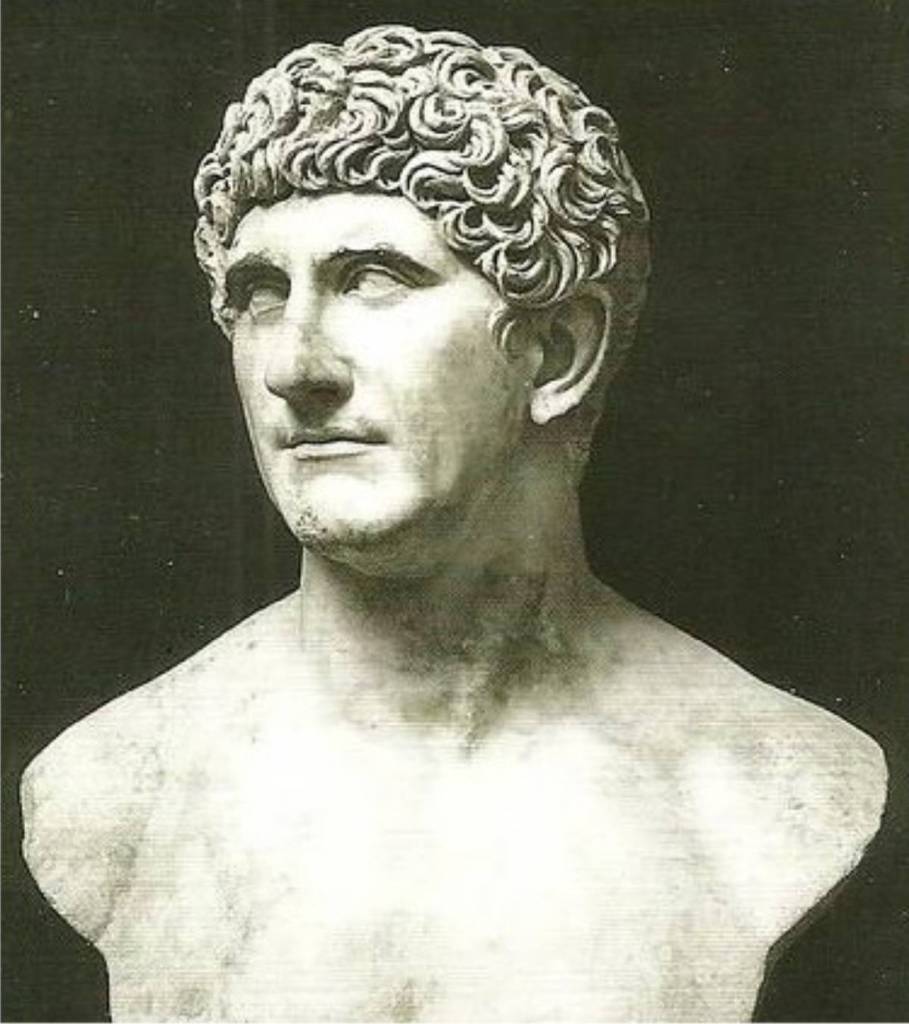
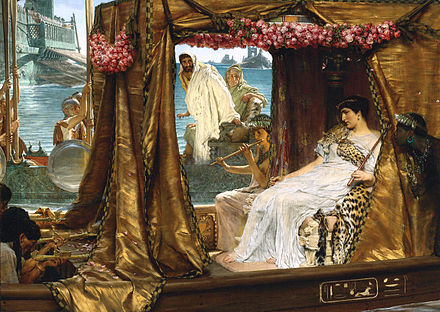
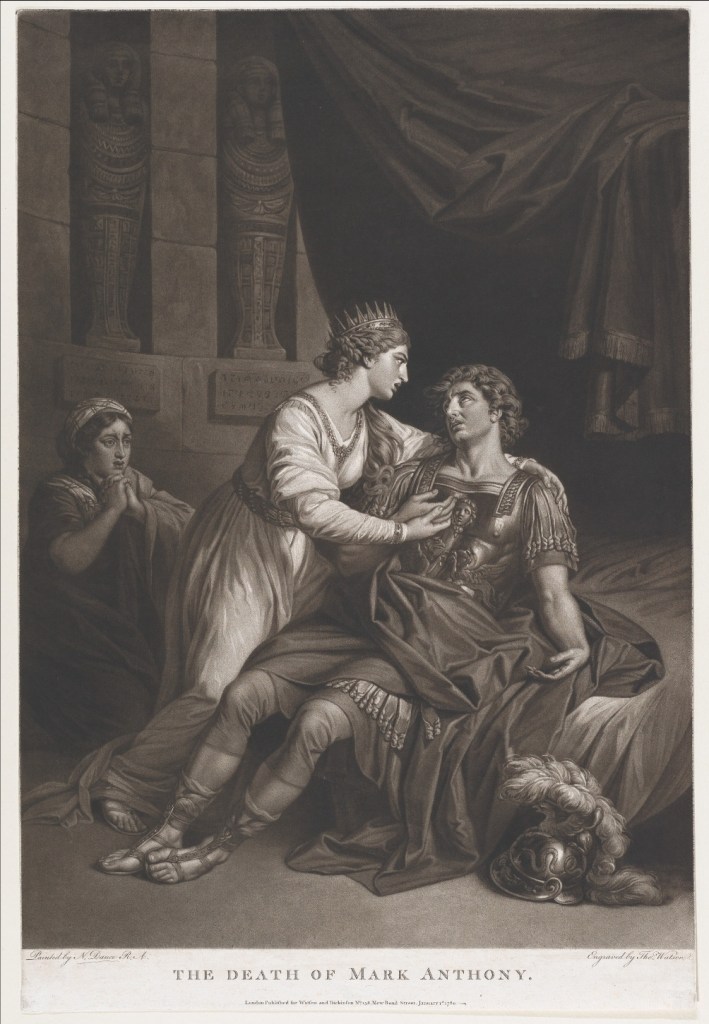
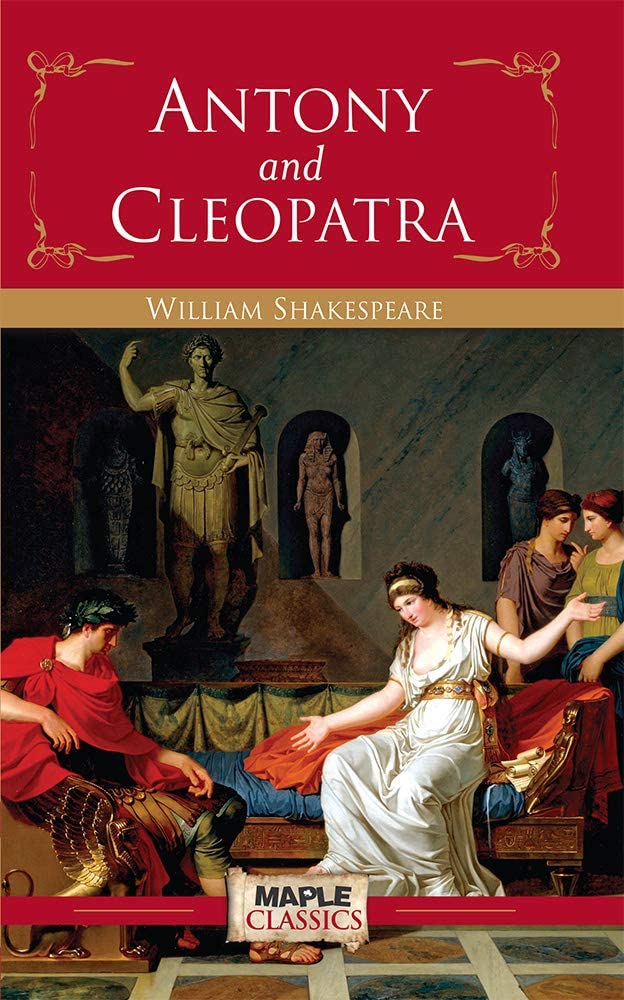
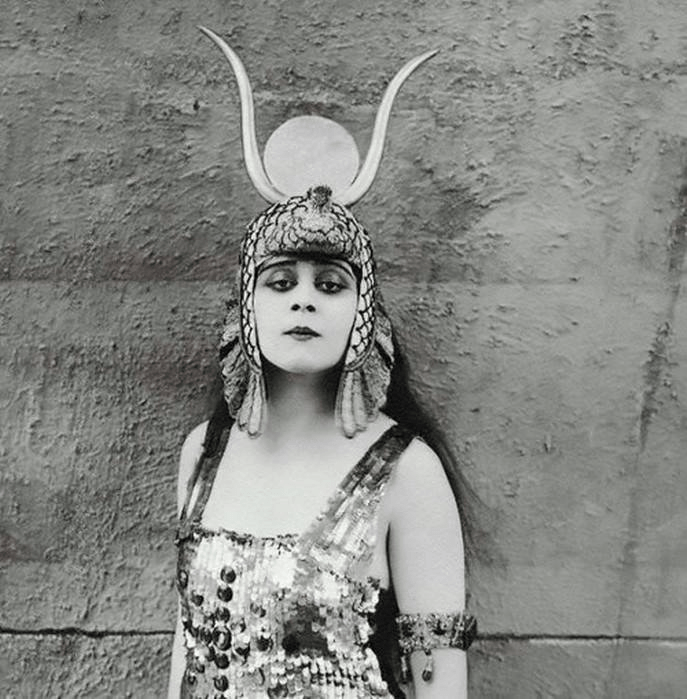
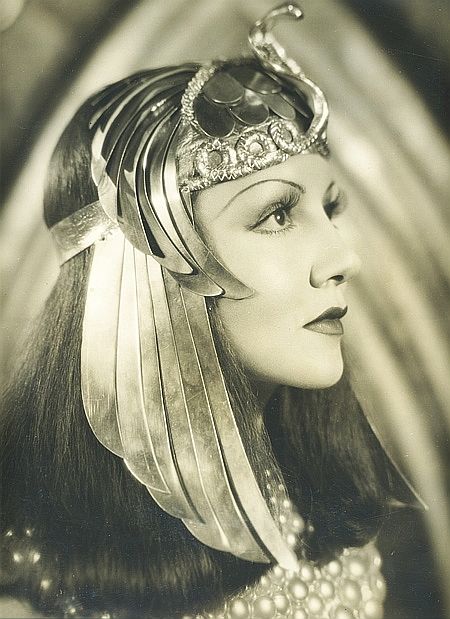
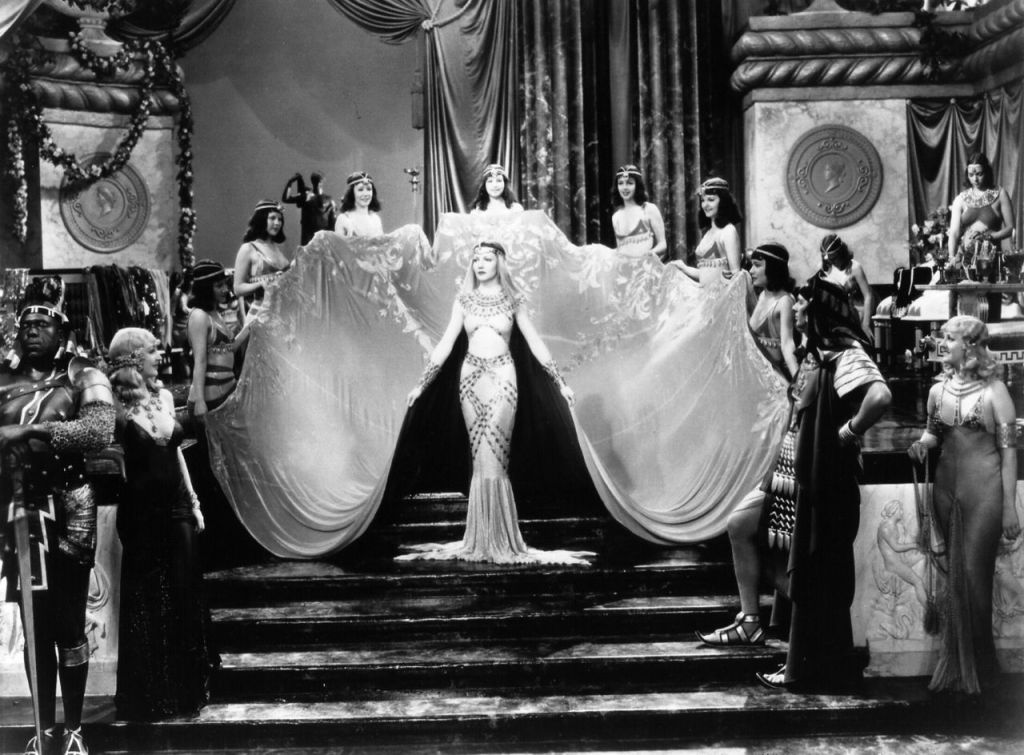
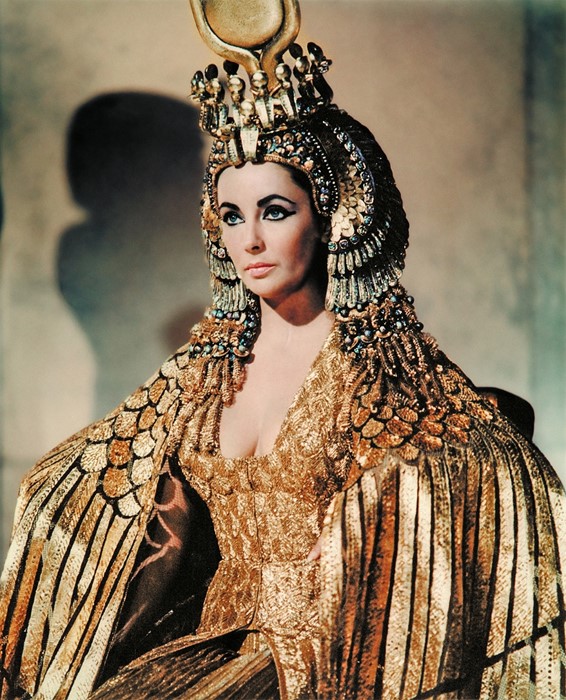

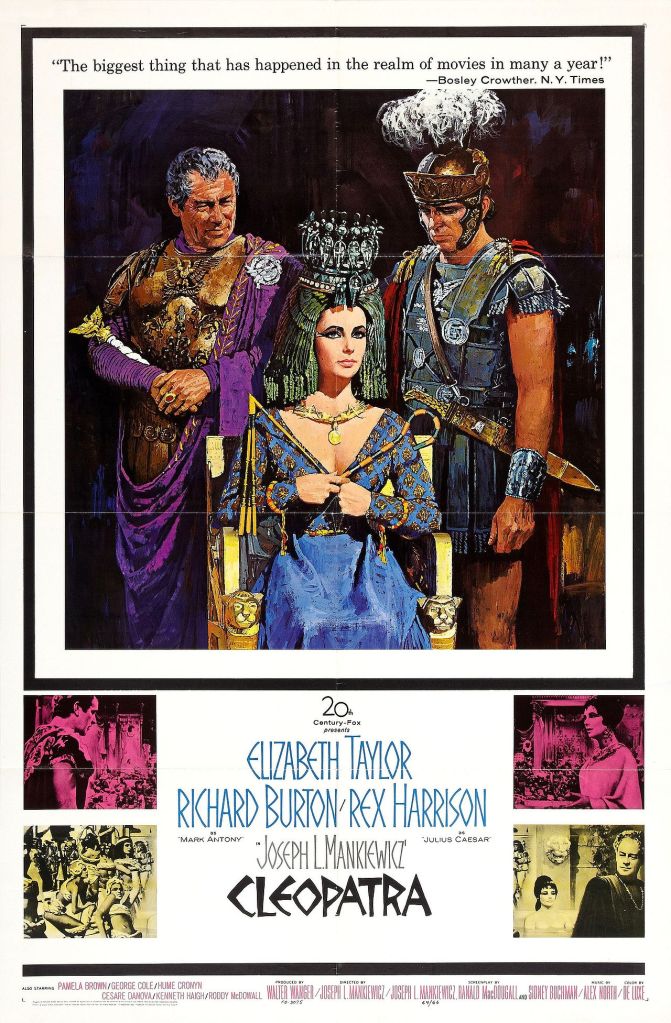


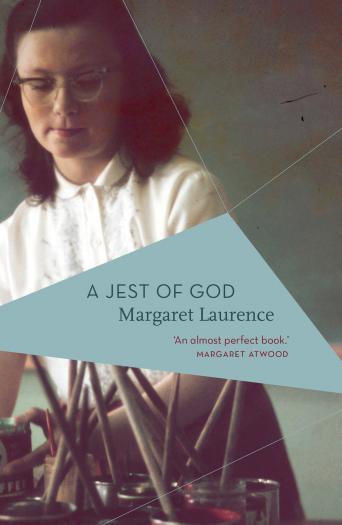
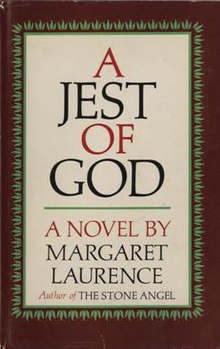
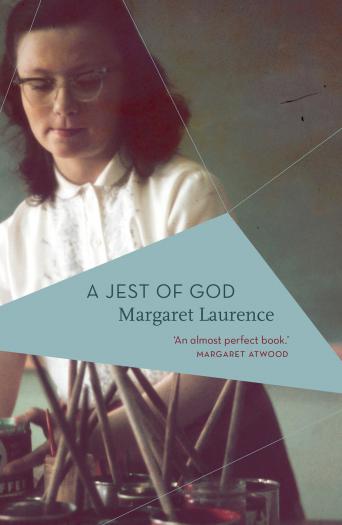
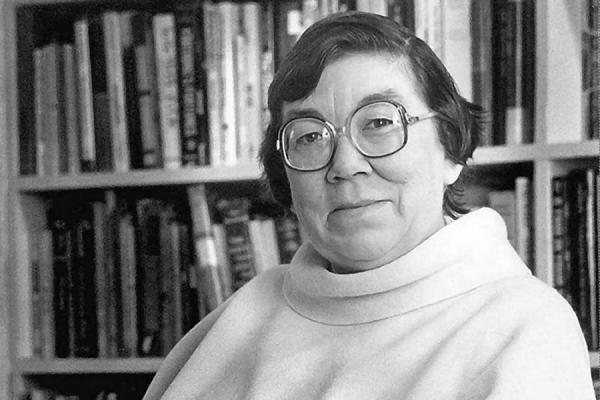
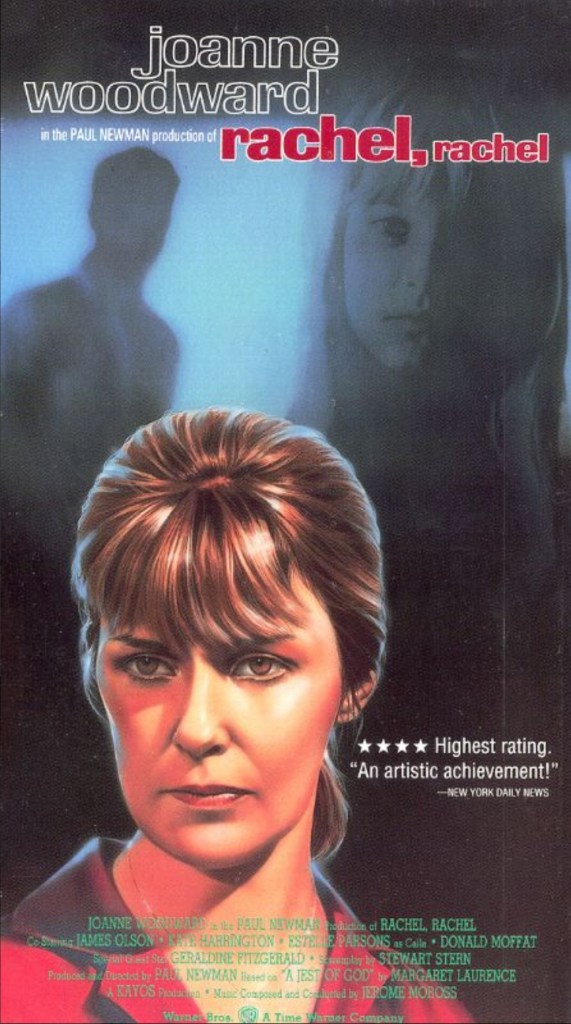
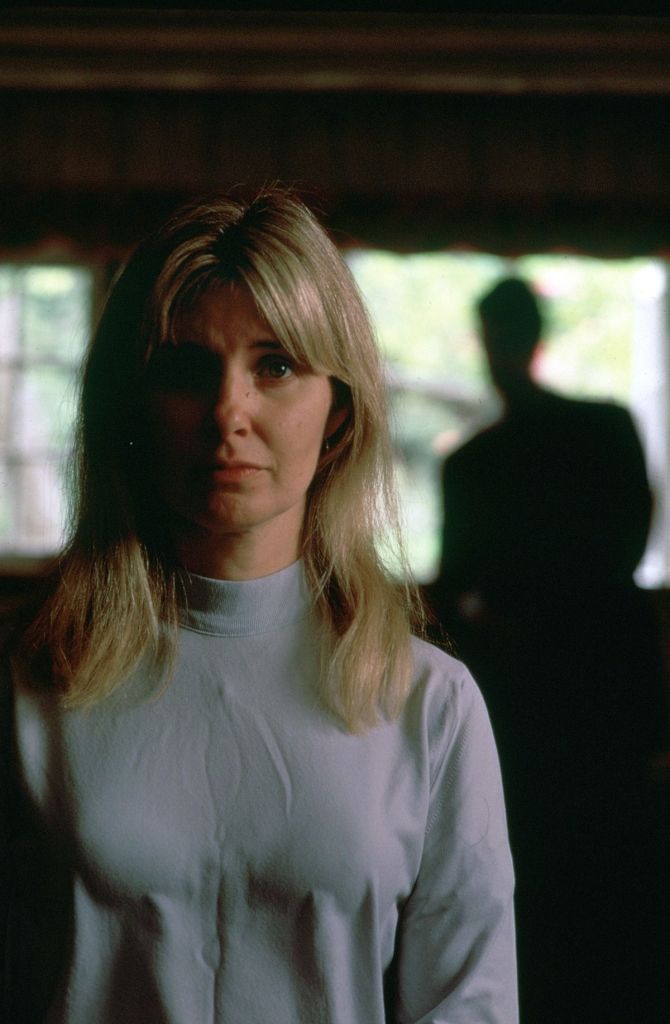
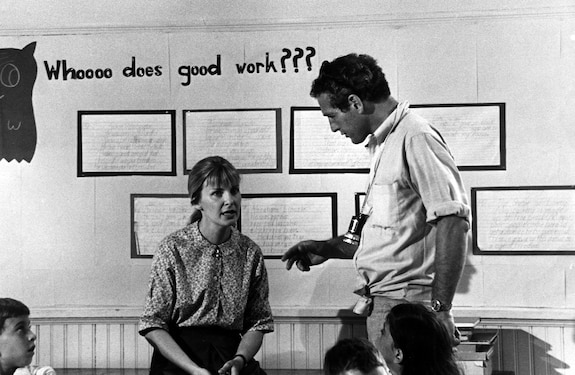
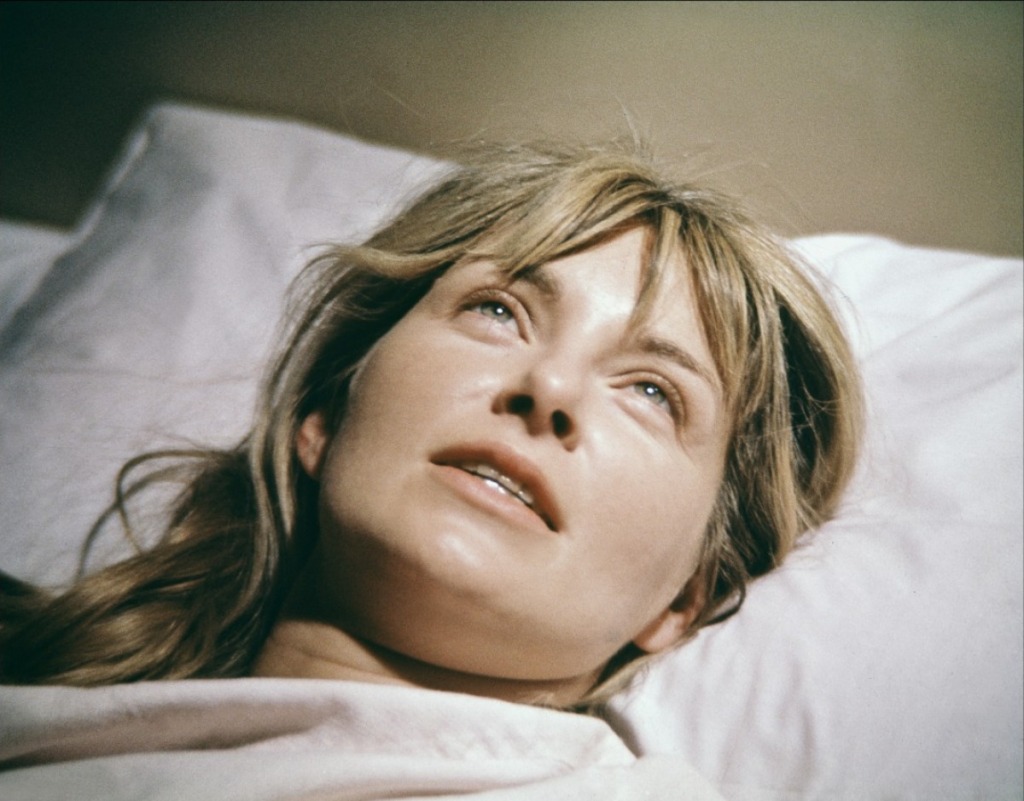
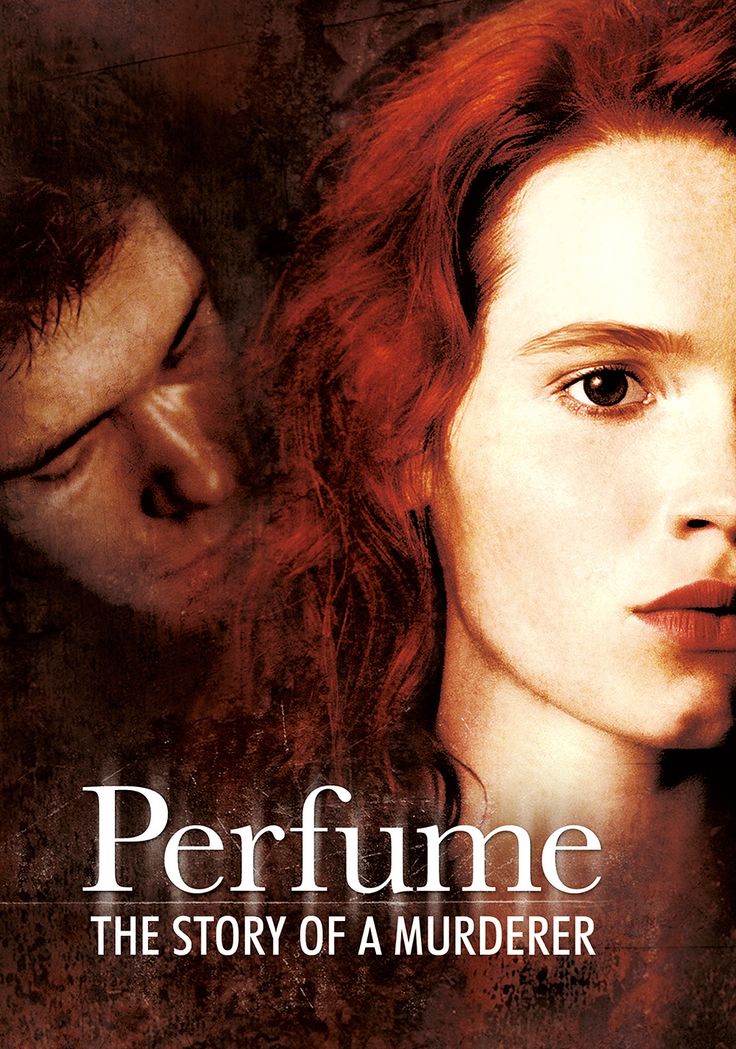
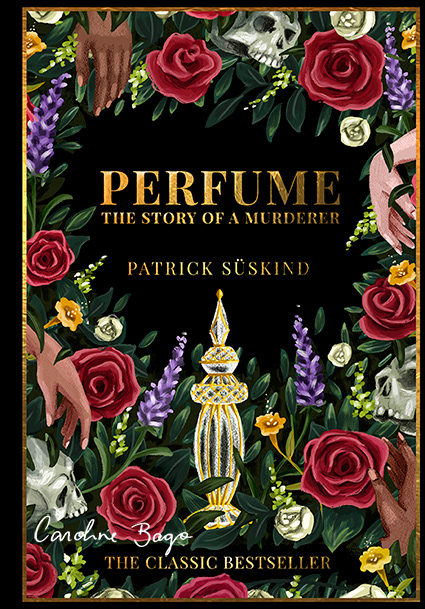
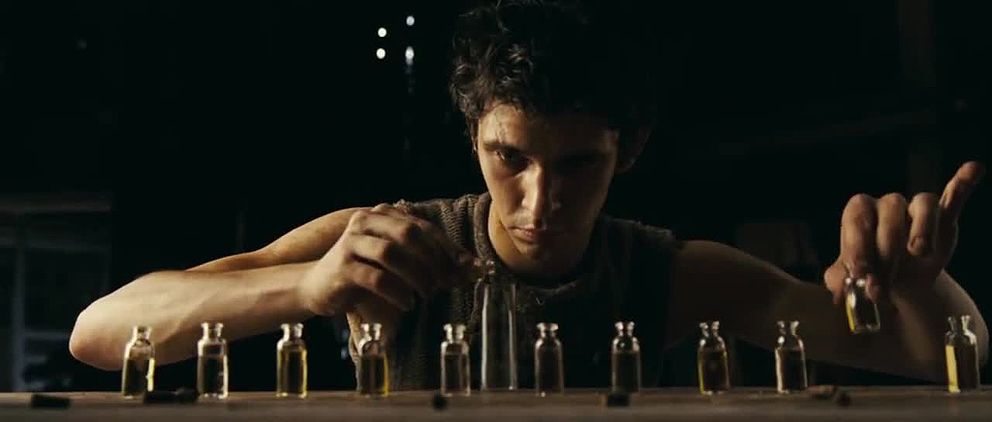
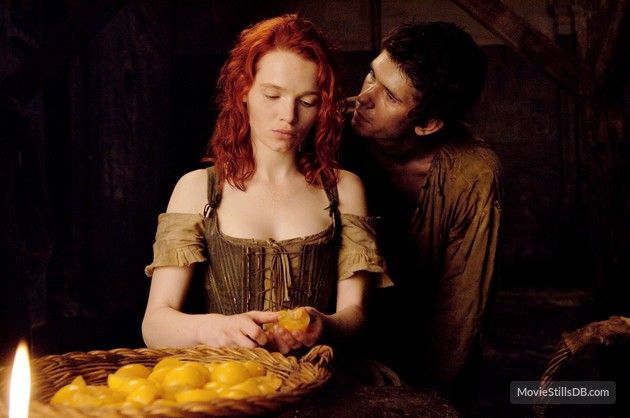
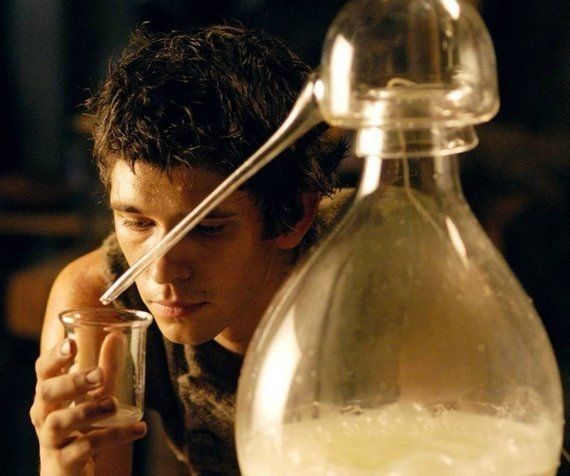
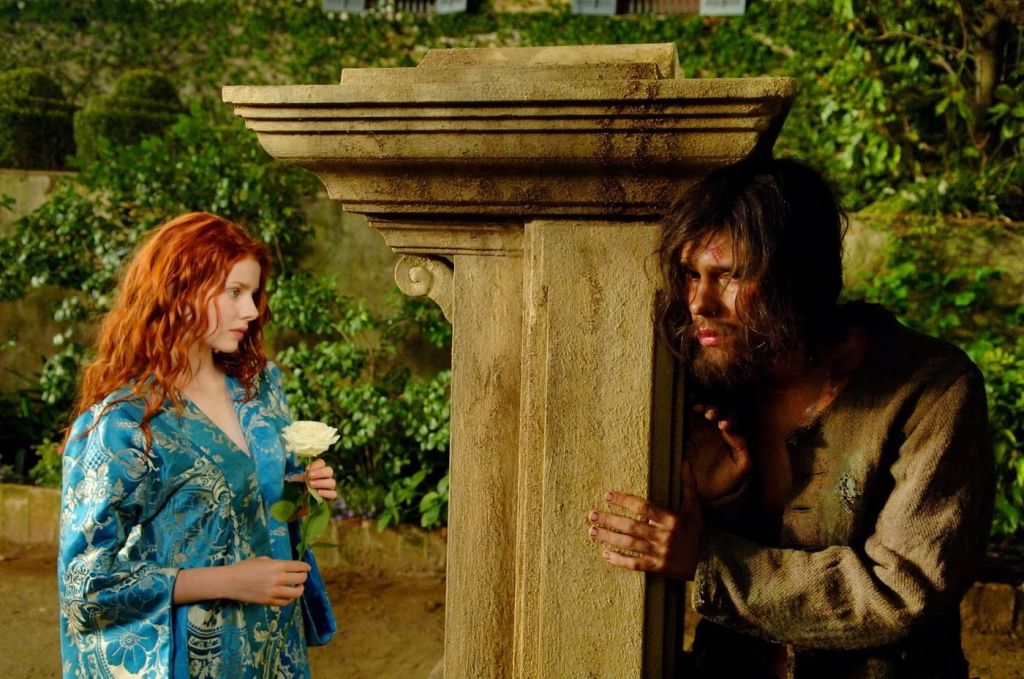
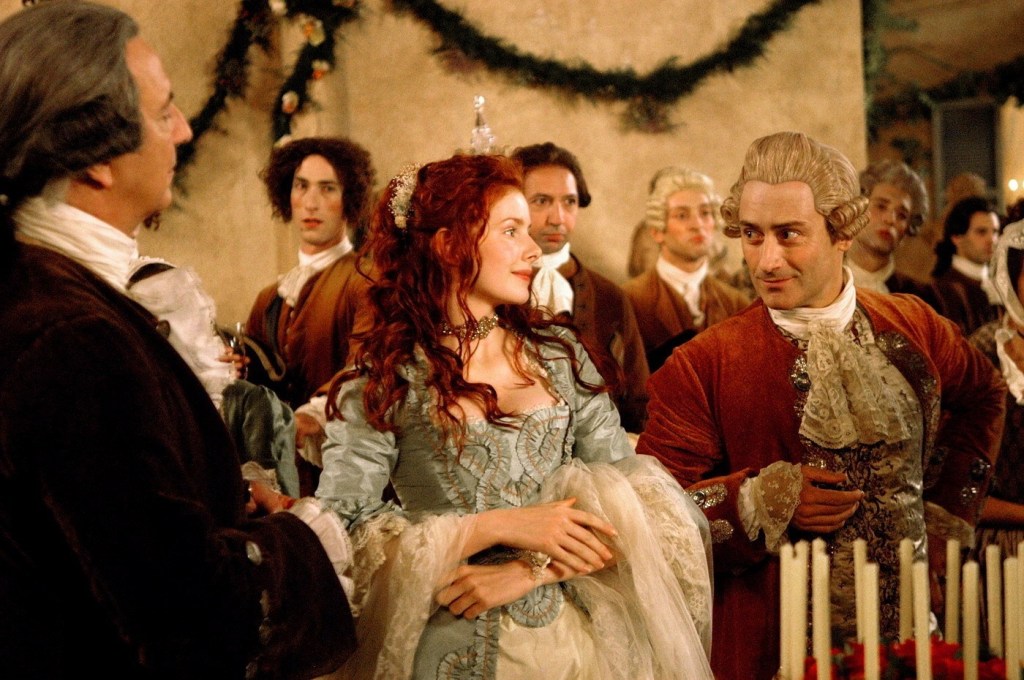

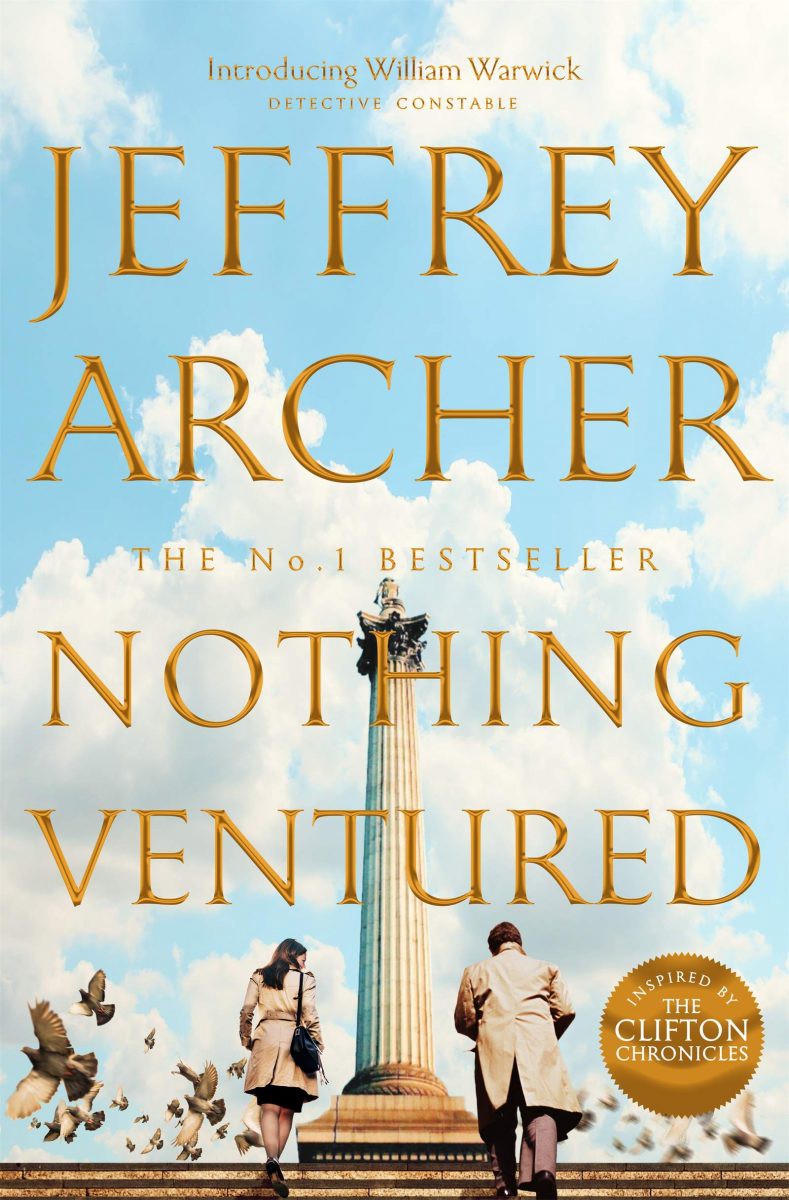






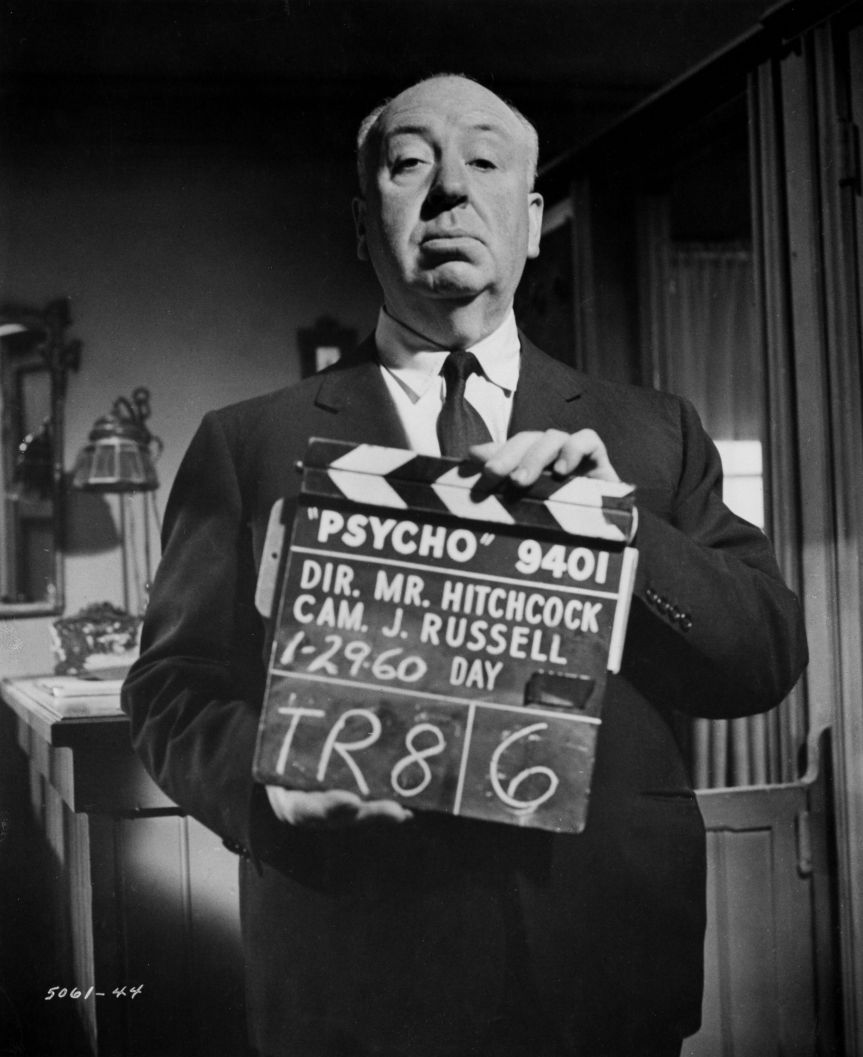
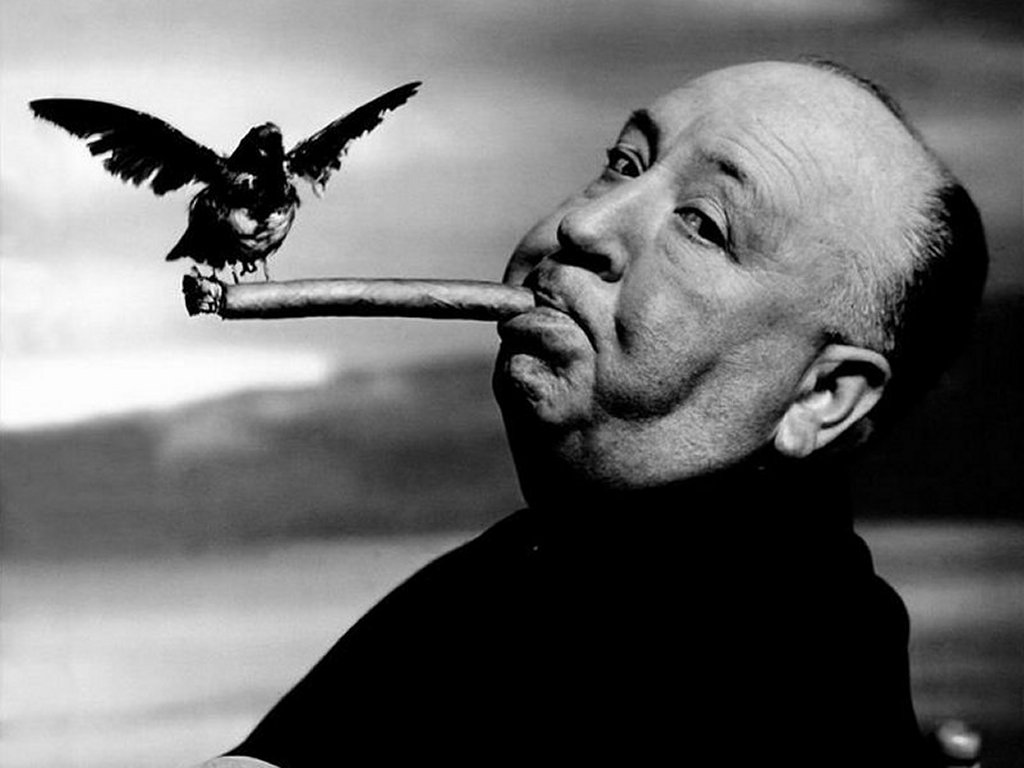
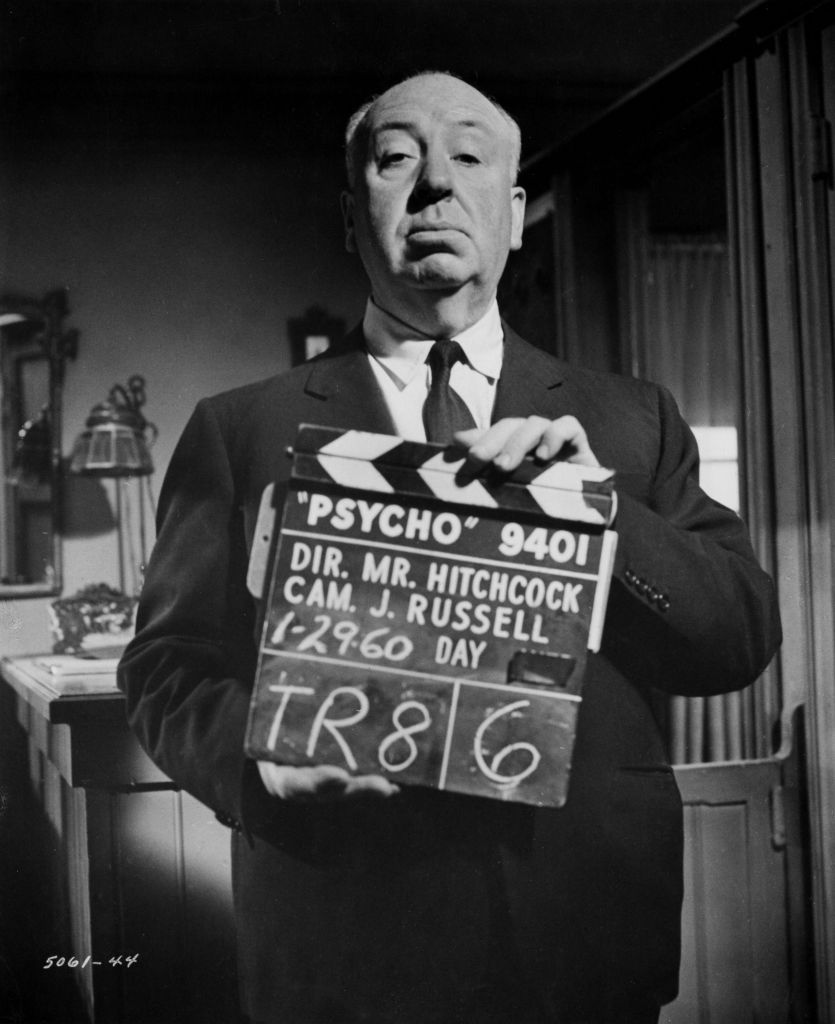
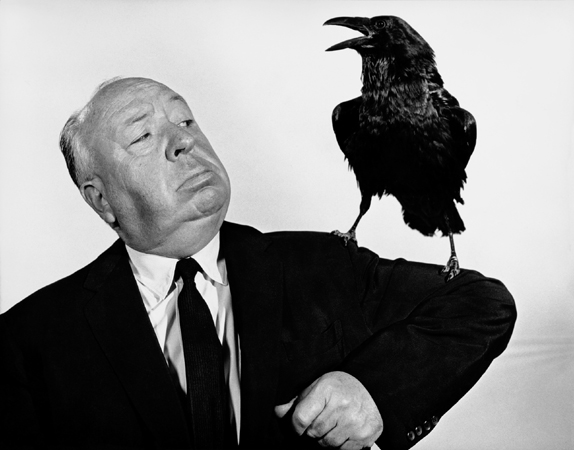
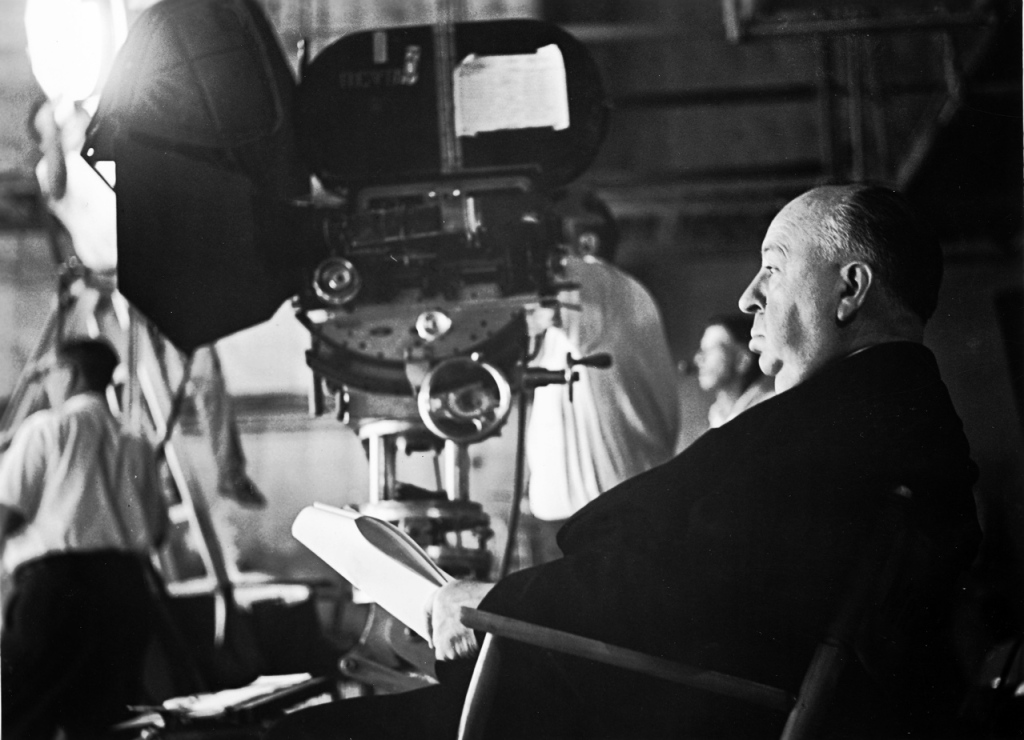
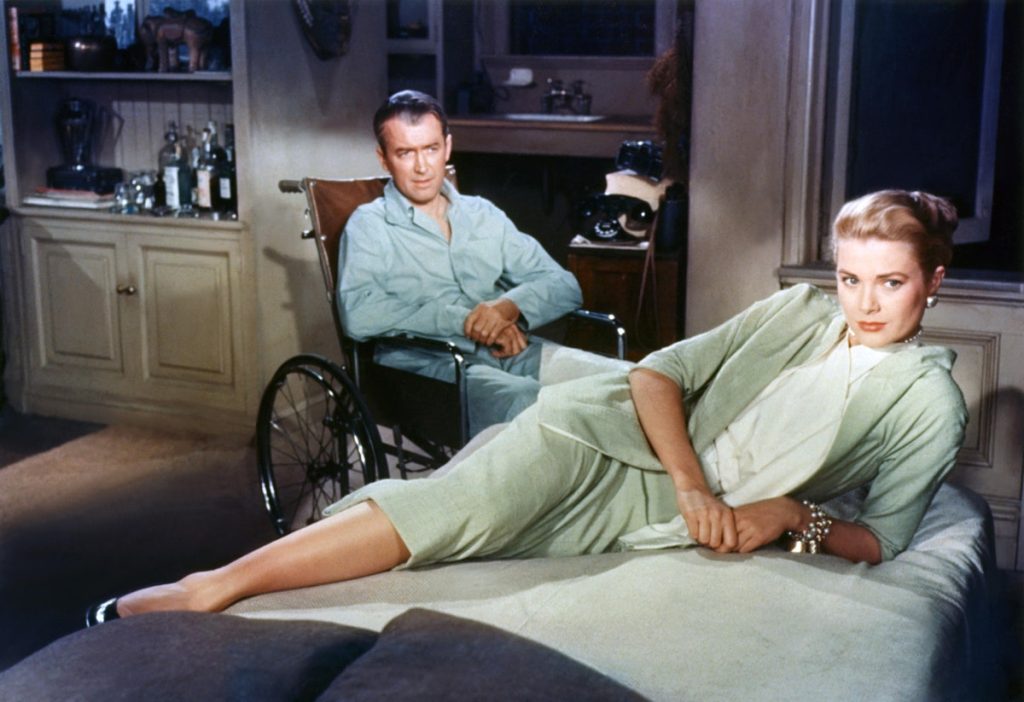
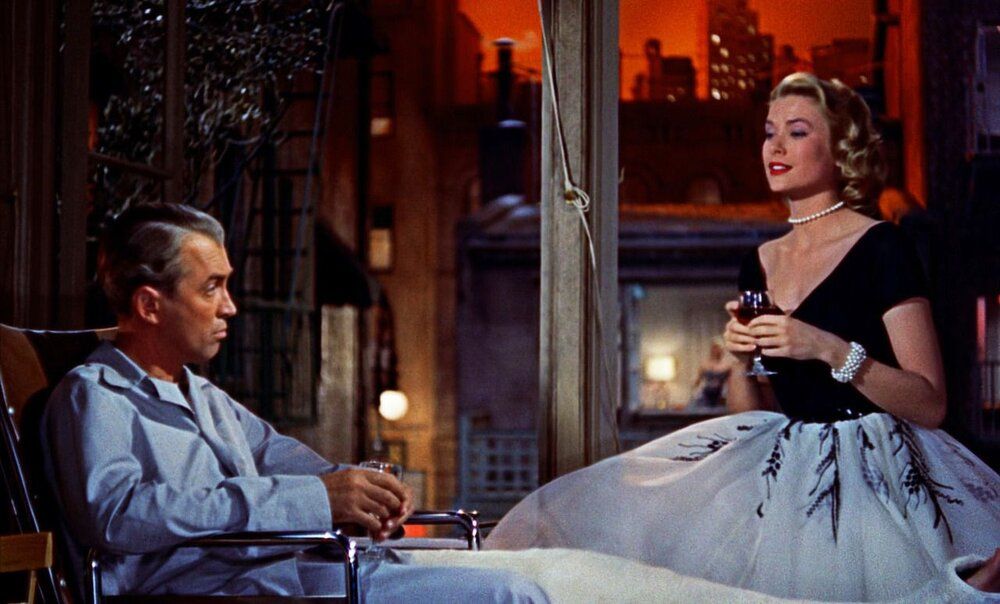
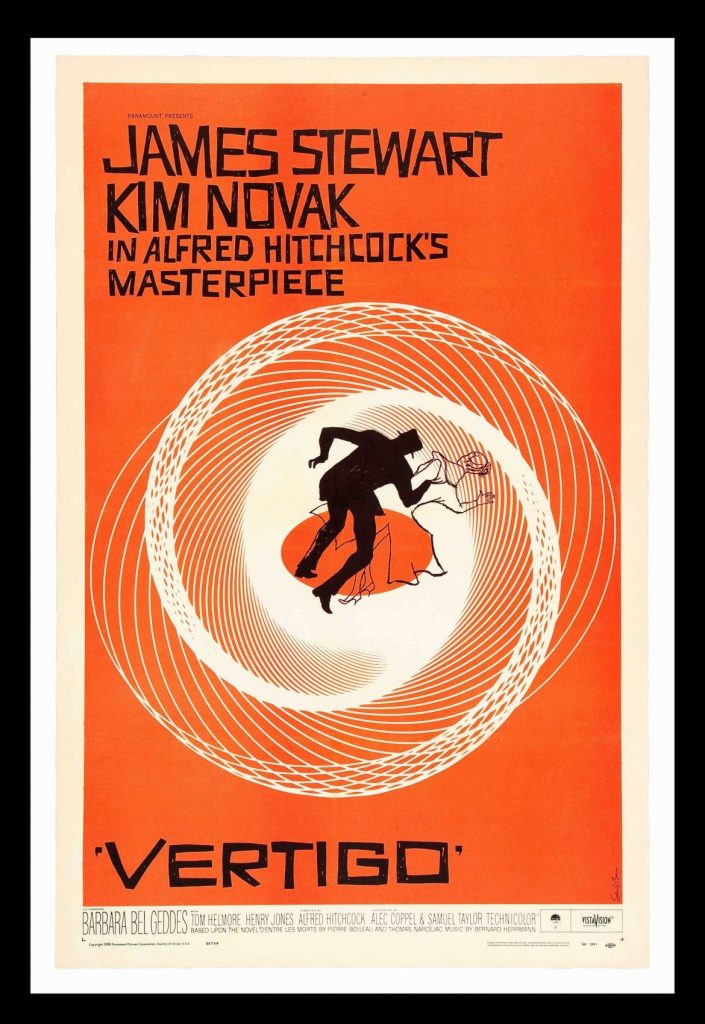
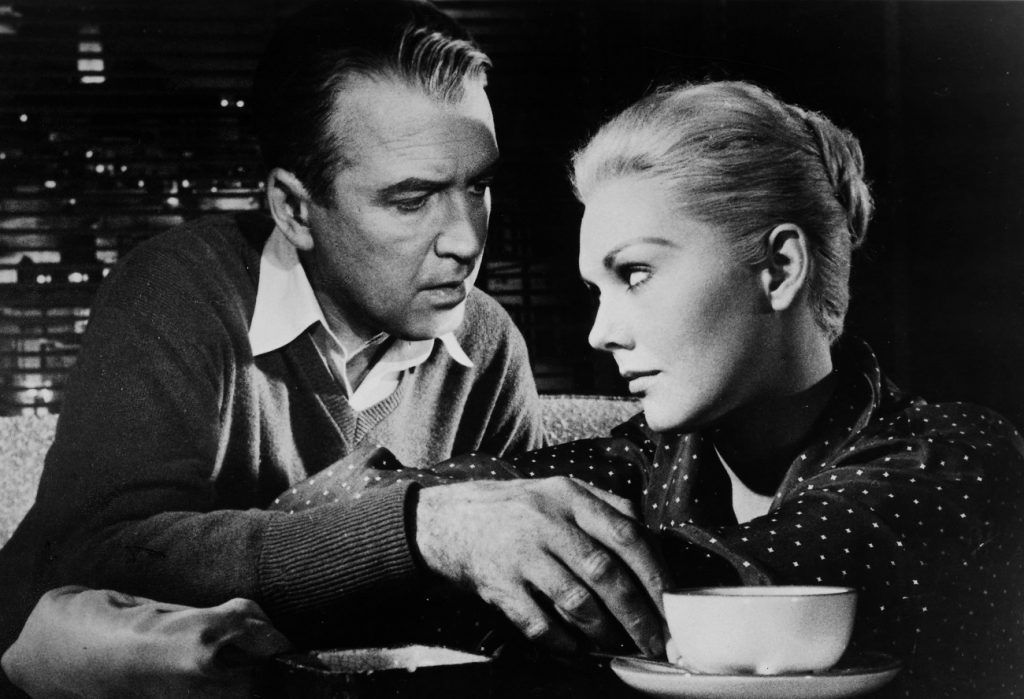
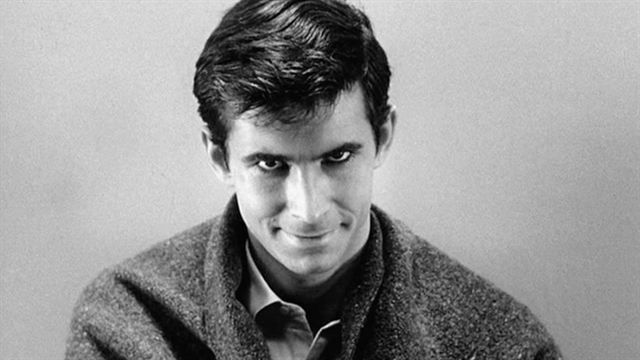
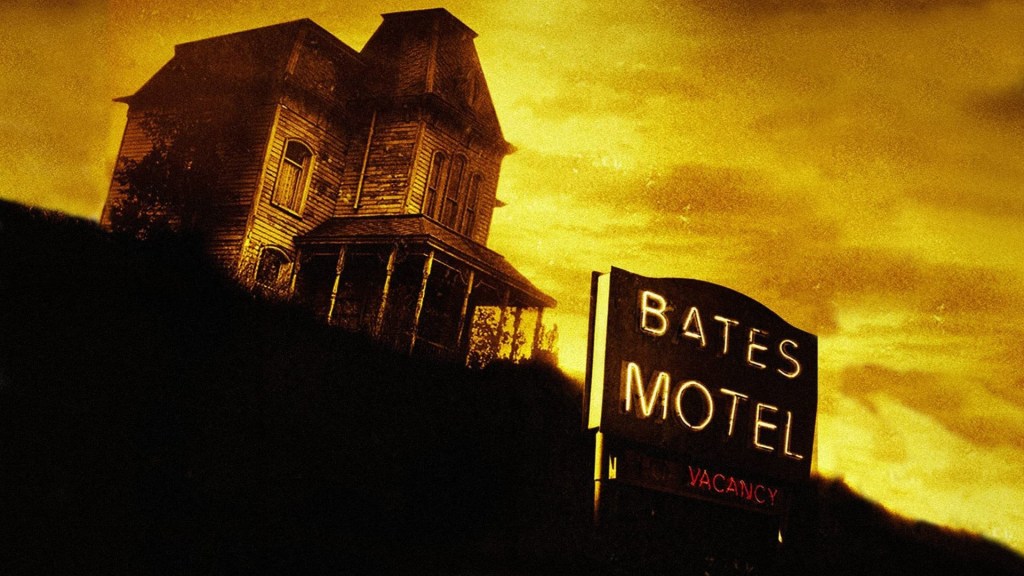
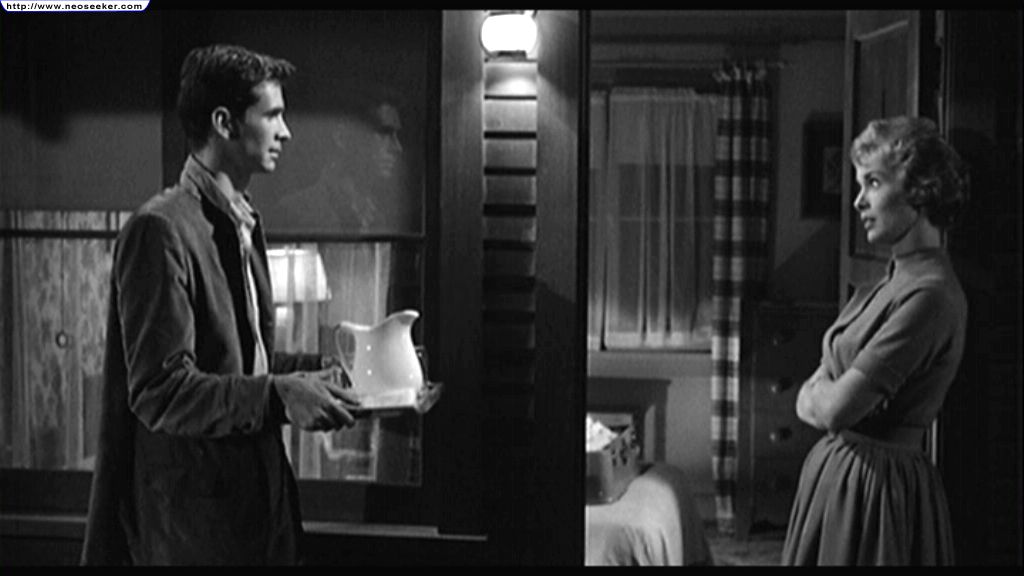

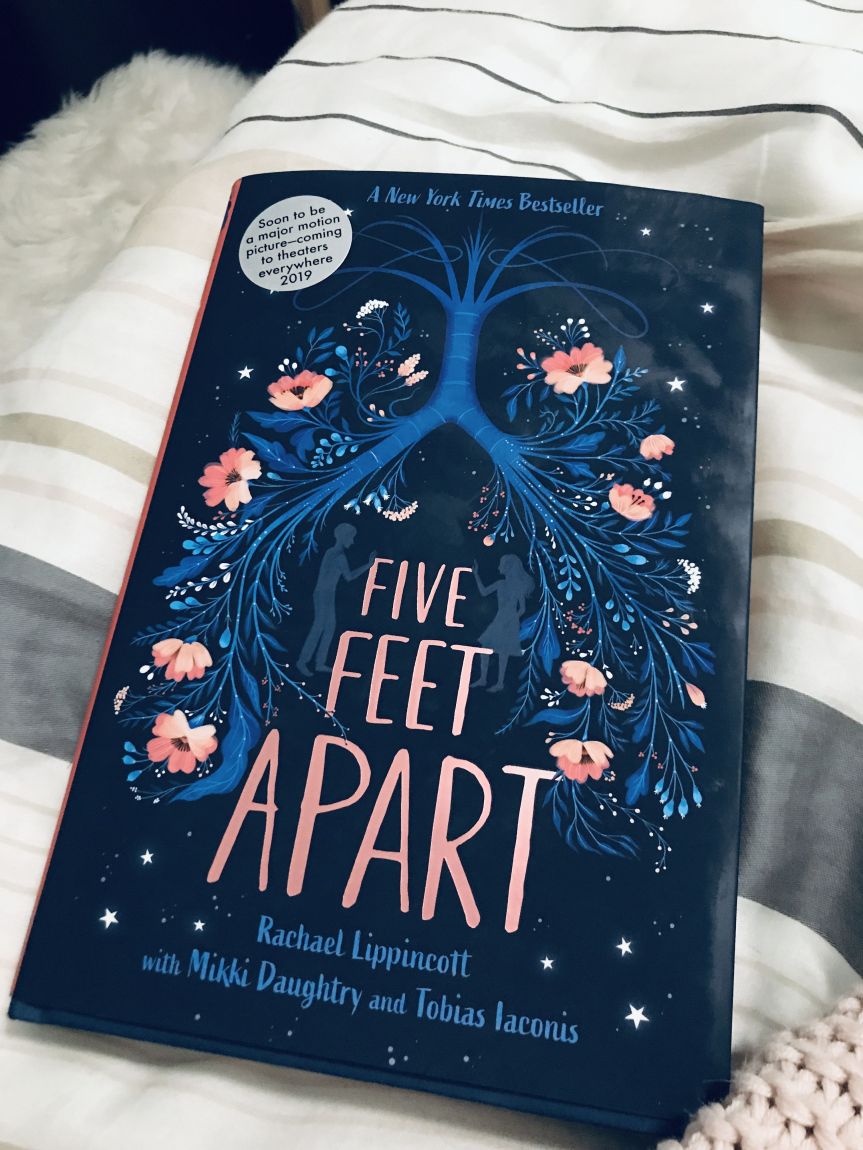
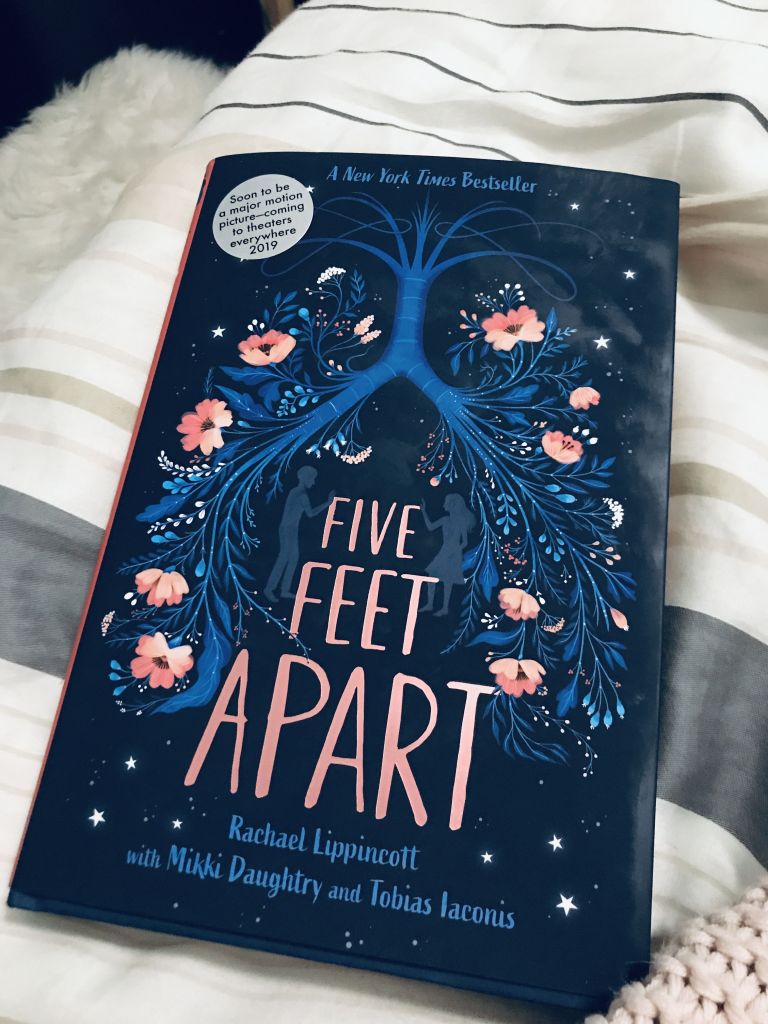





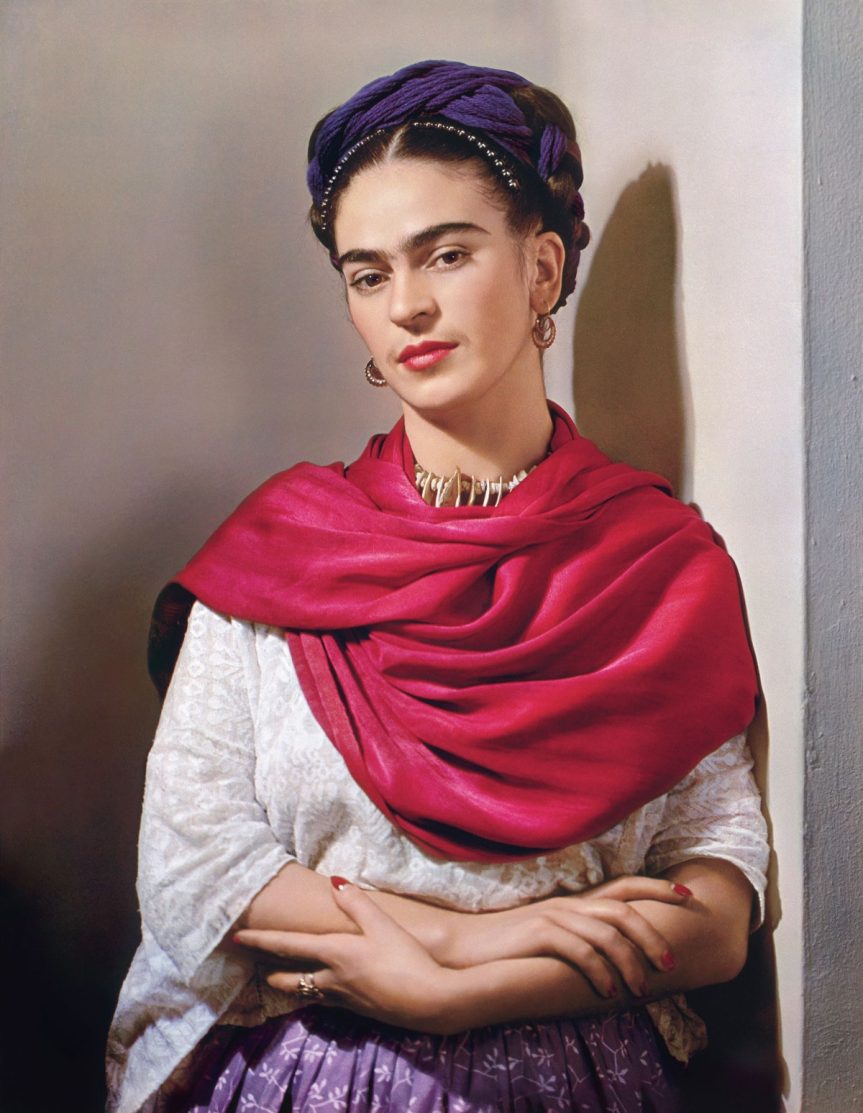
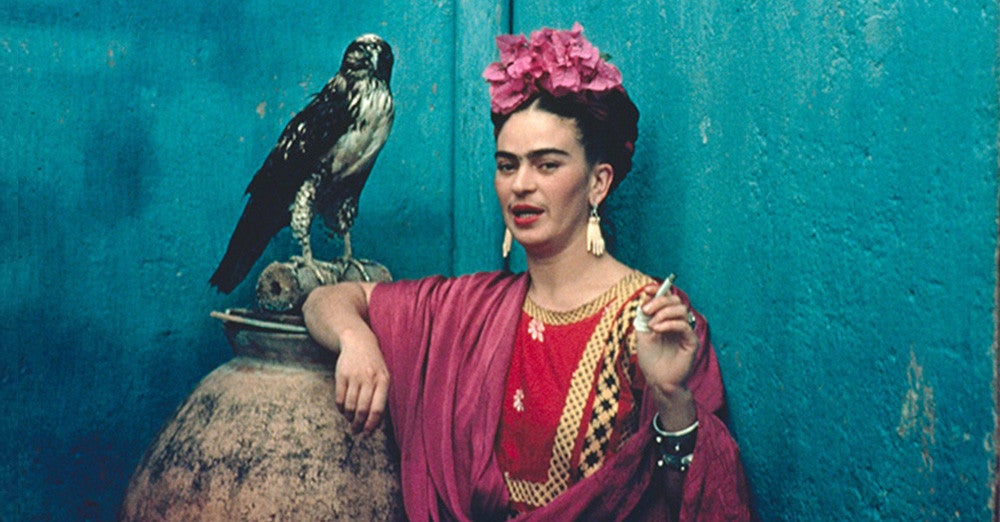
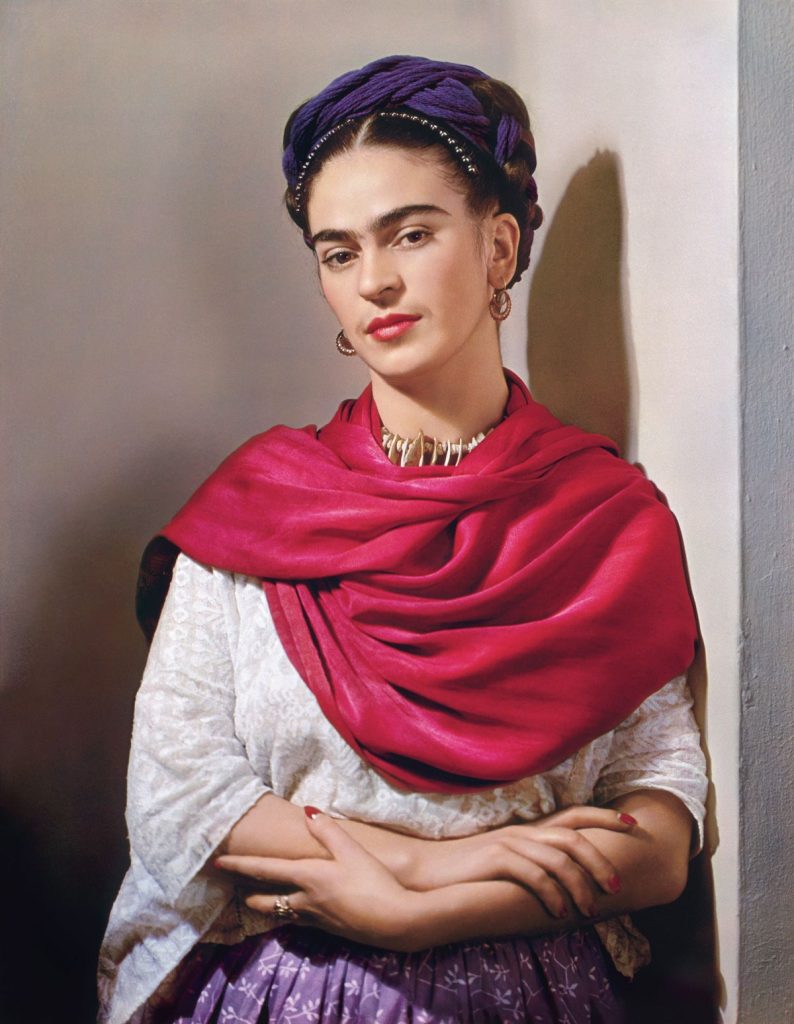
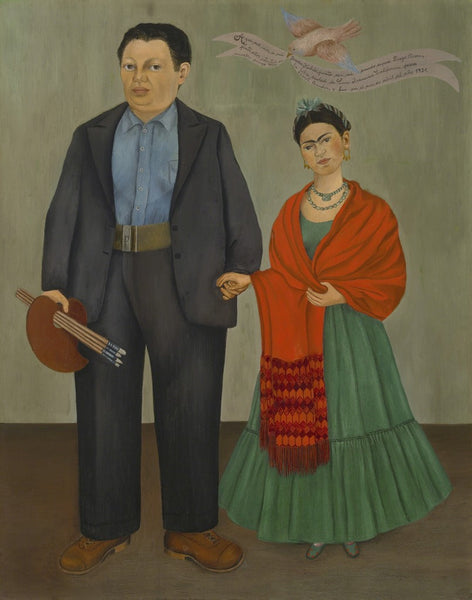
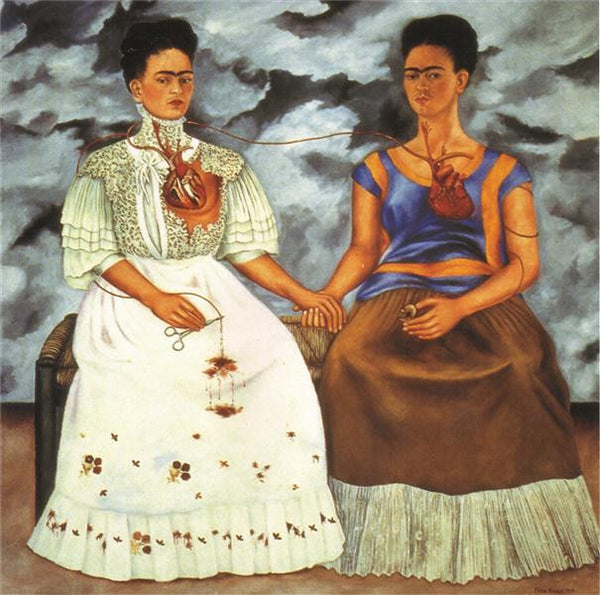
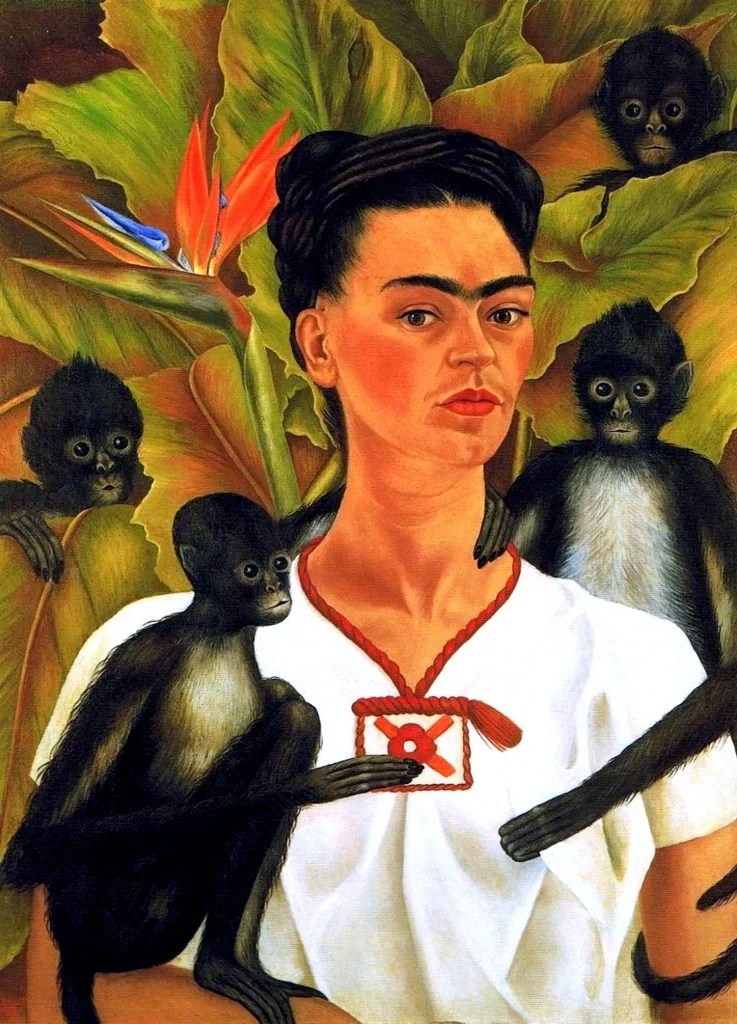

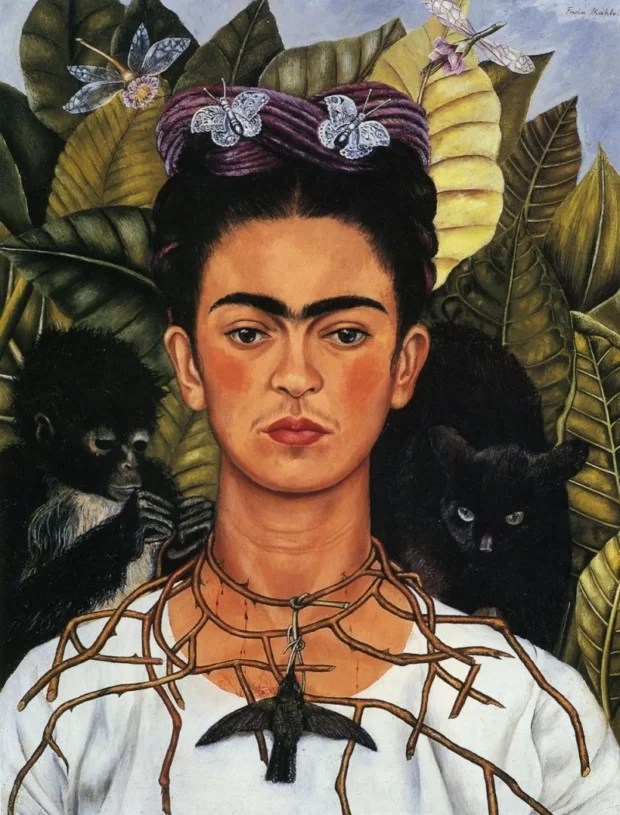
 Eduindex
You must be logged in to post a comment.