Biography of “Mahatma Gandhi”

Full name- Mohandas karamchand Gandhi

Born- 2 October, 1869 (Porbander, Gujarat)

Death- 30 January, 1948

Father- Karamchand Gandhi

Mother- Putlibai Gandhi

Nationality- Indian

Professions- Politicians, Lawyer, Writer

Wife- Kasturba Gandhi.

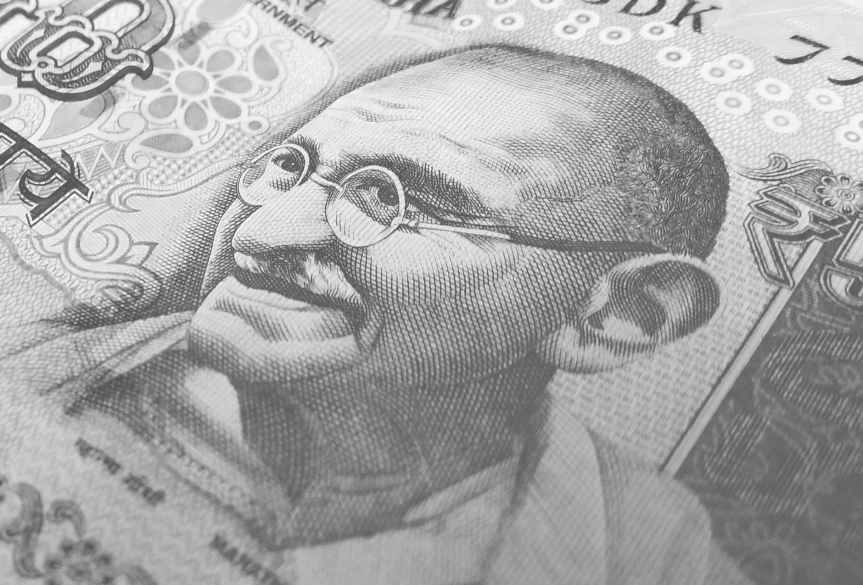
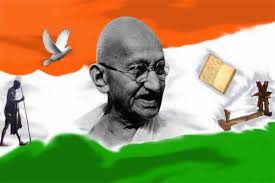
The name ‘Gandhi’ needs no introduction. Any part of the world that understands civilisation and humanitarian values appreciates Mahatma Gandhi (October 2, 1869-January 30, 1948). Thus it doesn’t come as a surprise that you find Gandhi fans in a diverse range-from the present American President, Barack Obama to philanthropic groups working in Rio

Movements launched by Mahatma Gandhi:

Mahatma Gandhi overcame insurmountable odds to bring the mighty British Empire to its knees. It is not merely because of the Non-cooperation Movement or the Dandi March (1931) that we know him today. It is true, of course, that these movements, along with the Quit India Movement (1942), brought the British Government to its knees. Gandhi was a man of the masses. Such was his popularity that the British went weak in their knees at the prospect of arresting him. They were afraid of making a martyr of him and thus adding to his popularity. This was no mean achievement for a man described by Winston Churchill as a ‘half- naked fakir’. Gandhi’s idea of non-violent resistance against the British rule appealed to the conscience of the Indian society groaning under the unjust rule of the British since the Battle of Plassey in 1757.

When Gandhi put Satyagraha into action for the first time in South Africa in1906 and became a success there, it didn’t take much time to recognise and hail the arrival of a great leader. But Gandhi was more than a messiah in the world of politics. He was a powerful social reformer who campaigned relentlessly to end discrimination against India’s untouchable class, whom he called the Harijans (children of God).
Mahatma Gandhi Awards:

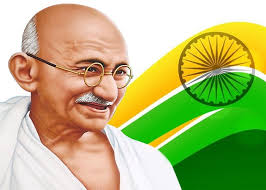
• In 1930, Gandhi was named the Man of the Year by Time’s Magazine. • In 2011, Time magazine named Gandhi as one of the top 25 political icons of all time. • He did not receive the Nobel Peace Prize despite being nominated five times between 1937 and 1948.

• The Government of India institutionalized the annual Gandhi Peace Prize to distinguished social workers, world leaders, and citizens. Nelson Mandela, the leader of South Africa’s struggle against apartheid was a recipient of the award

About Mahatma gandhi Personality:

The spiritual strength of Gandhi’s personality has to be given due recognition. His autobiography My Experiments with Truth bears a living testimony to this. Gandhiji used his spiritual strength to overcome all opposition. He walked across the country’s villages trying to make its people realise the importance of sanitation and healthy habits. If this does not prove his sincerity, let us remember his fast-unto-death in the riot-hit Calcutta of September 1947, which brought the Hindus and Muslims together again after a terrible violence.

Would any of our leaders today dare to walk the riot-hit streets of Noakhali with only a Tagore song to give him company? It is stupid to question the courage of this man who perhaps might even have achieved the impossible task of unifying India and Pakistan again had he not been shot dead by a fanatic called Nathuram Godse on January 30, 1948.

Film on Mahatma Gandhi:

Ben Kingsley portrayed Mahatma Gandhi in the 1982 film Gandhi, which won the Academy Award for Best Picture. Therefore, Mahatma Gandhi would be remembered forever as he spread the message of non-violence, truth, faith in God, and also he fought for India’s Independence. His methods inspired various leaders, youth not only in India but also out of India. In Indian history, he is considered as a most prominent personality and as the simplest person who wears dhoti. He spread the message of swaraj and taught Indians how to become independent.
INDO-PAKISTANI WAR OF 1971

Ajay Devgan’s latest film BHUJ: The pride of India trailer was released on Monday. It’s basically based on the Indo-Pakistani war of 1971. The Indo-Pakistan war is one of the most glorious moments in Indian history.
The Indo-Pakistan war bears witness to the bravery and courage of the Indian army and the Indian civilians who helped them in so many ways.
So, let’s take an overview of those proudest moments.

INDO-PAKISTAN WAR 1971

BRIEF OF INDO-PAKISTAN WAR of 1971:-
The 1971 Indo-Pakistani war was a military confrontation between the Indian and Pakistani army during the Bangladesh Liberation War. It is one of the shortest wars in history, lasting only 13 days. During the war, the Indian and Pakistan armies clashed simultaneously in the eastern and western areas. The confrontation started when the Pakistani army launched its “CHENGIZ KHAN” operation and carried out air strikes on 11 Indian air stations.

CASUALITIES AND LOSSES:-
India had lost between 2500 and 3843 soldiers and between 9851 and 12000 soldiers had been wounded during the confrontation. Naval planes, frigates and several aerodromes in West India were also damaged during the war.
While up to 9,000 Pakistani soldiers were killed, 25,000 soldiers were violently wounded and 93,000 civilians, Razarks and soldiers were captured. India also destroyed the two destroyers of Pakistan, a minesweeper, a submarine, three patrol ships and seven gunboats. The main Pakistani port facilities in Karachi and various airfields were also destroyed during the clashes. A part of all these about 3 lakh to 3 crore civilians of Bangladesh was killed by Pakistani military and razarks.

RESULT OF THE WAR:-
The war ended when the eastern command of the Pakistani army signed the instrument of surrender with the Indian army on 16 December 1971 in Dhaka. As a result, the eastern Pakistan was declared as an independent nation named Bangladesh. But due to the brutality of the Pakistani army and Razakars, approximately 8 to 10 million people from Bangladesh fled and became a safe haven in India.

AWARDS AND HONOURS:-
The courageous Indian soldiers who fought valiantly on the battlefield were honored by the “PADAM VIR CHAKRA”.
PADAM VIR CHAKRA award recipients as follows:-

  1. Lance Naik Albert Ekka (Posthumously)
  2. Flying Officer Nirmal Jit Singh Sekhon (Posthumously)
  3. Major Hoshiar Singh
  4. Second Lieutenant Arun Khetarpal (Posthumously)

    Former Indian Prime Minister Indira Gandhi was also honored by the Bangladeshi government by posthumously awarding Bangladesh Swadhinata Sammanona on 25 July 2011.

Each time we read and hear the stories of the Indo-Pakistani war, it is given like a grumble. The Indo-Pakistani war is one of the proudest moments in Indian history that demonstrates to the world that we are no less than anyone else. I hope you all feel equally proud reading this blog as I feel about writing and researching about it.
Finally greet all the soldiers that protect us without blinking.
Have a good day and Happy Reading.


[If there are some mistake and misinformation in the blog so sorry about it and tell us to comment. All the information is taken from trusted sources. Thank you]

NARCO-TERRORISM DANGER IN INDIA

 The theory of narco-terrorism stems from the realization that the two phenomena of drugs trafficking, and terrorism are inextricably linked, and that, as a result, a coordinated anti-drug and anti-terror policy can and must be employed to effectively combat both threats. Because of its nefarious partnership with terrorist groups, narcotic trafficking, which began as an organized cross-border crime, has now evolved into a menace to nation states. 

Although it has been known for decades that there is a relationship between the drugs trade and terrorist organizations, as suggested by the name narco-terrorism, the international focus on terrorism after September 11, 2001, has intensified the attention given to the issue of narco-terrorism.

The Golden Crescent is the world’s greatest illegal opium production. In 1999, Afghanistan and Pakistan alone accounted for over 6000 metric tonnes of total illegal output. Because of this high-level production, narco-terrorism is increasingly linked to the reigns of central and southeast Asia. India being the southern part of Asia  is concerned because these narcotics are a key source of money for Pakistani-sponsored terrorism in our nation. Also, India is the sole licit provider of opium to the international pharmaceutical sector, with an annual export income of roughly Rupees 209 crores in 1999. The economy of the Pak-Afghan border is based on poppy and cannabis cultivation. The drug money is being smuggled into the Indian money market in an unorganized but methodical way because of which financial institutions suffer. 

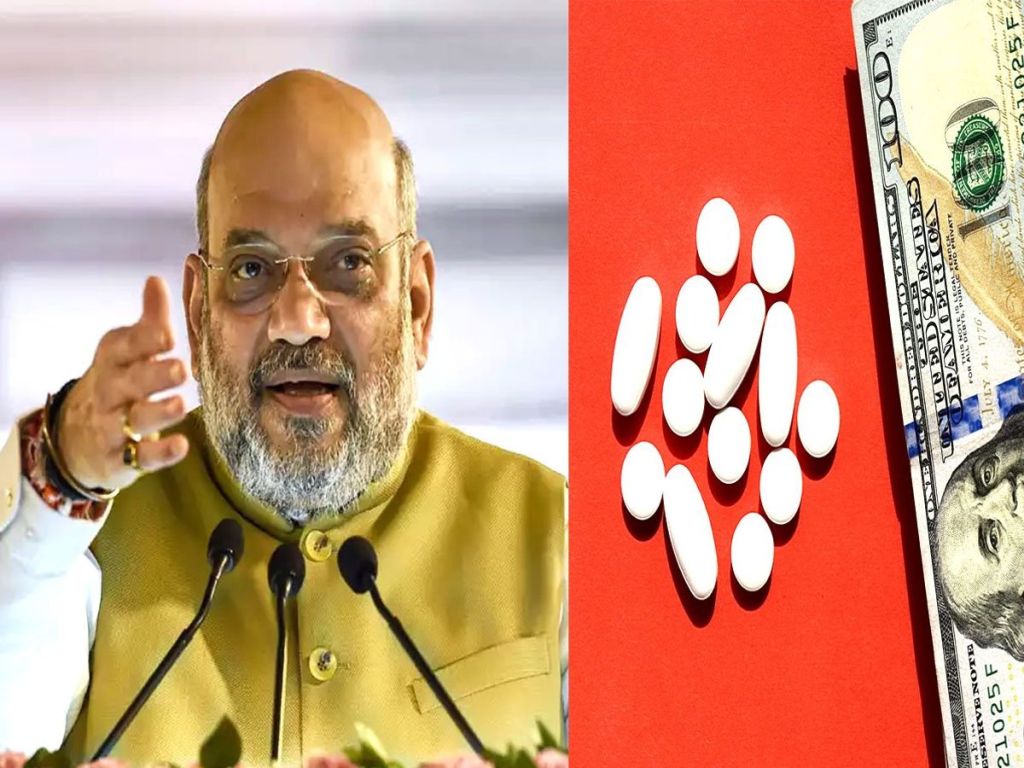
Because of illicit drug trafficking from Afghanistan and Pakistan poses a threat to India’s polity and economy. This issue requires serious attention from policymakers and law enforcement organizations before it is too late to intervene. Similar contention was also made by India’s home minister, Amit shah. He recently visited the National Forensic Sciences University (NFSU) in Gandhinagar to unveil the Centre of Excellence for Research and Analysis of Narcotic Drugs and Psychotropic Substances, which was established during Prime Minister Narendra Modi’s term as Chief Minister of the State of Gujrat. There he announced that India now faces the threat of narco-terror because of the rise of narcotics where drug traffickers and peddlers use drug money to promote their unlawful and disruptive operations. So to tackle this ongoing issue the Government has determined that narcotics would not be let into the nation, and that India will not be used as a transit point. He also mentioned that It is critical to put an end to this threat. 

Talking about the inauguration he said that this Centre was chosen to be connected to Gujarat’s Forensic Science University when the government was constituted for the second time under Prime Minister Narendra Modi because to appreciate the university’s outstanding services, the union government had designated it as a national center of excellence. He further added that the administration emphasized the need of using scientific techniques to conduct faster and more effective criminal investigations. Therefore, Forensic science will play a significant part in this. He also commended the forensic science institution for its contributions to criminal investigations into cyber and drug-related crimes.

The theory of narco-terrorism stems from the realization that the two phenomena of drugs trafficking, and terrorism are inextricably linked, and that, as a result, a coordinated anti-drug and anti-terror policy can and must be employed to effectively combat both threats. Because of its nefarious partnership with terrorist groups, narcotic trafficking, which began as an organized cross-border crime, has now evolved into a menace to nation states. 

Although it has been known for decades that there is a relationship between the drugs trade and terrorist organizations, as suggested by the name narco-terrorism, the international focus on terrorism after September 11, 2001, has intensified the attention given to the issue of narco-terrorism.

The Golden Crescent is the world’s greatest illegal opium production. In 1999, Afghanistan and Pakistan alone accounted for over 6000 metric tonnes of total illegal output. Because of this high-level production, narco-terrorism is increasingly linked to the reigns of central and southeast Asia. India being the southern part of Asia  is concerned because these narcotics are a key source of money for Pakistani-sponsored terrorism in our nation. Also, India is the sole licit provider of opium to the international pharmaceutical sector, with an annual export income of roughly Rupees 209 crores in 1999. The economy of the Pak-Afghan border is based on poppy and cannabis cultivation. The drug money is being smuggled into the Indian money market in an unorganized but methodical way because of which financial institutions suffer. 

Because of illicit drug trafficking from Afghanistan and Pakistan poses a threat to India’s polity and economy. This issue requires serious attention from policymakers and law enforcement organizations before it is too late to intervene. Similar contention was also made by India’s home minister, Amit shah. He recently visited the National Forensic Sciences University (NFSU) in Gandhinagar to unveil the Centre of Excellence for Research and Analysis of Narcotic Drugs and Psychotropic Substances, which was established during Prime Minister Narendra Modi’s term as Chief Minister of the State of Gujrat. There he announced that India now faces the threat of narco-terror because of the rise of narcotics where drug traffickers and peddlers use drug money to promote their unlawful and disruptive operations. So to tackle this ongoing issue the Government has determined that narcotics would not be let into the nation, and that India will not be used as a transit point. He also mentioned that It is critical to put an end to this threat. 

Talking about the inauguration he said that this Centre was chosen to be connected to Gujarat’s Forensic Science University when the government was constituted for the second time under Prime Minister Narendra Modi because to appreciate the university’s outstanding services, the union government had designated it as a national center of excellence. He further added that the administration emphasized the need of using scientific techniques to conduct faster and more effective criminal investigations. Therefore, Forensic science will play a significant part in this. He also commended the forensic science institution for its contributions to criminal investigations into cyber and drug-related crimes.

The utterly butterly delicious story of Amul

Over the years, Amul, one of the most beloved brands of our country, has become the taste of India, just as its tagline claims. Every Indian millennial has grown up listening to the jingles of its many dairy products, and the Amul girl, the brand’s mascot in the polka-dotted dress, has become a nostalgia-evoking symbol. Amul has truly come a long way since its founding in 1946.

The beginning

Amul was formed as a part of a cooperative movement against Polson Dairy in Anand, Gujarat, which procured milk from local farmers of Kaira District at very low rates and sold it to the then Bombay government. Everyone except the farmers benefited from this trade. The farmers took their plea to Sardar Patel, who had advocated farmers’ cooperatives since 1942. The result was the formation of the Kaira District Co-operative Milk Producers’ Union Limited in Anand.

The union started pasteurising milk produced by a handful of farmers for the Bombay Milk Scheme and grew to 432 farmers by the end of 1948. The rapid growth led to problems including excess production that the Bombay Milk Scheme couldn’t accommodate. To solve this issue, a plant was set up to process all that extra milk into products such as milk powder and butter.

Amul is born

The late Dr. Verghese Kurien, rightly called the Milkman of India, was Amul’s true architect. His journey at Amul began in 1949 when he arrived in Anand to manage a dairy as a government employee. He went from helping farmers repair machinery to revolutionising India’s dairy industry with the White Revolution (or Operation Flood), the largest dairy development programme in the world.

The new dairy with the milk processing plant was ready for operation in October 1955, the year that also saw a breakthrough in dairy technology —buffalo milk was processed to make products for the first time in the world. The word ‘Amul’, derived from ‘Amulya’, which means ‘precious’ or ‘priceless’ in Sanskrit, was used to market the range of milk products developed by the Kaira Union. It is also an acronym for Anand Milk Union Ltd.

Dr Kurien had a vision. He wanted to offer small-scale dairy farmers quality-control units and centralised marketing, which were missing at the time in the dairy economy. Thus, the Gujarat Cooperative Milk Marketing Federation (GCMMF) was created in 1973 to market milk and all milk products produced by six district cooperative unions in Gujarat. GCMMF is the largest exporter of dairy products in India and Amul is the umbrella for all of its products.

Awards, accolades, and a global presence

Over the years, Amul, together with GCMMF, has won numerous awards. Some of these include the Rajiv Gandhi National Quality Award, 1999; the Golden Trophy for Outstanding Export Performance, 2009-10; Best Marketing Campaign, 2014; and World Dairy Innovation Award, among many others. Amul earned recognition all over the world when GCMMF  introduced it on the Global Dairy Trade (GDT) platform, where only the six top dairy players across the world sell their products.

More than a mere slogan

Amul’s famous slogan, which is now a part of its logo, was created in 1994 by Shri Kanon Krishna of a Mumbai-based advertising agency called Advertising and Sales Promotion (ASP). According to Amul, the Taste of India slogan is more than just corporate positioning or advertising jargon. This slogan lends meaning to the brand’s never-ending commitment to taking quality food and products to the rural man, which he otherwise couldn’t have afforded.

The Butter Girl

Amul did not always have the round-eyed moppet as its mascot. The Butter Girl was born in 1966 when Sylvester daCunha, the then MD of the advertising agency handling Amul butter’s account, created her for its campaign. It was a pleasant change from the dull, corporate ads that the previous agency had come up with. Being a seasoned marketer himself, Dr Kurien gave daCunha complete creative freedom to create and release the ads without taking the company’s permission. 30 years later, the Utterly Butterly Girl still wins hearts wherever she is, whether on a billboard or on the packet of butter.

Amul is not just a brand; it is also a movement that represents farmers’ economic freedom. The name is now a household term that is here to stay, and the chubby-cheeked Amul girl will continue to cast a spell on the public.

|Obstacles to National Integration|

India is a land of widespread diversities in terms of religion, language, caste, tribe, race, religion and so on. Hence, the achievement of National Integration becomes very essential for the all round development and prosperity of the country.

Obstacles to national integration:

Regionalism- Regionalism refers to the sub-nationalism and sub-territorial loyalty. It implies the love for a particular region or state in preference to the country as a whole. There is also sub-regionalism that is love for a particular reason in preference to the state of which region forms a part. Some examples of regionalism are demand of the people of certain areas for separate state would like Telangana, Bodoland, Uttrakhand, Vidarbha, Gorkhaland and so on; demand of people of certain union territories for full-fledged statehood like Manipur, Tripura, Puducherry, Delhi, Goa; formation of organisations with regional motives which advocates a militant approach in pursuing its policies and goals like Hindi Sena, Shivsena, Lachit Sena and so on.

Communalism- Communalism means love for one’s religious community in preference to a nation and a tendency to promote the communal interest at the cost of the interest of other religious communities. It has its roots in the British rule where 1909, 1919 and 1935 Acts had introduced communal representation for the Muslims and others.

Casteism- It implies love for one’s own caste group in preference to the general National interest. It is mainly an outcome of politicization of caste. Its various manifestations include formation of political parties on the basis of caste, emergence of pressure groups based on caste, allotment of party tickets during elections and formation of Council of Ministers in the states on caste lines.

Linguism– It means love for one’s language and hatred towards other language speaking people. The phenomena of linguism like that of regionalism, communalism and casteism are also a consequence of the political process. The problem of linguism got accentuated with the rise of some Regional parties in recent times like TDP, AGP, Shivsena and so on.

Tall girl short boy can still be couple

Love is the most profound emotion known to Humans but still society has its own definition of beauty standard and if you don’t fit in that than you cant be perfect couple.

Well some examples are tall girl and short boy, older women and younger Men these are some beauty standards made by our society but if we think who is society society is made by us only, I think size, age should not be defining your definition of us if two people love each other they never think about it because love is irrespective of this and these are just stereotypes made by society and we have to improve this we have to accept the love weather its Love if young men and older women or love of bisexual.

love is love start valuing it irrespective of all bullshits. Accept flaws and move on. Love person not looks, age and other things.

The rivers in the rainy season.

The monsoon rain is believed to be a blessing as well as a curse. When the rain comes down in sufficient quantity, it is a blessing for us after the scorching heat of summer and also for the farmers because the crops grow in abundance. After the dry summer spell the rivers fill up. Fed by the monsoon rain the rivers become furious in size and volume in the rainy season. At that time water runs down from hills and mountains and strong currents overflow the banks of the rivers. Sometimes crops are washed away by flood water on both sides of the river. When the flood becomes more furious, some domestic animals are drowned. The roads and national highways are inundated, and people become homeless. They are bound to starve for a number of days. The whole system of economy of the rural areas as well as urban areas is miserably hampered by the floods in the rivers. The heavy rains in the highland regions cause soil erosion. The rainwater gushes down bringing with it all the top soil and plants. This makes the river water very muddy. Sometimes big trees are uprooted and they too flow down the river.

So, to control floods dams are erected on some of the rivers to check such devastating floods. When the volume of water is controlled through dams, flood is stopped, and it causes good harvest by the useful use of the river water. Thus, sometimes the rivers become a curse and sometimes a boon in the rainy season.

So we always hope for moderate but sufficient rainfall so that the rivers in the rainy season remain manageable.

Delhi- The most polluted city of the world

Among the most polluted cities of the world, Delhi enjoys the dubious distinction of topping the list.

It is not only the most polluted city in India, but the whole world. The reason are quite obvious. Delhi has developed and expanded phenomenally at the great extend. With the ever increasing population, the number of vehicles plying on the road has also multiplies manifold. Growing number of industries, and infrastructure are emitting poisonous gases is another contributory factor for air pollution and environment degradation. The discharge of chemical waste into the Yamuna has polluted the water of the river. It is now unfit even for animals.

Main causes of air pollution in Delhi:-

Pollution caused by the traffic menace in Delhi is another reason contributing to this air pollution and smog. The air quality index has reached ‘severe’ levels. Vehicular emission is increasing the hazardous effects of air pollution and smog. The Central Pollution Control Board (CPCB) and the National Environmental Engineering Research Institute (NEERI) have declared vehicular emission as a major contributor to Delhi’s increasing air pollution.

As the winter season sets in, dust particles and pollutants in the air become unable to move. Due to stagnant winds, these pollutants get locked in the air and affect weather conditions, resulting in smog.

Another reason of air-pollution is over-population in the capital. Over-population only adds up to the various types of pollution, whether it is air pollution or noise pollution.

Investing less on public infrastructure is another reason of air pollution. In India, investment in public transport and infrastructure is low which leads to congested roads, and hence air pollution.

Large scale construction in Delhi-NCR is another culprit that is increasing dust and pollution in the air. Considering the dipping air quality, a number of construction sites have stalled work, as directed by the Delhi Government.

Industrial pollution and garbage dumps are also increasing air pollution and building-up smog in the air.

Despite the ban on cracker sales, firecrackers were a common sight this Diwali. It may not be the top reason for this smog, but it definitely contributed to its build up.

So, to decline the pollution immediate steps should be taken to check carbonisation. Tree- plantation and preservation should be given top priority. Mass public awareness has to be built. Only then we can control the demon of pollution.

Little Ice Age

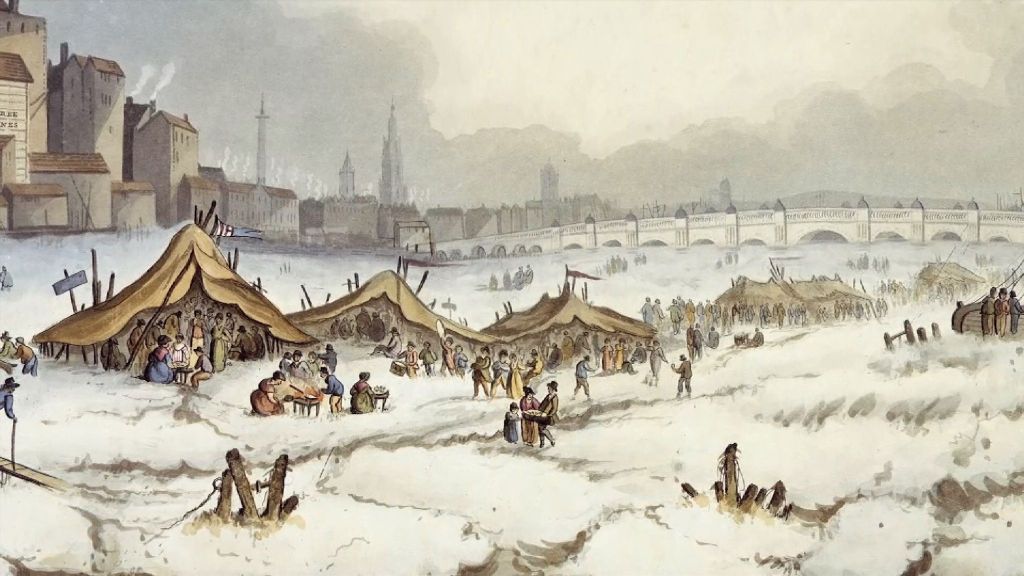
Little Ice Age (LIA), climate interval that occurred from the early 14th century through the mid-19th century, when mountain glaciers expanded at several locations, including the European Alps, New Zealand, Alaska, and the southern Andes, and mean annual temperatures across the Northern Hemisphere declined by 0.6 °C (1.1 °F) relative to the average temperature between 1000 and 2000 CE. The term Little Ice Age was introduced to the scientific literature by Dutch-born American geologist F.E. Matthes in 1939. Originally the phrase was used to refer to Earth’s most recent 4,000-year period of mountain-glacier expansion and retreat. Today some scientists use it to distinguish only the period 1500–1850, when mountain glaciers expanded to their greatest extent, but the phrase is more commonly applied to the broader period 1300–1850. The Little Ice Age followed the Medieval Warming Period (roughly 900–1300 CE) and preceded the present period of warming that began in the late 19th and early 20th centuries.

Geographic extent

Information obtained from “proxy records” (indirect records of ancient climatic conditions, such as ice cores, cores of lake sediment and coral, and annual growth rings in trees) as well as historical documents dating to the Little Ice Age period indicate that cooler conditions appeared in some regions, but, at the same time, warmer or stable conditions occurred in others. For instance, proxy records collected from western Greenland, Scandinavia, the British Isles, and western North America point to several cool episodes, lasting several decades each, when temperatures dropped 1 to 2 °C (1.8 to 3.6 °F) below the thousand-year averages for those areas. However, these regional temperature declines rarely occurred at the same time. Cooler episodes also materialized in the Southern Hemisphere, initiating the advance of glaciers in Patagonia and New Zealand, but these episodes did not coincide with those occurring in the Northern Hemisphere. Meanwhile, temperatures of other regions of the world, such as eastern China and the Andes, remained relatively stable during the Little Ice Age.

Still other regions experienced extended periods of drought, increased precipitation, or extreme swings in moisture. Many areas of northern Europe, for instance, were subjected to several years of long winters and short, wet summers, whereas parts of southern Europe endured droughts and season-long periods of heavy rainfall. Evidence also exists of multiyear droughts in equatorial Africa and Central and South Asia during the Little Ice Age.

Effects on civilization

The Little Ice Age is best known for its effects in Europe and the North Atlantic region. Alpine glaciers advanced far below their previous (and present) limits, obliterating farms, churches, and villages in Switzerland, France, and elsewhere. Frequent cold winters and cool, wet summers led to crop failures and famines over much of northern and central Europe. In addition, the North Atlantic cod fisheries declined as ocean temperatures fell in the 17th century.

During the early 15th century, as pack ice and storminess increased in the North Atlantic, Norse colonies in Greenland were cut off from the rest of Norse civilization; the western colony of Greenland collapsed through starvation, and the eastern colony was abandoned. Iceland became increasingly isolated from Scandinavia when the southern limit of sea ice expanded to encapsulate the island and locked it in ice for longer and longer periods during the year. Sea ice grew from zero average coverage before the year 1200 to eight weeks in the 13th century and 40 weeks in the 19th century.

In North America between 1250 and 1500, the Native American cultures of the upper Mississippi valley and the western prairies began a general decline as drier conditions set in, accompanied by a transfer from agriculture to hunting. Over the same period in Japan, glaciers advanced, the mean winter temperature dropped 3.5 °C (6.3 °F), and summers were marked by excessive rains and bad harvests.

Causes

The cause of the Little Ice Age is not known for certain; however, climatologists contend that reduced solar output, changes in atmospheric circulation, and explosive volcanism may have played roles in bringing about and extending the phenomenon.

Increased volcanism

Cool conditions in different regions during the Little Ice Age may have been influenced by explosive volcanic eruptions, such as the eruptions of Laki in Iceland in 1783 and Tambora on Sumbawa Island in 1815. Explosive eruptions propel gases and ash into the stratosphere, where they reflect incoming solar radiation. Consequently, they have been linked to conditions of lower average temperature around the world that may last a few years. Some scientists hypothesize that such volcanic activity may strengthen and extend the negative phase of the NAO, thus bringing on cooler conditions in northern Europe. Other scientists, however, argue that explosive eruptions may be linked to warmer winter conditions across northern Europe.

The other side of pandemic

This pandemic has proven dangerous to human breed, in the past two years the humankind has experienced a lot of negativities and we still are. When, a year passed into the pandemic people were like better days be coming. its just a phase, it will pass and we all will be back to normal but, somehow the flashing headlines on TV which are now forecasting third wave is making things complicated for many. Currently, every single person is been affected by the ongoing pandemic it can be in the form of financial loss or even the loss of mental health. During this whole time no matter how much, we try to get detached from that unusual feeling which can look like boredom, constant pressure and stressing about future or present or not trying to make efforts we often end up thinking about the same whole day.


This is the influence of a global pandemic. Just like social media can influence a person in a good or bad way same goes with the ongoing situation. We are experiencing some unusual changes in our daily life many people have updated their habits healthy eating, meditation, yoga etc. reason can be that they have observed that health is important than anything else on the other hand there must be people who used to be happy and cheerful can be sitting alone in the house, not in contact of any close friend and depressed. We can not say its totally normal because adapting to few things is still a difficult task just like taking online classes can be normal but, not when they are imposed permanently and there is no other option left Afterall we have to get our degree. Many people among us must be thinking that they are missing out so much by just sitting home and yes we are. Every age group is missing out on something or the other and also wondering how different I was two years back or how I was enjoying so much two years back. But, we should all be thankful and grateful for what we have right now. Yes we cannot go out and have fun but, at least we are able to afford the basic necessities of life, we are safe in our houses, we have family and friends. as there are people who are suffering right now who are in the worst situation.


We live on hope, it is what keep us alive and motivate us to keep going. As humans we are still hopeful for better days to come, things will be in better condition. The important thing is to learn our lesson and keep looking forward instead of stressing on past, present or future facing the current situation and accept things the way they are but, not forgetting to improve ourselves be it personally, professionally, mentally, emotionally or physical. Focusing on the positive aspect of life is the main aim, it will not only save you from negativity that can spread but, it will surely strengthen us inside.

Impact of Covid-19 on environment

The activities human does has its impact directly on the environment which in turn affect humans in the long term . In the last two centuries the concern for the environment protection arose first during the Industrial Revolution in Europe which changed the entire dynamics of the world leading to revolutionary changes but the burning of coal to run the machines in the industries led to smoke pollution. With time as the number of industries increased globally so did the number of harmful pollutants released in the air causing high smog level, acid rain , respiratory diseases among many other things. It was not just the air but also the water where the waste from industries was directly released making water misfit for humans as well as posing threat to the animals in there. Everything on the surface of earth is interrelated , the cycle of destruction which once starts consumes everything within it fueled by the human greed. Extensive mining , improper waste disposal, excessive noise from honking of cars and other sources leads to different forms of air, soil and noise pollution . Over the years, different governments have come up with different plans to preserve and protect the natural resources and environment along with various methods to reduce the negative impact of globalization and industrialization on the environment.

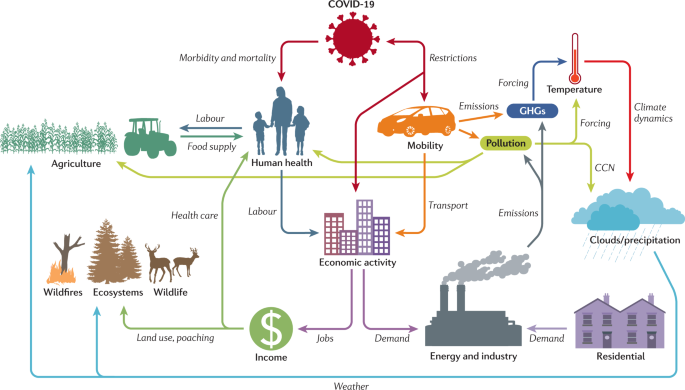
The covid-19 pandemic which hit the world in early 2020 and has claimed almost a million lives till now had the countries going into the complete lockdown to prevent the further spread of the disease. Lockdown ceased the normal routines of the people as everyone was caged inside their houses with many loosing their jobs, many getting rest from the normally hectic lives, the conditions of the medical professionalists being worse as they had to deal with a foreign deadly disease which they had no idea about. The lockdown which closed all industries and workplaces brought down the world economy to a major level. Despite all these hardships, the only positive thing which happened was the clearance of the environment such as air and water which had been polluted beyond repair by the humans.

Everything has its own pros and cons. This blogs will tell you about the positive and negative impact of covid-19 on environment.

Positive impacts

  • There was a phenomenal reduction observed in the emission of green house gases such as carbon dioxide , methane and nitrous oxides due to closed industries and shut down of transportation which led to cleaner air. According to a study, China which had an average of 2,00,000 metric tones of carbon dioxide emission saw the emission being reduced by 25% which according to the Earth system scientists saved the lives of over 77000 people in two months. The decrease in air pollution brought with it 50% reduction of nitrogen dioxide and oxides of carbons levels which also decreased the rain in that particular time period being acidic. Acid rain which had led to many diseases and corrosion of metals and monuments such as our mighty Taj Mahal is caused by the combination of nitrogen dioxide with oxygen and water vapor present in the atmosphere which leads to the production of the harmful nitric acid along with water.
  • India, where the AQI(Air Quality Index) had worsen in the last decade, saw a drastic improvement in the air quality. The AQI obtained by the Central Pollution Control Board(CPCB) was assessed by comparing the level of pollutants degrading the air quality( PM10, PM2.5, Carbon monoxide and sulphur dioxide) in the unlock (pre covid-19) phase to that in the four lockdowns which the country experienced. It was observed that there was a gradual to rapid reduction in the level of these harmful pollutants and increment in ozone concentration due to the reduction in Nitrogen dioxide concentration by almost 80%.
  • Water Pollution which is a major problem in India and Bangladesh with industries releasing their waste water without its proper treatment in the water bodies causing the decrease in oxygen level in the water affecting the aquatic life present there and also making it unfit for human use. According to various reports, the Ganga and Yamuna rivers of the country which were one of the highly polluted rivers due to the dumping of garbage and industrial releases pre covid showed the signs of rejunevation during the lockdown. No discharge of harmful affluent in these water bodies led to the decline in nitrite concentration in water increasing the dissolved oxygen level. Further, it was reported that the districts in Ganga river basins experienced 60% more rainfall than what it normally experiences which led to the increased discharge of water in river further contributing towards the dilution of remaining pollutants.
  • Also, the animals which were rarely found in open such as the sea turtles finally retreated to their original natural habitant with many sea turtle and rare species of fishes being spotted in the open and on the beaches which were deserted in the lockdown.

Negative Impacts

  • People were advised to use masks and gloves as a precaution against covid-19. The inappropriate disposal of masks and gloves along with other bio medical waste which was used to treat the covid-19 patients will lead to more harm in the long term. Governments advised people against the open disposal of the bio medical wastes but lack of proper knowledge led people to do the otherwise contributing in the water and soil pollution.
  • Also, the flora and fauna which was protected by human guards against the illegal human activities was also at risk. As with lockdown, decrease in man power guarding the reserved forests and sanctuaries decreased which led to the increase in illegal deforestation, wildlife hunting among other things.

Covid-19 can be seen as the nature’s warning to humans to stop interfering in the natural things and to mend its relation with the environment , else the consequences will be terrible.

How to Restore Our Sleep Cycle

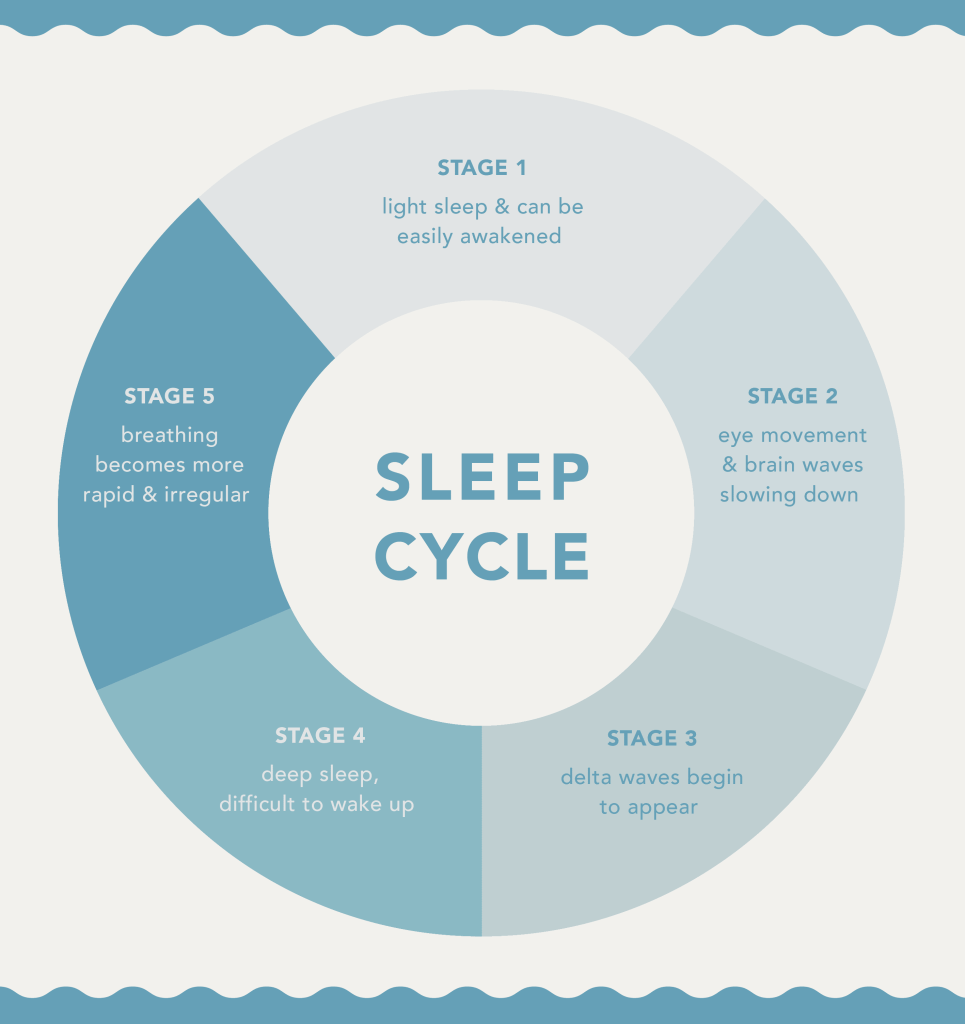
Pandemic has a huge impact on the sleep pattern of the people around the world. Some of them are tossing side to side to get a proper sleep during night time, other stay long awake but unable to regulate their usual pattern. Many experts also suggested that these days people often faces troubled sleep, with many going to bed far later and sleeping longer than usual.

Image: Shutterstock

Our sleep schedules do vary from person to person, depending in large part on the environmental causes. Because according to our circadian clock , that control our sleep schedules are sensitive to light like things like how much sunlight we’re exposed to throughout the day and what types of light we’re exposed to at night affect our sleep schedules. It’s really a huge problem, having a disrupted sleep schedule can result in deteriorating sleep pattern. But this will led to severe health ailments linked to several chronic health problems, such as sleep disorders, obesity, diabetes, depression, bipolar disorder, and seasonal affective disorders etc.

Image: Banala lite

But there are some suggested ways to get our disrupted sleep back on track:

  • A proper bed time routine: Try to stick to a schedule of sleep, like keeping your sleep-wake cycle the same. Our bodies have a circadian rhythm and walking up at different times disrupts it. The less you deviate from your normal bed and wake up times, the better you sleep. To get to sleep earlier, even doctors recommends going slowly and in small increments, adjusting no more than 15 minutes earlier every two to three days.
  • A touch of nature: Get a good amount of sunlight every morning. It serves an important purpose: it shuts down the release of melatonin, this hormone promotes sleep. Aim to get at least 15 minutes of sunlight every morning.

      Image: NPR

  • Cut off caffeine before sleep: Caffeine has a half-life of six to eight hours and a quarter-life of 12 hours. That means if you drink coffee at 4 pm, you’ll still have a quarter of the caffeine floating around in your brain at 4 am.
  • Limit your drinking habit: Alcohol suppresses REM sleep cause sleep disruptions. If you drink alcohol, limit that to two drinks or stop the intake at least three hours before bed.
  • Limit the screen timings: Avoid screen timings just before going to bed. As blue light of mobile screen interfere with sleep habits by sending wrong signals to stay awake. But many of us do it anyway. Avoid screen time before 2 hours of going to bed.
  • Journaling: You can’t get a proper sleep if something is bothering you, it’s always better to pen down your worries in a diary. Making this a habit can lessen your worries. Sit down with a blank piece of paper one to two hours before bed each night. Writing down your thoughts, especially anything that is bothering you. It will help you to schedule your activities and calm your mind.
Image: Unsplash

Meditation and Music: Meditation eases your woes by giving a direction to your thoughts. To get a proper sleep one should practice this 10 minutes daily routine. On the other hand, music calms mind and listening to a relaxing one will help to achieve sleep.

  • Avoid sleeping at day time: To promote better sleep one should avoid day time nap, so as to get a better sleep at night.
  • Environment: Make a good sleeping environment like switching off unnecessary lights and put on the curtains to prevent the entry of noise and lights. Take a warm bath and play some relaxing music, for instance. Make sure your bed is comfortable, the room is dark, and the temperature is not too warm.

These are the ways which enable us regain our disturbed sleep pattern. Sleep, itself promotes body healing. So, this is advised to get a proper 7-8 hours of sleep during night time.

Image: PBS

The Real Santa Claus

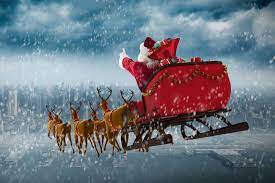
Santa Claus—otherwise known as Saint Nicholas or Kris Kringle—has a long history steeped in Christmas traditions. Today, he is thought of mainly as the jolly man in red who brings toys to good girls and boys on Christmas Eve, but his story stretches all the way back to the 3rd century, when Saint Nicholas walked the earth and became the patron saint of children. Find out more about the history of Santa Claus from his earliest origins to the shopping mall Santas of today, and discover how two New Yorkers—Clement Clark Moore and Thomas Nast—were major influences on the Santa Claus millions of children wait for each Christmas Eve.


The Legend of St. Nicholas: The Real Santa Claus

The legend of Santa Claus can be traced back hundreds of years to a monk named St. Nicholas. It is believed that Nicholas was born sometime around 280 A.D. in Patara, near Myra in modern-day Turkey. Much admired for his piety and kindness, St. Nicholas became the subject of many legends. It is said that he gave away all of his inherited wealth and traveled the countryside helping the poor and sick. One of the best-known St. Nicholas stories is the time he saved three poor sisters from being sold into slavery or prostitution by their father by providing them with a dowry so that they could be married. 

Over the course of many years, Nicholas’s popularity spread and he became known as the protector of children and sailors. His feast day is celebrated on the anniversary of his death, December 6. This was traditionally considered a lucky day to make large purchases or to saasget married. By the Renaissance, St. Nicholas was the most popular saint in Europe. Even after the Protestant Reformation, when the veneration of saints began to be discouraged, St. Nicholas maintained a positive reputation, especially in Holland.

Sinter Klaas Comes to New York

St. Nicholas made his first inroads into American popular culture towards the end of the 18th century. In December 1773, and again in 1774, a New York newspaper reported that groups of Dutch families had gathered to honor the anniversary of his death.

The name Santa Claus evolved from Nick’s Dutch nickname, Sinter Klaas, a shortened form of Sint Nikolaas (Dutch for Saint Nicholas). In 1804, John Pintard, a member of the New York Historical Society, distributed woodcuts of St. Nicholas at the society’s annual meeting. The background of the engraving contains now-familiar Santa images including stockings filled with toys and fruit hung over a fireplace. In 1809, Washington Irving helped to popularize the Sinter Klaas stories when he referred to St. Nicholas as the patron saint of New York in his book, The History of New York. As his prominence grew, Sinter Klaas was described as everything from a “rascal” with a blue three-cornered hat, red waistcoat, and yellow stockings to a man wearing a broad-brimmed hat and a “huge pair of Flemish trunk hose.”

‘Twas the Night Before Christmas

In 1822, Clement Clarke Moore, an Episcopal minister, wrote a long Christmas poem for his three daughters entitled “An Account of a Visit from St. Nicholas,” more popularly known as “‘Twas The Night Before Christmas.” Moore’s poem, which he was initially hesitant to publish due to the frivolous nature of its subject, is largely responsible for our modern image of Santa Claus as a “right jolly old elf” with a portly figure and the supernatural ability to ascend a chimney with a mere nod of his head! Although some of Moore’s imagery was probably borrowed from other sources, his poem helped popularize the now-familiar image of a Santa Claus who flew from house to house on Christmas Eve in “a miniature sleigh” led by eight flying reindeer to leave presents for deserving children. “An Account of a Visit from St. Nicholas” created a new and immediately popular American icon.

In 1881, political cartoonist Thomas Nast drew on Moore’s poem to create the first likeness that matches our modern image of Santa Claus. His cartoon, which appeared in Harper’s Weekly, depicted Santa as a rotund, cheerful man with a full, white beard, holding a sack laden with toys for lucky children. It is Nast who gave Santa his bright red suit trimmed with white fur, North Pole workshop, elves and his wife, Mrs. Claus

Santa Claus Around The World 

18th-century America’s Santa Claus was not the only St. Nicholas-inspired gift-giver to make an appearance at Christmastime. There are similar figures and Christmas traditions around the world. Christkind or Kris Kringle was believed to deliver presents to well-behaved Swiss and German children. Meaning “Christ child,” Christkind is an angel-like figure often accompanied by St. Nicholas on his holiday missions. In Scandinavia, a jolly elf named Jultomten was thought to deliver gifts in a sleigh drawn by goats. English legend explains that Father Christmas visits each home on Christmas Eve to fill children’s stockings with holiday treats. Père Noël is responsible for filling the shoes of French children. In Italy, there is a story of a woman called La Befana, a kindly witch who rides a broomstick down the chimneys of Italian homes to deliver toys into the stockings of lucky children.

Third wave of covid-19 knocking at our doorstep

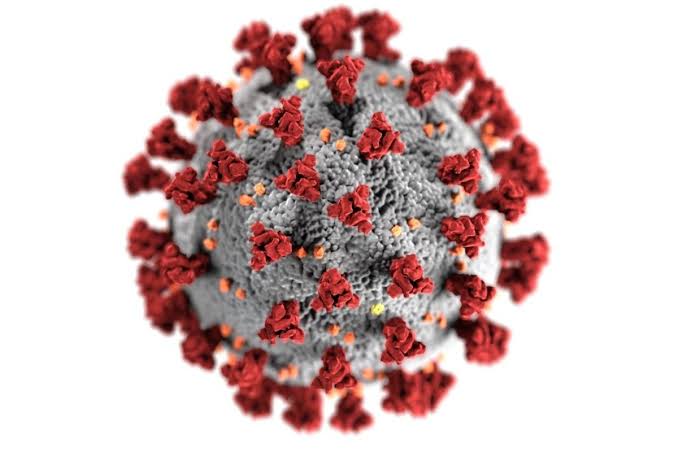
While mass vaccination drive is going on around the whole globe,news of emergence of Third wave of coronavirus have started to surface. WHO (world Health organisation) have also warned about the third wave in Europe. Cases recorded in this wave are of ‘Delta-variant’ of coronavirus.

Second wave of coronavirus caught us all off-guard and hit us hard and many lives were lost and there was a State of panic amongst us all for few months, due to this wave of coronavirus. After, passing of this second wave, people flocked the hill stations and flouted covid norms.
Even, in markets people are walking without masks and not taking necessary precautions.

Alarmed by this situation government of India have warned the citizens about this 3rd wave. Lav Agarwal, Joint Secretary, Health Ministry, on Tuesday said that the third wave of Covid-19 may be caused due to the gross violation of covid appropriate behavior. He told that :

We would like to request to everyone- when we talk about the third wave (of COVID-19), we are taking it as a weather update and not understanding its seriousness and our responsibilities associated with it

Lav Agarwal (joint secretary, Health ministry, GOI)

According to union health ministry data on Tuesday there were 32,906 new cases of Covid-19 and 2020 related fatalities, which pushed the overall tally to 30,905,819 and the death toll to 410,784.

Markets are open and govt offices and school’s are running with 50% capacity, but the way in which common people are violating the covid-19 precaution guidelines, day is not far when we’ll have to pay for this type of behaviour. If situation remains like this, then the government in order to control the spread may impose lockdowns and come up with strict measures.

Hill Stations will be there,if we’ll be safe,then we can visit there later on. We need to learn from our mistakes commited during the second wave of pandemic and try not to repeat them this time.


Government is preparing on its behalf to face up with the inevitable third wave of pandemic. We all as a responsible citizen should adhere with the government guidelines and take precautions,then we can defeat this pandemic.

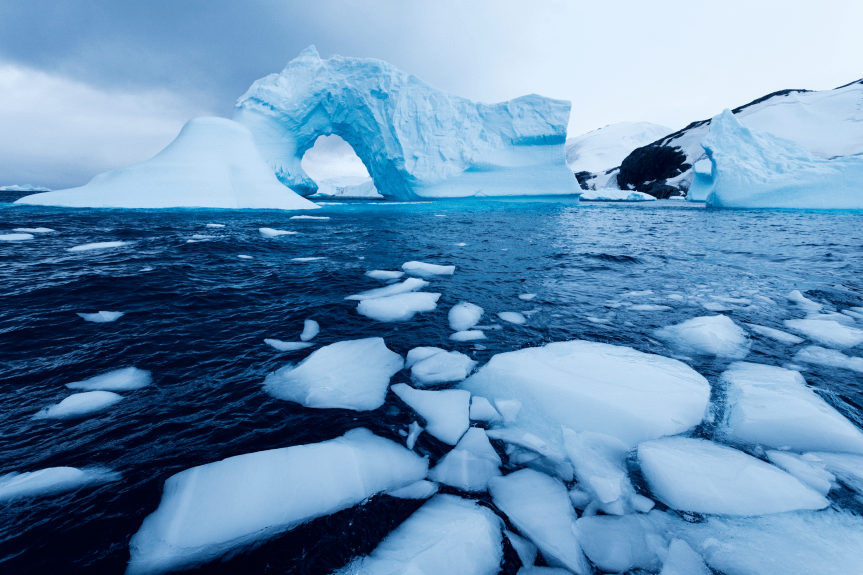
Melting of Ice Pole

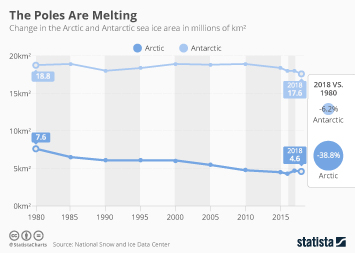
It’s not exactly news that Greenland and Antarctica are shedding ice at record rates.

But in 2016, an eyebrow-raising idea ricocheted through the scientific community: It was possible, the authors said, that a warmer planet could push the towering ice cliffs at the fringes of the Antarctic ice sheet to essentially self-destruct, collapsing like a set of dominoes.

What was extra shocking was just how fast the ice could retreat under this runaway scenario, leading to about three feet of sea level rise fed from Antarctica alone by 2100—much faster than previous estimates, which generally proposed increases of only a few centimeters by the end of the century.

But two new pieces of research, published Wednesday in Nature, suggest a more measured retreat is likely in the coming decades. Both studies revise the estimates of just how much sea levels will rise by 2100 downward, suggesting that Antarctica could contribute somewhere between about three to 16 inches to the world’s oceans under the “worst case” scenarios.

Adding that to the other components that make up sea level rise—how the ocean expands as it warms (which will likely add about 10 inches), the melt from mountain glaciers (about six inches), and changes to the amount of water stored in lakes and rivers on land (one and a half inches), and the total is still a daunting number somewhere between just under two- to over three- foot range.

That is in no way a get-out-of-jail-free card, say the authors of both studies. It’s still an enormous amount of extra water that could slosh up onto coasts, enough to debilitate cities from Boston to Shanghai. But the most drastic impacts of sea-level rise, they say, are likely to kick in only after the turn of the century, giving communities around the world more time to adapt.

What’s more, changes to the ice sheets in both Greenland and Antarctica could also trigger planet-wide shifts in temperature, ocean circulation, and many other parts of the climate system, says says Nick Golledge, a climate scientist at the Antarctic Research Center of the University of Victoria, Wellington, and the lead author of one of the studies.

“The sea-level estimates maybe aren’t as bad as we thought, but the climate predictions are worse,” says Golledge.

What happens in the Antarctic…

In a separate analysis, the team led by Golledge found that their ice sheet model could match the modern and Last Interglacial records well—also without MICI. Warm water soaking the base of the ice sheets, they found, was enough to force key parts of the ice sheet to melt away.

They used that model to predict how the Greenland and Antarctic ice sheets will speed up their melting in the coming decades. If the world continues to burn greenhouse gases unabated, following the worst-case scenario, the authors predict that the two ice sheets will add about 10 inches to the world’s oceans by 2100.

That number is similar to what the IPCC projected for the “worst case scenario” in their last comprehensive report in 2013, predicting about nine inches of sea level rise from Greenland and Antarctica. It is smaller than the number predicted by the 2016 study, which said that Antarctica alone might feed more than three feet of sea level rise into the oceans by 2100.

The sea level rise estimates may be lower, but the overall picture of how melting ice sheets will affect climate is grim.

Golledge and his colleagues also attached their ice sheet model to a global climate model, in order to see how the impacts of ice melting at the poles would influence climate and oceans in farflung parts of the world (in the past, ice sheet models have traditionally been run separately, primarily because computers haven’t been powerful enough to link them together).

Changes in the ice sheets, they found, could influence global climate profoundly—slowing down major ocean circulation pathways, skewing air temperatures around the world, and somewhat surprisingly, making climate more variable from year to year.

“What happens in the Antarctic does not stay in the Antarctic, and that’s what they show very clearly,” says Pattyn.

The impacts are already leaking out of the poles. “We’re living in a time when, even in the last few years, we have seen extreme weather events become even more and more common,” says Golledge. “Dealing with steady warming is easier, in many ways. But if things are just unpredictable and extremely variable from year to year—well, that’s a much harder problem for society to solve.”