Bombay/Mumbai city of dreams, I get that, at a certain age my grandfather was such a believer too, and it didn’t disappoint him either, but does this belief still stand such waves of life and reality?
The answer is pretty simple to me, and that is a NO. Mind you, I am not demotivating the zeal that you have to come here, probably would take it as once in a lifetime opportunity to do and be better, and still for some it may hold true too.
Having being in conversations with people who came here to study, while also get their experience of Bombay, they are quite disappointed with what they have seen. A city with barely any space and hidden opportunities, that is difficult to tap into. So what is worth it? The experience perhaps, to live in a metropolitan region, to experience a diverse and translucent culture, to celebrate this divergence, but beyond that I don’t find a lot that makes me wanna stay in this city of shared nightmares.
Safety is an issue that we’ve never addressed with this region because it never sleeps, but someone who hasn’t ever slept has faced issues that tears at them, and similarly with this region security is something that isn’t even close to what it should ever be.
Moreover, I could just be a bitter biased person, because I stay here but since I have stayed here, I find that there isn’t much that city could offer me, and the thing that makes me stay here are connections, but I could just move on and find a better place and better opportunity that could suit my need and wouldn’t force me to be a certain way just so that I could stay at a certain place, there are definitely lot of factors to be considered and majority of which is personal and subjective to everyone of us.
So, do you consider that I wrap it up, k honestly can’t there is too much for me to say that might offend someone because I’m subjectively biased and therefore I’d ask you to let me know what you think of your own experience ad possibly change my prejudice.
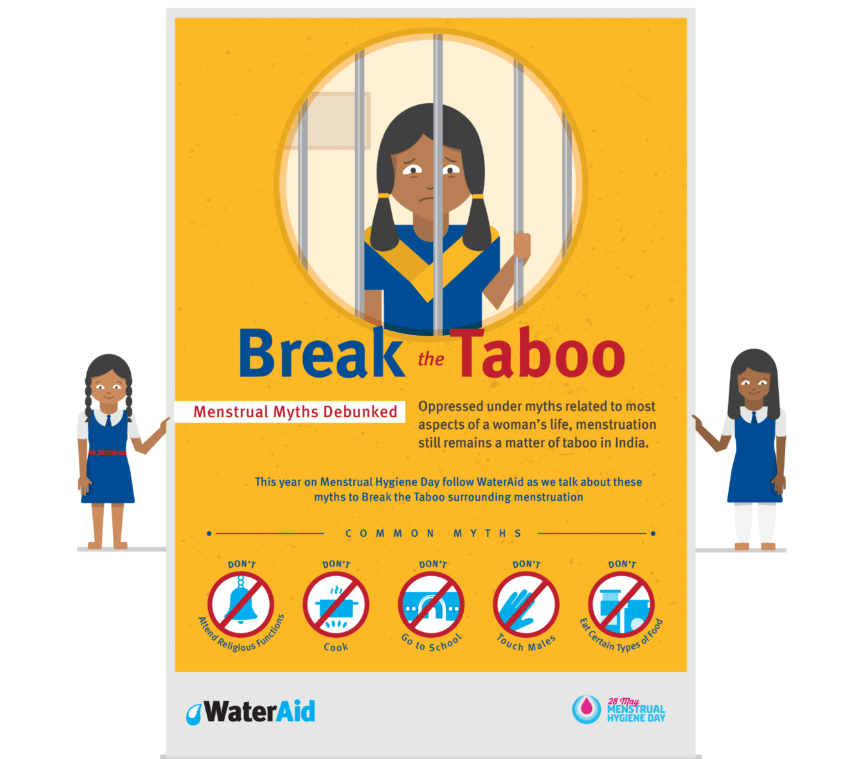
Menstruation is associated with the onset of puberty in girls. Menstrual health and hygiene or menstrual hygiene management brings up the adequate access to menstrual hygiene products to collect and absorb the flow of blood during the menstruating period. It also refers to the privacy to change the used material to a new and clean one and to dispose the used one . Still today in many parts of India , menstruation is considered a taboo and often it brings with it tons of rules , many restrictions and sometimes discrimination and isolation. A girl or a women in her period is often excluded from many social and religious events and even sometimes they are not even allowed to enter in the kitchen of their own house . Cause of menstruation still being a taboo – Still today girls and women feel uncomfortable to talk about their period loudly and consider it a shame ; and not being talked about it loudly results in adolescent girls remaining unknown and ignorant of the hygiene and health practise which many a times results in adverse health conditions. Illiteracy , poverty and lack of awareness are the major behind menstruation still being a taboo in indian society. Several studies indicate that in india, specially in the rural areas and in the slums, most of the girls and women do not have consistent and adequate access to good quality menstrural hygiene products with 88% of them using homemade alternatives such as clothes, rags, hay, sand and ash. OUTCOMES OF NOT HAVING ACESS TO MENSTRUAL HYGIENE PRODUCTS Not having adequate access to clean and proper menstrual hygiene products causes many health problems like Reproductive Tract Infections (RTI), irritation of skin which causes discomfort and possibly results in dermatitis which is a medical condition in which the skins swells , turns red and at times becomes a sore with blisters. There is a balance of good and bad bacteria that live in the vagina . If this balance gets disrupted or hampered because of certain poor menstrual hygiene it causes vaginosis . This impact women the most when they are pregnant or trying to get pregnant . RTI also increases the chances of having cervical cancer. Added to the discomfort it also hampers their mobilty and day – to – day activites. Why is menstrual awareness important ? Myths about menstruation is largely prevalent forcing many girls to dropout of school early year at menarche in India . A study finds a 12 % decline in school enrollment rate for girls in the menarche group , also in the co-ed schools , disparity is clearly visible in the ratio of girls to boys always remaining low. It is very important to spread awareness on menstrual hygiene . Menstruation considered a taboo topic , most of the adolescent girls when they get their first period, they don’t know about “menstrual hygiene management “. Many a time, unawareness about menstrual hygiene has an a adverse impact on women’s health especially in rural areas and the slums of the cities. Not having access to proper menstrual hygiene products is the harsh reality of most rural and slum womens. Lack of information and other socio-cultural norms and the use of unhygenic products instead of safe sanitary napkins and tampons makes it difficult for the girls to remain hygenic . Its high time we spead correct information and educate the adolescent girls about menstruation and help them know about how to maintain proper menstrual hygiene . To educate girls and spread awareness among the womens of slums and the rural areas , the much needed measure is to spread awareness that it a normal very biological process and busts the myths associated with menstruation to ensure healthy menstrual practices. Spreading awareness about menstruation and menstrual hygiene can help in creating a culture that welcomes discussions about it and can also prevent many diseases and infections caused due to unhygenic practices. MENSTRUAL PRODUCTS IS A BASIC NECESSITY Poverty is another reason why the womens of rural areas and slums use alternatives most of them cannot afford adequate and proper menstral products . the unavailability of menstrual products n rural areas ans high cost of the same in the cities deter menstrual hygiene in India. To increase awareness about menstrual hygiene product being a necessity the washrooms in schools shouls also stock menstrual product besides stocking soaps , papaer towels etc. Having the supply of free menstrual products in every schools will not only ensure that every menstruating girl gets access to the basic needs easily , but many a times it helps in solving economic issues. Its time for us to start spreading awareness about menstrual hygiene and spread knowledge and correct information about it and start treating it is as a healthly biological process and not a taboo.
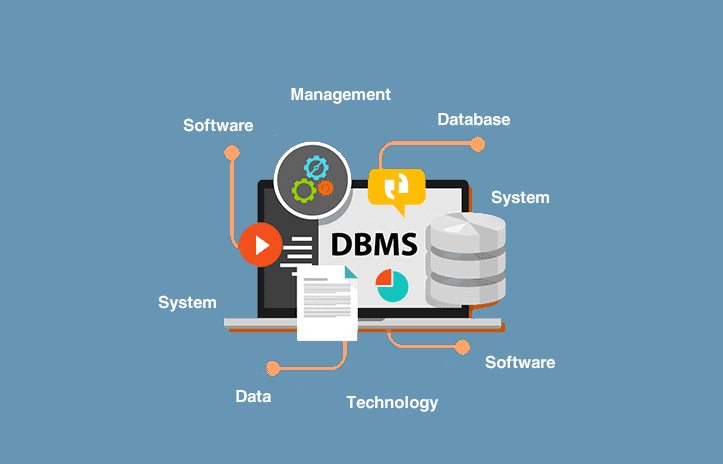
Data processing has undergone evolutionary changes in the past 30 years. Processing with a database management system offers a number of advantages. Presents the basics of today′s dynamic database management systems. Reviews the relevant professional magazines and concludes that systems now are more user‐friendly. A collection of interrelated data together with a set of programs to access the data, also called database system, or simply database. The primary goal of such a system is to provide an environment that is both convenient and efficient to use in retrieving and storing information. A database management system (DBMS) is designed to manage a large body of information. Data management involves both defining structures for storing information and providing mechanisms for manipulating the information. In addition, the database system must provide for the safety of the stored information, despite system crashes or attempts at unauthorized access. If data are to be shared among several users, the system must avoid possible anomalous results due to multiple users concurrently accessing the same data. Examples of the use of database systems include airline reservation systems, company payroll and employee information systems, banking systems, credit card processing systems, and sales and order tracking systems.
A major purpose of a database system is to provide users with an abstract view of the data. That is, the system hides certain details of how the data are stored and maintained. Thereby, data can be stored in complex data structures that permit efficient retrieval, yet users see a simplified and easy-to-use view of the data. The lowest level of abstraction, the physical level, describes how the data are actually stored and details the data structures. The next-higher level of abstraction, the logical level, describes what data are stored, and what relationships exist among those data. The highest level of abstraction, the view level, describes parts of the database that are relevant to each user; application programs used to access a database form part of the view level. The overall structure of the database is called the database schema. The schema specifies data, data relationships, data semantics, and consistency constraints on the data. Underlying the structure of a database is the logical data model: a collection of conceptual tools for describing the schema. The entity-relationship data model is based on a collection of basic objects, called entities, and of relationships among these objects. An entity is a “thing” or “object” in the real world that is distinguishable from other objects. For example, each person is an entity, and bank accounts can be considered entities. Entities are described in a database by a set of attributes. For example, the attributes account-number and balance describe one particular account in a bank. A relationship is an association among several entities. For example, a depositor relationship associates a customer with each of her accounts. The set of all entities of the same type and the set of all relationships of the same type are termed an entity set and a relationship set, respectively .
The information in a database is stored on a nonvolatile medium that can accommodate large amounts of data; the most commonly used such media are magnetic disks. Magnetic disks can store significantly larger amounts of data than main memory, at much lower costs per unit of data. To improve reliability in mission-critical systems, disks can be organized into structures generically called redundant arrays of independent disks (RAID). In a RAID system, data are organized with some amount of redundancy (such as replication) across several disks. Even if one of the disks in the RAID system were to be damaged and lose data, the lost data can be reconstructed from the other disks in the RAID system. Data manipulation is the retrieval, insertion, deletion, and modification of information stored in the database. A data-manipulation language enables users to access or manipulate data as organized by the appropriate data model. There are basically two types of data-manipulation languages: Procedural data-manipulation languages require a user to specify what data are needed and how to get those data; nonprocedural data-manipulation languages require a user to specify what data are needed without specifying how to get those data. A query is a statement requesting the retrieval of information. The portion of a data-manipulation language that involves information retrieval is called a query language. Although technically incorrect, it is common practice to use the terms query language and data-manipulation language synonymously. Database languages support both data-definition and data-manipulation functions. Although many database languages have been proposed and implemented, SQL has become a standard language supported by most relational database systems. Databases based on the object-oriented model also support declarative query languages that are similar to SQL. SQL provides a complete data-definition language, including the ability to create relations with specified attribute types, and the ability to define integrity constraints on the data. Data Security: The DBMS can prevent unauthorized users from viewing or updating the database. Using passwords, users are allowed access to the entire database or a subset of it known as a “subschema.” For example, in an employee database, some users may be able to view salaries while others may view only work history and medical data. See database security. Data Integrity: The DBMS can ensure that no more than one user can update the same record at the same time. It can keep duplicate records out of the database; for example, no two customers with the same customer number can be entered. Intelligent Databases: All DBMSs provide some data validation; for example, they can reject invalid dates or alphabetic data entered into money fields. But most validation is left up to the application programs. Intelligent databases provide more validation; for example, table lookups can reject bad spelling or coding of items. Common algorithms can also be used such as one that computes sales tax for an order based on zip code. When validation is left up to each application program, one program could allow an item to be entered while another program rejects it. Data integrity is better served when data validation is done in only one place. Mainframe DBMSs were the first to become intelligent, and all the others followed suit.
According to Albert Einstein’s general theory of relativity, gravity is no longer a force that acts on massive bodies, as viewed by Isaac Newton’s universal gravitation. Instead, general relativity links gravity to the geometry of spacetime itself, and particularly to its curvature.
In classical physics, time proceeds constantly and independently for all objects. In relativity, spacetime is a four-dimensional continuum combining the familiar three dimensions of space with the dimension of time.
To account for gravity in relativity, the structure of this four-dimensional spacetime must be extended beyond the rules of classical geometry, where parallel lines never meet and the sum of a triangle’s angles is 180°. In general relativity, spacetime is not ‘flat’ but is curved by the presence of massive bodies.
This artistic representation visualises spacetime as a simplified, two-dimensional surface, which is being distorted by the presence of three massive bodies, represented as coloured spheres. The distortion caused by each sphere is proportional to its mass.
The curvature of spacetime influences the motion of massive bodies within it; in turn, as massive bodies move in spacetime, the curvature changes and the geometry of spacetime is in constant evolution. Gravity then provides a description of the dynamic interaction between matter and spacetime.
Solar Tree or Solar Photovoltaic Trees are a kind of construction that looks similar to trees. They may be framed from small scale to big scale. It is an artwork which is a combination of creative and technological effort. Solar panels are put on top of its “branches”. Utilizing the sunlight energy, solar panels produce electric energy which is then used for charging gadget. It is very essential now to use the solar energy due to growing pollution form different energy producing power plant. And dew to growing population it is best renewable source of energy with no causing pollution and natural hazards.
It consumes very less space as compared to conventional flat a
.2) Introduction of Solar panel & types of solar panel
Solar panel are made of small unites called solar cell this is made up of silicon this works on the photo-voltaic (P-V) module.A PV module is an assembly of photo-voltaic cells mounted in a framework for installation. Photo-voltaic cells use sunlight as a source of energy and generate direct current electricity. In this module two type of silicon is used
N-type silicon
P-type silicon
And the combination is known as P-N junction this creates the positive and negative charge.
These days, solar panels are used in wide-ranging electronic equipments like calculators, which work as long as sunlight is available.
However, the only major drawback of solar panels is that they are quite costly. Also, solar panels are installed outdoors as they need sunlight to get charged.
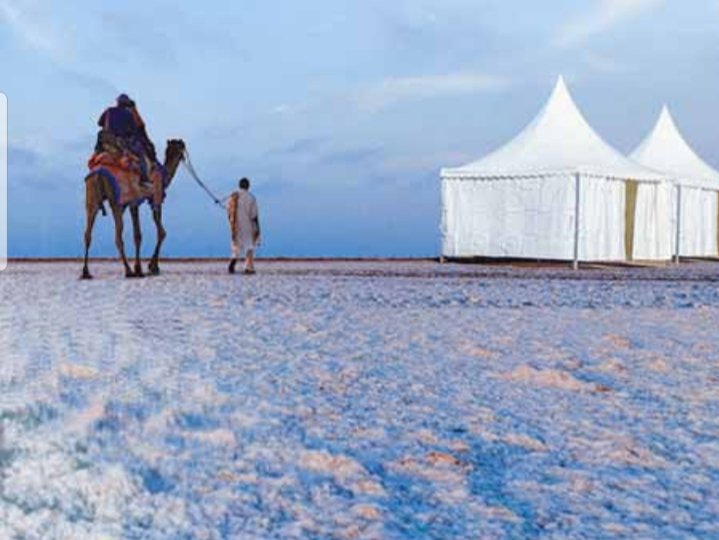
The Great Rann of Kutch is a salt marsh in the Thar Desert in the Kutch District of Gujarat, India. It is about 7500 km2 (2900 sq miles) in the area and is reputed to be one of the largest salt deserts in the world . It is an extension of the Thar Desert.
The Rann of Kachchh is a salt marshy land in the Thar Desert in the Kachchh district of western Gujarat. It lies between Gujarat in India and the Sindh province in Pakistan. … The Rann of Kachchh is famous for its white salty desert sand and is reputed to be the largest salt desert in the world.
Winter is really the best time to go to Rann of Kutch. It really comes into its own during this season. There’s nothing like sitting around a warm bonfire and enjoying a night of the local culture, especially on a full moon night.
If you prefer greater comfort in your choice of accommodation, then the Rann Utsav is definitely the best time to visit the Rann of Kutch! Sightseeing: Rann Utsav packages come with many included and optional sightseeing tours of other interesting places nearby such as Bhuj, Dhordo, Mandavi Beach, and Dholavira etc.
Rann Utsav, the Carnival of Music, Dance & Culture of Gujarat. Enhance the natural beauty of White Rann when the light of Full Moon spread it on the white land.
Rann Utsav is a festival of crafts, art, music, dance, food, nature and the people of Kutch attended by thousands of people every year. This annual festival celebrates the rich heritage of the ecologically and ethnically diverse land of Kutch district, Gujarat.
Handicrafts and Traditional Shopping during Rann Utsav –
• Embroidery. Kutch is renowned world over for its mirrored embroideries.
Periyar E.V.Ramasamy(1879-1973)was the founder of the self-respect movement.He was the son of a wealthy businessman in Erode,venkatappa and chinna Thayammal.Though possesing little formal education ,he engaged in critical discussions with scholars ,who used to be patronised by his devout father.As a young man,he once ran away from home and spent many months in varanasi and other religious centers.The firsthand experience of orthodox Hindu religion led to his disillusionment with religion.On his return ,he took care of his family business for some years.His selfless public service and forthrightness made him a popular personality.He held different official positions of Erode that included the chairmanship of Municipal council(1918-1919).
In the context of the rise of the non-Brahmin Justice party after 1917,the Congress inducted non-Brahmin leaders such as Periyar and P.varadarajulu,at the initiative of C.Rajaji.Periyar resigned all the government positions to support the Non-cooperation Movement (1920-1922).He gave up his profitable business and became an active member of the Congress.He promoted khadi and sold it on the streets of Tamilnadu.He cut down 500 coconut trees in his farm to support the campaign for prohibition.He held the positions of secretary and president of the Tamilnadu congress committe.
As president of the Tamilnadu congress committe,Periyar proposed a resolution regarding the rights of “untouchables”to temple entry.In the name of “caste dharma”the “lower caste”people were denied access to the temples and the streets surrounding the temple .In vaikom(a town in the then princely state of Travancore and in present day Kerala),people protested against this practice.In the initial stages George Joseph of Madurai played big role.After the local leaders were arrested Periyar led the movement and was imprisoned.people hailed him as vaikom virar(Hero of vaikom).In the meaning,he was disturbed by the caste-based discrimination in the dining hall at the Cheranmadevi gurukulam (school),which was run by V.V.Subramaniam (a congress leader)with the financial support of the Tamilnadu congress committee.periyar was disappointed when, despite his objections and protests against this discrimination,the Congress continued to support the iniquitous practice in the gurukalam.
Periyar was keen on the introduction of reservation in representative bodies such as the legislative council for non-Brahmins .He wanted to pass the resolution in the annual conference of the Tamilnadu congress committee in 1925 at its Kanchipuram session but in vain.The congress’s inability in addressing these concerns made him quit the Congress in 1925.Following his disillusionment,Periyar started the self-respect movement in 1925.
Periyar understood the relevance of mass communication in spreading rationalist thought.He started a number of newspapers and journals such as kudi Arasu (Democracy)(1925),Revolt(1928)Puratchi(Revolution)(1933),Resolt(1928),Puratchi (Revolution)(1933),paguththarivu(Rationalism)(1934),and viduthalai (Liberation) (1935).kudi Arasu was the official newspaper of the self-respect Movement.It brought out the multiple voices and ideas of Non-Brahmins ,women and religious minorities.usually,Periyar wrote a columns under the pseudonym of chitraputtiran.
Over the years ,Periyar visited many countries and interacted with intellectuals all over.He visited Singapore and Malaya (1929-1930,1954),Egypt,U.S.S.R.(modern Russia),Greece ,Turkey ,Germany, England,spain, France and Portugal(1931-32),and Burma (1954 to attend the 2500th birth Anniversary of the Buddha).His experience of traveling in the Soviet union and Europe carried Periyar towards socialist ideals.Periyar had a close relationship with singaravelar who is considered the first communist of South India and a pioneer of Buddhism.In 1936,Periyar got Dr.B.R.Ambedkar’s Annihilation of caste translated into Tamil immediately after it was written.He also supported Ambedkar’s demand for separate electorates for scheduled castes.
In 1937,in opposition to the Rajaji’s government’s move to introduce compulsory Hindi in schools ,he launced a popular movement to oppose it.The anti-Hindi agitation (1937-39)had a big impact on Tamilnadu’s politics.periyar was imprisoned for his role in the movement.when he was still in jail,Periyar was elected the president of the justice party.Thereafter the justice party merged with the self-respect movement.It was rechristened as Dravidar Kazhagam (DK)in 1944.
Periyar E.V.Ramasamy
Rajaji,the chief Minister of Madras state (1952-54),introduced a vocational education programme that encouraged impacting school children with training in tune with their fathers occupation.Periyar criticised it as kula kalvi Thittam (caste-based education scheme)and opposed it tooth and nail.His campaigns against it led to the resignation of Rajaji.K.Kamaraj became chief Minister of the Madras state.periyar died at the age of ninety four.His mortal remains were buried at Periyar Thidal,Madras.
Micro Electro Mechanical Systems (MEMS) is a manufacturing technology for microscale devices such as sensors, actuators, transducers, gears, switches, pumps, etc.
Basically, MEMS are microscopic integrated devices made up of electronics, electrical, and mechanical parts that work together to fulfil a single functional need, based on a technique known as Microsystems Technology (MST).
These MEMS-based devices are typically only a few micrometers in size (between 1 to 100 micrometers).
MEMS Sensors
One of the most essential components of today’s digital world is sensors. Because all computing and processing is done using digital signals, there has to be a bridge between the analog and digital worlds. Sensors bridge this gap by observing the temporal impacts of analog physical factors and producing a piece of useful information (to the computer).
A Sensor is a device that includes fundamental sensing elements that sense a physical property such as temperature or humidity and transform it into an electrical signal. A signal processing device, such as an amplifier, filter, or ADC, or a combination of these elements, is also included in a sensor.
When it comes to MEMS Sensors, a Micromachined Microsensor, or simply a MEMS Sensor, is one that is designed and manufactured utilising MEMS Technology.
Types of MEMS Sensors
The automobile sector is a major user of MEMS technology. Modern automobiles include a variety of sensors, the most of which are MEMS-based. Some of them are:
IMU or Inertial Measurement Units (they are a combination of MEMS Accelerometer and MEMS Gyroscope) are used to measure pitch, yaw, and roll for autonomous driving.
Accelerometers used for airbag deployment and electronic stability control.
We use pressure and inertial sensor for braking control.
Magnetometer are used for the navigational direction.
By using airflow sensor, air intake is being monitored.
Pressure sensor are used in system for monitoring tyre pressure.
Impact and crash sensor are used for airbag deployment and detection of impact.
We use fuel sensor for indicator of fuel level.
Temperature sensor are used for automatic climate control and monitoring of engine temperature.
MEMS Microphone are used for noise cancellation and communication.
Applications of MEMS
Different sensors, such as pressure, temperature, vibration, and chemical sensors, are made using MEMS technology.
MEMS Sensors like accelerometers, gyroscopes, and e-compass are popular in ships, vehicles, planes, helicopters, and drones.
Sensors, actuators, generators, energy sources, biochemical and medicinal systems, and oscillators all use MEMS. MEMS applications include the following:
MEMS accelerometers, MEMS pressure sensors, MEMS pressure sensors, MEMS gyroscopes, MEMS, tilt and other types of MEMS resonant sensors are examples of sensors.
MEMS switches, micro-grippers, micro-levers, and micro-pumps, are examples of actuators.
MEMS fuels cells, MEMS vibration energy harvesters, and MEMS radioisotope power generators are examples of generators and energy sources.
MEMS biosensors, MEMS air microfluidic and particle sensors, lab-on-chips, are examples of biochemical and biomedical systems.
MEMS oscillators are used in applications that need precise timekeeping and frequency control.
One of the breakthrough innovations is the idea of combining sensors, actuators, electrical (and electronic), and mechanical components on a single chip. MEMS technology will enable the creation of smart devices having Microsensor perception, Microactuator control, and Microelectronics computational capabilities.
Recent breakthroughs in neuroscience, particularly enhanced Magnetic Resonance Imaging (MRI) techniques, have given scientists and policymakers a more comprehensive knowledge of how our brains evolve from birth to adulthood. While these studies are still in their early stages, they have already demonstrated that the brain continues to develop long after an individual becomes a legal adult (i.e., at the age of 18), and that the slow maturation process that occurs in the social context is mirrored by a slow maturation process in the neural domain. Despite the tentative nature and ambiguous meaning of this information (i.e., we don’t yet understand the actual link between brain structure and behavior), neuroscience is becoming increasingly involved in long-standing debates about juvenile justice and the extent to which adolescents can be held legally responsible for their actions. Roper v. Simmons, in which the Supreme Court prohibited the death penalty for juvenile criminals under the age of 18, is the most significant example of this tendency to date. Christopher Simmons’ prosecution, sentencing, and habeas corpus petition were the focus of the case after he brutally murdered an elderly woman during a burglary when he was 17 years old. Although the execution of minors was historically regarded acceptable in American culture, the Court ruled that a national consensus had evolved that such a penalty was cruel and unusual, and thus violated the Eighth Amendment. The majority agreed with Simmons’ assertion that teenagers lack the emotional, intellectual, and biological maturity required to be consistently categorized as criminals. Adolescents should be punished for their misdeeds, but they should not have to pay the ultimate price for impulses they couldn’t control. Simmons’ claim was based on fresh brain imaging findings that suggests the adolescent brain is not as mature as the adult brain.
Neuroscience was conspicuously absent from this debate. Developments in brain research that investigate problems of culpability and “blameworthiness” of adolescent offenders are increasingly informing juvenile justice policy around the world. Simmons was 17 years old in 1993 when he robbed a woman, tied her up with electrical cord and duct tape, and flung her over a bridge, similar to the juvenile implicated in the December 16, 2012 gang rape in New Delhi. He was convicted and condemned to death by a Missouri court in 1994 when the case went to trial. By 2004, the Simmons case had reached the United States Supreme Court, which ruled a year later in a historic judgment that capital punishment for crimes committed while under the age of 18 was unconstitutional. To determine the “age of knowledge,” the decision relied on neuroscience and advances in brain science. So, what does science need to say about the Indian government’s decision to permit 16-18 year olds to be tried and sentenced as adults? Simply said, science does not support the decision.
The age of understanding in India is 18 years old, according to the Juvenile Justice (Care and Protection of Children) Act of 2000. And so, legally, a person beyond that age might be held fully liable for his actions. However, neuro-scientific developments within the past decade prove that brain development continues till the person is well into his twenties.
In 2007, the National Institute of Mental Health (NIMH) in the United States examined the brains of over 1,000 healthy children aged 3 to 18. Researchers conducted the Magnetic Resonance Imaging (MRI) scans and followed the particular physical changes within the adolescent brain; believe that brain maturation peaks around the age of 25. “Part of the brain that assists organization, planning, and strategizing is not completed being built yet,” according to a 2005 research titled Adolescence, Brain Development, and Legal Culpability. It’s a little unfair to expect [adolescents] to have adult organizational skills or decision-making abilities before their brains are finished developing.” According to available neuro-scientific data, the frontal lobe, especially the prefrontal cortex, is among the last parts of the brain to completely mature. The frontal lobes are in charge of impulse control, decision-making, judgment, and emotions, and are thus critical when determining “culpability” in cases of juvenile delinquency. Further, we now know conclusively that teenagers tend to be impulsive and susceptible to mood swings because the limbic system — which processes emotions — remains developing.
Many research works have established that under conditions of chronic and severe stress in rats, the prefrontal cortex can shrink by up to 40 per cent leading in brain cells in this area losing their capacity to process information properly. The hippocampus, which is crucial for forming memories of daily facts and events, additionally damaged during a similar fashion.
Thus, the parts of the brain that is crucial for processing information about specific events, and making careful decisions based on them — such as applying the brakes on high-risk behavior — are severely compromised. The amygdala, the emotional centre of the brain that is involved in fear, anxiety, and aggression, on the other hand, is pushed in the other way by stress by making its neurons grow bigger and stronger. Surprisingly, MRI imaging reveals that people with stress disorders experience identical alterations in their brains.
This is when you are treated differently because of your race in one of the situations covered by the equality act.
The treatment could be a one-off action or as a result of a rule or policy based on race. It doesn’t have to be intentional to be unlawful.
There are some circumstances when being treated differently due to race is lawful, explained below.
What the equality act says about race discrimination?
The Equality Act 2010 says you must not be discriminated against because of your race.
In the Equality Act, race can mean your colour, or your nationality (including your citizenship). It can also mean your ethnic or national origins, which may not be the same as your current nationality. For example, you may have Chinese national origins and be living in Britain with a British passport.
Race also covers ethnic and racial groups. This means a group of people who all share the same protected characteristic of ethnicity or race.
A racial group can be made up of two or more distinct racial groups, for example black Britons, British Asians, British Sikhs, British Jews, Romany Gypsies and Irish Travellers.
You may be discriminated against because of one or more aspects of your race, for example people born in Britain to Jamaican parents could be discriminated against because they are British citizens, or because of their Jamaican national origins.
Different types of race discrimination.
There are four main types of race discrimination.
1. Direct discrimination
This happens when someone treats you worse than another person in a similar situation because of your race. For example : if a letting agency would not let a flat to you because of your race, this would be direct race discrimination
2. Indirect discrimination
This happens when an organisation has a particular policy or way of working that puts people of your racial group at a disadvantage.
For example: a hairdresser refuses to employ stylists that cover their own hair, this would put any Muslim women or Sikh men who cover their hair at a disadvantage when applying for a position as a stylist
Sometimes indirect race discrimination can be permitted if the organisation or employer is able to show to show that there is a good reason for the discrimination. This is known as objective justification.
For example : A Somalian asylum seeker tries to open a bank account but the bank states that in order to be eligible you need to have been resident in the UK for 12 months and have a permanent address. The Somalian man is not able to open a bank account. The bank would need to prove that its policy was necessary for business reasons (such as to prevent fraud) and that there was no practical alternative.
3. Harrassment
Harassment occurs when someone makes you feel humiliated, offended or degraded.
For example: a young British Asian man at work keeps being called a racist name by colleagues. His colleagues say it is just banter, but the employee is insulted and offended by it
Harassment can never be justified. However, if an organisation or employer can show it did everything it could to prevent people who work for it from behaving like that, you will not be able to make a claim for harassment against it, although you could make a claim against the harasser.
4. Victimisation
This is when you are treated badly because you have made a complaint of race related discrimination under the Equality Act. It can also occur if you are supporting someone who has made a complaint of race related discrimination.
For example: the young man in the example above wants to make a formal complaint about his treatment. His manager threatens to sack him unless he drops the complaint.
Remembering partition we are immediately reminded of the immense bloodshed that followed it. The two major communities were at war with each other. This was communal violence. Since Then communalism has been a menace to India. Now and then communal riots erupted in India. People engaged in those riots become faceless the only thing that matters to them is their religious or community identity. Religious identity overrides everything else and they develop the mindset “our belief alone is true and rest is false and incomplete.”
According to historian Harbans Mukhia,” communalism is the phenomenon of religious differences between groups, often leading to tension and even rioting between them.”
Measures to deal with communalism:
Reforms in the present criminal justice system, speedy trials should be undertaken. Specialized training for the police force to handle communal riots and setting up special investigating agencies can help.
Emphasis on value-oriented education with a focus on peace, non-violence, compassion, secularism, and rationalism as core values in children in school and colleges can prove vital.
Developing an attitude that all religions are equal and teach us the same values of humanity, humility, and kindness can help maintain peace.
Inspiration can be taken from other countries for example Malaysia maintains a perception index to gauge people’s needs and feelings about race relations in their area.
Non-governmental organizations can tie-up with the government to create communal awareness build stronger community relations and cultivate values of communal harmony.
News channels play a huge role in influencing the views and mindset of people so when they are biased towards one community or religion, this can develop biasness in the attitude of people watching those news channels. So media houses must always present a balanced viewpoint on any issue.
Hence communalism can be combated in the best way when people are able to develop a balance between their religious sentiments and national interests, they need to understand that nation comes first that is nationalism is greater. We have to understand that there will always be anti-nation elements propagating communal tensions but we have to be rational and have a mindset that is free from all kings of biasness towards any religion or community.
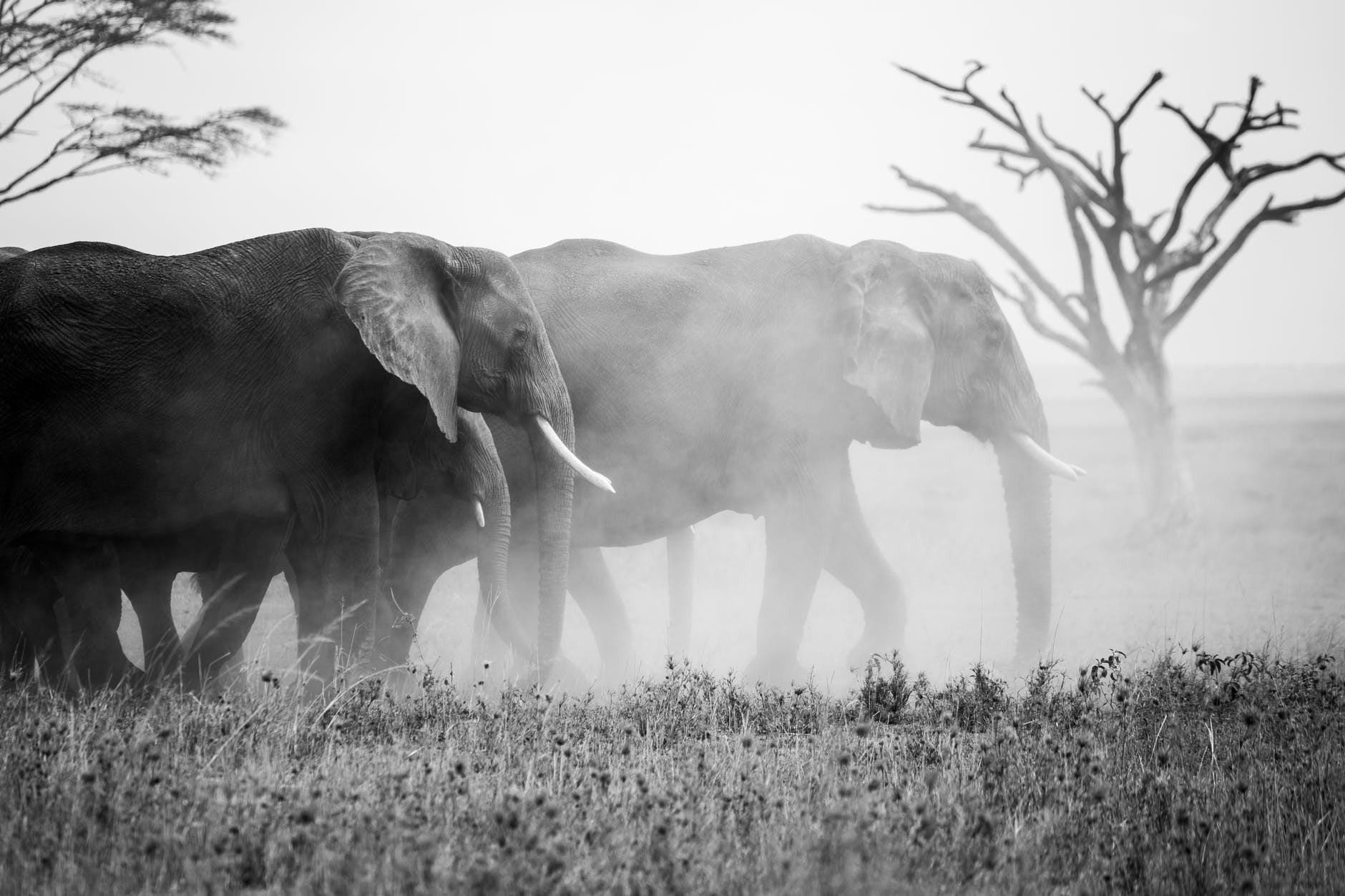
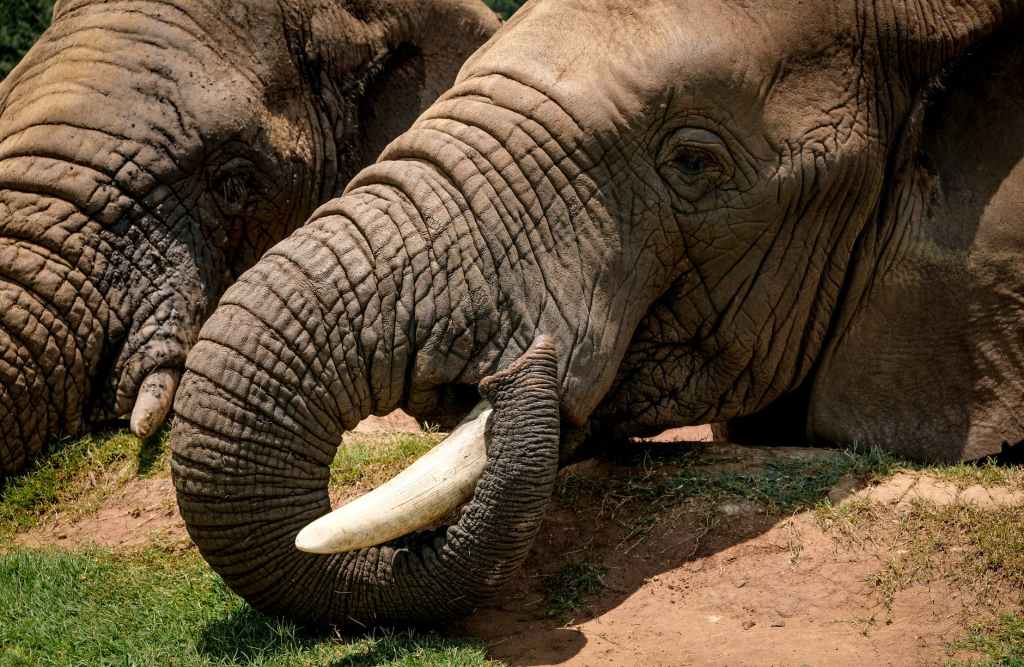
It is distressing to see the plight of the tusk-bearing animals these days. Numerous news headlines are daily highlighting the illegal smuggling of ivory. The extortionate value and demand of the ivories are not only in India, but also in the international markets. Wild animals are mercilessly being poached on a massive scale, possessing a major existential threat to wildlife. But do we really care or do enough to stop this inhumane and selfish act?
Let us first understand the connotation of the word ‘poaching’.
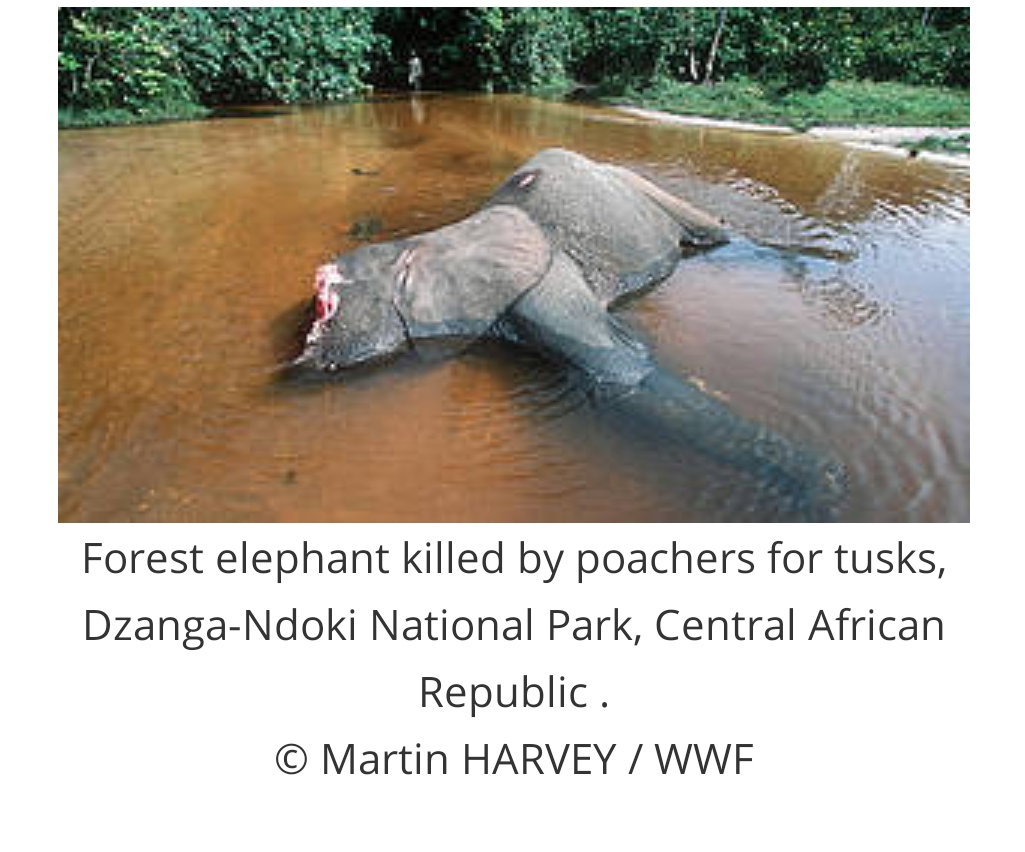
Poaching, in simple words, is the illicit act of killing, shooting, hunting or capturing of animals. The aim of this illegal act is mainly for the purpose of trade of animal products like skin, teeth, horn, bone, etc. Poaching plays a decisive role in being a contributor to biodiversity loss. Due to this felonious act, the number of extinctions has increased dramatically over the past decades. It is necessary to understand that poaching is not only about the uncontrolled killing of protected animals or endangered animals but any unlawful killing of animals.
Smuggling of elephant tusks
In India, poaching of elephants is very common and a major challenge to be combated. Ivory trade is in high demand mostly in the Asian countries. About 20,000 elephants are mercilessly killed every single year for their tusks. These ivory tusks are then smuggled in the international markets to eventually end up as ivory trinkets.
Ivory trade has been in practise for millennia. In the 14th century BCE, the exportation of ivory and slaves from Africa and Asia were done extensively. The freshly captured slaves along with the tusks were sold. The ivory was then used to make ornaments and aesthetically pleasing commodities.
On July 6, 2016, a complete ban on commercial trade in African elephant ivory went into effect in the United States. The African elephant population has decreased dramatically. Near about 350,000 elephants are left in Africa, as per 2019 data. It is quite shocking to know that 10,000 to 20,000 elephants are slain every year. Elephant numbers have dropped by 62% over the last decade, and if not brought under control, then they’ll be extinct by the end of the next decade.
Major countries where these tusks are sold
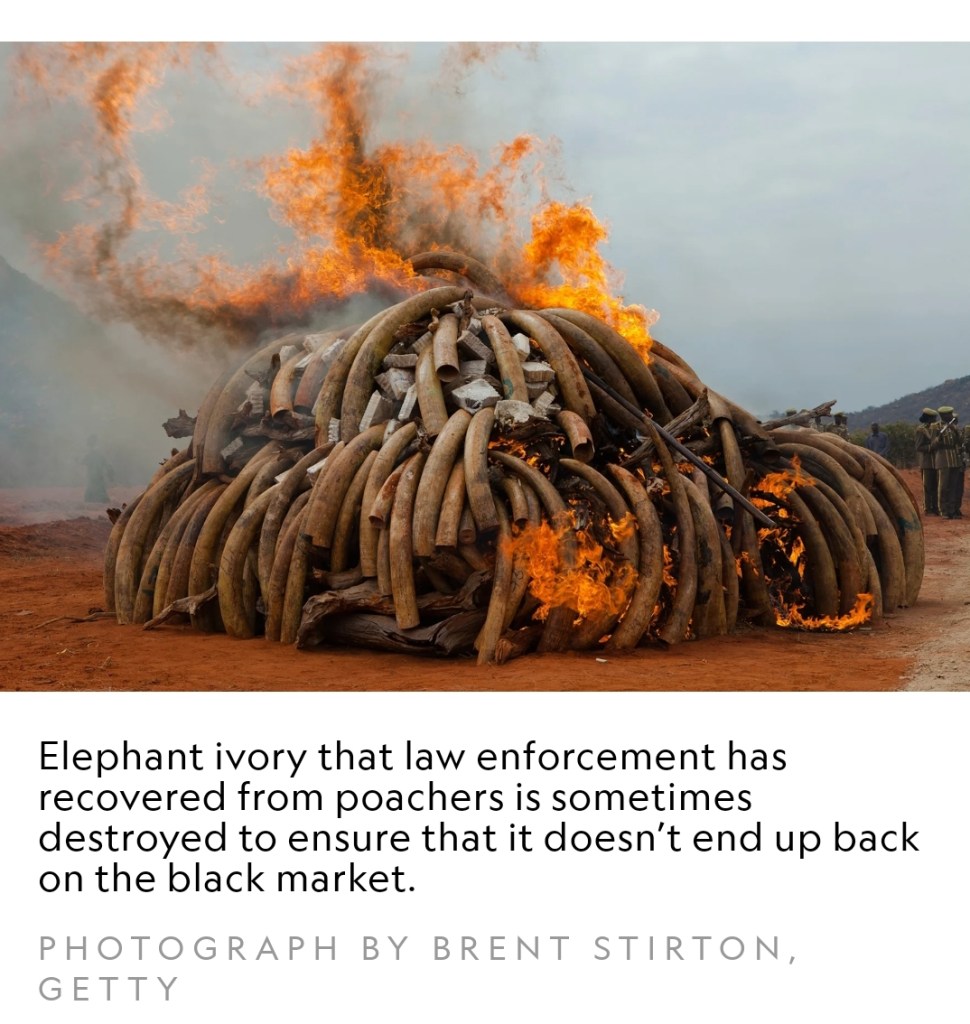
China is the biggest consumer market for ivory products. However, a ban was enforced on ivory trade by China in the year 2017. But it is evident that ivory is in high demand in many countries. Illegal selling of ivory is still rampant. In the year 2011, a whopping amount of 100kg of ivory was seized by Tanzanian officials. That same year several countries including Tanzania and Kenya seized a total of 17 ivory shipments weighing 800 kg.
According to surveys and in-depth interviews the demand for ivory is known to be concentrated in: China, Thailand, Vietnam, the Philippines, and the United States.
Last year, about 8.8 tonnes of ivory items were seized in Singapore.
The adverse effects of tusk-removal on the elephants
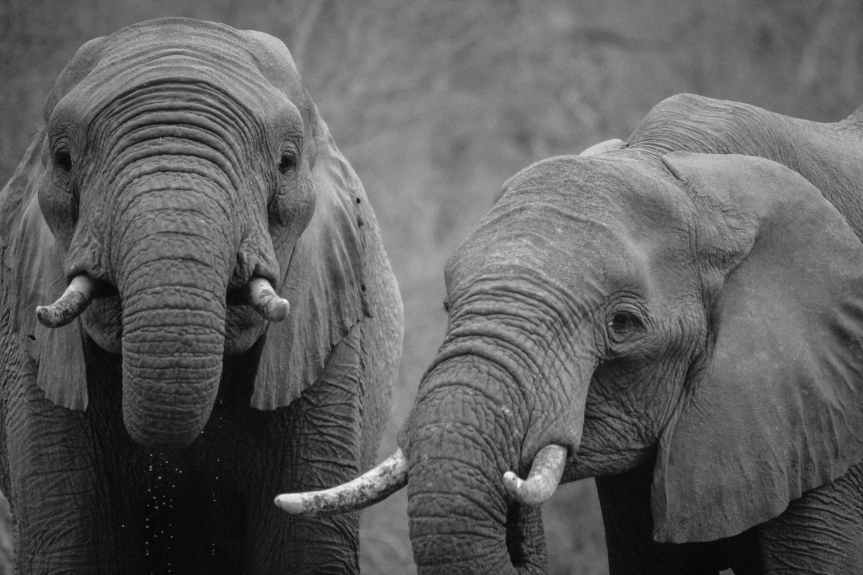
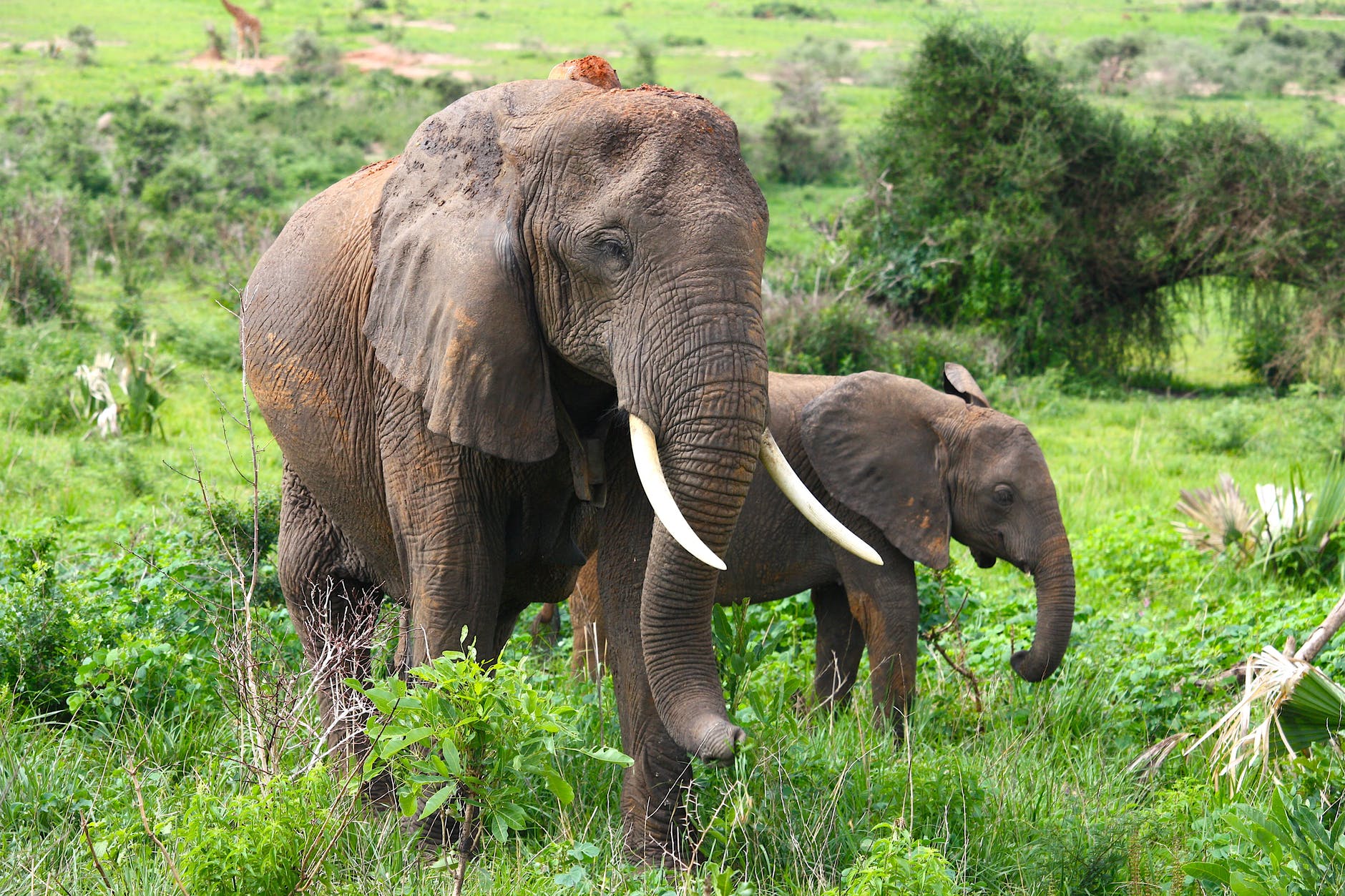
I am sure that we have all seen the majestic elephants flaunting big, off-white tusks on either side of their trunks. These tusks are both beautiful on the elephant and of utmost importance in the species’ survival.
Many poachers claim that there are no after effects of tusk-removal. Either the elephants are killed or sedated before removing their beautiful tusks.
An elephant’s tusk is deeply embedded in its skull. When the tusks are removed, there is a big hole left afterwards. The hole is big enough to stick your arm into it. If the tusks are removed at the point where it protrudes from the head, the nerve is exposed. Either way, now the wound is open and vulnerable to all sorts of infection. So, even though the elephant remains alive it is still at risk. Now, suppose there is an ivory poacher. Any poacher will want as much ivory as he can acquire with as little risk as possible. If he opts for the removal of the tusk completely, he/she will have to completely sedate or kill the elephant, because of little time and the fear of getting caught.
The answer is a ‘Big No’. Ivory has been valuable since ancient times in art and manufacturing a range of items and artefacts. Though elephant ivory is the most important source, ivory of walruses, mammoth, killer whale, sperm whale, hippopotamus, narwhal and warthog are used as well.
The international and national trade of ivory of threatened species such as African and Asian elephants is illegal.
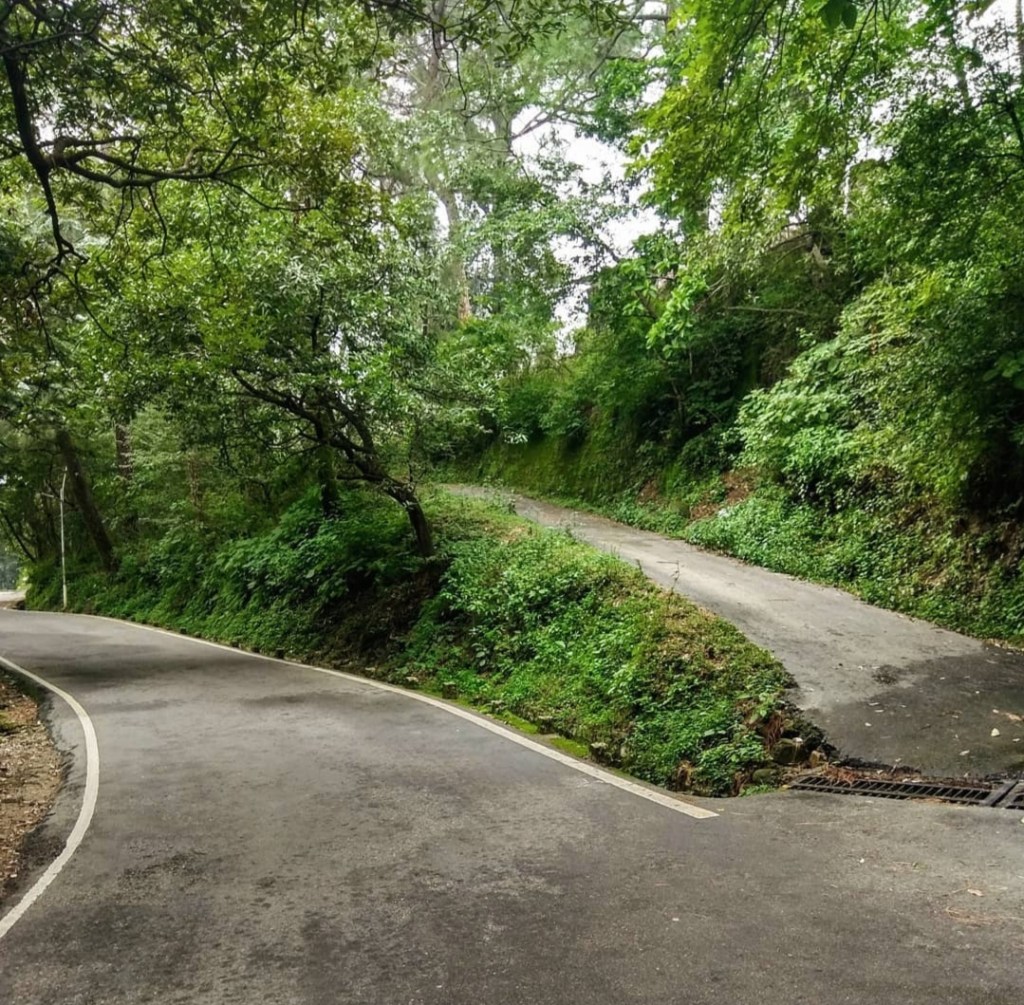
When every choice involves the loss of opportunity, which path will you choose? When your choices come with incomplete information, how can you be certain? How long will you stand still before making your choice? How confident are you when you realize you can’t save the first road for another day when the road you chose tends to lead onward to another? Whichever road you choose will make all the difference. In order to be different and do something great, you have to think different and implement things with a different approach. You have to take a different lane; the road not taken.
Remember the poem “The Road Not Taken” penned by Robert Frost?
Two roads diverged in a yellow wood,
And sorry I could not travel both
And be one traveler, long I stood
And looked down one as far as I could
To where it bent in the undergrowth…
The poem describes someone standing at a fork, or turning point, in a road in the woods, trying to decide which path he is going to take. He looks down one road as far as he can see, and after thinking for another minute, decides to take one because it looks like nobody’s been that way yet, and he is curious about where it leads. He thinks maybe he might come back another day and try out the other path but he has a feeling that the road he has chosen will lead him to new places and discoveries, and he probably won’t be back. He thinks wistfully about that road, which he did not take, and where he might have wound up if he’d gone that way instead. Part of him regrets his decision, but he also realizes that the things he’s seen and the places he’s gone because of the direction he chose has made him who he is.
This poem tells a lot about life in general. Life is all about making choices, whether it’s about choosing to change your daily diet or choosing the right partner. Every choice has its significance in some way or the other.
It makes me remember that past is always dynamic because it shapes my present and therefore, I should be careful about my present as it will take care of my future. Most importantly, this poem makes me think wisely about my choices. It reminds me that I should not make such a choice which I would regret one day and say ‘if I would have taken the other road, it would have been better’. Rather I should be proud of my decision and say ‘Yes! Since I chose the right path, it has led to all this difference’. The difference is what makes it different. Just as Frost ended the poem: “I took the road less travelled, and that’s all that matters”. There are no bad roads, there are only different battles that births different results.
In my opinion, the poet encourages the readers to create opportunities that may be overlooked by us because we all are in search of solutions for our problems rather than trying to sort out the things in the less conventional way.
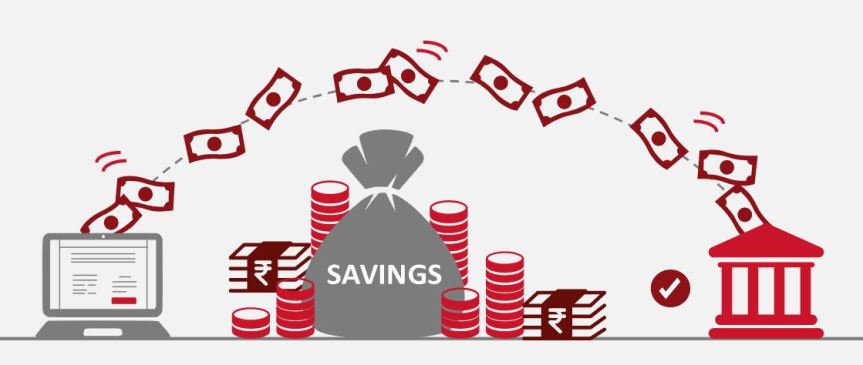
In this digitalised era, almost everyone has a savings account with the bank of their choice as with every passing day, making day to day transactions keeps getting even more convenient for its users. There are many reasons to have a savings account, especially in these times. Some of these reasons are-
It is a secure way of saving money. It is protected from theft or fires or any kind of disaster. It is easier to steal cash than steal from a secured a savings account.
It is extremely convenient to save money and make day to day transactions in seconds using a savings account. Users can withdraw money whenever they need it instead of carrying a lot of cash all the time. Users can also use other facilities offered to account holders like net banking, issuance of cheques and demand drafts. It is also very convenient to pay large sum of money using such means as it is very difficult and inconvenient to carry and deliver a huge amount of cash. Example, purchasing a car or a house or any expensive item.
It also makes paying expenses like telephone, electricity, water bills very easy and convenient. It can be done in seconds.
It makes saving easier. It maintains a record of all your transactions so the user can analyse his/her expenditure and cut down on some of it and save more.
We can also say that it is like an investment, in a way as savings account offer a percentage of interest rate on the amount deposited with the bank. This also encourages users to save more so they can earn interest on a higher amount of money.
It is also mandatory for one to have a bank account in order to take loans from financial institutions and banks as they tend to favour existing customers with a good track record. Different people need different type of loans like student or house or car or personal loan and hence, need to open a bank account for the same.
Nowadays, almost every transaction is done electronically for which the most basic requirement is abank account. For example, employees in most of the sectors, receive their salaries in their bank accounts at the end of every month. Money is transferred to family or friends who don’t live nearby or live in different continents or country through online facilities offered to accountholders of a savings account. It is a common way of paying and receiving money these days.
It is also mandatory to have a bank account in order to be able to use mobile wallets like Paytm, Google pay or BHIM UPI etc as it is directly linked to a bank account.
Conclusion
To conclude, it is evident that, in this dynamic and fast paced era, having a savings bank account is more like a necessity than a choice. Nowadays, most of the transactions are carried out through means that requires having a savings bank account. Its advantages and perks outweigh all kinds of disadvantages or threats it may have associated to it. Therefore, yes, having a savings account is definitely worth it.
“There is no rule on how to write. Sometimes, it comes easily and perfectly; sometimes it’s like drilling rock and then blasting it out with charges.”
Ernest Hemingway
Today’s article discusses all about writing with Chip – The Robot. I had officially booked a day out with him and he seemed welcoming. We had a long conversation which I will try to compress in this article. So, let us begin.
Hello Chip. So, My Very First Question For You Is That What Do You Think About Writing?
Writing is an art which only a few are blessed with. Certain talented people around the globe are able to compose creative and fictitious worlds and make people visualize them through their amazing description. That is exactly what writing is all about. You make people reflect through your writing. Thus, it becomes an art and can’t be learnt. The creative and imaginative aspects sprout from within.
Totally! I Agree To This. However, What Do You Think Makes Writing An Entertaining Task?
This totally depends on the interest levels of the individual. Writing is fun for people who are completely inclined towards it while those who hesitate to read even a page, aren’t going to like it. So, the thing is that you need complete love for the process before initiating it. The second stage could be that you are interested in the process but aren’t able to concentrate and come up with certain new ideas and topics to write on. In such cases, you could take inspiration from the pettiest things around you. You just need to open your inner eye to notice that. And that, I tell you honestly, is an amazing job. Sitting and pondering over the petty objects and coming up with some imaginative character or story of your own, in itself is so entertaining. Another reason maybe that you aren’t able to concentrate could be that your mind is disturbed and aren’t focused. Thus, all you could do is practice meditation or do tasks that would soothe your senses. In short, I would state that indulging into the process of imagination is one of the best experiences when it comes to writing which is enough to make writing an entertaining task.
That Was So Helpful! Which Is Your Favourite Genre When It Comes To Writing?
My favourite genre shall always be fiction because it makes writing all the more interesting. You get to weave your own imagination and there aren’t any limits in the framing of thoughts onto that sheet of paper. Fiction introduces a new world, not only to the readers but also to the writers.
True That! So, What Are The Effective Ways Of Writing Fiction?
Fiction as a genre needs extremely insightful and creative people to frame a good story. You need to think outside the box when it comes to fiction. People don’t admire the same boring mythological concepts. Instead, when added a spice of an entirely new world of fictitious characters and incidents, the story begins to gain certain amount of popularity. The effective way of writing fiction is to never force on writing it. Sit and ponder over the outline of your story. Don’t try to be creative when your brain is stressed. Don’t set a deadline to writing a story when working on fiction. Just be cool, calm and devoted to your manuscript. Don’t give up easily on manuscript. You could always give some time to thinking effectively. However, if you wish to launch your book at a specific date then it is advisable to start as early as possible so that you don’t have to overdo on the last minute and can work with peace.
So, Important! Would You Like To Speak About Some Other Favourite Genre Of Yours?
Certainly! Mystery catches my attention every single time. It is because of the intense suspense factor that makes reading such a fun task. Here too, you need to have the creativity to frame the suspense appropriately. A single mistake can disclose the entire sequence and thereby disrupt your attempt of maintaining suspense. So, this is another genre, you need to be careful with. Give proper amount of time to thinking and don’t rush. Your manuscript isn’t yelling at you to finish it as soon as possible, nor is anybody else urging you to be prompt. Unlike writing prompts which don’t stress on the topic, other types of write ups don’t require you to be prompt. So, work with peace and eliminate all the pessimistic thoughts before you choose to begin with these genres.
That Was So Helpful! Lastly, Would You Like To Conclude On A Good Note?
Certainly! I would like to thank you for choosing to go out with me. I request each and every reader of this article to definitely write and not hesitate in the process. The more you write, the more efficient you shall be. You just need to be faithful and devoted to the process. Your thoughts need to be refined, in order to make writing a fun task. Maintaining effective sanity is quintessential for writers who must hibernate from chaos. So, go surrender yourself to the lap of mother nature and write for hours together, trusting that one fine day a highly creative idea would grace you with its presence on that blank sheet of paper!






















 Eduindex
You must be logged in to post a comment.