Sectoral Plan for Efficient Logistics (SPEL)

 The 60thNetwork Planning Group (NPG) meeting was held on 16th November 2023, under the chairpersonship of Special Secretary (Logistics), Department for Promotion of Industry and Internal Trade (DPIIT), Smt. Sumita Dawra in New Delhi.

The meeting focused ondiscussions on Sectoral Plan for Efficient Logistics (SPEL)by individual line Ministries/Departments. This initiative, among the various initiatives proposed under the Comprehensive Logistics Action Plan (CLAP) of National Logistics Policy (NLP), was proposed to ensure that a focused approach is taken in addressing logistics-related requirements at the individual sector level.

Today, the Ministry of Steel and the Ministry of Coal presented their plans to address logistics issues pertaining to infrastructure, processes, digital improvements, policies and regulatory reforms, and capacity building for a better workforce.

Ministry of Steel outlined their SPEL approach, encompassing in-depth Supply & Demand Analysis for Iron Ore and steel, Forecasted Requirements up to 2030-31 and beyond, Strategic Planning for Future Readiness in Logistics, etc. The preliminary SPEL draft is expected to be finalized shortly by the Ministry of Steel.

Ministry of Coal presented itskey findings on the Integrated Coal Evacuation Plan prepared under the aegis of Coal Logistics Policy 2023. Infrastructural gaps project requirements were presented that shall improve logistics and cost efficiency, and achieve optimum multimodal mix. Ministry envisages a 14% reduction in Rail logistics cost through railway network optimization for coal logistics. Further, there is potential to lower Co2 emissions by 100,000 Tonnes Co2 per Annum by FY30 due to a reduction in railway leads and the replacement of Road Transportation by Rail.

The chair acknowledged that the Coal Logistics Policy is a significant step toward the development of sector-specific plans to foster the efficient growth of the logistics industry within specified timelines. The Special Secretary emphasized prioritizing cross-sectoral cooperation and focus on the optimization of modal mix for holistic planning.

So far, the following actions have been taken by other Ministries addressing logistics-related requirements:

  • Comprehensive Port Connectivity Plan by Ministry of Ports, Shipping and Waterways was developed and notified.
  • Development of Cement Sectoral Plan underway
  • Department of Food and Public Distribution undertaking a study to identify optimized routes for movement of foodgrains, with aim to reducing logistic cost & transit time.
  • Department of Agriculture and Farmers Welfare has developed an Agriculture Infrastructure Fund to developing logistics-related infrastructure as a part of post-harvest management infrastructure.

*****

Fully Funded PhD Programs at University of Cambridge, England

Are you holding Master’s degree and looking for fully funded PhD positions? University of Cambridge, England invites online application for multiple funded PhD Programs / fully funded PhD positions in various research areas. 

Candidates interested in fully funded PhD positions can check the details and may apply as soon as possible. Interested and eligible applicants may submit their online application for PhD programs via the University’s Online Application Portal. 

1. Fully Funded PhD Position

Summary of PhD Program:

The Oliver Gatty PhD Studentship for full-time study and research training in the fields of Biophysical and Colloid Science is open to graduates in the broad area of biophysics. The Studentship is tenable for up to four years, commencing on the 1st October 2024. Candidates should identify a supervisor and agree on a proposed course of research before making an application.

Application Deadline: 7 January 2024

Apply now

2. Fully Funded PhD Position in Cancer Biology

Summary of PhD Program:

The CRUK Cambridge Centre is a dynamic collaboration of academic researchers, clinicians, and the pharmaceutical and biotech industries based in the Cambridge area. By being part of the Centre, students will have the opportunity to attend a number of lecture series, workshops and meetings aimed at facilitating and strengthening collaborations between complimentary disciplines and across different departments and institutes.

Application Deadline: 15 November 2023

Apply now

3. Fully Funded PhD Position in Veterinary Anaesthesia

Summary of PhD Program:

Applications are invited from recently qualified veterinarians for this twelve month post-graduate training programme offering high-quality, post-graduate training in Veterinary Anaesthesia. The emphasis will be on gaining practical clinical experience in Veterinary Anaesthesia under the supervision of board-certified diplomates, and will further prepare the candidate to embark on a 3-year Residency Training Programme in veterinary anaesthesia.

Application Deadline: 19 November 2023

Apply now


4. Fully Funded PhD Position in Genetics

Summary of PhD Program:

The Drosophila adult midgut is a homeostatic tissue, in which cells constantly turn over and are replaced by the progeny of intestinal stem cells divisions. These progeny, called enteroblasts, are initially quiescent, lack an apical domain and lie on the basal side of the epithelium. In response to dying cells or signals that expand the gut, the enteroblasts integrate into the epithelium, polarise and form a new apical domain with a typical brush border. Two features of this process are very different from other epithelia in Drosophila. Firstly, enteroblast polarisation does not require any of the canonical epithelial polarity factors that have been identified in other tissues, and it depends instead on adhesion to the basement membrane, as is the case in mammalian epithelia (1).

Application Deadline: 26 November 2023

Apply now


5. Fully Funded PhD Position

Summary of PhD Program:

Applications are invited for an Ernest Oppenheimer Studentship to be held at Cambridge University in Colloid Science, as broadly interpreted within the fields of biology, chemistry, physics, materials science and engineering. The Studentship is to support research projects directly leading to a PhD. The application should be made by the designated research supervisor, on behalf of the named candidate. Normally, only one application per supervisor will be considered.

Application Deadline: 9 January 2024

Apply now


6. Fully Funded PhD Position in Cancer 

Summary of PhD Program:

The Early Cancer Institute at the University of Cambridge is the UK’s only Institute dedicated to the early detection of cancer. This world-leading centre is based on the Cambridge Biomedical Campus and houses a highly multidisciplinary, collaborative range of experts working to take early detection innovations from bench to bedside and move the world beyond the fear of cancer.

Application Deadline: 22 November 2023

Apply now


7. Fully Funded PhD Position in Trophoblast

Summary of PhD Program:

Our PIs are recognized international experts in their fields based across Cambridge in the Departments of Physiology, Development, and Neuroscience, Obstetrics and Gynaecology, Pathology, Genetics, and allied institutes, including the Institute of Metabolic Science, Cambridge Stem Cell Institute, Cambridge Institute of Therapeutic Immunology and Infectious Disease, the LMB, Babraham, and Wellcome Sanger Institute. A CTR Studentship is held within the relevant Department or Institute, where an internal Departmental Postgraduate Educational Committee is responsible for administering your degree.

Application Deadline: 16 November 2023

Apply now

10 Best AI Cover Letter Builders

8. Fully Funded PhD Position in Cancer 

Summary of PhD Program:

The CRUK Cambridge Centre is a dynamic collaboration of academic researchers, clinicians, and the pharmaceutical and biotech industries based in the Cambridge area. By being part of the Centre, students will have the opportunity to attend a number of lecture series, workshops and meetings aimed at facilitating and strengthening collaborations between complimentary disciplines and across different departments and institutes.

Application Deadline: 15 November 2023

Apply now


9. Fully Funded PhD Position in cancer

Summary of PhD Program:

Cancer-associated fibroblast (CAF) are cells embedded in the tumour microenvironment (TME) along with immune and cancer cells. Recently, some CAF subsets have been associated with poor response to immunotherapy. This has led to the emergence of CAF as potential therapeutic targets, although limited understanding of CAF heterogeneity and lack of CAF-rich mouse models mimicking the human immune-suppressive TME has hampered the efforts to effectively target these cells. The aim of this project is to develop novel models that mimic the immunosuppressed microenvironment of solid tumours and to explore the impact of CAF heterogeneity in immunotherapy resistance.

Application Deadline: 19 November 2023

Apply now


10. 
Fully Funded PhD Position in Multimodal AI-guided tools for early prediction of disease progression in neurodegenerative disorders

Summary of PhD Program:

Applications are invited for 4-year PhD studentship based in the Department of Psychology, University of Cambridge and the new AstraZeneca Discovery Centre at Cambridge. The student will be working on a collaborative project jointly supervised by Professor Zoe Kourtzi at Department of Psychology Cambridge in collaboration with AstraZeneca’s Neuroscience (Dr Keith Tan, Dr Andrew Lowe) and Data Science & AI (Dr Philip Teare, Dr Gayathri Mohankumar) teams and will have the opportunity to work across the two sites. The project, entitled ‘Multimodal AI-guided tools for early prediction of disease progression in neurodegenerative disorders’ is in the field of AI for Neuroscience that has generated much excitement in both academia and industry.

Application Deadline: 20 November 2023

Apply now

11. Fully Funded PhD Position in Reading and Writing in Medieval Womens Religious Communities

Summary of PhD Program:

This PhD studentship offers an opportunity to investigate the culture of female religious communities in the Middle Ages, through a study of their surviving manuscripts. We are inviting applicants to propose a project that explores any aspect of women’s conventual life, with the specific aim of bringing together kinds of sources that have rarely been discussed in combination. The themes and structure of the project are entirely open, provided the proposal is interdisciplinary and combines different types of manuscripts in novel, creative, and productive ways.

Application Deadline: 4 January 2024

Apply now

12. Fully Funded PhD Position in Philosophy of Wellbeing Policy

Summary of PhD Program:

The PhD studentship aims at making explicit the knowledge that exists among practitioners and in the less visible space of implementation of well-being policies and exploring its relevance for evidence-based policy. Using review of a variety of literatures as well as interviews with the staff of What Works Centre Wellbeing and cognate practitioners, this project seeks to reconstruct the methodology behind generation and deployment of wellbeing evidence as it travels between the academy and the practitioners. In addition to being a contribution to wellbeing practice, such a project trials an innovative approach to philosophy of science and applied epistemology more generally. How is localized knowledge relevant to specific practical contexts generated, preserved, and passed on? Does it have a philosophy of its own? Can recovering this knowledge help address deficits in evidence-based practices? In this way this project encourages and supports practice-based research at doctoral level.

Application Deadline: 5 December 2023

Apply now


13. Fully Funded PhD Position in Non-Normative Identities in 20th-21st Century Catalan Cultures

Summary of PhD Program:

The PhD student will carry out original research that addresses the presence of minoritarian/non-normative identities within Catalan cultures. The project will need to address the complexities of subaltern expressions of gender, sexuality, race, ethnicity, ability, migration, and/or class situated in the framework of Catalan cultures, perhaps exploring the nuanced intertwining of identities and nationhood. Applicants will be asked to propose their own PhD research project, based on their qualifications and interests that fits within the general parameters specified.

Application Deadline: 5 December 2023

Apply now


14. Fully Funded PhD Position in Multilingual teaching, learning and assessment of English in India’s primary schools

Summary of PhD Program:

The PhD student will carry out original research addressing an important gap in recognizing and destigmatizing the use of multiple languages in the classrooms of linguistically diverse societies of the Global South. While multilingualism is the norm in these contexts, there is a need to develop and test the effectiveness of multilingual educational materials for language learning, use and assessment.

Application Deadline: 5 December 2023

Apply now


15. Fully Funded PhD Position in Physiology, Development & Neuroscience

Summary of PhD Program:

Applicants are invited for two 4-year PhD studentships in the Department of Physiology, Development & Neuroscience (PDN) from October 2024. These students will join the Cambridge Biosciences Doctoral Training Programme, participate in training and cohort-building events, and undertake a Professional Internship for PhD Students (PIPS) of 3 months.

Application Deadline: 4 January 2024

Apply now


16. Fully Funded PhD Position in Molecular technologies in human health

Summary of PhD Program:

Applications are invited for three studentships to be held at the Yusuf Hamied Department of Chemistry in the group of Professor Tuomas Knowles. The studentships are part of an active collaboration with the leading pharma company Novo Nordisk with the aim of developing and applying cutting-edge molecular technologies to key problems in human health. The research areas cover both biological chemistry and physical chemistry. The projects are highly interdisciplinary and an interest in working on major biomedical problems through approaches that bring together biological and physical chemistry is required. The projects are suitable both for biological chemists or students with a biology background wishing to apply their expertise to biophysical technologies, and for students with a background in physical chemistry or physics, wishing to apply physical approaches to important problems in the biomedical sciences.

Application Deadline: 30 November 2023

Apply now


17. Fully Funded PhD Position in The Leverhulme Centre for Life in the Universe 

Summary of PhD Program:

The Leverhulme Centre for Life in the Universe and the University of Cambridge are committed to Widening Participation in postgraduate students at the University of Cambridge. Research within the Centre aims to develop a deeper understanding of life, its emergence, and its distribution in the Universe by addressing four questions:
What are the chemical pathways which led to the origins of life that are compatible with benign conditions for life in different planetary environments
How do we characterise the environments on Earth and other planets that could act as the cradle of prebiotic chemistry and life

Application Deadline: 14 November 2023

Apply now


18. Fully Funded PhD Position in History of Colombo

Summary of PhD Program:

Applications are invited for a three year fully funded, full-time international studentship, commencing 1st October 2024. The student will be based at the Faculty of History as part of a UKRI-funded project titled ‘Colombo: Layered Histories in the Global South City’, which was selected for funding by the European Research Council under its ‘HORIZON’ programme. The prospective doctoral student will focus their attention within the broad field of the Political and/or social history of Colombo, ideally in the era after 1800. Given the project’s aim to generate dialogue between Sri Lanka and Europe, candidates applying from Sri Lanka are especially encouraged.

Application Deadline: 18 December 2023

Apply now


19. Fully Funded PhD Position in Catalysis, Energy, Sustainability

Summary of PhD Program:

Three 4-year PhD studentships are available at the University of Cambridge, starting in October 2024 under the supervision of Professor Erwin Reisner in the Department of Chemistry within the broad theme of catalysis, energy and sustainability. The projects will develop new fundamental approaches and application strategies focused on the capture and utilisation of the greenhouse gas carbon dioxide or valorisation of biomass and plastic waste streams, using solar-powered technologies to convert carbon dioxide or biomass/plastic waste into renewable fuels and commodity chemicals. More specifically, photon-to-chemical conversion systems and devices will be assembled by integrating bespoke catalysts into state-of-the-art semiconductor or integrated photovoltaic photoabsorbers.

Application Deadline: 24 November 2023

Apply now

20. Fully Funded PhD Position

Summary of PhD Program:

Modern compute platforms involve a high degree of centralisation, both in how computational resources are provided and how they are used. For example, a small number of large platform providers enable content delivery to the vast majority of readers, and state of the art scientific modelling uses large centralised high-performance computing facilities. These PhDs will study how to place intelligence in the network as one means to help support greater accountability by, e.g., enabling information accuracy to be validated and dissemination understood, and to improve the sustainability of such platforms by, e.g., moving compute nearer to data sources.

Application Deadline: 4 December 2023

Apply now


21. Fully Funded PhD Position

Summary of PhD Program:

The programme is structured as 0.5 + 3.5, and in the first 6 months students will undertake two 3 month rotations projects in different laboratories. These projects will be in different disciplinary areas related to your field of research, and will allow refinement of your PhD project in line with your emerging research interests as the programme progresses. Potential projects will be advertised on the DTP-MR website, and applicants can choose up to 3 projects of interest.

Application Deadline: 5 December 2023

Apply now

22. Fully Funded PhD Position in Synthetic Organic Chemistry and Chemical Biology

Summary of PhD Program:

We are looking for a highly motivated and enthusiastic individual capable of thinking and working independently. Applicants should have or shortly expect to obtain a first or upper second-class degree from a UK university, or an equivalent standard from an overseas university, in a relevant subject such as chemistry. Ideally, the candidate will have a strong background in organic chemistry. Practical experience of synthetic organic chemistry and peptide chemistry in a research environment would be beneficial.

Application Deadline: 1 December 2023

Apply now


23. Fully Funded PhD Position in Interactions of non-covalent biologics at the single-molecule level

Summary of PhD Program:

Protein-protein interactions at high concentrations exhibit complex manifestations of molecular interactions, often forming heterogeneous and dynamic cross-reactions both at formulation and after injection. Identifying and quantifying these interactions with ensemble-based biophysical and bioanalytical methods is challenging due to poor sensitivity. These limitations lead to measurement challenges in assessing and predicting high-concentration formulation challenges such as aggregation, viscosity, and solubility in solution and dose delivery.

Application Deadline: 30 November 2023

Apply now


24. Fully Funded PhD Position in Synthetic Organic Chemistry

Summary of PhD Program:

We are looking for a highly motivated and enthusiastic individual capable of thinking and working independently. Applicants must have (or expect to obtain) at least the equivalent of a UK upper second-class Masters degree in a relevant subject such as chemistry. Ideally, the candidate will have a strong background in organic chemistry. Practical experience of synthetic organic chemistry in a research environment would be beneficial.

Application Deadline: 5 December 2023

Apply now


25. Fully Funded PhD Position in Role of Metabolic Disease in Alzheimers Disease

Summary of PhD Program:

The proposed project will clarify how metabolic disease mechanistically contributes to neurodegenerative disease by revealing: (a) how diet alters protein aggregation and the development of Alzheimer’s Disease (AD), (b) which tissues are most susceptible, and, (c) which proteins show the most aggregation. The project fits into the theme of multimorbidity and organ-organ interactions. The associated technologies may help enable early diagnosis, giving at-risk individuals more time to make lifestyle changes to potentially reduce their risk and adjust to living with dementia.

Application Deadline: 30 November 2023

Apply now


26. Fully Funded PhD Position in Electrochemical Carbon Dioxide Capture

Summary of PhD Program:

Research in the Forse group centres around the development of new materials for climate change mitigation. Electrochemical carbon dioxide capture is an emerging strategy for capturing carbon dioxide at source, and offers an energy-efficient means to prevent carbon dioxide emissions. The overarching aims of this PhD project are to understand the mechanisms of electrochemical carbon dioxide capture, and to design improved devices. Specifically, the project will involve electrode synthesis/fabrication, electrochemical gas adsorption experiments, data analysis and interpretation, with opportunities to carry out in situ NMR spectroscopy measurements.

Application Deadline: 5 December 2023

Apply now

27. Fully Funded PhD Position in Hearable Systems

Summary of PhD Program:

The project will focus on understanding the potential and applications of devices worn around the ear for the purpose of fitness and health tracking. The specific aim of the studentship can range from systems contribution to efficient devices (given the form factor) to the novel exploration of the sensing capabilities of devices as well as the algorithmic innovation related to improving healthcare and fitness tracking through such devices.

Application Deadline: 4 December 2023

Apply now


28. Fully Funded PhD Position

Summary of PhD Program:

Embark on a journey of cutting-edge research and innovation with our MRC Industry Partner (iCASE) PhD studentships! We are offering a number of fully funded opportunities to combine academic research and training with industrial experience.

Application Deadline: 5 December 2023

Apply now


29. Fully Funded PhD Position in Natural Language Processing

Summary of PhD Program:

Applications are invited for a three-year PhD studentship on the project EQUATE – a new project that investigates how Natural Language Processing (NLP) could be made globally more equitable. This UKRI Frontier project was selected for funding by the European Research Council (ERC) and is led by Prof. Anna Korhonen. The goal is to investigate the challenges in the development of globally equitable language technologies and to design transformative approaches to overcome them.

Application Deadline: 5 December 2023

Apply now


30. Fully Funded PhD Position in Haematological Malignancies

Summary of PhD Program:

Cambridge is one of the best places in the world to study haematological malignancies. We have the largest concentration of researchers working on haematological malignancies in Europe, with seventeen research groups based around the city making us a globally significant centre for research in leukaemia, lymphoma and pre-leukaemic conditions. World leading PIs based in Cambridge include Peter Campbell, Bertie Göttgens, Tony Green, Brian Huntly, Nicole Soranzo, George Vassiliou and Alan Warren. The Department of Haematology has an exceptional record in training young researchers. Over thirty students who studied for their PhDs in the Department have become PIs, either in Cambridge or elsewhere.

Application Deadline: 19 November 2023

Apply now


31. Fully Funded PhD Position

Summary of PhD Program:

Applications are invited for two 3-year PhD studentships in the National Institute for Health and Care Research Blood and Transplant Research Unit in Organ Donation and Transplantation (NIHR BTRU in ODT, https://odt.btru.nihr.ac.uk/). The posts will be based in the University of Cambridge Department of Surgery on the Cambridge Biomedical Campus. The proposed start date is 17th April 2024. The NIHR BTRU in ODT provides a centre of excellence dedicated to research into organ donation and transplantation. The overarching aims are to increase the number of organs available, improve long-term outcomes and improve quality of life after transplant.

Application Deadline: 15 January 2024

Apply now

32. Fully Funded PhD Position in Road Digital Twin Design Automation

Summary of PhD Program:

This aim of this studentship is to answer these questions for the case of roads. Understanding & digitally representing road DTs includes deriving (a) local and national stakeholders’ user and information requirements, and DT scoring metrics; and (b) creating a framework for automatically generating a pareto-optimal of trustworthy information models, libraries, and cloud architectures consistent with CDBB’s Information Management Framework (i) at micro, meso and macro scales (material-level; asset-level; network-level) and resolutions (mm-level; cm-level; m-level);

Application Deadline: 1 December 2023

Apply now

Help Us By Sharing This Article 

Vacancy for Assistant Manager at National Capital Region Transport Corporation (NCRTC)

 National Capital Region Transport Corporation (NCRTC) is a government agency in India responsible for implementing the Regional Rapid Transit System (RRTS) in the National Capital Region (NCR). The NCR includes Delhi and its surrounding areas.

The primary objective of NCRTC is to develop a high-speed, high-capacity rail-based transport system to connect various satellite towns around Delhi and ease the commuting challenges in the NCR. The RRTS is envisioned to be a fast, reliable, and comfortable mode of transportation to reduce congestion on roads and enhance connectivity in the region.

Key features and goals of the NCRTC and the RRTS project include:

High-Speed Connectivity: The RRTS aims to provide high-speed rail connectivity between different cities in the NCR, making it possible for people to travel quickly between key locations.

Integration with Other Modes of Transport: NCRTC is working towards integrating the RRTS with other modes of public transportation, such as metro rail, buses, and suburban railways, to create a seamless and efficient transportation network.

Environmental Sustainability: The project focuses on environmentally sustainable practices, and the use of public transportation is expected to contribute to reducing air pollution and traffic congestion in the NCR.

Smart Infrastructure: The RRTS is designed to incorporate modern technologies for efficient operations, safety, and passenger convenience.

Economic Development: The improved connectivity is expected to spur economic development in the NCR by facilitating easier movement of people and goods.

Positions: Assistant Manager / TOD
No. of Vacancy: 01(UR)
Institution: National Capital Region Transport Corporation (NCRTC)
Qualification: ✔️ Essential Qualification – B.E./ B. Tech./ B. Arch. or its equivalent
✔️ Preferable Qualification – MBA/Master/ PG Diploma in Management/ Urban Planning/ Urban Design or its equivalent.
Experience: – Minimum 05 years post qualification experience
– Experience in handling infrastructure assignments related to extensive research.
– Benchmarking studies of Infrastructure assignments.
– Proficiency in presentation documents,
– Preparation of Financial Models is preferable.
– Prior experience in the areas of TOD/ Real Estate for Transit Projects is preferable.
Job Description: ✔️ Details Provided Below.
Type: Full Time / Contractual
Location: New Delhi
Salary: ✔️ Consolidated Remuneration – Rs. 16 LPA.
Apply at: ✔️ Apply Link
Last Date: 30 November 2023

Scholarships for Higher Education for Young Achievers Scheme (SHREYAS) for OBC & Others

 The scheme Scholarships for Higher Education for Young Achievers Scheme- SHREYAS, has been proposed to implement during the 2021-22 to 2025-26 by placing two ongoing Central Sector schemes for OBC and others namely – (i) National Fellowship for OBC (ii) Dr.Ambedkar Central Sector Scheme of Interest Subsidy on Educational Loans for Overseas Studies for Other Backward Classes (OBCs) and Economically Backward Classes (EBCs). 

The main objective of the schemes is Educational Empowerment of OBC & EBC students by way of awarding fellowship (financial assistance) in obtaining quality higher education and interest subsidy on educational loan for overseas studies.

The Scheme comprises following 2 components: 1. National Fellowship for OBC students

The scheme aims at providing financial assistance to the OBC students in obtaining quality higher education leading to degrees such as M.Phil and Ph.D in universities, research institutions and scientific institutions.

The scheme is designed to provide a total number of 1000 Junior Research Fellowships per year to undertake advanced studies and research leading to M.Phil. /Ph.D. Degrees, who have qualified in the following tests: i)National Eligibility Test  – Junior Research Fellowship (NET-JRF) of UGC (for Humanities/Social Sciences) or ii) UGC-Council of Scientific and Industrial Research (UGC-CSIR) NET-JRF Joint Test (for Sciences)

The scheme covers all universities/institutions recognized by the University Grants Commission (UGC) and are implemented by the UGC itself on the pattern of the scheme of UGC Fellowships being awarded to research students pursuing M.Phil. and Ph.D.

Salient features of the Scheme: The scheme is now implemented by the Ministry through the designated Central Nodal Agency; National Backward Classes Finance and Development Corporation (A Govt. of India Undertaking, under the administrative control of Ministry of Social Justice & Empowerment and All universities/institutions recognized by the University Grants Commission (UGC).

Eligibility conditions are as per notification for UGC-NET and CSIR-UGC-NET examinations. The rate of fellowship for JRF level is Rs.31000 per month and for SRF level it is Rs.35000 per month, besides contingencies amount. Out of 1000 slots available under this scheme, 750 will be allocated for the subjects under National Eligibility Test – Junior Research Fellowship (NET-JRF) of UGC and remaining 250 UGC-Council of Scientific and Industrial Research (UGC-CSIR) NETJRF joint test (for Science streams). These 1000 slots will be over and above the OBC Students selected under the normal reservation policy of the Government. At least 5% of the total seats should be reserved for students with disabilities while making selection of candidates for award of fellowships by the UGC.

Achievements: Rs.40.11 crore has been released during 2023-24 (pto 3rd Quarter)

Component 2. Dr. Ambedkar Scheme of Interest Subsidy on Educational Loans for Overseas Studies for Other Backward Classes (OBCs) & Economically Backward Classes (EBCs)

 “Dr. Ambedkar Scheme of Interest Subsidy on Educational Loans for Overseas Studies for Other Backward Classes (OBCs) and Economically Backward Classes (EBCs)”

This is a Central Sector Scheme to provide interest subsidy to the student belonging to the OBCs and EBCs on the interest payable for the period of moratorium for the Education Loans for overseas studies to pursue approved courses of studies abroad at Masters, M.Phil. and Ph.D. level.

Salient features of the Scheme: The scheme is implemented through the Canara Bank (the Nodal bank for the scheme). The Scheme is applicable for higher studies abroad. The interest Subsidy shall be linked with the existing Educational Loan Scheme of Indian Banks Association (IBA) and restricted to students enrolled for course at Masters, M.Phil and Ph.D level. The students should have secured admission in the approved courses at Masters, M.Phil or Ph.D levels abroad for the courses listed in the guidelines.  For OBC candidates, total income from all sources of the employed candidate or his/her parents/guardians in case of unemployed candidate shall not exceed present Creamy Layer criteria.  For EBC candidates, total income from all sources of the employed candidate or his/her parents/guardians in case of unemployed candidate shall not exceed Rs.5.00 lakh per annum , 50% of the total financial assistance is reserved for women candidates. Under the scheme, 100% interest payable by the students availing the education loans of the IBA for the period of moratorium (i.e. course period, plus one year or six months after getting job, whichever is earlier) as prescribed under the Education Loan Scheme of the IBA, shall be borne by the Government of India.  After the period of moratorium is over, the interest on the outstanding loan amount shall be paid by the student, in accordance with the existing Educational Loan Scheme as may be amended from time to time. The candidate will bear the Principal installments and interest beyond moratorium period. Maximum limit of loan is Rs 20 Lakhs

******

Nationwide Digital Life Certificate Campaign 2.0

 To enhance ‘Ease of Living’ of Central Government pensioners, Department of Pension & Pensioners’ Welfare has been promoting Digital Life Certificate (DLC) i.e. JeevanPramaan extensively.  In 2014, submission of DLCs using biometric devices was commenced. Subsequently, the Department engaged with MeitY and UIDAI to develop a Face Authentication technology system based on Aadhar database, whereby it is possible to submit LC from any Android based smart phone.  As per this facility, the identity of a person is established through face authentication technique and DLC gets generated. This breakthrough technology, launched in November 2021, reduced the dependence of pensioners on external bio-metric devices and made the process more accessible and affordable to masses by leveraging Smartphone-based technology.

With a view to spread awareness amongst all the Central Government pensioners as well as the Pension Disbursing Authorities for use of DLC/Face Authentication technology to submit Digital Life Certificate, DoPPW launched a Nation-wide Campaign in the month of November 2022 in 37 Cities through-out the country. The Campaign was a huge success with more than 35 lakh DLCs of Central Government Pensioner generated.  A Nation-wide Campaign 2.0is now being conducted from 1st to 30th November, 2023 at 500 locations in 100 Cities across the country, targeting 50 lakh pensioners, in collaboration with 17 Pension Disbursing Banks, Ministries/ Departments, Pensioners’ Welfare Associations, UIDAI, MeitY, etc.

The Department of Pension & Pensioners’ Welfare is putting all efforts to create awareness amongst all pensioners regarding DLC-Face Authentication technique by way of banners/posters placed strategically in offices and all Bank Branches / ATMs.  All Banks have created a team of dedicated staff at their branches having downloaded the desired apps in their Android phones that are using this technology extensively for submission of Life Certificates by the pensioners. In case, the pensioners are not able to visit the Branches due to old age/illness/weakness, the Bank officials are also visiting their homes/hospitals for the above purpose.

The Pensioners’ Welfare Associations are extending their full support to the Campaign.  Their representatives are motivating the pensioners to visit the nearby Camp locations and submit their DLCs. The officials from Department of Pension & Pensioners’ Welfare are also visiting major locations through-out the Country to assist pensioners in use of various digital modes to submit their Life Certificates and monitoring the progress very closely.

A lot of excitement has been observed amongst all the stakeholders, particularly sick / very old pensioners at all the locations.  As a result, more than 25 lakh Digital Life Certificates have been generated by the end of 2nd week of launch of the Campaign in this FY, out of which about 14,500 pensioners above 90 years old and 1,93,601 pensioners between 80 – 90 years category could submit their DLCs from the comfort of their home/locations/offices/branches.  Maharashtra and Uttar Pradesh States are leading the Campaign where aggregating to 6.25 lakh DLCs have been generated during the 2nd week itself of the month-long Campaign.

The Department of Pension and Pensioners’ Welfare will continue all its efforts for making this Campaign a grand success throughout the country. 

********

42nd India International Trade Fair

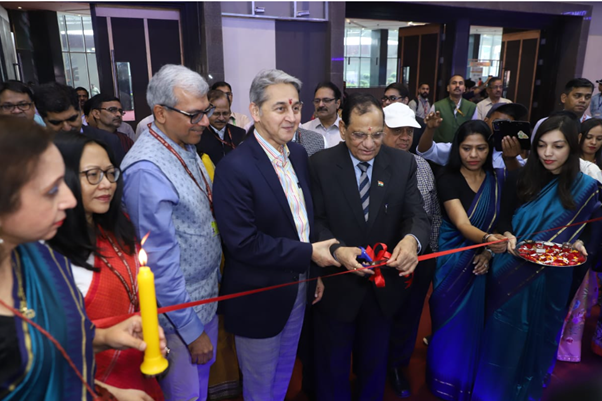
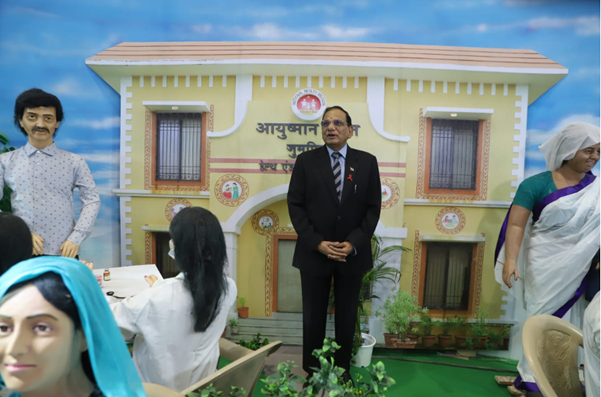
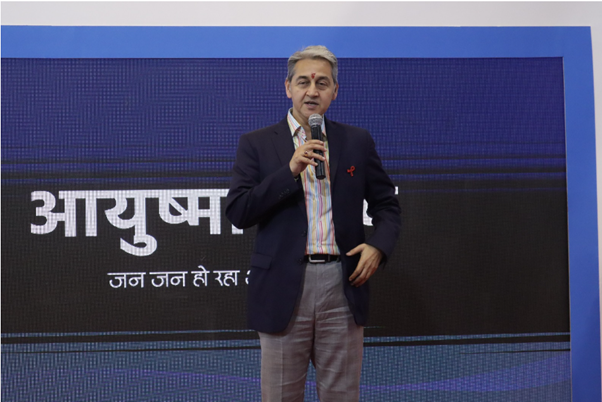
 “The trade fair offers an opportunity to present the initiatives undertaken for health with a focus on growing momentum of the range of healthcare services available and accessible to the public.” This was stated by Dr. V K Paul, Member (Health), NITI Aayog as he inaugurated the Ayushman Bhav Health Pavilion at the 42nd India International Trade Fair (IITF) in the presence of Shri Sudhansh Pant, Secretary, Ministry of Health and Family Welfare today.  The theme of this year’s pavilion of the Union Ministry of Health and Family Welfare is “Vasudhaiva Kutumbakam, United by Trade”, while the theme of the Health Pavilion is “Ayushman Bhava”.

 Addressing the gathering on the occasion, Dr Paul lauded the different Health kiosks focused on preventive, curative and rehabilitative health care, informing the public on comprehensive health schemes being offered by the Government especially under Ayushman Bhav. Lauding the stalls at the pavilion, he emphasized on importance of creating awareness for diseases and hence availing required treatment, and mitigating any adverse impact as far as possible. Dr Paul highlighted that contribution of Jan Andolan movement, stating that awareness amongst the public would lead to behavioral change, by way of endorsing good health practices.

Citing the recent initiative of Sickle Cell Anaemia, Dr. V.K Paul highlighted the importance of generating awareness via counselling to ensure correct treatment and mitigate adverse effects of the disease. Reflecting on the issue of adolescent health, he stated “it is imperative to strengthen health systems to ensure a healthy future for the coming generation” and emphasized the role of Jan Andolan in achieving this objective. He further lauded the establishment of 1,60,000 Ayushman Bharat Health and Wellness Centres stating that they are critical to ensuring delivery of affordable and accessible healthcare services in the rural areas. He further added that “ABHA records will play an instrumental role in ensuring delivery of healthcare services across the nation.”

Shri Sudhansh Pant emphasized on the Digital Health initiatives underscoring their universal impact and applicability. He stated “Ayushman cards are ensuring last-mile delivery of free healthcare benefits to the underprivileged through the Ayushman Bharat Pradhan Mantri Jan Arogya Yojana.” He further urged stakeholders to engage with the array of stalls accessible in the event and participate in generating awareness for health initiatives.  

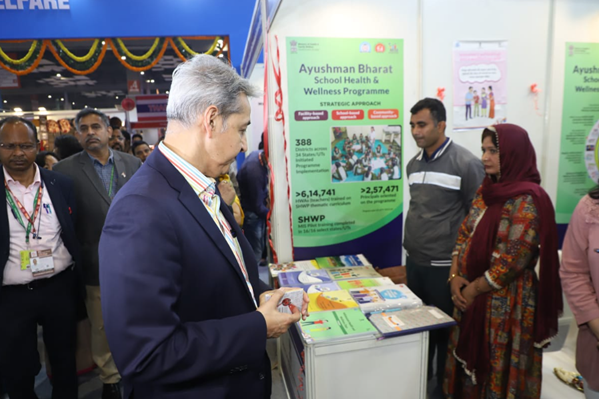
The Health Pavilion showcases various initiatives, schemes and achievements of the Union Health Ministry including the recently launched PM TB-Mukt Bharat Abhiyan, National Universal Immunization Programme, FSSAI, NACO, AB PMJAY, NVBDCP, NHA. It also has various stalls for informative activities, life-saving skills, checking and screening for diabetes, anaemia, blood pressure, BMI etc.

The event was attended by Dr. Rajiv Bhal, Director General, Indian Council of Medical Research, Ms. Roli Singh, Addl Secy, Ministry of Health, Ms. L. S Changsen, AS&MD, Ministry of Health, Ms. Hekali Zhimomi, Additional Secretary, senior officials and other dignitaries.

****

National Health Authority (NHA) organises Accelerator Workshops on ABDM Integration and NHCX Adoption

 The National Health Authority (NHA) and the Insurance Regulatory and Development Authority of India (IRDAI) have joined hands to operationalize the National Health Claim Exchange (NHCX), a digital health claims platform developed by National Health Authority.  This initiative is being undertaken in the context of a circular issued by IRDAI in June 2023, whereby the insurance regulator had advised all insurers and providers to onboard the NHCX.

The NHCX will serve as a gateway for exchanging claims-related information among various stakeholders in the healthcare and health insurance ecosystem. The integration with NHCX would enable seamless interoperability of health claims processing, enhancing efficiency and transparency in the insurance industry and benefiting the policyholders and patients.

In this regard, a three-day workshop was organized from 7th to 9th November in New Delhi, aimed mainly at hospital providers to onboard on the NHCX and insurance companies to fully integrate with the NHCX. This workshop was the third in a series of workshops that have been organized by NHA and IRDAI. The first two workshops were organized in August and October of this year and had participation from insurance companies and TPAs.

Over 150 professionals representing 45 organisations – insurance companies, TPAs, and hospitals have participated in these workshops. Considering the encouraging progress made by the insurance companies in these workshops, the organisations were advised to select their most popular retail product along with one network hospital to pilot the operationalization of NHCX.

This workshop saw participation from 10 hospitals, each assigned to an insurance company. The technical and business teams of these hospitals were guided by teams from NHA, IRDAI and NRCeS (National Resource Centre for EHR Standards) to onboard on the NHCX. At the end of the workshop, 10 hospitals namely Jupiter Hospital,Thane ; Kauvery Hospitals, Chennai; A J Hospital Research and Research Centre, Bengaluru ; Sarvodaya Hospital, Faridabad; Fortis Hospital, Gurugram; Fortis Hospital, Noida; Shri Balaji Action Hospital, Delhi; Sanar International Hospital, Gurugram; Centre for Sight, Dwarka, Delhi; and Narayana Hrudayalaya, Delhi were onboarded on the NHCX provider Registry.

In addition, the hospital/claim management systems (HMIS) of these hospitals, namely M/s Jupiter Hospitals, Kauvery Hospitals, Akhil systems, Kare Expert, Fortis Hospitals, Narayana Hrudayalya and Vitraya Technologies Private Limited were able to complete the requisite M1 integration of Ayushman Bharat Digital Mission (ABDM), which is an essential step to complete NHCX integration. The M1 integration enables a software to create and verify Ayushman Bharat Health Account (ABHA).

The workshop also saw completion of full integration with NHCX by eight insurance companies/TPAs, taking the total count to 12 insurance companies having successfully completed the NHCX integration. Four insurance companies, namely Aditya Birla Health Insurance, Star Health and Allied Insurance, Bajaj Allianz Insurance Company and HDFC Ergo Insurance had already completed the full integration in the second workshop in October. During this workshop, seven insurance companies and one TPA, namely  ICICI Lombard General Insurance, The New India Assurance Company, Care Health Insurance, Go Digit General Insurance, Acko General Insurance, Tata AIG General Insurance company, Paramount TPA,  United India Insurance Company successfully completed NHCX integration.

To encourage adoption of digital health transactions and digitization of patient health records in the country, NHA has also announced financial incentives under the Digital Health Incentive Scheme (DHIS) from Jan 2023. Under the DHIS, to encourage efficiency in insurance claim processing, there is a provision that for every insurance claim transaction through NHCX, financial incentives of Rs 500 per claim or 10% of the claim amount, whichever is lower would be provided for the hospitals. More information on the DHIS is available here: https://abdm.gov.in/DHIS

Considering the enthusiastic participation by the insurance companies and providers, a full scale launch of this transformational initiative is expected soon. For more information on the National Health Claims Exchange (NHCX), see https://sbxhcx.abdm.gov.in/

****

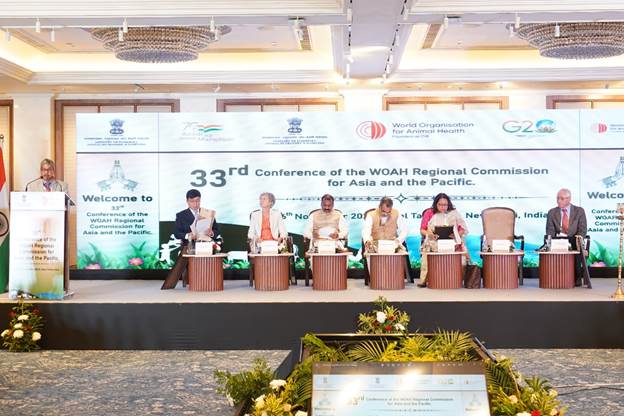
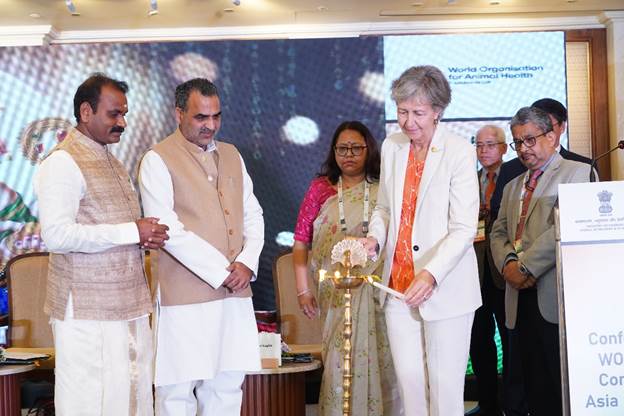
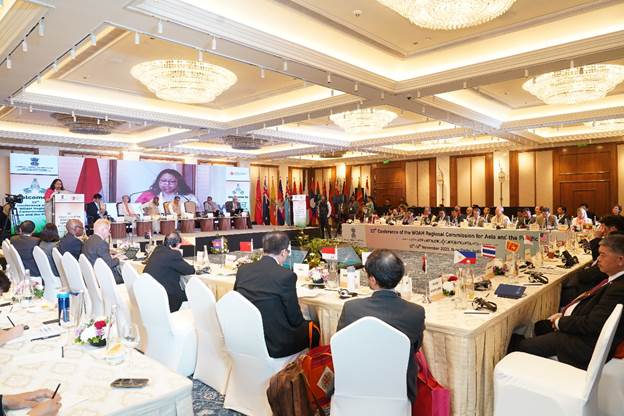
International Conference of the Indian Navy – the Indo-Pacific Regional Dialogue (IPRD

 The annual apex-level international conference of the Indian Navy – the Indo-Pacific Regional Dialogue (IPRD) – will be held in New Delhi from 15 to 17 November 2023. The event will include a Keynote Address by Shri Jagdeep Dhankhar, the Hon’ble Vice President of India on 15 Nov 23, and a series of Special Addresses by Union Ministers and senior officers of the Government of India, designed to provide overarching guidance to the deliberations of this mega conference (https://maritimeindia.org/indo-pacific-regional-dialogue-2023/)

The IPRD follows hard on the heels of the Goa Maritime Conclave 2023, which had been conducted by the Indian Navy from 29 to 31 Oct 2023 in Goa (https://www.pib.gov.in/PressReleasePage.aspx?PRID=1973395). In terms of conceptual positioning, the Goa Maritime Conclave seeks to project the Indian Navy’s cooperative engagement at the strategic-operational level, by providing a forum for the Chiefs-of-Navy and Heads of Maritime Agencies in the Indian Ocean Region.   The IPRD, on the other hand, is the principal manifestation of the Navy’s international engagement at the strategic-level, addressing ‘holistic’ maritime security issues across the Indo-Pacific

The first two editions of IPRD were held in 2018 and 2019 respectively at New Delhi.  IPRD 2020 was cancelled due to the Covid-19 outbreak. The third edition of IPRD was held in 2021 in online mode and the fourth edition was conducted, reverting to a physical format, at New Delhi in 2022. 

The National Maritime Foundation (NMF) is the Indian Navy’s knowledge partner and chief organiser of each edition of the IPRDwhich aims to review various maritime trends within the Indo-Pacific region, the regional opportunities and challenges that arise therefrom, and foster the exchange of solution-oriented dialogue amongst key stakeholders.   

Theme of IPRD-2023

The overarching theme of IPRD-2023 is “Geopolitical Impacts upon Indo-Pacific Maritime Trade and Connectivity”.   This year’s edition of the IPRD builds upon the previous one, which focussed upon ‘Operationalising the Indo-Pacific Oceans Initiative (IPOI)’, by specifically addressing the ‘Trade, Connectivity and Maritime Transport’ pillar of the IPOI.  Both ‘Trade’ and ‘Maritime Transport’ are, of course, segments of maritime connectivity. 

The Hon’ble Prime Minister of India, Shri Narendra Modi, had espoused the principle of “responsible maritime connectivity” in his remarks at the UNSC high-level open debate on “Enhancing Maritime Security: A Case for International Cooperation” on 09 August 2021, in which he specifically emphasised three key aspects in marine infrastructure creation, namely,  the physical sustainability of such projects, the absorption capacity of the countries where such infrastructure is proposed to be developed, and  appropriate global norms and standards for the creation of marine infrastructure.  However, geopolitical disturbances, wherever they might occur, pose significant maritime challenges, including adverse impacts upon trade and maritime connectivity.  These challenges have been evident in the events that have occurred in recent years — from the COVID-19 pandemic to the maritime manifestations of the rash of escalating tensions, as also armed conflicts, that are breaking-out across a world increasingly embroiled in geopolitical contestations.

Therefore, IPRD-2023 will, through the agency of a series of globally renowned subject-matter experts and eminent speakers, explore geopolitical impacts upon Indo-Pacific maritime trade and connectivity through six professional sessions spread over a three-day period.  The sessions are:

(1) Nodes of Maritime Connectivity;

(2) China’s Impact vis-à-vis Maritime Connectivity across the Indo-Pacific;

(3) Maritime Connectivity through Shipping and Trade;

(4) Maritime Connectivity through Shipping and Trade (Part 2);

(5) Private Industry in the Safety and Security of Indo-Pacific Maritime Trade and             Shipping; and

(6) Maintaining a Rules-based, Safe, and Secure Indo-Pacific.

Practitioners and domain-experts from within the Government of India, Indian defence industry, and Indian academia will also enrich the conference by their presence and contributions.

International participation in IPRD 2023 will be through eminent speakers from 16 countries, who are expected to offer diverse regional perspectives on the subject, as also through the presence of representatives of the various embassies and high commissions in New Delhi.

As with previous editions of the IPRD, participation of the vibrant student community and scholars, eminent citizens, military practitioners, members of the diplomatic corps, and think-tanks from India and abroad will add effervescence to this event.

_________________________________________________________________________

VM/PS                                                                                                                                    211/23


Collaborative Research: Unleashing the Power of Collective Knowledge

 Collaborative research is a dynamic and transformative approach to inquiry that transcends traditional disciplinary boundaries, uniting researchers with diverse expertise and perspectives to address complex challenges. In an era where global issues demand multifaceted solutions, collaborative research emerges as a key driver of innovation, pushing the boundaries of knowledge and fostering a culture of collective problem-solving.

Defining Collaborative Research:
Collaborative research involves the concerted efforts of researchers from various disciplines, institutions, or even nations, pooling their expertise to explore and solve complex problems. This collaborative model extends beyond the confines of individual expertise, encouraging interdisciplinary engagement and fostering a rich tapestry of ideas.

Benefits of Collaborative Research:

  1. Diverse Perspectives and Expertise:
    Collaborative research harnesses the power of diverse perspectives and expertise. Bringing together individuals with varied backgrounds ensures a comprehensive understanding of complex issues, enriching the research process with interdisciplinary insights.

  2. Enhanced Innovation and Creativity:
    Collaboration sparks creativity and innovation. The synergy of minds working together often results in novel approaches to problem-solving, pushing the boundaries of what is possible and leading to breakthrough discoveries.

  3. Increased Resources and Infrastructure:
    Collaborative efforts allow researchers to access a broader range of resources and infrastructure. This might include specialized equipment, datasets, or facilities that are not available to individual researchers or institutions, thereby elevating the quality and scope of the research.

  4. Accelerated Research Progress:
    The collaborative model accelerates research progress. By distributing tasks and responsibilities among team members, researchers can work concurrently, reducing the time required to complete a project. This acceleration is particularly valuable in addressing urgent societal challenges.

  5. Global Impact:
    Collaborative research transcends geographical boundaries, enabling researchers to address global challenges. International collaborations facilitate the exchange of ideas, methodologies, and cultural perspectives, leading to research outcomes that have a far-reaching impact.

Challenges and Considerations:

  1. Communication and Coordination:
    Effective communication and coordination are critical for successful collaboration. Researchers must navigate differences in communication styles, time zones, and work cultures to ensure seamless information exchange and project management.

  2. Interdisciplinary Integration:
    Integrating diverse disciplinary perspectives can be challenging. Researchers need to bridge language gaps and foster a shared understanding of the research goals and methodologies, promoting a cohesive and integrated approach.

  3. Resource Allocation and Funding:
    Collaborative research often requires significant resources, including funding, which may pose challenges. Securing funding for interdisciplinary projects and managing resource allocation efficiently are essential for the sustainability of collaborative initiatives.

  4. Authorship and Recognition:
    Determining authorship and ensuring that contributors receive due recognition can be complex in collaborative projects. Clear guidelines and transparent communication are essential to address issues related to intellectual property and authorship credits.

Success Stories:

  1. Human Genome Project:
    The Human Genome Project stands as a testament to the power of collaborative research. Involving scientists from around the world, this landmark project mapped and sequenced the entire human genome, paving the way for breakthroughs in genetics and personalized medicine.

  2. Intergovernmental Panel on Climate Change (IPCC):
    The IPCC exemplifies successful international collaboration in addressing climate change. Bringing together scientists, policymakers, and experts from various disciplines, the IPCC produces comprehensive assessments that guide global climate policies.

Conclusion:
Collaborative research represents a paradigm shift in the way we approach complex challenges. By fostering interdisciplinary collaboration, leveraging diverse expertise, and transcending geographical boundaries, collaborative research has the potential to drive transformative change and shape a more sustainable and equitable future. As we continue to face unprecedented global challenges, collaborative research stands as a beacon of hope, showcasing the collective power of knowledge, innovation, and shared purpose.

How to Find the Grant for Research and Travel in Africa

 By: Shashikant Nishant Sharma 

Helping scholars in getting research grants and writing proposals. Finding grants for travel in Africa can involve several steps. Here’s a general guide to help you in your search:


  1. Define Your Purpose:

    • Clearly define the purpose of your travel. Are you attending a conference, conducting research, participating in a project, or volunteering? Knowing the specifics will help you narrow down potential grants. Defining your purpose involves providing a clear and detailed explanation of the reason for your travel. It requires specifying the primary objective or goals you aim to achieve during your time in Africa. Here are the key components of defining your purpose:
      1. Attending a Conference:

        • If your purpose is to attend a conference, state the name, location, and focus of the conference. Highlight how your participation contributes to your professional development, knowledge enhancement, or networking within your field.
      2. Conducting Research:

        • If your travel involves research, outline the nature of your research, its significance, and the specific areas or topics you plan to investigate. Explain how your research contributes to existing knowledge and the potential impact it may have.
      3. Participating in a Project:

        • If you are participating in a project, describe the project’s goals, objectives, and the role you will play. Clarify how your involvement contributes to the project’s success and any anticipated outcomes or benefits.
      4. Volunteering:

        • If your purpose is volunteering, specify the type of volunteer work you will be engaged in. Provide details about the organization or community you will be supporting, the tasks you will undertake, and the expected positive impact of your volunteer efforts.

      In summary, clearly defining your purpose involves articulating the specific nature of your activities, whether they are conference attendance, research endeavors, project participation, or volunteer work. This clarity is essential for identifying grants that align with your goals and ensuring that your applications accurately reflect the purpose of your travel.


  2. Research Organizations and Foundations:

    • Identify organizations and foundations that support travel-related initiatives in Africa. Look for both international and local entities that may offer grants for your specific purpose.
    • Researching organizations and foundations involves identifying entities that provide financial support for travel-related initiatives in Africa. Here’s a more detailed breakdown of this step:

      1. Online Research:

        • Begin by conducting online research using search engines and relevant databases. Look for organizations and foundations that focus on travel, international collaboration, or specific areas related to your purpose (e.g., education, healthcare, community development).
      2. International Entities:

        • Identify international organizations that have a presence in Africa or fund projects on the continent. Examples include global foundations, NGOs (Non-Governmental Organizations), and intergovernmental organizations. Check their websites for information on grant programs and eligibility criteria.
      3. Local Entities:

        • Explore local organizations based in the countries you plan to visit in Africa. These could be NGOs, community foundations, or government agencies that support initiatives aligned with your purpose. Local entities may have a deep understanding of the specific needs and opportunities in their regions.
      4. Thematic Focus:

        • Consider the thematic focus of each organization. Some may prioritize education, healthcare, environmental conservation, or other specific areas. Choose organizations whose priorities align closely with the goals of your travel.
      5. Professional Associations:

        • Look into professional associations related to your field. Many associations have foundations or funds that support international travel for research, conferences, or collaboration. Check if membership is a prerequisite for applying.
      6. Collaborative Platforms:

        • Explore collaborative platforms that connect individuals with funding opportunities. Websites like ResearchGate, Academia.edu, or professional social media platforms may have discussions or announcements related to travel grants.
      7. Government Agencies:

        • Investigate government agencies both in your home country and the destination country in Africa. Some government departments offer grants or collaborate with international partners to support travel for various purposes.
      8. Community Foundations:

        • Community foundations, especially those based in the areas you plan to visit, may offer grants for projects that benefit local communities. Research their grant programs and see if they align with your travel objectives.
      9. Review Past Recipients:

        • Check the list of past grant recipients for each organization. This can provide insights into the types of projects and individuals they typically support. It also helps you gauge the competitiveness of the grant.
      10. Contact and Inquire:

        • Reach out to the identified organizations and foundations. Contact them directly to inquire about their grant programs, application processes, and any specific requirements. Establishing communication can also help you build a relationship with the funding entities.

      By systematically researching and identifying potential organizations and foundations, you increase your chances of finding grants that align with your travel objectives in Africa.

  3. Use Online Resources:

    • Explore online databases and grant directories. Websites like GrantWatch, GrantStation, and Idealist can be helpful in finding relevant grants. You can search for grants based on location, purpose, and other criteria.
    • Exploring online resources involves utilizing specialized databases and grant directories to identify potential funding opportunities for your travel in Africa. Here’s a more detailed breakdown of how to use online platforms effectively:

      1. GrantWatch:

        • Visit the GrantWatch website and create an account if necessary. This platform aggregates a wide range of grants, including those related to travel and international initiatives. Use the search function to filter grants based on location (Africa), purpose (e.g., conference attendance, research), and other relevant criteria.
      2. GrantStation:

        • Access the GrantStation database and explore the available grant opportunities. This platform provides a comprehensive database of grants, allowing you to search for funding based on specific parameters. Narrow down your search by selecting filters related to your purpose and location.
      3. Idealist:

        • Visit the Idealist website, a platform that focuses on connecting individuals with opportunities for social impact, including grants. Use the search feature to find grants related to travel in Africa. Specify your purpose, and explore the results to identify relevant opportunities.
      4. Other Grant Directories:

        • Explore additional online grant directories that cater to your specific needs. Examples include Foundation Center, ProFellow, and Pivot. These platforms often allow you to customize your search based on criteria such as location, purpose, and target audience.
      5. Utilize Search Filters:

        • When using these online resources, make use of search filters to refine your results. Filter grants based on geographical location (Africa), the purpose of your travel, preferred funding amount, and any other relevant criteria. This helps you narrow down the options to those most aligned with your needs.
      6. Read Grant Descriptions:

        • Carefully read the descriptions of the grants you find. Pay attention to eligibility criteria, application requirements, and deadlines. Ensure that the grants you are considering are a good fit for your travel purpose and align with your goals.
      7. Set Up Alerts:

        • Some platforms allow you to set up alerts based on your search criteria. This way, you can receive notifications when new grants matching your specifications are added to the database. Setting up alerts helps you stay informed about the latest opportunities.
      8. Check for Updates:

        • Regularly check the websites for updates and new grant listings. Grant opportunities may be added or modified, and staying informed ensures that you don’t miss out on potential funding sources.

      By leveraging online databases and grant directories, you can efficiently identify grants that match your travel objectives. These platforms offer a centralized and organized way to explore a wide range of funding opportunities for your specific purpose in Africa.

  4. Government Grants:

    • Check with government agencies in your country and the country you plan to visit. Some governments have travel grants or funds for individuals engaged in specific activities, such as research or cultural exchange.
    • When exploring government grants, particularly from your country and the destination country in Africa, it’s crucial to follow a systematic approach. Here’s a detailed breakdown of how to check for government grants:

      1. Identify Relevant Government Departments:

        • Determine which government departments or ministries in your home country and the target country are likely to be associated with your travel purpose. For example, if you are conducting research, check with departments related to education, science, or foreign affairs.
      2. Visit Government Websites:

        • Access the official websites of the identified government departments. Look for dedicated sections related to grants, funding opportunities, or international collaborations. Government websites often provide detailed information about available grants and application procedures.
      3. Check Foreign Affairs or International Relations Departments:

        • Explore the website of the foreign affairs or international relations department in both your home country and the destination country. These departments often manage grants and programs related to cultural exchange, research collaborations, and diplomatic initiatives.
      4. Research Grant Programs:

        • Investigate specific grant programs that align with your travel objectives. Some governments have programs designed to support individuals engaged in research, educational exchange, or projects that promote international cooperation. Take note of eligibility criteria, deadlines, and application processes.
      5. Contact Government Representatives:

        • Reach out to representatives or offices within the government departments responsible for grants. You can contact them via email or phone to inquire about available opportunities, specific eligibility requirements, and the application process. Government officials can provide valuable information and guidance.
      6. Explore Bilateral Agreements:

        • Investigate any existing bilateral agreements or partnerships between your home country and the destination country. Governments often allocate funds for initiatives that strengthen ties between nations. Look for grants that may be available under these agreements.
      7. Check Embassies and Consulates:

        • Visit the website of the embassy or consulate of the destination country in your home country. Embassies often provide information about grants, scholarships, and programs that support cultural exchange and collaboration. Contact them directly for detailed information.
      8. National Research Foundations:

        • In some countries, national research foundations or councils oversee research grants. Explore the websites of such organizations to identify potential funding opportunities for research-related travel.
      9. Review Previous Grant Recipients:

        • Look for lists of previous grant recipients on government websites. This can provide insights into the types of projects that have been funded and help you tailor your application accordingly.
      10. Stay Informed about Policy Changes:

        • Keep an eye on any changes in government policies related to international travel and collaboration. Governments may introduce new initiatives or modify existing programs that could affect the availability of grants.

      By thoroughly researching government grants through official channels and direct communication with relevant authorities, you can gather the necessary information to apply for funding that aligns with your travel purpose in Africa.

  5. Professional Associations:

    • If your travel is related to a specific profession or field, check with relevant professional associations. Many associations offer travel grants to support their members’ professional development or research.
    • When exploring travel grants offered by professional associations, it’s essential to navigate the resources and opportunities specific to your field. Here’s a detailed guide on how to approach this:

      1. Identify Relevant Professional Associations:

        • Determine which professional associations are pertinent to your field or specific profession. These may include organizations related to your academic discipline, industry, or area of expertise.
      2. Visit Association Websites:

        • Access the official websites of the identified professional associations. Look for sections related to grants, funding, or support for professional development. Associations often provide detailed information about travel grants, eligibility criteria, and application procedures.
      3. Membership Requirements:

        • Check whether membership in the professional association is a prerequisite for applying for travel grants. Many associations reserve such opportunities for their members. If you’re not already a member, consider joining to access these benefits.
      4. Explore Professional Development Opportunities:

        • Professional associations often offer travel grants to support activities such as attending conferences, workshops, seminars, or engaging in collaborative research. Explore opportunities that align with your travel purpose.
      5. Check for Research Grants:

        • If your travel involves research, investigate whether the professional association offers specific research grants. Some associations allocate funds to support members conducting research in their respective fields.
      6. Review Grant Guidelines:

        • Carefully review the guidelines for each travel grant offered by the professional association. Pay attention to eligibility criteria, deadlines, required documentation, and any specific focus areas or themes for which grants are available.
      7. Contact Association Representatives:

        • If you have questions or need additional information, reach out to representatives or members of the professional association. They can provide insights into the application process and offer guidance on how to enhance your chances of securing a travel grant.
      8. Attend Association Events:

        • Attend events organized by the professional association, such as conferences or workshops. These gatherings may provide opportunities to network with association members and learn more about available travel grants.
      9. Collaborate with Peers:

        • Engage with peers within the professional association who have successfully obtained travel grants. Seek advice, learn from their experiences, and gather tips on preparing a compelling application.
      10. Stay Updated:

        • Regularly check the association’s website or subscribe to newsletters for updates on new grant opportunities, changes to existing programs, or additional funding initiatives. Associations may introduce new grants or modify existing ones over time.

      By actively exploring the offerings of relevant professional associations and engaging with their resources, you can identify and apply for travel grants that support your professional development or research endeavors in Africa.


  6. Nonprofit Organizations:

    • Look for nonprofit organizations working in Africa that might offer travel grants. These organizations may focus on issues such as education, healthcare, or community development.
    • When seeking travel grants from nonprofit organizations in Africa, it’s important to focus on entities aligned with your purpose and field of interest. Here’s a detailed guide on how to identify and approach nonprofit organizations for potential funding:

      1. Identify Relevant Nonprofit Organizations:

        • Research and identify nonprofit organizations operating in Africa that align with your travel purpose. Focus on organizations that work in areas such as education, healthcare, community development, or other fields related to your goals.
      2. Explore Online Directories:

        • Utilize online directories, such as GuideStar or Charity Navigator, to identify and learn more about nonprofit organizations in Africa. These platforms often provide information about an organization’s mission, projects, and financial transparency.
      3. Research Organizations’ Websites:

        • Visit the websites of identified nonprofit organizations. Look for dedicated sections related to grants, funding, or support for individuals. Pay attention to their focus areas and ascertain whether they offer travel grants for purposes like research, conferences, or collaboration.
      4. Check for Specific Initiatives:

        • Investigate whether the nonprofit organizations have specific initiatives or programs that support international travel. Some organizations may have grant programs designed to facilitate knowledge exchange, partnerships, or collaborative projects.
      5. Review Grant Guidelines:

        • Carefully review the grant guidelines provided by each organization. Understand the eligibility criteria, application process, deadlines, and any specific requirements. Ensure that your travel purpose aligns with the organization’s mission and grant objectives.
      6. Contact Organizations Directly:

        • Reach out to the identified nonprofit organizations directly. Use contact information available on their websites to inquire about travel grants. Ask about the availability of grants, application procedures, and any additional information required.
      7. Network with Nonprofit Professionals:

        • Attend events, conferences, or webinars related to your field where nonprofit professionals may participate. Networking with individuals from nonprofit organizations can provide valuable insights into available travel grants and how to approach the application process.
      8. Collaborate on Shared Goals:

        • Emphasize how your travel aligns with the organization’s mission and goals. Highlight potential areas of collaboration or how your activities can contribute to the organization’s work in Africa.
      9. Check Community Foundations:

        • Explore community foundations operating in the specific regions you plan to visit. Community foundations often work closely with nonprofit organizations and may have grant programs supporting local initiatives, including those involving international collaboration.
      10. Stay Updated on Opportunities:

        • Regularly check the websites, newsletters, or social media channels of nonprofit organizations for updates on new grant opportunities, application deadlines, and changes to existing programs.

      By systematically researching and engaging with nonprofit organizations, you can identify travel grants that align with your goals and contribute to meaningful initiatives in Africa.

  7. Universities and Research Institutions:

    • If you are a student or researcher, explore grant opportunities provided by universities and research institutions. Many academic institutions have funds available for students and faculty engaged in international projects.
    • When exploring grant opportunities from universities and research institutions for international projects, it’s crucial to navigate the specific offerings of academic institutions. Here’s a detailed guide on how to identify and approach universities and research institutions for potential funding:

      1. Identify Relevant Universities and Research Institutions:

        • Research and identify universities and research institutions that align with your field of study or research interest. Focus on institutions known for international collaboration and projects.
      2. Explore University and Institution Websites:

        • Visit the official websites of identified universities and research institutions. Look for sections related to research funding, grants, or international projects. Academic institutions often provide detailed information about available grants and application procedures.
      3. Check Research Office or Grants Office:

        • Explore the research office or grants office within the university or research institution. These offices typically manage research funding and can provide information on grants specifically designed for international projects.
      4. Review Funding Programs:

        • Investigate specific funding programs offered by universities and research institutions that support international projects. Look for grants that facilitate collaboration, knowledge exchange, or research in the regions you plan to visit.
      5. Consider Student-Specific Grants:

        • If you are a student, check for grants specifically designed for student researchers. Some universities have funds dedicated to supporting student travel for research, conferences, or experiential learning opportunities.
      6. Check Faculty Development Grants:

        • If you are a faculty member, explore faculty development grants that universities may offer to support international engagement, research, or collaborative projects. These grants are often designed to enhance faculty members’ professional development.
      7. Review Eligibility Criteria:

        • Carefully review the eligibility criteria for each grant program. Ensure that your project aligns with the goals of the grant and that you meet the specified requirements. Some grants may be restricted to certain disciplines or research themes.
      8. Contact Research Administrators:

        • Reach out to the research administrators or grant officers within the university or research institution. They can provide guidance on available grants, application processes, and any additional information required for a successful application.
      9. Explore Joint Initiatives:

        • Investigate whether the university or research institution has joint initiatives or partnerships with institutions in the regions you plan to visit. These collaborations may open up additional funding opportunities for international projects.
      10. Attend Research Seminars and Events:

        • Participate in research seminars, workshops, or events organized by the university or research institution. These gatherings can provide opportunities to learn about available grants, network with researchers, and gain insights into successful application strategies.
      11. Stay Informed about Deadlines:

        • Keep track of deadlines for grant applications. University and research institution grant cycles may have specific timelines, and staying informed ensures that you submit your application in a timely manner.

      By actively engaging with universities and research institutions, you can identify and apply for grants that support your international projects and contribute to the academic and research goals of these institutions.

  8. Networking:

    • Attend conferences, workshops, and events related to your field. Networking with professionals and peers can provide valuable insights into potential grant opportunities. You may also learn about grants through word of mouth.
    • Networking is a crucial aspect of discovering potential grant opportunities and gaining valuable insights into your field. Here’s a detailed guide on how to effectively network to uncover grant possibilities:

      1. Identify Relevant Events:

        • Research and identify conferences, workshops, and events related to your field or area of interest. Look for gatherings that attract professionals, researchers, and experts in the specific domains that align with your travel purpose.
      2. Attend Conferences and Workshops:

        • Actively participate in conferences and workshops relevant to your field. Attend presentations, engage in discussions, and take advantage of networking sessions. Conferences often provide opportunities to connect with professionals and peers who may share information about available grants.
      3. Participate in Networking Sessions:

        • Make the most of dedicated networking sessions during conferences. Introduce yourself to fellow attendees, exchange contact information, and discuss your interests and goals. Networking can open doors to valuable information about grants and funding opportunities.
      4. Engage with Presenters and Speakers:

        • Connect with presenters, speakers, and panelists at conferences. These individuals often have valuable insights into the latest trends, research funding, and grant opportunities in your field. Attend Q&A sessions or approach them during breaks to initiate conversations.
      5. Join Professional Associations:

        • Become a member of professional associations relevant to your field. These associations often host events and provide platforms for networking. Attend association conferences, webinars, and local chapter meetings to build connections with professionals who may be aware of grant opportunities.
      6. Utilize Online Platforms:

        • Join online forums, discussion groups, and social media communities related to your field. Platforms like LinkedIn, ResearchGate, and Twitter can be valuable for connecting with professionals and staying informed about grant announcements and opportunities.
      7. Build Relationships with Peers:

        • Establish relationships with peers in your field. Networking isn’t just about connecting with established professionals; fellow students, early-career researchers, and colleagues can also share information about grants and funding opportunities.
      8. Attend Industry Events:

        • Explore industry-specific events and trade shows. These gatherings often bring together professionals, businesses, and organizations. Attendees may share information about funding initiatives, collaborative projects, and grant opportunities.
      9. Participate in Workshops and Training Programs:

        • Attend workshops and training programs that focus on skill development and professional growth. These events provide opportunities to interact with professionals who may have insights into grants and funding sources.
      10. Connect with Alumni Networks:

        • If applicable, engage with alumni networks from your academic institution. Alumni may have experiences with travel grants or be aware of funding opportunities for individuals in your field.
      11. Word of Mouth:

        • Actively engage in conversations with your professional network. Share your travel plans and research interests. Word of mouth is a powerful way to learn about grants that may not be widely advertised but are known within specific circles.
      12. Express Your Goals:

        • Clearly express your goals and intentions during networking interactions. Let others know about your travel plans, research objectives, and interest in securing funding. Professionals may offer advice or direct you to relevant grant opportunities.

      By actively participating in professional events and building a strong network within your field, you increase your chances of learning about grant opportunities that may not be readily available through traditional online searches. Networking provides a dynamic and interactive way to stay informed about the latest developments in your field and connect with individuals who can offer guidance on potential funding sources.

  9. Local Embassies and Consulates:

    • Contact the embassy or consulate of the country you plan to visit. They may have information on grants or programs that support cultural exchange, research, or educational activities.
    • When reaching out to local embassies and consulates for information on grants or programs that support cultural exchange, research, or educational activities, it’s important to approach the communication strategically. Here’s a detailed guide on how to effectively contact embassies and consulates:

      1. Identify the Relevant Embassy or Consulate:

        • Determine the embassy or consulate of the country you plan to visit. Make sure to contact the specific diplomatic mission responsible for your destination. Embassy websites usually provide contact details and information about their areas of focus.
      2. Visit the Embassy or Consulate Website:

        • Explore the official website of the embassy or consulate. Look for sections related to cultural exchange, educational programs, or grants. Many diplomatic missions provide information about initiatives that support international collaboration.
      3. Check for Cultural and Educational Programs:

        • Specifically, look for information about cultural exchange programs, educational initiatives, or grants that the embassy or consulate may administer. There might be dedicated programs aimed at fostering relationships and supporting activities like research or academic exchanges.
      4. Find Contact Information:

        • Identify the contact details for the cultural affairs or education department of the embassy or consulate. This information is often available on the official website. If in doubt, you can also contact the general inquiries office and ask to be directed to the relevant department.
      5. Craft a Professional Email:

        • Draft a professional and concise email introducing yourself, explaining your travel purpose, and expressing your interest in any available grants or programs. Clearly articulate how your project aligns with the goals of cultural exchange, education, or research.
      6. Include Relevant Details:

        • In your email, include specific details about your travel plans, such as the purpose of your visit, the duration of your stay, and any affiliations with academic institutions or organizations. Providing this information helps the embassy or consulate understand the context of your request.
      7. Inquire About Grant Opportunities:

        • Politely inquire about any grant opportunities, scholarships, or programs that may support individuals engaged in cultural exchange, research, or educational activities. Ask if there are specific application procedures or eligibility criteria you should be aware of.
      8. Express Willingness to Provide Additional Information:

        • Convey your willingness to provide any additional information or documentation required for the embassy or consulate to evaluate your request. Offer to submit a more detailed proposal or attend an interview if necessary.
      9. Follow-Up if Necessary:

        • If you don’t receive a response within a reasonable time frame, consider sending a follow-up email. Diplomatic missions are often busy, and a polite follow-up can demonstrate your continued interest and commitment.
      10. Consider Phone Communication:

        • If appropriate, you may also consider making a phone call to the embassy or consulate to inquire about grant opportunities. Speaking directly with a representative can provide additional clarity and facilitate a more personal connection.

      Remember to adapt your communication style to be respectful and professional, and tailor your inquiries to the specific cultural and educational initiatives promoted by the embassy or consulate. Building a positive and cooperative relationship with the diplomatic mission increases the likelihood of obtaining valuable information about potential grants or programs.

  10. Read Grant Guidelines Carefully:

    • Once you find potential grants, carefully read the guidelines and eligibility criteria. Ensure that your project aligns with the grant’s objectives, and follow the application instructions closely.

Remember to start your search well in advance, as the application processes for grants can take time. Additionally, tailor your applications to the specific requirements of each grant to increase your chances of success.

Leveraging Kashmir's untapped potential through skill development and Innovation driven Entrepreneurship

 National Innovation Foundation (NIF) – India, an autonomous body of the Department of Science and Technology (DST), Government of India in association with University of Kashmir and NIF Incubation and Entrepreneurship Council – NIFientreC, organised a workshop in Srinagar on 8th November 2023 at Kashmir University with an objective to on-board all stakeholders, primarily the enablers for Innovation and Entrepreneurship ecosystem in the valley.

Stakeholders from multiple organisations deliberated on a roadmap to improve the prospects for growth and development, through innovation and entrepreneurship by harnessing Jammu and Kashmir’s untapped potential as well as the major challenges and lessons from key milestones achieved, at a day long roundtable titled “Inclusive Development through Entrepreneurial Advancement (IDEA)”.

“The time has come when entrepreneurs with the support of eco-system builders can push their boundaries to grow exponentially and, in this process, could harness their own potential in superior ways,” said Dr. Vipin Kumar, Chief Scientist, NIF.

Dr Praveen Roy, Head – NEB Division, Department of Science and Technology (DST), Government of India stressed that modern day start-ups believe in pivoting their businesses as opposed to labelling them as failures.

Chetan Krishnaswamy, Vice President, Public Policy, Amazon India, pointed out that vibrant J&K is home to entrepreneurs who have the talent to create leading global brands by being part of our flagship programs like Karigar, Saheli, and Global Selling.

Dr. Nisar Ahmad Mir, Registrar, University of Kashmir familiarized participants on the significant recent initiatives that the University has undertaken so as to strengthen innovation in the valley.

Grassroots innovators spoke about some of their accomplishments and also about the challenges related to achieving scale in their respective businesses. GR8 SPORTS India, an entrepreneur representing the formal sector and also other entrepreneurs shared the growing expectations that enterprises particularly those driven by the first generation entrepreneurs have from the Government specially from the perspective of ease of doing business and also what steps are to be taken so as to create a bridge so as to address the gaps and build resilience.

The roundtable which facilitated a listening mind kind of environment wherein the beneficiaries could share their experiences with respect to access and leveraging of various schemes, facilities, incentives and so on was attended by representatives of multiple organizations, both within and outside the valley, representing a wide array of work areas like Ministries and Government organizations (Central/State/Local), Financial Institutions, Marketplaces, Investor services organizations, Technology Business Incubators, Media, Entrepreneurs, and Innovators (particularly those at the grassroots).

Key takeaways from the roundtable included an enhanced focus on awareness which is often the starting point of leveraging and making the most out of any incubation activity, financial literacy and capacity building, leveraging data driven insights, organizing B-Plan and other youth sensitization activities, arriving at newer equity based financing models, strengthening case study based models for dissemination of information, mapping expertise of stakeholders, facilitating mentoring on important areas like pivoting a stat-up etc.

The participants included representatives from Department of Science and Technology (DST), Government of India; Small Industries Development Bank of India (SIDBI); Amazon India; University of Kashmir; SKUAST, Kashmir; Press Information Bureau – PIB, Government of India; Jammu & Kashmir Entrepreneurship Development Institute (JKEDI); J&K Trade Promotion Organisation (JKTPO), Entrepreneurs in niche areas like sports namely GR8 Sports Pvt Ltd amongst others who shared their experiences and subsequently their recommendations on ways to grow the profile of innovation and entrepreneurship in the valley.


AAINA Dashboard for Cities’ portal launched

 The ‘AAINA Dashboard for Cities’ portal www.aaina.gov.in has been made live by Ministry of Housing and Urban Affairs (MoHUA) on 13th November, 2023 where Urban Local Bodies (ULBs) across the country can participate in this pioneering initiative to voluntarily submit their key data on a regular basis, through a simple, easy-to-fill, data entry form on the portal.


The primary objectives of the AAINA Dashboard are to help cities to (i) see how they are faring vis-à-vis other cities, (ii) inspire them by pointing to possibilities and areas of improvement and (iii) providing opportunity to learn and engage with frontrunners. While not ranking the ULBs, the AAINA dashboard would serve as a tool for comparing similarly placed cities and promoting peer learning among cities.

The Dashboard will present the data submitted by the ULBs on the basis of indicators across five broad pillars namely, (i) Political & Administrative Structure, (ii) Finance, (iii) Planning, (iv) Citizen Centric Governance and (v) Delivery of Basic Services. The ULBs will submit their data, including audited accounts, and self-reported performance metrics by logging in to the dashboard’s portal. ULBs would be free to update the information initially provided by them, anytime on the portal as per need. The Dashboard has been envisaged as a permanent platform for ULB related data, that would be updated on a regular basis. With active cooperation of all ULBs, the ‘AAINA Dashboard for Cities’ aims to create a robust database of the key performance metrics of Urban Local Bodies, which could be accessed by all stakeholders, and subsequently would open for public view once it gets populated. The Ministry through Digital India Corporation will provide handholding support to ULBs / States in the data submission process on a need basis.

***

33rd Conference of the WOAH Regional Commission for Asia and the Pacific at New Delhi today

 Minister of State for Fisheries, Animal Husbandry, and Dairying Dr. Sanjeev Kumar Balyan chaired the inaugural session of the 33rd Conference of the WOAH (World Organization for Animal Health) Regional Commission for Asia and the Pacific at New Delhi today. Many dignitories including MoS(FAHD),Dr. L. Murugan were present at the occasion.  This 4-day event is scheduled from November 13 to 16, 2023.

Secretary, Dept of Animal Husbandry and Dairying, Smt. Alka Upadhyaya and the Indian delegate in WOAH, was appointed as the chairperson. In her address, she highlighted the significance of One Health under the National Digital Livestock Mission, transforming the livestock health landscape in India and globally.

Delegates and experts from 24 member countries are participating physically, with others joining virtually. The event was graced by dignitaries including Dr. Monique Eloit, WOAH Director General; Dr. Baoxu Huang, President, WOAH Regional Commission of Asia and the Pacific; Dr. Abhijit Mitra, Animal Husbandry Commissioner, GoI and Dr. Hirofumi Kugita, WOAH Regional Representative for Asia and Pacific, Japan.

****

INDIAN NAVY QUIZ – SAIL BEYOND HORIZON

 The Indian Navy and NWWA (Navy Wellness and Welfare Association) have, over the years, been conducting a quiz competition for school children as part of Navy Week activities. Christened “The Indian Navy Quiz – THINQ”, the 2023 edition of the quiz has acquired global reach, riding on the partnership and support it has received from the G20 Secretariat in a year that marks India’s presidency of the prestigious G20. Very appropriately, therefore, the event is also being called the G20 THINQ.

The event is being conducted at two levels, national and international, and in two locations – in Mumbai and New Delhi.

The National Round of the G20 THINQ saw a record number of 11,741 schools registering for it. The first elimination round (ER1) was completed on 14 Sep 23 with 3902 schools qualifying for the next level, ER2. ER2 was conducted on 03 Oct 23 with a total of 1674 qualifying for the quarter finals conducted on 10 Oct 23. The quarter finals saw schools engaging each other neck-and-neck in a tough competition, which led to the top 10 teams from each zone being selected to compete with each other over a tie-breaker round on 18 Oct 23. This round finalised the selection of the following 16 schools that will match wits against each other over the semifinals:


– Bhavan’s Vidya Mandir, Girinagar

– DAV Public School, Gurgaon

– Delhi Public School, Bhopal

– Delhi Public School, Patna

– Dewan Public School, Meerut

– Dr K. B. Hedgewar Vidyamandir, Carapur

– G. D. Goenka Public School, Siliguri

– GMHSS Calicut University Campus, Calicut

– Krishna Public School, Raipur

– Narendra Convent High School and Junior College, Kalyan

– Navy Children School, Mumbai

– Sainik School, Satara

– Sanjay Ghodawat International, Kolhapur

– SNMHSS, Purakkad.

– St Anthony’s Sr Sec School, Udaipur.

– Swami Sant Dass Public School, Jalandhar.


These 16 teams will converge at Mumbai for the national semi finals and finals that are slated to be held at NCPA and Gateway of India on 17 and 18 Nov 23 respectively. Participating students will also get the opportunity to meet and interact with naval personnel in uniform and catch a glimpse of the exciting world of naval operations onboard warships, submarines and naval aircraft in Western Naval Command, Mumbai.

On completion of the national round, a jury will identity two best quizzers from amongst all finalists to form “Team India” for participation in the international round at India Gate, New Delhi.

For the international round, invitations were extended to all G20+09 nations and an impressive 23 international teams have indicated their interest to take part in it at New Delhi on 19 Nov 23. The grand finale is set to take place at the iconic India Gate, New Delhi on 23 Nov 23, offering these bright school students a global stage for intellectual exchange and competition.

As India hands over the G20 baton to Brazil on 01 Dec 23, the G20 THINQ will likely be the concluding episode of a series of significant events held in the nation since Dec 22. It also aims to serve as a remarkable finale to India’s Presidency that witnessed many unique achievements of the G20 at the global level.

***********

Government e-Marketplace achieves landmark Gross Merchandise Value of ₹2 Lakh Crore

 In a remarkable achievement, Government e-Marketplace (GeM) has reached a significant milestone by surpassing ₹2 Lakh Crore in Gross Merchandise Value (GMV) within less than eight months of the current fiscal year, surpassing the total GMV inscribed at the end of last fiscal year (2022-23).  The average GMV per day has also witnessed significant growth and reached more than  ₹850 crore per day in the current Financial Year.

Within the constellation of noteworthy contributors to this momentous GMV achievement in the current financial year, the substantial role played by Central entities, including Central Public Sector Enterprises (CPSEs), has been truly outstanding, constituting an overwhelming 83% of the total.

Also, the enthusiastic participation of State Governments, comprising the remaining 17%, further underscores the nationwide embrace of GeM’s transformative impact on public procurement. States like Uttar Pradesh, Gujarat, Maharashtra, Delhi, Madhya Pradesh, Jammu & Kashmir, Odisha, Bihar, Assam, Uttarakhand have placed significant amounts of procurement orders in the current financial year.

This unparalleled collaboration between the Central and State entities exemplifies a harmonious synergy, propelling GeM to unprecedented heights of success.

GeM’s expansion into the services sector has played a pivotal role in driving its accelerated adoption. The increase in order value in the services segment has been the brightest chapter in GeM’s success story with exponential growth over the last 3 years. Services sector has exhibited a staggering increase in the overall contribution to the total order value transacted through the platform, having jumped from 23% in FY 21-22 to nearly 46% in the current financial year.

This outstanding accomplishment not only reflects the platform’s rapid growth but also its pivotal role in transforming public procurement across India. GeM’s unprecedented growth can be attributed to its commitment to fostering efficiency and transparency in public procurement processes, enabling government agencies to access a wide range of products and services in a streamlined and cost-effective manner.

The portal displays a diverse catalogue of nearly 312 service categories and more than 11,800 product categories, well-equipping it to adequately match the dynamic requirements of government buyers at all levels. Cumulatively, GeM has surpassed the ₹5.93 lakh crore GMV since inception, with the overwhelming support of its stakeholders. The total number of transactions on GeM has also crossed 1.8 crore.

Additionally, GeM’s unwavering dedication to inclusivity and accessibility stands as a testament to its visionary approach. The platform’s seamless integration with e-Gram Swaraj, aimed at streamlining Panchayat-level procurement, not only underscores its commitment but also showcases its unparalleled prowess in connecting with last-mile sellers while meticulously optimizing costs at the grassroots level of administration. This remarkable endeavour elevates GeM’s impact, demonstrating its far-reaching influence on India’s procurement landscape.

GeM’s multifaceted approach to instilling inclusivity and diversity within the marketplace has also added to its triumphant success. The platform caters particularly to the unique contexts and limitations of marginalised seller segments like small and medium enterprises, women entrepreneurs, startups, and artisans. Its policies have been formulated with the intent to provide right business opportunities to all firms, irrespective of their size and popularity. Subsequently, nearly 49% of the total order value transacted through the platform has been awarded to MSEs. In just 7 months, more than 45000 MSEs have registered as sellers/service providers registered on GeM.

A hallmark of GeM’s success lies in its dedication to cost savings, having enabled the government to save over ₹45,000 crore since 2016. According to the Economic Survey 2021-22, GeM’s prices were 9.5% lower than other online platforms for 10 out of 22 commodities. GeM’s transformative journey is a testament to transparency, efficiency, and inclusivity driven by cutting-edge technology and innovation.

As GeM continues to evolve, it remains a cornerstone of the Indian government’s digital transformation and the “Make in India” initiative, promoting the use of domestically manufactured products and services.

***