BUSHRA ZAMAN

 ARTICLE WRITTEN BY BUSHRA ZAMAN


1.     COST OF ORGANS: https://www.track2training.org/2022/11/cost-of-organs.html

2.     BROADENING OF LINE BETWEEN RICH AND POOR: https://www.track2training.org/2022/11/broadening-of-line-between-rich-and-poor.html

3.     POPULATION AND AUTOMATION: https://www.track2training.org/2022/11/population-and-automation.html

4.     TECHNOLOGICAL ADVANCEMENTS: FUTURE POSSIBILITIES: https://www.track2training.org/2022/11/technological-advancements-future.html

5.     CHILD LABOUR: https://www.track2training.org/2022/11/child-labour.html

6.     IMPORTANCE OF MENTAL HEALTH: https://www.track2training.org/2022/11/importance-of-mental-health.html

7.     DISASTER MANAGEMENT: https://www.track2training.org/2022/11/disaster-management.html

8.     TOP 20 SCHOOLS IN DELHI-2022: https://www.track2training.org/2022/11/top-20-schools-in-delhi-2022.html

9.     FREEDOM OF SPEECH AND IT’S IMPORTANCE: https://www.track2training.org/2022/11/freedom-of-speech-and-its-importance.html

10.  POLLUTION DUE TO URBANISATION:  https://www.track2training.org/2022/11/pollution-due-to-urbanisation.html

11.  IMPORTANCE OF TRANSLATION: https://www.track2training.org/2022/11/importance-of-translation.html

12.  HOW TO COPE WITH FAILURE: https://www.track2training.org/2022/11/how-to-cope-with-failure.html

13.  NEGATIVE IMPACT OF SOCIAL MEDIA: https://www.track2training.org/2022/11/negative-impact-of-social-media.html

14.  POPULATION EXPLOSION: https://www.track2training.org/2022/11/population-explosion.html

15.  IMPORTANCE OF ADULT EDUCATION: https://www.track2training.org/2022/11/importance-of-adult-education.html

16.  Importance of discipline in life: https://www.track2training.org/2022/11/importance-of-discipline-in-life.html

17.  What is ragging and why should it be prevented: https://www.track2training.org/2022/11/what-is-ragging-and-why-should-it-be.html

18.  THE WORLD AFTER COVID 19: https://www.track2training.org/2022/11/the-world-after-covid-19.html

19.  UNEMPLOYMENT: A MAJOR ISSUE: https://www.track2training.org/2022/11/unemployment-is-major-problem-not-only.html

20.  IMPORTANCE OF EXERCISE: https://www.track2training.org/2022/11/importance-of-exercise.html

21.  E- LEARNING: A BOON OR BANE?: https://www.track2training.org/2022/10/e-learning-boon-or-bane.html

22.  DIWALI 2022- DELHI’S AIR POLLUTION INDEX: https://www.track2training.org/2022/10/diwali-2022-delhis-air-pollution-index.html

23.  PSYCHOANALYSIS AND EDUCATION: https://www.track2training.org/2022/10/psychoanalysis-and-education.html

24.  Why is water important?: https://www.track2training.org/2022/10/why-is-water-important.html

25.  MULTICULTURALISM IN AUSTRALIA: https://www.track2training.org/2022/10/multiculturalism-in-australia.html

26.  WOMEN EMPOWERMENT: https://www.track2training.org/2022/10/women-empowerment.html

27.  GLOBAL WARMING : A GLOBAL WARNING?: https://www.track2training.org/2022/10/global-warming-global-warning.html

28.  IMPACT OF WESTERN CULTURE ON INDIA: https://www.track2training.org/2022/10/impact-of-western-culture-on-india.html

29.  What is noise pollution, and why should you be concerned about it?: https://www.track2training.org/2022/10/what-is-noise-pollution-and-why-should.html

30.  QUEEN ELIZABETH II DEATH: THE END OF A LEGENDRY MONARCH: https://www.track2training.org/2022/10/queen-elizabeth-ii-death-end-of.html


WORLD KINDNESS DAY

World Kindness Day is an international holiday recognized yearly on November 13 as part of the World Kindness Movement. It is observed in several nations, including the United States, Canada, Japan, Australia, and the United Arab Emirates. On this day, we can emphasise one of the most fundamental and unifying human traits. Try to spread the word about this crucial quality that unites people of all backgrounds on this day honouring the positive possibilities of both significant and minute acts of kindness.


HISTORY OF WORLD KINDNESS DAY

World Kindness Day was established as an awareness day by the World Kindness Movement. The organization was officially recognized as an NGO under Swiss legislation in 2019, but its origins date back to a convention held in Tokyo in 1997. A number of institutions and groups from countries including Australia, Thailand, the United States, and the United Kingdom met at this conference due to their dedication to fostering kindness in society.

The Society Kindness Movement was established as a result of this incident, and their written founding statement contained a commitment to “join together to build a kinder and more compassionate world.” To make this possible, they would allow the inaugural World Kindness Day to be established in 1998.

The mission of World Kindness Day is to “encourage acts of compassion in the community, focusing on the positive force and the common thread of kindness which binds us,” according to the World Kindness Movement. Since it was founded more than 20 years ago, the day has earned genuine global recognition; events related to the day have attracted participants from every continent with a population. These include events like dance parties, concerts, and the distribution of “kindness cards.”

The World Kindness Movement still aspires to receive official UN recognition even though the day is now observed on an unofficial basis. World Kindness Day would join the ranks of recognized holidays like the International Day of Peace, Human Rights Day, and World Health Day if the group is successful in its endeavors.

5 FACTS ABOUT KINDNESS

1. National Day of Unity

World Kindness Day is celebrated in over 28 countries, even though it is not linked with any religion or political movement.

2. Being kind pays off

People who are always kind create 23% less cortisol, the stress hormone; as a result of decreased stress levels, people who practice kindness age slower than the general population.

3. Generosity spreads.

According to Stanford Social Neuroscience Laboratory researchers, people are more likely to treat others kindly when they observe others behaving kindly.

4. Blood pressure is reduced.

When you experience emotional warmth, your body releases the hormone oxytocin, which dilates your blood vessels and lowers your blood pressure.


How to Blow Up a Pipeline

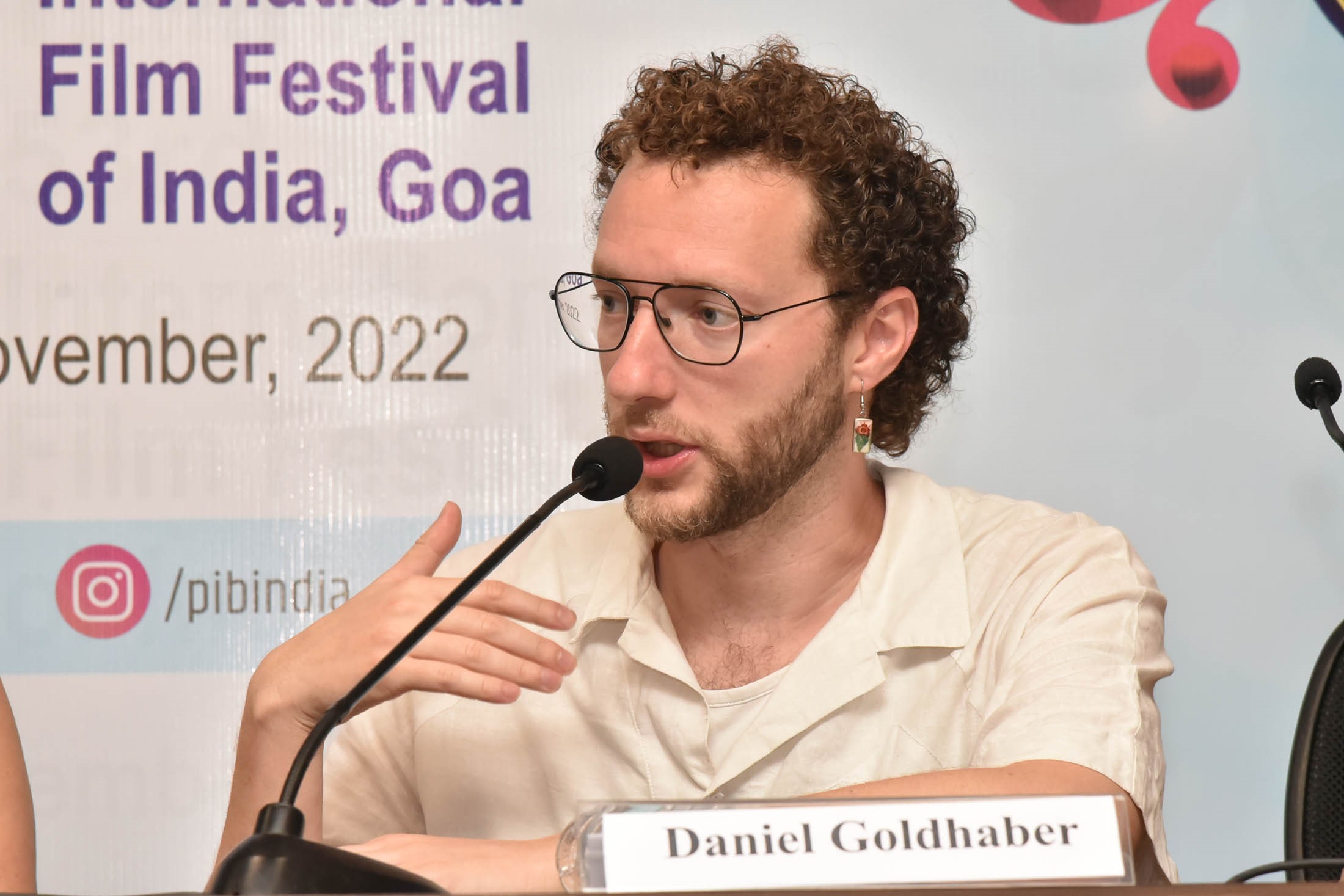
 There is no magic bullet or immediate remedy to tackle climate change.  Only the right kind of conversations and interventions are the key.  Through ‘How to Blow Up a Pipeline’ we are trying to provoke the right conversation on this burning issue, said Director of the movie Daniel Goldhaber.

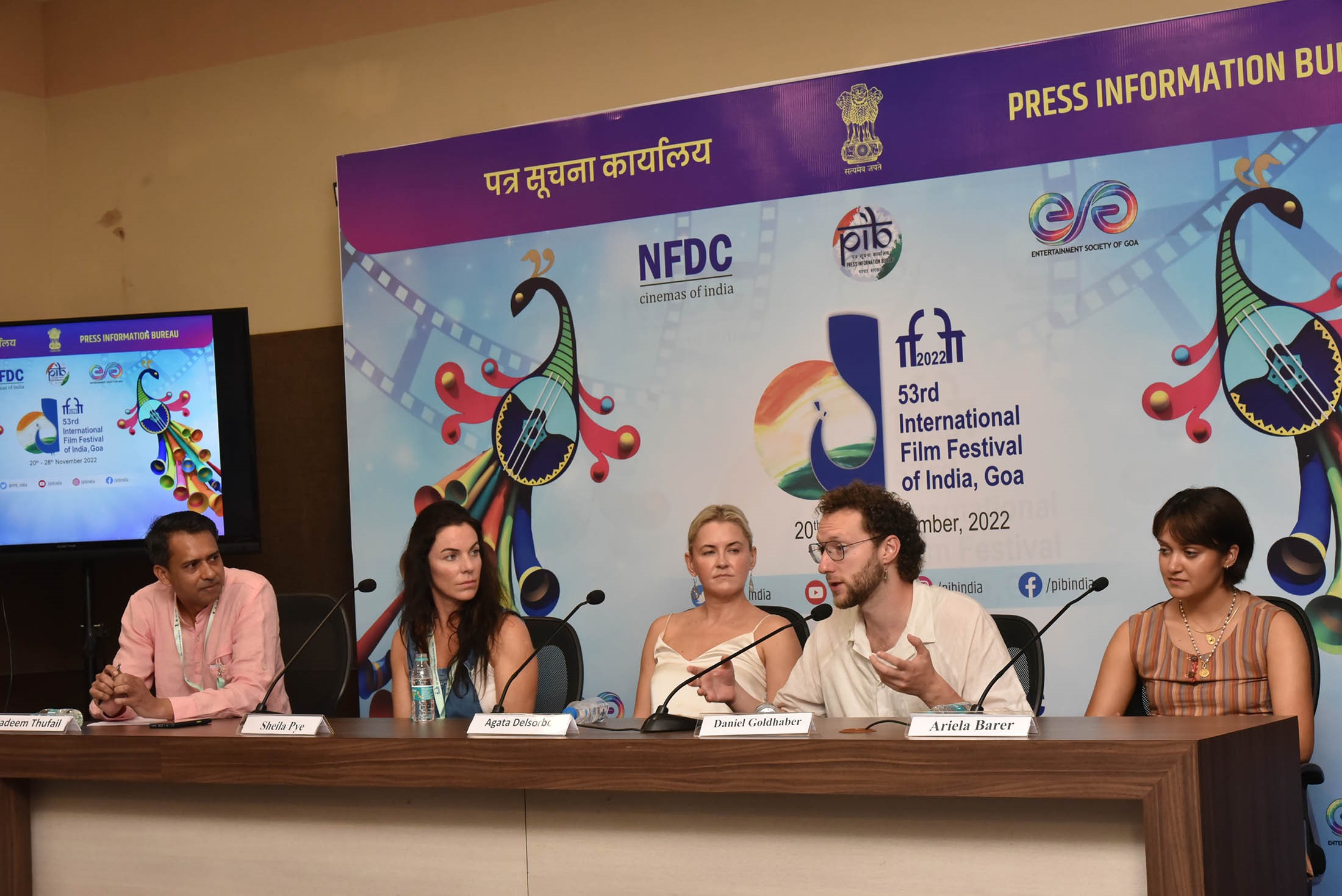
While interacting with the media and festival delegates at the ‘Table Talk’ session by PIB on the side-lines of the 53rd International Film Festival of India in Goa, Daniel Goldhaber resolutely expressed that the film neither intends to support nor explore environment extremism. “We are trying to understand why some are being pushed to engage in environmental extremism. It also tries to be frank about the consequences of such extreme acts,” he added.  The film had its Asian Premiere at IFFI53.

 Asserting that conversations on climatic changes and tactics to face the same are very limited, Daniel added, “Such conversations are predominantly led by corporations and countries profiting from the impact of climate change.”

Emphasizing that climatic issue is an ocean we haven’t really explored, Daniel opined that the consequences of climatic change are not being felt immediately by those countries which cause the reason, but in other places in another place of the planet. “There is a massive responsibility on us to deal with that,” he added.

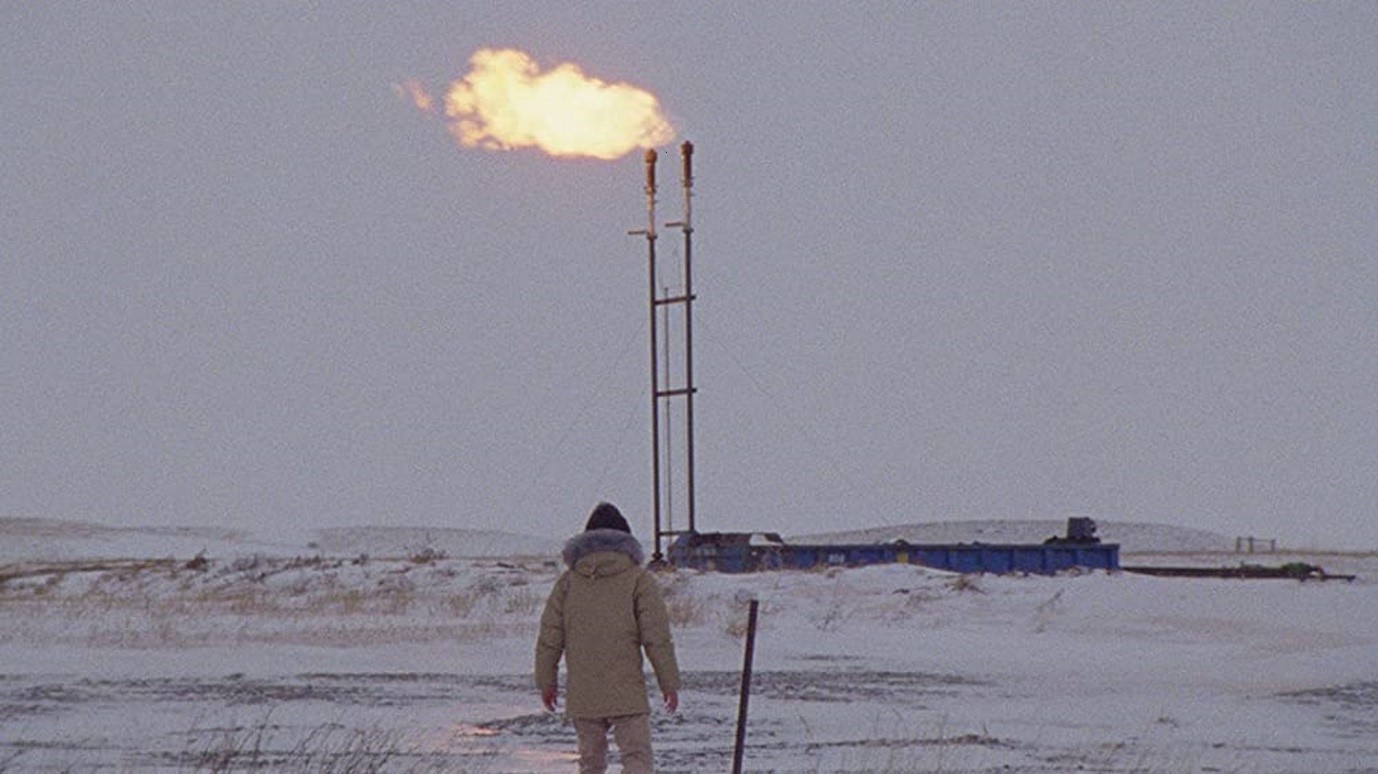
How to Blow Up a Pipeline’- A taut and timely thriller portrays the story of a crew of young environmental activists who with their radical resolve dares to execute a mission to sabotage an oil pipeline. They engage in the act as a reciprocation to the deeds meted out by the system resulting in climate crisis.

The movie is an adaptation of Andreas Malm’s 2021 book, How to Blow Up a Pipeline- Learning to fight in a world of fire’. According to Daniel, the book basically tries to advocate that every social justice movement in the global history in the last decades has had at least some component of property destruction and sabotage. “By making a movie on the book, we wanted to see what would happen if we dramatize the theme though it is fundamentally different from the book, he added.

Narrating the reason for making a movie on a subject, which is the defining issues of our times, Daniel Goldhaber said he had always been looking for a story on climate activism since he is so accustomed to the subject. “My parents are climate scientists. I have been brought up in an environment knowing climatic changes and the activisms associated with it.”

Sharing his joy over the screening of his movie in IFFI53, Daniel said the film is an American film, completely based on an American concept adapted from an European book, but it is always great to get the movie propagated at Asian as well as other countries since the issue is universal.


About the movie

Synopsis: A crew of young environmental activists execute a daring mission to sabotage an oil pipeline in this taut and timely thriller that is part high-stakes heist, part radical exploration of the climate crisis.

Daniel Goldhaber is a director, writer and producer based in Los Angeles and New York.He graduated from Harvard University where he studied Visual and Environmental Studies. Goldhaber’s first feature was ‘Cam’ (2018). Goldhaber was named as one of Filmmaker

‘How to Blow Up a Pipeline’ premiered in the Platform Section of Toronto International Film Festival.

* * *

Relevance of cricket throughout the year

Gone are the days when we had the opportunity to watch our favourite national cricket team play a game or a series in a year. Now, we have cricket throughout the year. Teams visit different countries and play several series in a year. Now the series also have various duration. Some are very short and some are of very long duration. It appears as if cricket has lost its shine.

Now, players play throughout the year. If they are free, then they take part in some domestic tournaments all over the globe. IPL has been one of the biggest influencers in such a manner. It gives the players a platform to showcase their skills and also provides them with a chance to earn big amounts. They are also paid handsomely in such tournaments and sometimes. Even get recognition in their respective countries. 

But all of this is slowly creating problems. Now, the question arises that how can this round-the-clock behaviour be stopped. Is there any way that can ensure that cricket stays relevant for a longer duration? The new format of T20 is also taking the shine off the test matches.

With the exit of India, in T20 World Cup the talks are on several sections of society giving their opinion. The team reached the semi-final and then aced a 10- wicket defeat from the England cricket team.

https://unsplash.com/photos/oDs_AxeR5g4

After this defeat, questions are raised about the performance of the team. A blame game is also going on. Some blame the batsmen, some blame the bowlers, some blame the lack of experience and some even blame the coach.

But at the core, there is also some positive result in this year’s performance. The younger lot of the team has performed well to some extent. The team did reach the semi-final and this is a good sign. It can give some confidence to the team before they proceed to the ODI World Cup in 2023. 

For the preparation part, the Indian team which is playing in NZ currently, has some changes. For starters, Dravid has been replaced by Laxman as the new head coach of the Indian cricket team.

For the time being, the team has been able to win the T20 series against the NZ team. There were three matches, out of which the first one was washed out. The second one was won by the Indian team. Then the third match ended in a tie. So, this results in the Indian team winning the series. Now, it’s time for the ODI series. The series will better prepare the team for the next year’s ODI World Cup. 

After this series, there is also a series against the Bangladesh team in Bangladesh. It will also be helpful as the series will be played in friendly conditions. Another plus point is that as the next year’s World Cup will be played in India, so familiar conditions will give more exposure to the youngsters to play in the single-day format of the popular game.

What is Neighborhood Planning?

What is Neighborhood Planning?

Neighborhood Planning empowers you to plan your community by deciding what you want your neighborhood to look like and defining how your neighborhood will grow and change in the future. to the community.

Neighborhood plans give communities the opportunity to make suggestions that:

• Develop a shared vision for the neighborhood

• Select where to build new homes, shops, offices, and other developments

• Identify and protect green spaces in the area

• Develop new buildings

Having a say in what it should look like Neighborhood planning gives communities the opportunity to develop their own neighborhoods, but neighborhood planning is subject to both the national planning guidelines and the guidelines contained in the area’s regional plans. Must be compliant. It is important to mention that Neighborhood Plans cannot interfere with developments already agreed upon or already agreed upon by Congress’ Local Plans.

Who can initiate Neighborhood Planning?

We all understand the need for neighborhood planning. However, this can only be initiated by the responsible parish or city administration who will work with us and take responsibility for the progress of the necessary work.

If you don’t have a district or city council, you can start a neighborhood forum (community organization) to fill this role. The same measures for neighborhood planning activities apply to both designated neighborhood forums and community/town councils. Membership qualifications are as follows:

• Persons living in the relevant neighborhood

• Persons working there

• Members of elected district councils within the geographic area to which the area relates

Groups act individually or collectively can do. A key authority should be appointed. This website refers to all groups that undertake neighborhood planning activities as “neighborhood planning groups.”

Types of Neighborhood Planning Activities:

There are three types of neighborhood planning that your community may be working on. In line with your area’s existing planning guidelines, your neighborhood planning group will develop further guidelines for the future development and use of land in your neighborhood. This may include general policies or site-specific policies.

Your local development plan provides general guidelines that neighborhood plans should follow, but neighborhood plans may provide more detailed information. Future building uses will be evaluated against neighborhood plans and other relevant government plans.

Neighborhood plans must pass certain tests (called “basic conditions”) before they are valid. For more information about frameworks, see Neighborhood Planning Tips: Understanding Frameworks.

Before a neighborhood plan can go into effect, it must undergo independent scrutiny and be supported by a majority of residents through a referendum. Once the plan is implemented, planning decisions for the area will take into account those guidelines and those set in the current regional plan.

Neighborhood Development Contracts

Neighborhood Development Contracts allow communities to identify development proposals that can be implemented without going through the formal planning application process. For example:

• Additions of a specific size or type

• Major development projects

• New homes (including affordable ones)

• New shops or pubs

• Employment units

Building Right Allows local governments to grant planning permission to build small housing estates, community facilities, or shops. The benefits from this remain with your community. B. Providing or maintaining playgrounds, community centers, or providing affordable housing.

Any local community organization, not just boroughs, city councils, neighborhood forums, can create community laws to create order.

What Neighborhood Plans Cannot Do

Neighborhood plans cannot block developments that have already been agreed upon in local plans or for which planning permission has already been granted.

Delhi Aftab-Shraddha Murder Case: Here’s The Full Story!

 Delhi Aftab-Shraddha Murder Case:Here’s The Full Story!

One case that puzzled and shocked us a week ago was the Aftab-Shraddha Delhi murder. For starters, Delhi police have accused Aftab her amine of murdering the family’s girlfriend, Shraddha, and then dissecting her body and dumping her in the woodlands of Delhi over the course of her 18 days. of Poonawala was arrested. The accused allegedly tried to dupe the Delhi police in the early stages of the investigation. But even though he removed the physical evidence, the digital trail he left behind helped police uncover the truth of the case and uncover his suspicions of the crime.

Sources Aftab and Shraddha met through his Bumble dating app. They decide to live together after Shraddha’s parents express their disagreement about inter-religious relations. On May 18, the day Aftab allegedly murdered her Shraddha, the couple apparently got into an altercation over household expenses. The fighting is said to have escalated to such an extent that Aftab strangled Shraddha to death between 8:00 and 10:00 pm that night. Aftab allegedly kept his Shraddha’s body in his home overnight and went to buy a knife and a refrigerator the next day. According to an affidavit to the police, Aftab dismembered his Shraddha’s body into 35 pieces, stored them in a newly purchased refrigerator, and dumped them in the Mehrauli forest area over a period of 18 days.

Unfortunately, Shraddha became estranged from his family during this time as he opposed his relationship with them. So it took him six months before they realized something was wrong. Shraddha is said to have only been in touch with her mother after she confided that Aftab would abuse her. Shraddha’s friends also claim that Aftab beat her. Details about Aftab’s alleged psychopathic behavior after murder shocked people

“More than a week before I killed Shraddha on May 18, 2022, I had decided to kill Shraddha. So I put it off for later,” ANI reported, citing a Delhi police source who cited Aftab’s confession. He reportedly ordered frequently through Zomato and other online grocery delivery apps, but he always ordered two servings. He also reportedly ordered ready-made tea from places like Chai Point instead of buying sugar, tea leaves and milk. is said to have gone Aftab told police it took him 10 hours to dismember Shraddha’s body after killing her. He was pretty tired when he finished dismantling her body. He paused. He drank beer and smoked cigarettes before continuing his crime. In the end, he showered again, ordered dinner from Zomato, and that night he watched a movie on Netflix.

Aftab apparently considered removing physical evidence, but failed to remove digital evidence. During the initial investigation into the case by Delhi police, Aftab Amin initially told police that he had left his home on May 22 after the two had quarreled. At the time, he said Shraddha left all of her belongings at her home and took only her mobile phone with her when she left.

He further claimed the two had not been in contact since, the media outlet reported, citing police sources.However, police reviewed Aftab and Shraddha’s call records and investigated their whereabouts. Now the truth has come out. Police obtained Shraddha’s and Aftab’s bank statements showing his transaction of Rs. The deal in question exposed Aftab’s lies, which she previously stated that Shraddha has been away since May 22 and that she has not been in contact with her. A follow-up revealed that the location of the bank transaction on 26 May was in the area of ​​the Mehrauli police station, and the police interrogated his Aftab to find out whether Shraddha had a phone at the exit, and I asked how his location could be traced to his home. Aftab had no answer to it and eventually, after further questioning by police, he confessed to his crimes.

“I like to watch web series and crime series, and while watching these shows, I wondered how to save body parts and keep Shraddha alive in front of my family and friends. I continued to post on Shraddha’s Instagram profile after the murder to avoid any suspicion or suspicion regarding her whereabouts. told Delhi police. He also revealed that he was inspired by web series like Dexter to get ideas on how to dispose of her body, police said the defendant first crushed her liver and intestines before disposed of. A trained chef, he knew how to use knives on her meat, police added.The liver and intestines were disposed of in forested areas near Chattarpur and Mehrauli, sources said.

Air India introduces new flights

Air India is one of the most talked about airlines in India. After the takeover by the Tatas, the airline is being put on a road to revival.

The first signs regarding the recovery of this airline are showing up. In October, the airlines got the top spot in terms of punctuality. Tata has three airlines all of which are occupying the top three slots in the punctuality index. Other than that, AI Express is not on the chart because it generally operates on international routes.

In recent developments, Air India is also planning to introduce some international flights to some important destinations.

Flights to New York, Paris and Frankfurt have already been announced. These flights were new on the route chart. Other than these, some non-flights have been introduced on other routes also Vienna, Milan and Copenhagen.

All the new flights are taking the tally of regular flights between India and the US to 47 and it will be around 79 to European countries and including Britain.

The new flights have been introduced and they will be using the new Dreamliners from Boeing. These introductions will ensure that the major cities in India get more connectivity with the other major cities of the world. It will also give people from other countries the to experience the hospitality and the friendly nature that Indians have.

https://unsplash.com/photos/0dvPFzubryE

Apart from all these, there has also been some news that Air India is also planning to hire more foreign pilots to fly its fleet of Boeing 777. It has come as a setback for the Indian-origin pilots who claim that India has sufficient skilled widebody aircraft pilots. A senior pilot also argued that India has no scarcity of able pilots and the pay the Indian pilots get is also lower than the global average.

The new hiring offer is also going to be costlier for the airlines as the foreign pilots usually get 40% extra that their Indian counterparts. According to the latest developments, the offer will be $11500 for a month of service. There will also be an extra payment of $134 for every hour flown above the stipulated limit of 70 hours on ultra–long–haul flights.

It has come at a point when Air India is planning to acquire more flights on lease from other airlines. These flights will ensure to fulfil of the long-haul-flight plans of the Maharaja. There are also some speculations that the prestigious airline is also on the lookout for some well-trained cabin crew for its long-haul- flights.

All of these are coming as a welcome change for the Maharaja. The airlines are currently going through a transition phase. The changes have been planned by keeping in mind a 5-year cycle. These changes will bear fruits for the airline in the long run. But in recent times. These changes will be difficult for some. There have also been some positive changes. For example, the airline is planning to retain some of these experienced pilots for a longer duration. Currently, their pilots retire at the age of 58. But some will be offered to extend their services until the age of 65.

National Farmers Day

Kisan Diwas, or National Farmers Day, is held on December 23 across the country to honour farmers, who are the backbone of India. The day was picked to honour Choudhary Charan Singh, India’s fifth prime minister, on the occasion of his birth anniversary.

Every year, National Farmers Day is observed, particularly in farming-intensive regions such as Uttar Pradesh, Punjab, Haryana, and Madhya Pradesh.


Farmers are the foundation of society. They are the ones that work around the clock and throughout the year to ensure that people do not go hungry, yet they themselves struggle to eat two square meals a day. Every year, Farmers Day is observed to support, honour, and promote public awareness of the contributions that farmers provide to society.


National Farmers’ Day: Significance


India is a rural country with agricultural surpluses. Farmers and agricultural workers make up the vast majority of the country’s rural population. A large proportion of the country’s soldiers are from farming backgrounds.

Kisan Diwas is celebrated every year to honour farmers’ passion and sacrifice. That we must also pay attention to them and ensure their social and economic well-being. The day also aims to provide farmers with the latest recent agricultural information.

National Farmers Day 2020: History


Between July 28, 1979, to January 14, 1980, Chaudhary Charan Singh, the Kisan Leader, governed the nation for a brief period of time. He established multiple welfare schemes for farmers and produced several books about farmers and their difficulties, illustrating several solutions to better the life of the nation’s farmers. As a result, the government declared Charan Singh’s birth day as Kisan Diwas in 2001.

Chaudhary Charan Singh used the renowned motto “JAI JAWAN JAI KISAN” that Lal Bahadur Shastri, India’s second Prime Minister, gave to farmers.


Choudhary Charan Singh was born on December 23, 1902, to a middle-class peasant family in Noorpur village, Meerut district, Uttar Pradesh. He served as Prime Minister of India from 1979 to 1980, during which time he was instrumental in the execution of various farmer-friendly land reform programmes.

During his brief stint as Prime Minister, Chaudhary Charan Singh worked relentlessly for the welfare of farmers. He set up a variety of aid programmes for them. Singh has had a special heart for the oppressed since his days as a liberation warrior.

In 1939, Charan Singh proposed the Debt Redemption Bill to safeguard farmers from moneylenders and their misdeeds. From 1962 to 1963, he was Minister of Agriculture and Forests in Sucheta Kripalani’s Ministry.

The then-government designated Charan Singh’s birth day as Kisan Diwas in 2001.

Singh spent the majority of his free time reading and writing since he believed in living a simple life. Throughout his life, Singh wrote a number of books and pamphlets. Co-operative Farming X-rayed, India’s Poverty and its Solution, and Abolition of Zamindari are among his most well-known publications.


Top 5 women entrepreneurs

Top 5 women entrepreneurs

The rise of female entrepreneurs in India shows that women in business are capable of matching the success of male entrepreneurs.

It is not only challenging but also rewarding for women entrepreneurs, especially in countries with strong patriarchy in some areas. Women here are still emotional, unambitious, and not seen as destined to lead an initiative and turn it into a profitable business.

But here are the facts. A woman is no longer bound by her perception of it.

Equal to men when it comes to starting or running a profitable business. And we know it because we’ve seen it.

Despite the increase, women entrepreneurs continue to face some unique challenges. These challenges often range from declining personal financial wealth to sexism and social taboos.

Here are some women entrepreneurs in India who defied norms, took risks, faced obstacles and reached the pinnacle of success.

1. Falguni Nayar – Founder of Nykaa 

When it comes to women entrepreneurs in India, Falguni Nayar cannot be ignored. Nayar, who was born and raised in a time when her father ran small businesses, retired as managing director of Kotak Mahindra Capital at the age of 50 to start her own company from scratch. I was. Thus, the unicorn of the future was born.

Moment of Inspiration

Nayar graduated from IIM her Ahmedabad for almost 20 years. She worked as a venture investor and merchant at Kotak Mahindra Group. After leading the group’s global operations in the US and UK, she was head of institutional equities. In 2005, she was appointed Managing Director of Kotak She Mahindra She Capital.

She took the plunge and quit her job to launch Nykaa, an online retailer of beauty products, in her 2012. She looked at the market and found a gap.

Inspired by real world hits like UTV’s Ronnie Screwvala and PVR Cinemas’ Ajay Bijli, she built Nykaa’s headquarters in Mumbai, where she was born and raised.

Remarkable Success

Nayar’s story and the growth of her brand is phenomenal.

2. Aditi Gupta – Co-Founder of Menstrupedia

Not every day can we get to peer marketers who start their journey to make a exchange. A exchange that could actually assist resolve a real hassle for tens of millions of humans. Such an entrepreneur is Aditi Gupta.

Aditi’s small initiative helped hundreds of ladies get an education about some thing Indians don’t like to speak approximately overtly, even today.  

second of inspiration 

Through an Indian conservation circle of relatives perception – a woman, at some stage in her menstrual duration is prohibited to go into the kitchen or the location of worship. She is not allowed to cook or do various chores even at her personal residence.  

whilst how absurd this sounds, it’s a totally not unusual notion in the majority of rural and specific urban regions in India.  

Born and taken up in a totally small town of Jharkhand in India, Aditi got her first length at the age of 12. Even at that smooth age, she had to sleep in a separate place in her residence, wash her clothes one at a time, and wasn’t allowed to participate in any worship-related interest, every time she got her duration.  

That’s what Aditi desired to trade together with her small but powerful initiative – Menstrupedia. 

Aditi began Menstrupedia, a Hindi comedian e-book with her husband Tuhin Patel in 2012. The complete idea at the back of that comic was to create awareness and know-how approximately menstruation and hygiene.  

Now, Menstrupedia has knowledgeable over 10,00,000 ladies and educated 10,000+ educators to spread focus approximately puberty, menstruation, and hygiene. 

3. Vani Kola – CEO of Kalaari Capital

Born in Hyderabad, Vani graduated from Osmania University with a degree in Electrical Engineering. After he graduated, he went to the United States and got his master’s degree from Arizona State University. After completing her education, in her 1996 she began working in the technology industry with reputable companies (procurement companies) such as Empros, Control Data Corporation and Consilium Inc. Her chain of supplies in San Jose deals with the development of her software. A software called Certus was developed under this company and later acquired by PepsiCo.

Emotional Moment

After working as an employee and starting two companies, Vani returned to India for the first time in his 22 years and in 2006 decided to embark on a new adventure.

That same year, she began her career as a venture capitalist.

For a month she traveled and met people across India to better understand the Indian market.

After extensive market research, Vani noticed signs of growth potential in the startup. That same year, with Vinod Dham, she partnered with New Enterprise Associates (NEA) to form Indo-US Venture Partners (IUVP).

Four years later, she started her own business and renamed her company Kalaari Capital. Kalaari focused on investing in early-stage technology-based startups across India.

No other company willing to invest in, She said has the potential to grow and become a leader in its niche market. This is how Kalaari started backing new startups and built its reputation in the industry.

Today, Kalaari has raised over $740 million with her 200+ assets.

4. Priya Paul – Chairperson of Park Hotels

Priya Paul is considered one of India’s most successful entrepreneurs and a legend in the hospitality industry. She comes from a respected business family, Apeejay Surrendra Group.

After graduating in economics from Wellesley College in the United States, Priya joined the marketing department of the family-run Park She Hotel. She initially reported to her father, her chairman, Salendra Paul. Less than two years later, she became the acting general manager of The Her Park in New Delhi.

However, she lost her father in a tragic incident in 1990 when a ULFA fighter shot down Salendra Pole. Just a year before this incident, Priya’s younger brother Anand died in a car accident. These incidents have left a void in both my family and my workplace.

Moment of Inspiration

At the young age of 23 and with little experience, Priya had to manage all three of her hotels at The Park. She solemnly accepted it. She soon realized that the hotel needed a major overhaul, revolutionizing the Indian hospitality industry.

Priya has single-handedly introduced the boutique hotel concept to India.

She has also introduced trendy and contemporary designs and interiors. This is in contrast to her 5 star hotels which are typical in this country. The innovative concept is: menu and music. Her initiative helped her chain of hotels survive her early 1990s depression.

Remarkable Success

Currently, she owns her six hotel chains in major cities such as Kolkata, New Delhi, Chennai, Bangalore, Hyderabad and Visakhapatnam.

5. Kiran Mazumdar-Shaw, Founder of Biocon

Kiran graduated from college in the late 1970s with a Bachelor of Science degree. He in biology and zoology. However, in her later years she was eager to follow in her father’s footsteps. Her father’s job as a senior brewmaster at one of India’s largest beer companies gave her the impetus for a career change.

Shortly thereafter she went to Australia to train as a master brewer. Her intention was for her to return to India and use her newfound knowledge to get her job.

However, the Indian brewing industry has (until now) been male-dominated and employers have refused to offer her a job.

Financial In her Times interview, Kiran recalled: She decided to start her own business with little support and began building her own business from scratch. She understood that her entrepreneurial spirit was traditionally a bastion of men and that the country was not friendly to women’s businesses, but decided to persevere anyway.

Fortunately, She met Irish entrepreneur Leslie Auchincloss. She was looking for an Indian partner to produce enzymes. She’s a good job for her interest in biology. Kiran founded Biocon India in 1978 as a joint venture with her Ireland-based Biocon Biochemicals, where she held 70% of the company’s shares.

She started her business in a rented garage in Bangalore with a capital of Rs. 10,000.

Apple iPhone will get the largest manufacturing unit in India

iPhones have been able to grab eyeballs everywhere. They have the best hardware for all users. For convenience, various form factors are available for the users. Every year, new iPhones give users something new to experience.

But pandemic has been able to affect the overall manufacturing of the iPhones worldwide. It has been mainly due to the disruption at the China plant. China has the largest iPhone manufacturing plant. It was due to the lockdown due to the COVID pandemic. The plant is the Zhengzhou plant.

On the positive side, India has started to gain due to this loss. Now, there is positive information that Hosur near Bangalore, will get the largest iPhone plant in the country. Now, iPhones will be manufactured at the new plant where approximately, 60000 people will get to work with new iPhones. Among these 60000 workers, 6000 are tribal women from the areas of Ranchi and Hazaribagh. These women have been trained to manufacture the latest iPhones. The new plant is under the control of Tata Electronics. Other than this, Apple also has other manufacturers in the country namely Foxconn, Wistron and Pegatron.

To reduce the stress on the parts supplier, Apple has given a contract to LG as a new display supplier. This will ensure that Samsung will have less burden in terms of display supply during and after the pandemic period.

https://unsplash.com/photos/nxo1dv5tkmo

This new change has some major effects on the overall supply of the latest iPhones. The new devices will not face supply chain disruptions anymore. It will also ensure that India will be one of the major suppliers or exporters of iPhones to other markets.

But there have also been rumours that iPhones can get a price cut in India. But this is not true. As there will be no reduction in the prices of the iPhones in India. But there will be some relief to the availability of parts in our country. If the need arises, then there can also be a great market for refurbished iPhones. It will help in increasing the number of iPhone users in our country.

iPhones are also facing a little bit of a slowdown in terms of sales. This can be due to the weak financial conditions of several sections of society. So now, this kind of effect has also been seen in companies like Samsung. Samsung is currently planning to reduce the production of mobile phones by 30 million. The reduction of production will also enable the unnecessary stacking up of inventory in various warehouses.

All the above points depict that iPhones will have a great future. India will also play an important part in making a more user-friendly iPhone. The device will be more easily accessible to general users. Maybe there can also be a reduction in the prices of the iPhones. The newer models will also get the opportunity to be assembled or manufactured in countries like India. It will also help in increasing employment in the manufacturing field. The number of skilled people will also increase in terms of electronic manufacturing in our country.

Importance of Adult Education

Importance of Adult Education 

Adult Education provides opportunities for adult citizens to enroll in educational programs to improve their knowledge and skills. This is a great initiative to empower adults and help expand their career horizons. Adult education plays an important role in the development of a country. This is useful not only for those who did not have the opportunity to study in their childhood, but also for those who had to drop out of school mid- or long-term in order to pursue another degree.

Everyone knows the importance of education. An educated person is knowledgeable and worldly about various subjects. He is more confident and has a better ability to make decisions on various issues. he is an asset to society. Adult education should be promoted because many people are deprived of their right to education at an early age for various reasons. Adult education programs allow education to continue into adulthood.

The Importance of Adult Education

Adult Education: Essential to a Democratic System

In democracies like India, adults have the right to vote regardless of educational qualifications and are free to choose right or wrong as they see fit . The illiterate can never understand the nature of the political system. He is ignorant of the rights and duties of his elected leader.

What is the use of the political system in delegating the power to elect its leaders to people who do not know when, how, or what will be done? It is to increase the literacy rate of the country so that we can make better decisions when choosing a government.

Adult education must be given a special place in democratic systems so that people can exercise their right to vote in a meaningful way.

• National development: Adult education also plays an important role in national development. Countries with more educated people are more likely to develop and prosper. Well-educated people enter different career fields and work hard to acquire the skills necessary to effectively manage their positions.

Cultivate a desire to learn and grow. As they grow professionally, so does their organization, and ultimately the country as a whole. It goes without saying that if our country has a large number of educated and qualified professionals, our country will grow and develop faster.

Methods of Conducting Adult Education

Some of the methods of conducting adult education are listed below:

• Government should establish adult education schools in every corner of the country.

• Teachers and administrators of remote schools should take the lead in reaching out to adults living there and encouraging them to make the most of adult education programs.

• Roadside sketches should be done to emphasize the importance of adult education.

• Governments should promote adult education through radio, television and other media.

• Those entering adult education schools should encourage those around them to enroll and receive education in these schools.

Conclusion

Adult education is of utmost importance. Our government has already recognized its importance, but many people in our country have not yet recognized its importance. Many schools were established by the government to provide adult education. But the role of government does not end there.

Achievements of India in Science and Technology


Achievements of India in Science and Technology

The achievements of India in science and technology are well-known around the world. Indian scientists are renowned personalities who have stunned the world with their breakthrough scientific contributions. In the last few decades, numerous contributions have been made in sectors like agriculture, healthcare, space research, and nuclear power, including:

• Development of indigenous nuclear technology

• Development of satellite communication

• Development of atomic clock

The achievements of India in the field of science and technology are endless. Be it space or medicine, India’s innovation has a worldwide reputation. We have listed some of the notable contributions below.

Achievements of India in the Field of Science and Technology

India has made some great achievements in the field of science and technology. Be it ancient technology or modern one, the country has contributed greatly to its development on a global level. Here are some of the notable innovations that the scientists of the country developed:

Development of Modern Agricultural Technology During The Green Revolution

The Green Revolution was an achievement that ended India’s dependency on foreign countries for food grains. After independence, the country needed modern agricultural technology, better water supply, and high-yielding seeds to increase crop production. To tackle the situation, agro-scientists developed tools and techniques that helped with increasing agricultural production. It consequently led to India becoming the leading exporter of food grains as well.

Introducing Asia-Pacific’s Largest Satellite Communication System

Vikram Sarabhai, the chairman of the Indian National Committee for Space Research, envisioned using satellite technology for communication and weather forecasting. India soon became a capable developer of space technology and introduced Space Instructional Television Experiment (SITE). In 1983, India launched INSAT, Asia-Pacific’s largest domestic communication system. This achievement of India in the field of science and technology has been a game-changer.

Supplying Affordable and Effective Drugs and Vaccines Globally

India holds the title of “the pharmacy of the world” today. This is due to the contribution of India to the global supply of affordable, effective drugs and vaccines. The government established Hindustan Antibiotics Limited in 1954, followed by Indian Drugs and Pharmaceuticals Limited. In the private sector, the Central Drug Research Institute council was expanded by Shanti Swarup Bhatnagar. The joint efforts of both sectors took us to where we are today.

Development of Indigenous Defence Systems

The Defence Research and Development Organization (DRDO) (1958) has helped India build a powerful defence system to stand against the potential threats from China and Pakistan.

One of the greatest achievements of India in the field of science and technology is that it has built aircraft, arms, tanks, EW systems, missile systems, etc. India also became nuclear-powered after testing the first successful nuclear test in 1974 at Pokhran.

Successful Space Missions

Vikram Sarabhai helped set up the Indian Space Research Organization (ISRO) in 1969, which has been a cornerstone in our progress in space research. Our first satellite, Aryabhatta, was launched with the Soviet Union in 1975. It was followed by two successful space missions, Chandrayan (2008) to the moon and Mangalyaan (2014) to the orbit of Mars. Mangalyaan made India the first nation to send a satellite to the orbit of Mars in the first attempt.

Significant Contributions to the Global IT Industry

In 1970, the Department of Electronics was established in India, along with public sector companies like ECIL and CMC, which broke the monopoly of certain global IT companies. Today, India is the largest exporter of IT services. Tata Consultancy Services (TCS) is ranked among the top 10 IT companies in the world.

Global Recognition of Achievements of India in Science and Technology

India has been one of the pioneers of modern-day science and technology. Indian scientists have proved their competence and made India one of the scientific centers of the world. With more and more innovations in sectors like defence, IT, agriculture, etc., the future seems even brighter for the country’s innovators.

Many of India’s proud contributors to science and technology have received global recognition in the form of awards and nominations. A total of 12 Indians have also been awarded the Nobel prize for their scientific and technological contributions.

Media: The Fourth pillar of Democracy

Media: The Fourth pillar of Democracy

The fourth pillar of democracy is the media:

• Media play an important role in the survival and thriving of democracy. It is the link between government and citizens, providing citizens with knowledge of government actions, policies, and inefficiencies.

• As the fourth pillar, media play a key role in realizing the true meaning of democracy.

Media’s Role in Linking Governments and Citizens:

Sources of Information: Impartial information is essential to democracy and its development. Media helps convey important knowledge to people. For example, data about economy, health, education, etc.

Education: The media is very important to educate people about the issues that matter most to society. Rising rapes are a public concern. Accurate case counts should be published to contribute to public enlightenment.

Awareness: The media reminds society of its democratic rights, and the media helps maintain checks and balances.

Ensuring equity: The media play a key role in ensuring justice and reaching the benefits of government policy to vulnerable segments of society. For example, the Priyadarshini Mattoo case, the Jessica Lal case, the Nitish Katara murder case, and the Bijal Joshi rape case are notorious criminal cases that could not have been solved without media intervention.

Watchdog: Media coverage of public relations and investigations of public relations misconduct are essential to a stable democracy. That means exposing situations of fraud and abuse that directly benefit politicians. This encourages people to vote for the best government to defeat the corrupt and dishonest government.

Good Governance: The media plays a key role in scrutinizing government policies and spending. An impartial media is important for transparent reporting.

Accountability: Informed people need to question government policies based on facts and statistics to ensure accountability and accountability.

Dissemination of government policies: The media are involved in disseminating and disseminating various government policies and initiatives. The media played an important role in spreading awareness of such as Swachh Bharat and Beti Bachao Beti Padhao.

What is press freedom?

• Press freedom in India is considered part of the freedom of speech and expression guaranteed by the Constitution under Section 19(1)(a).

• Restrictions on ‘freedom of opinion and speech’ extend to ‘freedom of press and media’.

• Section 19 (2) provides for reasonable limitations relating to Indian sovereignty and dignity, national security, public order, decency, morality, or judicial contempt and defamation for the following reasons: I’m here.

What must be done to protect press freedom? 

An independent judiciary that upholds constitutional guarantees of press freedom is an important guarantor of this fundamental right.

•Media self-regulation and powerful institutions such as the Media Ombudsman and Complaints Board enable ethical compliance.

• A regulatory body consisting of both media representatives and government agencies should be established to ensure that the media can operate fairly while controlling arbitrariness.

• Reform should come especially from senior media editors and journalists. They should start by exposing cases of fake news and conflicts of interest and making the press more open.

• We also need legal support for the PCI (Press Council of India) to grant more regulatory powers.

What problems do Indian media face today? 

Freedom of the press is restricted due to laws relating to media coverage, defamation cases, and other cases.

Paid News seems to be firmly entrenched in India as a link between media professionals and politicians. For example, fake polls during elections. Between 2009 and 2013, the Election Commission said he detected more than 1,400 paid messages. The credibility of news channels and newspapers has been undermined by biased reporters, editors and others.

Corporate and Political Lobbying and Ownership: Most media outlets are owned or sponsored by corporations with their own political leanings, limiting the media’s unbiased reporting.

Yellow Journalism: Unnecessarily raising issues to get TRP confuses real news footage. Examples: Live coverage of the Sushant Singh Rajput incident and the 9/26 attacks. in Bombay.

Poor regulation: Self-regulatory bodies like PCI (Press Council of India) do not have the power to regulate the press or to legislate.

The emergence of digital media: Fighting for news exclusivity just to meet higher commitments without testing the credibility of the news. Media Trial: In many cases, the media will announce the verdict shortly after the allegation. This is a contempt of court and an infringement of the defendant’s status who will later be expelled.

Some Facts about NASA

Facts about NASA:


NASA (National Aeronautics and Space Administration) is a US government agency that plays a key role in aerospace science and technology. The Space Age began in 1957 with the launch of the Soviet satellite Sputnik. Let’s take a look at some interesting untold facts about NASA.

NASA’s work includes conducting scientific research, helping scientists learn more about the Earth, studying the solar system, and more. In addition, new developments improve air travel and other aspects of flight. There is a lot of other work going on at NASA.

NASA’s History Office Program publishes quarterly newsletters, publishes books, hosts social media, provides grants, educates the public about various space missions, space history, and more Did you know that we run a collection of historical materials to help? Over the years, NASA has been responsible for several space explorations originating in the United States.

• In 1958, NASA was founded by President Dwight D. Eisenhower. It was then established as a civilian independent agency of the executive branch of the United States federal government.

• Before NASA was founded, President Woodrow Wilson established the National Advisory Committee for Aeronautics (NACA). Its primary function is to supervise and direct scientific research and investigate flight-related issues.

• Remember Sputnik 1, the world’s first artificial satellite, launched by the Soviets just one year before NASA was founded? , clicked a picture of the surface of the Earth from space.

• In the late 1960s, President John F. Kennedy gave NASA the goal of sending humans to the moon.

On July 20, 1969, humans first walked on the moon as part of the Apollo 11 mission. About a dozen men walked on the moon in all Apollo programs. The 1970 Apollo 13 moon landing was aborted after an oxygen tank exploded.

• A research aircraft known as the SR-71 or “Blackbird” used by NASA to test high-speed, high-altitude aviation research. It was designed in secret in the 1950s by Lockheed’s Advanced Development Company, also known as “Skunk Works”.

• NASA Headquarters is in Washington, D.C.; He has nine centers, a jet propulsion laboratory, and seven testing laboratories in several states across the United States. Did you know that over 17,000 people work for his NASA, many of them as government contractors?Astronauts are NASA’s most famous employees. Most of NASA’s staff are scientists and engineers. Some people here have different jobs, such as writers, lawyers, and teachers.

• NASA currently has astronauts living and working on the International Space Station. NASA’s robotic space probes have visited every corner of the solar system and various celestial bodies. With the help of telescopes, scientists explore the vastness of the universe. In fact, satellites have assisted and provided multiple data about the Earth that have helped us understand multiple phenomena and valuable information for a better understanding of weather patterns.

• NASA also showed new employees the movie Armageddon and questioned them about the movie’s inaccuracies. At least 168 people have been confirmed. In 1972, NASA and the Department of Health, Education and Human Services created the Learning Channel (TLC).

• Did you know that NASA has a program to deal with life on other planets and if it is found it will be known as the Planetary Protection Agency? They have also discovered a “water world” 40 light-years away, which may contain exotic materials such as hot ice and superfluid water.

• NASA has designed a spacecraft that can use nuclear explosions to deflect approaching asteroids. Also, a NASA scientist invented his Super Soaker spray gun.

• On November 26, 2011, NASA launched a mission to Mars and landed on Mars on August 6, 2012. This is intended to determine that Mars supports microbial life.

• The Artemis program is NASA’s lunar exploration program. By 2024, NASA has promised to land American astronauts on the moon, including the first woman and the next man.

• NASA helps teachers prepare students to be future engineers, scientists, astronauts, and other NASA personnel. They become adventurers who continue to explore the solar system and space. In fact, NASA has a tradition of investing in programs and activities that inspire students, educators, families, and others. NASA provides training for teachers to learn new ways to teach science, technology, and mathematics.

Therefore, NASA’s vision is to discover and expand knowledge for the benefit of mankind.

Social and economic empowerment


Social and economic empowerment

Social empowerment

The process of gaining a sense of independence and
self-assurance and taking action both individually and collectively to alter
social interactions as well as the institutions and discourses that exclude and
keep poor people in poverty is known as social empowerment. Individual assets
(like land, housing, livestock, and savings) and capabilities of all
kinds—human (like good health and education), social (like social belonging, a
sense of identity, and leadership relationships—all have a significant impact
on how empowered poor people are and their capacity to hold others accountable
(self-esteem, self-confidence, the ability to imagine and aspire to a better
future). Collective human assets and capacities, such as voice, organization,
representation, and identity, are also significant.


Participation by low-income individuals in neighborhood
organizations and mechanisms for intercommunity cooperation can promote social
empowerment by enhancing their abilities, knowledge, and self-perception. Local
organizations, such as farming cooperatives or microfinance groups, serve as
self-help mechanisms for poor people to organize their economic activities.


It is also crucial to acknowledge that informal organizations
like religious institutions, traditional and customary institutions, and
informal community-based groups make up the majority of associational life at
the local level. These organizations have the biggest impact on the lives of
the underprivileged.


Vulnerable groups, including the extremely poor, women, and
marginalized communities, frequently lack the knowledge and self-assurance
necessary to participate in collective decision-making. Therefore, in order to
ensure that marginalized groups may participate, it may be crucial to support
procedures that are expressly aimed at them. It is argued that involvement in
neighborhood organizations can give low-income people more power to participate
in public politics and group action. Building one’s capacity to interact, both
individually and collectively, is a lengthy process, according to study.


Economic empowerment


It is believed that economic empowerment enables low-income
individuals to think beyond their immediate daily needs and to exercise greater
control over their resources and lifestyle decisions. For instance, it gives
households the freedom to decide for themselves whether to invest in their
children’s health and education or take financial risks in an effort to enhance
their income. There is some evidence that increasing economic emancipation can
increase the influence of disadvantaged groups in decision-making. Programs
like microfinance, for instance, have been demonstrated to increase women’s
power in the home and workplace. The evidence also implies that greater social
status or decision-making authority can frequently be “converted”
from economic power.


A significant portion of the extensive literature on
economic empowerment, which is a fundamental tactic in tackling gender inequality,
is devoted to the economic empowerment of women. More broadly, the conversation
about economic empowerment is centered on four themes:

a) highlighting the assets of the poor;

b) innovative social protection;

c) microfinance;

d) skills development.


Land and property rights


Uncovering underlying economic, social, and political
inequities is said to be facilitated by ensuring that everyone has access to
land and property, especially women. It has been demonstrated that addressing
land entitlements can boost revenue, increase productivity, increase credit
availability, and stimulate social and economic investments in real estate, as
well as in fields like education, health, and other businesses that generate
income. The empowerment of communities through land titling or sharing
ownership with private entities, mandatory consultations and benefit-sharing,
mandatory social impact assessments, cash or in-kind compensations, and legal
redress for property damage are key topics of discussion in contexts where the
management of natural resources may present issues.


Social protection


More and more, social protection is being examined in terms
of its capacity to fundamentally alter the chances and status of marginalized
groups. By assisting individuals in developing strategies to reconcile their
immediate needs with their investments in future livelihoods, social protection
services are thought to empower the poor. They make it possible for people to
invest in riskier but more lucrative activities like starting their own
business or keeping their kids in school. Social safety nets are especially
crucial for people who lack the resources to even make tiny savings. There is
evidence that social protection interventions have influenced investments in
children’s human capital and capacities, increased the productivity of
household livelihood efforts, contributed to a sense of inclusion and
citizenship, mobilized the underprivileged around entitlement claims, and had
an impact on the local economy.


Cash transfers are believed to help disadvantaged
individuals build their self-esteem, status, and sense of empowerment so they
can participate fully in their families and communities rather than being seen
as “burdens.” For instance, there is compelling evidence that financial
transfers can eliminate social disadvantage based on age. Social pensions have
been found to improve the status of elderly people without relatives in Namibia
and Lesotho who would otherwise be alone and excluded from community life.
Additionally, cash transfers are thought to be a particularly successful method
of empowering women and girls in the home. Cash transfers can improve
intra-household resource allocation by addressing gender disparities in access
to economic resources and putting money directly into the hands of women. This
will give women more negotiating leverage. However, it is suggested that
conditional cash transfers (CCTs), which demand that kids go to school and have
physicals, reinforce gender stereotypes that males are the breadwinners and
women are in charge of the home. Overall, there is still inconsistent
information regarding how cash transfer schemes affect empowerment.


Skills Training


Another way to support empowerment is through initiatives
that encourage marginalized groups (like young people or undocumented workers)
to acquire new skills and undergo training. People’s self-perceptions and
status are thought to change as a result of learning new things, which also
improves their employability and promotes active citizenship.


Microfinance


Financial services for persons without access to
conventional formal banking are referred to as microfinance. It comprises
services for money transfers, insurance, and microcredit (the provision of
loans). People have long been believed to be empowered by microfinance
initiatives to invest in their futures and escape poverty. The influence of
microcredit and microloans on the empowerment of the poor, however, is causing
increasing worry, and the focus on helping the “poorest of the poor”
may not be the best strategy.