POPULATION AND AUTOMATION

The concept of automation, and the analysis of it using task-based models, leads to some general rules that appear to govern the interaction of machines and workers. Here are six fundamental tendencies in the operation of automation and its interaction with human labour that aid in assessment:

Labour is being replaced by automation.

If a machine can perform a task that humans currently perform, it will do so with greater precision, speed, and at a lower cost—but such substitution has limitations.

Machines replace tasks, not jobs.

A job is a collection of tasks, and even in the most extreme scenarios, machines are unlikely to replace all tasks in any one occupation.

Automation has the potential to increase demand and thus create jobs.

Automation-driven cost and quality improvements can boost demand to the point where any job losses are offset.

The addition of capital and labour promotes innovation.

When machines perform routine, time-consuming tasks, human capacity is freed up to develop new products and tasks.

Technology possibility is not the same as technological reality.

There are numerous reasons why technological adoption falls short of potential, so equating technological potential with likely projected outcomes is a mistake.

Workplace activity that isn’t taken over by automation is complemented by it, increasing the value of the remaining human tasks.

MIT economist David Autor offers a simplified framework for calculating the net impact of automation on employment and wages. He emphasises three primary dynamics in it:

What technology does not replace, it enhances.

Workers who perform tasks that machines can perform are more likely to benefit from automation than workers who perform tasks that machines can complete.

Wages will be determined by how easily in-demand roles can be filled.

Wage gains for remaining human-completed tasks will be greater as entry barriers (e.g., education, training, certification) rise.

The number of jobs in an industry will be determined by the complex interaction of price, quality, and wealth changes caused by automation.

In the AI era, almost no occupation will be unaffected by technological change. Office administration, production, transportation, and food preparation are among the most vulnerable occupations. Such jobs are considered “high risk,” with more than 70% of their tasks potentially automatable. All of these activities involve either routine, physical labour or information collection and processing.

However, “high-risk” jobs account for only one-quarter of all jobs. The remaining, more secure jobs cover a broader range of occupations, from highly educated professional and technical roles to low-paying personal care and domestic service work characterised by non-routine or abstract activities and social and emotional intelligence. 

Automation will occur everywhere, but the extent of its impact will vary depending on the local industry, task, and skill mix. Smaller, more rural communities appear to be significantly more vulnerable to the automation of current-task content than larger ones. This relationship holds true when comparing metropolitan areas to rural areas as well as metros of varying sizes. Workers’ educational attainment will be critical in the country’s 100 largest metros.

The labour market is sharply segmented by educational attainment, gender, age, and racial-ethnic identity, ensuring that some demographic groups will bear a greater burden of adjusting to the AI era than others. The likely divisions are obvious: Men, youth, and less educated workers, as well as underrepresented groups, appear to be particularly vulnerable to automation in the coming years. Young workers and Hispanics will be particularly vulnerable.

TECHNOLOGICAL ADVANCEMENTS: FUTURE POSSIBILITIES

Technology is evolving at a rapid pace today, allowing for faster change and progress, causing the rate of change to accelerate. However, it is not only technology trends and emerging technologies that are evolving; much more has changed this year as a result of the outbreak of COVID-19, making IT professionals realise that their role in the contactless world will not remain the same tomorrow. In 2023-24, an IT professional will be constantly learning, unlearning, and relearning (out of necessity if not desire). Natural language processing and machine learning advancements will make artificial intelligence more prevalent in 2023. Using this technology, artificial intelligence can better understand us and perform more complex tasks. It is predicted that 5G will change the way we live and work in the future.

What does this have to do with you? It entails keeping up with emerging technologies and the most recent technological trends. It also entails keeping an eye on the future to determine which skills you’ll need to know to secure a secure job tomorrow, as well as learning how to get there. Because of the worldwide pandemic, the majority of the global IT population is sitting back and working from home.

1. Computing Power

Computing power has already cemented its position in the digital era, with nearly every device and appliance computerised. And it’s here to stay, as data science experts predict that the computing infrastructure we’re currently constructing will only improve in the coming years. At the same time, we have 5G; prepare for a 6G era with more power in our hands and devices all around us. Even better, computing power is generating more tech jobs in the industry, but candidates will need to acquire specialised qualifications. This field will power the majority of employment in every country, from data science to robotics and IT management.

The more computing power our devices require, the more technicians, IT teams, and relationship managers will be needed, and the customer care economy will thrive.

RPA, or Robotic Process Automation, is an important branch of this field that you can learn today. RPA is all about computing and automation software at Simplilearn, and it can train you for a high-paying role in the IT industry. Here are some of the top jobs you can pursue after RPA:

AI Engineer Robotics Researcher AI Architect Robotics Designer AI Data Scientist

2. Artificial Intelligence

Artificial intelligence has been critical in making our world smarter and more efficient. It is not just simulating humans, but also going above and beyond to make our lives easier. These smarter devices will be around in 2023 and beyond, as data scientists work on AI home robots, appliances, work devices, wearables, and much more! Almost every job requires smart software applications to make our work lives easier. Smarter devices are another addition to the IT industry that is in high demand as more businesses transition to digital spaces. Nowadays, almost every higher-level job requires good IT and automation skills to thrive.

3. Datafication 

Ratification is simply the transformation of everything in our lives into data-powered devices or software. In a nutshell, Datafication is the transformation of human chores and tasks into data-driven technology. Data is here to stay for longer than we can remember, from our smartphones, industrial machines, and office applications to AI-powered appliances and everything else! As a result, keeping our data stored correctly, securely, and safely has become a high-demand specialisation in our economy.

Datafication increases the demand for IT professionals, data scientists, engineers, technicians, managers, and many other positions. Even better, anyone with a solid understanding of technology can pursue certification in data-related specialisations to find work in this field.

4. AI and Machine learning 

Artificial intelligence, or AI, has received a lot of attention over the last decade, but it remains one of the new technology trends because its significant effects on how we live, work, and play are still in their early stages. AI is already well-known for its superiority in image and speech recognition, navigation apps, smartphone personal assistants, ride-sharing apps, and a variety of other applications.

Aside from that, AI will be used to analyse interactions to determine underlying connections and insights, to help predict demand for services such as hospitals, allowing authorities to make better resource utilisation decisions, and to detect changing patterns of customer behaviour by analysing data in near real-time, driving revenues and enhancing personalised experiences.

By 2025, the AI market will be worth $190 billion, with global spending on cognitive and AI systems exceeding $57 billion in 2023. As AI spreads across industries, new jobs will be created in areas such as development, programming, testing, support, and maintenance, to name a few. Machine Learning, a subset of AI, is also being used in a wide range of industries, resulting in high demand for skilled professionals. According to Forrester, AI, machine learning, and automation will create 9% of new jobs in the United States by 2025, including robot monitoring professionals, data scientists, automation specialists, and content curators, making it yet another new technology trend to keep an eye on!

With people being accommodated and tangled with devices and technologies, confidence and trust in digital technologies have grown. This familiar digital trust is another important trend that will lead to more innovations. People who have digital conviction believe that technology can create a secure, safe, and reliable digital world and assist businesses in inventing and innovating without fear of losing the public’s trust.

Cybersecurity and ethical hacking are two major specialisations you can pursue to make the digital world a safer place. There are a variety of jobs available in these two industries, ranging from junior to senior levels. Professional certifications may be required for ethical hacking, whereas a diploma or even a master’s degree is sufficient for a high-paying job in cybersecurity.

CHILD LABOUR

You may have heard the term “child labour” in the news or in the movies. It is a crime in which children are forced to work for the average age a child to be considered suitable for work is fifteen years or older. Children under this age will not be permitted to engage in any type of forced labour. Why is this the case? Because child labour denies children the right to a normal childhood, a proper education, and physical and mental well-being. It is illegal in some countries, but it is still a long way from being completely eradicated.m a young age. It’s like expecting children to take on responsibilities like working and providing for themselves. Certain policies have placed restrictions and limitations on children working. Child labour occurs for a variety of reasons. While some of the reasons may be universal in some countries, others are unique to specific areas or regions. We will be able to fight child labour more effectively if we understand what causes it.

For starters, it occurs in countries with high levels of poverty and unemployment. When a family’s earnings are insufficient, the children are forced to work for the family to survive. Similarly, if the adults in the family are unemployed, the children must fill their shoes. Furthermore, when people lack access to education, they will eventually force their children to work. The uneducated are only concerned with the short term, which is why they put children to work to survive in the present.

Furthermore, the cost-cutting mindset of various industries is a major contributor to child labour. They hire children because they pay them less than adults for the same work. They prefer children because they work more than adults and for less money. They can easily influence and manipulate them. They are only concerned with profit, which is why they employ children in factories. If we want to eliminate child labour, we must devise some very effective solutions that will save our children. It will also benefit any country dealing with these social issues in the future. To begin, several unions dedicated solely to the prevention of child labour can be formed. It should encourage children to participate in this work and punish those who force them to do so.

Furthermore, we must keep parents informed to instil the value of education in their children. If we make education free and raise public awareness, we will be able to educate an increasing number of children who will not be forced to work as children. Furthermore, raising public awareness of the negative consequences of child labour is essential. In addition, family control measures must be implemented. This will lessen the family’s burden because, with fewer mouths to feed, the parents will be able to work for themselves rather than the children. The government must guarantee a minimum income to every family for them to survive.

To put it simply, the government and the people must work together. People must be provided with ample employment opportunities so that they can earn a living rather than putting their children to work. Children are our country’s future; we cannot expect them to maintain their families’ economic conditions instead of having a normal childhood.


IMPORTANCE OF MENTAL HEALTH

There is no single ‘official’ definition of mental health, according to WHO. Mental health is a person’s psychological, emotional, and social well-being; it affects how they feel, thinks, and behave. Mental health is defined as a state of cognitive and behavioural well-being. The absence of mental disease is also referred to as “mental health.” Keeping our minds healthy is what mental health entails. Mankind is generally more concerned with maintaining physical health. People have a tendency to disregard their mental state. The superiority of humans over other animals is due to their superior minds. Because of his highly developed brain, man has been able to control life. A person who is emotionally fit and stable feels vibrant and truly alive all of the time and can easily manage emotionally difficult situations.

 Physical fitness is required to be emotionally strong. Although mental health is a personal issue, what affects one person may not affect another; however, several key factors contribute to mental health problems. Many emotional factors, such as depression, aggression, negative thinking, frustration, fear, and so on, have a significant impact on our fitness level. A physically fit person is always in a good mood and can cope easily with situations of distress and depression, as a result of regular training contributing to a high level of physical fitness. 

A state of psychological well-being is implied by mental fitness. It denotes having a positive sense of one’s own feelings, thoughts, and actions, which improves one’s ability to enjoy life. It helps one’s inner ability to be self-determined. It is a proactive, positive term that rejects any negative thoughts that may arise. Psychologists, mental health practitioners, schools, organisations, and the general public are increasingly using the term mental fitness to refer to logical thinking, clear comprehension, and reasoning ability. We can become mentally ill in the same way that we become physically ill. Mental illness is defined as a state of health instability that includes changes in emotion, thinking, and behaviour. Stress or a reaction to an incident can both cause mental illness. It may also occur as a result of genetic factors, biochemical imbalances, child abuse or trauma, social disadvantage, poor physical health, and so on. Mental illness can be cured. One can seek help from experts in this field or overcome the illness through positive thinking and lifestyle change. Morning walks, yoga, and meditation have all been shown to be effective treatments for mental health. Aside from that, it is critical to maintain a healthy diet and get enough sleep. There are numerous symptoms of mental health issues that vary from person to person as well as between different types of issues. Panic attacks and racing thoughts, for example, are common side effects. As a result of this mental strain, a person may experience chest pains and difficulty breathing. A lack of focus is another sign of poor mental health. It happens when you have too much going on in your life at once and start making careless mistakes, resulting in a loss of your ability to focus effectively. Another factor is being constantly on edge. It’s obvious when you become easily irritated by minor events or statements, become offended, and argue with family, friends, or coworkers. 

It is caused by an accumulation of internal irritation. A sense of estrangement from loved ones may hurt your mental health. It makes you feel lonely and may even cause you to despair. You can prevent mental illness by taking care of yourself, such as listening to soft music to relax your mind, being more social, setting realistic goals for yourself, and taking care of your body. Surround yourself with people who understand your situation and value you as the unique individual that you are. This practice will help you deal with the illness successfully. Improve your mental health knowledge to receive the assistance you require to deal with the problem.

Many health experts believe that mental, social, and emotional health are critical components of overall fitness. Physical fitness is a synthesis of physical, emotional, and mental well-being. Emotional fitness has been defined as the ability of the mind to stay away from negative thoughts and focus on creative and constructive tasks. He should not overreact to events. Setbacks, which are a part of life, should not upset or disturb him. Those who do so are not emotionally fit, even if they are physically fit and healthy. There are no gyms to help us achieve emotional fitness, but yoga, meditation, and reading books that teach us how to be emotionally strong can help. Stress and depression can cause a wide range of serious health problems, including suicide in extreme cases. Being mentally healthy allows you to live a longer life by experiencing more joy and happiness. Mental health also boosts our self-esteem and improves our ability to think clearly. We can also connect with ourselves spiritually and serve as role models for others. We’d also be able to serve people without causing them mental stress.

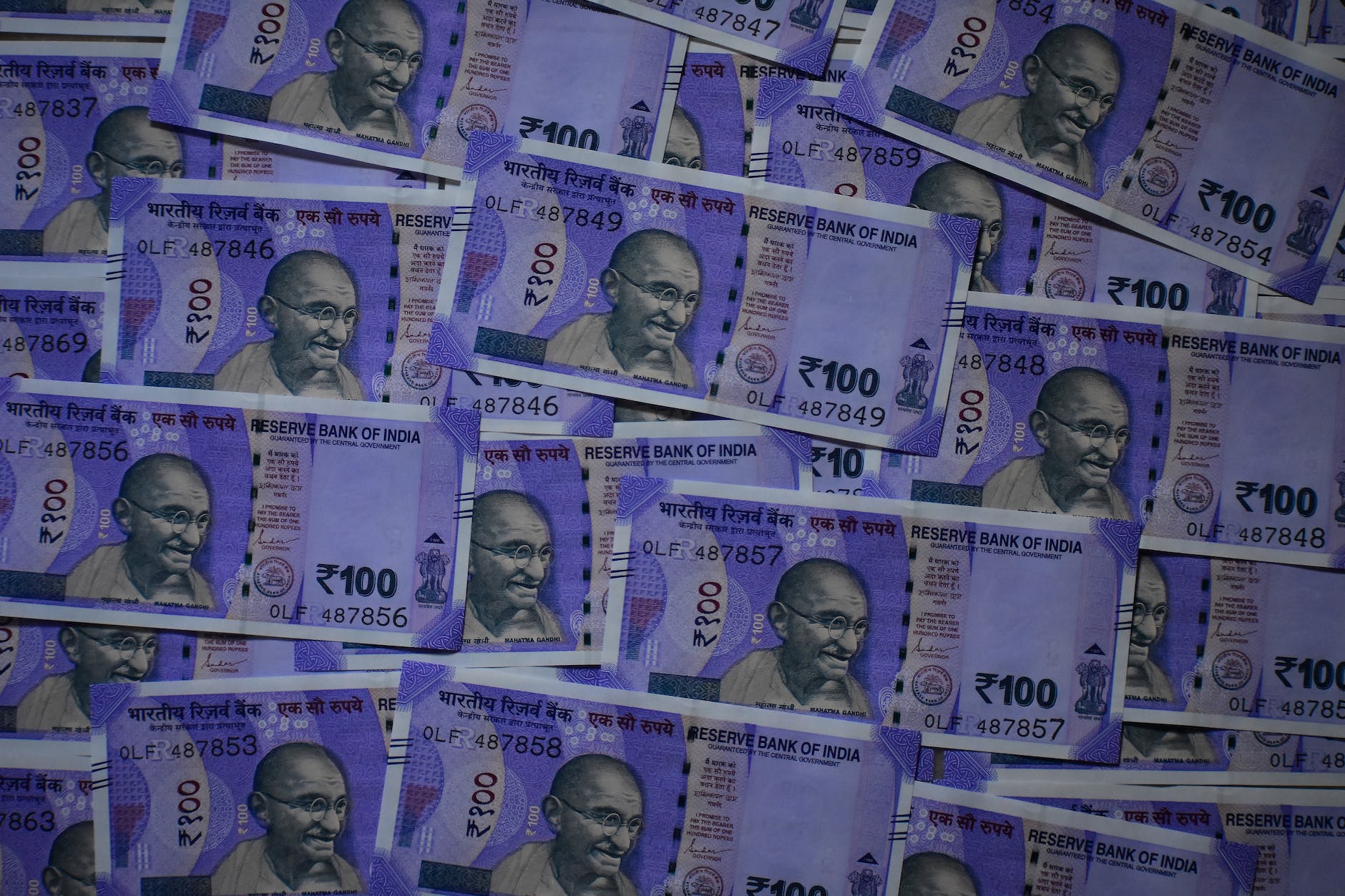
USA removes India from its currency monitoring list.

The United States Department of Treasury has taken off India’s name from the from its Currency Monitoring List of major trading partners. In its biannual report to Congress, the US’ Treasury Department conveyed that along with India, it had also removed Mexico, Thailand, Italy and Vietnam from the list. With this, seven economies that are now on the current monitoring list include Japan, China, Korea, Singapore, Germany, Malaysia and Taiwan.

The Currency Monitoring List closely follows the currency policies of some of the US’ major trade partners. If a country appears on the list, it is regarded as a “currency manipulator”. A ‘currency manipulator’ is a designation that the US government authorities give to countries that according to the US, engage in “unfair currency practices” for trade benefits. Thus, inclusion in the list simply means that the country is artificially lowering the value of its currency to get an advantage over others. This is because a lower currency value leads to reduced export costs from that country. 

Removal of India from the list by the US’ Treasury Department can be seen as a positive news both in terms of market aspect and India’s monetary policy-making. If Indian market experts are to be believed, the development means that the Reserve Bank of India (RBI) can now take robust measures to manage the exchange rates effectively, without being tagged as a currency manipulator. This may also be a big win from a markets standpoint and also signifies the growing role of India in global growth.

USA removes India from its currency monitoring list.

The United States Department of Treasury has taken off India’s name from the from its Currency Monitoring List of major trading partners. In its biannual report to Congress, the US’ Treasury Department conveyed that along with India, it had also removed Mexico, Thailand, Italy and Vietnam from the list. With this, seven economies that are now on the current monitoring list include Japan, China, Korea, Singapore, Germany, Malaysia and Taiwan.

The Currency Monitoring List closely follows the currency policies of some of the US’ major trade partners. If a country appears on the list, it is regarded as a “currency manipulator”. A ‘currency manipulator’ is a designation that the US government authorities give to countries that according to the US, engage in “unfair currency practices” for trade benefits. Thus, inclusion in the list simply means that the country is artificially lowering the value of its currency to get an advantage over others. This is because a lower currency value leads to reduced export costs from that country. 

Removal of India from the list by the US’ Treasury Department can be seen as a positive news both in terms of market aspect and India’s monetary policy-making. If Indian market experts are to be believed, the development means that the Reserve Bank of India (RBI) can now take robust measures to manage the exchange rates effectively, without being tagged as a currency manipulator. This may also be a big win from a markets standpoint and also signifies the growing role of India in global growth.

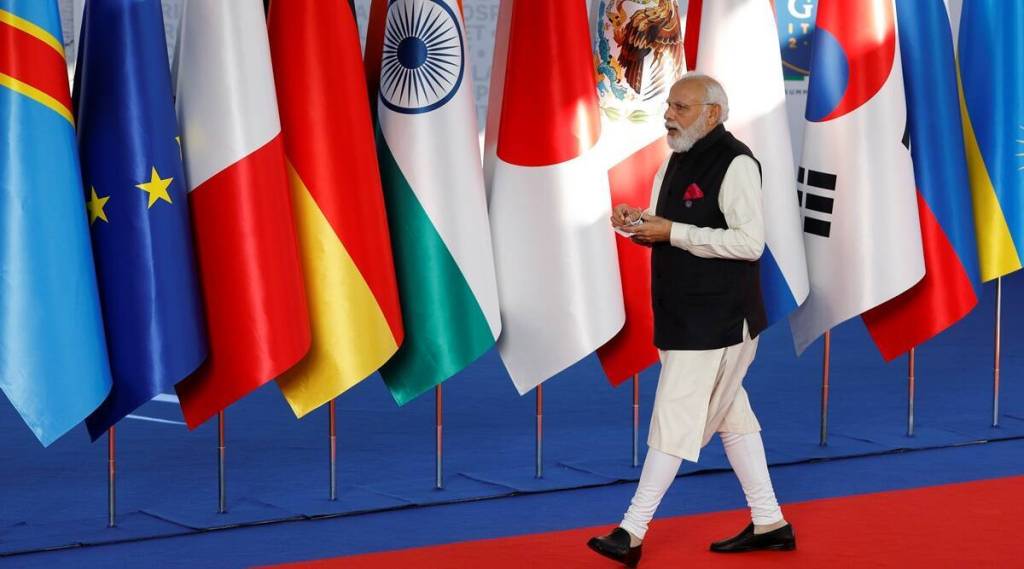
G20 Summit 2022 in Bali, Indonesia

Prime Minister Narendra Modi will hold bilateral discussions with G20 leaders on a range of issues including energy security, health, food, and environment at the summit in Bali, Indonesia.

  • India will officially assume the presidency of the G20 from 1 December 2022.
  • Prime Minister Modi will hold bilateral meetings with leaders of various G20.
  • PM Modi said that it will be a proud moment for India to preside over the G20.

Before leaving for Indonesia’s capital Bali to attend the G20 summit, the prime minister said in a statement that he would also underline India’s achievements and “unwavering commitment” in finding collective solutions to global challenges. On the sidelines of the G20 summit, I will meet several world leaders attending the summit and review the progress of India’s bilateral ties with them.

G20 Summit 2022 in Bali, Indonesia

Prime Minister Narendra Modi will hold bilateral discussions with G20 leaders on a range of issues including energy security, health, food, and environment at the summit in Bali, Indonesia.

  • India will officially assume the presidency of the G20 from 1 December 2022.
  • Prime Minister Modi will hold bilateral meetings with leaders of various G20.
  • PM Modi said that it will be a proud moment for India to preside over the G20.

Before leaving for Indonesia’s capital Bali to attend the G20 summit, the prime minister said in a statement that he would also underline India’s achievements and “unwavering commitment” in finding collective solutions to global challenges. On the sidelines of the G20 summit, I will meet several world leaders attending the summit and review the progress of India’s bilateral ties with them.

World Human Rights Day

World Human Rights Day encourages everyone to speak up and take action to stop all forms of prejudice, whenever and wherever it occurs. In a nutshell, this is the meaning of World Human Rights Day.

World Human Rights Day 2022, like all other World Human Rights Days, is a day to honour people who have campaigned for and protected human rights. It is also a day to think about the future and figure out what needs to be done to make society more equitable for all.


The United Nations has even established a reward, the United Nations Prize in the Field of Human Rights, which is awarded on World Human Rights Day to courageous persons who have done much to promote World Human Rights Day. There have been ten awards since the award’s inception in 1968, with numerous prize recipients.

On World Human Rights Day in 2022, many people should be honoured. UN Prize Winners, of course, as well as more famous personalities such as Nelson Mandela, but more importantly, common people and organisations who fight for Human Rights on a daily basis. Who, arguably, are the most important persons in the world.

What are Human Rights?

Human rights are rights that apply to everyone. This means that everyone, no matter who they are, should be treated equally and respectfully. People should not be discriminated against because of their gender, race, skin colour, sexual orientation, religion, or country of origin.

Why do we celebrate Human Rights Day? 

Human Rights Day commemorates the day in 1948 when the United Nations (UN) formally adopted the Universal Declaration of Human Rights. The United Nations was founded immediately after World War II to preserve the rights and freedoms of people throughout the world, and it still does so today.

The Declaration of Human Rights was written to serve as a “common standard of success for all peoples and states.” This document has been translated into over 500 languages and is the world’s most downloaded document

Eleanor Roosevelt, a former First Lady of the United States, was a key figure in the development of the Universal Declaration of Human Rights. She chaired the Commission on Human Rights and was later given the United Nations Human Rights Prize.

Human Rights Day 2022 Theme 

Human Rights Day has a different theme each year. Previous themes have included Equality (2021), Recover Better (2020), and Youth Standing Up for Human Rights (2019), among others.

The 75th Anniversary of the Universal Declaration of Human Rights will be the theme of Human Rights Day 2022.

When is World Human Rights Day 2022? 

Every year on December 10th, the world observes World Human Rights Day. On the same day in 1948, the United Nations enacted the Universal Declaration of Human Rights. This anniversary happens on a Friday in 2022. How will you commemorate World Human Rights Day in 2022?

DISASTER MANAGEMENT


Nature manifests itself in a variety of ways, both gentle and aggressive. We can see how it can be calm at times and then become fierce at others. Of course, everyone admires the calm side, but when the ferocious side emerges, devastation ensues. Because humans cannot control everything, certain natural phenomena are beyond our control. Similarly, when natural disasters occur, humans have no control over them. We can, however, prevent them. In other words, whenever a calamitous situation arises that threatens life and the ecosystem, we require immediate action to save and preserve lives. Natural disasters are unpredictable and can occur anywhere and at any time. To fully comprehend disaster management, we must first identify the various types of disasters. Looking at previous disasters, we can easily conclude that nature is not solely to blame for their occurrence. They occur for a variety of reasons. This is why we divided them into different groups. Then there are natural disasters caused by natural processes. They are the most dangerous natural disasters that cause loss of life and damage to the environment. Earthquakes, floods, volcanic eruptions, hurricanes, and other natural disasters are among the deadliest. There are also man-made disasters. They are the result of technological flaws or human negligence. Fires, nuclear explosions or radiations, oil spills, transportation accidents, terrorist attacks, and other man-made disasters are examples. Nature has little or no say in these kinds of disasters. Because no country is immune to natural disasters, India is no exception. India’s geographical location makes it a disaster-prone country. Every year, India is hit by a slew of natural disasters, including floods, earthquakes, tsunamis, landslides, cyclones, and droughts. When it comes to man-made disasters, India has seen the Bhopal Gas Tragedy as well as the Gujarat Plague. To prevent similar incidents from occurring in the future, we must improve our disaster management techniques. Disaster management is the effective management of resources and responsibilities to lessen the impact of a disaster. It entails a well-planned course of action so that we can make effective efforts to minimise the dangers caused by the disaster.

Most importantly, disaster management does not necessarily eliminate the threat, but rather reduces the impact of the disaster. It focuses on developing specific plans to accomplish this. In India, the National Disaster Management Authority (NDMA) is in charge of disaster monitoring. This organisation has several programmes in place to reduce risks and improve responsiveness. Proper disaster management can be accomplished by making citizens aware of the precautionary measures to be taken in the event of an emergency. For example, everyone should be aware that in the event of an earthquake, we should seek shelter beneath a bed or table. As a result, the NDMA must make more concerted efforts to reduce the damage caused by disasters. We can certainly save a lot of life and vegetation if all citizens learn the basic ways to save themselves and the government takes more responsive measures.

TOP 20 SCHOOLS IN DELHI-2022

Delhi is the national capital territory and contains the capital of India, New Delhi. It is known for its historical sites, marketplaces, tourist attractions, and food. Delhi, India’s most visited city, has numerous tourist attractions such as the Qutb Minar, Red Fort, Humayun’s Tomb, Lotus Temple, India Gate, Jama Masjid, and Akshardham. Cannaught Place, Chandni Chowk, Nehru Place, and Dilli Haat are among the busiest markets in the city. Delhi also has some fantastic educational institutions. As the nation’s capital, Delhi has some of the best schools in India, with extensive facilities that set them apart. Audio-visual Techniques, Smart Classes, Sports Facilities (such as Skating Rinks and Football Fields), Olympic size Swimming Pools, Computer-Aided Teaching Techniques, Gymnasiums, Libraries, Health Clinics, Security & Disaster Management Techniques, and so on. Schools aid in the development of children’s foundations. Thus, students who attend Delhi Schools have very bright futures and excel in every field, whether academic or extracurricular. According to a 2001 survey, Delhi had 2416 primary schools, 715 middle schools, and 1576 secondary schools. The schools are affiliated with the Delhi-based CBSE or ICSE boards, which are the most important educational boards in India. Some schools are also affiliated with international boards such as the IB. Delhi, one of the most populous cities in the world and the second most populous city in India, has a significant need for education. The city is home to some truly outstanding schools. The following are the top 20 best schools in Delhi.

20. AHLCON INTERNATIONAL SCHOOL

Mrs. Sheila Dikshit, former CM of Delhi, dedicated the school in 2001. According to Education World, it was ranked 11th in the Delhi/NCR region and 7th in Delhi in 2018 and 2017. The school was ranked first in an all-India survey conducted by Education World and C-Fore 2016, in 2014. These are just a few of the awards held by Ahlcon International School. As a result, proving that it is one of the best schools in Delhi.
The campus covers an area of 8000 square metres. It has a swimming pool, sports areas, sectional libraries, smart classes, wifi, indoor sports facilities, dance and music rooms, and so on.

19. ST. MARK’S GIRLS SENIOR SCHOOL

Mr T.P. Aggarwal, the founding Chairman, established the school in 1975. It educates approximately 3500 students in English medium up to class XII.
The campus covers an area of 2 acres. Football, volleyball, cricket, handball, and basketball are among the sports offered at St. Mark’s Girls Senior Secondary School. It has a library, a separate table tennis room, and a recreation room, among other things.
There were three top scorers in the previous session across the three streams offered by the school. Apart from providing quality education and focusing on academics, the school also emphasises co-curricular activities.

18. HILLWOOD ACADEMY

Hillwood’s Academy has grown dramatically since 1982, from 14 members to 2550. It has grown to be one of Delhi’s top schools. Hillwood’s Academy provides high-quality education to all students.
The campus is beautiful and well-equipped. In academics, there were three top scorers with over 90% aggregate in the previous session. The school also recognised nine meritorious students for excelling in individual subjects. The students also excelled in games and co-curricular activities such as shotput, javelin, 100 m & 200 m race, high jump, 4 X 100 m race, Hindi Debate, English Debate, Extempore Speech, and various quizzes at the zonal levels.

17. DOON PUBLIC SCHOOL

Doon Public School is regarded as one of the best schools in the Delhi NCR region. It has been working for the betterment of students and providing quality education to them since its inception.
The school has an excellent infrastructure and numerous facilities. It is the first school in India to use a computer-assisted teaching and learning system. Smart classrooms with plasma screens and a Smart assessment system are available throughout the school. It has surveillance I-cards, a digital math lab, a digital library, a digital language lab, and a gymnasium.
Students can stay at this school if they wish. As a result, students from all over the world are invited to the school.

16. BLOOM PUBLIC SCHOOL

Bloom Public School first opened its doors in 1996. Mr Ashutosh Batta founded it. It is one of the best schools in Delhi, as well as one of the top ten schools in south Delhi, according to the Hindustan Times Survey.
The school has a beautiful campus with CCTV security. It has a Music and Dance Room, a Craft and Arts Room, a Library, well-equipped labs, an auditorium, multiple sports areas, an infirmary, and transportation facilities.
Bloom Public School has a clear focus on studies and academics, so smart Classes are available on campus. As a result, students will receive a higher quality education.

15. ST. FRANCIS DE SALES SCHOOL

Father Thomas Thoomkuzy founded the Catholic School in 1978 with only 117 students and was blessed by His Excellency Rt. Rev. Dr Luciano Storero. It is regarded as one of the best schools in Delhi.
The school has a good infrastructure and a variety of facilities. Science labs, computer labs, language labs, EG labs, a math lab, a library, and an AV room are all available. The AV room is provided to improve knowledge perception. For emergency situations, there is a medical and health checkup room. The school has been working hard to provide its students with a high-quality education.

14. NIRMAL BHARTIYA PUBLIC SCHOOL

Nirmal Bhartia Public School opened its doors in 2005. However, due to unforeseen circumstances, the school was unable to function properly. The Nirmal Society then appointed a new leader and restarted the school in 2006.
The campus has a good infrastructure. A central court, PE and sports facilities, a garden, the arts centre, the media pod, a library, and well-equipped labs are all part of it. There are three types of neighbourhoods: junior, middle, and senior.
Nirmal Bhartia Public School has a Special Education Needs programme in which children receive individualised attention. Each child is maximised to his or her full potential here, and he or she learns about his or her uniqueness and strength.

13. DON BOSCO SCHOOL

Don Bosco School, founded in 1980, is one of the best boys’ schools in Delhi. It is affiliated with the CBSE and offers education through Class XII.
The campus has a massive 10-acre infrastructure that includes a massive auditorium, well-equipped labs, a sports area, a well-stocked library, and a counsellor room. In the school, a KYAN facility has been installed. It is known as KNOWLEDGE-YAN, and it includes a computer, projector, and television. Aside from academics, the students excel in co-curricular activities. In 2013, the school was ranked 15th among India’s best schools. In the same year, it was the second-best school in Delhi and ranked first among New Delhi’s best schools.

12. THE BRITISH SCHOOL

The British School was founded in 1963 by a group of British parents. It began with 40 students from six different countries in New Delhi’s Defence Colony.
The British School has a wide range of students. The school not only educates Indian children but also children from all over the world. It even has faculty members from all over the world. In previous sessions, approximately 97.5% of students met the minimum grade criteria. Under the direction of the School’s teachers, the students have consistently performed admirably.
Air-conditioned classrooms, tutorial rooms, interactive Promethean boards, a half-Olympic-sized swimming pool, an auditorium, a multi-purpose sports hall, an Innovation Lounge, and multi-level dedicated libraries are among the campus’s amenities.

11. CONVENT OF JESUS AND MARY

The Convent of Jesus and Mary, founded in 1919, is one of the best schools in Delhi. It educates girls up to Class XII in the fields of Humanities, Science, and Commerce.
The campus has a good infrastructure, including well-equipped labs, gyms, and courts, a music room, arts and crafts rooms, a library, and three event halls. Three of the students finished first in their class with an average of more than 96% in the previous session. The school makes a concerted effort to improve the child’s overall development by enhancing academics and extra-curricular activities.

10. GYAN BHARTI PUBLIC SCHOOL

Gyan Bharati School, founded in 1980, provides quality education to students up to class XII.
The school has a massive infrastructure covering more than 7 acres. It has many amenities, such as smart classrooms, well-equipped labs, a library, and a large playground.

9. SANSKRITI SCHOOL

Sanskriti School, founded on May 30, 1996, by Smt. Hemi Surendra Singh, Chairperson, Civil Services Society, is one of the best schools in Delhi.
The school has a massive infrastructure covering 7.6 acres and a wide range of facilities. A swimming pool, Dance Room, Gym, Music Room, Canteen, Amphitheatre, Library, Transportation Facilities, and Health & Medical Checkup Facilities are among the amenities. Because it follows the curriculum of the Central Board of Secondary Education, New Delhi, the school places a strong emphasis on academics.
The Learning Center is a specialised unit that provides training through three different media.
Exemptions from CBSE patterns
Non-academic, functional curriculum with pre-vocational skills from the NIOS Board

8. CARMEL CONVENT SCHOOL 

The Carmel Convent School began in 1957 with a class of about 60 students to provide education to girls. There are currently over 2000 students enrolled.
The school has a large campus with well-ventilated classrooms that are surrounded by lawns and playgrounds. It has well-equipped labs, a library, a basketball court, a badminton court, a volleyball court, a table tennis hall, and an auditorium for students. For better understanding, there is a Teacher Resource Center and an Audio Visual Room. Academically, the students performed admirably, with 35 students scoring above 90% and three school toppers scoring more than 96%.

7. MOTHER’S INTERNATIONAL SCHOOL

Mother’s International School was founded in 1956 by the Sri Aurobindo Education Society, an agency of the Sri Aurobindo Ashram. C-Fore Best School Survey ranked it as one of the top ten schools in India and the best school in Delhi in 2001.
Over 2500 students are currently enrolled on the campus. It has three tracks: science, commerce, and humanities. English, Hindi, Sanskrit, and French are among the four languages taught.
The school provides a wide range of extracurricular activities based on the interests of the students. Pottery, clay modelling, carpentry, drama, quizzing, yoga, taekwondo, gymnastics, s.education, music, and art groups are all available.

6. BAL BHARTI PUBLIC SCHOOL

Bal Bharti Public School was founded in 1944 and is managed by the Child Education Society. Padma Vibhushan Lala Hansraj Gupta, an Indian philanthropist, founded the Child Education Society.

5. APEEJAY SCHOOL

Apeejay School was founded in 1975 by Sushma Berlin, a member of the Apeejay Education Society. It is recognised by the Central Board of Secondary Education in New Delhi.
It is one of the best schools in Delhi, with a sprawling 6.5-acre campus. A large playground, well-equipped labs, a library, a swimming pool, indoor game facilities, a skating rink, Health & Medical Check-up facilities, an Amphitheatre, and an Atal Tinkering Lab are among the many amenities available.
Apeejay School students excel academically; one student, Sarthak Gupta, was honoured by Hon’ble HRD Minister, Mr Prakash Javedkar, for scoring Magnificient in the Special Category. Vinayak Tripathi of Class 8 achieved an international chess ranking.

4. SPRINGDALES SCHOOL 

Springdales School was founded in 1955 and initially affiliated with CISCE before switching to CBSE, New Delhi.
The campus has a good infrastructure and plenty of facilities, such as math and science labs, a well-equipped library, a playground, a computer resource centre, an auditorium, an open-air stage, and a Teachers’ learning centre.
Academically, Class XII results from the previous session were outstanding. Priyanka Gupta won the competition with a score of 98.6%. Nineteen students received a grade of 95% or higher. One-third of the students in the school scored above 90%. The outcome was perfect, with not a single failure.

3. VASANT VALLEY SCHOOL

Vasant Valley School, which opened in 1990, now has over 1250 students. The CBSE, New Delhi, has accredited the school.
The Campus has a good infrastructure, including an open-air assembly area that connects the two main buildings. Each building has labs for science, art, dance, and music, as well as a library. In addition, the school has provided both indoor and outdoor play areas. Vasant Valley School places a premium on its students’ academic performance. There is a system of monthly tests and an additional examination beginning in Class IX. Hobby programmes shape a student’s individual interests. Physical Education programmes are available at the school for a child’s overall development.

2. DELHI PUBLIC SCHOOL, R.K PURAM

The Delhi Public School Society, which was founded in 1972, runs the shelter, which houses over 9500 students. It is a CBSE-accredited co-educational school in New Delhi.
The school has an excellent campus with a wide range of facilities. DPS has a computer lab, think lab, web resource centre, maths lab, robotics lab, physics lab, chemistry lab, bio lab, and biotechnology lab. Because Delhi Public School is a day and boarding school, it has a hostel for both boys and girls. There is a music centre, art rooms, and a sports complex for the student’s overall development. A clinic is also present to keep the students’ health in check.

1. SARDAR PATEL VIDYALAYA

Sardar Patel Vidyalaya, or SPV, was founded in 1958 by the Gujarat Education Society and is one of the best schools in Delhi. The CBSE, New Delhi, has accredited the school.
The majority of facilities are available at the school. A library, art and craft centre, auditorium, well-equipped labs, and indoor and outdoor sports areas are among the amenities. Sardar Patel Vidyalaya has made special accommodations for those who are visually impaired. There is an elevator that can accommodate a wheelchair and provides access to all of the campus’s floors. There is an audio-visual room for ease of instruction and learning, which aids in better knowledge delivery and enhanced perception.


FREEDOM OF SPEECH AND IT'S IMPORTANCE


Some people have misinterpreted the phrase “Freedom of Speech” because they either do not fully understand the meaning of the phrase or have a different agenda in mind. Every democratic country provides this freedom to its citizens. The same is guaranteed by the Indian Constitution. As an Indian, you have that freedom regardless of your gender, religion, caste, or creed. This guaranteed fundamental freedom defines a country’s democratic values. India is fundamentally made up of the freedom to practise any religion and the freedom to express opinions and opposing viewpoints without hurting feelings or causing violence. Indians are notable for their secularism and commitment to spreading democratic values throughout the world. Thus, to save and celebrate democracy, India must enforce free speech. Freedom of expression is not only a fundamental right; it is also a fundamental duty that every citizen must fulfil to preserve the essence of democracy. We see “free speech” in developed democracies like the United States, United Kingdom, Germany, and France that differs from authoritarian countries like China, Malaysia, and Syria, as well as failed democratic countries like Pakistan and Rwanda. These governance systems failed due to a lack of freedom of expression. The freedom of the press serves as a yardstick for measuring a country’s freedom of expression. Some governments become extremely hostile when confronted with any form of criticism, and they attempt to silence any voices that may oppose them. This becomes a dangerous governance model for any country. For example, India now has over a hundred and thirty crores of people, and we can be certain that no two people will have the same thought process, views, and opinions about the same thing. True democracy is defined by the diversity of opinions and the mutual respect that people have for one another in the policymaking team. Before making a decision, consider all aspects and perspectives on the subject. A good democracy will involve all citizens, supporters and critics alike, before developing a policy, whereas a bad democracy will marginalise its critics and impose authoritarian and unilateral policies on all citizens. During the pre-independence era, sedition law, a British-era law, was used in India to stifle criticism and limit freedom of speech. According to Section 124A of the Indian Penal Code, if a person’s words, whether written or spoken, incite hatred, contempt, or tension towards a government or an individual, he or she can be fined, imprisoned, or both. The right to free expression cannot be absolute. Hatred, tensions, bigotry, and violence cannot be instilled in society in the name of free speech. Allowing freedom of speech in the first place will then be ironically wrong. Freedom of speech and expression should not be used to create chaos and anarchy in a country. When Article 370 was repealed in Kashmir, freedom of expression was stifled. Not that the government was trying to undermine democratic values, but they needed to keep fake news, terrorism, and communal tensions at bay in those areas. Before formulating any policies, a good democracy involves all of the people – all of their supporters and detractors alike. During the pre-independence era, India had the Sedition law, a British-era law used to stifle criticism and limit freedom of speech. According to Section 124A of the Indian Penal Code, this law of sedition states that if a person’s words, whether written or spoken, incite hatred, contempt, or tension towards a government or an individual, he can be fined, imprisoned, or both. People use freedom of speech to spread hatred, unnecessary tensions, bigotry, and some violence in society. Allowing freedom of speech will, ironically, be wrong in such cases. People in our country have the freedom to express themselves, to share their ideas, views, and opinions openly, where the public and the media can express and comment on any political activities and can also express their dissent towards anything they believe is inappropriate. Different countries have different restrictions on free expression. And it is inappropriate to comment on that. Some countries do not allow this fundamental right, such as North Korea, where neither the media nor the public has the right to speak against or even for the government, and openly criticising the government or anyone, in particular, is a punishable offence.

POLLUTION DUE TO URBANISATION


Urbanization is a fantastic concept that is required for any country to develop. It refers to the concept of urbanising remote areas by constructing infrastructure, which leads to development. Infrastructure includes all of the structures and institutions required for economic development to occur in a given area. Educational institutions, such as schools, colleges, and vocational learning centres, are examples of infrastructure. Healthcare facilities such as hospitals and clinics, employment opportunities, food security, and so on are all part of a country’s infrastructure. It is common to see a large corporation set up a shop in a rural area, and then infrastructure is built around it, as well as development and urbanization. Jamshedpur is an example of such a place, where Tata Industries established itself many years ago and helped to develop the area. Thus, urbanisation encourages people to live better lives by providing them with more opportunities to do so through education, employment, and so on. However, it should be noted that urbanisation is one of the leading causes of pollution in today’s world. Pollution comes in many forms, including air pollution, water pollution, soil pollution, and noise pollution. Every aspect of urbanisation contributes to one or more of these types of pollution. Factories and mines contribute to air pollution by emitting fumes into the atmosphere. The pollution of the water and soil around factories caused by their flowing septic is hazardous to both humans and aquatic life. Noise pollution is also caused by mine noises, the whirring of machinery in factories, and other sources. Furthermore, it is not only large industries that contribute to pollution caused by urbanisation. Part of urbanisation includes road development, which means more cars, buses, two-wheelers, three-wheelers, trucks, and so on on the road. All of these contribute to noise pollution due to constant honking, as well as air pollution due to the fumes emitted by all motor vehicles. Even when we are stuck in traffic in our cars, the fumes that surround us on the roads make it difficult to breathe. Imagine what so many fumes are doing to our planet if we are having difficulty breathing. Pollution occurs when unwanted substances contaminate the air, water, or soil. The fumes from factories and motor vehicles on the road contribute to air pollution. Soil and water pollution occur as a result of septic waste being released into the soil or water surrounding a factory. Even oil spills contribute significantly to water pollution, and all types of pollution are hazardous to live beings. Another type of pollution is noise pollution, which is caused by car horns, loud sounds in factories, the passage of planes and trains, and so on. The need for economic development leads to urbanisation. It refers to the process of making a relatively rural or remote area more urban by constructing roads, hospitals, schools, and offices, among other things. In this way, urbanisation promotes development, which is extremely beneficial to all countries. However, all of the wonderful things that urbanisation brings, such as factories to work in, motor vehicles to drive, and so much more, all contribute to increasing pollution. Even though urbanisation is critical for a country, it is also critical to address all types of pollution. One of the most pressing issues confronting our civilization today is pollution. Humans face significant challenges as their environment deteriorates daily. Pollution is defined as the mixing of any toxic element or contaminants in our natural environment. As a result of human activities, many contaminants are introduced into the natural environment, contaminating it too dangerous levels. Urbanisation is one of the factors that contribute to pollution. The negative aspect of urbanisation is the pollution emitted by manufacturers. Their equipment emits smoke into the environment, pollutes nearby water streams and land, and makes a lot of noise. As a result, there is a lot of pollution as a result of urbanization, which is extremely harmful to the environment when it first starts. Urbanization is responsible for the vast majority of pollution in our environment. It’s because factories are springing up everywhere, there are more cars on the road now, and so on. Urbanization is a huge step forward for any country, and it is and should be the primary goal of every country. All people on the planet should have access to adequate healthcare, education, sanitation, nutrition, and safety, and urbanisation can help us achieve this goal. However, in the process of achieving this goal, we must not forget that pollution caused by urbanisation occurs and is extremely dangerous for the planet and, as a result, all species living on Earth in the long run.

India is moving towards a faster decade

With the introduction of 5G in Hyderabad and Bangalore, India has been able to get into the era of 5G. It is going to be a major change in the technological advancement in India. 

On the network front, the trials are still going on for 5G in some other parts of our country. There will be an introduction of 5G in the rest of the country also. The introduction will happen very soon. The telcos are currently busy giving the final ok to the network performance for a better experience for the public. 

Among all this, companies like BSNL have not been able to launch even 4G in our country. As the latest development, the contract has been given to TCS for the installation of the towers and the technology which will be taking care of the entire system. It will be the biggest order for a home-grown technical implementation in India. 

Now, the next phase for BSNL will be to launch the 5G services along with 4G as soon as possible. For that, the work is going on. It is expected that BSNL will launch 4G by December or January and 5G will be rolled out by August next year.

On the private telcos front, Jio is the one which has launched 5G in Hyderabad and Bangalore. Airtel is also working hard to launch the latest 5G network in the market. 

In the field of internet-related technology and especially equipment, there are some companies which are considered the world leader. The companies are Nokia, Ericsson and Huawei. 

https://unsplash.com/photos/eYwn81sPkJ8

So, if India becomes successful in developing the technology for implementing such revolutions in a country like India. Then, India will be one of the few countries that have been able to implement indigenous built technology in the country.

For those, who are not in touch with such development, the private telcos are planning to launch the services in the metro cities at first. After that, the rest of the country will be able to experience it. 

In case of advantages, 5G has better speeds than 4G. The network also provides a greater number of devices to be connected. The new network will also provide better stability than the previous generations.

These new implementations will also likely increase job opportunities in the tech field.

The new launch will also initiate more locally made technologies in the future. In recent times, even Tata has been able to get the opportunity to make iPhones in India.

There is also an initiative which will allow some companies to manufacture chips in our country. It is necessary as there is a shortage of chips in India. All of these changes will surely improve the scenario of the tech world in India.  There will also be some challenges to the implementation that the companies will have to tackle. It will also reveal some underlying concerns regarding the networks and the possible issues that the beta users will generally face during the trials. All of these factors will slowly disappear. Now, we will see how the 5G changes the face of our country. 

IMPORTANCE OF TRANSLATION

When it comes to translation, everyone understands how important it is. Companies and businesses that only operate in English may suffer. When you understand how important translation is for everyone, you will see it as a necessary and worthwhile investment. You will also require a professional translator or a translation company for this. Without a doubt, English is a widely spoken language. However, many of those figures include people who speak English as a second language. This implies that most people will respond better if they are addressed in their native language.

These individuals understand and comprehend English. They have no trouble stringing words together to form a sentence in response to whatever you ask them. But you won’t be able to communicate with them effectively unless you speak the language that their heart speaks (their native language).

The majority of people simply prefer their native language. It’s what they’re most at ease with, and it shows in their confidence when they speak. Although English is a widely spoken language, there are still some people who do not understand it. And just because someone can communicate in English does not mean they can communicate effectively enough to navigate every situation. Language is much more than just the exchange of words. It is a form of expression; it reflects culture, society, and belief. When it comes to holding a proper conversation, if a person does not understand the English language fluently and completely, there may be some miscommunication. Communication and travel are becoming more advanced. When it comes to doing business abroad, geography is no longer an issue. The only stumbling block would be a language barrier. These mega-corporations require high-quality translation to effectively communicate and grow their businesses. The translation isn’t going away anytime soon, with such high demand. English may not always be the most widely spoken language on the planet. Other languages are becoming more important as the world grows. Developing countries are gaining a foothold in the global economy, and their citizens are gaining access to the Internet and the world around them. English may not be the most important language in the world economy in the coming years. This is why, as a global economy, we require translation in order to accommodate all languages. One of the most significant advantages of translation is the ability to reach a larger audience. Translation can help businesses appeal to organisations all over the world by extending their brand, purpose, and goals to people all over the world. You’ll be able to reach markets you never knew existed. You will be able to open up new avenues of possibility with translation, which will help you in the future. Nowadays, information technology is constantly evolving. Legal and informative documents can be difficult to translate. You will be able to create a common understanding across many different languages with technical translation, which will greatly benefit your business. The translation is more than just for business development. If you are working with someone who does not speak English, legal translation will ensure that there is no room for misunderstanding in any proposal you are attempting to make. This translation will clarify everything about legal matters and appeal to the international market in terms of forming partnerships. The most significant impact of translation has been in the field of travel and tourism. Translation has enabled businesses to provide exceptional services in a variety of languages, from documents and brochures to terms and conditions agreements. Customers from all over the world want to travel, and it is up to travel companies to make this as simple as possible. When simultaneous interpretation is used properly in travel and tourism, everyone benefits.