All about Civil Services Exam

UPSC has declared the final result for Civil Services 2021 in which Shruti Sharma, Ankita Agarwal and Gamini Singla have secured the first, second and third rank respectively.

Civil Services Examination (CSE) is one of the examinations conducted by the Union Public Service Commission to recruit suitable candidates into civil services of India including IAS, IPS, IFS, and other allied services.

The prescribed UPSC exam eligibility criteria are that the candidate should be a graduate and must have attained 21 years of age. There is also an upper age limit and a number of attempts restriction based on the candidate’s category. Generally, the upper age limit is 32 years, but the commission gives age relaxation for OBC, SC, ST and PH candidates.

The UPSC exam is held in three stages. The three stages are Prelims, Mains and Interview/personality test. The prelims exam consists of two papers of objective type questions. Paper 1 is GS paper Paper 2 is CSAT (Qualifying in nature- 33%). The mains exam consists of nine descriptive type papers. The last stage consists of an interview round with the UPSC board. Candidates should clear each round in order to qualify for the subsequent round. Final merit is based on combined marks obtained in Mains and Interview.

In Mains there is one Essay Paper, 4 GS papers and 2 Papers for Optional Subject (all of 250 marks) which a candidate has to select from a prescribed list according to his/her interest. Some of the optional subjects are – Agriculture, Animal Husbandry and Veterinary Science, Anthropology, Botany, Chemistry, Civil Engineering, Commerce and Accountancy, Economics Electrical Engineering, Geography, Geology, History, Law, Management, Mathematics, Political Science and International Relations, Public Administration, Sociology etc.

  • PAPER-I: Essay: 
  • PAPER-II: General Studies-I: Indian Heritage and Culture, History and Geography of the World and Society. 
  • PAPER-III: General Studies- II: Governance, Constitution, Polity, Social Justice and International Relations. 
  • PAPER-IV: General Studies-III: Technology, Economic Development, Biodiversity, Environment, Security and Disaster Management. 
  • PAPER-V: General Studies- IV: Ethics, Integrity, and Aptitude 
  • Paper-VI and VII: Optional Paper-I and Optional Paper-II

There are to more papers which are qualifying in nature.

All about PMGKAY

The word PMGKAY may sound confused if we don’t know the full meaning of it. But after listening to the name itself the desi people will know what is that and what’s that mean at least to 20%. To know 100% let’s dig a bit deep into it.

PMGKAY stands for Pradhan Mantri Garib Kalyan Yojana, is a part of Pradhan Mantri Garib Kalyan Package, to help the poor fight the battle against COVID-19.

Its nodal Ministry is the Ministry of Finance.

This scheme was a temporary one and was announced for a period of 3 months i.e., (April, May and June 2020) to cover, 80 crore ration cardholders. Later it was extended till November 2020.

However, The scheme has been rolled out again for two months (May and June 2021) as the country’s healthcare infrastructure has reached its capacity and several states have taken steps like complete lockdown, night curfew to contain the spread of the disease.

  • The PM Garib Kalyan Yojana has benefitted BPL families during the pandemic time of COVID-19 and helped them overcome their losses.
  • Free food grains and LPG cylinders were provided to BPL families during the pandemic period.
  • Free food grains and LPG cylinders were provided to BPL families during the pandemic period.
  • An additional 25% of the undisclosed income is invested in the scheme which can be refunded after four years, without any interest.

The scheme aimed at providing each person who is covered under the National Food security act,2013 with an additional 5 kg grains (wheat or rice) for free, in addition to the 5 kg of subsidized food grain already provided through the Public distribution System.

Name of the schemePMGKY
Full-FormPradhan Mantri Garib Kalyan Yojana
Date of launch17th December 2016
Government MinistryMinistry of Finance

Daylight Saving Time (DST)

Daylight Saving Time (DST) is the practice of setting the clocks forward one hour from standard time during the summer months, and back again in the fall, in order to make better use of natural daylight. The purpose of doing so is that people will have one more hour of daylight in the afternoon and evening during the warmer season of the year.

The daylight saving time is followed in over 70 countries on various dates. In the Northern Hemisphere, Daylight Saving Time usually starts in March-April and ends in September-November. India does not follow daylight saving time; countries near the Equator do not experience high variations in daytime hours between seasons. It is mainly preferred in countries located around the Arctic Circle, as they experience large variation in daylight in the course of the year.

Several countries, including Australia, Great Britain, Germany, and the United States, adopted summer Daylight Saving Time during World War I to conserve fuel by reducing the need for artificial light.

A century ago, when DST was introduced, more daylight did mean less use of artificial light. But modern society uses so many energy-consuming appliances all day long that the amount of energy saved is negligible.

DST clock shifts sometimes complicate timekeeping and can disrupt travel, billing, record keeping, medical devices, and sleep patterns. Computer software generally adjusts clocks automatically.

There is also a disadvantage of DST which includes disruption of the body clock or circadian rhythm.

  • Circadian rhythm is the 24-hour cycle that tells our bodies when to sleep, rise, and eat—regulating many physiological processes.
  • Internal body clock is affected by environmental cues, like sunlight and temperature, and determines whether one feels wide-awake and energized or tired.

WHAT IS FULGAR LIFESTYLE?

FRUGAL LIFESTYLE

Person who do not spend money on himself to save money, has a frugal lifestyle. If done properly, you’ll be able to prioritize the things that matter to you most. You’ll prioritize spending money on those things that matter and cut back on spending in other areas. Luckily, frugality can mean very different things to different people.

Frugal Living Tips To Save A Ton Of Money

  • Stretch your food budget:
  1. Plan your meals in advance. Grow your own herbs and vegetables.
  2. Opt for less-expensive cuts of meat.
  3. Buy store brands and generic labels.
  • Take low-cost experiences:
    You don’t have to spend a lot of money to create Instagramable moments that you’ll enjoy.
  • Frugal entertainment tips:
  1. Take advantage of free days at museums and national parks.
  2. Have a family game night.
  3. Check out books, movies, magazines and DVDs from your local library.
  4. Use credit card rewards to score free flights, car rentals and hotel stays.
  • Find savings on household expenses:
    Save on your cell phone bill with automatic payments. Get free TV with a digital antenna. Use YouTube tutorials to be your own handyman. Refresh your cabinets with new paint and hardware.
  • Consolidate Debt:
    Paying interest on debt makes it hard to buy the things you really want.
  • Use freebies and coupons to save when shopping:
    Stick to a list and take other steps to avoid impulse buying. Hit up thrift stores. Browse in-person and online garage sales. Download a free coupon app. Stock up on nonperishable items when they’re on sale.
  • Embrace DIY projects:
    Create your own beauty products, like deodorant, face masks and dry shampoo. Make household cleaning products, like stain remover, window cleaner and laundry detergent, at home. Pull out a needle and thread to repair and tailor your clothing.

BENEFITS OF FRUGALITY

  • More Freedom To Pursue Your Passions
  • Earlier Retirement
  • Financial Contentment
  • More Money For Saving And Investing
  • Less Financial Stress

Representation of Women in Armed Forces

Recently, Captain Abhilasha Barak, created history by becoming the first woman officer to join the Army Aviation Corps as a Combat Aviator (pilot).

Captain Barak has been assigned to the second flight of the 2072 Army Aviation Squadron that operates the Dhruv Advanced Light Helicopter (ALH). While women officers in the Indian Air Force and the Indian Navy have been flying helicopters for long, the Indian Army paved the way for women pilots in 2021 by starting the ‘Army Aviation course’.

Army Aviation Corps is the component of the Indian Army which was established on 1st November, 1986, headed by a director-general at the Army headquarters in New Delhi.

It was inducted into ‘Operation Pawan’ which was a crucial test for the newly formed corps.

The Army Aviation Corps of the Indian Army primarily carries out the evacuation of the injured troops during operations or health emergencies in the high-altitude areas.

State of Women’s Representation in the Military

  • The Army, Air Force and Navy began inducting women as short-service commission (SSC) officers in 1992. This was the first time when women were allowed to join the military outside the medical stream.
  • One of the turning points for women in the military came in 2015 when Indian Air Force (IAF) decided to induct them into the fighter stream.
  • In 2020, the Supreme Court (SC) ordered the central government to grant permanent commission (PC) to women officers in the Army’s non-combat support units on par with their male counterparts.
  • In early 2021, the Indian Navy deployed four women officers on warships after a gap of almost 25 years.
  • There are 9,118 women currently serving the army, navy and air force.
  • According to 2019 figures, women comprise only 3.8% of the world’s second-largest army – compared to 13% of the air force and 6% of the navy.

Significance

  • Gender is not a Hindrance: As long as an applicant is qualified for a position, one’s gender is arbitrary. In modern high technology battlefield technical expertise and decision-making skills are increasingly more valuable than simple brute strength.
  • Military Readiness: Allowing a mixed gender force keeps the military strong. The armed forces are severely troubled by falling retention and recruitment rates. This can be addressed by allowing women in the combat role.
  • Effectiveness: The blanket restriction for women limits the ability of commanders in theatre to pick the most capable person for the job.
  • Tradition: Training will be required to facilitate the integration of women into combat units. Cultures change over time and the masculine subculture can evolve too.
  • Global Scenario: When women officially became eligible for combat positions in the American military in 2013, it was widely hailed as another step towards the equality of sexes. In 2018, the UK military lifted a ban on women serving in close combat ground roles, clearing the way for them to serve in elite special forces.

The United States, Israel, North Korea, France, Germany, Netherlands, Australia and Canada are among the global militaries that employ women in front-line combat positions.

It is the right of every woman to pursue a career of her choice and reach the top since Equality is a constitutional guarantee.

Biodiversity – Types and causes of loss

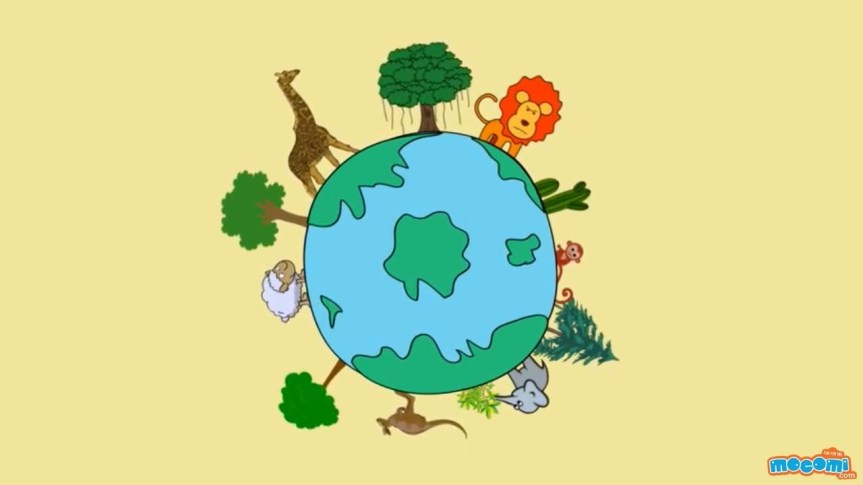
Diversity at all the levels of the biological organisation ca be classified into-

(i) Genetic diversity: A single species might show high diversity at the genetic level over its distributional range. India has more than 50,000 genetically different strains of rice and 1,000 varieties of mango. 

genetic diversity

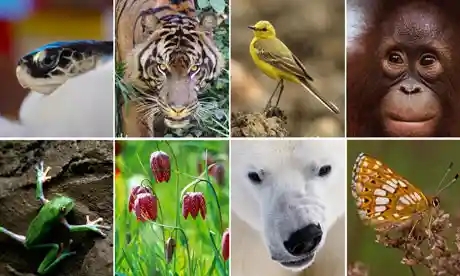
(ii) Species diversity: The diversity at the species level; for example, the Western Ghats have a greater amphibian species diversity than the Eastern Ghats. 

Species Diversity

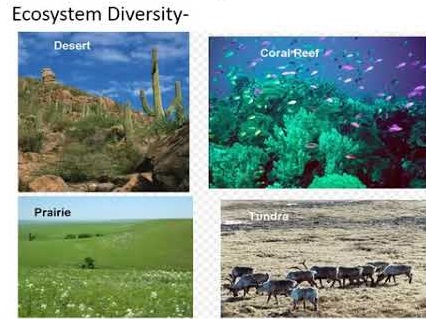
(iii) Ecological diversity: At the ecosystem level, India, for instance, with its deserts, rain forests, mangroves, coral reefs, wetlands, estuaries, and alpine meadows, has a greater ecosystem diversity than a Scandinavian country like Norway. 

Ecological diversity

Patterns of Biodiversity

  1. Latitudinal gradients: Species diversity decreases as we move away from the equator toward the poles. A forest in a tropical region like Equador has up to 10 times as many species of vascular plants as a forest of equal area in a temperate region like the Midwest of the USA.

What is so special about tropics that might account for their greater biological diversity?

(a) Speciation is generally a function of time, unlike temperate regions subjected to frequent glaciations in the past, tropical latitudes have remained relatively undisturbed for millions of years and thus, had a long evolutionary time for species diversification, 

(b) Tropical environments, unlike temperate ones, are less seasonal, relatively more constant and predictable. Such constant environments promote niche specialisation and lead to a greater species diversity

(c) There is more solar energy available in the tropics, which contributes to higher productivity; this in turn might contribute indirectly to greater diversity.

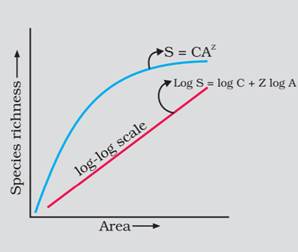
  1. Species-Area relationships: Within a region species richness increases with increasing explored area, but only up to a limit. The relation between species richness and area for a wide variety of taxa is a rectangular hyperbola.

log S = log C + Z log A,     where,

S= Species richness 

A= Area 

Z = slope of the line (regression coefficient) 

C = Y-intercept

Causes of biodiversity losses 

The accelerated rates of species extinctions that the world is facing now are largely due to human activities. There are four major causes ( ‘The Evil Quartet’ )

(i) Habitat loss and fragmentation

(ii) Over-exploitation

(iii) Alien species invasions: When alien species are introduced unintentionally or deliberately for whatever purpose, some of them turn invasive, and cause decline or extinction of indigenous species

(iv) Co-extinctions: When a species becomes extinct, the plant and animal species associated with it in an obligatory way also become extinct. 

Does the continents used to be together?

It started during the time of world war-II, some scientists identified that the ocean floor had unique features like ridges, trenches etc. This led to the discovery of the term Tectonics – is the scientific study of forces (convection currents in the mantle) and processes (collisions of the lithospheric plates, folding, faulting, volcanism) that control the structure of the Earth’s crust and its evolution through time.

Along with the concept of Tectonics came into the picture- THE CONTINENTAL DRIFT THEORY

Continental drift refers to the movement of the continents relative to each other.

To be a little specific, this continental drift theory was given by Alfred Wegener in 1920’s

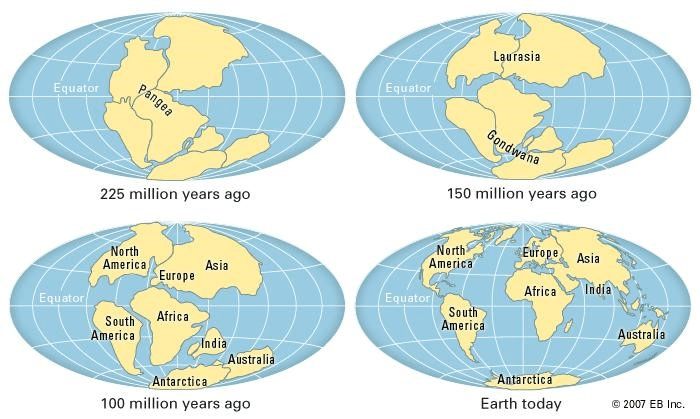
  • According to Continental Drift Theory there existed one big landmass which he called Pangaea which was covered by one big ocean called Panthalassa.
  • A sea called Tethys divided the Pangaea into two huge landmasses: Laurentia (Laurasia) to the north and Gondwanaland to the south of Tethys.
  • Drift started around 200 million years ago (Mesozoic Era, Triassic Period, Late Triassic Epoch), and the continents began to break up and drift away from one another.
drift of continents over time

EVIDENCES

Wegener, trained as an astronomer, used biology, botany, and geology, described Pangaea and continental drift. For example, fossils of the ancient reptile mosasaurs are only found in southern Africa and South America. Mosasaurs, a freshwater reptile only one meter (3.3 feet) long, could not have swum the Atlantic Ocean. The presence of mosasaurs suggests a single habitat with many lakes and rivers.

Wegener also studied plant fossils from the frigid Arctic archipelago of Svalbard, Norway. These plants were not the hardy specimens adapted to survive in the Arctic climate. These fossils were of tropical plants, which are adapted to a much warmer, more humid environment. The presence of these fossils suggests Svalbard once had a tropical climate.

Finally, Wegener studied the stratigraphy of different rocks and mountain ranges. The east coast of South America and the west coast of Africa seem to fit together like pieces of a jigsaw puzzle, and Wegener discovered their rock layers “fit” just as clearly. South America and Africa were not the only continents with similar geology. Wegener discovered that the Appalachian Mountains of the eastern United States, for instance, were geologically related to the Caledonian Mountains of Scotland.

Surrogacy

Recently, a petition was filed before Delhi High Court, challenging the exclusion of a single man and a woman having a child from surrogacy and demanding commercial surrogacy’s decriminalisation.

The Petitioner argued that the personal decision of a single person about the birth of a baby through surrogacy,a is a facet of the right to privacy guaranteed under Article 21 of the Constitution. Thus, the right of privacy of every citizen or person to be free from unwarranted governmental intrusion into matters fundamentally affecting a decision to bear or beget a child through surrogacy cannot be taken away.

What is Surrogacy?

About:

  • Surrogacy is an arrangement in which a woman (the surrogate) agrees to carry and give birth to a child on behalf of another person or couple (the intended parent/s).
  • A surrogate, sometimes also called a gestational carrier, is a woman who conceives, carries and gives birth to a child for another person or couple (intended parent/s).

Altruistic surrogacy:

  • It involves no monetary compensation to the surrogate mother other than the medical expenses and insurance coverage during the pregnancy.

Commercial surrogacy:

  • It includes surrogacy or related procedures undertaken for a monetary benefit or reward (in cash or kind) exceeding the basic medical expenses and insurance coverage.

Surrogacy (Regulation) Act, 2021

Provisions:

  • Under the Surrogacy (Regulation) Act, 2021, a woman who is a widow or a divorcee between the age of 35 to 45 years or a couple, defined as a legally married woman and man, can avail of surrogacy if they have a medical condition necessitating this option.
  • It also bans commercial surrogacy, which is punishable with a jail term of 10 years and a fine of up to Rs 10 lakhs.
  • The law allows only altruistic surrogacy where no money exchanges hands and where a surrogate mother is genetically related to those seeking a child.

Challenges:

The exploitation of the Surrogate and the Child:

  • One could argue that the state must stop the exploitation of poor women under surrogacy and protect the child’s right to be born. However, the current Act fails to balance these two interests.

Denies Legitimate income to Surrogates:

  • Banning commercial surrogacy also denies a legitimate source of income of the surrogates, further limiting the number of women willingly to surrogate.
  • Overall, this step indirectly denies children to the couples choosing to embrace parenthood.

Emotional Complications:

  • In altruistic surrogacy, a friend or relative as a surrogate mother may lead to emotional complications not only for the intending parents but also for the surrogate child as there is great deal of risking the relationship in the course of surrogacy period and post birth.
  • Altruistic surrogacy also limits the option of the intending couple in choosing a surrogate mother as very limited relatives will be ready to undergo the process.

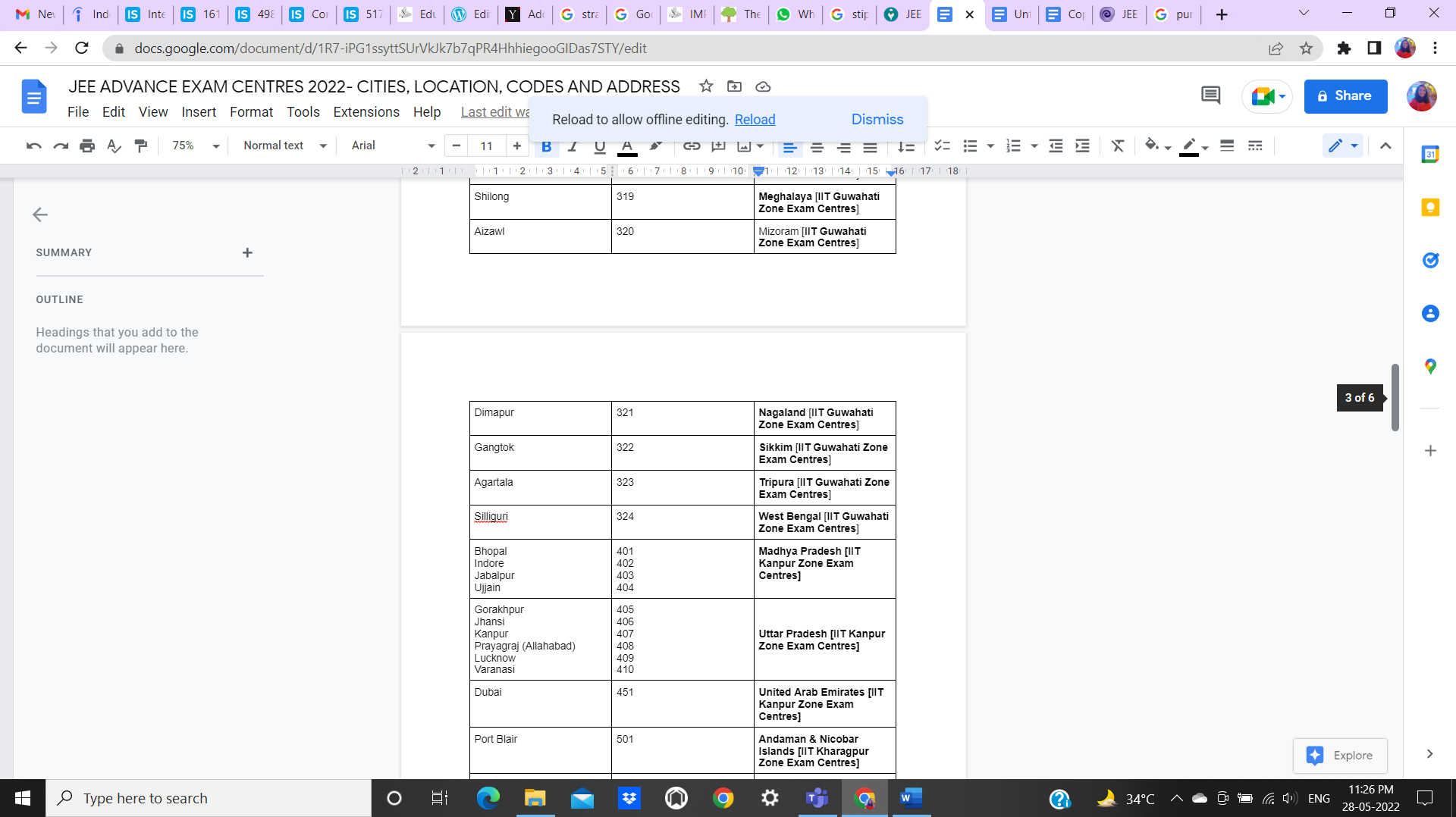
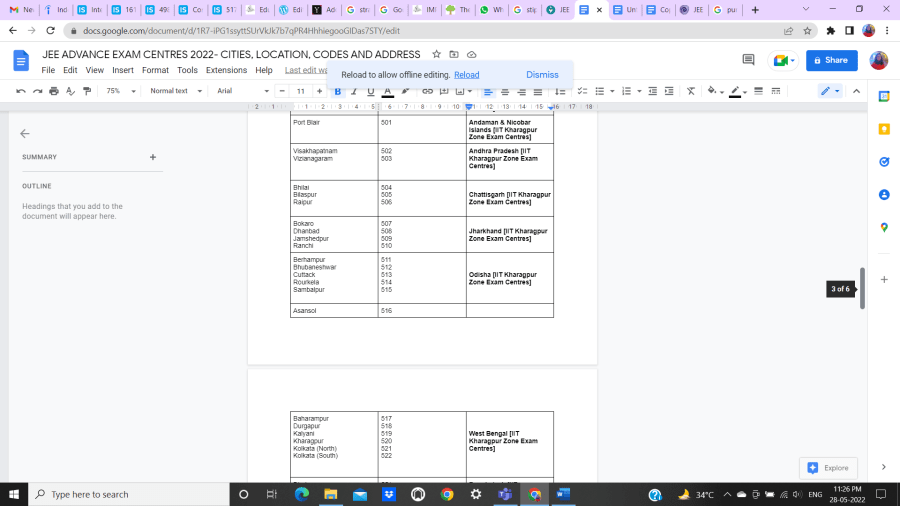
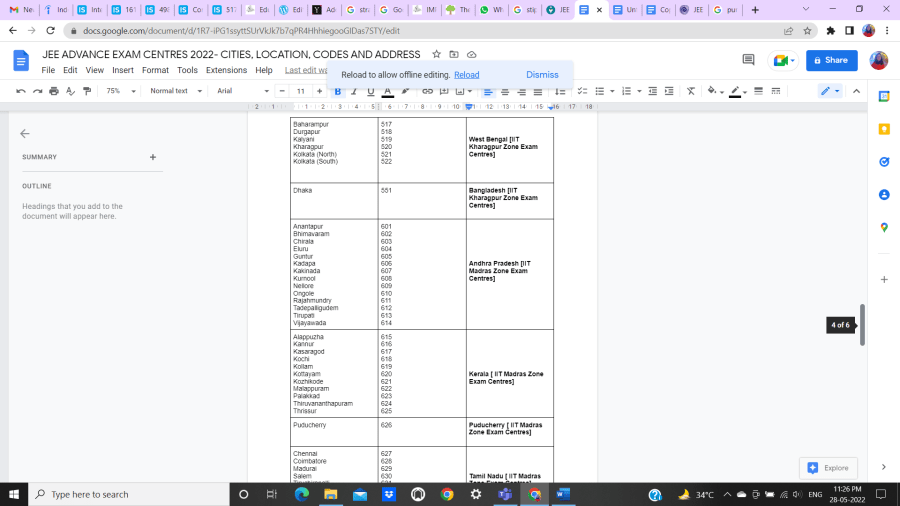
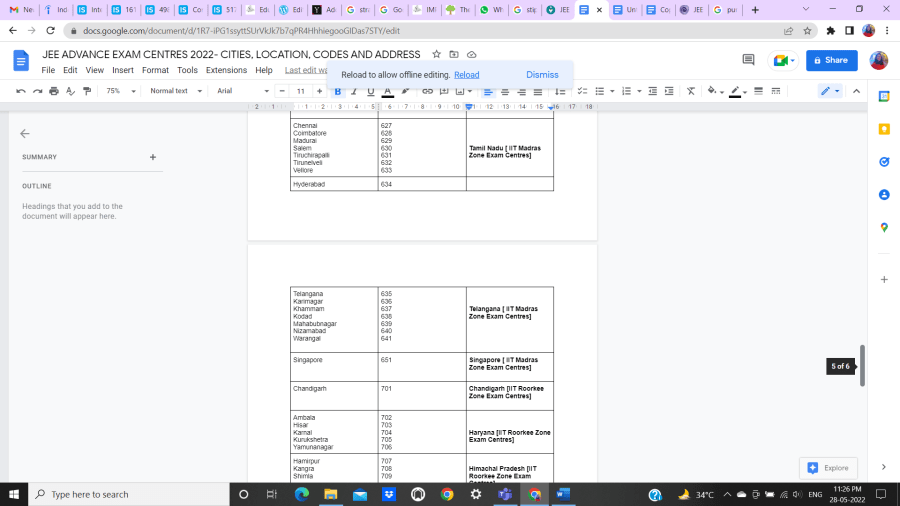
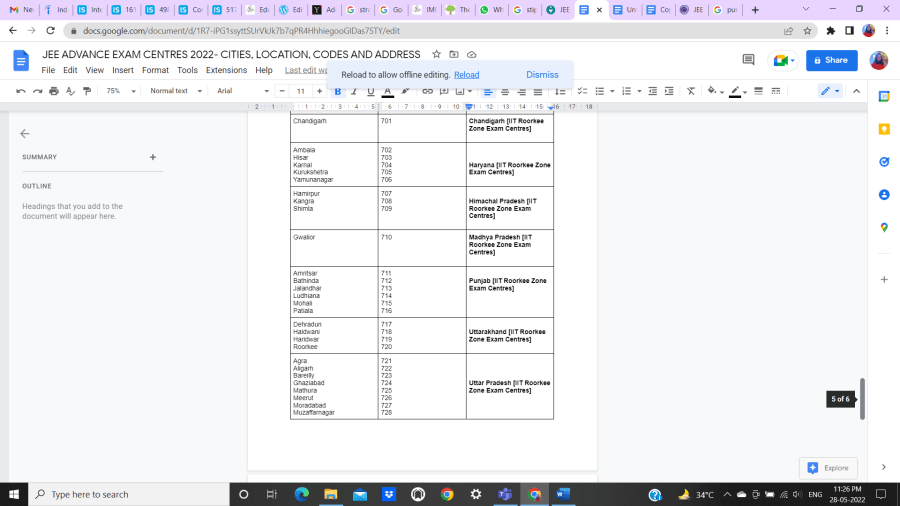
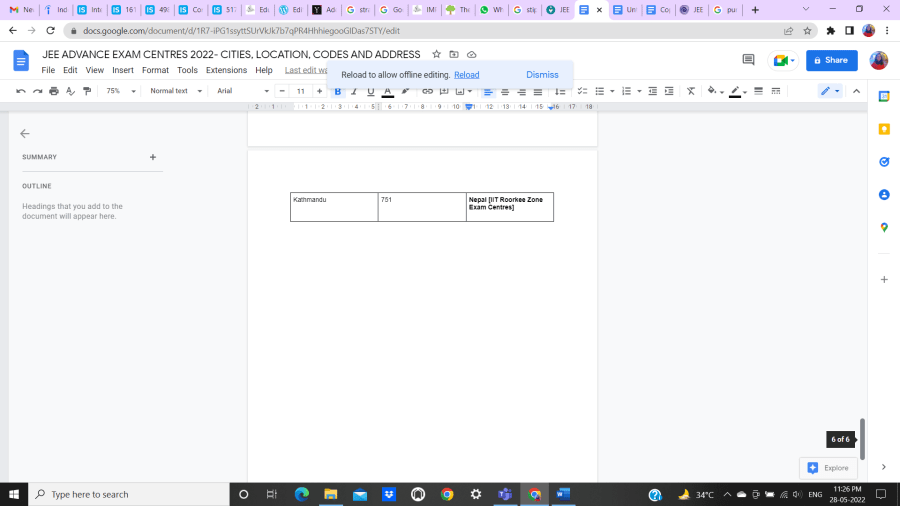
JEE ADVANCE EXAM CENTRES 2022- CITIES, LOCATION, CODES AND ADDRESS

The Indian Institute of Technology Bombay has released the list of JEE Advanced 2022 Exam centres as well as the brochure. The centres are a list of all the cities where the authorities will administer the exam. JEE Advanced COVID-19 instructions are also available for candidates taking the exam.

JEE Advanced exam centres 2022 will be divided into 7 zones – IIT Bombay Zone, IIT Delhi Zone, IIT Guwahati Zone, IIT Kanpur Zone, IIT Bhubaneswar Zone, IIT Madras (Hyderabad) Zone and IIT Roorkee Zone. The list of JEE Advanced exam centres 2022 will be released along with the official brochure. The following tables can be referred to check JEE Advanced 2022 exam centres list.

Candidates can check the details regarding the allotted exam centre in the JEE Advanced 2022 admit card. JEE Advanced 2022 exam date is August 28.

JEE ADVANCED EXAM Centres List is given below:-

JEE Advanced (formerly known as IIT JEE) is the second phase of the JEE examination and is usually conducted after the JEE Main exam. It is an important test for engineering aspirants (especially for those who are seeking admission in premier engineering institutes such as IITs). JEE Advanced is a computer-based exam and is usually conducted by seven different Indian IITs (IIT Kharagpur, IIT Bombay, IIT Roorkee, IIT Madras, IIT Kanpur, IIT Delhi and IIT Guwahati) on a rotational basis.

Candidates can appear JEE Advanced only for two consecutive times. IITs under the guidance of Joint Admission Board (JAB) on rational basis will conduct the JEE Advance. only 10000 candidates get success to get seat in 23 different IITs. As the number of IITs increasing, seats in IITs also increasing. Depending on the rank secured in JEE Advanced candidates get admission in the IITs depending on the list of IITs from top to bottom.

A total of 1,41,699 candidates appeared in both paper 1 and 2 of the JEE (Advanced) Exam 2021. As many as 41,862 candidates have qualified the JEE-(Advanced) 2021, of which 6,452 are girls.

Black hole – The basics

A black hole is not really an empty hole or space. Black holes are points in space that are so dense they create deep gravity sinks.

It is formed by a death of a massive star. A black hole takes up zero space but does have mass, that used to be a star. And black holes get more massive as they consume matter near them.

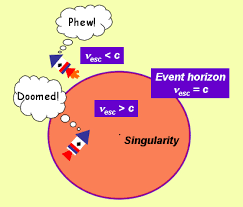
There’s a boundary at the edge of a black hole called the event horizon, which is the point of no return — any light or matter that crosses that boundary is sucked into the black hole. It would need to travel faster than the speed of light to escape, which is impossible.

Event Horizon and Singularity

When a massive star (more than 8 times bigger than Sun) runs out of nuclear fuel in its core hen it’s gravity causes the core to collapse upon itself. This huge weight of its constituent matter falling in compresses the dying star to a point of zero volume and infinite density– called the singularity.

A black hole cannot be observed but only detected by the effects of its enormous gravitational fields on nearby matter.

In April 2019, the scientists at the Event Horizon Telescope project released the first-ever image of a black hole.

Supermassive black holes are found at the centre of most galaxies, including our own Milky Way. The one in our galaxy is called Sagittarius A*.

Interesting Facts-

If our Sun were suddenly replaced by a black hole with Mass equal to that of sun, the orbits of the planets wouldn’t change.

If you travelled close to the black hole, you could escape, as long as you don’t enter the event horizon.

If you entered the black hole, you could still see everything outside, since light can enter a black hole.

You wouldn’t notice anything special about the event horizon, since it isn’t a solid surface.

Once you enter the event horizon, you will pulled into the singularity.

Use of Cases for Data Exploration

Data exploration analyzes data to identify patterns and trends, either manually or through software tools. Data exploration identifies new insights that can help improve business performance. You can also use it to identify potential problems and areas for improvement. Data exploration is a critical step in data analysis. There are many reasons you might want to use data exploration in your business. Perhaps you want to better understand your customer base, or you want to find new growth opportunities. Maybe you’re looking for ways to improve your operations or cut costs.

Keep reading to learn more about use cases for data exploration and how to benefit your business.


Cases of Use For Data Exploration


Data exploration is an essential process for businesses of all sizes. The data that a company collects can provide valuable insights into how to improve operations, marketing, and customer experience. However, data exploration can be difficult and time-consuming without the right tools and techniques to identify helpful data patterns to inform business decisions. There are several reasons for using data exploration, including:

Identifying customer trends: By analyzing customer data, businesses can identify trends in purchasing behavior, demographics, and other factors. You can use this information to make informed decisions about what products or services to offer customers and how to market them.

Analyzing competitor activity: By studying the competition, businesses can learn what strategies they are using and how successful they are. Data exploration can also help companies understand their competition and how they stack up against them. This information can help businesses determine their strengths and weaknesses relative to the competition and make strategic changes accordingly.

Optimizing operations: Data exploration can help optimize operations by identifying areas where businesses can improve. For example, by analyzing production data, a business may discover that it’s producing more of a specific product than is needed or waste in the production process. Identifying these issues allows companies to address them and improve efficiency.

Troubleshooting: If something goes wrong in a business, it’s often necessary to troubleshoot the issue to find a solution. Data exploration can help by identifying the cause of the problem.


Why Use Data Exploration


Data exploration can also be used internally within businesses to improve operations and optimize manufacturing processes or target marketing campaigns more effectively. Additionally, data can improve employee productivity or customer satisfaction levels. Data exploration can help you understand your data.

By exploring your data, you can better understand the patterns and trends that exist within it. This can help you make better decisions about how to use that data. It also helps identify problems when exploring your data; you may identify outliers, inconsistent values, and missing data. This can help you fix those problems before you begin your analysis. You may find that certain variables are related to each other through data exploration. This can help you identify potential relationships you may want to investigate further. You may also find patterns that you wouldn’t have otherwise identified by exploring your data, helping you make better decisions about using that data. Businesses can generate hypotheses about how certain factors may influence specific outcomes and can then be tested through further analysis or experimentation.

Of course, data exploration is just one piece of the puzzle. But, data exploration can be a powerful tool for improving your business. No matter your specific goal, data exploration can be an invaluable tool. By analyzing your data in a more in-depth way, you can better understand what’s happening within your business. This can help you make more informed decisions, and it can also help you identify potential areas for improvement.

6 Ways to Get More Business for Your Ecommerce Line


C:\Users\APURVA\Downloads\mark-konig-Tl8mDaue_II-unsplash.jpg

Source: https://unsplash.com/photos/Tl8mDaue_II 


Since the arrival of the Covid-19 pandemic, the commercial marketing industry has changed drastically. Earlier, most companies focused solely on physical sales and invested rarely in digital advertising. But with the revolutionary changes that the e-commerce sector went through, many industries came forward to adopt the latest technology to stay updated with the trends and maintain their position in the market. 

Enterprises like Escape Room Palm Springs, a Reliance store in Bangalore, or the Dark Horse publishing house in Japan have actively invested in different e-commerce marketing tips and strategies to boost their sales and brand value. And just for the big fishes and older companies, the new entrepreneurs can also invest in e-commerce to take their business to new heights of success. 

It is a smart move for the small and medium-sized corporations to pick the same and browse for opportunities through hard work to stay tough in the commercial market against their competitors. Here are 6-ways through which you can also get more business for your e-commerce line: 

  1. Know your customers 

Understanding your customers is the most crucial part of an e-commerce business. If you plan to reach out to more audiences for your brand and convert them into followers and subscribers, you must know all about them and their preferences. Here are some questions that you should keep in mind while attracting customers to your website:


  • What websites do these people visit? 

  • What are their hobbies? 

  • Do they have a particular affinity or interest in a service or product? 

  • How long do they usually research on the internet? 


Facts and details like these will help you better understand your users and their interests. It will give you the right idea about how you can draw them to your business and also sustain their attention. And by answering the above questions, you will also be able to strategize a more efficient plan to establish a more profitable marketing tactic to target them. 

  1. Increase the About Us section 

The customers generally prefer to look at the About Us section for an e-commerce website they are scrolling on and researching. This information area lets them understand the company/brand’s business ambition and whether they want to invest further in their products. 

So remember to be open in your About Us section. It is where you can go all out and share your business idea and concept, love for the products, the hard work that goes to crafting what you are providing, and how you can make the customer’s life more comfortable through your services. The more you convince the consumers that you are their friend and a great person, the more they will prefer to invest their money in your company’s products and business schemes. 

  1. Expand your demographic 

While it is a good idea to target a specific audience group to your company, you might lose many consumers in the long run if you do not expand your user base in the long run. By limiting yourself to some clients, you might restrict the growth and expansion of your e-commerce company and lose credential patrons. So focus on expanding your demographic to broaden your horizons and open new marketing opportunities to draw in and retain more customers. 

  1. Practice Quality over Quantity 

When you consider e-commerce, quality always comes before quantity. Make sure that your products and the services you provide to your customers are high-quality and satisfying to their demands. In this way, they will build trust for your business and come to rely more on your services. Your business’s reputation will grow and help you gain a trustworthy image in the commercial market. 

  1. Switch to D2C 

Gone are the days when B2B (business to business) and B2C (business to consumer) could pave the way for boosting your e-commerce as a brand in the commercial market. To get the best for your business’s marketing, switch to the D2C (direct to customer) policy for marketing and gaining customers. D2C allows you to connect directly to your clients and consumers without going through a mediator like a retailer, distributor, or dealer. There are several benefits of practicing D2C, such as: 

  • You get to retain complete control of the engagement process with the customers by avoiding any intermediate parties. 

  • You can connect directly with your clients and understand them better. 

  • It helps you establish a secure and effective connection with your target audience and thus deliver products that satisfy their preferences. 

  1. Keep an eye on the numbers and analytics

It is also crucial to focus on your analytics and inventory numbers in e-commerce. It allows you to keep a close eye on your accounting and invest wisely in your spending for advertising and marketing. Also, by focusing on the analytic points of your business, you can track your traffic sources and accordingly plan a profitable conversion rate to boost subscribers and customers for your company. Various tools help you get deep insights into the accounting and the analysis of your business. And you can use this information to get more resources and traffic activity for your website to market your e-commerce brand strategically. 

Conclusion 

So, these are the 6-easy ways that will help you get more business for your e-commerce line. We know e-commerce is growing tremendously, and it won’t be long before it may outwit the physical sales. With marketers and entrepreneurs actively competing to boost their sales and gain more customers, it is time for you to also keep up with new trends and draw in more patrons by increasing customer comfort and efficiently marketing for your e-commerce business. 


How did the second largest dynasty came to India?

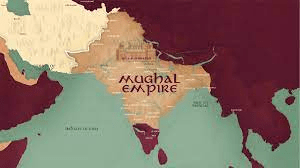
So, the Mughals were the Muslims who created an empire in India that held power for roughly 200 years between the early 16th and early 18th centuries. Although technically the Mughal empire didn’t come to an end until after the Indian rebellion against the British in 1857.
The Mughals were not the first Muslims in India, those would have been merchants and they werent even the first muslims to rule significant parts of India. The first muslim rulers, and the honor goes to Delhi sultanates which began in 1206 in Northern India. The Delhi Sultanates didn’t last very long, and it was replaced by a bunch of regional kingdoms and one of them the Lodi Sultanate had the misfortune of falling to the founder of the Mughal dynasty, Babur in 1526.

At the height of its power the Mughal empire controlled an estimated one quarter of the Earth’s economy. It’s massive population is over 150million people which is double that of European continent at the time, this colossal state had very unlikely origins. One year after CHRISTOPHER COLOMBUS discovered the new world and failed to find a quicker route to India, a 11year old soon to be fugitive on the other side of the planet named Zaheer Alden who in later simply known as Babur meaning tiger had just inherited his fathers tiny kingdom of Ferghana(modern day Uzbekistan). over the next few years he desperately tries to survive his family, both his paternal and maternal uncles controlled armies with a goal of ending his life.

On his father’s side Babur was descended from the turco Mongol war world Tamerlane and Genghis Khan on his mothers side. Throughout his teen years he repeatedly captured and lost control of the old timur at capital of Samarkand and his home of Ferghana. after decades of his disunited family butchering each other, the weakened remnants of the once mighty Timurid Empire was swept aside by the Turkic’s and the Iranians(Safavid empire).

After left with nothing, but his mother, a bunch of trust worthy individuals and another bunch of enemies, Babur took a refuge in the mountains of Afghanistan and slowly expanded his small bunch of followers into an army seizing control of the strategically important city of Kabul in 1504. Babur maintained friendly relations with Safavid shahs of Iran from where he obtained his first fire arms, canons and more. His ultimate aim to retake Samarkand failed and his ambitions to control have turned to Central Asia of which it was ruled by wealthy Delhi Sultanates.

At the battle of Panipat(1st battle in 1526),fought between the Timurids under Babur and Ibrahim Lodi. In 1526, the Mughal forces of Babur, the Timurid ruler of Kabulistan, defeated the much larger ruling army of Ibrahim Lodi ,Sultan of Delhi. A much smaller timid army used matchlock firearms and canon behind an entrenched barricade of 700carts, defeat a much larger traditional Indian Army, 1000 elephants at the vanguard.

In the following year, Babur defeated a confederation of Rajput states solidifying his control over northern India. Babur did not get to enjoy his life long dream of establishing a great empire for very long. at the age of 47 he died of a sudden illness for which some suspected it as poisoning and other as natural death.

SC Recognises Sex Work as a Profession

Recently, in a significant order, Supreme Court has recognised sex work as a “profession” and observed that its practitioners are entitled to dignity and equal protection under the law. The court invoked its special powers under Article 142 of the Constitution. 

Highlights of the Supreme Court Judgment

Sex workers are entitled to equal protection of the law and criminal law must apply equally in all cases, on the basis of ‘age’ and ‘consent’.

  • When it is clear that the sex worker is an adult and is participating with consent, the police must refrain from interfering or taking any criminal action.
  • Sex workers should not be “arrested or penalised or harassed or victimised” whenever there is a raid on any brothel, “since voluntary sex work is not illegal and only running the brothel is unlawful”.

A child of a sex worker should not be separated from the mother merely on the ground that she is in the sex trade.

  • Further, if a minor is found living in a brothel or with sex workers, it should not be presumed that the child was trafficked.
  • In case the sex worker claims that he/she is her son/daughter, tests can be done to determine if the claim is correct and if so, the minor should not be forcibly separated.

The media should take “utmost care not to reveal the identities of sex workers, during arrest, raid and rescue operations, whether as victims or accused and not to publish or telecast any photos that would result in disclosure of such identities.

Challenges Faced by Sex Workers

Discrimination and Stigmatisation:

  • The rights of sex workers are non-existent, and those doing such work face discrimination due to their criminalised status.
  • These individuals are looked down upon and have no place in society, and most times are treated harshly by their landlords and even the law.

Abuse and Exploitation:

  • Most times, sex workers are exposed to a slew of abuses that range from physical to mental attacks.
  • They would face harassment from clients, their own family members, the community, and even from people who are supposed to uphold the law.

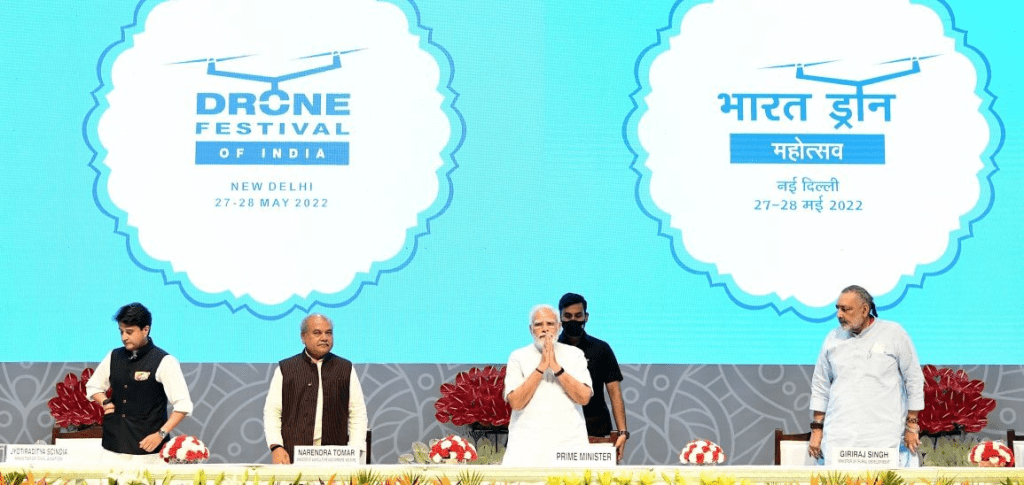
Drone technology will play major role in empowering farmers, says PM Modi

Prime Minister Narendra Modi has said, the quantum jump in the drone industry shows the possibilities of emerging opportunities for employment in India. Inaugurating India’s biggest Drone Festival – Bharat Drone Mahotsav-2022 at Pragati Maidan in New Delhi, Mr Modi said, India has the potential of becoming a global drone hub and this technology will play a crucial role in several sectors ranging from agriculture, defence, disaster management, health and land mapping in the future.

Highlighting the importance of technology, the Prime Minister said, it has ensured last mile delivery and with the help of technology, target of Antyodaya can be achieved. Terming drone technology as an effective tool in delivery of services and improving ease of living, he said, it will take the farming sector to another level and it will ensure the progress of marginalised farmers.

The Prime Minister said, drones will play a crucial role in delivery of medicines and vaccines in the far flung areas of the country. With the help of drone mapping he reviewed the progress of Kedarnath Redevelopment Project, he added.

The Prime Minister said, this Government has reduced the restrictions imposed on drone sector. He said, Production Linked Incentive scheme was introduced for making a robust ecosystem for the drone sector. He urged the investors to come and invest in India’s booming drone sector. He also urged the youth to come forward and set up drone start-ups. On the occasion, Civil Aviation Minister Jyotiraditya Scindia said, India has become a leader in the technology sector in the last eight years.