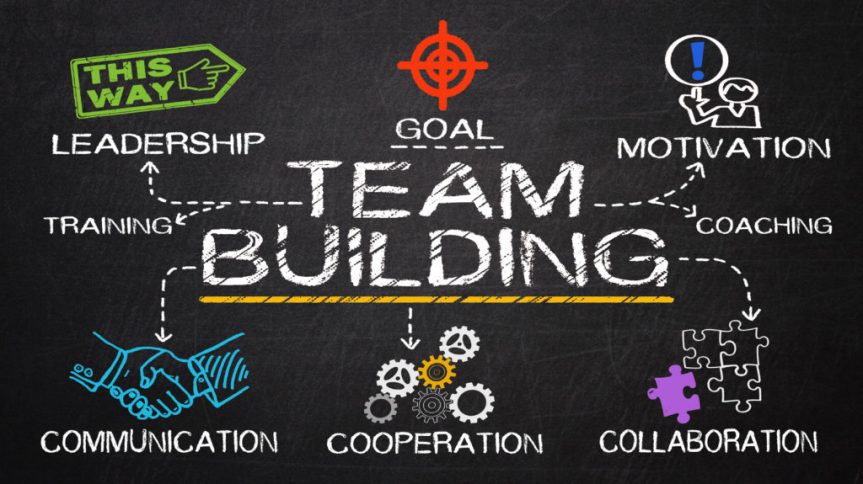
How to build a good Team ?

A team is a group of people working together towards a common goal. Creating an opportunity for people to come together to share concerns, ideas, experiences, and to begin to work together to solve mutual problems and achieve common goals.

Team Development Life Cycle

  1. Forming : In this stage high dependence on leader for guidance and direction. Little agreement on team. Individual roles and responsibilities are unclear. Leader must be prepared to answer lots of questions about the team’s purpose, objective and external relationships.
  2. Storming : In this stage decisions don’t come easily within group. Team members compete for position Clarity of purpose increases but plenty of uncertainties exist. Compromises may be required to enable progress.
  3. Norming : In this stage agreement and consensus forms among team. Roles and responsibilities are clear and accepted. Big decisions are made by group agreement. Commitment and unity is strong. The team discusses and develops its processes and working style. There is general respect for the leader and some of leadership is shared.
  4. Performing : The team clearly knows “why it is doing ?” and “what it is doing ?” . The team has a shared vision. There is a focus on over-achieving goals. Disagreements occur but now they are resolved within the team positively. The team is able to work towards achieving the goal. Team members look after each other. The team does not need to be instructed or assisted.
  5. Adjourning : Adjourning, is the break-up of the group, hopefully when their task is completed successfully, their purpose fulfilled; everyone can move on to new things, feeling good about what’s been achieved. From an organizational perspective, recognition of and sensitivity to people’s vulnerabilities during this fifth stage is helpful. Feelings of insecurity would be natural

Characteristics of a Good Team

  • Everyone participates actively and positively.
  • Team goals are understood by everyone.
  • Everyone takes initiative to get things done.
  • Each teammate trusts the judgment of the others.
  • The team is willing to take risks.
  • Everyone is supportive of the project and of others.
  • Team goals are given realistic time frames.
  • Everyone is focused on the ultimate goal of the project.

Common Team Problems

  • Overbearing or dominating participants
  • Unwilling to become involved
  • Unquestioned acceptance of opinions as facts
  • Rush to accomplishment
  • Quarreling members
  • Disconnected/lack of contact between members

Groups members should avoid the following behaviors –

  • Being overly aggressive toward other members.
  • Withdrawing and refusing to cooperate with others.
  • Horsing around when there is work to be done.
  • Using the group as a forum for self-confession.
  • Talking too much about irrelevant matters.
  • Trying to compete for attention and recognition

How to build a good Team ?

A team is a group of people working together towards a common goal. Creating an opportunity for people to come together to share concerns, ideas, experiences, and to begin to work together to solve mutual problems and achieve common goals.

Team Development Life Cycle

  1. Forming : In this stage high dependence on leader for guidance and direction. Little agreement on team. Individual roles and responsibilities are unclear. Leader must be prepared to answer lots of questions about the team’s purpose, objective and external relationships.
  2. Storming : In this stage decisions don’t come easily within group. Team members compete for position Clarity of purpose increases but plenty of uncertainties exist. Compromises may be required to enable progress.
  3. Norming : In this stage agreement and consensus forms among team. Roles and responsibilities are clear and accepted. Big decisions are made by group agreement. Commitment and unity is strong. The team discusses and develops its processes and working style. There is general respect for the leader and some of leadership is shared.
  4. Performing : The team clearly knows “why it is doing ?” and “what it is doing ?” . The team has a shared vision. There is a focus on over-achieving goals. Disagreements occur but now they are resolved within the team positively. The team is able to work towards achieving the goal. Team members look after each other. The team does not need to be instructed or assisted.
  5. Adjourning : Adjourning, is the break-up of the group, hopefully when their task is completed successfully, their purpose fulfilled; everyone can move on to new things, feeling good about what’s been achieved. From an organizational perspective, recognition of and sensitivity to people’s vulnerabilities during this fifth stage is helpful. Feelings of insecurity would be natural

Characteristics of a Good Team

  • Everyone participates actively and positively.
  • Team goals are understood by everyone.
  • Everyone takes initiative to get things done.
  • Each teammate trusts the judgment of the others.
  • The team is willing to take risks.
  • Everyone is supportive of the project and of others.
  • Team goals are given realistic time frames.
  • Everyone is focused on the ultimate goal of the project.

Common Team Problems

  • Overbearing or dominating participants
  • Unwilling to become involved
  • Unquestioned acceptance of opinions as facts
  • Rush to accomplishment
  • Quarreling members
  • Disconnected/lack of contact between members

Groups members should avoid the following behaviors –

  • Being overly aggressive toward other members.
  • Withdrawing and refusing to cooperate with others.
  • Horsing around when there is work to be done.
  • Using the group as a forum for self-confession.
  • Talking too much about irrelevant matters.
  • Trying to compete for attention and recognition

Heritage trains in India that you must enjoy a ride on

Heritage rails are more than just tourist attractions. Not only they helps create a romantic feel, but also give us a glimpse of the history of the land. Although heritage railways have renovated most of their trains for technical advancements and safety purposes, they still carry the old-school charm. The views on these routes are just unparalleled. Here’s a list of heritage trains that you need to definitely enjoy a ride on.

Kalka-Shimla Railway

This narrow gauge railway chugs between Kalka and Shimla, and is famous for offering beautiful views of forests and hill regions. It was built in 1898 to connect Shimla, the summer capital of India, with the rest of the Indian rail system. It is 2 ft 6 inch (762 mm) narrow gauge railway in North-West India, and was built by HS Harington. It is now operated by the Northern Railway. UNESCO added the Kalka-Shimla railway to mountain railways of India World Heritage Site in 2008.

Darjeeling Himalayan Railway

The toy train, this train travels between New Jalpaiguri station and Darjeeling station. The Darjeeling Himalayan Railway started in the end of the 19th century, and covers six zigzag routes and five large loops to reach higher altitudes. In 1999, this route was declared as a World Heritage Site; it has also been one of the country’s most famous tourist attractions. The setting of the train journey also has a vintage charm to it, a ride on this train will definitely change your outlook toward train travel.

Nilgiri Mountain Railway

The Nilgiri Mountain Railway is in Tamil Nadu, and was built in 1908 by the British. The route runs from Mettupalayam to Udhagamandalam (Ooty), and takes around 4.8 hours to complete. Most times, just one train travels on this route each way; however, during the peak summer season, four trains run each way, everyday. In July 2005, UNESCO designated it as a World Heritage Site, and is now operated by the Salem railway division.

Matheran Hill Railway

This train is on the tentative list of UNESCO World Heritage Sites, yet a ride on this train will be one of the best rides ever!. This narrow gauge train runs between Neral and Matheran in Maharashtra. Interesting thing to note here is that it chugs along the well-known Western Ghats, so in terms of views, you are in for a ride. Further, this 21 km long route has been in operation since 1907. The train starts its journey in Neral, and then ascends the Matheran hill by going through two large zig-zags before completing its 140 hours’ journey.

Heritage trains in India that you must enjoy a ride on

Heritage rails are more than just tourist attractions. Not only they helps create a romantic feel, but also give us a glimpse of the history of the land. Although heritage railways have renovated most of their trains for technical advancements and safety purposes, they still carry the old-school charm. The views on these routes are just unparalleled. Here’s a list of heritage trains that you need to definitely enjoy a ride on.

Kalka-Shimla Railway

This narrow gauge railway chugs between Kalka and Shimla, and is famous for offering beautiful views of forests and hill regions. It was built in 1898 to connect Shimla, the summer capital of India, with the rest of the Indian rail system. It is 2 ft 6 inch (762 mm) narrow gauge railway in North-West India, and was built by HS Harington. It is now operated by the Northern Railway. UNESCO added the Kalka-Shimla railway to mountain railways of India World Heritage Site in 2008.

Darjeeling Himalayan Railway

The toy train, this train travels between New Jalpaiguri station and Darjeeling station. The Darjeeling Himalayan Railway started in the end of the 19th century, and covers six zigzag routes and five large loops to reach higher altitudes. In 1999, this route was declared as a World Heritage Site; it has also been one of the country’s most famous tourist attractions. The setting of the train journey also has a vintage charm to it, a ride on this train will definitely change your outlook toward train travel.

Nilgiri Mountain Railway

The Nilgiri Mountain Railway is in Tamil Nadu, and was built in 1908 by the British. The route runs from Mettupalayam to Udhagamandalam (Ooty), and takes around 4.8 hours to complete. Most times, just one train travels on this route each way; however, during the peak summer season, four trains run each way, everyday. In July 2005, UNESCO designated it as a World Heritage Site, and is now operated by the Salem railway division.

Matheran Hill Railway

This train is on the tentative list of UNESCO World Heritage Sites, yet a ride on this train will be one of the best rides ever!. This narrow gauge train runs between Neral and Matheran in Maharashtra. Interesting thing to note here is that it chugs along the well-known Western Ghats, so in terms of views, you are in for a ride. Further, this 21 km long route has been in operation since 1907. The train starts its journey in Neral, and then ascends the Matheran hill by going through two large zig-zags before completing its 140 hours’ journey.

LOOKING AT THE POSITIVE SIDE OF THE PANDEMIC

The coronavirus pandemic has left everyone stranded at their homes with nowhere outside to step. Even those little strolls in fresh mornings and calm evenings seem a distant possibility. The living place has become a whole working world with all systems decked up at home, and minimum necessity to step outside. But thanks to technology, everything is now possible at the click of a button or screen. From ordering basic groceries and food online to totally working online through a home office, everything from decently simple to twistingly complicated has become super easy. Technology was already in the developing stages of going virtual, but the pandemic has triggered advancements and pushed boundaries for us to survive and function smoothly without physically having to facilitate all this. Earlier, working from home or workations were very rare and mostly done if travelling from home was difficult or tedious. Today, working from home is the norm and people have got accustomed to this way of working. Albeit the comfort of doing everything without the effort of getting dressed in those uncomfortable formal dresses and travelling hours to work everyday, a few professionals think that bringing the workplace home has disrupted work-life balance and life has become more mundane, without any weekend chilling, fun activities at the workplace, social interaction and bonding or office parties. Only work and total lockdown have made the outgoing squad’s lives frustrating and outright boring. But fret not they say, because social media and entertainment platforms picked the right opportunity to bring back the fun in the routine lives of fun-loving people. They did it simple and big – give people the motivation and platform to showcase what they are good at, bring out the talent and innovation and publicize it through the right medium in the right way. Earlier, people hadn’t even pondered over if their pastime interests and mini-gigs could garner such appreciation and popularity over the internet. But the lockdown made internet stars out of next door neighbours. And not just the popularity that comes with it, people have actually started enjoying the process of being involved in doing something they like with such passion and happiness. It keeps them busy for the day and also serves as a welcome change from office work and stress. This has actually brought out the creativity of content creators who would otherwise have continued with their routine weekdays and weekends. Confinement has encouraged people to try out something which interests them – anything decent and simple good, and refreshing too. Typical 9 to 5 people have found something new and interesting to look forward to after work. What had been believed strictly professional once has become fun and exciting. From comedians to content creators, memers, lifestyle coaches, fashion trendsetters, culinary experts, motivation leaders, creative minds and bloggers, we have a whole set of feel-good people to watch perform, enjoy and seize the day, being at home. Trying out funny dance or comedy videos, innovating sustainable fashion with homely items, revamping the simple abode into a nice and cool place, preparing chef-style dishes at home are just some of the trends that have taken the attention of the millennials. And it’s true, they find satisfaction and solace in trying out these new things, posting their daily activities online. The attitude of people towards the definition of a fulfilling day has changed, too. Today, they believe that if they’ve had a happy time, it’s a day spent well, rather than running behind goals and the constant need of accomplishing something by the end of the day, and losing their calm and composure in the process. And they are right! In the end, all that counts is how much one has enjoyed thoroughly rather than what he/she has achieved. The lockdown has sure made normal life tumultuous to some extent, but if we look at the positive side of things, we are actually thriving well in tough times, and we’ve got to keep it up and strong till we overcome this situation testing our limits, and we will surely do it with the same ease and elegance as gracefully as we have come this far! 

PARTICIPATION OF WOMEN IN WORKFORCE

Participation of women as the economically productive workforce:

53 percent of all the fresh graduates in India, in the year 2018-2019 were women. As per All India Survey of Higher education, the enrolment of women for higher education has increased to 49 percent in 2018 to 2019 as against 44 percent in the year 2011 to 2012 This is indeed is a clear indicator that India has made considerable progress in women education. Yet this pool of women talent transforming into the driving workforce is distressingly less. India’s Female Labour Force Participation Rate (LFPR) was 20.8 percent in 2019, as per data from the World Bank.

India has seen a steep decline in Female Labour Force Participation Rate (LFPR), It has fallen to 20.8 percent in 2019 as against 30.27 percent in 1990.India’s Female LFPR is very less

The fact that such a large pool of literate, qualified and talented women workforce is still aloof in the effort to boost economy is a clear indication to analyse how to judiciously harvest this talent or rather what might be the causes that women participation in the workforce is so low.

There might be two chief causes of this dwindling Female LFPR –

  1. Societal Norms
  2. Difficulties faced by women to enter and retain in the labour market

In some communities, women face a lot of resistance to work and participate in the workforce. This resistance is mainly due to societal taboo about women working outside the house. In addition to this the women might be subjected to take care of the household responsibly. Many women find it difficult to harmonize the trade off between family responsibilities and work. The unpaid house work and parenting are still seen as a woman’s primary duty while men are entitled as the bread winners of the family. This might be a chief cause which discourage women to participate in the labour pool.

Women with lower family incomes are subjected to forced labour due to financial pressures while a few women drop out once the income is stable. While few educated women in India still face mismatch in the opportunities and exposure provided to them based on their talent and skill set. Other concerns are safety at work place, security of tenure- owing to maternal leaves, the pay parity, maintaining work and household balance and societal pressure.

Regardless of the countless barrier women have faced to participate and retain in the workforce, women have found their way out and reached the pinnacle of their career. May these women be the torch bearers and inspire the future generations and create opportunities for them. For India cannot afford the productivity loss by missing out such a large chunk of women workforce. New laws, policies and change in societal outlook are kindling the spark for necessary transformation to include more and more women in productive workforce. But we still have a long way to go and encourage women participation as much as we can. And as they say, charity begins at home! Let us start by empowering ourselves and many more future generations to come, not for the sake of feminism or gender equality, but to lead a fulfilling, independent and exemplary life.

Poverty in India

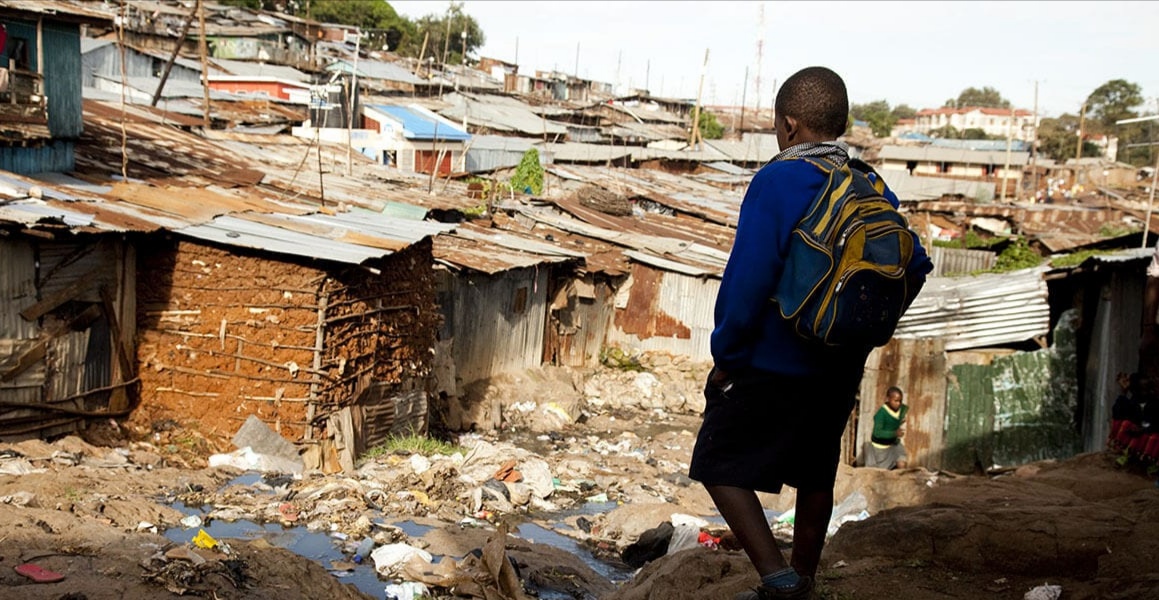
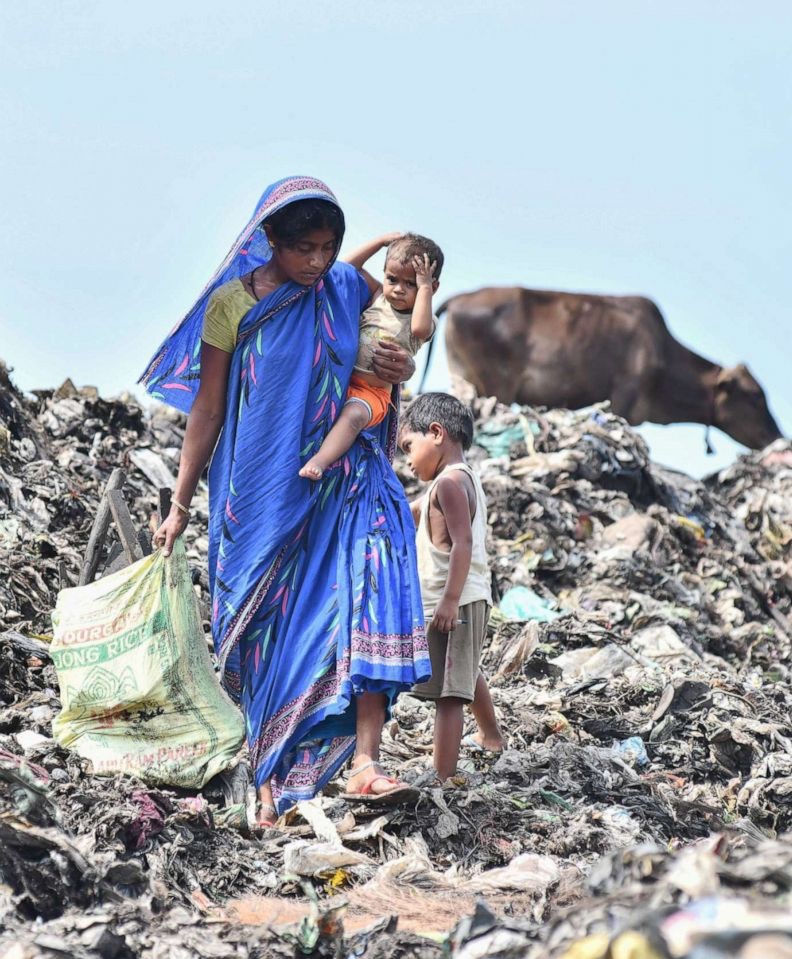
Poverty one of the major problem in India. India is the second most populous country after China with 1.2 billion people and it is the seventh largest country in the world in terms of area.

Around ⅔rd of people in India live in poverty in which 68.9 % of Indian population lives on less than 2 dollar a day and over 30% even have less than 1.25 dollar per day. And thus they are considered extremely poor.

India subcontinent is one of the poorest country in the world.

The most poor section of our country is children and Womens. They are considered as the weakest member of Indian society and that’s why they suffer the most.

In India womens are not considered as the strongest member of the society because of a patriarchy.

Education and job for womens are not considered important in our society.

By preventing education for Childrens and womens leads to the poverty and poverty is also preventing children from getting an education

Poverty in India impacts children and families in a variety of different ways:-

  • High infant mortality
  • Child labour
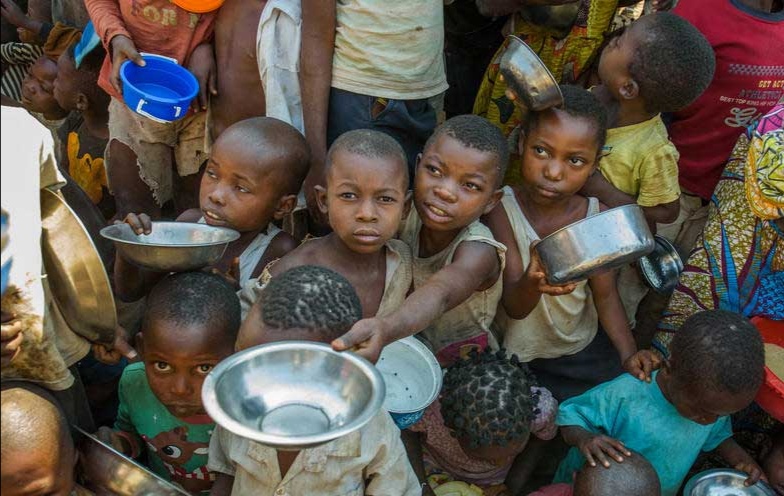
  • Malnutrition
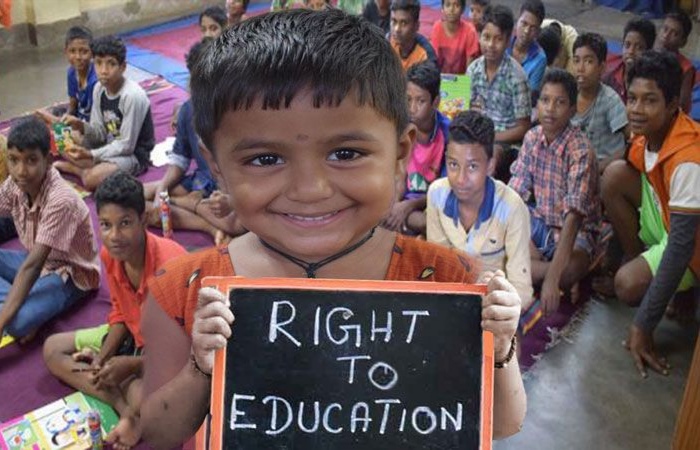
  • Lack of education
  • Child marriage

High infant mortality rate

  • India is one of the country with highest child mortality rate.
  • Around 1.4 million children die each year in India their fifth birthday.
  • Major causes of death are due to pneumonia, malaria, diarrhoeal diseases as well as chronic Malnutrition.

Child labour

  • Child labour for children under the age of 14 in India is prohibited by law.
  • According to official figures 12.5 nilganj children between the age of 5 to 14 are working.
  • It is believed that Indian children’s contribute to the living wood of their poor family.
  • Children’s work in the field in factories, in quarries, private households .

Malnutrition

  • India is one of the world’s top countries when it comes to Malnutrition.
  • 7.8 infants were found to have birth weight less than 2.5Kg
  • More than 200 million people don’t have sufficient access food.

Lack of Education

  • Most of childrens have no access to education in India.
  • Girls are excluded from the school in higher numbers with respect to boys.
  • We should have to treat them equally but it is believed to be inferior on lower caste.
  • Without education, chances of finding living from employment in India is impossible.
  • If educated peoples start teaching childrens at free of cost then it also be very useful in making a better world.
  • Like If 30 college students are studying in 1 course and they start teaching poor childrens only 1 day per month then the childrens study 1 month at free of costs.
  • We also have to put some efforts in making better world not for others, but for ourselves as well.

Child marriage

  • As we know Child marriage is crime according to Child marriage Restraint Act, 1929.
  • But it is still widespread in many regions of India.
  • Poverty is also the main reason behind this.

Overpopulation

  • Overpopulation leads to high competition in every aspects of life.
  • We see lack of job opportunities, education.
  • Food production is not as much to fulfill the need of this higher population.
  • Due to overpopulation, and not doing work after having such high population in India is main reason behind poverty.
  • If we utilise this overpopulation as the opportunity to increase country’s financial condition then it actually going to worth it.

Poverty in India

Poverty one of the major problem in India. India is the second most populous country after China with 1.2 billion people and it is the seventh largest country in the world in terms of area.

Around ⅔rd of people in India live in poverty in which 68.9 % of Indian population lives on less than 2 dollar a day and over 30% even have less than 1.25 dollar per day. And thus they are considered extremely poor.

India subcontinent is one of the poorest country in the world.

The most poor section of our country is children and Womens. They are considered as the weakest member of Indian society and that’s why they suffer the most.

In India womens are not considered as the strongest member of the society because of a patriarchy.

Education and job for womens are not considered important in our society.

By preventing education for Childrens and womens leads to the poverty and poverty is also preventing children from getting an education

Poverty in India impacts children and families in a variety of different ways:-

  • High infant mortality
  • Child labour
  • Malnutrition
  • Lack of education
  • Child marriage

High infant mortality rate

  • India is one of the country with highest child mortality rate.
  • Around 1.4 million children die each year in India their fifth birthday.
  • Major causes of death are due to pneumonia, malaria, diarrhoeal diseases as well as chronic Malnutrition.

Child labour

  • Child labour for children under the age of 14 in India is prohibited by law.
  • According to official figures 12.5 nilganj children between the age of 5 to 14 are working.
  • It is believed that Indian children’s contribute to the living wood of their poor family.
  • Children’s work in the field in factories, in quarries, private households .

Malnutrition

  • India is one of the world’s top countries when it comes to Malnutrition.
  • 7.8 infants were found to have birth weight less than 2.5Kg
  • More than 200 million people don’t have sufficient access food.

Lack of Education

  • Most of childrens have no access to education in India.
  • Girls are excluded from the school in higher numbers with respect to boys.
  • We should have to treat them equally but it is believed to be inferior on lower caste.
  • Without education, chances of finding living from employment in India is impossible.
  • If educated peoples start teaching childrens at free of cost then it also be very useful in making a better world.
  • Like If 30 college students are studying in 1 course and they start teaching poor childrens only 1 day per month then the childrens study 1 month at free of costs.
  • We also have to put some efforts in making better world not for others, but for ourselves as well.

Child marriage

  • As we know Child marriage is crime according to Child marriage Restraint Act, 1929.
  • But it is still widespread in many regions of India.
  • Poverty is also the main reason behind this.

Overpopulation

  • Overpopulation leads to high competition in every aspects of life.
  • We see lack of job opportunities, education.
  • Food production is not as much to fulfill the need of this higher population.
  • Due to overpopulation, and not doing work after having such high population in India is main reason behind poverty.
  • If we utilise this overpopulation as the opportunity to increase country’s financial condition then it actually going to worth it.

Presence of Mind

A brave girl 10-year- old girl applied her school lessons and saved 16 lives even as the fire at Crystal Towers in the Parel area of central Mumbai killed four and injured another 16 people on Wednesday. Zen Sadavarte, who is a class 3 student, was sleeping when her mother spotted the smoke at around 8 am. Zen was trapped on the 12th floor of the 16 storied- building where the fire had started. However, without getting deterred Zen showed presence of mind and applied the safety tips taught to her in school to save the lives of her family members and neighbours. Upon spotting fire, as everybody rushed out for safety, an asthmatic girl was feeling breathless. Upon hearing her mother cry, Zen quickly took pieces of cloth from her house, went them and urged her family and neighbours to cover their noses with them and breathe through it.

The "Dead Bird" Story

Smeared blood, shredded feathers. Clearly, the bird was dead. But wait the slight fluctuation of its chest, the slow blinking of its shiny black eyes. No, it was alive. I had been typing an English essay when I heard my dog’s loud barks and the flutter of wings. I had turned slightly at the noise and had found the barely breathing bird in front of me.


The shock came first. Mind racing, heart beating faster, blood draining from my face. I instinctively reached out my hand to hold it, like a long-lost keepsake from my youth. But then I remembered that birds had life, flesh, blood.

Death. Dare I say it out loud? Here, in my own home?

Within seconds, my reflexes kicked in. Get over the shock. Gloves, napkins, towels. Band-aid? How does one heal a bird? I rummaged through the house, keeping a wary eye on my dog. Donning yellow rubber gloves, I tentatively picked up the bird. Never mind the dog’s barks and protesting scratches, you need to save the bird. You need to ease its pain. But my mind was blank. I stroked the bird with a paper towel to clear away the blood, see the wound. The wings were crumpled, the feet mangled. A large gash extended close to its jugular rendering its breathing shallow, unsteady. The rising and falling of its small breast slowed. Was the bird dying? No, please, not yet. 

Why was this feeling so familiar, so tangible?

Oh. Yes. The long drive, the green hills, the white church, the funeral. The Indo-Christian mass, the resounding amens, the flower arrangements. Me, crying silently, huddled in the corner. The Massey family huddled around the casket. Apologies. So many apologies. Finally, the body lowered to rest. The body. Sahil Elson Massey. Still familiar, still tangible.

Hugging Sahil, I was a ghost, a statue. My brain and my body competed. Emotion wrestled with fact. Sahil Elson Massey, aged 18, my friend of four years, had died in a car crash on Sep. 12, 2020. Sahil was dead, I thought. Dead.

But I could still save the bird. My frantic actions heightened my senses, mobilized my spirit. Cupping the bird, I ran outside, hoping the cool air outdoors would suture every wound, cause the bird to miraculously fly away. Yet there lay the bird in my hands, still gasping, still dying. Bird, human, human, bird. What was the difference? Both were the same. Mortal.

But couldn’t I do something? Hold the bird longer, de-claw the dog? I wanted to go to my bedroom, confine myself to tears, replay my memories, never come out. The bird’s warmth faded away. Its heartbeat slowed along with its breath. For a long time, I stared thoughtlessly at it, so still in my hands.

Slowly, I dug a small hole in the black earth. As it disappeared under handfuls of dirt, my own heart grew stronger, my own breath more steady. The wind, the sky, the dampness of the soil on my hands whispered to me, “The bird is dead. Sahil has passed. But you are alive.” My breath, my heartbeat, my sweat sighed back, “I am alive. I am alive. I am alive.”

Presence of Mind

A brave girl 10-year- old girl applied her school lessons and saved 16 lives even as the fire at Crystal Towers in the Parel area of central Mumbai killed four and injured another 16 people on Wednesday. Zen Sadavarte, who is a class 3 student, was sleeping when her mother spotted the smoke at around 8 am. Zen was trapped on the 12th floor of the 16 storied- building where the fire had started. However, without getting deterred Zen showed presence of mind and applied the safety tips taught to her in school to save the lives of her family members and neighbours. Upon spotting fire, as everybody rushed out for safety, an asthmatic girl was feeling breathless. Upon hearing her mother cry, Zen quickly took pieces of cloth from her house, went them and urged her family and neighbours to cover their noses with them and breathe through it.

The "Dead Bird" Story

Smeared blood, shredded feathers. Clearly, the bird was dead. But wait the slight fluctuation of its chest, the slow blinking of its shiny black eyes. No, it was alive. I had been typing an English essay when I heard my dog’s loud barks and the flutter of wings. I had turned slightly at the noise and had found the barely breathing bird in front of me.


The shock came first. Mind racing, heart beating faster, blood draining from my face. I instinctively reached out my hand to hold it, like a long-lost keepsake from my youth. But then I remembered that birds had life, flesh, blood.

Death. Dare I say it out loud? Here, in my own home?

Within seconds, my reflexes kicked in. Get over the shock. Gloves, napkins, towels. Band-aid? How does one heal a bird? I rummaged through the house, keeping a wary eye on my dog. Donning yellow rubber gloves, I tentatively picked up the bird. Never mind the dog’s barks and protesting scratches, you need to save the bird. You need to ease its pain. But my mind was blank. I stroked the bird with a paper towel to clear away the blood, see the wound. The wings were crumpled, the feet mangled. A large gash extended close to its jugular rendering its breathing shallow, unsteady. The rising and falling of its small breast slowed. Was the bird dying? No, please, not yet. 

Why was this feeling so familiar, so tangible?

Oh. Yes. The long drive, the green hills, the white church, the funeral. The Indo-Christian mass, the resounding amens, the flower arrangements. Me, crying silently, huddled in the corner. The Massey family huddled around the casket. Apologies. So many apologies. Finally, the body lowered to rest. The body. Sahil Elson Massey. Still familiar, still tangible.

Hugging Sahil, I was a ghost, a statue. My brain and my body competed. Emotion wrestled with fact. Sahil Elson Massey, aged 18, my friend of four years, had died in a car crash on Sep. 12, 2020. Sahil was dead, I thought. Dead.

But I could still save the bird. My frantic actions heightened my senses, mobilized my spirit. Cupping the bird, I ran outside, hoping the cool air outdoors would suture every wound, cause the bird to miraculously fly away. Yet there lay the bird in my hands, still gasping, still dying. Bird, human, human, bird. What was the difference? Both were the same. Mortal.

But couldn’t I do something? Hold the bird longer, de-claw the dog? I wanted to go to my bedroom, confine myself to tears, replay my memories, never come out. The bird’s warmth faded away. Its heartbeat slowed along with its breath. For a long time, I stared thoughtlessly at it, so still in my hands.

Slowly, I dug a small hole in the black earth. As it disappeared under handfuls of dirt, my own heart grew stronger, my own breath more steady. The wind, the sky, the dampness of the soil on my hands whispered to me, “The bird is dead. Sahil has passed. But you are alive.” My breath, my heartbeat, my sweat sighed back, “I am alive. I am alive. I am alive.”

LOOKING AT THE POSITIVE SIDE OF THE PANDEMIC

The coronavirus pandemic has left everyone stranded at their homes with nowhere outside to step. Even those little strolls in fresh mornings and calm evenings seem a distant possibility. The living place has become a whole working world with all systems decked up at home, and minimum necessity to step outside. But thanks to technology, everything is now possible at the click of a button or screen. From ordering basic groceries and food online to totally working online through a home office, everything from decently simple to twistingly complicated has become super easy. Technology was already in the developing stages of going virtual, but the pandemic has triggered advancements and pushed boundaries for us to survive and function smoothly without physically having to facilitate all this. Earlier, working from home or workations were very rare and mostly done if travelling from home was difficult or tedious. Today, working from home is the norm and people have got accustomed to this way of working. Albeit the comfort of doing everything without the effort of getting dressed in those uncomfortable formal dresses and travelling hours to work everyday, a few professionals think that bringing the workplace home has disrupted work-life balance and life has become more mundane, without any weekend chilling, fun activities at the workplace, social interaction and bonding or office parties. Only work and total lockdown have made the outgoing squad’s lives frustrating and outright boring. But fret not they say, because social media and entertainment platforms picked the right opportunity to bring back the fun in the routine lives of fun-loving people. They did it simple and big – give people the motivation and platform to showcase what they are good at, bring out the talent and innovation and publicize it through the right medium in the right way. Earlier, people hadn’t even pondered over if their pastime interests and mini-gigs could garner such appreciation and popularity over the internet. But the lockdown made internet stars out of next door neighbours. And not just the popularity that comes with it, people have actually started enjoying the process of being involved in doing something they like with such passion and happiness. It keeps them busy for the day and also serves as a welcome change from office work and stress. This has actually brought out the creativity of content creators who would otherwise have continued with their routine weekdays and weekends. Confinement has encouraged people to try out something which interests them – anything decent and simple good, and refreshing too. Typical 9 to 5 people have found something new and interesting to look forward to after work. What had been believed strictly professional once has become fun and exciting. From comedians to content creators, memers, lifestyle coaches, fashion trendsetters, culinary experts, motivation leaders, creative minds and bloggers, we have a whole set of feel-good people to watch perform, enjoy and seize the day, being at home. Trying out funny dance or comedy videos, innovating sustainable fashion with homely items, revamping the simple abode into a nice and cool place, preparing chef-style dishes at home are just some of the trends that have taken the attention of the millennials. And it’s true, they find satisfaction and solace in trying out these new things, posting their daily activities online. The attitude of people towards the definition of a fulfilling day has changed, too. Today, they believe that if they’ve had a happy time, it’s a day spent well, rather than running behind goals and the constant need of accomplishing something by the end of the day, and losing their calm and composure in the process. And they are right! In the end, all that counts is how much one has enjoyed thoroughly rather than what he/she has achieved. The lockdown has sure made normal life tumultuous to some extent, but if we look at the positive side of things, we are actually thriving well in tough times, and we’ve got to keep it up and strong till we overcome this situation testing our limits, and we will surely do it with the same ease and elegance as gracefully as we have come this far! 

PARTICIPATION OF WOMEN IN WORKFORCE

Participation of women as the economically productive workforce:

53 percent of all the fresh graduates in India, in the year 2018-2019 were women. As per All India Survey of Higher education, the enrolment of women for higher education has increased to 49 percent in 2018 to 2019 as against 44 percent in the year 2011 to 2012 This is indeed is a clear indicator that India has made considerable progress in women education. Yet this pool of women talent transforming into the driving workforce is distressingly less. India’s Female Labour Force Participation Rate (LFPR) was 20.8 percent in 2019, as per data from the World Bank.

India has seen a steep decline in Female Labour Force Participation Rate (LFPR), It has fallen to 20.8 percent in 2019 as against 30.27 percent in 1990.India’s Female LFPR is very less

The fact that such a large pool of literate, qualified and talented women workforce is still aloof in the effort to boost economy is a clear indication to analyse how to judiciously harvest this talent or rather what might be the causes that women participation in the workforce is so low.

There might be two chief causes of this dwindling Female LFPR –

  1. Societal Norms
  2. Difficulties faced by women to enter and retain in the labour market

In some communities, women face a lot of resistance to work and participate in the workforce. This resistance is mainly due to societal taboo about women working outside the house. In addition to this the women might be subjected to take care of the household responsibly. Many women find it difficult to harmonize the trade off between family responsibilities and work. The unpaid house work and parenting are still seen as a woman’s primary duty while men are entitled as the bread winners of the family. This might be a chief cause which discourage women to participate in the labour pool.

Women with lower family incomes are subjected to forced labour due to financial pressures while a few women drop out once the income is stable. While few educated women in India still face mismatch in the opportunities and exposure provided to them based on their talent and skill set. Other concerns are safety at work place, security of tenure- owing to maternal leaves, the pay parity, maintaining work and household balance and societal pressure.

Regardless of the countless barrier women have faced to participate and retain in the workforce, women have found their way out and reached the pinnacle of their career. May these women be the torch bearers and inspire the future generations and create opportunities for them. For India cannot afford the productivity loss by missing out such a large chunk of women workforce. New laws, policies and change in societal outlook are kindling the spark for necessary transformation to include more and more women in productive workforce. But we still have a long way to go and encourage women participation as much as we can. And as they say, charity begins at home! Let us start by empowering ourselves and many more future generations to come, not for the sake of feminism or gender equality, but to lead a fulfilling, independent and exemplary life.

Jobs For People Who Don’t Know What To Do.


First of all you need to evaluate what you love and what you want to do. Figure out your skills and interests and what you are good at. If you are not able to identify yourself then ask your friend or peers to help you out. Evaluating your past can also help you recall your critical moments you might have overlooked that would have made it clear you were not happy with your existing work. Also get in touch with personalities of the field in which you are interested and gain as much information as you can regarding demands from the job, their professional past and aspirations. Before actually pursuing that career you must attend workshops, take online classes, Read books and watch YouTube tutorials so that you may find out that you’re really into that career or not. Consider in which work environment you would like to work and which type of colleagues you want around, are you capable of cooperating with those people or not.
And in the end think, what is that one thing that you will love doing and willing to do it for free and then start connecting it to paid possibilities in the same field. A job must be something which you love to do and will also provide a great pay in return and let you lead a prestigious life. Below are some suggestions you are looking for.

First Step

There are times when one is not able to pursue career which they always wished to do. There could be many reasons behind this. Not getting successful, family issues, financial problem or any such circumstances. One should always be passionate about their career, as quoted by Australian leadership coach Simon Reynolds in his book Why People Fail, “We need to understand failure if we are ever to master success”. Sometimes youngsters get demotivated and don’t find future anymore in the career they wanted and wish to switch their career but have no clue about what to pursue next. Worry not! We are here to suggest you some amazing jobs that could do wonders in your career life. So let’s begin.

1) Medical and Health Services Manager

While they work in the Healthcare sector, Medical and Health Services managers don’t provide clinical care. Instead, they manage how Healthcare businesses are run. Their work is to prepare budgets, oversea stuffing decisions and develop strategic goals for a hospital clinic or a similar organisations they are also known as executives or administrators.
Medical and Health Services managers need a bachelor’s degree and largest organisations may prefer to hire someone with a masters degree. In some cases managers may begin in a clinical role such as nursing and later be promoted to an administrative position

2) Information Security Analyst
Median Salary : $99,730
Expected Job growth by 2029 : 31.2%

The technology industry is another sector that has many jobs with unfamiliar titles. They are specialised workers who design and implement security measures for computer systems and networks. They research the latest security technology and educate system users on security protocols.
Information Security analyst often have a bachelor’s degree in computer science or a similar field. Some companies may prefer to hire analysts who have a master’s degree.

3) Operations Research Analyst
Median Salary : $84,810
Expected Job growth by 2029 : 24.8%

Operations research analysts have a straightforward job. They are given a problem, such as how to reduce costs or improve efficiency and ask to solve it to do so they may need to conduct extensive research, use some software and run hypothetical models using a variety of scenarios. It can be a challenging job, and operations research analyst are paid well for their problem solving ability.
Workers in this occupation are expected to have at least a bachelor’s degree in a technical field such as engineering, analytics, computer science or mathematics. A few schools have dedicated degrees and operations research.

4) Computer System Analyst
Median Salary : $90,920
Expected Job Growth by 2029 : 7.4%

They are also known as System architects, computer systems analysts are responsible for ensuring a business or organisation’s technology is appropriate for its needs. They identify Technology requirements, configure Software and Hardware and make recommendations to help systems operate more efficiently and effectively.
A bachelor’s degree in a computer related field is the standard education for computer systems analyst. However, some employees may hire analyst with a variety of educational backgrounds.

5) Logistician
Median salary : $74,750
Expected Job Growth by 2029 : 4.4%

These professionals are experts in supply chains. In other words they are the people who make sure products move smoothly from suppliers to consumers. They can oversee all aspects of acquiring product materials, storing inventory and transporting it to buyers. Some logisticians may be responsible for moving people as well, such as military personnel.
Some people may become logisticians through work experience or by earning an associate degree. However, a bachelor’s degree is a more common entry point into this occupation.


6) Environmental science and protection technician
Median salary : $46,540
Expected Job Growth by 2029 : 8.4%

Environmental science and protection technicians may be employed by consulting firms, the government or testing laboratories. Technicians may collect air, soil and water samples for analysis and present their findings to verify a site’s compliance with environmental regulations.
To land one of these interesting jobs, workers typically need an associate degree or two years of post Secondary education. Majors in the field include environmental science environmental health and the public health.

7) Construction Managers
Medium annual pay : $93,370
Projected Job growth through 2026 : 11%
Also called general contractors or product managers these workers co-ordinate and supervise a wide variety of building projects from start to finish. the prepare cost estimates budgets and work time tables for the project collaborate with Architects engineers and other construction specialist select subcontractors and co-ordinate their activities in sure compliance with legal regulations and safety standards.
You can enter this occupation in a variety of ways but it is becoming increasingly important for construction managers to have a bachelor’s degree in construction science, construction management, architecture or engineering as construction processes become more Complex and employers plays greater importance on specialised education.

8) Detectives and criminal investigators
Median annual wage : $79.970
Projected job growth through 2026 : 5%

These types of law enforcement of officers collect evidence and gather facts for criminal cases. They conduct interviews, examine records, observe the activities of suspects and participate in raids and arrests. They typically specialize in one type of crime such as homicide or fraud and work on a case until an arrest and trial are completed or the cases is dropped.
To become a detective you will need at least a high school diploma, although many federal agencies and some police departments require collage coursework or a college degree.


9) Elevator installers and repairs
Median annual wage : $79,780
Projected job growth through 2026 : 12%
These workers install, fix and maintain elevators and escalators moving walkways, chairlift and other lift. Elevator repairers typically earn a little more as their job requires a greater knowledge of Electronics, hydraulics and electricity than do installers, since a large part of maintenance and repair work is troubleshooting.
Becoming an elevator installer or repairer starts with the four year apprenticeship program sponsored by union, industry association or individual contractor. To enter such a program, you will need a high school diploma, Even after the program, on-going training is required and 35 states, currently require an installer or repairer to be licensed.

10) First line supervisors of fire fighters
Median annual wage : $76,330
Projected job growth through 2026 : 7%

As the name suggests, these fire fighters are responsible for supervising and coordinating the actions of other fire fighters engaged in battling blazes for those working on the prevention measures. They may also need to oversee rescue operations. Enforcing correct departmental procedures fall to them as well.
To take this rank in a fire house, workers typically have attended some college but no degree is required and have done a fair bit of on-the-job training.

A LIST TO PREPARE

You must also know your skills and strengths, and not just the technical ones for that you must make a list as following:
•Great at leading others
•Organized
•Hard working
•Great at building new relationships
•Quick learner
•Excellent at multitasking
•Proficient at Excel
•Strong writing skills
•Public speaking
•Hard-working

Separating your career path from academics and identifying your key skills and positive past experiences will help you in exploring companies and reading through job descriptions. You might find yourself considering a role you did not even realise you were qualified for!

All the best for achieving great laurels in your near future.