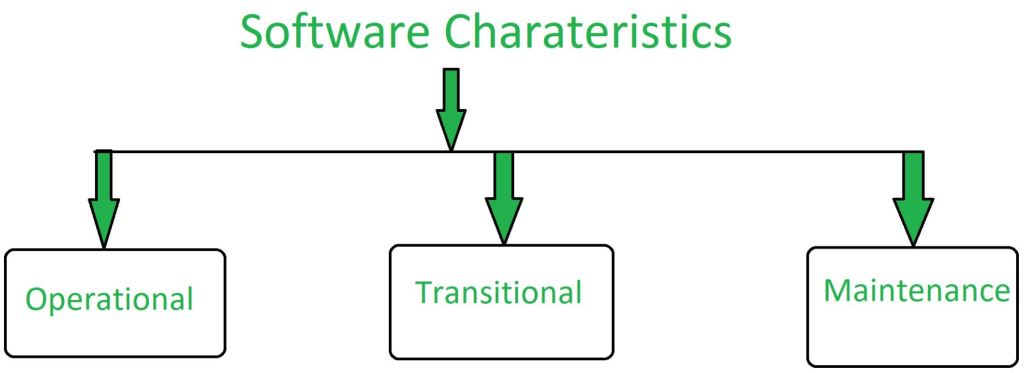
A software product can be judged by what it offers and how well it can be used. This software must satisfy on the following grounds: Operational, Transitional, Maintenance Well-engineered and crafted software is expected to have the following characteristics:
Operational:
This tells us how well software works in operations. It can be measured on:
Budget
Usability
Efficiency
Correctness
Functionality
Dependability
Security
Safety
2. Transitional:
This aspect is important when the software is moved from one platform to another:
Portability
Interoperability
Reusability
Adaptability
3. Maintenance:
This aspect briefs about how well software has the capabilities to maintain itself in the ever- changing environment:
Kashmir is the Indian subcontinent’s northernmost geographical area.
Srinagar
Srinagar is one of Kashmir’s and India’s most attractive and well-known tourist destinations. Srinagar offers it everything, from boating to trekking, bird viewing to water skiing. This location is regarded as the “mirror to the mountains” by the locals. This location provides an up-close glimpse into Kashmiri cuisine and culture.
Dal Lake
Dal Lake, often known as the “Jewel in the Crown of Kashmir,” is one of Kashmir’s most exquisite pieces of heaven. For decades, the lake has been the region’s favorite summer getaway, surrounded by magnificent Mughal gardens and dotted with British-built houseboats.
Indira Gandhi Memorial Tulip garden
You enter the garden with your eyes closed, then open them to find yourself immersed in a lake of flowers. Tulips of different colors may be found in this garden, which was planted using seeds brought in from Spain. They’re at their finest in the springtime, and the neighboring Dal Lake provides the perfect backdrop for photography.
Gulmarg
Gulmarg, also known as the ‘Meadow of Flowers,’ is a big attraction with its stretch of colorful flowers set against the backdrop of snow-capped mountains. For all the right reasons, Gulmarg is regarded as one of the greatest locations to visit in Kashmir. Because of the numerous opportunities for skiing in the snow while taking in the scenery, this region of Kashmir is also regarded as an adventurer’s paradise.
Sonmarg
Sonamarg is known as the ‘Golden Meadow,’ as its name indicates. Its attractions include an unending stream of beautiful flowers and undulating hiking trails.
Pahalgam
Pahalgam, at a height of 2740 meters, is considered a representation of paradise on earth. It is 95 kilometers from Srinagar and is surrounded by thick woods, lovely lakes, and flower-filled meadows. This small town is famous for pulling all of a visitor’s tension away, making it one of the greatest locations to visit in Kashmir.
Betaab Valley
Many trekkers begin their journey in this valley, which is surrounded by beautiful green meadows and snow-capped mountains. The thick greenery of conifers and lush green bushes encapsulate Kashmir’s genuine nature. This valley, which is dotted with colorful cottages, shelters, and a variety of bird species, is unique in its own right. You may go horseback riding or enjoy a picnic on the banks of the snow-fed Jade River in the Betab Valley, which flows south from the snowy peaks. The water in Jade is so clean that it is used for drinking by the locals!
Nishat Garden
On the shores of Dal Lake, this one is regarded as one of the biggest Mughal Gardens. Nishat Garden is also known as the Garden of Bliss, which is fitting given the stunning Zabarwan Mountains in the background. This garden is historically significant, and it was created by Asaf Khan, Nur Jahan’s brother.
Shalimar Garden
The well-known Emperor Jehangir built this garden specifically for his wife, Nur Jahan, in the year 1616. Another garden, Faiz Baksh, was added to this one after a while. Inside the garden, there is a canal with polished stones around the edges.
Sinthan Top
Sinthan Top, at 3,658 meters above sea level, provides stunning panoramic views of the area’s snow-capped mountains and low-lying areas. The location is easily accessible from a highway, but you must navigate yourself and overcome a few challenges before reaching the summit. You may even continue walking and land on the snow while enjoying a beautiful and magnificent 360-degree panorama of the entire area.
Kashmir is the Indian subcontinent’s northernmost geographical area.
Srinagar
Srinagar is one of Kashmir’s and India’s most attractive and well-known tourist destinations. Srinagar offers it everything, from boating to trekking, bird viewing to water skiing. This location is regarded as the “mirror to the mountains” by the locals. This location provides an up-close glimpse into Kashmiri cuisine and culture.
Dal Lake
Dal Lake, often known as the “Jewel in the Crown of Kashmir,” is one of Kashmir’s most exquisite pieces of heaven. For decades, the lake has been the region’s favorite summer getaway, surrounded by magnificent Mughal gardens and dotted with British-built houseboats.
Indira Gandhi Memorial Tulip garden
You enter the garden with your eyes closed, then open them to find yourself immersed in a lake of flowers. Tulips of different colors may be found in this garden, which was planted using seeds brought in from Spain. They’re at their finest in the springtime, and the neighboring Dal Lake provides the perfect backdrop for photography.
Gulmarg
Gulmarg, also known as the ‘Meadow of Flowers,’ is a big attraction with its stretch of colorful flowers set against the backdrop of snow-capped mountains. For all the right reasons, Gulmarg is regarded as one of the greatest locations to visit in Kashmir. Because of the numerous opportunities for skiing in the snow while taking in the scenery, this region of Kashmir is also regarded as an adventurer’s paradise.
Sonmarg
Sonamarg is known as the ‘Golden Meadow,’ as its name indicates. Its attractions include an unending stream of beautiful flowers and undulating hiking trails.
Pahalgam
Pahalgam, at a height of 2740 meters, is considered a representation of paradise on earth. It is 95 kilometers from Srinagar and is surrounded by thick woods, lovely lakes, and flower-filled meadows. This small town is famous for pulling all of a visitor’s tension away, making it one of the greatest locations to visit in Kashmir.
Betaab Valley
Many trekkers begin their journey in this valley, which is surrounded by beautiful green meadows and snow-capped mountains. The thick greenery of conifers and lush green bushes encapsulate Kashmir’s genuine nature. This valley, which is dotted with colorful cottages, shelters, and a variety of bird species, is unique in its own right. You may go horseback riding or enjoy a picnic on the banks of the snow-fed Jade River in the Betab Valley, which flows south from the snowy peaks. The water in Jade is so clean that it is used for drinking by the locals!
Nishat Garden
On the shores of Dal Lake, this one is regarded as one of the biggest Mughal Gardens. Nishat Garden is also known as the Garden of Bliss, which is fitting given the stunning Zabarwan Mountains in the background. This garden is historically significant, and it was created by Asaf Khan, Nur Jahan’s brother.
Shalimar Garden
The well-known Emperor Jehangir built this garden specifically for his wife, Nur Jahan, in the year 1616. Another garden, Faiz Baksh, was added to this one after a while. Inside the garden, there is a canal with polished stones around the edges.
Sinthan Top
Sinthan Top, at 3,658 meters above sea level, provides stunning panoramic views of the area’s snow-capped mountains and low-lying areas. The location is easily accessible from a highway, but you must navigate yourself and overcome a few challenges before reaching the summit. You may even continue walking and land on the snow while enjoying a beautiful and magnificent 360-degree panorama of the entire area.
On February 29,2020 , the U.S. government and the Taliban signed a peace agreement after more then years of negotiation.
The war that has been going on for almost 20 years comes to an end.
HISTORY
It started with the attack of 9/11. After September 2001 , U.S. invaded Afghanistan to capture the master mind of the attack . Osama bin Laden , the leader of al-Qaeda’s was killed in that invasion. The Taliban leaders relocated to southern Afghanistan and the border to Pakistan. From there , Afghanistan has been in control of UNITED STATE . U.S. Military and troops has been sent there to capture the area of Taliban.
WHY IN THE NEWS
According to U.S. and Taliban agreement , The withdrawal of troop to be done by September 11.
U.S. force to withdraw approx. 8,500 troops within 135 days and complete a full withdrawal within fourteen months.
In agreement , The Taliban promise to prevent territory from terrorist groups and they also promise to negotiate with Afghanistan government in March 2020.
Result of negotiation between Taliban and Afghanistan government . The reason for disagreement between them due to timing of the release of Five thousand Taliban prisoners.
Taliban wanted a release of prisoners before the agreement and The Afghan government wanted it after the negotiation.
Afghan government itself was divided in two groups and lastly in February 2020, Ashraf Ghani declared president of election commission. His main rival chief Executive Officer Abdullah Abdullah declared himself as winner and held a parallel inauguration ceremony in March 2020.
At currently Taliban has captured 90% of the areas including Kabul.
In conclusion ,the effect and consequences of this war will be suffered of the common man mostly women and children. The nightmare will be haunting these people for long.
On February 29,2020 , the U.S. government and the Taliban signed a peace agreement after more then years of negotiation.
The war that has been going on for almost 20 years comes to an end.
HISTORY
It started with the attack of 9/11. After September 2001 , U.S. invaded Afghanistan to capture the master mind of the attack . Osama bin Laden , the leader of al-Qaeda’s was killed in that invasion. The Taliban leaders relocated to southern Afghanistan and the border to Pakistan. From there , Afghanistan has been in control of UNITED STATE . U.S. Military and troops has been sent there to capture the area of Taliban.
WHY IN THE NEWS
According to U.S. and Taliban agreement , The withdrawal of troop to be done by September 11.
U.S. force to withdraw approx. 8,500 troops within 135 days and complete a full withdrawal within fourteen months.
In agreement , The Taliban promise to prevent territory from terrorist groups and they also promise to negotiate with Afghanistan government in March 2020.
Result of negotiation between Taliban and Afghanistan government . The reason for disagreement between them due to timing of the release of Five thousand Taliban prisoners.
Taliban wanted a release of prisoners before the agreement and The Afghan government wanted it after the negotiation.
Afghan government itself was divided in two groups and lastly in February 2020, Ashraf Ghani declared president of election commission. His main rival chief Executive Officer Abdullah Abdullah declared himself as winner and held a parallel inauguration ceremony in March 2020.
At currently Taliban has captured 90% of the areas including Kabul.
In conclusion ,the effect and consequences of this war will be suffered of the common man mostly women and children. The nightmare will be haunting these people for long.
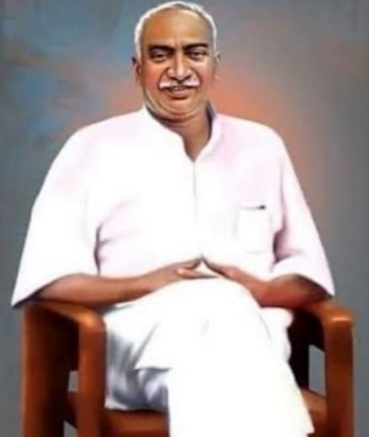
Though many National leaders rendered their selfless service to our country, one among them to be noted was the Kingmaker Kamaraj. K. Kamaraj, familiarly known as Kamarajar was an independent activist and the former Chief Minister of Tamil Nadu. He was popularly known as the Kingmaker of India during the 1960s. He supported Lal Bahadur Shastri, to be the President of India after the death of Nehru. After the sudden dismissal of Lal Bahadur Shastri, he supported Indira Gandhi to be the President of India. He was a man of simplicity and known for his best leadership in the development of Tamil Nadu. The Midday Meals Scheme introduced by him was very popular in India. He was popularly known as Karmaveerar, KalviKan Thirantha Mudhalvar, etc.
K KAMARAJ – Former Chief Minister Of TamilNadu
Kamaraj was born on 15th July 1903 at Virudhunagar in TamilNadu to Kumarasamy and Sivagami Ammal. His birth name was Kamatchi and later changed to Kamarajar. He studied primary education in a traditional school and he was to drop out because of his father’s death to support his family. He had a younger sister named Nagammal. He worked in his uncle’s shop and begun to attend political meetings and common meetings related to Home Rule Movement. He developed his interest in politics by reading daily newspapers. In 1920, at the age of 18, he became a very enthusiastic person and joined Indian National Congress. He organized public meetings for leaders in Virudhnagar and was very eager to meet Mahatma Gandhi. As he wished, he met Gandhiji for the first time in the meeting. Kamaraj went to jail for two years for taking part in ‘Salt Sathyagraha’ led by C. Rajagopalachari at Vedaranyam.
At the age of 34, he contested in the Legislative election for the first time and marked his first victory at Sattur in 1937. He stuck by the principle ‘ One should not accept any post/leadership to which one could not do full justice ‘. In 1954, Kamaraj became the Chief Minister of Tamil Nadu. Various schemes and deeds introduced by him as a Chief Minister are as follows:
He removed Hereditary Education Policy introduced by Rajaji.
He reopened more than 12,000 schools during his leadership as a Chief Minister.
Education and trade hiked during his period.
Kamarajar aimed to eradicate illiteracy and introduced compulsory education. The literacy rate was 7% during the British period but during his period, the literacy rate increased to 37%.
He also introduced the Midday Meals Scheme to provide atleast one healthy meal per day to the poor and needy children. He introduced the uniform scheme to the school children to eradicate the germination of caste-based flaws in young minds.
He built several irrigation canals during his period. He built nine dams which are appreciated till now and they are as strong as him.
Huge investment industries such as Neyveli Lignite Corporation, BHEL, etc. were started during his period.
He has been the Chief Minister of Tamil Nadu for three consecutive terms, by the victory in 1957 and 1962. His ruling period was known as the Golden Age of Tamil Nadu. Kamaraj was a great follower of Mahatma Gandhi, yet to this fact, he died on 2nd October 1975 during his sleep in his native Virudhunagar. He was awarded ‘Bharat Ratna’ posthumously in 1976. The Chennai Airport is named after him as Kamaraj Terminal.
His birthday is celebrated as ‘ Education Development Day ‘ in Tamil Nadu every year. Though he died, his good deeds remain in the hearts of the people.
Intelligence plus character – that is the goal of Education.
Though many National leaders rendered their selfless service to our country, one among them to be noted was the Kingmaker Kamaraj. K. Kamaraj, familiarly known as Kamarajar was an independent activist and the former Chief Minister of Tamil Nadu. He was popularly known as the Kingmaker of India during the 1960s. He supported Lal Bahadur Shastri, to be the President of India after the death of Nehru. After the sudden dismissal of Lal Bahadur Shastri, he supported Indira Gandhi to be the President of India. He was a man of simplicity and known for his best leadership in the development of Tamil Nadu. The Midday Meals Scheme introduced by him was very popular in India. He was popularly known as Karmaveerar, KalviKan Thirantha Mudhalvar, etc.
K KAMARAJ – Former Chief Minister Of TamilNadu
Kamaraj was born on 15th July 1903 at Virudhunagar in TamilNadu to Kumarasamy and Sivagami Ammal. His birth name was Kamatchi and later changed to Kamarajar. He studied primary education in a traditional school and he was to drop out because of his father’s death to support his family. He had a younger sister named Nagammal. He worked in his uncle’s shop and begun to attend political meetings and common meetings related to Home Rule Movement. He developed his interest in politics by reading daily newspapers. In 1920, at the age of 18, he became a very enthusiastic person and joined Indian National Congress. He organized public meetings for leaders in Virudhnagar and was very eager to meet Mahatma Gandhi. As he wished, he met Gandhiji for the first time in the meeting. Kamaraj went to jail for two years for taking part in ‘Salt Sathyagraha’ led by C. Rajagopalachari at Vedaranyam.
At the age of 34, he contested in the Legislative election for the first time and marked his first victory at Sattur in 1937. He stuck by the principle ‘ One should not accept any post/leadership to which one could not do full justice ‘. In 1954, Kamaraj became the Chief Minister of Tamil Nadu. Various schemes and deeds introduced by him as a Chief Minister are as follows:
He removed Hereditary Education Policy introduced by Rajaji.
He reopened more than 12,000 schools during his leadership as a Chief Minister.
Education and trade hiked during his period.
Kamarajar aimed to eradicate illiteracy and introduced compulsory education. The literacy rate was 7% during the British period but during his period, the literacy rate increased to 37%.
He also introduced the Midday Meals Scheme to provide atleast one healthy meal per day to the poor and needy children. He introduced the uniform scheme to the school children to eradicate the germination of caste-based flaws in young minds.
He built several irrigation canals during his period. He built nine dams which are appreciated till now and they are as strong as him.
Huge investment industries such as Neyveli Lignite Corporation, BHEL, etc. were started during his period.
He has been the Chief Minister of Tamil Nadu for three consecutive terms, by the victory in 1957 and 1962. His ruling period was known as the Golden Age of Tamil Nadu. Kamaraj was a great follower of Mahatma Gandhi, yet to this fact, he died on 2nd October 1975 during his sleep in his native Virudhunagar. He was awarded ‘Bharat Ratna’ posthumously in 1976. The Chennai Airport is named after him as Kamaraj Terminal.
His birthday is celebrated as ‘ Education Development Day ‘ in Tamil Nadu every year. Though he died, his good deeds remain in the hearts of the people.
Intelligence plus character – that is the goal of Education.
It is a set of instructions (computer programs) that when executed provide desired function and performance.
It is a Data structures that enable the programs to adequately manipulate information.
It is a Documents that describe the operation and use of the programs.
What is Embedded Software ?
Intelligent products have become commonplace in nearly every consumer and industrial market. Embedded software resides in read-only memory and is used to control products and systems for the consumer and industrial markets. Embedded software can perform very limited and esoteric functions (e.g., keypad control for a microwave oven) or provide significant function and control capability (e.g., digital functions in an automobile such as fuel control, dashboard displays, and braking systems). A function point extension called feature points. It is a superset of the function point measure that can be applied to systems and engineering software applications.
The feature point measure accommodates applications in which algorithmic complexity is high. Real- time, process control and embedded software applications tend to have high algorithmic complexity and are therefore amenable to the feature point.
Changing Nature of Software
Whenever one starts with the software implementation changes can occur any time. The software can be change due to any reason. But while implementing software one should be ready for such changes as if changes occur there shall not be drastic change in the system. The development team should manage to implement/mould the implemented system so that the changes can be reflected and the user requirements meet. When change occur the team look for the current status of the system and from there onwards they starts implementing a system with new requirements of a user or changes which is to be implemented in a system.
It is a set of instructions (computer programs) that when executed provide desired function and performance.
It is a Data structures that enable the programs to adequately manipulate information.
It is a Documents that describe the operation and use of the programs.
What is Embedded Software ?
Intelligent products have become commonplace in nearly every consumer and industrial market. Embedded software resides in read-only memory and is used to control products and systems for the consumer and industrial markets. Embedded software can perform very limited and esoteric functions (e.g., keypad control for a microwave oven) or provide significant function and control capability (e.g., digital functions in an automobile such as fuel control, dashboard displays, and braking systems). A function point extension called feature points. It is a superset of the function point measure that can be applied to systems and engineering software applications.
The feature point measure accommodates applications in which algorithmic complexity is high. Real- time, process control and embedded software applications tend to have high algorithmic complexity and are therefore amenable to the feature point.
Changing Nature of Software
Whenever one starts with the software implementation changes can occur any time. The software can be change due to any reason. But while implementing software one should be ready for such changes as if changes occur there shall not be drastic change in the system. The development team should manage to implement/mould the implemented system so that the changes can be reflected and the user requirements meet. When change occur the team look for the current status of the system and from there onwards they starts implementing a system with new requirements of a user or changes which is to be implemented in a system.
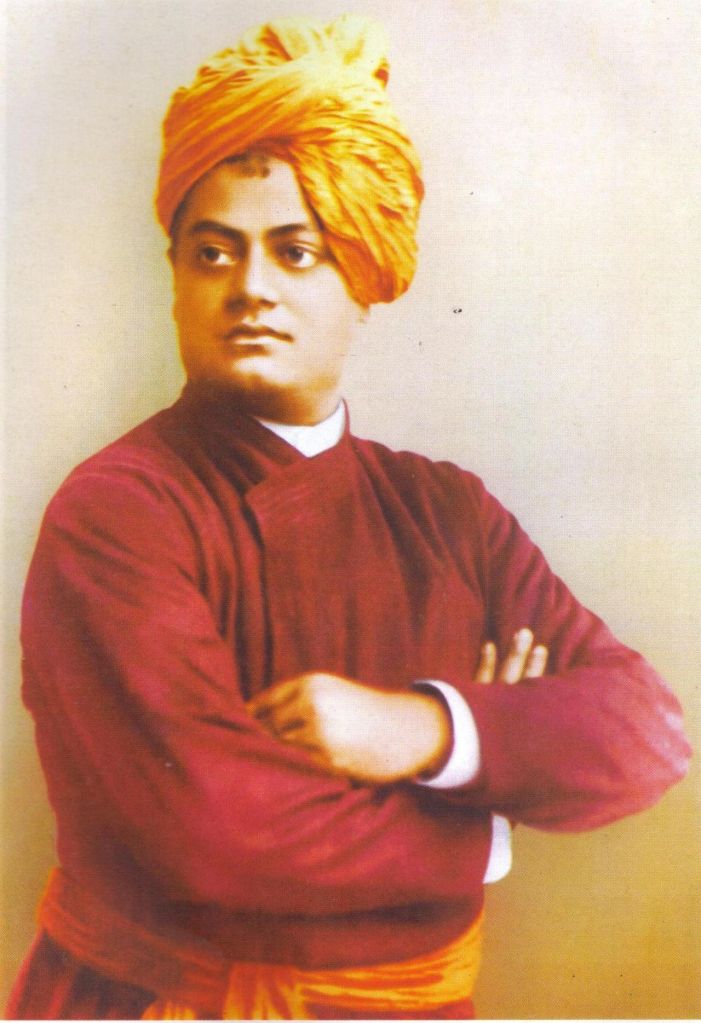
Founder of: Ramakrishna Mission (1897), Ramakrishna Math, Vedanta Society of New York
Philosophy: Advaita Vedanta
Literary works: Raja Yoga (1896), Karma Yoga (1896), Bhakti Yoga (1896), Jnana Yoga, My Master (1901), Lectures from Colombo to Almora (1897) Death: 4 July, 1902
Place of Death: Belur Math, Belur, Bengal
Memorial: Belur math, west bengal
About Swami Vivekanand:-
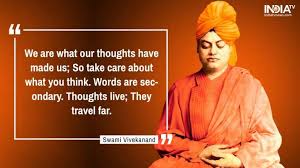
There are some rare men who leave their footprints on the sands of time, becoming a source of motivation for thousands of lost wanderers in the battlefield of life. Swami Vivekananda is one such example. “Come up, o lions and shake off the delusion that you are sheep; you are souls immortal, spirits free, blest and eternal….’ These words of stunning optimism proclaimed the arrival of a prophet- philosopher no less than Swami Vivekananda on the stage of the world. Such were his words that shook the world in the Chicago address on 19 September 1893. A young, educated man, Narendranath Dutta once walked the path of scepticism and even cynicism when it came to religion.
“All the powers in the universe are already our. It is we who have put our hands before our eyes and cry that it is dark.”- –Swami Vivekananda“
A visit to Ramakrishna Paramahansa changed his life. He challenged Ramakrishna’s claims of having seen God. Ramakrishna put his fingers on Naren’s heart, and in a moment of overwhelmingly powerful spiritual vision, Naren discovered God everywhere- from the rich man in his mansion to the poor rickshaw puller on the streets of Kolkata. God was no more a wishful thinking confined to the Kali temple at Ramakrishna’s Dakshineshwar. He was a living entity beyond all limitations of caste, creed, religion, language, time and space. Thus Narendranath Dutta metamorphosed into Swami Vivekananda, a disciple of Ramakrishna. This, however, was merely the beginning. The master, Ramakrishna, had told him before his passing away that he, Naren, would have to do ‘Mother’s work’, to teach mankind and be like a banyan tree, giving shelter to the tired and weary. In January 1891, he left the company of his brother monks and traversed the country from the North to the South alone with God. He wept to see the suffering and ignorance of the poor, and was disturbed at the material complacency of the affluent classes. The picture of ancient India appeared vividly before his eyes in all its grandeur and glory, and the contrast was unbearable. Swamiji set upon himself the task of rebuilding a new and rejuvenated India.
“
“Learn everything that is good from others but bring it in, and in your own way absorb it; do not become others.” –Swami Vivekanand‘.
Be it his journey to America or the lecture at Chicago or the setting up of the Ramakrishna Mission in 1897, his main aim was service to mankind and the rebuilding of a young, vibrant and educated India. · Ramakrishna Mission today is a giant organisation which dedicates itself to the execution of extensive educational and philanthropic work in India and abroad, and expounds the profound Vedantic philosophy preached by Swamiji. The impact Swamiji had on India and across the world can be best understood by the comment made by The New York Herald about his speech at Chicago; ‘He (Swamiji) is undoubtedly the greatest figure in the Parliament of Religions. After hearing him, we see how foolish it is to send missionaries to this learned nation.
“Take up one idea. Make that one idea your life; dream of it; think of it; live on that idea. Let the brain, the body, muscles, nerves, every part of your body be full of that idea, and just leave every other idea alone. This is the way to success, and this is the way great spiritual giants are produced.”
― Swami Vivekananda
Narendranath Dutta was born on 12 January 1863, and Swam Vivekananda passed away on July 4, 1902. But the lionheart with his piercing eyes, mobile lips, swift movements, clad in yellow and orange, shining like the sun of India in the heavy atmosphere of Chicago, lives on in the memory of millions. He inspires every ma in the world to ‘arise, awake, and stop not till the goal is reached.
You have to grow from the inside out. None can teach you, none can make you spiritual. There is no other teacher but your own soul.” ― Swami Vivekananda
If anyone wants to study the origin of the Vedanta movement in America then study Swami Vivekananda travels across the US. He was a great thinker, great orator, and passionate patriot. It is not wrong to say that he was more than just a spiritual mind.
“Be the servant while leading. Be unselfish. Have infinite patience, and success is yours.” ― Swami Vivekananda
Founder of: Ramakrishna Mission (1897), Ramakrishna Math, Vedanta Society of New York
Philosophy: Advaita Vedanta
Literary works: Raja Yoga (1896), Karma Yoga (1896), Bhakti Yoga (1896), Jnana Yoga, My Master (1901), Lectures from Colombo to Almora (1897) Death: 4 July, 1902
Place of Death: Belur Math, Belur, Bengal
Memorial: Belur math, west bengal
About Swami Vivekanand:-
There are some rare men who leave their footprints on the sands of time, becoming a source of motivation for thousands of lost wanderers in the battlefield of life. Swami Vivekananda is one such example. “Come up, o lions and shake off the delusion that you are sheep; you are souls immortal, spirits free, blest and eternal….’ These words of stunning optimism proclaimed the arrival of a prophet- philosopher no less than Swami Vivekananda on the stage of the world. Such were his words that shook the world in the Chicago address on 19 September 1893. A young, educated man, Narendranath Dutta once walked the path of scepticism and even cynicism when it came to religion.
“All the powers in the universe are already our. It is we who have put our hands before our eyes and cry that it is dark.”- –Swami Vivekananda“
A visit to Ramakrishna Paramahansa changed his life. He challenged Ramakrishna’s claims of having seen God. Ramakrishna put his fingers on Naren’s heart, and in a moment of overwhelmingly powerful spiritual vision, Naren discovered God everywhere- from the rich man in his mansion to the poor rickshaw puller on the streets of Kolkata. God was no more a wishful thinking confined to the Kali temple at Ramakrishna’s Dakshineshwar. He was a living entity beyond all limitations of caste, creed, religion, language, time and space. Thus Narendranath Dutta metamorphosed into Swami Vivekananda, a disciple of Ramakrishna. This, however, was merely the beginning. The master, Ramakrishna, had told him before his passing away that he, Naren, would have to do ‘Mother’s work’, to teach mankind and be like a banyan tree, giving shelter to the tired and weary. In January 1891, he left the company of his brother monks and traversed the country from the North to the South alone with God. He wept to see the suffering and ignorance of the poor, and was disturbed at the material complacency of the affluent classes. The picture of ancient India appeared vividly before his eyes in all its grandeur and glory, and the contrast was unbearable. Swamiji set upon himself the task of rebuilding a new and rejuvenated India.
“
“Learn everything that is good from others but bring it in, and in your own way absorb it; do not become others.” –Swami Vivekanand‘.
Be it his journey to America or the lecture at Chicago or the setting up of the Ramakrishna Mission in 1897, his main aim was service to mankind and the rebuilding of a young, vibrant and educated India. · Ramakrishna Mission today is a giant organisation which dedicates itself to the execution of extensive educational and philanthropic work in India and abroad, and expounds the profound Vedantic philosophy preached by Swamiji. The impact Swamiji had on India and across the world can be best understood by the comment made by The New York Herald about his speech at Chicago; ‘He (Swamiji) is undoubtedly the greatest figure in the Parliament of Religions. After hearing him, we see how foolish it is to send missionaries to this learned nation.
“Take up one idea. Make that one idea your life; dream of it; think of it; live on that idea. Let the brain, the body, muscles, nerves, every part of your body be full of that idea, and just leave every other idea alone. This is the way to success, and this is the way great spiritual giants are produced.”
― Swami Vivekananda
Narendranath Dutta was born on 12 January 1863, and Swam Vivekananda passed away on July 4, 1902. But the lionheart with his piercing eyes, mobile lips, swift movements, clad in yellow and orange, shining like the sun of India in the heavy atmosphere of Chicago, lives on in the memory of millions. He inspires every ma in the world to ‘arise, awake, and stop not till the goal is reached.
You have to grow from the inside out. None can teach you, none can make you spiritual. There is no other teacher but your own soul.” ― Swami Vivekananda
If anyone wants to study the origin of the Vedanta movement in America then study Swami Vivekananda travels across the US. He was a great thinker, great orator, and passionate patriot. It is not wrong to say that he was more than just a spiritual mind.
“Be the servant while leading. Be unselfish. Have infinite patience, and success is yours.” ― Swami Vivekananda
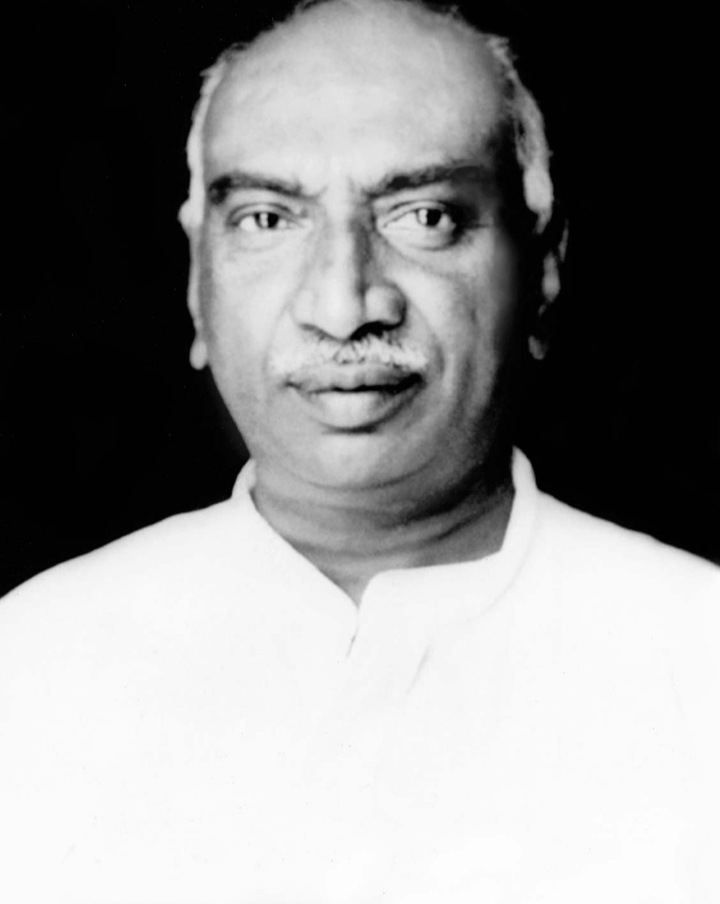
Kamaraj was born on 15 July 1903 in Virudhunagar, Tamil Nadu to Kumaraswami and Sivakami Ammaiyar. Initially his name was kamachi and later changed to Kamarajar. His father was a Merchant.Kamaraj lost his father at the age of six. In 1914 Kamaraj dropped out of school to support his mother.
As a young boy kamaraj went to help his uncle, during that period, he began to attend public meeting and processions about the Indian Home Rule Movement and he gained political knowledge by reading newspaper regularly.
He was a founder of Indian National Congress (organisation). He is popularly known as “Kingmaker”.
On 13 April 1954,Kamaraj became the Chief Minister of Madras province. In his ruling period he did many things, especially he opened many schools in rural areas and made free and compulsory education upto Eleventh. Inorder to motivate the children Midday Meal Scheme was also launched. He was awarded Bharat Ratna in 1976.
Kamaraj died at his home while sleeping on Gandhi Jayanthi(October 2 1975).He was died at a age of 72.He was really a man of simplicity.
Kamaraj was born on 15 July 1903 in Virudhunagar, Tamil Nadu to Kumaraswami and Sivakami Ammaiyar. Initially his name was kamachi and later changed to Kamarajar. His father was a Merchant.Kamaraj lost his father at the age of six. In 1914 Kamaraj dropped out of school to support his mother.
As a young boy kamaraj went to help his uncle, during that period, he began to attend public meeting and processions about the Indian Home Rule Movement and he gained political knowledge by reading newspaper regularly.
He was a founder of Indian National Congress (organisation). He is popularly known as “Kingmaker”.
On 13 April 1954,Kamaraj became the Chief Minister of Madras province. In his ruling period he did many things, especially he opened many schools in rural areas and made free and compulsory education upto Eleventh. Inorder to motivate the children Midday Meal Scheme was also launched. He was awarded Bharat Ratna in 1976.
Kamaraj died at his home while sleeping on Gandhi Jayanthi(October 2 1975).He was died at a age of 72.He was really a man of simplicity.
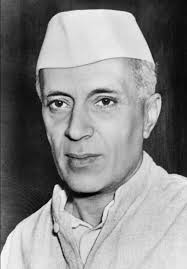
Jawaharlal Nehru was the first prime minister of India. He was born in Allahabad United provinces British Raj November 1889. His father’s name of Motilal Nehru and mother’s name was Swaruprani Thussu. His father was a politician and Indian lawyer his mother was Motilal`s second wife. He was the first of the three children of her parents.
Nehru received most of his primary education at home with the help of several tutors and governors. At the age of 15 Nehru was enrolled at Harrow School in England. Then he got admission at Trinity College Cambridge. After graduate degree Nehru enrolled himself at the Inns of Court School of Law in 1910 and studied law. In two year passed in Bar Examination and was offered to be admitted to the English bar Nehru returned to his Homeland in 1912 and started practicing law as a barrister at the Allahabad High Court. He married Kamala Kaul on February 8th, 1969 at the age of Indira Priyadarshini to become the first woman Prime Minister of the country.
1916 Nehru first met Gandhi a relationship that turned to be one of a lifetime for the two with Gandhi as his mentor Nehru Rose to prominence in the National Congress so much so that he was elected to the post of the general secretary of the Congress Nehru not only contributed greatly to the National Movement in India but also gave the freedom struggle and international Outlook in 1927 following the rejection of Gandhi plea and Nehru Presidency over the Lahore session of Congress in 1928 Nehru demanded complete Independence this resolution made him one of the most significant leaders of the independent movement he along with Gandhi manifested Limited civil disobedience and was jailed for the same in 1947 India rejected the withdrawal of the British from the Indian solid it suffered the pain of partition as the British had decided to partition of the the country into India and Pakistan Pakistan was formed on August 14, 1947. Nehru became the first Prime Minister of independent India from August 15 1947 until May 2, 1964,4 Nehru during his term as the Prime Minister brought forward radical changes in domestic international, economic, agricultural and social policies for the same he established numerous Institutions of Higher Learning to educate Young India include free and compulsory primary education to all children in his five-year plan throughout.
Nehru region Kashmir reminded a subject of contention both India and Pakistan wanted to include state in the country Pakistan in 1948 even made an attempt at seizing Kashmir by force but failed in their
attempt it was during his time that the Portuguese left Goa and the region
become a part of India he was referred to as the architect of modern India Nehru was best out with the Bharat Ratna award in 1955 India’s highest civilian honor 3 died in New Delhi India on 27 may 1964 at age of 74
“Without peace all other dream vanish and are reduced to Ashes”.
Jawaharlal Nehru was the first prime minister of India. He was born in Allahabad United provinces British Raj November 1889. His father’s name of Motilal Nehru and mother’s name was Swaruprani Thussu. His father was a politician and Indian lawyer his mother was Motilal`s second wife. He was the first of the three children of her parents.
Nehru received most of his primary education at home with the help of several tutors and governors. At the age of 15 Nehru was enrolled at Harrow School in England. Then he got admission at Trinity College Cambridge. After graduate degree Nehru enrolled himself at the Inns of Court School of Law in 1910 and studied law. In two year passed in Bar Examination and was offered to be admitted to the English bar Nehru returned to his Homeland in 1912 and started practicing law as a barrister at the Allahabad High Court. He married Kamala Kaul on February 8th, 1969 at the age of Indira Priyadarshini to become the first woman Prime Minister of the country.
1916 Nehru first met Gandhi a relationship that turned to be one of a lifetime for the two with Gandhi as his mentor Nehru Rose to prominence in the National Congress so much so that he was elected to the post of the general secretary of the Congress Nehru not only contributed greatly to the National Movement in India but also gave the freedom struggle and international Outlook in 1927 following the rejection of Gandhi plea and Nehru Presidency over the Lahore session of Congress in 1928 Nehru demanded complete Independence this resolution made him one of the most significant leaders of the independent movement he along with Gandhi manifested Limited civil disobedience and was jailed for the same in 1947 India rejected the withdrawal of the British from the Indian solid it suffered the pain of partition as the British had decided to partition of the the country into India and Pakistan Pakistan was formed on August 14, 1947. Nehru became the first Prime Minister of independent India from August 15 1947 until May 2, 1964,4 Nehru during his term as the Prime Minister brought forward radical changes in domestic international, economic, agricultural and social policies for the same he established numerous Institutions of Higher Learning to educate Young India include free and compulsory primary education to all children in his five-year plan throughout.
Nehru region Kashmir reminded a subject of contention both India and Pakistan wanted to include state in the country Pakistan in 1948 even made an attempt at seizing Kashmir by force but failed in their attempt it was during his time that the Portuguese left Goa and the region become a part of India he was referred to as the architect of modern India Nehru was best out with the Bharat Ratna award in 1955 India’s highest civilian honor 3 died in New Delhi India on 27 may 1964 at age of 74“Without peace all other dream vanish and are reduced to Ashes”.














 Eduindex
You must be logged in to post a comment.