5 Tourists Places in India with the Touch of Nature

Photo by Tatiana Syrikova on Pexels.com

Who does not want to explore new places? Everyone loves to travel and visit beautiful places. India is a destination for tourist lover of all over the world as every type of tourist place can be found here. From mountains to sea, from forest to desert and from historical to science places. According to statistic 2019, India ranks 34th out of 140 tourism countries from all over the world. Here I have given some suggestion of places from India where you will forget yourself with the touch of nature. So, pack your bag and go to these places.

Snow in Gulmarg

1) Gulmarg, Jammu-Kashmir (North of India) : Jammu- Kashmir is called ‘heaven on earth’. It is a popular hill station and town in Kashmir. Its location is sets in the Pir panjal Range of WESTERN Himalayas. The height of this place is 2650m from sea level. During summer (April- May) it is full of greeneries. But the best time for tourism is January to February for snowfall. Here you can take a ride of gondola, enjoy the beautiful scenery of mountains in Khilanmarg, make an iceman from snow and feel the speed of snow skiing.

Gulmarg meadow in Summer
Desert of Jaisalmer

2) Jaisalmer, Rajasthan (west of India): Jaisalmer, the golden city, is a desert city. It’s the 9th biggest sub- tropical desert in the whole world. It also works as a natural barrier between two countries, India and Pakistan. In the sea and mountains of the sand, you can enjoy the camel riding, feel the hot and cold weather during day and night in campaign. Take the pleasure of camel ride to travel in the desert .Don’t think that sand can’t give you the pleasure because it will certainly give you much more than you think.

Camel Ride in The Desert of Jaisalmer
Blackwaters in Kerala

3) Blackwaters, Kerala (south of India): It is a nature made water path in Kerala. This biackwaters is a water connection between lagoons, and lakes of Arabian sea. This blackwater wide more than 900km in size with some rivers, lake, water cannels etc. Vambanad lake which is India’s ever long lake, situated here. You can enjoy these waterbed sceneries in ferny ride.

Gangtok in Sikkim

4) Gangtok, Sikkim (North- east of India): It is the capital town of Sikkim which is situated in the height of 1650m from sea level. It is a valley town with the scenery of majestic mountains. It was famous for pilgrims’ place of Buddhist. The spectacular mountain scenery, wonderful Tibetan culture and magnificent monasteries, flower gardens will make you addict to this place.

Scenery of Gangtok
al lake in Srinagar

5) Srinagar, Jammu & Kashmir (North of India) : It is the northeast city of India .There are lot of lakes in Srinagar .You can enjoy & travel in the lake with shikara ride. You can enjoy luxury living in cozy boat houses . Dal lake is the most famous lake in the northern India . You can also bought things from floating market in the morning time . You also be able to enjoy the traditional festive meat dish Wazwan .The enormous sight of  30 hector tulip garden will enlighten your mood . You can also watch the whole Srinagar from the city tower of Pari Mahal in Zabarwan mountain . The water of Chashme shahi will cure your body with your medicinal power . You will feel yourself as a ruler in the majestic palace of Maharaja Hari Singh .
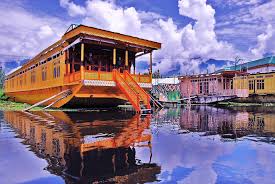
Boat house in the lakes of Srinagar
Shikara in the lake of Srinagar

Teen Wolf

Teen Wolf is an American supernatural teen drama television series developed by Jeff Davis for MTV, loosely based on the 1985 film of the same name. Tyler Posey portrays the title character, a young werewolf who defends his California town from supernatural creatures and other threats.

The series premiered on June 5, 2011, and concluded on September 24, 2017, after six seasons. It received generally positive reviews from critics and won three Saturn Awards for Best Youth-Oriented Television Series. The series also received 13 Teen Choice Awards, nine for the performances of Posey, Dylan O’Brien, Tyler Hoechlin, Holland Roden, and Shelley Hennig and four for Choice Summer TV Series.

Teen Wolf premiered on June 5, 2011, following the 2011 MTV Movie Awards.The second season premiered on June 3, 2012, after the 2012 MTV Movie Awards. On July 12, 2012, Teen Wolf was renewed for a third season, which includes 24 episodes and the production location was moved to Los Angeles, California.

The third season premiered on June 3, 2013, at 10 pm, giving the series a new high on ratings.A fourth season premiered on June 23, 2014. On July 24, 2014, MTV renewed Teen Wolf for a fifth season of 20 episodes, which was split into two parts, and premiered June 29, 2015.

On July 9, 2015, Teen Wolf was renewed for a sixth season of 20 episodes. Showrunner Jeff Davis confirmed that Tyler Posey, Dylan O’Brien, Holland Roden, Shelley Hennig and Dylan Sprayberry would be reprising their roles as Scott McCall, “Stiles” Stilinski, Lydia Martin, Malia Tate and Liam Dunbar respectively

Teen Wolf revolves around Scott McCall, a high school student living in the fictional California town of Beacon Hills. Scott becomes the eponymous teenage werewolf of the series after he is bitten by an alpha werewolf the night before his second year of high school, drastically changing his once-ordinary life. The bite forces him to balance his new identity with his day-to-day teenage life and eventually help protect his hometown, which he learns is a beacon for supernatural activity.

The main reason why Teen Wolf got canceled was MTV’s shift away from scripted shows and back towards its roots of music and unscripted content.

Assuming that Teen Wolf season 7 is ordered and does in fact happen, it’s going to be a while before fans would see any episodes. We’re talking about a major revival here, so it’s going to take a lot of time to make it all happen.So, for now, Teen Wolf season 7 likely wouldn’t be released until, at the earliest, 2023.

Teen Wolf

Teen Wolf is an American supernatural teen drama television series developed by Jeff Davis for MTV, loosely based on the 1985 film of the same name. Tyler Posey portrays the title character, a young werewolf who defends his California town from supernatural creatures and other threats.

The series premiered on June 5, 2011, and concluded on September 24, 2017, after six seasons. It received generally positive reviews from critics and won three Saturn Awards for Best Youth-Oriented Television Series. The series also received 13 Teen Choice Awards, nine for the performances of Posey, Dylan O’Brien, Tyler Hoechlin, Holland Roden, and Shelley Hennig and four for Choice Summer TV Series.

Teen Wolf premiered on June 5, 2011, following the 2011 MTV Movie Awards.The second season premiered on June 3, 2012, after the 2012 MTV Movie Awards. On July 12, 2012, Teen Wolf was renewed for a third season, which includes 24 episodes and the production location was moved to Los Angeles, California.

The third season premiered on June 3, 2013, at 10 pm, giving the series a new high on ratings.A fourth season premiered on June 23, 2014. On July 24, 2014, MTV renewed Teen Wolf for a fifth season of 20 episodes, which was split into two parts, and premiered June 29, 2015.

On July 9, 2015, Teen Wolf was renewed for a sixth season of 20 episodes. Showrunner Jeff Davis confirmed that Tyler Posey, Dylan O’Brien, Holland Roden, Shelley Hennig and Dylan Sprayberry would be reprising their roles as Scott McCall, “Stiles” Stilinski, Lydia Martin, Malia Tate and Liam Dunbar respectively

Teen Wolf revolves around Scott McCall, a high school student living in the fictional California town of Beacon Hills. Scott becomes the eponymous teenage werewolf of the series after he is bitten by an alpha werewolf the night before his second year of high school, drastically changing his once-ordinary life. The bite forces him to balance his new identity with his day-to-day teenage life and eventually help protect his hometown, which he learns is a beacon for supernatural activity.

The main reason why Teen Wolf got canceled was MTV’s shift away from scripted shows and back towards its roots of music and unscripted content.

Assuming that Teen Wolf season 7 is ordered and does in fact happen, it’s going to be a while before fans would see any episodes. We’re talking about a major revival here, so it’s going to take a lot of time to make it all happen.So, for now, Teen Wolf season 7 likely wouldn’t be released until, at the earliest, 2023.

Confidence:a key to success?

Confidence means feeling sure of yourself and your abilities in a realistic and secure way. Yes, it is rightly said that confidence is the key to success. It is built on the choices and accomplishments that feed your passion, most of all making you happy and feeling proud on yourself.

It doesn’t mean to feel like superior from others or in any arrogant way but to believe in a positive manner that you’re capable. A confident person can achieve the goals and face the scenarios of life far better than those who lacks it.

The people who are confident enough are admired by others ,can take the risk , look up the situations positively and also inspire others.

” low self-confidence isn’t a life sentence. Self confidence can be learned , practiced and mastered- just like any other skill. Once you master it, everything in your life will change for the better”.

Barrie Davenport

Tips to be confident:

  1. It is obvious that if you don’t believe in yourself how do u expect any other person to do that ? Confidence begins to develop by the time of accomplishment of the goals. So GET THE THINGS DONE is the foremost step in which you are required to set-up your day-to-day goals and when you will achieve them, automatically you will have the confidence of doing it.
  2. Just setting up of the goals is not enough and there comes the second tip to MONITOR THE PROGRESS by which you can easily know how much you have achieved and also can make any changes in your goals if needed to satisfy them.
  3. The way you appear or dress have a significant impact on your confidence .So DRESS SMART , it is the international symbol of status and no matter where you live it is always preferable to bring more attractiveness and confidence in you.
  4. Here comes the role of a BODY LANGUAGE which plays more important role in judging the personality of a person. Behave in a manner which will present you more confident . Always walk tall ,have an eye contact while talking and be energetic.
  5. Find out your strengths and try to LEVERAGE YOUR STRENGTHS dont give much focuss on your shortcomings otherwise you will become less confident. Just know your areas of master and bring them to more upper level to increase them it will eventually help you to be more confident about yourself.

Confidence:a key to success?

Confidence means feeling sure of yourself and your abilities in a realistic and secure way. Yes, it is rightly said that confidence is the key to success. It is built on the choices and accomplishments that feed your passion, most of all making you happy and feeling proud on yourself.

It doesn’t mean to feel like superior from others or in any arrogant way but to believe in a positive manner that you’re capable. A confident person can achieve the goals and face the scenarios of life far better than those who lacks it.

The people who are confident enough are admired by others ,can take the risk , look up the situations positively and also inspire others.

” low self-confidence isn’t a life sentence. Self confidence can be learned , practiced and mastered- just like any other skill. Once you master it, everything in your life will change for the better”.

Barrie Davenport

Tips to be confident:

  1. It is obvious that if you don’t believe in yourself how do u expect any other person to do that ? Confidence begins to develop by the time of accomplishment of the goals. So GET THE THINGS DONE is the foremost step in which you are required to set-up your day-to-day goals and when you will achieve them, automatically you will have the confidence of doing it.
  2. Just setting up of the goals is not enough and there comes the second tip to MONITOR THE PROGRESS by which you can easily know how much you have achieved and also can make any changes in your goals if needed to satisfy them.
  3. The way you appear or dress have a significant impact on your confidence .So DRESS SMART , it is the international symbol of status and no matter where you live it is always preferable to bring more attractiveness and confidence in you.
  4. Here comes the role of a BODY LANGUAGE which plays more important role in judging the personality of a person. Behave in a manner which will present you more confident . Always walk tall ,have an eye contact while talking and be energetic.
  5. Find out your strengths and try to LEVERAGE YOUR STRENGTHS dont give much focuss on your shortcomings otherwise you will become less confident. Just know your areas of master and bring them to more upper level to increase them it will eventually help you to be more confident about yourself.

Hum Do Aur Hamare Do

The Two-child policy is a government-imposed limit of two children allowed per family. It is used for some population groups in China, has previously been used in Vietnam, and has lately been discussed in the Philippines. Although not by law, in the 1970s, citizens of Hong Kong were also highly encouraged to have two children as a limit, and it was used as part of the region’s family planning strategies. One country which has also started to adopt this child policy to control its high population is the world’s largest democracy: India.

Multiple states have adopted this policy by prohibiting people with more than two children from serving in the government. Seven states:  Andhra Pradesh, Bihar, Gujarat, Maharashtra, Odisha, Rajasthan and Uttarakhand have laws barring couples with more than two children from contesting local body elections. In 2017 this policy was adopted by the North Eastern state of Assam with those having more than two children would be ineligible for government jobs. Some states have repealed policies; the state of Chhattisgarh introduced a policy in 2001 and repealed it in 2005. On July 10th 2021, the state of Uttar Pradesh, India’s most populous state, had announced draft legislation which would see anyone with more than two children denied state benefits, subsidies and government jobs. After a family has two children, there will also be incentives if one of the parents undergoes voluntary sterilisation. The state’s draft law includes incentives for two-child couples if one of them opts for voluntary sterilisation, including soft loans for construction or house purchases and rebates on utility bills and property taxes. The bill says that because of the state’s “limited ecological and economic resources at hand, it is necessary and urgent that the provision of the basic necessities of human life are accessible to all citizen”.

The implementation of a one-child policy will help to control the population. Not only will the policy help control head counts, but it will also provide advantages socially and economically. With reference to China’s one child policy, the plan of birth control could reduce India’s increasing unemployment. The fall in birth rate offers a demographic dividend, as the economically productive proportion of the population grows more rapidly than the general population. Without the rapid decrease in fertility, China’s economy would not have grown by 7-8% in a year. Thus, job opportunities would not be created for more people to be employed. With the decrease in population, competition among citizens was lowered and unemployment was alleviated. India needs such a change with the existing number of unemployed. Population control can also help reduce carbon emission in India and help alleviate climate change. India is among the top 5 countries with the highest carbon emission in the world. According to the Emissions Database for Global Atmospheric Research, India ranks number 4 in the world in carbon emission, with up to 2.5 million carbon dioxide emission in 2015. The implementation of the policy will help to decrease emission. China is an example of avoiding excess carbon emission with the population control policy. From the one-child policy, China avoided around 300 million births, meaning she has averted 1.3 billion tonnes of carbon dioxide in 2005 based on average world per capita emissions of 4.2 tonnes. From controlling population growth, this can help suppress the increasing carbon emission in India. As a result, would help slow down the exacerbating global warming and the consequences that come with it.

When diving deep however there may be some problems with this policy. People are quick to point out that India is a country with a booming technology industry, one that primarily relies on young people. There is a fear that restrictions on having children will produce a shortage of the educated young people needed to carry on India’s technological revolution. There are already well-documented problems with China’s one-child policy (1979-2015). Worst of all, there is a major gender imbalance resulting from a strong preference for the male child. Another criticism of two-child policies in India is that the laws violate women’s rights. Human rights activists argue that the laws discriminate against women right from birth by encouraging the abortion or infanticide of females. The two-child policies also create incentives for men to divorce their wives and abandon their families if they want to run for political office.

Every coin has two sides. Only time will tell if this policy will prove to be successful at combating the various issues which have arisen with India’s high population growth.

Hum Do Aur Hamare Do

The Two-child policy is a government-imposed limit of two children allowed per family. It is used for some population groups in China, has previously been used in Vietnam, and has lately been discussed in the Philippines. Although not by law, in the 1970s, citizens of Hong Kong were also highly encouraged to have two children as a limit, and it was used as part of the region’s family planning strategies. One country which has also started to adopt this child policy to control its high population is the world’s largest democracy: India.

Multiple states have adopted this policy by prohibiting people with more than two children from serving in the government. Seven states:  Andhra Pradesh, Bihar, Gujarat, Maharashtra, Odisha, Rajasthan and Uttarakhand have laws barring couples with more than two children from contesting local body elections. In 2017 this policy was adopted by the North Eastern state of Assam with those having more than two children would be ineligible for government jobs. Some states have repealed policies; the state of Chhattisgarh introduced a policy in 2001 and repealed it in 2005. On July 10th 2021, the state of Uttar Pradesh, India’s most populous state, had announced draft legislation which would see anyone with more than two children denied state benefits, subsidies and government jobs. After a family has two children, there will also be incentives if one of the parents undergoes voluntary sterilisation. The state’s draft law includes incentives for two-child couples if one of them opts for voluntary sterilisation, including soft loans for construction or house purchases and rebates on utility bills and property taxes. The bill says that because of the state’s “limited ecological and economic resources at hand, it is necessary and urgent that the provision of the basic necessities of human life are accessible to all citizen”.

The implementation of a one-child policy will help to control the population. Not only will the policy help control head counts, but it will also provide advantages socially and economically. With reference to China’s one child policy, the plan of birth control could reduce India’s increasing unemployment. The fall in birth rate offers a demographic dividend, as the economically productive proportion of the population grows more rapidly than the general population. Without the rapid decrease in fertility, China’s economy would not have grown by 7-8% in a year. Thus, job opportunities would not be created for more people to be employed. With the decrease in population, competition among citizens was lowered and unemployment was alleviated. India needs such a change with the existing number of unemployed. Population control can also help reduce carbon emission in India and help alleviate climate change. India is among the top 5 countries with the highest carbon emission in the world. According to the Emissions Database for Global Atmospheric Research, India ranks number 4 in the world in carbon emission, with up to 2.5 million carbon dioxide emission in 2015. The implementation of the policy will help to decrease emission. China is an example of avoiding excess carbon emission with the population control policy. From the one-child policy, China avoided around 300 million births, meaning she has averted 1.3 billion tonnes of carbon dioxide in 2005 based on average world per capita emissions of 4.2 tonnes. From controlling population growth, this can help suppress the increasing carbon emission in India. As a result, would help slow down the exacerbating global warming and the consequences that come with it.

When diving deep however there may be some problems with this policy. People are quick to point out that India is a country with a booming technology industry, one that primarily relies on young people. There is a fear that restrictions on having children will produce a shortage of the educated young people needed to carry on India’s technological revolution. There are already well-documented problems with China’s one-child policy (1979-2015). Worst of all, there is a major gender imbalance resulting from a strong preference for the male child. Another criticism of two-child policies in India is that the laws violate women’s rights. Human rights activists argue that the laws discriminate against women right from birth by encouraging the abortion or infanticide of females. The two-child policies also create incentives for men to divorce their wives and abandon their families if they want to run for political office.

Every coin has two sides. Only time will tell if this policy will prove to be successful at combating the various issues which have arisen with India’s high population growth.

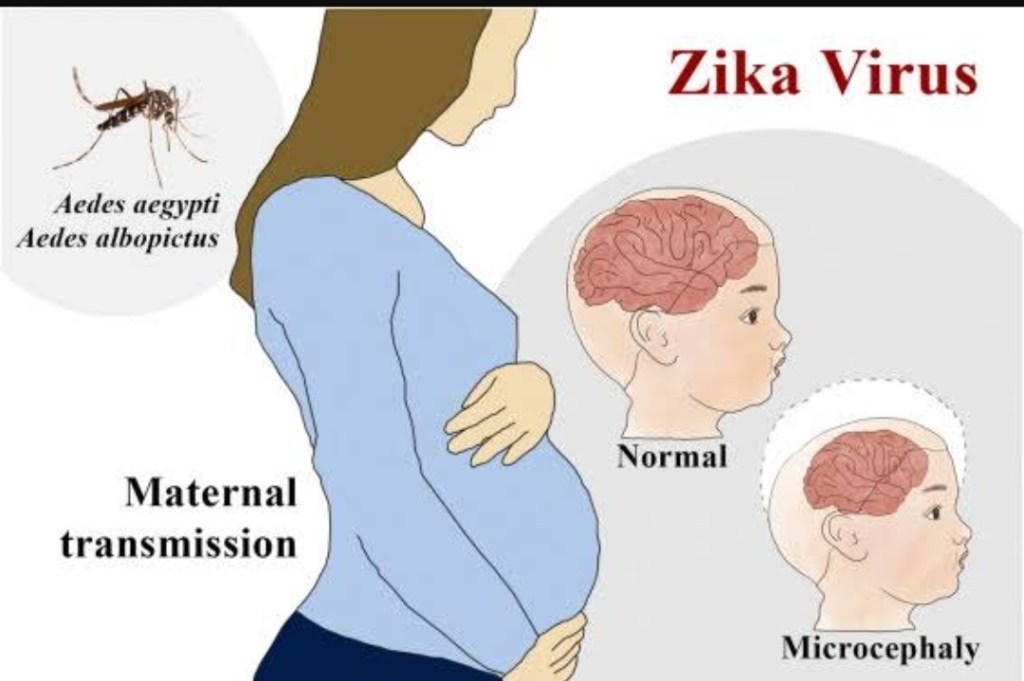
What is Zika virus that has now been detected in Kerala

WHAT IS ZIKA VIRUS?

Zika is a mosquito-borne virus that spreads through the bite of an infected Aedes species of mosquito named Aedes aegypti. According to the World Health Organisation (WHO), the Aedes mosquitoes usually bite during the day, peaking during early morning and late afternoon or evening. This is the same mosquito that transmits dengue, chikungunya and yellow fever.

WHEN WAS ZIKA IDENTIFIED?

The virus was first identified in Uganda in 1947 in monkeys and was later found in humans in 1952 in Uganda and the United Republic of Tanzania. Since then, outbreaks of the virus have been seen in Africa, America, Asia and the Pacific, while rare cases of human infections were found across Africa and Asia.

The first reported outbreak of Zika was on the Island of Yap in 2007. A massive outbreak was recorded in 2013 in French Polynesia

The outbreak in Brazil in 2015 became a real scare making headlines across the globe. Soon cases were seen in the US, Africa, and other regions of the world.

According to the WHO, so far 86 countries have reported evidence of mosquito-transmitted Zika virus.

SYMPTOMS AND TREATMENT

According to the US Centre for Disease Control (CDC), many people infected by the virus won’t have symptoms or show mild symptoms that include fever, rash, headache, joint pain, red eyes, muscle pain. The symptoms can last for several days, and if it continues for long, they might need hospital care.

Diagnosis of the Zika virus can only be confirmed by blood tests or other through body fluids, such as urine or semen.

There is no specific medicine for the treatment of Zika virus infection. There is no vaccine for protection from Zika virus. There is a Zika-appropriate behaviour protocol that is recommended to stay safe and be prevented from this viral infection.

Precautions recommended against Zika virus infection include:

  • Wearing long-sleeved shirts and long pants
  • Staying in places with air conditioning and windows
  • Mosquito-netting can be used to cover babies younger than two months
  • Not using products containing oil of lemon eucalyptus or para-menthane-diol on children younger than three years

According to the WHO, pregnant women living in areas with known Zika virus transmission or who develop symptoms of Zika virus infection should seek medical attention for laboratory testing and other clinical care.

What is Zika virus that has now been detected in Kerala

WHAT IS ZIKA VIRUS?

Zika is a mosquito-borne virus that spreads through the bite of an infected Aedes species of mosquito named Aedes aegypti. According to the World Health Organisation (WHO), the Aedes mosquitoes usually bite during the day, peaking during early morning and late afternoon or evening. This is the same mosquito that transmits dengue, chikungunya and yellow fever.

WHEN WAS ZIKA IDENTIFIED?

The virus was first identified in Uganda in 1947 in monkeys and was later found in humans in 1952 in Uganda and the United Republic of Tanzania. Since then, outbreaks of the virus have been seen in Africa, America, Asia and the Pacific, while rare cases of human infections were found across Africa and Asia.

The first reported outbreak of Zika was on the Island of Yap in 2007. A massive outbreak was recorded in 2013 in French Polynesia

The outbreak in Brazil in 2015 became a real scare making headlines across the globe. Soon cases were seen in the US, Africa, and other regions of the world.

According to the WHO, so far 86 countries have reported evidence of mosquito-transmitted Zika virus.

SYMPTOMS AND TREATMENT

According to the US Centre for Disease Control (CDC), many people infected by the virus won’t have symptoms or show mild symptoms that include fever, rash, headache, joint pain, red eyes, muscle pain. The symptoms can last for several days, and if it continues for long, they might need hospital care.

Diagnosis of the Zika virus can only be confirmed by blood tests or other through body fluids, such as urine or semen.

There is no specific medicine for the treatment of Zika virus infection. There is no vaccine for protection from Zika virus. There is a Zika-appropriate behaviour protocol that is recommended to stay safe and be prevented from this viral infection.

Precautions recommended against Zika virus infection include:

  • Wearing long-sleeved shirts and long pants
  • Staying in places with air conditioning and windows
  • Mosquito-netting can be used to cover babies younger than two months
  • Not using products containing oil of lemon eucalyptus or para-menthane-diol on children younger than three years

According to the WHO, pregnant women living in areas with known Zika virus transmission or who develop symptoms of Zika virus infection should seek medical attention for laboratory testing and other clinical care.

FAMILY

IN THIS WORLD A PERSON CAN WHERE EVER HE/SHE WANT BUT WE WILL COME BACK OUR HOME WHERE WE FEEL SATISFIED…….

FAMILY HAS THE POWER TO CHANGE OUR MIND THOUGH….AND SO ON

WHEN FAMILY SUPPORTS WE CAN ACHIEVE OUR DREAMS AND PURSUING OUR PASSION WITH THE HELP FAMILY BECAUSE THEY SUPPORT US…….ALL SITUATIONS

FAMILY GIVES YOU THE POWER TO FACE ANY PROBLEM SO, DON’T GET FEAR OF ANY THING WHEN YOUR FAMILY IS WITH YOU .

THANK GOD FOR GIVING SUCH A BEAUTIFUL FAMILY………AND TALKING CARE OF YOU SO WELL……….

GANDHI JAYANTI

The birthday of Mohandas Karamchand Gandhi is celebrated as ‘Gandhi Jayanti.’ On October 2nd, 1869, India’s “Father of the Nation,” Gandhiji, was born. Thus, every year on October 2nd, Gandhi Jayanti is commemorated. In India, Gandhi Jayanti is observed as a public holiday. The International Day of Non-Violence is observed on this date around the world. Mahatma Gandhi’s contribution to Indian politics is incomparable. Gandhi suffered and was imprisoned multiple times throughout the tumultuous days of the campaign for Indian independence, but freedom for his motherland remained his cherished objective. He was a key figure in several freedom fights and was the founder of the “Quit India Movement.”

ABOUT MAHATMA GANDHI:

On October 2, 1869, in Porbandar, Gujarat, India, Mohandas Karamchand Gandhi was born. His father was the dewan (chief minister) of Porbandar, and his deeply religious mother was a staunch follower of Vaishnavism (the worship of the Hindu god Vishnu), influenced by Jainism, an ascetic faith built on self-discipline and nonviolence. Mohandas Gandhi left home at the age of 19 to study law at the Inner Temple, one of London’s four legal schools. In mid-1891, he returned to India and opened a law office in Bombay, but it was a flop. He quickly took a job with an Indian company, which dispatched him to its South African branch. Gandhi stayed in South Africa for approximately 20 years with his wife Kasturbai and their children. Mohandas Karamchand Gandhi, also known as Mahatma Gandhi, was a well-known freedom activist and a significant political figure in India’s fight for independence from British control. He was also known as the country’s founding father. He had, without a doubt, made a difference in the lives of India’s impoverished. Every year on Gandhi Jayanti, his birthday, is commemorated. Many people were impacted by his idea of truth and nonviolence, which was embraced by Martin Luther and Nelson Mandela for their respective battle movements.

SIGNIFICANCE OF MAHATMA GANDHI AND GANDHISM:

Mahatma Gandhi was a pivotal figure in both the Indian Independence Movement and the Indian National Congress, and is considered one of the most influential figures in Indian history. Gandhi was born in the city of Porbandar, in western British India, on October 2nd, 1869. Mohandas Karamchand Gandhi was his birth name. He was given the epithet ‘Mahatma’ later in life, which means ‘Great Soul,’ and refers to his role in assisting India in gaining independence from Britain.

“I have nothing new to teach the world. Truth and non-violence are as old as the hills. All I have done is to try experiments in both on as vast a scale as I could.” – M K Gandhi

Gandhism is an amalgamation of Mahatma Gandhi’s ideals and practices, as well as his activities, in plain and simple terms. It comprises of Mahatma Gandhi’s thoughts, which he gave to the world, and his acts, which he termed as “truth experiments.” We know that he lived his life to the fullest extent feasible in accordance with his principles; therefore, people who believe that Gandhism is defined solely by his ideas are mistaken. Mahatma Gandhi cannot be compared to Karl Marx, whose ideas are referred to as Marxism. It would be incorrect to label the Mahatma’s views as Gandhism because he was also a man of action.

FAMILY

IN THIS WORLD A PERSON CAN WHERE EVER HE/SHE WANT BUT WE WILL COME BACK OUR HOME WHERE WE FEEL SATISFIED…….

FAMILY HAS THE POWER TO CHANGE OUR MIND THOUGH….AND SO ON

WHEN FAMILY SUPPORTS WE CAN ACHIEVE OUR DREAMS AND PURSUING OUR PASSION WITH THE HELP FAMILY BECAUSE THEY SUPPORT US…….ALL SITUATIONS

FAMILY GIVES YOU THE POWER TO FACE ANY PROBLEM SO, DON’T GET FEAR OF ANY THING WHEN YOUR FAMILY IS WITH YOU .

THANK GOD FOR GIVING SUCH A BEAUTIFUL FAMILY………AND TALKING CARE OF YOU SO WELL……….

GANDHI JAYANTI

The birthday of Mohandas Karamchand Gandhi is celebrated as ‘Gandhi Jayanti.’ On October 2nd, 1869, India’s “Father of the Nation,” Gandhiji, was born. Thus, every year on October 2nd, Gandhi Jayanti is commemorated. In India, Gandhi Jayanti is observed as a public holiday. The International Day of Non-Violence is observed on this date around the world. Mahatma Gandhi’s contribution to Indian politics is incomparable. Gandhi suffered and was imprisoned multiple times throughout the tumultuous days of the campaign for Indian independence, but freedom for his motherland remained his cherished objective. He was a key figure in several freedom fights and was the founder of the “Quit India Movement.”

ABOUT MAHATMA GANDHI:

On October 2, 1869, in Porbandar, Gujarat, India, Mohandas Karamchand Gandhi was born. His father was the dewan (chief minister) of Porbandar, and his deeply religious mother was a staunch follower of Vaishnavism (the worship of the Hindu god Vishnu), influenced by Jainism, an ascetic faith built on self-discipline and nonviolence. Mohandas Gandhi left home at the age of 19 to study law at the Inner Temple, one of London’s four legal schools. In mid-1891, he returned to India and opened a law office in Bombay, but it was a flop. He quickly took a job with an Indian company, which dispatched him to its South African branch. Gandhi stayed in South Africa for approximately 20 years with his wife Kasturbai and their children. Mohandas Karamchand Gandhi, also known as Mahatma Gandhi, was a well-known freedom activist and a significant political figure in India’s fight for independence from British control. He was also known as the country’s founding father. He had, without a doubt, made a difference in the lives of India’s impoverished. Every year on Gandhi Jayanti, his birthday, is commemorated. Many people were impacted by his idea of truth and nonviolence, which was embraced by Martin Luther and Nelson Mandela for their respective battle movements.

SIGNIFICANCE OF MAHATMA GANDHI AND GANDHISM:

Mahatma Gandhi was a pivotal figure in both the Indian Independence Movement and the Indian National Congress, and is considered one of the most influential figures in Indian history. Gandhi was born in the city of Porbandar, in western British India, on October 2nd, 1869. Mohandas Karamchand Gandhi was his birth name. He was given the epithet ‘Mahatma’ later in life, which means ‘Great Soul,’ and refers to his role in assisting India in gaining independence from Britain.

“I have nothing new to teach the world. Truth and non-violence are as old as the hills. All I have done is to try experiments in both on as vast a scale as I could.” – M K Gandhi

Gandhism is an amalgamation of Mahatma Gandhi’s ideals and practices, as well as his activities, in plain and simple terms. It comprises of Mahatma Gandhi’s thoughts, which he gave to the world, and his acts, which he termed as “truth experiments.” We know that he lived his life to the fullest extent feasible in accordance with his principles; therefore, people who believe that Gandhism is defined solely by his ideas are mistaken. Mahatma Gandhi cannot be compared to Karl Marx, whose ideas are referred to as Marxism. It would be incorrect to label the Mahatma’s views as Gandhism because he was also a man of action.

What are Gram Nyayalayas?

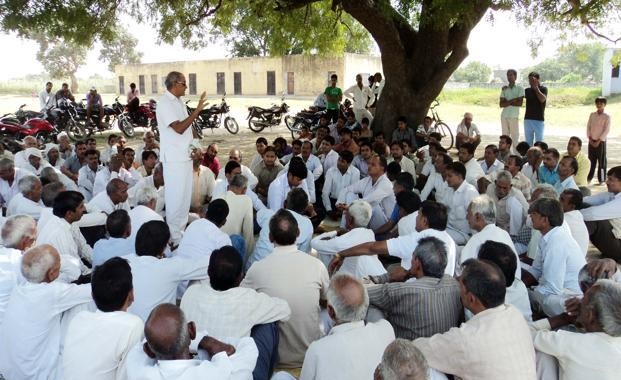
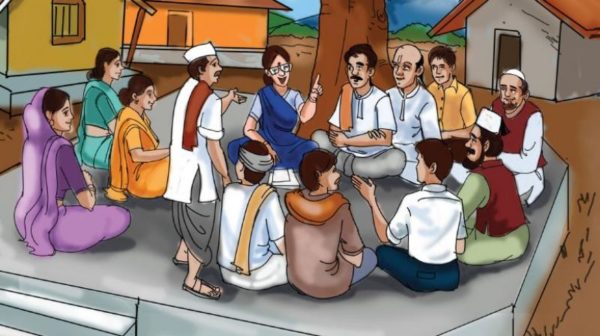
Gram Nyayalayas are village courts for speedy and easy access to the justice system in the rural areas of India.

When was it established?

The Gram Nyayalayas were established following the recommendation of 114th report of the Law Commission of India for providing speedy, substantial and inexpensive justice to the common man. Hence Gram Nyayalayas Act, 2008 was passed by the Parliament of India.

Structure of Gram Nyayalayas

Each Gram Nyayalaya is a court of Judicial Magistrate of the first class.

Its Nyayadhikari (presiding officer) is appointed by the State Government in consultation with the High Court.

The Gram Nyayalaya shall be established for every Panchayat at the intermediate level or a group of contiguous Panchayats at the intermediate level in a district.

The seat of the Gram Nyayalaya will be located at the headquarters of the intermediate Panchayat; they will go to villages, work there and dispose of the cases.

Jurisdiction of Gram Nyayalayas

Gram Nyayalayas have jurisdiction over an area specified by a notification by the State Government in consultation with the respective High Court.

Nyayadhikari can hold mobile courts and conduct proceedings in villages.

Gram Nyayalayas have both civil and criminal jurisdiction over the offences.

  • They can try criminal offences specified in the First Schedule and civil suits specified in Second Schedule to the Act.
  • The Central as well as the State Governments have been given the power to amend the First Schedule and the Second Schedule of the Act.
  • The pecuniary jurisdiction of the Nyayalayas is fixed by the respective High Courts.

High Courts can transfer eligible cases from the District court to the Gram Nyayalayas.

The Court shall try to settle disputes via conciliation between the parties and the court can make use of the conciliators to be appointed for this purpose.

Why are Gram Nyayalayas important?

  • Lack of infrastructure like buildings, office spaces and related equipment
  • Lack of man-power resources, notaries, stamp vendors etc. at sub-district level
  • Inadequate Central assistance
  • Lack of awareness among lawyers, police officials
  • Non-cooperation of enforcement agencies
  • The reluctance of state functionaries to invoke the jurisdiction of Gram Nyayalayas
  • Setting up of legal services institutions at Taluk level reducing the dependency on Gram Nyayalayas

What are the critisims associated with the Gram Nyayalayas?

  • The number of disputes settled by Gram Nyayalayas are negligible and most are referred to District forums by appeal. Hence, they are not effective in reducing the burden of District Courts.
  • Absence of a regular cadre of Gram Nyayadhikari
  • Ambiguities regarding jurisdiction due to the parallel existence of alternate dispute mechanisms, tribunals, adalats etc.
  • Some Gram Nyayalayas are located at cities and towns which doesn’t provide any utility to villagers.
  • Inadequate awareness amongst various stakeholders

Some suggestions by experts to improve the functioning of Gram nyayalayas

  • Establishing a regular cadre of Gram Nyayadhikaris
  • Conducting procedures in local language and with simpler procedures
  • Creating awareness amongst stakeholders via seminars, press releases etc.
  • Establishing permanent Gram Nyayalayas at the intermediate level in a suitable location proving easy access to the common people
  • Clearly specifying the jurisdiction of Gram Nyayalayas and re-defining it to remove any ambiguities
  • Providing building, staff etc. for Gram Nyayalayas and provisioning them in the state budget

Conclusion

The Preamble to the Gram Nyayalayas Act envisions access to justice to the citizens at their doorstep and to ensure that opportunities for securing justice are not denied to any citizen.

Despite the many challenges and shortcomings of the existing framework of the Village Courts in India, they have a positive role in providing access to justice to the poor and reaching out to marginalized sections of the society.

It has the potential to reduce the pendency of cases at higher levels. However, to achieve the stated objectives, some efforts must be made to revamp the organizational and jurisdictional aspects of Gram Nyayalayas.

What are Gram Nyayalayas?

Gram Nyayalayas are village courts for speedy and easy access to the justice system in the rural areas of India.

When was it established?

The Gram Nyayalayas were established following the recommendation of 114th report of the Law Commission of India for providing speedy, substantial and inexpensive justice to the common man. Hence Gram Nyayalayas Act, 2008 was passed by the Parliament of India.

Structure of Gram Nyayalayas

Each Gram Nyayalaya is a court of Judicial Magistrate of the first class.

Its Nyayadhikari (presiding officer) is appointed by the State Government in consultation with the High Court.

The Gram Nyayalaya shall be established for every Panchayat at the intermediate level or a group of contiguous Panchayats at the intermediate level in a district.

The seat of the Gram Nyayalaya will be located at the headquarters of the intermediate Panchayat; they will go to villages, work there and dispose of the cases.

Jurisdiction of Gram Nyayalayas

Gram Nyayalayas have jurisdiction over an area specified by a notification by the State Government in consultation with the respective High Court.

Nyayadhikari can hold mobile courts and conduct proceedings in villages.

Gram Nyayalayas have both civil and criminal jurisdiction over the offences.

  • They can try criminal offences specified in the First Schedule and civil suits specified in Second Schedule to the Act.
  • The Central as well as the State Governments have been given the power to amend the First Schedule and the Second Schedule of the Act.
  • The pecuniary jurisdiction of the Nyayalayas is fixed by the respective High Courts.

High Courts can transfer eligible cases from the District court to the Gram Nyayalayas.

The Court shall try to settle disputes via conciliation between the parties and the court can make use of the conciliators to be appointed for this purpose.

Why are Gram Nyayalayas important?

  • Lack of infrastructure like buildings, office spaces and related equipment
  • Lack of man-power resources, notaries, stamp vendors etc. at sub-district level
  • Inadequate Central assistance
  • Lack of awareness among lawyers, police officials
  • Non-cooperation of enforcement agencies
  • The reluctance of state functionaries to invoke the jurisdiction of Gram Nyayalayas
  • Setting up of legal services institutions at Taluk level reducing the dependency on Gram Nyayalayas

What are the critisims associated with the Gram Nyayalayas?

  • The number of disputes settled by Gram Nyayalayas are negligible and most are referred to District forums by appeal. Hence, they are not effective in reducing the burden of District Courts.
  • Absence of a regular cadre of Gram Nyayadhikari
  • Ambiguities regarding jurisdiction due to the parallel existence of alternate dispute mechanisms, tribunals, adalats etc.
  • Some Gram Nyayalayas are located at cities and towns which doesn’t provide any utility to villagers.
  • Inadequate awareness amongst various stakeholders

Some suggestions by experts to improve the functioning of Gram nyayalayas

  • Establishing a regular cadre of Gram Nyayadhikaris
  • Conducting procedures in local language and with simpler procedures
  • Creating awareness amongst stakeholders via seminars, press releases etc.
  • Establishing permanent Gram Nyayalayas at the intermediate level in a suitable location proving easy access to the common people
  • Clearly specifying the jurisdiction of Gram Nyayalayas and re-defining it to remove any ambiguities
  • Providing building, staff etc. for Gram Nyayalayas and provisioning them in the state budget

Conclusion

The Preamble to the Gram Nyayalayas Act envisions access to justice to the citizens at their doorstep and to ensure that opportunities for securing justice are not denied to any citizen.

Despite the many challenges and shortcomings of the existing framework of the Village Courts in India, they have a positive role in providing access to justice to the poor and reaching out to marginalized sections of the society.

It has the potential to reduce the pendency of cases at higher levels. However, to achieve the stated objectives, some efforts must be made to revamp the organizational and jurisdictional aspects of Gram Nyayalayas.