

Regular Health Cover vs Critical Health Insurance: Do You Need Both?

A serious health condition can affect far more than your medical expenses. Hospitalisation, specialised treatment, recovery time and a temporary loss of income can all place pressure on your finances. Regular health insurance can help manage eligible healthcare costs, but some situations may require additional financial support.

That is where critical health insurance can play a different role. It can provide a lump-sum benefit after the diagnosis of a covered critical illness, helping address financial needs that may extend beyond hospital bills. So, how do the two types of cover differ, and can having both provide more suitable protection?

How Do Regular Health Insurance and Critical Health Insurance Differ?

Regular health insurance generally provides indemnity-based coverage, meaning the insurer pays eligible medical expenses according to the policy terms and limits. Critical health insurance usually works as a defined-benefit cover, providing a predetermined lump sum when the insured is diagnosed with a listed critical illness and fulfils the applicable conditions.

FeatureRegular Health InsuranceCritical Health Insurance
Benefit TypeIndemnity-basedFixed-benefit
Main PurposeCovers eligible healthcare and hospitalisation expensesProvides a lump sum after diagnosis of a covered critical illness
Claim BasisBased on admissible medical expensesBased on the policy’s predefined sum insured
CoverageHospitalisation, day care procedures and eligible pre- and post-hospitalisation expensesSpecific critical illnesses listed in the policy
Use of PayoutPrimarily towards covered medical expensesGenerally usable as per the policy terms and applicable conditions
Income SupportMainly addresses healthcare expensesCan help manage income disruption and other financial commitments
Claim TriggerCovered treatment or hospitalisationDiagnosis of a covered illness and fulfilment of claim conditions

What Are the Benefits of Having Both Types of Health Cover?

Having regular health insurance alongside critical health insurance can provide two different forms of financial protection. One can address eligible treatment costs, while the other can provide a lump-sum amount following a qualifying diagnosis.

Benefits of Regular Health Insurance

  1. Hospitalisation Cover: Helps manage eligible expenses such as room charges, ICU costs, doctor fees, and nursing expenses during covered hospitalisation.
  2. Pre and Post-Hospitalisation Cover: Can cover eligible medical expenses incurred before admission and after discharge for the period specified in the policy.
  3. Daycare Treatment: Covers eligible procedures that may not require 24-hour hospitalisation because of advancements in medical technology.
  4. Broad Medical Protection: A regular policy can cover a wider range of illnesses and treatments, subject to exclusions, limits and other policy conditions.

Benefits of Critical Health Insurance

  1. Lump-sum Financial Support: A predefined amount can be paid when a covered critical illness is diagnosed, and the applicable claim conditions are met.
  2. Support During Recovery: The payout can help manage household expenses, loan commitments, or other financial requirements during a prolonged recovery period, subject to policy terms.
  3. Additional Financial Cushion: It can supplement the protection provided by regular health insurance when a serious diagnosis creates financial needs beyond medical bills.
  4. Greater Financial Flexibility: Since the benefit is generally fixed rather than linked directly to hospital bills, it can provide flexibility in managing eligible financial priorities.

How Can You Apply for Regular and Critical Health Insurance?

The application process can vary between insurers and policy types, but comparing coverage and reviewing policy conditions can help you make a more informed choice.

Applying for Regular Health Insurance

  1. Assess Your Requirements: Consider your age, medical needs, family size, and preferred sum insured.
  2. Compare Plans: Review premiums, coverage, waiting periods, exclusions, deductibles, and network hospitals.
  3. Provide Details: Enter the required personal, health, and nominee information.
  4. Disclose Medical Information: Share relevant health and medical history accurately as requested.
  5. Review the Policy: Check the terms, limits and exclusions before purchasing.
  6. Complete Payment: Pay the applicable premium and receive the policy documents.

Applying for Critical Health Insurance

  1. Identify Suitable Coverage: Review the illnesses covered, sum insured, waiting period, and survival period.
  2. Compare Available Plans: Evaluate policy definitions, exclusions, premium, and claim conditions.
  3. Submit Required Information: Provide the requested personal and health details.
  4. Complete Medical Requirements: Undergo medical tests if required by the insurer.
  5. Review Policy Terms: Understand the definitions of covered illnesses and conditions attached to the benefit.
  6. Pay the Premium: Complete the payment process to activate the policy.

Choose Health Protection That Fits Your Needs

Regular health insurance and critical health insurance can serve different financial needs, making it useful to assess them based on your healthcare requirements and financial responsibilities. Having suitable protection in place can provide greater confidence when unexpected health events arise.

Online insurance brokers like Jio Insurance Broking Ltd. can help you explore and compare available insurance options based on your requirements. Taking time to understand coverage, exclusions, waiting periods, and claim conditions can help you make a considered decision and build protection that remains relevant to your circumstances.

What’s a song that changed your life?

View all responses
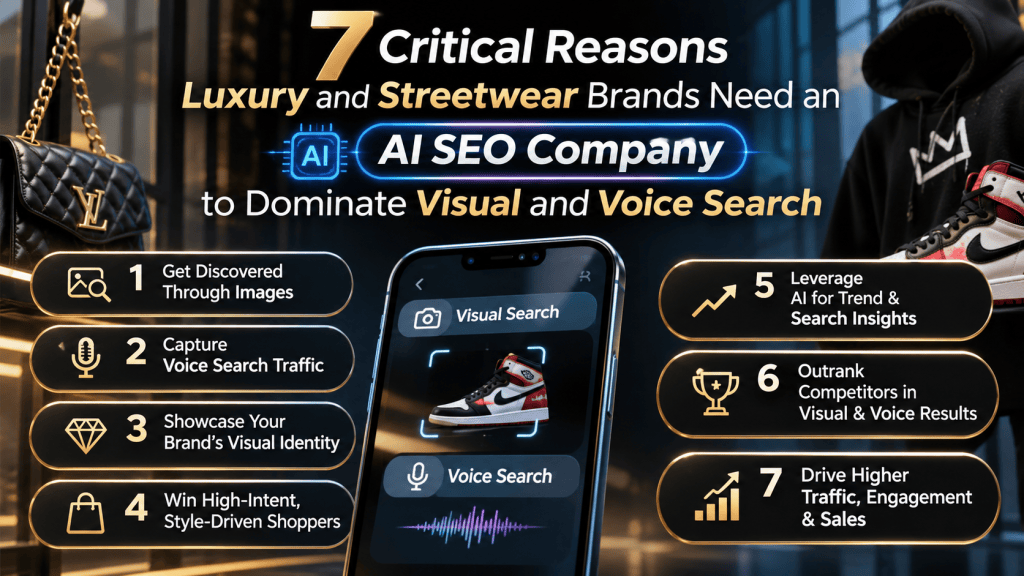
7 Critical Reasons Luxury and Streetwear Brands Need an AI SEO Company to Dominate Visual and Voice Search

Fashion discovery increasingly begins with a photograph, spoken question, or detailed description instead of a short typed phrase. Shoppers can photograph sneakers, describe a runway look, or request accessories that complement a specific style. These actions connect inspiration with product research and purchase decisions.

Luxury and streetwear brands must therefore make their collections understandable across visual, voice, and conventional search experiences. An AI SEO company can connect creative storytelling with the signals that modern search platforms use.

This approach helps products appear when style-conscious shoppers express their interests through images or natural conversations. Let’s explore why specialist support is becoming important for fashion brands seeking stronger search visibility.f

7 Reasons Fashion Brands Need Specialist Search Support

The following reasons explain how specialist support strengthens fashion search visibility across emerging discovery formats.

  1. Make Fashion Products Discoverable Through Images

Visual search allows shoppers to find products by uploading photographs instead of entering product names. This behavior closely reflects how people discover fashion through social media, magazines, events, and street style.

An AI SEO company can optimize image filenames, alt text, captions, surrounding copy, and image sitemaps. These signals help search platforms understand specific colors, materials, silhouettes, patterns, and design details.

Clear descriptions can distinguish limited-edition sneakers, embroidered jackets, oversized hoodies, and handcrafted accessories within visually similar results.

  1. Connect Product Images With Meaningful Context

A strong photograph attracts attention, while supporting content explains the product’s relevance. Search platforms consider both elements when interpreting visual pages and matching them with customer queries.

An AI SEO company can align campaign imagery with product names, materials, collections, styling themes, and cultural influences.

Concise supporting copy can describe craftsmanship, fit, texture, and styling possibilities while preserving the page’s visual character. Luxury and streetwear brands can therefore improve image discoverability without changing their established creative identity.

  1. Capture Natural Questions From Voice Search

Voice searches often include complete questions and detailed preferences. A shopper might request lightweight designer jackets, sneakers for wide feet, or accessories matching a particular outfit.

An AI SEO company can study these conversational patterns and organize content around clear questions, direct answers, and helpful supporting information. Product guides, styling articles, sizing resources, and collection pages can then reflect how customers naturally speak.

This approach expands search visibility across queries involving occasions, locations, materials, budgets, and product features. It also helps brands reach shoppers during both early inspiration and focused product research.

  1. Identify Competitor Opportunities

Analyzing competitor search presence highlights content gaps, ranking shifts, and emerging industry trends. This analysis allows brands to capture demand that competing labels may overlook.

An AI SEO company can evaluate competitor keyword strategies, visual search placements, backlink profiles, and authority signals. Understanding where competitors earn visibility helps fashion brands position their products effectively for high-intent searches.

These insights reveal opportunities to outperform rival brands across trending style categories, seasonal collections, and specialized product queries.

  1. Translate Brand Language Into Customer Search Intent

Luxury and streetwear brands often create distinctive language around heritage, craftsmanship, subculture, and creative direction. Customers may describe those products using simpler or trend-focused expressions.

An AI SEO company can connect brand terminology with the phrases shoppers commonly use. A technical fabric description might also relate to lightweight outerwear, layered street style, or comfortable travel clothing.

This connection preserves the brand’s voice while broadening its relevance across different searches. It can also guide content covering styling ideas, product care, designer stories, materials, and emerging trends.

  1. Support Local Discovery for Stores and Fashion Events

Physical locations remain valuable for private appointments, exclusive releases, pop-ups, and community events. Local optimization helps nearby customers discover these experiences through voice, visual, and traditional searches.

For example, a luxury boutique opening in Union Square may need help reaching shoppers searching for designer stores nearby. An SEO service in San Francisco can optimize its location page, business information, event content, and locally relevant search terms.

The same approach can support streetwear pop-ups, collection launches, and appointment-only showrooms. Consistent local information helps customers find store hours, directions, product availability, and upcoming events more easily.

  1. Use Search Insights to Guide Fashion Content

Search behavior reveals useful information about emerging styles, customer questions, popular features, and regional interests. Fashion teams can apply these insights when planning content around upcoming collections.

An AI SEO company can organize large query sets by topic, format, audience intent, and commercial relevance. This analysis can reveal opportunities for visual collections, buying guides, comparison pages, videos, and styling resources.

Performance data can then show which images, topics, and conversational queries generate meaningful engagement. These findings support informed content decisions while allowing campaigns to evolve with customer interests and discovery technology.

Build Search Visibility Around Your Creative Identity

Visual and voice search give fashion brands valuable opportunities to reach shoppers during moments of inspiration. Achieving meaningful visibility requires coordination across creative assets, product information, local pages, and conversational content.

The right partner can bring these elements together while respecting the identity that distinguishes each collection. AI SEO agencies like AdLift can help luxury and streetwear brands develop this connected strategy using technology, search data, and audience insights.

Working with an experienced AI SEO company also gives creative teams more space to focus on design and storytelling. The result is a search presence that supports discovery, communicates brand value, and grows alongside changing customer behavior.

What’s a song that changed your life?

View all responses