Right to repair is the movement started by the activist and oragination all around the world. Joe -Biden ,US president ,signed an executive order on Federal Trade Commission to institute rules to curb anticompetitive restrictions that limit consumers’ ability to repair gadgets on their own terms. The Uk too had introduced this .
The agenda of the movement is to get compinies to make spare parts of the gadget and the consumers can repair them rather than replacing the product.
Large tech compinies like Apple, Microsoft,Amazon and Tesla are opposing the movement stating that its opening up their intellectual property to third party to repair them.
Everyone in this world faced this kind of situation lots in their life. stress occurs when one’s desires are not fulfilled properly or ended negatively . I am not a psychiatrist I am just a student who have gone through lots of stress in my life and everyone has too. But I didn’t give up that’s my power . I become more and more confident when I raised my positive outlook in life. Always ask this questions when you’re in stress.
1)what’s the reason behind my stress?
2)Is this stress necessary ?
3)why I’m thinking that this bad luck will last long throughout my life?
4)what are the ways to remove my poor mindset?
Answering this questions itself gives you a lot of clarity. Here are some things that humans commonly do avoid that
1)Comparing your life with others life:
Avoid this kind of thinking. your personality and life is different from others then why comparing your life with others. They may look like happier but they only know how much stages they have gone through in their life. So, don’t have this silly thought that what kind of troubles that they have faced in their life. Human life is of two sides negative and positive .Everything is connected when we face negative side we learn and the result is success (positivity) that’s how life works.
2) Avoid jealousy:
This kind of character will destory you . Don’t get jealous about others instead compliment them. It will make you happier than ever. Instead of being jealous , learn from them.Use that knowledge to improve yourself in your own way. Being Jealous is a waste of time as it will not improve you instead it will degrade you on a lower level.
3)Positive outlook :
whatever happens in your life look in positive outlook. The universal truth is whatever thing you took it will have both advantages and disadvantages .
For example: Morning and Night . Let’s keep morning as happiness and night as sadness . If you like only the morning time and you keeping it for the full day and avoiding the night .For somedays you can survive but living for longer period destroys the world as well as you due to the aggressive heat of the sun . That’s how universe works . In your life too you have to face both in order to balance your life . Instead of getting stressed accept this truth and it will help you to grow .
For the past few days Indian Media, specially national media has focused itself on the conversion rackets taking place in Uttar Pradesh. It has gain public attention and became kind of a bigger issue than COVID itself. If you see with their prospective it’s not something new and I don’t think it will be last time they will be reporting something like this. It can be also seen as way to gain attention as the election are nearing by. There has always been report on news channels about spreading hate towards a specific community.
But what really happened ?
Is everything we saw on the news channel is the truth or there is more to it?
Continue reading to know the whole truth.
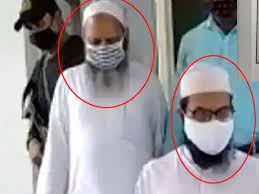
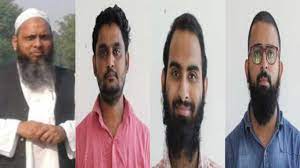
On June 20 the U.P. Police Anti Terrorist Scot ( A.T.S.) arrested two persons, Mohammad Umar and Jahangeer Kasmi from Delhi’s Jamia Nagar in a case of alleged mass conversion.
An F.I.R. was filed in Gomti Nagar, Lucknow under various sections of I.P.C. and were also charged with the Sates Anti Conversion Law passed in November of 2020. A statement was released by Umar Gautam’s daughter on 26th June saying,” My father Mr. Mohammad Umar Gautam has been arbitrarily arrested on false charges. He is a proud convert himself, who lives a life of a law abiding citizen of India. He has also not received any illegal funding from any foreign source as alleged by media. These allegations are completely baseless.”
Meanwhile The Office of the Islamic Dawa Center (I.D.C.) at Jamia Nagar’s Jogabai extension remains closed. People living around Umar knew him as a respectable man. But due to fear of counterattack many of them refused to come forward to say anything.
According to the Newslaundry’s Report the people have sad that Umar used to help the people who wanted to convert the religion legally and have refused the claim that the man tried to convert people with force or by bribing the with money.
The F.I.R. names these two with the accusation of forced conversation which included, Missing Person’s case by 247/2021 filed by the parents of Aditya Gupta at Knapur’s Kalyanpur Police Station. The second known to be victim Manu Yadav, A resident of Gurugram, came in light of A.T.S. through social media. At Gurugram’s Babupur village Manu Yadav’s parents who had converted and changed his name to Abdul Manan, his parents are busy giving media Interviews.
According to his mother she last saw her son in the first week of June. 22 year old Manan id deaf and non-verbal. On February 17 Manan showed his parents a conversion certificate and told them he has accepted Islam as his religion. The certificate has been issued by Umar’s organization I.D.C. and was signed by Kazi Jahangir Kasmi.
According to Manan’s mother he stopped eating and became very violent on the thought of letting have Islam and his friends convinced him to keep patience and allegedly the parents agreed to his wish.
Manan’s interest in Islam began in 2017 but his parents refused let him being converted. His mother explains that his situation kept hating worse due to not eating and his mental situation was also not getting better so they agreed. The mother also thinks that his son drifted away from Hinduism due to unemployment. According to her in the December of last year Manan had his physical test for the examination he was preparing for but he failed and became more disappointed. The conversion group took advantage of it and told him that his gods are not helping him enough and if he decides to convert he will be given a government job, a house, land and will get married to a Muslim girl.
After Manan went missing in April, His father, Rajiv Yadav, a cab driver approached the Gurugram Police several times but there was no progress. He claims that he found videos and chats on Manan’s phone which proves that his son was being influenced. He handed over data to U.P.A.T.C. for further investigation. He also blames Manan’s friend Skaheel and two others who befriended him while he was perusing vocational course in welding at an ITI in Gurugram as being responsible for his conversion. The link between these friends and Umar is not clear.
On 28 June , Manan was arrested by U.P.A.T.S. It was claimed that Manan was behind the conversion of Aditya Gupta. In F.I.R. Manan was not accused with the conversion but with damaging the idols at his home and that he has become iradical with respect to Islam.
Aditya converted and changed his name to Abdul Kadir. He was a resident of Kanpur and is 24 years old. Abdul is also deaf and non verbal as Manan. He went missing in March. On 12 April 2021 was reported missing in Kanpur’s Kalyanpur Police Station.
Later Abdul told his parents through a video call that he is in Kerala and has converted to Islam. In June he returned home with a conversion certificate issued by the I.D.C.
Abdul’s mother acknowledged that her son has been inclined towards Islam since 2012. According to the mother her son has started skipping meals and has started getting up early and started paying the she came to realise that he was practicing Islam.
Kadir told Newslaundry that it is difficult for disabled people like him to find a job, hence they switch to another religion. He also said that he has been poor and disable his whole life and after paying and still not getting anything he turned towards different religions and when some of his friends told him that Allah will fulfill his wishes and so he decided to convert to Islam.
The another common link between Manan and Abdul other than I.D.C. is an educational institution at Noida. Both of them were enrolled at Noida Deaf Society. The building has been locked ever since the institution’s involvement came into light. There was some protest also some days ago and therefore two Policemen have been stationed outside the building.
The founder of the Society told the media,” We are collaborating with the ATS and providing support.” She also stated that at NDS they don’t teach religion and its limited to professional programmes only.
To counter allegations of forced conversion Umar Gautham’s family has issued videos of individuals who have came to IDC for documentation.
The initial arrest was made in Deli alleged with the victims from Gurugram and Kanpur who were studets at an institution in Noida.
According to UPATS, what seems to be a pan India racket actually has its rot in Ghaziabad. There has been several incidents taken place and has banned the entry of Muslims in April 2021.
In June 2021,two men who were converts had tried to enter the temple by hiding their identities, Narsinghanan , temple’s priest alleged that the men had came with the purpose to assassinate him. UPATS now claims that they got their lead about Umar Gautam from these two men.
There are concerns about whether the investigation is an attempt for religious divide in an election year. There are still some things unclear and missing in this case and UPATS needs to find as soon as they can.
What do you think about this whole thing please tell your thoughts in the comments below.
Everyone in this world faced this kind of situation lots in their life. stress occurs when one’s desires are not fulfilled properly or ended negatively . I am not a psychiatrist I am just a student who have gone through lots of stress in my life and everyone has too. But I didn’t give up that’s my power . I become more and more confident when I raised my positive outlook in life. Always ask this questions when you’re in stress.
1)what’s the reason behind my stress?
2)Is this stress necessary ?
3)why I’m thinking that this bad luck will last long throughout my life?
4)what are the ways to remove my poor mindset?
Answering this questions itself gives you a lot of clarity. Here are some things that humans commonly do avoid that
1)Comparing your life with others life:
Avoid this kind of thinking. your personality and life is different from others then why comparing your life with others. They may look like happier but they only know how much stages they have gone through in their life. So, don’t have this silly thought that what kind of troubles that they have faced in their life. Human life is of two sides negative and positive .Everything is connected when we face negative side we learn and the result is success (positivity) that’s how life works.
2) Avoid jealousy:
This kind of character will destory you . Don’t get jealous about others instead compliment them. It will make you happier than ever. Instead of being jealous , learn from them.Use that knowledge to improve yourself in your own way. Being Jealous is a waste of time as it will not improve you instead it will degrade you on a lower level.
3)Positive outlook :
whatever happens in your life look in positive outlook. The universal truth is whatever thing you took it will have both advantages and disadvantages .
For example: Morning and Night . Let’s keep morning as happiness and night as sadness . If you like only the morning time and you keeping it for the full day and avoiding the night .For somedays you can survive but living for longer period destroys the world as well as you due to the aggressive heat of the sun . That’s how universe works . In your life too you have to face both in order to balance your life . Instead of getting stressed accept this truth and it will help you to grow .
For the past few days Indian Media, specially national media has focused itself on the conversion rackets taking place in Uttar Pradesh. It has gain public attention and became kind of a bigger issue than COVID itself. If you see with their prospective it’s not something new and I don’t think it will be last time they will be reporting something like this. It can be also seen as way to gain attention as the election are nearing by. There has always been report on news channels about spreading hate towards a specific community.
But what really happened ?
Is everything we saw on the news channel is the truth or there is more to it?
Continue reading to know the whole truth.
On June 20 the U.P. Police Anti Terrorist Scot ( A.T.S.) arrested two persons, Mohammad Umar and Jahangeer Kasmi from Delhi’s Jamia Nagar in a case of alleged mass conversion.
An F.I.R. was filed in Gomti Nagar, Lucknow under various sections of I.P.C. and were also charged with the Sates Anti Conversion Law passed in November of 2020. A statement was released by Umar Gautam’s daughter on 26th June saying,” My father Mr. Mohammad Umar Gautam has been arbitrarily arrested on false charges. He is a proud convert himself, who lives a life of a law abiding citizen of India. He has also not received any illegal funding from any foreign source as alleged by media. These allegations are completely baseless.”
Meanwhile The Office of the Islamic Dawa Center (I.D.C.) at Jamia Nagar’s Jogabai extension remains closed. People living around Umar knew him as a respectable man. But due to fear of counterattack many of them refused to come forward to say anything.
According to the Newslaundry’s Report the people have sad that Umar used to help the people who wanted to convert the religion legally and have refused the claim that the man tried to convert people with force or by bribing the with money.
The F.I.R. names these two with the accusation of forced conversation which included, Missing Person’s case by 247/2021 filed by the parents of Aditya Gupta at Knapur’s Kalyanpur Police Station. The second known to be victim Manu Yadav, A resident of Gurugram, came in light of A.T.S. through social media. At Gurugram’s Babupur village Manu Yadav’s parents who had converted and changed his name to Abdul Manan, his parents are busy giving media Interviews.
According to his mother she last saw her son in the first week of June. 22 year old Manan id deaf and non-verbal. On February 17 Manan showed his parents a conversion certificate and told them he has accepted Islam as his religion. The certificate has been issued by Umar’s organization I.D.C. and was signed by Kazi Jahangir Kasmi.
According to Manan’s mother he stopped eating and became very violent on the thought of letting have Islam and his friends convinced him to keep patience and allegedly the parents agreed to his wish.
Manan’s interest in Islam began in 2017 but his parents refused let him being converted. His mother explains that his situation kept hating worse due to not eating and his mental situation was also not getting better so they agreed. The mother also thinks that his son drifted away from Hinduism due to unemployment. According to her in the December of last year Manan had his physical test for the examination he was preparing for but he failed and became more disappointed. The conversion group took advantage of it and told him that his gods are not helping him enough and if he decides to convert he will be given a government job, a house, land and will get married to a Muslim girl.
After Manan went missing in April, His father, Rajiv Yadav, a cab driver approached the Gurugram Police several times but there was no progress. He claims that he found videos and chats on Manan’s phone which proves that his son was being influenced. He handed over data to U.P.A.T.C. for further investigation. He also blames Manan’s friend Skaheel and two others who befriended him while he was perusing vocational course in welding at an ITI in Gurugram as being responsible for his conversion. The link between these friends and Umar is not clear.
On 28 June , Manan was arrested by U.P.A.T.S. It was claimed that Manan was behind the conversion of Aditya Gupta. In F.I.R. Manan was not accused with the conversion but with damaging the idols at his home and that he has become iradical with respect to Islam.
Aditya converted and changed his name to Abdul Kadir. He was a resident of Kanpur and is 24 years old. Abdul is also deaf and non verbal as Manan. He went missing in March. On 12 April 2021 was reported missing in Kanpur’s Kalyanpur Police Station.
Later Abdul told his parents through a video call that he is in Kerala and has converted to Islam. In June he returned home with a conversion certificate issued by the I.D.C.
Abdul’s mother acknowledged that her son has been inclined towards Islam since 2012. According to the mother her son has started skipping meals and has started getting up early and started paying the she came to realise that he was practicing Islam.
Kadir told Newslaundry that it is difficult for disabled people like him to find a job, hence they switch to another religion. He also said that he has been poor and disable his whole life and after paying and still not getting anything he turned towards different religions and when some of his friends told him that Allah will fulfill his wishes and so he decided to convert to Islam.
The another common link between Manan and Abdul other than I.D.C. is an educational institution at Noida. Both of them were enrolled at Noida Deaf Society. The building has been locked ever since the institution’s involvement came into light. There was some protest also some days ago and therefore two Policemen have been stationed outside the building.
The founder of the Society told the media,” We are collaborating with the ATS and providing support.” She also stated that at NDS they don’t teach religion and its limited to professional programmes only.
To counter allegations of forced conversion Umar Gautham’s family has issued videos of individuals who have came to IDC for documentation.
The initial arrest was made in Deli alleged with the victims from Gurugram and Kanpur who were studets at an institution in Noida.
According to UPATS, what seems to be a pan India racket actually has its rot in Ghaziabad. There has been several incidents taken place and has banned the entry of Muslims in April 2021.
In June 2021,two men who were converts had tried to enter the temple by hiding their identities, Narsinghanan , temple’s priest alleged that the men had came with the purpose to assassinate him. UPATS now claims that they got their lead about Umar Gautam from these two men.
There are concerns about whether the investigation is an attempt for religious divide in an election year. There are still some things unclear and missing in this case and UPATS needs to find as soon as they can.
What do you think about this whole thing please tell your thoughts in the comments below.
It is a well known fact that China rules the world in the sector of marketing. But emerging markets are not that behind. They are catching up and making a place for themselves in the world market.
Business in Emerging Markets
According to a survey done recently by the IMF (International Monetary Fund), it is observed that the emerging markets will be growing at a continuous pace in the next 2-3 years. So, doing business in the emerging markets is going to be successful.
In the last decade, the emerging markets have shown a rapid increase in their sales as compared to the multinationals. And in addition, it proves to be more safer in times of economic deficiency.
Emerging markets are the best platform for many companies to start their business and grow their revenue. Here are some steps to success in emerging markets :
Be up-to-date with the newest technologies.
Move on from the thoughts of uncertainties and insecurities.
If you face any type of problem at any time in your business, then go for collaboration.
Let go of the old strategies and build new ones to excel more in the market.
Try to get familiar and used to the scarcity of work and sales.
Follow these few steps and keep your mind focused in growing and growing more. Business in emerging markets like India is not hard but is a game of well planned strategies and being focused in the work.
It is a well known fact that China rules the world in the sector of marketing. But emerging markets are not that behind. They are catching up and making a place for themselves in the world market.
Business in Emerging Markets
According to a survey done recently by the IMF (International Monetary Fund), it is observed that the emerging markets will be growing at a continuous pace in the next 2-3 years. So, doing business in the emerging markets is going to be successful.
In the last decade, the emerging markets have shown a rapid increase in their sales as compared to the multinationals. And in addition, it proves to be more safer in times of economic deficiency.
Emerging markets are the best platform for many companies to start their business and grow their revenue. Here are some steps to success in emerging markets :
Be up-to-date with the newest technologies.
Move on from the thoughts of uncertainties and insecurities.
If you face any type of problem at any time in your business, then go for collaboration.
Let go of the old strategies and build new ones to excel more in the market.
Try to get familiar and used to the scarcity of work and sales.
Follow these few steps and keep your mind focused in growing and growing more. Business in emerging markets like India is not hard but is a game of well planned strategies and being focused in the work.
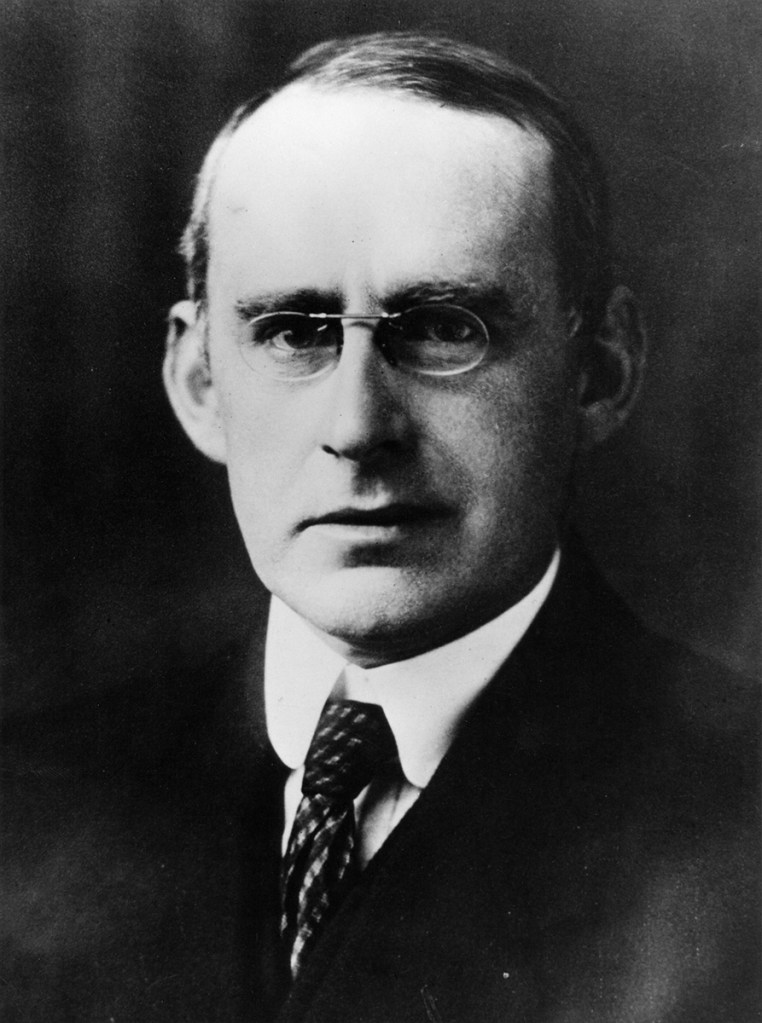
Arthur Eddington was a British astronomer, physicist and mathematician. He was born in Cumbria, UK before moving to Weston-super-Mare as a child. He was not from a wealthy family but did so well at school that he got a scholarship to go to Owen’s College, Manchester. He graduated with a physics degree in 1902. Arthur was then offered a position at Trinity College, Cambridge where he completed his master’s degree. He worked at the Royal Observatory in Greenwich, London, before returning to Cambridge five years later.
He was the first person to propose that stars were powered by the nuclear fusion of hydrogen into helium. The limit to how bright a star can be before it begins to collapse is named after him, the Eddington Luminosity.
Einstein’s Theory of Relativity
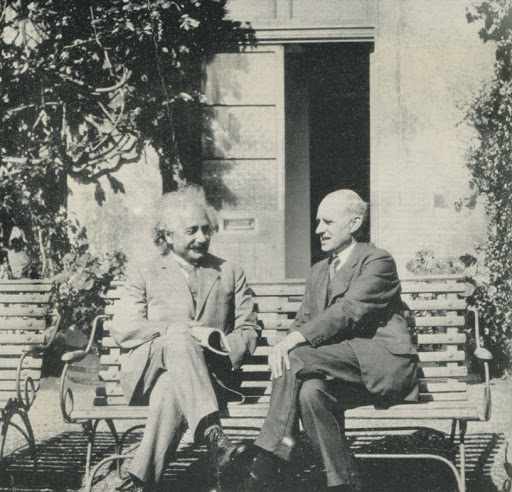
He is most famous, for his work on Einstein’s Theory of Relativity. Arthur carried out observations of a solar eclipse to confirm the theory. This work was considered so important that it prevented him beginning military service during the First World War. Arthur was happy about this as he was a pacifist, but he did offer to join an ambulance unit, or work as a harvest labourer on home soil.
Arthur viewed the eclipse from the island of Principe, off the west coast of Africa. He chose that location because there was a good chance of clear skies, and he could view the eclipse in full there. During the darkness of the eclipse, Arthur took photographs of stars close to the Sun. These stars are normally blocked by the light of the Sun during the day. Arthur observed that stars close to the Sun had their light shifted by the Sun’s gravitational field. This confirmed Einstein’s Theory of Relativity.
Cosmology
Eddington was also heavily involved with the development of the first generation of general relativistic cosmological models. He had been investigating the instability of the Einstein universe when he learned of both Lemaître’s 1927 paper postulating an expanding or contracting universe and Hubble’s work on the recession of the spiral nebulae. He felt the cosmological constant must have played the crucial role in the universe’s evolution from an Einsteinian steady state to its current expanding state, and most of his cosmological investigations focused on the constant’s significance and characteristics. In The Mathematical Theory of Relativity, Eddington interpreted the cosmological constant to mean that the universe is “self-gauging”.
Eddington number for cycling
Eddington is credited with devising a measure of a cyclist’s long-distance riding achievements. The Eddington number in the context of cycling is defined as the maximum number E such that the cyclist has cycled E miles on E days.
For example, an Eddington number of 70 miles would imply that the cyclist has cycled at least 70 miles in a day on at least 70 occasions. Achieving a high Eddington number is difficult since moving from, say, 70 to 75 will (probably) require more than five new long distance rides, since any rides shorter than 75 miles will no longer be included in the reckoning. Eddington’s own life-time E-number was 84.
He later wrote this short poem about the discovery:
Oh leave the Wise our measures to collate
One thing at least is certain, LIGHT has WEIGHT,
One thing is certain, and the rest debate—
Light-rays, when near the Sun, DO NOT GO STRAIGHT.
Arthur Eddington was a British astronomer, physicist and mathematician. He was born in Cumbria, UK before moving to Weston-super-Mare as a child. He was not from a wealthy family but did so well at school that he got a scholarship to go to Owen’s College, Manchester. He graduated with a physics degree in 1902. Arthur was then offered a position at Trinity College, Cambridge where he completed his master’s degree. He worked at the Royal Observatory in Greenwich, London, before returning to Cambridge five years later.
He was the first person to propose that stars were powered by the nuclear fusion of hydrogen into helium. The limit to how bright a star can be before it begins to collapse is named after him, the Eddington Luminosity.
Einstein’s Theory of Relativity
He is most famous, for his work on Einstein’s Theory of Relativity. Arthur carried out observations of a solar eclipse to confirm the theory. This work was considered so important that it prevented him beginning military service during the First World War. Arthur was happy about this as he was a pacifist, but he did offer to join an ambulance unit, or work as a harvest labourer on home soil.
Arthur viewed the eclipse from the island of Principe, off the west coast of Africa. He chose that location because there was a good chance of clear skies, and he could view the eclipse in full there. During the darkness of the eclipse, Arthur took photographs of stars close to the Sun. These stars are normally blocked by the light of the Sun during the day. Arthur observed that stars close to the Sun had their light shifted by the Sun’s gravitational field. This confirmed Einstein’s Theory of Relativity.
Cosmology
Eddington was also heavily involved with the development of the first generation of general relativistic cosmological models. He had been investigating the instability of the Einstein universe when he learned of both Lemaître’s 1927 paper postulating an expanding or contracting universe and Hubble’s work on the recession of the spiral nebulae. He felt the cosmological constant must have played the crucial role in the universe’s evolution from an Einsteinian steady state to its current expanding state, and most of his cosmological investigations focused on the constant’s significance and characteristics. In The Mathematical Theory of Relativity, Eddington interpreted the cosmological constant to mean that the universe is “self-gauging”.
Eddington number for cycling
Eddington is credited with devising a measure of a cyclist’s long-distance riding achievements. The Eddington number in the context of cycling is defined as the maximum number E such that the cyclist has cycled E miles on E days.
For example, an Eddington number of 70 miles would imply that the cyclist has cycled at least 70 miles in a day on at least 70 occasions. Achieving a high Eddington number is difficult since moving from, say, 70 to 75 will (probably) require more than five new long distance rides, since any rides shorter than 75 miles will no longer be included in the reckoning. Eddington’s own life-time E-number was 84.
He later wrote this short poem about the discovery:
Oh leave the Wise our measures to collate
One thing at least is certain, LIGHT has WEIGHT,
One thing is certain, and the rest debate—
Light-rays, when near the Sun, DO NOT GO STRAIGHT.
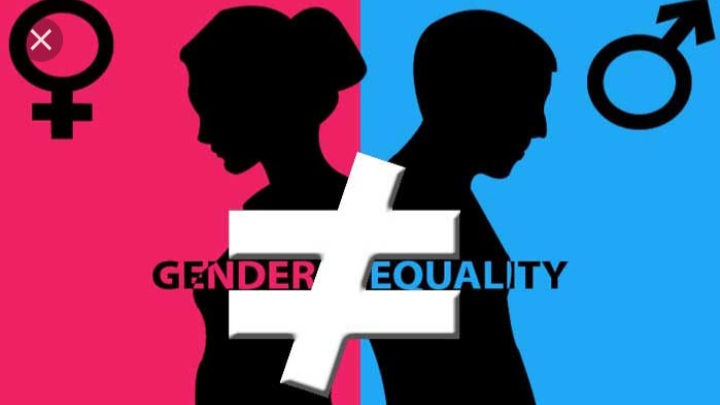
Discrimination is the state when all individuals are not treated equally and not given equal rights. Every individual in the community yearns for equal status, opportunities, and equal rights. People generally say these days that everyone is treated equally but they are not. Discrimination usually exists because of cultural differences, geographical differences, and gender. Inequality on the basis of gender is something that is not appreciated, but it is seen many times in many companies. There are many areas where equal opportunities are not provided to women.
We are in the 21st century, and even now, women are not treated equally as men. It is generally believed that women are more talented than men, and it has been proved many times, but society is not yet ready to accept this fact. Gender equality is the term used when equal opportunities in the fields of politics, economics, education, and health are provided to both men and women.
As per the World Economic Forum’s gender gap ranking, India holds the rank 108 out of 149 countries. The rank should be a major concern in the country as it signifies the immense gap between the opportunities given to women when compared to men. The structure in India is such that women are neglected in many fields like education, health, finance, etc. They are just limited to household chores which should not be the scene here. There are many places in India where women are considered as a burden and they are not allowed to go to school and study as well. Also, a preference for sons prevails in many areas in India.
The seven important forms of gender inequality :
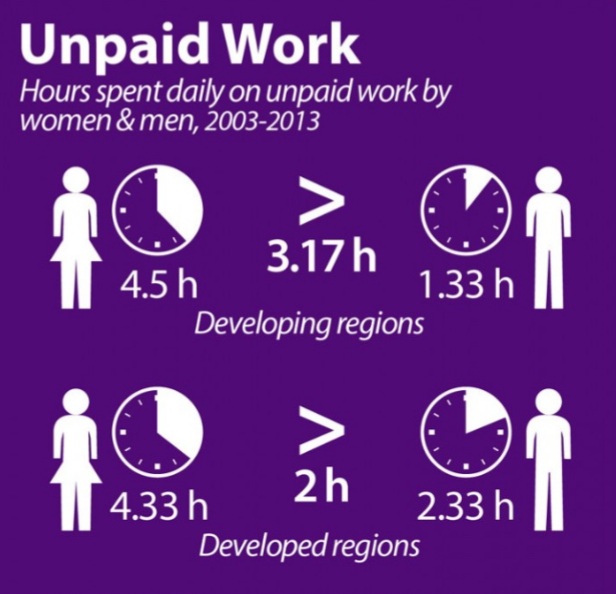
1 . Women works Longer than Men :
In most of the societies the male – stream is the main stream who argues that women have comparative advantage in household non- market production, like cooking and cleaning for the family that cant be called emotional and personal caring work. Based on this thinking, household jobs are then asymmetrically distributed. Women are more valued in home. Men are specialised in market- baesd production. Thus, being the bread- earners, males enjoy both power and status.
2. Inequality in Employment and Earnings :
Historically, men have greater participation in work outside home than women. But women ( particularly of poor households) share unequally household duties in addition to economic production. Thus they work longer than males. This kind of ‘ division of labour’ may be seen as the ‘ accumulation of labour’ on women, as described by Amartya sen. Household activites are often viewed as ‘ sedentary activites’ which require less ‘ calore’ to gain energy.
3. Ownership Inequality :
A case of social inequality. Let us turn to another kind of inequality, called ownership inequality a classic case of social inequality. In most of the societies, ownership over property and means of production rests mainly on male members . The law of inheritance provides such ownership rights on male child. Such denial coming out of hierarchical dualism within the family not only reduces the voice of women but also prevents them from participating in commerial, economic and social activites.
This kind of social deprivation means absence or lack of capability or because of ‘capability deprivation’, women are subject to various kinds of exploitation and unfreedoms. Social inequality distorts the process of development. Unfortunately, ownership inequality in any country is not of recent origin. In her earlier life, a woman comes under the influence of her father, then husband as she enters a married life and finally, under sons ownership right over property is skilfully avoided. A telugu proverbs corraborates this understanding: ” Bringing up a daughter is like watering a plant in anothers courtyard.”
4. Survival Inequality :
Another crudest from of gender disparity is the unusally high mortality rates of women , though biologically, women live longer than men! Thus more boys than girls are born evrywhere leading to a ‘ deficit’ of women and a ‘ surplus’ of men. In developed countries beacuse of absence of gender bias in health care and nutrition, women outnumber men. In Europe and in north America, 105 or more girls are born per 100 boys. Such high female- male genderd survival rate in different age groups.
5. Gender Bias in the Distribution of Education and Health :
Health and education are the major forms of human capital are realted to economic development . Human capital gets accumulated as a society advances in education . The contribution of human capital towards Japan’s remarkable economic progress attracts our attention . Improvement in health capital also improves the return to investments in education .
However, one finds a huge education and health gaps between developed and developing countries. In recent times, despite a large increase in econoc advancement on times, despite a large increase in economic advancement in asia and africa, these countries lag far behind the developed countries in terms of educational attainment particularly in respect of women’s education. Gender disparity not only hindrrs economic progress but also exacerbates social inequality.
6. Gender Inequality in Freedom Expression :
Let us talk about gender inequality beyond economic issues or factors. Women are not only subject to income or asset inequality but also in terms of freedom and power deprivation of women goes beyond one’s imagination. They lack not only economic freedom at home because of absence of autonomy in house hold decisions, limited or poor wages earned but also lack any freedom in airing opinions over education of children.
In some backward poor societies the right of women giving options is completely denied. Such un – freedoms, however, are not uncommon even among the educated elites who enjoy enormous power and authority in the male domined society. Historically , this sort of law socioeconomic status of women has been continuing nowasdays.
7. Gender Inequality in Respect of viloence and victimisation :
Finally, anti – female bias starts before the girl child is born and this attitide of the society a female member carries throughout her life. It is because of the unequal sharing of income, property, household benefits . Women are subject to both physical and sexual violence – the oppsite of freedom, and an extreme form of coercion. This is common for both poor and not too much uncommon in rich countries as well as among rich people. One in three women in the word is beaten or raped during her life times.
Dowry harassement is considered as an ‘ instrumental use’ of violence. Dowry death is the most serious form of domestic violenece. Wife beating is not uncommon. Sexual violence is an obnoxious form of human rights violation.
Specifically, public health can contribute to reducing health inequities by integrating health equity considerations into policy and programs, collebrating with other sectors to address inequities engaging with communities to support their efforts to adress inequities, identifying the reduction of health inequities.
Reducing inequality requires transformative change. Greater efforts are needed to eradicate ectreme poverty and hunger and invest more in health, education, social protection and decent jobs especially for young people, migrants and other vulnerable communities.
We should understand that women are the part and parcel of any family. When it comes to flexibility, they can manage their home and offices at the same time. If equal opportunities are not given to them, they will be led down and won’t be able to achieve big milestones which they are obviously capable of.
Discrimination is the state when all individuals are not treated equally and not given equal rights. Every individual in the community yearns for equal status, opportunities, and equal rights. People generally say these days that everyone is treated equally but they are not. Discrimination usually exists because of cultural differences, geographical differences, and gender. Inequality on the basis of gender is something that is not appreciated, but it is seen many times in many companies. There are many areas where equal opportunities are not provided to women.
We are in the 21st century, and even now, women are not treated equally as men. It is generally believed that women are more talented than men, and it has been proved many times, but society is not yet ready to accept this fact. Gender equality is the term used when equal opportunities in the fields of politics, economics, education, and health are provided to both men and women.
As per the World Economic Forum’s gender gap ranking, India holds the rank 108 out of 149 countries. The rank should be a major concern in the country as it signifies the immense gap between the opportunities given to women when compared to men. The structure in India is such that women are neglected in many fields like education, health, finance, etc. They are just limited to household chores which should not be the scene here. There are many places in India where women are considered as a burden and they are not allowed to go to school and study as well. Also, a preference for sons prevails in many areas in India.
The seven important forms of gender inequality :
1 . Women works Longer than Men :
In most of the societies the male – stream is the main stream who argues that women have comparative advantage in household non- market production, like cooking and cleaning for the family that cant be called emotional and personal caring work. Based on this thinking, household jobs are then asymmetrically distributed. Women are more valued in home. Men are specialised in market- baesd production. Thus, being the bread- earners, males enjoy both power and status.
2. Inequality in Employment and Earnings :
Historically, men have greater participation in work outside home than women. But women ( particularly of poor households) share unequally household duties in addition to economic production. Thus they work longer than males. This kind of ‘ division of labour’ may be seen as the ‘ accumulation of labour’ on women, as described by Amartya sen. Household activites are often viewed as ‘ sedentary activites’ which require less ‘ calore’ to gain energy.
3. Ownership Inequality :
A case of social inequality. Let us turn to another kind of inequality, called ownership inequality a classic case of social inequality. In most of the societies, ownership over property and means of production rests mainly on male members . The law of inheritance provides such ownership rights on male child. Such denial coming out of hierarchical dualism within the family not only reduces the voice of women but also prevents them from participating in commerial, economic and social activites.
This kind of social deprivation means absence or lack of capability or because of ‘capability deprivation’, women are subject to various kinds of exploitation and unfreedoms. Social inequality distorts the process of development. Unfortunately, ownership inequality in any country is not of recent origin. In her earlier life, a woman comes under the influence of her father, then husband as she enters a married life and finally, under sons ownership right over property is skilfully avoided. A telugu proverbs corraborates this understanding: ” Bringing up a daughter is like watering a plant in anothers courtyard.”
4. Survival Inequality :
Another crudest from of gender disparity is the unusally high mortality rates of women , though biologically, women live longer than men! Thus more boys than girls are born evrywhere leading to a ‘ deficit’ of women and a ‘ surplus’ of men. In developed countries beacuse of absence of gender bias in health care and nutrition, women outnumber men. In Europe and in north America, 105 or more girls are born per 100 boys. Such high female- male genderd survival rate in different age groups.
5. Gender Bias in the Distribution of Education and Health :
Health and education are the major forms of human capital are realted to economic development . Human capital gets accumulated as a society advances in education . The contribution of human capital towards Japan’s remarkable economic progress attracts our attention . Improvement in health capital also improves the return to investments in education .
However, one finds a huge education and health gaps between developed and developing countries. In recent times, despite a large increase in econoc advancement on times, despite a large increase in economic advancement in asia and africa, these countries lag far behind the developed countries in terms of educational attainment particularly in respect of women’s education. Gender disparity not only hindrrs economic progress but also exacerbates social inequality.
6. Gender Inequality in Freedom Expression :
Let us talk about gender inequality beyond economic issues or factors. Women are not only subject to income or asset inequality but also in terms of freedom and power deprivation of women goes beyond one’s imagination. They lack not only economic freedom at home because of absence of autonomy in house hold decisions, limited or poor wages earned but also lack any freedom in airing opinions over education of children.
In some backward poor societies the right of women giving options is completely denied. Such un – freedoms, however, are not uncommon even among the educated elites who enjoy enormous power and authority in the male domined society. Historically , this sort of law socioeconomic status of women has been continuing nowasdays.
7. Gender Inequality in Respect of viloence and victimisation :
Finally, anti – female bias starts before the girl child is born and this attitide of the society a female member carries throughout her life. It is because of the unequal sharing of income, property, household benefits . Women are subject to both physical and sexual violence – the oppsite of freedom, and an extreme form of coercion. This is common for both poor and not too much uncommon in rich countries as well as among rich people. One in three women in the word is beaten or raped during her life times.
Dowry harassement is considered as an ‘ instrumental use’ of violence. Dowry death is the most serious form of domestic violenece. Wife beating is not uncommon. Sexual violence is an obnoxious form of human rights violation.
Specifically, public health can contribute to reducing health inequities by integrating health equity considerations into policy and programs, collebrating with other sectors to address inequities engaging with communities to support their efforts to adress inequities, identifying the reduction of health inequities.
Reducing inequality requires transformative change. Greater efforts are needed to eradicate ectreme poverty and hunger and invest more in health, education, social protection and decent jobs especially for young people, migrants and other vulnerable communities.
We should understand that women are the part and parcel of any family. When it comes to flexibility, they can manage their home and offices at the same time. If equal opportunities are not given to them, they will be led down and won’t be able to achieve big milestones which they are obviously capable of.
Facebook is one of the major platforms for all businesses trying to reach a wide range of audiences. Facebook advertisement is more user-friendly and brings more traffic to your business.
More than 90% of social media marketers use Facebook as their means of marketing and expanding their horizons. To fully conquer advertising on Facebook, it is important to have perseverance and a deep understanding of how it works. From a start-up to massively grown companies everyone need a platform to promote their products.
Types of FB ad formats:
Image ads: It is always recommended to use images for promoting your business.
Video ads: Moving images always catch the user’s attention.
Carousel ads: Showcasing up to 10 images/videos with links in a single ad. It supports various businesses.
Messenger ads: This makes it easier to drive into conversation over a large scale.
Collection ads: This format features multiple products and gives an instant experience once the user interacts with your product.
Instant experience: It gives a full-screen ad experience to the user when tapped on the ad.
Slideshow ads: It supports motion, text, and sound unlike video ads it is quicker and load time is low which helps to show a beautiful story about your growth.
Playable ads: It gives a try-before-you-buy experience to the user.
How does it work exactly?
Facebook targets users based on their location, ethnicity, and interests. Location can track the user’s country, state, zip code and show the ads which are more relevant to their needs. Gender and interests increase the probability of targeting the right people. Categories related to technology, science & inventions can target the young changemakers and women of age group 18 and above get attracted towards the skin & hair care products and so on.
You can use free ad management tools on Facebook like- Facebook Ads Manager and Power Editor for creating, running, and managing your ads. Once you create your advertisement you can track the traffic by using Facebook Pixel.
What should you keep in mind?
The most important part of advertising on Facebook is the image of your ad, you won’t get clicks unless you have catchy pictures and taglines.
Provide free valuable content to the audience.
Creative, articulate, and limited lines of description can always help.
Attention– Content of your product must grab the attention of the customers.
Desire– It should create a desire in the customer to buy your product. Tip: By describing the benefits of using your service and provide discounts for new users.
Service– Make your services available for users over a range.
Here, I have provided an external link which answers most of the common questions on Facebook advertisements.
Advantages of Facebook ads:
It offers you the flexibility to expand your business.
Can get a chance of collaborating with multiple companies.
Budget-friendly for new users.
A quick way to fall into the eyes of the audience.
Disadvantages of Facebook ads:
Ads alone can’t guarantee sales.
Unless to pay for your ads you will not have customers.
Japanese domestic market[JDM} refers to Japan’s home market for vehicles. For the importer, these terms refer to vehicles and parts designed to conform to Japanese regulations and to suit Japanese buyers. The term is abbreviated JDM. Japanese domestic market vehicles may differ greatly from the cars that Japanese manufacturers build for export and vehicles derived from the same platforms built in other countries. The Japanese car owner looks more toward innovation than long-term ownership which forces Japanese carmakers to refine new technologies and designs first in domestic vehicles. For instance, the 2003 Honda Inspire featured the first application of Honda’s Variable Cylinder Management.
In 1988, JDM cars were limited by voluntary self-restraints among manufacturers to 280 horsepower (PS) (276 hp) and a top speed of 180 km/h (111.8 mph), limits imposed by the Japan Automobile Manufacturers Association (JAMA) for safety. The horsepower limit was lifted in 2004 but the speed limit of 180 km/h (111.8 mph) remains in effect. Many JDM cars have speedometers that register up to 180 km/h (111.8 mph) (certain Nissans go up to 190 km/h, and the GT-R has a mechanism that removes the speed limiter on a track) but all have speed limiters.
Popular brands include Honda, Subaru, Toyota, Mazda, Suzuki, Lexus, Mitsubishi Motors and Nissan.
IMPORT TAX
There are 3 main ports in India where you can receive your car via ship, 1.Mumbai port, 2.Banglore port, 3.Chennai port. You cannot get to choose where the car is shipped or coming, you will be notified where car is being shipped or coming. After the car come to the port, you have to go to the port pay the “180%” of the import duty. My guesstimate, looking at other Toyota imports, will be somewhere around Rs 85 lakh to 95 lakh, depending on the kit and varient. That is the price of the vehicle, now added to that is the import duty of 180 percent. If taken that the selling price of the car is 90 lakh, import duty on it would be 1.62 crore. The total amount you need to spend is around 2.5 crore. Which discourages the buyer from going for a JDM car because, with the same 2.5 crore he/she can afford to buy luxurious cars without paying any import duty. After al,l this wont matter to a JDM car enthusiast.
After all this process, you must have to go to your respective city RTO with car and register your car to your name. When the registration is done, now you can legally drive your car on Indian roads.
Bad Roads
As we all know, the condition of roads in most places of India is pathetic. On these pathetic roads, a sweet devil such as a Toyota Supra cant be enjoyed. Roads are not often noticed in india, but what are noticed is pot holes, shoulder drop off’s , construction work zones, slick roads cause a major threat to these super costly and beautiful machines.
Loud Exhausts
Aftermarket exhausts in India are illegal unless approved by the RTO. This means that only those aftermarket exhausts that are sold by automakers as an authorized accessory are legal in the country as they are in compliance with the rules mentioned in the Motor Vehicles Act. According to automotive norms, vehicles should adhere to the noise norm of a maximum 80 decibel, but modifications takes the noise level to 100 decibel and above, which is illegal in india
While the stock exhaust emits up to 97.8 decibels, the FI Exhaust with the valves closed goes up to 119 dB. That’s loud enough on its own, but you can also open the valves and the peak noise level rises to about 131 decibels. Which will most certainly be considered illegal.
Japanese domestic market[JDM} refers to Japan’s home market for vehicles. For the importer, these terms refer to vehicles and parts designed to conform to Japanese regulations and to suit Japanese buyers. The term is abbreviated JDM. Japanese domestic market vehicles may differ greatly from the cars that Japanese manufacturers build for export and vehicles derived from the same platforms built in other countries. The Japanese car owner looks more toward innovation than long-term ownership which forces Japanese carmakers to refine new technologies and designs first in domestic vehicles. For instance, the 2003 Honda Inspire featured the first application of Honda’s Variable Cylinder Management.
In 1988, JDM cars were limited by voluntary self-restraints among manufacturers to 280 horsepower (PS) (276 hp) and a top speed of 180 km/h (111.8 mph), limits imposed by the Japan Automobile Manufacturers Association (JAMA) for safety. The horsepower limit was lifted in 2004 but the speed limit of 180 km/h (111.8 mph) remains in effect. Many JDM cars have speedometers that register up to 180 km/h (111.8 mph) (certain Nissans go up to 190 km/h, and the GT-R has a mechanism that removes the speed limiter on a track) but all have speed limiters.
Popular brands include Honda, Subaru, Toyota, Mazda, Suzuki, Lexus, Mitsubishi Motors and Nissan.
IMPORT TAX
There are 3 main ports in India where you can receive your car via ship, 1.Mumbai port, 2.Banglore port, 3.Chennai port. You cannot get to choose where the car is shipped or coming, you will be notified where car is being shipped or coming. After the car come to the port, you have to go to the port pay the “180%” of the import duty. My guesstimate, looking at other Toyota imports, will be somewhere around Rs 85 lakh to 95 lakh, depending on the kit and varient. That is the price of the vehicle, now added to that is the import duty of 180 percent. If taken that the selling price of the car is 90 lakh, import duty on it would be 1.62 crore. The total amount you need to spend is around 2.5 crore. Which discourages the buyer from going for a JDM car because, with the same 2.5 crore he/she can afford to buy luxurious cars without paying any import duty. After al,l this wont matter to a JDM car enthusiast.
After all this process, you must have to go to your respective city RTO with car and register your car to your name. When the registration is done, now you can legally drive your car on Indian roads.
Bad Roads
As we all know, the condition of roads in most places of India is pathetic. On these pathetic roads, a sweet devil such as a Toyota Supra cant be enjoyed. Roads are not often noticed in india, but what are noticed is pot holes, shoulder drop off’s , construction work zones, slick roads cause a major threat to these super costly and beautiful machines.
Loud Exhausts
Aftermarket exhausts in India are illegal unless approved by the RTO. This means that only those aftermarket exhausts that are sold by automakers as an authorized accessory are legal in the country as they are in compliance with the rules mentioned in the Motor Vehicles Act. According to automotive norms, vehicles should adhere to the noise norm of a maximum 80 decibel, but modifications takes the noise level to 100 decibel and above, which is illegal in india
While the stock exhaust emits up to 97.8 decibels, the FI Exhaust with the valves closed goes up to 119 dB. That’s loud enough on its own, but you can also open the valves and the peak noise level rises to about 131 decibels. Which will most certainly be considered illegal.
Social norms refer to the group shared standards of behaviour .It is a pattern setting limits on individual behaviour . Norms are said to be ” blueprints ” for behaviour . They determine , guide , and control human behaviour . Norms are not systematically classified by Sociologists . But they are grouped into – ” Folkways “, “mores ” , “fashions “, “rites “, “ceremonies “, “customs ” etc. .
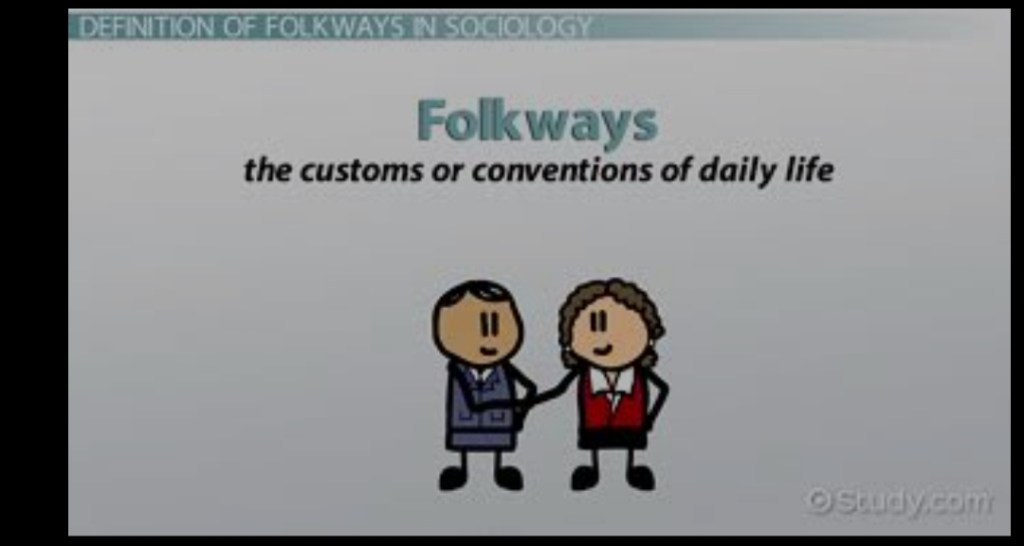
What are folkways ?
In general , folkways means “ the ways of folk “. The term ‘folk’ represents people and ‘ways’ represent their behavioural habits . Folkways are the customary, normal and habitual ways of the group to meet certain needs or solving day-to-day problems.
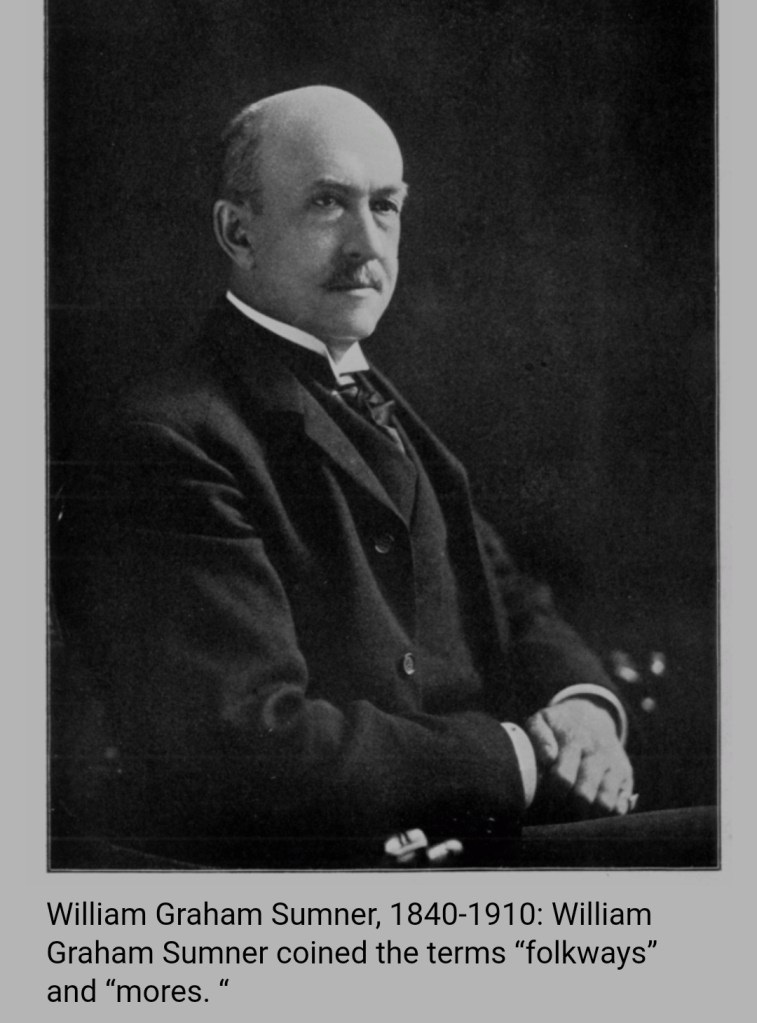
The term folkways was introduced into Sociology literature by W.G .Summer in a book with the title , ” Folkways: A Study of the Sociological Importance of Usages, Manners, Customs, Mores, and Morals ” published in 1906.
Folkways are accepted ways of behaviour. According to Summer , ” folkways represent man’s unique means of adapting himself to the environment . “
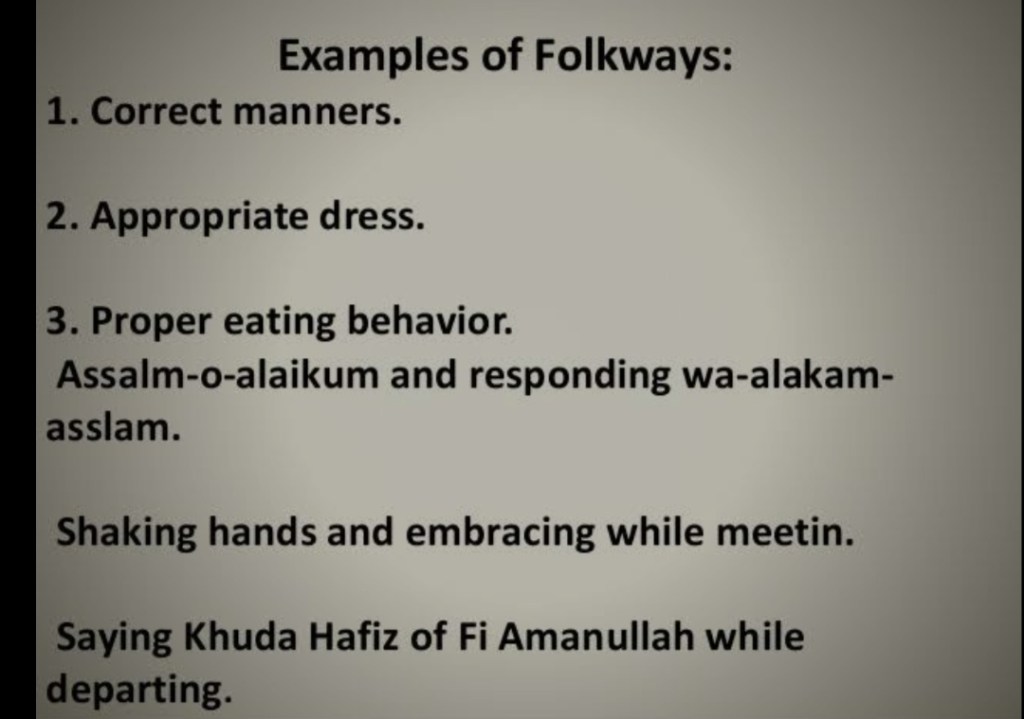
Examples of Folkways :-
The ways of eating , talking , dressing , playing , walking , working , greeting , conversing ,etc. represent folkways .
The daily activities become an individual’s habits ,but folkways are termed as habits of a group though Not all (group) habits become general. They differ from individual to individual and place to place.
Folkways are a learned process of socialisation. They become the second nature of the individual.
Habits are socially approved habits which are followed by a number of persons in a society are referred as folkways,
Habits of exchanging greetings and courtesies like bidding ‘Namaste’ with joined palms is an.examples of Indian folkways .
Walking on right side if the road , taking three meals a day , Wearing different clothes at different occasions, showing respects to elders , love and affection to younger ones , Wearing a cap, hat or turban,.shaking hands, eating with forks and knives, driving on the left or right hand side of the street, attending classes in paints and skirts rather than gowns or bathing suits etc..are some folkways followed by difficult individuals.
Definitions :-
“Folkways are behavioural patterns of e everyday life which generally arise unconsciously in s group .” -.Gillin and Gillin
According to Reuter and Hart (1933), “The folkways are simple habits of action common to the members of the group; they are the ways of the folks that are somewhat standardised and have some degree of traditional sanction for their persistence”.
Maclver and Page (1949) defined it as: “Folkways are the recognized or accepted ways of behaving in society.”
A.W. Green opines , “ Those ways of acting that are common to a society or a group and that are handed down from one generation to the next are known as folkways .“
Lundberg stated , “. Folkways are the typical or habitual beliefs , attitudes and styles of conduct observed within a group or community .”
In simple words , folkways are “repetitive petty acts of the people .” ___________________________________________
Characteristics of Folkways
• Social in Nature :- Folkways are the products of man’s group life . They are created by the groups for their sustenance and maintenance . Individuals get social recognition by comforting the folkways .
• Repetitive in Character:– A social practice becomes a folkway when the majority of people observe it constantly and regularly . The often repeated practices of the majority normally become the folkways . These practices become standardized practices by constant repetitions .
• Unplanned Origin :– The origins of Folkways are very obscure . Summer believed that they arise automatically and unconsciously . They are not the result of any advance planning . Someone in the group starts a new way and in course of time it becomes popular and a good number of people may start following it but by the time it becomes folkways the origin trace fades away.
• Informal Enforcement :– Folkways constitute one of the types of informal means of social control . Folkways are not as compulsive and obligatory as that of laws or morals . Conformity to the folkways is neither required by law nor enforced by any special agency of society. They are not absolutely obligatory though they are considered as necessary .
• Folkways Differ a Lot :- Folkways Differ from group to group and society to society . They may also undergo changes in course of time within the same group or society . For example , table meals are common in the West whereas the majority of Indians used to squat on the floor and take their meals with their hands .
Folkways vary with age and sex in almost all places . They even vary according to social status , religion , ethnic groups , racial groups etc .
• Folkways are Numerous :- It is not possible for anyone to enlist all the folkways . There are so diverse and numerous folkways . They range from most trivial acts and behaviour patterns to the most serious ones .
• Folkways are subject to Change :- Just like everything folkways are also subject to change . Folkways change according to changes in social conditions . Summer is referred to as ” fashion ” . Fashion related to dress , hairstyle , architecture designs , etc. undergo rapid changes . ___________________________________________
Social importance of Folkways
The folkways are the foundation of every culture . They give us a better understanding about a particular culture. When fully assimilated they become personal habits .
Summer believed , ” the life of society consists in making folkways and applying in them . The science of society must be construed as the study of them .“
Folkways have become a universal characteristic of human societies. No society does or could exist without them . Hence they constitute an important part of the social structure . They are most powerful and control the behaviour of individuals in society even more than the state action.
They become a part and parcel of the personality of the infant through the process of socialisation. An individual learns different folkways at different stages of socialisation . They become a form of unstated premises of our mental life .
Folkways play a major part in social control in society, as folkways are informal means of social control.
Hence , folkways are not compulsory or obligatory but constitute an important part of social structure as they become personal habits that contribute stability and order in social relations .













 Eduindex
You must be logged in to post a comment.