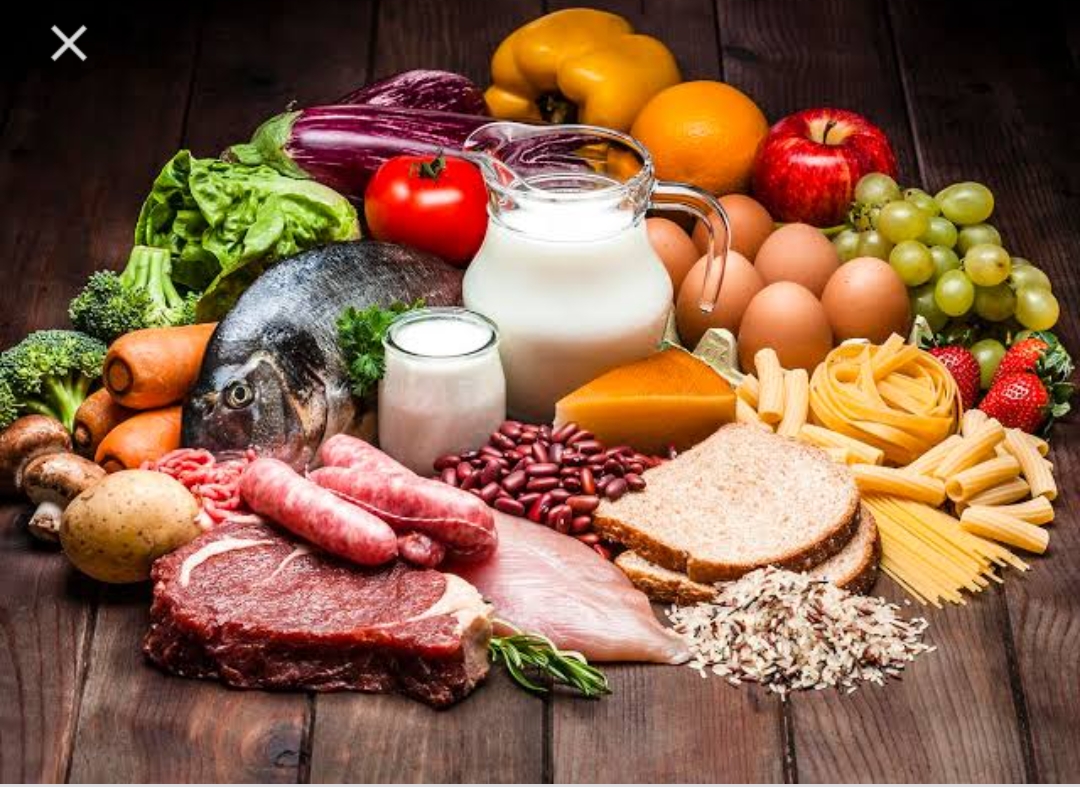
What is a balanced diet? A balanced diet gives your body the nutrients it needs to function correctly. To get the nutrition you need, most of your daily calories should come from:
What to eat for a balanced diet A healthy, balanced diet will usually include the following nutrients:
vitamins, minerals, and antioxidants carbohydrates, including starches and fiber protein healthy fats
balanced diet will include a variety of foods from the following groups:
fruits vegetables grains dairy protein foods Examples of protein foods include meat, eggs, fish, beans, nuts, and legumes.
Food groups in your diet eat at least 5 portions of a variety of fruit and vegetables every day (see 5 A Day) base meals on higher fibre starchy foods like potatoes, bread, rice or pasta. have some dairy or dairy alternatives (such as soya drinks) eat some beans, pulses, fish, eggs, meat and other protein.
Copa América, known until 1975 as theSouth American Football Championship, is the main men’s football tournament contested among national teams from south america. It is the oldest still-running international football competition, as well as the third most watched in the world.The competition determines the champions of South America. Since the 1990s, teams from North America and Asia have also been invited to compete.
The 2021 Copa América was the 47th edition of the Copa america, the international men’s football championship organised by South America’s football ruling body CONMEBOL. The tournament took place in Brazil from 13 June to 10 July 2021. The tournament was originally scheduled to take place from 12 June to 12 July 2020 in Argentina and Colombia as the2020 Copa América. On 17 March 2020, CONMEBOL announced that due to the COVID-19 the tournament had been postponed for a year, in conjunction with UEFA’s decision to also postpon to 2021.
Hosts Brazil were the title holders, having won their ninth title in 2019, which they also hosted. Argentina won their fifteenth title after defeating Brazil 1–0 in the final, their first senior title since the 1993 of the same tournament. They also equalled Uruguay’s overall record of Copa América titles.
The trophy was Messi’s first with Argentina after a string of painful, agonizing, maddening failures, including perhaps the most demoralizing defeat of his career — against Germany in the World Cup final — inside the same stadium, Rio’s hulking Maracanã, in 2014.
When the whistle blew to end the final, Messi — his relief palpable — dropped to his knees and was immediately surrounded by his teammates. Moments later, they were lifting him above their shoulders and tossing him in the air.
Jesus Christ is the central figure of Christianity. He was born at Bethlehem; Judea in Roman empire in 4-6 B.C and his mother was Mary. The Christians traditionally believe that Jesus was born of a virgin, performed miracles and founded an independent religious movement. The majority of Christians worship Jesus as the incarnation of son of god, one of three divine persons of a trinity. A few Christian groups, however, reject trinitarianism, partly or wholly, taking it to be non- scriptural. The principal sources of information regarding Jesus are the four canonical gospels, and most critical scholars find them useful for reconstruction the life and teachings of Jesus. Some scholars believe apocryphal texts such as the gospel of Thomas and the gospel of Hebrews are also relevant.
Later on, the Bible has been divided into two parts- the Old Testament (before Christ) and the New Testament, containing the life of Jesus and principles of Christianity. In Islam, Jesus (transliterated in Arabic as Isa) is considered one of God’s prophets, and the product of a virgin birth; but do not believe that he was God incarnate.
Most of the historians agree that Jesus was a Jew regarded as a preacher and healer, and was crucified between the age of 33-36yrs in Jerusalem on the orders of the Roman Prefect of Judaea, Pontius Pilate, on charge of sedition against the Roman Empire. His date of death was 30-33 A.D.
population is a very serious and underrated issue in todays life. Its need to be considered and handled as soon as possible. the population of whole world is estimated around 7.5 billion, which is a huge number.it has its own advantages and disadvantages.
the biggest problem we are facing is population explosion. Population explosion is sudden or sharp increase in number of people in an area . due to which we face lot of problems such as poverty, unemployment migration of people from rural to urban areas due to less facilities, shortage of food items, low standard of living and many other effects.
causes of population explosion
There are many causes of population explosion some of them are listed below:-
The most important reason of the huge population explosion is Birth rate. The rate of birth rate is very high.it is due to many reasons such as lack of awareness and knowledge among people .especially in our country India .The rate of birth rate is very very high and some of the main reason is people are very fond of having a male child ,joint families ,infant mortality rate and many other reasons.
2. Falling death rate of human beings is also a big reason of such increase in population . Medical sciences have discovered many medicines (vaccines and antibiotics) and treatments through which human life has been increased significantly.
3.Poverty in developed countries is one of the reasons of population explosion.it is because it is considered that having more children means an extra chance of earning more when he/she will be grown up.
These are few causes of popuation explosion.
Problems due to population explosion
This sudden increase in population will definitely have some serious issues, some of them are:-
1 .More increase in population will result in more demand of food, healthcare, water, transportations housing and many other things. that will be impossible at one point if we will not do something to stop it.
2. The more population will result into more violence and conflicts in different parts of world.
3. Deforestation:- we all are aware of the term deforestation population is increasing day by day we need more land or area to live and it can only be accompished by cutting trees (forests).due to which our ability to take carbon dioxide decreases. Due to deforestation, wild animals and species are also suffering .
4.global warming :it is due to the burning of greenhouse gases. As population is increasing ,fossil fuels have a large impact in industrial societies when these fossil fuels (coal ,gas and oil) are burned they give carbon dioxide in huge amount and other greenhouse gases such as methane, carbon monoxide etc, which also leads to depletion of fossil fuels.
these are some few problems associated with population explosion which are creating a lot of problem for human beings.
Actions that can be applied tosolve this problem
According to united nation, the population of world will be 10.8 billion by 2100.This is a very huge number and we do not know whether we will be able to tackle that difficulties in future.
strategies should be made to control population explosion that should include making public realize about consequences of overpopulation like it will decrease the quantities of basic needs of life .Employment rate should be increased as much as possible, family planning should be made, medical facility should be good in developing nations and there are many other measures that can be taken to control population explosion.
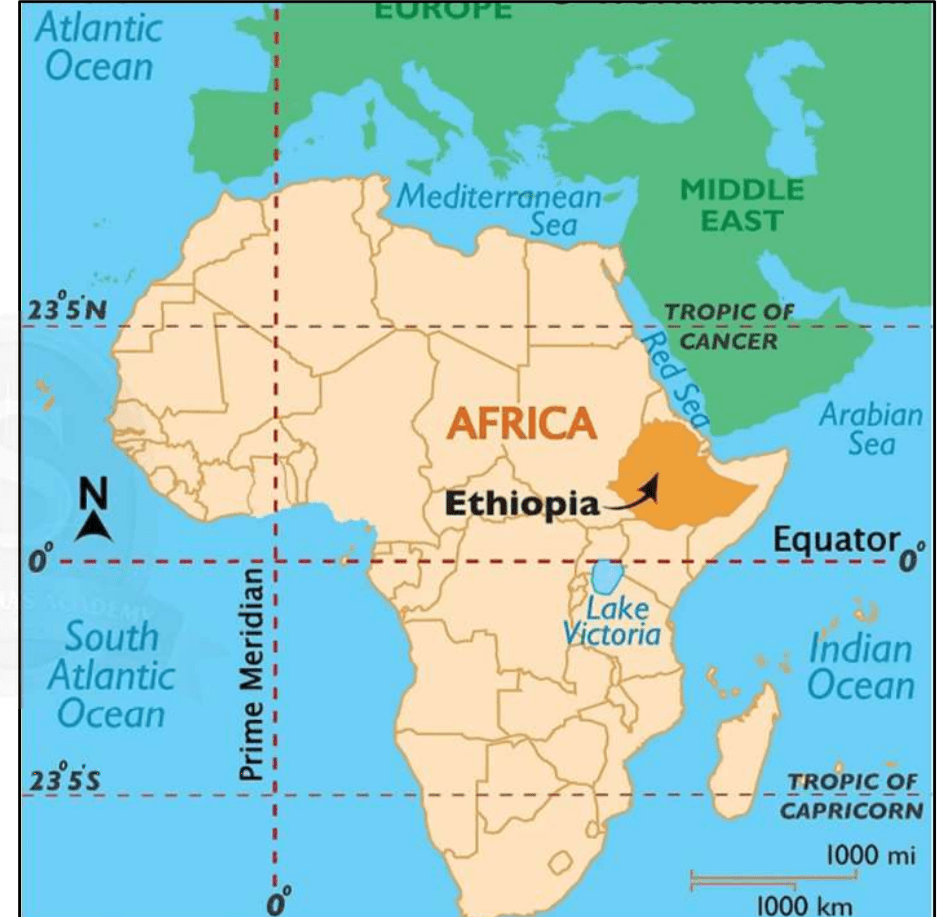
• More than 77 different ethnic groups – own distinct languages within Ethiopia.
• Africa’s oldest independent country.
• Second largest in terms of population.
Political structure
• Federal republic under the 1994 constitution. Prime minister – Head of government Titular president – Head of state.
• Bicameral legislature – House of Peoples Representative & House of the Federation.
• Prime minister – Designated by the ruling party in the House of Peoples’ Representatives.
• Nominates candidate for the presidency and subjected to a vote by both legislative houses.
Local government
• Structure – allows the country’s ten regions a significant amount of autonomy.
• Regional state – Headed by a president elected by the state council
• Cities – headed by a chairman.
• Regions – own parliaments, security forces and the right to a referendum for independent rule.
Ethiopia’s Tigray crisis
• Issue – Conflict between PM Abiy Ahmed’s party and the Tigray People’s Liberation Front is escalating.
• Conflict – Traced back to the time when Abiy Ahmed – the prime minister came to power in 2018.
Tigray region Wealthier than other parts of the country, It has got a well-trained army.
• Tigray People’s Liberation Front – fighting for the autonomy of Tigray and reconstitution of Ethiopia on the basis of ethnically autonomous regions. Its Authority considerably reduced since Abiy took office. • Ongoing conflict – 2 different political ideologies for supremacy and control in the country.
• Tigray held local elections.
• PM ordered troops to counter a Tigray rebel attack on federal army barracks. Result – Killing of several civilians.
• United Nations and Amnesty International – Accused Ethiopia of war crimes, ethnic cleansing and the resort to rape and hunger as weapons of war.
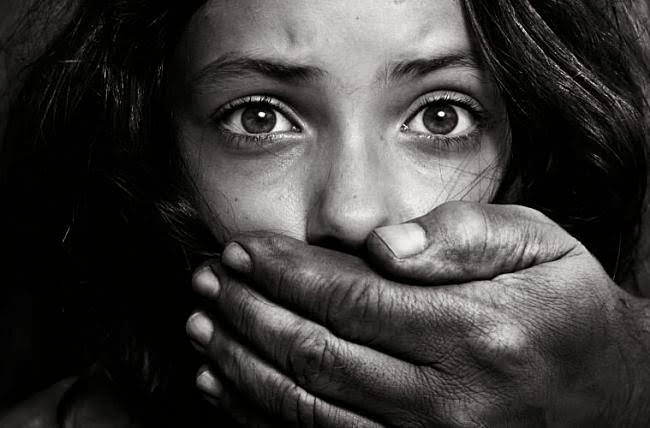
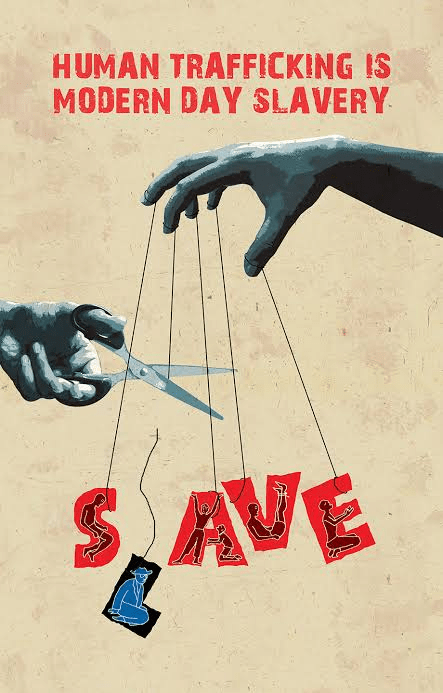
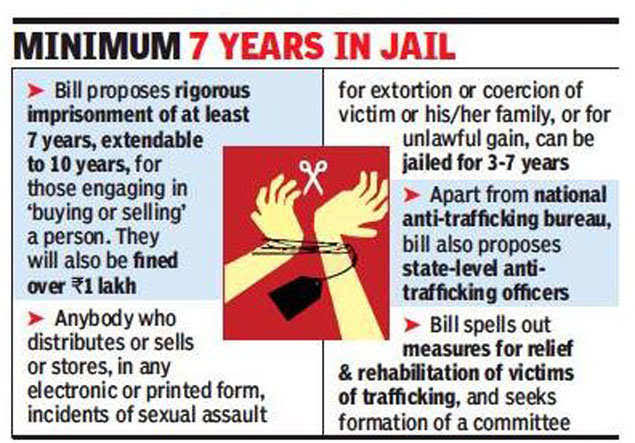
Human Trafficking is a major issue in India and Worldwide. Though, it has been there for ages, the reason for the need of immediate attention is the COVID – 19 Pandemic. The pandemic bought about various social and economicalchanges in India giving rise to human trafficking cases. The lockdown raised higher level of unemployment amongst daily wage earners. This further lead to effecting the economic background of such families, especially in the rural areas. Having no other source of income lead to desperation in people which made them promote human trafficking by sellingtheir children, making them beg for money and sending their children for child labour. Moreover, the closureofschools increased human trafficking cases as there was no source of education for children. This gave the families and opportunity to use the children economically for labour and wed their girl child at an early age to save the future expenses. Absence of schools further increased the burden on families as many rural schools provided mid-day meal to their students. Absence of which made the children a further burden on the families and an additional stomach to feed. This made them give their children away in a hope for a better future for them and food for their children.
Along with such cases, many organ removal cases in the name of covid cases were found. Many physically fit people with weak financial backgrounds were falsely shown positive for corona virus and later declared dead because of the same. It was found that many traffickers removed organs from such bodies and declared them dead. Hence, this issue is important in the current times and require more attention than ever.
Yes, it’s difficult to step outside and help in this uncertain times but we individuals can start from our homes. The family domestic help, house help, workers, etc belong to rural and economically weak family backgrounds. Hence, talking to them and knowing about their lives can help us get a clear picture of their situation. We can educate them andspread awareness about the wrongs that they might be exposed to. This knowledge might help them be aware and spread the words to different people in their families and neighbourhood, that in turn might create a huge impact on the society as a whole.
Many a times people give into such situations where they willingly promote human trafficking, out of desperation and helplessness. As in case of a daily wage worker who has no other means to support his family economically might sell his child to survive. Hence, it is important to make them aware about various other way where they might get financial help without getting trapped into such rackets. There are government supports yojanas and schemes where they help such people, but in order to get help it is important to know about the availability of that help and that can only be done through awareness. It may not change the entire world scenario but one step by every citizen might make a huge impact altogether.
The World Trade Organisation is the successor of General Agreement on Tariffs and Trades (GATT ). The WTO Agreement is the Uruguay Round agreement where the original GATT is now part of the WTO Agreement which came into force from January 1,1995.
WTO is a multilateral organisation .It has its headquarter in Geneva , Switzerland. It is the central body that facilitates global trade .
It is the only international organization that deals with global rules of trade between nations. It provides a framework for conduct of international trade in goods and services.
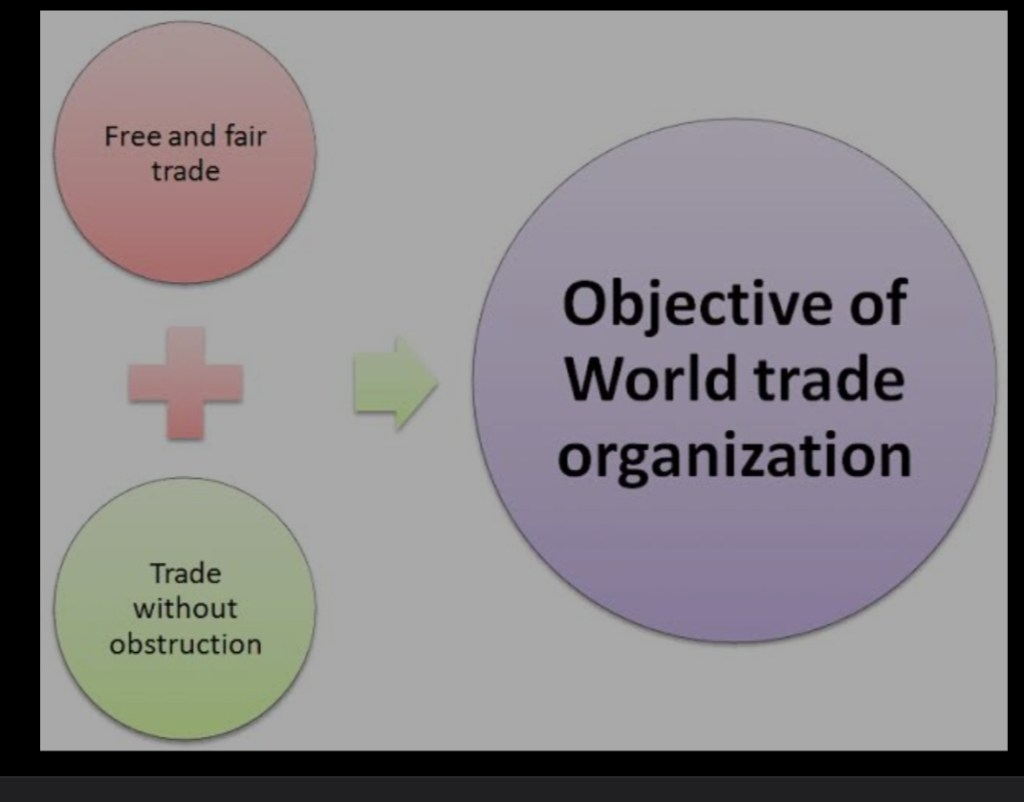
The fundamental objective of the rule-based system of international trade under the WTO is to ensure that international markets remain open and their access is not disrupted by the sudden and arbitrary imposition of import restrictions.
It lays down the rights and obligations of governments in the set of multilateral agreements. It also covers a wide range of issues related to international trade, such as protection of intellectual property rights and dispute settlement, and prescribes disciplines for governments in formulation of rules, procedures, and practices in these areas.
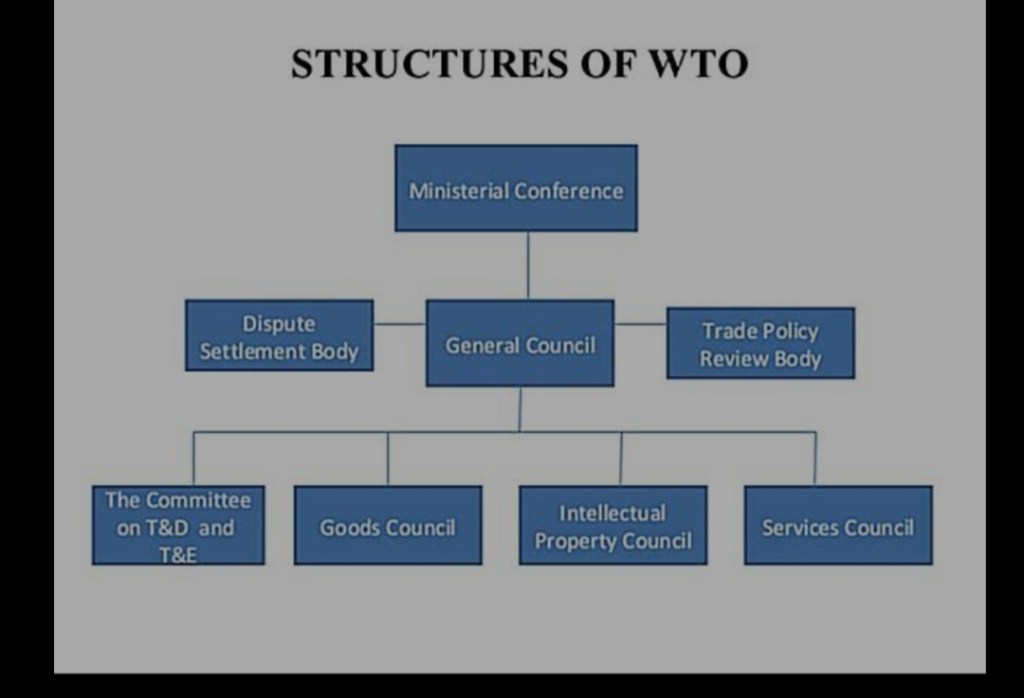
Structure of WTO
The structure of WTO is headed by the Ministerial Conference composed of representatives of all members which meet at least once every two years. It carries out the functions of the WTO and takes actions necessary to this effect .
The Ministerial Conference is the supreme authority of the WTO . The Ministerial Conference operations by different authority bodies.
General Council composed of representatives of all members to oversee the operation of the WTO Agreement and ministerial decisions on a regular basis. It also acts as a Dispute Settlement Body (DSB) and a trade policy review body (TPRB) ,each having its own Chairman.
The Director General , who is the secretariat head of WTO . The Ministerial Conference appoints the Director General and sets out his power duties , conditions of services and term of office. The Director General appoints the members of Staff of the Secretariat and determines their duties in accordance with the regulations adopted by the Ministerial Conference.
Non-discrimination Reciprocity Binding and enforceable commitments Transparency Safety values
___________________________________________
Objectives
The Preamble of the organisation , The Agreement establishing the WTO lays down the following objectives :-
• It’s relation in the field and economic endeavour shall be conducted with a view to raising standards of living , ensuring full employment and large and steadily growing volume of real income and effective demand and expanding the production and trade in goods and services.
• To allow for the optional use of the world’s resources in accordance with the objectives of sustainable development , to protect the environment and to enhance the means for doing so in a manner consistent with respective needs and concerns at different levels of economic development.
• To make positive efforts designed to ensure that developing countries , especially the least developed among them , secure a share in the growth in international trade commensurate with the needs of their economic development.
• To achieve these objectives by entering into reciprocal and mutually advantageous arrangements directed towards substantial reduction of tariffs and other barriers to trade and the elimination of discriminatory treatment in international trade relations.
• To develop an integrated , more viable and durable multilateral trading system encompassing the GATT , the results of past liberalisation efforts and all the results of the Uruguay Round of multilateral trade negotiations .
• To ensure linkages between trade policies , environment policies and sustainable development.
___________________________________________
Functions :-
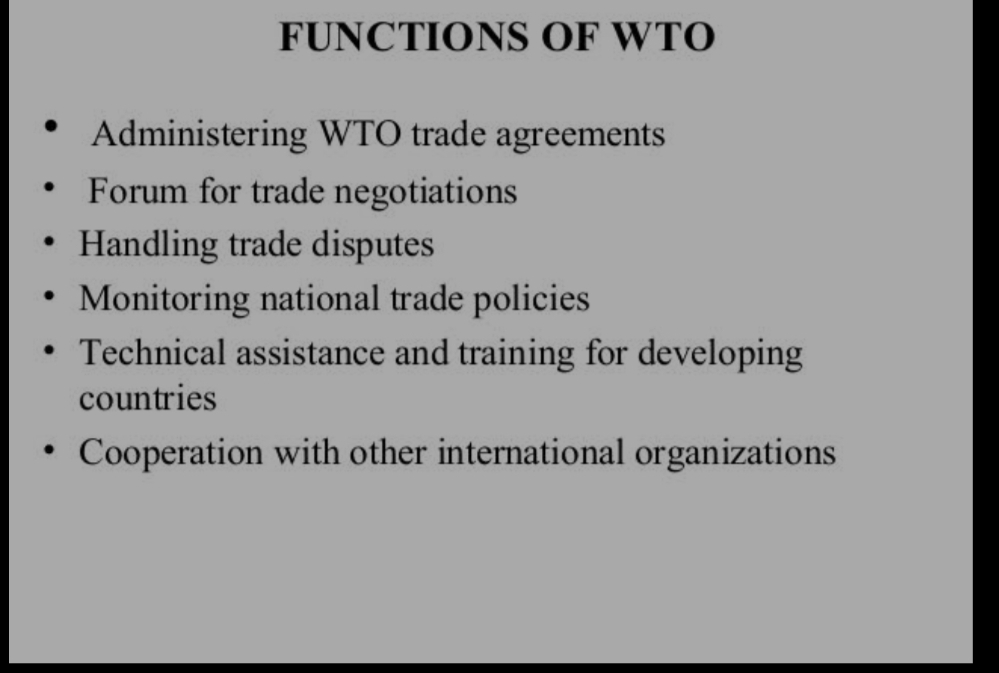
The main functions of WTO are :-
1. To facilitate implementation, administration and operations of the objectives of the Agreement and of the Ministerial Trade Agreement.
2. To provide the forum for negotiations among its members concerning their multilateral trade relations , in matters relating to the agreements .
3. To provide a framework for implementation, administration and operation of multilateral and bilateral agreements of world trade.
4. To administer the understanding of rules and Procedures governing the Settlement of dispute .
5. To ensure the optimum use of world resources.
6. To assist international organizations such as, IMF and IBRD for establishing coherence in Universal Economic Policy determination.
___________________________________________
WTO Agreements
The Agreement establishing WTO consists of the following :-
1: Multilateral Agreements on Trade in Goods :
The general agreement on trade in goods defines the GATT 1994 and includes various agreements dealing with Different aspects related to trade in goods.
• GATT Rules 1994 ,•Agreement on Agriculture •Agreement on Textiles and Clothing •Agreement on Technical Barriers to Trade • Agreement on Trade Related Aspects of Investment Measures ( TRIMs) • Agreement on Anti – Dumping
2: General Agreement on Trade in Services .
This agreement covers all Internationally traded services .It also sets out special conditions relating to individual sectors .
In financial services , it establishes the right of governments to take appropriate measures for the protection of investors , depositors and policy holders to ensure integrity and stability of the financial system.
In telecommunications ,the Agreement requires a Member to establish , construct , acquires ,lease , operate or supply telecommunications transport networks and services and make it available to the public
The GATS also contains consultations and dispute settlement and the establishment of a Council on Services.
3: Agreement on Trade – Related Aspects of Intellectual Property Right ( TRIPs) .
The TRIPs covers seven categories of intellectual property –
This agreement refers to controls of anti competitive practices for developed countries to bring their legislation and practices into conformity for the implementation of TRIPs.
4:. Understanding on Rules and Procedures governing the Settlement of Disputes.
This agreement applies to consultations and the settlement of disputes between Members concerning their rights and obligations under the provisions of the Agreement establishing the WTO . For this, a Dispute Settlement System was established .
5: Plurilateral Trade Agreement .
This agreement consists of the Agreement on Trade in Civil Aircraft , Agreement on Government Procurement , International Dairy Agreement and International Bovine Meat Agreement . The first Agreement was made at Geneva in April 1979, as subsequently modified , rectified or amended . The latter three Agreements were done at Marrakesh on April 15,1994.
6: Trade Policy Review Mechanism.
The TPRM aims to carry out reviews of the trade policies and practices under the Multilateral Trade Agreements and the Plurilateral Trade Agreements for the smoother functioning of the multilateral trading system.To operate this purpose , Trade Policy Review Body ( TPRB) was established. For better transparency each member reports regularly to the Trade Policy Review Body about the trade policies and practices pursued by it .
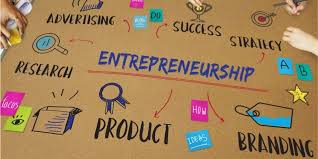
Entrepreneurship is the ability to develop, organize and run a business enterprise, along with any of its uncertainties in order to make a profit. Entrepreneurship is basically the act of creating a business or businesses while building and scaling it to generate a profit. It’s about building a life on your own terms. No bosses. No restricting schedules. And no one holding you back. Entrepreneurship development is a process of developing certain skills in an individual which are required to make him/her a successful entrepreneur. The success of an entrepreneur can be judged by success of his project or business. Finding a way to sell oneself before anyone believes in one or ones business, being able to explain and prove why their product or service is worth the price or investment, knowing when something is valuable, even if no one else does etc. are some of the features a successful entrepreneur possess. Big successful companies like Microsoft, Google, Apple etc. have all attained the status they have now because of their respective entrepreneurs. Success of such start-ups not only benefits the people associated with it but also the economy as a whole. It slowly changes the world. Off course not every start up is a massive hit, some might be pretty mediocre and some might even do more losses than gains but nevertheless in the contemporary world, the need and urge for entrepreneurship development has drastically increased. There are certain characteristics which are observed in entrepreneurs who write big success stories. These characteristics are a prerequisite for becoming a successful entrepreneur. The first and foremost skill is creativity. It means thinking out of the box. Coming up with new ideas, being open to new methodologies, creating something new etc. are some examples of being creative. Creativity gives birth to Originality. Risk taking is another characteristic of a successful entrepreneur. Without the will to explore the unknown, one cannot discover something unique. Risk-taking involves a lot of things. Using unorthodox methods is also a risk. Investing in ideas, nobody else believes in but you is a risk too. Good entrepreneurs are always ready to invest their time and money. But, they always have a backup for every risk they take. Planning is another characteristic and probably the most important one. They say “If you fail to plan, you plan to fail.” Planning is strategizing the whole thing ahead of time. It basically sums up all the resources at hand and enables one to come up with a structure and a thought process for how to reach ones goal. It involves how to make optimum use of these resources. Facing a situation or a crisis with a plan is always better. It provides guidelines with minimum to no damage incurred to a business. Other characteristics include passion for the work or business one choose to do, professionalism in the way the work is done, knowledge of the field of work or business, social skills including relationship building. An entrepreneur must be open minded towards learning, people and even failures.
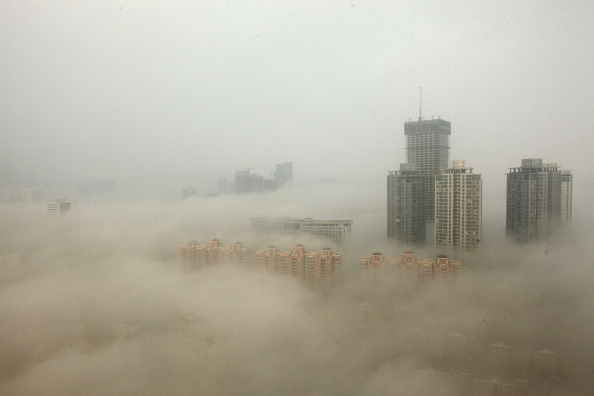
China is globally known for its extreme air pollution levels. Causes include the country’s population, being the biggest in the world, and China’s “economic boom,” being the fastest among major nations in the past few decades. While urbanisation has led to a surge in wealth, it means that the people are deprived of basic health security. Effects include lower birth rates, 411,00 premature deaths, and higher adult mortality from respiratory related diseases; in fact, lung cancer rates have risen by 60% in the past 10 years despite no change in smoking rates.
Action taken:
Over the years, the Chinese government has taken a series of steps to battle air pollution. This includes the ban of new coal-fired power plants and the closing down of many old ones, as chemicals released like sulphur dioxide account for 33% of China’s total national emissions. Iron and steel production have been limited and many coal mines have been shut, meaning the government favoured health over the economy in this situation. Moreover, large cities like Shanghai and Shenzhen have limited the number of vehicles on the road and introduced electric buses. According to earth.org, the country planted more than 35 billion trees and with investments of an estimated $100 billion in such programmes, “China’s forestry expenditure per hectare exceeded that of the US and Europe and became three times higher than the global average.”
Furthermore, two major action plans have been established. The first was in 2013, helping cities to make improvements in air quality; by 2017, levels of atmospheric particulate matter (PM2.5) dropped by 33% in Beijing. While this is a great change, cities failed in meeting WHO’s recommended PM2.5 levels; this resulted in a new, three-year, action plan, applying to the entire nation this time. Because of such steps taken for public safety, research suggests “the average citizen can now expect to live 2.4 years longer on average if the declines in air pollution persist.”
Italy star Giorgio Chiellini has claimed that he put a “curse” on Bukayo Saka before the England teenager’s decisive penalty miss in Sunday’s Euro 2020 final.
Saka saw his spot kick saved by Gianluigi Donnarumma, handing Italy the European title after the two teams drew 1-1 over 120 minutes.
The Italy defender shouted the word just before the England teenager saw his spot kick saved by Gianluigi Donnarumma
Just before Saka took the kick, Chiellini screamed “Kiricocho!” – a word that’s been used by footballers for decades to impart bad luck on the opposition.
The social services and those workers included in performing the social services during the time of pandemic are really essential and appreciatable! They build on their own existing strong ties towards the children, families and communities to rapidly respond in ways that are effective! But we know their safety also more important! The social workers […]
Pretty much everybody thinks about the famous hand to hand fighting, like Karate, Tae Kwon Do, Kung Fu and Tai Chi… a few group have even pondered evaluating a class. But have you at any point really done it? Do you require an explanation?
Pretty much everybody has contemplated taking up a military workmanship sooner or later on schedule. Perhaps as another approach to remain fit as a fiddle. Perhaps as a way to shield yourself from the school menace. There are hundreds, if not thousands, of reasons why individuals decide to take up a craftsmanship, however I need to require one moment to layout what I feel are the main motivations to basically attempt a military workmanship. Possibly it’s for yourself, perhaps it’s for your youngsters… whatever the explanation, all hand to hand fighting contain a remarkable abundance of information and order that you can’t go anyplace else. My expectation is that this article will rouse you to escape your seat and into a school to perceive what’s genuinely going on with combative techniques.
Fearlessness
As you train in hand to hand fighting, you will see a ton if enhancements, like your constitution, balance, mindfulness, adaptability, and numerous other physical and mental qualities. Hand to hand fighting will show you how to consolidate these capacities and use them to prevail in rivalries, achieving higher belts, building companionships and securing yourself if essential. The more you can do, the more sure you will be.
Self Preservation
Perhaps the most widely recognized motivations to examine hand to hand fighting is to figure out how to protect one’s self. Various schools may commit class time or potentially offer a planned class that stringently goes over self protection strategies. Additionally, contingent upon the MA style or school, self protection can be a huge piece of the educational plan, which can be gainful to those intrigued by “material expressions” (expressions you can use in regular day to day existence) rather than “customary expressions”.
Self-restraint
Webster characterizes self-restraint as the “remedy or guideline of oneself for development”. Regardless of whether it be attempting to make a secondary school group or fulfilling organization time constraints, when you get familiar with the center important to prevail in Martial Arts you can apply it to the remainder of your life. Achievement is mental, and Martial Arts will show you the self-control important to prevail at anything you set your attention to.
Coordination
Combative techniques requires a great deal of hand, foot, eye, and mental coordination, however the entirety of this is created over the long run. On the off chance that you see yourself as a clumsy individual, preparing in the combative techniques will assist you with developing those abilities. You’ll be stunned what your body can do! Regardless of whether you are a characteristic competitor, remaining on one foot, while kicking with the other, and impeding with your hands is very troublesome and includes coordination.
Wellness
Combative techniques doesn’t need to zero in just on battling or self preservation as certain styles depend more on wellness. Tae Bo and Tai Chi are two instances of this. In any case, those with an interest in the battling and self-preservation parts of Martial expressions will discover their wellness levels quicly expanding as preparing creates different muscle gatherings, yet adaptability and equilibrium too. One’s degree of wellness can be similarly as significant in dominating a game as one’s abilities and capacities.
Family Enjoyment
The vast majority don’t realize that this is an incredible method to hang out with your family! Some military workmanship schools permit families to prepare together and others separate classes by age gatherings. Despite how classes are isolated, families wind up partaking in the time spent together. It’s anything but incredible having a family all test together for different positions and dark belts.
Meet New People – Martial Arts is for everybody…
Numerous military workmanship schools structure their classes into three age gatherings: Kids – typically going from around 5 to 11 years of age, Teens – 12 to around 16 or 17, and Adults – for the most part begins at 18, yet a few schools make special cases when fundamental. A few schools likewise offer a “Little Dragons” program equipped towards the 4 – 6 year old group. Age bunches are then separated into belt positions permitting you to prepare with individuals that are somewhat of equivalent abilities and age. As a rule individuals who start combative techniques together will foster a holding companionship and even obtain in their dark belts simultaneously on the grounds that they pushed each other during their tuff times.
The social services and those workers included in performing the social services during the time of pandemic are really essential and appreciatable! They build on their own existing strong ties towards the children, families and communities to rapidly respond in ways that are effective! But we know their safety also more important! The social workers are just like an angle to our society, including governmental and non-governmental workers, since they carry out the essential range of needs to common people at the toughest times!
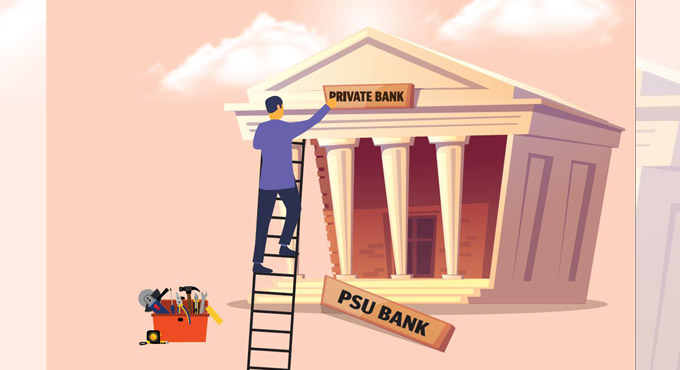
Finance Minister Nirmala Sitharaman, in her budget speech in February 2021, said that the government plans to privatise two PSBs (Public Sector Banks). The government had already privatised 10 banks and merged them into 4. This time, Central Bank of India and Indian Overseas bank are reported to be the probable candidates. Presently, India has 22 private banks.
Many committees had suggested the lower government stake in PSBs below 51% like Narasimhan committee proposed 33% and P J Nayak committee suggested below 50%. RBI is currently working on these suggestions.
Why privatisation?
As compared to private banks, PSBs continue to have high non performing assets. And this situation get worsed after the pandemic as NPA ratio of all commercial banks may increased 13.5% by September 2021. Also government reforms have not been able to improve the financial position of PSBs significantly. Despite this, the government is trying to strengthen the strong banks and minimise the burden upon them.
What is privatisation?
The transfer of publicly owned or operated organisations to private ownership or operation. It is introduced as a way of enhancing effectiveness and efficiency of the organisation and apart from that reducing the burden on government. Those enterprises running privately are subject to the discipline of the market and hence proved efficient. It also maximizes public interest and welfare.
What are the pros and cons of privatisation? Pros- • It expand the efficiency of bank and provides better services to its customers. • Ensures compliance and risk mitigation. • Continuously upgrading services to keep up with changing market trends. • Reinventing the way of working to attract customers and ensuring superior quality of services. • Reducing burden on the government. Follows stringent norms for loans and dealing with frauds. • Less government interference and function independently. • Profitable and convert loss making ventures into profitable businesses.
Cons- • PSBs cater to all sections of society whereas Private sector banks target mostly the upper strata of society, adversly affecting the poorer sections of society. • Choose to operate only in urban areas where the profit is high unlike PSBs, which emphasis on all and provide modern facilities even in non-profitable areas. • Income variability that may trigger protest around the country. • Due to minimum presence of government in banking sector, private sector banks arbitarily take actions on government welfare schemes.
Privatisation looks like solution for all the problems in banking sector, which is not exactly true. It is vital for banks to penetrate into each strata of society for the nation’s holistic growth. There should be a combination of efficiency and sense of service towards the nation. Only after which banks can develop and prosperity is secured.
YOGA has remain an integral part in the life of humans since thousands of years. The oldest work that gives information about yoga is Yoga sutras by Maharishi Patanjali. Maharishi Patanjali (200BC-150BC) gave every minute details about the classical yoga in this book. This book is considered as the foundation of classical yoga. It has been translated in more than 30 Indian languages.
MAHARISHI PATANJALI
But it was seen that in this modern world, the young generations are detached from Yoga practice and very less number of people clearly knows about how to practice different asanas in yoga, what are their health benefits and who should practice which types of asanas.
To preserve rich heritage of Yoga it was decided that from the year 2015, Yoga day will be celebrated every year on the 21st June because it is the longest day of the year scientifically.
ORIGIN OF YOGA DAY :-
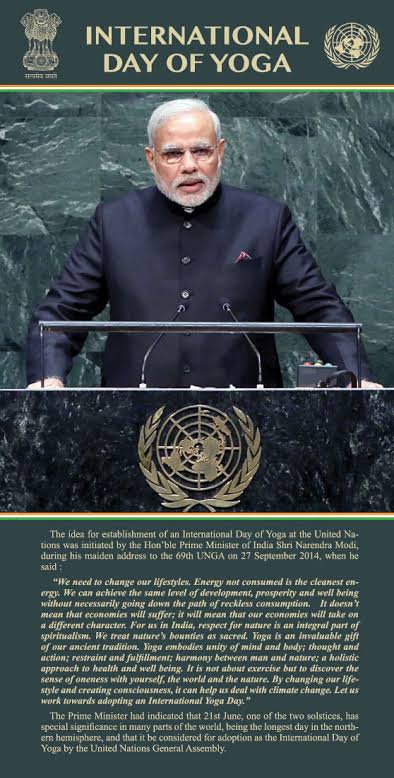
In the year 2014, Prime Minister of India Shri Narendra Modi addressed the United Nations General Assembly (UNGA). In his addressing, he firstly gave the idea of celebrating 21st June of every year as Yoga Day.
OFFICIAL LOGO OF INTERNATIONAL YOGA DAY
This proposal was official brought in the UNGA later in the year 2014. As per the UN, 177 member countries gave their support on this proposal. After this, the UN officially declared 21st June of every year to celebrate Yoga Day.
The lines quoted from PM Modi’s speech at the UNGA is as under:-
“Yoga is an invaluable gift of India’s ancient tradition. It embodies unity of mind and body; thought and action; restraint and fulfillment; harmony between man and nature; a holistic approach to health and well-being. It is not about exercise but to discover the sense of oneness with yourself, the world and the nature. By changing our lifestyle and creating consciousness, it can help in well being. Let us work towards adopting an International Yoga Day.” — Narendra Modi, UN General Assembly.
BENEFITS OF PRACTICING YOGA REGULARLY :-
Yoga builds the muscle strength who practice it daily. People can prevent themselves from diseases like arthritis by strengthening their bones and muscles.
Yoga improves the flexibility of muscles and prevent people from backbone and joints related problems.
Yoga increases the blood flow in the body. In this world when most of the work are done by machines, humans spent their time mostly sitting at one place. When their is less movement of body parts, the blood flow rate also decreases and it creates various diseases. Different Yoga asanas are proven effective to increase the blood flow in the body.
BENEFITS OF PRACTICING YOGA REGULARLY
Practicing Yoga daily improves the immune system by strengthening the stomach and other muscles used in digestion process.
Practicing Yoga improves the focus by strengthening the brain cells.
It calms the blood pressure and helps in getting a better sleep.
Many Yoga asanas are proven scientifically to improve the strength of lungs muscles and maintain better oxygen level in the body.
CELEBRATION OF YOGA DAY IN VARIOUS COUNTRIES :-
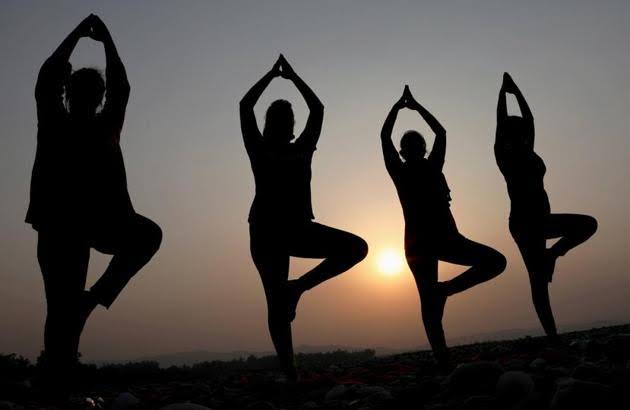
Every year Yoga Day is celebrated in many countries around the world with full dedication and enthusiasm. Large number of people gather at public places and practice Yoga together.
In the year 2020 and 2021 due to COVID-19 pandemic, all the programs on Yoga Day were held in virtual mode. For year 2021 official theme was – Yoga for Well-Being. Yoga has remedies to all major diseases including the current pandemic disease COVID-19. Yoga has been proven effective against COVID-19 also.












 Eduindex
You must be logged in to post a comment.