A Monk

Who are Monks ?

Why people are becoming Monks?

Is it some kind of religion ?

How a monk lives ?

What kind of God they persuit ?

Want to know more about them , then start some reading .

Introduction
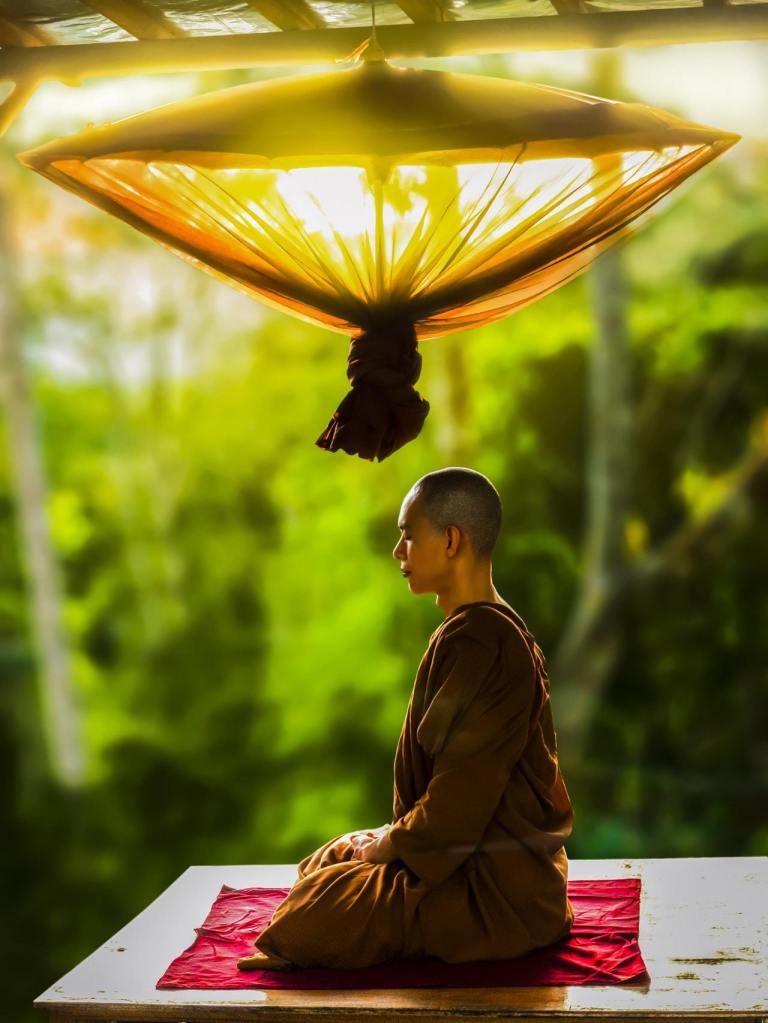
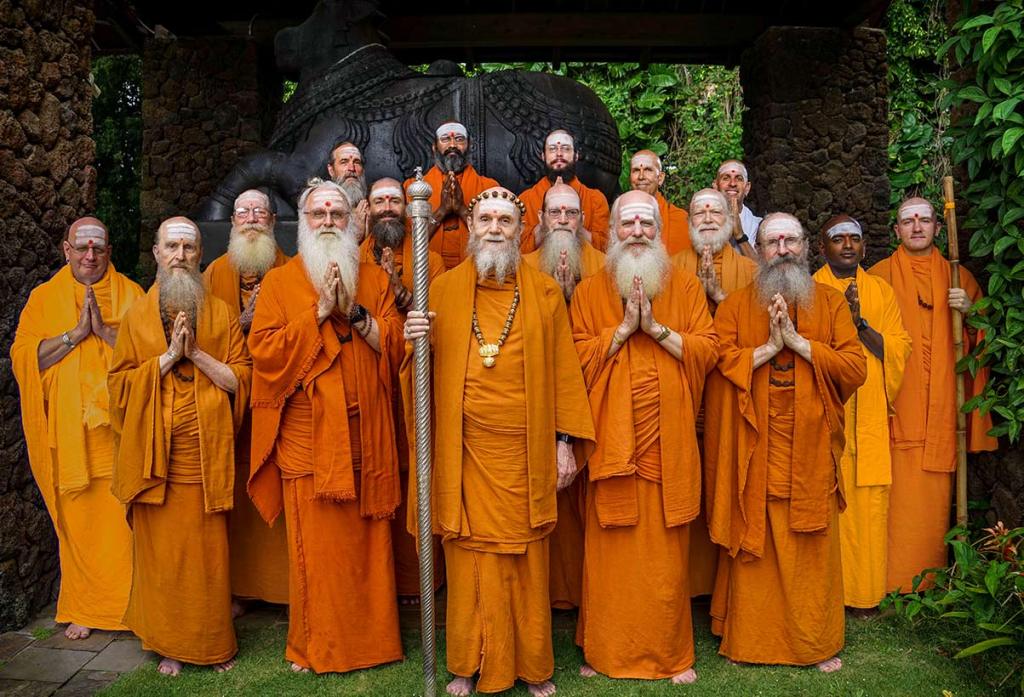
A monk is a person who practices religious asceticism by monastic living, either alone or with any number of other monks . A monk may be a person who decides to dedicate his life to serving all other living beings, or to be an ascetic who voluntarily chooses to leave mainstream society and live his or her life in prayer and contemplation. The concept is ancient and can be seen in many religions and in philosophy.

In simple words , A monk is a man who devoted part or all of his life to a religion. The word comes from Ancient Greek, and can be translated as solitary. In Greek, the word can apply to women, but in modern English it is mainly used for men. The word nun is usually used for female monastics. Monks practice asceticism. They either live alone, or together with other monks who share the same ideals. Monks can be found in different religions, most often in Buddhism, Christianity, Hinduism, Jainism and Taoism.

There living
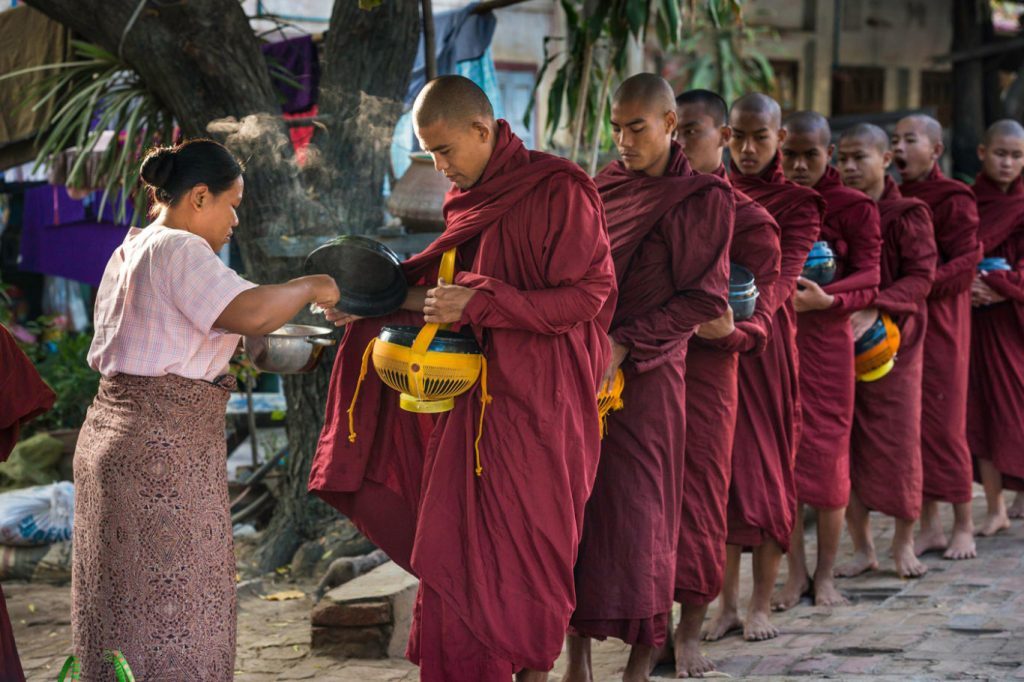
Monks usually follow rules and regulations for convenient life. As a monk you must obey these rules .

  1. Poverty: the monk cannot own anything.
  2. Chastity: the monk cannot have sex or a sexual relationship and cannot start a family or get married.
  3. Solitude: the monk should always be alone. Some monks choose to not follow this law.
  4. Silence: the monk shall not speak unless it is necessary.
  5. Generosity: the monk should always help other people.
  6. Stillness: the monk cannot travel far unless it is necessary. Sometimes this means that the monk must be cloistered which means that they must not leave their monastery (especially Warsa period). Sometimes they can be allowed to leave, but must not go very far.
  7. Duty: The monk must do some things every day. For example, the monk must pray or meditate and must do some work.

Indian monks

One of the finest and versatile monk in India was Swami Vivekananda . Swami Vivekananda was greatly inspired by Ramakrishna. For Swami, Ramakrishna was just a plain and simple villager, who was a part of the Kali temple. However, his intense spiritual practices intrigued Swami.

For five years, Swami learnt everything from his master, Ramakrishna. After his master left the world, everyone looked up to Swami. He urged the followers of Ramakrishna to leave the worldly pleasures and look up to God.

“You cannot believe in God until you believe in yourself.”

His saying intrigued just not one nation but the whole world .

Life lessons

Being a monk , gives you a pleasure of being yourself . We live in the world where we get pleasure from materialistic things . We become selfish , ruthless, dull, lifeless and worthless. You have to believe in yourself in order to excel in life.

Start learning from lessons.

  • When you start to do meditation you recognize the egotistical mind.
  • Trying until you get it right.
  • The answer to your question is inside of you.
  • Real wisdom in life comes from doing something and failing.
  • We must be both compassionate and resilient.
  • Patience is a virtue.
  • Detach from your ego.
  • Happiness come from within, and also comes from outside.
Link
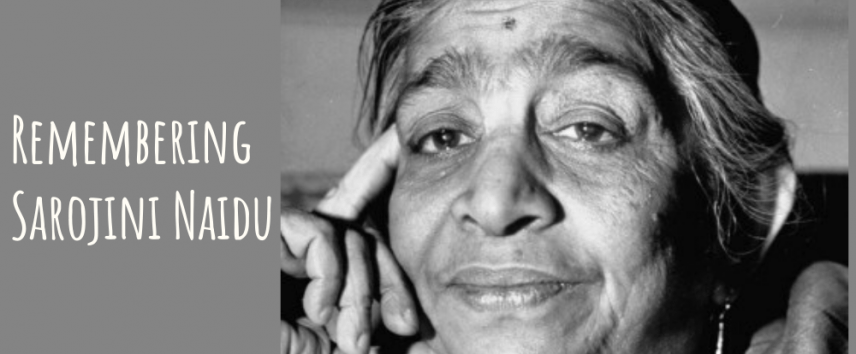
The Nightingale Of India

“As long as I have life, as long as blood flows through this arm of mine, I shall not leave the cause of freedom…I am only a woman, only a poet. But as a woman, I give to you the weapons of faith and courage and the shield of fortitude. And as a poet, I fling out the banner of song and sound, the bugle call to battle. How shall I kindle the flame which shall waken you men from slavery…”

Introduction

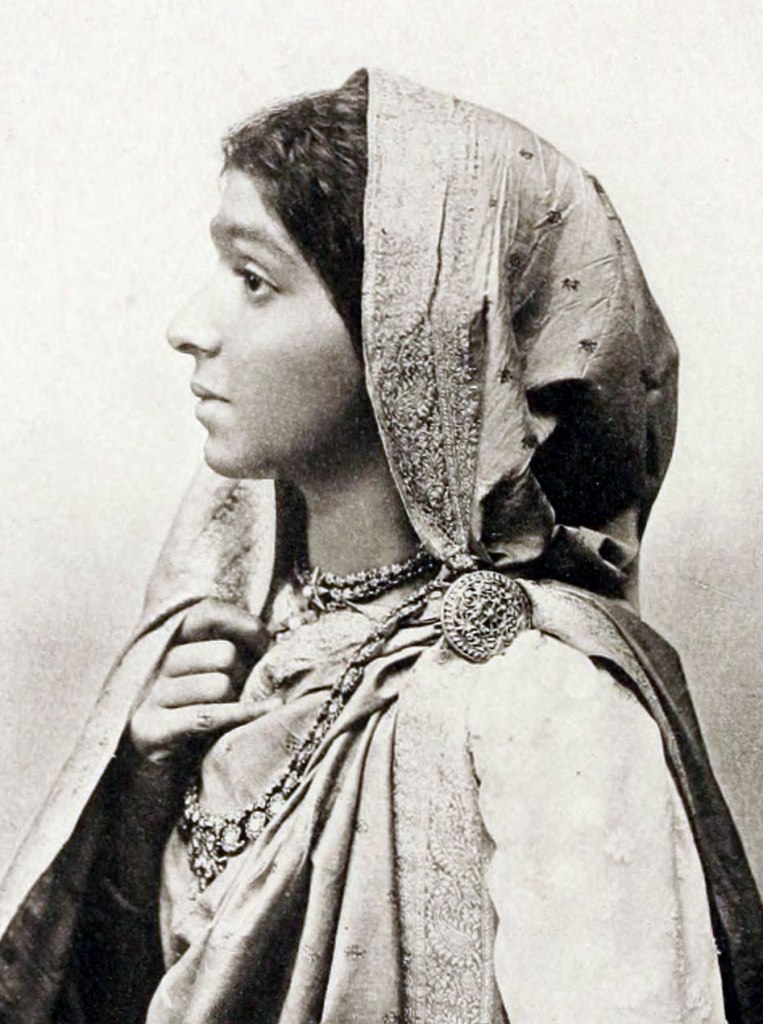
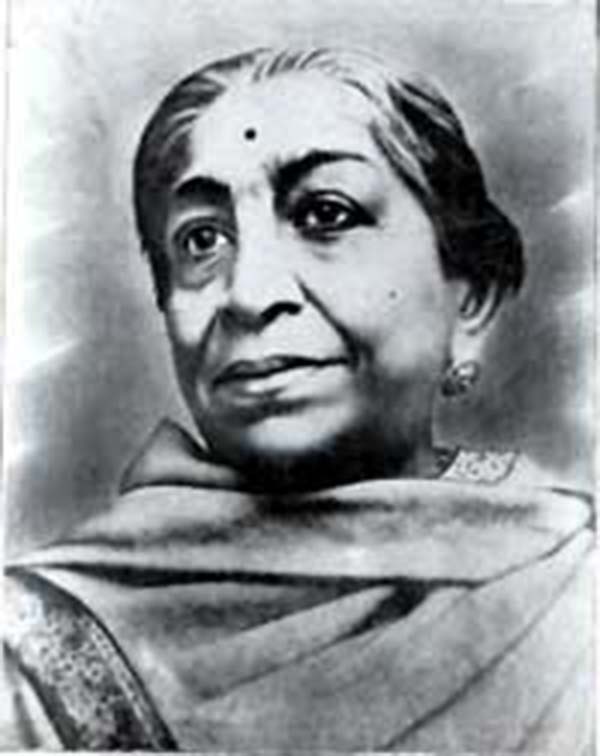
She was an Indian political activist and poet. A proponent of civil rights, women’s emancipation, and anti-imperialistic ideas, she was an important figure in India’s struggle for independence from colonial rule. Naidu’s work as a poetess earned her the sobriquet ‘the Nightingale of India’, or ‘Bharat Kokila’ by Mahatma Gandhi because of colour, imagery and lyrical quality of her poetry.

Birth and death

Born in a Bengali family in Hyderabad, Naidu was educated in Madras, London and Cambridge. Following her time in England, where she worked as a suffragist, she was drawn to Indian National Congress’ movement for India’s independence from British rule. She became a part of the Indian nationalist movement and became a follower of Mahatma Gandhi and his idea of swaraj. She was appointed as the President of the Indian National Congress in 1925 and later became the Governor of the United Provinces in 1947, becoming the first woman to hold the office of Governor in the Dominion of India.

Naidu’s poetry includes both children’s poems and others written on more serious themes including patriotism, romance, and tragedy. Published in 1912, “In the Bazaars of Hyderabad” remains one of her most popular poems. She married Govindarajulu Naidu, a general physician, and had five children with him. She died of a cardiac arrest on 2 March 1949.

Work

“Tell me no more of thy love, papeeha,
Wouldst thou recall to my heart, papeeha,
Dreams of delight that are gone,
When swift to my side came the feet of my lover…”

– A Love Song From The North by Sarojini
Naidu

1905: The Golden Threshold, published in the United Kingdom.
1912: The Bird of Time: Songs of Life, Death & the Spring, published in London.
1917: The Broken Wing: Songs of Love, Death and the Spring, including “The Gift of India” (first read in public in 1915) .
1919: Muhammad Jinnah: An Ambassador of Unity.
1943: The Sceptred Flute: Songs of India, Allahabad: Kitabistan, posthumously published.
1961: The Feather of the Dawn, posthumously published, edited by her daughter, Padmaja Naidu.
1971:The Indian Weavers.

After India attained independence, she became the first woman Governor of an Indian state, Uttar Pradesh. She served as governor till she passed away in March 1949, when she was working late in office.

As a Feminist

“Sarojini Naidu inspired the Indian Renaissance Movement and had a mission to improve the life of Indian woman.”

Bappaditya Bandopadhyay

Sarojini Naidu played an important role in women’s rights struggle in India. She helped in shaping Women’s Indian Association in 1917 with Annie Besant and others. The Association sought equal rights including the right to vote and represent. She presented the need to include more women in the Congress and in the freedom struggle. During 1918, British and Indian feminists including Naidu set up a magazine called “Stri Dharma” to present international news from a feminist perspective.

Link

Unemployment

Unemployment has become one of the biggest problems around the world. When an individual is an implied, he or she will know very less about the mankind. It is so difficult to face situation and handle situations when the individual is unemployed. Unemployment leads to many silly mistakes. And an unemployed person cannot take over the family and lead the family as well. There is a huge competition in highly populated countries like India. In order to be employed, the only method is to study hard and improve the skills and score better. Basically, the students are not showing good amount of interest towards the studies. Let us now see how to motivate them.

Covid crisis has made many people unemployed. It has taken away the basic need of living. Many people are left with the unfilled stomachs. Some people are dead about by not finding a way to live.

Types of unemployment :

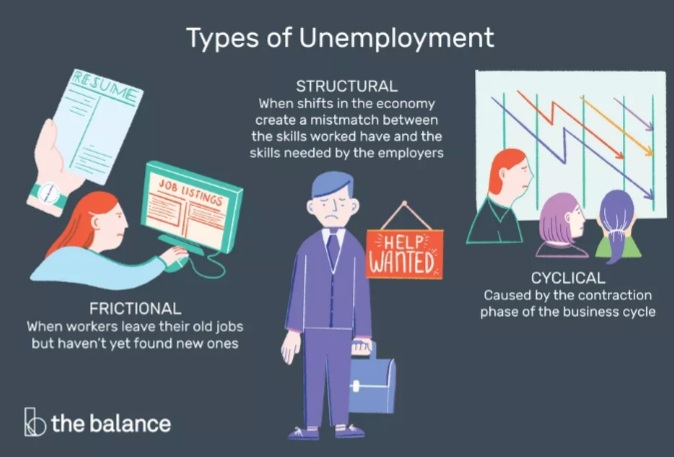
There are four main types of unemployment in an economy frictional, structural, cyclical, and seasonal and each has a different cause.

1. Frictional unemployment :

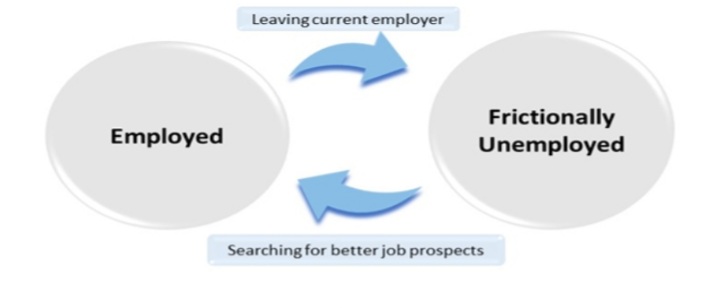
Frictional unemployment is caused by temporary transitions in workers lives, such as when a worker moves to a new city and has to find a new job. Frictional unemployment also includes people just entering the labor force, such as freshly graduated college students. It is the most common cause of unemployment, and it is always in effect in an economy.

2. Structural unemployment :

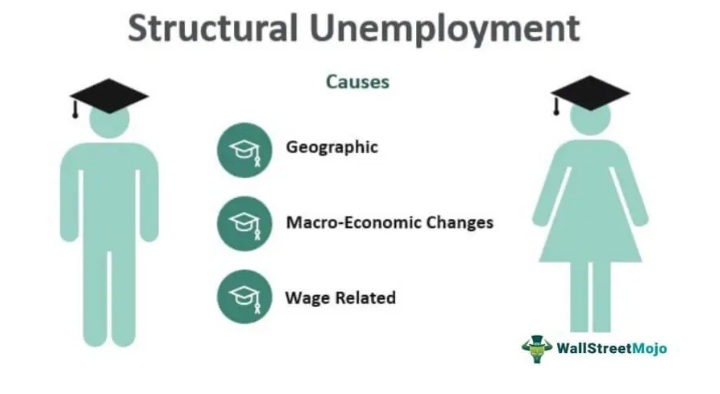
Structural unemployment is caused by a mismatch in the demographics of workers and the types of jobs available, either when there are jobs available that workers don’t have the skills for, or when there are workers availabes but no jobs to fill. Structural unemployment is most obvious in industries undergoing technological advancements.

3. Cyclical unemployment :

Cyclical unemployment is caused by declining demand. When there is not enough demand in an economy for goods and services, businesses cannot offer jobs . According to keynesian economics , cyclical unemployment is a natural result of the business cycle in times of recession: if all consumers become fearful at once, consumers will attempt to increase their saving at the same time, which means there will be a decrease in spending, and businesses will not be able to employ all employable workers.

4. Seasonal unemployment :

Seasonal unemployment is caused by different industries or parts of the labor market being available during different seasons. Fot instance, unemployment goes up in the winter months, because many agricultural jobs end oncr crops are have harvested in the fall, and those wotkers are left to find new jobs.

Consequences of unemployment in an Economy :

Low unemployment is key to economic stability High and long- term unemployment can cause significant stress on a nation in three key areas.

* Individuals :

Unemployed people have no ability to fulfill their financial obligations and can become mentally stressed, ill, and even homeless.

* Economic efficiency :

During times of high unemployment many job seekers will accept new jobs below their skill level, a situation called “underemployment ” which translates to a loss of human capital for an economys labor market. Unemployed workers will also significantly decreases their consumer spending, which is one of the driving forces of economic growth. Without consumer spending, the economy will slow dramatically.

* socio- political stability :

If unemployment remains high, citizen dissatisfaction can rise to the point of widespread civil unrest.

Possible solutions for Unemployment :

Solving unemployment is a hotly debated topic, and no economists agree on one simple way to do it. However, in the U.S ,if unemployment rises noticeably, the government usually steps in with specific policies designed to lower the total number of unemployed people.

1. Monetary policy :

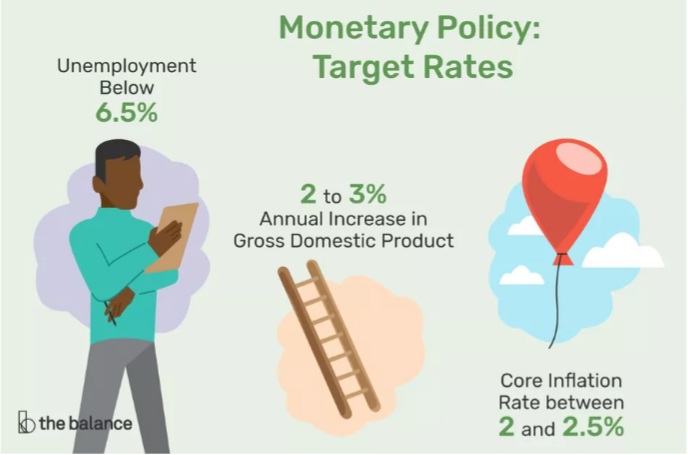
Monetary policy is financial influence implemented by a central bank . Monetary policies usually come in the form of lower interest rates, which increase the total money supply within an economy by allowing banks and businesses more access to loans and therefore, more accessible spending power.

2. Fiscal policy :

If expansionary monetary policy doesn’t adequately lower the unemployment rate government agencies will turn to fiscal policy. Fiscal policy is fiscal stimulus implemented by the national government and fiscal policies include spending on infrastructure, proposingtax cuts , increasing the minimum wage, or implementing unemployment benefits. These methods are designed to inject more demand into private economy and strengthen economic activity.

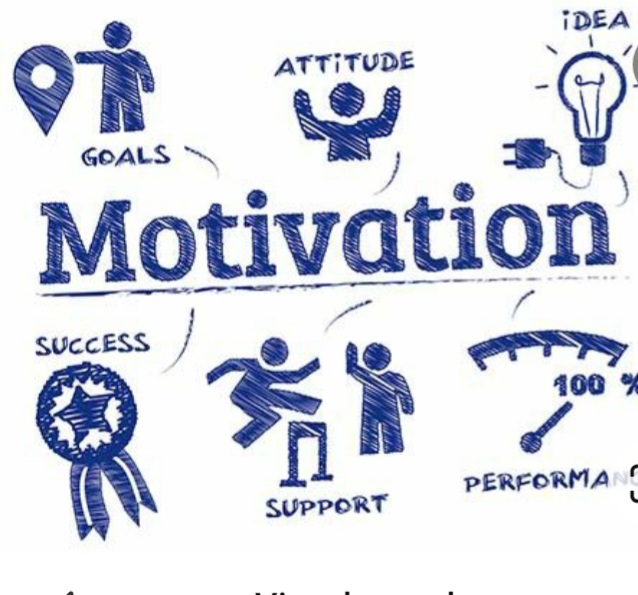
Let us now see some of the ways to motivate the students to study and get employeed.

Make things easier :

Showing the things easier and explaining them with clarity helps the students to show better interest on the subject and makes them to pay more attention on what the teacher is trying to convey. When the topics are shown easier for the students, they start learning them and they feel achieved and they pay more attention to study. When a student learns a particular topic or a question, he/she feels comfortable and happy for getting it. Once if they start reading, they develop the interest in them and they continue to read more and more.

Tell the importance :

The students must be motivated with good number of words to understand the need of studying and what happens if they don’t study. A student is like a bird without the wings when they don’t study. So, it is very important to motivate students to study and to make them understand the need of the situation. Motivation brings the right change in the students who are not interested in learning. It develops the interest in them to study.

It seems good if the government provides good number of jobs.

Education in the present

Education is very important in every individual’s life as it is very important for the living. The person who is educated will be well treated by the society and will you have good potential wherever he or she goes. Education as the extra energy to the individual’s life and a moles the individuals character into a good one. It is very important to be educated as the competition in the world is comparatively very high.

Online classes are the greatest and the biggest task to all the students. It is so difficult for all the students to understand the topics in a detailed manner. Even though the students try their level best to understand the topics during the online class, it is only the 50% of learning but the topics are not understood properly but the students and face lots of difficulties.

It is also equal difficult to conduct exams to all mine because it’s exams are connected through online then there is a chance formal practices. Basically, students commit malpractices during exams in a view to get good marks but not about the knowledge. So,many of the students commit malpractices.

Ways to improve the education system

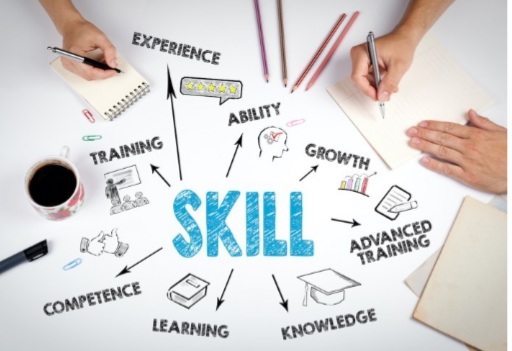
* skill – based learning :

As of now , the education system is such that everyone is forced to study science and math. If this system can be revamped to identify the strengths of a student, then they can be given appropriate training in the chosen field. This will ensure that the child shines in that particular field.

* Rural Education :

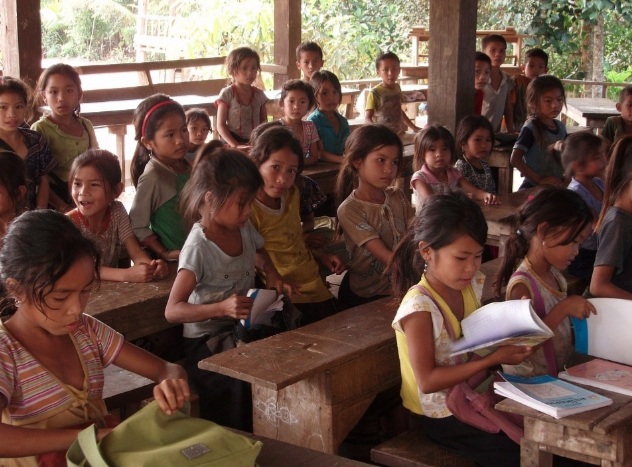
As the sad thing about the Indian education system is the fact that its focus is only on urban clusters. There are hardly any decent centres of learning in the rural areas. This is especially true in terms of higher education. If a country has to actually develop, urban and rural development have to go hand in hand.

* Gender Neutral Education :

The education system has always favoured men over the fairer sex. The major change that must be brought about is to involve women in the same. Particularly subjects that are now considered to be the strength of men alone ( like carpentry, engineering, etc). Should be made more accessible to women. Pioneer women in these fileds should be given due encouragement and appreciation.

* Teacher Training :

India has a very good quality of dedicated teachers. However, the sad fact here is the fact that after they join this service, they receive little or no training. In such a situation, giving them periodic training will not just ensure that they are updated with the changing times, but will also improve the entire education scene of the country by leaps and bounds.

* Infrastructure :

As in every other sector, the indian education sector is one that suffers from the acute death of infrastructure. Most of the government schools do not even have proper chairs, tables, restrooms, let alone a playground, libraries and laboratories. Thus ,the first step in revamping the education scene in the country should begin with improving the infrastructure so that the students are given an evironment where they can learn to the best of their abilities.

* subsidising professional courses :

It is a sad reality that many meritorious students are not able to afford professional corses because of the sheer expense involved in the same. This is all the way truer in case of students from the general category who do not have access to many scholarships. In such a situation subsidising the cost professional education will ensure that the same is within the reach of deserving students from the lower and lower middle class strata of the Indian society.

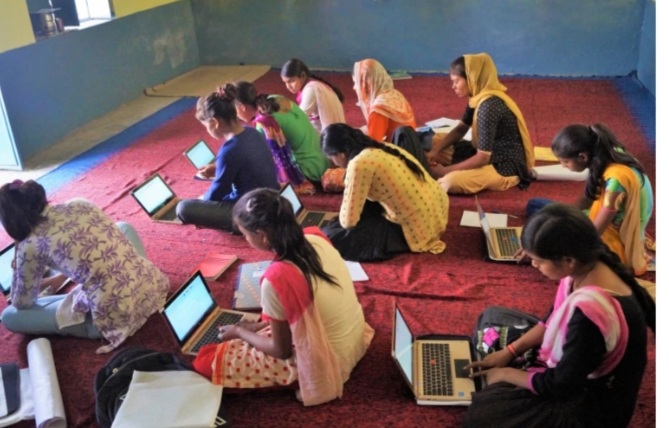
* Basic computing In Rural Areas :

On one hand , India is a land of IT giants; on the other, rural India is completely digitally ill- equipped, in a sitiation like this, the first change that the education system must bring forward is to start free computing classes for skill development in rural areas. Only then will rural Indian move in the same pace as that of the urban Digital India and the country embark on the journey of development.

* Make sports compulsory :

One of the main reasons for the alarming rise in suicide amongst students in the country is the fact that they cannot handle stress. That in turn is because they are subjected to too much mental pressure. By making sports compusory it can be ensured that all the students indulge in some sort of some physical activity. This will lead to their mind performance better and enable them to grasp their theory lessons well.

* Educate parents :

Most of the times it is seen that the children’s woes centre atound that of their parents. In the Indian scenerio, parents are the ones who force their wards into a career they do not like. As a result students do not excel and upon failing to meet their parents expectations, they suffer from a number of mental health issues. To prevent such a thing from happening, the first step that must be taken is to educate the parents about the different carrer options that are available to the students and the possible scope of future in them.

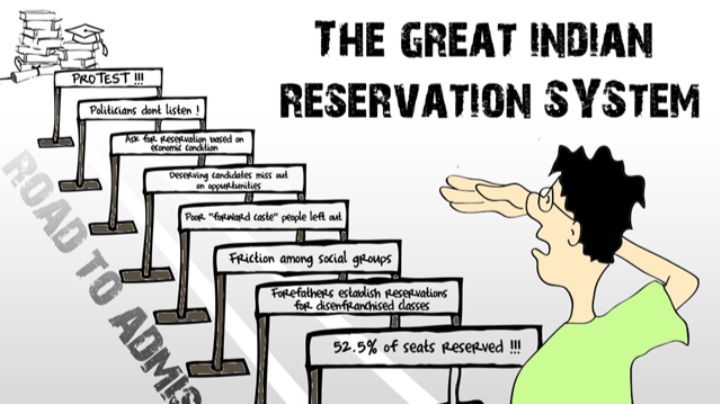
* Remove The Reservation system :

The reservation system in India has been so obsessed with providing the best of opportunities to the reserved that it misses out on many opportunities for the ones who actually deserve the same. This results in not just personal loss for certain people but also brain drain for the entire country and fosters a massive loss to the nation’s economy.

Today’s education system may be good to score marks, but fails to retain the knowledge once students have completed their examinations. This leads to young minds being stifled at an age when they should be asking questions, learning and gaining knowledge, and developing a thirst for more knowledge.

Adaptive Radiation

The process of evolution of different species in a given geographical area starting from a point and literally radiating to other areas of geography (habitats) is called Adaptive Radiation.

Evolution of the Finches

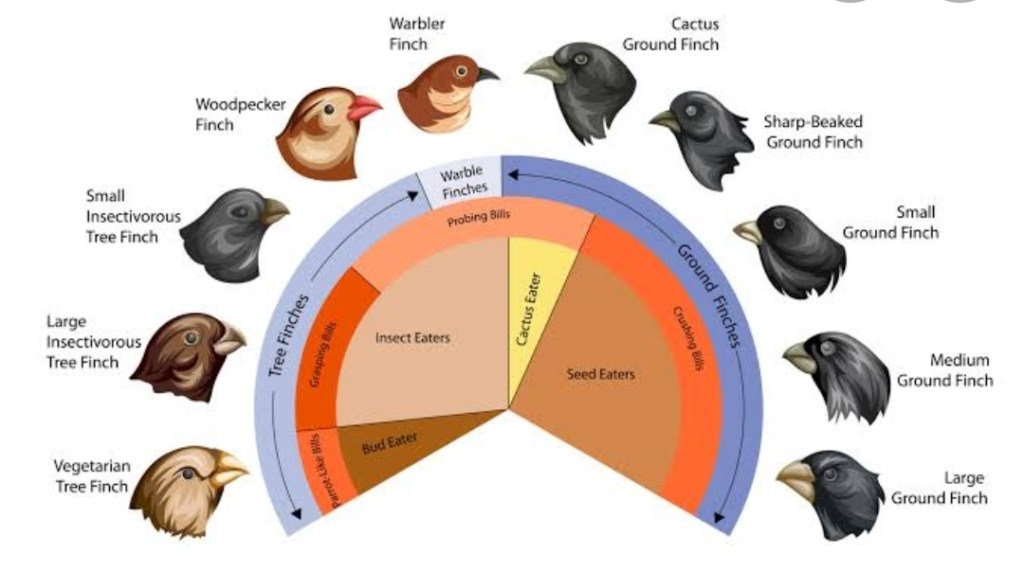
During his journey Darwin went to Galapagos Islands. There he observed an amazing diversity of creatures. Small black birds later called Darwin’s Finches amazed him. He realised that there were varieties of finches in the same island.

From the original seed-eating features , many evolved on the island itself. From the original seed-eating features, many other forms with altered beaks arose, enabling them to become insectivorous and vegetarian finches. This process is called adaptive radiation.

“The principle of adaptationism has been adopted so widely by Darwinians because it is such a heuristic methodology.”

“Adaptive radiation refers to the adaptation (via genetic mutation) of an organism which enables it to successfully spread, or radiate, into other environments.”

Adaptive radiation of marsupials

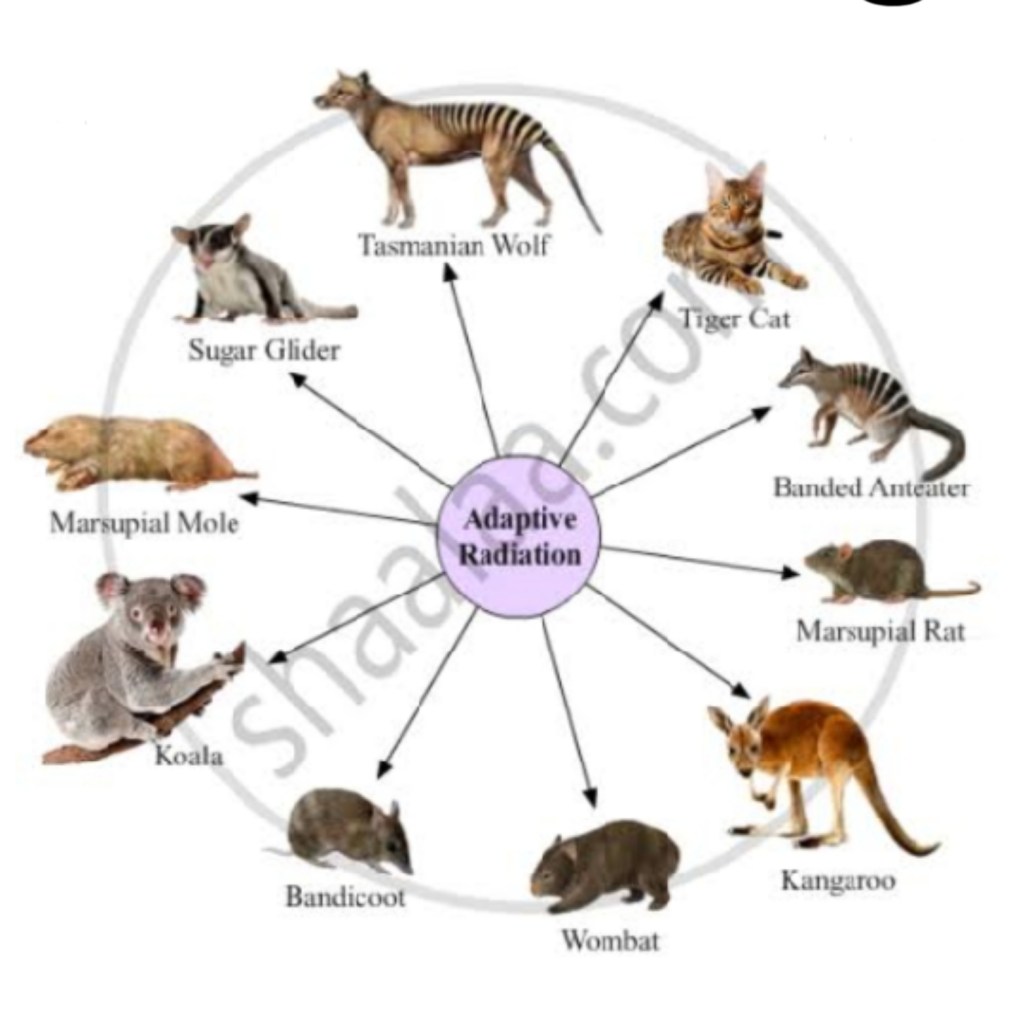
Darwin’s finches represent one of the best examples of this phenomenon. Another example if Australian marsupials. A number of marsupials, each different from the other evolved from an ancestral stock, but all within the Australian island continent.

When more than one adaptive radiation appeared to have occurred in an isolated geographical area( representing different habitats) , one can call this convergent evolution.

Placental mammals in Australia also exhibit adaptive radiation in evolving into varieties of such placental mammals each of which appears to be ‘similar’ to a corresponding marsupial.

Speciation is the development of one of multiple new species in the evolutionary process, where the original species produces mutated forms which successfully survive in other environments due to these mutations.”

“Phylogenetics is the study of the evolutionary steps a species has taken during the process of speciation.”

https://biologydictionary.net/adaptive-radiation/

https://www.sparknotes.com/biology/evolution/speciation/section3/