The Ministry of Electronics and Information Technology (MeitY) spearheaded a nationwide awareness campaign on Safer Internet Day, observed on February 11, 2025, to promote safe and responsible use of the internet. Organized under the theme ‘Together for a Better Internet’, the campaign aimed to educate and sensitize internet users about cyber hygiene, online safety practices, and emerging cyber threats. This initiative was conducted under the Information Security Education and Awareness (ISEA) program in collaboration with NIC, NIXI, C-DAC, NIELIT, MyGov, NeGD, and various partner institutions. The National Informatics Centre (NIC) played a crucial role in amplifying the outreach efforts through its extensive digital infrastructure and communication networks.
Cyber awareness drive
As part of this extensive campaign, 1,521 awareness workshops were conducted across 35 States/UTs, 599 districts, 493 blocks/tehsils, and 134 gram panchayats, reaching over 3.08 lakh beneficiaries. These workshops covered key topics such as cyber threat mitigation, digital security best practices, and responsible online behavior. Additionally, a series of expert talks, quizzes, and competitions were organized to further reinforce awareness.
Strengthening digital resilience
To maximize outreach, promotional messages and expert interviews were broadcasted on a Pan India basis in 11 major Indian languages, covering vital topics such as cyber hygiene practices, common cyber threats, and the mechanism for reporting cybercrimes through the toll-free National Cybercrime Helpline Number (1930). These messages were disseminated through FM stations, Prasar Bharati, and Vividh Bharati networks, achieving an estimated reach of 2.27 crore listeners. On digital platforms, social media outreach led by MyGov, NIC, and ISEA teams garnered over 5.49 lakh impressions and 63.57 lakh views through 680 creative posts.
An online awareness workshop, titled ‘Navigating the Digital Highway: Safeguarding Your Online Journey’, was also organized for the officials of MeitY and other government ministries, departments, and organizations, engaging 1,217 participants in discussions on digital safety. The session sensitized participants on best cybersecurity practices and also provided demonstrations of insightful security tools, such as PIC2MAP, deviceinfo.me, coveryourtracks.eff.org, stopNCII.org, SecureEraser app, etc. which help in verifying online content authenticity, preventing identity fraud, analyzing device fingerprints, and securing personal data. The workshop was highly appreciated by participants for its practical approach and relevance in addressing contemporary cybersecurity challenges.
About ISEA
The Information Security Education and Awareness (ISEA) Project, implemented by MeitY, aims to strengthen cybersecurity awareness and build skilled human resources in Information Security. The recently approved ISEA Phase-III (October 2023) seeks to develop 2.25 lakh trained individuals in cybersecurity over five years, including 45,000 skilled and certified cybersecurity professionals (CISOs, Deputy CISOs, and aspirants) and 2.3 lakh students and researchers in formal and non-formal courses. Additionally, the project aims to cover over 12 crore beneficiaries from diverse backgrounds—school children, teachers, college students, faculty, women, senior citizens, government employees, MSMEs, and NGOs—through mass awareness initiatives under the Cyber Aware Digital Naagrik campaign.
The TruthTell Hackathon, part of the Create in India Challenge – Season 1, is designed to develop cutting-edge AI-powered tools for real-time fact-checking during live broadcasts. Supported by prominent organizations like the India Cellular & Electronics Association (ICEA), Ministry of Information & Broadcasting (MIB), Ministry of Electronics & Information Technology (MeitY), and IndiaAI Mission, the hackathon brings together key stakeholders to foster innovation in the media and technology sectors. This initiative is a crucial component of the inaugural WAVES (World Audio Visual & Entertainment Summit).
The World Audio Visual & Entertainment Summit (WAVES) in its first edition is a unique hub and spoke platform poised for the convergence of the entire Media and Entertainment (M&E) sector. The event is a premier global event that aims to bring the focus of the global M&E industry to India and connect it with the Indian M&E sector along with its talent.
The summit will take place from May 1-4, 2025 at the Jio World Convention Centre & Jio World Gardens in Mumbai. With a focus on four key pillars—Broadcasting & Infotainment, AVGC-XR, Digital Media & Innovation, and Films-WAVES will bring together leaders, creators and technologists to showcase the future of India’s entertainment industry.
The TruthTell Hackathon is a key component of Pillar One of WAVES, focusing on Broadcasting and Infotainment. To date, 5,650 participants have registered, including 186 international entries.
Registration Process and Timeline
The TruthTell Hackathon invites participants to develop an AI-powered solution to counter misinformation and promote ethical journalism. Participants can join individually or form teams of up to 5, including developers, data scientists and media professionals. Registrations are now closed, with the final date being 21st February 2025.
Opening of Registrations:1st October 2024
Deadline for Submissions of Ideas and Prototypes:21st February 2025
Announcement of Top 25:7th March 2025
Mentoring & Tinkering:8th – 18th March 2025
Jury Presentation & Selection of Top 5 Winners:24th – 28th March 2025
WAVES Summit:1st – 4th May 2025
Tasks Include:
Dataset Preparation:
Analyze data using external fact-checking APIs.
Pre-process and clean text-based media content (tokenization, entity extraction).
Developing a Real-time NLP Model:
Train machine learning/deep learning models on misinformation datasets.
Implement NLP techniques (text classification, sentiment analysis, entity recognition) for real-time text analysis.
Fact-checking Integration:
Integrate external fact-checking APIs to verify flagged content.
Cross-reference live broadcasts with trusted knowledge databases.
Real-time Data Processing:
Set up streaming infrastructure for live broadcast feeds.
Implement data pipelines to process new information as it arrives.
Knowledge Graph for Fact-checking:
Build and deploy a knowledge graph to track entities and their verified status.
Use the graph to detect patterns of misinformation.
Real-time Dashboard for Broadcasters:
Create an interactive dashboard displaying real-time alerts, confidence scores, and verification info.
Testing and Validation:
Test with live or recorded broadcasts.
Validate accuracy using ground-truth data from fact-checking organizations.
Project Submission Guidelines
Written Proposal:
Project Description: Provide a detailed explanation of your proposed tool and its intended functionality.
Problem Statement: Clearly describe the specific problem your tool addresses.
Target Audience: Identify the intended users or beneficiaries of your tool.
Technical Approach: Outline the methods, algorithms, and technologies you will use, with a focus on APIs and datasets provided by the hackathon.
Development Timeline: Provide a realistic timeline with key milestones and deadlines.
Prototype:
Working Prototype: Demonstrate the core functionality of your tool. Ensure it is user-friendly, functional, and showcases the impact of your solution.
Key Considerations:
Functionality: Ensure it can perform the intended tasks effectively.
User Experience: Design an intuitive and easy-to-navigate interface.
Completeness: Include all essential features of your tool.
Documentation: Provide clear instructions on using your prototype.
Additional Tips:
Use clear, concise language.
Support claims with evidence and examples.
Ensure your proposal is visually appealing and well-formatted.
Access to Powerful Tools and Technologies
The TruthTell Hackathon offers a unique opportunity to develop innovative AI-driven solutions to combat misinformation. Participants will have access to powerful tools, mentorship and resources to build their projects. Here are some popular tools and technologies that can be used to develop AI-driven solutions for combating misinformation:
Programming Languages:
Python (with libraries like TensorFlow, PyTorch, NLTK, Scikit-learn)
R, Java, javascript
Natural Language Processing (NLP) Libraries:
TensorFlow Text, Hugging Face Transformers, SpaCy, Gensim
Machine Learning Frameworks:
TensorFlow, PyTorch, Keras
Key Considerations for Development
Functionality: Ensure your tool performs its intended tasks effectively.
User Experience: Design an intuitive, user-friendly interface.
Completeness: Include essential features and components of your tool.
Documentation: Provide clear instructions for using your prototype.
Evaluation Criteria
The evaluation criteria for the TruthTell Hackathon are as follows:
Innovation: The originality and creativity of the solution.
Impact: The potential of the solution to make a significant impact on combating misinformation.
Technical merit: The quality of the code, data analysis and AI implementation.
Scalability: The ability of the solution to be applied at a larger scale.
User experience: The ease of use and effectiveness of the user interface.
Adherence to ethical guidelines: The compliance of the solution with ethical principles and standards.
Presentation and communication: The clarity and persuasiveness of the project presentation.
Proof of concept (PoC): The demonstration of the solution’s functionality and effectiveness.
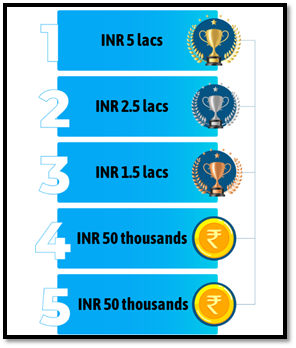
Prizes The top 5 winners will be recognized and awarded at the WAVES event, with cash prizes for the winners.
Conclusion
the TruthTell Hackathon offers a valuable platform for innovation, enabling participants to create AI-driven solutions that combat misinformation and promote ethical journalism. With access to powerful tools, expert mentorship, and a chance to showcase impactful solutions at the WAVES Summit, this event presents an exciting opportunity to make a real difference in the media landscape.
The first World Audio Visual & Entertainment Summit (WAVES), a milestone event for the Media & Entertainment (M&E) sector, will be hosted by the Government of India in Mumbai, Maharashtra, from May 1 to 4, 2025. Whether you’re an industry professional, investor, creator, or innovator, the Summit offers the ultimate global platform to connect, collaborate, innovate and contribute to the M&E landscape. WAVES is set to magnify India’s creative strength, amplifying its position as a hub for content creation, intellectual property, and technological innovation. Industries and sectors in focus include Broadcasting, Print Media, Television, Radio, Films, Animation, Visual Effects, Gaming, Comics, Sound and Music, Advertising, Digital Media, Social Media Platforms, Generative AI, Augmented Reality (AR), Virtual Reality (VR), and Extended Reality (XR). Have questions? Find answers here Come, Sail with us! Register for WAVES now(Coming soon!).
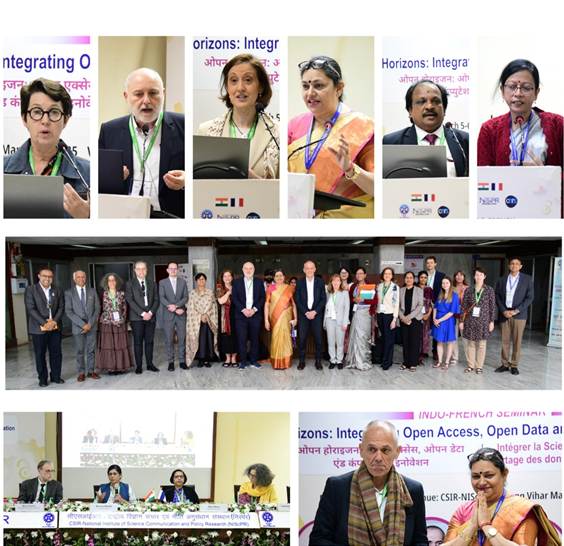
The CSIR-National Institute of Science Communication and Policy Research, New Delhi (CSIR-NIScPR), in collaboration with the CNRS- Department for Open Research Data, Open Science, Publications, Research Data and High Performance Computing, Paris (CNRS-DDOR), organized a two-day Indo-French Seminar on “Open Horizons: Integrating Open Access, Open Data, and Computational Innovation” on March 5-6, 2025 at CSIR-NIScPR, Satsang Vihar Campus, New Delhi-110067.
Glimpses of Indo-French Seminar
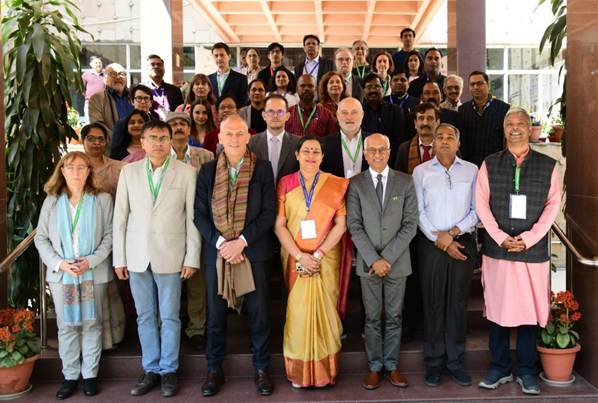
This significant seminar was organized to deliberate on how India and France are taking a stride towards open access, open data and open science; how digital technologies and Open Source platform offer great promise in implementing an information-driven approach to advance science, promote collaborations, increase transparency and utilize tools for partnerships between science and society. The seminar was attended by researchers, scientists, and policymakers from India and France; provided a unique opportunity for open access information sharing and networking opportunities.
The inaugural session was attended by esteemed dignitaries from India and France with Dr. Antoine Petit, Chairman and CEO, CNRS, France; Prof. Ranjana Aggarwal, Director, CSIR-NIScPR; Prof. Nitin Seth, Director, CEFIPRA; Dr. Srinivasa Reddy, Director, CSIR-IICTon the dais.
“We are delighted to organize this event with CNRS, France, to promote open science and research data sharing,” said Prof. Ranjana Aggarwal, Director, CSIR-NIScPR setting the tone for the conference. Describing the relevance of the event she said, “This seminar marks an important step towards fostering international collaboration and advancing sharing of scientific research for all sections of the society.” She also mentioned “One Nation One Subscription” initiative of Indian Government and its role in providing open access to larger number of stakeholders.
Prof. Nitin Seth, Director, Indo-French Centre for the Promotion of Advanced Research (CEFIPRA) recollected how they started with 1-2 calls annually to now with so many several dedicated partnerships in S&T between the two countries. He also shared his views about the expectations from this seminar. “Open access made scientific knowledge accessible, it brings a lot of opportunities”, Dr. Srinivasa Reddy, Director CSIR-IICT shared his thoughts in theinaugural session. He also mentioned the collaborations CEFIPRA has had with CSIR-IICT from last several years.
From the National Centre for Scientific Research (CNRS), Dr. Antoine Petit, Chairman and CEO; Dr. Sylvie Rousset, Senior Scientist & Head, Open Research Data Department (DDOR) gave a brief of CNRS and DDOR, its objectives functions and roles they are playing in making open access of articles and data, a norm in scientific research. Dr. Kasturi Mandal, CSIR-NIScPR and Dr. Sylvie Rousset, CNRS-DDOR provided the overview of the program of two days seminar like topics of discussions, and takeaways from the sessions.
The first session of the seminar was designed on theme “Policies for Open Access, Open science in France and in India” was, chaired by Prof. Vivek Kumar Singh, Senior Adviser, NITI Aayog, Govt. of India. Dr. Marin Dacos from the French Ministry of Higher Education and Research discussed the benefits of open science like increase in academic efficiency, reproducibility, prevention of duplication, and increasing citation. He also shared highlights of French open science policies in the country. Dr. Remya Haridasan from the PSA Office, Govt. of India, discussed flagship ‘One Nation One Subscription’ (ONOS) initiative in detail like why it was needed, the impact it has on science dissemination and the hurdles faced by the stakeholders during the implementation. The other speakers who shared their thoughts on open science and data includes Dr. Sylvie Rousset and Mr. Mukesh Pund Chief Scientist, CSIR-NIScPR.
The second session was based on topic “Open Access: A Diversity of Routes”. The session was chaired by Prof. Anirban Chakraborti, School of Computational and Integrative Sciences (SCIS), JNU, New Delhi. Dr. Bénédicte Kuntziger, CCSD, CNRS, during his talk said, “At CCSD, we promote open access through HAL, the French national open access repository, ensuring long-term, barrier-free access to publications. Notably, 167,751 full-text documents were deposited in 2024 alone, bringing the total to over 1.4 million full-text documents available through HAL as on January 2025”, he added. Dr. Françoise Rousseau, Couperin Consortium shared the model through which they negotiate with major science publishers to advance open science. Other speakers including Dr. Subbiah Arunachalam from DST-CPR, IISc Bangalore, presented an overview of open access in India, highlighting the country’s progress in promoting open access to research and Dr. Geetha Vani Rayasam, Head, CSIR-HRDG presented a perspective on open source and drug discovery, highlighting the potential of open source approaches in accelerating drug discovery and development.
The third session of day 1 was extension of session 2 under the theme “Open Access: A Diversity of Routes (Part II)”. Session was chaired by Dr. Laurence El Khouri from CNRS-DDO. The speakers including Dr. Lidia Borrell-Damian, Science Europe discussed the benefits of Diamond Action Plan which proposes to align and develop common resources for the entire Diamond OA ecosystem. Prof. Rajeswari Raina from Shiv Nadar University asked researchers and policy makers to think step ahead while saying it’s not about one scheme, one nation or one sector, we have to see the global aspects and thus need to set the horizons and limits of open access at global level. Dr. Raphael Tournoy from Episciences discussed the importance of Overlay Journals.
All the sessions of day 1 concluded with Q&A, where experts answered questions from the audience and shared their insights on the future of open science. This was followed by Felicitation of the guests and speakers of the event.
The second day of the India-France seminar on Open Science and Research Data concluded successfully, featuring insightful discussions and presentations on computational innovation, research evaluation, and open data sharing.The day’s proceedings began with a session on “R&D in Computational Innovation and Open Source Software,” chaired by Dr. Avinash Kshitij, Principal Scientist, CSIR-NIScPR. The speakers included- Prof. Roberto Di Cosmo, INRIA, who discussed the “Software Heritage initiative. Prof. P. K. Suri, Delhi Technological University, delivered a talk on “Data Standardization in Agricultural.Dr. Sridhar Gautam, ICAR-Indian Institute of Horticultural Research, spoke on “Advancing R&D with Open Source Software, Open Access, and Open Data”.Sh. G Mayli Muthu Kumaran Deputy Director General, National Informatics Center (NIC) discuss on the computational innovation and open source and elaborated on the initiative towards the R&D in computational innovation at NIC. This was followed by a session on “Reforming the Evaluation of Research,” which featured presentations from:Dr. Lidia Borrell-Damian, Science Europe, discussed “Reforming Research Assessment and CoARA Initiative”. Dr. Vinayak, Principal Scientist, CSIR-NIScPR spoke on “Some New Methods for Measuring Phases of Science.” Dr. Moumita Koley from IISc, Bengaluru, discussed on the topic “Rethinking Research Assessment: Building an Efficient and Innovative Research Ecosystem in India” and Dr. Nishy. P, CSIR-NIIST, spoke on “Open Source for Research Evaluation and Future Trends”.
The seminar also featured a session on “Open Data Sharing,” with presentations from Ms. AlkaMisra, Deputy Director General, NIC, who discussed the “Open Data sharing initiative of Govt. of India”. Dr. Marin Dacos, French Ministry of Higher Education and Research, presented “An ecosystem for sharing and opening research data” and Dr. Naresh Kumar, Chief Scientist, CSIR-NIScPR, presented his talk on “Sharing data in Science.
The seventh session of the seminarhaving a panel discussion on “Future for Open Science, Open Data, and Open Source,” featuring experts from various fields, including Dr. Sujit Bhattacharya; Dr. Laurence El Khouri, CNRS-DDOR; Dr. Roberto Di Cosmo, INRIA Software Heritage; Dr. Deepali Kuberkar, Tata Memorial Hospital; Dr. Kasturi Mandal, CSIR-NIScPR, New Delhi; Dr. Yogesh Dhoble, CSIR-IPU, New Delhi and Dr. Sandhiya Lakshmanan, CSIR-NIScPR.
The Indo-French Joint Seminar concluded with the valedictory session during which Dr. Naresh Kumar, Scientists, CSIR-NIScPR delivered the welcome address and highlights of the two-days intense deliberation on the Open Science, Open Source and Open Data in the R&D in Computational Innovation. Prof. Anirban Chakraborti from JNU address the need of balanced approach in moving towards the conduct of Open Science, Dr. Laurence and Dr Avinash Kshitij summarise the two-days deliberation amongst the 6 different topics, Mr.Mukesh Pund, CSIR-NIScPR shows his gratitude towards the Indian and French speakers, scholars, delegates and the all individuals involved in different roles during his address for Vote of Thanks.
About CSIR-NIScPR
The CSIR-National Institute of Science Communication and Policy Research (NIScPR) is a premier institute in India, engaged in science communication, STI based policy studies and research.
About CNRS
The French National Centre for Scientific Research (CNRS) is a government-funded research organization, dedicated to advancing scientific knowledge and innovation in France and globally.
Artificial Intelligence (AI) is reshaping how businesses operate, offering tools to streamline processes and improve decision-making. Despite its potential, many companies don’t fully utilize AI. Serhii Tokarev, an IT entrepreneur and co-founder of Roosh Ventures, explains how AI can help businesses turn mistakes into valuable lessons and thrive.
Learning from Mistakes with AI
Failure is part of business and life, but repeating the same mistakes leads to setbacks. Serhii Tokarev explains that AI can analyze errors and transform them into actionable insights. He outlines several ways businesses can use AI effectively:
1. Finding Cause-and-Effect Relationships
AI excels at uncovering complex connections that might go unnoticed. Serhii Tokarev highlights how declining sales could be linked to factors like pricing, changing demand, weather, or emerging trends. AI can analyze such patterns across areas like sales, logistics, and production workflows, helping businesses fix problems at their root.
“For example, if there is a drop in sales, we might attribute it to decreased demand or pricing issues. AI, however, can uncover unexpected correlations—such as the influence of weather, emerging trends, local nuances, or geographical factors,” explains the entrepreneur.
2. Building “Institutional Memory”
AI can learn from a company’s past to improve its future. By analyzing historical data, AI identifies patterns in successes and failures, offering strategies tailored to specific contexts.
Tokarev points to UPS’s ORION system as a strong example. ORION uses AI to optimize logistics by studying delivery routes, customer data, and performance history, saving time and costs.
3. Listening to Customers
Customer interactions hold valuable insights. Whether through chatbots, reviews, or feedback, AI can analyze data to improve customer experiences.
For example, if customers frequently ask the same question, it may signal a need to update the company’s website or social media. AI can detect these patterns faster and more comprehensively than humans, making it especially useful for B2C businesses.
4. Balancing AI and Human Oversight
AI isn’t a standalone solution. Serhii Tokarev stresses that human supervision is critical for making contextually sound decisions.
“Consider the case of Zillow’s real estate division, Zillow Offers, which relied solely on algorithms to predict housing prices. Without human intervention, the system failed to adapt to unforeseen events like COVID-19 and labor shortages, leading to massive losses, layoffs, and the division’s eventual shutdown,” explains Serhii Tokarev.
By combining AI insights with human expertise, businesses can avoid similar pitfalls. Learning from others’ mistakes, as well as their own, is key to building a successful AI strategy.
Serhii Tokarev shows how AI can turn business challenges into opportunities. By identifying patterns, learning from the past, and listening to customers, companies can use AI to enhance operations and decision-making. However, a balanced approach—mixing AI with human judgment—is essential for long-term success.
A child starts its learning journey from a play school followed by primary, secondary, any other higher/professional or vocational education with multiple touch points involving many entities (schools, college, universities, education boards, sports academy, financial institutions etc.). In the current scenario, all these entities maintain their records in isolation, creating multiple and duplicate information for each student having its own way to become accessible to the individual. This leads to nothing but chaos, confusion, no way to track dropouts and increased efforts at every stage and for every stakeholder but most importantly for the student.
Public Digital Platform for Education could be envisaged as unifying isolated systems into a combined Platform with a unique number where all the entities through consent-based mechanism supported by new age technologies would interact with the data available across entities. Thus, helping the student with a consolidated view of their education journey foremost but also making it easier for other stakeholders involved within the education system and even outside it.
What is Personal Education Number (PEN) ? :
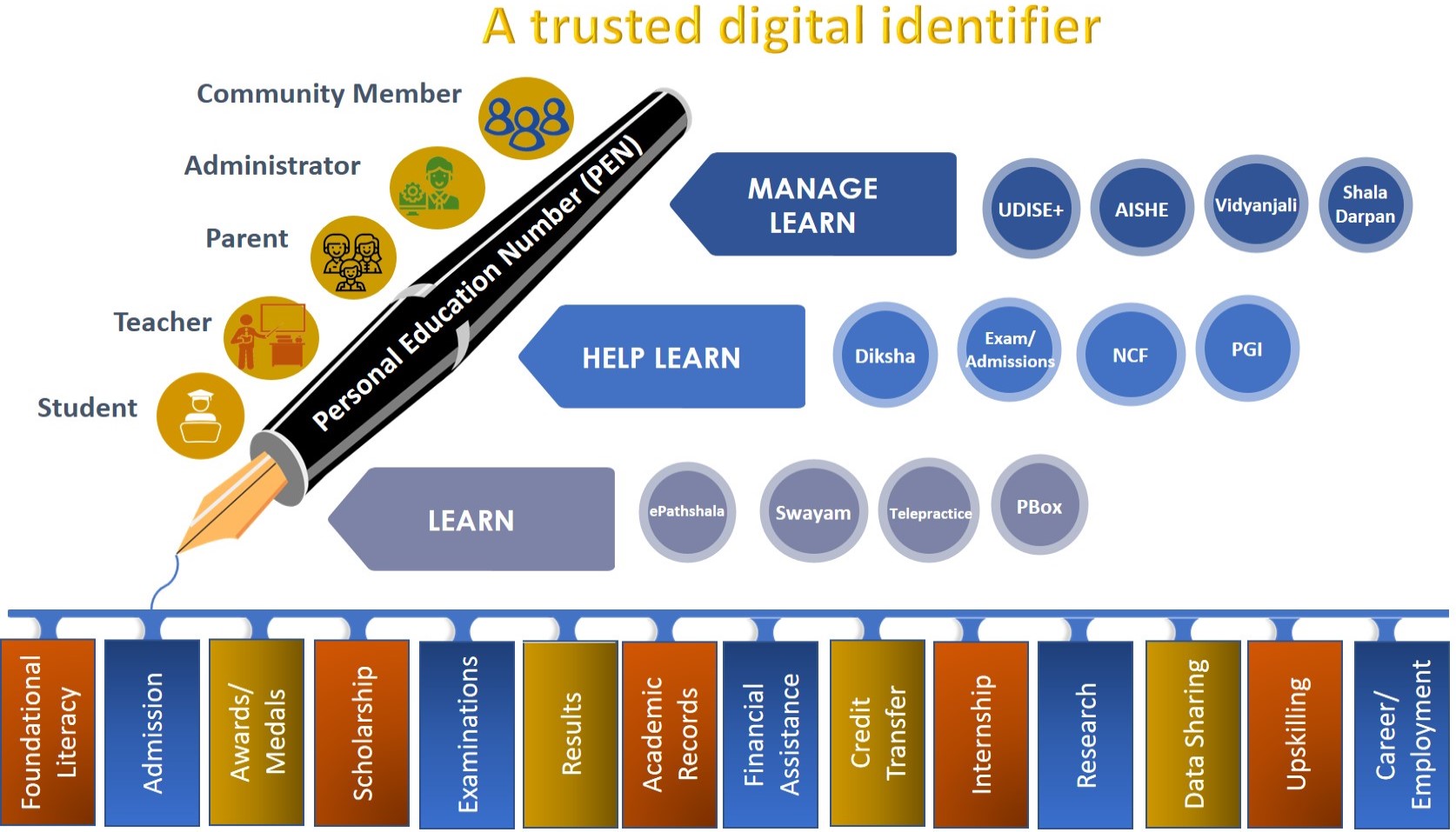
Personal Education Number or “PEN” is an initiative to create a unique identification number across all the Education platforms. PEN would be issued to 5 key personas (Learners, Parents, Teachers, Administrators and Community Members) interacting through 3 generalized scenarios: Learn, Help Learn and Manage Learn as defined in National Digital Enterprise Architecture (NDEAR).
PEN would contain minimum set of essential parameters (like name, date of birth, gender, email, phone etc.) validating the association of personas to the education sector to uniquely identify an academician or an entity.
PEN would facilitate unifying of existing digital assets and applications part of the federated system.
It would act as a permanent reference number in the entire persona lifecycle at different learning stages including pre-primary, primary, secondary, senior secondary, graduate, post-graduate, upskilling etc.
PEN can also facilitate building of national core registries such as student, teacher, counsellor, entities etc. as identified in NDEAR.
Most importantly, it would benefit the personas by providing a unified view of digital assets from diverse federated systems. Stakeholders would be able to share the digital academic assets like UPI model which uses mobile number linked to various kinds of financial accounts for making transaction. On the similar lines PEN linked with multiple registration numbers can be used for availing different services including employment, education, scholarship, credit transfer, loans, examinations, admissions, Passport/Visa etc.
Why Not Aadhaar and other Identifiers ? :
Aadhaar can be enlisted as an attribute for PEN rather than a unique identifier as it might not always be available for everyone part of the education system like NRIs, foreign nationals, organizations etc. Also, due to the legal frameworks associated with Aadhaar, it can’t be made a mandatory parameter for educational services. Similar is the case with other identifiers like Health ID, Passport, PAN etc.
Way Forward
Although generating identification numbers for such a huge population can be a daunting task, it can be implemented if done in a phased manner. In the initial phase, the focus can be on existing class 10th passed students and teachers for whom the database is readily available and slowly it can be cascaded down further for rest of the population. The new entrants can be easily considered by providing tools and creating policies & procedures.
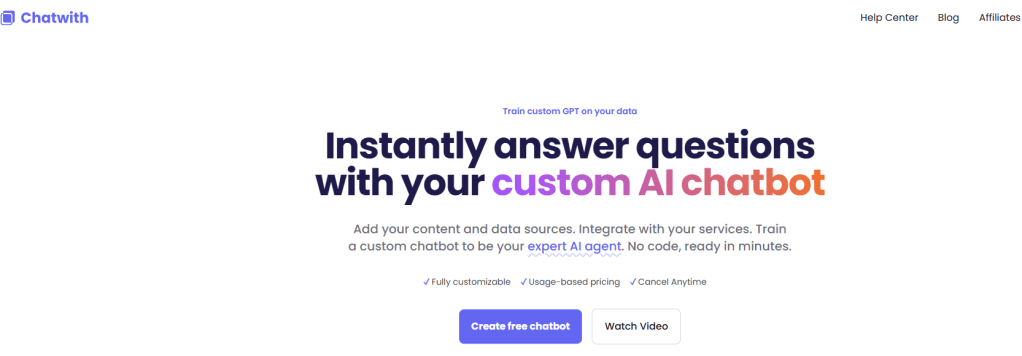
Chatwith.tools is a cutting-edge platform that enables businesses, educators, researchers, and individuals to build, deploy, and manage custom AI chatbots tailored to their specific needs. The platform leverages advanced AI technologies to deliver instant, accurate, and context-aware responses, enhancing user engagement, productivity, and overall experience.
Key Features
1. Customizable Chatbots
Design your chatbot to align with your specific domain or industry needs.
Integrate specialized knowledge bases or datasets to make the chatbot an expert in your chosen area.
Personalize chatbot behavior, tone, and branding to maintain consistency with your organizational identity.
2. Instant Answers
Provides instant, accurate responses to user queries.
Reduces the time spent on repetitive questions, allowing you to focus on more complex tasks.
Powered by advanced AI models for context-aware and natural language processing.
3. User-Friendly Interface
Easy-to-navigate dashboard for creating and managing chatbots.
No coding skills required – the platform offers a drag-and-drop or simple configuration setup.
Suitable for both beginners and advanced users.
4. Integration Capabilities
Seamless integration with popular platforms like websites, apps, and messaging services (e.g., WhatsApp, Messenger, Slack).
API support for custom integrations into existing software or systems.
Compatible with CRMs, eCommerce platforms, and learning management systems (LMS).
5. Advanced AI and Machine Learning
Built on state-of-the-art natural language understanding (NLU) technologies.
Learns and adapts over time to improve response accuracy.
Supports multiple languages, making it ideal for global applications.
6. Analytics and Reporting
Access detailed analytics on chatbot performance, user interactions, and frequently asked questions.
Insights help improve chatbot efficiency and user satisfaction.
Real-time feedback and monitoring to ensure optimal operation.
7. Affordable and Scalable
Flexible pricing plans to suit different needs – from startups to large enterprises.
Scalable architecture to handle growing user interactions without performance issues.
Use Cases
1. Customer Support
Automate responses to FAQs.
Provide 24/7 support, ensuring customer queries are resolved promptly.
Free up human agents for more complex or sensitive issues.
2. Education and E-Learning
Enable interactive learning experiences by answering student questions instantly.
Assist with course navigation, resource recommendations, and academic inquiries.
Support remote learning programs with multilingual chat capabilities.
3. E-Commerce
Improve user experience by guiding customers through product catalogs.
Handle queries about shipping, returns, and payments.
Recommend products based on user preferences and past behavior.
4. Healthcare
Provide preliminary medical advice or information on symptoms.
Guide patients to appropriate services or specialists.
Share appointment schedules or reminders.
5. Research and Academia
Help researchers navigate vast knowledge bases.
Answer specific technical or scholarly questions with precision.
Facilitate collaboration by summarizing complex topics in real-time.
When it comes to acquiring industrial ice-making equipment, businesses have to balance cost with functionality and reliability. Buying new machines guarantees the latest technology and warranties but comes with a steep price. On the other hand, used industrial ice equipment presents an opportunity for significant savings, provided you do your homework. It’s essential to assess various factors such as machine condition, maintenance history, and compliance with industry standards. Below, we delve into the key considerations to keep in mind when buying pre-owned industrial ice machines.
Assessing the Quality and Condition of Pre-Owned Industrial Ice Machines
Determining the condition of used industrial ice equipment is paramount. Start with a visual inspection to look for signs of wear or damage, which may indicate how well the machine has been maintained. Pay attention to rust, dents, and any other irregularities that could affect the machine’s performance. It’s also important to inquire about any recent repairs or parts replacements. These could either be a sign of good upkeep or indicate potential future problems. Requesting a demonstration of the machine’s operation can provide insights into its functionality and output efficiency. When assessing the quality of used ice equipment, don’t forget to consider the brand and model. Renowned brands often have a reputation for durability and longevity, which can be a promising factor when looking at second-hand options.
Evaluating the Cost-Benefit Ratio: When Does Buying Used Make Sense?
Buying used industrial ice equipment can be cost-effective, but it’s crucial to weigh the immediate savings against long-term costs. Compare the price of the used machine with new models, considering the remaining lifespan and potential needs for repairs or upgrades. Consider the warranty and service agreements available for new versus used equipment. While used ice machines come with a lower upfront cost, the lack of a warranty could result in higher expenses if the machine malfunctions. Examine your business’s operational demands. A used machine might suffice if your ice production requirements are modest or you have backup options. However, if ice production is central to your operations, the reliability of a new machine might justify the extra cost.
Key Features to Look for in Used Industrial Ice Equipment
When searching for second-hand ice equipment, certain features are critical to consider. Capacity should align with your business’s needs, ensuring that you can meet demand without overextending the machine’s capabilities. Efficiency is another key feature. Older ice machines may use more energy and water than newer models, so calculate potential increases in utility costs when evaluating different options. The type of ice produced is just as important. Different industries require specific ice types, like flake, cube, or nugget. Ensure the used machine you’re considering produces the appropriate ice for your purposes.
Regulatory and Safety Compliance of Second-Hand Ice Machinery
Compliance with health and safety standards is essential when purchasing used ice equipment. Check that the machine meets current Food and Drug Administration (FDA) regulations, as non-compliance can pose health risks and lead to penalties. Look for machines that also adhere to energy standards set by organizations like ENERGY STAR. Compliance not only ensures better efficiency but can also signify that the machine is up to date with current industry standards. It’s advisable to have a qualified technician evaluate the machine for safety hazards such as electrical issues or malfunctioning safety features. Overall, purchasing used industrial ice equipment can offer significant financial benefits if due diligence is taken to ensure quality, longevity, and compliance. By thoroughly examining the machine’s condition, maintenance history, cost-effectiveness, and feature set while keeping regulatory standards in mind, businesses can make a well-informed decision that aligns with their operational needs and budgetary constraints.
Start-ups selected for support under the newly established guidelines in Quantum Technologies will be officially unveiled by the Union Minister of State (Independent Charge) for Science and Technology, Minister of State (Independent Charge) for Earth Sciences, MoS PMO, Department of Atomic Energy, Department of Space, Personnel, Public Grievances and Pensions, Dr. Jitendra Singh at an event, scheduled for 26th November 2024.
Department of Science and Technology (DST) has established detailed guidelines to support and nurture startups in the field of quantum technologies. These comprehensive guidelines provide a structured framework for startups to access essential resources, funding opportunities, mentorship, and infrastructure support, empowering them to accelerate innovation and contribute to India’s quantum ecosystem.
The unveiling of the startups by the Union Minister, who will be the Chief Guest for the occasion will showcase India’s growing prowess in quantum research, development, and commercialization.
A Call for Proposals was launched earlier this year by the I-HUB Quantum Technology Foundation, a Technology Innovation Hub (TIH) established at the Indian Institute of Science Education and Research (IISER), Pune, under the National Mission on Interdisciplinary Cyber-Physical Systems (NM-ICPS). The response from start-ups across the nation showcased the increasing interest in quantum technologies and the potential for ground-breaking advancements.
The selected start-ups, representing cutting-edge innovation across diverse domains such as quantum communication, computing, sensing, and materials, were chosen through a rigorous evaluation process. These pioneering ventures are poised to contribute significantly to India’s quantum ecosystem, addressing critical technological challenges and driving economic growth.
With the growing momentum in India’s start-up ecosystem, the National Quantum Mission is dedicated to nurturing ventures in quantum technology, and propelling the nation toward world-wide excellence in this transformative field.
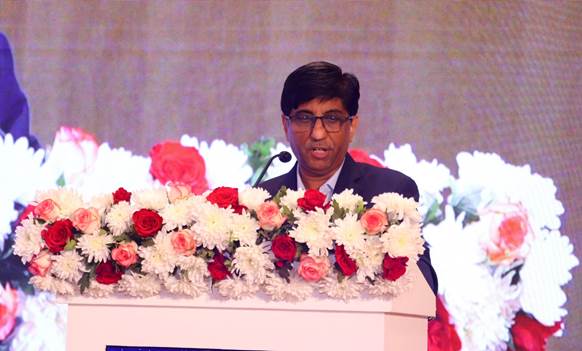
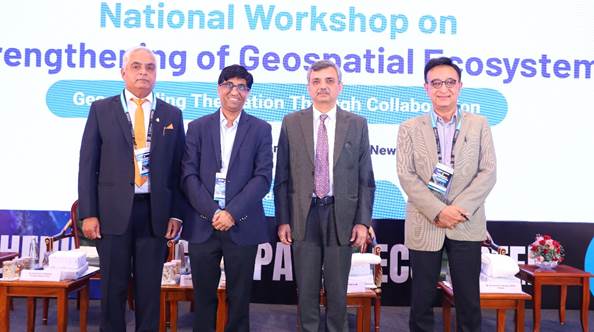
Policymakers, experts and industry leaders came together to discuss ways to advance India’s geospatial sector in alignment with the National Geospatial Policy (NGP) 2022 at the National Workshop on Strengthening the Geospatial Ecosystem today at Bharat Mandapam, New Delhi.
The workshop organised bythe Survey of India (SoI), the National Mapping Agency under the Department of Science and Technology (DST), featured extensive discussions on key aspects of geospatial development.
“The National Geospatial Policy 2022 is not just a government initiative; it is a collective responsibility. Every citizen, every institution, and every industry have a role to play in realizing the promise of this policy. As we embrace the power of geospatial technologies, let us work together to ensure that the benefits are felt by all,” said Secretary DST, Professor Abhay Karandikar.
“The focus now should be on working together, reducing duplication and cross-collaboration in Geospatial schemes. Avenues of collaborative funding should be sought out in the larger interest of the nation,” said Shri Hitesh Kumar S. Makwana, Surveyor General of India.
Participants explored the collaborative roles of central ministries and state governments in implementing NGP-22 to build a robust geospatial ecosystem. The event also highlighted the impact of Operation Dronagiri, launched on 13th November 2024, as a pioneering initiative leveraging geospatial technologies to address challenges in agriculture, infrastructure, transportation and livelihoods. The initiative is a step towards positioning India as a leader in geospatial innovation, driving economic growth and sectoral development through data-driven solutions.
The workshop laid special focus on the challenges and strategies for establishing a uniform and modernized National Geodetic Reference Frame to support integrated services and sustainable development. Discussions also addressed the importance of capacity development in the geospatial sector through curriculum standardization, skill-development programs and cutting-edge research initiatives.
The workshop in which Shri Manoj Joshi, Secretary Department of Land Resources and Shri Srikant Shastri, Chairman GDPDC participated, served as a significant step toward realizing the vision of NGP-22, fostering innovation, economic prosperity and technological leadership.
It reinforced India’s commitment to becoming a global leader in the geospatial sector by building a collaborative ecosystem involving government, academia and the private sector.
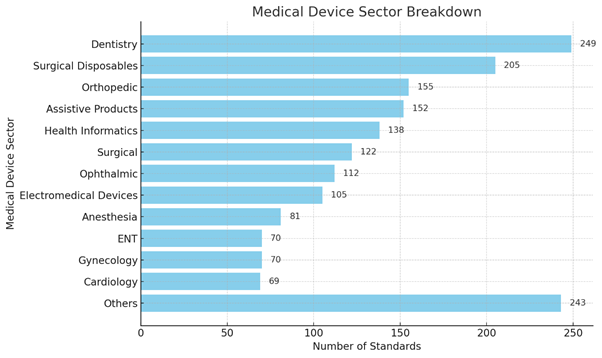
The Bureau of Indian Standards (BIS), India’s National Standards Body is addressing growing need for reliable and affordable medical assistive technology. The Bureau is developing standards for innovative products such as therapeutic footwear, portable ramps, braille displays, and fall detectors, which support individuals with disabilities and enhance their quality of life.
In line with the National Medical Device Policy, 2023, BIS is prioritizing standards development for 214 critical medical devices. These have been identified in consultation with the Department of Pharmaceuticals (DoP). It includes septal closure devices, plasma sterilizers, and phototherapy machines. The initiative is set for phased completion by December 2025.
The Bureau is also driving improvements in healthcare quality, safety, and reliability by developing robust medical device and service standards. By aligning with the Medical Devices Rules, 2017, and the National Medical Device Policy, 2023, BIS is proving to be instrumental in establishing a robust regulatory framework that prioritizes public safety while fostering innovation.
BIS has published over 1,700 standards for the medical sector, covering specialities such as cardiology, neurology, orthopaedics, ophthalmology, and more. Of these, around 1,200 standards specifically focus on medical devices critical to healthcare, including:
Life-saving devices: Cardiac pacemakers, heart valves, ventilators, and haemodialysis machines.
Assistive technology: Hearing aids, wheelchairs, Jaipur Foot, and tactile pathways for visually impaired individuals.
BIS standards in this sector ensure that Indian medical devices are safe, effective, and globally competitive. These efforts build trust among healthcare providers, consumers, and international stakeholders while solidifying India’s reputation as a leader in healthcare innovation.
Key Standards for Medical Devices:
Some of the key Indian Standards developed by BIS include:
Cardiac Pacemakers: IS 13450 (Part 2/Sec 31): 2021
Heart Valves: IS 17840
Hip and Knee Implants: IS 12375
Ventilators: IS 13450 (Part 2/Sec 12): 2023
Infant Incubators and Radiant Warmers: IS 13450 (Part 2/Sec 19): 2023 for incubators and IS 13450 (Part 2/Sec 21): 2023 for radiant warmers
Haemodialysis Machines: IS 13450 (Part 2/Sec 16) : 2019
Infusion Pumps: IS 13450 (Part 2/Sec 24): 2019
Advanced Diagnostic Tools:
X-ray and CT Machines: IS 7620 (Part 1) : 1986
MRI Systems: IS 13450 (Part 2/Sec 33) : 2018
Ultrasound Devices: IS 13450 (Part 2/Sec 37): 2019
ECG: Covered under IS 13450 (Part 2/Sec 25): 2018
Monitoring Devices:
Blood Pressure Monitors: IS 13450 (Part 2/Sec 34): 2019
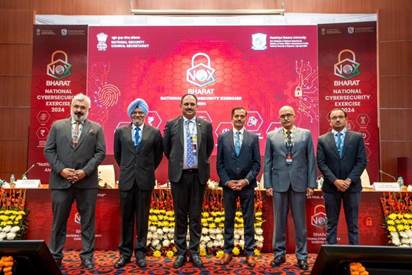
The Bharat National Cyber Security Exercise (Bharat NCX 2024), a landmark initiative to fortify India’s cybersecurity resilience, was inaugurated today at a high-profile ceremony organized by the National Security Council Secretariat (NSCS) in collaboration with Rashtriya Raksha University (RRU). The 12-day exercise is a critical step in preparing India’s cybersecurity professionals and leadership to tackle evolving threats with advanced cyber defense, incident response capabilities, and strategic decision-making.
In his Inaugural Address, Lt Gen M. U. Nair, PVSM, AVSM, SM (Retd), the National Cyber Security Coordinator, stated, “Bharat NCX 2024 equips our nation’s cyber defenders and leaders with the skills to mitigate complex threats. From technical exercises to strategic decision-making, this initiative ensures our preparedness to manage crises at all levels.”
Prof. (Dr.) Bimal N. Patel, Vice Chancellor of RRU, delivered the Keynote Address, highlighting the integration of education, research, and innovation in addressing cybersecurity challenges. He remarked, “This exercise not only strengthens technical skills but also prepares leadership to navigate national-level cyber crises through informed decision-making.”
Key Features of Bharat NCX 2024: The exercise includes immersive training on cyber defense and incident response, live-fire simulations of cyberattacks on IT and OT systems, and collaborative platforms for government and industry stakeholders. A Strategic Decision-Making Exercise will bring together senior management from across sectors to simulate decision-making in a national-level cyber crisis, enhancing their ability to respond to high-pressure situations with strategic acumen. The CISO’s Conclave will feature Chief Information Security Officers from government, public, and private sectors sharing insights, participating in panel discussions, and exploring the latest trends and government initiatives in cybersecurity. On the sidelines, the Bharat Cybersecurity Startup Exhibition will showcase innovative solutions from Indian startups, emphasizing their role in enhancing the nation’s cybersecurity infrastructure. The exercise also highlights leadership engagement and capacity building, fostering a unified approach to emerging cyber challenges.
The event runs from November 18 to November 29, 2024, culminating in a comprehensive debrief to consolidate lessons learned and establish best practices in cybersecurity.
Pressure sensors are vital components in industrial automation, measuring the pressure of gases or liquids and converting it into electrical signals for systems and operators. They play a crucial role across various industries, ensuring safety, efficiency, and productivity by helping machines adapt to changing conditions. Understanding these sensors is essential for engineers and technologists in creating reliable systems.
Pressure sensors have come a long way since their inception. Historically, they relied on simple mechanical components that would deform under pressure. Over time, advances in technology brought about electronic pressure sensors, which offer greater precision and reliability.
Major breakthroughs have marked the evolution of pressure sensors. The integration of microelectromechanical systems (MEMS) technology allowed sensors to become smaller, yet more powerful. Such advancements have been pivotal in automation, enabling smarter systems that adjust in real-time based on sensor feedback.
These technological strides have not only improved the accuracy of pressure sensors but have also broadened their applications. In industries where minute pressure differences can have significant implications, these advancements have been game-changers, paving the way for more sophisticated automation processes.
Innovative Applications of Pressure Sensors
Manufacturing Marvels
In the manufacturing sector, pressure sensors are integral to process control and quality assurance. Take, for example, a factory producing delicate electronic components. Here, pressure sensors ensure that the machinery operates within safe limits, maintaining the precise conditions needed to produce high-quality products consistently.
Oil and Gas Explorations
The oil and gas industry presents a challenging environment where pressure sensors play a crucial role. On offshore drilling rigs, these sensors monitor the pressure of drilling fluids, preventing blowouts and ensuring the safety of operations. This application not only enhances safety but also optimizes extraction processes, making them more efficient and cost-effective.
Aerospace Advancements
In aerospace, pressure sensors contribute significantly to flight safety and performance. They are used to monitor cabin pressure, fuel systems, and hydraulic circuits, ensuring that everything functions smoothly. The data collected helps airlines maintain their aircraft better, reducing downtime and enhancing passenger safety.
Automotive Innovations
The automotive industry also benefits significantly from pressure sensors and float switches. Modern vehicles use them in tire pressure monitoring systems, ensuring optimal tire performance and fuel efficiency.
Across these sectors, pressure sensors facilitate enhanced safety, efficiency, and productivity. By providing real-time data, they allow for immediate adjustments, reducing the risk of failures and optimizing processes.
Future Trends in Pressure Sensor Technology
The future of pressure sensor technology looks promising, with emerging technologies set to redefine industrial automation. Innovative materials and designs are making sensors more robust and versatile, allowing them to operate under extreme conditions.
One exciting development is the integration of IoT capabilities, enabling pressure sensors to communicate data wirelessly. This advancement opens up new possibilities for remote monitoring and predictive maintenance, helping industries reduce downtime and enhance operational efficiency.
Predictions for the global market suggest that pressure sensors will continue to grow in demand as industries push for smarter, more autonomous systems. The ongoing advancements in AI and machine learning will likely further integrate pressure sensors into complex decision-making processes, driving innovation in industrial automation.
Benefits and Challenges of Pressure Sensor Integration
The advantages of using pressure sensors in industrial automation are manifold. They provide critical data that helps improve process control, enhance safety, and boost efficiency. By facilitating real-time monitoring, they enable quick responses to system changes, reducing the risk of costly downtimes.
However, integrating pressure sensors into existing systems is not without challenges. Compatibility with legacy systems, sensor durability in harsh environments, and data management are common issues. To overcome these, engineers must carefully design and implement solutions that address these challenges while leveraging the benefits of modern pressure sensor technologies.
Conclusion
Now that you have a deeper understanding of pressure sensors and their applications, you can appreciate their significance in industrial automation. These small but powerful devices are driving advancements in various industries, ensuring safety, efficiency, and productivity.
Picture a doctor’s office a decade ago, dominated by paper charts and manual test results. Fast forward to today, and imagine walking into a tech-savvy healthcare facility where your entire medical history is at the physician’s fingertips, available in an instant with the click of a button. This is the revolution of technology in healthcare. Gone are the days when healthcare professionals were forced to work with outdated methods. Now, technology is transforming medicine into a futuristic realm where efficiency, precision, and patient care are optimized like never before.
To truly appreciate the impact of modern technology on healthcare, it’s essential to look back at the past. The evolution of technology in medicine has been nothing short of remarkable. In the early days, medical advancements were slow and laborious, relying heavily on trial and error. However, with each passing decade, the pace at which technology influenced medicine began to accelerate.
Initially, technological innovations were limited to basic tools and equipment. The invention of the stethoscope in the 19th century, for example, marked a significant leap in diagnostic capabilities. Fast forward to the 20th century, and the introduction of X-ray machines revolutionized the way doctors diagnosed and treated patients. These early technological advancements laid the foundation for what was to come.
The late 20th century saw the emergence of computers in healthcare. Electronic health records (EHR) became a game-changer, allowing for better organization and accessibility of patient information. This era also witnessed the rise of sophisticated imaging techniques such as MRI and CT scans, providing unprecedented insights into the human body. While these advancements were groundbreaking in their own right, they merely scratched the surface of what technology could achieve in healthcare.
Current State of Affairs
Today, we find ourselves in an era where technology is seamlessly integrated into every facet of healthcare delivery. The landscape has evolved dramatically, with cutting-edge technologies reshaping how healthcare is administered, making it more efficient and patient-centric.
Artificial intelligence (AI) is at the forefront of this transformation. AI-powered algorithms analyze vast amounts of data, assisting in diagnosis and treatment planning. For instance, ophthalmology EMR software leverages AI to provide ophthalmologists with accurate patient data, streamlining their practice. AI is also used in predictive analytics, enabling healthcare providers to anticipate potential health issues and intervene proactively. Many modern health-care providers are now embracing customizable AI EMRs that can be tailored to a clinic’s specific workflows. This flexibility helps reduce administrative work, streamline documentation, and ultimately allow care teams to spend more time focused on patients rather than paperwork.
Telemedicine, another technological marvel, has gained immense popularity, especially in the wake of the COVID-19 pandemic. Patients can now consult with healthcare professionals from the comfort of their homes, reducing the need for physical visits. This convenience is not only beneficial for patients but also alleviates the burden on overcrowded healthcare facilities.
Wearable devices, such as smartwatches and fitness trackers, have empowered individuals to take charge of their health. These gadgets monitor vital signs, track physical activity, and even provide reminders for medication. The data collected from wearables can be shared with healthcare providers, offering valuable insights into a patient’s daily health habits.
Challenges and Opportunities
While the integration of technology in healthcare offers immense promise, it is not without its challenges. One of the primary challenges is ensuring data security and privacy. With the digitization of patient records, protecting sensitive information from cyber threats is paramount. Healthcare providers must invest in robust cybersecurity measures to safeguard patient data.
Additionally, the adoption of technology in healthcare requires significant investment, both in terms of infrastructure and training. Healthcare professionals need to be well-versed in using new technologies to maximize their benefits. This necessitates continuous education and training programs, which can be resource-intensive.
Despite these challenges, the opportunities presented by technology in healthcare are vast. Improved diagnostic accuracy, enhanced patient engagement, and streamlined administrative processes are just a few of the benefits. By leveraging technology, healthcare providers can deliver more personalized and efficient care, ultimately improving patient outcomes.
Future Trends
Looking ahead, the future of healthcare technology is promising, with several trends set to further transform the industry. One such trend is the continued development and integration of AI into healthcare processes. AI is expected to play an even more significant role in areas such as personalized medicine, where treatment plans are tailored to an individual’s genetic makeup.
The Internet of Things (IoT) is another technology poised to revolutionize healthcare. IoT-enabled devices can collect and transmit data in real-time, allowing healthcare providers to monitor patients remotely. This capability is particularly valuable for managing chronic conditions, as it enables early intervention and reduces hospital visits.
Furthermore, blockchain technology holds potential for enhancing data security and interoperability in healthcare. By providing a decentralized and tamper-proof way of storing and sharing data, blockchain can improve trust and transparency in healthcare transactions.
Conclusion
In conclusion, technology is revolutionizing modern healthcare, from the evolution of medical tools to the integration of AI, telemedicine, and wearables. While challenges like data security and training remain, the potential for enhanced healthcare delivery is enormous. As we move forward, stakeholders must proactively adopt and adapt to these advancements to ensure optimal patient care and operational efficiency.
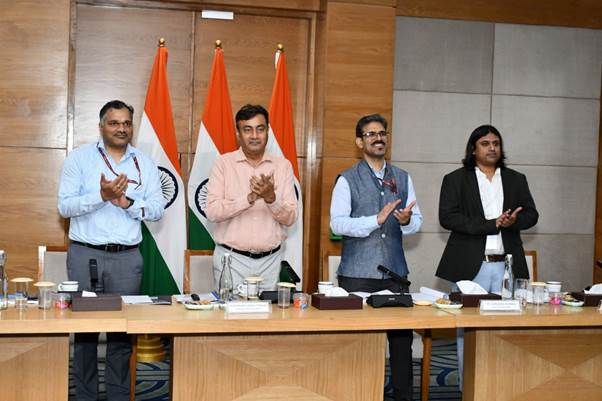
NICDC Logistics Data Services Ltd. (NLDSL) announces the launch of Unified Logistics Interface Platform (ULIP) Hackathon 2.0, a competitive event aimed at fostering innovation and developing digital solutions to tackle pressing challenges in the logistics industry. The Hackathon was officially launched at an event held under the chairmanship of Shri Rajeev Singh Thakur, Additional Secretary, Department for Promotion of Industry and Internal Trade (DPIIT), at Vanijya Bhawan.
The launch event witnessed more than 1800 attendees joining the kick-off physically and virtually, reflecting widespread industry interest in the initiative. Hackathon 2.0 marks a significant step in leveraging innovation and technology to reshape and streamline India’s logistics and supply chain sector.
Building on the success of ULIP Hackathon 1.0, which resulted in the development of cutting-edge solutions, Hackathon 2.0 invites developers, start-ups, and industry players to come together once again. The focus of this year’s hackathon is on addressing key logistics challenges such as sustainability, complex supply chain processes, unified documentation, andmultimodal logistics optimization.
Speaking on the occasion, Shri Rajeev Singh Thakur, said, “We are excited to launch ULIP Hackathon 2.0, an initiative that fosters creativity, problem-solving, and collaboration. With the tremendous success of Hackathon 1.0, we are confident that this year’s event will generate even more innovative solutions to shape the future of India’s logistics ecosystem.”
As part of its ongoing commitment to transforming the logistics sector, NLDSL also announced the launch of the Track Your Transport (TYT) application powered by ULIP. This app is designed to empower small-scale transporters and traders by addressing various facets of logistics management, from providing tracking of cargo via all modes to verification of vehicles and drivers. TYT eliminates the need for heavy IT infrastructure investments, making it a cost-effective and user-friendly tool for the unorganized sector.
Shri Rajat Kumar Saini, CEO & MD, NICDC and Chairman, NLDSL highlighted that the TYT app is a key milestone in their efforts to bring digital empowerment to small traders and transporters. He stated, “The app provides the tools necessary to enhance operational efficiency and visibility, ensuring that small players can compete on a level playing field with the rest of the industry.”
Track Your Transport app can be accessed via the web at http://www.trackyourtransport.in or downloaded through Android, iOS, and Digital India App Stores.
About ULIP:
ULIP is a digital gateway that allows industry players to access logistics-related datasets from various Government systems through API-based integration. Currently, the platform integrates with 37 systems from 10 ministries via 118 APIs, covering over 1800 data fields. Private sector participation in ULIP has been instrumental in amplifying its impact, with over 1000 companies registered on the ULIP portal (www.goulip.in). Additionally, these companies have developed over 100 applications, leading to more than 54 crore API transactions.
About NLDSL:
NICDC Logistics Data Services Ltd. (NLDSL) has been at the forefront of transforming India’s logistics sector through its innovative solutions like Logistics Data Bank (LDB) and ULIP. By leveraging advanced technology, NLDSL has enhanced efficiency, transparency, and digitization within the industry.
The company was established on December 30, 2015, with the primary objective of harnessing Information and Communication Technology (ICT) to enhance efficiency in the Indian logistics sector. It is a joint venture between Government of India represented by National Industrial Corridor Development and Implementation Trust (NICDIT) and Japanese IT major NEC Corporation.
In today’s rapidly evolving financial landscape, maintaining a competitive edge is paramount for achieving success. The ongoing advancements in technology have ushered in a transformative era, with the integration of machine learning into financial prediction standing out as a significant game-changer. Numeraire (NMR), a cryptocurrency, leads this financial revolution by pioneering innovative approaches to predictive analytics. This article aims to provide an in-depth exploration of how Numeraire and the power of machine learning are reshaping the financial industry, offering traders and investors invaluable data-driven insights to enhance their decision-making processes and achieve more informed financial outcomes. For those seeking a platform to navigate the online trading landscape, consider exploring immediate-growth.com. Their resources and insights can provide a deeper understanding of topics like Numeraire (NMR) and the role of machine learning in financial predictions.
Numeraire (NMR) is a unique and groundbreaking cryptocurrency introduced in 2017. Created by Numerai, a hedge fund based in San Francisco, NMR serves as a utility token that incentivizes data scientists to participate in their machine learning competition. The competition allows data scientists from around the world to develop predictive models on financial data.
How does the Numeraire Competition Work?
Numerai releases encrypted financial data to data scientists who compete to create the most accurate predictive models. Unlike traditional data competitions, Numerai does not know the real identities of its participants, fostering a trustless and decentralized environment. Participants use NMR to stake their predictions, and if their models perform well, they are rewarded with additional NMR tokens. This unique structure aligns the interests of data scientists with those of the hedge fund, creating a symbiotic relationship between the two.
Machine Learning and Its Role in Financial Prediction
Machine learning has transformed numerous industries, and the financial sector is no exception. Its ability to analyze vast amounts of data and identify patterns enables more accurate predictions. Financial institutions are increasingly integrating machine learning algorithms into their decision-making processes, and the results are promising.
Data-Driven Insights
Machine learning models can analyze historical market data, economic indicators, and even social sentiment to generate insights and predictions. These data-driven insights provide a significant advantage to traders and investors, allowing them to make well-informed decisions.
Risk Management
Managing risk is a critical aspect of financial trading and investment. Machine learning algorithms can assess risk more effectively than traditional methods, identifying potential pitfalls and mitigating losses.
Trading Algorithms
Automated trading algorithms driven by machine learning are gaining popularity. These algorithms can execute trades at lightning speed, reacting to market changes and opportunities instantly. They eliminate human emotions from the trading equation, leading to more rational and disciplined decision-making.
The Synergy of Numeraire and Machine Learning
Empowering Data Scientists
Numeraire’s unique approach empowers data scientists to build better predictive models. By providing them with encrypted financial data and rewarding successful predictions with NMR tokens, Numerai attracts top talent from around the world. The competition cultivates a community of data-driven enthusiasts who collaborate and push the boundaries of financial prediction.
Enhanced Accuracy and Performance
Combining machine learning with the Numeraire competition creates a dynamic environment where participants continuously improve their models. This leads to enhanced prediction accuracy over time. As the pool of talent and data grows, the predictions become more robust, enabling better financial decision-making.
Democratizing Financial Prediction
Numeraire and machine learning have the potential to democratize financial prediction. Traditionally, sophisticated financial forecasting tools were limited to large institutions with substantial resources. However, Numeraire’s decentralized model opens the door for anyone with data science expertise to contribute and be rewarded for their skills.
Real-World Applications
Asset Management
The integration of Numeraire and machine learning has significant implications for asset management firms. Hedge funds, mutual funds, and other investment institutions can leverage these technologies to generate alpha and improve portfolio performance.
Quantitative Trading
Quantitative trading, or algorithmic trading, relies heavily on data and mathematical models to identify trading opportunities. Numeraire’s competition and machine learning algorithms can enhance quantitative trading strategies, making them more effective and profitable.
Risk Assessment and Fraud Detection
The financial industry faces various risks, including credit risk, market risk, and fraud. Machine learning models can analyze historical data and patterns to assess risks accurately and detect fraudulent activities in real-time.
Conclusion
Numeraire (NMR) and machine learning are a formidable duo that is reshaping the financial landscape. The integration of these technologies empowers data scientists, improves prediction accuracy, and democratizes financial forecasting. As the financial industry continues to evolve, embracing innovation will be crucial for staying competitive. Numeraire and machine learning offer a glimpse into the future of finance, where data-driven insights drive smart decision-making, and the boundaries of possibility are continually pushed.

























 Eduindex
You must be logged in to post a comment.