



Vernacular architecture refers to a style of building that is rooted in local traditions, materials, and construction techniques. It evolves organically over time, reflecting the culture, climate, and lifestyle of the people in a specific region. Unlike modern or formal architecture, which often follows standardized designs, vernacular architecture is deeply connected to its surroundings, embodying sustainable and community-driven practices.
Key Characteristics of Vernacular Architecture
- Use of Local Materials:
- Builders use materials readily available in the environment, such as mud, timber, stone, bamboo, or thatch.
- This not only reduces costs but also minimizes the environmental impact.
- Climatic Responsiveness:
- Structures are designed to adapt to local weather conditions. For instance, thick mud walls provide insulation in hot climates, while sloped roofs are common in regions with heavy rainfall.
- Cultural Expression:
- Reflects the customs, beliefs, and social practices of the local community.
- Ornamentation and layout often have symbolic or ritualistic significance.
- Sustainability:
- Low environmental footprint due to the use of natural and renewable materials.
- Passive cooling and heating techniques reduce reliance on energy-intensive systems.
- Adaptability:
- Structures are often modified over generations to suit changing needs and lifestyles.
Historical Context of Vernacular Architecture
Vernacular architecture has been practiced since ancient times and varies significantly across the globe. Each region developed its unique style based on:
- Geography and Resources: Coastal areas often use shells or coral stones, while mountainous regions rely on stone and wood.
- Climate: Hot arid zones feature courtyards and thick walls, while cold regions emphasize insulation and compact layouts.
- Cultural Practices: Religious beliefs, rituals, and social structures shape the design and use of spaces.
Examples of Vernacular Architecture Around the World
- India:
- Havelis of Rajasthan: Intricately carved mansions with courtyards to combat extreme heat.
- Kerala Houses: Sloped roofs and verandas suited for heavy monsoons.
- Bhunga Houses of Kutch: Circular structures with mud walls, resistant to earthquakes.
- Japan:
- Minka Houses: Wooden structures with sliding panels and thatched roofs, designed for flexibility and climatic adaptation.
- Africa:
- Zulu Huts: Beehive-shaped structures made of grass and wood, ideal for the subtropical climate.
- Adobe Houses: Mud-brick constructions seen in North African deserts, offering excellent insulation.
- Europe:
- English Cottages: Stone and thatch houses designed for cold weather.
- Alpine Chalets: Wooden houses with steep roofs to shed snow.
- South America:
- Chilean Rucas: Cone-shaped huts made from natural fibers, used by the indigenous Mapuche people.
- Amazonian Malocas: Communal structures using palm leaves and bamboo.
Climatic Adaptations in Vernacular Architecture
Hot and Arid Climates:
- Thick walls and small windows reduce heat gain.
- Courtyards enhance air circulation and cooling.
- Whitewashed exteriors reflect sunlight.
Tropical Climates:
- Large overhangs and verandas provide shade.
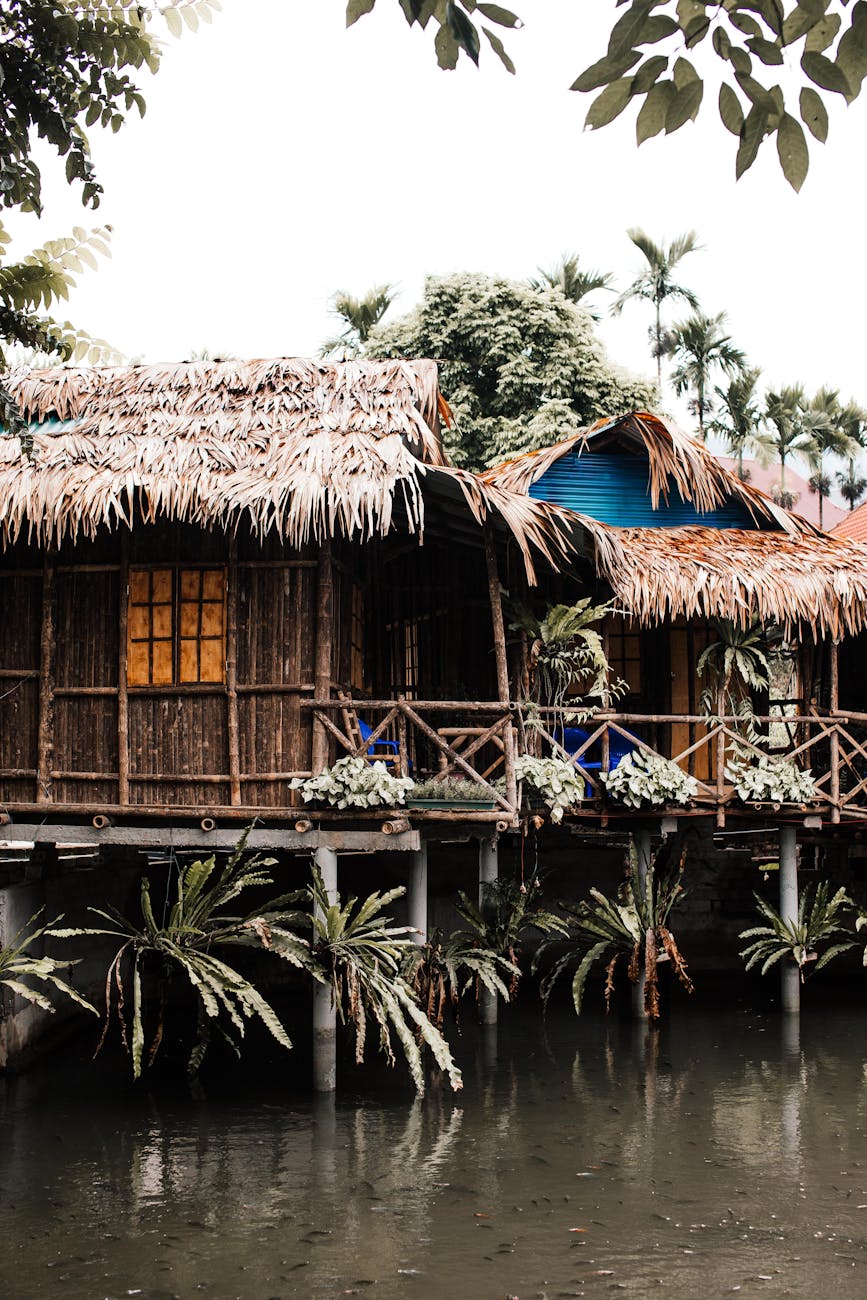
- Elevated structures prevent flooding and improve ventilation.
Cold Climates:
- Compact layouts retain heat.
- Use of insulating materials like wood or thick stone.
- Fireplaces and central hearths provide warmth.
Rainy Climates:
- Sloped roofs to drain rainwater quickly.
- Raised plinths to protect from flooding.
Modern Relevance of Vernacular Architecture
- Sustainability:
- With growing concerns over environmental degradation, vernacular practices offer insights into eco-friendly construction.
- The use of local materials reduces transportation emissions and costs.
- Resilience:
- Many vernacular techniques are inherently disaster-resistant, such as earthquake-proof Bhunga houses or flood-adaptive stilted homes.
- Cultural Preservation:
- Reviving vernacular architecture helps preserve intangible heritage and traditional craftsmanship.
- Affordable Housing:
- Cost-effective construction methods make it suitable for low-income housing projects.
Challenges in Practicing Vernacular Architecture Today
- Urbanization:
- Rapid urban growth often sidelines traditional practices in favor of modern construction methods.
- Loss of Traditional Knowledge:
- The decline in skilled artisans and transmission of traditional techniques poses a significant challenge.
- Perception Issues:
- Vernacular architecture is sometimes viewed as outdated or unsuitable for contemporary lifestyles.
- Material Scarcity:
- Depletion of local resources, like timber and clay, affects the viability of traditional practices.
Future of Vernacular Architecture
Vernacular architecture is seeing a resurgence, especially in sustainable design movements. Architects and planners are integrating traditional principles with modern technologies to create hybrid designs that meet contemporary needs while respecting the environment. Some notable examples include:
- Earthship Biotecture: Combines vernacular earth-building techniques with renewable energy systems.
- Green Roofs and Walls: Inspired by traditional vegetative insulation techniques.
Conclusion
Vernacular architecture is more than just a building style—it is a testament to humanity’s ability to harmonize with nature while meeting functional and cultural needs. As the world grapples with climate change and resource scarcity, revisiting these age-old practices can guide us toward sustainable and resilient built environments. Integrating vernacular principles with modern design approaches will not only preserve this invaluable heritage but also provide innovative solutions for a sustainable future.


















 Eduindex
You must be logged in to post a comment.