Awareness Campaign and Training of Trainers for the Elimination of Sickle Cell Anaemia

 Union Minister of Tribal Affairs, Shri Arjun Munda  launched the ‘Awareness Campaign and Training of Trainers’ as a part of the ‘Mission for Elimination of Sickle Cell Anaemia’ in New Delhi today. The programme envisages training of grassroot level functionaries so as to create awareness in this direction among the masses, especially in tribal regions.
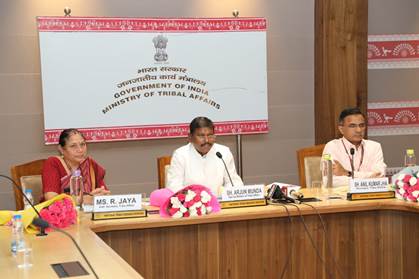
In a recent announcement, the Government declared a Mission to eliminate Sickle Cell Anaemia by 2047 in the budget of 2023-24. This Mission will entail awareness creation, universal screening of 7 crore people in the age group of 0-40 years in affected tribal areas, and counselling through collaborative efforts of central ministries and state governments. The Mission was formally launched by the Prime Minister Shri Narendra Modi, on 1st July, 2023 in Shahdol District of Madhya Pradesh. 

Speaking to the media after the launch, the Minister said that the initiative would take forward Prime Minister, Shri Narendra Modi’s vision of a sickle cell disease free India by ensuring community participation. Under his inspirational leadership, the Ministries of Health and Family Welfare and Tribal Affairs are collaborating to launch awareness generation initiatives for the Mission for the Elimination of SCD, Shri Munda added.
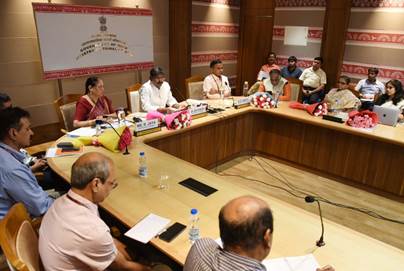
 

The Minister further identified the challenges and opportunities in making this initiative a success. The fundamental challenge, he said, would be to make the mission a grassroot level movement by ensuring Jan Bhagidari. It would require countering misconceptions among masses and bring them on board to develop a truly participative ecosystem for eliminating the disease. The Minister cited the importance of creating a healthcare database of the affected population, which in turn would help in research and finding a lasting solution. Only then it would be possible to stop the transmission of this disease and save the coming generations, he added.

Shri Munda expressed happiness to note the response of the State Governments in nominating a large number of tertiary care medical practitioners as the master trainers at the State level. Medical professionals are working with tribal communities to promote understanding of the disease, its symptoms, and its agony while preventing misinformation about the illness and eradicating its stigma. As a result, he said, in order to guarantee that the correct information is sent to the public, the Ministry of Tribal Affairs constituted a Committee of experts, including medical professionals, patient support organisations, and other stakeholders, to publish a module on awareness generation and on counselling of the stakeholders. He added that these modules were released at the launch event of the Mission.

The Minister explained that the mammoth initiative of awareness generation is being undertaken and training module at various levels is being planned to reach the last mile. The Minister informed that it is planned to engage the leaders at community level who would further ensure wide participation of the masses in the mission. He further added that in an unprecedented step, the awareness campaigns are being translated into tribal languages so as to ensure deep penetration of the message at the grassroots level.
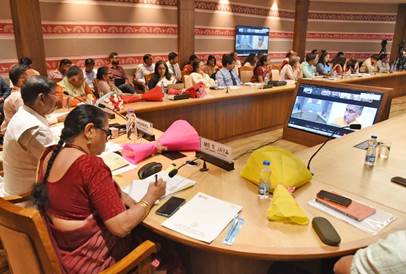
Speaking on the occasion, Secretary (Tribal Affairs), Shri Anil Kumar Jha informed that to ensure that the people are motivated enough to approach us for diagnostic testing, we are implementing a three-layer training programme at the State, District, and Village levels.Additionally, state governments have designated tertiary care physicians as master trainers at the state level, with district-level trainers training local influencers and opinion makers.

Ms. R Jaya, Additional Secretary, stated that the event marked the commencement of the awareness campaign. Further, she stated that the Ministry was engaging with all the stakeholders in the sector, so as to ensure that the Mission becomes a people’s movement. She requested the master trainers to ensure that they take the training forward and train district- level master trainers who would in turn take the message to the local- village level. There is a necessity to involve all stakeholders at all levels so as to reach the last mile. Further, the Ministry also intends to conduct regional workshops and promotional campaigns to raise awareness, and utilize online resources like Swasthya and Sickle Cell Corner.
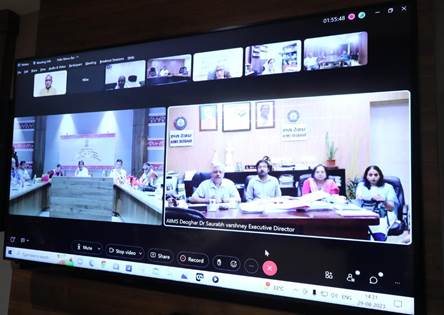
Three technical sessions were held on (i) ‘Awareness modules and its importance as a preventive measure’ by Dr Deepti Jain, Rtd. Professor, Nagpur Medical College, Maharashtra and Chairperson of the Committee; (ii) ‘Diagnosis in Sickle Cell is critical’ by Dr Anupam Sachdeva, Head of Department, Pediatric Hematology and Oncology, Sir Ganga Ram Hospital, Delhi and the (iii) ‘Role of health workers in the prevention and management of the Sickle Cell Disease by Dr Nita Radhakrishnan, Associate Professor, SSPGI, Noida.

Dr. Naveen Thacker, President at The International Pediatric Association (IPA), Dr Saurabh Varshney, Director AIIMS Deoghar, other medical experts, various other stakeholders and all Committee Members shared their views on the occasion. 
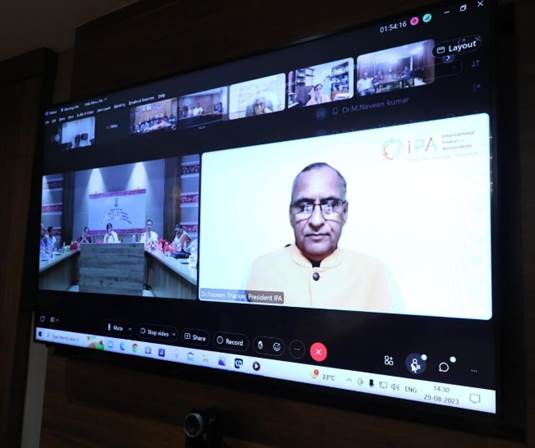
Shri Asit Gopal, Commissioner- NESTS, Dr. Naval Jit Kapoor, Joint Secretary, Shri Biswajeet Das, DDG, Smt. Vineeta Srivastava, Health Advisor and other officials of the Ministry of Tribal Affairs were also present in the event.

***

AWARENESS by National Safai Karamcharis Finance & Development Corporation

 In order to create awareness about the various schemes of NSKFDC and sensitization among its target group i.e., Safai Karamcharis, Waste pickers, Manual Scavengers and their dependants. NSKFDC has been taking following initiatives:-

  1. Awareness Camps: – In order to make target group aware about the schemes of the Corporation and to motivate them to avail the benefits under the schemes, awareness camps are organized in the basties of the target group of NSKFDC. NSKFDC is reimbursing upto Rs.30,000/-per awareness camp for organizing the Awareness Camps to its implementing agency.
  2.   Loan Meals: – Loan meals are organized in various Urban Local Bodies (ULBs) wherein the channelizing agencies are also invited. The schemes of NSKFDC and necessary documentation formalities involved in availing the loan are explained to the target group in these meals.
  3. Workshops: – NSKFDC also organizes sensitization cum awareness workshops in various Municipalities to create awareness about the provision of MS Act, 2013 and prevention of manual hazardous cleaning so as to minimize the incidents of manual hazardous cleaning.
  4. Recognition of Prior Learning Programme (RPL):- NSKFDC also organizes 5 days RPL programme to provide necessary orientation to the target group of NSKFDC on mechanized, improved and safe sanitation practices.

Besides the above, following interventions are also taken to raise awareness and sensitization about the schemes of NSKFDC:

  • Radio Programme “Sawarti Jayeein Jeevan Ki Raahein” a regular feature on All India Radio by the Ministry of Social Justice & Empowerment, Govt of India.
  • Distribution of leaflets/brochures about training progrmames by the Training Institutes.
  • Awareness during mobilization of candidates in their basties/localities for encouraging them for enrollment in training programme.
  • Dissemination of information/creatives through social media handles of Department and Corporation and through print media.

Further, the implementing agencies at their own level also create awareness about the schemes of the corporation through advertisements in newspapers, pamphlets and through notices at Notice board of their departments.

The progress made under various awareness-cum-sensitization programmes during the last 5 years and current year is as under: –

S.No.

Particulars

Nos.

1.

Health-cum-Awareness Camps

294

2.

Loan Melas

43

3.

Workshops

1177

4.

Recognition of Prior Learning (RPL)

(No of candidate)

50118


This information was given by Minister of State for Ministry of Social Justice and Empowerment

Impact of Social Media on Youth.

Social media is an plateform which is build that facilitates the users to create content and sharing of information, ideas, interests and different contents ,through virtual communities and networks technology.

Over the last two decades, social media has gained tremendous growth and fame. Despite the fact that almost everyone in the world is connected to at least one social media platform, youth and teens are the ones who who are using social media and are becoming so socially hampered that they even interfere their lives with social media. According to researchers, they have found that these different social media plateforms have a profound impact on the lives of our youth in society in terms of morality, behavior, and even education.

The use of social media has both negative and positive impacts on our youth today. The positive effects of social media on young people today is keeping up to date with what’s happening around the world and being able to network and stay connected with classmates and friends without physical meetings. For example, people in one city can connect and interact with friends in other cities and neighborhoods, bridging the gap between them. In addition, social media platforms allow young people to create pages and groups based on their profession, beliefs, and other aspects of life, creating more connections and more opportunities in their respective fields. This could even create more employment opportunities for unemployed youth.

According to a BBC News report, social media sites appear to continue to connect and inform more people, but it’s also causing social isolation among youths as it reduces the number of face-to-face interactions between young people, as they usually spend most of their time on these online social platforms. Analysis of many studies by various scientists has shown that social isolation can have a variety of effects on youth’s physical, emotional, mental and psychological estate which can create different problems in them. This, in turn, can lead to depression, anxiety, and many other problems. Also, using short forms and abbreviations can lead to misspellings and misuse of words and tenses. This has a direct impact on the student’s language skills and tends to adversely affect the student as it leads to poor language performance.

Also, young teens under the age of 18 can be exposed to online content that may not be appropriate for their age. Social media often introduce these teens to pornographic content which may be shared on online social groups and this may mislead them . The morals of these teenagers are also manipulated because they are granted access to immoral literature and video. This can harm their phycology of seeing things differently in life.

The social media can be used effectively by youth as long hours on social media can be devoted to productive activities that enable people to grow, earn a living, and be educated, such as using online tutorials and online research materials.
Social media may harm ones creativity and also can reduces the productivity of teens by chatting for long periods on social media sites . This may cause young people to not be independent, and rely on the help from others . Social media also provides a great platform for cyber theft and bullying. This increases the chances of personal information theft and incidents. This poses a lot of risk to young people as their personal information can be stolen because they are stored in places they do not know or where security is unknown or suspicious.

At last, social media opens a communication channel for young people and has many benefits. This includes the development of oneself and opening to wide range of social networks that promote opportunities and cultural abilities. However, it is very important that youth should use different social platforms carefully to avoid being victimized by cybercriminals and using it in limit so that it may not harm their mental and phycology abilities.

Melting of Glaciers – A topic which should not be avoided.

Glaciers are persistent chunks of dense ice that are constantly moving under their own weight. Glaciers are formed where snow accumulation exceeds its erosion over the years, and often centuries.

Rising global temperatures have undoubtedly been the cause of glacier melting throughout history. Due to the rate at which climate change is occurring today, it can become extinct at record rates.

Some of the other reasons:
Carbon dioxide gases Emissions: Atmospheric concentrations of carbon dioxide and other greenhouse gases (GHGs) produced by human activities such as industry, transportation, deforestation, and burning fossil fuels warm the earth and melt glaciers. Glacier savings can be achieved if CO2 emissions can be reduced by 45% over the next decade before reaching zero by 2050.
Ocean warming: The ocean absorbs 90% of the earth’s heat. This fact mainly affects the melting of sea glaciers near the poles and on the coast of Alaska (USA) and other heavy snow covered areas.

The main consequences of melting glaciers are:
Sea Level Rising- Sea level is rising and covers most of the continental region. This means that which means within years most of the areas can be a complete flooded regions.
Less freshwater – No glaciers also mean less water for population consumption, less hydropower capacity, and less water available for irrigation.
Climate change-The balance between cyclone and anticyclone structure and meteorological patterns is deteriorating.
Food Chain Imbalances-The habitats of some marine and terrestrial species are changing and they may harms to them in maintaining their natural circulation and habitat.

Temperature imbalances, extensive processes of deforestation, and rainfall can be other reasons for global warming that lead to glacier melting.
Glaciologists believe that despite the massive ice loss, there is still time to save the glacier from the predicted disappearance. It can done through to curb climate change and save glaciers from getting extinct. Scientists believe that controlling climate change can prevent glaciers from melting and disappearing.

“The earth has a skin and that skin has diseases; one of its diseases is called man.”

– Friedrich Nietzsche

Importance of Cybersecurity.

Cyber security is the protection of Internet-connected systems such as hardware, software, and data from cyber threats. This technique is used by individuals and businesses to protect against unauthorized access to data centers and other computerized systems.

Cyber security is important because it protects all categories of data from theft and damage. This includes sensitive data, intellectual property data, government and industry information data and systems information,personally identifiable information , protected health information and personal identified information . Without cybersecurity programs, organizations cannot protect themselves from data breaches campaigns and are attractive targets for cybercriminals.
Global connectivity and the use of cloud services such as Amazon Web Services to store sensitive and personal information increase both inherent and residual risks. Along with increasingly sophisticated cybercriminals, widespread misconfiguration of cloud services means an increased risk for businesses suffering from successful cyberattacks and data breaches. Executives can no longer rely solely on off-the-shelf cybersecurity solutions such as antivirus software and firewalls, cybercriminals are smarter, and their tactics are more resilient to traditional cyber defense. It is important to cover all areas of cybersecurity to remain fully protected.
Cyber threats can come from all levels of an organization. Organization should educate employees about common cyber threats such as social engineering fraud, phishing, ransomware attacks and other malware designed to steal intellectual property and personal information. Should include cybersecurity awareness training for.

Types of Cyber Threats :
Malware-This is a type of malicious software that can use arbitrary files or programs to harm computer users. This includes worms, viruses, Trojan horses, and spyware. Ransomware-This is another type of malware. This involves an attacker locking the victim’s computer system files and requesting payment to unlock them.
Social Engineering-This is an attack that relies on human interaction to trick users into breaking security procedures and gaining sensitive information that is normally protected.
Phishing-This is a form of social engineering that involves sending deceptive emails or text messages similar to those from trusted or known sources. Often in random attacks, the purpose of these messages is to steal sensitive information such as credit cards and login information.
Spear phishing – This is a type of phishing attack aimed at targeted users, organizations, or businesses.

Cyber security is very important today. Our society is more dependent on technology than ever before and in today’s digital time data breaches that could lead to the theft of personal information which are easily disclosed to social media accounts. Sensitive information such as social security numbers, credit card information, and bank account details are now stored in cloud storage services such as Dropbox and Google Drive. In fact, whether you are an individual, a small business, or a large multinational company, in today’s time everyone rely on computer systems every day .

Assassination Of Former Prime Minister Rajiv Gandhi .

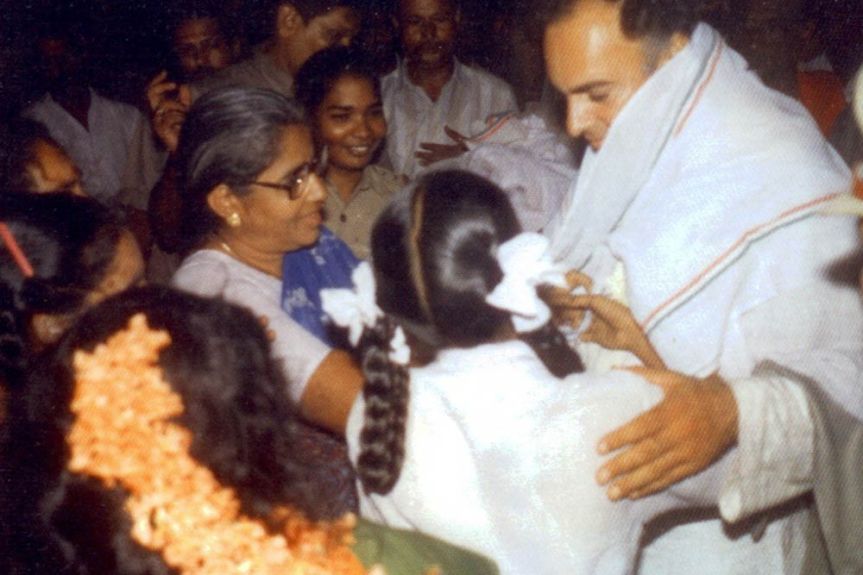
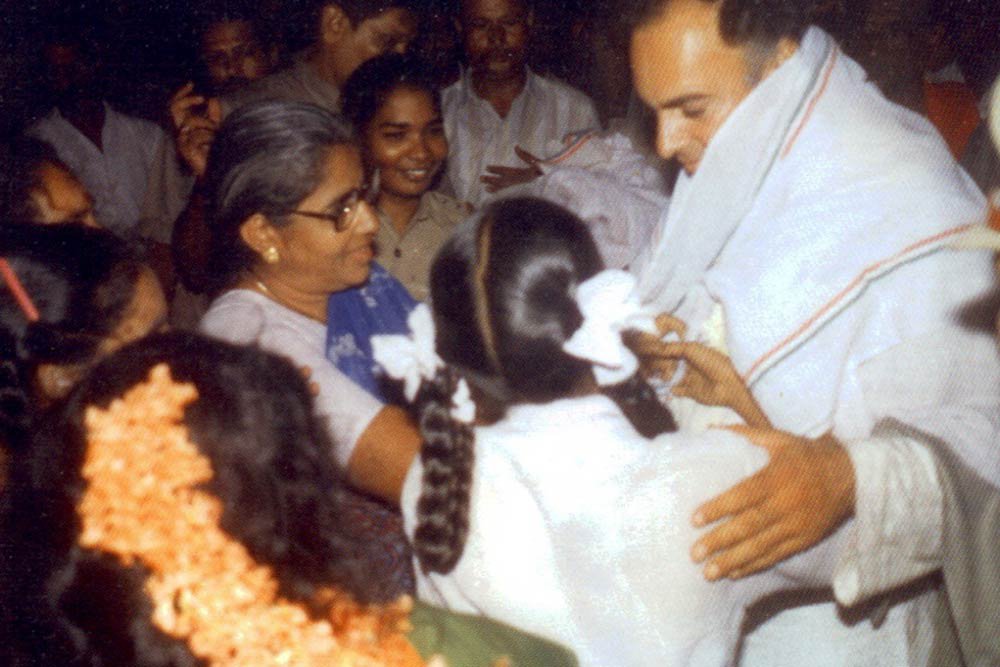
The assassination of former Prime Minister of India Rajiv Gandhi, , occurred on 21 May 1991 as a result of a suicide bombing in Sriperumbudur in Tamil Nadu, India . At least 14 others,we’re killed alongside Rajiv Gandhi in the suicide bombing.

The assassination was carried out by Thenmozhi Rajaratnam, a member of the Tamil Liberation Tigers (LTTE), a Tamil separatist organization in Sri Lanka, and Dr. Jagjit Singh Chohan of the National Council of Khalistan (NCK) and Gurjant Singh Budhsinghwala of the Khalistan Liberation Force. At that time, India had just finished its involvement in the civil war in Sri Lanka through the Indian Peace Keeping Force. Rajiv Gandhi along with G.K. Moupanal started election campaign in southern state of India. After campaigning in Visakhapatnam, Andhra Pradesh on May 21, his next destination was Sriperumbudur, Tamil Nadu. Approximately two hours after arriving in Madras ,Rajiv Gandhi rode a white ambassador car to Slipelumbudur in a convoy, stopping at several other campaign sites along the way. Arriving at the campaign rally at Sriperumbudur, Rajiv left the car and went up to the podium, where he gave a speech. After the soeech the assassin Danu (Thenmozhi Rajaratnam) approached and greeted him. Then she bent over and touched his leg, and at 10:10 pm, detonated a belt loaded with RDX explosives place under her dress. Gandhi, his assassin and 14 others were killed in a subsequent explosion, and 43 were seriously injured. The assassination was filmed by local photographer Haribab. Haribab’s camera and film were found intact on the scene, but he also died in the blast.

Apart from Rajiv Gandhi, former Prime Minister of India and the suicide bomber Thenmozhi Rajaratnam , several people were killed in the blast on 21 May 1991:
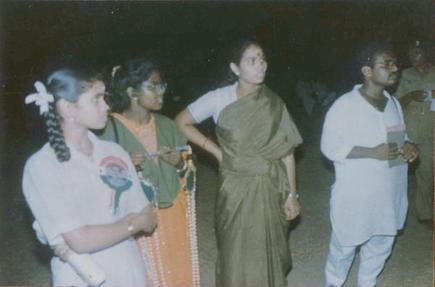
Including Pradeep K Gupta (personal security officer of Rajiv Gandhi ), K.S Mohammed Iqbal (police superintendent), Edward Joseph ( police inspector) ,Dharman,Chandra, Ethiraju Muruganand and Rajguru (police constables), Santhani Begum (Mahila Congressn Leader) ,Latha Kannan ( Mahila Congress worker,who was with her daughter Kokilavani ),Kokilavani (ten-year-old daughter of Latha Kannan, who sang a poem to Gandhi immediately before the blast), Munuswamy (former member of the Tamil Nadu Legislative Council) ,Saroja Devi (seventeen-year-old college student), Ravichandran (Black Cat commando).
Around forty-three spectator present in the campaign including police sub-inspector Anushiya Daisy were also injured in the explosion.

Immediately after the assassination, the Chandrasekhar government handed over the investigation to the CBI on May 22, 1991. Authorities, formed a special research team led by Karthikeyan to determine who is responsible for the assassination. A SIT investigation confirmed the role of the LTTE in assassination and was endorsed by the Supreme Court of India. Judge Millap Chand Jain’s interim report investigated the secret aspects of the assassination and accused DMK of working with the LTTE. The report concluded that the DMK provided the LTTE with shelter and made it easier for rebels to assassinate Rajiv Gandhi. The report also claimed that Jaffna’s LTTE leaders possessed confidential, encrypted messages exchanged between the federal and DMK state governments.Authorities also stated in reports “There is evidence that during this period some of the most important radio messages were exchanged between the LTTE agents stationed in Tamil Nadu and Jaffna. These later deciphered messages are directly related to the assassination of Rajiv Gandhi “. The Congress demanded withdrawal of DMK from the Union Front government, after claiming to have played an important role in Rajiv Gandhi’s death. According to reports Dr. Jagjit Singh Chohan supported the LITTE with logistic and tactical support. His involvement was first revealed in 2016, about 10 years later. Speculation. This was evidence of the Jain Commission’s report and was suspected that the LTTE had contacted Gurjant Singh Budhsinghwala with Jagjit Singh Chohan to plan the plot.

After the investigation on the assassination of former prime minister Rajiv Gandhi ,the court convicted and sentenced the seven persons who were involved in the assassination to life imprisonment. They are currently undergoing life imprisonment in prisons in India.
They are:
Murugan – A LTTE operative from Sri Lanka, Nalini – Wife of Murugan. Nalini is a citizen of India ,Jayakumar – The brother in law of Robert Pious ,Ravichandran – A Sri Lankan national ,T. Suthenthiraraja – A Sri Lankan national ,Robert Pious – A Sri Lankan national and A. G. Perarivalan – An Indian citizen who was arrested for supplying a 9-volt battery for the explosive device.

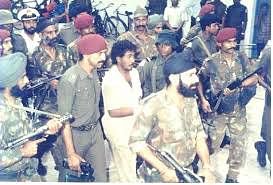
Operation Cactus by Indian Armed Forces which saved Maldives freedom.

Operation Cactus, led by the Indian Armed Forces in 1988, to stop a group of Maldives mercenaries led by businessman Abdullah Rutufi, and armed mercenaries of the Tamil Elam People’s Liberation Organization (PLOTE), a separatist Tamil organization in Sri Lanka. It’s strategy was to overthrow the government in the Maldivian island republic.

Thier were two coup attempr done before 1988.The 1980 and 1983 coup attempts against President Maumoon Abdul Game were not considered serious, but the third coup attempt in November 1988 surprised the international community. About 80 armed PLOTE mercenaries boarded a speedboat from a Sri Lankan cargo ship hijacked in the capital Male before dawn. A similar number has previously invaded Male in the guise of a visitor. The mercenaries soon gained control of the capital. This includes major government buildings, airports, ports, television and radio stations. The mercenaries then marched to the presidential residence, where President Gayoom lived with his family. However, before they arrived at the presidential residence, President Gayoom was escorted to the Defense Minister’s house by a Maldivian national security forces. The Secretary of Defense then took the president to a safe home.

Meanwhile, the mercenaries occupied the presidential residence and managed to take the Maldivian Minister of Education hostage. President Gayoom called on Sri Lanka and Pakistan government to intervene in the military, but both refused to help because of lack of military power. The president then demanded Singapore’s intervention, but Singapore refused for the same reason. He then contacted the United States and was told that it would take a couple of days for the US military to reach the Maldives from the nearest military base in Diego Garcia, which was almost 1000 km away. The president then contacted Britain and who advised them to seek help from India. After that, President Gayoom sought help from the Indian government. India soon accepted their request and an emergency meeting was convened at the Secretariat Building in New Delhi. Within 16 hours of SOS, India was ready for thier missions.

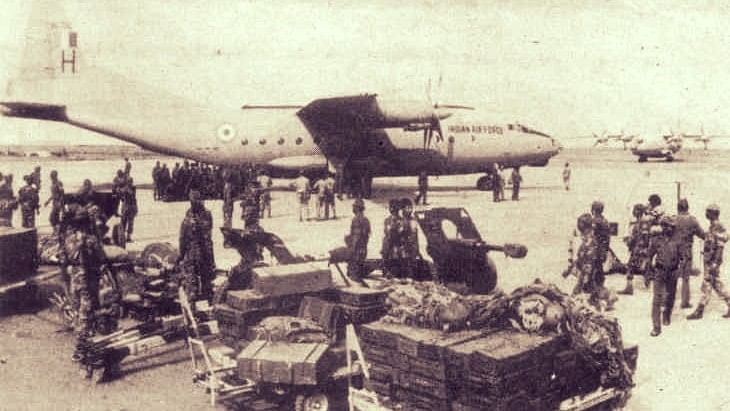
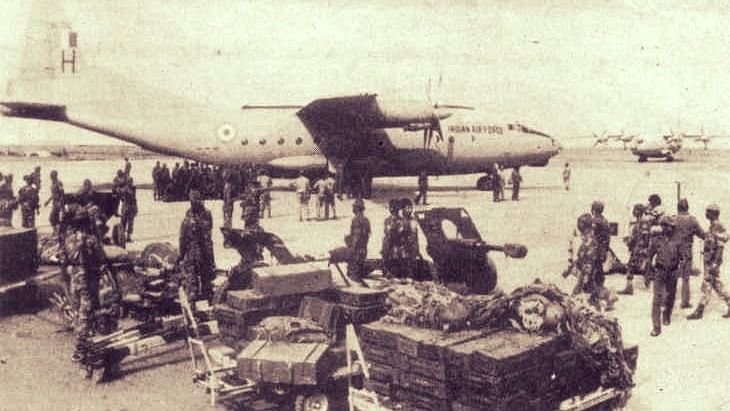
Rejaul Karim Laskar, a member of India’s then ruling party, the Indian National Congress, said that intervention of India in coup d’etat was necessary because without India’s intervention, outsiders powers were tempted to intervene and establish base in the Maldives. . Therefore, India intervened through “Operation Cactus”. On the night of November 3, 1988, the Ilyushin Il-76 aircraft of the Indian Air Force took elements of the 50th Independent Parachute Regiment, the 6th Parachute Regiment Battalion, and the 17th Parachute Field Paratrooper Regiment under Brigadier General Farsala from Agra Air. He flew non-stop for over 2,000 kilometers (1,240 miles) and landed at Male International Airport on Hulhule Island. Indian Army paratroopers arrived in Hulhule nine hours after President Gayoom proceedings.

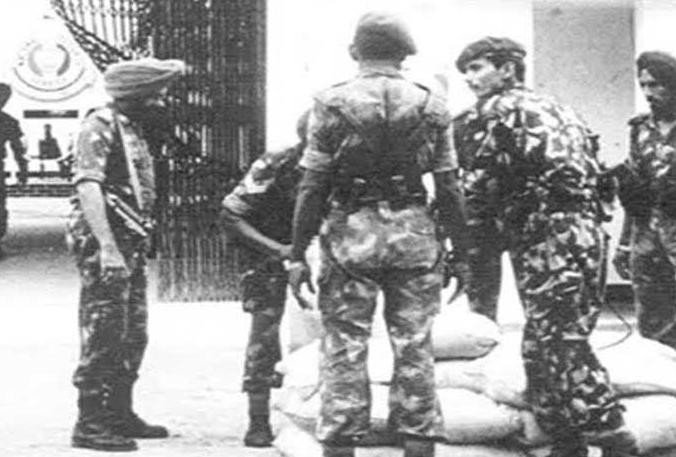
Indian paratroopers quickly secured an airfield and sailed to Male on a confiscated boat to rescue President Gayoom . Paratroopers handed over control of the capital to President Gayoom ‘s government within hours. Some of the mercenaries fled to Sri Lanka on a hijacked cargo ship. Those who could not arrive at the ship in time were immediately rounded up and handed over to the Maldivian armed Forces and government. According to reports, 19 people died in battle, most of them mercenaries. The dead included two hostages killed by mercenaries. And Operation Cactus took 18 hours for Indian Armed Forces from start to finish. Indian Navy frigate Godavari and Betwa intercepted a cargo ship off Sri Lanka and captured mercenaries. The swift intervention and accurate intelligence of the Indian Army was able to successfully subdue the coup attempted in the island nation.

“Black Tiger” Of India Ravindra Kaushik.

Ravindra Kaushik who served in (R&AW) ,famously known as Black Tiger was born in Sri Ganganagar, Rajasthan on 11 April 1952 in a Brahmin family.
Ravindra during his graduation days used to do drama plays and during this time Kaushik displayed his talent at the national level dramatic meet in Lucknow, Uttar Pradesh, which was witnessed by officials from the Research and Analysis Wing. After which he was contacted and offered a job of being an undercover Operative for Research and Analysis Wing in Pakistan.

After agreeing to work for R&AW Kaushik was given extensive training in Delhi for two years. He underwent circumcision so he could pass as a Muslim. He was taught Urdu, given Islamic religious education and acquainted with the topography and other details about Pakistan. Being from Sri Ganganagar, a city near Rajasthan’s border with Punjab, he was well versed in Punjabi, which is widely understood in Punjab and Pakistan as well., India. In 1975, at the age of 23, He was sent to Pakistan.
Kaushik was given the cover name “Nabi Ahmed Shakir” and entered Pakistan in 1975. He was successful in getting admission in Karachi University and from where he completed his LLB. He then joined Pakistan Army as a commissioned officer and eventually promoted to the rank of a major. While living in Pakistan under his cover he married a local girl named Amanat, the daughter of a tailor in one of the army units, and with whom he fathered a boy .

From 1979 to 1983, while working as an officer, he passed on valuable information to R&AW which was of great help to India. He was given the title of ‘Black Tiger’ by India’s then home minister late S. B. Chavan.

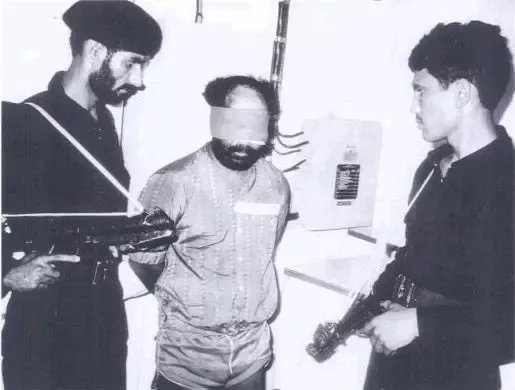
In September 1983, R&AW sent a low-level operative, Inyat Masih, to get in touch with Kaushik. However, Masih was caught by Joint Counterintelligence Bureau of Pakistan’s ISI and blew Kaushik’s cover. Kaushik was then captured, tortured for two years at an interrogation center in Sialkot. He was given the death sentence in 1985. His sentence was later commuted to a life term by the Supreme Court of Pakistan. He was kept in various jails in various cities, including Sialkot, Kot Lakhpat and in Mianwali jail for 16 years. He managed to secretly send letters to his family in India, which revealed his poor health condition and the trauma faced by him in Pakistani jails.He also adresses his thoughts on his country and department. In one of his letters he wrote:
“Kya Bharat jaise bade desh ke liye kurbani dene waalon ko yahi milta hai?” (Is this what people who sacrifice their lives for a big country like India get?”
In November 2001, he was caused with pulmonary tuberculosis and heart disease in Central Jail Mianwali in Pakistan.
He served for Research and Analysis Wing from 1975 to 1983.

“Writing about magic is harder than writing about spies because you’re dealing with something that doesn’t really exist.”

-Anthony Horowitz

A Webinar organized to create awareness on newly notified CCS (Pension) Rules, 2021

 A webinar was organized for all the Pensioners’ Associations under the chairmanship of Shri V. Srinivas,   Secretary (P&PW) with the objective to create awareness on newly notified CCS (Pension) Rules, 2021 and generation of Digital Life Certificates using Face Authentication Technology.  Central Government Pensioners Associations from all parts of the country participated in the meeting. Presentations were given on CCS Pension Rules 2021 and on DLC generation through Face Authentication followed by a Question Answer session after each presentation.

Secretary (P&PW) expressed his happiness to meet such a large group of 52 participants from the various Associations and to have a constructive interaction. He appreciated the intensity of the discussion and the various queries raised, given the release of CCS Pension Rules 2021 on 25th December 2021 and the recent launch of DLC generation through face authentication. The curiosity among pensioners was very understandable and such interactions would continue with a view to stay in touch and ensure that every association reached out to.  He also requested each Association to have regular interactions with their membership.

He reiterated that the objective of the meeting was to enhance interaction between the department and the pensioners’ associations, especially at his level so that he could know each one personally and the associations could be assured that the Secretary would be in a position to understand and listen to areas where concern exists. He informed that since the pension department is a very legalistic and policy based department, it is important to understand where reforms are necessary and constant updations and amendments in law may be required to ensure greater benefits given to pensioners and that will be the objective of the entire exercise. He expressed hope that membership of each association is more than 300 and they are interacting regularly with the members.