ATTITUDE AND BEHAVIOR FROM THE LENS OF PSYCHOLOGY

PROLOGUE

How legitimized is life detainment? Which political runs the country in a superior manner? Should youngsters be permitted to watch activity films? Various individuals would without a doubt have different responses to these inquiries. Every last one of them would have their own perspectives to legitimize their answers. This is on the grounds that everybody creates various perspectives about such issues.

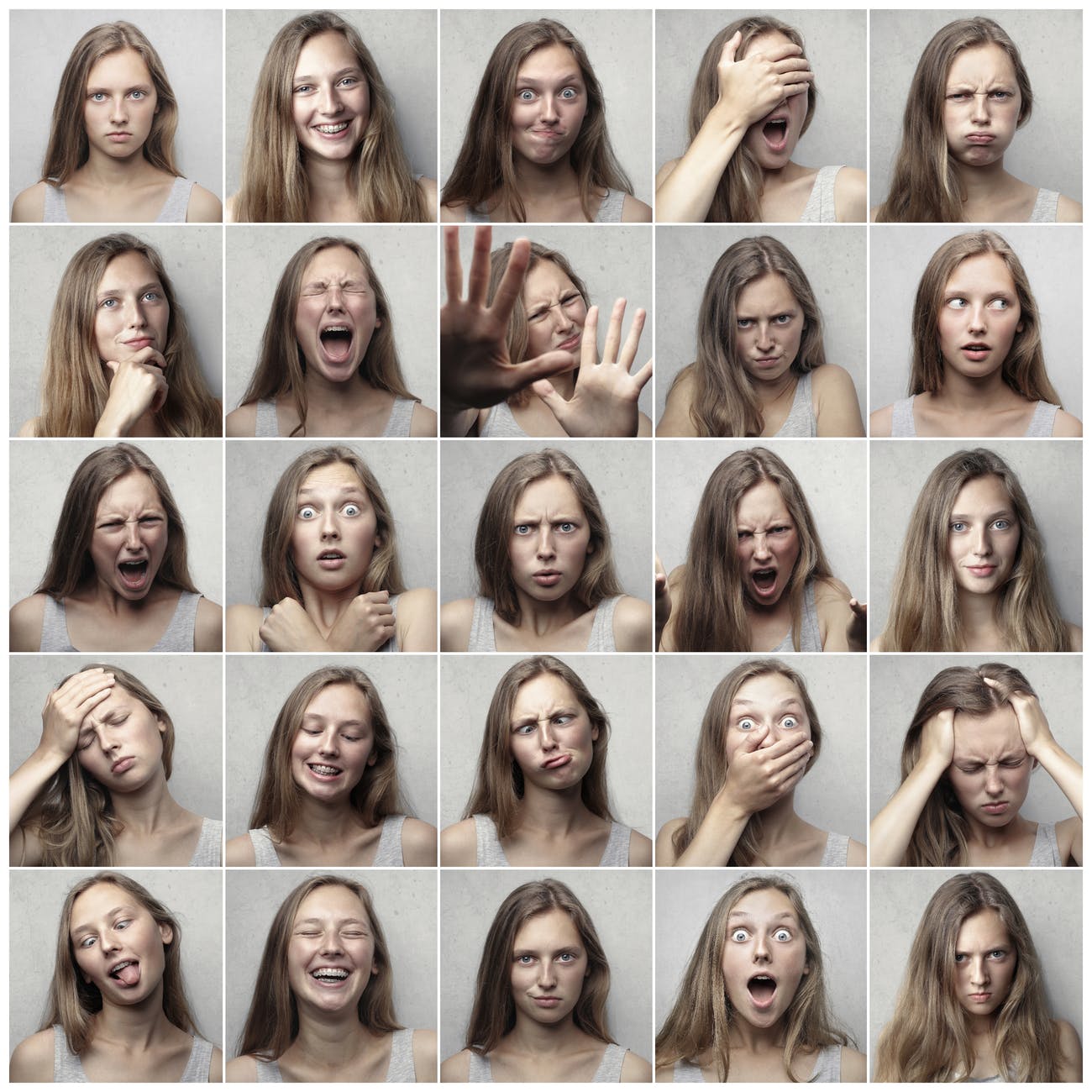
These differing attitudes, thus, impact both our convictions and our conduct. Perspectives are fundamental subjects of study in the field of social brain science. We should get what precisely comprises a disposition? How are attitudes created?

WHAT IS ATTITUDE?

As indicated by therapists, a disposition is a scholarly probability to pass judgment on circumstances with a certain goal in mind. It incorporates assessments of individuals, issues, items, or conditions. Such decisions are generally either sure or negative, however now and again they might be questionable also. For example, we may have blended sentiments with respect to a particular individual or issue. A few bits of exploration propose that various variables offer shape to attitudes. These parts are frequently alluded to as the ABCs of attitude.

WHAT ARE THE DIFFERENT COMPONENTS OF ATTITUDE?

Affective Component

The emotional part is about how the article, individual, issue, or circumstance causes us to feel.

Behavioral Component

The social segment is basically about what our disposition means for our conduct.

Cognitive Component

The psychological segment comprises of our musings and feelings about a specific subject.

attitudes can likewise be delegated unequivocal and understood. Express perspectives are those that an individual is intentionally mindful of. An express disposition unmistakably impacts an individual’s practices and assessments. Verifiable attitudes are oblivious yet affect our convictions and practices.

WHAT SHAPES OUR ATTITUDE?

Various variables impact how and why various attitudes take structure.

Individual Experiences

attitudes take structure straightforwardly as an outcome of individual encounters. Henceforth they arise because of direct undertakings or because of different perceptions.

Social Factors

Social jobs and cultural standards significantly affect the mentality of an individual. Social jobs identify with how society anticipates that people should act in a specific circumstance or setting. Accepted practices likewise include society’s principles with respect to what sort of conduct is considered suitable and what isn’t thought about so.

Learning

An individual structures his attitudes in a wide range of ways. For example, sponsors utilize old style molding to impact possible clients’ perspectives for their item. They utilize alluring and engaging portrayals, which makes us foster an uplifting outlook towards the item.

Various Observations

Essentially, individuals attempt to foster their demeanor by noticing individuals around them. In the event that an exceptionally respected individual shows a specific demeanor, we are bound to make a comparable sort of disposition. A relevant case of this is that kids invest a critical portion of energy noticing their folks’ perspectives. Furthermore, they start to exhibit a comparable sort of disposition that they notice.

ATTITUDE AND BEHAVIOR

A major confusion is that individuals act as indicated by the perspectives they have. Be that as it may, as indicated by various social clinicians, perspectives and conduct are not in every case unmistakably connected. Shockingly, sometimes, individuals really change their attitudes to adjust them to their conduct. Intellectual disharmony is a marvel where an individual encounters mental pain in view of clashing musings, sentiments, or convictions. To keep away from this misery, individuals will in general change their attitudes to foster amicability with different thoughts or even genuine practices.

WHY DO ATTITUDES CHANGE?

Despite the fact that mentality considerably affects conduct, it actually doesn’t continue as before until the end of time. We can transform it. The very factors that add to mentality arrangement can likewise make changes in demeanor.

Old style or operant molding and observational learning can rapidly incite changes in disposition. Traditional molding can undoubtedly make positive enthusiastic reactions to an article, individual, or circumstance by partner positive feelings. Also, operant molding can fortify positive perspectives and at the same time debilitate bothersome ones. Individuals likewise will in general change their perspectives in the wake of noticing the conduct of individuals around them.

Elaboration Likelihood hypothesis is a hypothesis of influence. As per this hypothesis, individuals can change their attitudes in two habits. To start with, individuals can change their mentality in case they are roused to tune in and mull over everything. This might prompt a change in demeanor. Furthermore, they can be impacted by the demeanor of the speaker they pay attention to. This prompts a transitory or shallow change in mentality. Messages that are interesting and that really persuade rationale can prompt extremely durable changes in attitudes.

TOWARDS THE END

Demeanor certainly impacts an individual’s conduct, however that doesn’t imply that it is settled forever. We can without much of a stretch change it differently. This is truly useful as it can empower an individual who has a negative disposition to rapidly change it into a positive methodology. Eventually, we can shape our psyches the manner in which we need.

A GLANCE AT ANTISOCIAL BEHAVIOR DISORDER

Preface

Antisocial Behavior Disorder is a condition described by an absence of compassion for other people. Individuals with such conditions have almost no respect for good and bad. Such individuals for the most part act in a heartless way without contemplating others’ sentiments. People with this issue normally show exorbitantly forceful or vicious conduct and may even take part in crimes.

INDICATIONS OF ANTISOCIAL BEHAVIOR DISORDER

Indications of Antisocial Behavior Disorder might start in youth itself. The signs might incorporate mercilessness to creatures. The manifestations may likewise incorporate inability to adjust to accepted practices and no worry for other people. Such individuals regularly carry on imprudently disregarding the results of their conduct. Moreover, they get strongly forceful and can even get into actual attacks.

These indications regularly lead to numerous challenges in their lives. The issue can be damaging to both the individual experiencing it and individuals around them. Such individuals are bound to take part in perilous exercises and surprisingly criminal demonstrations.

HOW TO DIAGNOSE THE DISORDER?

Manifestations of solitary conduct issue regularly start during adolescence in brutal displeasure explodes, mercilessness towards creatures, and harassing. Albeit the condition might begin in adolescence, it can’t be formally analyzed before the age of 18. An individual is determined to have Antisocial Behavior Disorder on the off chance that he shows a dismissal and infringement of the privileges of others. This negligence is portrayed by various indications like dismissal for the security of others, not submitting to laws, showing incautious conduct, having serious touchiness and animosity, no regret for underhanded activities, continually lying or controlling for entertainment, customary example of unreliability.

WHAT CAUSES ANTISOCIAL Behavior DISORDER?

There are no accurate reasons for Antisocial Behavior Disorder. Character is affected by numerous things, including the climate where one lives, and the childhood one gets.

The Effect of Genetics

Introverted Behavior Disorder is more normal among the primary degree natural family members of those experiencing the problem. Bits of Research likewise propose that Antisocial Behavior Disorder is emphatically connected to legacy. Moreover, ecological impacts intensify its promotion.

The childhood of the individual

Childhood importantly affects a youngster’s life. Youth misuse, disregard, and injury can incite Antisocial Behavior Disorder. At the point when guardians are harmful and useless, kids might learn such practices and later show something similar with their own children. Also, covers who experience childhood in careless homes and damaging conditions regularly do not have the chances to foster discipline, restraint, and compassion.

Contrasts in Brain

Many components increment the danger of getting the problem, including smoking during pregnancy and unusual mind work. Bits of Research propose that individuals with Antisocial Behavior Disorder have contrasts in the front facing flap. The front facing projection is the district of the mind that assumes a crucial part in arranging and judgment.

HOW DO WE TREAT THE CONDITION?

Individuals experiencing Antisocial Behavior Disorder frequently come into contact with the criminal equity framework. A few sorts of exploration recommend that reformatory measures are totally ineffectual. This is on the grounds that individuals experiencing this condition are normally inert to discipline.

Psychotherapy

Intellectual Behavioral Therapy (CBT) assists treat with peopling experiencing Antisocial Behavior Disorder. It permits people to acquire an understanding into their practices. Reasonable outcomes are by and large seen solely after long haul treatment. Gathering and family treatment went with mentalization-based treatments can assist with treating this condition. This treatment focuses to perceive and comprehend the perspective of oneself as well as other people.

Ordinary Medication

Medicine might be utilized successfully to treat a portion of the indications that an individual experiencing Antisocial Behavior Disorder might insight. A portion of the prescriptions that might be utilized incorporate enemy of uneasiness meds, antidepressants, or antipsychotics.

Adapting to it

Standoffish conduct issue essentially affects an individual’s capacity to work. This regularly makes it hard to adapt up to various parts of life. The condition can bring about injury or passing because of criminal activities or self-hurt in extreme cases. It antagonistically influences a person’s capacity to work and keep up with connections. The individual experiencing the problem can likewise make hurt companions, relatives, or collaborators.

Typically, individuals with Antisocial Behavior Disorder don’t look for help all alone. For the most part, intercession happens simply because of legitimate issues. Various explores recommend that more powerful friendly help, better spousal ties, and sound family relations can help the individual experiencing the issue.

TOWARDS THE END

Reserved Behavior Disorder isn’t an infection, so we ought not deal with it like that. There is an answer for each issue. Also, this issue can be treated with friendship, care, and persistence. More than the individual really experiencing it, the treatment requires more critical endeavors from individuals around him.

Insecurity

Everyone feels a little unsure at times. As humans, we constantly think, and some of our thoughts can be filled with doubt. This can lead to thoughts of insecurity. Too much insecurity can lead to other problems — in relationships and in your everyday life. However, there are ways you can work through your insecure thoughts and live life more confidently.

What Is Insecurity?

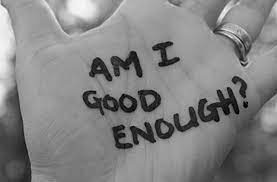
Insecurity is a feeling of inadequacy (not being good enough) and uncertainty. It produces anxiety about your goals, relationships, and ability to handle certain situations. Everybody deals with insecurity from time to time. It can appear in all areas of life and come from a variety of causes. It might stem from a traumatic event, patterns of previous experience, social conditioning (learning rules by observing others), or local environments such as school, work, or home. It can also stem from general instability. People who experience unpredictable upsets in daily life are more likely to feel insecure about ordinary resources and routines.On the other hand, insecurity can have no definite, external cause. Instead, it can appear as a quirk of personality or brain chemistry. Understanding the nature of insecurities can help you manage your own and offer others the support they need.  

Types of Insecurity:

There are almost limitless areas of potential insecurity. Moreover, insecurity often bleeds over from one area of life into another. However, there are some types of insecurity that appear frequently.

Relationship Insecurity: One of the most common kinds of insecurity concerns relationships or “attachments.” Attachment theory originated out of a desire to connect the attachment patterns of early childhood to later relationship patterns and expectations. When a child’s “attachment figures”, often parents or guardians, aren’t reliably available and supportive, the child often feels insecure, forms a negative self-image and relationship models, and experiences greater emotional distress and maladjustment later in life. Relationship or attachment insecurities don’t need to begin in early childhood. They can arise wherever previous experience or personal insecurity undermines someone’s security in their closest relationships.

Job Insecurity: Job insecurity occurs when you are anxious about your continued employment or about the continuation of certain benefits attached to your employment. It can be triggered by anxiety over your own job performance or anxiety over factors beyond your control, such as the economy, industry trends, workplace conflict, or the danger of company restructuring or failure. High rates of unemployment and temporary work increase job insecurity on a national scale and contribute to widespread mental health problems.

Body Image Insecurity : A common source of insecurity is body image. Many people feel insecure about the way they look and question whether they measure up to an imposed ideal. There is no necessary connection between actual body health or appearance and body insecurity. People of all body types can experience this type of insecurity.

Social Insecurity/Anxiety : Another common type of insecurity surrounds the way we are perceived by our peers and the ease with which we interact with them. This insecurity can be a recurring, low-level problem or can blossom into full-blown social anxiety disorder or social phobia.

Signs of Insecurity:

Signs of insecurity are as variable as the condition itself, but there are some common tendencies you can look out for.

Low or Superficial Self-Esteem : One sign of insecurity is low self-esteem or negative self-image, particularly when that image seems to be inconsistent with external observation. Low self-esteem means you think badly about yourself or your abilities. It can lead to other problems, especially concerning mental health. Talk to a doctor if your self-esteem is very low.Because the measurement of self-esteem generally relies on self-report, insecurity can lead to superficial self-esteem. People with insecurity often want to appear secure, and their explicit comments may be at odds with their automatic responses to certain stimuli. Deliberate self-misrepresentation or false behavior/information on social media can also be a sign of social anxiety. The act of faking then reinforces the social insecurity.

Perfectionism : The inability to be satisfied with progress and need to control and refine projects until they’re perfect can be a sign of insecurity. It stems from the sensation that you or your performance is never enough. It can appear as a manifestation of insecurity in any area of life but is frequently found in cases of job insecurity and body insecurity. Eating disorders, for example, often appear along with both harmful perfectionism and attachment insecurities.

Self-Isolation : Social insecurity can lead people to avoid social interactions, isolating themselves. Sometimes these people prefer to interact virtually in internet situations they feel they can control.

Anxious or Avoidant Attachment Styles : Attachment insecurities often result in problematic attachment styles, or dysfunctional approaches to relationships. The two most common are anxious or avoidant attachments. Anxious attachment styles are characterized by emotional dependence (relying on someone else for your emotional well-being), a fear of being alone, and fantasies of perfect relationships that can never be fulfilled. Avoidant attachment styles also stem from insecurity but go in the other direction. People with this style tend to keep relationships superficial and disengage from more intimate connections.

Poor Job Performance : Job insecurity (not having a stable job) can work to motivate some people, but it more often results in poorer performances. It can lead to absenteeism (avoiding work), turnover intention (wanting to change jobs soon after starting), disengagement from colleagues and in group projects, and poor work attitudes.

Depression or Anxiety : All types of insecurity can lead to decreased mental wellness. Depressive or anxious behavior or thinking is often an effect of insecurity, particularly when that insecurity produces (or is accompanied by) erroneous beliefs and patterns of thought.

Dealing with Insecurity :

Occasional insecurity is a natural part of life. For deeper and more longer-lasting feelings of insecurity, however, professional therapists can help you sort through your emotions and develop strategies for everyday life. In dealing with insecurity, there are a couple of helpful tips to keep in mind.

Social Networks Matter : Broad and meaningful social networks — frinedships, relationships with coworkers, and more — help to lessen both insecurity and its negative effects. There’s an inverse correlation between healthy social networks and insecure attachment styles. Having a wide circle of friends and many close connections allows you to develop the tools and confidence to engage in deeper adult relationships.Developing good friendships both in and out of the workplace also has a proven record of success as a coping strategy that helps prevent job insecurity, depression, and general anxiety. People who disengage from colleagues in response to job insecurity more frequently suffer in their mental health and job performance.

Trust Takes Practice : While having an overly trusting behavior creates its own problems, ask yourself if you have any reason to distrust expressions of affection or liking from others. People with insecurities sometimes express doubt and perceive rejection in everything from partner relationships to new acquaintances. These expressions can be self-fulfilling. Practice taking displays of interest at face value, something that can be easier in more casual relationships. You can build up the confidence to accept deeper affection and intimacy.

5 signs your mind is warning you about mental illness

What classifies as an abnormal behavior? How to differentiate between normal and abnormal thoughts/ actions and behavior? Who gets to decide them and their treatments?

It often feels like walking on eggshells when we discuss what is abnormal and what isn’t. In a societal context, the kind of behavior which is often seen, encouraged, and occurs frequently is called “Normal Behavior”. The sort of behavior and actions that are rare and deviates from social norms are regarded as “Abnormal Behavior”. But deviance from social norms cannot be always labeled as abnormal behavior since it is subjective to one community.

The situational context i.e., the social settings or circumstances which preceded or continued when the event occurred makes a significant difference in how thinking or behavior is labeled. For instance, let’s take phobias. A person comes to a therapist saying that they have severe anxiety and fear when they people’s hands or balloons or cheese. This would have been taken as something absurd since it was unheard of. But now, a therapist might discover that a traumatic event occurred when they were exposed to hands, balloons, or cheese which made them develop chirophobia, globophobia, and theophobia respectively.

The thinking or behavior which significantly disrupt one’s thought processes or course of actions, which affects themselves or/ and affects people around them can be termed as maladaptive or abnormal behavior. Maladaptive behavior or thinking also means that a person finds it hard to adapt to day-to-day living. It is the key element in the definition of abnormality.

Well, how do psychologists decide what is abnormal?

Rather than pinpointing what is abnormal, psychologists tend to focus on how effectively one deals with daily encounters with the world, the levels of distress it is causing an individual, and their reactions to them. To get a clear picture of what’s going on, individual and professional psychologists must take in all factors while determining whether one’s functioning and behavior are significantly affecting their lifestyle. (But remember that the main objective is to figure out what is causing them; be it biological or mental factors, to find out how to cure the mental obstacles or find an effective way to lessen their intensity. It isn’t you, rather it’s just a part of you. Abnormality and insanity are completely different)

Psychopathology – The study of behavior and psychological dysfunction.

Few symptoms:

Firstly, never self-diagnose! If you feel strongly regarding these signs, find a professional psychologist who feels right to you, share your thoughts and experiences and have a healthy discussion about what you researched and clear out doubts. Be open to every possibility and kudos for taking a step to care, help and love yourself.

  1. Getting easily annoyed and having a hard time handling frustrations and urges.
  2. After having dealt with a traumatic experience, has the thinking or behavior been unusual? It can range from subtle isolation to severe panic while dealing with a stranger or a familiar course of events (that previously led to the trauma).
  3. Does thinking or behavior go against the social norms? (P.s Norms change over time)
  4. An extreme change in moods and lifestyle.
  5. Certain news, course of events, or items (Triggers) that affect your ability to function or causes significant subjective discomfort?

What gives birth to mental illness?

Psychodynamic view: It includes Freud’s belief which emphasizes that unconscious psychological process (The wishes, urges, and fear which we suppress creates conflict outside of a person’s consciousness), childhood experiences, and environment before birth influences our thoughts and behaviors. To keep the repressed thoughts from resurfacing, disordered functioning aka defense mechanism develops as a way to keep them contained.

Cognitive perspective: It talks about how we think about a problem interfered by disordered thoughts which leads to mental disorders. One can overcome this by consciously using more rational cognitions. How we perceive, evaluate, and anticipate events tend to be negative and disruptive when interfered with mental blockages.

Biological view: This view beliefs that disorders are caused by organic or physical causes such as defective neurotransmitters, genetics, traumas to the brain, and basically neuroanatomy. For instance, personality traits are influenced by genetic inheritance, and in disorders like schizophrenia, dopamine levels are believed to play a part as well as differences in the brain anatomy.

Behaviorists believe that just like normal behavior we learn abnormal behavior influences largely by conditioning and observational learning. For example, children with parents who deal with substance abuse or an environment with violent circumstances give birth to various coping mechanisms which might be healthy or unhealthy.

Although, just like we can learn all kinds of behavior, we can unlearn them too.

How to find the right treatment(s) for you?

Well, Trial and error! Having a medical professional gives you a safe room to mistakes, share and learn from your experiences and find more therapies the right way. Psychotherapy and biomedical therapies are common courses of treatment.

Psychotherapy includes insight therapies; the main goal here is to help both mentally healthy and psychologically disordered persons try to understand their motives and actions, action therapy (more focused on changing behavior rather than insights), and more. The main goal is to resolve the issues from their roots, learning and unlearning behaviors and developing healthy habits.

Biomedical therapy includes the usage of medicine, surgical methods, and noninvasive stimulation techniques. Antipsychotics, antidepressants, anti-cycling agents, and hypnoanxiolytics are the main classes of psychiatric medications.

Note that, biomedical therapy is used to alleviate or eliminate symptoms of disorders. Sometimes, biomedical and psychotherapy go hand in hand. When it comes to treating psychological disorders, I believe that cure can have a variety of meanings. Many behavioral disorders cannot be cured but with proper treatment, one can live a productive and happy life which usually accounts for the cure of the disorder.

References:

 Psychology by Pearson | Fifth Edition | By Pearson. by K. Ciccarelli Saundra, White J. Noland, et al. | 15 October 2017.

The effects of video games on a child’s behaviour

Video gaming has become a popular activity for people of all ages. Many children and adolescents spend large amounts of time playing them, although no one should have more than two hours total of screen time in a day. Video gaming is a multi-billion dollar industry, bringing in more money than movies and DVDs combined. Video games have become very sophisticated and realistic and some games connect to the Internet, which allow children and adolescents to play online with unknown adults and peers.

While some games have educational content, many of the most popular games emphasize negative themes. They promote the killing of people or animals, the use and abuse of drugs and alcohol, criminal behavior, disrespect for the law and other authority figures, sexual exploitation and violence towards women, racial, sexual and gender stereotypes, and foul language obscenities and obscene gestures. Examples of video games not acceptable for children because they have these themes include the popular ones Grand Theft Auto, Call of Duty, and Mortal Kombat.

There is growing research on the effects of video games on children. Studies of children exposed to violence have shown that they can become immune or numb to the horror of violence, imitate the violence they see and show more aggressive behavior with greater exposure to violence. Studies have also shown that the more realistic and repeated the exposure to violence, the greater the impact on children. Children and adolescents can become overly involved and even obsessed with video games, leading to poor social skills, time away from family time, school work and other hobbies, lower grades, reading less, exercising less, becoming overweight, and having aggressive thoughts and behaviors.

So how can you, as a parent, protect your child against these types of video games? First, you can check the Entertainment Software Rating Board ratings to learn about the game’s content. Every video game will actually have a label on the front to tell you what type of game it is. If it says M for mature, it’s not for your child.

Play the video games with your child to experience the game’s content and know exactly what your child is playing. Set clear rules about the game’s content for both playing time in and outside of your home. Strongly warn your children about the potential serious dangers of Internet contacts and relationships while playing online. There are a lot of online predators that will look for children specifically playing video games and this can lead to them meeting in real life. Finally, remember that you are a role model for your child. Make sure the video games you play as an adult are ones that you would want your child to play.

If you are concerned as a parent that your child is spending too much time playing video games or your child starts becoming obsessed with aggressive or violent video games, make sure you set some limits. You’re not allowed to play games for one hour after all the homework is done and encourage your child to participate in other activities so they’re not drawn to those video games. By being aware of what games are out there, you can help your child make appropriate decisions about gaming no matter where your child plays.