Feminism in India

Ideally, what should be said to every child, repeatedly, throughout his or her school life is something like this: ‘You are in the process of being indoctrinated. We have not yet evolved a system of education that is not a system of indoctrination. We are sorry, but it is the best we can do. What you are being taught here is an amalgam of current prejudice and the choices of this particular culture. The slightest look at history will show how impermanent these must be. You are being taught by people who have been able to accommodate themselves to a regime of thought laid down by their predecessors. It is a self-perpetuating system. Those of you who are more robust and individual than others will be encouraged to leave and find ways of educating yourself — educating your own judgements. Those that stay must remember, always, and all the time, that they are being moulded and patterned to fit into the narrow and particular needs of this particular society.

Doris Lessing, The Golden Notebook

Feminism in India is a set of movements aimed at defining, establishing, and defending equal political, economic, and social rights and opportunities for women in India. It is the pursuit of women’s rights within the society of India. Like their feminist counterparts all over the world, feminists in India seek gender equality: the right to work for equal wages, the right to equal access to health and education, and equal political rights.Indian feminists also have fought against culture-specific issues within India’s patriarchal society, such as inheritance laws.

The history of feminism in India can be divided into three phases: the first phase, beginning in the mid-19th century, initiated when reformists began to speak in favor of women rights by making reforms in education, customs involving women; the second phase, from 1915 to Indian independence, when Gandhi incorporated women’s movements into the Quit India movement and independent women’s organisations began to emerge; and finally, the third phase, post-independence, which has focused on fair treatment of women at home after marriage, in the work force, and right to political parity.

Despite the progress made by Indian feminist movements, women living in modern India still face many issues of discrimination. India’s patriarchal culture has made the process of gaining land-ownership rights and access to education challenging. In the past two decades, there has also emerged a trend of sex-selective abortion. To Indian feminists, these are seen as injustices worth struggling against and feminism is often misunderstood by Indians as female domination rather than equality.

As in the West, there has been some criticism of feminist movements in India. They have especially been criticized for focusing too much on privileged women, and neglecting the needs and representation of poorer or lower caste women. This has led to the creation of caste-specific feminist organizations and movements

According to Maitrayee Chaudhuri, unlike the Western feminist movement, India’s movement was initiated by men, and later joined by women. But feminism as an initiative by women started independently a little later in Maharashtra by pioneering advocates of women’s rights and education: Savitribai Phule, who started the first school for girls in India (1848); Tarabai Shinde, who wrote India’s first feminist text Stri Purush Tulana (A Comparison Between Women and Men) in 1882; and Pandita Ramabai, who criticized patriarchy and caste-system in Hinduism, married outside her caste and converted to Christianity (1880s). The efforts of Bengali reformers included abolishing sati, which was a widow’s death by burning on her husband’s funeral pyre, abolishing the custom of child marriage, abolishing the disfiguring of widows, introducing the marriage of upper caste Hindu widows, promoting women’s education, obtaining legal rights for women to own property, and requiring the law to acknowledge women’s status by granting them basic rights in matters such as adoption.

The 19th century was the period that saw a majority of women’s issues which came under the spotlight and reforms began to be made. Much of the early reforms for Indian women were conducted by men. However, by the late 19th century they were joined in their efforts by their wives, sisters, daughters, protegees and other individuals directly affected by campaigns such as those carried out for women’s education. By the late 20th century, women gained greater autonomy through the formation of independent women’s own organisations. By the late thirties and forties a new narrative began to be constructed regarding “women’s activism”. This was newly researched and expanded with the vision to create ‘logical’ and organic links between feminism and Marxism, as well as with anti-communalism and anti-casteism, etc. The Constitution of India did guarantee ‘equality between the sexes,’ which created a relative lull in women’s movements until the 1970s.

Link
Mental Health

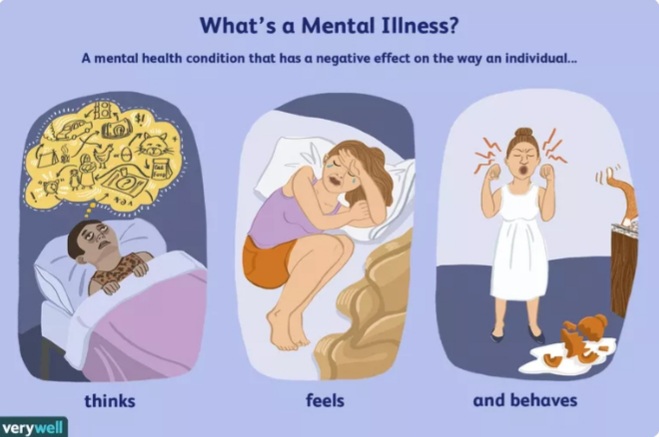
We human beings often tend to pay less attention to our mental health than our physical one, but we all should understand its heavy importance and admit the fact that they can be equally or even more dangerous than the physical issues so one should take immediate help of doctor or councilor in case some abnormalities or issues arises.

Importance of mental health :

Mental and physical health are equally important components of overall health. Mental illness, especially depression, increases the risk for many types of physical health problems, particularly long lasting conditions like stroke, type 2 diabetes and heart disease. Similarly, the presence of chronic conditions can increase the risk for mental illness.

Some mental illnesses :

Mental illnesses are among the most common health conditions in the united states.

* More than 50% will be diagnosed with a mental illness or disorder at some point in their lifetime.

* 1 in 5 children,either currently or at some point during their life, have had a seriously debilitating mental illness.

Causes of mental illness :

There is no single cause for mental illness. A number of factors can contribute to risk for mental illness, such as

* Early adverse life experiences such as trauma or a history of abuse.

* Experiences related to other ongoing medical condition, such as cancer or diabetes

* Biological factors, such as genes or chemical imbalances in the brain.

* use of alcohol or recreational drugs.

Types of mental illness :

People can experience different types of mental illnesses or disorder and they can often occur at the same time.Mental illness can occur over a short period of time or be episodic. This means that the mental illness comes and goes with discrete beginnings and ends. Mental illness can also ongoing or long term.

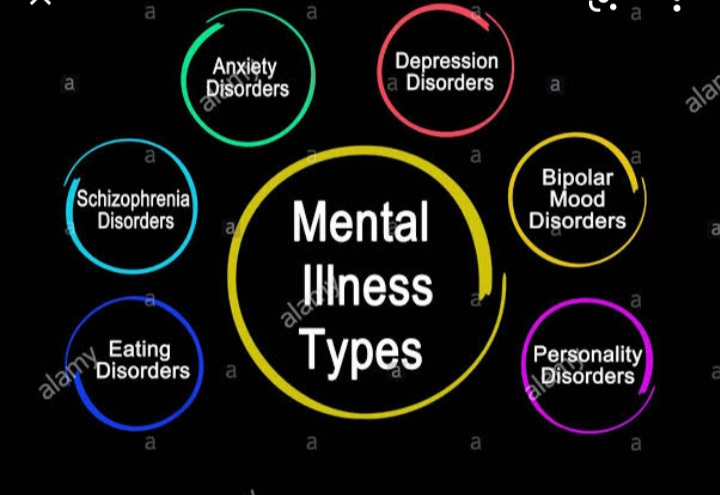
There are more than 200 classified types of mental illness. Some of the main types of mental illness and disorders are listed below; however; this list is not exhaustive.

Anxiety Disorders :

People with anxiety disorders respond to certain objects or situations with fear and dread or terror. Anxiety disorders include generalized anxiety disorder, social anxiety, panic disorders and phobias.

Hyperactivity Disorder :

It is one of the most common childhood mental disorders. It can continue through adolescence and adulthood. People diagnosed with ADHD may have trouble paying attention, controlling impulsive behaviors or be overly active.

Disruptive Behavioral Disorders :

It involves a pattern of disruptive behaviors in children that last for atleast 6 months can cause problems in school, at home and in social sitauations.Behavioral symptoms can also continue into adulthood.

Depression and other mood disorders :

While bad moods are common and usually pass in a short period, people suffering from mood disorders live with more constant and severe symptoms. People living with this mental illness find that their mood impacts both mental and psychological well- being, nearly evry day and often for much of the day.

Eating Disorders :

Eating disorders involve obsessive and sometimes distressing thoughts and behaviors including

* Reduction of food intake

* overeating

* Feelings of depression or distress

* concern about weight, body shape, poor self image

Personality Disorders :

People with personality disorders have extreme and inflexible personality traits that cause problems in work, school or social realtionships. Personality disorders include antisocial personality disorder and borederline personality disorder

Substance use Disorders :

Substance use disorders occur when frequent or repeated use of alochol and or drugs causes significant impairment, such as health problems, disability, and failure to meet major responsibilities at work, school, or home. Substance use problems can be fatal to the user or others. Exsmples include drunk driving fatalities and drug overdoses.

In this busy world our brain gets a lot stressed and its very important that we should take due care of it, some of the practices which will help us to do better with our mental health are:

  1. Yoga plays a great role in keeping our mind calm and also helps us to focus and concentrate on things. It also helps us deal with tough situations and gives us the strength to stay away from negativity.
  2. Exercising regularly is a key to healthy body and we all know that a healthy body and a healthy mind goes hand in hand, so we must ensure that we exercise daily to keep ourselves fit.
  3. The environment that we stay in also the company with which we spend time also plays a major role we should be extremely aware while selecting our company and in case we are not able to adjust we should walk away.
  4. Food is the fuel and is of immense importance we should ensure that we are not nutrient deficient also we should ensure that we intake enough amount of water daily.

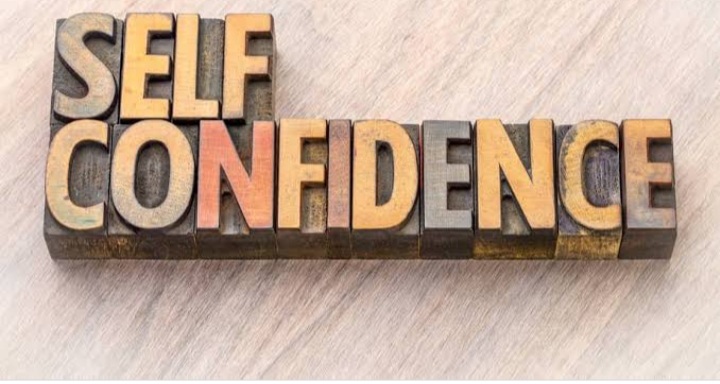
Self – confidence

Self- confidence is a feelung of trust in one’s abilities, qualities, and judgment.children with a healthy sennsr of self-confidence are able to feel good about themselves and knoe that they deserve respect from others.
Confidence can be a tough thing to build up. We’ve put together some handy tips to help you put.


TIPS FOR BUILDING SELF – CONFIDENCE :


There are number of things you can do to build your confidence. Some of them arejust small changes to your frame of mind; others you’ ll have to work on fora big longer to make them familiar habits.


1.LOOK AT WHAT YOU’VE ALEADY ACHIEVED:


It is easy to lose confidence if you believe you haven’t achieved anythkng. Make a list of all the things you’ re proud of in your life, whegger it’s getting a good mark on an exam or learning to surf. Keep the list close by and add to it whenever you do something you’ re proud of. When you’re low in confidence,pull out the list a use it to remind yourself if all the awesome stuff you’ ve done.


2.SET SOME GOALS :


Set some goals and set out the steps you need to take to achieve them. They don’t have to be big goals; they can even be things like baking a cake or planning a nighy out with friends. Just aim for some achievements that you can tick off a list to hrlp you again confidence in your ability to get stuff done.


3.THINK OF THINGS YOU’RE GOOD AT :


Everyone has strengths and talents. What are yours? Recoginising what you’re good at,and trying to build on those things,will help you to build confidence in your own abilities.


4.TALK YOURSELF UP :


You’re never going to feel confident if you have negative commentary running through your mind telling you that you’re no good. Think about your self- talk and how that might be affecting your self- confidence. Treat yourself like would your bestfriend and cheer yourself on.


5.GET A HOBBY :


Try to find something that you’re really passionate about. It could be photography, sport, knitting or anything else! When you’ve workef out your passion, commit yourself to giving it a go.chances are, if you’re intetested or passionate about a certain activity, you’re more likely to be motivated and you’ll build skills more quickly.


Confidence helps us feel ready for life’s experiences. When we’re confident, we’re more likely to move forward with people and opportunities no back away from them. And if things don’t work out at fisrt , confidence helps us try again. It is the opposite when confidence is low.

Self- confidence is a feeling of trust in one’s abilities, qualities, and judgement. Some of the many causes of low self- esteem may include. Unhappy childhood where parents were extremly critical. Poor academic performance in school resulting in a lack of confidence.

Why Conserving Biodiversity is Important and How we can conserve it?

Biodiversity describes the whole range of the different varieties of living things and systems of this earth. Biodiversity can be found everywhere – it includes animal species, plant species, genes, ecosystems and landscapes. Biodiversity is what allows ecosystems to work and flourish. Over millions of years many different species of plants and animals have come to live in the same habitats. Over time they balance each other and hold the ecosystem together. And this biodiversity has been facing a constant decline and adversity. As humans become greedier, we forget our roots and the sole source that keeps us alive and goes on exploiting all the resources available to us in order to gain large profits.


For billions of years the loss of biological diversity has been caused by gradual natural occurrences such as glaciation or extreme events such as volcanic eruptions.
However, for the last few thousand years the main cause has been the growth of human population and the enormous pressure we exert on the planet. We transform our natural ecosystems into agricultural fields and urban areas, we release pollutants, CO2 and invasive species into the environment which damages our ecosystems. Our economic pursuits have led to the extinction of many animal and plant species. When a species is removed (biodiversity is reduced) the ecosystem can lose its balance, causing it to break down. One iconic example of this is sea otters in kelp forests along the California coast. Sea otters feed on sea urchins and sea urchins feed on kelp. If sea otters are removed sea urchins multiply, eating large portions of the kelp forest, destroying the habitat and eventually leading to the death of other animals that live there. The whole ecosystem falls apart. The loss of biodiversity is therefore compromising the quality of our lives. The grave importance and impact that our biodiversity has on us has been described in the previous answer. Biodiversity acts as our main base for ecological balance in the world. If this balance is destroyed, there’s no doubts that destruction will be upon us.


Therefore, if we ignore our responsibilities in protecting the biodiversity we will inevitably end up destroying our future. Thus, it is important for us to conserve our biodiversity. Biodiversity conservation refers to the protection, upliftment, and management of biodiversity in order to derive sustainable benefits for present and future generations. Here are some ways that we can conserve biodiversity.


(1) Government legislation – Governments have the power to control what is done to the habitats within their country. Legislation that protects natural habitats by outlawing development, harvesting of natural resources, or other human exploitation has a huge impact on maintaining natural biodiversity.
Protecting habitats before they have been altered is the best form on biodiversity conservation and is most successfully implemented by government regulations.


(2) Plant local flowers, fruits and vegetables – Research the plants and vegetables that are local to your area and grow a variety. Each plant and vegetable helps to protect biodiversity and supports the wider ecosystem of your local area.


(3) Conserve Your Water Use – Fresh bodies of water are essential to biodiversity.
Reducing the amount of water you use, by having a 5-minute shower or not running the water when washing up the dishes, can help protect vital wetlands.
Plant scientists are also working to help conserve by developing crop varieties that use less water.


(4) Reducing amount of invasive species – Invasive species are sometimes introduced to an area on purpose, but also sometimes by accident. To limit the number of invasive species moved by accident planes, ships, and cargo must be thoroughly checked before it is offloaded in a new country. Additionally, people should not bring new species of animals or plants to an area without consulting ecologists knowledgeable on the region.


(5) Reduce, Reuse and Recycle – Recycling lessens pollution by decreasing energy, electricity, and water consumption and the need for landfills. Not only can you recycle bottles and cans, but your local recycling centre will usually allow you to recycle clothes, electrical goods and batteries.
(6) Support Farmers – Farmers play a key role in conserving biodiversity. With the help of biotechnology and plant science, farmers can grow more food on the same amount of land. This takes the pressure off the need to convert natural habitats into farmland.


(7) Maintenance of Wetlands – Maintain wetlands by conserving water and reducing irrigation. Avoid draining water bodies on your property.
(8) In-situ conservation methods – The most effective way for us to conserve biodiversity with our present knowledge is probably in-situ conservation, that is the conservation of species within their natural habitats. Sometimes direct measures can be taken to protect a species or ecosystem, like creating a wildlife refuge or bird sanctuary.


(9) Ex-situ conservation methods – In some situations, though ex-situ conservation methods are essential. That is, the conservation of biological diversity outside of the natural habitats. We are all familiar with efforts to save the last members of endangered species by capturing them from the wild and transporting them to a zoo where many of their natural threats are removed, their health can be monitored and breeding efforts made. The goal is to grow the population and reintroduce them to their natural habitat. Some plants that can no longer survive in nature unaided are candidates for ex-situ conservation. These are generally maintained in botanical gardens. In addition to plant tissue, microbial cultures are collected and saved.


(10) Purchase of environmental-friendly products – Use environmentally friendly products. Dispose of hazardous material safely. Chemicals that enter the sewer system can contaminate freshwater and ocean ecosystems.


(11) Take a Walk – Climate change can have devastating consequences for biodiversity. Reducing your carbon footprint by taking the bus or walking can help protect it. Plant scientists are also working to combat climate change every day. One example is through innovative developments in conservation till age, which uses less fuel and therefore reduces the emission of greenhouse gases.


(12) Educate Yourself and Those Around You – Learn as much as you can about nature and share your knowledge with others. Educating people about the importance of biodiversity conservation increases public awareness of the issue. Visit ecological interpretation centres, natural history museums, and native fish hatcheries to study local ecosystems. Volunteer at an organization that focuses on conservation or restoration of habitat.


Biodiversity is the utmost gift that we are blessed with and it is our duty to preserve it and let our future generations enjoy the benefits of it as much as we did. As E.O. Wilson rightly said, we should learn to use our biodiversity in the right manner, understand its connect with humanity and learn its importance because it is the most priceless possession we can ever have.

To Grow Mentally and physically

Growing mentally and growing physically are two completely different things. Growing mentally refers to a person’s psychological growth the way we think and deal with different situations, and by what methods we develop and disseminate information. Growing up physically refers to a person’s physical growth like increased height, strength, and health. It can also refer to the development of your brain.
” The key to success is to keep growing in all areas of life mental emotional, spiritual as well as physical.” A healthy body can help your mind stay strong.when your body isn’t fit, it’s tougher to make challenging decisions.
Some of the tips will help you to improve both simultaneously.


ENRICH YOUR MIND :


keep challenging yourself to learn new things. By doing this, will gain more knowledge about things around you, and you will learn how to utilize things in a better way. Don’t let yourself get stuck in one place, either mentally or physically. Be proactive, curious, conscious and informed about the world.


Use your brain more often by doing brain exercises:


Exercising your brain means using it more. Generally the brain takes part in everything we do, but there are some types of activities which are specifically exercise our brains. Activities like doing puzzles, playing games like chess or scrabble, solving numerical problems, studying difficult topics and changing your dexterity, spatial reasoning and logic. Doing these mental exercises daily can sharpen your mind , and it can be an excellent way to strengthens neural links in your brain.


CONSUME NUTRIENTS THAT ARE GOOD FOR BRAIN:


Take in nutrients which are good for your brain. Foods that have antioxidants like vitamin c,e,b etc are good for the brain.consuming almonds and apple juice is also good for sharpening the brain.

THINK CRITICALLY :


when we hear, read or work on something, It is very important than we question everything and pay attention to details.such an approach can improve our thinking ability because it requires more brain work than mere observations.


DO PHYSICAL EXERCISES :


A healthy body means a healthy mind; regular exercise has a positive influence our brains function. The brain takes in nutrients from the blood, which makes the brain healthier. Physical exercise is essential for enhancing mental power .


EAT HEALTHY FOODS :


spend some time to examine which kinds of food bring you up and which foods bring down. Creating a diet plan can make you feel good, and gives you a sense of self-development. This will boost your sense of success.


GET BETTER SLEEP AND TAKE NAPS:


Get as much sleep as you need, around Seven or eight hours, every night. While sleeping well does not guarantee good health, it does help you to maintain many vital functions. Perhaps most importantly sleep helps you recover from the wear and tear of daily life. Major healing functions in the body such as tissue repair, music and mental growth occur almost exclusively during sleep.


SPEED TIME WITH PEOPLE :


Build a good support system with the people around you. Whether it’s your family, friends, or something else, find a group of people who are willing to support you in any circumstances. This increases flexibility and helps to provide perspective in the midst of stress and discomfort.


STAY AWAY FROM DRUGS AND ALCOHOL :
using cigarettes, alcohol, and illegal drugs damage your mental and physical health. Decreasing mental and physical stability produces” false” emotions.


FIND A GOOD LISTENER :


Find someone who is eager to listen to you, who you can talk to openly and freely. This can help you in relieving stress and anger and can heal you mentally, which ultimately has an impact on your physical health.


LAUGH MORE :


Laughter is the best medicine for human health. Human increases dopamine, and it improves memory and health.


GET RID OF BAD HABITS THAT HURT YOUR CONFIDENCE :


If you have a habit of smoking too much, drinking alcohol too much, spending too much time online, or a different habit that’s hurting your confidence, take steps to eradicate them. Study books, watch good films, play games, watch dances, and listen to songs; do the things that make you feel relaxed. Many studies suggest that watching TV and using a computer late at night is bad for your health.


STAR YOUR DAY BY THINKING ABOUT ONE GOOD THING YOU CAN DO :


Generally, it’s just a matter of deciding to do something good. Develop the habit of finding a good deed to do each day. Set aims and goals and follow through with them to attain them. By setting goals and gradually working to attain them , you will grow mentally.

Hobbies

Hobbies are very common. Everyone have their own priorities and likes regarding the hobbies. My hobby is listening to the music.

Listening to songs is such a nice thing. Every individual starts listening to the songs when he or she is addicted to them and really cannot come out of it. The music the songs will change the mood of the person. The songs in the musical interrelated with the human beings.

It is so important to prioritize the positive things in and around us in the life. One of the positive things is the music. Music makes Man convertible. Whatever the situation may be, it it helps the individual to come out of the situation and also to move one and into a new situation. The music you listen motivates life. The lyrics in this song will motivate the individual and help the individual at anytime.

It is very important for an individual to prioritize the music and the songs in the life. Because the songs or the music helps the individual to feel stress-free. It also helps the individual to relieve the tension and all the depression he or she had.

Music is described for every emotion. Every emotion is described in its own way in mmusic. Every emotion is clearly explained by the respected song.

Hobbies can often also be very expensive. Luckily, there are still lots of cheap and even free hobbies that are fun, educational and rewarding.


Here some of fun and low-cost hobbies


DIY :
Buy a book on DIY and start on anything that needs fixing around your house, make your own clothes or give your friends self-made presents.


WRITE A THEMED LIST, AND WORK THROUGH IT :
Make a list of things you want to do or see. It could be anything from films you want to watch to local places you want to visit. Try to work through your list in a month.

WATCH ONLINE DOCUMENTARIES :


You can find lots of free documentaries on the websites of Tv channels, or even on youtube covering hundreds of subjects, such a history or the ocean. You could also finally watch your favourite actor’s ,author’s or musician’s biography.

LEARN NEW THINGS :
Educating yourself doesn’t have to be boring. What are you passionate about? It could be science , the oceams or even horror films. Google your interests and become a knowledgeable as you can about your passions.

GO CAMPING :


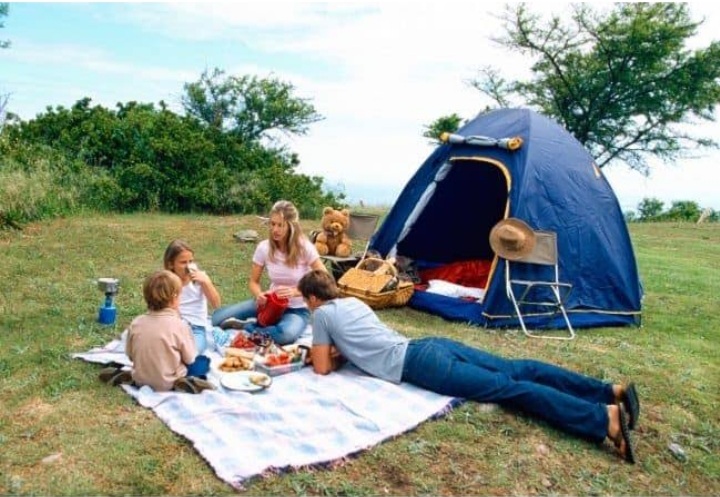
Try going caming with your friends during the weekend. All you need is a tent, some snacks, and drinks. If you dont live near woods or a forest, you can even try camping in your back garden.

DISCOVER NEW MUSIC :


Look for new music on music websites or youtube or spotify by searching for your favouirte genre. You could find a band you love.

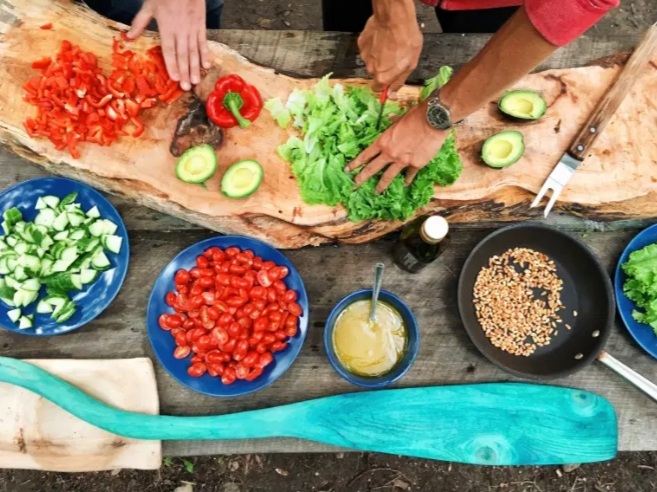
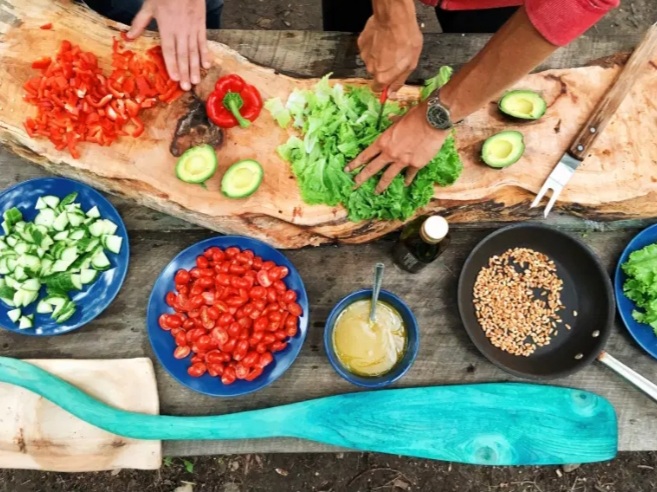
LEARN HOW TO COOK :


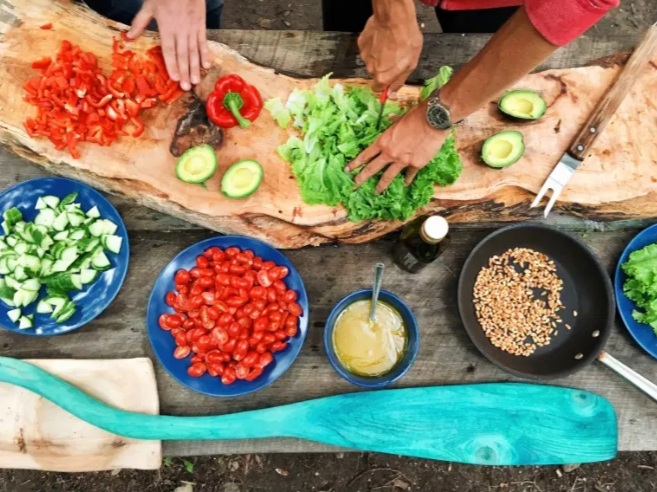
cooking is a useful life skill as well as a fun way to spebd your time. Invest in cheap ingredients and learn how to cook all of your favourite meals.

TRY DRAWING :


Drwaing is a really enjoyable way of expressing yourself. There are lots of different ways to draw, from painting to sketchibg to doodling, so choose one you are comfortable with and give it a go!


START INVESTING :


Investing is a great way to earn some extra money, just make sure you do your research properly when you first start.you don’t have to invest large sums, but small ones will be just as rewaeding if you have a plan.

WRITING :

Writing is one of the chepest ways to have fun. From blogging to trying your hand on a book, there are lots of different ways to enjoy writing. All you need is a pencil and paper to get started.PLAYING CARDS :
Invite some friends over , and get a pack of cards. There are hundreds of different games. You can play with cards and a pack is fairly cheap.

LEARN TO DANCE :


This hobby is great for your body and enjoyable pastime. Use youtube vidros and tutorials to teach yourself new dance moves.


READING :


Reading is a great way to exercise your mind.you can choose to lose yourself in a fictional world, learn more about your own world, or read the autobiography of someone you adimre. If you decide to pick reading up as a hobby, consider getting a library card for your local library.


Remember , the secret of life, happiness and fulfillment is simple: ” Find three hobbies you love: one to make you money, one to keep you in shape, abd one to be creative” .

Discipline

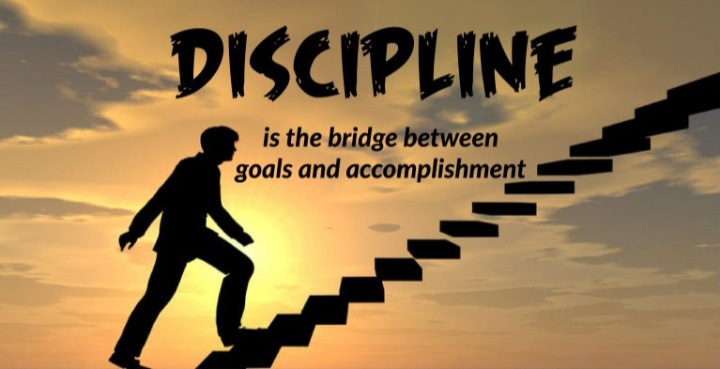
Discipline is very important in everyone’s life. It is so important to be disciplined in the life. Discipline is not acquired from a single day. It is a achieved by a continued process.parents are the important in every individual’s life. The are the main reason for the discipline of their children.

After the parents, teacher is the most important person in an individual’s life. Teacher is the one who moulds the individual from the initial stage of the life and makes the individual into and perfect one. Even though the teacher schools or beats sometimes it is all for the well-being of the student and for the bright future of the student.

The first teacher in everyone’s life is their mother. Beginning with the correct thing the first mistake of the child, mother plays a very important role in correcting many of the mistakes in an individual’s life. Also the father who corrects the mistakes and puts the children in a correct way. And the teacher, who is very important in our students life to achieve their desired goals.

Teachers play a very important role in making the student perfect and make them to understand the need of the situation. Teachers help the students to reach their desired goals and in any situation teacher motivates a student to get up and stand in all the ups and downs. Like that of the mother and the father, the teacher also feels equally happy when their student acheives high in their life and when they reach their desired goals.

IMPORTANCE OF DISCIPLINE IN LIFE :


TIME MANAGEMENT :


A disciplined person always has the time to complete all the tasks within given deadlines. This is because they are focused and they know how to schedule the time properly. They dont’t believe in wasting time on unnecessary things. They understand the value of time and they know that time once has gone never comes back.


LEADERSHIP :


All great leaders are not born. Most of them follow a very tight schedule and maintain discipline in their life to become good leaders. Good discipline generates a positive attitude towards society. It creates confidence and eagerness to do something great. It helps people to build an attitude that becomes the key to becoming successful. They are able to set a great examples for others in society.

DECISION MAKING :


It is because everything gets finished within the given deadlines, disciplined people always have time to revise their work and improve their decisions.
People who are disciplined are more focused both mentally and physically. They are better able to gain their body and mind with their ideas and goals. Finally, everything is regulated in order and increases their productivity in all the activites they undergo.


ACHIEVEMENTS :


Disciplined people are more motivated and concentrated. Therefore, they achieve more when compared to a person who is not disciplinef with the activites he/she undertakes. As per study, 92% of people are able to achieve their goals in life because of the reason of being disciplined.

STABILITY AND STRUCTURE :


With discipline, comes stability in all the tasks. It helps to schedule and organize the activites and tasks in a proper structure. If a person is focused and regularly follows this particular structure, he/she is sure to succeed in their life.

RESPONSIBILITY AND CONTROL :


With great discipline comes great responsibility. Only by making schedules and timetables a person cannot become successful. It is very important regularly follow and fulfill the responsibilites which are mentioned in the schedule. This will help them to develop self- control and also build good relations with others.

RESPECT :


A disciplined person always respected by society. He/she is lookef upon as role models and mentors. Through discipline, they worked hard and achieved their goals which made them a respectful figure in the eyes of others.

IMPROVES MENTAL HEALTH :


Modern society suffers alot from anxiety and depression. We cannot blame them for their condition. Just by maintaining a little discipline in their life, they can easily improve it. Discipline will help them to reduces stress and take control of their tasks. They would be able to overcome their fears and also control their emotions.

MAINTAIN PEACE IN SOCIETY :


Disciplined people are lie assets to society. If there is no law and order, there would bee too many activites. Discipline is required to prevent such things in society. By setting the requiref rules and regulationa, it becomes easier to live in a society that is full of peace and harmony.


STAY ACTIVE :


Disciplined people have time to do every activity in the schedule. They plan their schedule in such a way that improves both their academic/ instituational performance and also their physical health. They know what is good and bad for them and thereby have good eating habits, exercising habits, sleeping and waking up paterns, etc.


SELF DISCIPLINE self discipline means self control, the ability to avoid unhealthy excess of anything that could lead to negative consequenes.


• It is the ability to reject instant grafication and pleasure, in favor of some great grain, which requires spending effort and time to get it.
• It means perservetance and not giving up.
• It is the strength not to give in to negative feelings.
• It means overcoming one’s weakness.
• It is the ability to pursue one plan despite temptations to abandom them.
• Delayed gratification in favour of accomplishing long term goals.
Discipline is very important. It helps people to showcase their attitude and represent their character and thinking. Both the body and mind are honed by discipline. Descipline helps to address individual problems and develop a society that is both peaceful and respectful. Therefore, it would be right to say that without disciplinr there is no life at all.

Animals

Since the time Earth developed the quality of sustaining life, life has always gone under the process of evolution. Life started from single celled organisms and developed stage by stage. One organism extinct to develop into its better developed species or even at times it happens that some animals get erased from the surface of the earth due to extreme environmental condition.

EXTINCT ANIMALS: Species of animals which existed in the surface of the earth once upon a time but has no current existence, this may have been a result of extreme environmental condition or some other condition for existence. For example, we have dinosaurs, Dodo.

ENDANGERED ANIMALS: The species of animals which have only a few animals left on the surface of the earth and are in the mouth of being extinct are known as endangered, currently this is a result of poaching i.e., unethical killing of wild animals with purpose or change in the climate due to pollution and other factors. For example, we have the Royal Bengal Tiger.

We cannot do anything for the species which are extinct but we can definitely take steps and save our endangered species. Poaching laws should be made stricter and it should be taken care that people follow them.

Different types of animals :

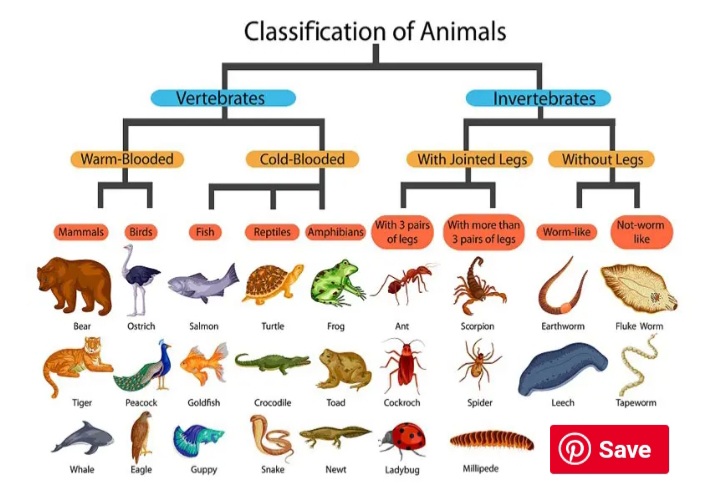
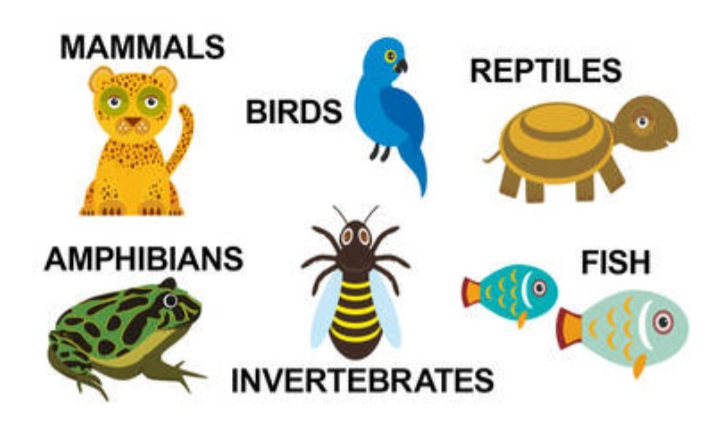
Scientists sort the different types of animals in the world into categories based on certain characteristics. Animals are generally grouped into six types of aninals. The system for animal classifications is called taxonomy.

The Animal Kingdom :

All animals belong to a biological kingdom called kingdom Animalia. This kingdom is then broken down into over 30 groups. About 75% of all species on earth are aninals. Animals are then broken down into two types : vertebrates and invertebrates.

* Animals with a backbone are vertebrates.

* vertebrates belong to the phylum called phylum chordata.

* vertebrates are classified into five classes. They are amphibians, birds, fish,mammals, and reptiles.

* Animals without a backbone are invertebrates.

* Most invertebrates are in the phylum Arthropoda.

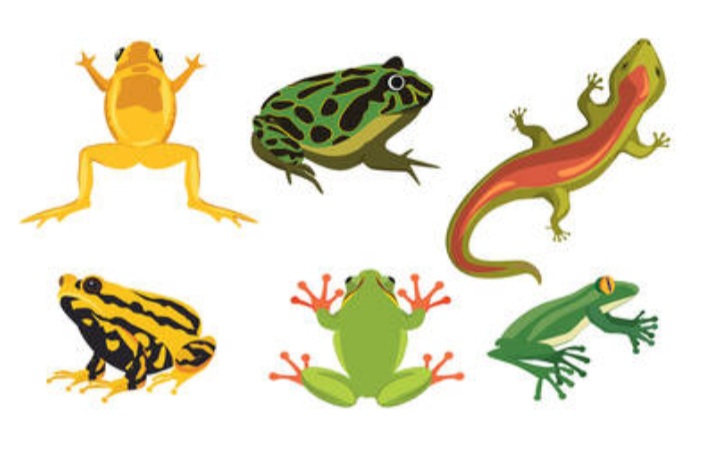
1. Amphibians :

All amphibians are vertebrates, and they need moist environment or water to survive.

* They are cold- blooded.

* They absorb water and breathe through their thin skin

* They have at least one special king gland used for defense.

* Most follow the life cycle of egg-larva- adult.

* examples : frog , newts, salamanders, toads.

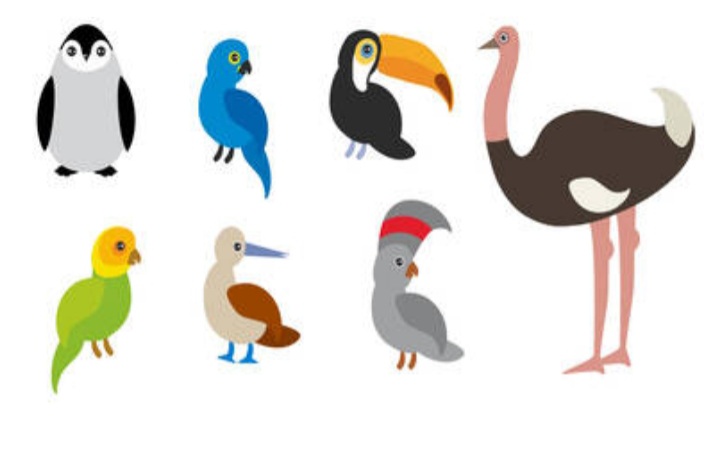
2. Birds

Birds are a type of warm- blooded vertebrate that are adapted to fly.

* Not all birds can fly, but they do all have wings.

* Birds have beaks that help them catch and swallow food.

* The digestive system of a bird allows it to eat whenever it can and digest that food later.

* Birds lay egg to reproduce.

* They are endothermic, mening they maintain their own constant body temperature.

* They are bipedal, which means they have two legs.

* They have hollow bones and their bodies are covered in feathers.

* Birds belong to the class called Aves.

* Examples : albatrosses, chickens, hummin birds, falcons, falmingoes, ostriches, owls, parrot, penguins, pigeons.

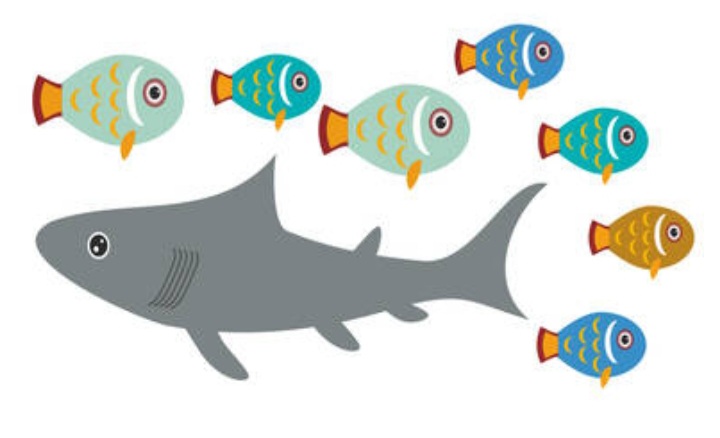
3. Fish :

Fish are also vertebrates, and they are considered the oldest-known vertebrates.

* They are ectothermic, or cold- blooded, which means they rely on their surroundings to regulate their body temperature.

* Fish have funs.

* Most, but not all, fish have bodies covered in scales and breathe through gills.

* Fish live under water.

* Examples : eels, hangfish, lampreys, minnows, rays, salmon, seahorses, sharks.

4. Mammals :

Mammals are another type of vertebrate that belongs to the class Mammalia.

* young mammals get nourishment from milk produced by their mothers.

* Most mammals have hair.

* Their jaw is hinged directly to their skull unlike all other vertebrates.

* Almost aĺl mammals give birth to live bsbies.

* They are endothermic, or warm- blooded.

* Examples : there are over 5500 living species of mammals all over the world. Aardvarks, bats, elephants, hamsters, human, rabbits, rhinoceroses, whales.

5. Reptiles :

Reptiles are thought to be the first vertebrates to live completely on land. But, not all reptiles live only on land today.

* They are cold- blodded, or ectothermic

* They lay eggs to reproduce.

* They have four legs or descended from animals with four legs.

* They breathe through lungs

* Their bodies are covered in scales or scutes.

* Examples : crocodiles, geckos, lizards, sea turtles, snakes, tortoises.

Invertebrates :

Approximately 95% of all animals are invertebrates. Invertebrates do not have a backbone. There are different types of invertebrates, but they all share a few characteristics.

• They are made up of many cells that work together, or multicellular.

• Most, but not all have tissues, cells that work together in a more complex way.

• Most, but not all, can move.

• There are over 35 phyla of invertebrates.

• They generally have soft babies.

Types of Invertebrates :

There are eight phyla of invertebrayes that are alive today.

* Annelida – have a segmented body and primitive brain

* Arthropoda – have jointed appendages and an exoskeleton.

* Cnidaria – have tissues and an incomplete digestive system

* echinodermata – have some type of spiny structure on their bodies

* Mollusca – generally have sofy bodies and a hard exoskeleton.

* Nematoda – unsegmented with worm- shaped bodies

* platyhelminthes – have soft, ribbon- like worms with no respiratory system.

* porifera – multicellular organisms living in water with no organs or tissues.

Examples : anemone( cnidaria) , clams ( mollusca), coral,

Religion in India

Being a part of a mixed economy , where politics tend to exploit the peace between different religions and so on …….. .

“India was the motherland of our race, and Sanskrit the mother of Europe’s languages: she was the mother of our philosophy; mother, through the Arabs, of much of our mathematics; mother, through the Buddha, of the ideals embodied in Christianity; mother, through the village community, of self-government and democracy. Mother India is in many ways the mother of us all.”

Will Durant, American historian

And now you want to know why I am being so dramatic over such things . Well , if you want to know than start reading the editorial .

Introduction

Indians say it is important to respect all religions, but major religious groups see little in common and want to live separately

More than 70 years after India became free from colonial rule, Indians generally feel their country has lived up to one of its post-independence ideals: a society where followers of many religions can live and practice freely.

Religion has historically influenced Indian society on a political, cultural and economic level. There is a sense of pride associated with the country’s rich religious history as the traditions of Hinduism, Buddhism, Sikhism and Jainism all emerged out of India. Moreover, while a majority of people in India identify as Hindu (79.8%), the medley of religions that exist within the country continually impact contemporary society.

Census

The 2011 Indian census indicated that 79.8% of Indians identified as Hindu, 14.2% identified as Muslim and 2.3% identified as Christian. A further 1.7% of the population identified as Sikh, 0.7% identified as Buddhist and 0.37% identified as Jain. Due to the massive population size of India, religious minorities still represent a significant number of people. For example, although only 0.37% of India may identify with Jainism, that still equates to over 4 million people. While not all religions in India can be discussed in detail, the following provides an overview of the major religions in the country as well as sizable religions that originated in India.

Social beliefs

“India has two million gods and worships them all. In religion all other countries are paupers; India is the only millionaire.”

Mark Twain

Karma, Acceptance and Personal Choice . Many Indians tend to have a sense of acceptance towards one’s life position or a belief that, due to actions in one’s past life, good or bad personal circumstances are deserved. This attitude partly stems from religious ideas such as ‘karma’ (the idea that one’s actions will affect their current or future life) and ‘samsara’ (the cycle of rebirth).

The interplay of these social, cultural and religious factors allows people to be accepting of life events and trajectories. However, this is not to be interpreted as Indians being unwilling to take responsibility for life circumstances. Many often contemplate how their actions may impact their future and make decisions accordingly. Some of India’s youth are challenging a fatalistic perspective by asserting their free will to choose their vocation, spouse and other life factors. Indeed, as social mobility becomes more common, there is a growing belief that one can change their circumstances.

It’s Role

Religion plays a major role in the Indian way of life. Rituals, worship, and other religious activities are very prominent in an individual’s daily life; it is also a principal organizer of social life. The degree of religiosity varies amongst individuals; in recent decades, religious orthodoxy and observances have become less common in Indian society, particularly amongst young urban-dwellers. As of the politics , they play with religion , people’s belief and with their trust .

Link :

BIODIVERSITY

The different types of organisms found in an area is known as biodiversity or you can define it in a more accurately as ” the totality of genes, species, and ecosystems of a region”.

Biodiversity differ from place to place and dependence of human population has been enormously increased on biodiversity for their necessities.

The known and described number of species of all organisms on the earth is between 1.7 and 1.8 million which is fewer than 15 percent of the actual number. The predicted number of total species varies from 5 to 50 million averages at 14 million. About 61 per cent of the known species are insects. A large number of plant species and vertebrates are known. There are many more species that have not been described.

Biological diversity includes three hierarchical levels :

1. Genetic diversity

We know that each species, varying from bacteria to higher plants and animals, stores an immense amount of genetic information.

Genetic diversity refers to the variation of genes within species. The genetic diversity enables a population to adapt to its environment and to respond to natural selection. If a species has more genetic diversity, it can adapt better to the changed environmental conditions.

2. Species diversity

Species are distinct units of diversity, each play specific role in an ecosystem.

Species diversity refers to the variety of species within a region. Simplest measure of species diversity is species richness, I.e., the number of species per unit area. The no. Of species increases with the area of the site. Generally, greater the species richness, greater is the species diversity

3. Community and Ecosystem Diversity

Diversity at the level of. community and ecosystem has three perspectives. :-

◆ Alpha diversity ( within community diversity). Refers to the diversity of organism sharing the same habitat.

◆ Beta diversity ( between community diversity). Refers to species composition of community along environmental gradient.

◆ Gamma diversity ( diversity of the habitats over the total landscape or geographical area) Greater the dissimilarity between communities, higher is the beta diversity

USES OF BIODIVERSITY

source of food and Improved Varieties. ● Drugs and Medicines. ● Aesthetic and cultural Benefits. ● Ecosystem service

THREATS TO BIODIVERSITY

Habitat loss and fragmentation. ● Disturbance and pollution. ● Introduction of exotic Species. ● Extinction of species.

CONVERSATION OF BIODIVERSITY

Conversation of biodiversity is now important for us. We know that ecosystem are undergoing change due to pollution, invasive species, over exploitation by humans, and climate change.

Most people are beginning to recognise that diversity at all levels – gene pool, species and biotic community is important and need conservation.

There are two basic strategies of biodiversity conservation, institute (on site) and exsitu ( off site).

° Insitu conservation strategies

The in situ strategies emphasis protection of total ecosystems. The in situ approach includes protection of a group of typical ecosystem through a network of protected areas.

Protected Areas

These are areas of land and sea, especially dedicated to the protection and maintenance of biological diversity. Examples are National parks and wildlife sanctuaries.

Biosphere Reserves

It is special category of protected areas of land and coastal environment where people are integral components of the system. There are 13 biospheres in india.

Sacred forests and sacred lakes

These are forest patches of varying dimensions protected by tribal community due to religious factors.

° Exsitu conversation strategies

Cryopreservation

In vitro conservation especially in liquid nitrogen at a temperature of -196℃. It is a storage of vegetatively propagated crops like potato.

Biodiversity In India

Biological diversity’ means the variability among living organisms from all sources including, inter alia, terrestrial, marine and other aquatic ecosystems and the ecological complexes of which they are a part; this includes diversity within species, between species and of ecosystems. The word Biodiversity means Gk. Bios- Life, diversity- forms. The occurrence of difference species of organisms with the whole range of their variants (Biotypes) & genes adapted to different climates, environments along with their interactions & processes. This term was coined by Walter G. Rosen- 1985. Biodiversity refers to the numbers, variety and variability of living organisms and ecosystem. It includes all terrestrial, marine and other aquatic organisms. Also covers diversity within species, between species as well as variations among ecosystems.

Biodiversity has contributed in many ways to the development of human culture, and, in turn, human communities have played a major role in shaping the diversity of nature at the genetic, species, and ecological levels.

Types of Biodiversity

  • Genetic diversity – Diversity of genes within a species. i.e. genetic variability among the populations and the individuals of the same species. Genetic diversity is the total number of genetic characteristics in the genetic makeup of a species. Ex. Domestic Dogs. Humans have created distinct breeds of dogs within the species by selectively breeding individuals.
  • Species diversity – Diversity among species in an ecosystem. “Biodiversity hotspots” are excellent examples of species diversity. Species diversity is defined as the number of species and abundance of each species that live in a particular location. Each species is distinct from other species in form & character such as cow & goat. Species diversity is the most common level to describe biodiversity of any area.
  • Ecosystem diversity – Diversity at a higher level of organization, the ecosystem. To do with the variety of ecosystems on Earth. Ecosystem diversity deals with the variations in ecosystems within a geographical location and its overall impact on human existence and the environment. EX. deserts, forests, grasslands, wetlands and oceans. Ecological diversity is the largest scale of biodiversity, and within each ecosystem, there is a great deal of both species and genetic diversity.

VALUES OF BIODIVERSITY

1. Consumptive value : The most important point of consumptive use is that some rural communities closets to the forests or other natural areas can prosper through the sustainable harvesting of wildlife species. Hunting, Direct consumption-herbs, plants, mushrooms are all consumptive uses.

2. Productive Value : Products that are commercially harvested for exchange in formal markets. Each species is valuable to human. The global collection of genes, species, habitat & ecosystems is a resource that provides for human needs. It is also essential for human survival in the future. This is often then only value of biological resources that is reflected in the income accounts.

3. Social Value : Social value of biodiversity refers to religious and cultural importance. Trees are worshiped as God. ex. Banyan tree, Peepal Tree. Flowers, Tulsi leaves are offered during pooja.

4. Ethical Value : ‘All life must be preserved’ based on ‘Live & let live’. This means we don’t use the species directly or indirectly, but we feel sorry about the loss of species. They have a existence value.

5. Aesthetic Value : It is related to the beauty of biodiversity. The pleasure, excitement & visual peace of any area. Concept of Eco- tourism & willingness to pay are gaining grounds, leading to monetary estimate for aesthetic value of biodiversity.

6. Option Value : The option values of biodiversity suggests that any species may be proved to be a valuable after someday. At present the potentials/ uses/ values are unknown. Ex. Growing technology field is searching new species for causing the diseases of cancer & AIDS.

HOT SPOTS OF BIODIVERSITY

biodiversity hotspot is a bio-geographic region that is both a significant reservoir of biodiversity and is threatened with destruction. The term biodiversity hotspot specifically refers to 25 biologically rich areas around the world that have lost at least 70 percent of their original habitat. The original 25 hotspots covered 11.8% of the land surface area of the Earth.

Marine Oil Spills: Paving the Way to Destruction of The Oceans and Marine Life

Time and again, news and tabloid have reported occurrences of oil spill accidents across the globe. The most recent confirmed oil spill would be the MV Wakashio oil spill. This disaster shaped up at a gradual pace but it started from the offshore of Pointe d’Esny, south of Mauritius, after Wakashio (a Japanese bulk carrier) ran aground on a coral reef in the Indian Ocean on 25th July, approximately at 16:00 UTC. Estimation is that, about 1000 tonnes of oil was discharged into the ocean. The incident has been termed as the worst environment disaster in Mauritius.

India also had faced such disaster in the recent past. In 2017. The Ennore oil spill took place outside the Kamarajar Port in Ennore, near Chennai, Tamil Nadu. The incident took place on 28 January 2017, due to the collision between an outbound empty tanker BW Maple and  An inbound loaded oil tanker Dawn Kanchipuram, at 04:00 local time.The spillage quantity is estimated to be 251 tonnes.

Needless to say, these accidents cost us humans in many ways. Some, which we don’t even realise now. So, what is the extent of damage and carnage caused by these incidents? Let’s find out.

What makes up the pollutant ?

The pollutant which causes all these environmental mayhem is crude oil. Also, known as  liquid petroleum. The constituent chemical composition includes hydrocarbons of various molecular weights and also other organic compounds. It is a leading base source of numerous types of fuels and is formed due to compression of large quantities of dead organisms (mostly zooplankton and algae) under sedimentary rocks accompanied by  intense heat and pressure conditions over a very large period of time.

Crude oil, especially the lighter grades (has lower density)  are preferred as they contain a good balance of hydrogen and carbon. Due to their density, they tend to float over the saline water. 

The slowly building adverse effects on the environment that are now being recognized and associated with fuel consumption. This includes global warming and ocean acidification due to CO2. On the other hand, short-term oil spill causes immediate and visible effects on the environment too. 

What does it cost the environment?

The intensity of damage of oil spills, be it crude or refined oil, is more severe in oceans than on land. The layer of oil can spread up to hundreds of nautical miles and therefore forms a thin layer over the water surface.  The nature of the adverse effects depends on the amount of oil spilled, type of oil,speed of the discharge of oil in the ocean, location of the spill, with respect to geographic and marine conditions, the oceanic circulation pattern and the local climatic conditions, and so on. 

The immediate effects on marine biodiversity includes chemical toxicity, interference with physiological processes of the animals, loss of organisms from a community etc. In fishes, it leads to starvation (due to pollution of food sources), impaired respiration and reproduction, habitat destruction and toxicity due to oil ingestion.Also, certain species have sensitive reactions to the chemical composition of oil. All these build up to a high mortality rate in fishes and larvae. Also, deformities might arise in present and/or subsequent generations.

Birds are affected as they on consumption, these pollutants harm their lungs, liver and kidney. Also, due to oil trapped in their feathers, they cannot effectively fly or float, due to compression of the feathers. The feathers also provide insulation to the birds and in such cases, the feathers cannot effectively protect the under skin. Sea birds, which come in contact with water, have water residuals attached to their skin and might die due to hypothermia. 

Animals like whales, dolphins, otters and sea turtles are also not immune to the oil spill adversity. They encounter physiological complexities.like tissue damage of various organs, low immunity, ingestion and inhalation of oil causing respiratory inflammation, ulcers, gastrointestinal irritation etc. 

Several other classes of animals and the plant kingdom too are affected and suffer from various short and long term effects. Coral reefs, in particular, are very hard hit due to this pollutant. As for contact with large quantities of oil can damage and impede the growth, development and reproduction of the corals reefs. The oil cover also destroys the thriving ecosystem surrounding the reefs. 

What’s done to reign in and restore the damage?

Cleaning up the oil spill can be difficult, as the methods and effectiveness vary with different factors like type of oil spilled, temperature of the water, and types of marine landforms involved. Also, some techniques themselves have adverse effects on the environment (eg. controlled burning). Other methods involve: Bioremediation, Dredging, Skimming, Solidifying etc. Also, in some courses of actions,’wait and watch’ approach is the best solution. 

As the saying goes around, ‘Prevention is better than cure’. Hence, the focus should be on preventing such disastrous accidents rather than speedy clearance procedures. For now where we stand, any damage, even be it a small one, to the environment might hit us worse than we can think of.

Reference websites:

https://en.wikipedia.org/wiki/Oil_spill#:~:text=An%20oil%20spill%20is%20the,may%20also%20occur%20on%20land.

https://en.wikipedia.org/wiki/Petroleum

https://en.wikipedia.org/wiki/2017_Ennore_oil_spill

https://en.wikipedia.org/wiki/MV_Wakashio_oil_spill

The Organic Evolution: How Did The Current Biodiversity Reached Its Present Form

We see the actual spirit of diversity in Nature.But have things always been like this, barring a few minor change-in-scenes, since times immemorial? If not, how did and how much has life forms changed? So, let’s find out from where all this started.

The Beginning: Life on Earth

After formation, Earth was not exactly suitable for housing or nurturing any kind of organisms. After undergoing drastic changes -including solidification of crust, formation and accumulation of various gases (like nitrogen,ammonia,methane,oxygen,hydrogen etc.) in the atmosphere, gradual development of ozone layer and formation of water molecules- Earth became close to be able to support even the most basic forms of ‘life’.

The earliest organic forms, though did not really satisfy our definition of life, but are considered to be the most basic forms of living cells.Experiments by Stanley Miller (1953), Sidney Fox and Oparin (1936), gave the world some theories about the formation of living organisms. Another mention worthy point is that the first life forms originated in water, as for the longest time, Earth was what we can imagine as a giant sea, with no signs of land whatsoever. These organic forms might have developed into self replicating units, then into primitive organisms and at later stages, resulted into some distinct type of chlorophyll synthesizing bacteria, some 2.5-2.3 billion years ago. This gradual process of arising of life from non-living matter (such as simple organic compounds) is termed as abiogenesis.

Evolution of chlorophyll occured around 600 million years ago. With that, the production of oxygen and ozone (after chemical conversion under suitable circumstances) sped up and gradually accumulated in the atmosphere. Ozone layering encased the surface of Earth and provided protection against UV rays, which is detrimental for living organisms. Before that, all organisms developed in deep water, which provided protection against the UV rays. Only after the formation of ozone layer did life flourished on land surface.

The Precambrian age, that last from 4600 to 542 million years old, has very few fossil records. Hence, such a large period of time is not subdivided into further categories in terms of biological evolution. The fossil of this period mainly of cellular organisms.The first living organisms are believed to have developed around 3.8-3.6 billion years ago, from the primitive organic soup (accumulation of large number of complex organic molecule assemblages). Around 3.5 billion years ago,first organisms with prokaryotic cells (cells without true nucleus and having a rudimentary cell structure) are believed to have developed. Those cells were at similar cell complexity level like the present day bacteria.Skip to 2.4 billion years later, the eukaryotic cells are supposed to have developed. For the longest period of time, only unicellular life forms flourished on Earth. Then,evidences indicated that, around 700 million years ago, the first signs of multicellular organisms were traced. Since then, there has been a steady flow of evolution. 

The ‘Complex’ Evolution

The Cambrian period (542- 488.3 million years) is considered to be a milestone in evolution. Even the fossils have records from around 600 million years ago. It is widely assumed that around 600 million years ago, organisms had developed to be able to leave fossilized records. The transition of life forms from water to land had supposedly begun around 500 million years, when plants started growing on land.Later different varieties of plants and animals populated the lands.

The Carboniferous period was an important landmark, which lasted from about 359 to 299 million years in the past, is an important landmark in the journey of evolutionary history. The environ domain was actively dynamic during that period. Humid and warm climate, swampy large areas, changes in sea levels, flood, mud and sand were deposited over the vegetations, etc.

Due to compaction and incomplete decomposition of  plant material in swamps, they converted into peat bogs, and then, into coal. Hence the name carboniferous. In the late Carboniferous period (about 300 million years) tropical rainforests were present in the equator region of Euramerica. Later, ferns replaced the forests, which are present even today.These vascular plants are without seeds as they do not produce flowers and fruits, and are generally found in temperate to tropical parts of Earth. These plants can be mainly divided into stem, leaves and true root; reproduction being facilitated through special structures, known as sporangia (singular:sporangium), that contain spores, which are dispersed into different mediums and germinates on coming in contact with the soil with suitable conditions.

Next period in the geological time scale in the Permian period, which started off around 299 million years ago. This period witnessed major altering activities in the continental lithosphere (which are broken into tectonic plates) starting from the joining of Euramerica, Asia and Gondwana led to the formation of a single landmass called Pangea (Greek translation: All lands), which is considered to be a supercontinent. In terms of ecology, this period was mainly dominated by forests of conifers and tree ferns,large amphibians and reptiles habituating them, and a huge variety of fish and shellfish in the ocean. But, at the end of Permian period, a mass extinction took place, commonly referred to as the ‘Great Dying’. It occured around around 252 million years ago, and wiped out about 90% of all the species present on Earth.Also, trilobites (meaning: three lobes), which a group of arthropod (a group of invertebrate animals with exoskeleton, segmented body, and appendages) and sea scorpions, which had survived the tides of oceans and time for hundreds of million of years, went extinct. 

Next in the line, the Triassic period had set off around 240 million years ago.It is believed that true mammals first evolved during this period, more precisely, during late Triassic period. Also, a specialized subgroup of  Therapsids, which is a group of reptile-like animals that included mammals and their ancestors, also evolved. Early Therapsids demonstrated traits of the present day mammals, such as erect posture. First flying vertebrate animals are supposed to have originated around 215 million years ago, and lasted for 150 million years, vanishing at the end of the Cretaceous period. Another mention worthy occurence in the Triassic period timeline is the splitting of Pangea into two separate land masses. The northern one was named Laurasia and the southern one, Gondwana. Primitive forms of dinosaurs are said to have emerged around 231.4 million years ago.

The Jurassic period is known as the ‘Age of Reptiles’, as they were present in abundance and had a diverse variation throughout this period. The land animals included Stegosaurus, Ceratosaurus, Brachiosaurus and Allosaurus. The oceans were traversed by Ichthyosaurus and Plesiosaurus and the skies are believed to be dominated by the likes of Rhamphorhynchus and Archeopteryx. This period coincided with the emergence of first mammals and birds.

 The Cretaceous period, which started around 145 million years ago, is geologically characterized by separation of India from Gondwanaland, formation of Andes and Rocky mountains, and extensive volcanic activities. Dinosaurs dominated the face of Earth and were of different types. They lived through a period of 135 million years, that is , throughout the Jurassic and Createceuos period. The Cretaceous-Paleogene mass extinction is considered to be the main cause of dinosaurs disappearing from Earth. An important claim by the scientists, on the basis of fossil records, is that the birds evolved from the Theropod dinosaurs, and the development took place in the Jurassic period. Some birds lived through the extinction and their descendents continue to live presently. This period also marks the appearance of angiosperms; plants that could produce flowers. 

Next chapter

The next major development in the course of evolution is considered to be the evolution of humans. But that’s a story for another day. As for our evolution is anything but simple and short. As Carlo Rovelli said in his book, Seven Brief Lesson of Physics: “We are a species which is naturally moved by curiosity, the only one left of a group of species (the genus Homo) made up of a dozen equally curious species. The other species in the group have already become extinct; some, like the Neanderthals, quite recently, roughly thirty thousand years ago. It is a group of species which evolved in Africa, akin to the hierarchical and quarrelsome chimpanzees — and even more closely akin to the bonobos, the small, peaceful, cheerfully egalitarian and promiscuous type of chimps. A group of species which repeatedly went out of Africa in order to explore new worlds, and went far: as far, eventually, as Patagonia — and as far, eventually, as the moon.

It is not against our nature to be curious: it is in our nature to be so.”

Website References

https://en.wikipedia.org/wiki/Abiogenesis

https://www.goodreads.com/quotes/9344668-we-are-a-species-which-is-naturally-moved-by-curiosity

Bibliography

Extinctions: No Comebacks by M.A. Haque

Why Do We Conserve Biodiversity???

What is Biodiversity?
Biodiversity, the range and varieties of life forms in an ecosystem (Wanjui, 2013)

Levels of Biodiversity;

Genetic diversity- This is the genetic makeup of an organism which entails genes residing within species and responsible for their traits. They are given special consideration in the field of biodiversity conservation because of their role in preserving a species and in allowing the species to adapt to changes
Species the diversity-the exact number of species can only be estimated.
Ecosystem diversity– this is composed of a diversity of ecological systems consisting all of the animals, plants, and micro-organisms as well as physical aspects of the area.
Existence of different life forms acts as a major factor in enhancing ecosystem resilience. For instance in natural disturbances a biodiverse ecosystem, if the environment changes and some organisms can no longer thrive, others can take their place and fulfill essential ecological functions. It is often the most overlooked species that are the most important to healthy ecosystems. E.g. insects play an essential role in pollinating flowering plants—a large part of the food we eat depends on animal pollinators.
Why biodiversity is important?
The practice of protecting and preserving wealth and variety of species, habitats, ecosystems, and genetic diversity on the planet, is important for our health, wealth, food, fuel, and services we depend on. It plays an integral role in supporting humankind and many sectors of development (USAID, 2018)
a) Food Security- Food security depends upon natural resources that form the basis of food production. Biodiversity conservation protects the plant, animal, microbial and genetic resources for food production, agriculture, and ecosystem functions such as fertilizing the soil, recycling nutrients, regulating pests and disease, controlling erosion, and pollinating crops and trees. At the same time, unsustainable agricultural production and use of wild species for food or fuel can reduce biodiversity.
b) Economic growth and poverty alleviation- Biodiversity conservation is vital for economic growth and poverty reduction. A majority of the worlds poor live in rural areas and depend upon forests, water, wetlands, fields, and pastures for their livelihoods. Some 1.6 billion people in the world rely on forests and non-timber products for income and subsistence. In the developing world alone, 2.6 billion people depend on fisheries for protein and livelihoods. Seafood is also the most highly traded food commodity internationally. In 2008, fish and shellfish exports from developing countries exceeded the value of coffee, rubber, cocoa, tea, tobacco, meat, and rice combined.
c) Reduces the effect of climate change- Conserving habitats can reduce the amount of carbon dioxide released into the atmosphere. Conserving mangroves and other coastal ecosystems can lessen the disastrous impacts of climate change such as flooding and storm surges. Green projects that reduce the vulnerability of species and ecosystems to climate change impacts can safeguard essential ecosystem services such as air and water purification, pollination and food production, and carbon sequestration.
d) Provision ecosystem services- Conserving biodiversity helps in safeguarding essential ecosystem services such as air and water purification, pollination and food production, and carbon sequestration which in turn, can help in addressing the problem of climate change and its impacts
e) Provision of ecosystem goods- This entails Food, skins, water and timbers and construction materials
f) Diversity makes species resistant- If the species is reduced to a small number, then inbreeding will compromise its genetic diversity. It will not be able to maintain in the face of stresses like disease or compromised air or water quality and it will face imminent extinction
g) Enrich the survival of individuals of a species- According to Red Queen Hypothesis, a complex variation of genes allows organisms to adapt to changes in environments. Consider the case of Methicillin-Resistant Staphylococcus aureus (MRSA) virus, a super-strain virus that has developed a resistance to the most commonly used antibiotics It is proving very difficult to control
h) Cultural benefits- Biodiversity is an integral part of culture and identity. Most of the time in human history, conservation means protecting nature for the spiritual gifts it provides and protecting sacred places in the local landscape. Species are frequently integral to religious, cultural and national identities. All major religions include elements of nature and 231 species are formally used as national symbols in more than 140 countries.
i) Medical use- Many animal and plant species have been useful in the past for finding new treatments and cures. One of the most famous examples is digitalin which is derived from the foxglove and is used to treat heart conditions. Another is vincristine, taken from the rosy periwinkle of Madagascar and used to treat childhood leukemia.
j) Social benefits- Biodiversity is also useful in a number of social practices education and monitoring, recreation and tourism as well as cultural values
k) Research and advancement of science and technology- A number of non-human organisms are used for studying different biological phenomena all over the world. Through these studies, scientists have come up with insights that are used in improving man kinds.
To sum up a bio-diverse ecosystems support life on all levels;
Healthy ecosystems contribute to:
1.Clean air and climate regulation through carbon sequestration and gas exchange
2.Clean water through filtration
3.Rich soil through decomposing and cycling organic matter
4.Soil detoxification and maintenance of soil structure through filtration and root stability
5.Plant growth control through symbiotic relationships between insects and companion plants
6.Food source for native animals
Addition

Ways of Conserving Biodiversity;

1. Bicultural approach
2. Open source knowledge sharing
3. Boosting local subsistence
4. Incentives and legislation
5. In-situ and ex-situ conservation methods
6. Preserving crop variety
7. Species relocation and monitoring programs
Causes of Biodiversity Losses
1. Habitat loss
2. Overexploitation
3. Agricultural intensification
4. Climate change
5. Pollution
6. Invasive species
References; 
USAID, 2018, Statements by the United States at the August 27, 2018, DSB Meeting
Wanjui J (2013) Biodiversity Conservation Needs and Method to Conserve Biological Diversity. J Biodiversity Endanger Species 1:113. doi:10.4172/2332-2543.1000113
F. Stuart Chapin m, Osvaldo E. Sala, Ingrid C. Burke, J. Phillip Grime, David U. Hooper,
William K. Lauenroth, Amanda Lombard, Harold A. Mooney, Arvin R. Mosier, Shahid Naeem,
Stephen W. Pacala, Jacques Roy, William L. Steffen, and David Tilman. Ecosystem Consequences of Changing Biodiversity
Shahid Naeem., Lindsey J.Thomson., Sharon P. Lawler., John. Lawton and Richard M. Woodfin. Empirical evidence that declining species diversity may alter the performance of terrestrial ecosystems
Robert C. Lacy. Importance of Genetic Variation to the Viability of Mammalian Populations

Biodiversity and its Conservation

Introduction
Our
civilization has witnessed many evolution happening around the world. Many
things that have developed with passing time have helped man growing even
better. One of such development is communication through roadways, waterways
and airways. Among them the very common and chief source of communication is
roadways.  Roadways are the strip of the
lands where road passes or specifically intersects with each other.  And it main purpose is to connect human of
one places to another place.  But ever
since the development and commercialization of all natural sources has taken a
toll to the environment and its surroundings.
 In recent years, as part of a move to empower the communities
many resources has either vanished or are about to extinction. There is a need
to have serious efforts to delegate resource management and that can only be
the way to conserve the society and natural things around.

Impact of
industrialization
Soon after
World War 2, many of the western countries witnessed industrialization and
economic boom.  Henceforth, new product
merchandise is all we saw all around buy soon after that these companies
started witnessing economic stagnation in the late1970s. This is due to the
fact that product manufacturing is much greater than product consumption and
that leads to unemployment with inflammation in market and around.  In emerging republics, there was a weakening
in financial growth in the 1970s and 1980s partially as a consequence of a mix
of state-led economy, patriotism, dishonesty, politics, and populism. The inflation
enforced numerous states to look for novel financial systems. The neoliberalism
and other associated frugally liberal policies arose as a answer to the problematic
and brushed all over the world.
Chronic
exposure to air pollution and loud traffic has created a chaotic condition to
loud traffic and ill effect of noise pollution in many countries are second
only to those from dull air. According to World Health Organization (WHO) that
the ill-effects of noise pollution in such countries are second only to those
from dirty air and Long-term exposure can cause hormonal imbalances as well as
mental-health problems.
Need of
Biodiversity Conservation
The main
components that are responsible for production and altercation of the
environment are mainly carbon flora and fauna, countryside aesthetics and genetic
possessions and related information, and ecosystem services.
There have
been main policy leaflets secondary this method. The economics of ecosystems
and biodiversity and towards a green economy and the main commodities for
production and exchange there which have been major policy documents supporting
this approach. These documents among others, includes the economics of
ecosystems and biodiversity and towards a green economy.
Much
ecological impairment has been produced by the people behave selfishly. And
there is greater way of changing our financial replicas from being part of
these biodiversity endanger components.
Need to
protect bio diversity
Bio
diversity is inimitable but the loss and degradation of its quality has
fast-tracked to an exceptional level in much part of the worldwide. It has been
projected that the existing international extermination rate is numerous times
higher than the ordinary rate. In some parts of the world almost 40% mammals
are endangered and together 20% of birds and 45% of butterflies and reptiles
are on verge of extinction. There are many of the species and birds that have
either lost their lives or are about to die.  The Arctic fox and the red squirrel are all
under serious threat. Dealing with biodiversity loss makes economic sense and
Nature and biodiversity are important for our health and well-being.
How can people help in protecting bio
diversity conservation?
Need to
identify locations of critical wildlife habitat that are on risk and their life
is under threat. Need to maintain cleanliness and hygiene for better and
healthy environment. Save the air quality by keeping vehicles stop while not in
use. This will help to avoid air pollution and sound pollution. Leave native
plants undisturbed, and landscape using native trees and vegetation. Say no to
plastic as much as possible. Stop using packaged water drinking and many
aerated packing. Provide Wildlife Corridors and Connections Between Green
Spaces. Use organic material that can cut urea and use of excess chemical based
fertilizers that has its adverse effect on health and environment birth. Try
planting more herbs and eco-friendly shrubs in home and kitchen garden.