When you least expect it

Surroundings are all around and you assume that people are staring at you which is not real it’s only a trauma and fear of being in Surroundings because you’re still processing to overcome totally. You are afraid of getting dragged again into that past phase where you’ve suffered a lot in an afloat and even in present you’re working on it.Taking steps one after one fearfully like a single wrong step can ruin whole things,things that are going nowadays smoothly a bit. That wrong step may be to be in an unwanted environment or carrying complicated conversation or to stay alone all the time or there may be triggering elements replayed in your unconscious while you sleep.

Everywhere there is fear fear fear and fear of getting betrayed ;no idea how it will. Ignoring all these happenings with great efforts you restarted new life where there is no harm you checked,no negativity checked in practical life the only thing you have to focus on is your health,your passion and on your coming bright everything you assume is good and effective but suddenly something arrives. Neither in your workplace nor in your home it arrives in your unconscious mind where no one is real,not even the place. Suddenly it starts when you go to bed after a long tired day to reduce the stress but as soon as you sleep your unconscious starts dreaming of all the bad ruckus ,chaos and negativity which starts reminding of all that affected you in the past. For a few days you got no affection for it,but as much as time is going and unconsciously replaying all bad stuff very smoothly you failed to neglect.

It is like a reminder of fear of getting betrayed that you have faced worsened which you never want to deal and even you don’t have that much courage to face that situations in coming time,it’s something you can avoid those past happened things but cannot deal with it again but mind is playing against your body and allows unconsciousness to triggers you in that way where you can’t even breathe while you sleep.
When you least expect it

Surroundings are all around and you assume that people are staring at you which is not real it’s only a trauma and fear of being in Surroundings because you’re still processing to overcome totally. You are afraid of getting dragged again into that past phase where you’ve suffered a lot in an afloat and even in present you’re working on it.Taking steps one after one fearfully like a single wrong step can ruin whole things,things that are going nowadays smoothly a bit. That wrong step may be to be in an unwanted environment or carrying complicated conversation or to stay alone all the time or there may be triggering elements replayed in your unconscious while you sleep.

Everywhere there is fear fear fear and fear of getting betrayed ;no idea how it will. Ignoring all these happenings with great efforts you restarted new life where there is no harm you checked,no negativity checked in practical life the only thing you have to focus on is your health,your passion and on your coming bright everything you assume is good and effective but suddenly something arrives. Neither in your workplace nor in your home it arrives in your unconscious mind where no one is real,not even the place. Suddenly it starts when you go to bed after a long tired day to reduce the stress but as soon as you sleep your unconscious starts dreaming of all the bad ruckus ,chaos and negativity which starts reminding of all that affected you in the past. For a few days you got no affection for it,but as much as time is going and unconsciously replaying all bad stuff very smoothly you failed to neglect.

It is like a reminder of fear of getting betrayed that you have faced worsened which you never want to deal and even you don’t have that much courage to face that situations in coming time,it’s something you can avoid those past happened things but cannot deal with it again but mind is playing against your body and allows unconsciousness to triggers you in that way where you can’t even breathe while you sleep.
Interesting places to visit in India

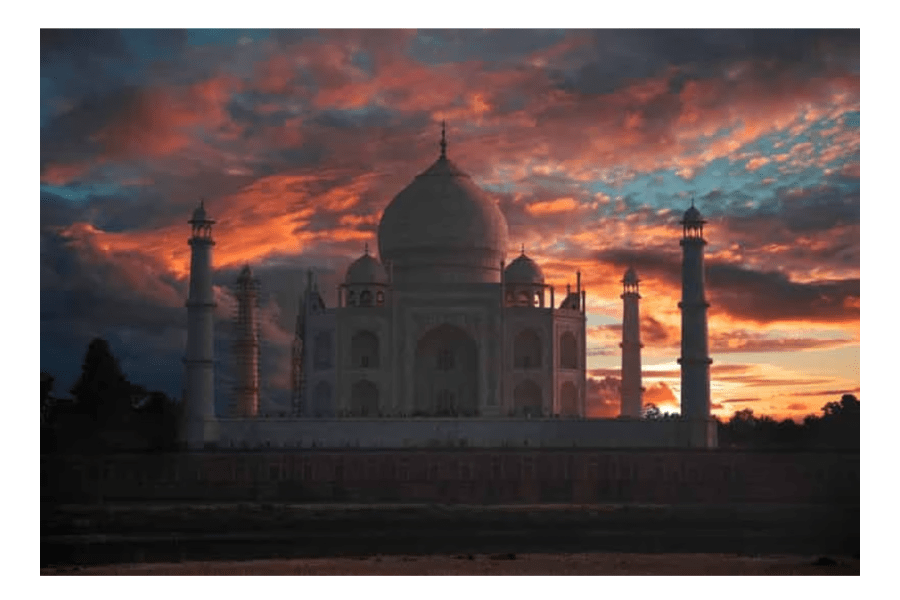
Agra Agra is home to several historic monuments, making it one of the most visited places in India. Of course, top of this list of places to see in Agra is the Taj Mahal, one of the most famous buildings in the world.This beautiful building, finished in white marble, is a perfect example of Mughal architecture, as are the Agra Fort, Akbar’s Tomb and Fatehpur Sikri. Also a great place to gorge on wonderful Mughlai food.

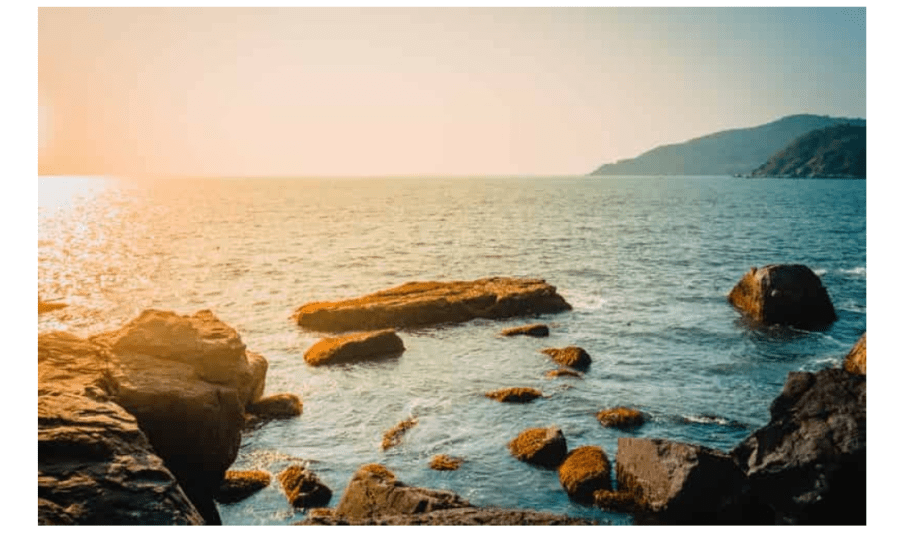
Goa With 51 beaches along the coastline, Goa is considered one of the best tourist places to visit in India. Its white sandy beaches, palm trees, low tax rate, amazing coastal cuisine and laid-back attitude make it a wonderful tourist place in India.The best time to visit this place is the winter, as the weather is just perfect (though this is when it can get expensive, too). Apart from the beach, its nightlife is surely not something you should miss.

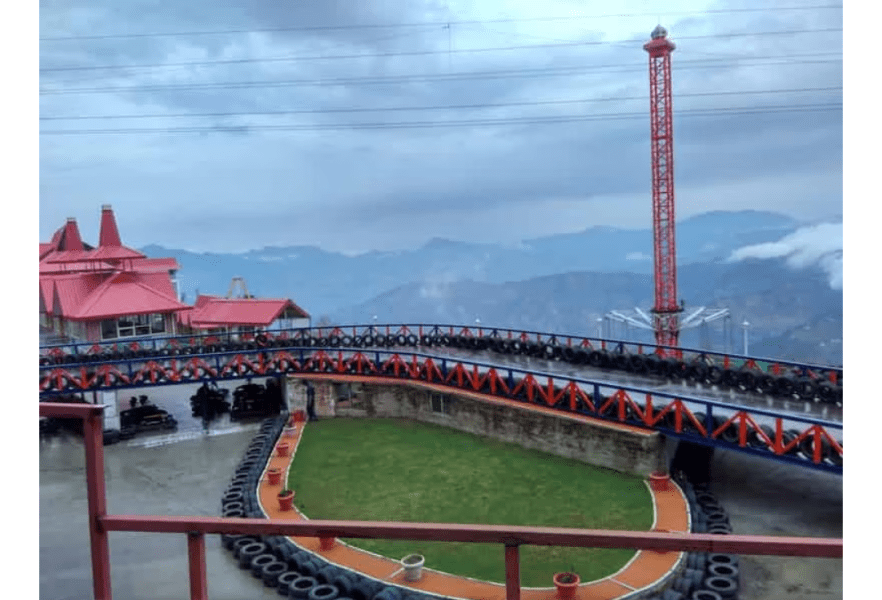
Shimla Shimla, the capital of Himachal Pradesh, is one of the famous hill stations in India. With the Town Hall at its centre and the breathtaking view of the Himalayas, this place attracts a lot of tourists.To know the real legacy of Shimla, you can visit the Viceregal Lodge, Christ Church and Gorton Castle. During winters, the snowy mountains and narrow alleys are worth viewing and exploring.

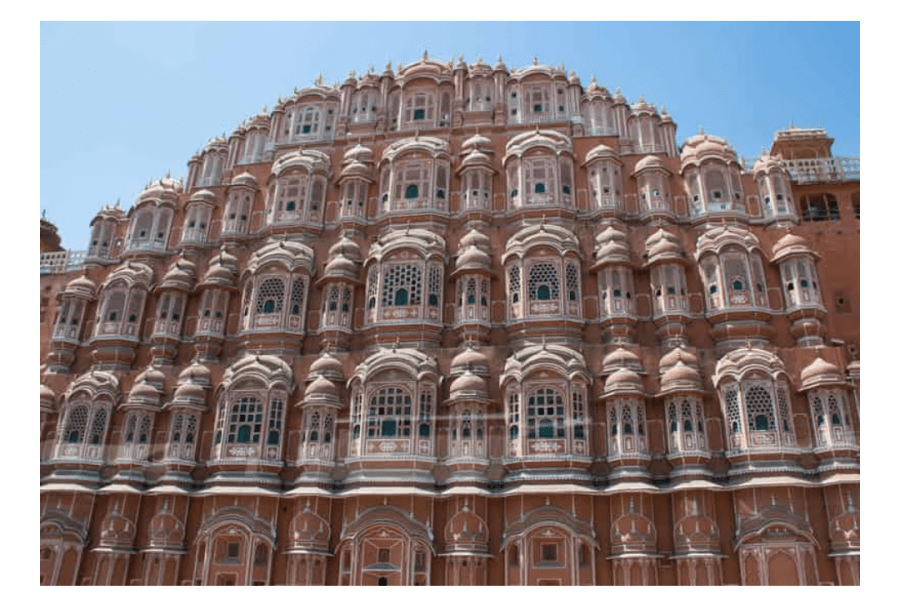
•Jaipur Jaipur, the capital city of Rajasthan, is popularly known as the ‘Pink City’ and is famous as a tourist and education destination in India. There are only a few cities that capture and showcase the rich history of the past and Jaipur is one of them.The popular destinations here are the Hawa Mahal, City Palace, Jantar Mantar and Amber Fort. If you want to experience the royal legacy and architecture this place is a must visit. Do not miss the Sound & Light Show at Amber Fort, narrated by Mr. Amitabh Bachchan himself.

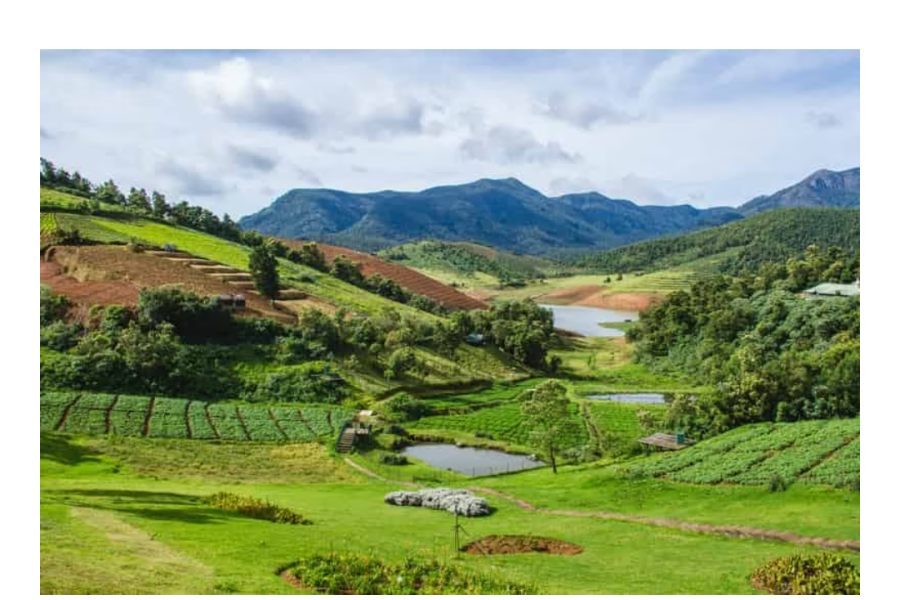
Ooty Udhagamandalam, also known as Ooty, is a hill station in the state of Tamil Nadu. The pleasant climate, the view of India’s Western Ghats and the peaceful atmosphere make a great tourist place for both family and friends.It is famous for its tea plantations, lush gardens, British era bungalows and spicy food. It is usually crowded during the summer holidays, as many families spend a week or two here. Once a small town, Ooty is today a buzzing tourist centre with plenty of activity all year round.

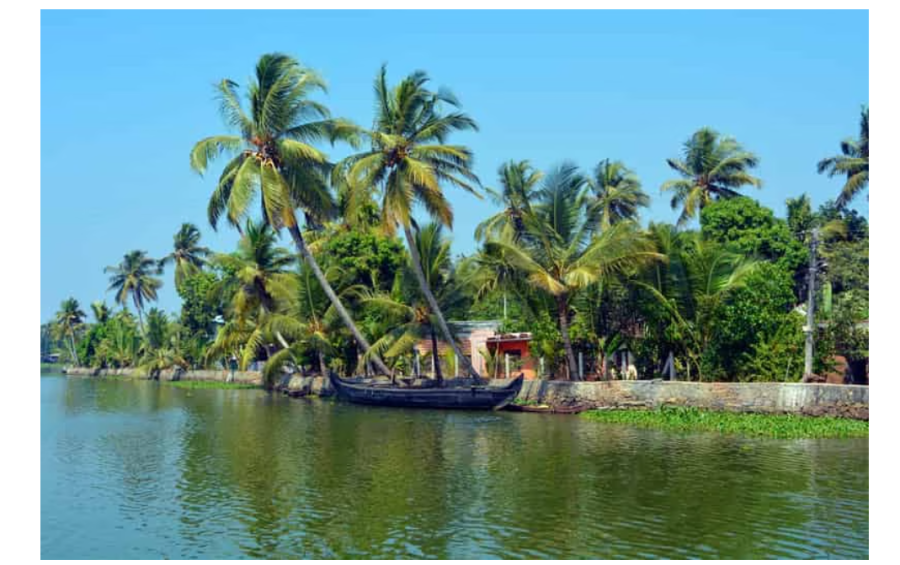
Alleppey Alleppey is one of the ten most gorgeous locations in the world, according to the National Geographic Traveler. Located on the Malabar Coast, the backwaters of Kerala showcase the true beauty of nature.
It is also famous for its Ayurvedic massages. Of course, you cannot miss the houseboat experience and the lovely Kerala cuisine, especially Malabar Chicken Curry and Puttu.

Ladakh Ladakh, the capital of Leh, is in the eastern parts of Jammu and Kashmir. Ladakh is known for its pristine lakes, freezing winds, glaciers and sand dunes. It has kept its distance from the modern world – and thank heavens for that.The most famous tourist attractions here are Pangong Lake, Tso Moriri lake and Leh Palace. There’s also many adventures to be found here, from white water rafting to mountaineering and trekking.


“India is a place where colour is doubly bright. Pinks that scald your eyes, blues you could drown in.”

-Kiran Millwood Hargrave

Weird laws in North Korea

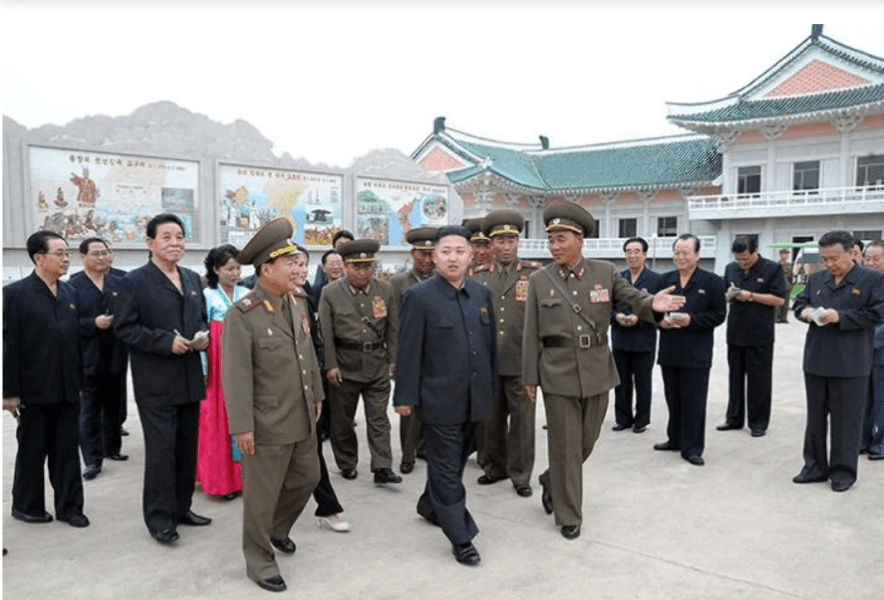
Making International calls is a crime. North Korean citizens can not make international calls as it’s considered a crime there. According to reports, in 2007 a North Korean factory boss was executed by a firing squad in front of 150,000 people after being accused of making international calls on 13 phones he installed in a factory basement.

•Foreign movies, songs not allowed Watching foreign movies or listening to foreign music can send North Korean citizens to jail. In 2015, North Korea’s dictator Kim Jong-un ordered the destruction of all cassette tapes and CDs that had state-banned songs in order to contain dissent. Watching American movies or distributing pornography can lead to the death penalty. There are only three channels on TV in North Korea, and all content is controlled by the government.

Disloyalty to the leader can mean the death penalty Falling asleep during a meeting with Kim Jong-un is considered disloyalty to the leader and may also lead to the death penalty. According to reports, in 2015, North Korea’s Defence Minister Hyon Yong-chol was gunned down by an anti-aircraft fire in front of 100 people for behaviuor such as falling asleep in Kim Jong-un’s presence.

•Three-generation punishment. If anyone commits a crime in North Korea, not only he or she will be punished, but also their grandparents, parents and children. This terrible law was created to prevent people from escaping from prison.

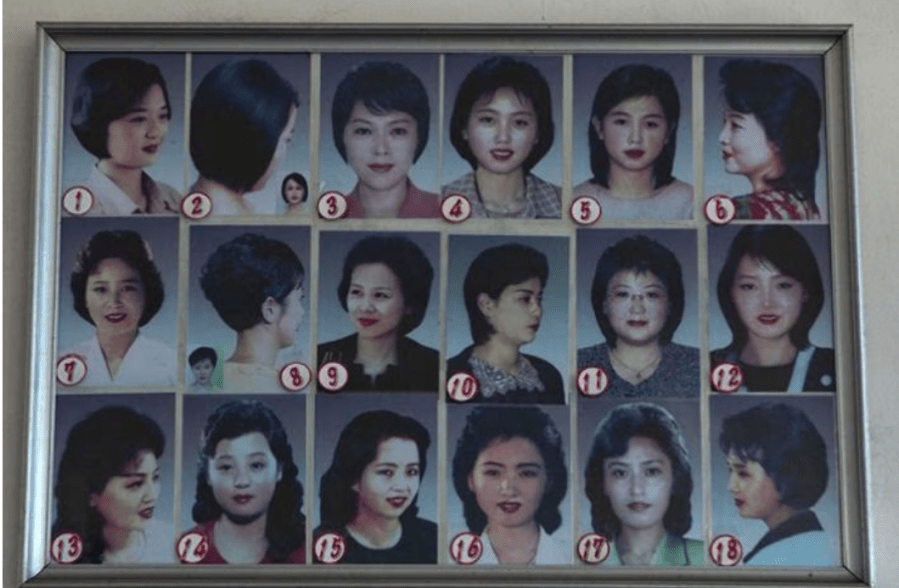
Only government-approved haircuts. All men and women can only do one of 28 government-approved haircuts, 18 for women, 10 for men; other hairstyles are prohibited. North Korean leader Kim Jong Un introduced this law in 2013 and did not include his hairstyle on this list because he wanted to keep it unique and absolutely no one can dare to copy his hairstyle. It is assumed that married women should wear shorter haircuts than unmarried women.

Permission needed to live in the national capital. North Korean leader Kim Jong-un wants only the most successful, wealthy and influential people to live in North Korea’s Pyongyang. People must have an express permission to live in the capital

Bible is banned in North Korea. In North Korea, the Bible is considered a symbol of Western culture and is therefore prohibited because it can transform people. One Christian woman who was distributing the Bible was arrested and executed. In 2014, Jeffrey Fowle, an American citizen on tour of North Korea, was arrested and imprisoned for five months because he forgot the Bible in the bathroom of a restaurant at the Chongjin Sailor’s Club.

No iPhones or laptops. No iPhones, TVs or laptops from the aforementioned brands for North Koreans! The people of this country know very little about electronics and technology, as the government’s isolation policy hides a lot.

•Only one leader to vote in the election. North Korea holds elections and all the citizens above 17 mandatorily have to vote in the elections but they are not entirely free elections. In each election, you only have 1 option. As a result, 100% of Koreans vote for their dear leader.

Military service is compulsory. Military service is compulsory for all North Koreans. 10 years for men and 7 years for women.

Power cut every night. North Koreans face power cuts every night due to the energy crisis in the country and for using electricity need permission and owning a microwave is illegal.


Leaving North Korea is not like leaving any other country. It is more like leaving another universe.

-North Korean refugee

Central Bureau of Investigation

The CBI is the main investigating agency of the GOI. It is not a statutory body; it derives its powers from the Delhi Special Police Establishment Act, 1946.
Its important role is to prevent corruption and maintain integrity in administration. It works under the supervision of the CVC (Central Vigilance Commission) in matters pertaining to the Prevention of Corruption Act, 1988. Investigate cases connected to infringement of economic and fiscal laws, i.e., breach of laws concerning customs and central excise, export and import control, income tax, foreign exchange regulations, etc. But cases of this nature are taken up by the CBI either at the request of the department concerned or in consultation with the concerned department.Investigate crimes of a serious nature, that have national and international ramifications, and committed by professional criminals or organised gangs.To coordinate the activities of the various state police forces and anti-corruption agencies.
At the behest of a state govt., the CBI can also take up any case of public importance and investigate it.Maintaining crime statistics and disseminating criminal information.The agency is dependent on the home ministry for staffing since many of its investigators come from the Indian Police Service. The CBI also relies on the ministry of law for lawyers and also doesn’t have functional autonomy to some extent. The CBI, run by IPS officers on deputation, is also vulnerable to the government’s ability to manipulate the senior officers because they are dependent on the Central government for future postings. Since police is a State subject under the Constitution, and the CBI acts as per the procedure prescribed  by the Code of Criminal Procedure (CrPC), which makes it a police agency, the CBI needs the consent of the State government in question before it can make its presence in that State. This can lead to certain cases not being investigated and seeing a silent deadlock. Recently, states like Andhra Pradesh (consent is again given after change of government in-state) and West Bengal withdrew consent.

The CBI was not one of the organizations included in the exempted category. It was much later in 2012 that the CBI was brought in. There was a purpose as to why the CBI was not brought into the ambit of the RTI- this was because the CBI was not considered to be one of those organizations which really looks into the strategic interests of India. Section 8 of the RTI Act, which guarantees various forms of exemption, begins by saying that all the information which has a strategic significance should not be disclosed. Further, since the Intelligence Bureau (IB), the Research & Analysis Wing or RAW and such organizations which gather intelligence, are dealing with strategic matters and so they were from the very beginning kept in the exempt category. The CBI was never considered to be one which collects or maintains such information which are of strategic importance for the country.However, the CBI made out a case that they are also investigating into all kinds of cases- and that these cases include those which are of strategic importance for India and therefore, if they would be subjected to the RTI, much of that information would go out into the public domain.

CYBERSECURITY IS A SHARED RESPONSIBILITY, AND IT BOILS DOWN TO THIS: IN CYBERSECURITY, THE MORE SYSTEMS WE SECURE, THE MORE SECURE WE ALL ARE.

Inclusive growth and issues arising from it

Inclusive growth is defined as economic growth that generates job opportunities and aids in poverty reduction.
It entails poor people having access to basic health and education services. It entails ensuring equal opportunity for all, as well as empowering people through education and skill development.
To reduce poverty quickly and sustainably, people must be able to both contribute to and benefit from economic progress.
Rapid growth is required to eliminate poverty, but it must be broad-based across sectors and inclusive of a large portion of the country’s labor force to be long-term sustainable.According to the UNDP, inclusive growth is “the process and result of all groups of people participating in growth and benefiting equally from it.”
According to the OECD (Organisation for Economic Co-operation and Development), inclusive growth is defined as economic growth that is evenly dispersed across society and generates opportunity for everyone.

Unemployment

Because of illiteracy and over-dependence on agriculture, India’s employment quality and quantity are low.The lack of quality employment is a concern because more than 80% of individuals work in the informal sector and are not covered by social security.According to the NSSO’s Periodic Labour Force Survey (PLFS), the unemployment rate for the urban workforce was 7.8%, while the rural workforce had a rate of 5.3 percent, bringing the total unemployment rate to 6.1 percent.The following factors contribute to sluggish job growth:
°The industry has a low capital utilization °Low initial budget
°Agriculture’s expansion has been slow.
°According to economists, what is being referred to as a “demographic dividend” could turn out to be a moment of crisis defined by high unemployment and social unrest.

Backwardness in Agriculture

Agriculture employs 60% of the Indian population, either directly or indirectly. Agriculture, on the other hand, has a dismal growth rate of only 2%.
Agriculture production must be improved by policymakers and government officials in order to be more inclusive.Lack of access to capital for agriculture and small and medium enterprises, as well as a lack of social protection, have all contributed to underprivileged communities being left out of the growth picture.The following are some of the issues in agriculture:
°A gradual decrease in the employment share
°Land availability per capita is dwindling.
°Labor productivity is low.
°Agriculture yields are declining as a result of climate change, soil degradation, and water scarcity.
°Growth differences between regions and crops.

Social Development Problems:

One of the most important concerns for inclusive growth is social development. However, it has some issues, such as:
Regional, societal, and gender differences are all significant.Public spending, notably in health and education, is at a low level and growing slowly.Children’s malnutrition – India is ranked 102nd in the Global Hunger Index.

Disparities by Region

India’s regional differences are a key source of concern. Factors such as the caste system, the wealth gap, and others contribute to regional inequities, resulting in a society in which certain groups enjoy greater privileges than others.Kerala is the most literate state in the country, with a literacy rate of 93.1 percent; nevertheless, Bihar’s literacy rate is only 63.82 percent.


India is a vibrant nation whose strength lies in its commitment to equal rights and to speech, religious and economic freedoms that enrich the lives of all citizens. India is not only the world’s largest democracy; it is also a secular, pluralistic society committed to inclusive growth.

Cyber Security

Cyber Security is the practice of identifying the vulnerabilities and threats associated with digital systems and mitigating these risks. The term “cyber” refers to a nickname for an internet-connected computer or any other device that uses a processor, input/output and networking connections. The common threats include: viruses, worms, trojans and malware. A related term is cyber warfare which is the use of cyber tools in warfare to achieve objectives that would not be possible by using physical means such as bombs or missiles. The role of cyber security professionals is to protect critical systems and information. The main goal of cyber security is to prevent hackers from gaining access to information or using nefarious actions that would put the users’ information at risk.cyber security important because the government, military, law enforcement, and private industry use many critical resources that could be negatively affected by cyber attacks. Many of these systems are financial, such as banks, credit cards, ATMs, stock markets and networks. Government agencies use software to manage the US budget system and the military uses software to track troop movement. Because of these vital uses, cyber attacks could cripple important services or even destroy the country’s financial security.In order for companies to operate securely in today’s technological world they need to implement cyber security protections. These protections include firewall protection, anti-virus programs, encryption codes that keep hackers from easily accessing sensitive data and data backup systems in case any security breach occurs that causes damage to systems or information.

A major concern to cyber security is providing more efficient support to better protect against cyber related activities. This means an organization must have the information available to help identify possible threats including understanding what possible methods hackers may use to gain access, and how the organization can prepare for any potential attacks.
Cyber security is a constantly growing area of study and research. Some of the most recent research being done is focused on cyber security in cyber space. The purpose of this paper will be to analyze if a previous study found in 2012 correctly identified computers within an organization as well as their movement throughout the network. There are two main findings that are sought out which were: 1) how computers move across networks (e.g. LAN, WAN, etc.), and 2) how computers might behave in a network. The assumption is that computers within an organization move between locations (e.g., building or branch offices) and they may change their location(s). Also, the behavior of a computer can be tracked as observed (e.g., its IP address changes from one to another, or its Whois information changes from one domain name service provider to another).

Cyber security offers a variety of career paths depending on the level of experience you have and your area of expertise. You can be an analyst/engineer, network administrator, programmer, or data analyst and many more other positions available depending on your area of interest and experience. Some jobs a required while others are possible as long as it relates to your field in the security field such as computer science or finance. If you’re looking for a career that will pay well, then cyber security is the right choice for you because it’s relatively new and will only continue to grow.


“Security used to be an inconvenience sometimes, but now it’s a necessity all the time.”

Achievements of India in the field of Science and Technology

Today India’s achievements are numerous and include a strong Democracy, higher Education, Nuclear power, stunning economic growth and revival of numerous aspects of traditional Wisdom. Owing to the talent and will of the countrymen, we can see that India has reached among the top countries of the world especially in science and technology and various other fields. India has the 44th rank in technology level among the world. Also, India is considered one of the top five countries in space exploration. India has become an important source of creative and fundamental scientific development and in all the perspectives around the world. All great scientific discoveries and technical achievements have improved the Indian economic situation in our country and have created many new approaches for the new generation to develop a technologically advanced environment.
Much new scientific research and development is possible in the field of mathematics, architecture, chemistry, astronomy, medicine, metallurgy, natural philosophy, physics, agriculture, health care, pharmaceuticals, astrophysics, atomic energy, space technology, application, defence etc.
The introduction of scientific research, ideas and techniques in the field of education has brought a huge change in the new generation at large and has given a variety of new and innovative opportunities to work in their own interests. Modern science in India has made people aware of their constant and hard efforts by scientists. India’s scientist is great, who has made scientific progress of the highest international calibre.
Technical development in any area enhances the economy of any country. In order to improve the power of science and technology in India, the Government of India established the Council of Scientific and Industrial Research in 1942 and the Board of Scientific and Industrial Research in 1940. India has achieved so many achievements in the field of science and technology that every Indian is proud of his country. Let’s know all your achievements in detail.

Atomic clock by ISRO:
The atomic clock is an amazing technology developed by ISRO and it is used to measure precise location data in navigation satellites. Proudly, ISRO is one of the Few Space organisations in the world, those who have developed this amazing technology.

Mars Orbiter Mission :
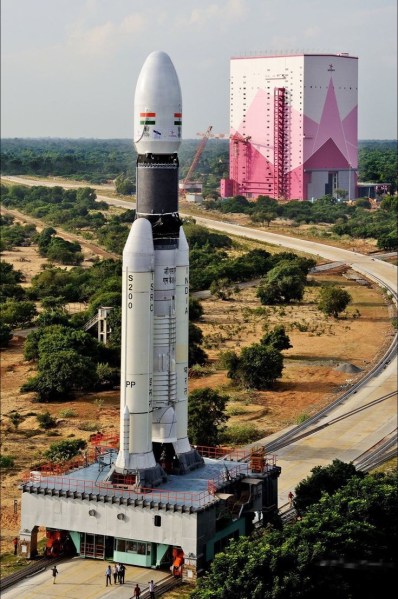
Mars orbiter mission is a great success achieved by India in the field of science and technology. India is the only nation in the world to reach Mars in the first attempt. Indian space research organisation (ISRO) launched Mangalyaan on 5 November 2013 and it was placed into mars orbit on 24 September 2014. The cost of the project was 74 million US dollars which are cheaper than anything that others can achieve.

Chandaryaan 2 Mission
The moon landing of Chandrayaan 2’s Vikram lander is also a very special Indian technological achievement for India. Chandrayaan 2 mission marks India’s first lunar exploration mission and ISRO put lots of effort into making this mission a success. With this mission, India has emerged as the fourth country in the world to have hoisted its flag on the lunar surface. This achievement is a matter of great Honour for the nation.

PARAM – India first Super Computer
India’s first-ever super Computer named ‘Param’ is also a great achievement for India in science and technology. Param is designed and assembled by the Centre for the development of advanced computing in Pune. Today there are 11 supercomputers in India and they are used in the development of nuclear weapons and space programmes.

Even though India has only 140 researchers per 10 lakh population this has never been a shortcoming in the development of Science and Technology. We Indians must feel proud of our technological advancements and try to utilise them in the best manner possible.


Achievements of India in the field of Science and Technology 

-Dr APJ Abdul Kalam.

Indian army

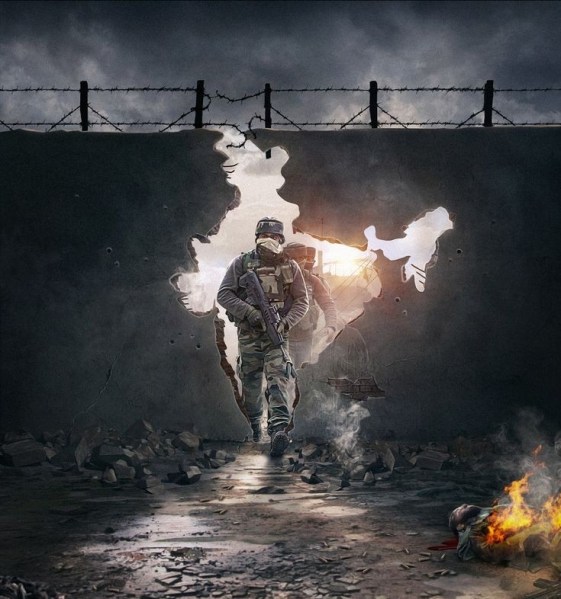
The Indian Army does not need any introduction, we all have love, respect and appreciation for our soldiers and the Indian Army.As we all know that the Indian Army has a long and glorious history, therefore, it is difficult to talk about everything in such a confined space.The Indian Army is a land-based unit, while the Indian Air Force works in air defense and the Indian Navy is a naval unit.Our Indian Army is the second largest army in the world with about 1.23 million personnel on active rolls and another 9.6 lakh in reserves.The Indian Army is primarily responsible for defending the country against land-based attacks.It also helps other agencies to deal with terrorism, to deal with emergency situations in the country and to save people in case of natural disasters like floods, earthquakes etc.The current Chief of Army Staff (COAS) is General Bipin Rawat (as of 2018). As the Indian Army is very large, it is divided into regiments.
Some important regiments are Punjab Regiment, Madras Regiment, Rajputana Rifles, Sikh Regiment etc.It also has its own intelligence unit, abbreviated as “military intelligence” or “MI”.The Indian Army (under British rule) participated in World War I and II before independence. After independence, it has fought several full-fledged wars like Kargil War (1999), Bangladesh Liberation War (1971), India-Pakistan War (1965), Indo-China War (1962) and First Kashmir War (1947).
Apart from these, the Indian Army has also handled some minor conflicts like Siachen struggle (1984), Operation Polo (1948), Indo-China conflict (1967) etc.
There is no doubt that our Indian Army is one of the best armies in the world.

The main role of the Indian Army is to protect our country from external and internal threats, it has proved its subtly many times.It has fought five major wars since independence and has successfully handled many smaller conflicts and won wars even when enemies had better weapons.For example, in 1965 there were Patton tanks (gifted to them by the US) in Pakistan, it was considered invincible at the time.India had nothing that could compete with those Patton tanks, but the Indian Army was able to defeat the Pakistani tanks in the Battle of Asal North.
Hawaldar Abdul Hameed mounted his jeep and destroyed six Pakistani tanks with a rifle in the back and was killed in an attempt to destroy the seventh.
For this he was awarded India’s highest military honor – Paramveer Chakra. It is believed that the Americans came to India to learn the methods and equipment by which their invincible Patton tanks were destroyed.It is believed that India rejected his request.The Indian Army also successfully handled many riots, for example the Godhra riots, 1992 Mumbai riots, 1984 riots etc.It is also currently dealing with terrorism in Jammu and Kashmir and some North Eastern state currently has around 1.23 million people on active rolls, while others have 9.6 lakh rupees.It has also produced many notable sports persons, who have brought it to our country. Some of them are Milkha Singh, Rajyavardhan Rathore, Vijay Kumar, and Major Dhyanchand etc.The Indian Army is one of the best armies in the world. It has the capability to handle any external and internal threat. Overall, we can say that the Indian Army is the soul of our country.


“There will be no withdrawal
without written orders and
these orders shall never be
issued.”

-Field Marshal Sam Manekshaw as core Commander in 1962.

Demography

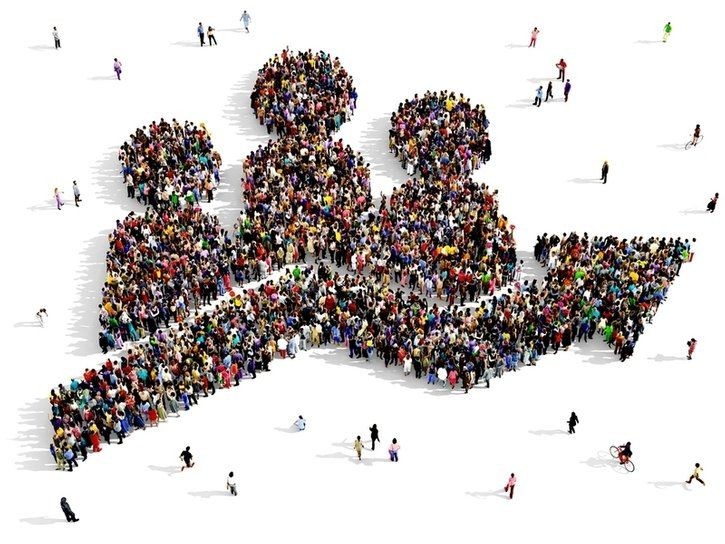
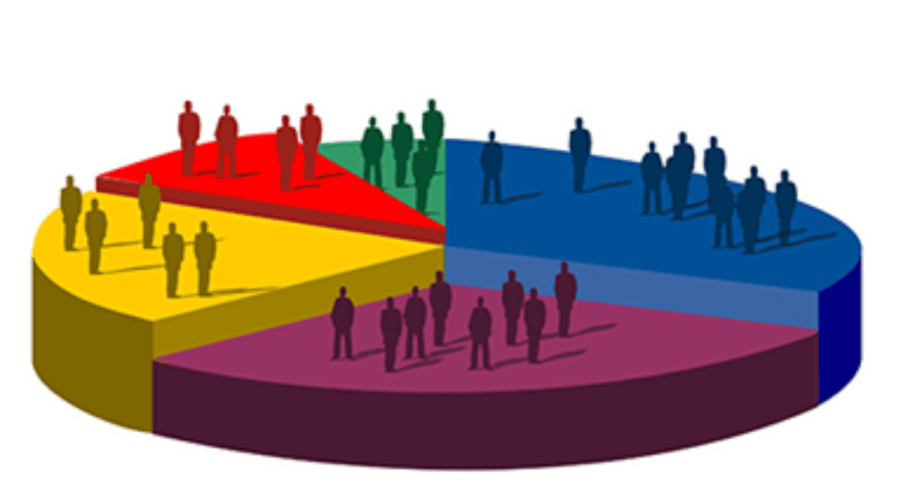
Demography is the study of human population dynamics. Population is shaped by a number of factors including fertility, mortality, migration and urbanization. Significant demographic changes have been shown in many parts of the world. The world population growth has been decelerating since 1970s. Fertility rates in more developed countries (MDCs) have been showing a declining trend, whereas an increasing one in the less developed countries (LDCs). Mortality rates have gone down in both MDCs and LDCs due to medical advancement. Consequently, the population of the countries with low fertility rates aged more quickly, and the world population growth will be concentrated in those developing countries where fertility rates remain high. Uneven population growth among nations accelerated the migration of people across nation borders and the growth of cities. The changes of these interrelated factors with their causes and problems of each of the factors will be discussed, followed by some possible plans and opportunities that may benefit from these changes.Human birth rate (natality) is the fertility expressed as the average number of live births per thousand populations per year. Since not all age groups in a population have equal fertility, demographers often use more specialized measures of birth rates that relate to age groups.Human mortality rate is the average number of individuals who die per thousand populations per year.

Again, demographers often use more sensitive measures, for different mortality rates. Both the very young and the very old segments of the population have higher mortality rates than are found in other age groups.Human population shows uneven or clumping pattern of distri­bution on earth. The density of human population in a village, district, city, province, country or any area can be obtained by di­viding the total number of persons living in the given region by the total land area of that region.The average number of people per square unit of land area tells us how dense or sparse is the popu­lation in a giver, area. The average population density of the world is calculated about 27 persons per square kilometre.insurance agents to determine life insurance rates.

These early demographic studies were mostly concerned with mortality. However, in the 19th century, studies showed that there was a decline in the number of births, and researchers began to study fertility as well as mortality. These studies led to the idea of “differential fertility.” Differential fertility suggests that different groups within a population have different numbers of children due to factors, such as religion, cultural attitudes, poverty, and employment. Migration of people is the last main factor in demographic studies. It is these three variables (mortality, fertility, and migration) that contribute to population change.Demographers gather data mainly through government censuses and government registries of births and deaths. However, these sources can be inaccurate depending on the precision of government records. Demographers also gather data indirectly through surveying smaller groups within a population. These samples are then examined using statistical models to draw conclusions about the whole population.


Demography is changing us as we are older societies, we’re living longer. How the generations balance each other out, how that affects education and health care.

Pharmacology

Pharmacology is the science that deals with drugs. Pharmacology consists of detailed study of drugs, particularly drugs action on living animals, tissues or organs. The action of drugs may be beneficial or harmful. Pharmacology is the science in which we study the response of living animals to chemicals or drugs. Pharmacology is defined as the study of the effects of drugs on the structures and metabolism of naturaltissue.Pharmacology can be defined as the study of the manner in which the functions of living system is affected or influenced by chemicals.This subject deals with the properties and effects of drugs and in broad sense, it can be defined as the study of interactions between chemical substances and biological systems. While defining in broad sense, it includes the knowledge of the history, source, physical and chemical properties, compounding, bio-chemical and physiological effects, mechanism of action, absorption, distribution, metabolism, excretion and therapeutic and other effects of drugs.

Homosapiens being the intelligent most among the species evolved, based on the principles of “necessity” and “trial” could observe effectiveness of many plants in relief for his pains and sufferings. The primitive (early) history of the causative agents of diseases included wrong Gods, spirits witches and other evil influences.
The form of therapy was incantation, prayer and ceremony designed to appease the evil agents of the diseases. They were using sacrifice of animals, individuals and prayers.The tribal leaders were known as medicine men or the expert or witch doctors (Ojha), were very powerful men and leader in such all ceremonies. In addition, they had knowledge about certain plants and animal products to be used in the treatment of certain diseases. The first treatise on medicine was undoubtedly the Ayurveda in India and that is at least 500 years ahead of the Greek Medicine.The medical literature was related to metaphysics, hypnotism etc. and belief in supernatural agencies as the cause and cure of diseases. Thus, in India, this was originally a part of the fourth Veda called the Atharva Veda. The real father of Indian Medicine was Atrya with his distinguished disciples-Agnivesha, Bhala, Jatukarana, parasara, Harita and Ksharapani.Works of Bhala and Harita are still available in fragments and those of Agnivesha were edited by Charaka which stand unsurpassed as a standard and authoritative book on Ayurveda even to day, other works are yet untraced. The next outstanding personality in Indian medicine was Susrutha whose works stand second to Charaka (a surgeon). He mentioned many instruments and techniques.

Started with Oswald Schmiedeberg (1838-1921). He was excellent teacher of Pharmacology and attracted many persons to study this subject. Like other experimental sciences, Pharmacology, too, is highly dependent upon development in other branches of science.Spectacular developments in physiology, biochemistry, organic chemistry and molecular biology have greatly contributed in advancement of pharmacology. Conversion of the old pharmacology into modern pharmacology is fairly recent and probably started taking shape following introduction of experimental procedures in animals by Francois Megendie (1783-1855) and Claude Bernard (1813-1978).Oswald Schmiedeberg (1838-1921) introduced the technique of per-fusing isolated organs and study the effects of drugs on them. Abel, Cushny, Gottlieb and a galaxy of his other students popularized the expertise in their respective, countries. Thus Oswald become popular as ‘Father of modern Pharmacology’.


Pharmacology is benefited by the prepared mind. You need to know what you are looking for.

Criminal Justice System in India

The aim of the Criminal Justice System is to punish the guilty and protect the innocent. Although the broad contours of the Criminal justice system are seldom codified, these can be inferred from different statutes, including the Constitution and judicial pronouncements. In a democratic civilized society, the Criminal Justice System is expected to provide the maximum sense of security to the people at large by dealing with crimes and criminals effectively, quickly and legally. More specifically, the aim is to reduce the level of criminality in society by ensuring maximum detection of reported crimes, conviction of the accused persons without delay, awarding appropriate punishments to the convicted to meet the ends of justice and to prevent recidivism.In this article, we shall be discussing the history and evolution of the system, the institutions, along with various perspectives of the constitutional aspect of rights of citizens, efforts for reforms, and delivery of justice.

Criminal law, including all matters included in the Indian Penal Code, Criminal procedure, including all matters included in the Code of Criminal Procedure feature under the concurrent list of the 7th Schedule as entries-1, and 2 respectively.Certain exceptions are also provided under these two provisions(Entry-1, and 2) of the 7th Schedule. For example, offences against laws with respect to the matters specified in List-I or List-II of the 7th Schedule of the constitution, excluding the use of naval, military or air forces or any other armed forces come under this category.

•The Criminal Justice System in India follows the legal procedures established by the British during the pre-independence era.
•An Indian Penal Code (IPC) defining crime and prescribing appropriate punishments was adopted in 1860, prepared by the first Law Commission of India.
•It was developed in line with the English criminal law.
•Code of Criminal Procedure was enacted in 1861 and established the rules to be followed in all stages. This was amended in 1973.
•The NN Vohra Committee, set up in 1993, observed increasing criminalization of politics, talked of the unholy nexus.
•It was an effort to push the reforms in the criminal justice system.
•In 2000, the Government of India formed a panel headed by the former Chief Justice of Kerala and Karnataka, Justice V.S. •Malimath, to suggest an overhaul of the century-old criminal justice system.
•In 2003, the Justice Malimath Committee submitted a report with 158 recommendations.
•The Committee opined that the existing system “weighed in favour of the accused and did not adequately focus on justice to the victims of crime.”

The entire existence of an orderly society depends upon the sound and efficient functioning of the Criminal Justice System. The law of the land has to be in tune with the demands of the changing times and nature of complexities in offences. There should be a broader dialogue among all the stakeholders for effective provisions so that the interest of justice is served and served right, where no innocent suffers prejudice, exclusion leading to miscarriage of justice.

Similarly, the rules and procedures established by law need to reach the common man, and the role of civil society in this endeavour is paramount. Further, there is a need to streamline the police reforms, beef up the forensic evidence-based investigation, and prioritize advanced scientific analysis which must be strengthened and upgraded, catering to the demands of the present times. The infrastructural challenges confronting the judiciary must be addressed to facilitate the process of ensuring justice.


The criminal justice system, like any
system designed by human beings,
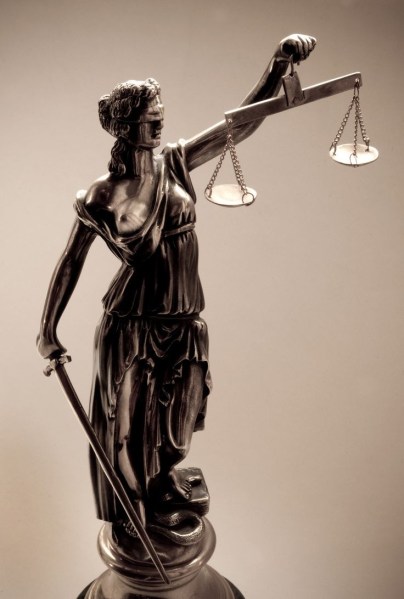
clearly has its flaws.

Psychology

Psychology has become a very important and popular subject today. It deals with many problems of everyday life. Psychology helps us to understand the behaviour of people around us, to find out why they behave differently and what forces are responsible to make them so different from others.It tries to explain wide array of factors involved in what we human beings do. The principles explained by psychology give us a rational basis of understanding of what we and others do. Psychology has been defined in many ways. In ancient days people were analysing the behavioural aspects on the basis of philosophy. They believed that there is a soul in every individual and this is responsible for all our activities.
This view led to the opinion that the subject matter of psychology must be the study of soul. But this definition could not answer the questions regarding the existence of soul and its accessibility for study. This condition led to a new definition by Greek philosophers who defined psychology as a ‘science of mind’. But this definition was also rejected on the same grounds as soul was rejected.

Gradually, as a result of the development of scientific outlook people started thinking on scientific basis and began to define psychology as a science of behaviour. Finally, it is JB Watson (1913) defined psychology as a science of behaviour of human as well as animal beings.Today this is the most accepted definition. In this definition the term behaviour includes the cognitive activities like thinking, reasoning, intelligence, imagining, memory, etc., co-native activities like walking, dancing, fighting, attacking and other action tendencies and also the affective activities like feeling, joy, happiness, sympathy, anger, jealousy, etc. in a person. This definition also includes the behaviour not only of human beings and animals, but also all living organisms and their mental processes.

Psychologists do experiments and make observations which others can repeat; they obtain data often in the form of quantitative measurements which others can verify. Like any other positive science psychology is also systematic in its approach. Measurement in psychology is often more difficult of course, than it is in other sciences.However, psychologists have devised many ingenious tests to assign numbers to data. Psychology is following all the principles of science like principles of behaviour,objective experimentation, analysis of data and behaviour, formulation of hypothesis, verification and generalization, etc.As a result of such a scientific approach many theories have been developed to explain the behaviour. Psychology believes in cause and effect relationship in behaviour. It is considered as a behavioural science as it deals with behaviour of the organism.

However, because of its objectivity in analysis of behaviour through experiments, it may be considered as a developing positive science of behaviour.


Psychology has a long past, but only a short history

Impact of Social Media on Youth.

Social media is an plateform which is build that facilitates the users to create content and sharing of information, ideas, interests and different contents ,through virtual communities and networks technology.

Over the last two decades, social media has gained tremendous growth and fame. Despite the fact that almost everyone in the world is connected to at least one social media platform, youth and teens are the ones who who are using social media and are becoming so socially hampered that they even interfere their lives with social media. According to researchers, they have found that these different social media plateforms have a profound impact on the lives of our youth in society in terms of morality, behavior, and even education.

The use of social media has both negative and positive impacts on our youth today. The positive effects of social media on young people today is keeping up to date with what’s happening around the world and being able to network and stay connected with classmates and friends without physical meetings. For example, people in one city can connect and interact with friends in other cities and neighborhoods, bridging the gap between them. In addition, social media platforms allow young people to create pages and groups based on their profession, beliefs, and other aspects of life, creating more connections and more opportunities in their respective fields. This could even create more employment opportunities for unemployed youth.

According to a BBC News report, social media sites appear to continue to connect and inform more people, but it’s also causing social isolation among youths as it reduces the number of face-to-face interactions between young people, as they usually spend most of their time on these online social platforms. Analysis of many studies by various scientists has shown that social isolation can have a variety of effects on youth’s physical, emotional, mental and psychological estate which can create different problems in them. This, in turn, can lead to depression, anxiety, and many other problems. Also, using short forms and abbreviations can lead to misspellings and misuse of words and tenses. This has a direct impact on the student’s language skills and tends to adversely affect the student as it leads to poor language performance.

Also, young teens under the age of 18 can be exposed to online content that may not be appropriate for their age. Social media often introduce these teens to pornographic content which may be shared on online social groups and this may mislead them . The morals of these teenagers are also manipulated because they are granted access to immoral literature and video. This can harm their phycology of seeing things differently in life.

The social media can be used effectively by youth as long hours on social media can be devoted to productive activities that enable people to grow, earn a living, and be educated, such as using online tutorials and online research materials.
Social media may harm ones creativity and also can reduces the productivity of teens by chatting for long periods on social media sites . This may cause young people to not be independent, and rely on the help from others . Social media also provides a great platform for cyber theft and bullying. This increases the chances of personal information theft and incidents. This poses a lot of risk to young people as their personal information can be stolen because they are stored in places they do not know or where security is unknown or suspicious.

At last, social media opens a communication channel for young people and has many benefits. This includes the development of oneself and opening to wide range of social networks that promote opportunities and cultural abilities. However, it is very important that youth should use different social platforms carefully to avoid being victimized by cybercriminals and using it in limit so that it may not harm their mental and phycology abilities.

SOME INTRESTING FACTS ABOUT KAILASH MANASAROVAR

Mount Kailash is located near Lake Manasarover and Lake Rakshastal, near the Indus River, the headwaters of Asia’s longest river. Sutlej; Brahmaputra; Karnali also known as Ghaghara (a tributary of the Ganges) in India. Mount Kailash is considered to sacred in four religions. Receipts; Buddhism; and Jainism.

SOME INTRESTING FACTS ABOUT KAILASH MANASAROVAR

• Stairway to Heaven: Mount Kailash in Tibet is considered a “stairway to heaven”. According to Hindu mythology, it is the residence of Lord Shiva and Goddess Parvati. Climbing this sacred mountain peak is forbidden, as other religions also considered it sacred.
•Sacred to different religions: Mount Kailash is sacred to four religions, including Hinduism, Jainism, Bonn, and Sikhism.
Kailash Strange Structure:The strange pyramid shape of Kailash Manasarovar led to the theory that it was an artificial mountain. According to Russian researchers, Kailash is not a mountain because it is too perfect and symmetrical to be considered a natural event. According to scientists, it’s an artificial vacuum pyramid surrounded by hundreds of small pyramids.
• Kailash cannot be conquered :Kailash, just 6,656 meters above sea level, is not the highest mountain in the world, but it is still unconquerable. There were several trekker trying to climb Mount Kaikash, but none reached the summit. It is believed that climbing this sacred summit will protect the gods.
• Unexpected death of a climber: There are certain points in time when subsequent visits are prohibited. Siberian mountaineers visited once before this point and quickly aged decades earlier. Surprisingly, they died a year later at an old age. Divinity Dwelling: Mt. Kailash is a physical embodiment of Mt. Meru and is believed to have the technical expertise of the superhuman being of God.
Earth’s Energy Center: This sacred mountain is considered the center of the universe. It is considered the axis of the universe, the center of the world, and the pillars of the world. It is the place where the earth and the sky meet.
• Accelerating Aging Near Mt.Kailash: Scientists believed that the aging process would accelerate here. People who spend nearly 12 hours here have been shown to grow their hair and nails. This is equivalent to two weeks in normal life.
• Kailash satellite view: The satellite view of Kailash shows that the shadow of Kailash represents the smile of Lord Shiva.
• Kailash Mystery: You can see the Hindu symbol OM (ॐ) from the southern ridge of Kailash. The formation of a huge ice valley and horizontal rocks from the top of the mountain make up this symbol. Headwaters of the Great Rivers: There are four great rivers in Asia that spring from Kailash Manasarobar. Lake Mansarobar are the sources of the Indus, Sutlej, Brahmaputra and Karnali rivers, which form the main left tributaries of the Ganges.
• Lakes of Good and Evil: The Kailas Himalayan region has two lakes, Lake Manasarovar and Lake Rakshastal. There are many myths surrounding these two lakes. They also show both the good and the bad of humanity.
• Birthplace of Sir Ganesha: Gauri Kund is located near Lake Manasarovar, which is believed to be the birthplace of Lord Ganesha. This is the place where the goddess Parvati surrounded Sir Ganesha with bubbles while taking a bath.
Mount Kailash is said to be non-flying area, you cannot fly over Mt. Kailash by helicopter or any other means.

” It’s pointless giving advice to people who will not listen. It only reduces the value of your words. “

– Author: Farahad Zama