The Hobbit, written by J.R.R. Tolkien, is a classic novel that has captivated readers of all ages for decades. The book tells the tale of a hobbit named Bilbo Baggins, who embarks on an adventure with a group of dwarves to reclaim their treasure from a dragon named Smaug. The story is set in a fantasy world called Middle Earth, which is inhabited by a host of fascinating creatures, including elves, wizards, and trolls.
One of the most remarkable aspects of The Hobbit is Tolkien’s masterful use of language. His descriptions of Middle Earth are so vivid that readers can almost feel themselves transported to this magical world. The characters are also well-developed and memorable, with Bilbo being the star of the show. He is initially hesitant to leave the comfort of his home and embark on an adventure, but as the story progresses, he grows in courage and resourcefulness.
The plot of The Hobbit is exciting and engaging, with plenty of twists and turns to keep readers hooked. From the moment Bilbo sets out on his adventure, the story takes on a fast-paced and thrilling tone, filled with danger and excitement. Tolkien’s use of humor also adds a lightness to the story, making it enjoyable for readers of all ages.
Overall, The Hobbit is a timeless classic that is sure to delight readers of all ages. With its engaging plot, vivid descriptions, and well-developed characters, it is no wonder that it has remained popular for so many years. Anyone who loves fantasy and adventure should definitely add this book to their reading list.
“Rich Dad Poor Dad” is a personal finance book written by Robert Kiyosaki, which challenges the traditional views of financial success and offers a unique perspective on the importance of financial education.
The book revolves around the lessons Kiyosaki learned from his “rich dad” (his best friend’s father) and “poor dad” (his biological father) who had two very different approaches to money management. Through anecdotes and personal experiences, Kiyosaki highlights the value of financial literacy and how it can lead to greater financial freedom and security.
One of the most significant takeaways from the book is the idea that it’s not about how much money you make, but rather how much money you keep and how well you invest it. Kiyosaki emphasizes the importance of investing in assets that generate passive income, such as rental properties, stocks, and businesses. He also stresses the need to avoid liabilities that drain your finances, such as credit card debt and car payments.
Another key lesson is the value of taking calculated risks and embracing failure as a learning opportunity. Kiyosaki encourages readers to think outside the box and to take calculated risks in order to achieve financial success.
While the book has been criticized for oversimplifying complex financial concepts and promoting a “get rich quick” mentality, it nonetheless serves as an excellent starting point for anyone looking to improve their financial literacy and mindset.
Overall, “Rich Dad Poor Dad” is a thought-provoking and inspiring book that challenges conventional wisdom about money and provides practical advice for achieving financial freedom. Whether you’re just starting out on your financial journey or looking to improve your existing financial situation, this book is definitely worth a read.
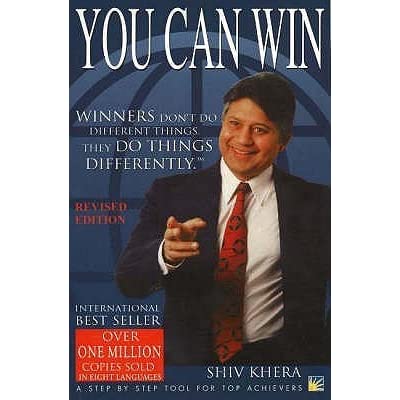
Winners don’t do different things; they do things differently.”
You Can Win, is authored by Shiv Khera and was released in 1998. Since then, it has become an international bestseller. This book has been translated into sixteen languages and sold more than two million copies around the world. This book has a title in Hindi Jeet Aapki. The writer is well known as a motivational speaker, educator, activist, business consultant, entrepreneur, etc.
Both you and I want to win. This is a fact, as well as everyone’s heartfelt wish. The new revised edition of the book, titled ‘You Can Win,’ emphasizes of winning and focuses on what it takes to succeed. The book presents inspiring examples to follow, allowing one to create a triumphant, meaningful, and satisfying life. The book provides the appropriate orientation and adds ingredients for the suitable formulas needed for success in life. There are eleven chapters in this book.
The author provides the reader with a good attitude and sends the reader on the proper paths in life right from the start of the first chapter. In reality, the author aspires to have a positive outlook on life that will enable him or her to win and thrive. An optimistic outlook on life can aid in overcoming all obstacles in one’s path to achievement. He also suggests to the reader to achieve one’s goal in life, one must embark off on an effective action plan, too.
The author encourages the reader to develop confidence by practicing positive thinking in their daily lives. A cheerful outlook on life has the same effect as medicine. It heals and motivates one to continue on with one’s life. The remaining chapters focus on adopting a good attitude toward life, regardless of what obstacles may arise or what walks of life one may belong to. Self-esteem must be developed. This can be beneficial in a variety of situations. This can assist one in dealing with life’s obstacles. Personal growth, according to the author, is a critical component of life achievement. As a result, a few chapters in this book reflect on and emphasize personality traits, interpersonal skills, positive thinking, habits, and choosing appropriate life objectives.
To make it more fascinating, the writer incorporates moral stories and anecdotes into his works and explains them to the best of his ability. The morals of novels do indeed convince the reader that nothing is truly impossible in life. The most important thing in life is to develop the proper mindset and formula for success.
The author also underlines the importance of being proactive in order to control, rather than be governed by, events in life. He encourages the reader to transform their weaknesses into strengths by cultivating positive outlooks on life, applying positive strokes to oneself and others, and developing positive habits and character. The author also instructs the reader on how to develop mutual respect and loyal relationships with each other.
Must-read books: There are so many out there – so don’t waste your time on average books!
Still, it can take time to find books worth reading. That’s why we’ve compiled this epic must-read book list to make your life easier. It features 40 top books to read in popular categories, such as fiction, business, personal development, travel, and more.
So, if you’re wondering, “what book should I read next?” we’ve got you covered. This list is jam-packed with great books to read! For more suggestions visit m.topread666.com
Classic Novels to Read
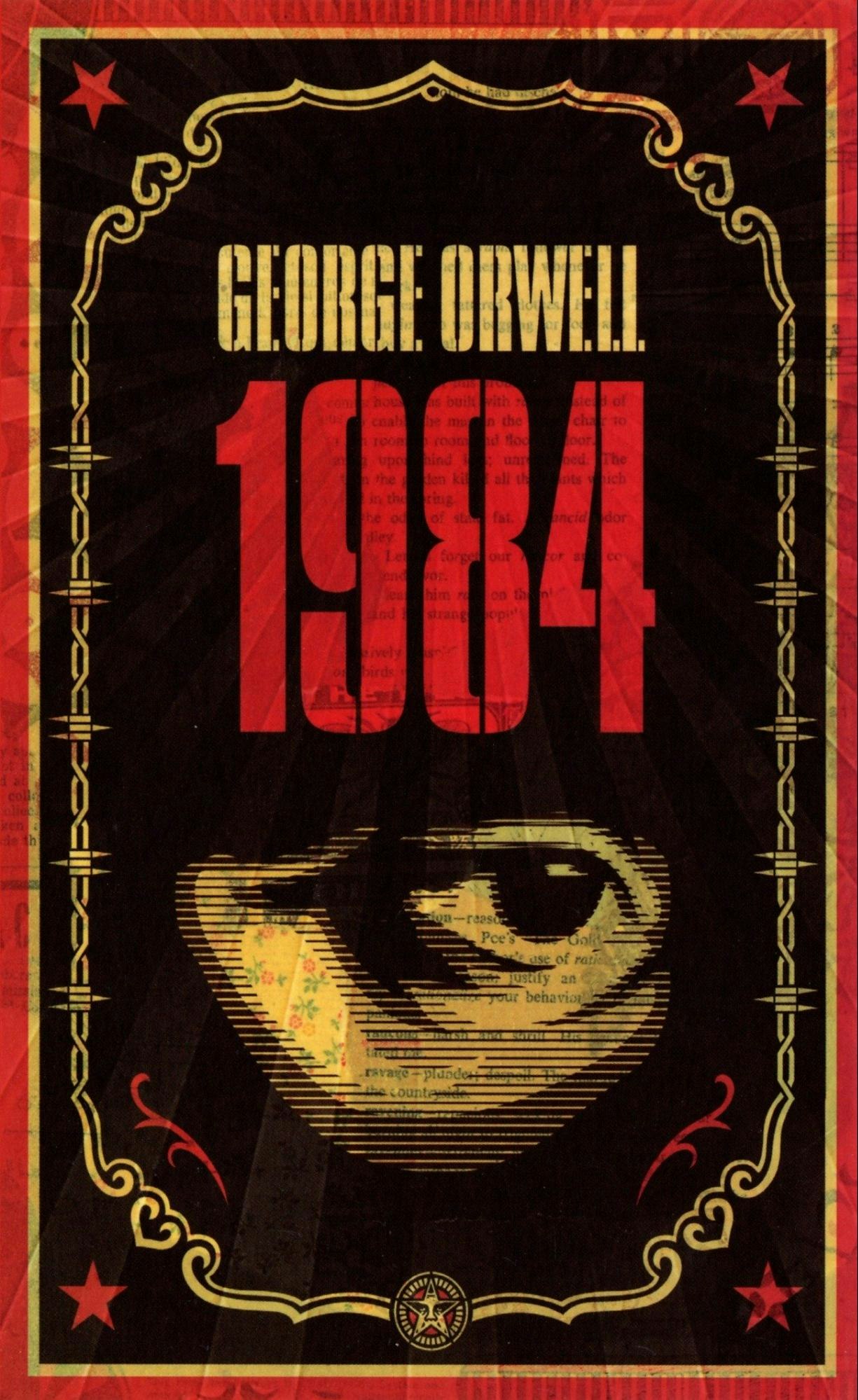
1. 1984 by George Orwell
1984 tells the futuristic story of a dystopian, totalitarian world where free will and love are forbidden. Although the year 1984 has long since passed, the prophecy of a society controlled by fear and lies is arguably more relevant now than ever.
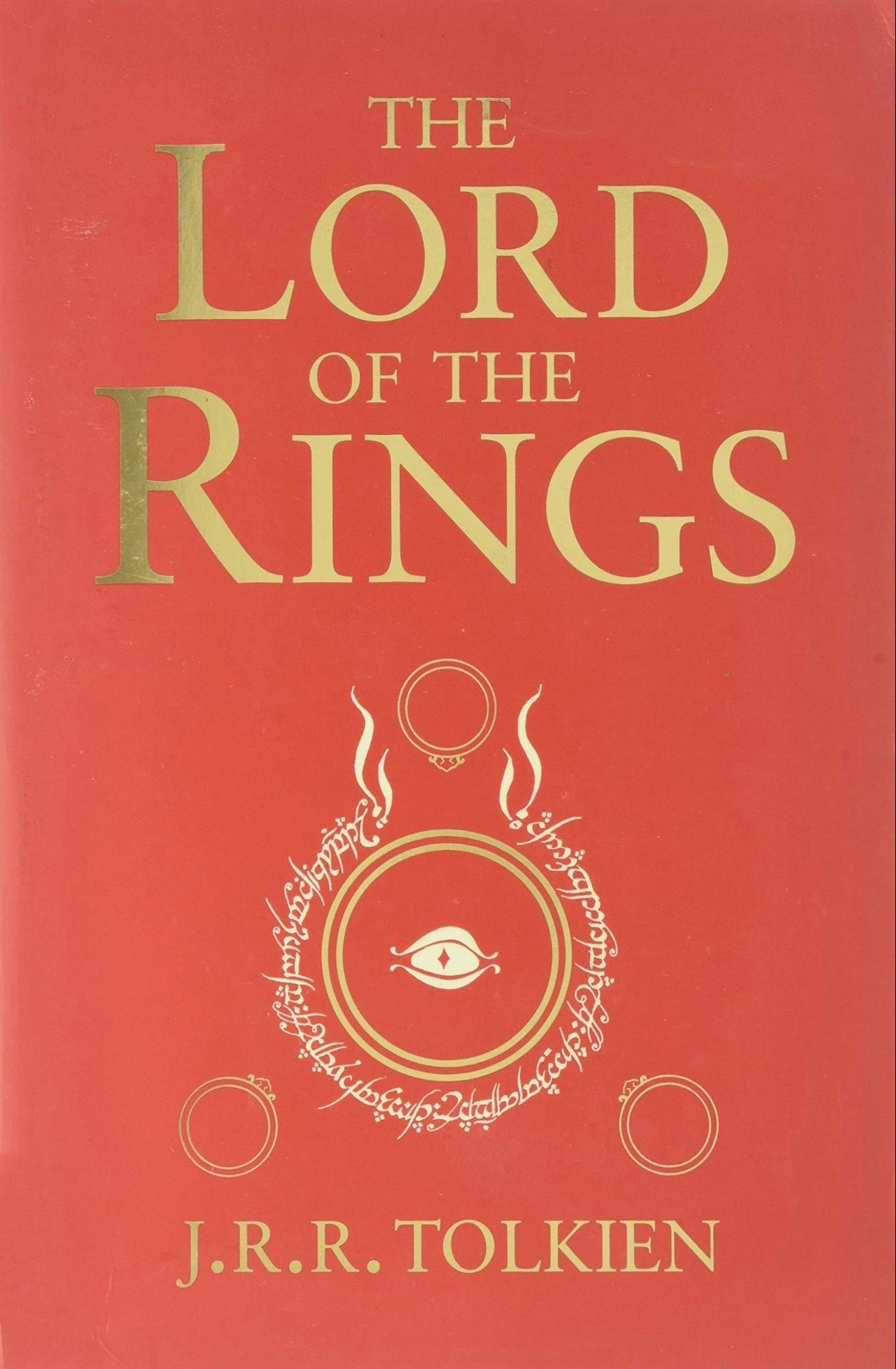
2. The Lord of the Rings by J.R.R. Tolkien
Tolkien’s fantasy epic is one of the top must-read books out there. Set in Middle Earth – a world full of hobbits, elves, orcs, goblins, and wizards – The Lord of the Rings will take you on an unbelievable adventure.
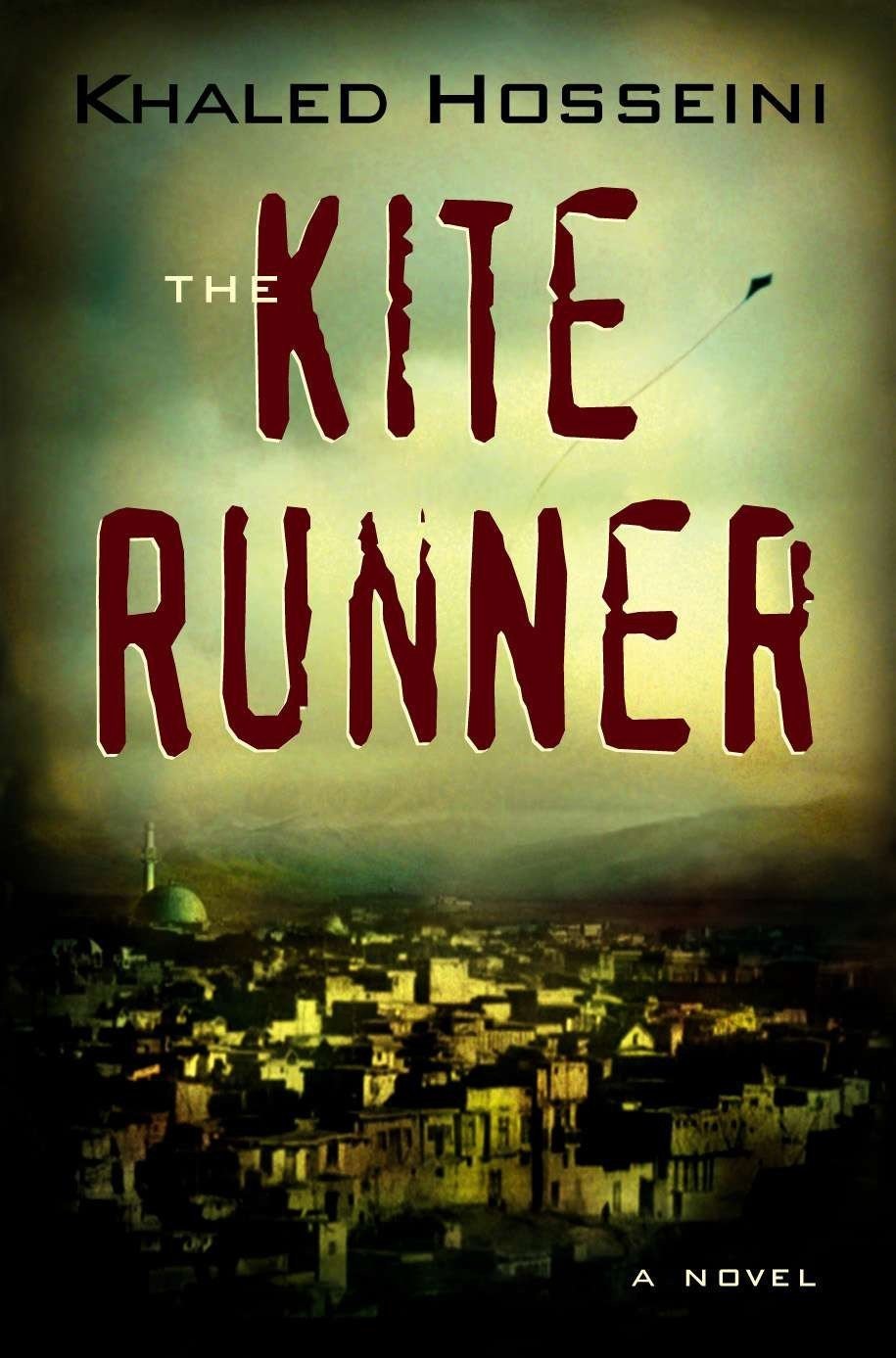
3. The Kite Runner by Khaled Hosseini
The Kite Runner is a moving story of an unlikely friendship between a wealthy boy and the son of his father’s servant. Set in Afghanistan during a time of tragedy and destruction, this unforgettable novel will have you hooked from start to finish.
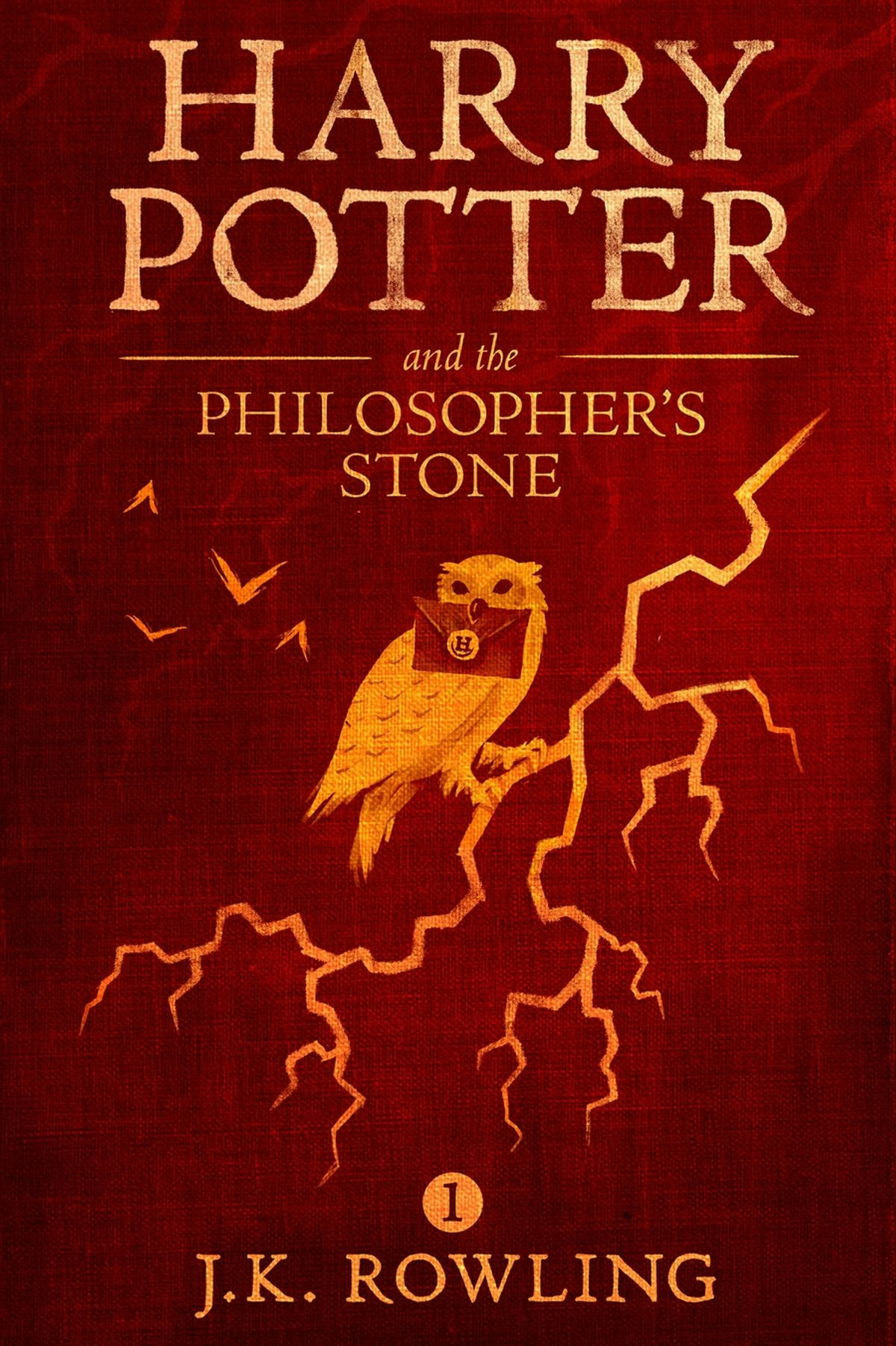
4. Harry Potter and the Philosopher’s Stone by J.K. Rowling
This global bestseller took the world by storm. So, if you haven’t read J.K. Rowling’s Harry Potter, now may be the time. Join Harry Potter and his schoolmates as this must-read book transports you deep into a world of magic and monsters.
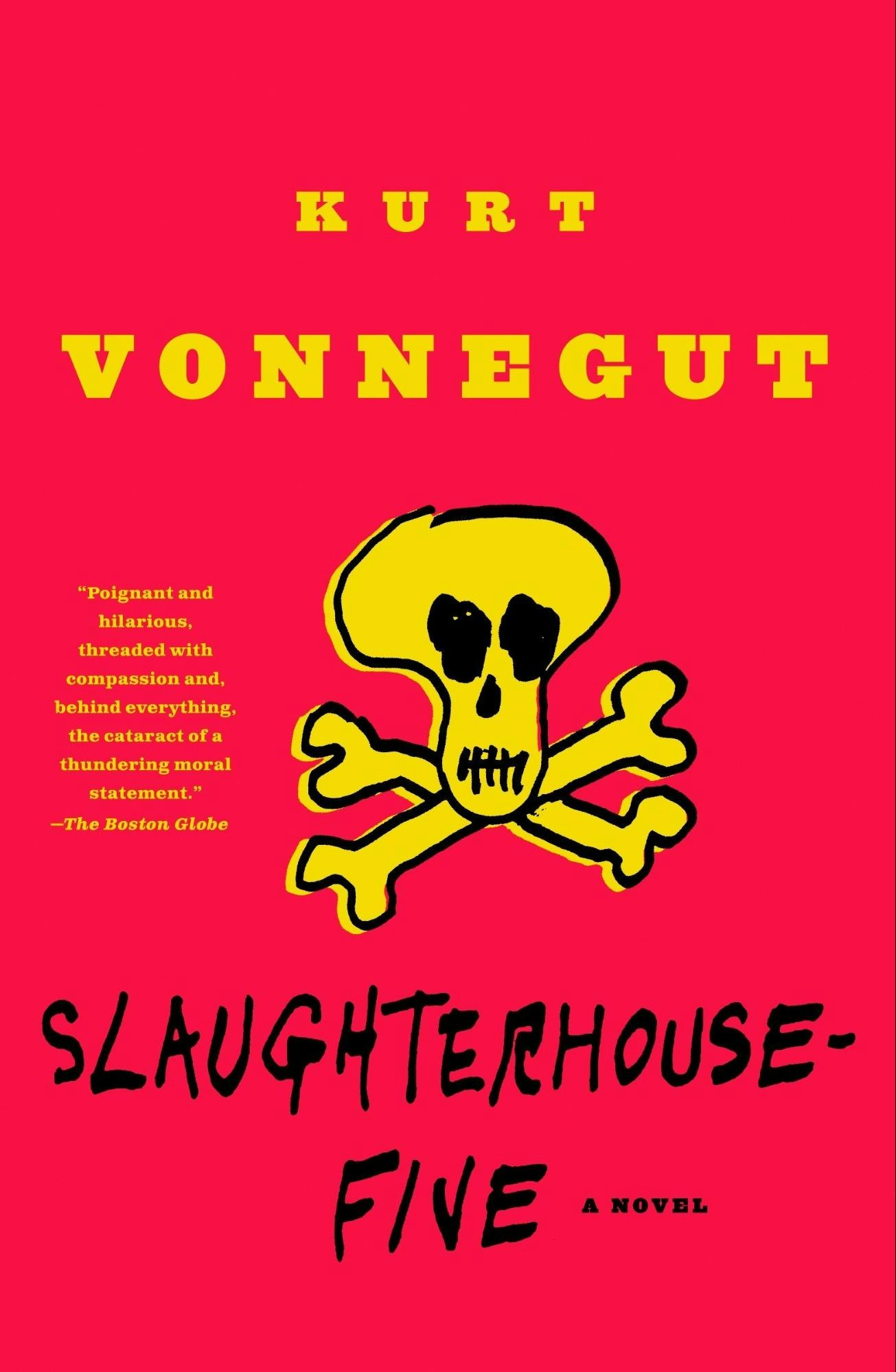
5. Slaughterhouse-Five by Kurt Vonnegut
Slaughterhouse-Five is arguably one of the greatest anti-war books ever written. This rich and amusing tale follows the life of Billy Pilgrim as he experiences World War II from a peculiar perspective.
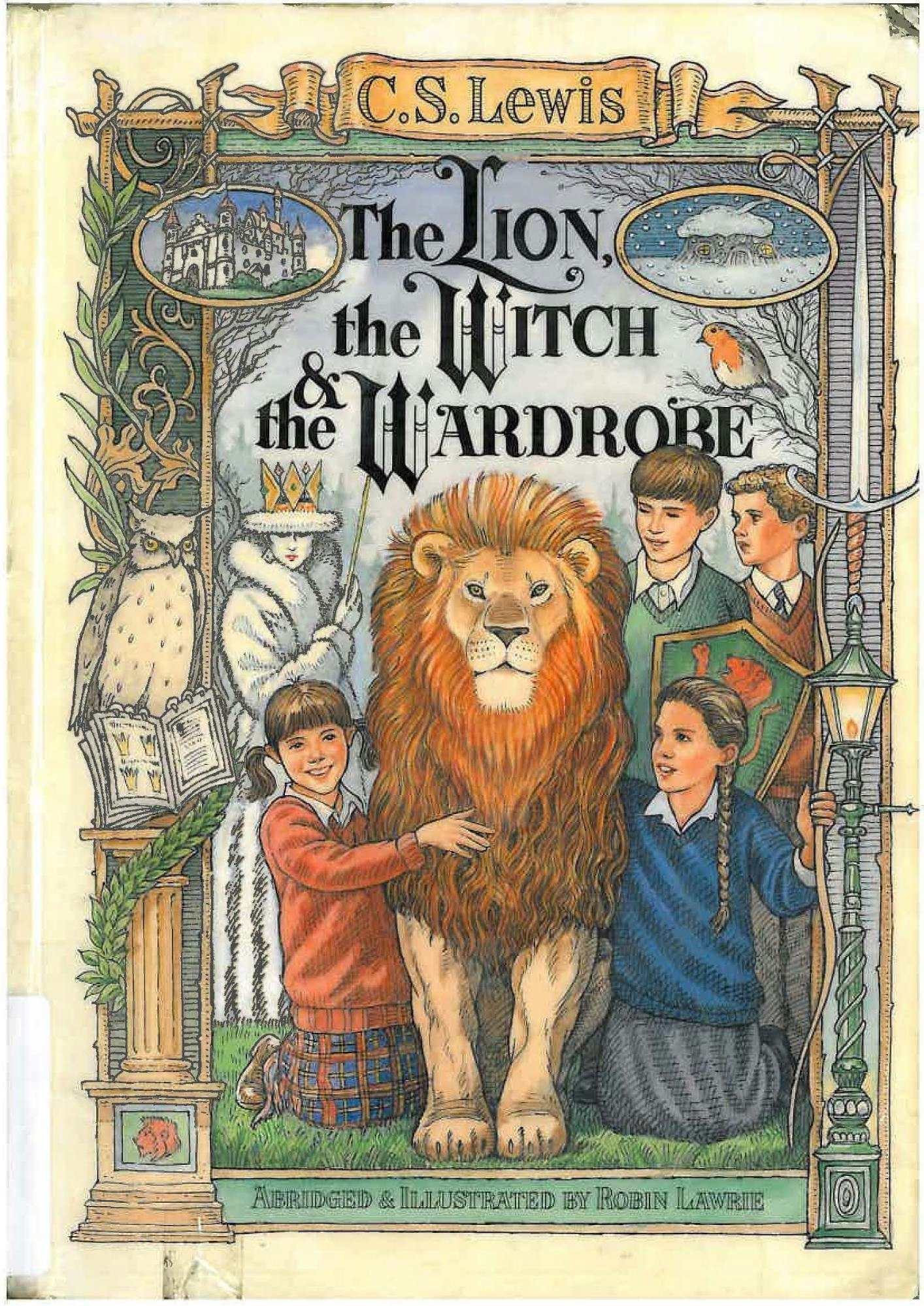
6. The Lion, the Witch, and the Wardrobe by C.S. Lewis
The Lion, The Witch, and the Wardrobe is undoubtedly one of the great books of all time. This renowned fantasy novel is set in Narnia, home to mythical beasts, talking animals, and warring kingdoms. The story follows a group of school children as they become entangled in this incredible world’s fate.
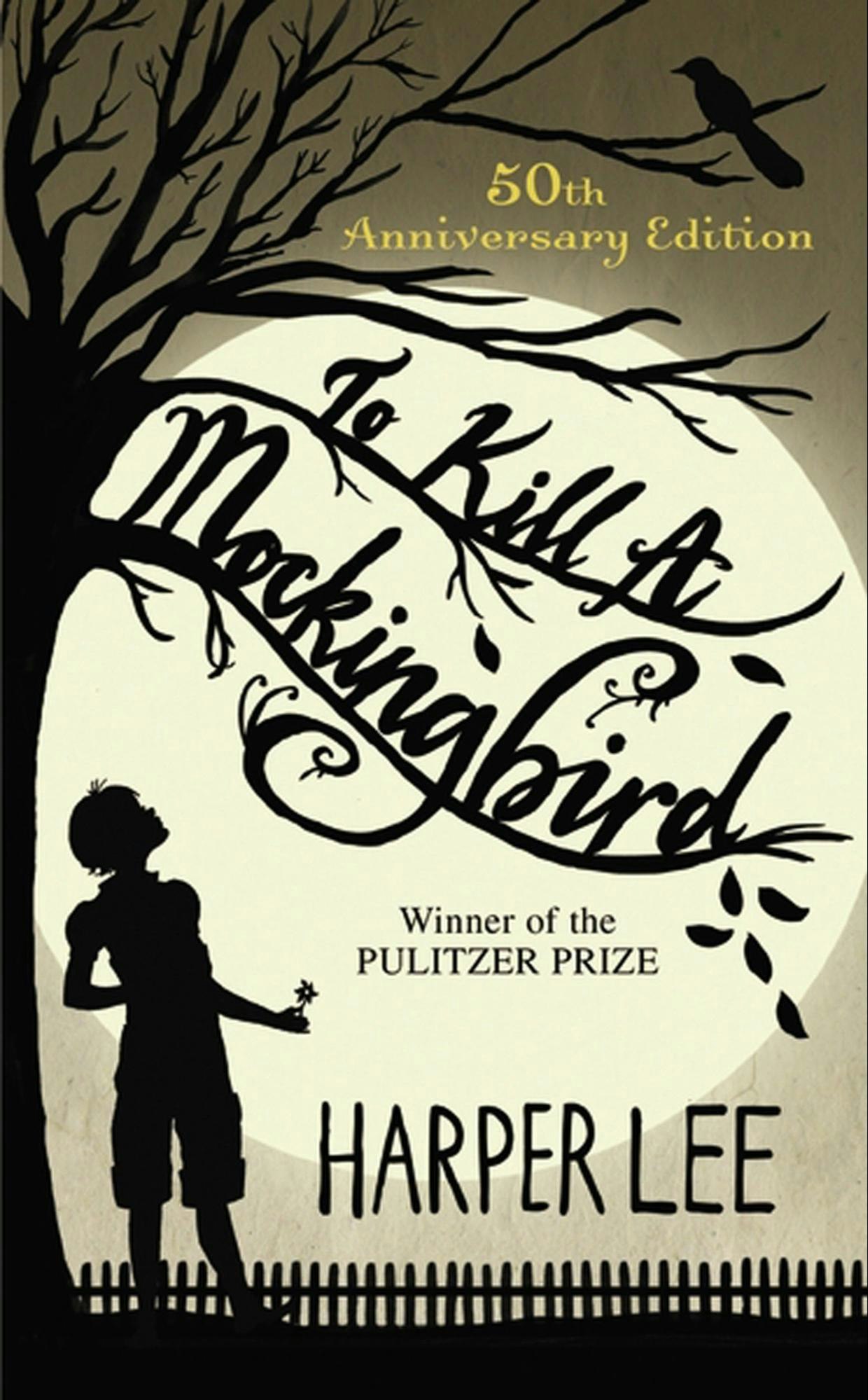
7. To Kill a Mockingbird by Harper Lee
To Kill a Mockingbird is one of the top must-read books of all time. Published in 1960, the story explores life in the Deep South during the early 20th century through the story of a man accused of a terrible crime. It’s poignant, humorous, and gripping.
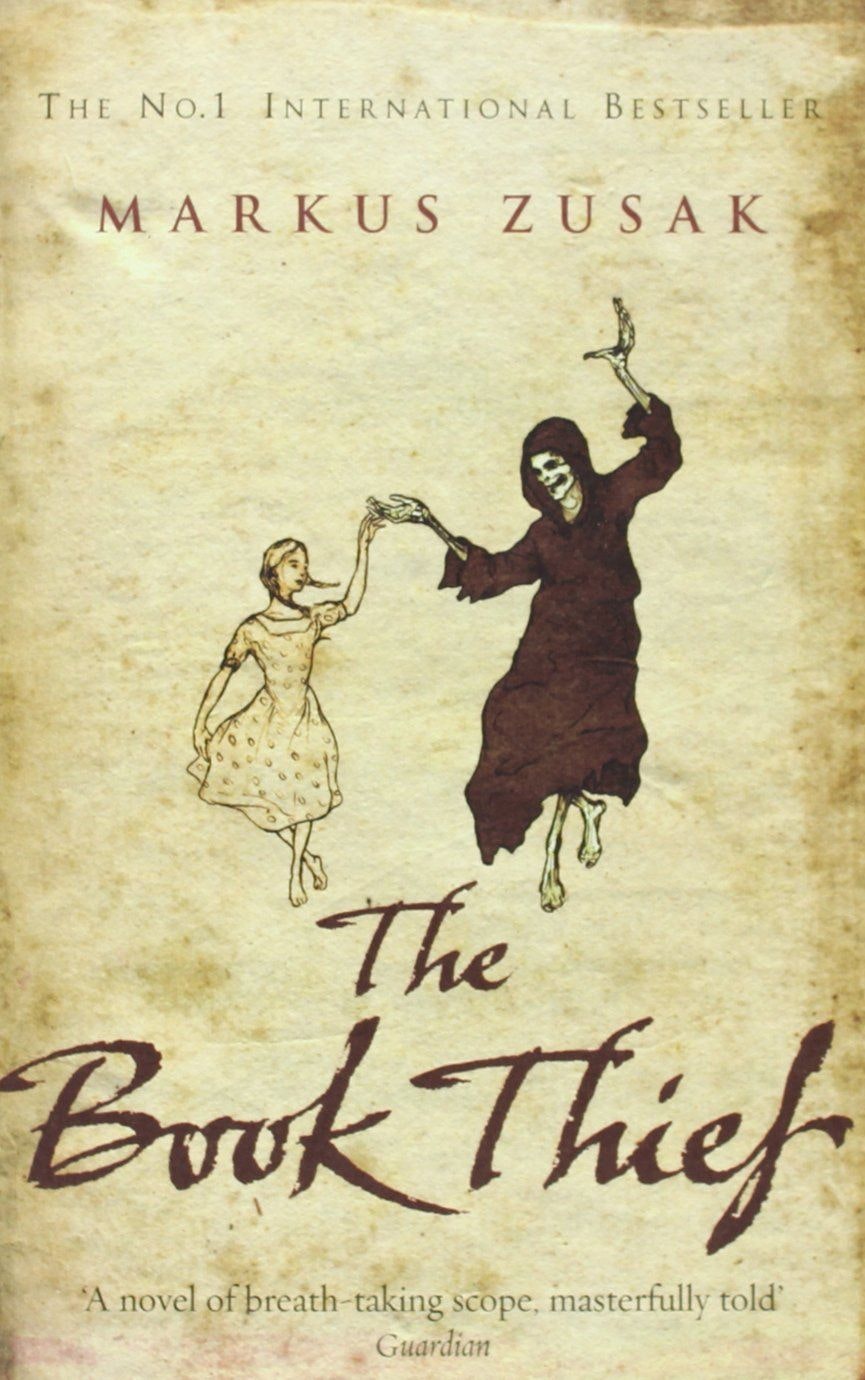
8. The Book Thief by Markus Zusak
The Book Thief is a story of bravery, hope, and friendship in a time of Nazi tyranny. Narrated by Death itself, this novel will have you holding your breath for chapters at a time.
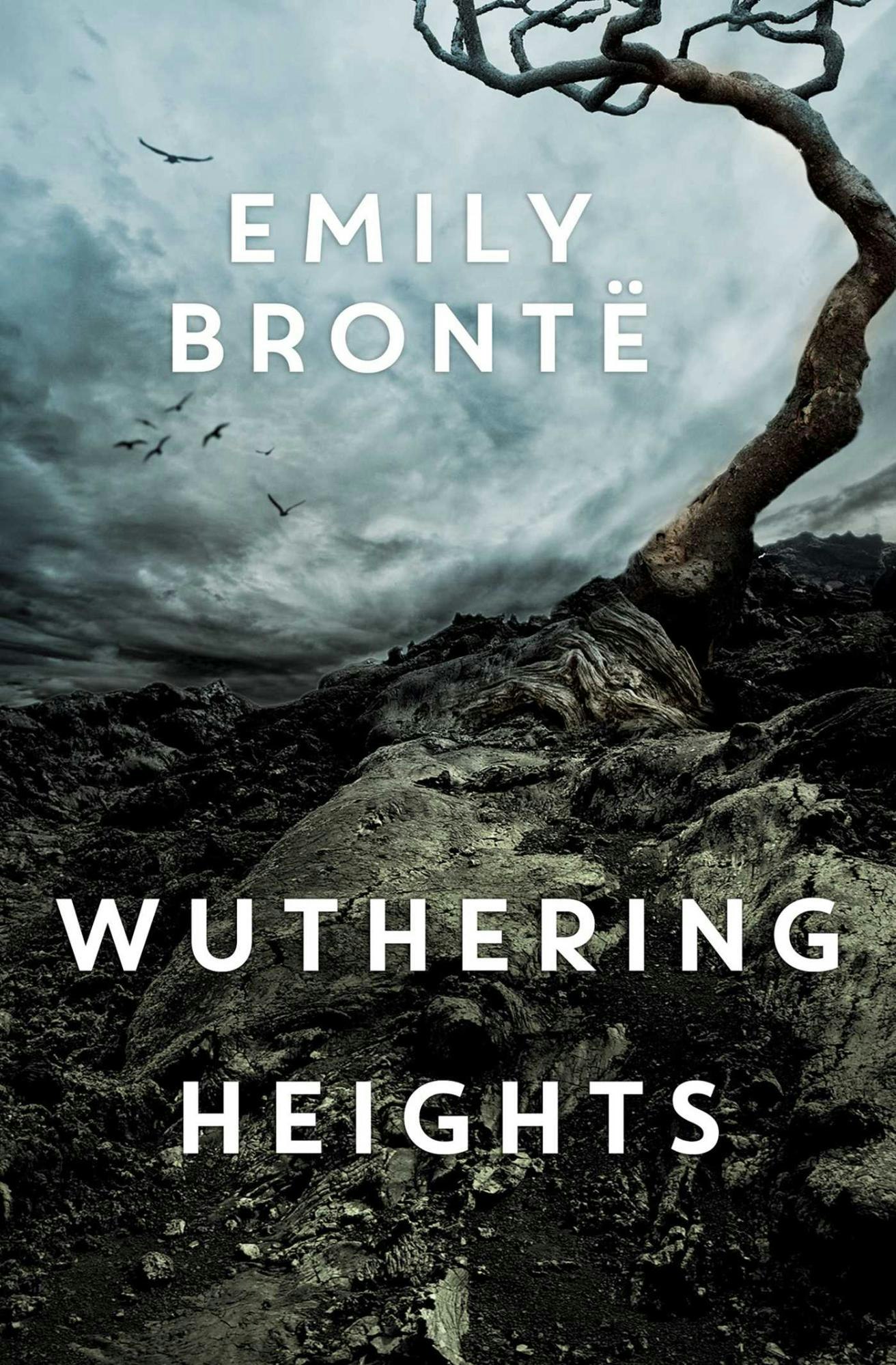
9. Wuthering Heights by Emily Bronte
Wuthering Heights is a classic novel published way back in 1847. This harrowing story, set on a lonely English moorland, follows Catherine Earnshaw and Heathcliff’s struggle with love, betrayal, and revenge. If you love dramatic novels, add this to your must-read book list.
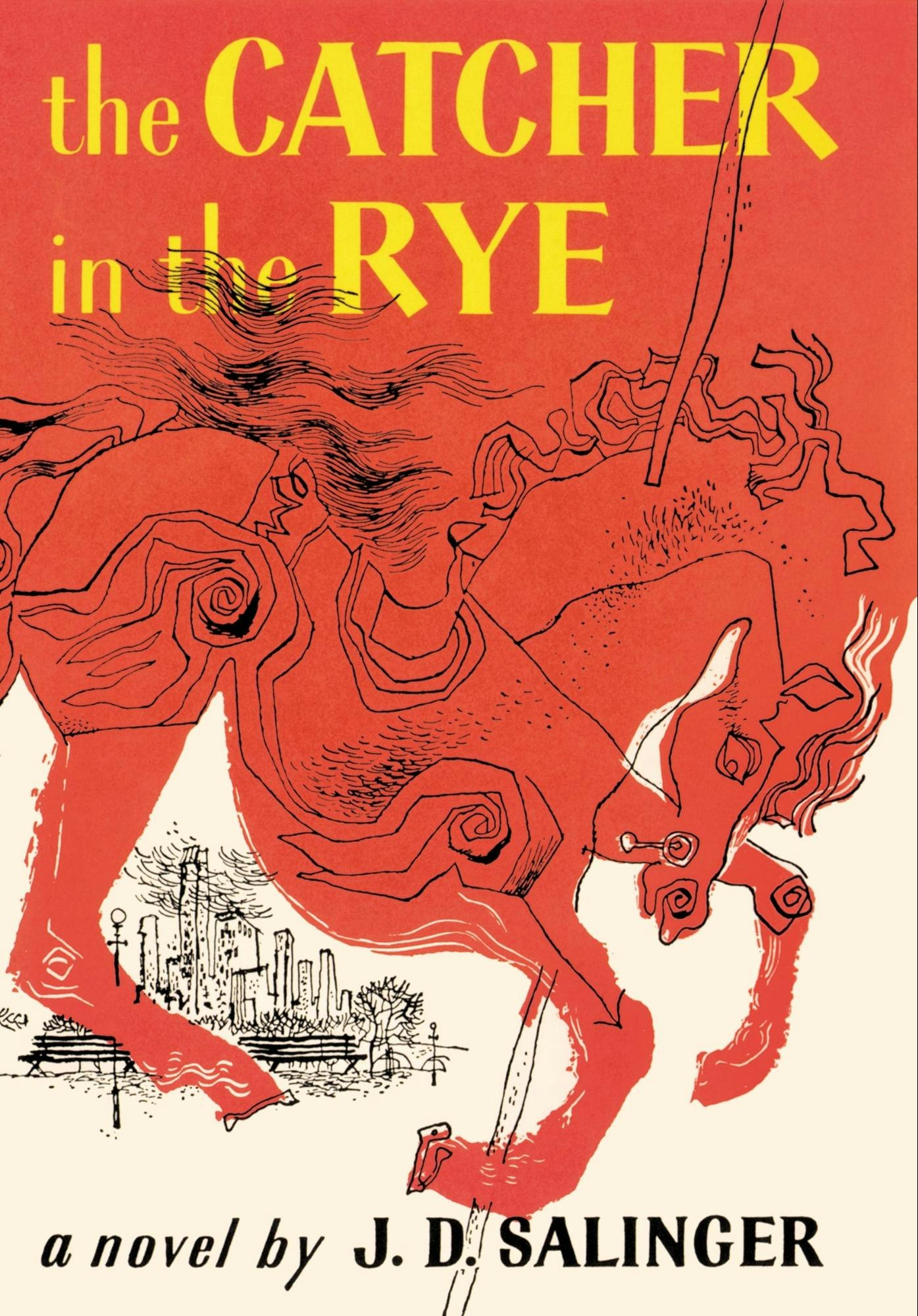
10. The Catcher in the Rye by J.D. Salinger
The Catcher in the Rye is the classic coming-of-age story. It follows sixteen-year-old Holden Caulfield’s adolescent journey of angst and alienation as he leaves his prep school and moves to New York City.
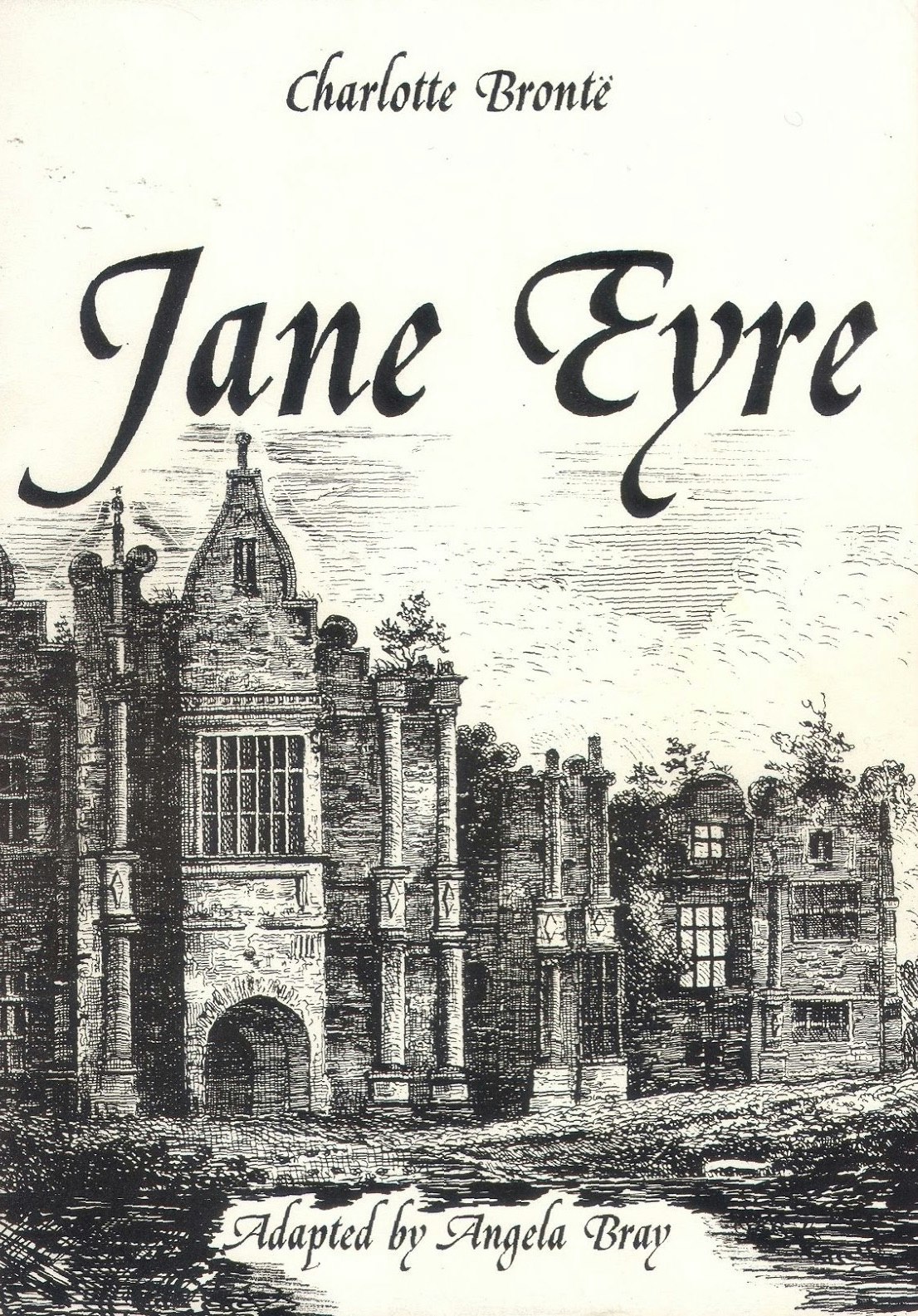
11. Jane Eyre by Charlotte Bronte
Jane Eyre is often considered one of the must-read books of all time. It follows the emotions and experiences of a strong, unbroken woman who continued to grow morally and spiritually despite a troubled childhood and a sexist, repressed Victorian society.
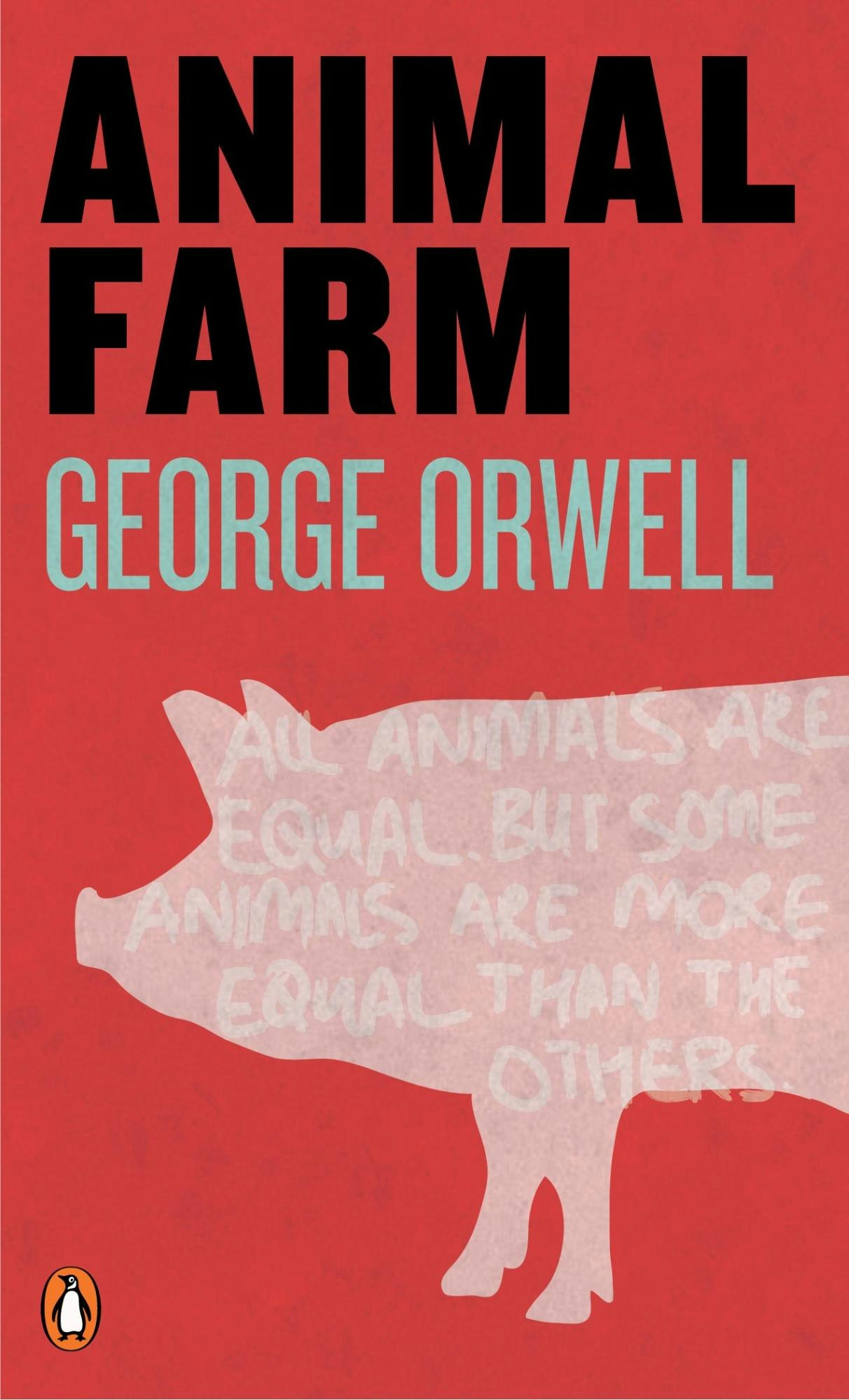
12. Animal Farm by George Orwell
Orwell tells a fairy tale of a revolution against tyranny that ends in even more unjust totalitarianism. The animals on the farm are rife with idealism and desire to create a world of justice, equality, and progress. However, the new regimen attempts to control every aspect of the animals’ lives.
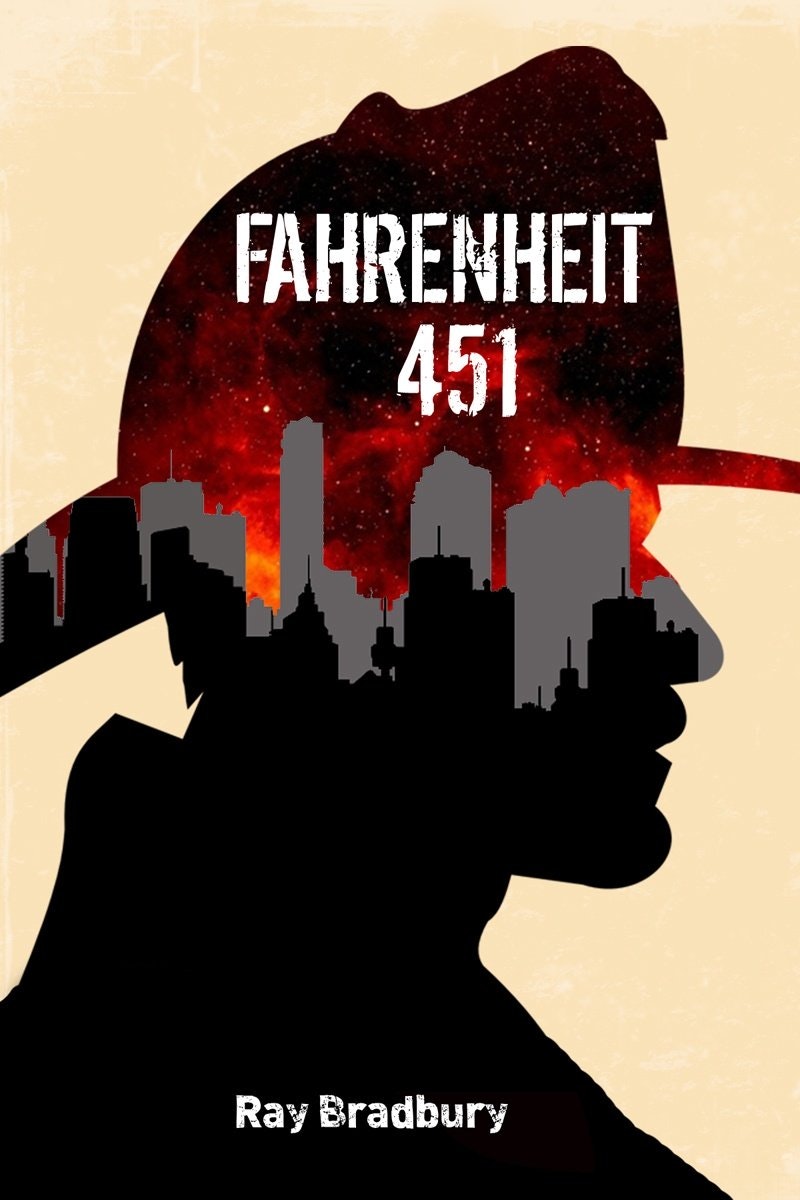
13. Fahrenheit 451 by Ray Bradbury
Ray Bradbury’s dystopian world shines a light on Western societies’ dependence on the media. The main character’s job is to find and burn any books he can find – until he begins to question everything. Considering the state of current politics and world affairs, this is one of the absolute must-read books in life.
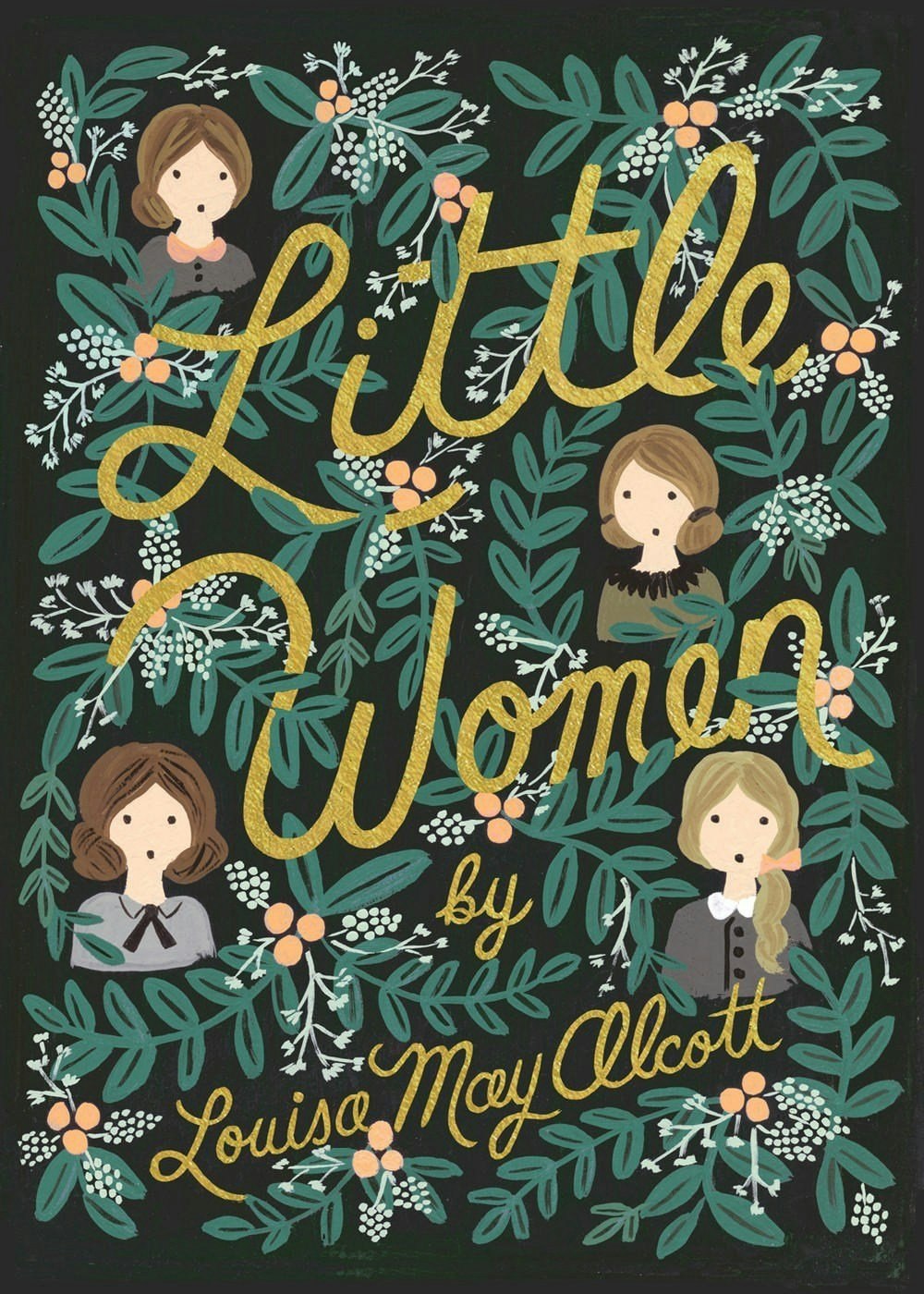
14. Little Women by Louisa May Alcott
This is a tale of four sisters with their own very different and very prominent personalities. The novel draws the reader deep into their lives as we get to know each of their flaws, joys, struggles, and fears.
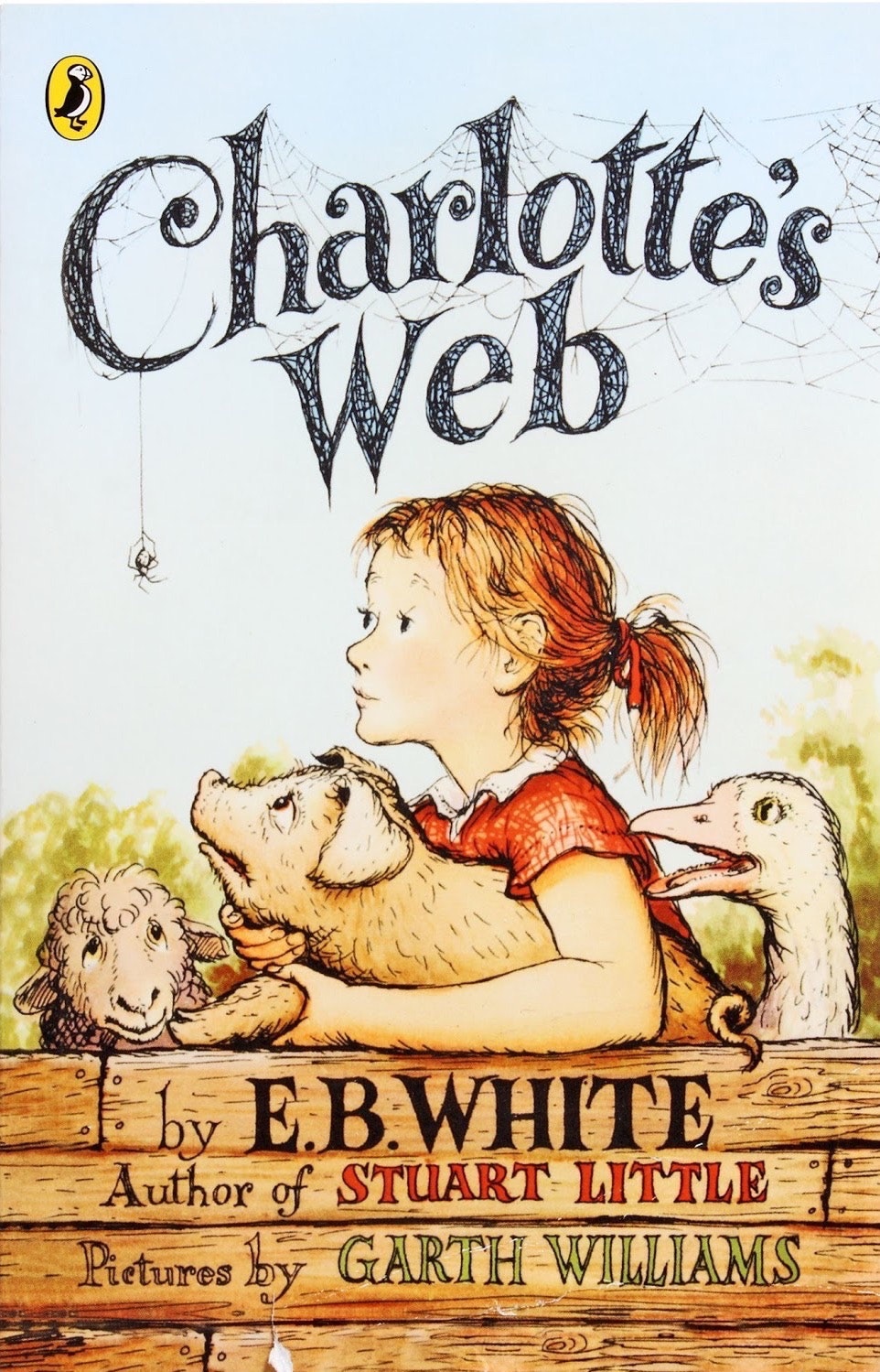
15. Charlotte’s Web by E.B. White
Charlotte’s Web is a great reminder to be kind to all living creatures. This magical story takes place on a farm where a little girl tries to save her piglet from slaughter. Fern, the little girl, enlists the help of her farm friends to execute her clever plan.
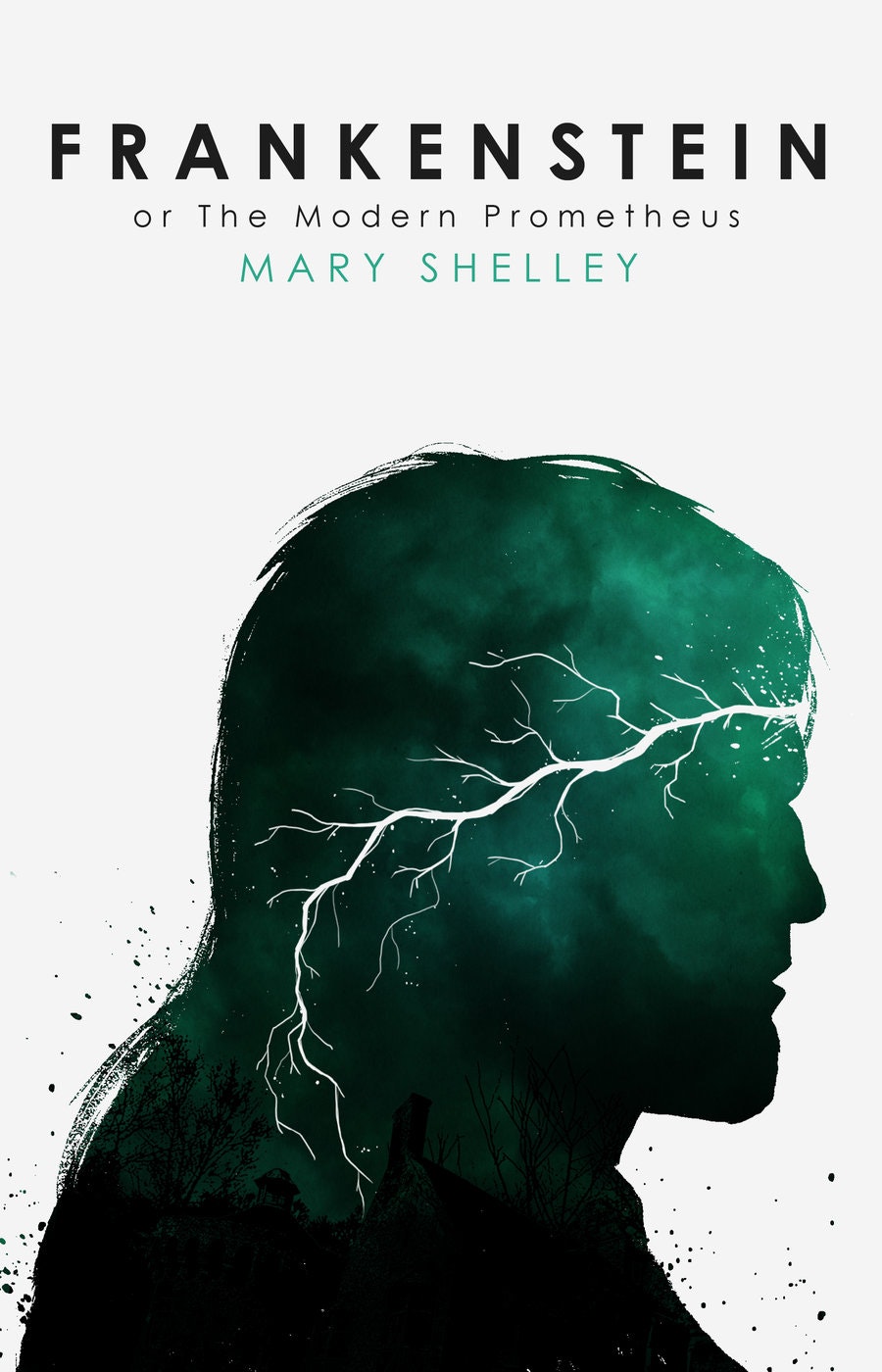
16. Frankenstein by Mary Shelley
English author Mary Shelley tells the story of Victor Frankenstein, a young scientist who creates a monster and brings it to life. This gripping novel evokes questions about what makes us human and what love and kindness truly mean.
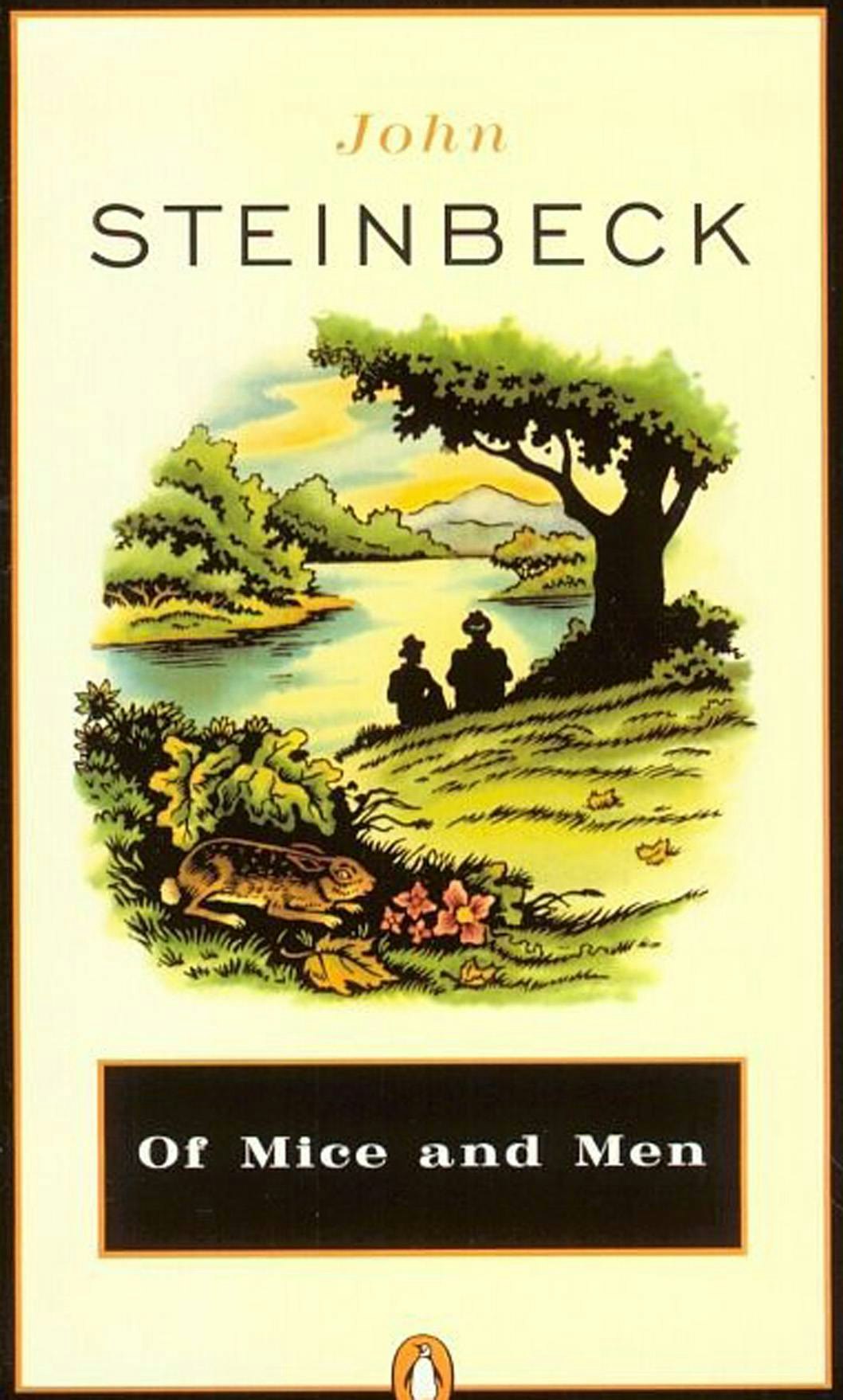
17. Of Mice and Men by John Steinbeck
Of Mice and Men should be on every must-read book list. Set in the Great Depression, this is a controversial tale of friendship between two migrant workers in California. Filled with hope and tragedy, the two work towards the dream of owning land and pets.
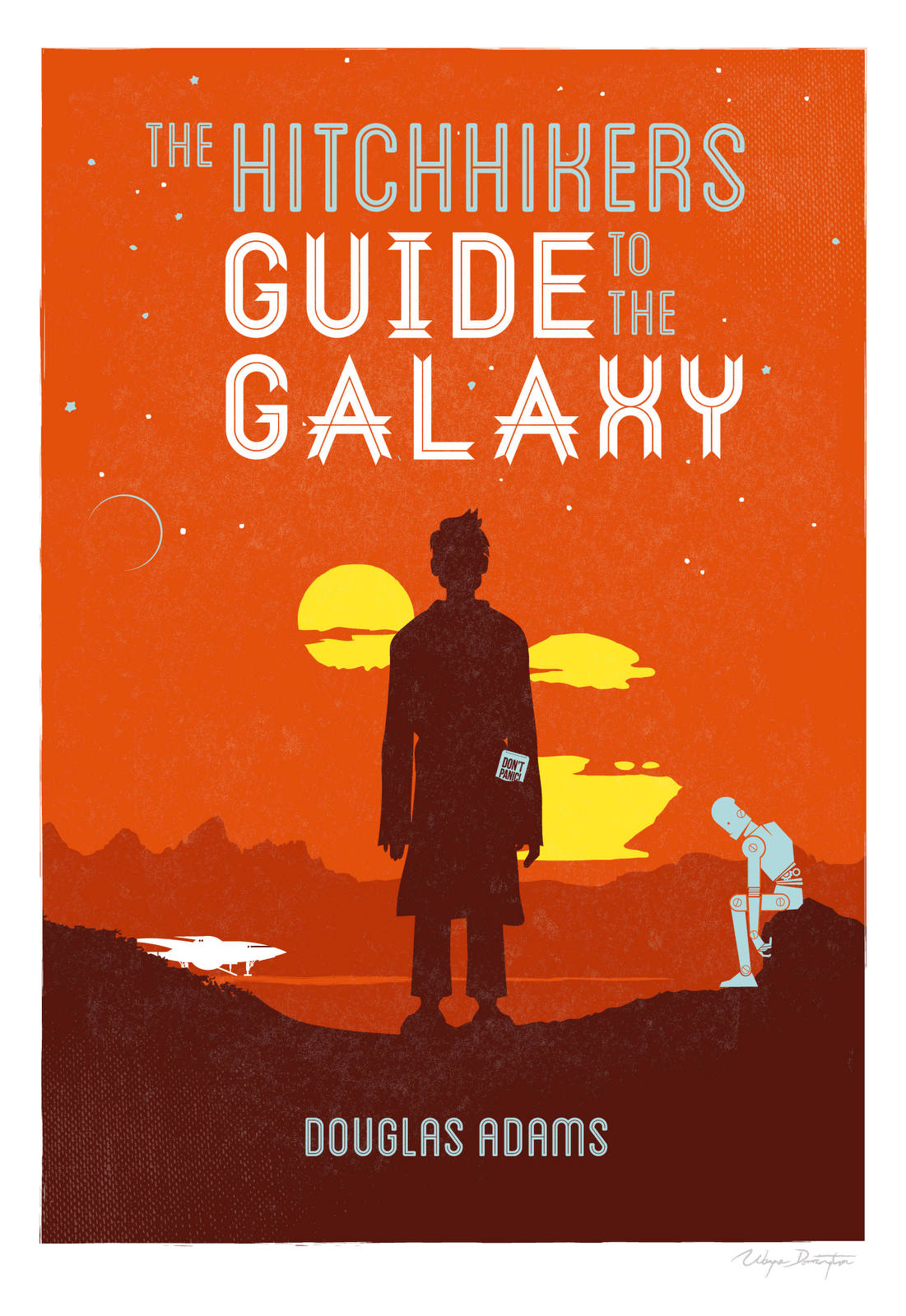
18. The Hitchhiker’s Guide to the Galaxy by Douglas Adams
In Guardians of the Galaxy, Arthur Dent sets off on a hilarious and fantastic adventure across the stars. He learns not to take the universe seriously as he meets all kinds of interesting characters.
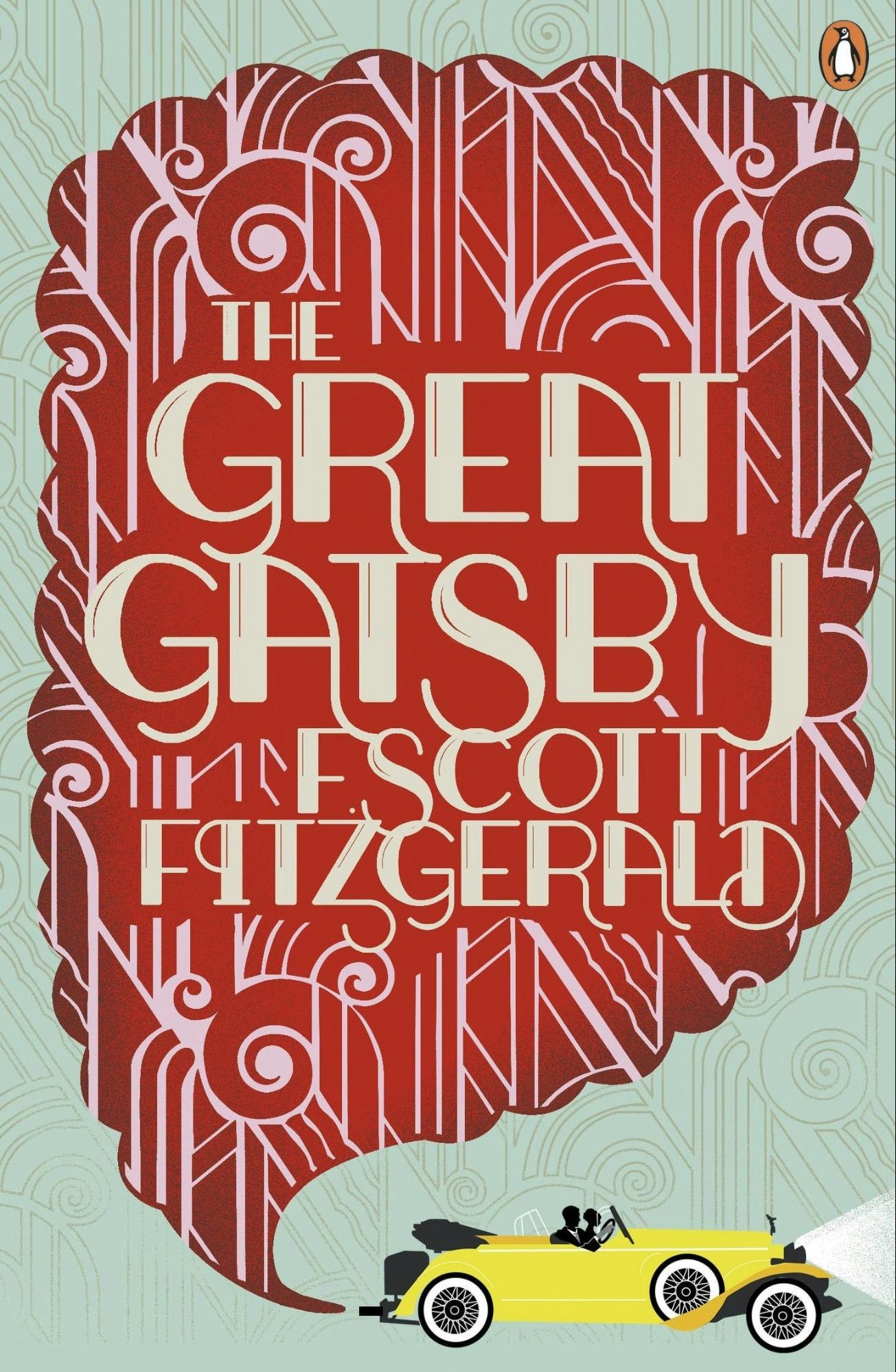
19. The Great Gatsby by F. Scott Fitzgerald
Scott Fitzgerald’s The Great Gatsby is said to be the quintessential novel of the Jazz Age. Set in 1922 amongst unfathomable indulgence and decadence, the novel highlights a man’s struggle to earn the love of the woman he’s obsessed with.
Business and Money Must-Read Books
Ready to start an online business? Find best selling products from suppliers you can trust at Handshake, a wholesale marketplace by Shopify.
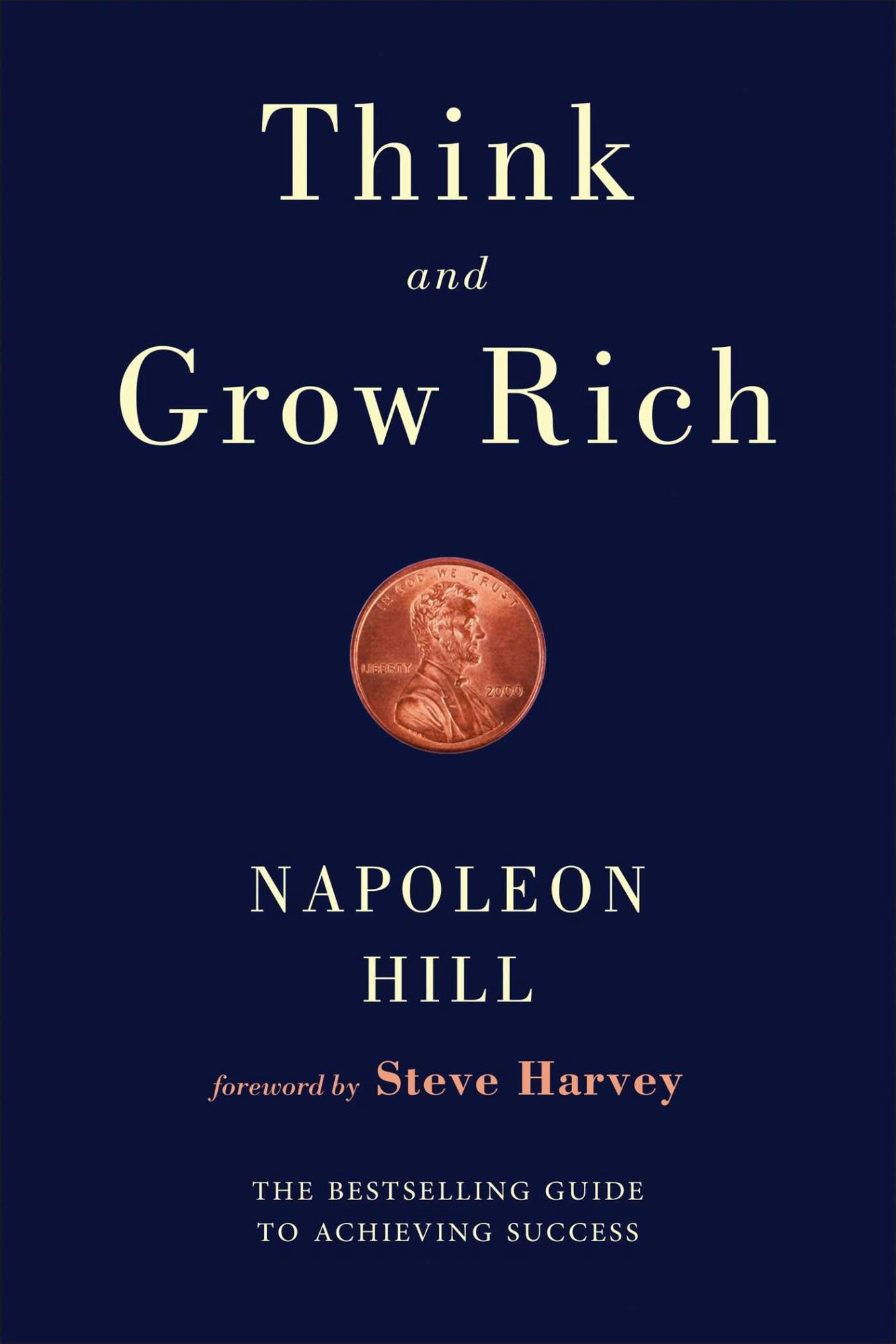
20. Think and Grow Rich by Napoleon Hill
Think and Grow Rich is a classic bestseller that has sold millions of copies worldwide. It’s packed full of money-making tips, techniques, and strategies. If you want to improve your mindsetaround money, this book can potentially change your life completely.
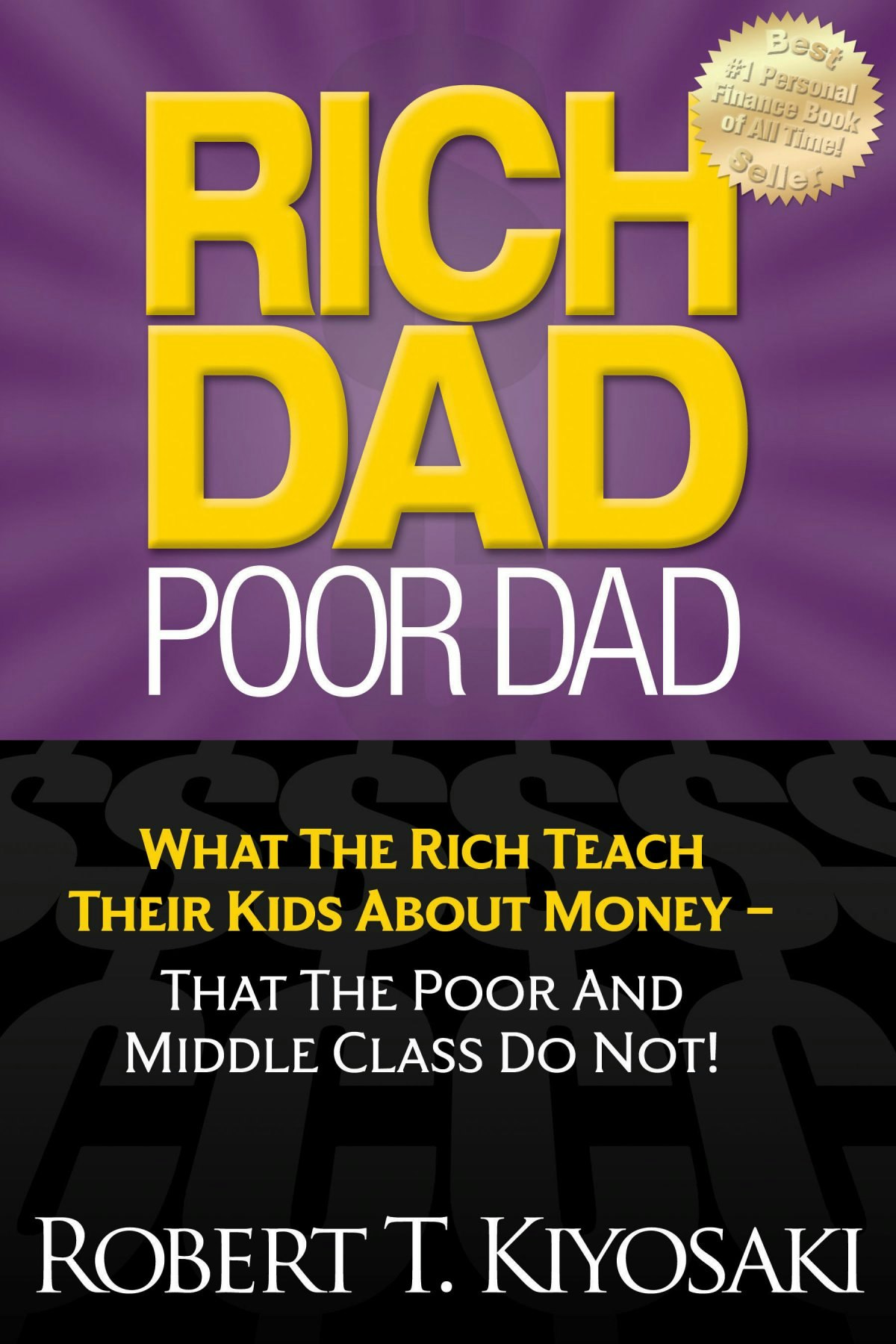
21. Rich Dad Poor Dad: What the Rich Teach Their Kids About Money That the Poor and Middle Class Do Not! by Robert T. Kiyosaki
Rich Dad Poor Dad explains how wealthy people and poorer people think differently. It challenges commonly held beliefs about money and explains how you don’t need to have a high income to become rich.
22. The Intelligent Investor by Benjamin Graham
If you want to learn how to invest, add this to your list of must-read books. Author Benjamin Graham is considered one of the greatest investment advisors of the twentieth century. In The Intelligent Investor, you’ll learn about Graham’s philosophy of ‘value investing’ and how to develop long-term strategies that are used by the most successful investors in the world.
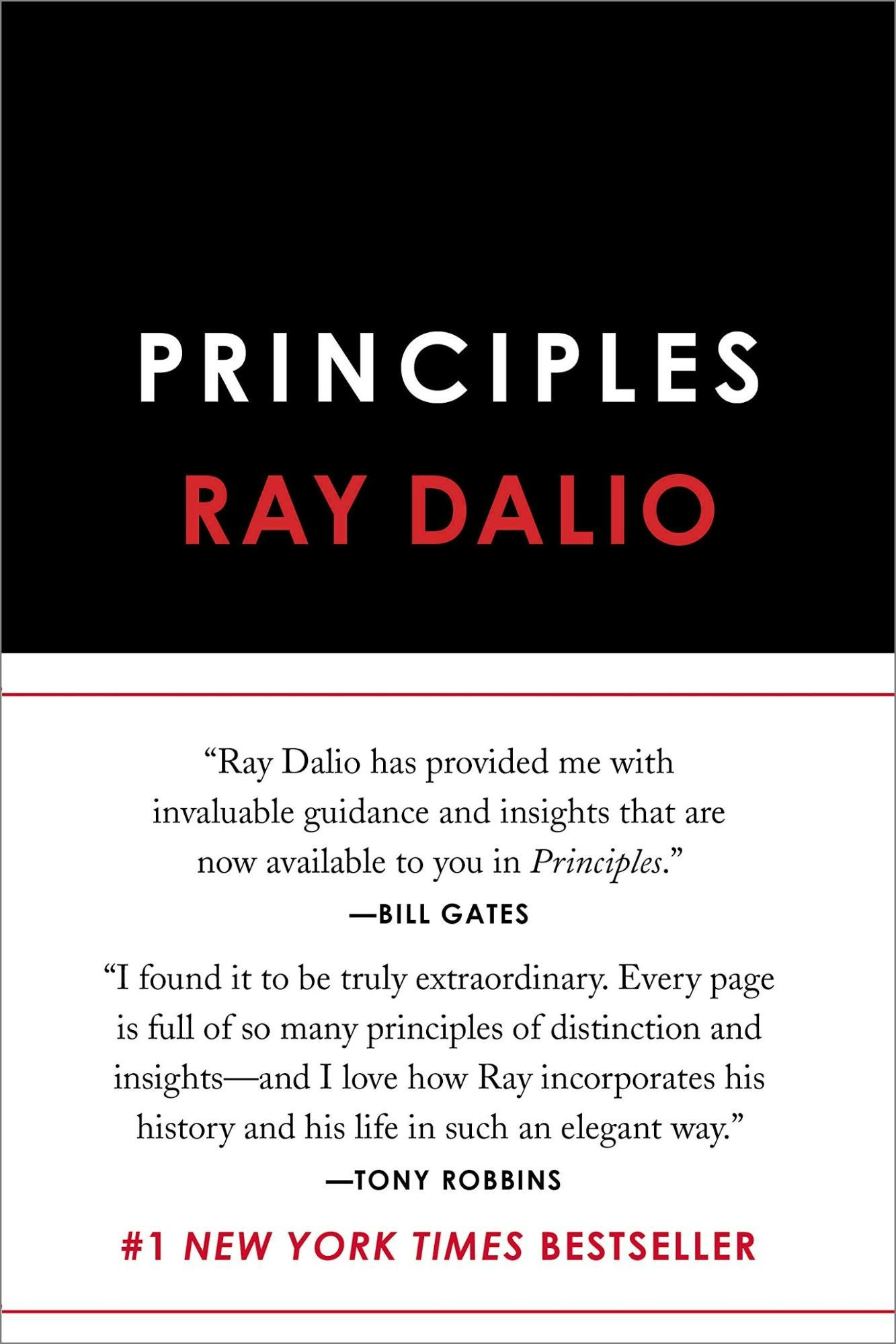
23. Principles: Life and Work by Ray Dalio
Ray Dalio’s investment firm, Bridgewater Associates, has made more money for its clients than any other hedge fund in history. In Principles, Dalio shares everything he’s learned about investing, business, and life over the years.
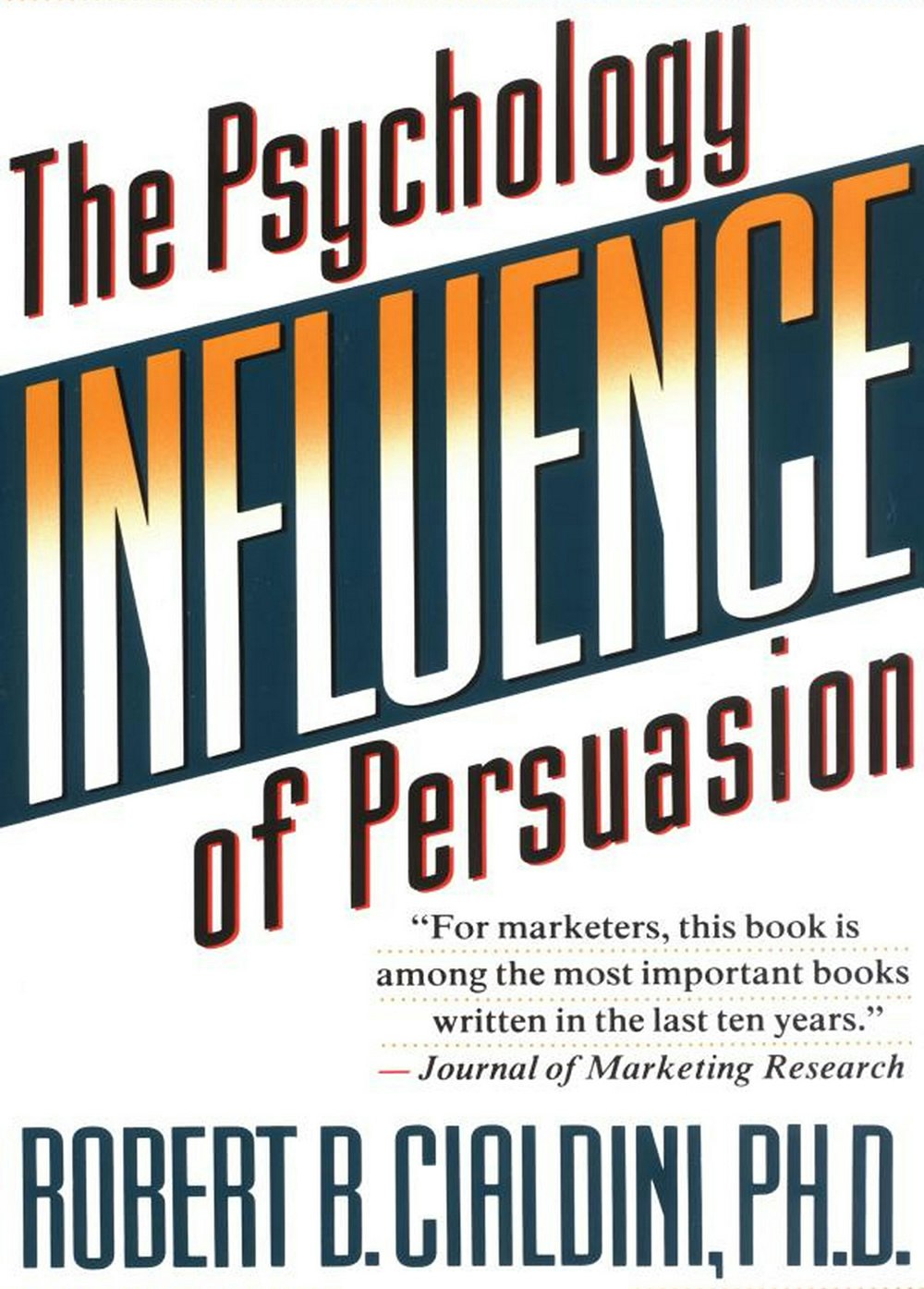
24. Influence: The Psychology of Persuasion by Robert B. Cialdini
In this New York Times bestseller, DR. Robert B. Cialdini reveals the psychology behind influence – and how to apply the principles of persuasion in business and everyday life.
Personal Development Books Everyone Should Read
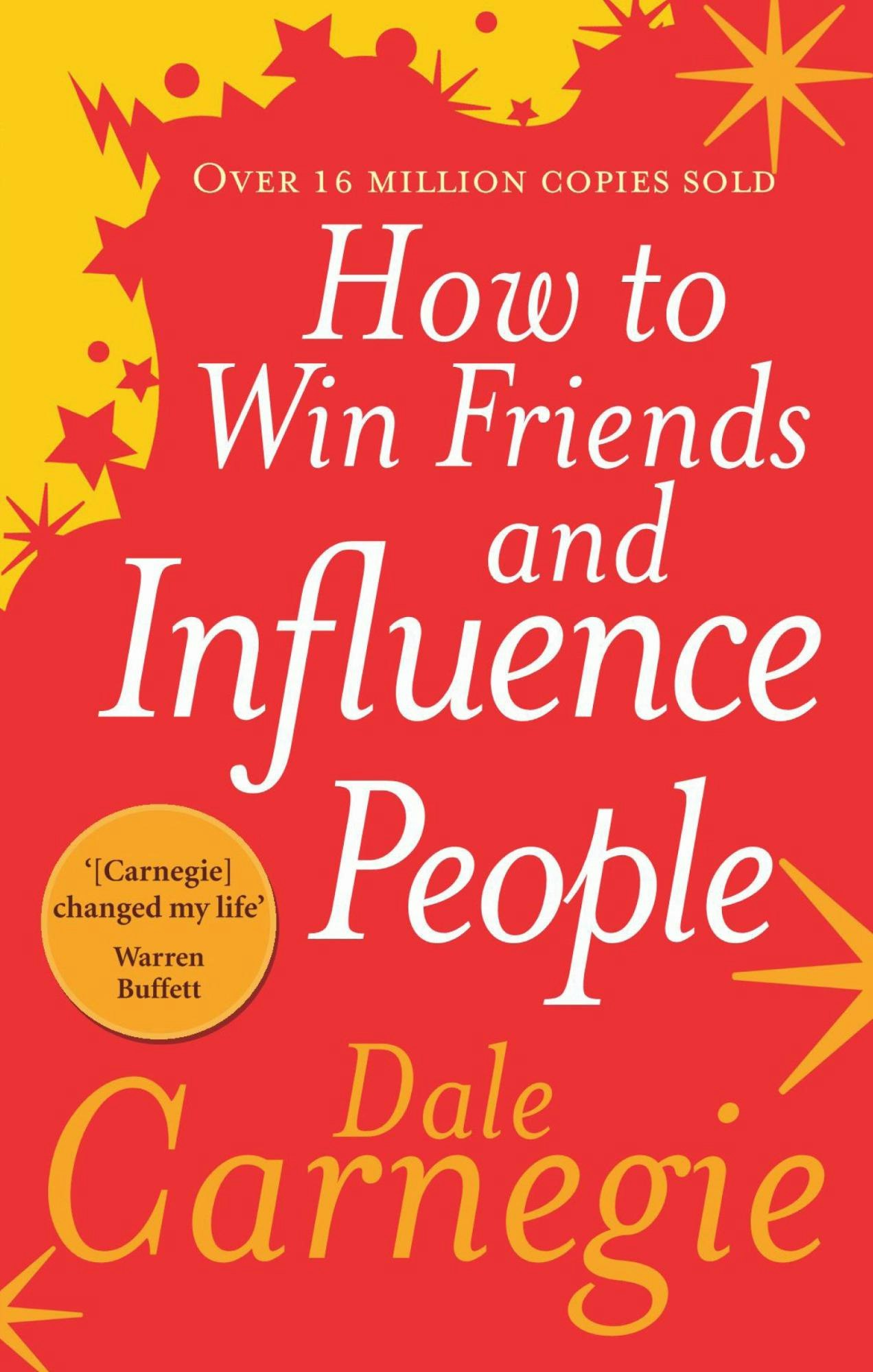
25. How to Win Friends and Influence People by Dale Carnegie
First published in 1936, Dale Carnegie’s classic self-help book has stood the test of time. How to Win Friends and Influence People will teach you straightforward methods to improve your relationships – and as a result, your business and personal lives.
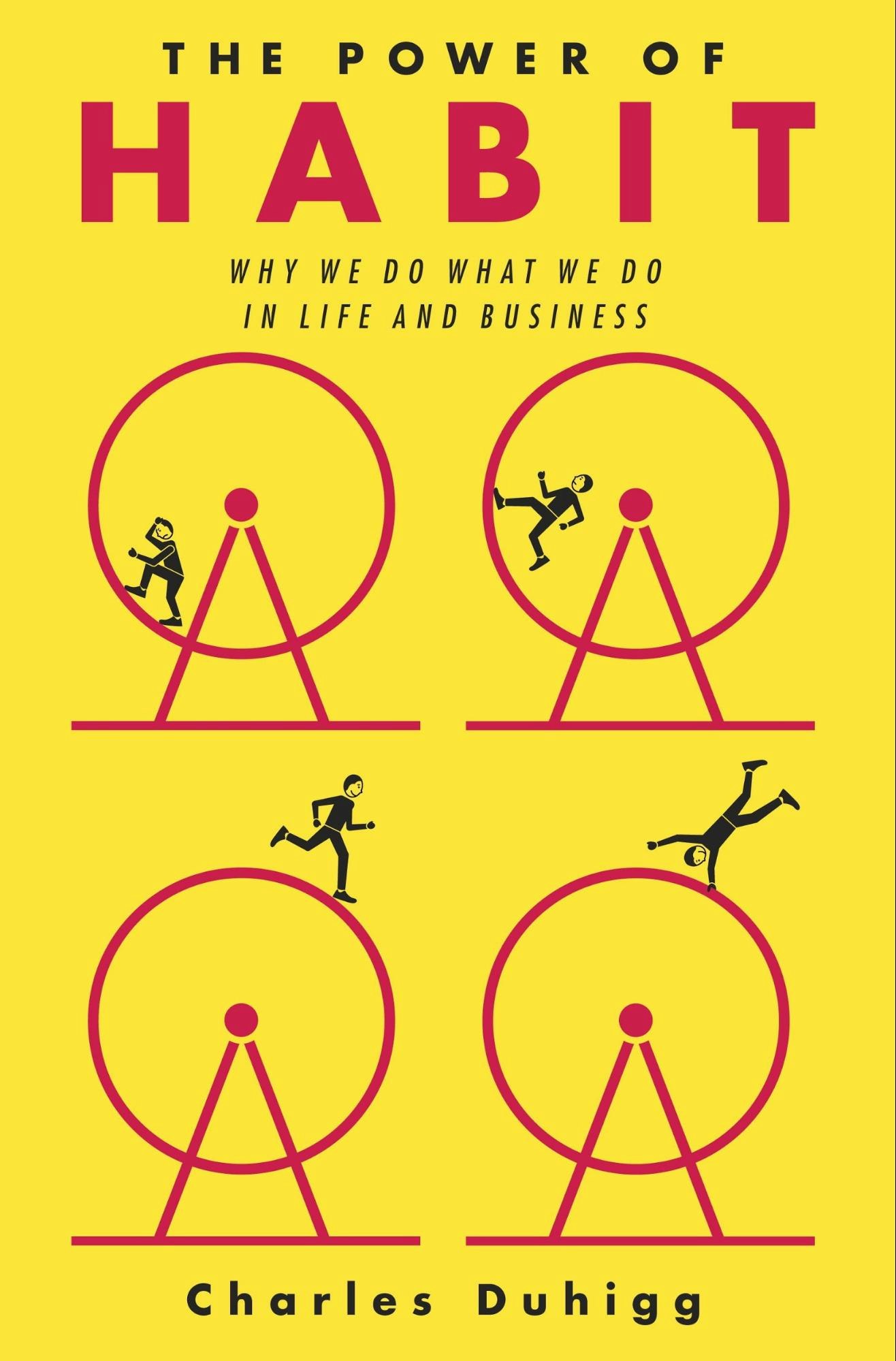
26. The Power of Habit: Why We Do What We Do in Life and Business by Charles Duhigg
If you’ve ever tried to change a habit unsuccessfully, this should be one of your must-read books. In The Power of Habit, Charles Duhigg reveals the empowering nature of how habits are formed and – crucially – how you can change them.
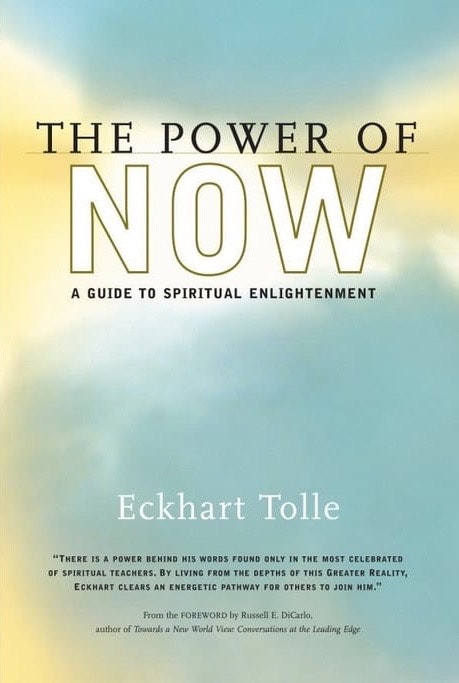
27. The Power of Now: A Guide to Spiritual Enlightenment by Eckhart Tolle
The Power of Now has sold more than two million copies and has been translated into over 30 languages. This groundbreaking book has the potential to completely revolutionize how you experience life – making life far more joyous and prosperous in the process.
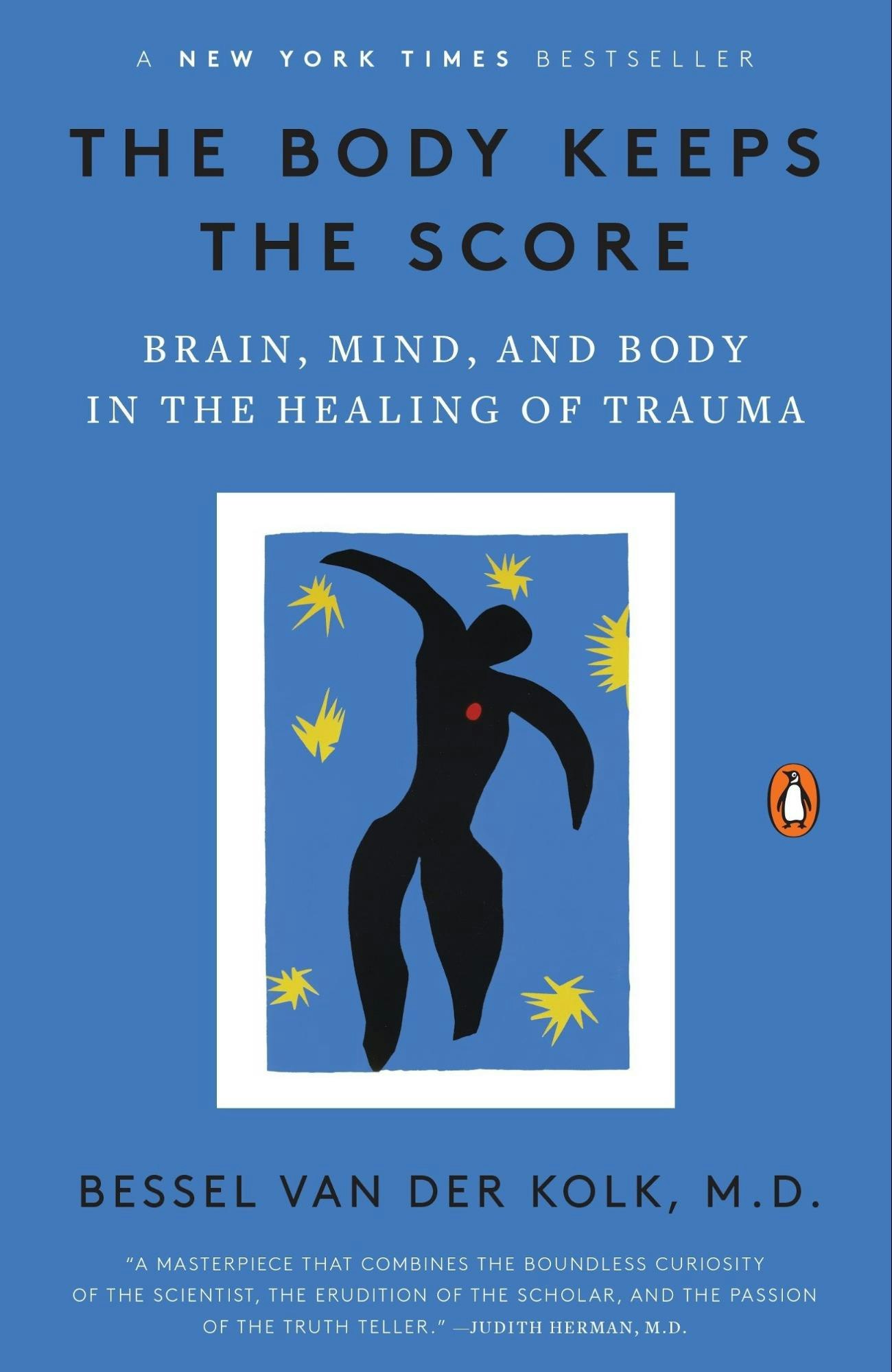
28. The Body Keeps the Score: Brain, Mind, and Body in the Healing of Trauma by Bessel van der Kolk M.D.
Dr. Bessel van der Kolk is one of the world’s foremost experts on trauma – something that virtually everyone experiences to some degree. The Body Keeps the Score unravels the science behind emotional and psychological trauma and offers new paths to recovery.
Science and Technology Books You Must-Read
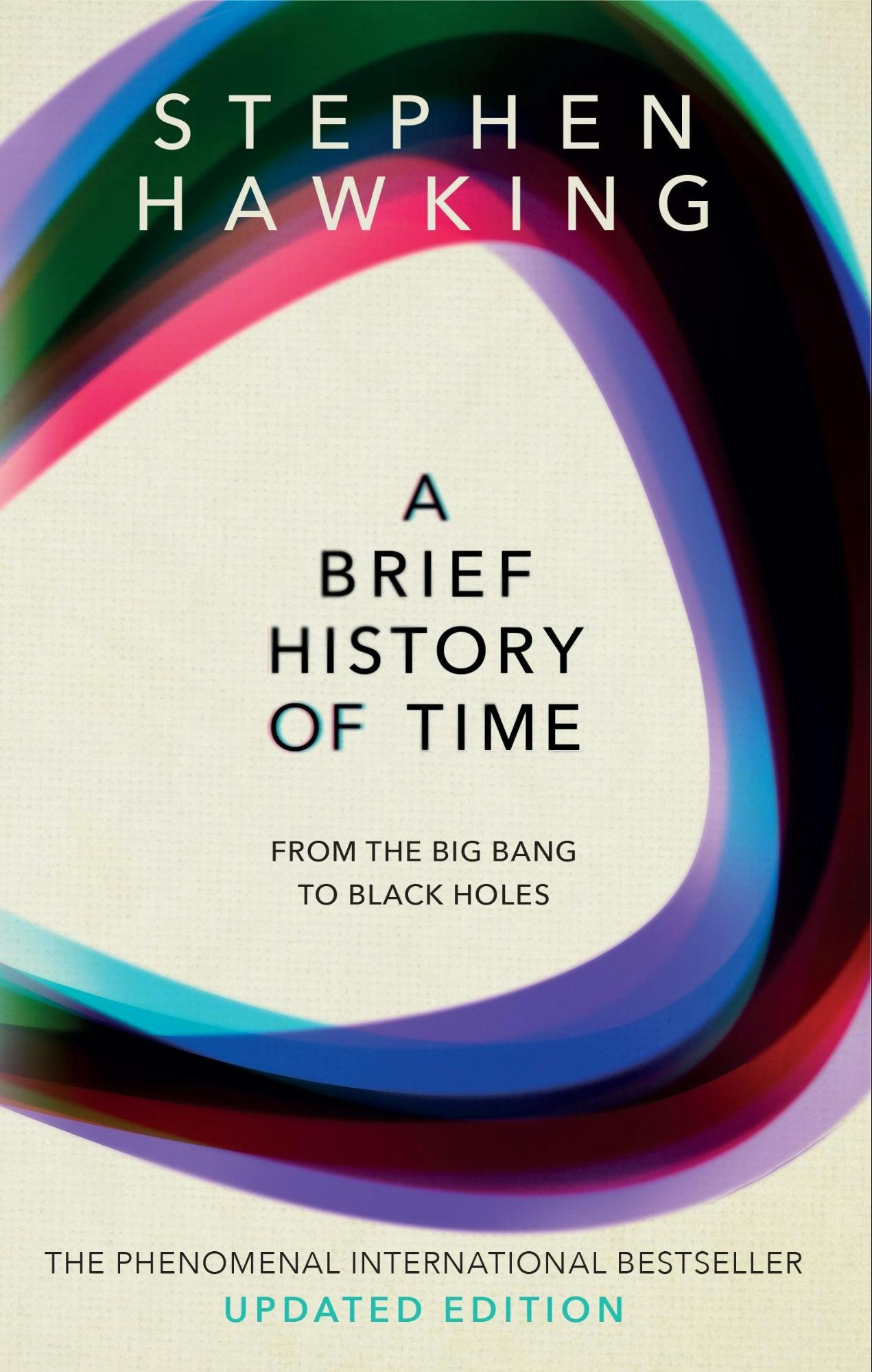
29. A Brief History of Time by Stephen Hawking
Stephen Hawking’s A Brief History of Time is one of the most famous books in science. It discusses the history of cosmology and its development from Ancient Greece through to the 1980s.
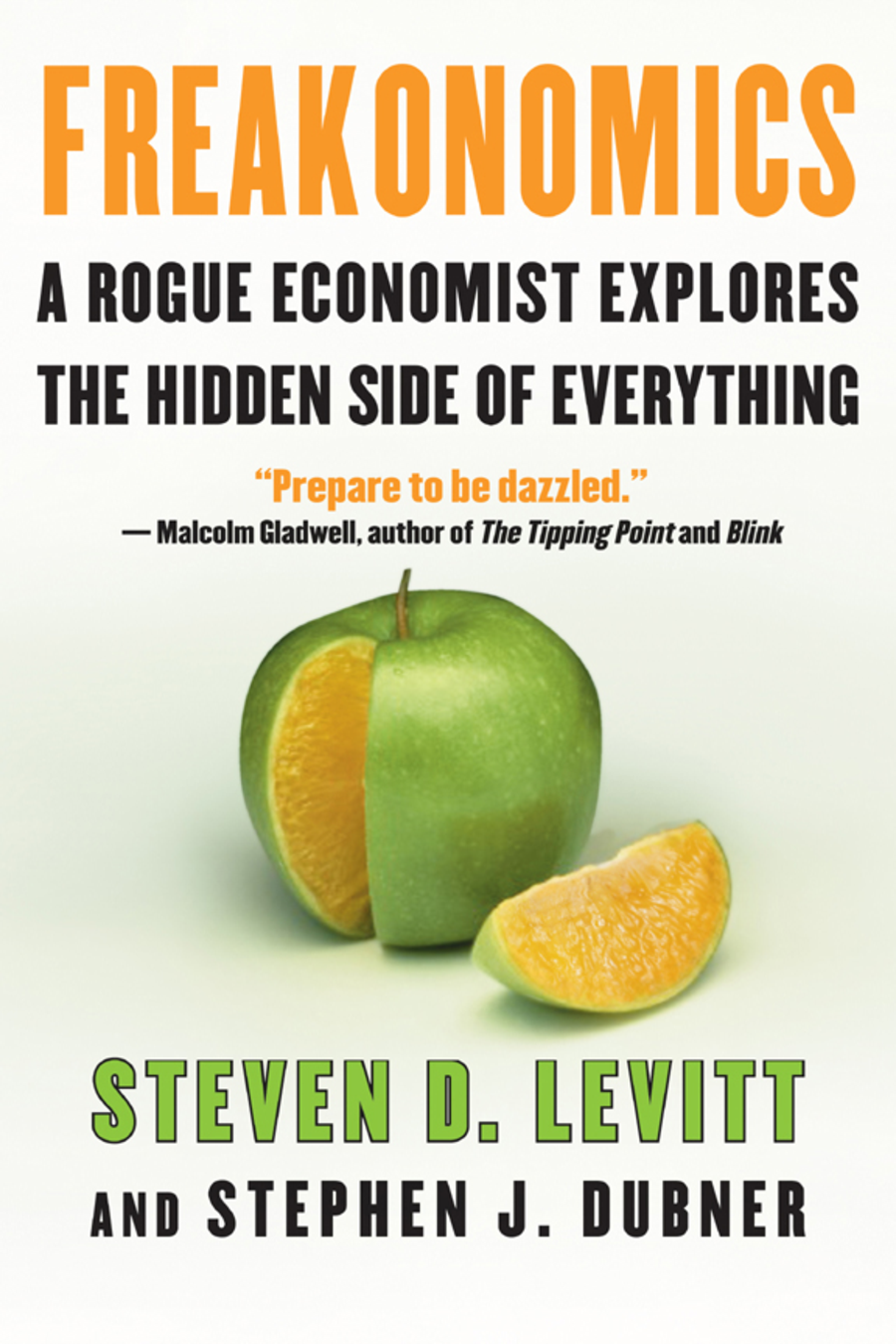
30. Freakonomics: A Rogue Economist Explores the Hidden Side of Everything by Steven D. Levitt
If you’re interested in the truth behind controversial social issues, this book should be on your must-read book list. The authors reveal the facts behind issues, such as crime, shopping, and drugs.
Must-read books: There are so many out there – so don’t waste your time on average books!
Still, it can take time to find books worth reading. That’s why we’ve compiled this epic must-read book list to make your life easier. It features 40 top books to read in popular categories, such as fiction, business, personal development, travel, and more.
So, if you’re wondering, “what book should I read next?” we’ve got you covered. This list is jam-packed with great books to read! For more suggestions visit m.topread666.com
Classic Novels to Read
1. 1984 by George Orwell
1984 tells the futuristic story of a dystopian, totalitarian world where free will and love are forbidden. Although the year 1984 has long since passed, the prophecy of a society controlled by fear and lies is arguably more relevant now than ever.
2. The Lord of the Rings by J.R.R. Tolkien
Tolkien’s fantasy epic is one of the top must-read books out there. Set in Middle Earth – a world full of hobbits, elves, orcs, goblins, and wizards – The Lord of the Rings will take you on an unbelievable adventure.
3. The Kite Runner by Khaled Hosseini
The Kite Runner is a moving story of an unlikely friendship between a wealthy boy and the son of his father’s servant. Set in Afghanistan during a time of tragedy and destruction, this unforgettable novel will have you hooked from start to finish.
4. Harry Potter and the Philosopher’s Stone by J.K. Rowling
This global bestseller took the world by storm. So, if you haven’t read J.K. Rowling’s Harry Potter, now may be the time. Join Harry Potter and his schoolmates as this must-read book transports you deep into a world of magic and monsters.
5. Slaughterhouse-Five by Kurt Vonnegut
Slaughterhouse-Five is arguably one of the greatest anti-war books ever written. This rich and amusing tale follows the life of Billy Pilgrim as he experiences World War II from a peculiar perspective.
6. The Lion, the Witch, and the Wardrobe by C.S. Lewis
The Lion, The Witch, and the Wardrobe is undoubtedly one of the great books of all time. This renowned fantasy novel is set in Narnia, home to mythical beasts, talking animals, and warring kingdoms. The story follows a group of school children as they become entangled in this incredible world’s fate.
7. To Kill a Mockingbird by Harper Lee
To Kill a Mockingbird is one of the top must-read books of all time. Published in 1960, the story explores life in the Deep South during the early 20th century through the story of a man accused of a terrible crime. It’s poignant, humorous, and gripping.
8. The Book Thief by Markus Zusak
The Book Thief is a story of bravery, hope, and friendship in a time of Nazi tyranny. Narrated by Death itself, this novel will have you holding your breath for chapters at a time.
9. Wuthering Heights by Emily Bronte
Wuthering Heights is a classic novel published way back in 1847. This harrowing story, set on a lonely English moorland, follows Catherine Earnshaw and Heathcliff’s struggle with love, betrayal, and revenge. If you love dramatic novels, add this to your must-read book list.
10. The Catcher in the Rye by J.D. Salinger
The Catcher in the Rye is the classic coming-of-age story. It follows sixteen-year-old Holden Caulfield’s adolescent journey of angst and alienation as he leaves his prep school and moves to New York City.
11. Jane Eyre by Charlotte Bronte
Jane Eyre is often considered one of the must-read books of all time. It follows the emotions and experiences of a strong, unbroken woman who continued to grow morally and spiritually despite a troubled childhood and a sexist, repressed Victorian society.
12. Animal Farm by George Orwell
Orwell tells a fairy tale of a revolution against tyranny that ends in even more unjust totalitarianism. The animals on the farm are rife with idealism and desire to create a world of justice, equality, and progress. However, the new regimen attempts to control every aspect of the animals’ lives.
13. Fahrenheit 451 by Ray Bradbury
Ray Bradbury’s dystopian world shines a light on Western societies’ dependence on the media. The main character’s job is to find and burn any books he can find – until he begins to question everything. Considering the state of current politics and world affairs, this is one of the absolute must-read books in life.
14. Little Women by Louisa May Alcott
This is a tale of four sisters with their own very different and very prominent personalities. The novel draws the reader deep into their lives as we get to know each of their flaws, joys, struggles, and fears.
15. Charlotte’s Web by E.B. White
Charlotte’s Web is a great reminder to be kind to all living creatures. This magical story takes place on a farm where a little girl tries to save her piglet from slaughter. Fern, the little girl, enlists the help of her farm friends to execute her clever plan.
16. Frankenstein by Mary Shelley
English author Mary Shelley tells the story of Victor Frankenstein, a young scientist who creates a monster and brings it to life. This gripping novel evokes questions about what makes us human and what love and kindness truly mean.
17. Of Mice and Men by John Steinbeck
Of Mice and Men should be on every must-read book list. Set in the Great Depression, this is a controversial tale of friendship between two migrant workers in California. Filled with hope and tragedy, the two work towards the dream of owning land and pets.
18. The Hitchhiker’s Guide to the Galaxy by Douglas Adams
In Guardians of the Galaxy, Arthur Dent sets off on a hilarious and fantastic adventure across the stars. He learns not to take the universe seriously as he meets all kinds of interesting characters.
19. The Great Gatsby by F. Scott Fitzgerald
Scott Fitzgerald’s The Great Gatsby is said to be the quintessential novel of the Jazz Age. Set in 1922 amongst unfathomable indulgence and decadence, the novel highlights a man’s struggle to earn the love of the woman he’s obsessed with.
Business and Money Must-Read Books
Ready to start an online business? Find best selling products from suppliers you can trust at Handshake, a wholesale marketplace by Shopify.
20. Think and Grow Rich by Napoleon Hill
Think and Grow Rich is a classic bestseller that has sold millions of copies worldwide. It’s packed full of money-making tips, techniques, and strategies. If you want to improve your mindsetaround money, this book can potentially change your life completely.
21. Rich Dad Poor Dad: What the Rich Teach Their Kids About Money That the Poor and Middle Class Do Not! by Robert T. Kiyosaki
Rich Dad Poor Dad explains how wealthy people and poorer people think differently. It challenges commonly held beliefs about money and explains how you don’t need to have a high income to become rich.
22. The Intelligent Investor by Benjamin Graham
If you want to learn how to invest, add this to your list of must-read books. Author Benjamin Graham is considered one of the greatest investment advisors of the twentieth century. In The Intelligent Investor, you’ll learn about Graham’s philosophy of ‘value investing’ and how to develop long-term strategies that are used by the most successful investors in the world.
23. Principles: Life and Work by Ray Dalio
Ray Dalio’s investment firm, Bridgewater Associates, has made more money for its clients than any other hedge fund in history. In Principles, Dalio shares everything he’s learned about investing, business, and life over the years.
24. Influence: The Psychology of Persuasion by Robert B. Cialdini
In this New York Times bestseller, DR. Robert B. Cialdini reveals the psychology behind influence – and how to apply the principles of persuasion in business and everyday life.
Personal Development Books Everyone Should Read
25. How to Win Friends and Influence People by Dale Carnegie
First published in 1936, Dale Carnegie’s classic self-help book has stood the test of time. How to Win Friends and Influence People will teach you straightforward methods to improve your relationships – and as a result, your business and personal lives.
26. The Power of Habit: Why We Do What We Do in Life and Business by Charles Duhigg
If you’ve ever tried to change a habit unsuccessfully, this should be one of your must-read books. In The Power of Habit, Charles Duhigg reveals the empowering nature of how habits are formed and – crucially – how you can change them.
27. The Power of Now: A Guide to Spiritual Enlightenment by Eckhart Tolle
The Power of Now has sold more than two million copies and has been translated into over 30 languages. This groundbreaking book has the potential to completely revolutionize how you experience life – making life far more joyous and prosperous in the process.
28. The Body Keeps the Score: Brain, Mind, and Body in the Healing of Trauma by Bessel van der Kolk M.D.
Dr. Bessel van der Kolk is one of the world’s foremost experts on trauma – something that virtually everyone experiences to some degree. The Body Keeps the Score unravels the science behind emotional and psychological trauma and offers new paths to recovery.
Science and Technology Books You Must-Read
29. A Brief History of Time by Stephen Hawking
Stephen Hawking’s A Brief History of Time is one of the most famous books in science. It discusses the history of cosmology and its development from Ancient Greece through to the 1980s.
30. Freakonomics: A Rogue Economist Explores the Hidden Side of Everything by Steven D. Levitt
If you’re interested in the truth behind controversial social issues, this book should be on your must-read book list. The authors reveal the facts behind issues, such as crime, shopping, and drugs.
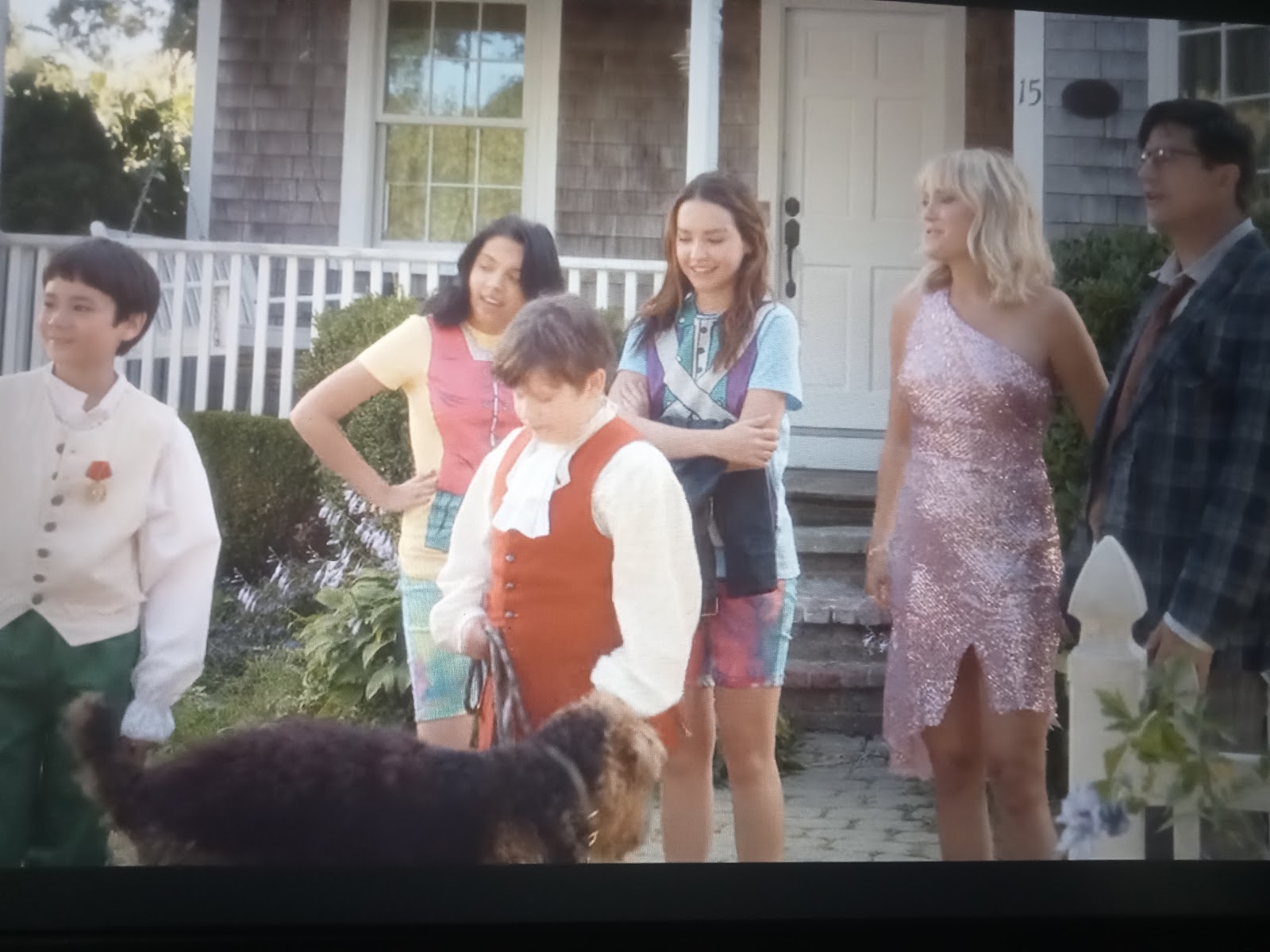
A very simple family of Modern era living with their life old fashioned limitations like not allowing the phone to their children even if they jumped in higher class, they do not have permitted to attend any party with their friends,Not allowed to go out in late night.Their mother a housewife made these rules But we all know that there is always reasons of restrictions, the same are here with those two siblings of this exciting family.Both are studying in a same school and everyday their father use to receive and drop them,eating foodings made by dad bakery, play video games and sometimes spend times in sleepover.Cavin the little boy has sharp mind and he enjoy the imaginary world more than real.
One day a neighbour’s parents come with his child to leave him for the night. That boy also has some list by his mother about what to do or what to don’t.But as he is in another house with another rule and restrictions nothing from the list could be done right from his list.In loan area Cavin’s dad fixed a tent for their sleepover and left them to sleep. And in the same night her daughter tries to escape from home with her friend for one night to attend the party invited by her senior.
At late night tiem to sleep ,Ninjas enter in the house and attack on her housewife mother to take her with themselves for a mission.They took up both husband and wife with them for a robbery. After knowing their mother’s real identification that her mother was the head robber many years before her marriage in the bachelors age;their children decided to find their parents and went out for an overnight adventure.
Their mother was a witness protection lady who was caught by the police but allowed to be free with a new identification by letting no one know her real identity.
Following the signs Including their dog’s neck belt left by her mother at every steps they followed and in not finally but at end of getting signs they met her mother’s younger sister who is also a robber; she gave them the direction to reach their mother and they followed.Finally they reached the destination and saw their simple housewife mother extraordinary actions and looks that were never been seen before.And also they saw her mother’s fiance who was a robber man,charm and dashing.
But there and then her mother become with a new identification and living her life as a normal person with family this mission was not her choice.They escape brilliantly from this leaving behind all this stuff if past and came back to home safely creating this adventurous night.And the boy who has very quite talent to make stories of imagination,he does the same in front of police too,reached all back to home safely.
Next morning, the neighbour came to take their child who was left for a sleepover and found the child safe and that child went home too.
Everything happened, the restrictions,the limitations came across with a very valid reason why kids of this family faced too many rules and regulations other than others.Now they understand and respect the situations and their family especially her mother.
So,The conclusion comes here with a brief mentality of parents and children.
Parents never want to grab or tie their own children with restrictions. If they do there must be the reason for their safety that’s important more than anything for any parents.
Children like that boy who live in his imagination are brilliant so to make success and happiness in their life it’s necessary to promote and support your child according to their way of interests.
And the last but not least ,the priority matter a lot for a family person no matter who you are,mother or father or sister or you are a brother,if you are in a family you must put your priorities first for them other than anyone no matter how complications has started ,how it is difficult to deal or to resolve it but things will become smoother as soon as one put family on prior.Stay tied to the family is one of the best weapon to fight against any circumstances, situations,or any difficulty.
One emerging trend in media is the glorification and romanticization of mental health disorders. As a result of the same, a lot of Young Adult (YA) novels have integrated various mental health issues into their plots while still bearing inaccurate representations as young adults look at these serious issues through rose-tinted glasses. Ofter, it ends on a high note thus masking the dark reality of these problems and wrongly depicting the healing process.
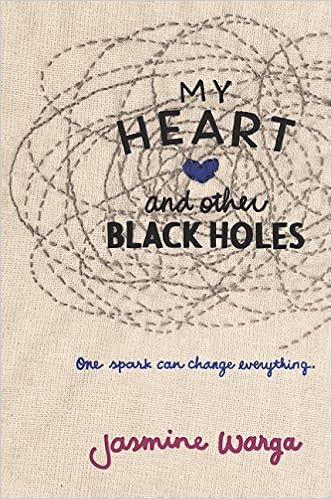
My Heart and Other Black Holes by Jasmine Warga is a transitional piece of literature to me. I find that it balances the scale- it depicts certain aspects of mental health issues that are appealing to young adults through the form of romance while also portraying very dark aspects of depression in a fairly blunt manner.
This book follows the bittersweet tale of two teenagers with traumatic childhoods. Aysel is a sixteen-year-old girl who was raised by her father- however, her father murdered a local boy and she carries that stigma everywhere. She pushes her friends and family away to the point where they barely interact with her anymore. Roman, a sixteen-year-old boy blames himself for his sister’s death and bears the weight of that guilt on his shoulders. Both of them want to end their lives and they become Suicide Buddies through a website. Roman wishes to die by drowning on the anniversary of his sister’s death. They both decide to die together.
Naturally, they begin to fall for each other. Warga artfully depicts the contrast between the thought processes of the two teenagers. For Aysel, all she really needed was to be close to someone again, so meeting Roman helped her heal. Roman, on the other hand, was plagued by guilt and was in his own head which meant that the chances of love changing his thoughts and feelings were far less likely. She showcases this beautifully as we can see Aysel’s determination to take her own life reduce and Roman’s determination to do the same be unwavering. Roman’s final suicide attempt without Aysel shows that he loved her enough to want a good life for her but not enough to live his life. The book ends on an ambiguous note and the readers are left wondering about the uncertain future of Aysel and Roman.
Jasmine Warga displays a clean and slightly poetic writing style throughout the book. The language and narration remain consistent throughout the book. There is clear character development for the main characters and adequate character development for others.
All in all, My Heart and Other Black Holes is a very well written piece of YA fiction. I would highly recommend this book to those looking for a quick yet meaningful read.
One emerging trend in media is the glorification and romanticization of mental health disorders. As a result of the same, a lot of Young Adult (YA) novels have integrated various mental health issues into their plots while still bearing inaccurate representations as young adults look at these serious issues through rose-tinted glasses. Ofter, it ends on a high note thus masking the dark reality of these problems and wrongly depicting the healing process.
My Heart and Other Black Holes by Jasmine Warga is a transitional piece of literature to me. I find that it balances the scale- it depicts certain aspects of mental health issues that are appealing to young adults through the form of romance while also portraying very dark aspects of depression in a fairly blunt manner.
This book follows the bittersweet tale of two teenagers with traumatic childhoods. Aysel is a sixteen-year-old girl who was raised by her father- however, her father murdered a local boy and she carries that stigma everywhere. She pushes her friends and family away to the point where they barely interact with her anymore. Roman, a sixteen-year-old boy blames himself for his sister’s death and bears the weight of that guilt on his shoulders. Both of them want to end their lives and they become Suicide Buddies through a website. Roman wishes to die by drowning on the anniversary of his sister’s death. They both decide to die together.
Naturally, they begin to fall for each other. Warga artfully depicts the contrast between the thought processes of the two teenagers. For Aysel, all she really needed was to be close to someone again, so meeting Roman helped her heal. Roman, on the other hand, was plagued by guilt and was in his own head which meant that the chances of love changing his thoughts and feelings were far less likely. She showcases this beautifully as we can see Aysel’s determination to take her own life reduce and Roman’s determination to do the same be unwavering. Roman’s final suicide attempt without Aysel shows that he loved her enough to want a good life for her but not enough to live his life. The book ends on an ambiguous note and the readers are left wondering about the uncertain future of Aysel and Roman.
Jasmine Warga displays a clean and slightly poetic writing style throughout the book. The language and narration remain consistent throughout the book. There is clear character development for the main characters and adequate character development for others.
All in all, My Heart and Other Black Holes is a very well written piece of YA fiction. I would highly recommend this book to those looking for a quick yet meaningful read.
A book review is a form of literary criticism in which a book is merely described or analyzed based on content, style, and merit. A book review may be a primary source, opinion piece, summary review or scholarly review.
Other readers will always be interested in your opinion of the books you’ve read. Whether you’ve loved the book or not, if you give your honest and detailed thoughts then people will find new books that are right for them.
If you’re stuck on what to say in a review, it can help to imagine you’re talking to someone who’s asking you whether they should read the book.
1. Start with a couple of sentences describing what the book is about
But without giving any spoilers or revealing plot twists! As a general rule, try to avoid writing in detail about anything that happens from about the middle of the book onwards. If the book is part of a series, it can be useful to mention this, and whether you think you’d need to have read other books in the series to enjoy this one.
2. Discuss what you particularly liked about the book
Focus on your thoughts and feelings about the story and the way it was told. You could try answering a couple of the following questions:
Who was your favourite character, and why?
Did the characters feel real to you?
Did the story keep you guessing?
What was your favourite part of the book, and why?
Were certain types of scene written particularly well – for example sad scenes, tense scenes, mysterious ones…?
Did the book make you laugh or cry?
Did the story grip you and keep you turning the pages?
3. Mention anything you disliked about the book
Talk about why you think it didn’t work for you. For example:
Did you wish the ending hadn’t been a cliffhanger because you found it frustrating?
Did you find it difficult to care about a main character, and could you work out why?
Was the story too scary for your liking, or did it focus on a theme you didn’t find interesting?
4. Round up your review
Summarise some of your thoughts on the book by suggesting the type of reader you’d recommend the book to. For example: younger readers, older readers, fans of relationship drama/mystery stories/comedy. Are there any books or series you would compare it to?
Have you ever watched a movie only to realize that all the good bits were already in the trailer? Well, you don’t want the review to do that. What you do want the summary to do is reveal the genre, theme, main conflict, and main characters in the story — without giving away spoilers or revealing how the story ends.
A good rule of thumb is not to mention anything that happens beyond the midpoint. Set the stage and give readers a sense of the book without explaining how the central issue is resolved.
Emily W. Thompson’s review of The Crossing:
In [Michael] Doane’s debut novel, a young man embarks on a journey of self-discovery with surprising results.
An unnamed protagonist (The Narrator) is dealing with heartbreak. His love, determined to see the world, sets out for Portland, Oregon. But he’s a small-town boy who hasn’t traveled much. So, the Narrator mourns her loss and hides from life, throwing himself into rehabbing an old motorcycle. Until one day, he takes a leap; he packs his bike and a few belongings and heads out to find the Girl. Read more…
Non-fiction summary tip: The primary goal of a non-fiction summary is to provide context: what problems or issues has the book spotted, and how does it go about addressing them? Be sure to mention the authors of the title and what experience or expertise they bring to the title. Check Stefan Kløvning’s review of Creativity Cycling for an example of a summary that establishes the framework of the book within the context of its field.
Step 2. Present your evaluation
While you should absolutely weave your own personal take of a book into the review, your evaluation shouldn’t only be based on your subjective opinion. Along with presenting how you reacted to the story and how it affected you, you should also try to objectively critique the stronger and weaker elements of the story, and provide examples from the text to back up your points.
To help you write your evaluation, you should record your reactions and thoughts as you work your way through a novel you’re planning on reviewing. Here are some aspects of the book to keep in mind as you do.
Your evaluation might focus heartily on the book’s prose:
Donald Barker’s review of Mercenary:
Such are the bones of the story. But, of course, it is the manner in which Mr Gaughran puts the bones back together and fills them with life that makes “Mercenary” such a great read. The author’s style seems plain; it seems straightforward and even simple. But an attempt at imitation or emulation quickly proves that simple it is not. He employs short, punchy sentences that generate excellent dialogue dripping with irony, deadpan humour and wit. This, mixed with good descriptive prose, draws the characters – and what characters they are – along with the tumultuous events in which they participated amidst the stinking, steaming heat of the South American jungle, out from the past to the present; alive, scheming, drinking, womanising and fighting, onto the written page.
You can give readers a sense of the book by drawing comparisons to other well-known titles or authors:
Laura Hartman’s review of The Mystery of Ruby’s Mistletoe:
Reading Ms. Donovan’s book is reminiscent to one of my favorite authors, Dame Agatha Christie. Setting up the suspects in a snowbound house, asking them to meet in the drawing room and the cleverly satisfying conclusion was extremely gratifying. I can picture Miss Marple and Hercule Poirot nodding at Ms. Donovan saying “Well done!”
Not everyone’s tastes are the same, and you can always acknowledge this by calling out specific story elements in your evaluation:
Kevin R. Dickinson’s review of The Heart of Stone:
Whether you enjoy Galley’s worldbuilding will depend heavily on preference. Galley delivers information piecemeal, letting the characters, not the author, navigate the reader through Hartlund. A notable example is the magic system, an enigmatic force that lacks the ridge structures of, say, a Brandon Sanderson novel. While the world’s magical workings are explained, you only learn what the characters know and many mysteries remain by the end. Similar choices throughout make the world feel expansive and authentic.
Non-fiction evaluation tip: A book’s topic is only as compelling as its supporting arguments. Your evaluation of a nonfiction book should address that: how clearly and effectively are the points communicated? Turn back to Stefan’s critique for an example of a non-fiction critique that covers key takeaways and readability, without giving away any “big reveals.”
Step 3. Give your recommendation
At the end of the day, your critique needs to answer this question: is this a book you would (or wouldn’t) recommend to other readers? You might wrap up by comparing it to other books in the same genre, or authors with similar styles, such as: “Fans of so-and-so will enjoy this book.”
Let’s take a look at a few more tips:
You don’t need to write, “I recommend this book” — you can make it clear by highlighting your favorable opinion:
Emily W. Thompson’s review of The Crossing:
Following in the footsteps of Jack Kerouac and William Least Heat-Moon, Doane offers a coming of age story about a man finding himself on the backroads of America. Doane’s a gifted writer with fluid prose and insightful observations, using The Narrator’s personal interactions to illuminate the diversity of the United States.
Despite his flaws, it’s a pleasure to accompany The Narrator on his physical and emotional journey. The unexpected ending is a fitting denouement to an epic and memorable road trip.
Add more punch to your rating by mentioning what kind of audience will or won’t enjoy the book:
Charleigh Aleyna Reid’s review of The King of FU:
I would recommend this book to anyone who grew up in the 90’s and would like to reminisce about the time, someone who is interested to see what it was like to be a 90’s kid, or perhaps anyone who is looking for a unique, funny story about someone’s life.
Unless you found the title absolutely abhorrent, a good way to balance out a less favorable book review it to share what you did like about the book — before ultimately stating why you wouldn’t recommend the novel:
Nicola O’s review of Secrets of the Sea Lord:
Overall, there are plenty of enjoyable elements in this story and fans of Atlantis and mer mythology should give it a try. Despite this, it does not rise above a three-star rating, and while I had some difficulty pinning down why this is, I concluded that it comes from a surprisingly unsophisticated vocabulary. There are a couple of graphic sex scenes, which is absolutely fine in a paranormal romance, but if they were removed, I could easily imagine this as an appealing story for middle-schoolers.
Non-fiction recommendation tip: As with fiction book reviews, share why you did or didn’t enjoy the title. However, in one of the starkest divergences from fiction book reviews it’s more important than ever that you mention your expectations coming into the non-fiction book. For instance, if you’re a cow farmer who’s reading a book on the benefits of becoming a vegetarian, you’re coming in with a large and inherent bias that the book will struggle to alter. So your recommendation should cover your thoughts about the book, while clearly taking account your perspective before you started reading. Let’s look once more at Stefan’s review for an example of a rating that includes an explanation of the reviewer’s own bias.
Bonus tips for writing a book review
Let’s wrap up with a few final tips for writing a compelling review.
Remember, this isn’t a book report.If someone wants the summary of a book, they can read the synopsis. People turn to book reviews for a fellow reader’s take on the book. And for that reason…
Have an opinion. Even if your opinion is totally middle-of-the-line — you didn’t hate the book but you didn’t love it either — state that clearly, and explain why.
Make your stance clear from the outset. Don’t save your opinion just for the evaluation/recommendation. Weave your thoughts about the book into your summary as well, so that readers have an idea of your opinion from the outset.
Back up your points. Instead of just saying, “the prose was evocative” — show readers by providing an actual passage that displays this. Same goes for negative points — don’t simply tell readers you found a character unbelievable, reference a certain (non-spoiler) scene that backs this up.
Provide the details. Don’t forget to weave the book’s information into the review: is this a debut author? Is this one installment of a series? What types of books has the author written before? What is their background? How many pages does the book have? Who published the book? What is the book’s price?
Follow guidelines. Is the review you’re writing for Goodreads? For The New York Times? The content and tone of your review will vary a good deal from publication to publication.
Learn from others. One of the best ways to learn how to write a great review is to read other reviews! To help you out with that, we’ve published a post all about book review examples.
Writing book reviews can be a rewarding experience! As a book-lover yourself, it’s a great opportunity to help guide readers to their next favorite title. If you’re just getting started as a reviewer and could use a couple more tips and nudges in the right direction, check out our comprehensive blog post on how to become a book reviewer. And if you want to find out which review community is the right fit for you, we recommend taking this quick quiz:
Write your Book Review and Get Published on this portal for free. Send mail to editor@eindex.org
Racial discrimination is one of the social evils which had took the lives of a whole lot of innocent people. This evil has not only killed people, it has also made life miserable for many. Even the so called “most civilized society” in the world could not free itself from this social evil and in fact it has been stage for the most alarming cases we had ever heard. There were a whole lot of legislations implemented aiming to prevent this, and it has helped at least for developing a public opinion against racial discrimination.
People around the world have raised their voice against this evil in whatever ways possible and one such strong means was through literature. Several authors have shared either their experiences or some strong stories which had acted as an eye opener for many people. The realistic stories have created an empathetic attitude among general public. Some books are:
The help
The Help is a historical fiction novel by American author Kathryn Stockett. The story is about African Americans working in white households in Jackson, Mississippi, during the early 1960s. The thrust of the book is the collaborative project between the white Skeeter and the struggling, exploited “colored” help, who together are writing a book of true stories about their experiences as the ‘help’ to the white women of Jackson. Not all the stories are negative, and some describe beautiful and generous, loving and kind events; while others are cruel and even brutal. The book, entitled “Help” is finally published, and the final chapters of “The Help” describes the aftermath of the book’s success.
To kill a mocking bird
o Kill a Mockingbird is a novel by the American author Harper Lee. The plot and characters are loosely based on Lee’s observations of her family, her neighbors and an event that occurred near her hometown of Monroeville, Alabama, in 1936, when she was ten. The historian Joseph Crespino explains, “In the twentieth century, To Kill a Mockingbird is probably the most widely read book dealing with race in America, and its main character, Atticus Finch, the most enduring fictional image of racial heroism.” However, reaction to the novel varied widely upon publication.
Uncle tom’s cabin
Uncle Tom’s Cabin; or, Life Among the Lowly is an anti-slavery novel by American author Harriet Beecher Stowe. Published in two volumes in 1852, the novel had a profound effect on attitudes toward African Americans and slavery in the U.S., and is said to have “helped lay the groundwork for the American Civil War”. This is one great book which could not be ignored while we discuss racism.
Roots: The Saga of an American
Roots: The Saga of an American Family is a 1976 novel written by Alex Haley. It tells the story of Kunta Kinte, an 18th-century African, captured as an adolescent, sold into slavery in Africa, and transported to North America; it follows his life and the lives of his descendants in the United States down to Haley. It stimulated interest in African American genealogy and an appreciation for African-American history.
The color purple
The Color Purple is a 1982 epistolary novel by American author Alice Walker which won the 1983 Pulitzer Prize for Fiction and the National Book Award for Fiction. The story revolves around Celie a young poor, uneducated 14-year-old African-American teenager girl living in the Southern United States in the early 1900s. The novel has been the frequent target of censors and appears on the American Library Association list of the 100 Most Frequently Challenged Books of 2000–2009 at number seventeenth because of the sometimes-explicit content, particularly in terms of violence.
Beloved
Beloved is a 1987 novel by the American writer Toni Morrison. Set after the American Civil War, it tells the story of a family of formerly enslaved people whose Cincinnati home is haunted by a malevolent spirit. Beloved is inspired by an event that actually happened: Margaret Garner, an enslaved person in Kentucky, who escaped and fled to the free state of Ohio in 1856. She was subject to capture in accordance with the Fugitive Slave Act of 1850; when U.S. marshals burst into the cabin where Garner and her husband had barricaded themselves, she was attempting to kill her children, and had already killed her two-year-old daughter, to spare them from being returned to slavery.
It is of severe concern that even in today’s world where borders merely exist, people are discriminated and even killed on grounds of their color, caste, creed or race. These books could be an eye opener for all those who believe themselves to be superior than others merely on ground of their genetic roots.
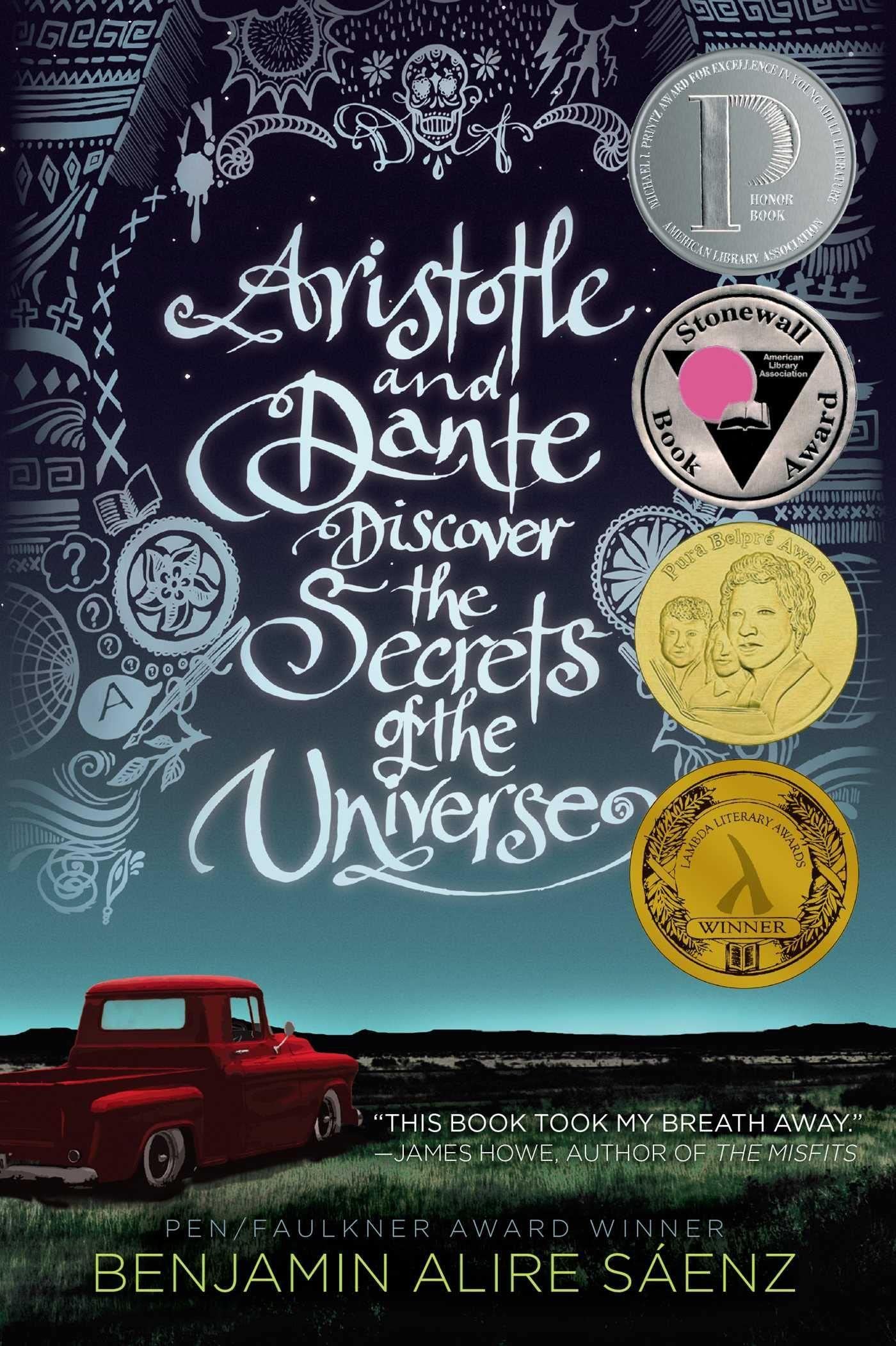
This book is not only about two young people who fall in love with each other but about the two best friends who help each other to overcome their self doubts and make each other the best of themselves. Pen/ Faulkner winner, Benjamin Alire Sáenz is the writer of this amazing book. This is the story about two boys Aristotle Mendoza and Dante Quintana, the story is surrounded to these boys. It doesn’t have any particular plot, the story is all about these two characters. Ari is reserved kind of person and on the other hand Dante is a happy soul and kind of a showy person. These two different people became friend and for them its not take too much time became best friends. Firstly Ari is bit of shy around Dante because of his nature but no one can be shy around Dante and specially Ari. This story is also about these two’s families, the parents of these two’s are came from a different backgrounds.Dante’s relationship with his father is so open, they shared everything with each other on the other hand Ari’ relationship with his father is not so much like as dante’s it’s different from his, it’s not like ari doesn’t share anything with his father but there is not that openness between them. Ari is a kind of person who have so many self doubts, he is not so good with words, sometimes he don’t know what to say to people and Dante is a kind of person who loves to be around people and always know that what he have to say to people. They are so different from each other but they get along with themselves so well, they shared everything with each other, all the secrets of the universe. This book gonna make you laugh so many times and you are gonna cry so hard too, this is beautifully written book. The dialogue of this book is so warming and wonderful, the words of this book can break your heart in tiny pieces but the words of this book can also joint that tiny little pieces into one and make your soul so happy.This story is about the situation of teenagers, the age when people have so many questions but not have the answer of anything. People struggles with self doubts, their sexuality, their body shape and so many things, the writer situated the story in the teenage era and explained these problems of teenagers so well. The story is so gripping , after finishing every chapter you are gonna want to read the next one, the story is so interesting and you are gonna want to read this book in a one sitting. The development of the character is presented so beautifully in this book, these two characters helps each other to become the best version of themselves. this book is gonna change the way of your thinking you will have so many questions on your mind after finishing this book.This a simple but so heart warming story, its gonna leave a impact on your life.These characters gonna teach you that having self doubts is not a bad thing, i mean we all have self doubts and we all struggles with that, its natural thing nothing is wrong with having self doubt and this story also gonna teach you to how to deal with your self doubts. All i can say is buckle yourself because you are going to feel so many emotions, u r gonna cry so hard and gonna laugh so hard at the same time.
This book is not only about two young people who fall in love with each other but about the two best friends who help each other to overcome their self doubts and make each other the best of themselves. Pen/ Faulkner winner, Benjamin Alire Sáenz is the writer of this amazing book. This is the story about two boys Aristotle Mendoza and Dante Quintana, the story is surrounded to these boys. It doesn’t have any particular plot, the story is all about these two characters. Ari is reserved kind of person and on the other hand Dante is a happy soul and kind of a showy person. These two different people became friend and for them its not take too much time became best friends. Firstly Ari is bit of shy around Dante because of his nature but no one can be shy around Dante and specially Ari. This story is also about these two’s families, the parents of these two’s are came from a different backgrounds.Dante’s relationship with his father is so open, they shared everything with each other on the other hand Ari’ relationship with his father is not so much like as dante’s it’s different from his, it’s not like ari doesn’t share anything with his father but there is not that openness between them. Ari is a kind of person who have so many self doubts, he is not so good with words, sometimes he don’t know what to say to people and Dante is a kind of person who loves to be around people and always know that what he have to say to people. They are so different from each other but they get along with themselves so well, they shared everything with each other, all the secrets of the universe. This book gonna make you laugh so many times and you are gonna cry so hard too, this is beautifully written book. The dialogue of this book is so warming and wonderful, the words of this book can break your heart in tiny pieces but the words of this book can also joint that tiny little pieces into one and make your soul so happy.This story is about the situation of teenagers, the age when people have so many questions but not have the answer of anything. People struggles with self doubts, their sexuality, their body shape and so many things, the writer situated the story in the teenage era and explained these problems of teenagers so well. The story is so gripping , after finishing every chapter you are gonna want to read the next one, the story is so interesting and you are gonna want to read this book in a one sitting. The development of the character is presented so beautifully in this book, these two characters helps each other to become the best version of themselves. this book is gonna change the way of your thinking you will have so many questions on your mind after finishing this book.This a simple but so heart warming story, its gonna leave a impact on your life.These characters gonna teach you that having self doubts is not a bad thing, i mean we all have self doubts and we all struggles with that, its natural thing nothing is wrong with having self doubt and this story also gonna teach you to how to deal with your self doubts. All i can say is buckle yourself because you are going to feel so many emotions, u r gonna cry so hard and gonna laugh so hard at the same time.
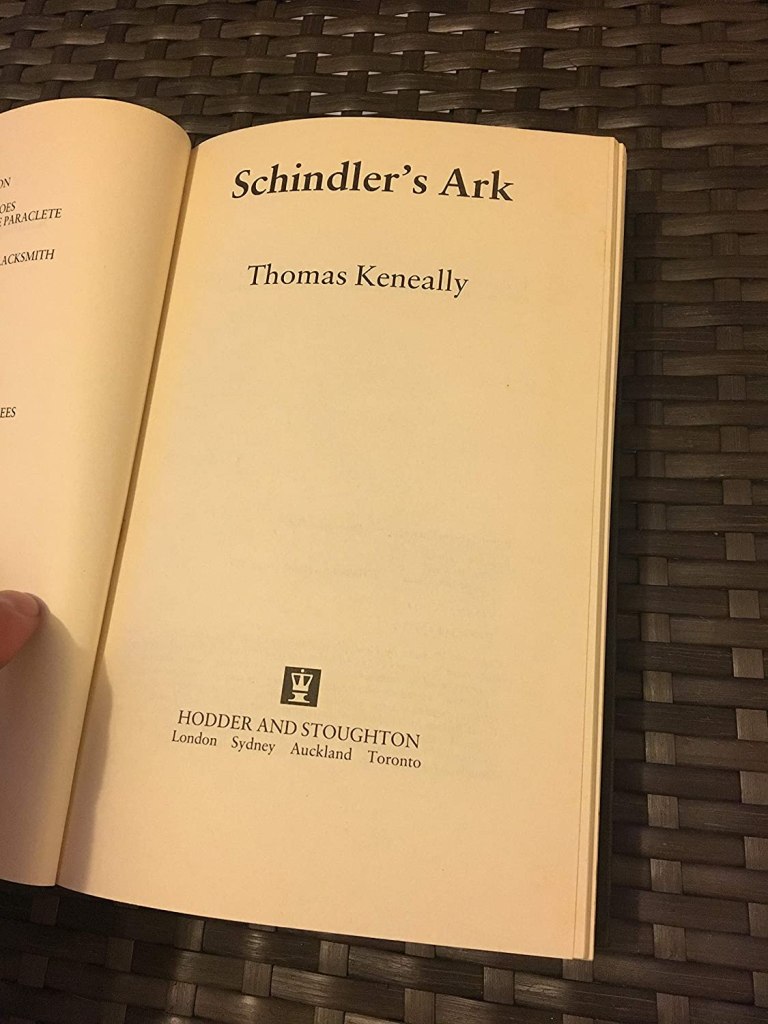
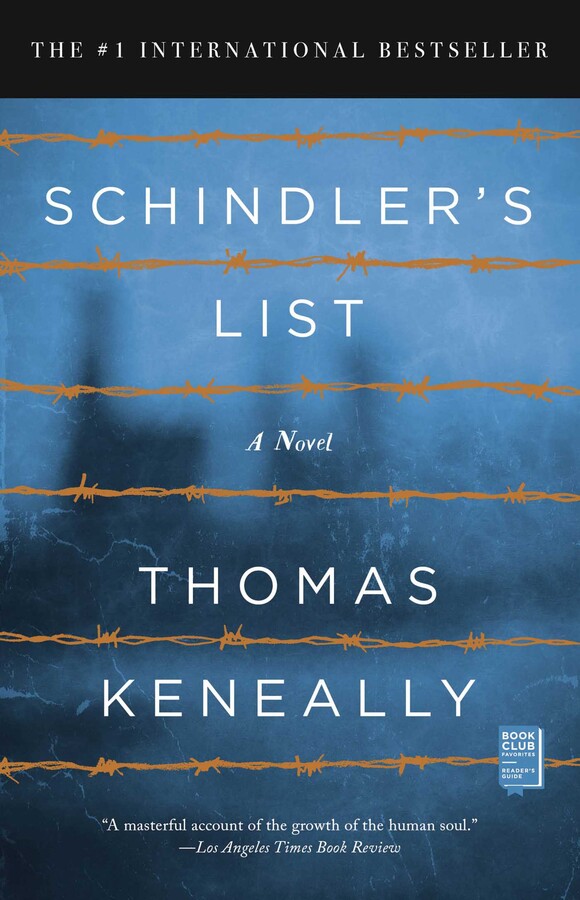
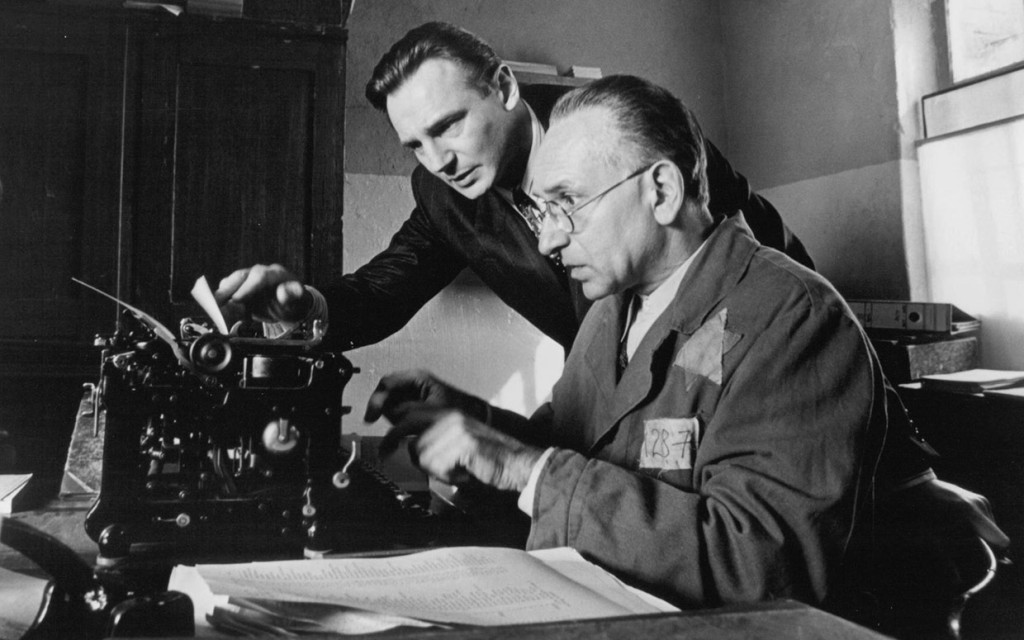
Australian author Thomas Keneally‘s novel first “Schindler’s Ark” (later republished as Schindler’s List) brought the story of Oskar Schindler’s rescue of Jewish people during the Nazi Holocaust, to international attention in 1982, when it won the Booker Prize. It was made by Steven Spielberg into the Oscar-winning film Schindler’s Listin 1993, the year Schindler and his wife were named Righteous Among the Nations.
Schindler’s Ark later republished as Schindler’s List
About The Author
Thomas Michael Keneally, (born 7 October 1935) is an Australian novelist, playwright, essayist and actor. Keneally’s first story was published in The Bulletin magazine in 1962 under the pseudonym Bernard Coyle. By February 2014, he had written over 50 books, including 30 novels. He is particularly famed for his Schindler’s Ark (1982) (later republished as Schindler’s List), the first novel by an Australian to win the Booker Prize and is the basis of the film Schindler’s List. He had already been shortlisted for the Booker three times prior to that: 1972 for The Chant of Jimmie Blacksmith, 1975 for Gossip from the Forest, and 1979 for Confederates. Many of his novels are reworkings of historical material, although modern in their psychology and style.
Thomas Keneally
Storyline of The Novel
The story of the novel is based on true events, on account of the Nazi Holocaust during World War II. Oskar Schindler, (born April 28, 1908, Svitavy [Zwittau], Moravia, Austria-Hungary [now in the Czech Republic]—died October 9, 1974, Hildesheim, West Germany), German industrialist who, aided by his wife and staff, sheltered approximately 1,100 Jews from the Nazis by employing them in his factories, which supplied the German army during World War II.
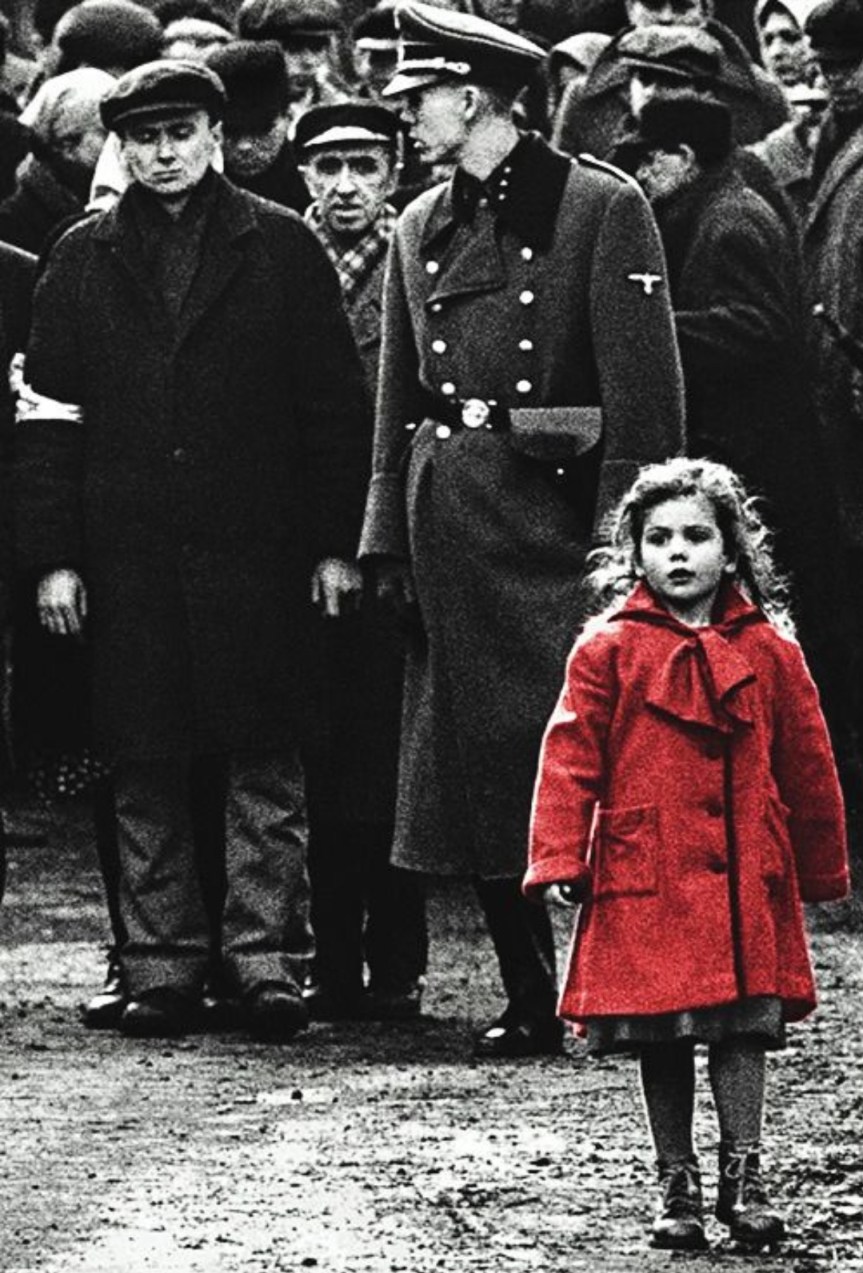
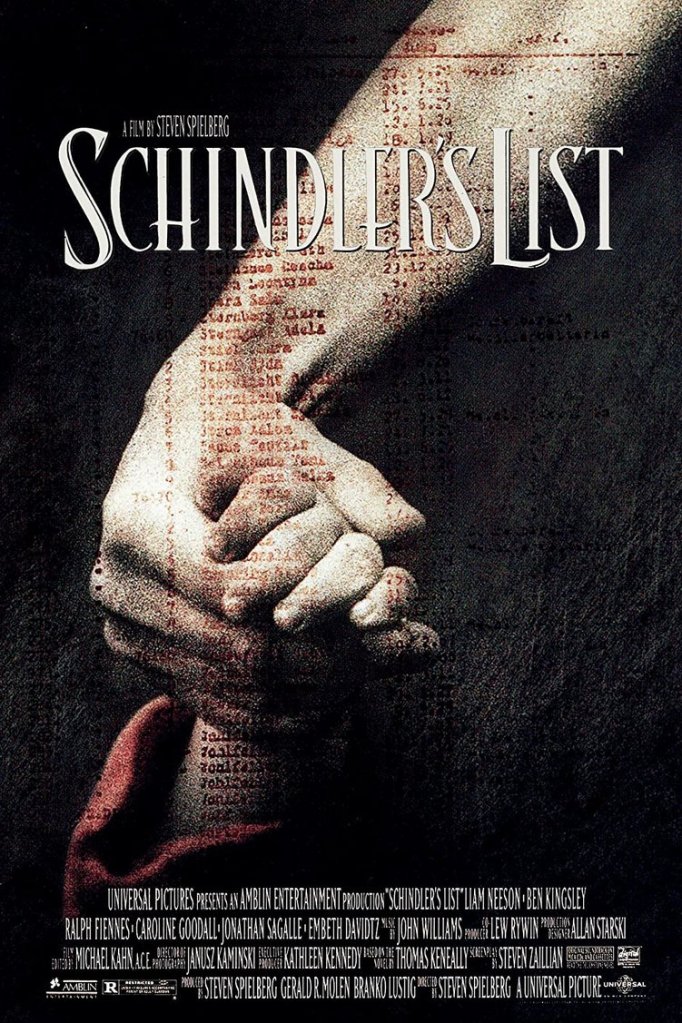
Poster of Steven Spielberg‘s movie Schindler’s List (1993)
In the shadow of Auschwitz, a flamboyant German industrialist grew into a living legend to the Jews of Kraków. He was a womaniser, a heavy-drinker and a bon viveur, but to them he became a saviour. This is the extraordinary story of Oskar Schindler, who risked his life to protect Jews in Nazi-occupied Poland and who was transformed by the war into a man with a mission, a compassionate angel of mercy.
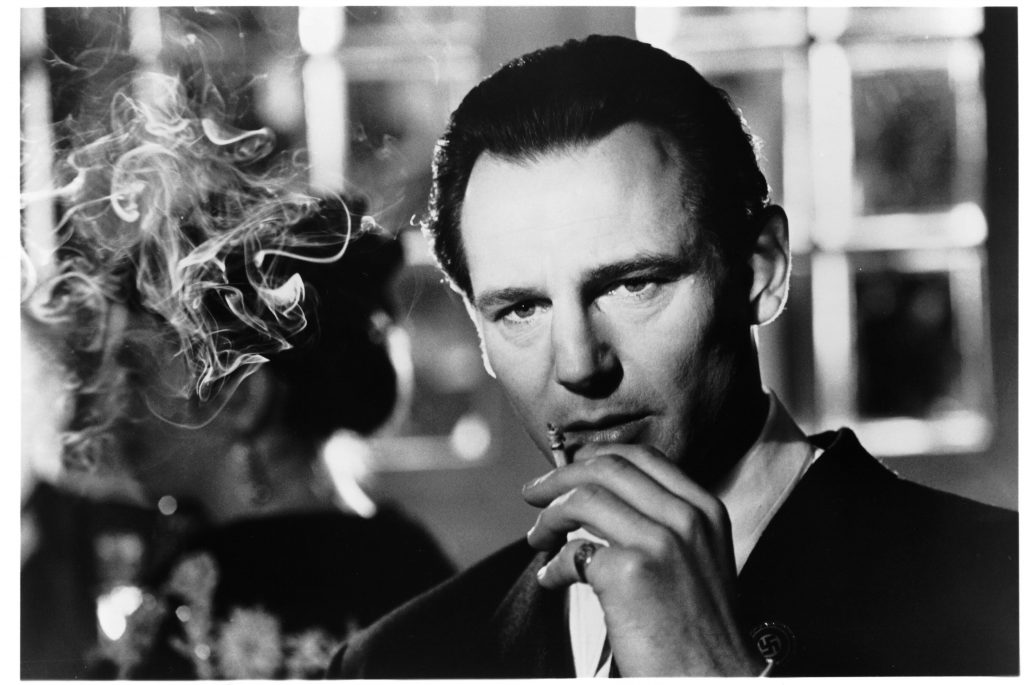
Liam Neeson as Oskar Schindler in Schindler’s List (1993)
Analysis of The Storyline
The novel introduced a vast and diverse cast of characters. However, the focus of the narrative was between Oskar Schindler and Amon Goeth. In the story, there was a dichotomy between what is essentially good and what is evil, that was personified by these two primary characters. Goeth represented everything evil. The war churned out a selfish and heartless sadist who found delight in inflicting pain on the Jews. Ironically, he lusted after his Jewish maid. Schindler, on the other hand, was portrayed as the Good German. He didn’t believe everything that the Nazi regime was saying against the Jews. He was, however, a man of contradictions. Despite being depicted as the epitome of goodness, he lived a self-indulgent lifestyle, which included proclivity towards the bottle and women. His infidelities have been a constant source of pain for his wife, Emilie. He also uses his connections to gain the upper hand in negotiations; it would also be a seminal part of his campaign to save the Jews.
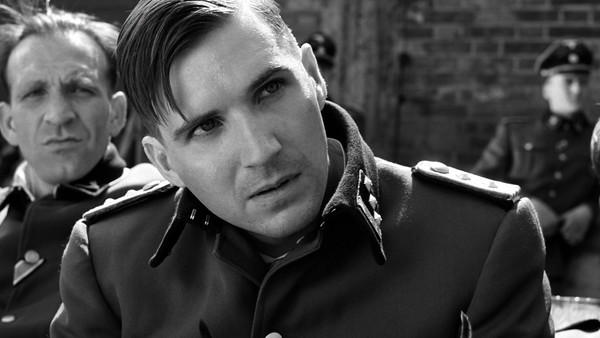
Ralph Fiennes as Amon Goeth in Schindler’s List (1993)
Criticism of The Storyline
The amount of research poured to recreate the story of Oskar Schindler was astounding. And the starting point to this is as interesting as the novel itself. As noted in the Author’s Note, a chance encounter in 1980 led to the novel. Schindler’s motivation for protecting his workers was rarely ever clear, especially at the start. Questions still hound his true intentions. He, after all, brazenly took advantage of the cheap labour the Jews offered at the start of his enterprise. Is Schindler an anti-hero? The answer can be found in Keneally’s extensive research. Through interviews with surviving Schindlerjuden and different Second World War archives, he managed to identify the point in which Schindler decided to protect the Jews. While horseback riding on the hills surrounding Kraków, he witnessed an SS Aktion unfold on the Jewish ghetto below. The Jews were forcefully taken out of their houses. Those who resisted were shot dead, even in the presence of children. Witnessing the atrocious acts firsthand turned Schindler’s stomach. It was then that he resolved to save as many Jews as he can.
Scene from Schindler’s List (1993)
Overall, what didn’t work was the manner in which Keneally related the story of Oskar Schindler. As the story moved forward, it became clearer that Keneally was unsure of how to deliver the story. His resolve to remain loyal to Oskar’s story was commendable. He endeavored to do just that but it never fully came across. The result was an amalgamation of fiction and historical textbook. The strange mix muddled the story and the result was a perplexing work of historical fiction. It is without a doubt that one of the darkest phases of contemporary human history is the Second World War. Nobody expected that the meteoric ascent of Der Führer, Adolf Hitler, in the German political ladder would lead to a devastation of global scale. As the Axis forces march towards and beyond their boundaries, they would leave death and destruction in their wake, stretching from Europe, to the Pacific, and to the Far East. The consequences of the war would resonate well beyond its time. With genocides, concentration camps, and slave labour commonplace, the war was a reflection of the human conditions. Its peak, the Holocaust, exhibited the extent of the darkest shades of the human spirit. It was a grim portrait.
Indeed, the Second World War brought out the worst in humanity. However, in times of darkness, there are those among us who rise to the occasion. One of them is Oskar Schindler whose story was related by Thomas Keneally in his nonfiction novel, Schindler’s List (1982).
Conclusion
While Keneally‘s dramatization of this great man’s exploits is lacking in novelistic shape or depth, the brutality and heroism are satisfyingly, meticulously presented–as plain, impressive, historical record; and if admirers of Keneally’s more imaginative work may be disappointed, others will find this a worthy volume to place beside one of the several Wallenberg biographies.
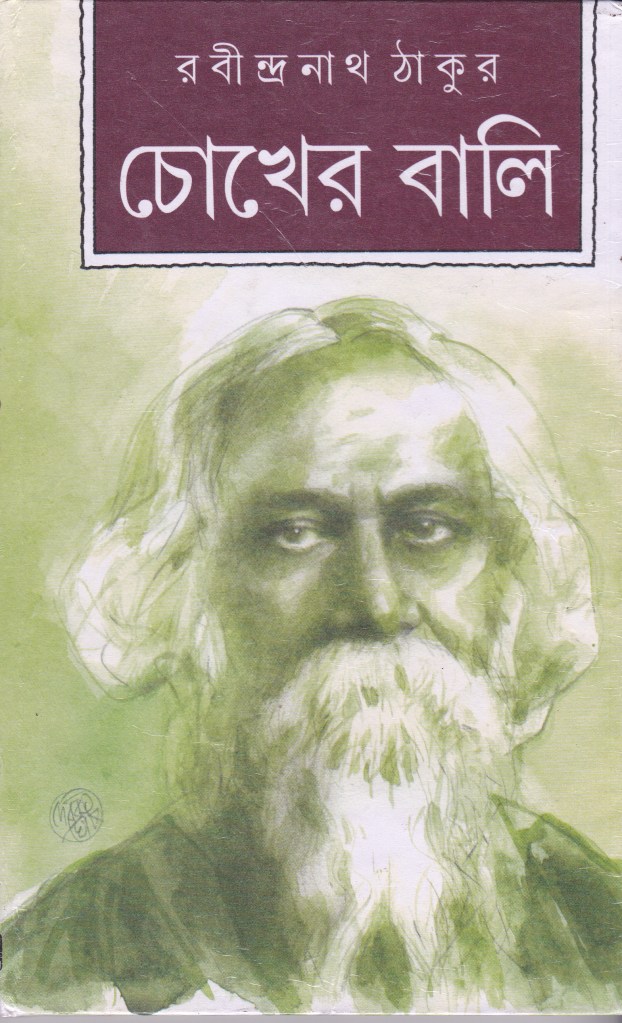
Rabindranath Tagore’s 1903 Bengali novel Chokher Bali is often referred to as India’s first modern novel, where he highlighted the issues of women’s education, child marriage and the treatment of widows in 19th and 20th century Bengal. It was first serialised in the Bengali literary magazine, Bangadarshan first founded in 1872 by Bankim Chanra Chattopodhay and later resuscitated under the editorship of Tagore in 1901.
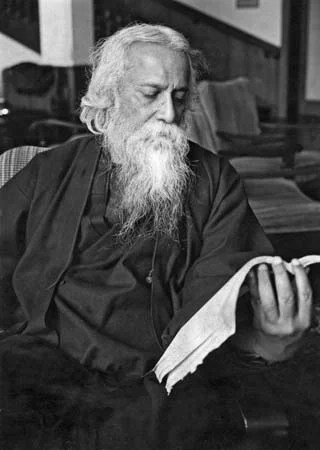
Rabindranath Tagore
About The Author
Rabindranath Tagore (7 May 1861 – 7 August 1941) was a Bengali Polymath —poet, writer, playwright, composer, philosopher, social reformer and painter. He reshaped Bengali Literature and music as well as Indian Art with Contextual Modernism in the late 19th and early 20th centuries. Author of the “profoundly sensitive, fresh and beautiful” poetry of Gitanjali, he became in 1913 the first non-European and the first lyricist to win the Nobel Prize in Literature. Tagore’s poetic songs were viewed as spiritual and mercurial; however, his “elegant prose and magical poetry” remain largely unknown outside Bengal. He was a fellow of the Royal Asiatic Society. Referred to as “the Bard of Bengal”, Tagore was known by sobriquet:Gurudev, Kobiguru, Biswakobi.
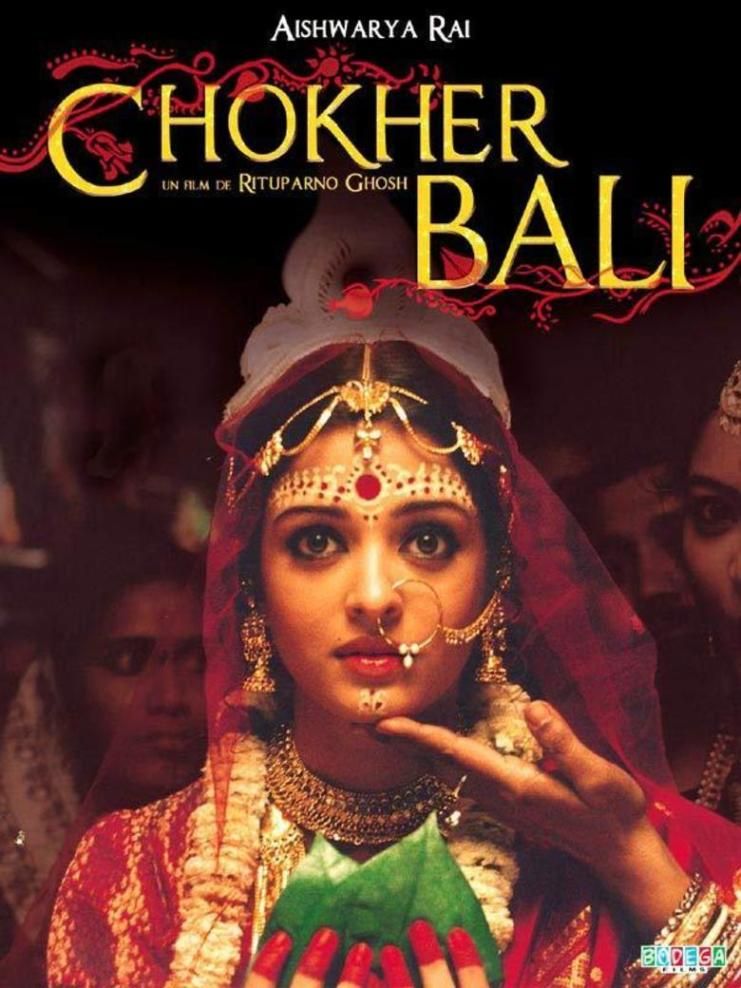
Aishwarya Rai Bachhan as Binodini in Chokher Bali (2003)
Storyline of The Novel
The plot revolves around four protagonists- Mahendra, Ashalata, Binodini and Bihari. Mahendra is the only scion of a rich family based in Calcutta. Bihari is his childhood friend, who frequents his house. Mahendra’s mother wanted him to marry Binodini, her friend’s daughter. But Mahendra refused. Then his mother requested Bihari to marry Binodini and save the poor girl which Bihari refused. Eventually, Binodini got married to a man who died soon after marriage. Meanwhile, Mahendra married Ashalata, a poor orphan girl. Mahendra was besotted with his wife when Binodini came to live in their house. With time, an extra-marital relationship develops between Mahendra and Binodini, which threatens to destroy his marriage with Ashalata. But soon Binodini discovers that Mahendra is a self-obsessed person, unable to provide a safe shelter to her. So she inclines towards Bihari, who lives life by principles. Throughout the novel, there is an implicit implication of Bihari’s affection towards Ashalata, though he never crosses the boundaries of the relationship. In the end, Bihari falls in love with Binodini when realizes her feelings for him. He proposed to marry her, which Binodini refused saying that she doesn’t want to ‘dishonour’ him further. During that period (the novel was written in 1902), widow remarriage was not well accepted in society. That may partially explain the reason behind Binodini’s refusal. In the end, Binodini leaves for Varanasi– a fate that awaited most of the widows in those days.
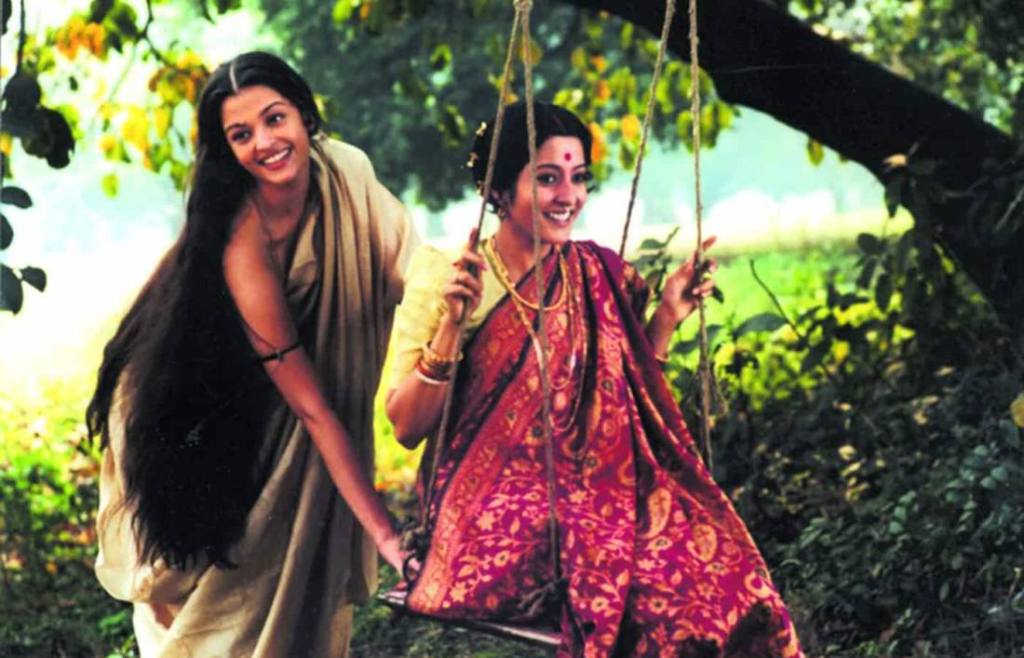
Aishwarya Rai Bachhan as Binodini and Raima Sen as Asha in Chokher Bali (2003)
Analysis of The Storyline
The term ‘Chokher Bali’literally means a sand grain in eye in Bengali and metaphorically means to bea source of irritation or disturbancein someone’s eyes, which is what Asha and Binodini become for each other. Binodini is presented in many avatars a hopelesswidow, a friend, a temptress, and a remorseful woman. Tagore gives readers an insight into her desires and longings, the feeling that many widows at the time had silently undergone. On the other hand, Asha is presented as naive and innocent, which combined with her illiteracy initially results in her subjugation. The narrative almost becomes an implicit debate on love and morality, urging readers to understand Asha and Binodini outside of the social norms of Bengali society. The central character Binodini is not an idealised Indian woman but a woman with shades of grey and very human flaws. Binodini cannot come to terms with her life as a widow, as she is still young and has wants and desires. She feels wronged as she believes she is superior to Asha in all respect and deserves the life she is living. Tagore’s depiction of Binodini is impressive as she subverts the expectation of society for widows to forgo all worldly desires.
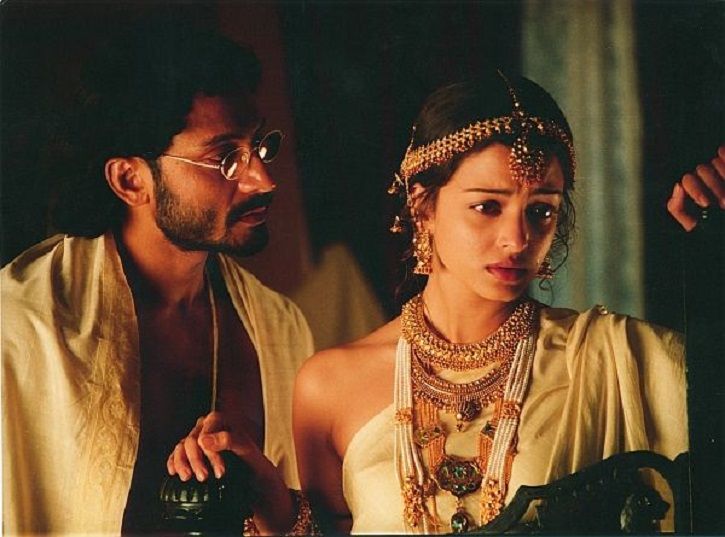
Tota Roy Choudhury as Bihariand Aishwarya Rai Bachhan as Binodini in Chokher Bali (2003)
Criticism of The Storyline
The story of this novel delves deep into many facets of human relationships and how a single wrong decision can make the life disharmonious. Jealousy and deprivation of happiness can result into an emotion strong enough to forget all other ties and relationships.Tagore shows the intellectual interchange between the characters, possible due to education and the interception of letters. The innocent and illiterate child bride Asha fails to understand the exploitation she faces at the hands of her husband and dear Bali (Binodini) whom she trusted blindly. Tagore does not justify Binodini’s actions and actually is sympathetic to Asha, perhaps stressing that Asha would have been able to avoid Binodini’s interference in her marital life, if she were educated enough to understand the intentions behind her friendly nature.However, one of Tagore’s greatest regrets in the novel is the ending. Despite his progressive portrayal of Binodini and Bihar, he does not allow them to marry at the end. Although, today we may see the girl marrying the guy as regressive today in Tagore’s time a widowed woman was not permitted to re-marry. Thus, ending the novel with Binodini and Bihari marrying would have been the most revolutionary.
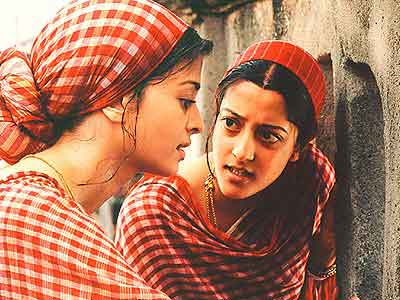
Scene from Chokher Bali (2003)
Movie Adaptation of The Novel
Adapted from Tagore’sChokher Bali, the movie with the same name was released in 2003, directed by eminent Bengali Moviemaker Rituparno Ghosh, starring Aishwarya Rai Bachhan, Raima Sen, Prosenjit Chatterjee and Tota Roy Choudhury in the lead roles. The movie won the National Film Award for Best Feature Film in Bengali and was nominated for the Golden Leopard Best Film award at the Locarno International Film Festival in 2003. Aishwarya Rai won the Best Actress award at the Anandalok Awards 2003.
Conclusion
A century after Chokher Bali, education is still a struggle for many women to access easily globally. Tagore’s novel is radical and unconventional presenting a viewpoint that is ahead of the conservative times of 19th and 20th century India. Through the story of Binodini, Tagore questions the societal norms. He condemns all kinds of taboos and unjust customs which deprive women and especially widows of their rightful freedom and autonomy; confined to live a mournful colourless life. As a man from a privileged background, his understanding of the emotions of Indian women and his empathetic attitude towards them is remarkable.









 Eduindex
You must be logged in to post a comment.