Vostro accounts are accounts a bank holds on behalf of another, often foreign bank, and this forms a key part of correspondent banking.’
In July 2022, the Reserve Bank of India introduced a new mechanism for international trade settlements in rupees, aiming to promote exports and facilitate imports.
Rupee Vostro Accounts keep a foreign entity’s holdings in the Indian bank, in Indian rupees. When an Indian importer wants to make a payment to a foreign trader in rupees, the amount will be credited to this Vostro account, and when an Indian exporter needs to be paid for supplying goods or services, this Vostro account will be deducted, and the amount will be credited to the exporter’s account.
“The banks are acting in a fiduciary relationship and they share a principal-agent relationship. The correspondent foreign bank is a financial intermediary in the transactions that they are involved in. The foreign bank acts as an agent that provides services such as executing wire transfers, performing foreign exchange, enabling deposits, enabling withdrawals, expediting international trade on behalf of the domestic bank. It is most used in settlement of foreign exchanges or foreign trade. No interest will be paid on the vostro account maintained, as per the directives that have been issued by the RBI in India. An overdraft facility can only be availed if it is specifically sanctioned,” explained tax experts at Clear.
“In order to promote growth of global trade with emphasis on exports from India and to support the increasing interest of global trading community in INR, it has been decided to put in place an additional arrangement for invoicing, payment, and settlement of exports / imports in INR,” the RBI had said in a statement.
India’s steel production has reached a historic level of 120 million tonnes per year making it the world’s second-largest producer of Steel, the government informed the Rajya Sabha.
Steel Minister Jyotiraditya Scindia said India intends to double its steel production to 300 million tonnes per annum by 2030.
“There has been a doubling in the last eight years of steel production in the country, which has been historic and which is why we have become the second largest steel producer in the world today,” he informed the Rajya Sabha during question hour.
The minister informed that steel production in the country has increased at a historic level. In 2013-14, we had only close to about 60 million tonnes per annum production of steel, we are today at 120 million tonnes,” he said.
Joining as a guest in season 14 of Shark tank, Emma Grede is a self-made businesswomen and the first black women to hold an investor position on the popular ABC show, Shark Tank.
In 2008, she established the marketing firm ITB Worldwide for fashion and entertainment.
She is also known for brands such as SKIMS, Good American and Safely.
She is also the chairwoman of the Fifteen Percent Pledge, a campaign that calls on stores to provide Black-owned firms 15% of their shelf space.
The Kardashian clan
Grede is a close business partner with the Kardashian-Jenner family, being the co-founder and CEO of Good American, a size-inclusive clothing line, in 2016 with Khloe Kardashian.
She is a founding partner and the chief product officer of shapewear company SKIMS, owned by Kim Kardashian where her husband is the CEO.
Along with Kris Jenner, she also co-founded the plant-based cleaning company Safely.
History and the start of the career
Born and raised in East London, England by a single mother, she started a side job when she was 12 years old and used her savings to purchase fashion magazines.
She attended the London College of Fashion to study business and left after landing an internship at Gucci.
Post that she quickly drew the attention of Inca Productions, one of Europe’s top producers of fashion shows and events.
Emma oversaw the department that handled sponsorship and endorsement deals after beginning as a producer.
She helped Inca establish the field of “designer collaborations,” which are partnerships between high fashion and consumer brands.
She did this by working with some of today’s top designers, including Alexander McQueen, Christopher Kane, Vivienne Westwood, and Zac Posen, as well as companies like Chivas, Mercedes-Benz, and Sky.
itb
Emma was appointed managing director of the newly established Independent Talent Group and Saturday Group joint venture, ITB, which represents brands’ interests in the entertainment industry, in 2008.
She was appointed CEO of ITB Group when the company bought the licensing firm Brand 360 in 2010.
She is currently the chairman of the business, which has offices in London, New York, and Los Angeles and serves customers like H&M, Calvin Klein, and Net-a-Porter.
ITB Group is active in the fields of artist representation, brand development, and entertainment marketing.
Good American and beyond
As a co-founder she established the Good American company in 2016 with Khloe Kardashian .
It is a US-based luxury clothing brand that supports the idea of a healthy physique and offers a wide range of sizes.
Sales of upwards of $1 million on the first day of the brand’s launch in October 2016 made it the largest apparel launch in history, further demonstrating a void in the market before Good American’s entry.
Instead of the straight body found in the traditional fashion establishment, Good American has been created to serve to a curvier, sexier, and stronger type of woman.
The company backs the nonprofit Step Up, which assists young women in reaching their full potential.
Soon after collaborating with Khloe’s sister and celebrity Kim Kardashian, they launched SKIMS, a all-women type shapewear affordable by the masses.
Recently she also collaborated with Kris Jenner herself for the plant based cleaning company Safely.
Emma Grede with her husband Jens Grede and four children, Grey, Lola, and twins Lake and Rafferty
Today, due to accumulating massive amount of success with so many brands, Forbes declared Emma Grede as one of the top 100 in America’s self-made woman.
Currently she has a net worth of $360 million and is happily married to Swedish entrepreneur Jens Grede. the couple reside in Los angles with their four kids.
To reduce the dominance of e-commerce giants like Flipkart and Amazon, the government rolled out its big initiative — Open Network for Digital Commerce (ONDC) — for public in Bengaluru. With the help of ONDC, government plans to help small retailers and create an alternative to dominant global giants like Amazon and Walmart, who controls over half of India’s fast-growing e-commerce market.
The platform aims to create new opportunities, curb digital monopolies and by supporting micro, small and medium enterprises and small traders and help them get on online platforms. It is an initiative of the Department for Promotion of Industry and Internal Trade (DPIIT) under the Ministry of Commerce and Industry.
The government says existing platforms work in silos and are tightly controlled, keeping out many small players. It expects ONDC to increase competition and foster innovation by start-ups. It also hopes to bring in logistics firms and others who can collaborate with sellers to deliver products to customers.
The focus would be on small merchants and rural consumers, with apps in Indian languages. ONDC officials liken the network to a mall with 1,000 gates instead of just two, thereby limiting opportunities for selected sellers to receive preferential treatment – a common accusation against major e-commerce companies. Users will be able to rate service providers on ONDC, which will be applicable and visible across the network. The government says ONDC will help to end “predatory pricing, especially in high-margin, high-value products”. Amazon and Flipkart deny that they have engaged in predatory pricing.
How does ONDC work?
The ONDC platform lies in the middle of the interfaces hosting the buyers and the sellers. So far, the buyer side interface is being hosted by Paytm, whereas the seller side interface is being hosted by other players like GoFrugal, etc.
When a buyer searches for an item on the Paytm app, from where ONDC has gone live, the app will connect to the ONDC platform, which will connect it to seller side interfaces that will list all the companies from where you can buy the particular item.
On ONDC, there will be several other backend partners such as logistics service providers, enterprise resource planners, e-commerce store hosting service providers, etc.
Coming out of the pandemic, consumers in India have expressed a strong desire to buy more discretionary products during the festive season, according to Deloitte’s Global State of Consumer Tracker.
Deloitte’s latest analysis indicates that consumers are willing to increase spend on both travel and hotel stays. They also intend to buy either a new or used vehicle within the next six months.
Consumers’ intent to purchase clothing, electronic and home furnishing, and recreation, entertainment and leisure, indicates a positive spending pattern triggered by the upcoming festive season.
“The survey findings clearly indicate that consumers plan to increase their discretionary spend by 30 per cent (on items such as recreation and entertainment, restaurants, and leisure travel) in August 2022, compared with April 2022,” it said.
The current wave indicates consumers surveyed were willing to travel to domestic and international destinations. With ‘mask-lift’ announcements and easing out of other COVID-related restrictions in some countries, about 88 per cent Indian consumers plan to spend on leisure travel in the next four weeks.
Clearly online purchases remain strong, albeit to a lesser extent than during the peak of the pandemic. Relevant sectors, such as consumer products and retail, automotive, and travel and hospitality, look to benefit from the buoyant mind set of the consumers covered in the survey.
Although the majority of us image a lone customer at a store
when we hear the word “sales,” the majority of revenue money comes
from other businesses. B2B sales are predicted to produce around 3 times as
much revenue as B2C sales by 2023.
As a result, it’s critical for organizations to understand
B2B sales, the finest B2B strategies, and how B2B and B2C sales differ on the
basis of their life cycles and process.
What happens in a B2B sale?
B2B sales are also known as “business-to-business”
sales. One of these sales is any transaction in which a company sells products
or services to a company other than a consumer (B2C, or business-to-consumer
sales). Inside sales is another name for them that is occasionally used.
Even though many of their marketing strategy are similar,
B2B sales are more difficult and significant than B2C sales in such a variety
of ways. Since B2B sales usually have bigger prices and sizes, they are much
more important to the selling organization. Even while a single $20 B2C sales
loss is unfortunate, it can easily be made up for. A $200k B2B sale gone wrong
can drastically change a company’s direction.
Additionally, whereas a B2C sale often relies on persuading
just one customer to buy, a B2B sale frequently involves convincing an entire
team or management office. Dealing with multiple decision-makers can extend and
complicated the B2B sales cycle in contrast to the conventional B2C
transaction.
Due to these issues, understanding B2B sales models,
tactics, and strategies is essential.
B2B sales strategies
Although B2B and B2C sales have several distinctions between
one another, these sales strategies have many characteristics. Despite the
overwhelming number of sales strategies accessible, there are three crucial
ones that are revitalizing the modern market and changing how successful
organizations strategize.
All three of these strategies take into account the most
important aspect of B2B sales—the reality that you are selling to several
decision-makers at once.
Let’s look more attentively at:
• Coordinating marketing and sales
• Social selling
•Content marketing
Influence of B2B sales
Despite years of corporate propaganda about putting the
client first, customers are now prioritizing themselves. Because of technology,
consumers’ expectations of businesses have radically changed. If people find it
impossible to conduct studies, explore, and operate a business whenever and
whenever they like, better opportunities are just a click away.
B2B companies are quickly changing to stay up. In fact,
according to 77% of sales leaders, their company’s digital transformation has
accelerated since 2019. This is even more important during a pandemic because
salespeople and customers can’t easily communicate in person.
This challenging tendency has, per a Salesforce Research,
become the new normal for B2B companies. The majority of B2B users polled (72%)
believe they will experience a B2B website similarly to a consumer website. And
astute businesspeople are rising to the occasion; the majority of top
management of high-performing companies claim that encouraging customer
engagement is a fundamental tenet of their business ethics.
In 72% of situations, business buyers say they expect to
have a basis for comparison on a B2B site as they would on a consumer one.
This is demonstrable proof that corporate clients today
deserve a commerce environment that is just as user-friendly as what they get
in the retail sector. Additionally, it demonstrates how standards can indeed be
elevated further because business relationships are typically more intricate
than those with consumers. These advances, which are discussed in this
guidebook, are changing the interaction between sales organizations and
clients. By fusing data, analysis, and cloud-based commerce technologies, the
top-performing companies are taking advantage of this transitory phase as a big
opportunity to create a digitalized user experience that offers them a distinct
competitive advantage.
Semiconductors are materials that have electrical conductivity between conductors generally metals and non-conductors or insulators. Due to their role in the fabrication of electronic devices, semiconductors are an important part of our lives. Anything that’s computerized or uses radio waves depends on semiconductors. Semiconductors are an essential component of electronic devices, enabling advances in communications, computing, healthcare, military systems, transportation, clean energy, and countless other applications.
The country responsible for the most semiconductors in the world is China, Taiwan, South Korea, and Japan. The Indian semiconductor market was valued at USD 27.2 billion in 2021 and is expected to grow at a healthy CAGR of nearly 19 percent to reach $64 billion in 2026. But none of these chips is manufactured in India so far.
A joint venture of the Indian conglomerate Vedanta and Taiwanese electronics manufacturing giant Foxconn signed a Memorandum of Understanding on September 14 2022 with the Gujarat government to set up a semiconductor and display manufacturing unit in the state. The project is worth around 20 billion USD. This upcoming facility will mark the beginning of chip manufacturing in India. This is also strategically important for India because it will reduce our dependence on other countries.
Out of the total investment of Rs 1,54,000 crore, Rs 94,000 crore will go into setting up the display manufacturing unit while Rs 60,000 crore will be invested for the semiconductor manufacturing facility, the official said in event of MoU. The FAB (fabrication facility) manufacturing unit in the state facility in Gujarat would create one lakh job opportunities.
As per the MoUs signed by both parties, the Gujarat government will facilitate the investor in obtaining necessary permissions and clearances from the state departments concerned. Among the subsidies and assistance under the state policy, Gujarat will provide additional capital assistance at 40 percent of the capital expenditure assistance extended by the Centre for the projects approved under the India Semiconductor Mission. One-time reimbursement of 100 percent stamp duty and registration fees paid to the government, fixed water tariff at Rs 12 per cubic meter for five years, and a capital subsidy of 50 percent for a desalination plant are the financial benefits under the new policy.
A massive shortage in the semiconductor supply chain last year affected many industries, including electronics and automotive. To cut dependence on imports from nations like Taiwan and China, the government brought a financial incentive scheme for manufacturing semiconductors in the country. Vedanata-Foxconn is one of the successful applicants for the Production Linked Incentive (PLI) scheme for semiconductors and is also a step towards achieving self-reliance in the semiconductor field for the country.
Search Engine Optimization, more commonly referred to as SEO, is one of the most crucial aspects of marketing. As such, if you’re working to market your blog or your business, you need to know what SEO means and what the rules and ways of SEO success are. While a successful SEO strategy isn’t an exact science, and its practice has been challenged on many fronts throughout the years, knowing the basics is still important to an effective marketing campaign.
What is SEO?
SEO refers to the process of making a website more visible on a search engine’s results page. To clarify, a great SEO strategy will put a company’s website at the top of the list on a Google search page, therefore increasing the likelihood that people will visit the site. Search engines strive to provide the most relevant results for a person conducting a search, so that when a person runs an internet search for “cupcakes,” the first thing to appear isn’t a cookie shop, but a bakery that specializes in cupcakes as well as a definition of the dessert. In other words, SEO helps to make a search relevant to the user and can be critical in driving traffic to your site.
Search engines work by searching the Internet to find text that meets certain criteria. This text is known as keywords and refers to the most important theme(s) of the website, company, or product. Scouring the online world to find keywords are why, as in the example above, a search for “cupcakes” yields a result of multiple pages about cupcakes, not cookies. Other important things that a search engine uses to rank a website include titles, headings, and links that make up the content of a website’s pages. Search engines also employ search engine indexing to find, digest, and store the content of a website. A search engine index refers to the set of data that’s used to base a final search result on.
The Importance of Keyword Research
Another important part of an SEO introduction is understanding the significance of keywords. We explained above that keywords are the specific words or set of words that best describe the theme or overall concept of an idea, website, business, or product. Keywords are the words that people use when conducting a search, and should be words that are included in the content of your webpage. Choosing the right keywords can help to drive traffic to your site, attract potential customers, and greatly improve your SEO ranking.
When deciding what keywords you should include in your text, you should consider things such as the relevancy of the keyword(s) to your website and company, as well as the competitors that are using the same keyword(s) (you can check this by running a quick Google search of chosen keywords yourself, and seeing what sites appear at the top of the list). To discover the value of your keywords, you can buy a sample campaign from Google AdWords, which will allow you to test the traffic generated by your chosen keywords. If all three things are in check—the keywords are relevant to your website, competitors are experiencing success with similar keywords, and a sample campaign yields high traffic—you should feel confident in moving forward with the keywords.
SEO Tools and Services
Although an SEO introduction is a fantastic place to start, as your marketing initiatives develop, you might want to think about acquiring additional SEO products and services. These resources are frequently made available by the search engines themselves, including Google’s Google Analytics, Google Webmaster Tools, Google AdWords Keywords Tool, Google Alerts, Google Trends, DoubleClick Ad Planner, Google Page Speed, Google Site Map, and others.
In addition to the tools offered by Google, you may also investigate additional internet tools or even employ a business that specializes in SEO marketing to build and optimize your website.
In a developing country like India, the role and importance of small-scale industries is very significant towards poverty eradication, employment generation, rural development and creating regional balance in promotion and growth of various development activities.
It is estimated that this sector has been contributing about 40% of the gross value of output produced in the manufacturing sector and the generation of employment by the small-scale sector is more than five times to that of the large-scale sector.
This clearly shows the importance of small-scale industries in the economic development of the country. The small-scale industry have been playing an important role in the growth process of Indian economy since independence in spite of stiff competition from the large sector and not very encouraging support from the government.
The following are some of the important role played by small- scale industries in India.
Employment generation:
The basic problem that is confronting the Indian economy is increasing pressure of population on the land and the need to create massive employment opportunities. This problem is solved to larger extent by small-scale industries because small- scale industries are labour intensive in character. They generate huge number of employment opportunities. Employment generation by this sector has shown a phenomenal growth. It is a powerful tool of job creation.
Mobilisation of resources and entrepreneurial skill:
Small-scale industries can mobilize a good amount of savings and entrepreneurial skill from rural and semi-urban areas remain untouched from the clutches of large industries and put them into productive use by investing in small-scale units. Small entrepreneurs also improve social welfare of a country by harnessing dormant, previously overlooked talent.
Equitable distribution of income:
Small entrepreneurs stimulate a redistribution of wealth, income and political power within societies in ways that are economically positive and without being politically disruptive.
Thus small-scale industries ensures equitable distribution of income and wealth in the Indian society which is largely characterised by more concentration of income and wealth in the organised section keeping unorganised sector undeveloped. This is mainly due to the fact that small industries are widespread as compared to large industries and are having large employment potential.
Regional dispersal of industries:
There has been massive concentration of industries m a few large cities of different states of Indian union. People migrate from rural and semi urban areas to these highly developed centres in search of employment and sometimes to earn a better living which ultimately leads to many evil consequences of over-crowding, pollution, creation of slums, etc. This problem of Indian economy is better solved by small- scale industries which utilise local resources and brings about dispersion of industries in the various parts of the country thus promotes balanced regional development.
Promotes exports:
Small-scale industries have registered a phenomenal growth in export over the years. The value of exports of products of small-scale industries has increased to Rs. 393 crores in 1973-74 to Rs. 71, 244 crores in 2002-03. This contributes about 35% India’s total export. Thus they help in increasing the country’s foreign exchange reserves thereby reduces the pressure on country’s balance of payment.
Supports the growth of large industries:
The small-scale industries play an important role in assisting bigger industries and projects so that the planned activity of development work is timely attended. They support the growth of large industries by providing, components, accessories and semi finished goods required by them. In fact, small industries can breath vitality into the life of large industries.
The concept of social responsibility in relation to business means that the firm functions to accomplish its financial objectives and serves the society as well. No business exists in isolation. Every organ of the society contributes towards the success of a business. Thus it becomes imperative that business too does something for the society in return. This responsibility of business towards the society is called social responsibility.
A socially responsible firm should not work solely for profit maximization but should also seek the welfare of different sections of the society. Social responsibility of business refers to its obligations to take those decisions and perform those actions which are acceptable in terms of the objectives and values of the society.
Why business need to do social responsibility?
Business is a Part of Society:
Since business organisations are a part of society they must have a positive attitude towards the needs of society. Business is only a sub-system of society and this sub-system must contribute to the welfare of the main system. Therefore, the decisions taken by the manager should take into consideration the welfare of not only his organisation but also the welfare of other sub-systems (different parts of society like customers, shareholders, employees, etc.)
Long-Term Interest:
It is in the long-term interest of the business to discharge its social obligations by serving different interest groups such as employees, consumers, government and citizens. Wise business persons know that unless they serve the society by fulfilling its needs, they will not be able to climb the success ladder.
Indebted to Society:
A business uses the resources of the society for its functioning. Hence, it becomes obligatory for it to pay back its dues by serving the society. Businessmen should tend to the needs of the society and use its resources for community welfare. This practice ultimately helps the organization in establishing itself on the strong foundation of a pleased society and a cooperative labour force.
Public Image:
The activities of business towards the welfare of the society earn goodwill and reputation for the business. The earnings of business also depend upon the public image of its activities. People prefer to buy products of a company that engages itself in various social welfare programmes. Again, good public image also attracts honest and competent employees to work with such employers.
Social Awareness:
These days, employees and customers are more informed about their rights. While consumers expect the seller to abide by the fair trade practices, workers want fair wages and other employee benefits. If the expectations of these interest groups are not met, they may resort to either anti-social activities or seek help from trade unions and consumer courts. This will lead to industrial turmoil and unrest within the society which is harmful for proper functioning of the business.
India is home to some of the most stunning natural attractions and historical sites in the world. With so many places to visit and things to do, it’s hard to know where to start. But if you want something off-the-beaten path, these 10 destinations are sure to satisfy your wanderlust.
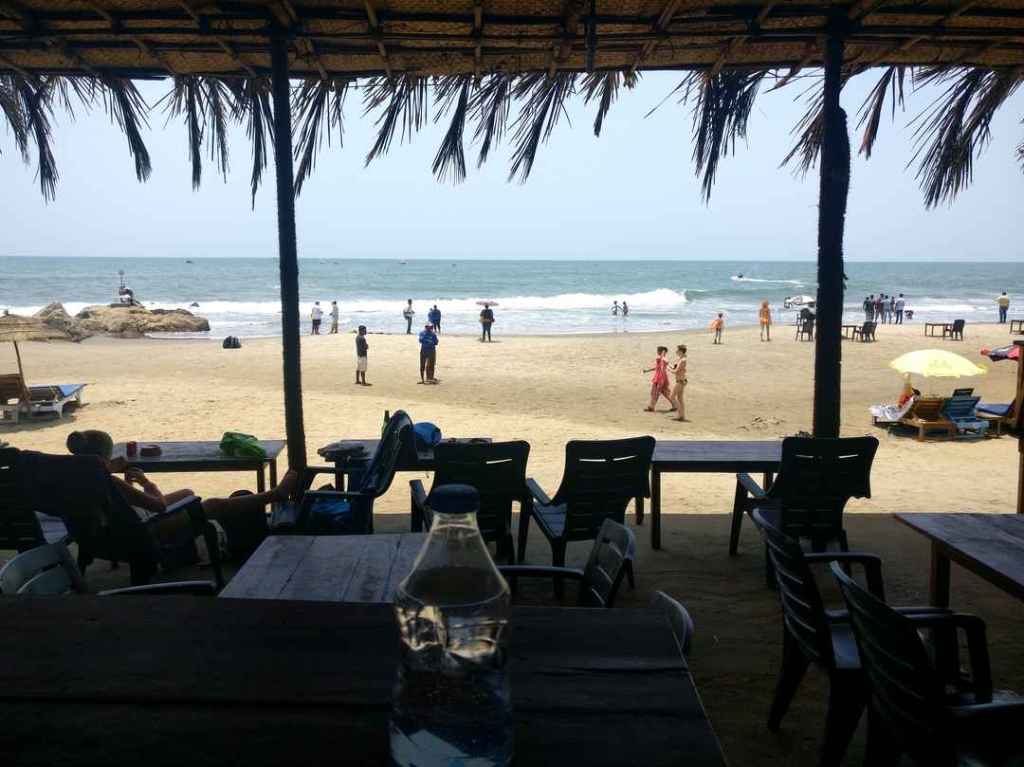
1. Goa
Vagator Beach, Goa
Goa is a popular tourist destination in India and has been attracting visitors for years. It’s known for its beaches, which are clean and have plenty of space to relax on them.
Goa also has great food, music and culture. The best way to experience all this is by staying at an airbnb or other bed & breakfast type place that hosts travelers from around the world!
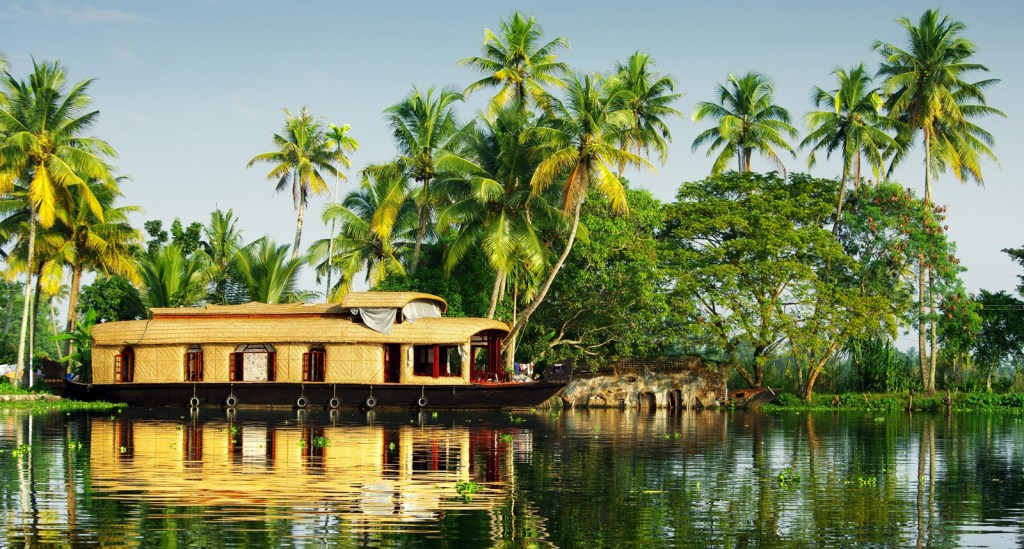
2. Kerala
Kumarakom, Kerala
Kerala is a beautiful place to visit in India. It has many beaches, backwaters and historical sites. One of its most famous attractions is the backwaters of Alleppey that are home to some interesting wildlife sanctuaries. The state also has many temples which are a must-see during your trip here.
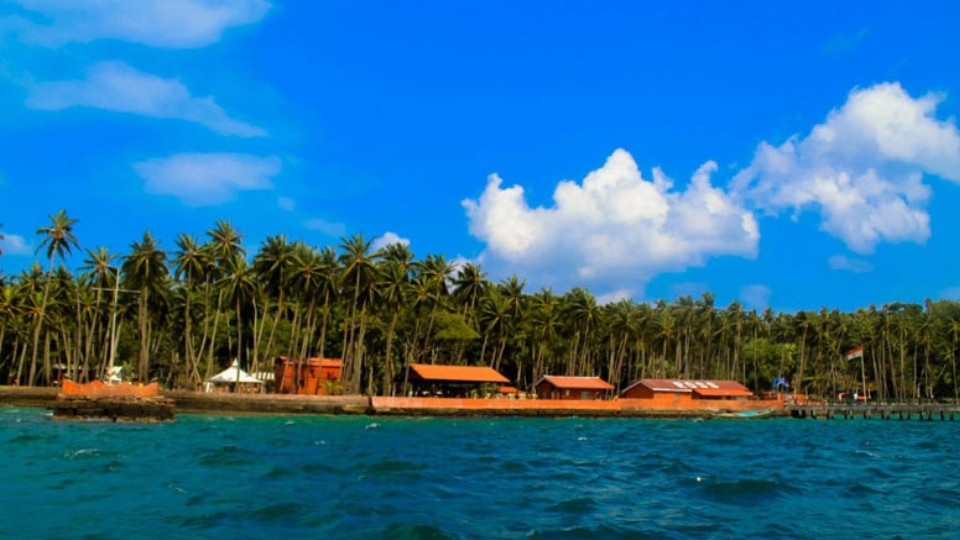
3. Andaman and Nicobar Islands
Andaman
The Andaman and Nicobar Islands are located in the Bay of Bengal, just off India’s coast. These islands are a part of India and home to many different tribes. The islands have a great climate for relaxation, as well as beaches with white sand.
4. Pondicherry
Serenity beach, Pondicherry
Pondicherry is a city in the union territory of Puducherry. It was formerly known as Pondicherry and it is located on the Coromandel Coast, India’s east coast, which is known for its beaches and resorts. The city has an old-world feel to it with buildings that date back to French rule over India during the 19th century.
Pondicherry has many beaches where you can go swimming or just relax on your day off from work.
5. Leh Ladakh
Nubra Valley, Ladakh
Leh Ladakh is a cold desert in the Himalayas, close to the Chinese border. It’s a great place to visit if you want to see the mountains and enjoy some hiking or trekking. There are many places where you can go for this activity, but one of them is called “Nubra Valley”. In this valley there are many different things that you can do: horseback riding (on horses), skiing down from a mountain peak or just walking around looking at all those beautiful views.
6. Rajasthan
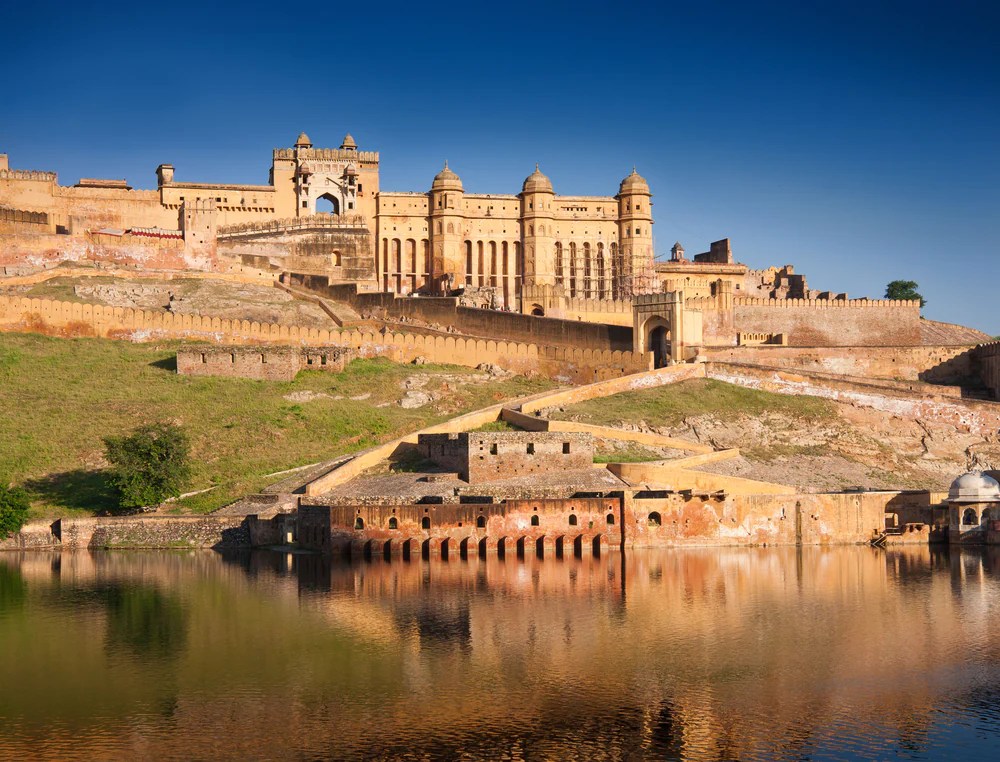
Amer fort, jaipur
Rajasthan is a state in northern India. It has a desert climate, but it’s also known for its palaces and forts. The city of Jaipur is home to several of these attractions, including the Amber Fort and Jantar Mantar Observatory. It also has many lakes, some famous (Lake Pichola) and some not so much (Kumbhalgarh). Some people visit these lakes during wintertime because they’re warm then; others go there in summer because it looks like an ice skating rink. There are plenty of temples as well: we’re talking about hundreds of them.
7. Darjeeling
The Kanchenjunga
Darjeeling is a hill station in West Bengal. The city is located on the foothills of the Himalayas and offers panoramic views of the plains below.
The town has been known for its tea plantations since 1834 when it was first discovered by British colonists. It’s also a popular destination for trekkers, who can choose from several trails to explore this beautiful area along with its rich history and natural beauty.
8. Varanasi
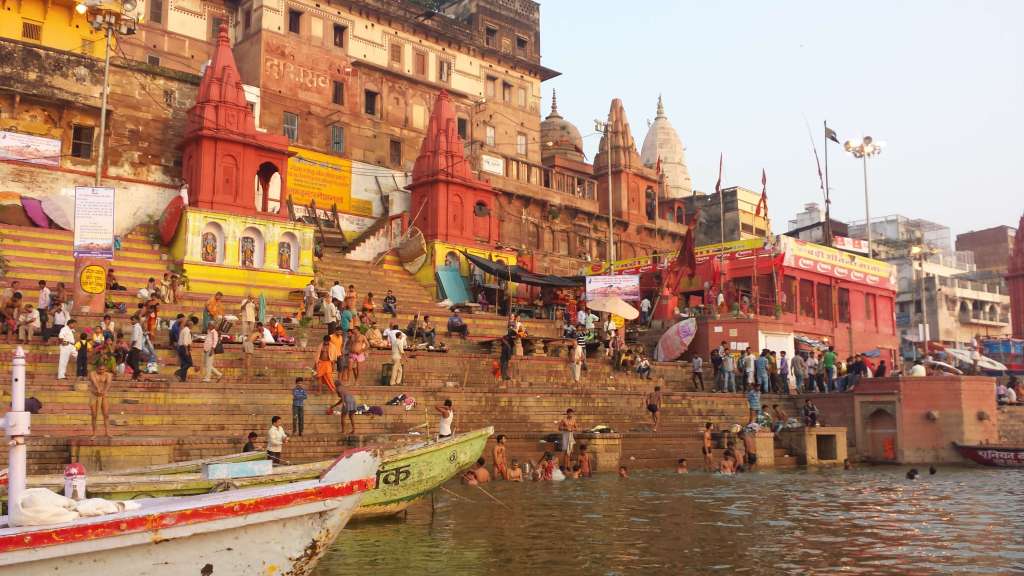
A ghat in varanasi
Varanasi is a religious, cultural and historical city located on the banks of River Ganges. It has been called one of the most sacred places in India as it’s believed that Lord Shiva resided here for some time before passing away.
The city is known for its ghats (steps leading down to the river), temples and food which are all part of its rich history. Varanasi offers tourists everything they need during their stay – from budget accommodation options to luxury hotels & resorts offering everything from pampering spa treatments to yoga classes at sunrise. Not only this but there are plenty of things to do when you visit Varanasi including visiting one or more ghat sites where pilgrims perform rituals during monsoon season when temperatures rise up high enough so visitors can bathe in freezing waters without getting cold feet.
9. Rishikesh
Rafting in Rishikesh
Rishikesh is full of amazing sights—from its spectacular natural surroundings to its historic temples and churches. Other sights include Lakshman Jhula Bridge built between 1822–1823 across River Ganges near Yamuna Sagar Lake during British rule; Vishwanath Temple dedicated specifically because he was considered Hindu god Vishnu’s favorite son; Kedarnath Temple built by King Bhagwan Nand Lal in memory of his father who died while building this temple during his lifetime. River rafting and other fun activities are organised here.
10. Gulmarg, Jammu and Kashmir
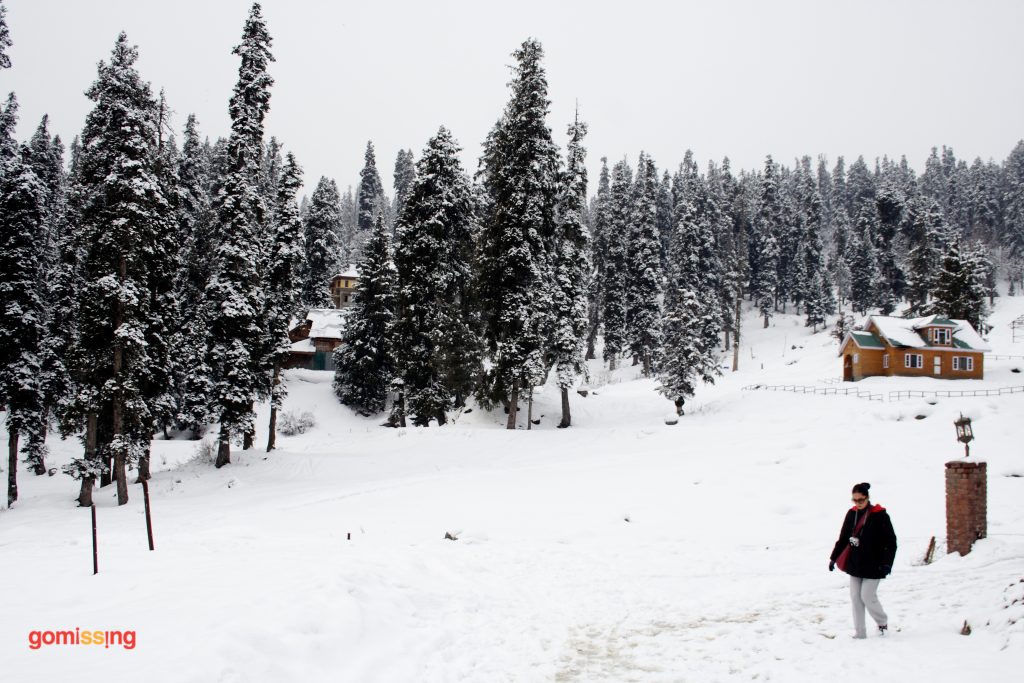
Gulmarg Golf Club area
Gulmarg is a ski resort in Kashmir, located at an altitude of 11,500 feet. It is one of the oldest and most popular tourist destinations in Jammu and Kashmir. The area has 300 km of pistes that can be reached by cable cars or snowshoes. Gulmarg also hosts many other activities like skiing, heli-skiing, snowboarding and more.
These are just a few of the travel destinations in India that you can experience and enjoy.
Boston Consulting Group (BCG) Matrix is a four celled matrix (a 2 * 2 matrix) developed by BCG, USA. It is the most renowned corporate portfolio analysis tool. It provides a graphic representation for an organization to examine different businesses in it’s portfolio on the basis of their related market share and industry growth rates. It is a two dimensional analysis on management of SBU’s (Strategic Business Units). In other words, it is a comparative analysis of business potential and the evaluation of environment.
According to this matrix, business could be classified as high or low according to their industry growth rate and relative market share.
Relative Market Share = SBU Sales this year leading competitors sales this year.
Market Growth Rate = Industry sales this year – Industry Sales last year.
The analysis requires that both measures be calculated for each SBU. The dimension of business strength, relative market share, will measure comparative advantage indicated by market dominance. The key theory underlying this is existence of an experience curve and that market share is achieved due to overall cost leadership.
BCG matrix has four cells, with the horizontal axis representing relative market share and the vertical axis denoting market growth rate. The mid-point of relative market share is set at 1.0. if all the SBU’s are in same industry, the average growth rate of the industry is used. While, if all the SBU’s are located in different industries, then the mid-point is set at the growth rate for the economy.
Resources are allocated to the business units according to their situation on the grid. The four cells of this matrix have been called as stars, cash cows, question marks and dogs. Each of these cells represents a particular type of business.
Stars- Stars represent business units having large market share in a fast growing industry. They may generate cash but because of fast growing market, stars require huge investments to maintain their lead. Net cash flow is usually modest. SBU’s located in this cell are attractive as they are located in a robust industry and these business units are highly competitive in the industry. If successful, a star will become a cash cow when the industry matures.
Cash Cows- Cash Cows represents business units having a large market share in a mature, slow growing industry. Cash cows require little investment and generate cash that can be utilized for investment in other business units. These SBU’s are the corporation’s key source of cash, and are specifically the core business. They are the base of an organization. These businesses usually follow stability strategies. When cash cows loose their appeal and move towards deterioration, then a retrenchment policy may be pursued.
Question Marks- Question marks represent business units having low relative market share and located in a high growth industry. They require huge amount of cash to maintain or gain market share. They require attention to determine if the venture can be viable. Question marks are generally new goods and services which have a good commercial prospective. There is no specific strategy which can be adopted. If the firm thinks it has dominant market share, then it can adopt expansion strategy, else retrenchment strategy can be adopted. Most businesses start as question marks as the company tries to enter a high growth market in which there is already a market-share. If ignored, then question marks may become dogs, while if huge investment is made, then they have potential of becoming stars.
Dogs- Dogs represent businesses having weak market shares in low-growth markets. They neither generate cash nor require huge amount of cash. Due to low market share, these business units face cost disadvantages. Generally retrenchment strategies are adopted because these firms can gain market share only at the expense of competitor’s/rival firms. These business firms have weak market share because of high costs, poor quality, ineffective marketing, etc. Unless a dog has some other strategic aim, it should be liquidated if there is fewer prospects for it to gain market share. Number of dogs should be avoided and minimized in an organization.
SWOT is an acronym for Strengths, Weaknesses, Opportunities and Threats. By definition, Strengths (S) and Weaknesses are considered to be internal factors over which you have some measure of control. Also, by definition, Opportunities (O) and Threats (T) are considered to be external factors over which you have essentially no control.
SWOT Analysis is the most renowned tool for audit and analysis of the overall strategic position of the business and its environment. Its key purpose is to identify the strategies that will create a firm specific business model that will best align an organization’s resources and capabilities to the requirements of the environment in which the firm operates.
In other words, it is the foundation for evaluating the internal potential and limitations and the probable/likely opportunities and threats from the external environment. It views all positive and negative factors inside and outside the firm that affect the success. A consistent study of the environment in which the firm operates helps in forecasting/predicting the changing trends and also helps in including them in the decision-making process of the organization.
An overview of the four factors (Strengths, Weaknesses, Opportunities and Threats) is given below-
Strengths – Strengths are the qualities that enable us to accomplish the organization’s mission. These are the basis on which continued success can be made and continued/sustained.
Strengths can be either tangible or intangible. These are what you are well-versed in or what you have expertise in, the traits and qualities your employees possess (individually and as a team) and the distinct features that give your organization its consistency.
Strengths are the beneficial aspects of the organization or the capabilities of an organization, which includes human competencies, process capabilities, financial resources, products and services, customer goodwill and brand loyalty. Examples of organizational strengths are huge financial resources, broad product line, no debt, committed employees, etc.
Weaknesses – Weaknesses are the qualities that prevent us from accomplishing our mission and achieving our full potential. These weaknesses deteriorate influences on the organizational success and growth. Weaknesses are the factors which do not meet the standards we feel they should meet.
Weaknesses in an organization may be depreciating machinery, insufficient research and development facilities, narrow product range, poor decision-making, etc. Weaknesses are controllable. They must be minimized and eliminated. For instance – to overcome obsolete machinery, new machinery can be purchased. Other examples of organizational weaknesses are huge debts, high employee turnover, complex decision making process, narrow product range, large wastage of raw materials, etc.
Opportunities – Opportunities are presented by the environment within which our organization operates. These arise when an organization can take benefit of conditions in its environment to plan and execute strategies that enable it to become more profitable. Organizations can gain competitive advantage by making use of opportunities.
Organization should be careful and recognize the opportunities and grasp them whenever they arise. Selecting the targets that will best serve the clients while getting desired results is a difficult task. Opportunities may arise from market, competition, industry/government and technology. Increasing demand for telecommunications accompanied by deregulation is a great opportunity for new firms to enter telecom sector and compete with existing firms for revenue.
Threats – Threats arise when conditions in external environment jeopardize the reliability and profitability of the organization’s business. They compound the vulnerability when they relate to the weaknesses. Threats are uncontrollable. When a threat comes, the stability and survival can be at stake. Examples of threats are – unrest among employees; ever changing technology; increasing competition leading to excess capacity, price wars and reducing industry profits; etc.
SWOT Analysis is a strategic management tool that assists an enterprise in discerning their internal Strengths, and Weaknesses, and external Opportunities, and Threats, to determine its competitive position in the market.
The RBI discussion paper issued earlier this month said, UPI as a fund transfer system is like IMPS and therefore, it could be argued that the charges in UPI need to be similar to charges in IMPS for fund transfer transactions.
To clarify, Ministry of Finance quoted “UPI is a digital public good with immense convenience for the public and productivity gains for the economy. There is no consideration in government to levy any charges for UPI services,” the Ministry of Finance said in a statement.
The clarification came amid speculations that UPI transactions could be charged, as a discussion paper released by the Reserve Bank of India (RBI) on August 17 sought feedback related to the subject. “Charges for payment services should be reasonable and competitively determined for users while also providing optimal revenue stream for the intermediaries,” the central bank said in a release. The feedback received would be used to guide policies and intervention strategies.
In the context of UPI, the RBI, in the discussion paper, has questioned if UPI transactions are charged, they should be administered by the regulator, or whether they should be market determined. While clarifying it was not considering any service charge on UPI transactions, the finance ministry reiterated its support for the further adoption of the digital payments system.
Business software is any software or set of computer programs used by business users to perform various business functions.
Some common types of software used in business are –
1. Word processing program
2. Accounting software
3. Billing software
4. Payroll software
5. Database software
6. Asset management software
7. Desktop publishing programs
With the help of business software, a person done many useful things which gives benefit to their business.
Many decisions is taken on the basis of management information system. As business software is very useful for the businessman .
They make their work easy and provide relief to the businessman.
Types of business software
1. Customer Relationship Management –
Customer Relationship Management is used by companies to solicit, review, store, and analyze customer data . It also helps to manage customer interaction, facilitates the sales process , and enable relevant partner relationships.
2. Project Management Software –
One of the most popular forms of software used by businesses is project management software.
With this software you can define the scope of a project and the milestone associated with it. This then makes it easy for you to get a snapshot view of a projects progress , and how long it will take until the project is completed.
3. Accounting software –
Accounting software helps businesses manage the financial side of their business.
Accounting software is especially helpful because it allows businesses to do a better job of keeping records. That’s because this software automatically tracks the transactions that take place in a company.
4. Enterprise resource planning –
Enterprise application software, is computer software used to satisfy the needs of an organisation rather than individual users. Such organisation include businesses, schools, interest – based user groups, clubs , charities, and government.
5. Freshbooks –
Freshbooks accounting software is comprehensive and is designed primarily for small businesses in the service industry.
6. Quick Books –
QuickBooks is a comprehensive accounting software suite with all the modules you need to carry out the accounting functions of your small business.
7. Communication software –
Businesses need communication software to help their employees collaborate with others . This type of business software helps businesses expand their Market reach and get in touch with other businesses in their industry.
8. Human Resource Information System –
Human resources is one of the most essential units of the team . They handle significant roles such as employee management, recruitment, maintaining employee records, training , and payroll system.













.jpg)





 are considered to be internal factors over which you have some measure of control. Also, by definition, Opportunities (O) and Threats (T) are considered to be external factors over which you have essentially no control.
 Eduindex
You must be logged in to post a comment.