INSPIRATIONAL STORY OF J.K ROWLING

J.K Rowling’s story is one of the most famous insipirational failures to the success story of our time. She had failed in almost everything she attempted to do in her life and at one point she considers herself a major failure.


Most of the people only know her as a woman writer who created Harry Potter, but what people don’t know about the struggle she faces before reaching the stardom.


BIRTH AND CHILDHOOD :


Joanne Rowling was born on 31st July 1965 in yate, Gloucestershire, England to Peter James Rowling and Anne Rowling. Her father was a Rolls- Royce aircraft engineer and mother was a science technician
She had one little sister, Dianne, as a child Rowling loves to write fantasy stories and read them to her younger sister. When she was a teenager she got a chance to read Jessica Mitford ‘s autobiography, from then on Mitford become her heroine and after that, she read all her books.


BOOK INSPIRATION AND MOTHER ‘S DEATH :


After working for Amnesty International as a researcher and bilingual secretary in London, Rowling moved to Manchester with her then- boyfriend where she worked at chamber of commerce. In1990, Rowling first had the idea for Harry Potter, a story of a young boy who attends a school of wizards, while she was on a 4 hour delayed train trip from Manchester to London.
While travelling the idea fully formed in her mind and when she reached her flat she began writing furiously. However, in December 1990 her mother died after 10 years of complications from Mutiplr sclerosis Mother’s death heavily affects Rowling and leave her extremely distraught and upset. Later she channelled her own feelings of her loss by writing about Harry’s feelings in her first book.


MARRIAGE, DIVORCE AND SINGLE MOTHER:


After a few months of her mother’s death, she moved to Portugal to teach the English language. There she met a man, fall in love with him, got married and gave birth to her daughter. In 1993 her marriage ended in Divorce and she with her infant daughter moved to Edinburgh Scotland to be closer to her sister.
This is the most struggling time for Rowling and she saw herself as a complete failure. She was divorced, jobless, no money and a dependent child. Because of all this, she suffered bouts of depression and contemplated suicide. Eventually, she signed for Government-assisted welfare describing her economic status as poor. It was a really difficult time in her life but she kept going on and put all her energy on completing her novel.


HARRY POTTER :


In 1995 Rowling completes her manuscript for Harry Potter and the philosopher’s stone on an old manual type writer. She was so poor at that time she could not afford a computer or even the cost of photocopying the novel, so she manually typed each copy and submitted to twelve publishing house in London.
The manuscript was rejected almost dozens time until she was finally given chance with £1,500 advance by a small London publisher, Bloomsbury after the company’s CEO little 8 years old daughter fell in love with it after reading the first chapter of the book.


In July 1997 Bloomsbury published first 1000 copies of Harry Potter series out of which 500 copies were distributed to libraries. Just five months later the book won Nestlé smarties Book prize it’s first award . In early 1998 an auction was held in America for the printing rights to publish the novel.
Scholastic INC won the auction for USB 105, 000, later Rowling said in a interview that she nearly died when she heard the news of this amount for printing her novel. Today Harry Potter is a global brand worth an estimated 15 billion dollars.
The last four Harry Potter books have set the records for the fastest selling books in history. The Harry Potter series to talking 4, 195 pages have been translated either in whole or in part into 65 languages. The Harry Potter books series have also gained recognition for creating an interest in reading among the children’s at a time when they were more inclined towards the Internet, computers and television.


FINANCIAL SUCCESS :


In 2001 J.K ROWLING purchased a 19th century killiechassie House, an estate house on the banks of the river tay in Perth. She also owns a £ 4.5 million Georgian house in West London. In 2004 , Forbes named Rowling as the first person to become a us dollar billionaire by only writing books.In 2017, according to Sunday times, Richard list Rowling net worth was approx. £ 650 million.


PERSONAL LIFE :


Rowling and her second husband Neil Murray were married on 26th December 2001. They live in Edinburgh with their 3 children. Rowling was a runner up in 2007. Time’s annual person of the year issue after Russia’s president Vladimir putin.


JK ROWLING’S RULES OF SUCCESS :

  • Failure helps you discovers yourself.
  • Take action on your ideas.
  • You will be criticised
  • Remember where you started
  • Truly Believe in yourself
  • learn from adversity.
    *Visualise to achieve
  • Persevere
  • Dreams can happen.
  • use your creativity.

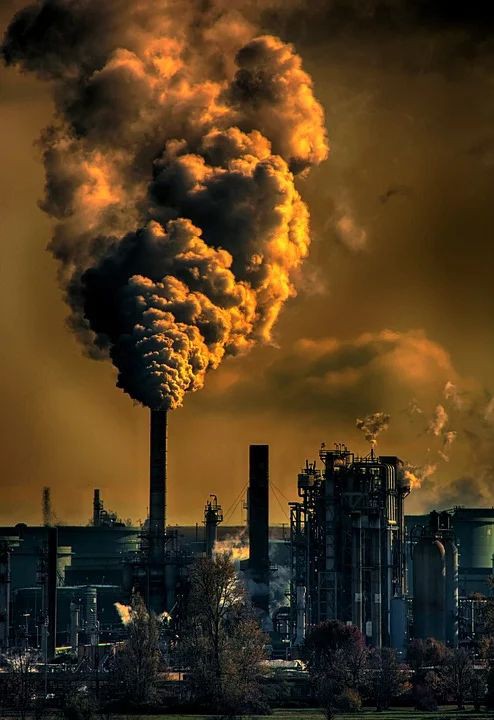
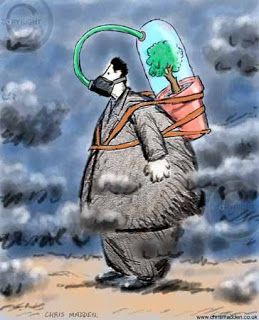
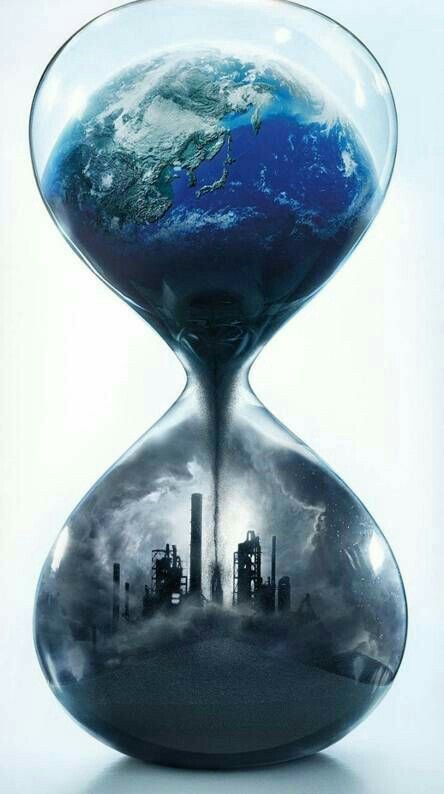
Environmental pollution

“Humankind has not woven the web of life. We are but one thread within it. Whatever we do to the web, we do to ourselves. All things are bound together. All things connect.”

~ Chief Seattle

What is environmental pollution ?

Is it degrading our lifestyle ?

How can we improve our environment ?

Let’s get through the topic .

Introduction

One of the greatest problems that the world is facing today is that of environmental pollution, which is causing grave and irreparable damage to the natural world and human society with about 40% of deaths worldwide being caused by water, air and soil pollution and coupled with human overpopulation has contributed to the malnutrition of 3.7 billion people worldwide, making them more susceptible to disease.

Environmental pollution is defined as “the contamination of the physical and biological components of the earth/atmosphere system to such an extent that normal environmental processes are adversely affected.”

From: Environmental Management, 2017

We all are well known about the word Environmental pollution . It is not some kind of new phenomenon , yet it is a greatest problem facing by our society . Still , people are avoiding the topic to its utmost.

Environmental pollution is one of the most serious global challenges. Wild-type organisms have a slower degradation rate of hazardous materials.

Both developed and developing nations share this burden together, though awareness and stricter laws in developed countries have contributed to a larger extent in protecting their environment.

Reasons behind environmental pollution

  • The Burning of Fossil Fuels. Industrial Emission.
  • Indoor Air Pollution.
  • Wildfires.
  • Microbial Decaying Process.
  • Transportation.
  • Open Burning of Garbage Waste.
  • Construction and Demolition.
  • Urbanization and industrialization. Since the era of industrial revolution, man has continued to introduce hazardous materials into the environment at an alarming rate.Mining and exploration.
  • Agricultural activities.
  • Particulate matter.
  • Plastics.
  • Energy production.
  • Deforestation.
  • Mining.
  • Over population.
  • Increase in global average temperature.

Effects of environmental pollution

Environmental pollution is an incurable disease . It can only be prevented.

Barry commoner

1. Effects on Humans. The effects of environmental pollution on humans are mainly physical, but can also turn into neuro-affections in the long term. The best-known troubles to us are respiratory, in the form of allergies, asthma, irritation of the eyes and nasal passages, or other forms of respiratory infections. Other rarer diseases include hepatitis, typhoid affections, diarrhea, and hormonal disruptions.

2. Effects on Animals . Environmental pollution mainly affects animals by causing harm to their living environment, making it toxic for them to live in.

3. Effects on plants . As for animals, plants, and especially trees, can be destroyed by acid rains (and this will also have a negative impact on animals as well, as their natural environment will be modified), ozone in the lower atmosphere block the plant respiration, and harmful pollutants can be absorbed from the water or soil.

Solutions for environmental pollution.

  • Evironment planning.
  • Shifting to eco-friendly transportation.
  • Air pollution must involve moving away from fossil fuels, replace them with sustainable fuels .
  • Solar power .
  • Wind power.
  • Go green.
  • Storage facilities for solid waste.
  • Environmental friendly products.
  • Policies implimentation for environmental pollution.
  • We also need to work on electromagnetic radiation (ER) reduction.
  • Awareness through mass media.
  • More green parks and areas.
  • Environmental education, etc,.

“We say we love flowers, yet we pluck them. We say we love trees, yet we cut them down. And people still wonder why some are afraid when told they are loved.”

~ Paul Morley

Link

IMPACT OF COVID-19 ON CARBON EMISSIONS

The unprecedented global disruption caused by the coronavirus pandemic is likely causing a sharp, brief drop in carbon emissions. 

  • Due to global lockdown ‘s impact on transport, demand for oil has fallen at an unprecedented scale. 
  • Gas demand falls less than oil or coal. 
  • The country’s CO² emission fell down by 15% during March and fell 30%in April. 
  • According to Daily data from the national grid. Coal – fired power generation fell 15% in March and 31% in April. 
  • Renewable energy generation increased by 6.4% in March. 
  • Due to reduced power generation, Industrial activity and transport volume. Thus, it has reduced fossil – related and cement – induced CO² emission. 

China is  the first country where the virus’s impact on carbon emissions  became visible

Carbon dioxide emission in China

According to China Emissions Accounts and Datasets(CEADs) :

  • Reduction of 257.7 Mt. (11%) over Q1 2019
  • Secondary industry contributed 186.8Mt.(72.5%) CO² to the total reduction (largely due to lower coal consumption and cement production). 
  • Hubei contributed 40.6Mt. reduction (due to decrease of 48.2%in secondary industry).
  • Transportation significantly contributes 65.1Mt. With a change of – 22.3% in freight transport and – 59.1% in passenger transport compared with Q1 2019.

      Globally :

  • Aviation decreased by 75%.
  • Surface Transport by 50%.
  • Power generation by 15%.
  • Industry – uncertain but~35%.
  • Small increase in residential buildings of 5%.

     Fossil Fuel:

  • Drop 8% in 3 month and peak drop 17% unprecedented 
  • Emissions in individual countries decreased by ~27%.
  • Emission from surface transport accounted for 43% of decrease, industry and power together accounted 43% and aviation. 
  • Drop in CO² Emissions had no detectable impact on atmospheric CO² or Climate change 
  • It is extremely small compared to the emission accumulated. 

Carbon dioxide emissions in India 

  • As lower power demand growth and competition from renewables weakened the demand for thermal power generation through the last 1 year. 
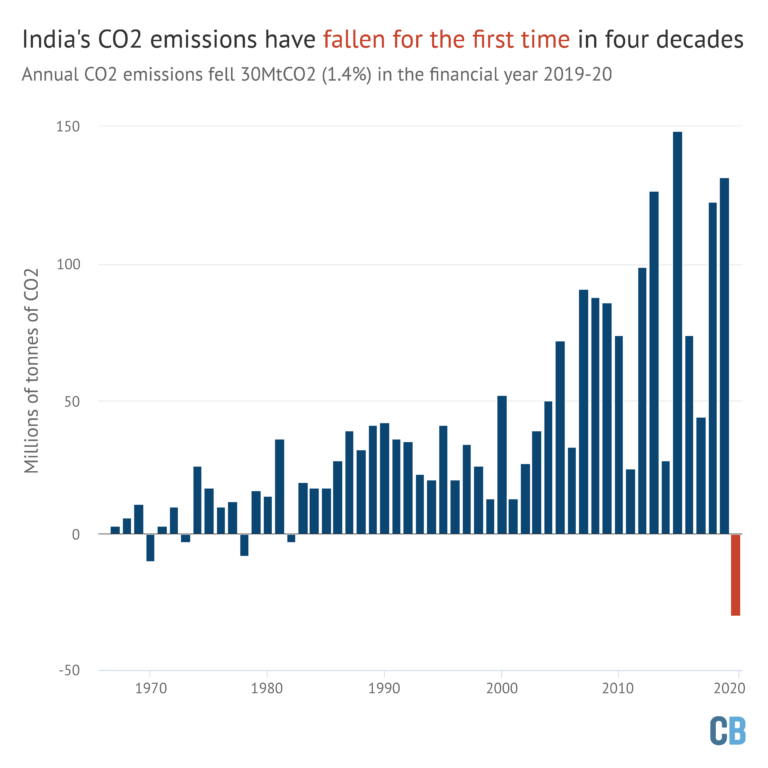
  • CO² emission fell by an estimated 15% during March and 30% in April. 
  • The fiscal year ending March, coal sales by main coal producer Coal India Ltd. Fell by 4.3%.

Coal import increased by3.2%

Total coal delivery fell by 2%

  • In March, coal output increased 6.5%. 

     Oil Demand :

  • Oil consumption slow down since early 2019.
  • During national lockdown, oil consumption fell 18% on March 2020.
  • Crude oil production in India decrease 5.9% compared to last financial year.

Thus, CO² emissions fell by 30mt.(1.4%) in fiscal year ending March. 

Environmental health due to Carbon Emission during Global lockdown

  • The positive effect of lockdown is to decrease the CO2 emission by −17% (−11 to −25%) by 7th April 2020 with respect to the mean level of emission in 2019.
  •  Air quality index (AQI) is the assessment of air quality. The lower the AQI value, the better is the air. The normal air quality index range is (100−200) and presently it is in the satisfactory range (50–100) category as reported by Gurfam being a scientist at SAFAR. 
  • Zambrano-Monserrate et al. (2020) reported that the air quality index (AQI) has decreased by 44%, 33%, 29%, 15% and 32% in north, south, east, central and western India respectively. 
  • The same study also shows that from March 16th to April 14th, 2020, 22 cities of India show the reduction of PM10 (Particulate matter), PM2.5, CO, NO2, by 43, 31, 10 and 18%. During the quarantine period in COVID-19, the amount of NO2 was decreased by 22.8 μg/m3 and 12.9 μg/m3 in Wuhan and China respectively. 
  • In 367 cities, the PM2.5 fell by 18.9 μg/m3. As per the report of CAMS 2020 reduction of 20–30% of PM2.5 is observed in a wide area of China.
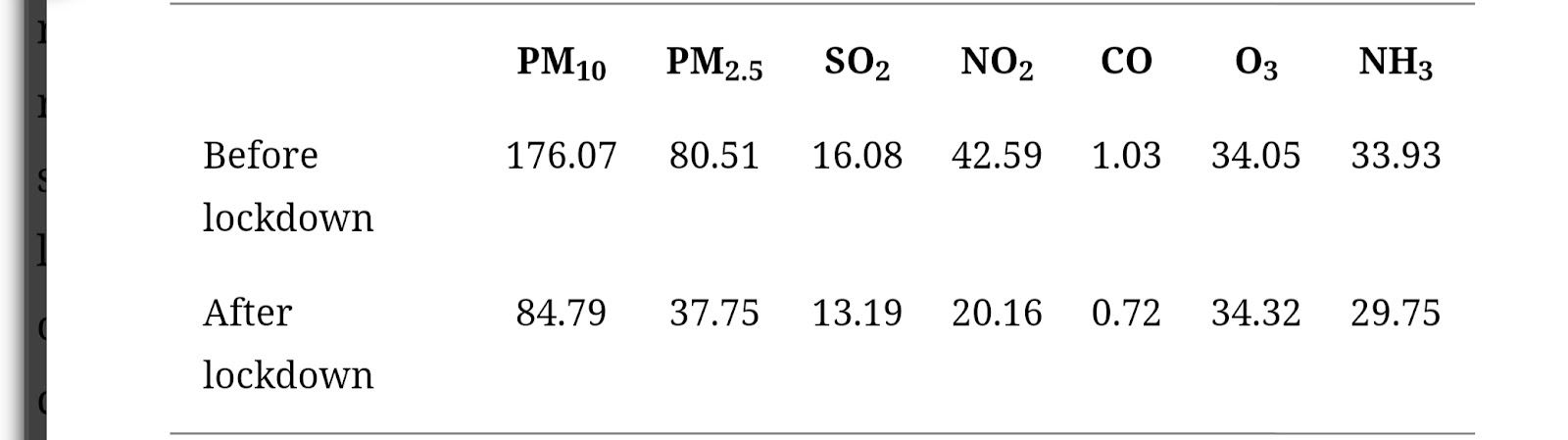
  •  Mahato et al.investigated that after three weeks of lockdown period from 24th March 2020, pollution of the Delhi, India, has experienced a noticeable reduction of different air pollution causing materials in the following Table

Comparison between different pollutants present in air before and after lockdown.

Reduction in carbon emission also lead to Ozone layer recovery over Antarctica:

  • The ozone layer is found in the upper atmosphere called the stratosphere between 10 and 50 km from the earth. 
  • The ozone layer acts as a natural sunscreen and plays a very important function by absorbing the harmful U—V rays from the sun. 
  • Ozone-depleting substances (ODS) are gases such as chlorine and/or bromine which breaks the ozone layer in the stratosphere. Various ODS are present in the environment are chlorofluorocarbon (CFCs), hydrochlorofluorocarbon (HCFCs), Methyl chloride and various halones.
  •  By the reaction with UV sunlight, these gases form chlorine and bromine and they are responsible for the depletion of the ozone layer. 
  • The international community signed the Montreal Protocol on substances about the depletion of the ozone layer, 30 years ago.
    •  According to the protocol, the consumption and production of ozone-depleting compounds should be regulated.
    •  By banning chlorine-containing synthetic compounds the rate of depletion declined and scientists expect to recover back to the 1980 level up to 2070.
    •  As per the scientific data of 2018, the stratosphere recovered at the rate of 1–3% per decade since 2000.
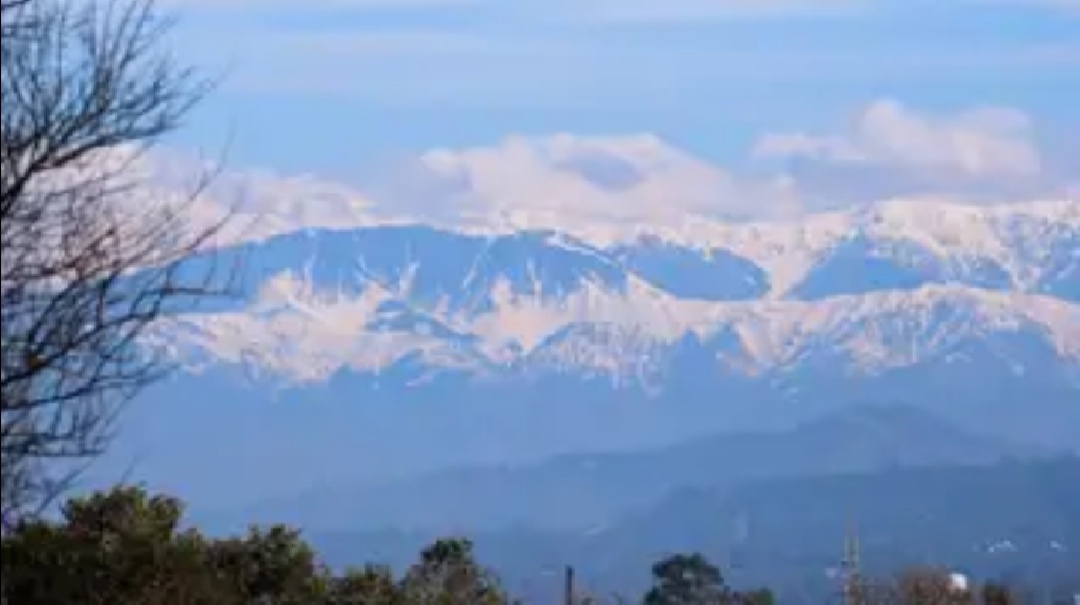
  •  After the lockdown began on Jan 23, the particulate matter pollution decreased by an average of 35% and NO2 decreased by an average of 60%. 
  • At the same period, scientists found the average surface ozone concentration increased by a factor of 1.5–2. 
  • Emission of ozone-depleting substances is also natural or man-made.
  •  All man-made emission is controlled because of lockdown during COVID-19. 
  • Production and consumption of ODS are also reduced. The World meteorological Organization (WMO) states that economic activity has been limited during COVID-19 which results in a decline in CO2 emission.
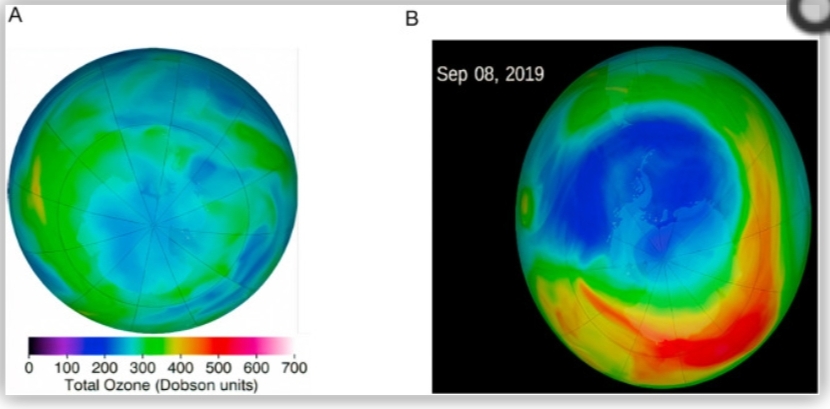
  •  In 2019, As per NASA and NOAA reported that the south pole region of Antarctica has warm temperature in the upper atmosphere which caused a small ozone hole since it was first seen in 1982 . 
  • On 23rd April 2020 Copernicus, atmospheric monitoring services (CAMS) announced that the largest hole was ever seen in the ozone layer over the arctic has been closed.
  •  Although lockdown is surely showing the prominent sign of nature, balance restoration of the ozone layer .
The map of holes in the ozone layer over Antarctica (a) 23rd May, 2020  (b) September 08, 2019

Impact of COVID 19 on Energy resources

The breakout of the Coronavirus Disease (COVID-19) toward the end of 2019 and its culminating transformation into a global pandemic sent shockwaves across the nations. Not only people lost their lives to it, but also numerous industries and governments as a whole succumbed to its impacts. To prevent the spread of the disease, many countries have resorted to observing country-wide lockdowns, damaging the normalcy of their economy. The world economy has seen new lows by trillions of dollars during this period, giving rise to times of constant anxiety about the future. The renewable energy sector, which has always been one of the leading areas to promote sustainability in terms of the environment, too is not spared from being affected by the pandemic. An amalgamation of the effects of the pandemic on the global economy and fluctuating oil prices resulting from country-wide lockdowns across the world further triggered its impact on the renewable energy industry. This work highlights the extensive impacts of COVID-19 on the renewable energy sector of India, a country that has proved itself to be proactive and progressive when it comes to solutions toward sustainable development. It showcases the present impacts of the pandemic on the sector and highlights future projections of the way it may continue to affect this sector as the world continues to struggle with the pandemic. The authors have brought up a set of their opined regulations that the administration and policymakers of the renewable energy sector of India can adopt to avert or reduce the extensivity of the impact of COVID-19 on their sector.