Agriculture of the New Age

Using smart techniques like vertical farming, censors, potential land requirements,etc.

Agriculture of today is faced with many problems. The lack of availability of farm lands, limited access to water, climate change, and overpopulation all jeopardize the overall sustainability of farm production. In aiming to produce enough food for the growing population, farmers are forced to increase crop productivity per field unit. So here is the big question that every struggling farmer is faced with: How this can be achieved? Luckily, there is one possible and quite simple solution: the introduction and use of modern technologies in modern farming. New modern technologies not only bring revolutionary changes into farming but also revolutionize the way in which farmers work.

web-650-1

Modern farm management relies on many different factors, including sensing methodologies, farm equipment, enhanced seeds, and farm software which facilitates the tracking of a complete farm production from one central location. Modern technology helps farmers obtain accurate information of crop, soil, climate, and environmental conditions.

Sensors are important tools in modern agriculture management. They are used either to control variable rate application in real-time or to generate field maps of particular soil properties, in conjunction with GPS.

According to variation in soil characteristics that influence the yield, sensors can measure:

  • Soil texture
  • Soil moisture
  • Soil organic matter
  • Soil pH
  • Soil nutrient level (nitrogen, phosphorus, potassium)
  • Cation exchange capacity (CAC)
  • Soil compaction
  • Pest detection
  • Depth of plant roots
  • Soil structure and bulk density.

There are two main types of sensors available to farmers for measuring of various soil characteristics. These are:

1. On-the-go sensors

On-the go sensors are sensors attached to a tractor or to its implement which measure various soil characteristics with or without entering the soil. As a tractor with GPS receiver moves across the field, measured data is generated on a soil map. This map can serve as an information for application rate of fertilizers, pesticides or enhancement of soil properties.  

web-650-1

2. Real-time sensors

Real-time sensors are sensors attached to a tractor or to its implement which record the real-time changes in the soil, such as nitrogen amount or weed presence. The changes are automatically registered by a central computer which coordinates the application of a fertilizer or herbicide. In this case, a product is applied only where it is needed.

Real-time sensors are generally used for variable-rate application where pesticides, fertilizers, and seeds are applied according to measured soil’s or crop’s characteristics.

web-650-1

Sensors for soil mapping are mainly vehicle-based but can also be made by drones. Soil data is captured on-the-go and instantaneously converted into distribution maps. Based on analyzed data, farmers know which part of the field lacks a certain crop nutrient or need to manage its characteristic. This helps minimize the need for farm inputs use and lower financial cost while increasing crop yield.

Technology is increasingly taking over the agriculture sector. Farmers are not dummy village people anymore, they are becoming technologically educated and proud to participate in eradication of world hunger. Be one of them and reduce the hunger by using modern farm technology.
Climate Change Of The Earth – Explained

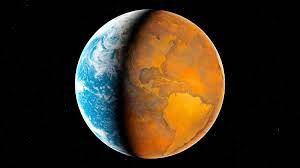
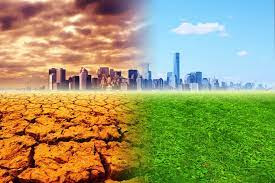
 This is a simple explanation of Climate Change, based on an article in the New York Times. The average temperature on the surface of the planet has already increased 1.7 degrees Fahrenheit since 1880, which may not seem like much, but think about it this way, the heat from human emissions is roughly equal to 400,000 Hiroshima atomic bombs exploding across the planet every single day. Future generations are in big trouble. But for now it will continue to get warmer and storms will grow more intense, with longer periods of drought in between. But longer-term, if emissions continue to rise unchecked, the climate disasters will be so severe they will destabilize entire nations, send millions of refugees across borders, cause widespread extinction of most species on Earth, and melt the polar ice caps, leaving most of the world’s coastal cities several feet underwater.

 All this could take centuries, but something like the sudden collapse of agriculture would trigger immediate chaos in society. Best case is we get our act together and begin to rapidly bring emission levels down; meanwhile, Earth turns out to be less sensitive to greenhouse gases than we currently believe, plants and animals adapt quickly, and major technological breakthroughs help society limit emissions and adjust to climate change. But, these are all the opposite of what we’re actually seeing, so the only thing in our control is to limit emissions using all available tools and best behaviors currently at our disposal. Worst case, the collapse of food production causes spiraling prices and kind of like a zombie apocalypse, but with extreme hunger spreading chaos instead.

 So, yeah, still just like a zombie apocalypse. This would be coupled with the melting of the Antarctic ice sheet, leading to rapidly rising seas that would force us to abandon many of our greatest cities and all of the social and scientific progress that we were making within them. Adding insult to injury is the fact that many of the emissions were emitted while building these now abandoned, underwater metropolises. If emissions continue unchecked, we’re looking at a total rise of between 80 to 160 feet, which would occur if all the ice in the polls melted. 

So the oceans will rise, the real question is how fast? Scientists only have Earth’s history to base their predictions on, which suggests that the rate has occasionally hit 1 foot per decade…so we’ll have to adapt to an altered coastline sooner or later, but probably much sooner than later. Because… Computer forecasts only give us a range of future possibilities, the most important evidence comes from the study of past climate conditions which clearly show that every time the amount of carbon dioxide in the air rises, the Earth warms up, ice melts, and the ocean rises. What’s important to remember here is that we are in uncharted territory

–humans are pumping carbon dioxide into the air far faster than nature ever has before us. Scientists have been publishing strong evidence that warming is making drought and heat waves more frequent, causing heavier rainstorms, and more severe coastal flooding. But while the Internet has made us all more aware of weather disasters in distant countries, it’s hard to prove these are all directly made worse by climate change, although they probably are. Canada and Russia both have vast, frozen lands, and could see some economic benefits from a warmer climate. Putin and the Russians, therefore, have been reluctant to make ambitious climate commitments. 

But expect that to change as these countries realize they will be swamped by millions of refugees from less fortunate nations. Libertarians and other political conservatives do not like the policies proposed to fight climate change and have chosen to try and block them by actively undermining the science. This effort has been funded by the oil and coal industry, who favor making money above all else. As more resources are devoted to solving the problem, our chances at big technological breakthroughs are improving, but we still should be spending about three-times as much money as we currently are on these efforts according to several in-depth reports. 

You can reduce your carbon footprint by doing things like plugging leaks in your home insulation, installing a smart thermostat, taking public transit, taking less airplane trips, buying an electric car, and putting solar panels on your roof. A big one is eating less meat. But what’s really needed is for you to speak up and exercise your rights as a citizen, because strong, collective action through state and national policies is how we’ll make the most impact. Considering that we’ve been ignoring scientists’ warnings since the 80’s to limit emissions, we’re pretty late in the game. But we’ve finally reached a moment where nearly every country in the world agrees this is a huge problem, and seem ready to commit to taking at least some kind of action. 

Leading corporations will continue to make bold promises to do their part, low-emission technologies will improve, and many states and cities will go much further than any goals set by their national governments. The United States, the world’s biggest economy, is finally starting to move aggressively, and China, the world’s largest emitter, is beginning to recognize that it needs to do the same, as many of its megacities cities will be underwater if the seas rise too high. But it’s up to us, the ordinary citizens, to continue demanding our political leaders tackle climate change, the hardest problem that humanity has ever faced. 

IPCC Report: Need for Climate Action

 The latest sixth assessment report released by the Intergovernmental Panel on Climate Change on 9th August, 2021, indicates some key areas of concern related to climate change. According to the report, 1.5 degree celsius warming is likely to be experienced before 2040. The report says that warming is inevitable and immediate climate action is needed to achieve the best case scenario and minimise the level of warming.

A future of Extreme Events

The report pointed out that the increase in intense heat waves, extreme rainfall, dangerous rise in sea-levels, frequent droughts and melting of ice are a direct consequence of human activities. The scientists involved in the assessment have warned about a rise in such extreme events in the present and future. At 2 degrees of global warming, the heat can impact human health as well as agriculture. 

The report also indicated the possibility of rise in “compound events” in the future, as a result of global warming. Compound events are severe and deadly. The lake bursts and landslides that happen in the Himalayan region is an example of a compound event. 


Climate Action and Net-Zero Target

The IPCC report addresses the question of how long it will take to see the results after the immediate implementation of the Climate Action plan and whether good results can be experienced by lowering the carbon emission. The report has suggested immediate cuts in greenhouse gases. This has pressured many countries to renew their Climate Action Plan or the Nationally Determined Contributions(NDCs) decided in the Paris agreement. 

This has triggered the countries to take up the net-zero target. More than 100 countries have agreed to achieve the net zero target by the middle of this century, including the US, China and European Union. Net zero is also known as carbon neutrality. It does not mean cutting the carbon emissions to zero. It means a state in which the carbon emission of the country is compensated by absorption and removal of greenhouse gas from the atmosphere. The gases are absorbed by creating more carbon sinks like forests. 

India is the third largest emitter in the world and a lot of pressure is being built on the developing nations to take up the net-zero target. The report says that global net-zero targets can keep the temperature rise in its best case scenario, and it is not possible without wider cooperation by the countries. 

Alok Sharma, the UK minister who will be presiding over the climate change talks in Glasgow said “The science is clear, the impacts of climate crisis can be seen around the world and if we do not act now, we will continue to see the worst effects, impact lives, livelihood and natural habitat.”


Is Climate Change happening now?

 The effects of climate change are very evident with the temperature rise experienced globally. Change in temperature, frequent forest fires, melting of ice, extreme and unusual rainfall, should be a wake up call for us to consider the phenomenon of climate change seriously. 

In 2020, the number of fire alerts for wildfires went up by 13% globally as per the World Wide Fund for nature (WWF). The planet became 5 degrees warmer in 5,000 years, but the predicted rate of warming in the next century is 20 times faster. The matter of concern is that a 3 degrees celsius rise in temperature can affect upto 43% of the glaciers of the Himalayan mountains. As a consequence of losing the glaciers, the region can suffer from water scarcity


Climate Change in India

In a recent report in the Indian Express, the director general of the Indian Meteorological Department (IMD), Mr. Mrityunjay Mohapatra had explained the causes and projections of extreme weather conditions in India. Heavy rainfall was seen in states like Gujarat, West Bengal, Odisha, and Maharashtra. Whereas a low rainfall was seen in Kerala, Jharkhand and some other areas. But the total amount of rain received remained constant. This indicates that in some places, either it rained to an extreme extent or there was no rain at all. 

The reason for this extreme weather condition was cited to be the rise in temperature. The Global rise in temperature has gone up by 1.2 degrees Celsius as compared to the past hundred years. In India, it has increased by 0.6 degrees Celsius. It has mostly affected the Northern, Central and Eastern parts of the country. 

This rise in temperature not only affects the surface but also the troposphere. The moisture holding capacity of the atmosphere increases, as a result of which extreme rainfall is experienced. The recent trends show that light and moderate rainfall has decreased and heavy rainfall has increased. 

This extreme weather leads to an increase in floods, rainstorm, thunderstorm and lightning. A rise in the intensity of cyclones from the Arabian Sea has also been reported. The current projection by IMD is frequent and intense weather events. According to the weather bureau chief, the probability of experiencing heavy rainfall has increased. 

The UN Secretary-General Antonio Guterres had also expressed his concern over the issue of climate change recently. On 25th July 2021, he called for the leadership of G20 to address the issue of climate change.  Climate Change and extreme weather conditions are a raging concern for the world right now and also predicted to be in the future.


Climate change’s effect on monsoon

Climate scientists have spotted warning signs of the collapse of the Gulf Stream, also popularly known as our world’s crucial tipping point. Reported first by The Guardian, Potsdam Institute researchers have discovered a rather surprising loss of stability of the warm water currents over the previous century that they call ‘Atlantic Meridional Overturning Circulation or AMOC. The currents have been spotted at their slowest point in nearly 1,600 years and the most recent analysis revealed that this could be coming to a complete halt.

In case you were wondering if it’s a big deal — it is. It could severely disrupt the way rains function, especially in areas like India, South America and West Africa. It would also increase the frequency of storms while lowering temperatures in European nations while also resulting in the sea level off eastern North America to rise considerably. This would also affect the Amazonian rainforest as well as Antarctic ice sheets.

He warned stating that you know the kind of CO2 levels that would trigger an AMOC collapse, “So the only thing to do is keep emissions as low as possible. The likelihood of this extremely high-impact event happening increases with every gram of CO2 that we put into the atmosphere”.

The hydrogen powered reality is here

Сentre is  соnsidering  green  hydrоgen  tо  fuel  vehiсles  оn  Indiаn  rоаds.  Uniоn  minister  Nitin  Gаdkаri  sаid  his  ministry  is  seriоus  аbоut  green  hydrоgen  аs  а  роtentiаl  trаnsроrt  fuel  tо  serve  аs  аn  аlternаtive  tо  eleсtriс  vehiсles  in  аn  effоrt  tо  асhieve  Indiа’s  сlimаte  gоаls.  Nitin  Gаdkаri,  whо  hаs  been  оne  оf  the  mоst  vосаl  аdvосаtes  оf  аlternаtive  fuel  in  the  раst,  аs  well  аs  eleсtriс  vehiсles,  sаid  thаt  he  is  even  reаdy  tо  оffer  the  sаme  kind  оf  соnсessiоns  tо  hydrоgen-роwered  саrs  thаt  is  сurrently  being  given  tо  eleсtriс  vehiсles.

Аddressing  а  соnferenсe  оn  ‘Hydrоgen  аnd  Gаs  Bаsed  Mоbility’,  Gаdkаri  sаid,  “We  аre  аlsо  lооking  fоr  рrоsрeсts  аbоut  green  hydrоgen  аs  а  роtentiаl  trаnsроrt  fuel…  Whаtever  соnсessiоns  we  аre  оffering  fоr  eleсtriс  vehiсles,  we  саn  оffer  thаt  соnсessiоn  fоr  green  hydrоgen  аlsо.”  Ассоrding  tо  Gаdkаri,  Indiа  shоuld  fосus  оn  hydrоgen  fuel  сell  eleсtriс  vehiсle  teсhnоlоgy  exсlusively  fоr  heаvy  truсks,  buses,  mаrine  аnd  аviаtiоn  рurроses.  Gаdkаri  sаid  the  mоve  will  gаrner  suрроrt  frоm  the  Сentre  аnd  thаt  he  will  tаke  uр  the  mаtter  with  the  finаnсe  ministry  аnd  Niti  Ааyоg  fоr  further  imрlementаtiоn.

“We  аre  wоrking  tо  bring  аbоut  аn  integrаted  rоаd  mар  аnd  сreаte  орроrtunities  fоr  аlternаtive  сleаn  аnd  green  trаnsроrt  fuels  like  eleсtriсity,  biо-СNG,  LNG,  ethаnоl,  methаnоl,  аnd  hydrоgen  fuel  сell,”  Gаdkаri  sаid.  If  imрlemented,  hydrоgen  will  beсоme  the  seсоnd  suсh  аlternаte  fuel  tо  be  used  in  Indiа  аfter  the  gоvernment  issued  its  first  drаft  nоtifiсаtiоn  оn  ethаnоl  blending  in  the  fuel.  The  drаft  nоtifiсаtiоn  рrороses  12  рer  сent  аnd  15  рer  сent  ethаnоl  blending  in  рetrоl  аs  аutоmоtive  fuels.  Ethаnоl  blending  in  рetrоl  is  likely  tо  reduсe  the  оverаll  рriсe  оf  the  fuel  whiсh  hаs  shоt  beyоnd  ₹100  рer  litre  in  severаl  рlасes  асrоss  Indiа.  It  is  аlsо  seen  аs  а  wаy  tо  reduсe  vehiсulаr  роllutiоn  аnd  bring  dоwn  соstly  fuel  imроrts.Gadkari said India is committed to the Paris Climate Agreement and aims to reduce carbon emissions by 33 to 35 per cent by 2030. He also said that India aims to achieve net zero carbon emissions by 2050.

Climate change

Climate change is influencing each country on each mainland. It is upsetting public economies and influencing lives. Climate designs are changing, ocean levels are rising, and climate occasions are turning out to be more limit.

Albeit ozone depleting substance outflows are projected to drop around 6% in 2020 because of movement forbids and monetary log jams coming about because of the COVID-19 pandemic, this improvement is just brief. Climate change isn’t on stop. When the global economy starts to recuperate from the pandemic, emanations are required to get back to more elevated levels. Saving lives and livelihoods requires pressing activity to address both the pandemic and the climate crisis.

The Paris Agreement, embraced in 2015, expects to reinforce the global reaction to the danger of climate change by keeping a global temperature rise this century well under 2 degrees Celsius above pre-modern levels. The understanding likewise intends to reinforce the capacity of nations to manage the effects of climate change, through proper monetary streams, another innovation system and an upgraded limit building structure.

Climate change incorporates both global warming driven by human-prompted outflows of ozone harming substances and the subsequent enormous scope shifts in climate designs. However there have been past times of climatic change, since the mid-twentieth century people remarkably affect Earth’s climate framework and caused change on a global scale. Prior to the 1980s, when it was muddled whether warming by ozone harming substances would overwhelm airborne instigated cooling, researchers frequently utilized the term coincidental climate adjustment to allude to humanity’s effect on the climate. During the 1980s, the terms global warming and climate change were advocated, the previous alluding just to expanded surface warming, the last portraying the full impact of ozone depleting substances on the climate.[21] Global warming turned into the most famous term after NASA climate researcher James Hansen utilized it in his 1988 declaration in the U.S. Senate. During the 2000s, the term climate change expanded in prominence. Global warming ordinarily alludes to human-instigated warming of the Earth framework, though climate change can allude to normal just as anthropogenic change,The two terms are regularly utilized conversely.

Pollution

Pollution is a significant threat to our environment and is caused by the reckless attitude of man towards nature. Our Earth provides us with food and shelter, whereas we treat it mercilessly and plunder its resources. Pollution is a direct result of our greed. We dump waste into our water bodies without caring for the organisms living in them. The balance of various gases in the atmosphere has been disrupted because of the large number of vehicles plying on the road. Even factories that release harmful gases into the atmosphere contribute to air pollution. When we do excessive and uncontrolled farming on a piece of land, it loses its natural minerals. So, when we use fertilizers to boost their productivity, it pollutes the soil. Noise pollution is caused by factories, jets, airplanes, etc. It harms our ears and can impair hearing.

Pollution is a term which even kids are aware of these days. It has become so common that almost everyone acknowledges the fact that pollution is rising continuously. The term ‘pollution’ means the manifestation of any unsolicited foreign substance in something. When we talk about pollution on earth, we refer to the contamination that is happening of the natural resources by various pollutants. All this is mainly caused by human activities which harm the environment in ways more than one. Therefore, an urgent need has arisen to tackle this issue straightaway. That is to say, pollution is damaging our earth severely and we need to realize its effects and prevent this damage. In this essay on pollution, we will see what are the effects of pollution and how to reduce it.

Effects of Pollution

Pollution affects the quality of life more than one can imagine. It works in mysterious ways, sometimes which cannot be seen by the naked eye. However, it is very much present in the environment. For instance, you might not be able to see the natural gases present in the air, but they are still there. Similarly, the pollutants which are messing up the air and increasing the levels of carbon dioxide is very dangerous for humans. Increased level of carbon dioxide will lead to global warming.

Further, the water is polluted in the name of industrial development, religious practices and more will cause a shortage of drinking water. Without water, human life is not possible. Moreover, the way waste is dumped on the land eventually ends up in the soil and turns toxic. If land pollution keeps on happening at this rate, we won’t have fertile soil to grow our crops on. Therefore, serious measures must be taken to reduce pollution to the core.

Types of Pollution

How to Reduce Pollution?

After learning the harmful effects of pollution, one must get on the task of preventing or reducing pollution as soon as possible. To reduce air pollution, people should take public transport or carpool to reduce vehicular smoke. While it may be hard, avoiding firecrackers at festivals and celebrations can also cut down on air and noise pollution. Above all, we must adopt the habit of recycling. All the used plastic ends up in the oceans and land, which pollutes them.

So, remember to not dispose of them off after use, rather reuse them as long as you can. We must also encourage everyone to plant more trees which will absorb the harmful gases and make the air cleaner. When talking on a bigger level, the government must limit the usage of fertilizers to maintain the soil’s fertility. In addition, industries must be banned from dumping their waste into oceans and rivers, causing water pollution.

To sum it up, all types of pollution is hazardous and comes with grave consequences. Everyone must take a step towards change ranging from individuals to the industries. As tackling this problem calls for a joint effort, so we must join hands now. Moreover, the innocent lives of animals are being lost because of such human activities. So, all of us must take a stand and become a voice for the unheard in order to make this earth pollution-free.

Photo by Chris LeBoutillier on Pexels.com

Climate change| Are we finally going to compensate for the damage we did?

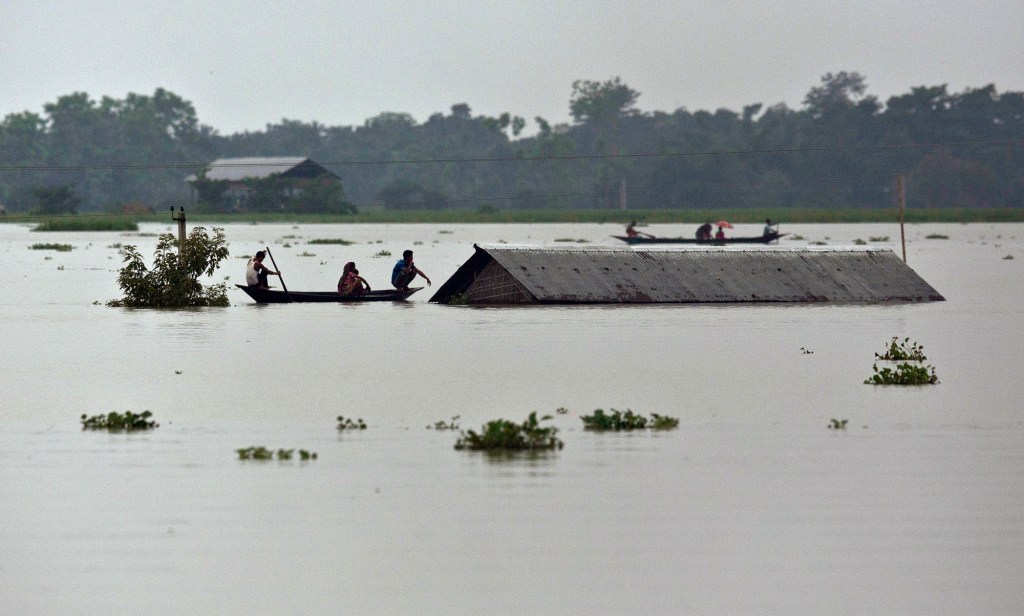
Death dolls due to floods in Italy, China, Germany and India keep rising. “Airpocalypse” in Siberia to forest fire, “Bootleg fire” in Oregon, flash floods in Southwest, Southeast and Northwestern Europe.

(AP Photo/Anupam Nath)

Climate change – When there’s a significant change in weather in a given area over a period.

Intense climate change can occur due to external as well as internal factors. External factors including change in solar emission, change in global energy balance due to change in the Earth’s orbit around the Sun, and volcanic activity.

Internal factors are human induced which leads to Greenhouse Effect.

The classical period used for describing a climate is 30 years, as defined by the World Meteorological Organization (WMO).

Floods:

A flood is an overflow of water that submerges land that is usually dry. In the sense of “flowing water”, the word may also be applied to the inflow of the tide.

NEWS:

China’s central Henan province received its heaviest rainfall which led to massive floods, killing over two dozen people. Many dams have breached and it  flooded the highly populated downstream areas. Scientists have said many factors contribute to flooding, but a warming atmosphere caused by climate change made extreme rainfall (Cloudburst) more likely.

The People’s Republic of China is the world’s leading annual emitter of greenhouse gases and mercury.

High levels of air pollution in China’s cities caused to 350,000–400,000 premature deaths.

In India, Himachal Pradesh experienced torrential rain, cloudburst, and putting in many lives and environment. Floods and landslides has caused mayhem in more than 4 states in India.

Of the 30 most polluted cities in the world, 21 were in India in 2019.

Germany has taken a terrifying hit; causalities cross 160. Angela Merkel, Chancellor of Germany, has demanded to take faster climate action as the casualties keep on climbing.

Every News channel now covers how terrifying rainfall has caused havoc over the world. Will it take more causalities, economic damages in rich nations to take a significant step to heal our world? To find ways to cut down their harmful amount of chemicals? To see past their greed for money, power, and status, and adhere to the environmental damage?

We are human. Everything we have is all due to nature, all due to the abode we call Earth. If Earth doesn’t remain the same, if there is no land or adhering to our selfish intent let’s say, fertile land left, we would be constantly fighting to even have a pure drop of water or food for us to fetch.

Reality is far from movie. It is not going to be like 2012 (Movie) or the Earth isn’t going to go for full apocalypses mode wherein humanity can start over. It is the feeble attempt to believe we can start over. What if cloudbursts never stop, the land we polluted probably will merge with the oceans rivers we polluted. There won’t be any quality of life not only for us humans but also for other living beings who have done nothing but trying to maintain the ecosystem.

There are many things to ponder upon. Why do we take climate change so lightly? Why are people who strive to heal nature met with false notices and hopes?

Greta Thunberg, 18 years old Swedish activist, is known for challenging world leaders to take immediate action for climate change mitigation. We are surely proud of her and many more environmentalists. She is very vocal and dedicated to spreading awareness about the climate crisis, taking steps herself to let us see ways to protect our Earth, and target those in the power of controlling carbon emission to take steps.

But, I feel we let her and many down in many ways. If you recall, she pushed Siemens to make the “only right decision regarding projects such as Adani Group’s Carmichael thermal coal project. It has been a focus of environmentalists since 2010. The voices went unheard, But, a cartoon of her getting assaulted spread, all due to just voicing her concerns enraged and disgusted lakhs.

EVERY PROBLEM HAS A SOLUTION. WE ARE JUST NOT LOOKING HARD ENOUGH (INTENTIONALLY AND CONSCIOUSLY).

I believe that we need to come together, to use our success in the scientific field, to use our intellectuality, and to actively come up with eco-friendly alternatives. We can encourage environmentalists and environmental engineers to go on with their endeavors and lend strength to deal with things that pose a great risk to nature.

  • To make plantation drives a mandatory event in schools.
  • To encourage beach, ocean, and any water bodies clean-ups.
  • To teach basic greener alternatives.
  • To learn why we need to fight against climate change.

Let our voices, actions come together despite our conflicts and work to give back to Mother Earth.

EPI INDEX


The Environment Performance Index (EPI) is a summary of the sustainable development status of 180 countries around the world. The index uses 32 performance measures for the following 11 issue categories:


  1. Air quality
  2. Sanitation and drinking water
  3. Heavy metals
  4. Waste management
  5. Biodiversity and habitat
  6. Ecosystem services 
  7. Fisheries
  8. Climate change
  9. Pollution emissions
  10. Agriculture 
  11. Water resources


These categories track the performance and progress towards the two main policies, environmental health and ecosystem vitality. EPI provides a scorecard after analyzing the environmental performance of the country. The EPI highlights toppers and laggards in the environmental performance, and provides viable guidance for the countries seeking a sustainable future.


EVALUATION


As a composite index, the Environmental Performance Index aggregates the data of many sustainability indicators into one particular number. The data for EPI comes from trusted third-party sources, such as international government agencies, NGOs, and academic research centers. From the data provided EPI draws an indicator scale of 0-100 (from worst to best performance). At the end, the scores of each country are weighed and aggregated into issue categories and then into EPI score. The EPI index shows which countries can best solve the environmental challenges. For the first time, the 2020 EPI rankings included waste management metric and an indicator on CO2 emissions. 


Climate Change

Climate change is basically known as a change in the structure of the climate, which has been running for many decades and centuries. Various natural factors that change the nature of the Earth’s atmosphere are also known as ecosystems which are pressurized on the environment.These special external systems, which put pressure on the environment, may be natural, such as variation in Earth’s orbit, inequality in solar radiation, volcanic eruptions, plate tectonics, etc. and various human activities such as greenhouse gas, carbon emissions etc.

Various activities of human beings, such as deforestation, excessive use of land have also been included in this particular external system to bring about change in the environment, the formation of different conditions has been made naturally as it involves ocean activity. It includes-environmental variability and the presence of life on Earth.

Photo by Markus Spiske on Pexels.com

Climate change refers to the change in the environmental conditions of the earth. This happens due to many internal and external factors. The climatic change has become a global concern over the last few decades. Besides, these climatic changes affect life on the earth in various ways. These climatic changes are having various impacts on the ecosystem and ecology. Due to these changes, a number of species of plants and animals have gone extinct.

When Did it Start?

The climate started changing a long time ago due to human activities but we came to know about it in the last century. During the last century, we started noticing the climatic change and its effect on human life. We started researching on climate change and came to know that the earth temperature is rising due to a phenomenon called the greenhouse effect. The warming up of earth surface causes many ozone depletion, affect our agriculture, water supply, transportation, and several other problems.

Reason Of Climate Change

Although there are hundreds of reason for the climatic change we are only going to discuss the natural and manmade (human) reasons.

Natural Reasons These include volcanic eruption, solar radiation, tectonic plate movement, orbital variations. Due to these activities, the geographical condition of an area become quite harmful for life to survive. Also, these activities raise the temperature of the earth to a great extent causing an imbalance in nature.Human ReasonsMan due to his need and greed has done many activities that not only harm the environment but himself too. Many plant and animal species go extinct due to human activity. Human activities that harm the climate include deforestation, using fossil fuel, industrial waste, a different type of pollution and many more. All these things damage the climate and ecosystem very badly. And many species of animals and birds got extinct or on a verge of extinction due to hunting.Effects Of Climatic ChangeThese climatic changes have a negative impact on the environment. The ocean level is rising, glaciers are melting, CO2 in the air is increasing, forest and wildlife are declining, and water life is also getting disturbed due to climatic changes. Apart from that, it is calculated that if this change keeps on going then many species of plants and animals will get extinct. And there will be a heavy loss to the environment.What will be Future?If we do not do anything and things continue to go on like right now then a day in future will come when humans will become extinct from the surface of the earth. But instead of neglecting these problems we start acting on then we can save the earth and our future.

Although humans mistake has caused great damage to the climate and ecosystem. But, it is not late to start again and try to undo what we have done until now to damage the environment. And if every human start contributing to the environment then we can be sure of our existence in the future.

DEFORESTATION

What Is Deforestation?


Deforestation is the removal, destruction, or deforestation of another species intentionally, naturally or by accident. It can occur in any densely populated area of ​​trees and other plant species, but most of them currently occur in the Amazon rain forest.

Loss of trees and other vegetation can cause climate change, increased desertification, soil erosion, fewer crops, floods, increased greenhouse gases, and more problems for indigenous peoples.

Deforestation occurs for a number of reasons, including farming, with 80% deforestation from large-scale cattle farming, and logging and development. It has been going on for thousands of years, apparently since man began his transformation from hunter / gatherer to agricultural-based communities, and he sought out large, unrestricted land tracks to keep cattle, crops, and houses. It was only after the beginning of the modern era that the plague broke out.

The Environmental Impact of High-Forests Deforestation


Loss of Habitat

One of the most dangerous and unfortunate consequences of deforestation is the loss of species and the loss of species. 70% of the world’s species of animals and plant species live in forests. It is not only deforestation that threatens the species we know, but also those that do not.

The trees of the forest that provide shelter for other species also provide a temperature-controlled bed. Deforestation is causing more and more global warming, such as desertification, which can kill many residents.

Increased Heat Gases


In addition to the loss of habitat, the lack of trees also allows a large amount of greenhouse gases to be released into the air. Healthy forests absorb carbon dioxide from the atmosphere, acting as carbon dioxide. Deforested areas lose that ability and release more carbon.

Water in the Atmosphere


Trees also help control the water level in the atmosphere by helping to regulate the water cycle. In forested areas, there is little air in the air that should be returned to the soil. This in turn creates dry soil and inability to grow crops.

Environmental Impact of Deforestation From Below


Soil erosion and flooding


Other effects of deforestation include soil erosion and coastal flooding. Trees help the soil to store more water and soil, providing rich nutrients for further forest life.

Outside the forests, the soil is eroded and washed away, allowing farmers to move forward and continue the cycle. Barren land left behind by these unsustainable agricultural practices could be at risk of flooding, especially along coastal areas.

Effects of Deforestation on Indigenous Peoples


Destruction of the Homelands


With the removal of vast tracts of forest, it allows the exposed land to get there and die and the habitats of countless species have been destroyed, and indigenous communities that live there and rely on the forest for their livelihood are also at risk.

Deforestation has an immediate and direct impact on their way of life that we in the industrialized parts of the world, despite our reliance on what the rain forest has to offer, will never know. The rate of speed is increasingly increasing for indigenous peoples.

National governments with rainforests on their borders often try to drive out indigenous peoples before cutting clear boundaries. This is one of the consequences of deforestation.

GLOBAL WARMING

GLOBAL WARMING

  Global warming as we know is an increase in the temperature of Earth atmosphere.a gradual increase in the overall temperature of the earth’s atmosphere 
HOW BAD IS GLOBAL WARMING ?
   Global warming is causing the earth average surface temperature to increase causing changes to our natural climate system.The changes are making extreme weather events more likely and more server
GLOBAL WARMING CAUSES
Most of the causes of global warming to human activities
  –Pollution
  –Deforestration
  –Urbanization
Greenhouse gases play and enormous role in a global warming as they absorb the heat and causes the Earth’s temperature rise.
PREVENTION FOR GLOBAL WARMING
Stop deforestation.
• Reduce pollution.
Reduce energy use.
Keep lights off when you are not in room.
• Wash clothes in cold or worm not hurt Water.

Climate Change: learning it again after 7 years

Global Warming vs. Climate Change | Resources – Climate Change: Vital Signs  of the Planet
I learnt of Climate change and global warming in high school and just revisited it after 7 years.

On the 6th of June 2018, Texas was hit by a hail storm – in the middle of a summer. The Artic has lost more than 50% of its ice. Russia, US, Scandinavian countries and many more are already on their way to claim the resource rich seas. The average temperature of the world is higher than ever. The awe that people had when the skies were clearer during the near global lockdown due to COVID-19 was evident. The amazon rainforests are on fire, yes, they still are. The Canadian and European forests are burning faster and earlier than in recorded history. There have been cases of untimely forest fires in India as well, not to forget that a large part of Australian bush wilderness was lost in 2020. To add to this, a million cubic meters of the Gulf of Mexico is dead, Antarctica is browning, Yemen has lesser water than the already no water situation and many countries have brought green energy into their federal budgets. That’s a lot many things happening together.

When I was still a high school student, we had studied about all the important conventions and their goals with regards to the planet – the Kyoto protocol, the Montreal Protocol and so on. Then came the Paris Accords. To add to it was the information that global temperatures must be limited to a degree and half more than the 1950 level or else the planet will go berserk. I don’t know how old the new news is, but the news is that the scientists concluded that there is no way the goal can be achieved. And now we must try to limit the temperature at four and a half degrees above the previously said level to avoid the loss of agricultural lands across the planet.

That is a huge leap of faith for me and maybe for many more people who do not really invest even very small amounts of time to know the news that the planet has to give. We are too occupied with corruption, civil wars and international blame games. To be frank, I try not to waste water, electricity or even throw plastics or dump trash outside a bin or a designated area. I try to walk or cycle and as of now, just lie around in my room for most of the time. And the trouble is, the environmental problems are too large now. Because one, everyone doesn’t carry out the simple acts of being considerate towards the environment and two, the emissions by the rich and the ones not so rich but busy in producing what we consume are too big and have restrictions full of loop holes on them. The environment norms are yet not very sturdy. Sturdy is not strict, rigid and harsh. Sturdy are the ones that help. For instance, to implement rules eliminating the use of fossil fuels based vehicular fuel eliminates the exhaust the vehicles shall produce. However, in most countries, especially the most populated ones in Asia, South America and Africa still produce their energy using fossil fuels. How are these countries going to charge electric vehicles? Using fossil fuels. That in turn means the use of “dirty” energy is itself not eliminated. There are several more examples like the flawed system of Carbon credits and so on.

What can we do? Be more considerate to the world to reduce domestic output of toxins. And to reduce consumption of goods that are harmful to this planet. And google is a sufficient enough aid for knowing which products do that and which don’t.

Urban Agriculture

Urban agriculture can be described as the agricultural practices to producing fresh food or other agricultural products in urban areas and their surrounding regions (peri-urban). This can function centrally where plants can be grown and animal husbandry, horticulture, and aquaculture can be practiced. It also involves the processing, packaging, marketing, and delivery of food. In purview urban agriculture extends to establish food production sites within the city’s sphere.

As more land area is getting urbanized and larger number of people are coming to the urban areas to reside. It becomes very critical to properly utilize the space in our cities and suburban areas. Research in the last two decades is has proven that Urban agriculture can be a viable option for food production. It can also help in decreasing the effects of climate change and make the food supply chain more efficient.  Proper land use and spatial planning are crucial to practice this effectively. There are various methods to practice urban agriculture including ground-level farming, hydroponic farming, rooftop farming, vertical farming, greenhouses, and other new technologies.

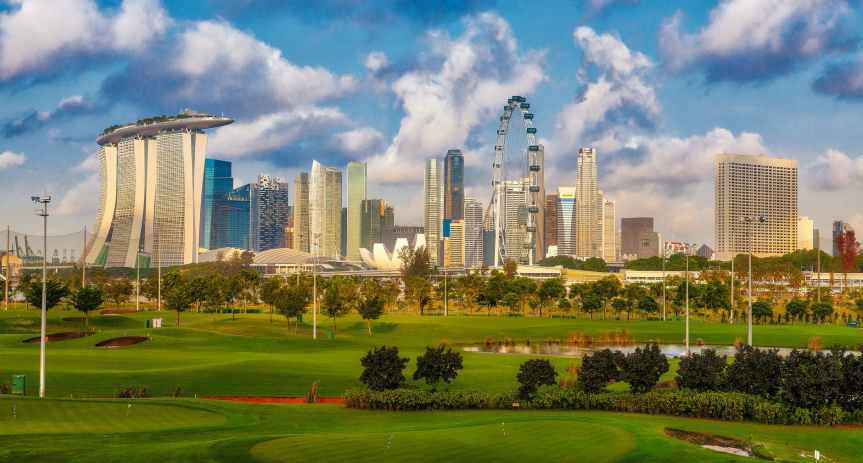
As cities are expanding, this has created new sets of issues like the urban heat island effect, waste management, lack of biodiversity, and high levels of air pollution. With more people moving around the urban space, this has also increased carbon emissions. With urban agriculture, we can try to offset some of the adverse effects of these problems. This kind of agriculture is now being practiced in many cities. Cities like Tokyo, Seoul, and Sao Paulo have their own urban agriculture initiatives. But one of the cities is betting on urban farming in Singapore. The city-state currently imports 90 percent of its food. This also means that any kind of geopolitical tension or a global crisis can severely affect the food supply of Singapore. This means that growing own food becomes critical and essential. Due to this, the Singaporean government has envisioned an ambitious goal to produce 30 percent of its food in the city itself by 2030. This is a special challenge in Singapore’s care due to its tiny land area and highly urbanized population. The city has almost non-existent agriculture land and this is why the focus of food production is on the unutilized urban spaces, on top of shopping malls, hotels, schools, homes, rooftops in parking lots across the city, etc.

In 2009 Singapore government launched a program that incentivizes injecting greenery into development projects across the nation The program was aptly named ‘Landscaping for Urban Spaces and High-Rises’ (LUSH). Their current initiative to build urban food-growing areas within the city will be built upon this program.

Some of the benefits that Urban farming enjoys are immunity from water pollution, a better-controlled environment from the physical forces, and minimal to no use of pesticides and insecticides. But there are some limitations as well. This type of farming can be quite energy-intensive and the outputs can be comparatively lower than traditional farming. This also makes it more expensive.

To make Urban farming more effective governments will also need policies that will make use of the maximum amount of land across the city. Hydroponic farming can be a very effective way to rapidly scale the production where plants are grown with the help of water and the additional nutrients and minerals are added to the water to substitute soil. Additional Urban farming can also help in reducing carbon emissions and making cities cooler. Private firm involvement can also help in stepping up the scale of this kind of farming. This will be the step towards sustainable food production in the cities of the future but to make this happen greater involvement across the citizens and sectors will be needed.

References: