Health Education

A sound mind lives in a sound body’.

Introduction

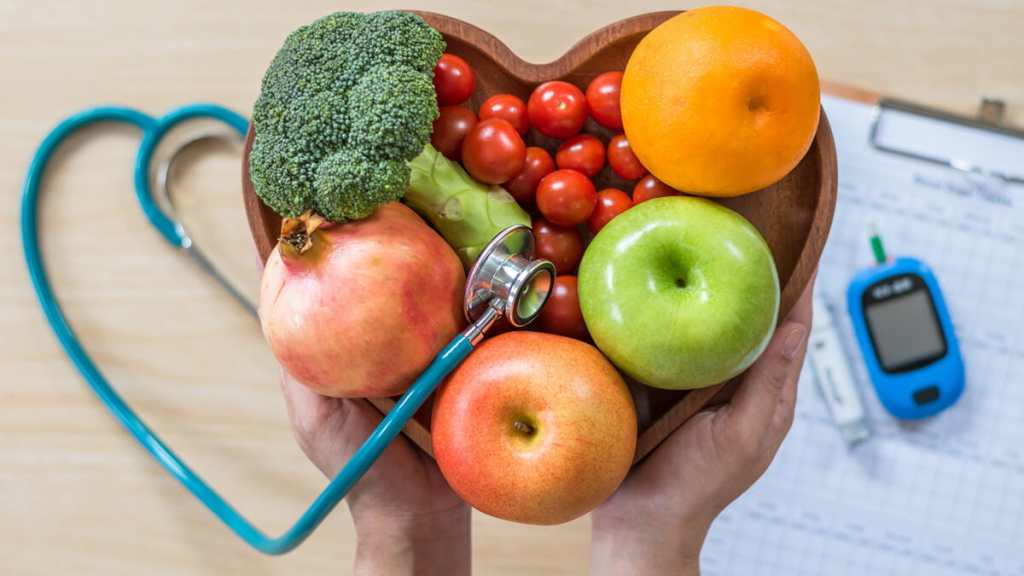
Health education is a profession of educating people about health. Areas within this profession encompass environmental health, physical health, social health, emotional health, intellectual health, and spiritual health, as well as sexual and reproductive health education.

Health education teaches about physical, mental, emotional and social health. It motivates students to improve and maintain their health, prevent disease, and reduce risky behaviours. It also focuses on emotional, mental and social health too. Educating students on the importance of health builds their motivation.

Health education is one strategy for implementing health promotion and disease prevention programs. Health education provides learning experiences on health topics. Health education strategies are tailored for their target population. Health education presents information to target populations on particular health topics, including the health benefits/threats they face, and provides tools to build capacity and support behavior change in an appropriate setting.
History

From the late nineteenth to the mid-twentieth century, the aim of public health was controlling the harm from infectious diseases, which were largely under control by the 1950s. By the mid 1970s it was clear that reducing illness, death, and rising health care costs could best be achieved through a focus on health promotion and disease prevention. At the heart of the new approach was the role of a health educator.

Code of ethics

The Health Education Code of Ethics has been a work in progress since approximately 1976, begun by the Society for Public Health Education (SOPHE).

“The Code of Ethics that has evolved from this long and arduous process is not seen as a completed project. Rather, it is envisioned as a living document that will continue to evolve as the practice of Health Education changes to meet the challenges of the new millennium.”

Importance of Health Education .
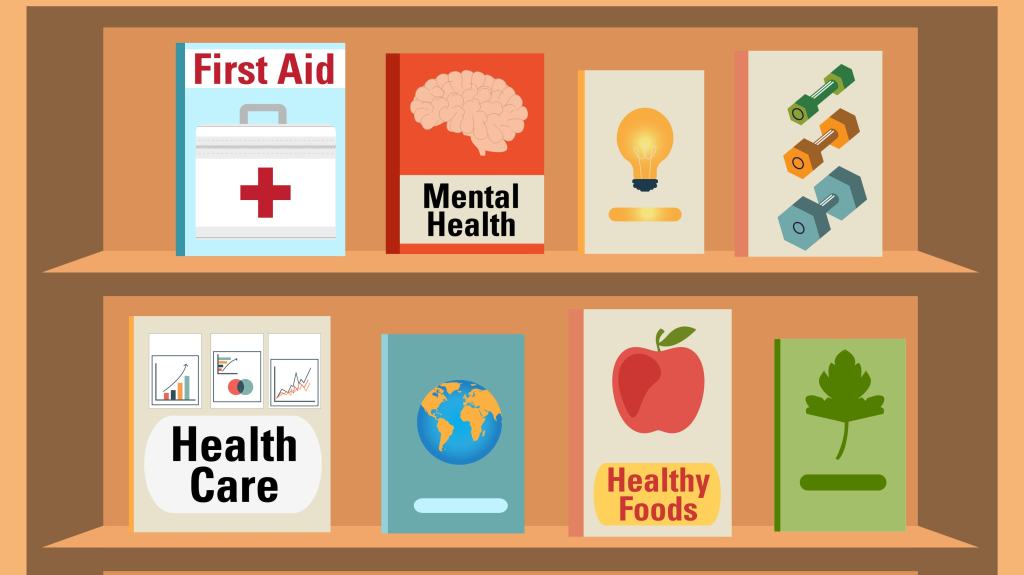
Health education builds student’s knowledge, skills, and positive attitudes about health. Health education teaches about physical, mental, emotional and social health. It motivates students to improve and maintain their health, prevent disease, and reduce risky behaviours.

Health education curricula and instruction help students to learn skills so that they will use to make healthy choices throughout their lifetime.

Health education teaches people of all ages about how diet and exercise contribute to a healthy lifestyle. It also encourages positive changes in behaviour and lowers the risk of addiction to drugs, alcohol and unsafe sexual practices. The majority of schools around the country have courses aimed at teaching health education to students. These courses often revolve around the body, healthy eating, sex and exercising. Some students are taught basic health and physical fitness early on. More in-depth courses are designed for middle and high school students.

Health education encourages a person to make healthy choices. They are instructed to avoid unhealthy habits. ‘A sound mind lives in a sound body’. Rabindranath Tagore and C.V. Raman, if they were confined to sick bed, could not have won the Nobel Prize. In fact, a sickly student with all his talents and abilities lags behind in the race of life.

Health education also teaches about the emotional and mental health of the student. A healthy person is the happiest person in the world.
Link

Doping – How is it Affecting Sports?

“Science has learned recently that contempt and indignation are addictive mental states. I mean physically and chemically addictive. Literally! People who are self-righteous a lot are apparently doping themselves rhythmically with auto-secreted surges of dopamine, endorphins and enkephalins. Didn’t you ever ask yourself why indignation feels so good?”

~ David Brin

Introduction

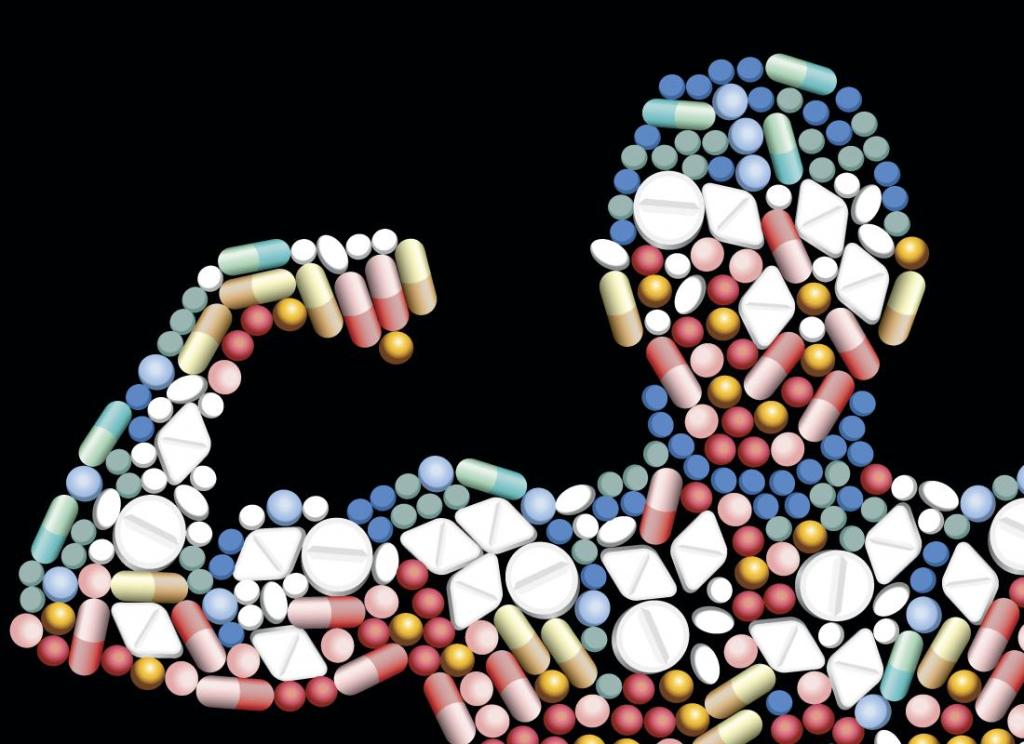
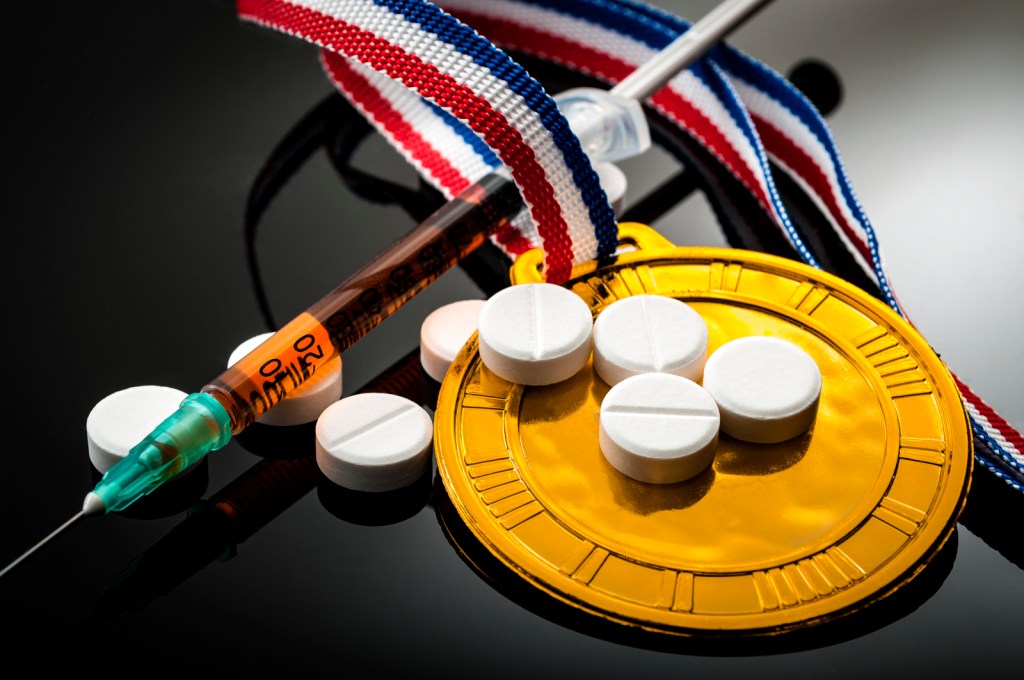
Doping in sport is a widespread problem not just among elite athletes, but even more so in recreational sports. In scientific literature, major emphasis is placed on doping detection, whereas detrimental effects of doping agents on athletes’ health are seldom discussed. Human growth hormone also increases muscle mass, although the majority of that is an increase in extracellular fluid and not the functional muscle mass.

The term doping is widely used by organizations that regulate sporting competitions. The use of drugs to enhance performance is considered unethical, and therefore prohibited, by most international sports organizations, including the International Olympic Committee.

History

According to the World Anti-Doping Agency (WADA), the term “doping” probably comes from the Dutch word “dop,” an alcoholic beverage made of grape skins that was used by Zulu warriors to make them stronger in battle.

Ancient Greek athletes used special diets and stimulating potions to improve performance, and 19th century endurance athletes indulged in strychnine, caffeine, cocaine and alcohol.

The American specialist in doping, Max M. Novich, wrote: “Trainers of the old school who supplied treatments which had cocaine as their base declared with assurance that a rider tired by a six-day race would get his second breath after absorbing these mixtures.”[8] John Hoberman, a professor at the University of Texas in Austin, Texas, said six-day races were “de facto experiments investigating the physiology of stress as well as the substances that might alleviate exhaustion.”

Effects of doping in sports

It builds muscle but causes abnormal growth, heart disease, diabetes, thyroid problems, hypertension, blood cancers and arthritis. Other adverse effects include joint pain, muscle weakness, visual disturbances, enlarged heart and diabetes.

Other side effects include:

  • Heart palpitations.Heart rhythm abnormalities.
  • Weight loss.
  • Tremors.
  • Mild high blood pressure (hypertension)
  • Hallucinations.
  • Stroke.
  • Heart attack and other circulatory problems.
  • Constipation.Skin rash or dermatitis.
  • Diarrhea.
  • Dizziness.
  • Drowsiness.
  • Dry mouth.
  • Headache.
  • Insomnia.

UFC ( Ultimate Fighting Championship ).

In December 2013, the UFC began a campaign to drug test their entire roster randomly all year-round. Random testing, however, became problematic for the promotion as it began to affect revenue, as fighters who had tested positive would need to be taken out of fights, which adversely affected fight cards, and therefore pay-per-view sales.

According to Steven Marrocco of MMAjunkie.com, about 31% of UFC fighters subjected to random testing since the program first started have failed due to using performance-enhancing drugs. That is approximately five failed tests for every sixteen random screenings.

From July 2015, the UFC has advocated to all commissions that every fighter be tested in competition for every card. Lorenzo Feritta, who at the time was one of the presidents of the UFC, said, “We want 100 percent of the fighters tested the night they compete”. Also, in addition to the drug testing protocols in place for competitors on fight night, the UFC conducts additional testing for main event fighters or any fighters that are due to compete in championship matches.

Link

Detail facts about Cafe and some kolkata’s famous theme based cafe

What is cafe?

A café is sometimes called a coffeehouse or a coffee shop or tea shop in English, a café in French and a bar in Italian. But a café is a type of restaurant which typically serves coffee and tea, in addition to light refreshments such as baked goods or snacks. The term “café” comes from the French word meaning “coffee”.

A café setting is known as a casual social environment where you can find people reading newspapers and magazines, playing board games, studying or chatting with others about current events. It is known also regarded as a place where information can be exchanged.In some countries, cafés are designed to more closely resemble restaurants whereby offering a range of hot meals and possibly licensed to serve alcohol.

What is ‘Internet Cafe’?

A new type of café, known as the Internet café, was introduced in the 1990s and went hand in hand with the rising prevalence of computers in society. Computers and Internet access in a contemporary atmosphere created a youthful, modern public space compared to existing locales including traditional bars and old-fashioned diners.More recently alongside the growing popularity of geek and gaming culture, gaming cafés have also begun to open in cities worldwide. Nowadays, many cafés offer public wireless Internet or even have computers, telephones, and newspapers for customer use.

Why Are Café Chains Performing So Well in India?

Rising middle class, growing brand awareness, and the availability of international experiences at home are fuelling the coffee culture in India. Luxury, comfort, and status symbol are significant factors driving the café chain boom in Indian cities. Clean washrooms, conducive sitting spaces, Wi-Fi, and electricity sockets are active ingredients contributing to the phenomenal growth saga of café chains in the country.While today’s cafés are popular with youngsters and college goers too, these people are decidedly more ‘hip’ and ‘cool’ compared to their older generations. They are looking for more variety in their coffee and an Instagram worthy ambience and décor. For instance, decades ago, Kolkata’s iconic Indian Coffee House was a hot-spot for students from nearby schools and colleges, academicians, and intellectuals. It was more about the ‘addas’ and debates one could have with their friends, peers, or seniors on topics ranging from cinema, football, literature, and art to politics and global issues.

Entry of the Game Changer

The entry of Café Coffee Day in 1996 transformed the beverage experienced in posh, 5-star setting into a people’s drink, observes Cafespaces —a blog run by the research team at Centre for Business in Society at Coventry University. One of their posts mentions Café Coffee Day or CCD (as it’s better known as) as the market leader with 46 percent of the market share in India, vending over 100 million cups every day through 1,538 outlets and 31,500 coffee machines across 219 Indian cities. CCD is without a doubt the game-changer, a pioneer of coffee culture in India.

What Has World’s Biggest Coffee Chain “Starbucks” in Store for India?

Coffee consumption in India has grown by 40 percent over the past decade, a golden opportunity that Seattle-based global coffeehouse chain Starbucks aims to leverage. The joint venture kick-started with the launch of India’s first Starbucks outlet in October 2012, at Mumbai’s Horniman Circle.Now, Starbucks serves seven Indian cities — Mumbai, Pune, Hyderabad, Chennai, Delhi, Bengaluru, and Kolkata — with over 100 coffee stores. Starbucks outlets in the city of joy, Kolkata, reflect the iconic coffee heritage of the multinational brand. Besides these popular metro cities, the global café chain intends to expand its presence in fresh markets to introduce more Indians to the world famous Starbucks experience.

3 famous theme based cafe in kolkata :-

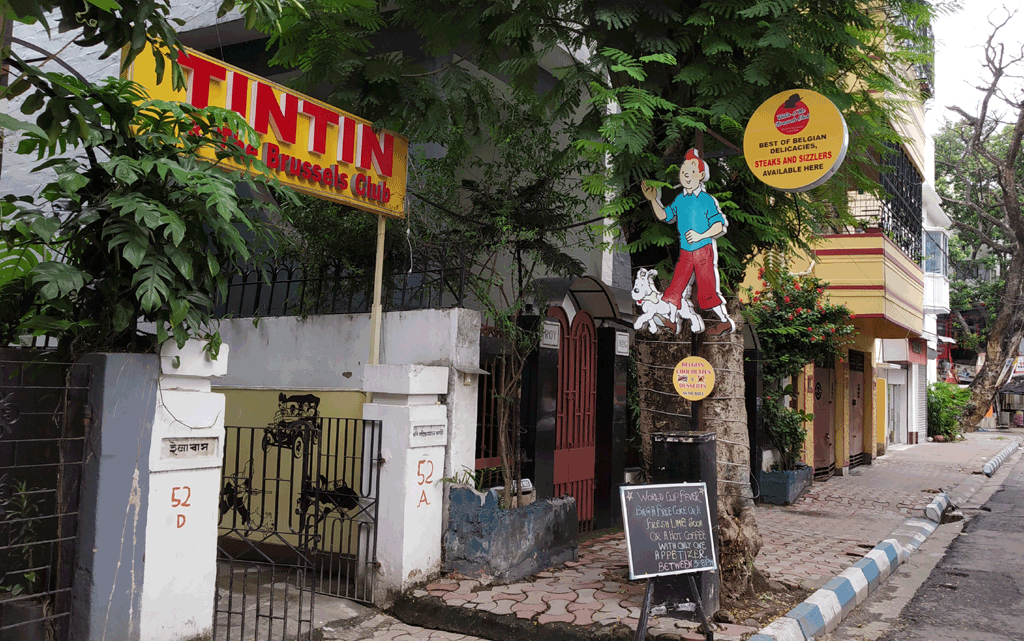
1.Tintin & The Brussels Club :- Hindustan Park, off the busy Gariahat junction, is such a typical old south Kolkata street, that you are bound to pull short as your eyes fall on a cut-out of Tintin and his dog Snowy standing against a tree. Almost immediately you notice the signboard, Tintin & The Brussels Club.Take the narrow lane that leads inside. On one side is a long poster with line drawings from the famous Adventures of Tintin comic series.

Timing: Open every day, noon to 11pm. Advance booking recommended. They also have piano recitals on Saturdays.

Contact: 9038766666

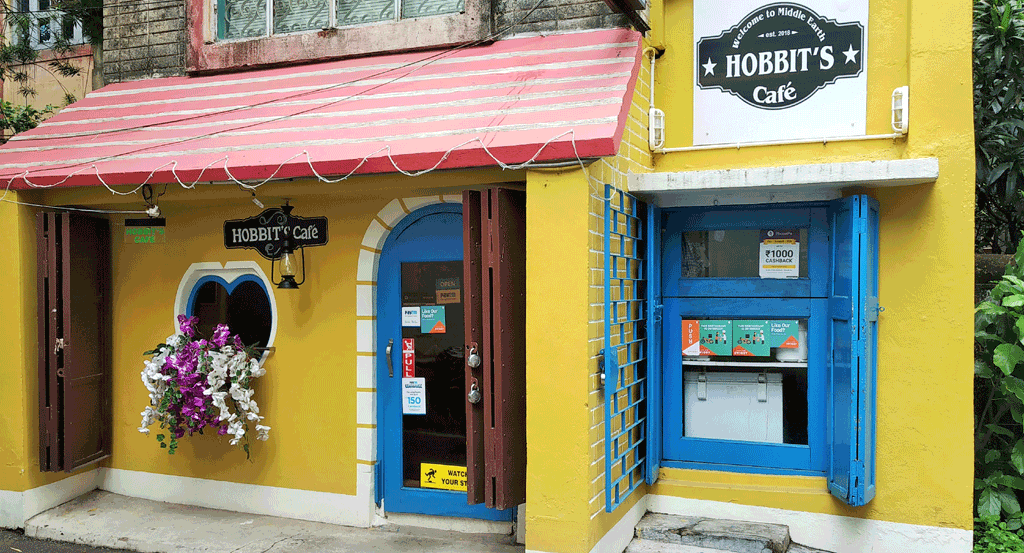
2. Hobbits Cafe :- Located in a narrow lane not far from the Golpark roundabout in south Kolkata, the place was easy to reach yet far from the noise of traffic. The brightly painted exterior of Hobbit’s Café is a sharp contrast to the mute shades of residential buildings around it. A bunch of orchids hang from the heart-shaped window. Inside, it is low-roofed and small but not stuffy. Décor is minimal but enough to make a hobbit feel at home – framed quotes from Tolkien, a map of the Middle Kingdom painted on the wee door that leads to the kitchen, a bunch of creepers in a corner, the hint of an exposed wall (paper) in an alcove. A long sofa with bright cushions.

Timing: Open daily, except Sunday; from 12.30pm to 9pm. Expect a queue during weekends and holidays.

Contact: 9073643939

3. Seven Kingdom Café and Grill :- The moment you walk into the Seven Kingdom Café and Grill, tucked inside a relatively quiet neighbourhood in Salt Lake, on the eastern fringe in Kolkata, you immediately know that it has been set up by a die-hard Game of Thrones fan.There are seven tables, each named after a house – Arryn, Baratheon, Greyjoy, Lannister, Stark, Targaryen and Tyrell. Dragons, maps and symbols adorning the walls. Flags. Portraits of the major characters. GoT theme music playing in the background. And there is the Throne, made of sharp swords with golden hilts and the bejewelled crown. A GoT fan is bound to feel at home here.

Where: BH- 40, Sector 2, Salt Lake (Bidhannagar), Kolkata 700091; not far from the Karunamoyee bus depot or ask for the Kathgola roundabout. Wi-fi available.

Timing: Open all days, 11am to 10pm.

Contact: 9831178085/9064734123

There is many more theme based cafe all around Kolkata. And those are the most excellence reflection of kolkata’s cafe culture. May you are from kolkata Or not but those cafes are must visit for you all.