Color psychology

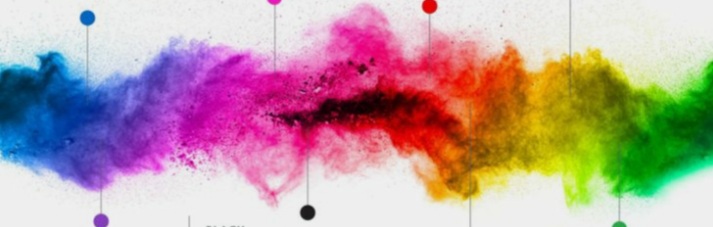
Color is a communicator. It has a language all its own that we utilize, and culturally participate with, on a daily basis. Color can inspire moods from outside in interior designers and decorators know this. To initiate color choices, color professionals.Mere color,unspoiled by meaning,and unallied with definite form, can speak to the soul in a thousand different ways.
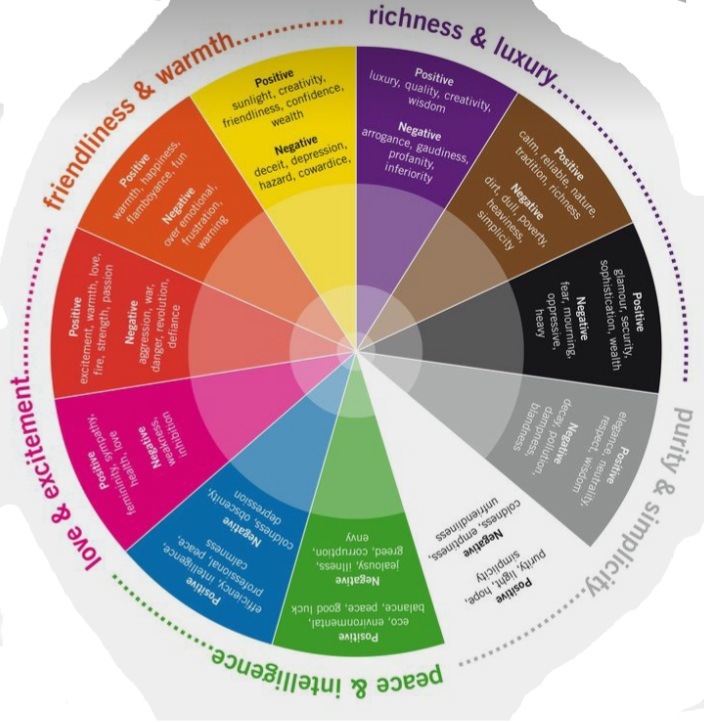
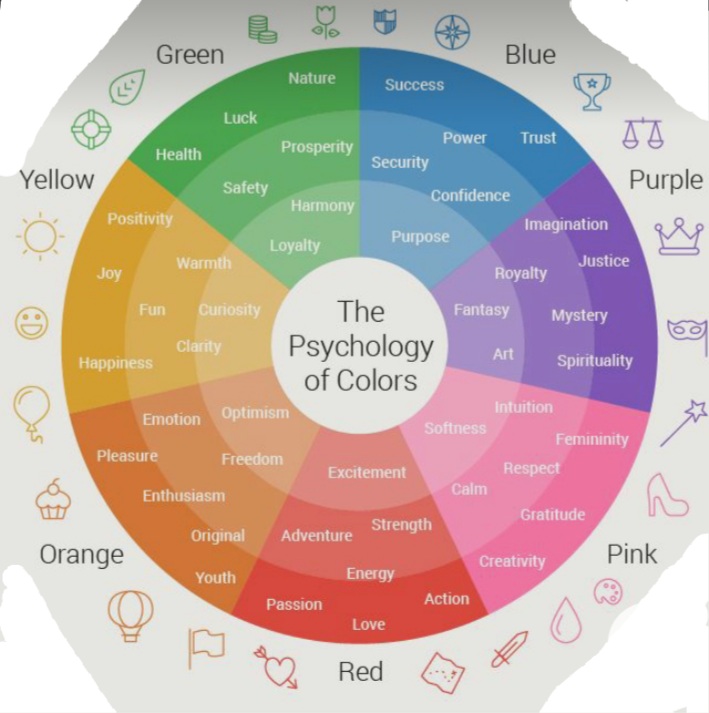
It is used effectively color theory is one of the most powerful tools a designer can wield. Colors are a form of non verbal communication that can speak volumes in a fraction of second. They can instantly set a mood,convey an emotion,invoke a physiological reaction or inspire people to take action.when we harness the right color emotion to help tell a client’s story it can have a powerful effect. Below is a list of PMS colors and their associated moods.

Red :

Evokes strong emotions like passion or intensity, encourages appetite,symbolizes love and danger, Eyes look to red first, it draws attemtion,creates movement and exctiment, Too much red however,feels hostile. Use to stimulate quick decision making, shows to increase respiration rate ,raise blood pressure and enhance metabolism.

Yellow :
A spontaneous yet unstable color, associated with joy, intellect , energy, happiness, and food. Use to attract attention. When overused it can have a disturbing effects, studies have shown that babies cry more in yellow rooms. Cherrful, warm and symbolizes energy and increases metabolism. Yellow also causes the brain to seretonin, giving one a feeling of optismism . That is all well are good but if used wrongly on a brands graphics and especially on a website, and can strain eyes and cause eye fatigue.

Blue :

Number one color preferred by males. Symbolizes trust, loyality, wisdom, confidence, intelligence, faith, truth. Use to promote cleaniness, stability and hi tech products. Shown to supress ones appetite and stimulate productivity.

Orange :

Highly accepted among the younger generation. Associated with tascination, creativity, determination, attraction, encouragement and stimualtion. Effective in promoting food products by stimulating, appetite. Increases oxygen to the brain amd stimulates mental activity.

Green :

The color of nature that involves a healing power. Symbolizes grown relaxation, harmony, freshness and fertility. Use to promote saftey and tranqullity. Stimulates harmony in the brain promoting balance between body and mind.

White :

A depiction of faith and purity. Associated with safety and cleanliness. Use to suggest simplicity and sterlitity in products. Acts as a clean state and helps to promote creativity.

Purple :

The color of royality. Associated with luxury, ambition, wisdom, dignity, independence, creativity and magic. Use when marketing toys to children. Surveys taken have shown that 3/4 of childen prefer that color purple.

Black :

A mysterious yet authoritative color, associated with elegance, formality, fear, death and evil. Use behind bright colors to make them pop. Know to create a slimming effect when worn.

Gray :

Gray is the perfect neutral to work with in a graphics environments and has less reflection than white. Evokes a sense of professionalism and calm. Seen a sleek and high-end and gives one a sense of stability. Too much evokes a feeling of aging, depression and loss.

Pink :

A calming and warm color that evokes love and romance. Pink is a clean and feminine color. Recently however, there has been a backlash against is overuse in product packaging, giving rise to the term ” pink- washed”.

Color Harmony :

Color is similar to musical notes in many ways, and there are certain combinations of colors that are pleasing when put together, approximately called color chords or color Harmonies.

Complementary :
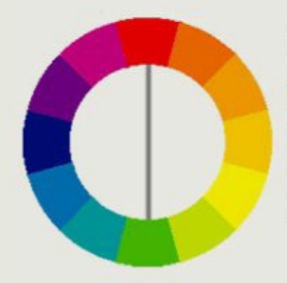
Colors that are opposite of each other on the color wheel are called complementary colors. The high contrast between complementary colors when seen together causes them to stand out more and has a very vibrant look, but can be tricky to use in large doses without being too intense.

Split- Complementary:
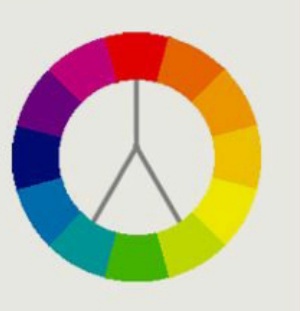
Split – complementary is a variation on complementary. It uses one color and the two adjacement colors to its complement to bring the same strong contrast as complementary color combinations,but with less tension.

Analogous :
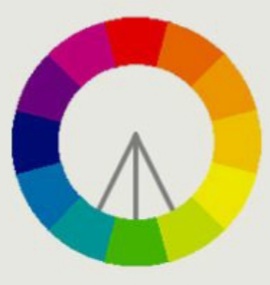
Using colors next to each other on the color wheel tend to give designs a feeling of unity and serenity. Because these colors are similar in hue, having constrating values is important when using analogous combinations to keep colors distinct from each other.

Triadic :
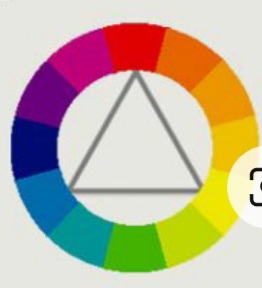
Triadic combinations are made with three colors located equal distance from each other on the color wheel, such as red, yellow, and blue making a triangular pattern. This harmony has a tendency to be vibrant despite satuartion, and is often more impacting when one color is used more than the others.
Electric Mushrooms- Torches for the locals’

When was the last time you came across wild mushrooms? Oh wait! Scratch that. Have you ever heard of glowing mushrooms? Yes, you read absolutely right. Don’t worry, in this article you’ll get to know everything about this miraculous mushroom.

It sounds like a psychedelic riddle, but believe me when I say that bioluminescent mushrooms are a reality.

There are about 120,000 known species of fungi, and amongst them only around 100 are known to be bioluminescent or in simple words, capable of emitting light. Before we dive in deeper let us first take a look at the story behind these fascinating and mind-blowing exotic species.

The story behind the discovery

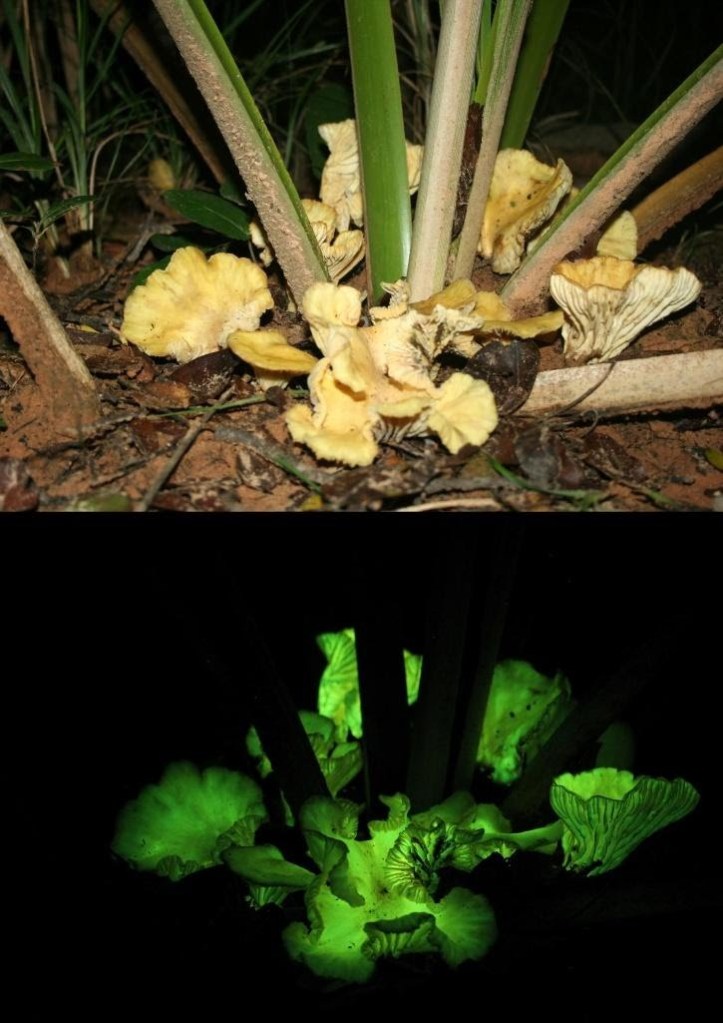
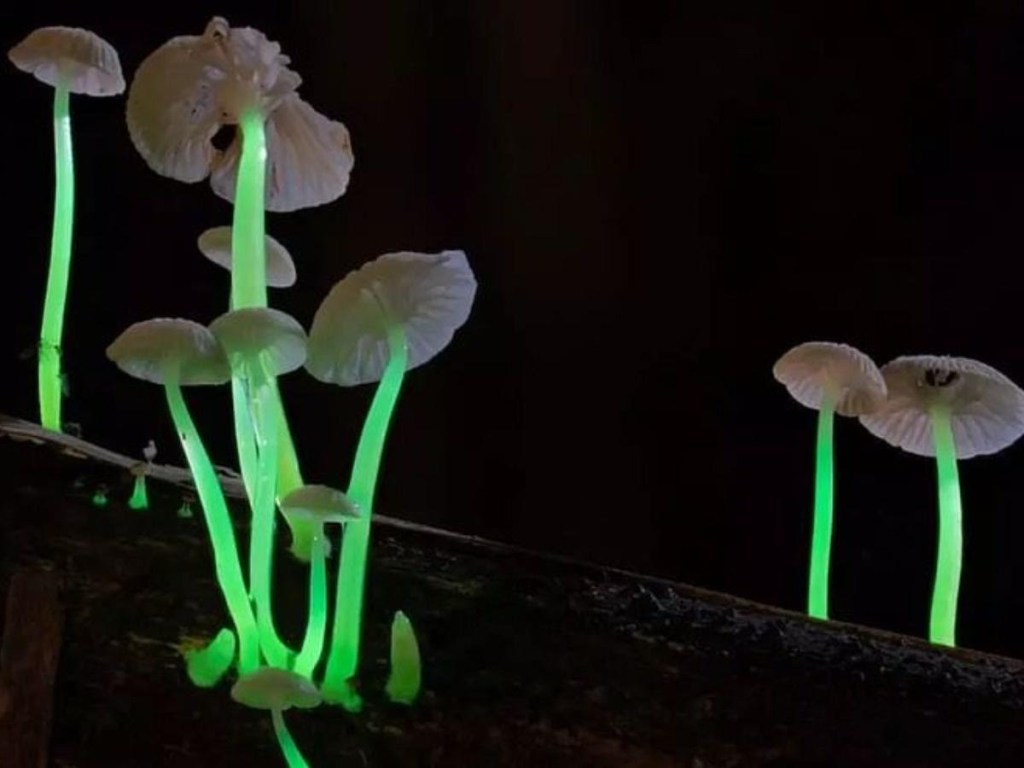
Scientists were amazed on the discovery of the glowing mushrooms, used by locals as natural torches. During the monsoon season, a team of scientists from India and China embarked on a fungal foray in Assam. After hearing reports from the locals about the ‘electric mushrooms’, out of curiosity they headed to West Jaintia Hills District in Meghalaya. 

It was drizzling that night and the team was guided by a local to the bamboo forest. Then the local asked them to switch off their torches.

The team was bedazzled by what they saw: amidst the darkness an eerie green glow emerged from a dead bamboo sticks that were covered with mushrooms.

The new species

The new species- named Roridomyces phyllostachydis- was first sighted near a stream in Meghalaya’s Mawlynnong in East Khasi Hills District. This mushroom was found only on the dead bamboo plants.

What does bioluminescent fungi means?

Bioluminescence is a property exhibited by living creatures to produce and emit light. The colour of the light emitted by the organism depends on their chemical properties.

In fungi, the luminescence comes from the enzyme, luciferase. The green light is emitted from the fungi when luciferans is catalysed by the enzyme luciferase, in the presence of oxygen. Luciferans give fireflies and the bioluminescent underwater creatures their characteristic glow as well. The mushrooms glow 24 hours and are not reactive.

Other bioluminescent mushrooms in India

Numerous glowing fungi have been reported in other parts of India as well. Two have been reported from the Western Ghats, one from the Eastern Ghats, and one in the state of Kerala, among others. Some have been spotted in Maharashtra and Goa as well, but they were not scientifically reported.
Read more about glowing mushrooms at:https://www.india.com/viral/mysterious-new-mushrooms-species-that-glow-bright-green-found-in-meghalaya-forests-heres-why-4218923/

“Animals, plants, fungi and bacteria show bioluminescence. Bioluminescent organisms are usually found in the ocean environments, but they are also found on terrestrial environments. The colour of the light emitted by the organism depends on their chemical properties,” Samantha Karunarathna, mycologist from the Kunming Institute of Botany, Chinese Academy of Sciences, who was part of the team that discovered the mushroom, told East Mojo.

Bioluminescence- https://www.nationalgeographic.org/encyclopedia/bioluminescence/#:~:text=Encyclopedic%20Entry%20Vocabulary-,Bioluminescence%20is%20light%20produced%20by%20a%20chemical%20reaction%20within%20a,reaction%20where%20light%20is%20produced.

INDONESIA- THE WORLD’S LARGEST ISLAND COUNTRY

Let’s do a travel by my article

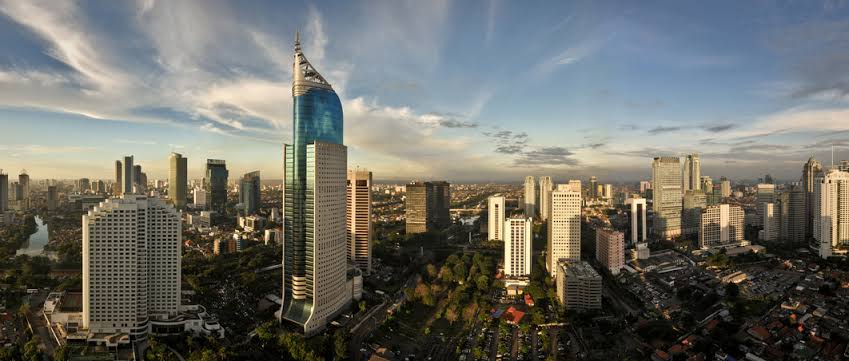
Officially Indonesia is a country in Southeast Asia and Oceania between the Indian and Pacific oceans.It is the world’s largest island country and the 14th-largest country by land area, at 1,904,569 square kilometres  which consists of over seventeen thousand islands, including Sumatra, Java, Sulawesi, and parts of Borneo and New Guinea.Indonesia is the world’s fourth-most populous country and the most populous Muslim-majority country. Jakarta is the capital of Indonesia and it is the world’s second-most populous urban area. 

HOW IS THE CLIMATE OF INDONESIA?

Basically Indonesia’s climate  is almost entirely tropical.The coastal plains’ climate is  average 28 °C, the inland and mountain areas are 26 °C, and the higher mountain regions, 23 °C. Temperature depends on the season, and through the change of seasons there is little change in the length of daylight hours.The main changeable thing is not Indonesia’s climate or air pressure, but rainfall. The area’s correlative humidity ranges between 70% and 90%. Although air temperature changes little from season to season or from one region to the next, cooler temperatures prevail at higher elevations. In general, temperatures drop approximately 1°C/90-meter increase in elevation.

Indonesia is a  naturally tropical country, that’s why there are two seasons those are mainly Rainy and Dry, and it  does not have spring, summer, autumn, or winter. In most of the country (including Java and Bali) the dry season is from April to October, while the wet season is from November to March.

PLACES TO VISIT –

There are many places to visit and each and every one is very beautiful. Indonesia is one of the world’s most beautiful places to visit and the most visited holiday destination. Let’s find out by my article what makes Indonesia so interesting !! 

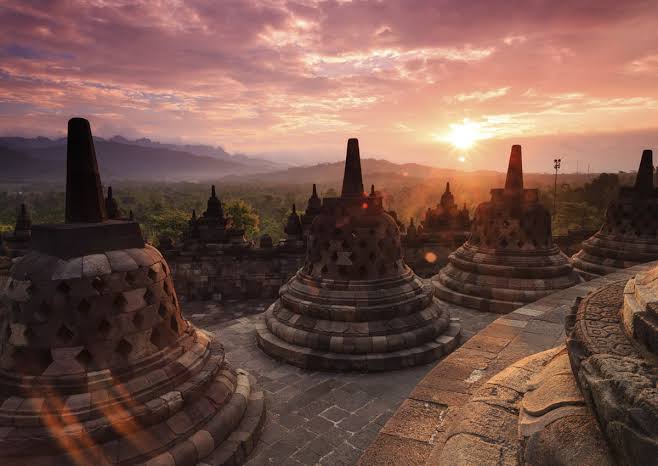
Gili Islands is for the best nightlife,Raja Ampat Islands for explore rare species of corals,Maluk Beach for witness the changing colors of sun rays,Kelimutu Lake for dramatic volcanic peaks,Lake Toba for largest caldera,Bunaken Marine Park for exotic range of fish species,Komodo National Park  for giant monitor lizards,Mount Bromo for the active volcano,Mount Rinjani which is the second highest volcano of indonesia,Ijen for mining activities,Dieng Plateau which is an abode of god,Torajaland which relishes the culture,Borobudur Temple which is the world’s biggest buddhist sanctuary,Ubud for hike through rainforests & rice paddy fields,Tanjung Puting National Park for trekking in tropical jungle,Derawan Islands for  relaxing & unwinding,Belitung for dutch colonial architecture,Nusa Dua for white sand beaches,Seminyak is the most happening place,Jakarta which is melting pot of cultures,Lombok is a stunning marine life,North Sulawesi is the best diving sites,Nusa Penida is offbeat yet spectacular,Bali which is cliche yet the best,Yogyakarta is a quaint little pretty place,Bandung is a different kind of calm,Bangka Islands is simply blissful and the Wae Rebo village is for iconic culture.

Indonesia city

LET’S TALK ABOUT 10 BEST PLACES IN INDONESIA-

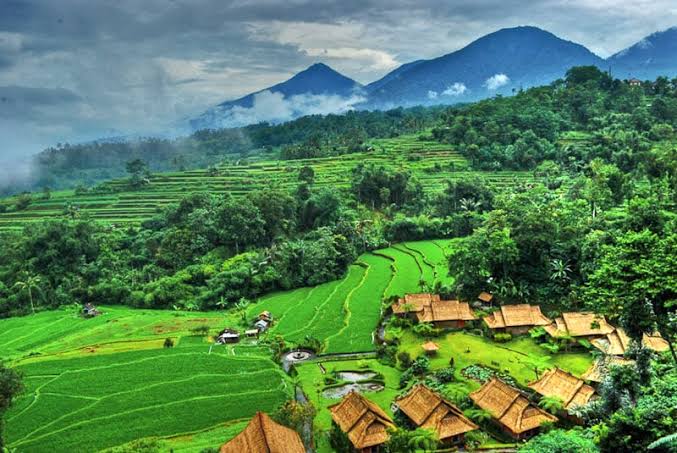
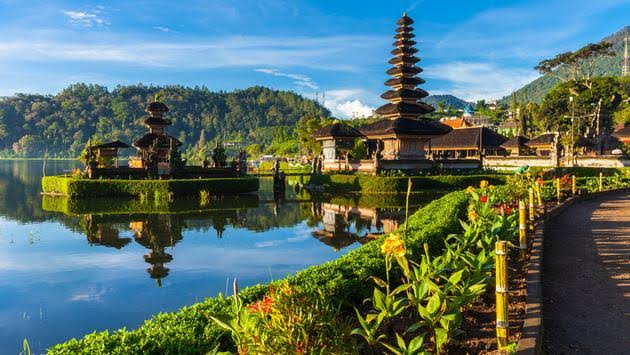
  • Bali- Bali is the most desirable place in Indonesia. We can say it is a dream destination.  Bali is a fair of beautiful beaches, volcanic hills, lush rice paddies, and thousands upon thousands of Indonesian temples.It has the nickname “Island of God”.
Bali
  • Yogyakarta- It is located on the Island of Java. Yogyakarta is regarded as an important centre for classical Javanese fine arts and culture such as ballet, batik textiles, drama, literature, music, poetry, silversmithing, visual arts, and wayang puppetry.
Yogyakarta
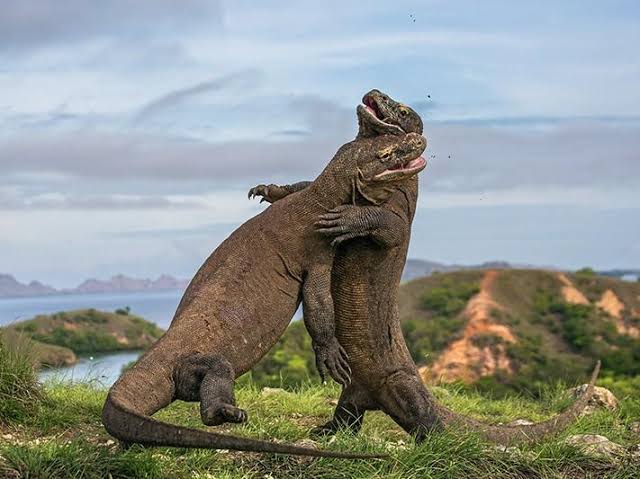
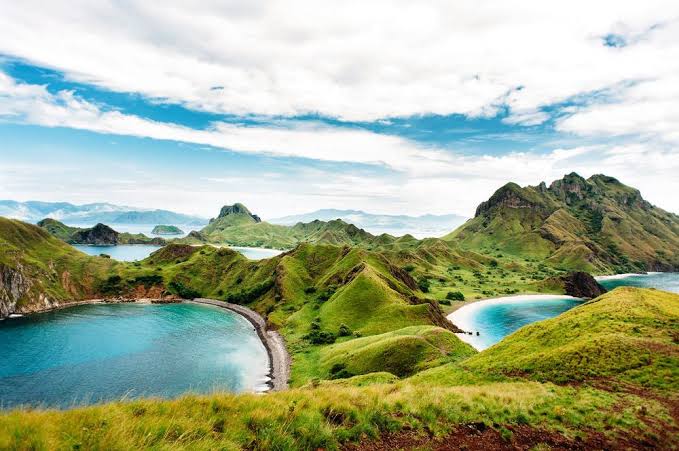
  • Komodo National Park-  It is a national park which is located within the Lesser Sunda Islands in the border region between the provinces of East Nusa Tenggara and West Nusa Tenggara. It is founded to protect the world’s largest lizard. Now it protects other species, including marine species. In 1991 UNESCO declared it a World Heritage Site.
Komodo National Park
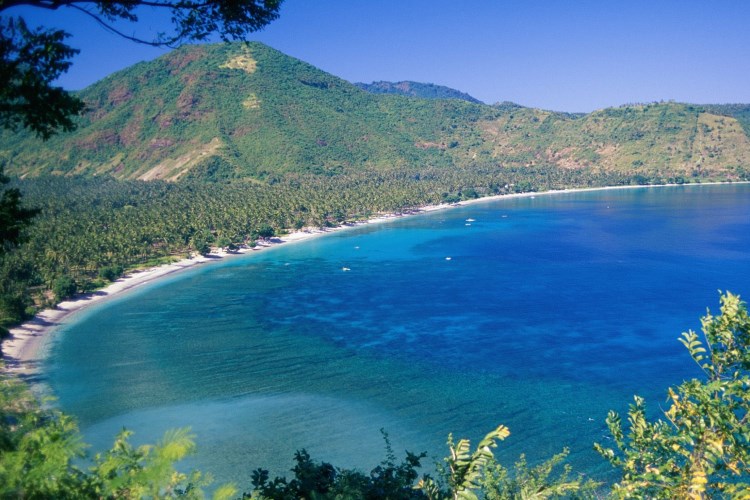
  • Lombok- It is an Island which is located in West Nusa Tenggara province.Lombok is surrounded by a number of smaller islands locally called Gili. Other interesting things are surfing hotspots, uncrowded beaches, and magical waterfalls tucked within steamy jungles, of which Tiu Kelep Waterfall tops the list without question.There’s also a fantastic nightlife scene.
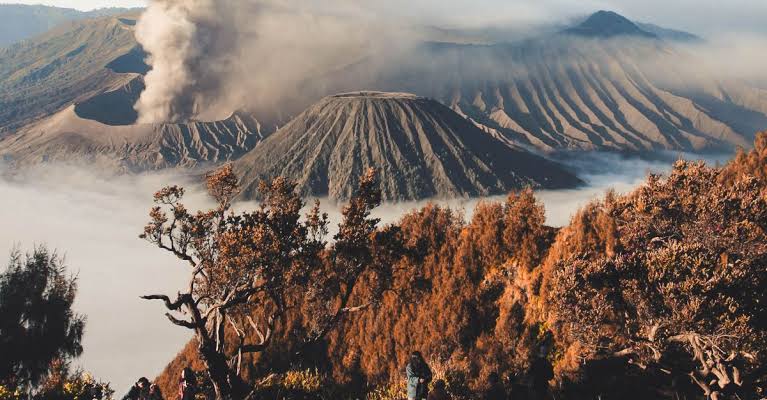
  • Bromo Tengger Semeru National Park-  Bromo Tengger Semeru National Park, known locally as Taman Nasional Bromo Tengger Semeru (TNBTS) is a national park located in East Java. It is an ethereal yet barren wonderland of volcanic calderas seemingly continuously surrounded by smoke and clouds.
Bromo Tengger Semeru National Park
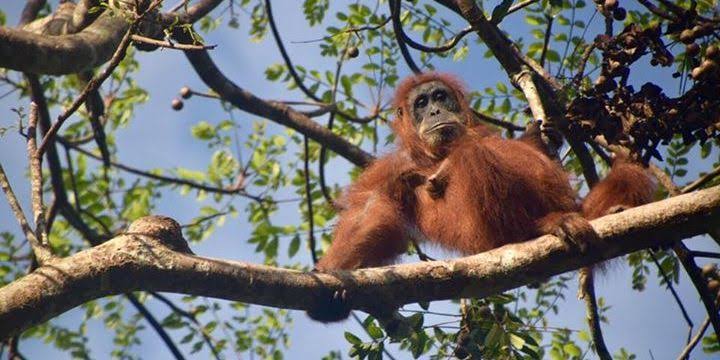
  • Bukit Lawang- It is a small tourist village on the bank of Bahorok River in North Sumatra province.Bukit Lawang is known for the largest animal sanctuary of Sumatran orangutan and also the main access point to the Gunung Leuser National Park from the east side.
Bukit Lawang
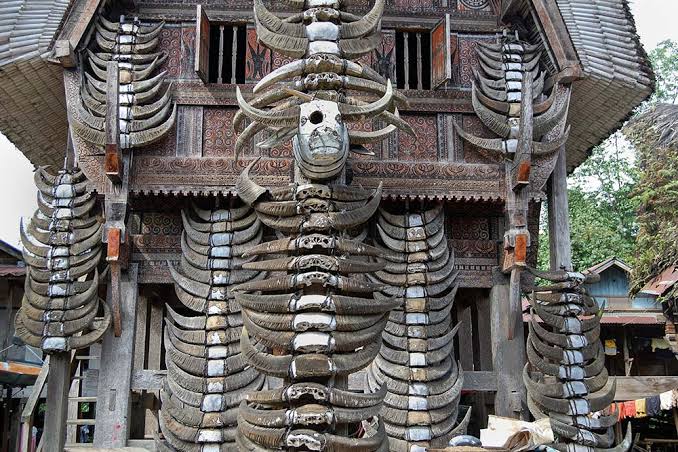
  • Torajaland- Nickname is ‘the Land of the Heavenly Kings,’it is famous for their massive peaked-roof houses known as tongkonan and spectacular but gruesome funeral rites. After a person’s death, the body is often kept for several years until the actual funeral ceremony. The deceased is then finally buried in a small cave or in a hollow tree. The biggest funerals are usually held in the dry-season months of July and August, but there are funerals year-round.
Torajaland
  • Flores Island- it is one of the Lesser Sunda Islands,The lakes are truly a sight to behold in every color you can think of – from browns and greens to aqua blue; colors caused by the minerals reacting to the gas of the region’s volcanoes. The Kelimutu three-colored lake is a must-see from the top of the volcano at sunrise.
Flores Island
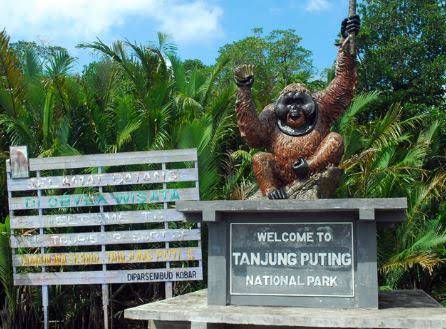
  • Tanjung Puting National Park- Located in the jungles of Borneo.The third-largest island in the world that’s part of Indonesia.
Tanjung Puting National Park
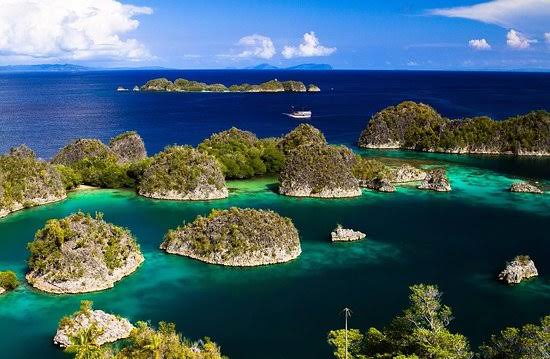
  • Raja Ampat Islands- Raja Ampat is one of the most sensational diving destinations in Indonesia. Raja Ampat, which means ‘Four Kings’. It consists of four major jungles.Clad islands surrounded by turquoise lagoons and pearly,white palm,fringed beaches like Waigeo,Salawati, Misool, and Batanta and along with thousands of smaller islands.
Raja Ampat Islands

Humans made the conditions for the pupfish’s extinction- now humans keep it alive.

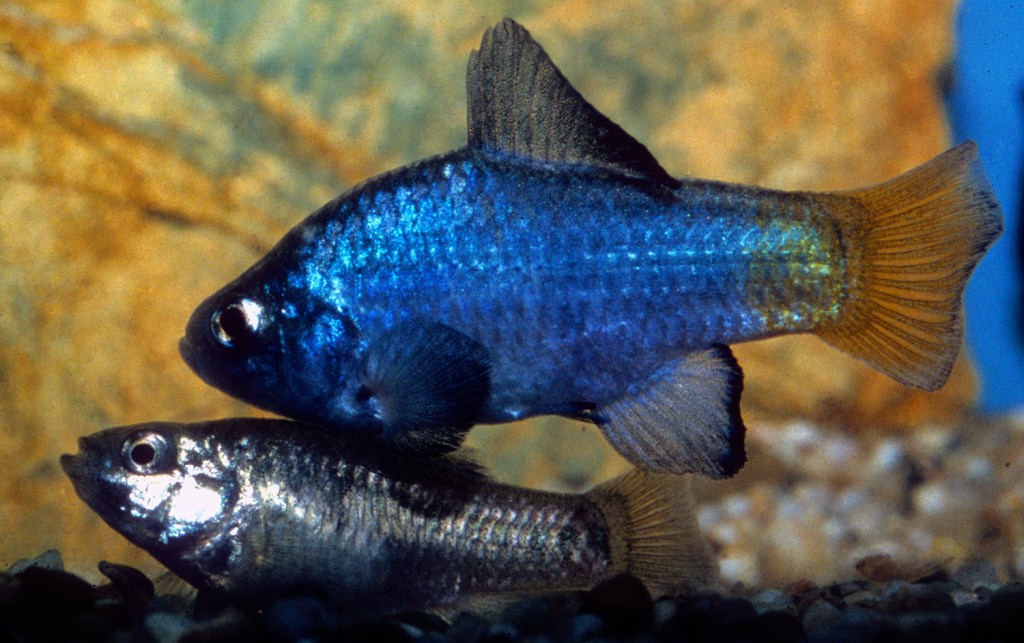
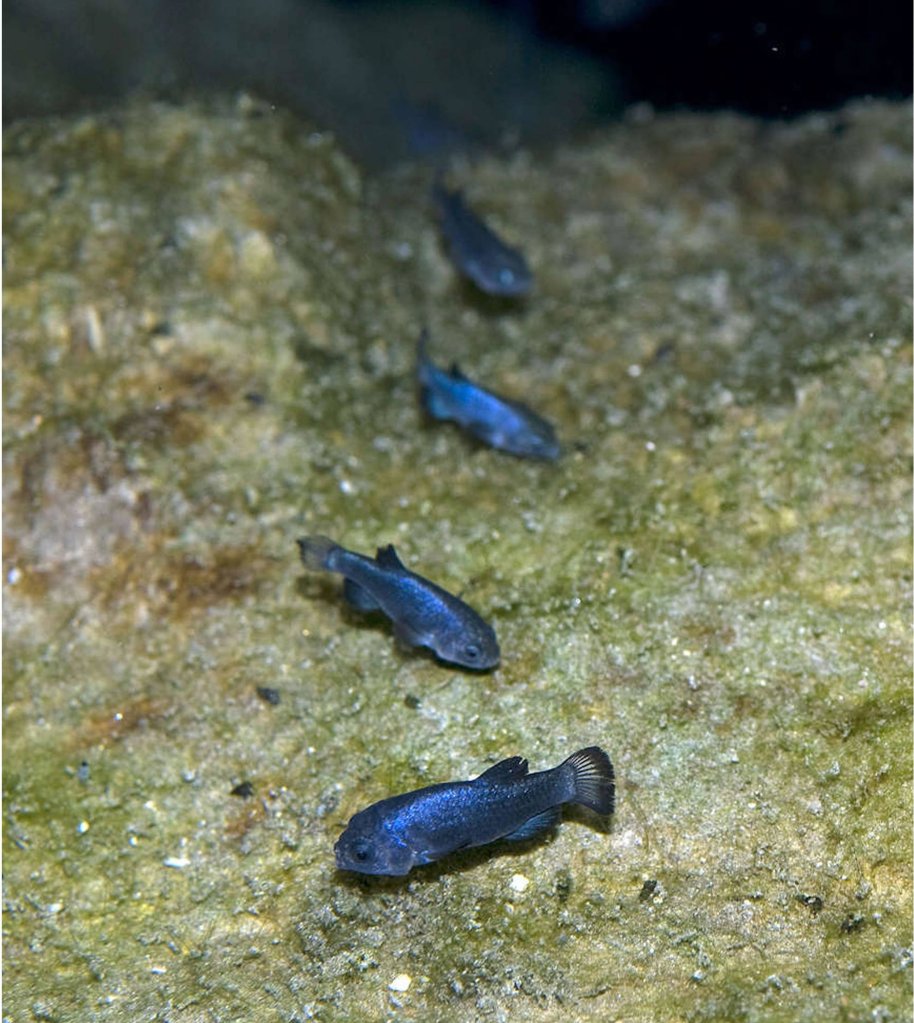
The pupfish, also known as the rarest fish in the world, are a group of killifish with striking coloration. They are mostly found in the extreme and isolated environment. These rare species of fish lives in a single pool in the Mojave Desert. They went almost extinct with their only canyon pool being pumped.

The description of Pupfish

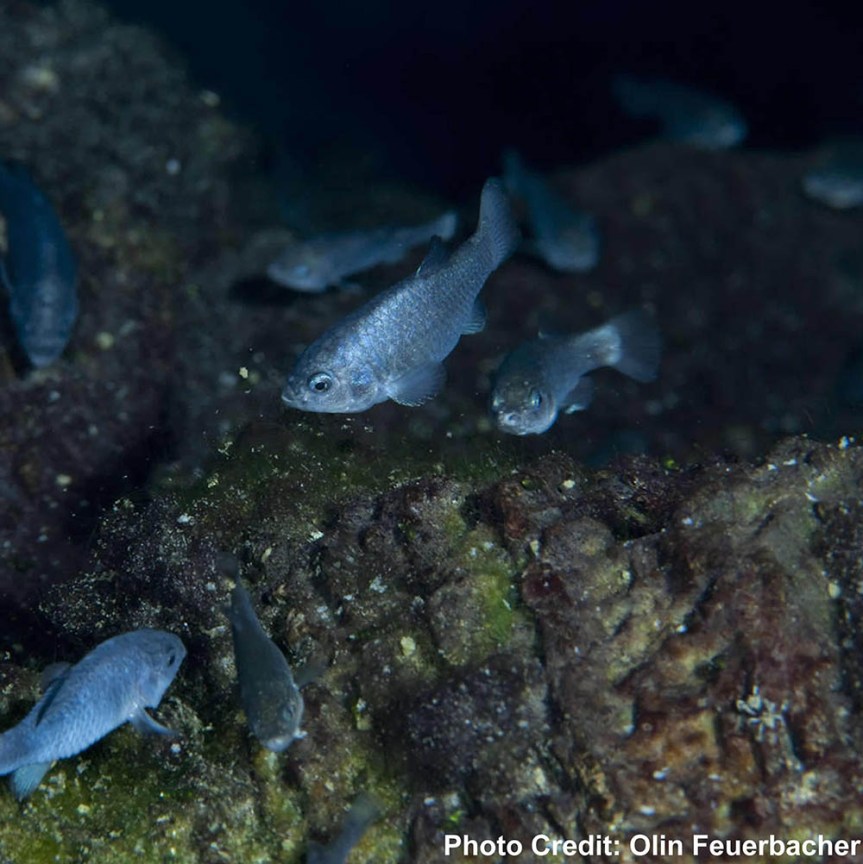
Pupfish are small, colorful, knuckle-sized and ray-finned fishes. The most famous amongst them are the Devil’s Hole pupfish. The Devil’s Hole pupfish are bright blue with purple accents whereas, the white sands pupfish has yellow and orange fins. Most of the pupfish are very tiny, some even less than an inch in length.

The diet of these pupfish includes variety of things, consisting of algae, plants, aquatic invertebrates and some insects.

About the devils hole pupfish

The fascinating and playful pupfish with bright, silvery-blue and lustrous body are found in an oasis within the Death Valley called as- The Devils Hole. These mighty goldfish-like fishes survive in the 92 degrees water of the Devil’s Hole. They withstand harsh conditions that would kill most other fish.  Another fact about this fish is that it acts as an indicator of seismic activity around the globe.

Read-https://www.nationalgeographic.com/animals/article/endangered-devils-hole-pupfish-breeding-breakthrough

Hottest, Driest and the Lowest National Park

The Death Valley as the name sounds is a land of the most extreme conditions. You can expect a scorching heat of 110 F to 120 F +. Even though this land experiences droughts and record summer heat, in the winters the peaks of the mountains are snow-laden. This land welcomes rainstorms rarely. Lush oases harbor tiny fishes and refuge for wildlife and humans. The name might sound very morbid but it is home to a great diversity of life.

What threatened their existence?

In the late 1960’s and early 1970’s, groundwater was pumped out extensively for the agricultural purposes. This activity led to a major downfall of the water level in Devil’s Hole. These invasions were a threat to the very existence of this fascinating species.

So, a group of academics, government employees and private citizens met in 1969 to speak about the protections needed for the fauna in Devil’s Hole.

The desert pupfish has been classified as endangered by IUCN. Due to the pumping of the aquifer since 1960’s, the fish never recovered. Later, it was decided that a back-up population was needed. A replica was created where one part of the population resides in the fake canyon, and the other in the natural canyon.

How many Devils Hole pupfish are left in 2020?

The observable population of the Devil’s Hole pupfish has reached 136. In the years 2006, 2007, and 2013 their population was less than 40. In the 1970s, 1980s, and 1990s, scientists counted near about 200 Devils Hole pupfish. And in the late 1990s there was startling decline in their numbers.
“Despite these extremes, Devils Hole pupfish continue to display their resiliency that have allowed them to survive for thousands of years”, said Brandon Senger, Supervising Fisheries Biologist for the Nevada Department of Wildlife (NDOW).

Colours.
colour (Commonwealth English), is the characteristic of visual perception described through color categories, with names such as red, orange, yellow, green, blue, or purple. This perception of color derives from the stimulation of photoreceptor cells (in particular cone cells in the human eye and other vertebrate eyes) by electromagnetic radiation (in the visible spectrum in the case of humans). Color categories and physical specifications of color are associated with objects through the wavelengths of the light that is reflected from them and their intensities. This reflection is governed by the object’s physical properties such as light absorption, emission spectra, etc.
By defining a color space, colors can be identified numerically by coordinates, which in 1931 were also named in global agreement with internationally agreed color names like mentioned above (red, orange, etc.) by the International Commission on Illumination. The RGB color space for instance is a color space corresponding to human trichromacy and to the three cone cell types that respond to three bands of light: long wavelengths, peaking near 564–580 nm (red); medium-wavelength, peaking near 534–545 nm (green); and short-wavelength light, near 420–440 nm (blue). There may also be more than three color dimensions in other color spaces, such as in the CMYK color model, wherein one of the dimensions relates to a color’s colorfulness).

The photo-receptivity of the “eyes” of other species also varies considerably from that of humans and so results in correspondingly different color perceptions that cannot readily be compared to one another. Honey bees and bumblebees have trichromatic color vision sensitive to ultraviolet but insensitive to red. Papilio butterflies possess six types of photoreceptors and may have pentachromatic vision.The most complex color vision system in the animal kingdom has been found in stomatopods (such as the mantis shrimp) with up to 12 spectral receptor types thought to work as multiple dichromatic units.

SOME ATTRACTIONS OF ISTANBUL-TURKEY

The incredible Istanbul

Istanbul is the main attraction of Turkey. Istanbul is the center of this country for its culture,economic status and history. Also Istanbul is the capital city. According to history , in 657 BCE , Istanbul was founded as Byzantion by Megarian colonists. Later it became Istanbul .

Galata tower

Istanbul is a country which is covered by empires across the centuries and stands in both Europe and Asia. It is one of the most popular travel spots in the World. Some popular and attractive tourist spots are- Aya Sophia, Topkapi Palace, Basilica Cistern, Blue Mosque,Istanbul Archaeology Museum, Hippodrome,Süleymaniye Mosque,Grand Bazaar,Spice Bazaar,Chora Church,Dolmabahçe Palace,Little Aya Sofya,Museum of Turkish and Islamic Arts,Rüstem Pasa Mosque,Yedikule Fortress,Galata Tower,Carpet Museum,Fatih Mosque,Pera Museum,Istiklal Caddesi and Taksim,Üsküdar and most popular Cappadocia hot balloon.

Let’s be introduce with some of them-

Aya Sofya or Hagia Sophia

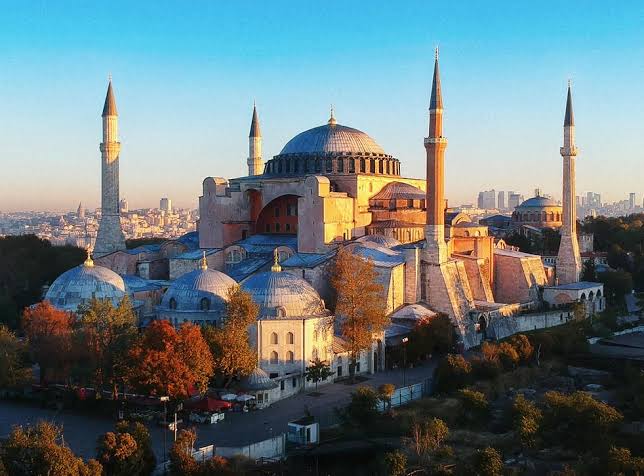
Aya Sofya or Hagia Sophia

According to history in AD 536, for the 1st time  when the Byzantine Emperor Justinian entered his finished church, he cried out “Glory to God that I have been judged worthy of such a work. Oh Solomon, I have outdone you!” Aya Sofya or Hagia Sophia means ‘holy wisdom’. It is a domed monument of Constantinople (6th century AD). It was the emperor’s swaggering statement to the world of the wealth and technical ability of his empire. Tradition maintained that the area surrounding the emperor’s throne within the church was the official center of the world.

 Topkapi Palace 

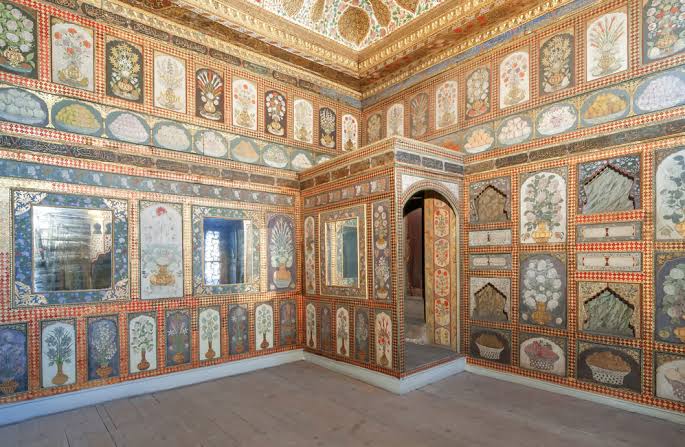
The Topkapi Palace is a large museum in the east of the Fatih district of Istanbul in Turkey, there are the imperial collections of the Ottoman Empire and maintains an extensive collection of books and manuscripts in its library.

Topkapi Palace

The Blue Mosquewhich

The Blue Mosquewhich

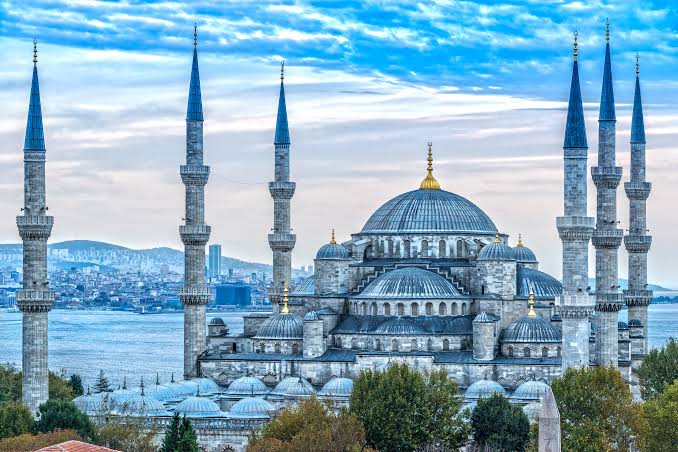
The Blue Mosquewhich is called Sultanahmet Camii in Turkish is an historical mosque in Istanbul .For the blue tiles surrounding the wall  it is known as Blue Mosque. It was situated between 1609 and 1616 years, like many other mosques, it also comprises a tomb of the founder, a madrasa and a hospice.

The Basilica Cistern

The Basilica Cistern

The Basilica Cistern is the largest among the ancient cisterns beneath the city which provided a water filtration system for the nearby buildings. This underground chamber measures approximately 138 meters (453 ft) by 64.6 meters (212 ft) and is capable of holding 80,000 cubic meters (2,800,000 cu ft) of water. The ceiling is supported by 336 marble columns.

The Hippodrome

The Hippodrome

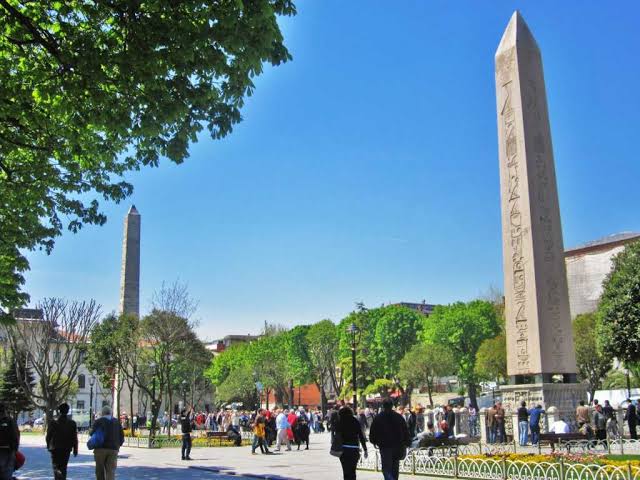
The Hippodrome’s name comes from Greek word hippos(horse) and dromos(course). It was an ancient Greek stadium for horse racing and chariot racing. But in present day  there isn’t much of the Hippodrome left to see, except for a small section of the gallery walls on the southern side, but the At Meydani (park), which now stands on the site, is home to a variety of monuments.

Archaeology Museum

Archaeology Museum

The Istanbul Archaeology Museums are a group of three archaeological museums which are  located in the Eminönü quarter of Istanbul, Turkey, near Gülhane Park and Topkapı Palace. The three museums are- in the main building the Archaeological museum, Museums of the Ancient Orient and Museum of Islamic Art.

Grand Bazaar

Grand Bazaar

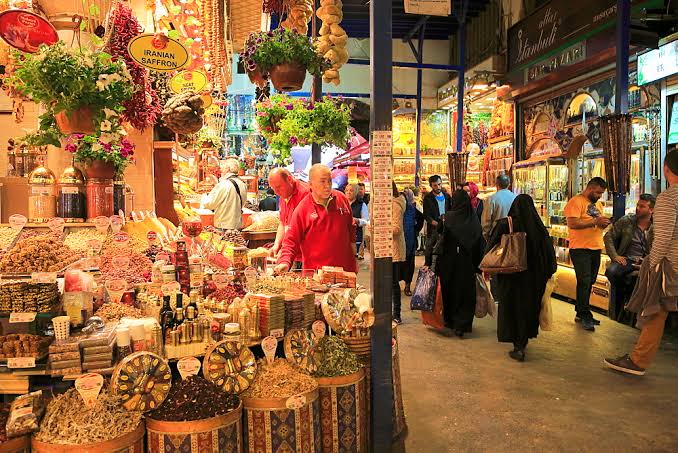
In Istanbul, the Grand Bazaar is one of the largest and oldest covered markets in the world. It has a total area of 30,700 m2. There are 61 covered streets and over 4,000 shops attracting between 250,000 and 400,000 visitors daily.

The Süleymaniye Camii 

The Süleymaniye Camii

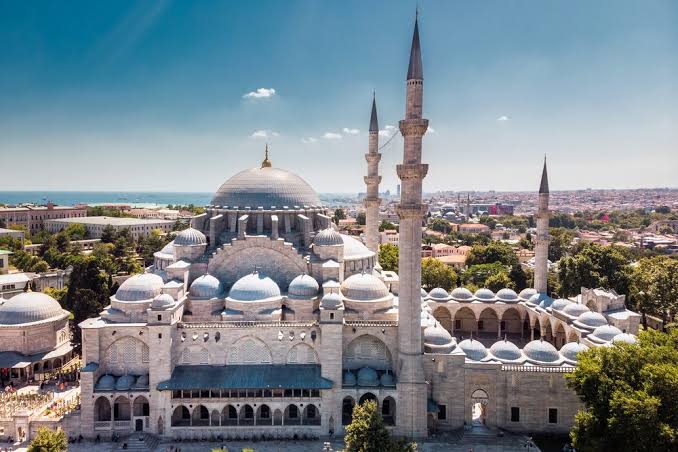
The Süleymaniye Camii (Suleymaniye Mosque) is one of its most distinctive features with its truly staggering size which was built by the legendary architect, Mimar Sinan, it is one of his masterpieces and his largest design. It is not only the inspiring size that is impressive (the central dome stands 47m high), but also the elegantly decorated interior.  The sense of space and light is emphasized by the supporting semi-domes to the northwest and southeast and the monumental arched spaces to the southwest and northeast.

The Spice Bazaar 

The Spice Bazaar 

The Spice Bazaar  is one of the largest bazaars in this city. Located in the Eminönü quarter of the Fatih district, it is the most famous covered shopping complex after the Grand Bazaar.

Cappadocia

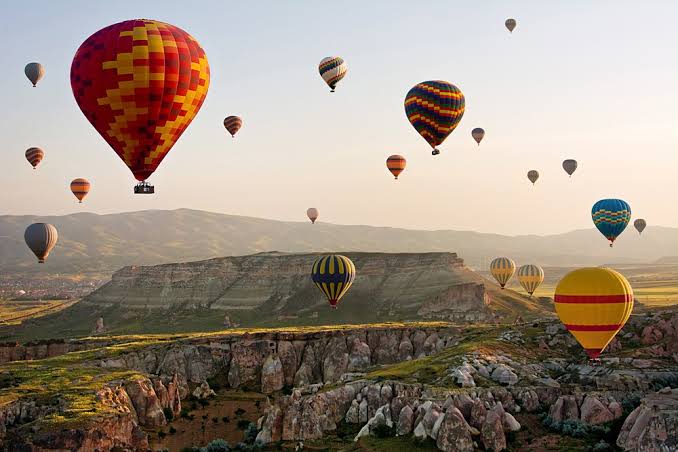
Cappadocia the hot balloons

Cappadocia is  in central Anatolia, in the heartland of what is now Turkey.The area is popular for the hot balloon ride. As it has many areas with unique geological, historic, and cultural features.Hot-air ballooning is very popular in Cappadocia and is available in Göreme. Trekking is enjoyed in Ihlara Valley, Monastery Valley (Guzelyurt), Ürgüp and Göreme.

So we must say Istanbul is incredible.

TERRACOTTA- LET’S COLLECT KNOWLEDGE ABOUT IT

Sparkle of Terracotta

TERRACOTTA- AN UNIQUE STYLE OF ART

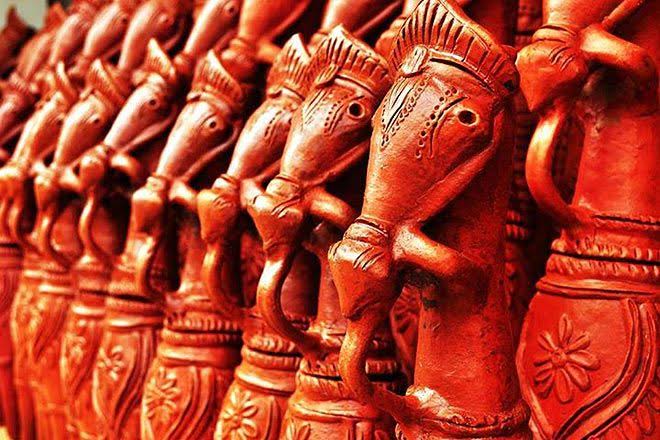
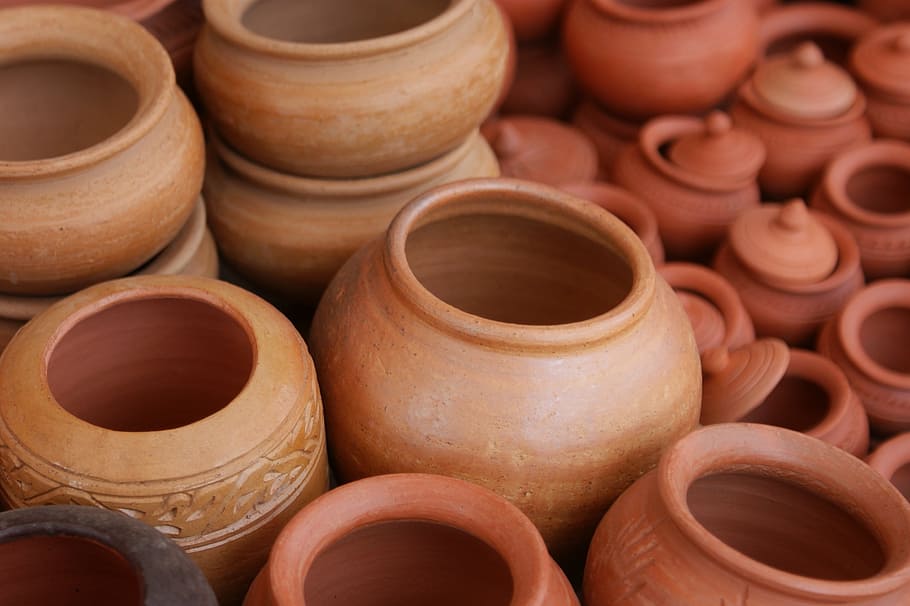
According to the dictionary the Terracotta art means hard,fired clay,brownish in colour when unglazed which is used to make architectural ornaments and facings, structural units, pottery and as a material for sculpture. The word ‘Terracotta’ came from Latin word ‘Terra-cotta’ and in Italian language Terrakotta means ‘baked-earth’.  

 Basically Terracotta is a type of earthenware or Ceramic pottery. At 1st we should have enough knowledge about earthenware. Earthenware is glazed or unglazed non-vitreous pottery which is made on fire below 1,200°C (2,190°F). So what do you say ? ‘baked-earth’ makes sense right? 

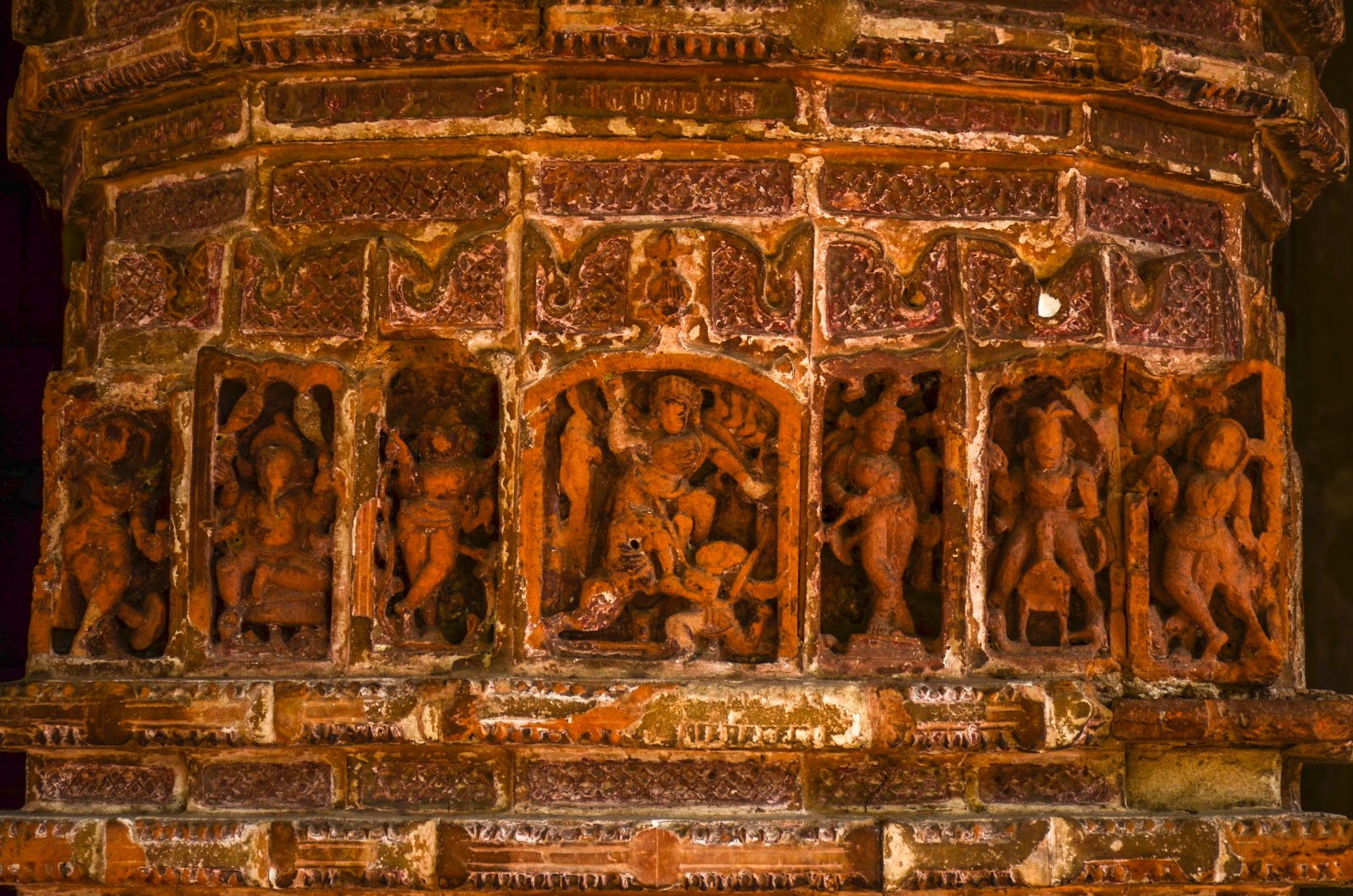
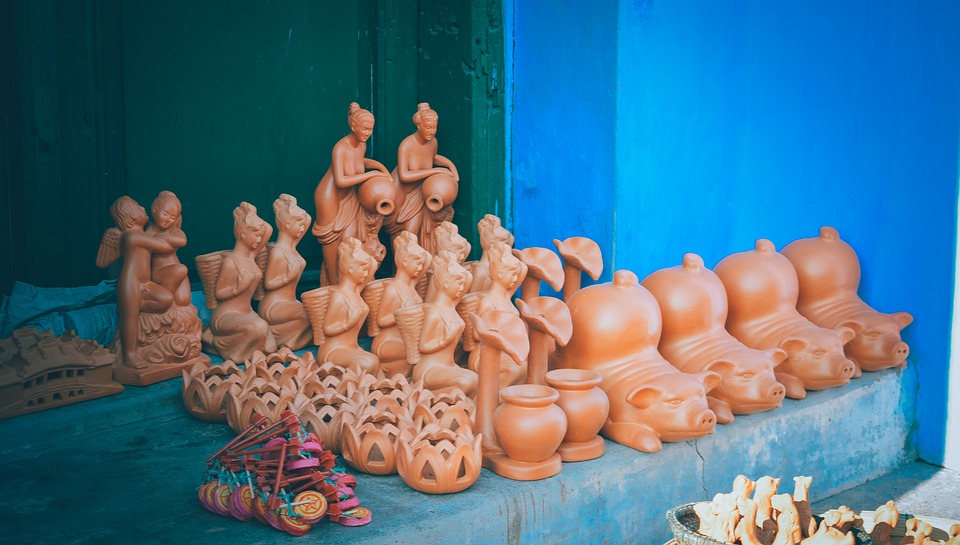
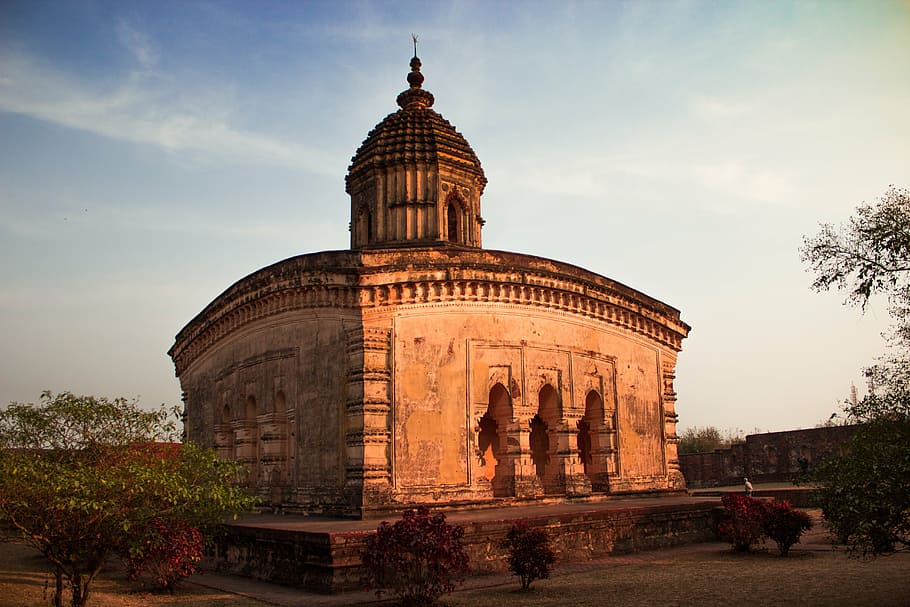
Normally Terracotta is used for sculpture making. But not only for sculpture but also for flower vas, doll,pot,water pipes, bricks,roofing tiles etc. Even there are also many temples of Terracotta. It is too flexible material for sculpture.Terracotta is usually a fairly coarse, porous type of clay. At first it has to be shaped then fired until hard. In the past, it was left to harden in the hot sun ,after that it was baked in primitive ovens. Ultimately, it was fired (at about 1000°C) in a special oven, kilns. After baking the clay became a brownish colour. Until it was glazed it was not watertight.terracotta is too simple than other bronze or other material work. 

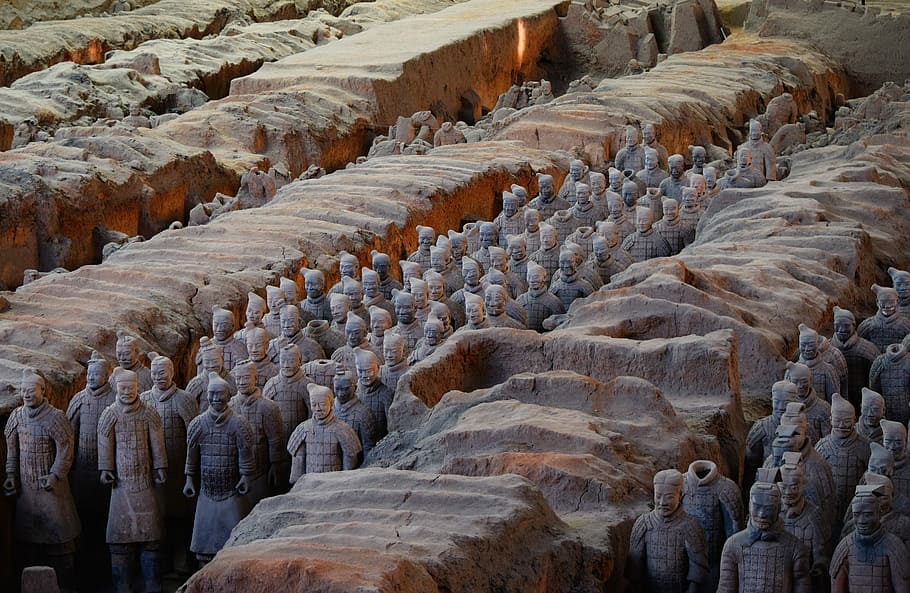
It was 1st used in Prehistoric art according to Venus of Dolni Vestonice (26,000-24,000 BCE) which was found buried in a layer of ash in Moravia at a paleolithic encampment. Some famous Terracotta figures are- The Thinker of Cernavoda(5000 BCE), The Enthroned Goddess Figurine(6000 BCE).Bronze and Iron Age artists kept the culture of the terracotta tradition, like the female fertility cult figures unearthed at Mohenjo-daro in Pakistan (3000-1500 BCE), and The Burney Relief (1950 BCE) from Ancient Mesopotamia. On the other hand we must say Chinese art created the biggest example of Terracotta art, those are-The Terracotta Army (246-208 BCE). Around the Mediterranean,such as early Egyptian, Minoan, Mycenaean, Greek and Etruscan cultures, employed terracotta for figurative works – such as the Tanagra Figurines from Boeotia in central Greece – besides  decorative art and architectural ornamentation.Particularly in the era of Hellenistic art (323-30 BCE) it was widely used by sculptors. It was also used in Early Christian art, for tomb reliefs (from c.200 CE). Terracotta is also famous in African sculpture, pre-Columbian art.

In India Terracotta is famous in the same way as in the past. In India Terracotta is a heritage culture. It is very common that there are many things of terracotta at most homes in India. ‘Bishnupur’ in West Bengal is a great source of Terracotta sculptures or other things. Murshidabad, Birbhum, Jessore, Digha (all are in West Bengal)  are also the treasure of Terracotta. There are also famous in Rajasthan, Bihar, Haryana, Himachal Pradesh, Odisha, Jammu and Kashmir etc.    

ONAM- THE HARVEST FESTIVAL

ONAM – the festival of colour in Kerala

Onam is one of the famous festivals of the colourful India. It is actually a major event  of kerala. The people inside and outside of Kerala enjoy it too much. It is a harvest festival . 

According to history, Onam has a long religious context and history of Kerala. According to an earlier reference , Onam is found in Maturaikkaci – a Sangam ers Tamil poem. It says that when games and duels were held in Madurai temple , immolation was sent to the temple , then  the people wore new clothes and celebrated it. On the other hand , in the 9th-century according to Pathikas and Ballads by Periyazharwar , Onam is celebrated as offerings to Vishnu God with feasts and community events. 

According to Kurup  , Onam is a historical hindu-temple based cultural festival which is celebrated for many days. This is a harvest festival and its significance is of 2 Hindu-legends, Mahabali legend and Parashurama legend.

According to the Malayalam calendar Chingam is the 1st month  and the Onam is celebrated in this month. It is marked as the Malayalam New Year. It is celebrated over 10 days and concludes with Thiruvonam. The ten days are sequentially known as Atham, Chithira, Chodhi, Vishakam, Anizham, Thriketta, Moolam, Pooradam, Uthradam and Thiruvonam. The first and the last day are particularly important in Kerala and to Malayalee communities elsewhere.

The 1st day of this festival is Atham ws marked at Vamanamoorthy Thrikkakara temple in Kochi. This temple is the focal center of this festival and the abode of Mahabali legend with raising their festive flag. There are celebrated the parades and those are colourful ,whimming  and floating.

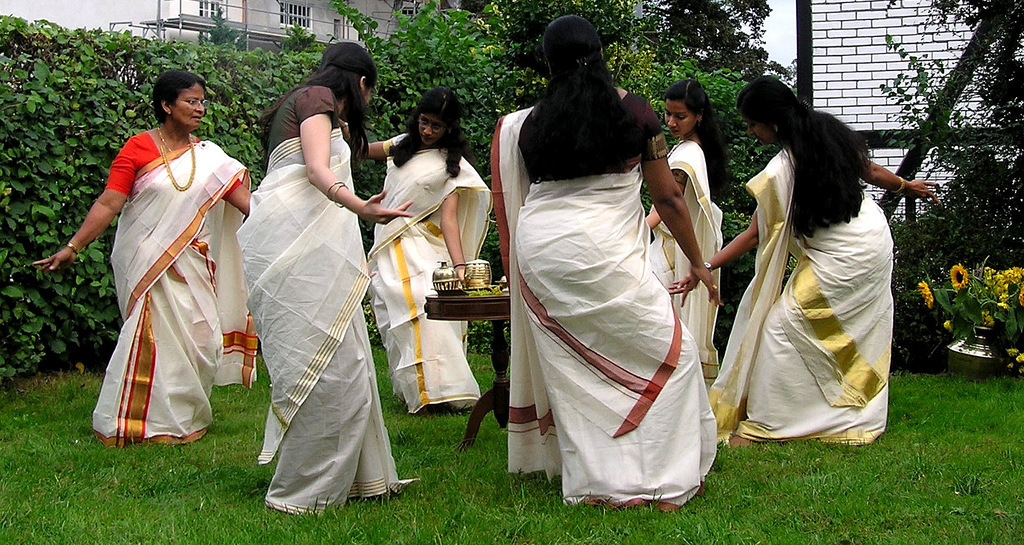
On other days there are celebrated different types of events like boat races which are most popular and stunning , different types of cultural programmes , martial arts, dance, rangoli etc.  People celebrate their times in those days by shopping, donating time or food for the charities and spending quality times with family. The men and women wear their traditional dress . Basically women wore Kasavu saree on this day. 

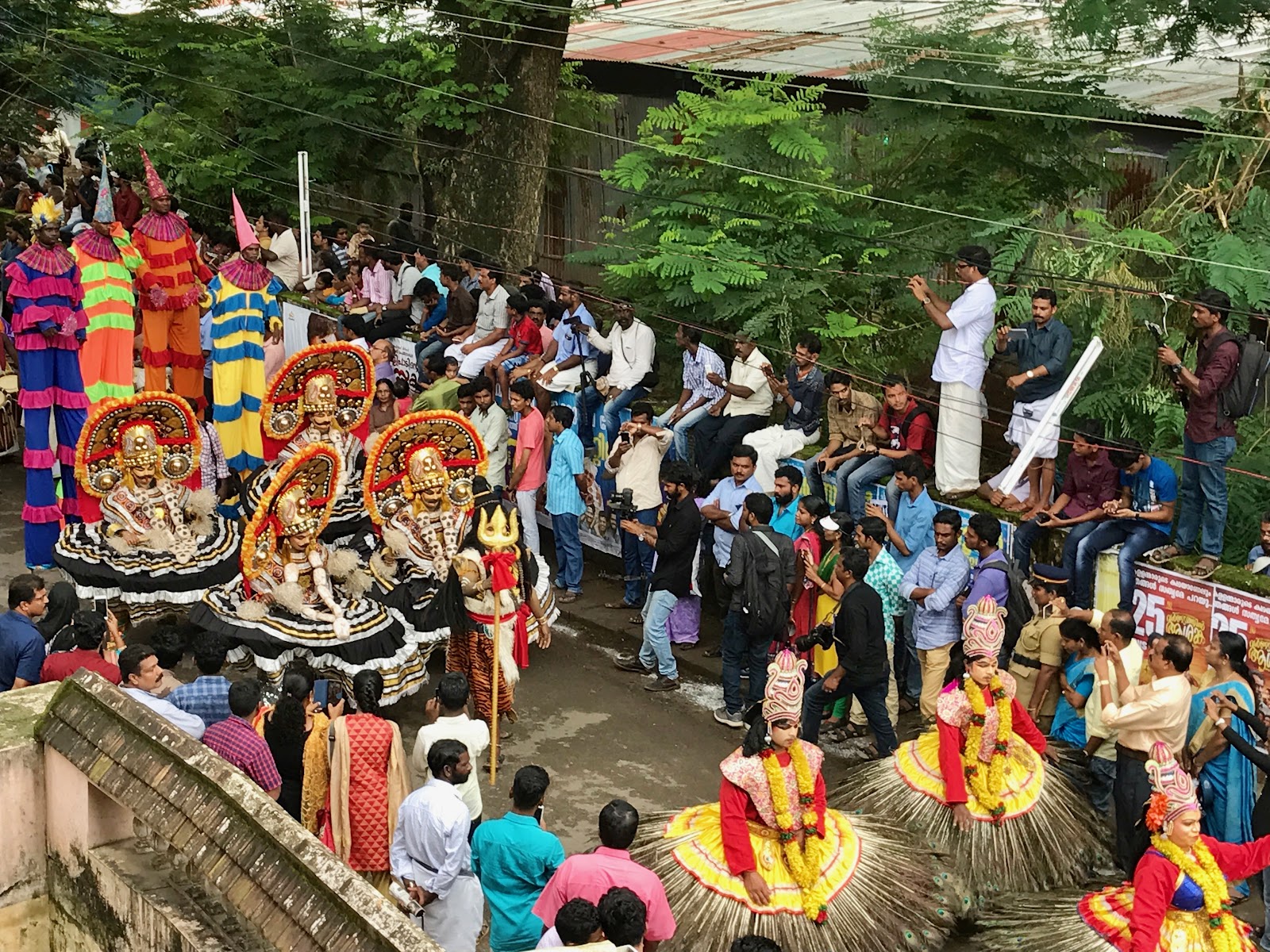
At Tripunithura near Kochi the Onam is celebrated with a grand procession which is called ‘Athachamayam’ , it is also addressed by ‘Thripunithura Athachamayam’. There are elephant marching, drum beats and other music , floats, folk art forms and colourful dressed people and with their masks which is wonderful. According to Kerala history the Kochi king conducted a grand military procession which has now become a state-supported event

There are epic scenes from Mahavarat and Ramayana in this traditional float procession . There are also themes from the Bible .From Tripunithura to the Vamanamoorthy Temple in Thrikkakara, Ernakulam district , is the traditional path. It is  the temple of Vishnu in his Vamana (dwarf) avatar. After arrival at the temple, the marchers offer a prayer.

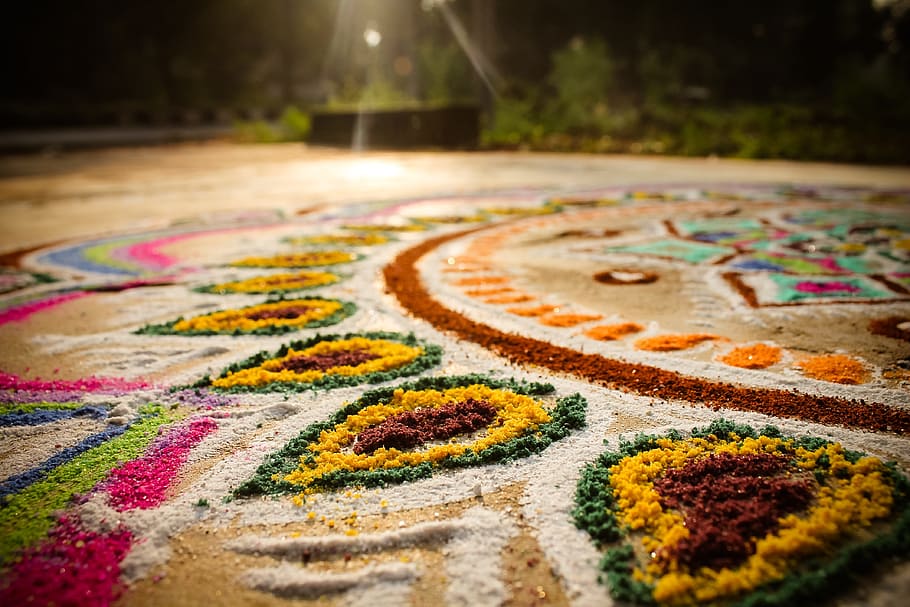
In this festival ‘Pookalam’ , which is called floral rangoli in general, is an attraction. It is known as Onapookalam or Pookalam. There are so many types of flower, basically marigold is the main blossom. It is decorated particularly at the entry point and temple premises like a flower mat. On Atham the Pookalam is called Athspoo and for this day it is comparatively small in size. It grows in size gradually with each day of this festival. In this Pookalam the Dasapushpam (10 types of flower) is used. In Kerala Pookalam competitions are common everywhere on Onam day.

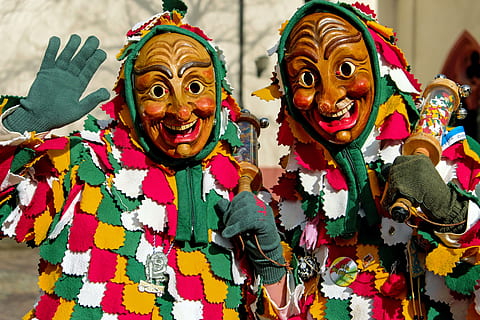
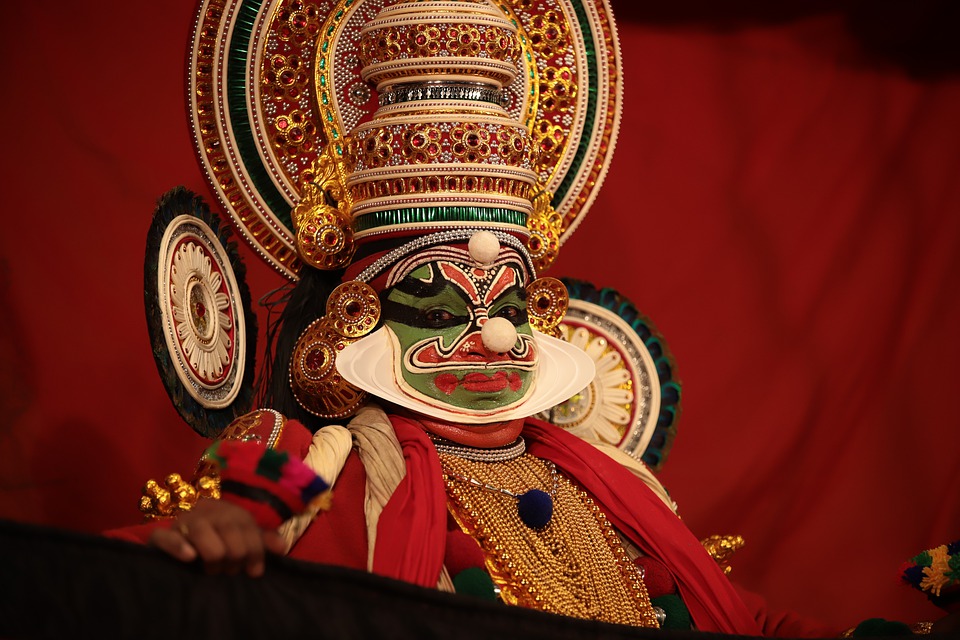
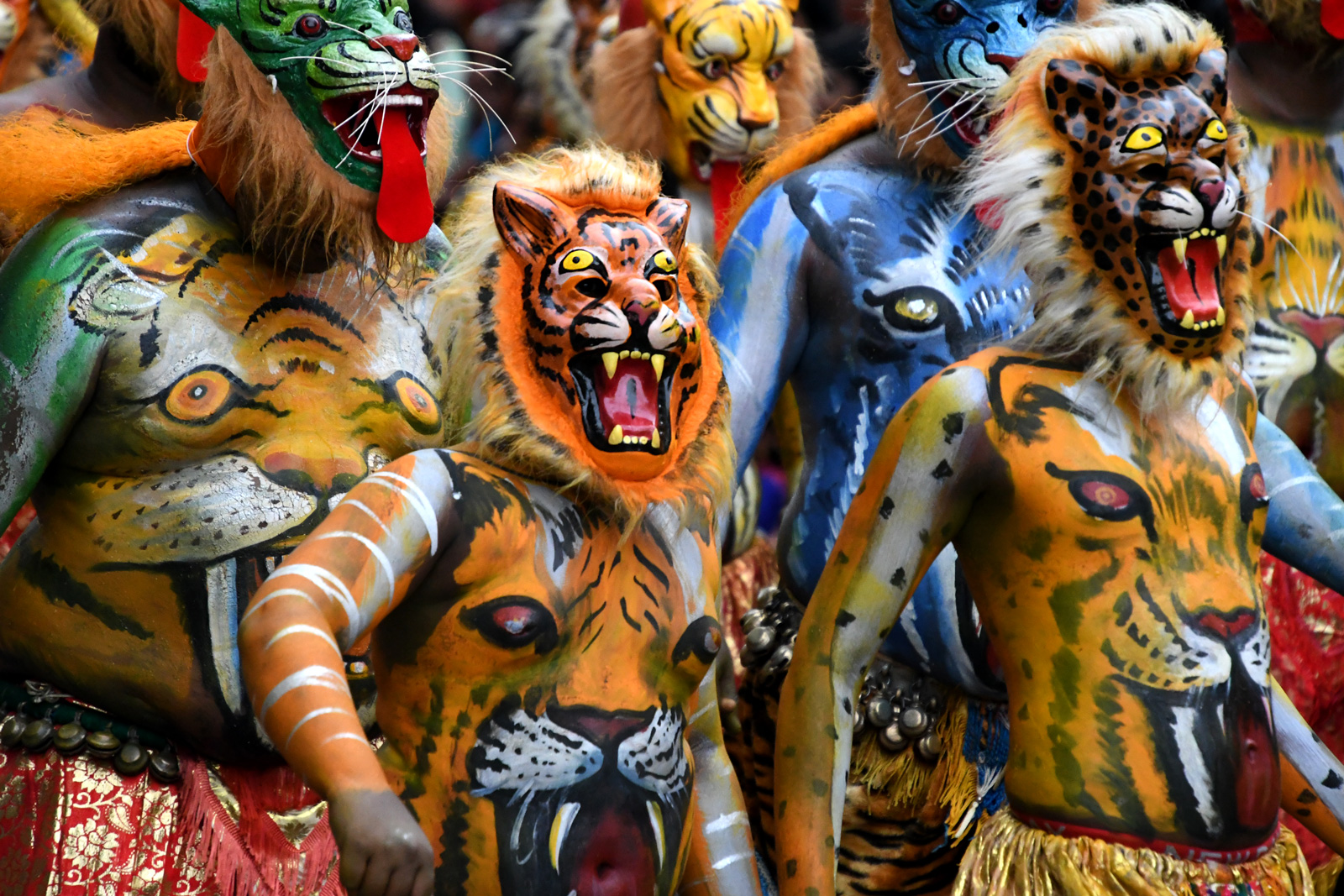
In this festival there are so many types of traditional dance performed like Kathakali , Pulikali, Kummattikali, Thumbi Thullal, Onam Kali etc. Thiruvathira Kali is a women’s dance, where they circle around a lamp. Kummattikali , which is a colorful-mask dance. In Thrissur, festivities include a procession consisting of caparisoned elephants surrounded by Kummatikali dancers. Onam Kali is a form of dance where players circle around a pole or tree or lamp,dance and sing songs from the Ramayana and other epics.  Kathakali is the most famous dance type. 

Pulikali is a different type of dance which is known as Kaduvakali during this festival where the performer is painted like tigers in bright yellow, red and black, and dances to the beats of instruments like Chenda and Thakil. It is a type of folk dance.

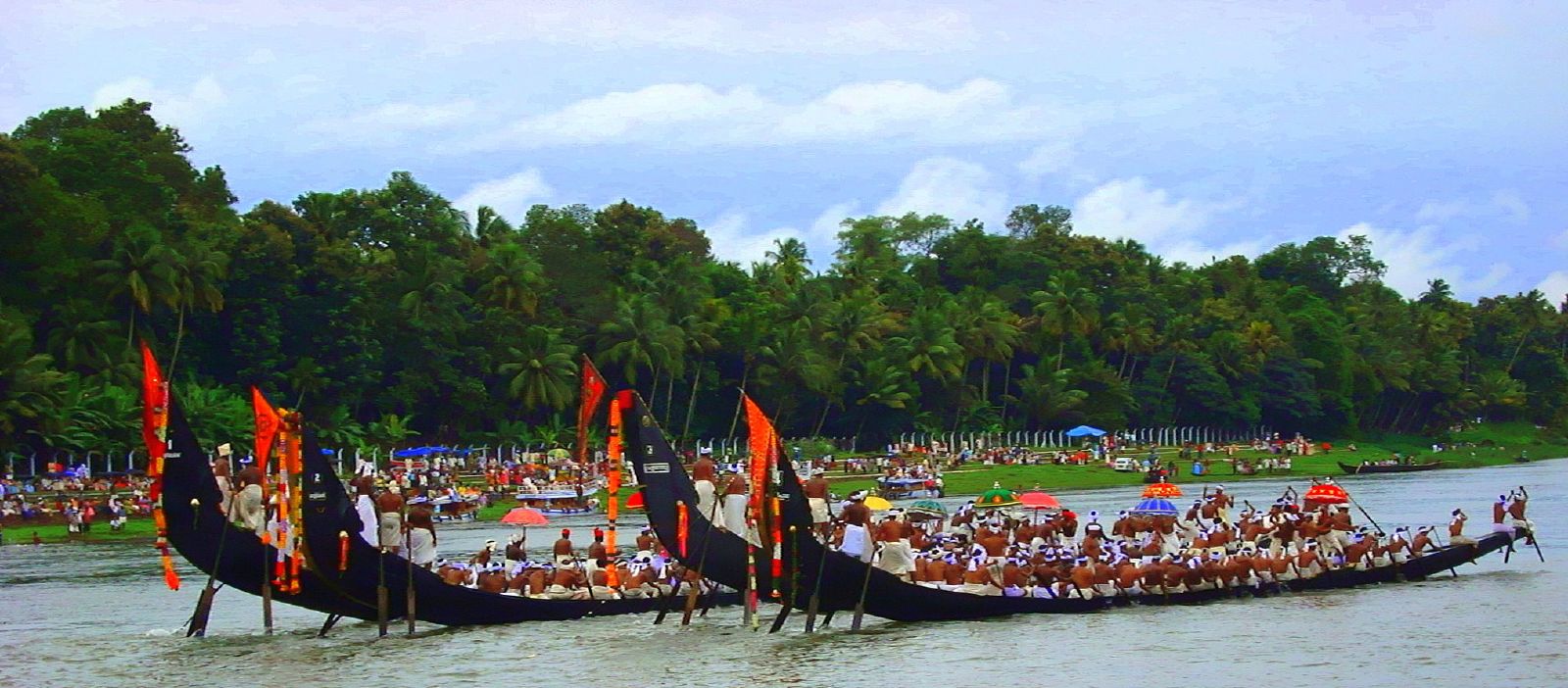
Another amazing part of this festival is Vallamkali which is a snake boat race. In this boat race numerous oarsmen row huge snake-shaped boats and men and women come from far and near to watch and cheer the snake boat race through the water. Particularly it happened on the Pampa River.

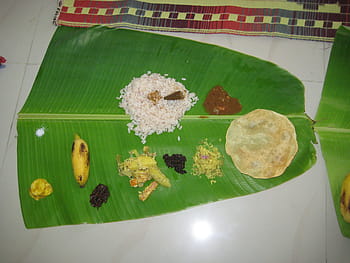
The Onam sadya, which is the feast, is  another amazing part of Thiruvonam and it is observed in every Keralite attempt . Chips , Sharkaraveratti ,Pappadam, various vegetable and soups such as Injipuli, Thoran, Mezhukkupuratti, Kaalan, Olan, Avial, Sambhar, Dal served along with a small quantity of ghee, Erisheri, Moloshyam, Rasam, Puliseri, Kichadi and Pachadi, Moru , Pickles both sweet and sour, and coconut chutney are the menu.

So it is the very interesting festival of our colourful India which is more colourful and delightful to us.

Painting techniques

Techniques in watercolour paintings

#Washes

The most basic watercolour technique is the flat wash. It is reduced by first wetting the area of paper to be covered by the wash, then mixing sufficient pigment to easily fill the entire area. The pigment is applied to a sloping surface in slightly overlapping horizontal bands from the top down. Once complete, the wash should be left to dry and even itself out. Don’t be tempted to work back into a drawing wash, the results are usually disastrous! A variation on the basic wash is the graded wash. This technique requires the pigment to be diluted slightly with more water for each horizontal stroke. The result is a wash that fades out gradually and evenly.

#Glazing

Glazing is a similar watercolour technique Do a wash, but uses a thin, transparent pigment applied over dry existing washes. Its purpose is to adjust the colour and tone of the underlying wash. Non-staining, transparent pigments such as Rose Madder (or Permanent Rose), Cobalt Blue and or Auroline are ideal for glazing as they can be applied layer after led to achieve the desired effect. Be sure each layer is thoroughly dry before applying the next.

#Dropping in colour

This technique is simply the process of introducing a colour to a wet region of the painting and allowing it to blend bleed and feather without interruption. The result is sometimes and predictable but yields interesting and vibrant colour gradations That can’t be achieved by mixing the pigment on the palette.

#Wet-on-wet

Wet-on-wet is simply the process of applying pigment to wait paper. The results very from soft undefined shapes to slightly blurred marks, depending on how wet the paper is. The wet-on-wet technique can be applied over existing washes provided they are thoroughly dry. Simply wet the paper with the large brush and paint into the dampness. The soft marks made by painting wet in wet agreed for subtle background regions of your painting.

#Dry brush

Dry brush is almost the opposite watercolour technique to wet in wet. Here a brush loaded with pigment (and not too much water) is dragged over completely dry paper. The marks produced by this technique are very crisp and hard-edged. They will tend to come forward in your painting and so are best applied around the centre of interest.

#Lifting off

Most water colour pigments can be resolved and lifted off after they have dried. Staining colours such as Phthalo or Prussian blue, Alizarin, Windsor red, yellow or blue are difficult to remove and are best avoided for this technique. The process for lifting of his simple – wet the area to be removed with a brush and clean water, then blot the pigment away with attached. Using strips of paper to mask areas of pigment will produce interesting hard-edged lines and shapes.

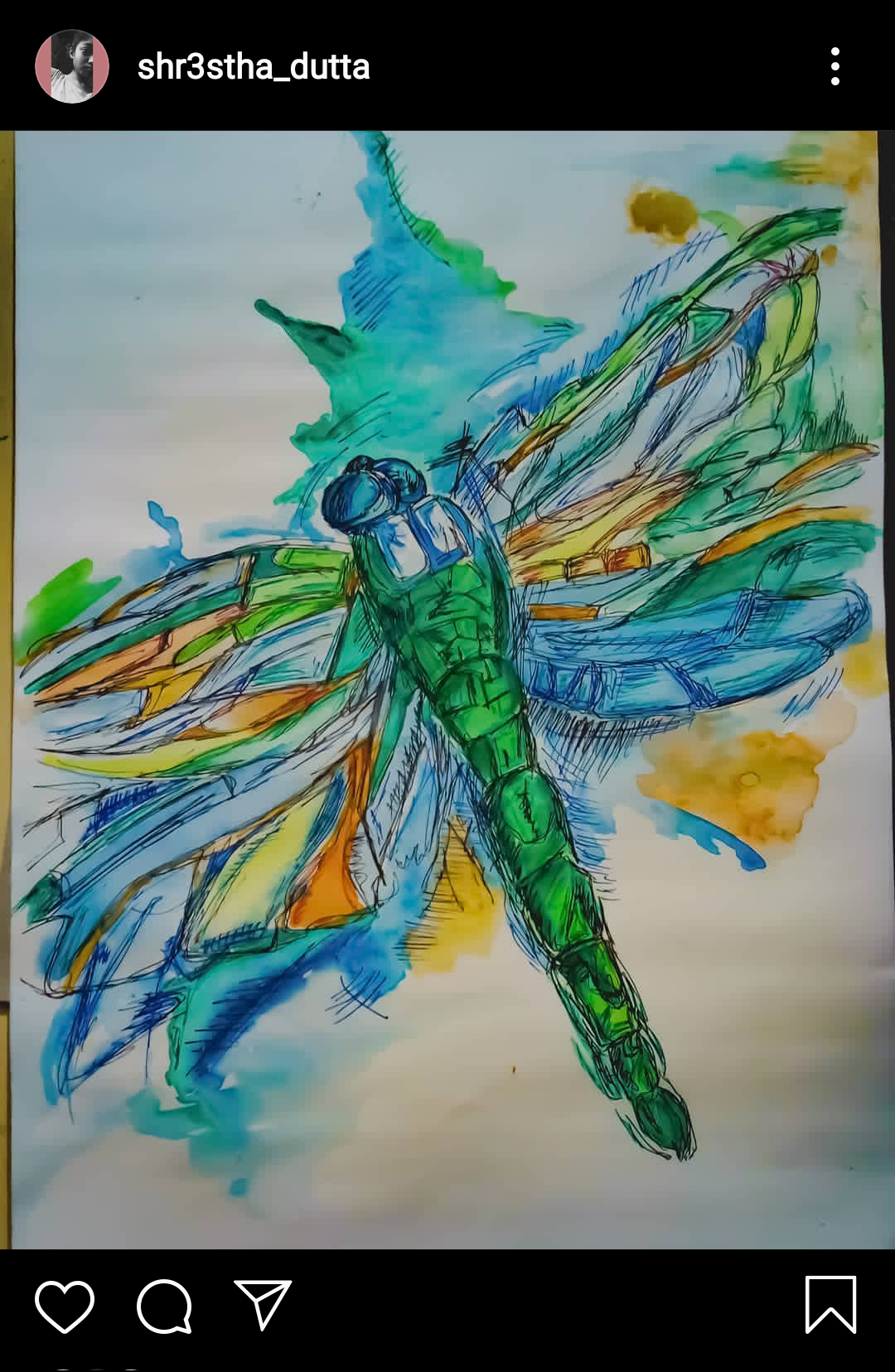
This is one of my watercolour paintings. I love experimenting with the medium.

Techniques in other kinds of painting

paints

As the name implies, pigments are already mixed with oil (usually linseed) in the tube, which makes for slow drying and easier blending. Clean up with turps or preferably and odourless solvent. Can be used straight from the tube (impasto) or thinly for underpainting or glazing. Usually used over canvas or board prepared with an acrylic or gas so undercoat. Retouch varnish may be used to even out the shine when finished. All other vanishes should not be applied until the paint has cured (around 6 months). Oils pretty much maintain their mixed colour once drive for, unlike water based paints which tend to dry darker or lighter than when wet.

#Poster colours

Poster colours contain a binder which remains water soluble when dry. Pigments used are generally of a courser quality than water colours and are therefore more opaque, specially pastel shades which are achieved by mixes that include white. Can be wetted again for further blending. Framing is usually as for water colours.

#Pastels

Here the pigments have been moulded into sticks using distilled water and a minimum of binders. Some are wrapped in waxed paper to prevent breakage. They come in square and round sticks and in pencil form full stock usually used on tinted pestle paper which has a texture (or ‘tooth’) to hold the dry granules of pigment. Spray fixatives prevent rubbing, button to dark in the pestle work. Framing is behind glass with the mat board to prevent the work from touching the glass.

#Acrylic painting

Painting executed in the medium of synthetic acrylic resins. Acrylics dry rapidly, serve as a vehicle for any kind of pigment, and are capable of giving both the transparent brilliance of watercolour and the density of oil paint. They are considered to be less affected by heat and other destructive forces than is oil paint. They found favour among artists who were concerned about the health risks posed by the handling of oil paints and the inhalation of fumes associated with them. Because of all these desirable characteristics, acrylic paints became immediately popular with artists when they were first commercially promoted in the 1960s.

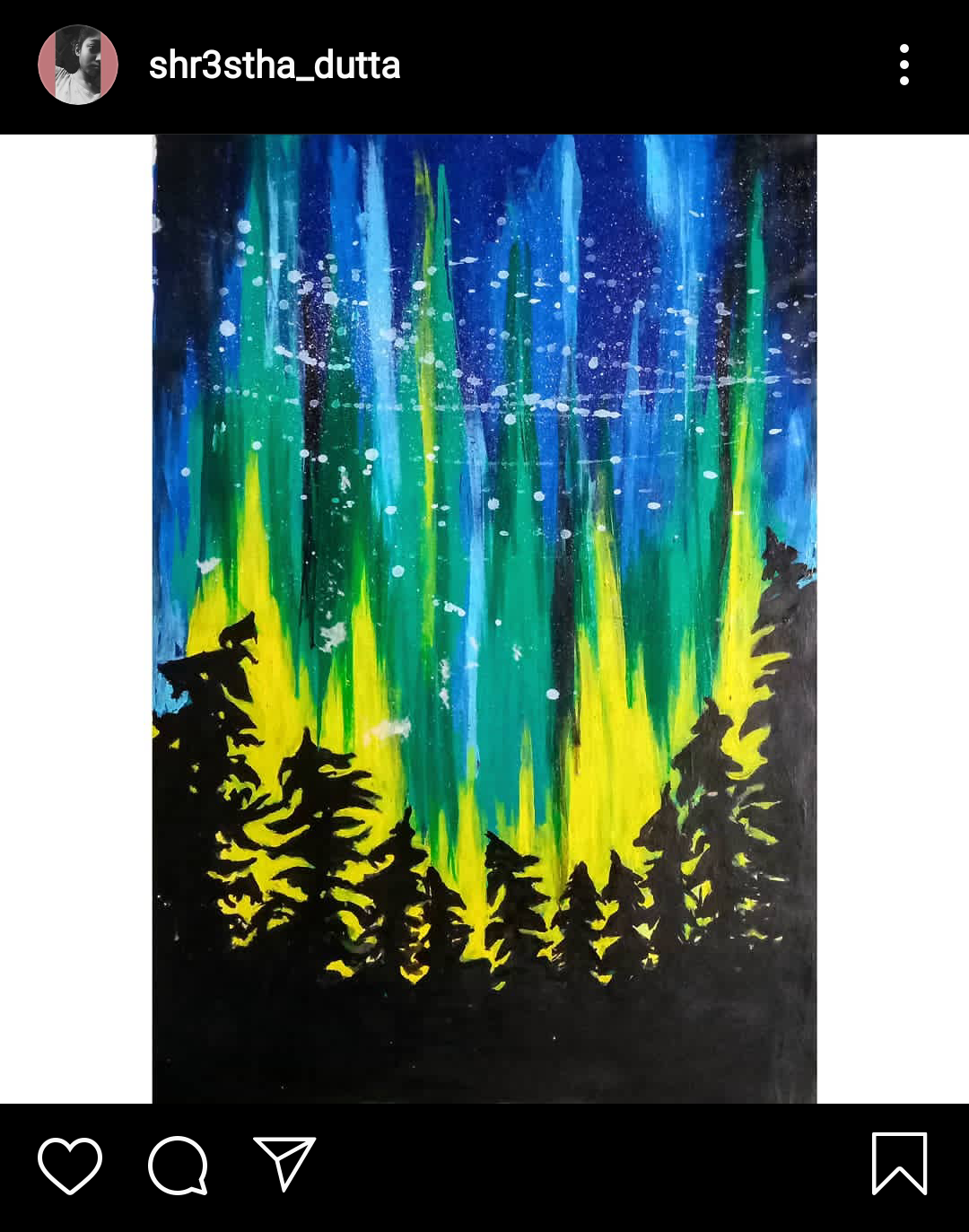
This is one of my acrylic paintings.

#Tempera painting

Painting executed with pigment ground in a water-miscible medium. The word tempera originally came from the word temper, which means ‘to bring to a desired consistency’. Dry pigments are made usable by ‘tempering’ them with a binding and adhesive vehicle. Such painting was distinguished from fresco painting, the colours for which contained no binder.

Thank you for reading. Have a nice day!🌼

If you like it, wear it.

Fashion styles

Artsy

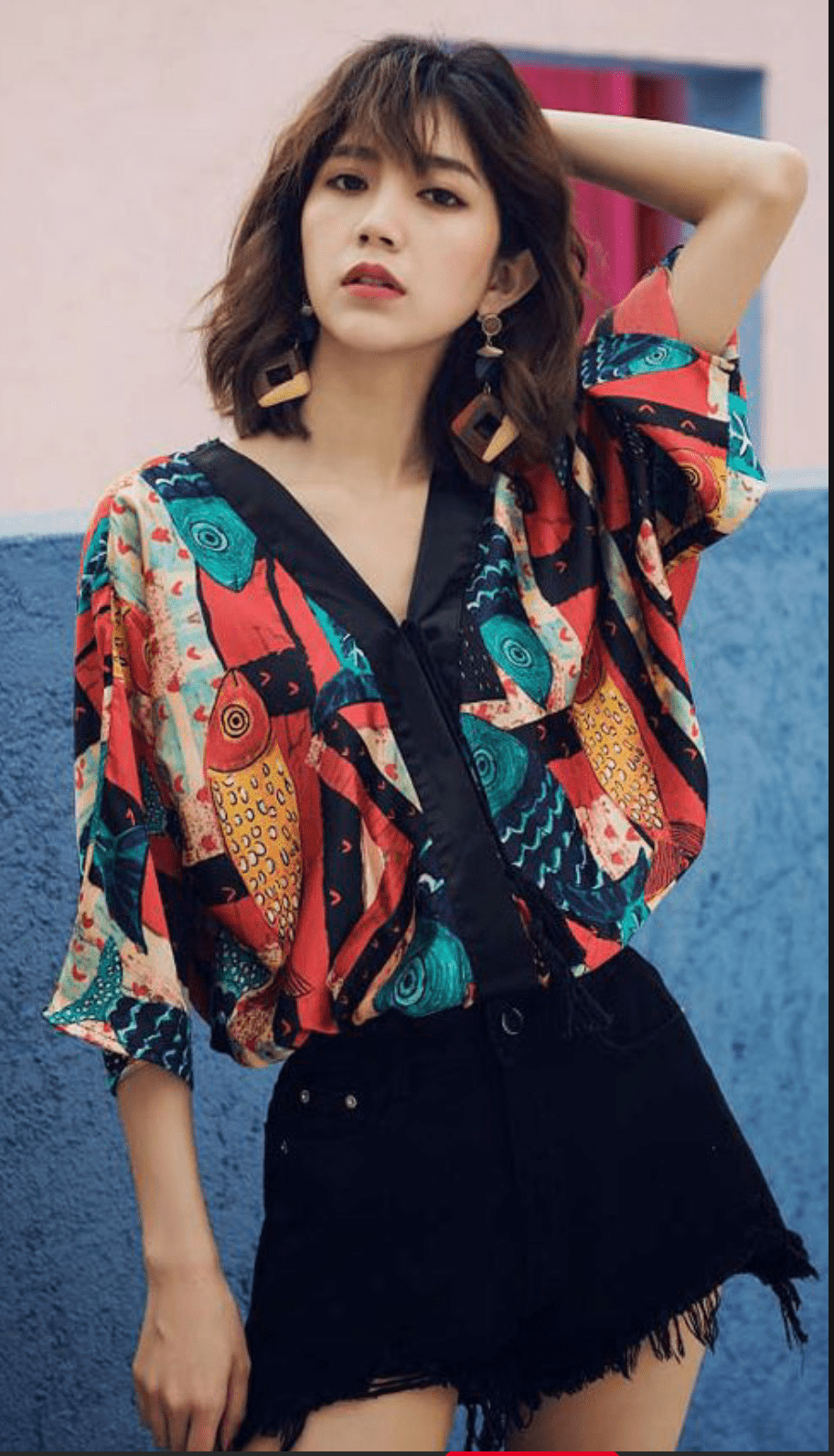
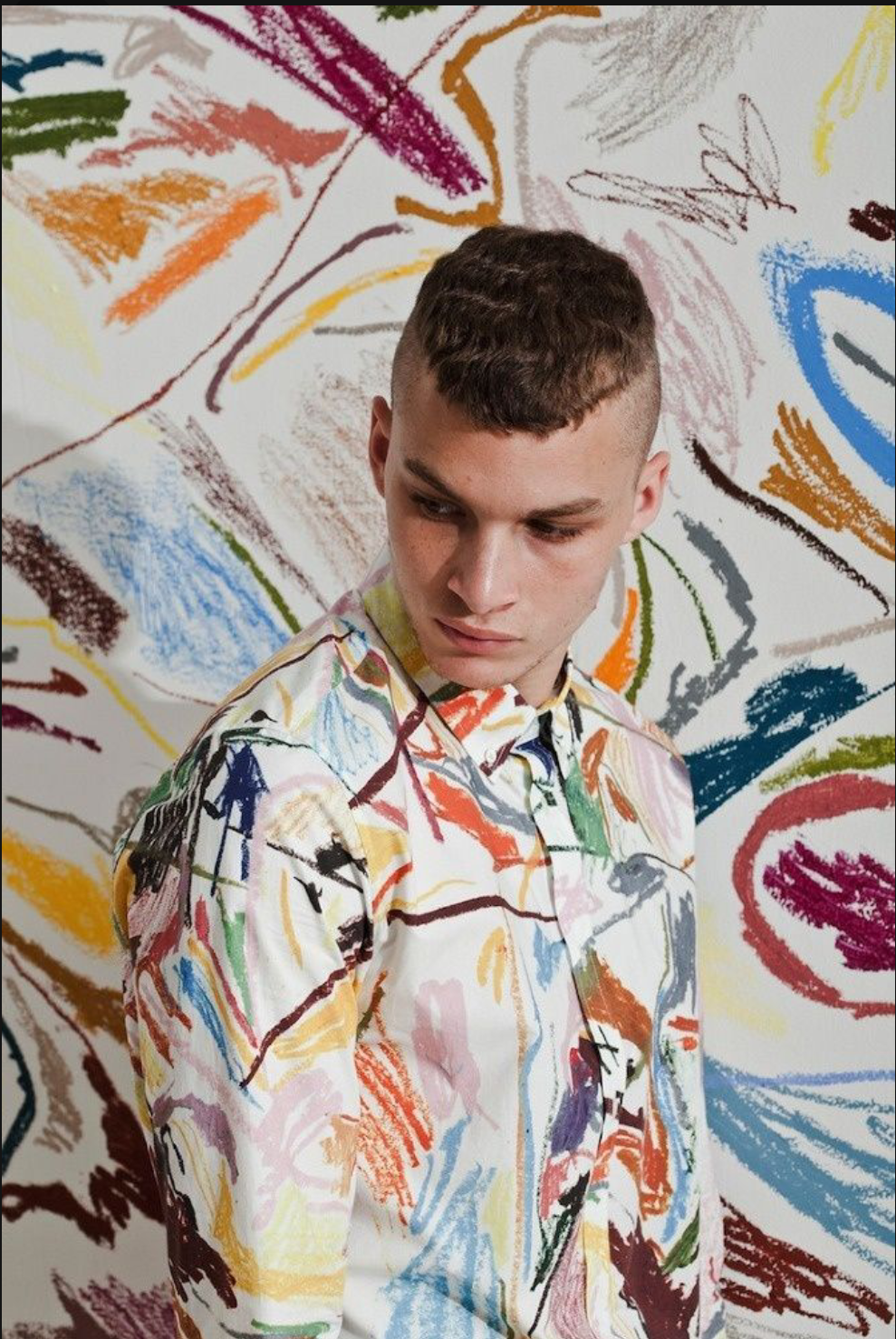
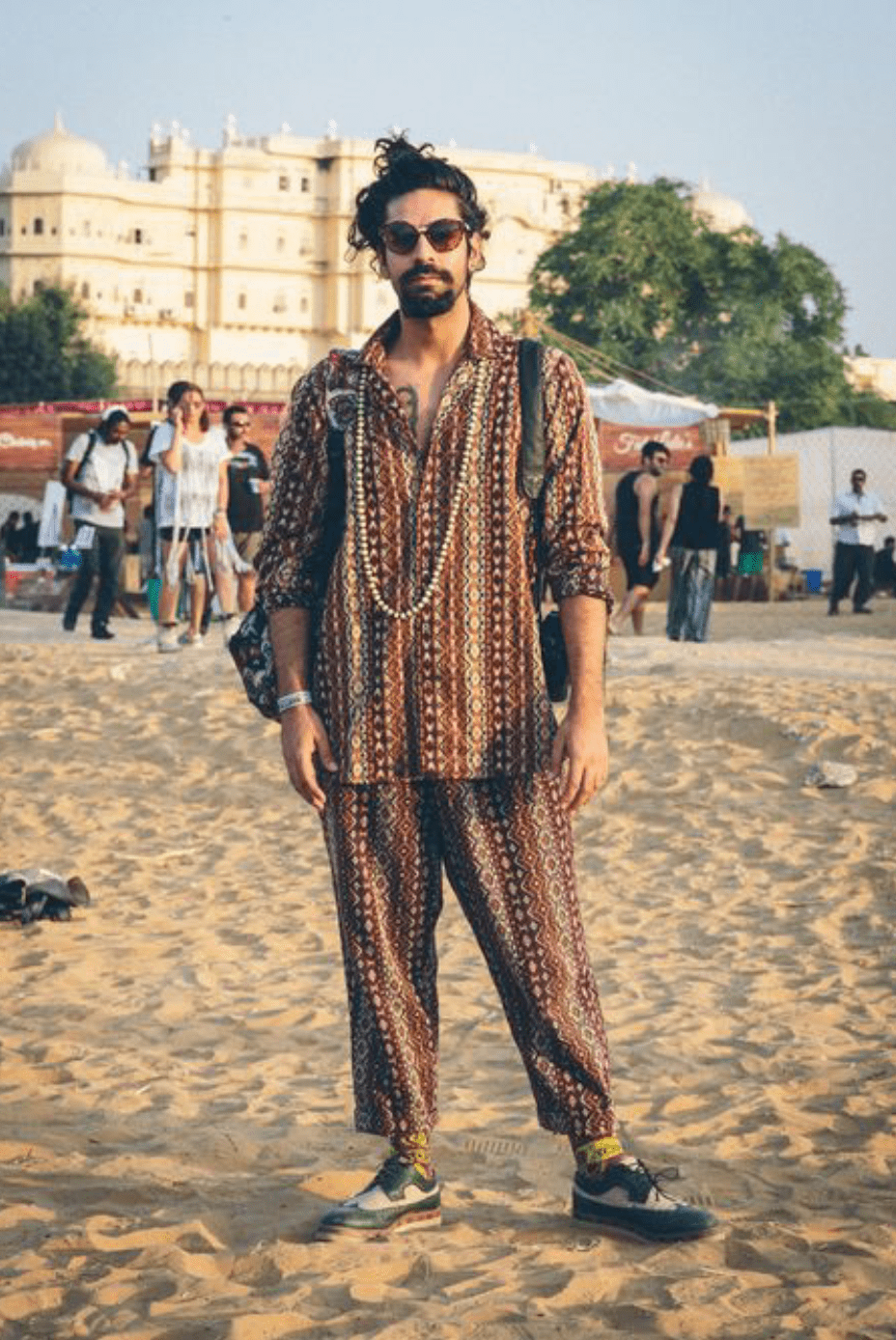
Colourful and vibrant kind of style. Creative.


Bohemian

Personal favourite. Also known as Hippie fashion. With a modern touch to it looks fabulous on anyone.


Casual

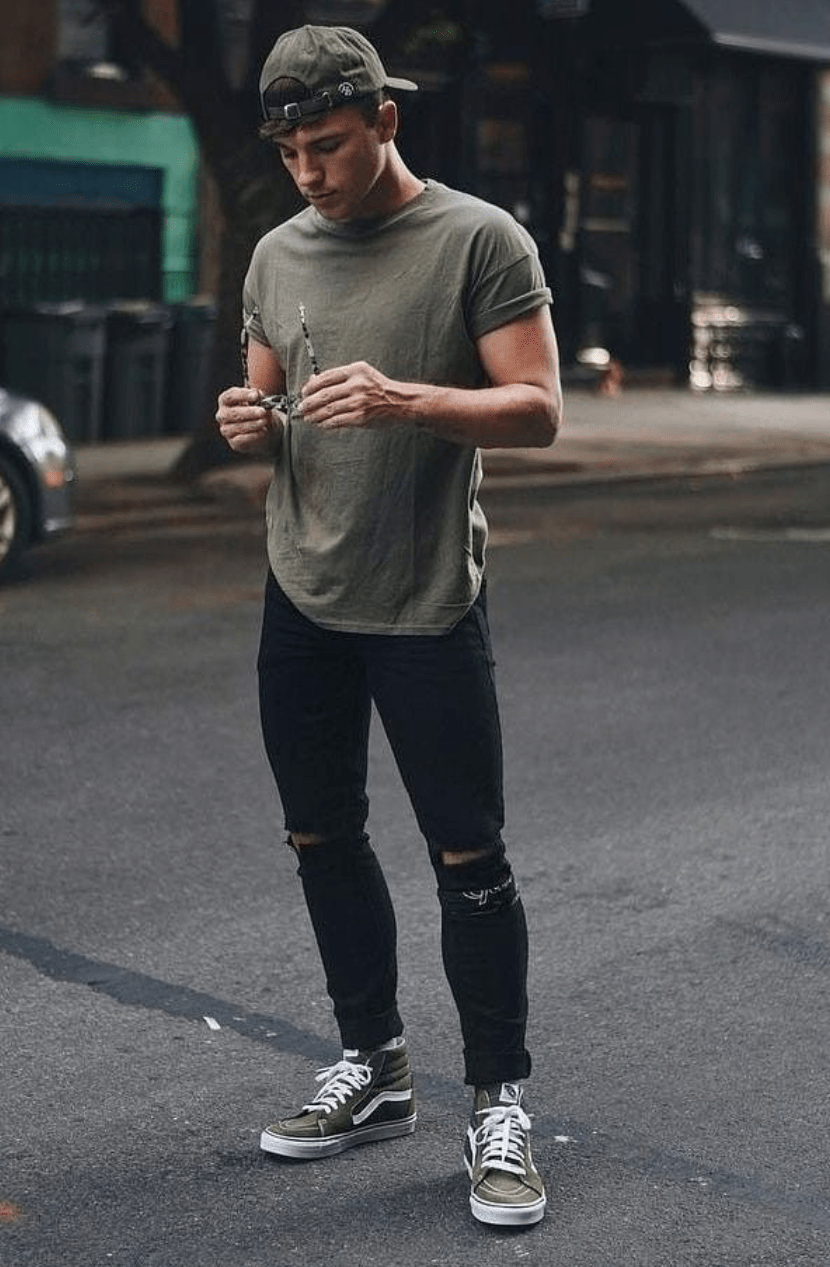
The I-don’t-care-I-feel-comfortable type of style. The simplest of clothes in your wardrobe.


Chic

The girls night out or a date night look where you actually put some effort in choosing the dress and makeup.


#5 Preppy

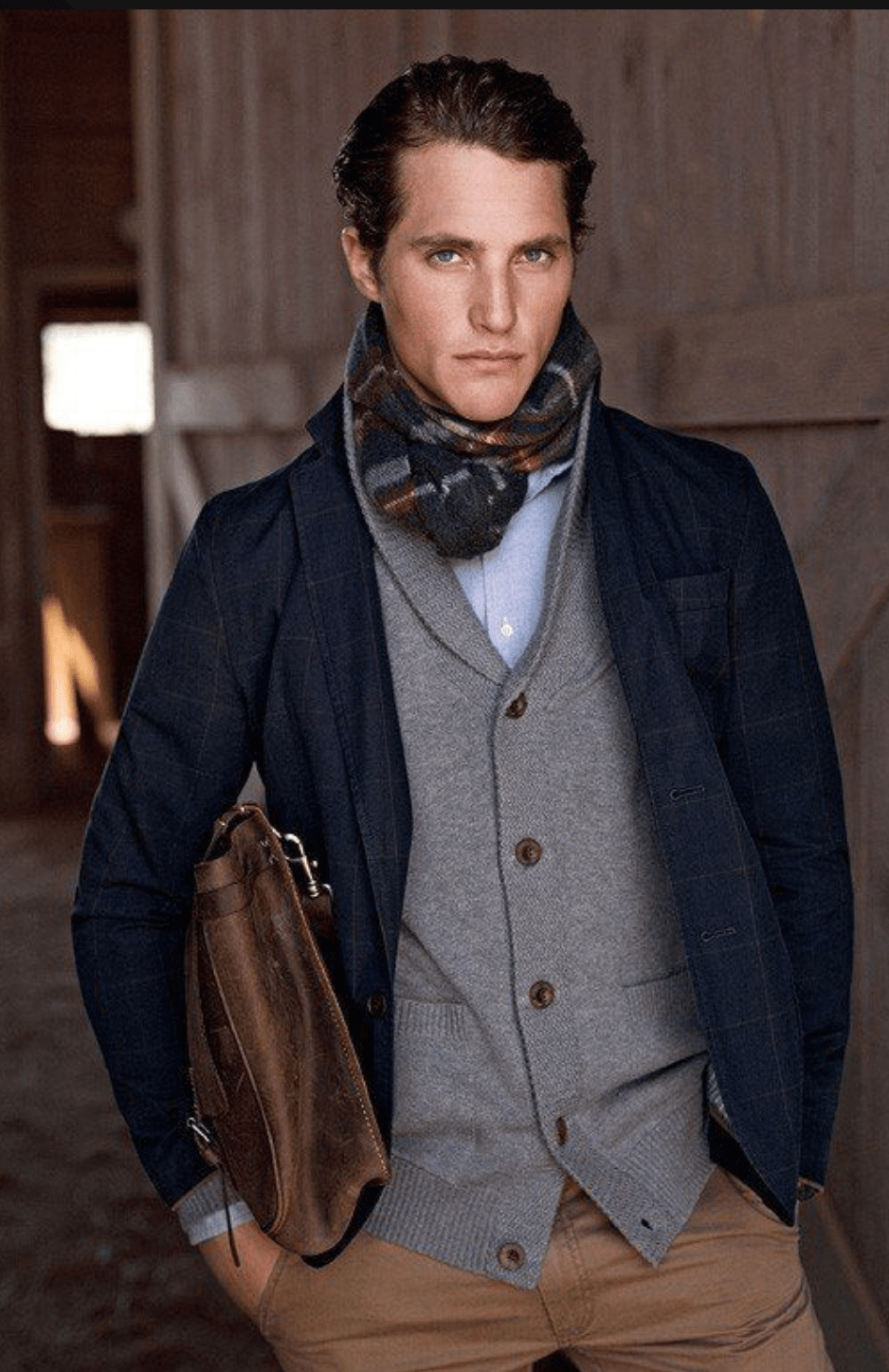
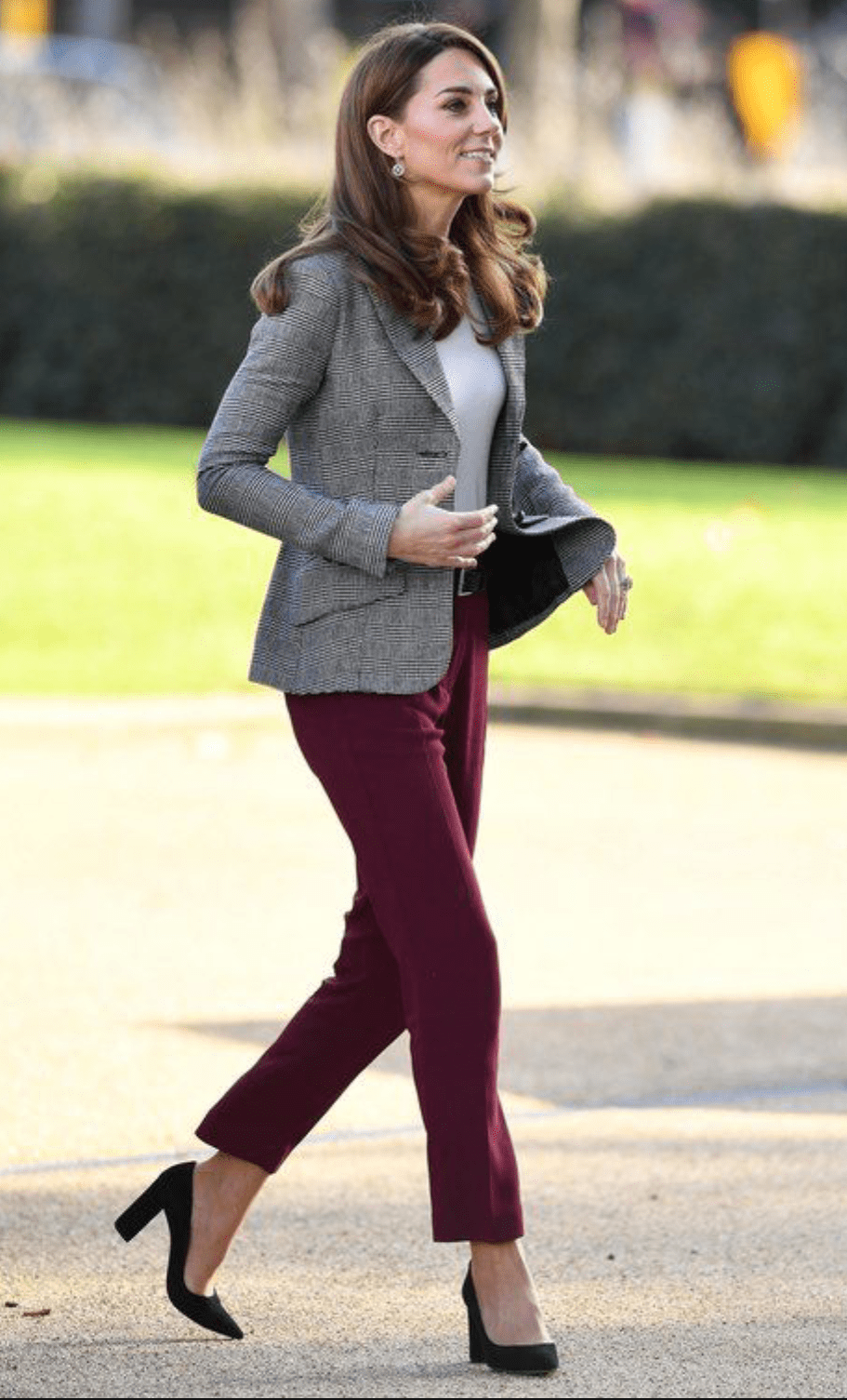
Basically classic but with bold and clean colours with a structured silhouette.


#6 Rocker

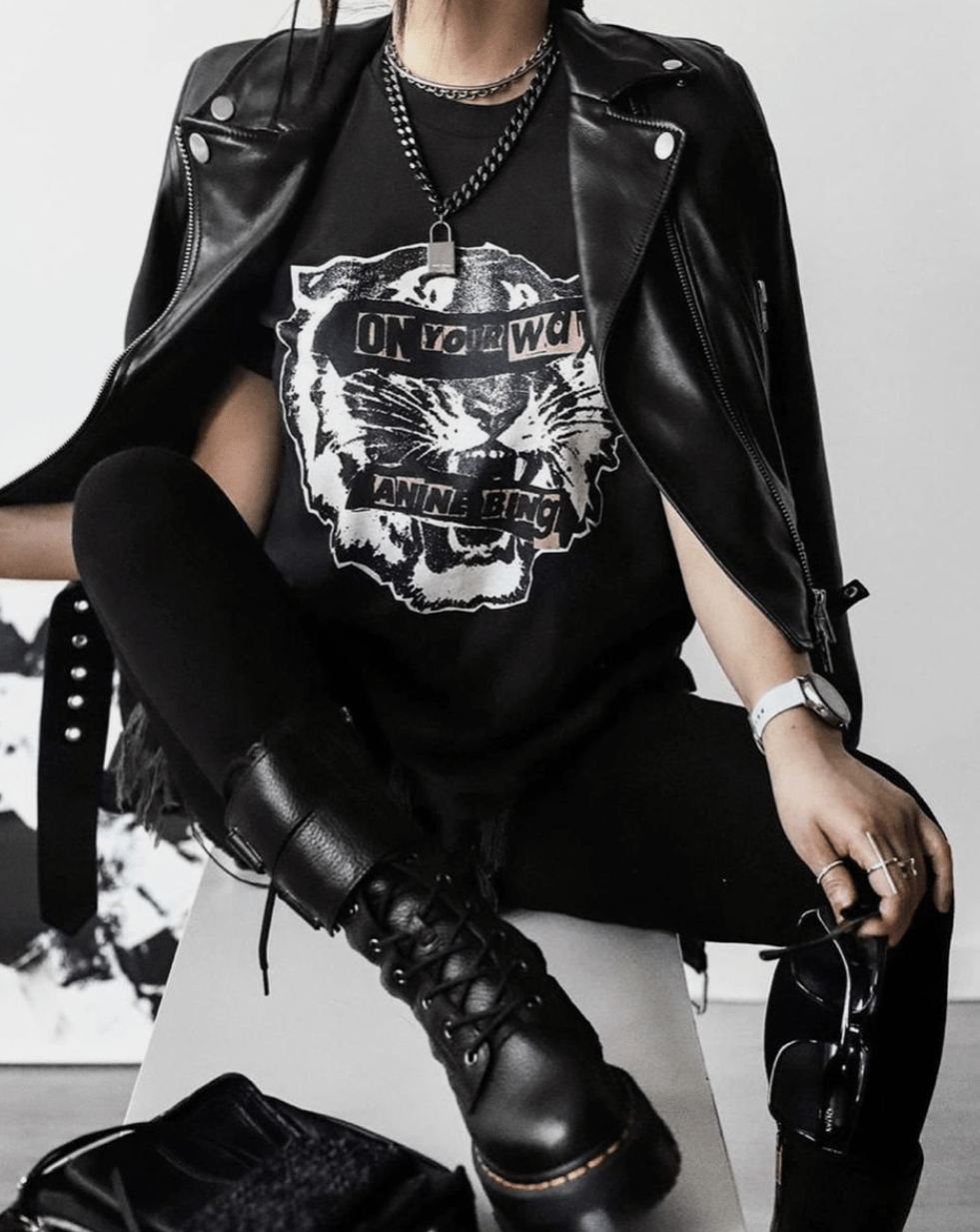
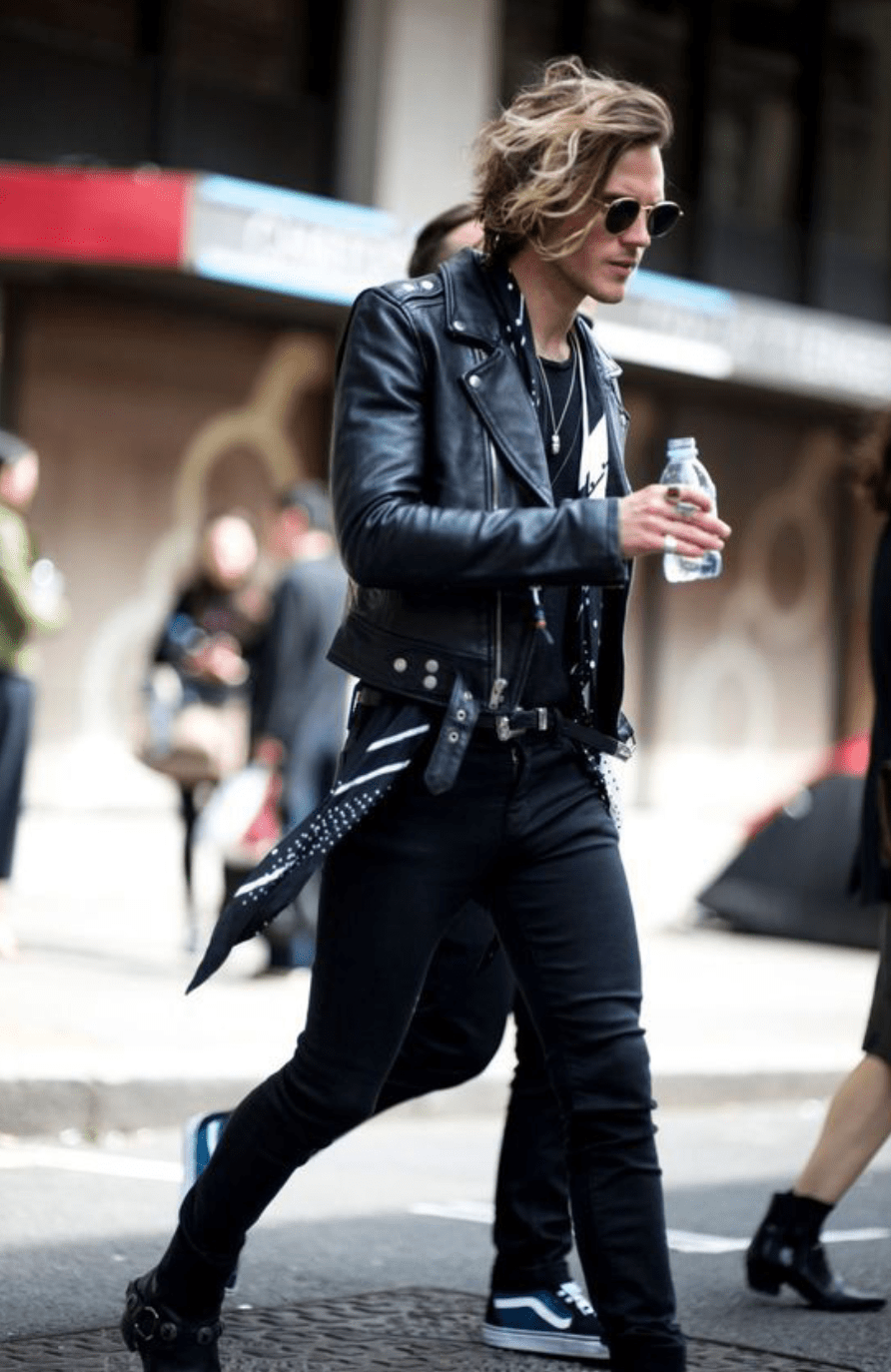
Mostly a leather jacket amd pants. Ripped jeans. Don’t-mess-with-me kind of look.


#7 Sophisticated/classic

Classic.


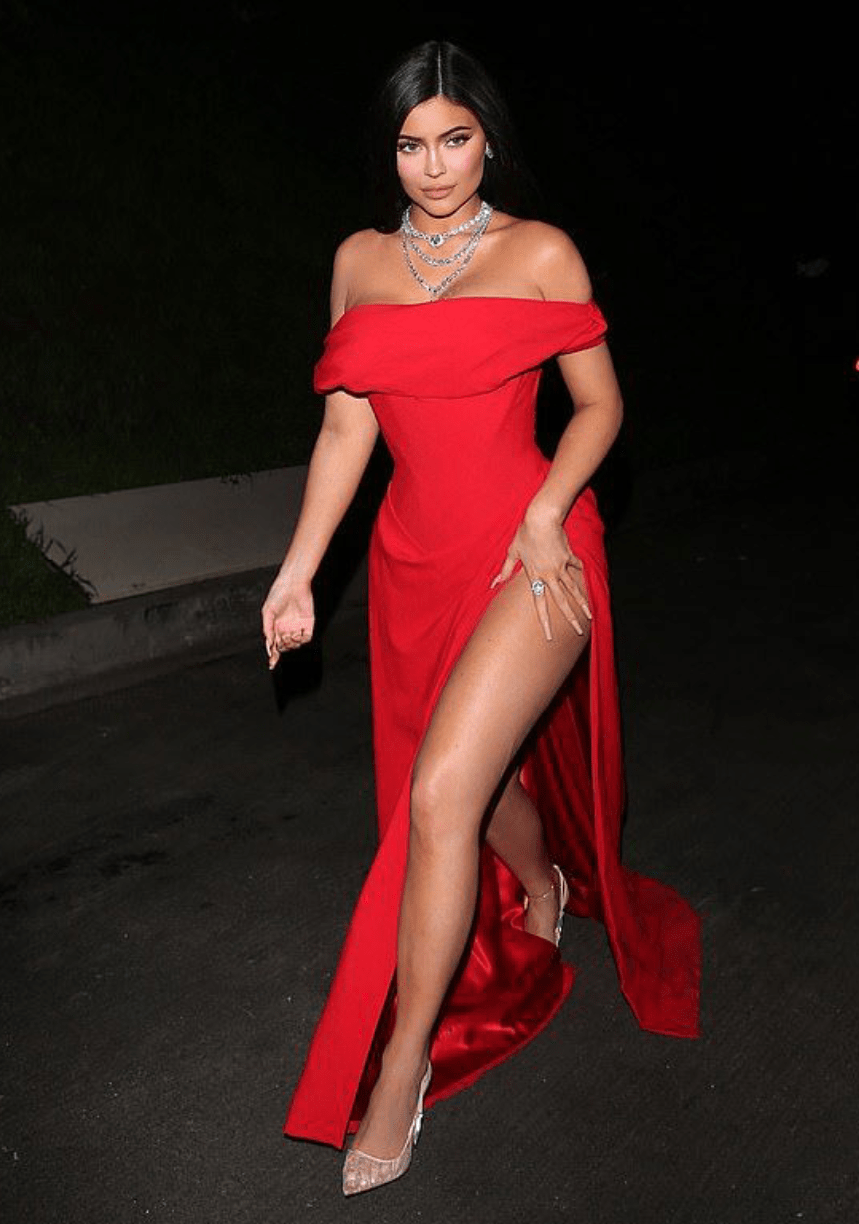
#8 Sexy

Especially for parties. Outgoing type.


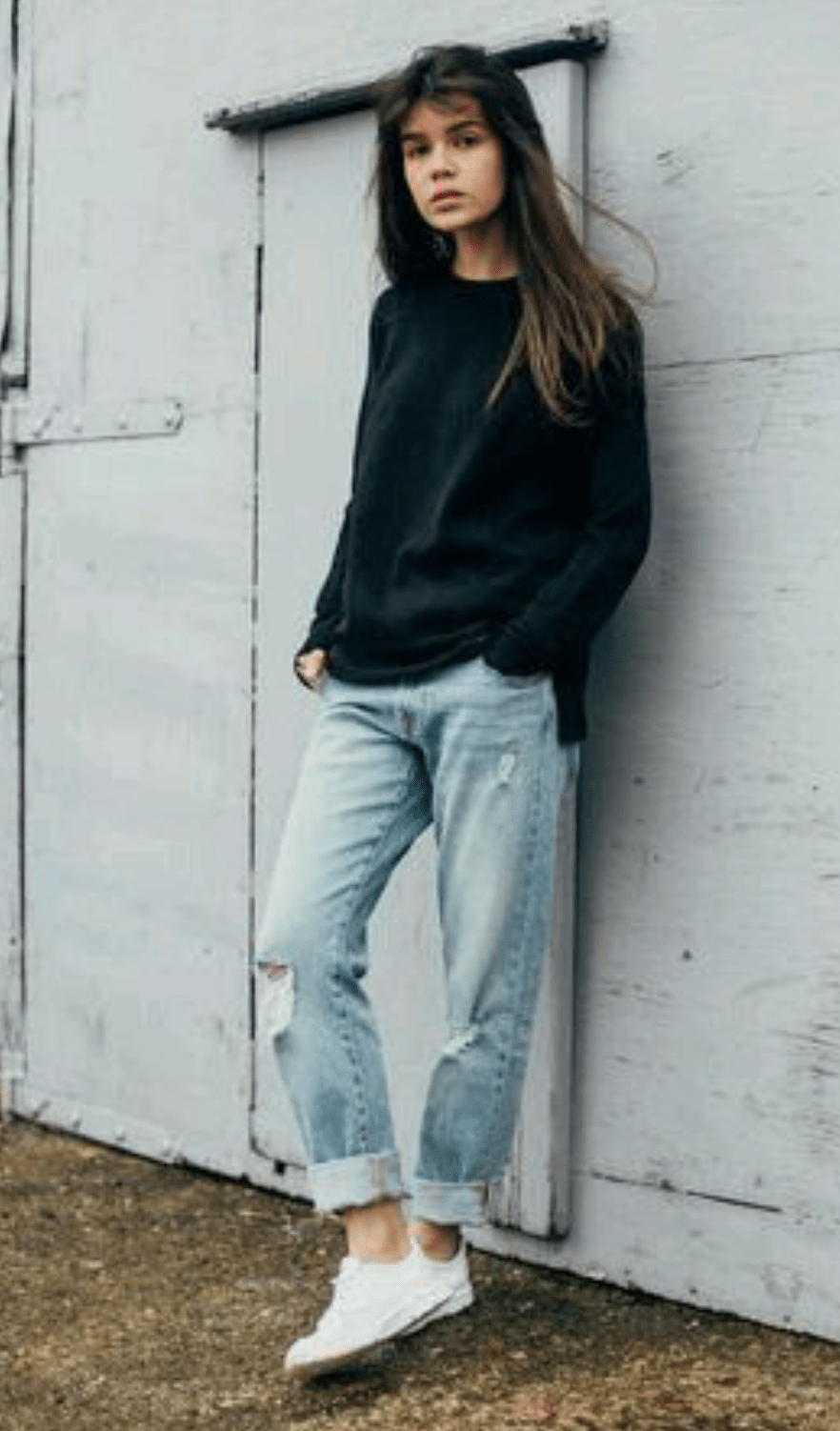
#9 Tomboy

Mostly loose clothes. Boyish, carefree. Billie Eilish’s iconic style.


#10 Vintage

Looks cute. Never goes out of style. Comfortable.

Thank you for reading. Have a nice day!

Beautiful soul is better than beautiful appearence

In today’s world, almost every individual is obsessed with fair complexion. The obsession of fair skin has led the companies producing fairness products to earn profit more than any other business in the market.

The obsession for fair complexion is mostly found in the youth, who waste their money in buying expensive products hoping for a fairer skin but end up harming it.

You must have seen that the matrimonial Columns seem to be incomplete without people showing their desire for fair complexion in their spouse. The colour discrimination leads to alot of mental health issues for many individuals. People commit suicide under societal pressure for fair complexion and outer appearance.

We must understand that “Beauty lies in the eyes of the beholder” and the colour of one’s skin is just concerned with the outer appearance and we cannot judge them because of it.
An individual is beautiful by their heart not by their appearance.