Anniversaries (as of 2019)

150th birth anniversary

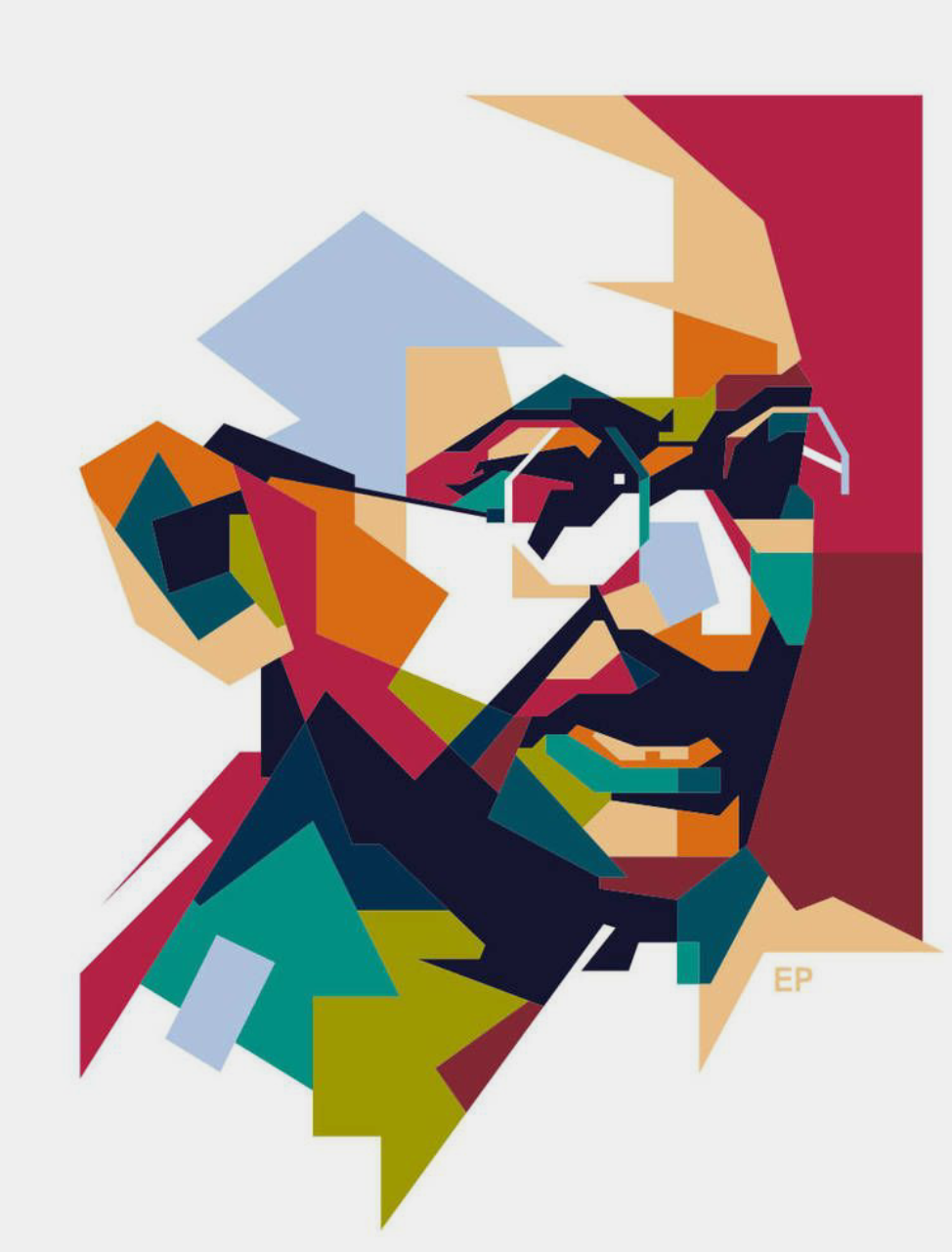
•Mahatma Gandhi, the father of our nation is an inspiring person, who shaped world history. Gandhiji stands out among the great men of the world as a symbol of non violent resistance to political and social repression. Mohandas Karamchand Gandhi was born on October 2nd, 1869 in Gujarat. He became the leader of a movement that attracted millions in the struggle for freedom. He was strong advocate of non-violence. India got freedom on August 15th, 1947. Gandhiji was assassinated on January 30th, 1948.
100th birth anniversary

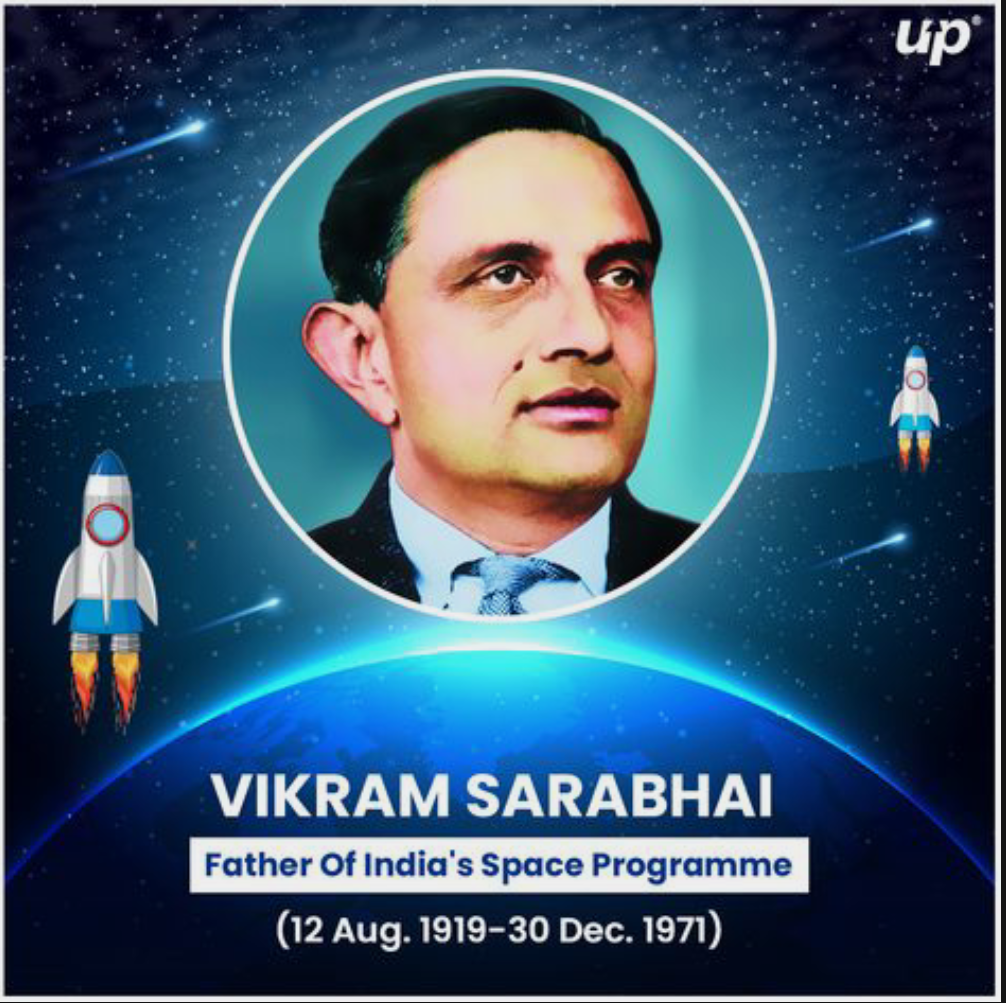
• The year 2019 marks the 100th birth anniversary of Dr. Vikram Sarabhai, the father of the Indian space programme. He was born on 12th August, 1919. Dr. Sarabhai has put India on the international map in the field of space research. In 1962, he became chairman of the Indian National committee for space research. The establishment of the Indian space research organisation, also known as ISRO, was one of his greatest achievements. Dr. Sarabhai died on 30th December 1971.
500th death anniversary

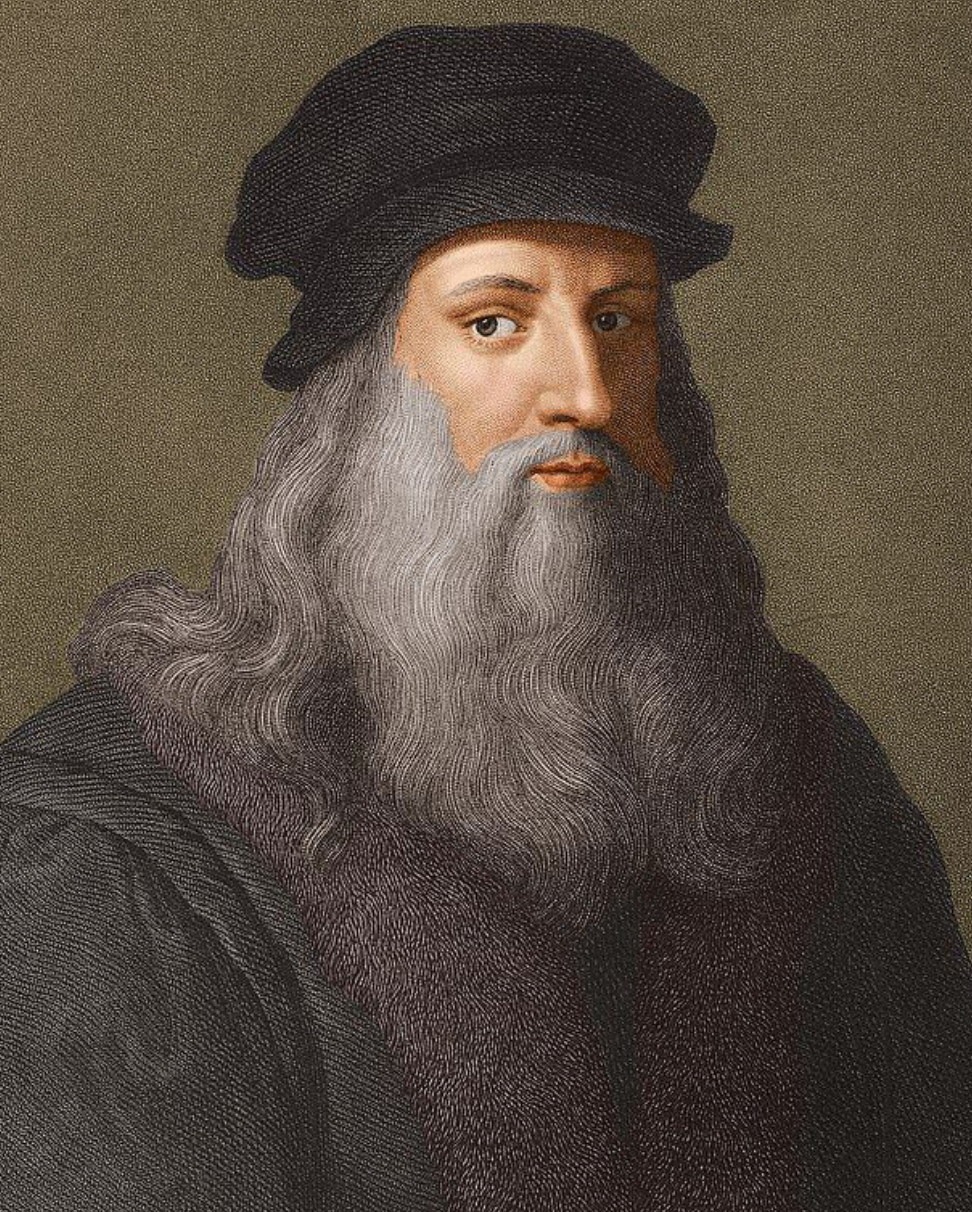
• Leonardo da Vinci was perhaps the most widely talented person ever to have lived. He was a consummate painter and sculptor, a great inventor, military engineer, scientist, botanist and mathematician! He lived during the Renaissance in Italy and while working in Milan as an artist, he began writing texts for his students and apprentices. His notebooks covered more than 1000 pages of observations and illustrations. They remained unpublished for more than a century and were printed only after his death. He was born on April 15th 1452 and died on May 2nd 1519.
150th anniversary

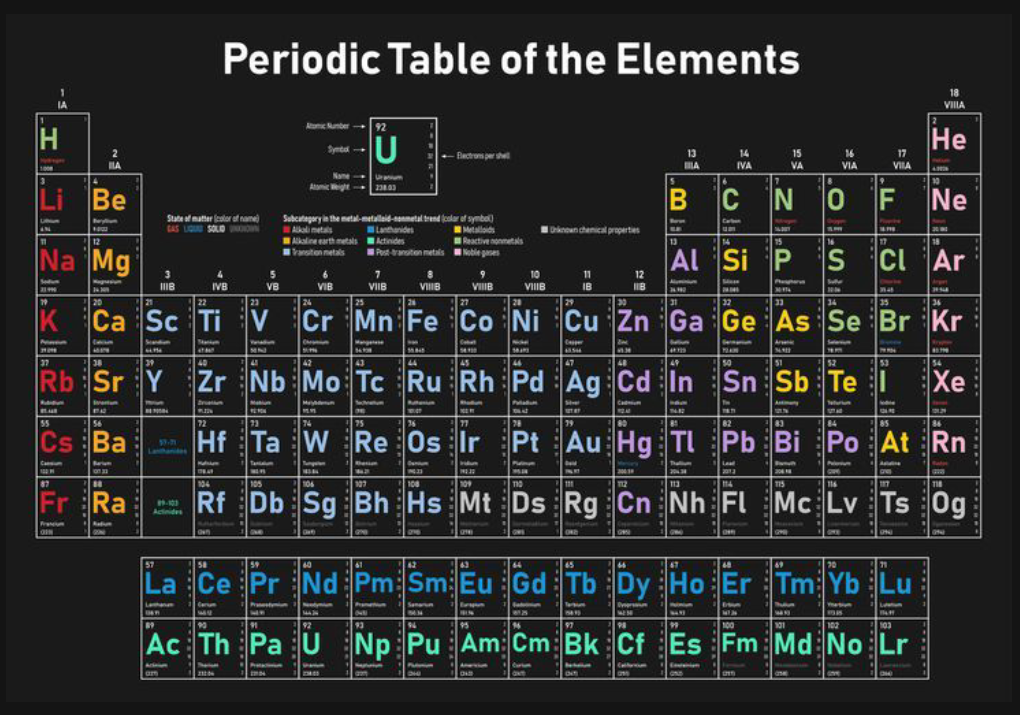
• The period table gives us information about element symbols and atomic weights. It brings order to information about the chemical elements and helps chemists to understand why elements react as they do. The milestone in the development of the periodic table was set by the Russian chemist Dmitri Mendeleev in 1869, who is acknowledged as the ‘father’ of periodic table though the title is also claimed by the German scientist Lothar Meyer. Today, the periodic table organizes the elements by order of increasing atomic number.
150th year of publication

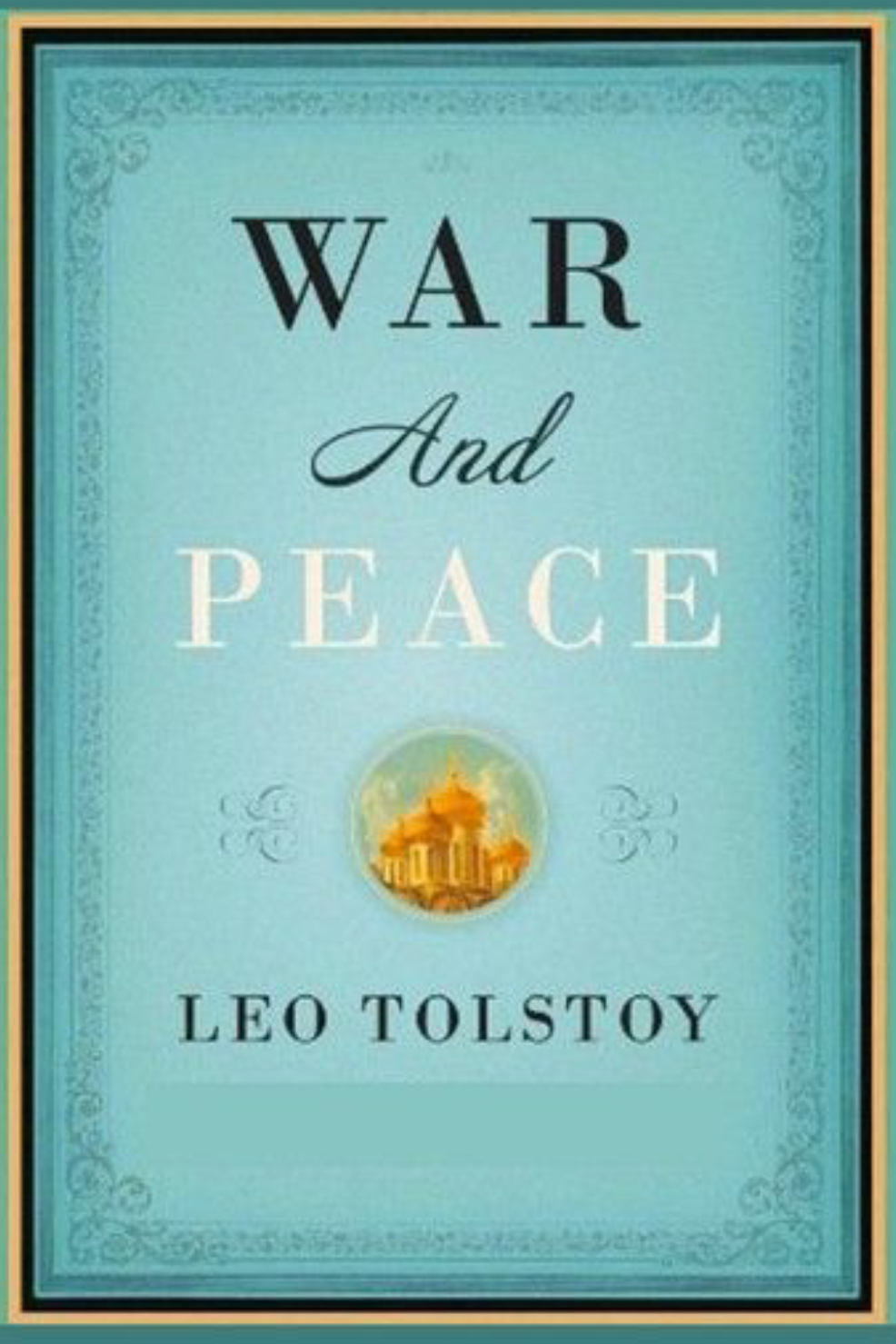
• 2019 marks the 150th year of one of the greatest novels ever written – Leo Tolstoy’s ‘War and Peace’. This classic work from Russia was first published in the book form in 1869. Tolstoy took almost 7 years to finish this epic work and a Russian magazine named ‘Messenger’ serialised some portions of it during 1865-67. But the full novel came out as a book only in 1869. The story woven around Napoleon’s invasion of Russia covers a period of over 15 years. The unique literary style and the historical context make ‘War and Peace’ a monumental work.
125th year of publication

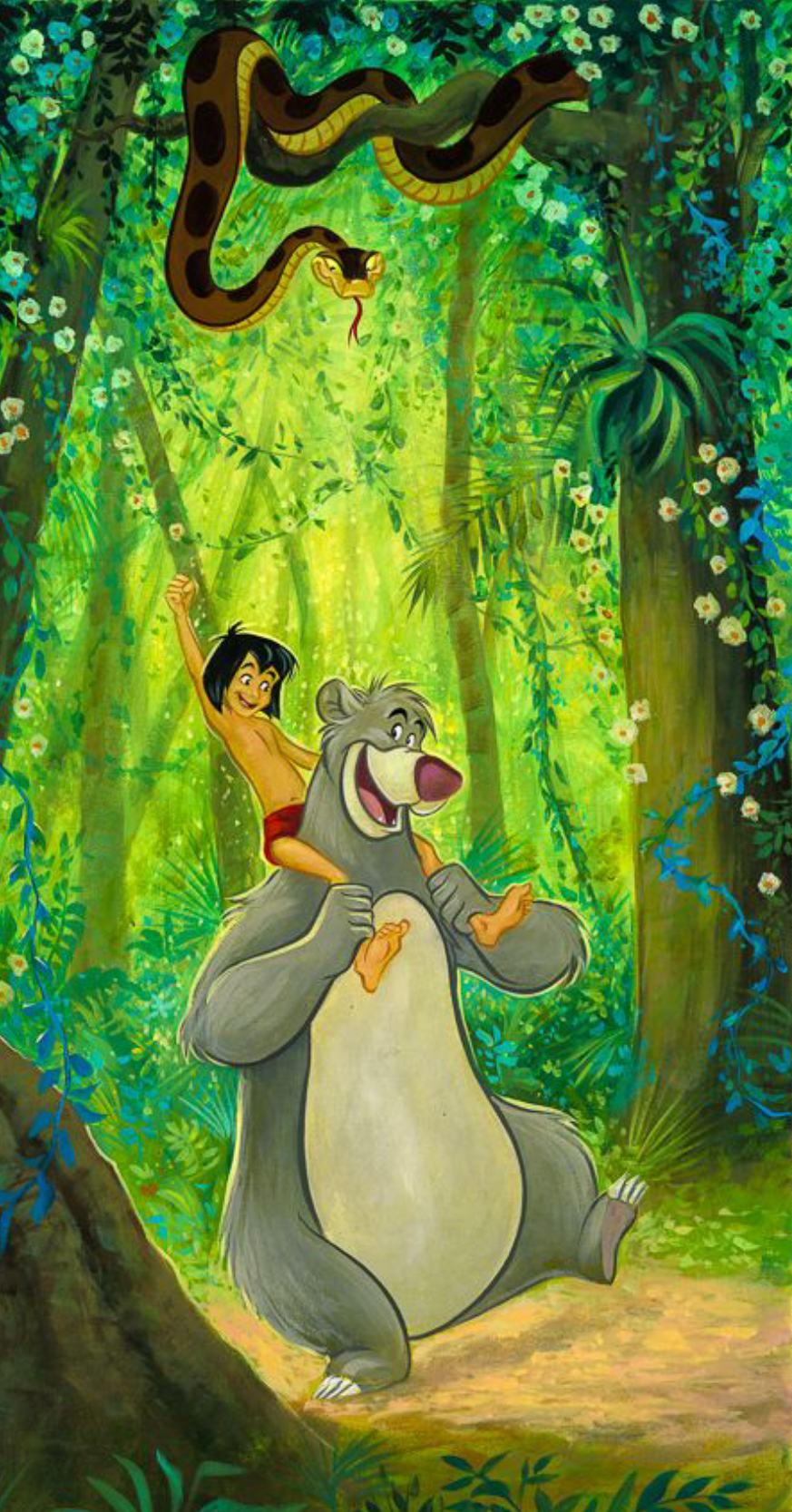
• Is there anyone who isn’t familiar with the famous character ‘Mowgli’? Hopefully none. The main character of the evergreen ‘Jungle Book’, a collection of stories written by Rudyard Kipling is a huge part of our childhood. ‘The Jungle Book’ was first published in 1894.
100th anniversary

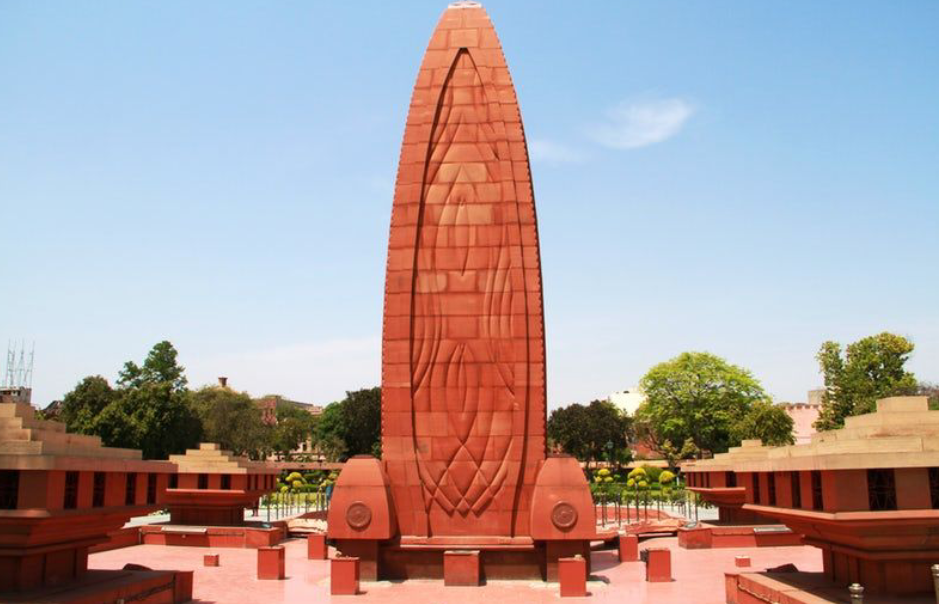
• The Jallianwala Bagh massacre was a turning point in our freedom movement. The British troops under the command of Colonel Reginald Dyer, opened fire on unarmed Indians on 13th April 1919. This event took place in the heart of Amritsar. Hundreds were killed and thousands injured. This was followed by widespread protests across a grieving country. Many Indians became convienced that the British had to be paid back in their own coin that violence has to be met with violence. The 100th anniversary of that cruel incident fell last year.
300th year of publication

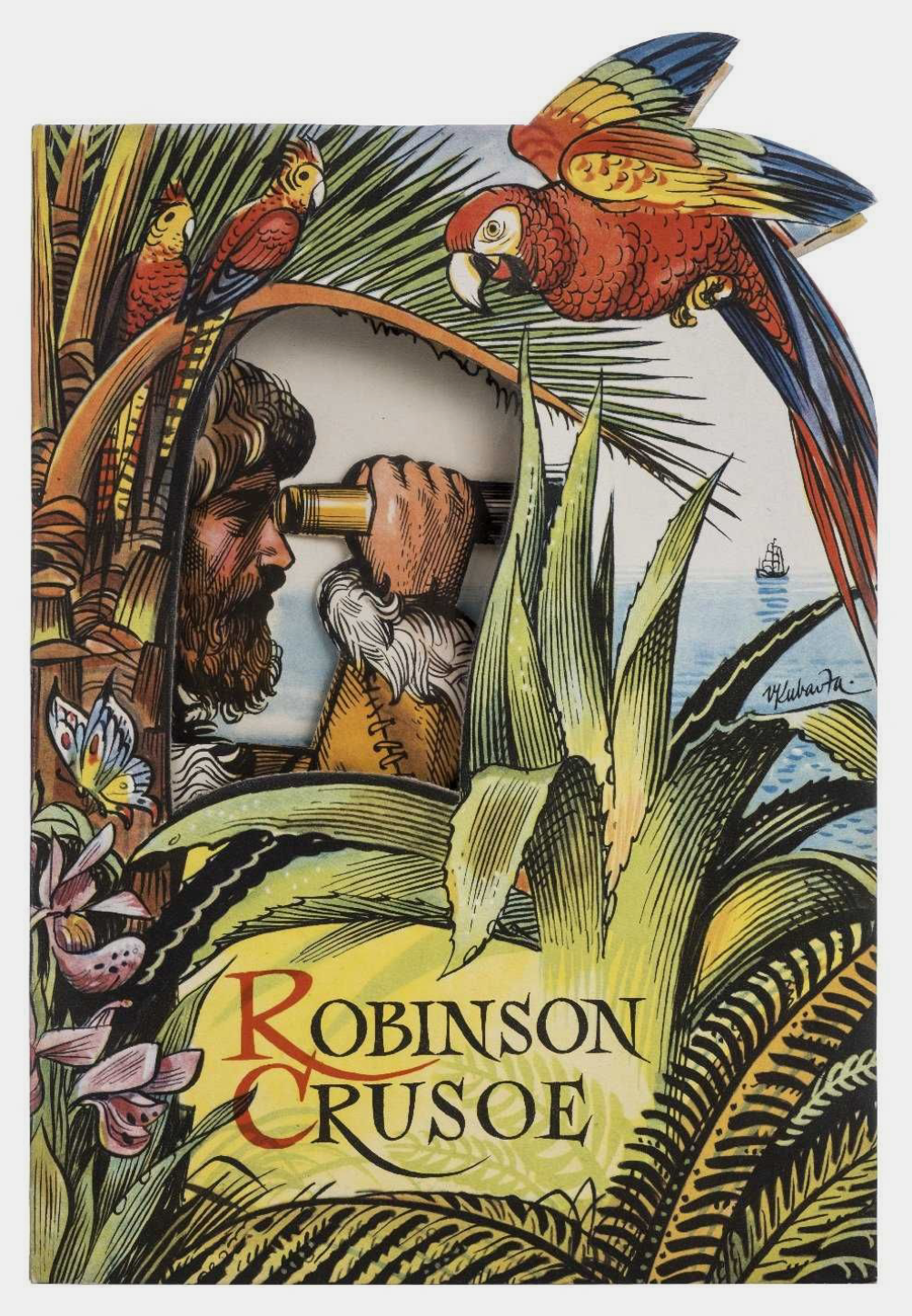
• Daniel Defoe’s ‘Robinson Crusoe’ has fascinated readers around the world for the last 300 years. Daniel Defoe was an English writer, famous for his novel Robinson Crusoe that was published in 1791. One reason for it’s popularity is that it us packed with excitement and adventure, with sailing ships, stormy seas and guns. Without doubt, Defoe’s ‘Robinson Crusoe’ established a realistic style of fiction and set the tone for modern novels.
Thank you for reading. Have a nice day!🌼
Small yet distinct

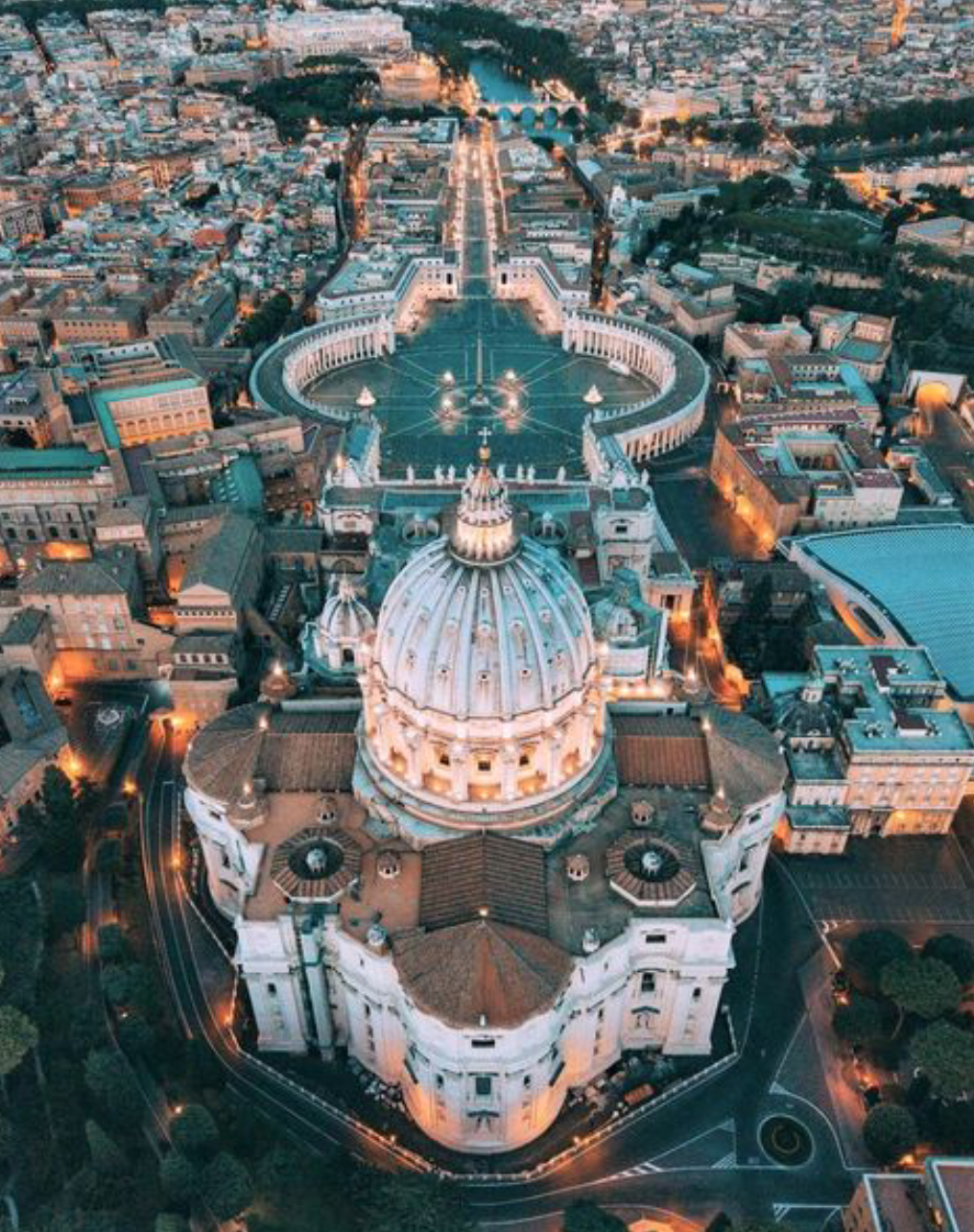
The word ‘country’ makes one think of a large land mass. However, not every country is huge. There are some countries that are really small in size. They are so tiny, that some of them can even be covered by foot! Some of these countries can fit entirely within the city of another country. The smallest country in the world, the Vatican City, for example, can fit into the city of Rome, capital of Italy. Many of these countries are only small in size. With their wealth and natural resources, they can even compete with any of the larger countries. So, here’s a showcase of some of the small, yet distinct countries.

• Vatican City

Vatican City is the world’s smallest fully independent nation state. It is also the smallest by population. Situated on the western bank of the Tiber river, the Vatican City’s 3.2 kilometre border is landlocked by Italy. The Vatican City has served as the official home of the pope of the Catholic church since 1377. However, Vatican City was not declared an independent state until the Lateran treaty of 1929 which created the independent state of Vatican City for the Catholic church. Today nearly 75% of the Vatican’s citizens are members of the clergy. Along with the centuries old buildings and gardens the Vatican maintains its own banking and telephone systems post office pharmacy newspaper and radio and television stations. Its 600 citizens include the members of the Swiss guard a security detail charged with protecting the Pope since 1506. The most significant building in Vatican City is Saint Peter’s Basilica. It is the Italian language that is used by most of those located within the state however the official documents are written in Latin.

• South Korea

Compared to the giants of Asia like India and China, South Korea is much smaller in size. Its total area is 100,032 square kilometres. South Korea has one pf the most homogeneous populations in the world which are thought to be descended from several Mongol tribes that migrated from central Asia. Tourism is a fast growing industry in South Korea.

• Portugal

Portugal is a sovereign state in Western Europe. It comprises of the continental part of Portugal on the western coast of the Iberian Peninsula and the small archipelagos of Madeira and the Azores in the Atlantic Ocean.

• Hungary

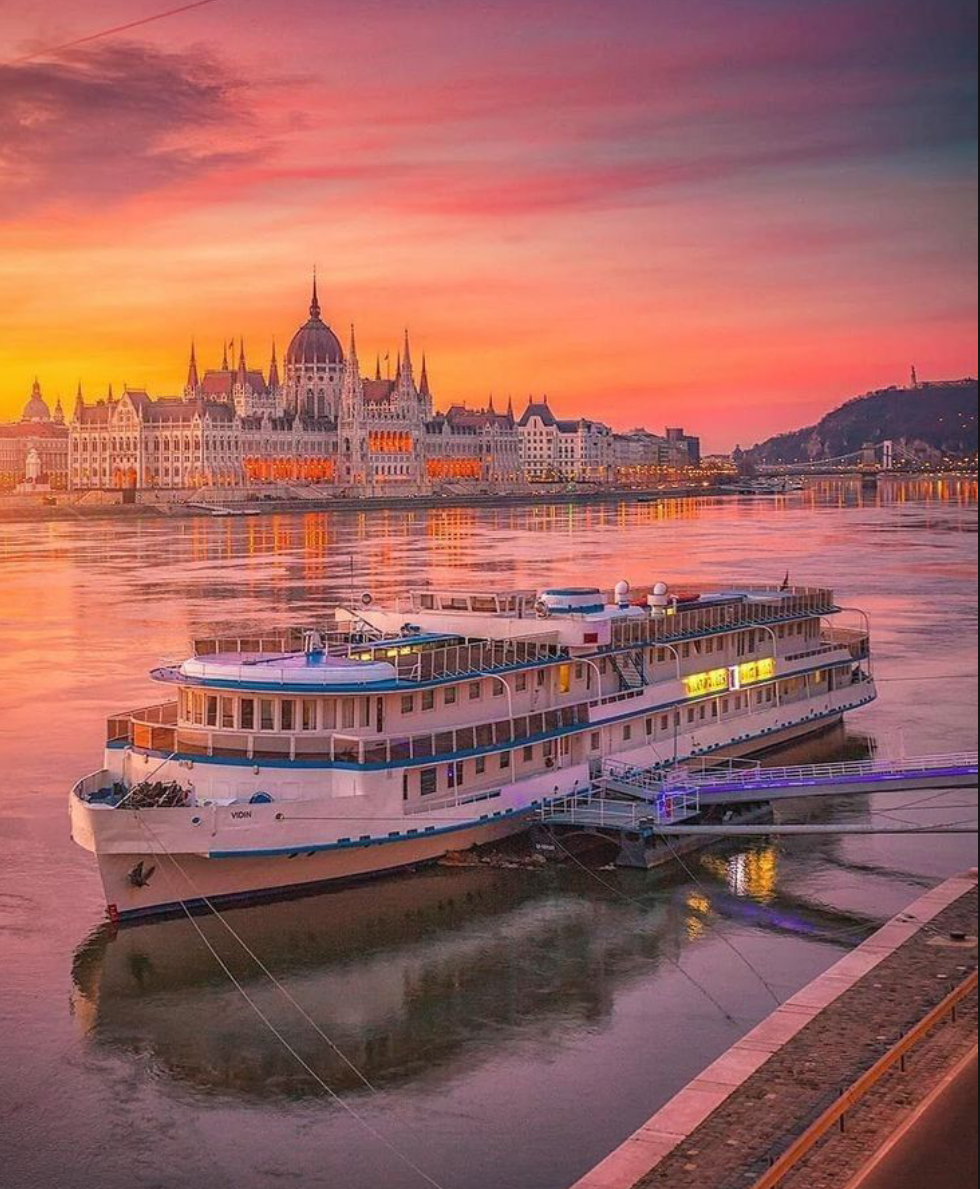
The name “Hungary” may very well come from the medieval Latin word ‘Hungaria’ which translates as “Land of Huns”. Another source states that the name is derived from the Turkish words on ‘Ogur’ meaning ‘ten arrows’ or ‘ten people’

• UAE

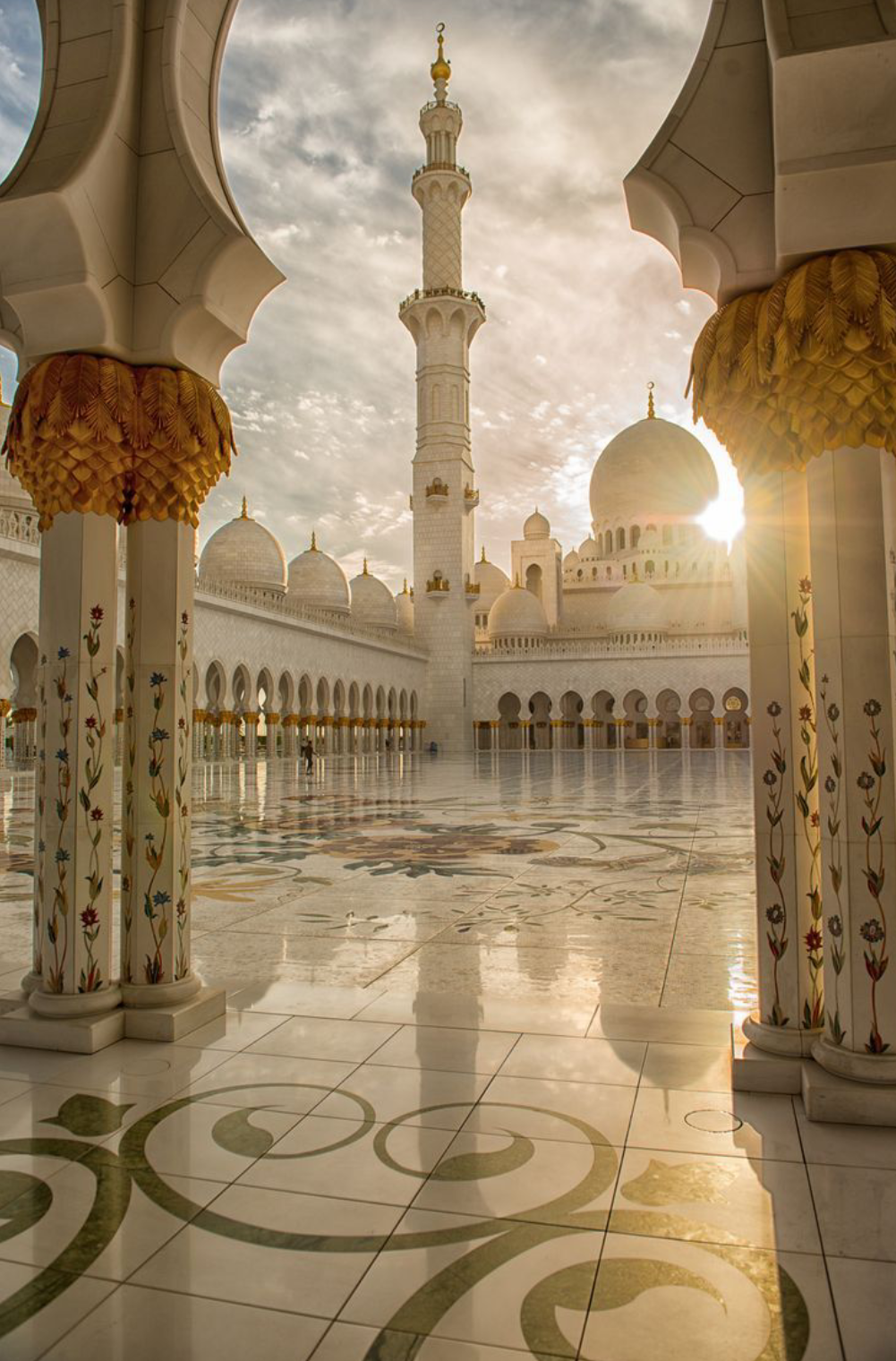
The United Arab Emirates is a constitutional federation of seven Emirates; Abu Dhabi, Dubai, Sharjah, Ajman, Umm al-Quwain, Ras al-Khaimah and Fujairah. The federation was formally established on 2nd December, 1971. The UAE’s oil reserves are the seventh largest in the world while its natural gas reserves are the worlds seventeen largest. The Dubai police fleet includes Lamborghini, a Ferrari and a Bentley. This is to allow them to catch speeders who can outrun other cars.

• Dominican republic

The island of Hispaniola, the second largest island of the Antilles in the Caribbean contains two separate countries, the Dominican republic and Haiti. The Dominican republic is the only country in the world to have an image of the Holy Bible on its national flag.

• Panama • Georgia • Ireland • Iceland • Sri Lanka • Costa Rica • Bhutan • Switzerland • Belgium • Israel • Fiji • Qatar • Jamaica • Singapore • Maldives …to name a few others.

Thank you for reading. Have a nice day!🌼
Mysteries (II)

Part one was : http://eduindexnews.com/2020/09/14/bermuda-triangle-and-other-mysteries/

• Indian rope trick

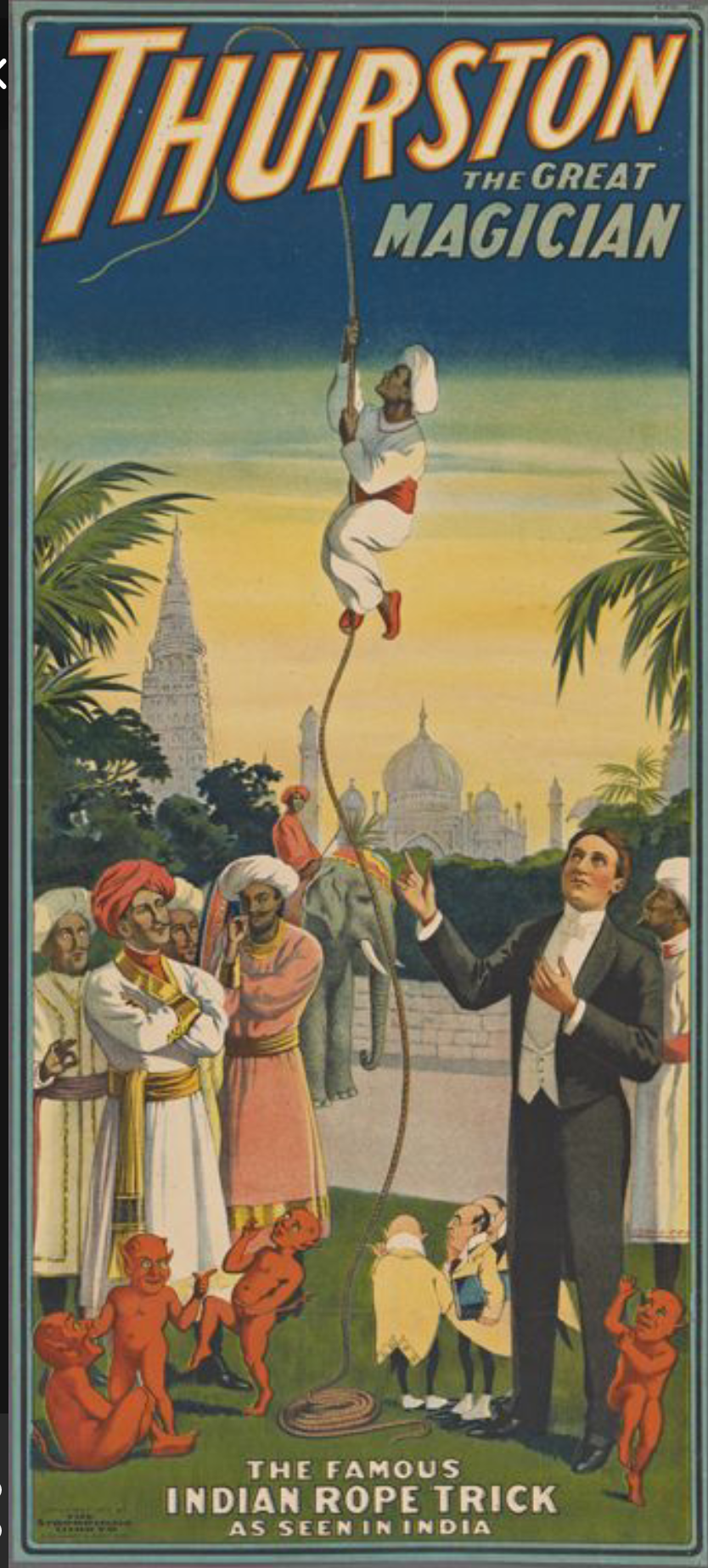
India is a land of countless mysteries that have puzzled the rest of the world. Perhaps the most enduring of these mysteries is that of the ‘Indian rope trick’. In the classic version of Indian rope trick, a rope is thrown into the air where it remains rigid. A young boy then climbs the rope, only to disappear at the top. The performer quickly follows him only to disappear when he reaches the top of the vertical rope! Shortly after, pieces of the boy’s body fall from the sky and land on the ground at the bottom of the rope. A few seconds later, the performer is seen climbing down the rope with a blood stained knife in his hand. On reaching firm ground, the performer utters a magic word and the rope falls limp to the ground. He then gathers up the pieces of the boy’s body and bundles them under a sheet. Within seconds, the sheet is lifted and the boy appears completely whole and unharmed! Travellers to India have described this amazing trick for over 600 years, but there is considerable doubt as to whether the trick is fact or fantasy.

• Shroud of Turin

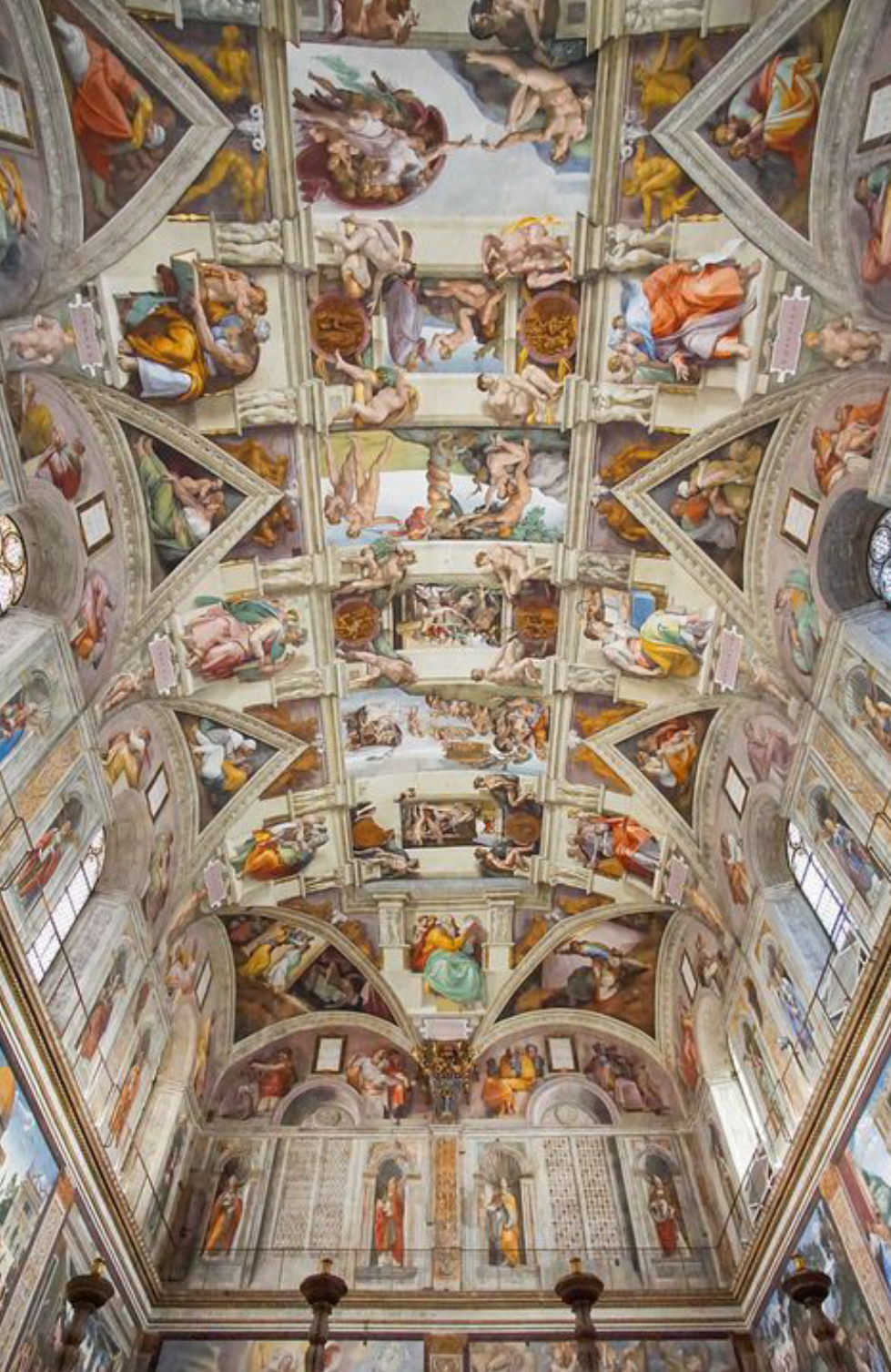
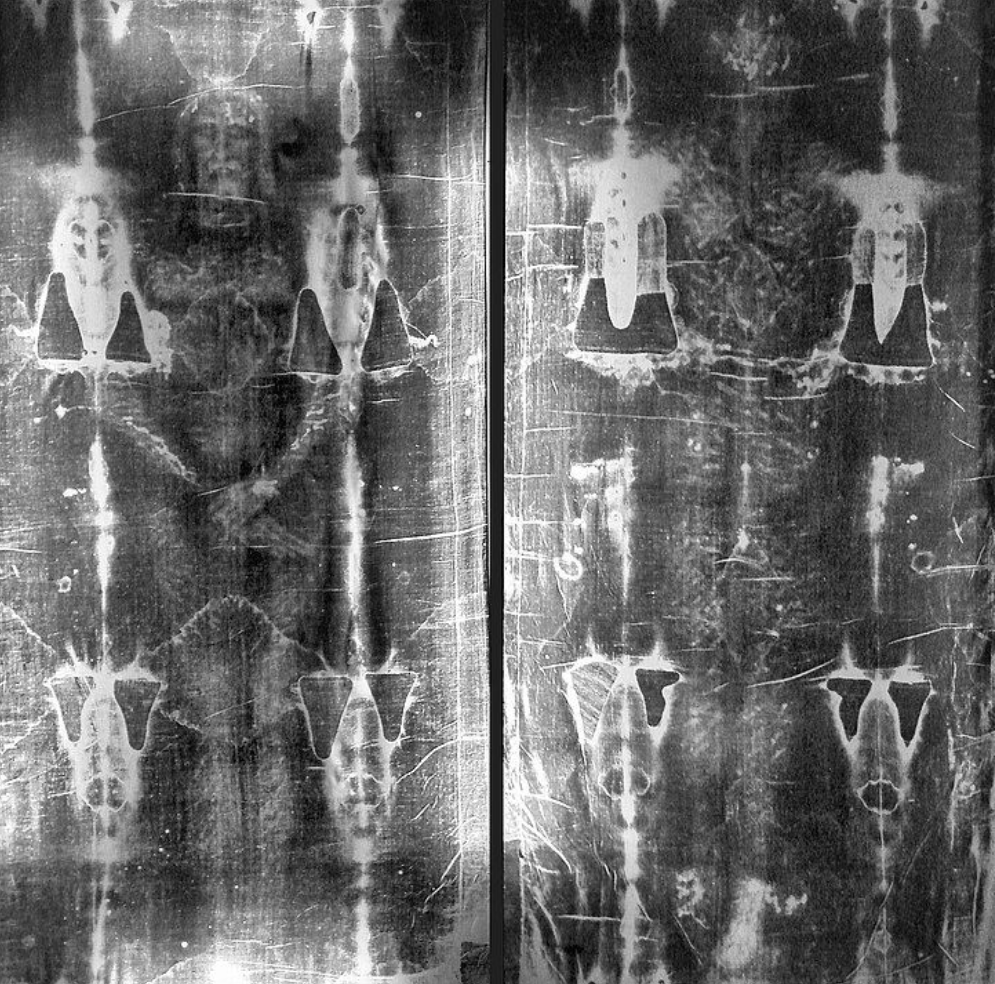
The shroud of Turin is reputedly the cloth in which Jesus Christ was wrapped and buried. The shroud is 4.34 meters long and it bears the image of a man with wounds similar to those suffered by Jesus Christ. The shroud is unquestionably old. Its history is known from the year 1357, when it surfaced in the tiny village of Lirey, France. Today, it is kept in a silver chest in the Cathedral of Saint John, the Baptist in Turin, Italy, where it has been since 1578.

Does the shroud really show the face of Jesus? No one really knows. Although, many scientists have expressed doubts about the accuracy of the image, millions believe it to be divine and it has been a religious relic since the middle ages.

• Loch Ness monster

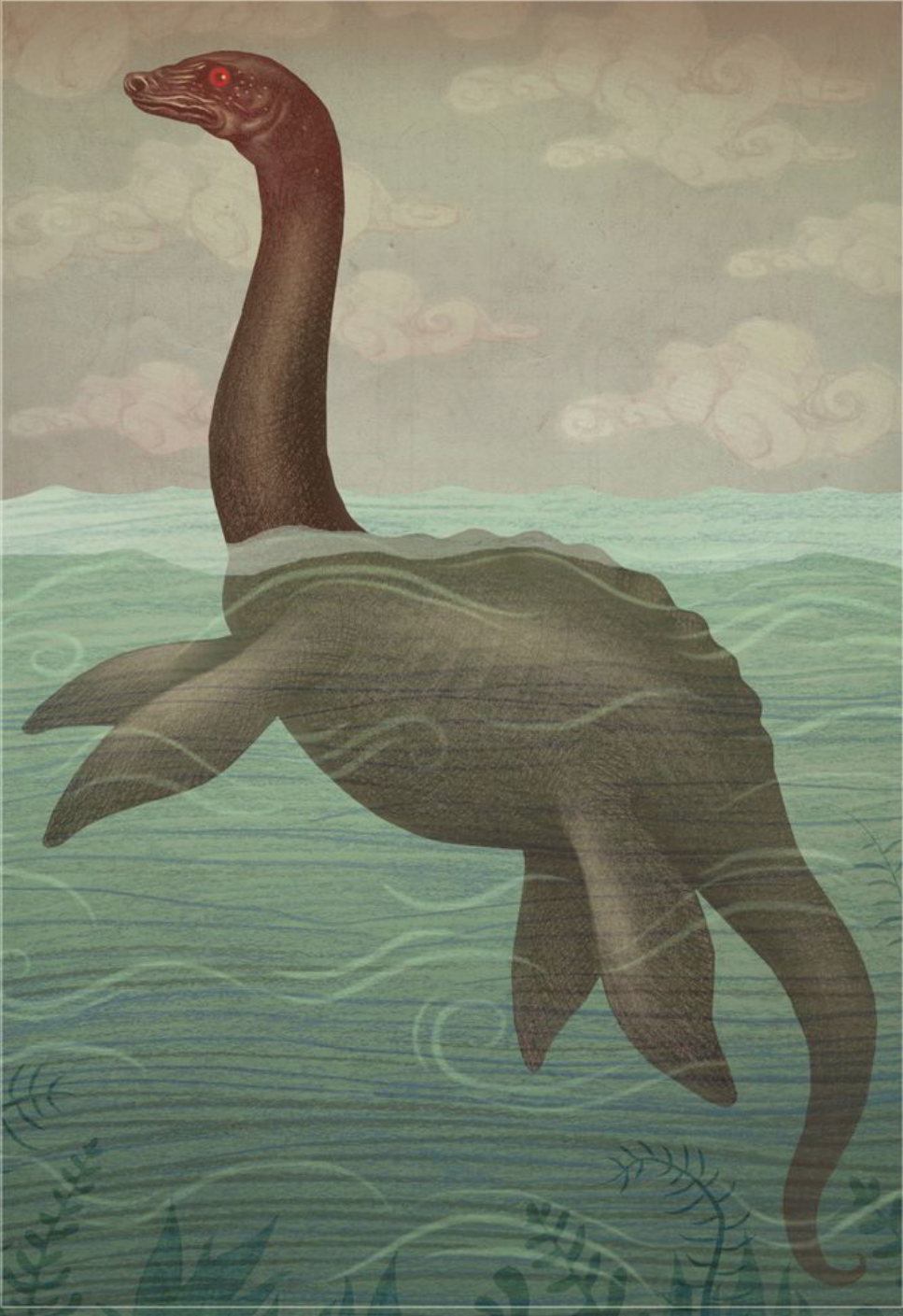
As far back as the 17th century, people have reported seeing a monster in the Loch Ness in Scotland. Loch means lake in Scotland. This is the largest freshwater lake in the UK. But, rather than being known for its size, it is famous for the mysterious legend of the Loch Ness monster or Nessie.

For thousands of years, people have reported catching glimpse of a huge creature. This creature is said to have a small head, a long neck and an immense body with flippers. Some people have shared photos they claim to have taken of this huge creature. The legend is so great that even scientists have been intrigued and many have conducted experiments and come up with theories to try and explain what people could be witnessing.

One explanation is that the monster could be a prehistoric creature called plesiosaur, an animal that has been considered to be extinct. Maybe one of these creatures managed to survive in the Loch Ness Lake, who knows?

Thank you for reading. Have a nice day!🌼
Curiosity (science)

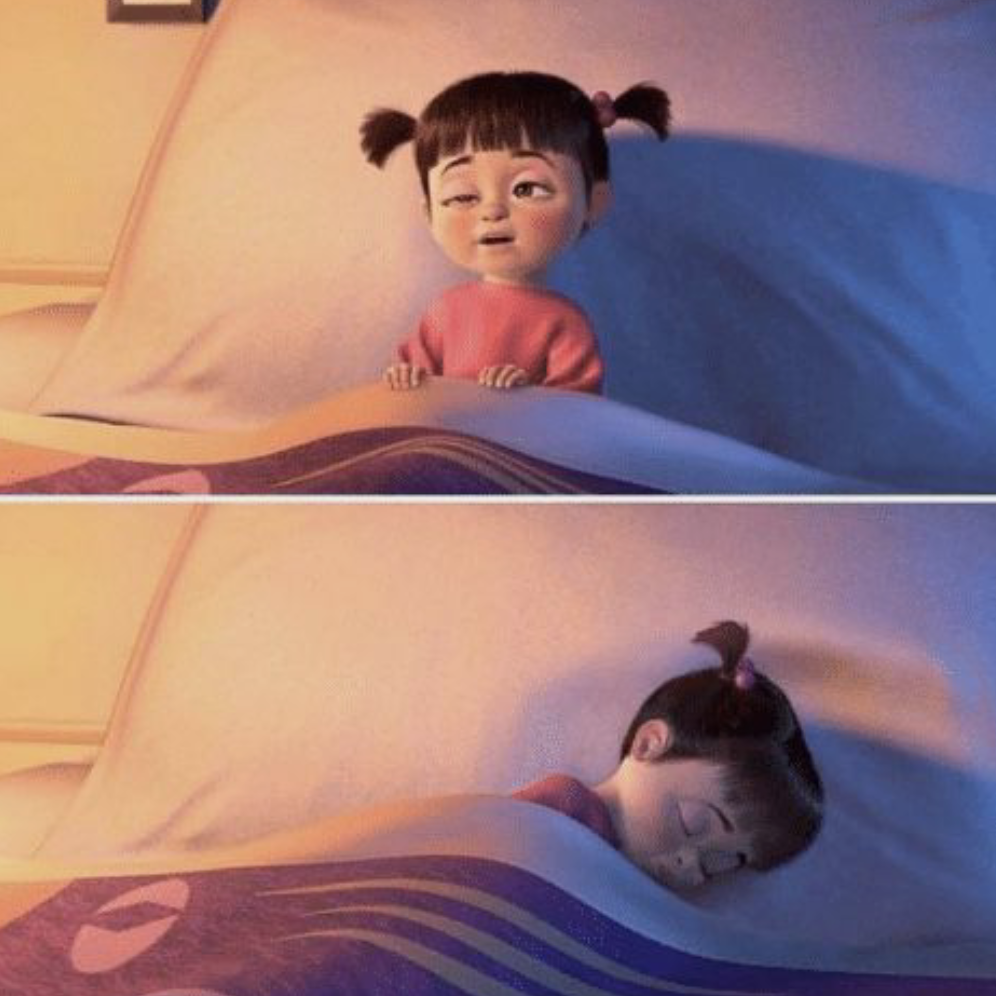
• Why do we wake up from sleep?

Sleep is essential to give the brain and nerves some rest. While we sleep, our bodies too, get a chance to recover from the fatigue caused by daily activities. When we are well rested, both physically and mentally, we wake up. Sometimes, we wake up because we feel cold or hungry or because a bad dream has made us afraid.

To sum up, we all have an internal body clock that tells our brain to wake our bodies up after a certain amount of time. However, some things or situations such as noise, temperature in the room or sunshine interrupt our sleep and wake us up too.

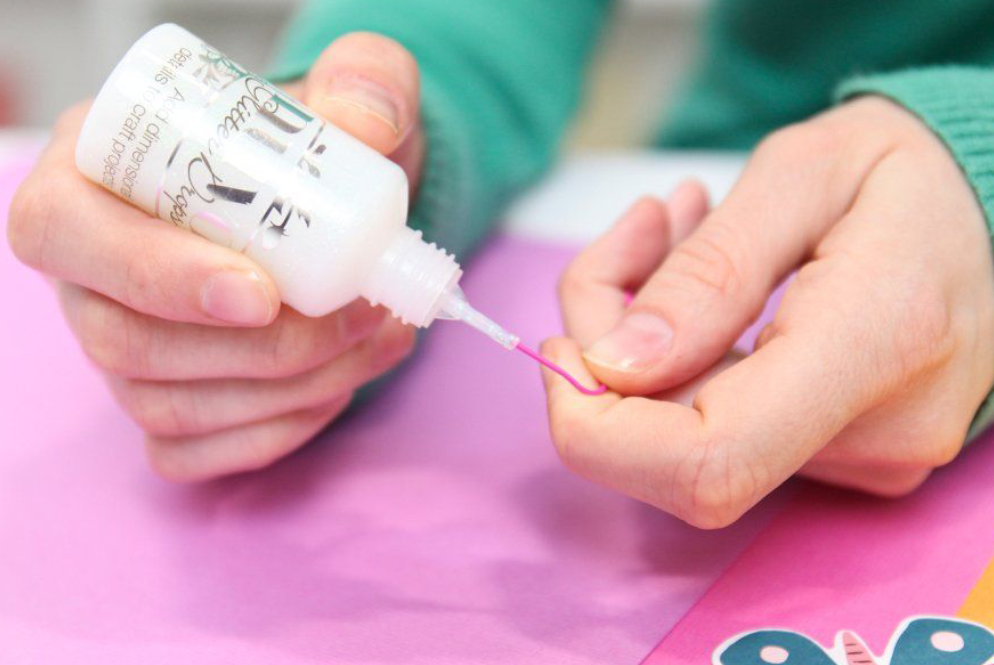
• Why doesn’t glue stick to the insides of the bottle?

The regular white glue that we use is made up of a variety of chemicals that are either sticky or stretchy. White glue also contains water. Water acts as a solvent that keeps the glue liquid until you want it to stick. When you put glue on a piece of paper, the water in it is exposed to air. The water eventually evaporates and as it does so, the glue dries and hardens and holds the things that need to be glued, stuck together.

When the glue is inside the bottle, there’s not enough air inside the bottle to cause the water to evaporate to make the glue sticky. The bottle protects the glue from the air and keeps the glue runny. This is also why if you’ve ever left the top off a glue bottle for a while, the next time you try to use the glue, it would have dried up.

• Why do the lights of a distant town appear to twinkle?

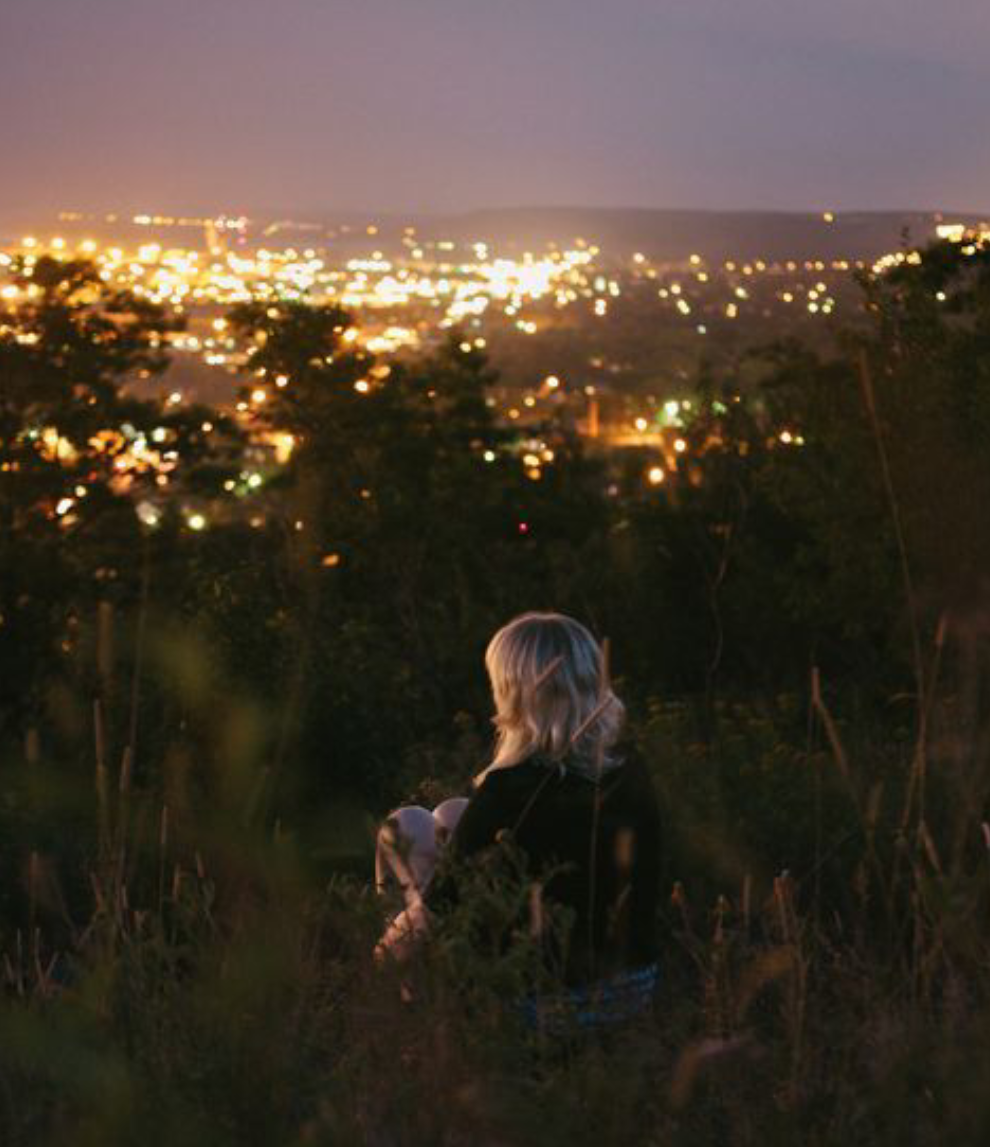
When you are traveling at night, the lights of towns in the distance appear to twinkle. This is because of the constant movement of air above towns. The air above towns is warm, as a result of the heat given off from buildings. Warm air keeps moving up to be replaced by cold air which then gets heated and rises. This constant movement of air is known as turbulence.

When we are near a town or in it, we don’t notice the turbulence because it is quite small and the lights are nearly. However, when we are some distance away, the lights are far away too. They appear as only pinpricks. The warm and cold air that make up the turbulence above the town have different densities and light passing through the layers is bent at different angles because of this difference. As a result it appears as though the lights of the distant town are twinkling.

• Why do clouds have different shapes?

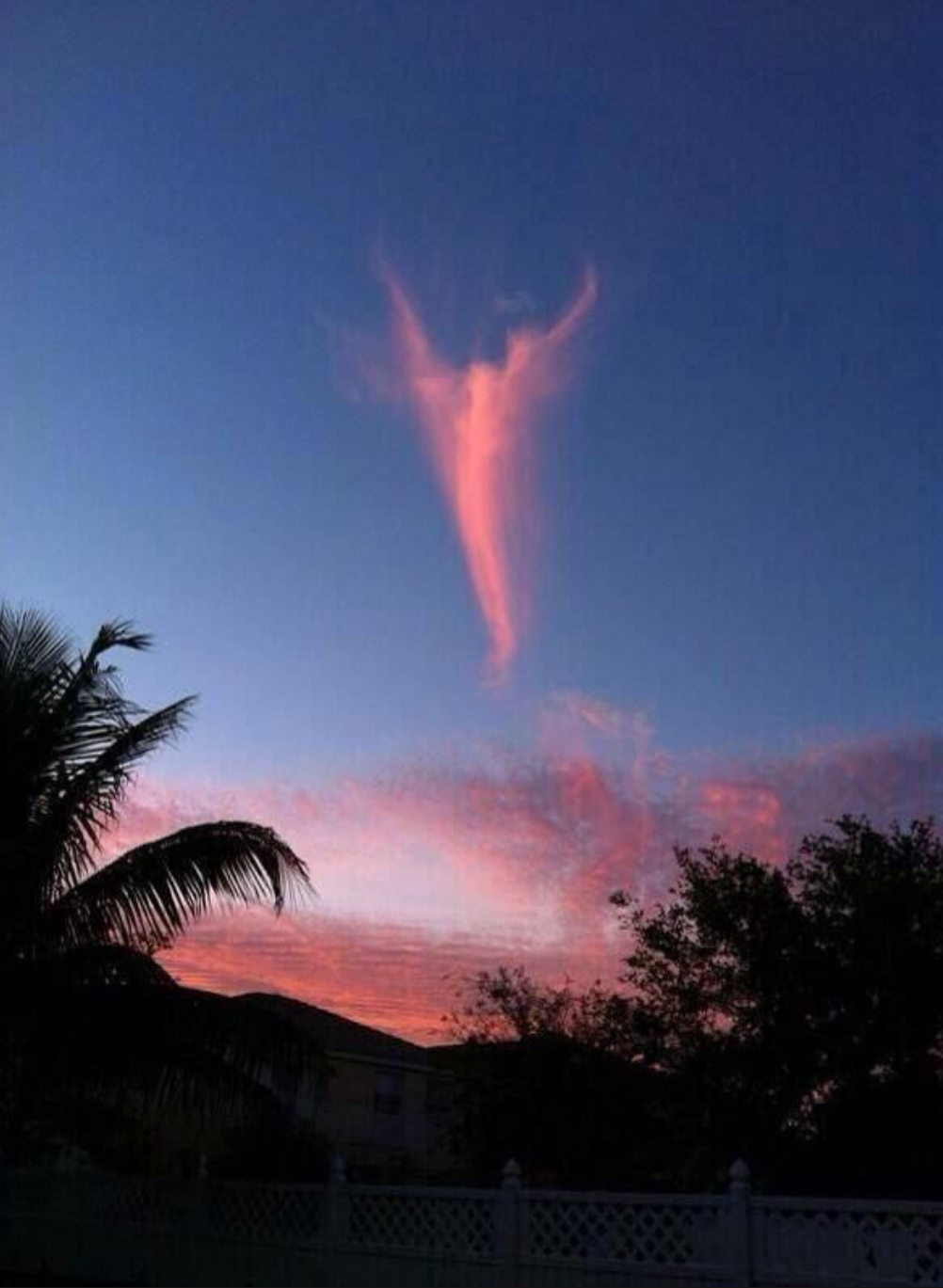
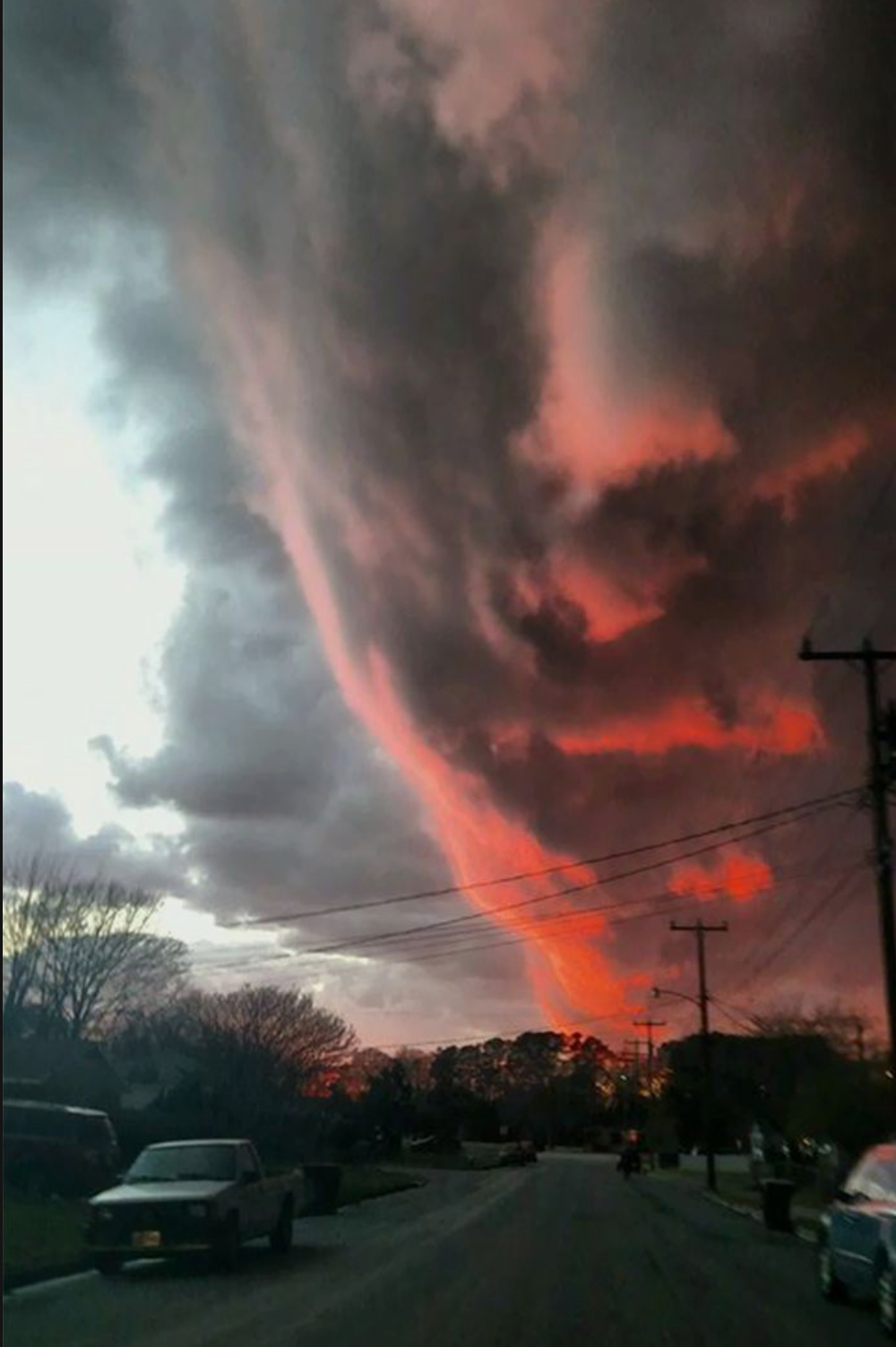
Clouds are made up of tiny droplets of water vapour or ice particles or both. The shape of the cloud depends on its height and temperature. Cumuliform clouds are shaped liked mushrooms and are formed when rising warm air cools as it goes up. Stratiform clouds come in flat, dull layers and are formed when air sinks in a high pressure area, creating a layer of cold air near the ground that doesn’t rise or rises only very slowly. Cirriform clouds are clouds that have risen on a front or tropical cyclone and frozen into ice crystals at very high altitude. They look like thin hair. The shape of cloud also depends on the time of the day.

Towards evening, clouds tend to be thinner and flatter than during daytime. Changes in wind patterns also change the shapes of cloud.

Thank you for reading. Have a nice day!🌼
Curiosity (animals)

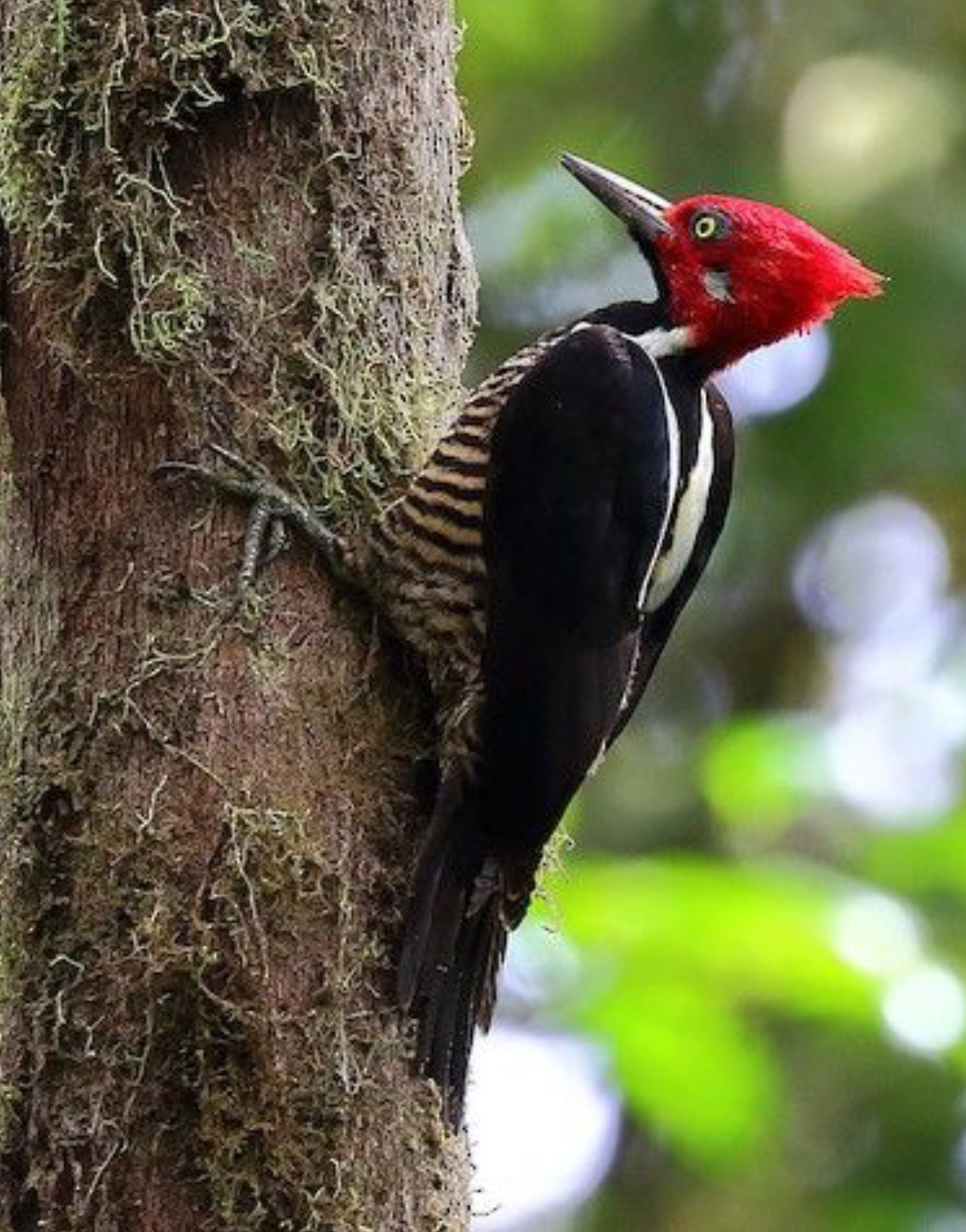
• Why don’t woodpeckers get a headache?

Have you ever seen woodpeckers striking trees with its long beaks? Woodpeckers hit the trees 20 times per second. Yet they don’t get a headache or any other head injury. The reason for thus is that woodpeckers are born with a helmet for the brain, which is formed of strong, thick muscles and sponge like bones in their skull. A woodpecker’s body too is specially designed to absorb the impact of the hit.

A millisecond before a woodpecker’s bill strikes on a tree dense muscles in the neck contract. Some of the force radiates down the neck muscles and protect the skull from a huge impact. A compressible bone in the skull offers a cushion effect too.

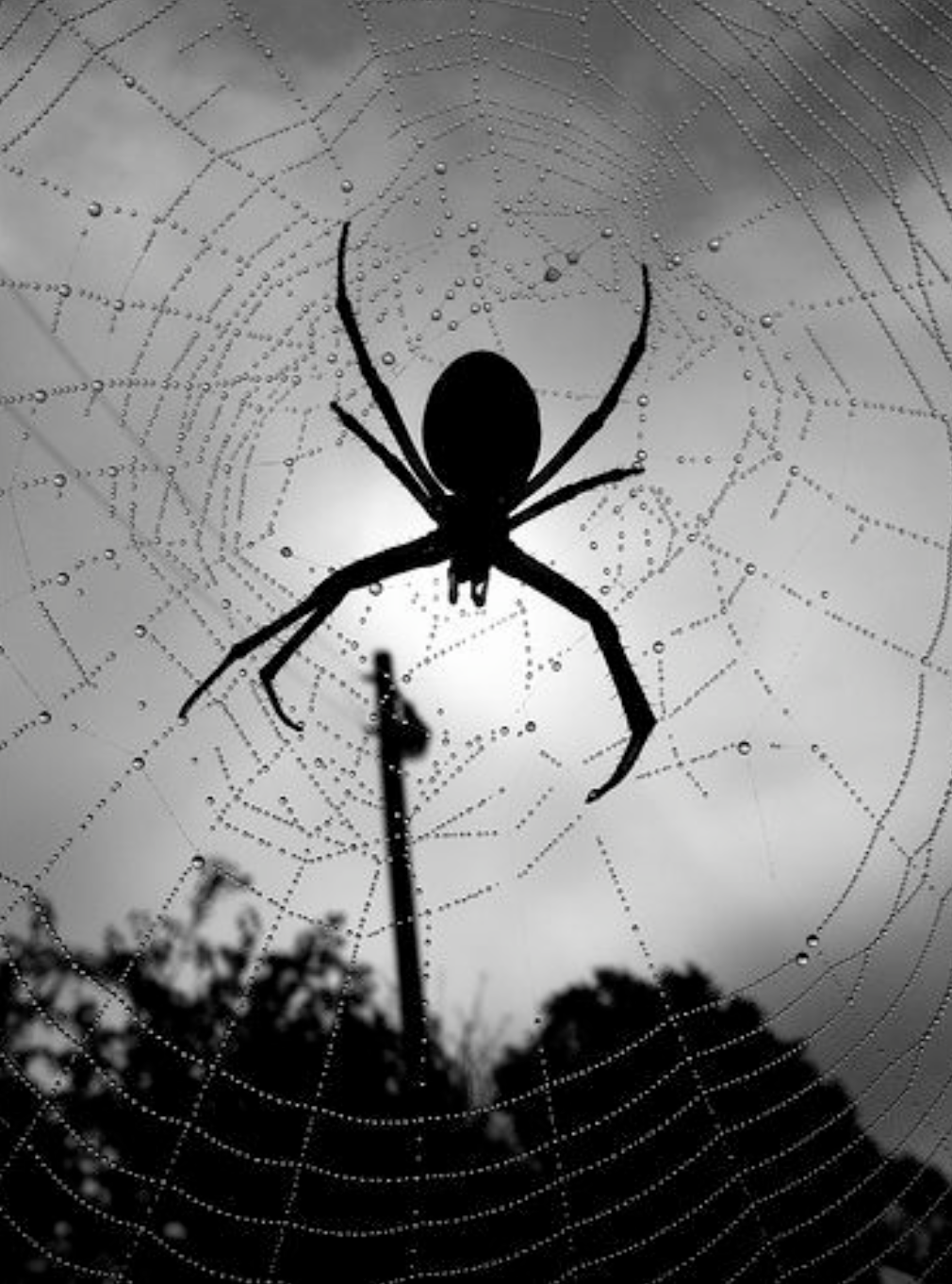
• Why aren’t spiders caught in their own webs?

Spiders spin their webs in a circular pattern that is spotted with sticky glue. When an insect brushes against these drops – each thread can carry several dozen per millimetre – it gets stuck and the spider rushes over to inject it with venom or cocoon it in silk. The question of course is how does the spider escape its own glue tracks? The answer lies in the fact is that the web is the spider’s home and it knows its way around the glue traps. There are some threads in the web that have no glue on them and the spider is careful to move only on these threads. It is also believed that spiders use an oily coating on their legs to protect themselves from getting stuck in their own webs!

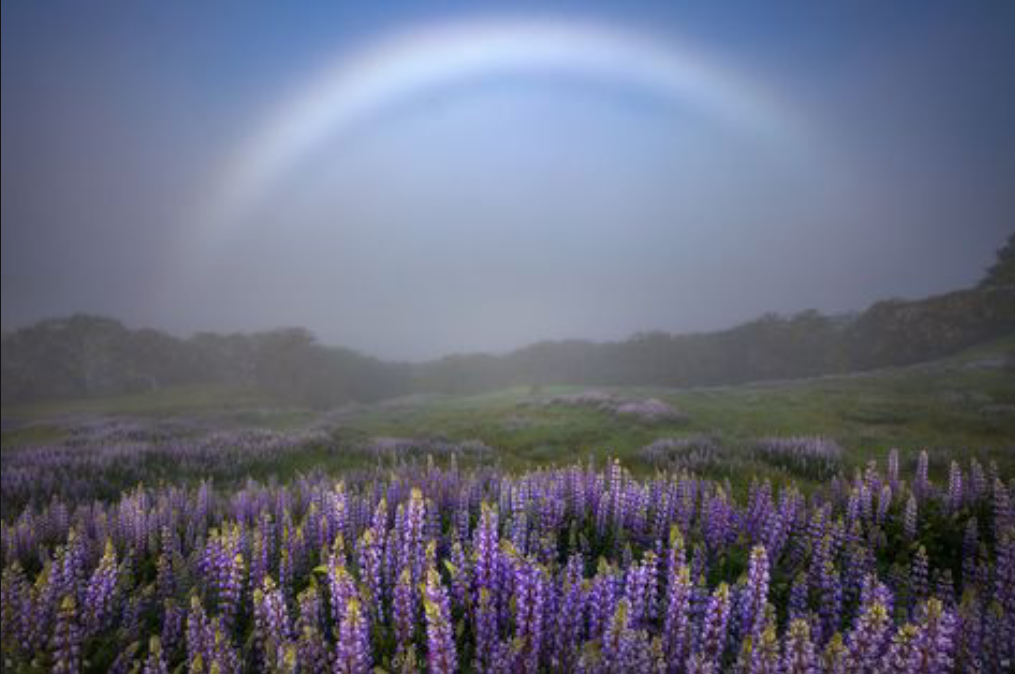
Colourless rainbow

There are some rainbows that are colourless. They are called fogbows and are formed when the sun shines through a fog. The drops of water in the fog are too small to split up light into it’s different colours, so the fogbow is white in colour.

• What do we know about left handed animals?

Most people are right handed, though about one in ten among us is left handed. Animals like chimps, hump back whales and even toads favour one hand, paw, claw or fin over the other. Chimpanzees use both hands with ease, but have a preference for the right hand. Toads also prefer their right side to perform differ functions. Polar bears on the other hand, are left handed.

Some species of parrot such as the sulphur- crested cockatoo are entirely left handed, while others, including the king parrot are mainly right handed. The majority of parrots – including the budgie, galah and rainbow lorikeet use both claws comfortably. Female cats are more inclined to be right handed while male cats favour their left paws. The same is true for dogs. Interestingly, dogs wag their tails to the right when relaxed and to the left when agitated!

Thank you for reading. Have a nice day!🌼
Vaccination and COVID-19

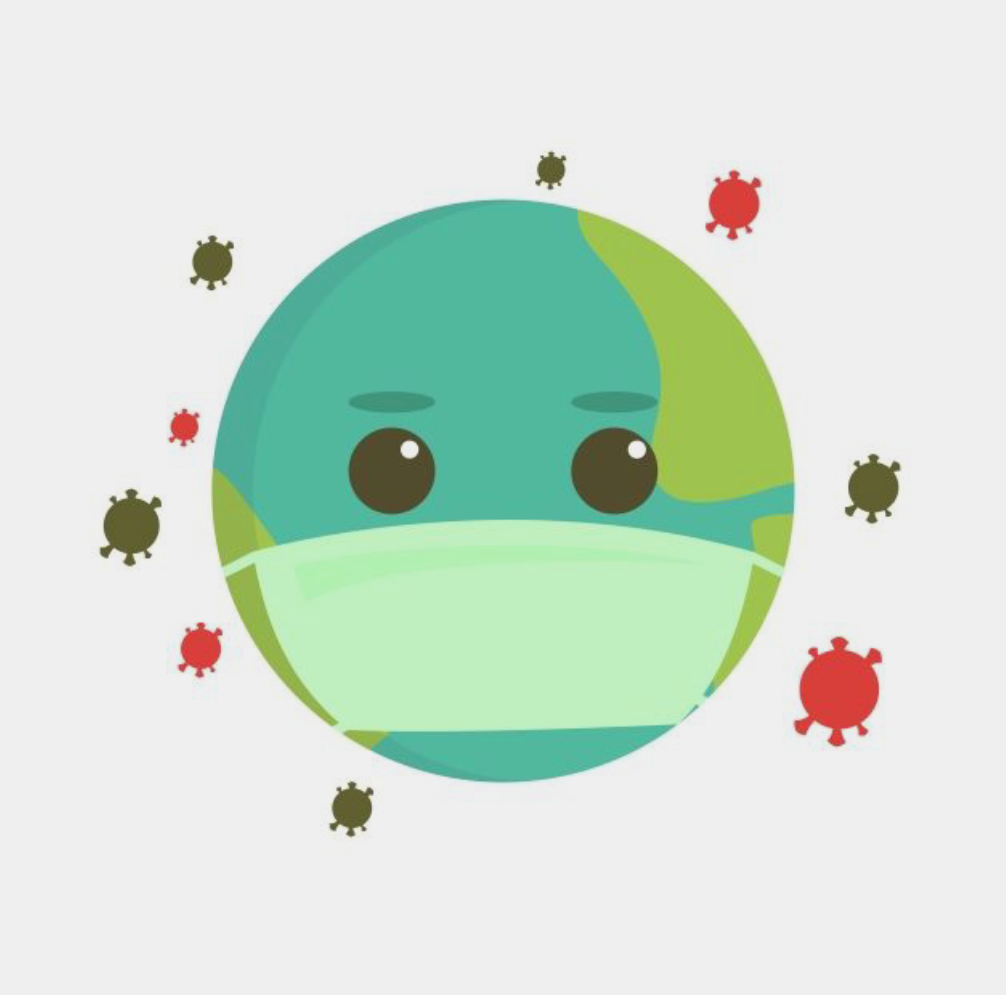
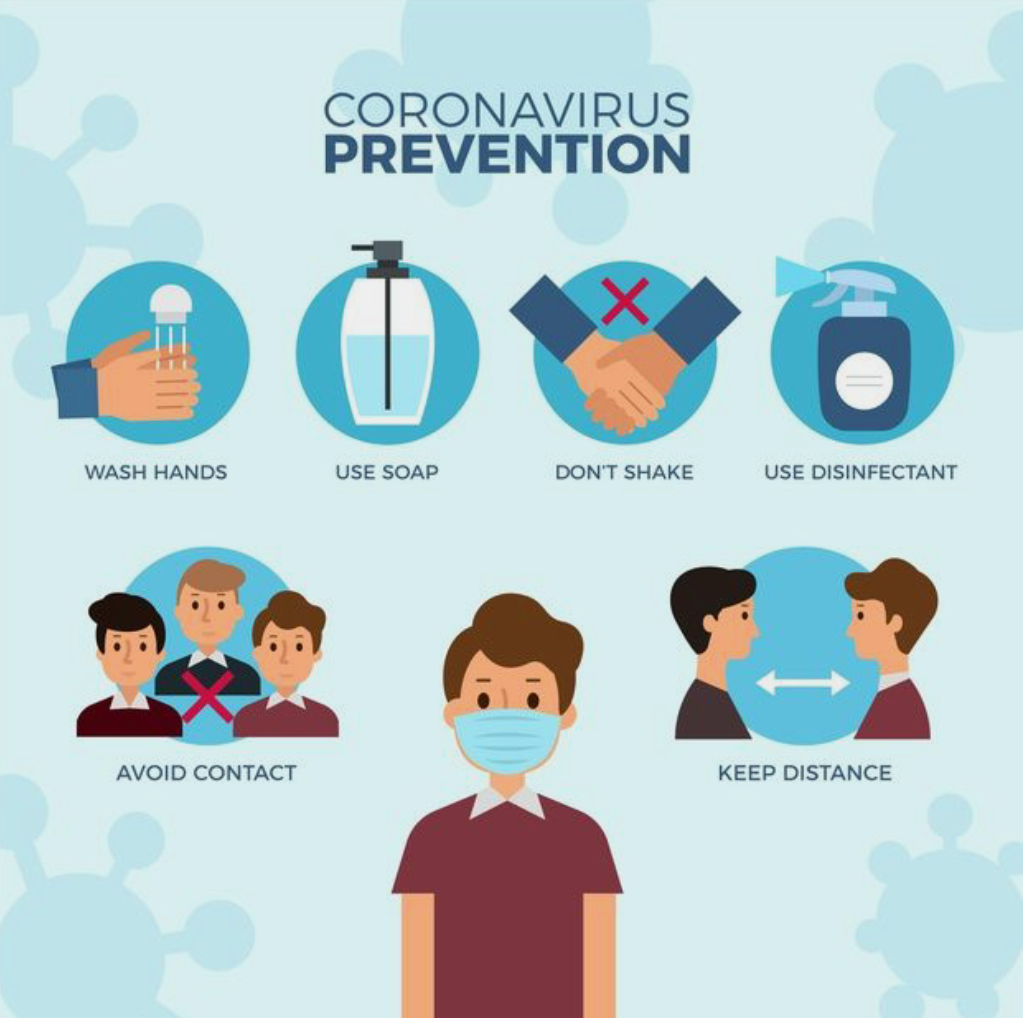
How long has it been since we went to school met our friends or had a family dinner at some restaurant? Since March 2020, we have all been advised to stay home and sanitise ourselves in order to stay safe. Sanitizers and masks have been added to our daily use products, all because of one tiny yet dangerous virus Covid-19!

The world is now waiting anxiously for a vaccine against this dreaded virus. Researchers around the world are working round the clock to develop vaccines to combat the pandemic. Currently, more than 165 vaccines against the corona virus are under process and 27 vaccines are undergoing human trials. Vaccines typically require years of research and testing before reaching the clinic. Today, scientists all over the world are racing to produce a safe and effective vaccine by next year.

When did the efforts start

Efforts to make a successful Covid-19 vaccine began in January 2020 with the deciphering of the SARS-CoV -2 genome. The first vaccine safety trials in humans started in March but the road ahead remains uncertain. Some trials will fail and others may end without a clear result. But a few may succeed in stimulating the immune system to produce effective antibodies against the virus.

• India and vaccine against Covid-19

Like many other countries, India too is immersed in the efforts to develop successful vaccines to counter Covid-19. Thirty different Indian companies are trying to produce a vaccine to fight the infection. 7 out of these have received approval from the World Health Organization. These vaccines are in different stages of testing and clinical trials now.

COVAXIN

COVAXIN is developed by Hyderabad based Bharat Biotech International Limited in collaboration with ICMR and NIV, Pune. This is the first vaccine from India to get regulatory approval. The vaccine makes us an inactive version of a virus to spike up production of antibodies in the host body. It recently initiated Phase I and Phase II of clinical testing.

ZyCoV-D

ZyCoV-D is being developed by Zydus Cadila based in Ahmedabad. The Phase I trials of the vaccine have already begun. Extensive research was done regarding the same in collaboration with medical labs in Europe and US.

• Russia and vaccine against Covid-19

Russia is one of the countries worst affected by Covid-19. The country has been pushing extensively for a Covid-19 vaccine for quite some time now; Russia too is a part of the race to produce the world’s first Covid vaccine. It is possible that Russia would be ready with its first domestic corona virus vaccine soon. The clinical trials were conducted by the Gamaleya National Research centre of Epidemiology and microbiology. There seem to be no reports of side effects on the volunteers. All the participants showed immunity and the country is planning for the serial production of the vaccine by September. By the beginning of next year, Russia hopes to manufacture several million doses of corona virus vaccines per month.

• Oxford University’s efforts to develop a vaccine

The university of Oxford has partnered with AstraZeneca, a British-Swedish pharmaceutical company to develop an adenovirus vector vaccine to combat Covid-19. The vaccine prototype is currently in Phase III of testing. Trials of the vaccine developed by Oxford University show it can trigger an immune response. The vaccine which has so far been found to be safe and effective is expected to be made available for the masses by the end of 2020. This vaccine would also be the first such vaccine to have a large scale testing in India. The observatory data for this vaccine is expected to be available by November this year. The company has tied up with Pune based serum institute of India to mass produce the vaccine once the company gets required approvals and licensing from medical boards.

• Some methods used to make vaccines for Covid-19

Different scientists across the world try different techniques and formulas to develop vaccines. The Oxford researchers have put small sections of the corona virus genetic code into a harmless virus that infects chimpanzees. They appear to have developed a safe virus that looks enough like the corona virus to produce an immune system. Some other scientists have used pieces of raw genetic code, either DNA or RNA. When these are injected into the body it would start producing bits of viral proteins which the immune system can learn to fight. There is also work on corona virus vaccines called ‘plug and play’ vaccines. This method is new and less tested.

Thank you for reading. Have a nice day!🌼
Food from scratch…

Noodles

A 4000 year old bowl of noodles unearthed in China is the earliest example ever found of one of the world’s most popular foods. Noodles have been a staple food in many parts of the world for at least 2000 years. But who inverted the noodle? This is a hotly contested topic – with the Chinese , Italian and Arabs all staking a claim.

Ice cream

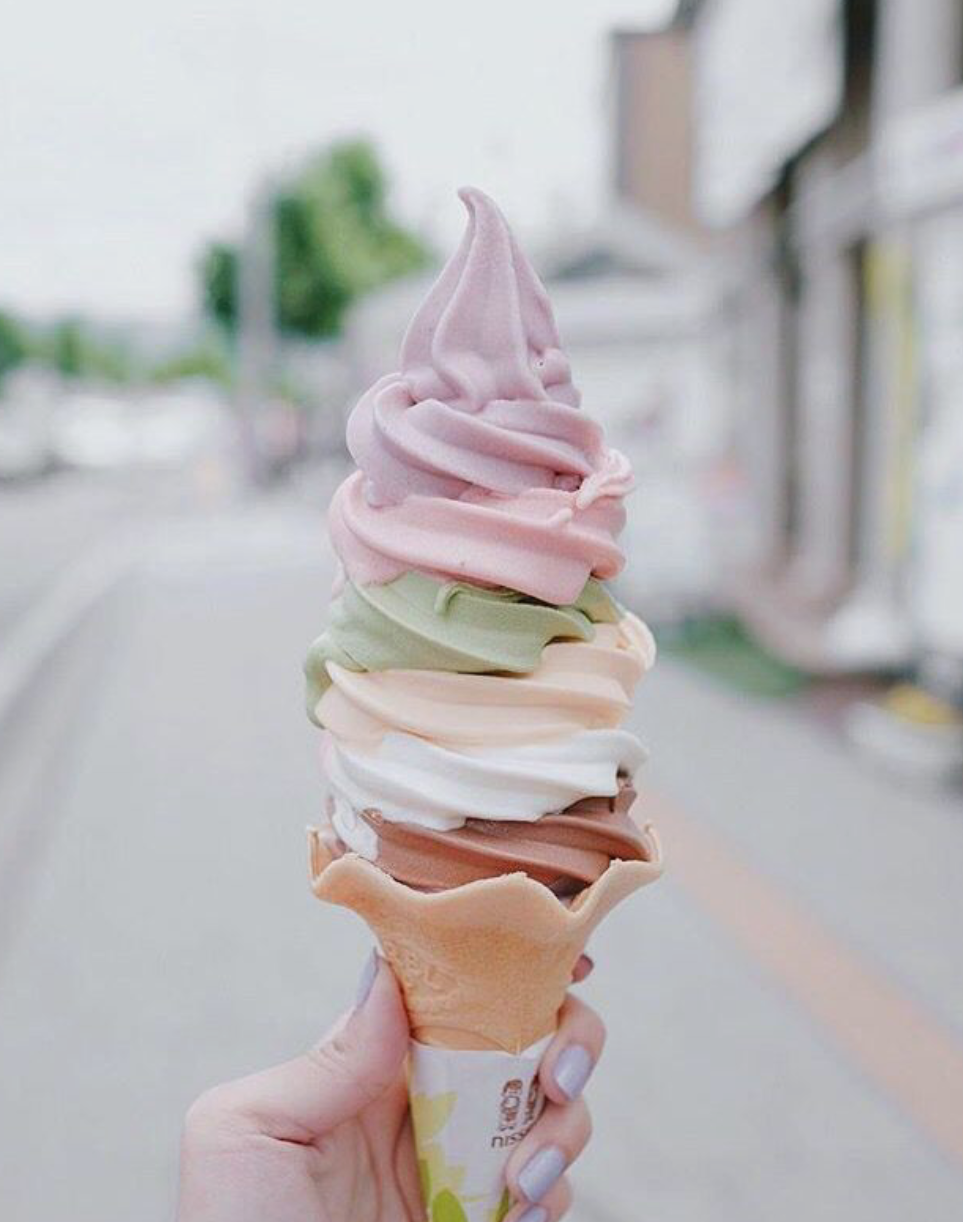
The first ice cream was probably made by chance when someone left some milk outside on a cold night and it froze!

Alexander the great enjoyed ice cream made with milk, fruit juice, honey and snow in the 4th century B.C. and the Roman emperor Nero ordered ice to ne brought from the mountains and combined it with fruit toppings. The Chinese also had a method of making ice creams and some believe that ice cream came to Europe from China.

It was Quintus Maximus, a roman general, who first wrote down a recipe for ice cream. Marco Polo brought the Chinese recipe to Venice after his visit to Peking. The king of England, Charles I is supposed to have offered his chef a handsome reward to keep his ice cream recipe a secret!

You favourite ice cream cone was invented by a pastry maker Ernest Hamwi in 1904, at the World Fair in St. Louis. He put a scoop of ice cream on his pastry when an ice cream seller in a neighbouring stall ran out of dishes- and it became an instant hit!

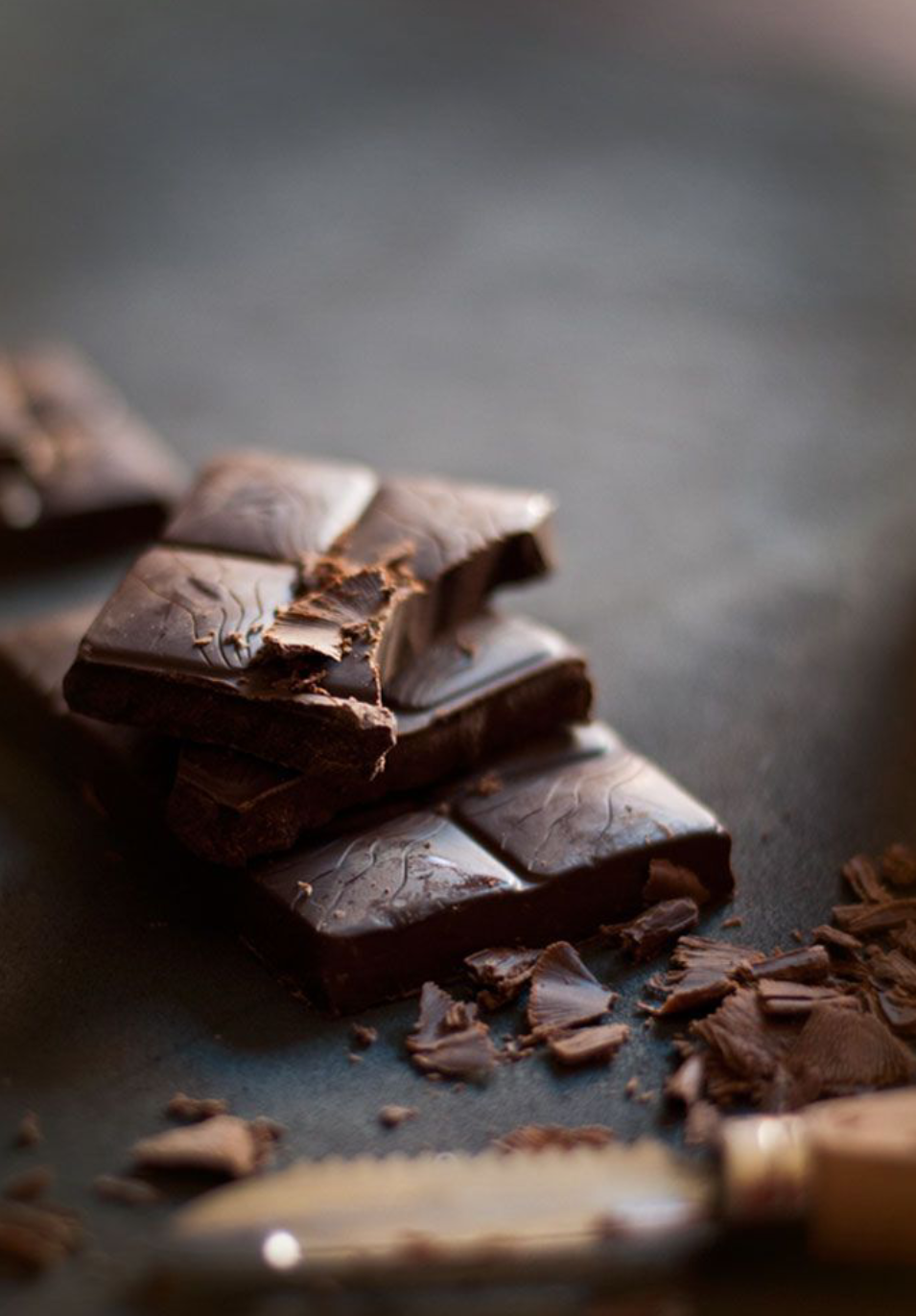
Chocolate

Cocoa, from which chocolate is made is said to have originated in the Amazon atleast 4000 years ago. The origins of chocolate can be traced back to the ancient Mayan and Aztec civilization in central America, who first enjoyed ‘chocolatel’, a much prized spicy drink made from roasted cocoa beans, the Aztecs believed that the cocoa tree was a gift from their God, Quetzalcoatl. According to legend, He had been banished by the other gods for giving the tree to mankind, but he promised to return to them one day.

The Spanish, led by Hernando Cortez, invaded Mexico in the 16th century. When the Aztecs saw Cortez, they believed their god had returned and welcomed him with a golden cup of chocolate! When Cortez returned to Spain in 1528, he loaded his galleons with cocoa beans and equipment for making the chocolate drink. Soon ‘chocolate’ became a fashionable drink enjoyed by the rich in Spain.

It was in 1847 that solid chocolate, as we know of today, was made by Fry and sons of Bristol by mixing sugar with cocoa powder and cocoa butter and your favourite treat was born.

Chewing gum

Thousands of years ago people chewed gum in it’s natural form. The most common ancient chewing gum was tree resin lumps, but people chewed various sweet grasses, leaves, grains and waxes also. The first commercial Chewing gum was made and sold in 1848 by John Bacon Curtis. He made a sticky, rubbery material from the spruce tree which could be chewed. In the 1860’s, Thomas Adams began selling chicle, a gum from the sapodilla tree of Mexico’s Yucatan desert.

Thank you for reading. Have a nice day!🌼
Story of the two most expensive spices

Saffron

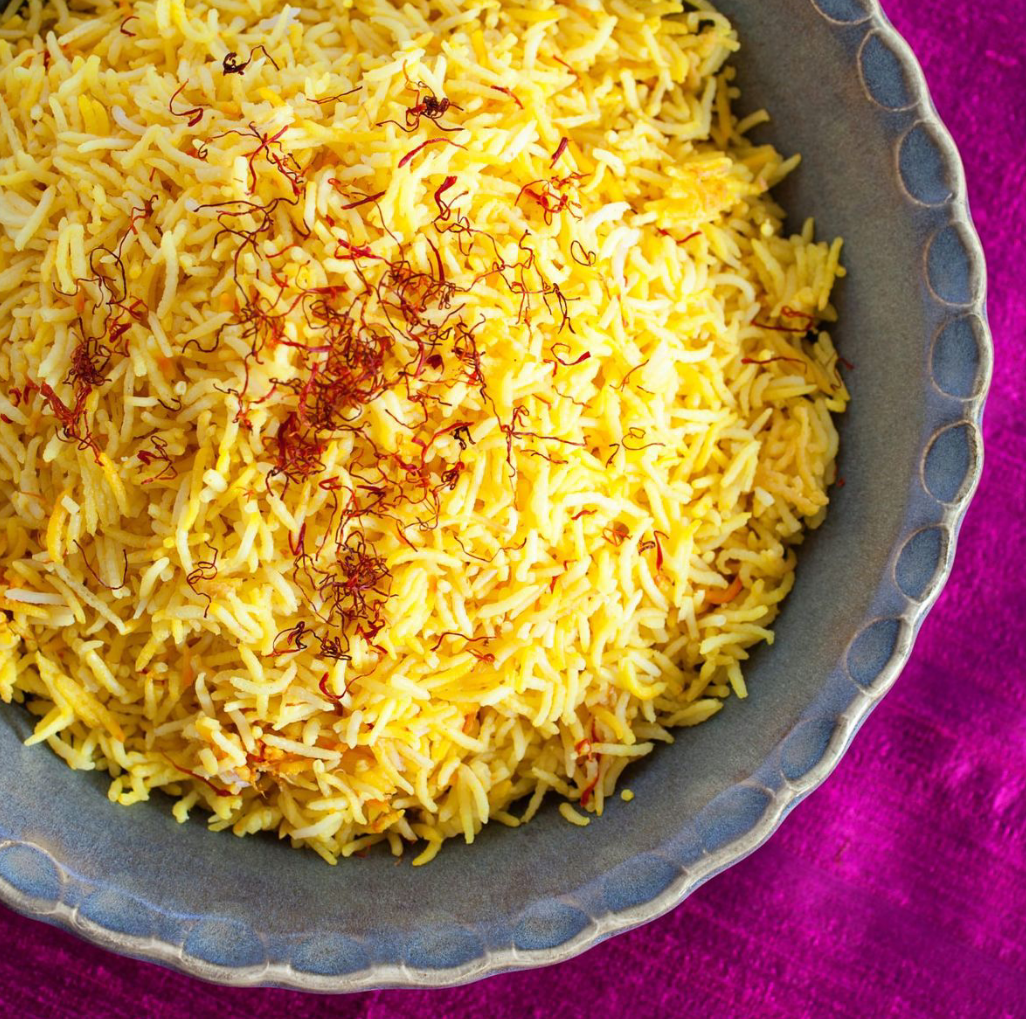
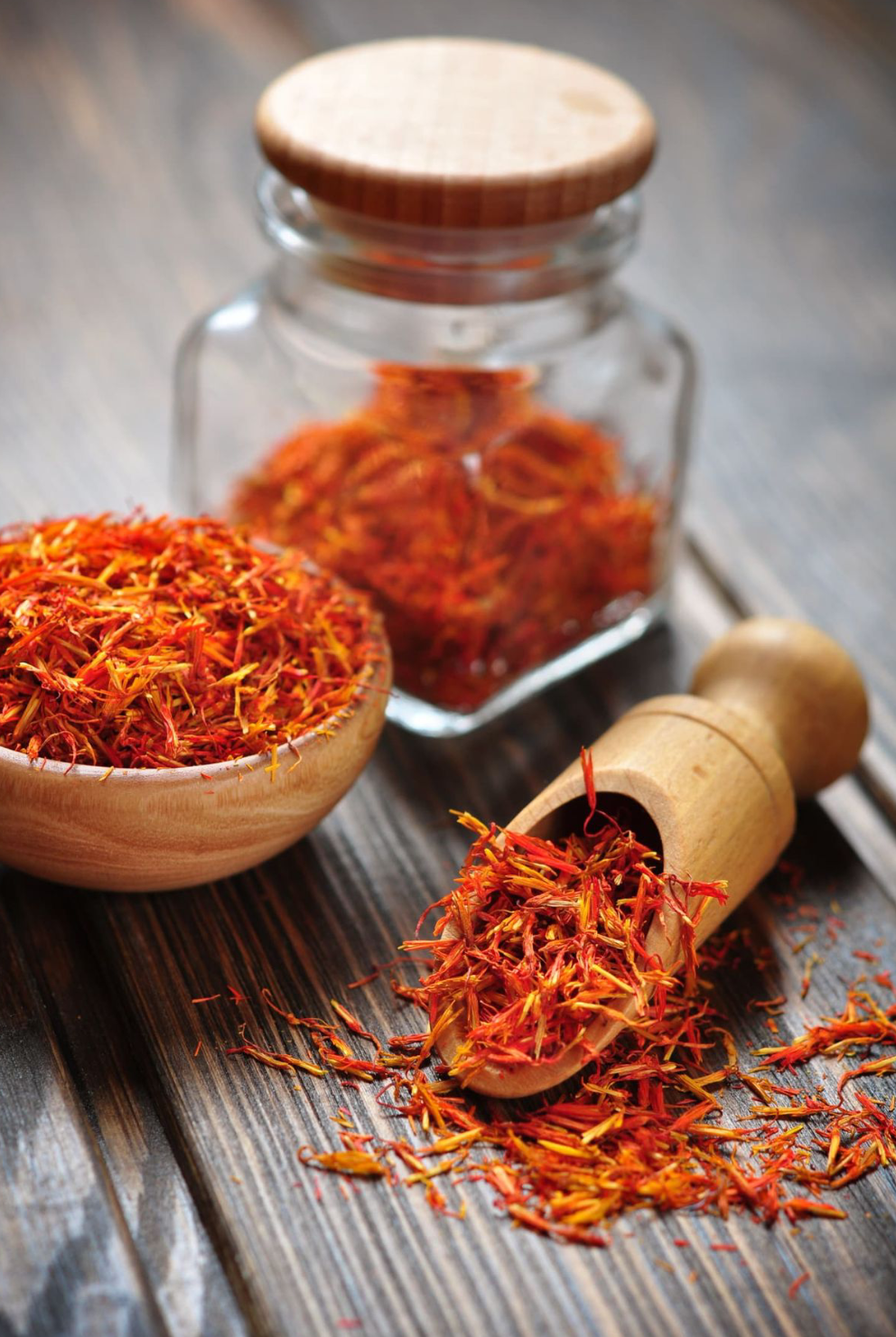
One pound of saffron costs you $5000. It is the most expensive spice next comes vanilla. Saffron is a complicated spice to harvest. Harvesting saffron needs a lot of hand work to pick up the flowers, separate the saffron that is the dried stigma or the female part of the flower. Saffron comes from the saffron crocus flower and each flower has 3 stigmas. The yield of saffron is very low. One pound of saffron requires 170000 flowers. These flowers bloom over a six week period from late September to early December. There is a specific time to day to harvest them. High relative humidity and sunlight can break the chemical structure in the saffron. Early morning is preferably the best time to harvest them.

90% of the world’s saffron is grown in arid fields in Iran. It is so because workers are available and for cheap. But it’s mostly like slavery. Most workers are women getting five dollars a day. Not only Iran, it’s grown in Morocco, Spain, Italy, the Netherlands, Afghanistan, India and even in United States. Though many Americans have never eaten saffron, the US imports large amount of saffron. Saffron has a resistance to cold weather.

Over centuries saffron has proven useful in many situations. Most commonly used in cooking. Middle east Asian countries have a lot of food containing saffron. When saffron is broken down it creates a golden dye. Which is how when used in cooking it gives a different kind of colour and taste and smell to it.

Saffron contains some chemical components which are really expensive like picrocrocin, crocin and safranal. These are the main components responsible for the taste, smell and colour.

People have tried passing turmeric, red marigold petals, and lily flower stigma as saffron. But the flavour and dye is totally different. In large quantities, saffron can be a potent happiness inducing narcotic. Research suggests it may help reduce the symptoms for Alzheimer’s, depression and PMS.

Vanilla

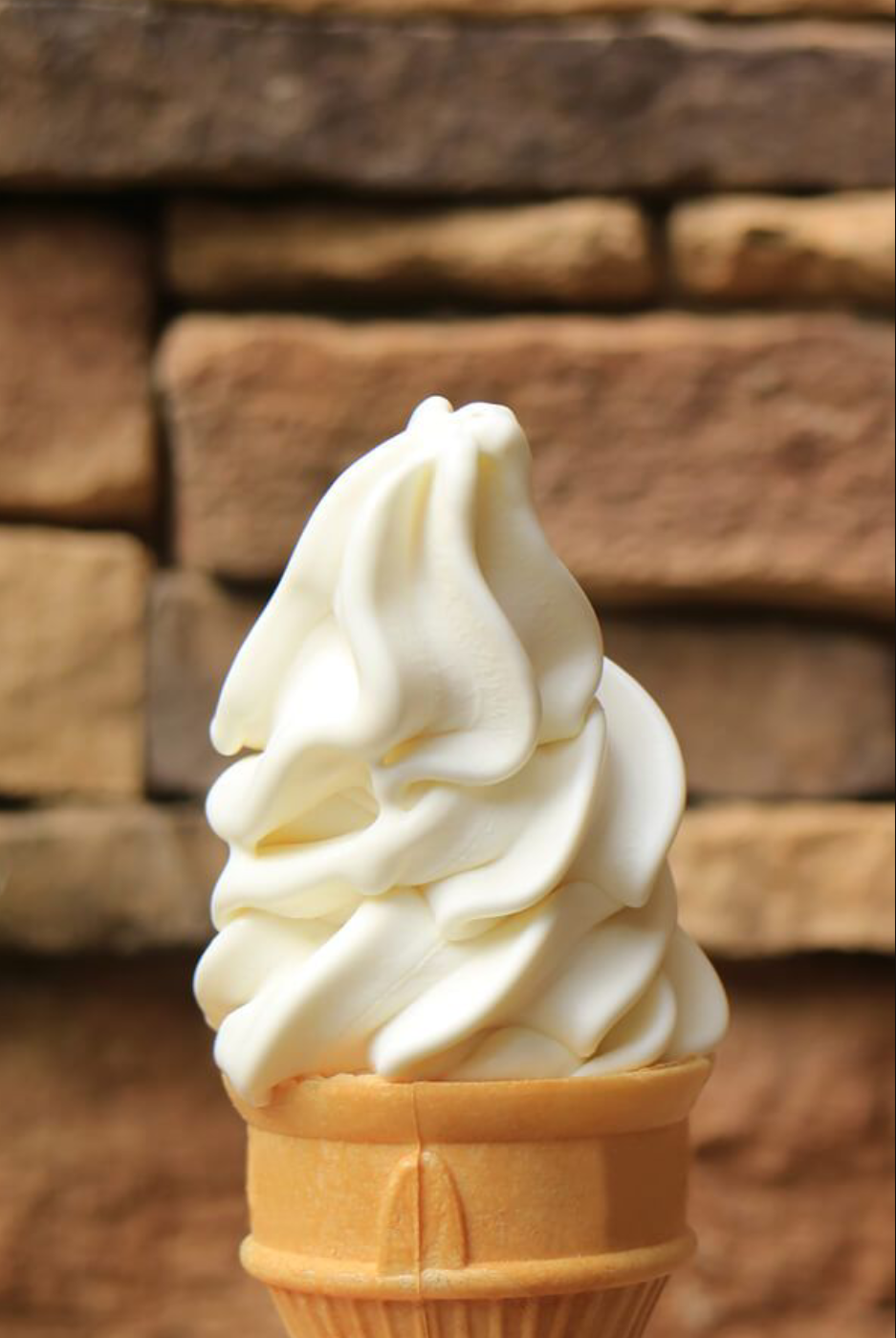
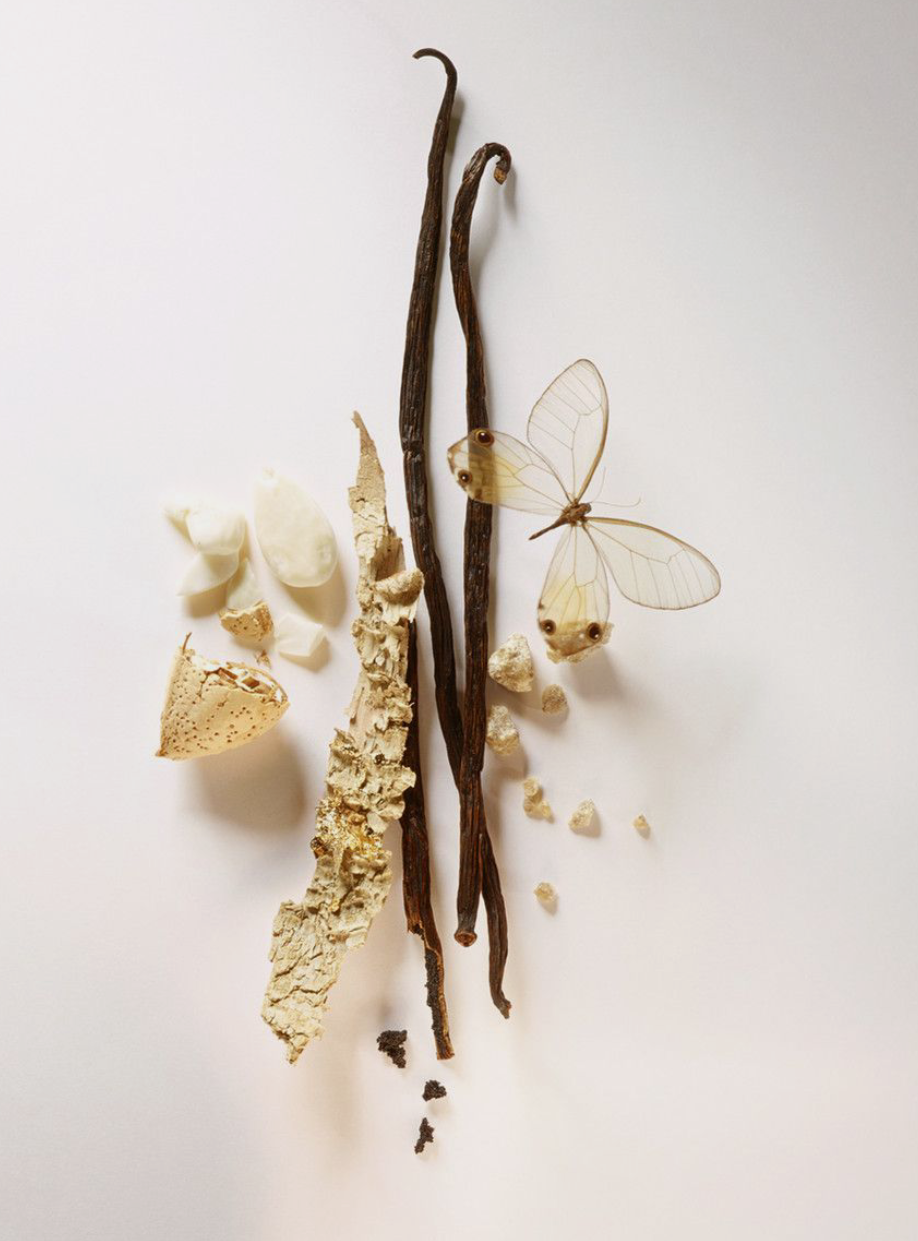
From ice cream to cakes and even perfume, vanilla is the go-to flavour of the world. In recent years, the price of natural vanilla has shot up. At one point it was more expensive than silver by weight. 80% of the world’s vanilla is grown in the perfectly suited climate of the north east region of Madagascar. It’s the country’s primary export crop. In 2014, vanilla was $80 a kilo. Three years later it was $600. Today its around $500. The price rise is due in part to global demand. The trend of eating naturally means that food companies have shunned synthetic flavouring in favour of the real deal.

Price fluctuations affect producers of agricultural commodities everywhere but vanilla is particularly volatile. In just a few weeks the price can jump or plummet by over 20%. Liberalisation is one reason for such movements. The Malagasy government once regulated the vanilla industry and it’s price. But now the price is negotiated at the point of sale which makes for a freer market but a more volatile one. It’s also a tiny industry. A single cyclone can knock up the entire crop within Madagascar. It’s also a difficult and delicate crop to grow.

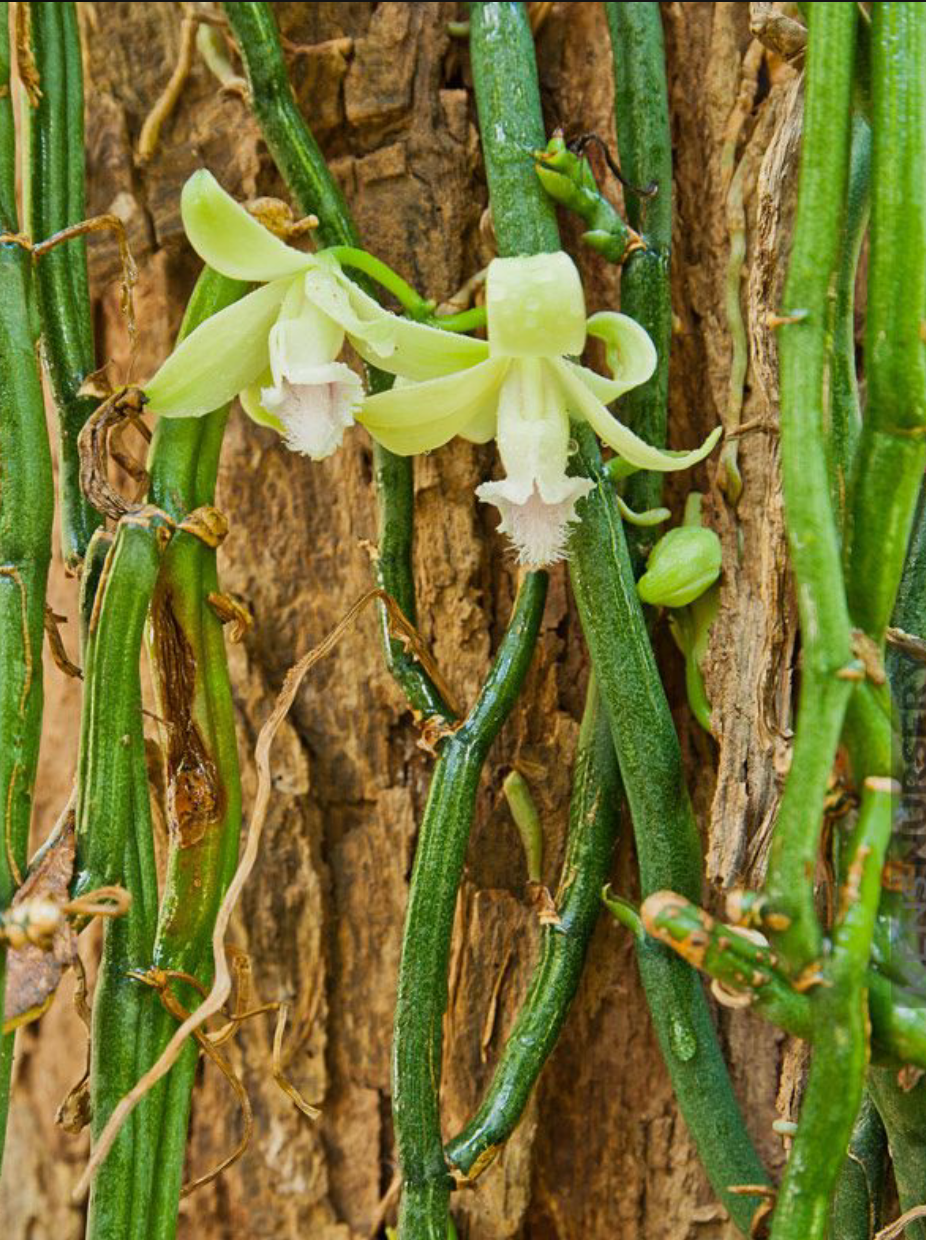
Vanilla is an orchid that needs to be hand pollinated. This is a really labour intensive practice. It takes roughly six months to grow it on the vine and then six months of manual post harvesting. The interesting thing about vanilla is that it needs to be taken off the vine when it is almost rotted!

The growers have to contend with another problem. Thieves are targeting vanilla crops. So Malagasy now have to sleep out in their vanilla fields. They can’t rely on those who are changed from the state to protect them or their crops. Some farmers have resorted to harvesting the beans before they’re ripe but this produces a poorer quality vanilla and ultimately pushes down the price. The combination of deteriorating quality and high prices is having an effect. The vanilla price bubble may burst. If the price continues to stay high there’s a number of scenarios that will play out. Continuation of current situation will cause an unstable market. Otherwise the corporate sectors step in, try to regulate the market in some way that may stabilise prices and also quality. Or the market may crash out.

Big buyers that provide vanilla are now working directly with farmers in a bid to gain greater control over quality. Other companies have started to look elsewhere for their natural vanilla. Indonesia, Uganda and even the Netherlands are growing the crop. For a century Madagascar has enjoyed a near monopoly on vanilla. But this industry maybe in line for radical overhaul.

Thank you for reading. Have a nice day!🌼
Social media: a bane or boon

Vaishali Singh

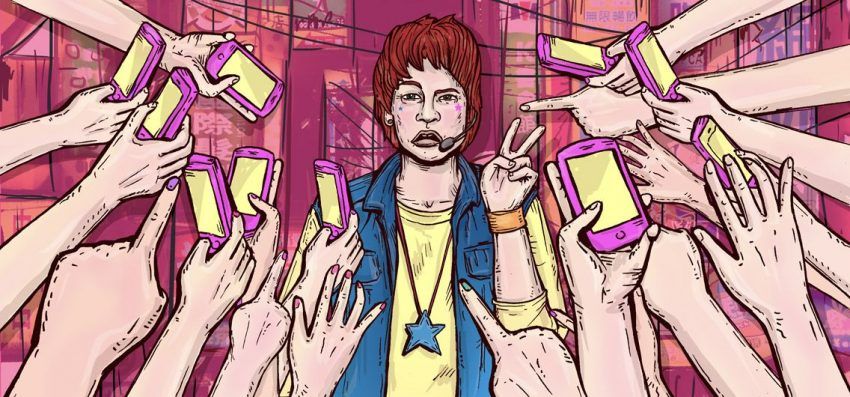
Social media is creating a sense of competence in people’s mind, and this competition is making people ungrounded, it’s becoming the major reason of mental crisis these days, amidst this pandemic COVID- 19 outbreak people are not engaged in more productive tasks and in order to utilize their energy and satisfy the curiosity of exploring life they prefer to log in to the social media applications and wasting all their time scrolling their mobile phone’s screens endlessly, but have you thought of the consequences of using of these useless mobile applications which are distracting you from doing the necessary tasks and making you lazy and feel unproductive. The way social media is affecting your mindset is horrible, the moment you wake up, you take up your cell phone, and keep checking the notifications you’ve received overnight, which is highly unhealthy for your mental health, social media is making you more like a robot and your cell phones are becoming your masters, you just keep following the notifications you receive whole the day, the over usage of social media affects your sub conscious mind and your sub conscious plays the major role in shaping up your thoughts and mindset, which is directly proportional to the actions you take to acheive your dreams, but it’s over usage tires your brain and reduces your chances of executing the important work tasks. So, this is how your cell phones are becoming the reason behind your failure, but you’ve probably heard that every coin has two faces similarly it’s up to you that how you use something whether it’s your cell phone, the internet access you have or your social media account, if you use it to fulfil your purpose, to acknowledge yourself, to educate yourself, to fulfill your dreams then it can play the role of BOON in your life but if you use that same cell phone, that same social media just for passing the time, reading the memes, reacting on the posts endlessly, watching the comedy videos, in simple words, (seeking the temporary pleasure) instead of utilising your time in executing the important tasks, then it can become the BANE of your life. You won’t realise it today, you will notice the outcomes of your actions overtime and only then when you’ll notice your actions keenly. Now, while reading this blog post a question would definitely arise in your mind and that is, what can you do to prevent your life from getting controlled by the social media, the answer is very simple it’s impossible to change your life overnight, but the continuous efforts you put overtime can help you to change your life for better, now you have to make a proper schedule and would have to set a goal for yourself that will keep you motivated, just uninstall the unnecessary applications and data from your mobile phone, and start working on the path of your dreams right away.

https://www.pexels.com/photo/iphone-technology-iphone-6-plus-apple-17663/