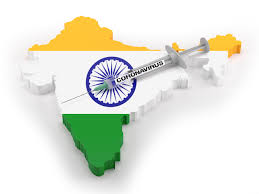
91 Nations vulnerable to new strain due to Indian vaccine export ban

91 Nations are vulnerable to the B1.617.2 strain after India has stopped export of vaccines claimed WHO: After being hit by the deadly and life taking second wave, New Delhi has banned all exports and started redirecting supplies for domestic use. India’s decision to ban exports and redirect supplies for domestic use has made a severe impact on those 91 Nations who were totally dependent on products of Serum Institute of India (SII), Covishield or AstraZeneca and the upcoming Novavax.
Without sufficient stocks these counties which are majorly African will remain Susceptible to the deadly B1.617.2 variant which was primarily found in India, said WHO . As per a chief scientist of World Health Organization, “91 countries are impacted by the shortage of supplies, particularly since the AstraZeneca parent company has not been able to compensate for the doses which have not come from Serum,” . The scientist stated that these nations are very vulnerable to new and more Transmissible strains including the B1.617.2 variant also.

The scientist added, “not just B.1.617.2, but other variants will emerge in other countries and spread around the world…We know that these variants spread very quickly. Even before they can be recognised, they are already spreading around the world. The same thing happened with the 117 [variant], now dominant“. As per an agreement signed between AstraZeneca and Serum Institute of India(SII) , SII was expected to supply a billion doses for low and middle income countries, with a commitment to provide 400 million doses by 2020 i.e. last year. All of this was to be delivered by Gavi, an international vaccine alliance.

The scientist also said that “most African countries, unfortunately, have vaccinated less than 0.5 per cent of their populations and haven’t even vaccinated all their healthcare workers,“.She also added that “if we continue having this inequitable distribution of available vaccines, we will see some countries going back to some degree of normalcy in their life, while other countries are hit very hard and continue to be hit hard by subsequent waves,“.

But after being hit heavily by the second wave, India stopped exports of it’s vaccines and redirected those for domestic use for vaccinating the natives. In this process, the nations which were dependent on Gavi and on Indian vaccines were left amid. As per some data, rich nations like US, UK, Israel, Canada and the European Union already ordered millions of vaccines from multiple vendors even before the vaccines were approved.

Now when there are no more options for the other countries, WHO has said that it hopes India will continue it’s exports again maybe somewhere at last of this year so that the other nations could also be vaccinated. The institution is “really going out with a plea to all countries to share their doses so that vulnerable groups can be protected before we start expanding to other groups such as children“. By the end of May, India has vaccinated about 3.5% of it’s total population. Indian government has also estimated that by the end of 2021 it will vaccinate every Indian.
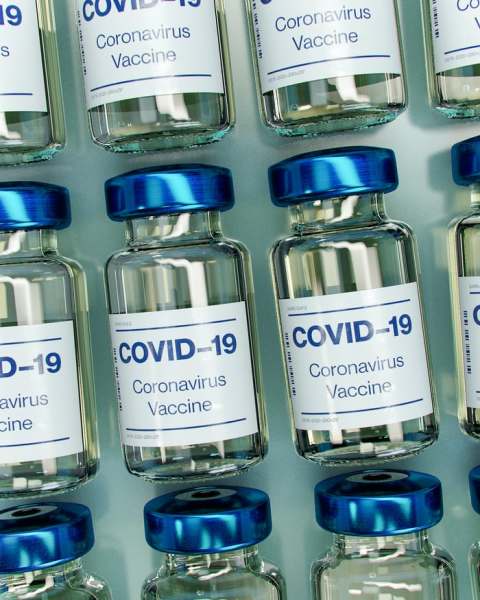
COVID-19 vaccination.

As the new coronavirus continues to spread around the world, the vaccine is seen as the best way to stop it. Everyone above 18 years of age will be eligible to get vaccinated against COVID-19 from May 1. Anyone who has an allergy to any component of the vaccine, should not take it. While COVID-19 vaccine supplies are limited, health workers at high risk of exposure and older people should be prioritized for vaccination.

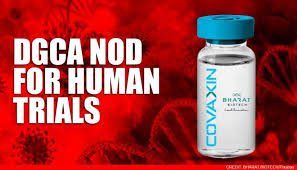
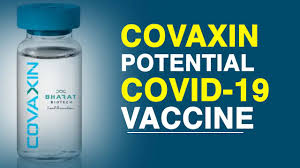
Covaxin is an inactivated vaccine which means that it is made up of killed coronaviruses, making it safe to be injected into the body.Bharat Biotech, a 24-year-old vaccine maker with a portfolio of 16 vaccines and exports to 123 countries, used a sample of the coronavirus, isolated by India’s National Institute of Virology.The two doses are given four weeks apart. The vaccine can be stored at 2C to 8C.Some mild symptoms AEFIs may occur like injection site pain, headache, fatigue, fever, body ache, abdominal pain, nausea and vomiting, dizziness-giddiness, tremor, sweating, cold, cough and injection site swelling. No other vaccine-related serious adverse effects have been reported.It is your choice to receive or not receive COVAXIN . other vaccines. If you are pregnant or breastfeeding, you should not get the vaccine as the effect of the vaccine has not been studied in pregnant women and nursing mothers.

Covishild is a recombinant, replication-deficient chimpanzee adenovirus vector encoding the SARS-CoV-2 Spike (S) glycoprotein. Following administration, the genetic material of part of corona virus is expressed which stimulates an immune response.People aged 65 and older are less likely to experience common side effects.

More than 1 in 10 people may experience:

feeling tired
tenderness, bruising, pain or itching in the arm where you had the vaccine injection
headache
muscle pain
joint pain
nausea
fever (temperature of 38 degrees Celsius or above)

Sputnik V Covid-19 Vaccine: Sputnik V is a two-dose Covid-19 vaccine, which has an efficacy of over 91 per cent, according to a publication in scientific journal The Lancet.Made by the Gamaleya Research Institute of Epidemiology and Microbiology in Moscow, Sputnik V is a two-dose Covid-19 vaccine using a similar platform to Covishield — the most widely used vaccine in India since the government’s immunisation programme began in January. So far, DRL has only received 150,000 doses of this vaccine from Russia. The company expects more doses soon. According to its agreement with the Russian Direct Investment Fund (RDIF), which has been in charge of signing agreements for supply of this vaccine across the world, India is expected to get at least 250 million doses, which will be sufficient to inoculate 125 million people. However, it is unclear by when these doses will be supplied and distributed in India.The imported vaccine has been priced at Rs 948 per dose. However, including 5 per cent Goods and Services Tax, the price of this vaccine goes up to Rs 995.40 per dose.the most common side effects were: flu-likeillness, headache, fatigue, injection-site reactions.

Covid-19 vaccine trial begins at Mumbai hospital today

The first dose of Covid-19 vaccine candidate developed by the Oxford University and AstraZeneca will on Saturday be administered to three volunteers at the King Edward Memorial (KEM) Hospital in Mumbai while 10 more volunteers have been selected for the clinical trial.

Another Mumbai hospital BYL Nair will commence the process of clinical trials from Monday.
Volunteers given the vaccine dose at the KEM hospital will be checked regularly and within 29 days a second dose will be given to them.
Here’s everything you need to know about Covid-19 vaccine trial


–All three volunteers who will get the shot today have been screened to rule out any underlying health issues, KEM Hospital officials said. They also underwent RT-PCR and antibody testing. “The three participants have been screened after their consent and they don’t have any comorbidity. As per randomisation, out of every four participants, one will receive placebo (false drug),” said Dr Hemant Deshmukh, Dean, KEM Hospital.


–According to Indian Council of Medical Research (ICMR) guidelines, each of the volunteers has been covered with Rs 1crore life insurance in case of death due to any side effects during the trial. They have also been covered under Rs 50lakh medical insurance if they develop any adverse effect from the vaccine.

–“We will administer the first dose of Covid-19 vaccine to the three volunteers on Saturday” Suresh Kakani, additional municipal commissioner, Brihanmumbai Municipal Corporation (BMC) said. He added that 10 more people will be screened on Saturday which will take the number of volunteers to 23. “We will check how they respond after the inoculation and test them for antibodies,” he said.

–After the volunteers are given the shot, they will have to stay at the hospital for two hours to check if they are having any complications,

–The vaccine induces a strong immune response. It provokes a T cell (white blood cells that can attack cells infected with the coronavirus) response within 14 days of the dose, and an antibody response within 28 days.

Vaccination and COVID-19

How long has it been since we went to school met our friends or had a family dinner at some restaurant? Since March 2020, we have all been advised to stay home and sanitise ourselves in order to stay safe. Sanitizers and masks have been added to our daily use products, all because of one tiny yet dangerous virus Covid-19!

The world is now waiting anxiously for a vaccine against this dreaded virus. Researchers around the world are working round the clock to develop vaccines to combat the pandemic. Currently, more than 165 vaccines against the corona virus are under process and 27 vaccines are undergoing human trials. Vaccines typically require years of research and testing before reaching the clinic. Today, scientists all over the world are racing to produce a safe and effective vaccine by next year.

When did the efforts start

Efforts to make a successful Covid-19 vaccine began in January 2020 with the deciphering of the SARS-CoV -2 genome. The first vaccine safety trials in humans started in March but the road ahead remains uncertain. Some trials will fail and others may end without a clear result. But a few may succeed in stimulating the immune system to produce effective antibodies against the virus.

• India and vaccine against Covid-19

Like many other countries, India too is immersed in the efforts to develop successful vaccines to counter Covid-19. Thirty different Indian companies are trying to produce a vaccine to fight the infection. 7 out of these have received approval from the World Health Organization. These vaccines are in different stages of testing and clinical trials now.

COVAXIN

COVAXIN is developed by Hyderabad based Bharat Biotech International Limited in collaboration with ICMR and NIV, Pune. This is the first vaccine from India to get regulatory approval. The vaccine makes us an inactive version of a virus to spike up production of antibodies in the host body. It recently initiated Phase I and Phase II of clinical testing.

ZyCoV-D

ZyCoV-D is being developed by Zydus Cadila based in Ahmedabad. The Phase I trials of the vaccine have already begun. Extensive research was done regarding the same in collaboration with medical labs in Europe and US.

• Russia and vaccine against Covid-19

Russia is one of the countries worst affected by Covid-19. The country has been pushing extensively for a Covid-19 vaccine for quite some time now; Russia too is a part of the race to produce the world’s first Covid vaccine. It is possible that Russia would be ready with its first domestic corona virus vaccine soon. The clinical trials were conducted by the Gamaleya National Research centre of Epidemiology and microbiology. There seem to be no reports of side effects on the volunteers. All the participants showed immunity and the country is planning for the serial production of the vaccine by September. By the beginning of next year, Russia hopes to manufacture several million doses of corona virus vaccines per month.

• Oxford University’s efforts to develop a vaccine

The university of Oxford has partnered with AstraZeneca, a British-Swedish pharmaceutical company to develop an adenovirus vector vaccine to combat Covid-19. The vaccine prototype is currently in Phase III of testing. Trials of the vaccine developed by Oxford University show it can trigger an immune response. The vaccine which has so far been found to be safe and effective is expected to be made available for the masses by the end of 2020. This vaccine would also be the first such vaccine to have a large scale testing in India. The observatory data for this vaccine is expected to be available by November this year. The company has tied up with Pune based serum institute of India to mass produce the vaccine once the company gets required approvals and licensing from medical boards.

• Some methods used to make vaccines for Covid-19

Different scientists across the world try different techniques and formulas to develop vaccines. The Oxford researchers have put small sections of the corona virus genetic code into a harmless virus that infects chimpanzees. They appear to have developed a safe virus that looks enough like the corona virus to produce an immune system. Some other scientists have used pieces of raw genetic code, either DNA or RNA. When these are injected into the body it would start producing bits of viral proteins which the immune system can learn to fight. There is also work on corona virus vaccines called ‘plug and play’ vaccines. This method is new and less tested.

Thank you for reading. Have a nice day!🌼

Vaccine progress depends on virus mutation

A study published in a medical journal has revealed that SARS-CoV-2, which causes Covid-19, has undergone multiple mutations in its “spike proteins”. This is the protein that gives the virus the ability to infiltrate the human cells. Once this occurs, the virus starts replicating, which leads to infection.

The paper published in Journal of Laboratory Physicians was based on an analysis of 1,604 spike proteins extracted from 1,325 complete genomes and 279 partial spike coding sequences of SARS-CoV-2 available at National Center for Biotechnology Information (NCBI) in the US till May 1.

Dr Sarman Singh, the lead author of the study, said they found 12 mutations in the spike proteins, six of which were novel mutations. “One deletion was also found in an Indian strain (MT012098.1). Deletion means change in the genetic structure of the virus. We don’t know how it will affect the virulence of the disease though,” he added.

The maximum genetic mutations were observed in spike proteins extracted from genomes of SARS-CoV-2 from the US, the experts said. “Viruses are known to mutate or change their genetic structure upon exposure to different environments. But in this case, the change is happening quite fast. We are not sure how it will affect the disease spread,” Singh said.

The others participants of the study included experts from Infectious Diseases and Immunity in Global Health Programme, Research Institute of McGill University Health Center, and McGill International TB Center, Canada. The study said spike protein was the major target for vaccine development, but several mutations were predicted in the antigenic epitopes across all genomes available globally.

“The emergence of various mutations within a short period might result in conformational changes in the protein structure, which suggests that developing a universal vaccine could be a challenging task,” the study added.
Mutation was also found in the antigens responsible for producing antibodies, indicating that the patients infected with the mutants would have very low or nil antibodies.

Recently, Hong Kong reported a case of re-infection due to Covid-19. Similar cases have also been documented in the US and India. “Even if a person gets Covid-19 again due to a mutated strain of the virus, the likelihood of severe symptoms would be less as seen in the patient in Hong Kong. This is because the antibodies against one strain of Covid-19 can offer protection against the mutated virus too. However, further scientific study and analysis is needed to ascertain this. The disease is new and we are still learning about it,” said a virologist from Maulana Azad Medical College.

In Delhi, the cases of Covid-19 had dipped significantly in July. However, it has started rising over the past few days. While lack of social discipline and opening of the economy are two key factors, many doctors said a mutation of the virus could also be behind it. “Multiple strains of the virus have been identified in the country, including the original one from Wuhan, China and the ones spreading in Europe,” said a doctor.
The World Health Organization does not expect widespread vaccinations against COVID-19 until the middle of next year, said a spokeswomen, stressing the importance of rigorous checks on their effectiveness and safety.

WHO will not endorse COVID-19 vaccine if not safe and effective.

The World Health Organization insisted Friday it would never endorse a vaccine that has not proven safe and effective, amid concerns over the rush to develop a jab for Covid-19. Across the globe, governments are hoping to deploy a vaccine as soon as possible against the virus, which has infected well over 26 million people, killed hundreds of thousands, upended millions of lives and wreaked havoc on the global economy.

Under normal procedures, test administrators must wait for months or years to verify that vaccine candidates are safe and efficacious.
But as the pandemic continues to take a devastating toll, there has been massive pressure to roll out a vaccine quickly, sparking concerns that testing standards could be lowered. WHO chief Tedros Adhanom Ghebreyesus insisted that was not the case.

“WHO will not endorse a vaccine that is not effective and safe,” he told a virtual briefing.

He also took issue with the so-called anti-vax movement that has been stoking fears about the vaccines in development. They might be able to “build narratives to fight against vaccines, but the track record of vaccines tells its own story,” he said.

There are currently more than 30 candidate vaccines being tested on humans, with at least eight in final-stage Phase III trials, which typically involve tens of thousands of people. Unprecedented speed’ – “It is a very optimistic scenario because there’s a huge field of candidates,” WHO’s chief scientist Soumya Swaminathan told Friday’s briefing, emphasising that only around 10 percent of candidate vaccines succeed.

She explained that the “unprecedented speed of development of Covid vaccines” was largely enabled by prior investments in vaccine platforms for other diseases, which had been repurposed for use against the novel coronavirus. But she stressed, developers must not skip over the various phases of stringent testing.

“No vaccine is going to be mass-deployed before the regulators are confident and the governments are confident and that WHO is confident that these vaccines have met the minimum standards of safety and efficacy.” Tedros voiced hope that one would soon become available “so that the world can get back to norma.” But while the WHO has said it expects to see results from a range of Phase III trials by the end of the year, it on Friday tempered hopes that a vaccine is imminent.

Pointing to the massive challenge of manufacturing and rolling out vaccines to the billions around the world who need them, widespread vaccination is not expected to begin until the middle of 2021. Moral and economic imperative’ – Tedros stressed that, initially at least, supply would be limited.

“Priority must be given to vaccinating essential workers and those most at risk,” he said, stressing that “the first priority must be to vaccinate some people in all countries, rather than all people in some countries.” The WHO has set up a mechanism, known as Covax, aimed at ensuring a more equitable distribution of any future vaccines, but has struggled so far to raise the funds needed to provide for the 92 poor countries that have signed up. But Tedros hailed Friday that 78 high- and upper-middle income countries and economies have now confirmed they will participate, including Germany, Japan, Norway and the European Commission in just the past week. He pointed out that in an interconnected world, “the virus will continue to kill and the economic recovery globally will be delayed” if poorer countries are unable to gain access to a vaccine. Sharing equitably, he said, is “not just a moral imperative and a public health imperative, it’s also an economic imperative.”

Coronavirus and Social Responsibilities

Coronavirus pandemic is not ending anytime soon. Cases are rising everywhere, with the USA being on top. With many people suffering and being cautious, many other people are ignorant, misinformed, and hostile. Community spread of the virus is increasing in the USA and India. Medical staff, scientists, and police are giving their best to control the spread of coronavirus. It is also the duty of all the citizens to help in controlling the spread of coronavirus. All the capable citizens should come forward in this devastating pandemic situation and lend a helping hand in contributing to treatment, vaccine preparation, manufacture, and distribution. Governments should plan and execute smart measures for the same, but only a handful of countries, including New Zealand, are seen coping effectively with the community spread of coronavirus. Let’s look at the latest coronavirus scenarios around the world, keeping in view the social responsibility, awareness, and control measures.

Schools to reopen in the USA

The USA has the highest number of coronavirus cases and the rate of spread is increasing day by day with 55,196 fresh cases on August 8. A high school in Indiana had to shift to online learning just two days after reopening. Students in Mississippi had to quarantine after classmates tested positive for coronavirus within the first week of reopening. Teachers and parents protesting, scientists forecasting and young kids being at high risk of infections, reopening schools in the USA is under discussion. What did the US president say on August 4?

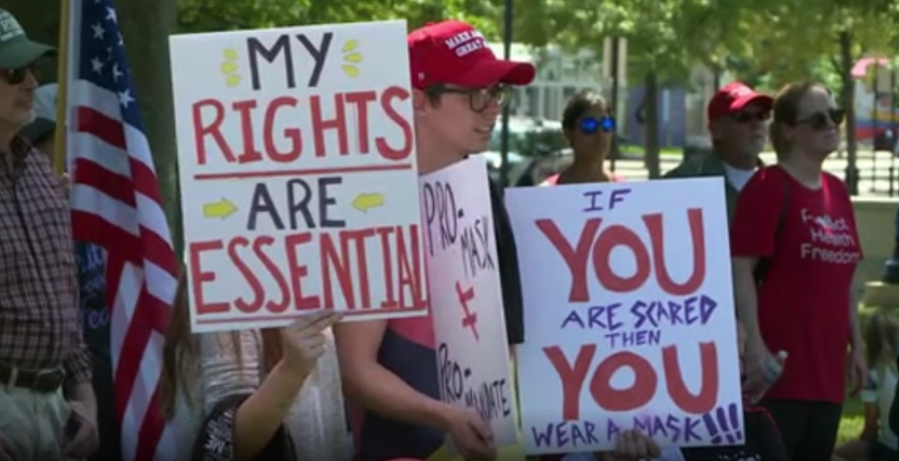
Anti -mask protests in Japan and USA

  • Approximately 150 demonstrators gathered held an anti-mask rally in Salt Lake City on August 5, carrying posters that read “Don’t smother the children” and “Let kids be kids. No masks!”
  • A grilled-cheese shop owner in Windermere, Florida, announced that she wouldn’t require face masks inside her restaurant and promised “100 free meals for patrons who come with no masks.” Many anti-mask protesters gathered outside her shop in her support.
  • Today, in Shibuya, Japan, a cluster festival, which deliberately spreads coronavirus without wearing masks, held a cluster demo and roamed around the Yamanote Line. The organizer of the demo calls himself “cluster jack” and seems to have a bad throat.
coronavirus, anti-mask, Wisconsin, USA
Anti-mask rally in Wisconsin.
Source: Channel3000.

Look at the Cluster demo.

Bill Gates and Serum Institute of India

Bill gates tie-up with the Serum Institute of India in the speedy manufacture and distribution of the coronavirus vaccine. Serum Institute is one of the vaccine developers in the world. The Bill and Melinda Gates Foundation will provide at-risk funding of USD 150 million to Gavi, the vaccine alliance, via its Strategic Investment Fund, which is to get used by the Serum Institute to manufacture the coronavirus vaccine. The vaccine is likely to be available to at least 92 countries.

New Zealand: 100 days without community spread

New Zealand gets praised internationally for its handling of the coronavirus pandemic. The government has lifted almost all of its lockdown restrictions, first imposed in March. The last case of community transmission in New Zealand got reported on May 1, days after the government started lifting its lockdown. August 9 is the fourth day in a row that no fresh coronavirus cases got reported and the total number of active cases in the country is 23, all in managed isolation. The country of 5 million people sought control measures like immediate lockdown, tough border restrictions, effective communication and high testing and link tracking program.

Russia to launch the first coronavirus vaccine next week

Russia is all set to register the first coronavirus vaccine on August 12. Currently, the vaccine is at the third stage of testing and will get tested on 1600 people after registration to ensure its effectiveness and safety. The vaccine trials began on June 17 among 76 volunteers. The fast-track testing of the vaccine by Russia is worrying the scientists, activists and lawmakers and is being questioned. We hope that the vaccine is being tested rightfully and does not have any side-effects.

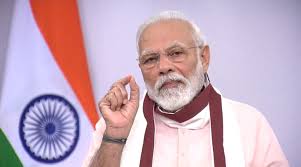
India will have an Important role in scaling up vaccine production: PM Modi.

As the whole world is waiting for discovery of corona virus , the next big challenge in front of world is large scale production of vaccine so that it is feasible to common man.India is going to play major role in vaccine production as it has past experience as well as skilled doctors. India is responsible for providing 2/3 of world’s children with vaccine.

Prime Minister Narendra Modi, in his inaugural address at the India Global Week 2020, said that India will play an important role in developing and in scaling up production of the vaccine once it is discovered.

“Vaccines made in India are responsible for 2/3rd of the vaccine needs of the world’s children. Today also our companies are active in international efforts for development and production of vaccine. I’m certain that India will have an important role in developing and in scaling up production of the vaccine once it is discovered,” PM Modi said.

Speaking on India’s economy, PM Modi said, “India remains one of the most open economies in the world. We are laying a red carpet for all global companies to come and establish their presence in India. Very few countries will offer the kind of opportunities India does today.”

“The pandemic has once again shown that India’s pharma industry is an asset not just for India but for the entire world. It has played a leading role in reducing the cost of medicines, especially for developing countries,” the Prime Minister said.

He also further said that India will lead world in the path of revival post corona virus pandemic in terms of economic as well social development.India is power house of young talents may it be technological or scientific or doctors field.

World over, you have seen the contribution of India’s talent-force. Who can forget the Indian tech industry & tech professionals. They have been showing the way for decades. India is a power-house of talent that is eager to contribute. In these times, it is natural to talk about revival. It is equally natural to link global revival and India. There is faith that the story of global revival will have India playing a leading role,” PM Modi said.

Hope there will be discovery of vaccine soon and life comes back on track.

Covid-19 vaccine can be expected by end of 2020:Serum Institute of India.

Chief Executive Officer of the Pune-based Serum Institute Of India (SII) Adar Poonawalla on Monday said the company is expecting the vaccine for COVID-19 to be ready by the year-end.

The Institute has partnered with British-Swedish drugmaker AstraZeneca to manufacture and supply the vaccine being developed by the University of Oxford under which the SII will supply over a billion doses of vaccine in India, and to other developing and under-developed countries.

However, the approval for the vaccine from the Drug Controller General of India is still awaited.

The institute is expecting to get approval in next six months.The Oxford COVID-19 vaccine trial is currently in its Phase 3 or human trial stage, and will be administered to around 8,000 people in the U.K.

chief executive Poonawalla said while referring to another vaccine candidate from India ie Covaxin of Bharat Biotech, that the company is in no hurry to produce vaccine without proper actions and tests for safety and efficacy.Once they are confident about vaccine, they would launch the vaccine but that would be still 6 months away.

However Bharat Biotech is also confident about its candidate vaccine named Covaxin and has started phase-1 human trials enrolling about 375 patients for test. It is very unlikely that Corona vaccine to be out for masses before or on 15 August, despite the letter of ICMR since human trials may take up to 6-8 months to complete even after conducting only important tests and checks.

It is very positive for the country that we are seeing candidates for vaccine which are in human trials.The vaccine developed in country will be great opportunity for Indian institutes to once again lead the world in pandemic situation.

Covid-19 vaccine updates:Bharat Biotech’s Covaxin to start phase-1 human trials,Sinovac Biotech of China in phase-3 human trials.

New covid-19 vaccine Covaxin has improved hopes of Indians after the successful trials on monkey. It is now all set to start phase-1 human trials approved by ICMR. For the Human trials of India’s indigenous Covid19 vaccine COVAXIN, 12 hospitals are selected. They will enrol participants this month, samples of Bharat Biotech’s COVAXIN are still undergoing quality and safety tests at a govt lab. Theses tests started last Friday and are expected to be finished by the end of next week. Three of the selected hospitals – Delhi’s AIIMS, Kancheepuram’s SRM Hospital and Research Centre and Vishakhapatnam’s King George Hospital are still awaiting ethics committee approvals to begin enrollment of participants for the study.

Besides Sinovac, the vaccines developed by AstraZeneca-university of Oxford and Sinopharm are the only other candidates to start third stage trial.

US-based Moderna is planning to start its late-stage trial for potential vaccine candidates in July.

Coronavirus COVID-19 vaccine India

India is making significant progress in producing the probable Coronavirus COVID19 vaccine. Many institutions in India are engaged in Research and Development for Corona vaccines in the country. Accordin to information provided by Pune based ICMR institution, National Institute of Virology and Hyderabad based CSIR institution Center for Cellular and Molecular Biology, six Indian companies are working on probable vaccine candidate for Coronavirus.

COVID19 vaccine can be developed by 2021, says WHO scientist! The chief scientist at the World Health Organization (WHO) Soumya Swaminathan has said that at least one COVID19 vaccine will be ready by 2021. Swaminathan said that we can be hopeful of seeing one “safe and efficacious” COVID-19 vaccine by the next year. Swaminathan has revealed that WHO has been discussing methods for “fair distribution of the vaccine” with its member countries.

Day to Day Sings & Symptons…DAY 1 to 22

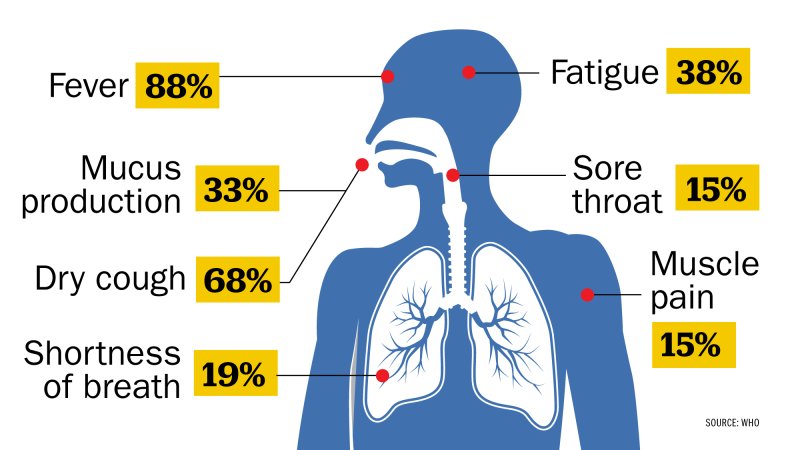
Day to Day Signs and Symptoms of Coronavirus DAY TO DAY SYMPTOMS OF COVID-19 Before proceeding, please note that this general overview is compiled for initial self-assessment only and should vary for each individual. If you are not feeling well, you ought to immediately consult a medical man to possess an accurate diagnosis and proper treatment of COVID-19. The typical daily symptoms are concluded from the study of 138 patients at Zhongnan Hospital of Wuhan University and another study involving 135 patients from Jinyintan Hospital and 56 patients from Wuhan Pulmonary Hospital.

Update: China reports 1,287 confirmed cases of new coronavirus ...

These symptoms are broken down into:

DAY 1 to DAY 2 the start symptoms are almost like the cold with a light pharyngitis and neither having a fever nor feeling tired. Patients can still consume food and drink as was common .

DAY 3 The patient’s throats start to feel a touch painful. Body temperature reads at around 36.5° celsius. Although it’s uncommon, other symptoms like mild nausea, vomiting or mild diarrhea are possible to set in.

DAY 4 Throat pain becomes more serious. Other symptoms like feeling weak and joint pain start to manifest. The patient may show a temperature reading between 36.5° to 37° celsius.

DAY 5 to DAY 6 Mild fever starts. The patients show a temperature reading above 37.2° celsius. The second most common symptom, dry cough, also appears. Dyspnea or breathing difficulty may occur occasionally. Most patients during this stage are easily feeling tired. Other symptoms remain about the same. These four symptoms are among the top five key indications of COVID-19 according to the final report of the initial outbreak conducted by the joint mission of China and WHO.

DAY 7 get more serious coughs and breathing difficulty. Fever can get higher up to 38° celsius. Patients may develop further headache and body pain or worsening diarrhea if there’s any. Many patients are admitted to the hospital at this stage.

DAY 8 to DAY 9 On the 8th day, the symptoms are likely to be worsened for the patient who has coexisting medical conditions. Severe shortness of breath becomes more frequent. Temperature reading goes well above 38°.

DAY 9 is that the average time when Sepsis starts to affect 40% of the patients.

DAY 10 to DAY 11 Doctors are ordering imaging tests like chest x-ray to capture the severity of respiratory distress in patients. Patients are having loss of appetite and should be facing abdominal pain. The condition also needs immediate treatment in ICU.

DAY 12 to DAY 14 For the survivors, the symptoms can be well-managed at this point. Fever tends to urge better and breathing difficulties may start to cease on day 13. But Some patients should be suffering from mild cough even after hospital discharge.

DAY 15 to DAY 16 Day 15 is the opposite condition for the rest of the minority patients. The fragile group must prepare for the possibility of acute cardiac injury or kidney injury.

DAY 17 to DAY 19 COVID-19 fatality cases happen at around day 18. Before the time, vulnerable patients may develop a secondary infection caused by a new pathogen in the lower respiratory tract. The severe condition may then lead to blood coagulation and ischemia.
DAY 20 to DAY 22 The surviving patients are recovered completely from the disease and are discharged from the hospital.

STAY HOME & STAY SAFE

Instagram Launches 'Stay Home' Story & Co-Watching Feature Amid ...