Ideal student

An ideal student is one who is good at skills and an motivation to everyone in the class. Schooling is one of the best blessings that a child can have. It is one of the best feelings which no others can have.

The ideal student is the one who respects others feelings and who will be obedient in many of the situations.

The student’s relation with the teacher is a great one. A student must maintain a healthy relationship with the teachers. Teachers play a very important role in making the student perfect and make them to understand the need of the situation. Teachers help the students to reach their desired goals and in any situation teacher motivates a student to get up and stand in all the ups and downs. Like that of the mother and the father, the teacher also feels equally happy when their student acheives high in their life and when they reach their desired goals.

An ideal student will never feel low at the failures. Instead, they will take their mistakes as an experience and will continue the hard work.

Some of the qualities that make an ideal student are :

  1. Hard work
  2. Discipline
  3. Taking responsibility
  4. Maintaining friendly relationships
  5. Respecting everyone
  6. Raising diubts without features.

SOME QUALITIES THAT MAKE AN IDEAL STUDENT FOR KIDS :
  1. • Ideal student traits make him uniqu, anong others.
    • It is believed that an ideal student will never waste his time and energy on non- productive things.
    • The ideal student has inborn winning qualities.
    • Ideal students will always goal- oriented. Thys, they play according to actions to reach their goals.
    • It is proven that ideal students will punctual in school and always on time regularly.
    • He respects everyone. He also obeys their instructions and others.
    • Ideal students are not bookwarms. They keenly observe and read wisely.
    • Ideal students take his studies with all seriousness. They dont’t allow any other activites to disturb them
    • Ideal students always seek the teacher’s guidance. Also, they believe in the knowledge of their teachers.
  2. SOME QUALITIES THAT MAKE AN IDEAL STUDENT FOR SCHOOL STUDENTS :

  1. • Ideal students are always thirsty to gain knowledge.
  2. • They always strive to reach their goals
    • Ideal students always dedicated to their education and work.
    • Ideal students behave well and very attentive in classes. They always listen to their teachers while classes are going on
    • They never hesitate to raise their doubts about studies if they feel some difficulty in understanding.
    • one of the best things about ideal students is that they are very friendly. Also, they help yo his friends regarding studies.
    • Ideal students are creative and think out of the box for any completion of tasks.
    • He always inspire eveyone and attracts the teachers and elders easily.
    • Ideal students are very responsible and underdtand the value of every wird from their elders.
  3. SOME QUALITIES THAT MAKE IDEAL STUDENT FO HIGHER CLASS STUDENTS :

• Ideal students are always fit both physically and mentally.
• Ideal students can differentiate between what is right and what is wrong .
• Ideal students always keep friendly relations with othet students even though he has many competitors
• He always maintains his promise and never feels proud of his awards and achievements.
• Ideal students will nevet trust in superstitions, but believe beliefs. It is because they think very logically abd ratinally.
• An ideal students tries to improvr in all aspects of his life and to reach goals.
• Ideal students show affection and respect towards their elders and parents.
• Ideal students read a lot of books.
• The ideal students will take responsibility for their society and country.
• An ideal student will never look fir shortcuts. They believe that hard work is the only way to succeed in life.

In simple terms, an ideal students is science towards academics and maintains friendly relations with teachers and elders. Aldo, an ideal student will have leadership and communication skills.
The role of an ideal student is both attentibe and punctual in duties. He goes to his school, college or university in time. He attends the classes on regular basis .
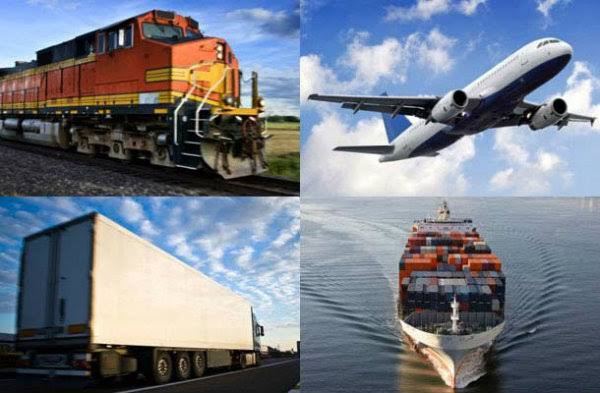
Transportation in India.

India’s transport sector is large and diverse; it caters to the needs of 1.1 billion people. In 2007, the sector contributed about 5.5 percent to the nation’s GDP, with road transportation contributing the lion’s share.

Good physical connectivity in the urban and rural areas is essential for economic growth. Since the early 1990s, India’s growing economy has witnessed a rise in demand for transport infrastructure and services.

However, the sector has not been able to keep pace with rising demand and is proving to be a drag on the economy. Major improvements in the sector are therefore required to support the country’s continued economic growth and to reduce poverty.

Roads. Roads are the dominant mode of transportation in India today. They carry almost 85 percent of the country’s passenger traffic and more than 60 percent of its freight. The density of India’s highway network — at 0.66 km of roads per square kilometer of land – is similar to that of the United States (0.65) and much greater than China’s (0.16) or Brazil’s (0.20). However, most roads in India are narrow and congested with poor surface quality, and 33 percent of India’s villages do not have access to all-weather roads.

Rural Roads-A Lifeline for Villages in India: Connecting Hinterland to Social Services and markets

Railways. Indian Railways is one of the largest railways under the single management. It carried some 19.8 million passengers and 2.4 million tonnes of freight a day in year 2009 and is one of the world’s largest employer. The railways play a leading role in carrying passengers and cargo across India’s vast territory. However, most of its major corridors have capacity constraint requiring capacity enhancement plans.

Ports. India has 13 major and 199 minor and intermediate ports along its more than 7500 km long coastline. India’s seaborne foreign trade being 95% by volume and 67% by value, the ports play a very significant role in improving foreign trade in a growing economy. These ports serve the country’s growing foreign trade in petroleum products, iron ore, and coal, as well as the increasing movement of containers. Indian ports handled cargo of 850 million tonnes and about 9.0 million TEU container traffic in year 2010. Over the last decade, the average annual growth rate of port cargo volume has been about 10%.. The future potential for port sector, particularly container ports is huge considering that the container traffic is projected to grow to 40 million TEU by 2025. Inland water transportation also remains largely undeveloped despite India’s 14,000 kilometers of navigable rivers and canals.

Aviation. India has 128 airports, including 15 international airports. Indian airports handled 142 million passengers in 2010-11 and 1.6 million tonnes of cargo in year 2009-10. The CAGR for the domestic passenger and freight growth over the last decade has been 14.2% and 7.8% respectively. The dramatic increase in air traffic for both passengers and cargo in recent years has placed a heavy strain on the country’s major airports. Passenger traffic is projected to grow more than 15% annually over 2011-13 and it is estimated that the aviation industry, currently 9th largest in the World, will require 30 billion USD investment in the next 15 years to keep pace with the growing demand.

Urban Transport. India is experiencing rapid urbanization with the present urbanization levels at 30% translating to a population of roughly 340 million living in urban areas. The number of million plus cities is presently at 42 and the urban economy accountd for roughly 60% of the GDP. Motorisation rates in India are in double digits as in most developing economies. Only about 20 cities out of 87 cities with a population in excess of 500,000 and state capitals have any kind of organized transport and only 3-4 cities could lay claim to a mass rapid transit system. The share of public transport in cities with population sizes over 4 million has declined from 69% to 38% between 1994 to 2007. Accident and fatality rates are one of the highest in the world affecting primarily the poor and vulnerable without their own means of transport.

Transport infrastructure in India is better developed in the southern and southwestern parts of the country.

The major challenges facing the sector are:

• India’s roads are congested and of poor quality. Lane capacity is low – majority of national highways are two lanes or less. A quarter of all India’s highways are congested. Many roads are of poor quality and road maintenance remains under-funded. This leads to the deterioration of roads and high transport costs for users.

• Rural areas have poor access. Roads are significant for the development of the rural areas – home to almost 70 percent of India’s population. Although the rural road network is extensive, some 33 percent of India’s villages do not have access to all-weather roads and remain cut off during the monsoon season. The problem is more acute in India’s northern and northeastern states which are poorly linked to the country’s major economic centers.

• The railways are facing severe capacity constraints. All the country’s high-density rail corridors face severe capacity constraints. Also, freight transportation costs by rail are much higher than in most countries as freight tariffs in India have been kept high to subsidize passenger traffic.

• Urban centers are severely congested. In Mumbai, Delhi and other metropolitan centers, roads are often severely congested during the rush hours. The dramatic growth in vehicle ownership during the past decade – has reduced rush hour speeds especially in the central areas of major cities.

• Ports are congested and inefficient. The average annual growth of cargo volume in the ports in the last decade was close to 10%, However, capacity utilization in some of the major ports remain as low as 58-60% Both bulk and containerized traffic is expected to grow at a much faster pace in future and by some estimate the container traffic is projected to grow to about 4.5 times of the current volume by 2025. India’s ports need to significantly ramp up their capacity and efficiency to meet this surging demand.

• Airport infrastructure is strained. . Air traffic has been growing rapidly leading to severe strain on infrastructure at major airports, especially in the Delhi and Mumbai airports which account for more than 40 percent of nation’s air traffic.

Universal destruction

How could it be possible that when the time gets worse we often ignore the vulnerable?

Nikhil Meshram

We are living in the world , where no one can intrude . A life , where you can’t touch the one you want . A life, where one has to stay away from his own . A life , where no one can go in one’s home . Yes , it’s a life we are living ‘ A life of a LOG’ .

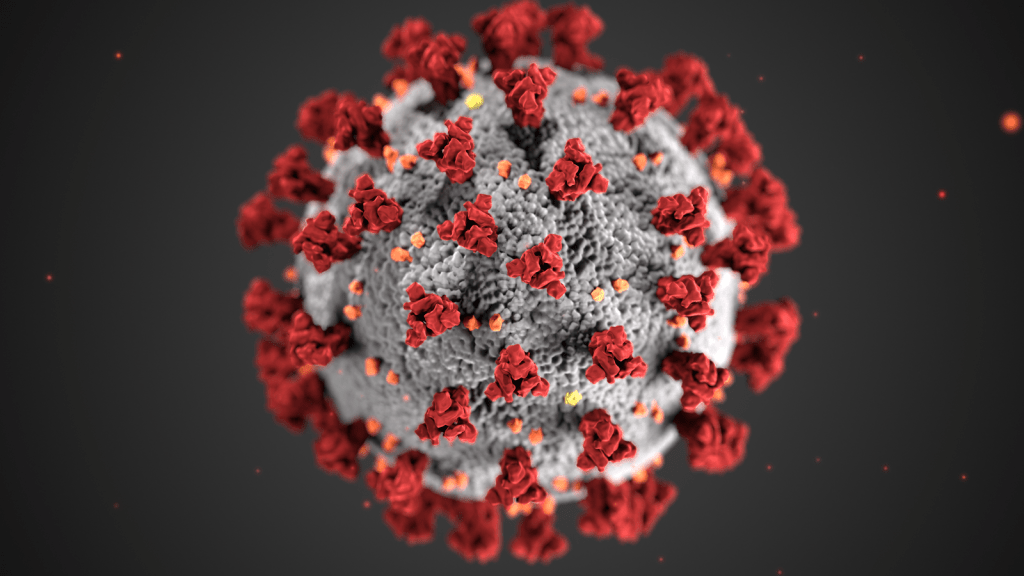
Coronavirus , I believe it’s not a new word in your dictionary . This eleven letter word creating a massive destruction all over the world . I know you are well aware but the real question is , are you following the protocols properly?

Firstly let’s get some knowledge about coronavirus.

The origin .

The recent outbreak began in Wuhan, a city in the Hubei province of China. Reports of the first COVID-19 cases started in December 2019.

Coronaviruses are common in certain species of animals, such as cattle and camels. Although the transmission of coronaviruses from animals to humans is rareTrusted Source, this new strain likely came from bats, though one study suggests pangolins may be the origin.

However, it remains unclear exactly how the virus first spread to humans.

Some reports trace the earliest cases back to a seafood and animal market in Wuhan. It may have been from here that SARS-CoV-2 started to spread to humans.

Coronaviruses are a group of viruses that can cause disease in both animals and humans. The severe acute respiratory syndrome (SARS) virus strain known as SARS-CoV is an example of a coronavirus. SARS spread rapidly in 2002–2003.

The new strain of coronavirus is called severe acute respiratory syndrome coronavirus 2 (SARS-CoV-2). The virus causes coronavirus disease 19 (COVID-19).


Around 80%Trusted Source of people with COVID-19 recover without specialist treatment. These people may experience mild, flu-like symptoms. However, 1 in 6 peopleTrusted Source may experience severe symptoms, such as trouble breathing.

The new coronavirus has spread rapidly in many parts of the world. On March 11, 2020, the World Health Organization (WHO)Trusted Source declared COVID-19 a pandemic. A pandemic occurs when a disease that people are not immune to spreads across large regions.

It’s okay take a deep breath . Yes, it’s a lot to take in but we all know how china played with the whole world .

The protocols.

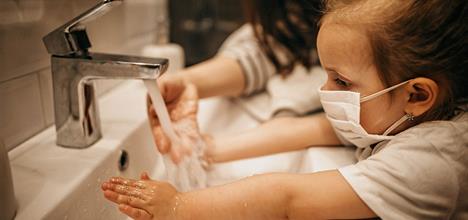
  • Wear masks ,
  • Wash hands ,
  • Use sanitizers ,
  • Social distancing , etc,.

Is it important to follow protocols ?

You say NO , I say ‘if you want to die you can easily ignore the protocols ’ . Well I don’t want to die , I have my whole 20s , 30s and so on…… .

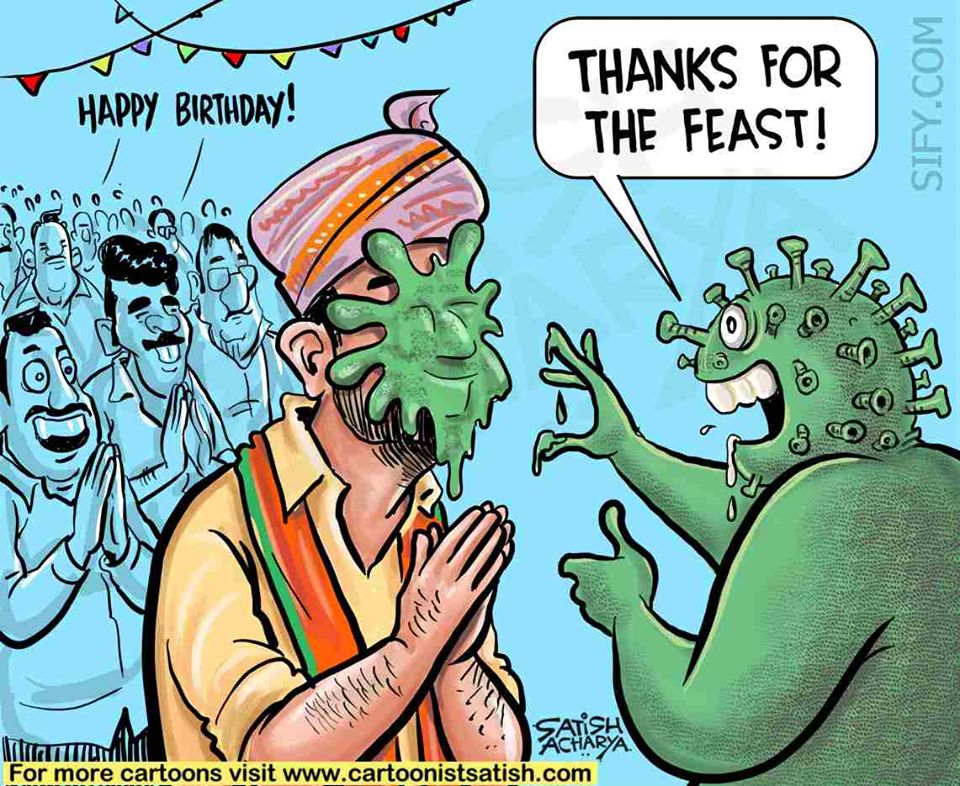
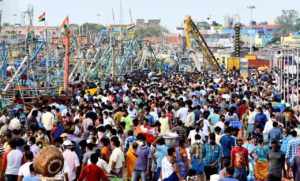
According to the survey, people have been moving around freely, meeting different social groups and attending gatherings, going to malls and markets. This indicates that a pandemic fatigue has set in after after a year of restrictions on movement, social distancing and strict mask wearing norms.

Well , if you are saying this is what following protocols is than I am happy to stay home rather than chilling around like a monkey . Like really , a monkey also has a common sense that when to do chilling and when to fight for himself . What we are doing is putting masks in our pocket to showcase the world that I have one . Haha it’s kinda funny .

We long to return to normal, but **normal led to this**. To avert the future pandemics we know are coming, we MUST grapple with all the ways normal failed us. We have to build something better. I hope this piece, in showing what went wrong, helps.

Link :

Getting a Job in Google.

Year after year, Google has been ranked as one of the top companies to work for, so it’s no surprise that the tech giant receives roughly three million applications per year. With an acceptance rate of 0.2%, you’d have a better chance of getting into Harvard.

It is difficult to get a job at Google because of their quality standards and the high number of applications they receive per year. For example, INC reported that Google receives 2 million job applications per year, which means it’s more competitive to get into than Harvard University.

Google is an employer of choice for the world’s top talent, typically receiving hundreds of resumes for every opening, which allows them to be extremely selective in their hiring.The hardest part is getting an interview. If you attend a university, go through campus recruiting.

According to the Pascale, The lowest paid Google employees are Entry Levels at $51,000.Google says there is no degree or prior experience required. In fact, 61% of learners enrolled do not hold a four-year degree. This certificate could be a perfect launchpad to a career in IT.

So if you have a keen interest in working at Google California or at any other branches of Google work hard my friend. More than studies work on yourselves, on your IQ level the interviewees are not going to ask you a question from your syllabus.

Old Becomes Richest Man In India Making Money Online!

Mithun Bhat, born in Bhopal, could buy 2 houses within a month, Bentley, Ferrari and paid all his debts. But previously, he worked with salary under the minimum wage. So, how could he earn so much money only in a month? He tells us his story.

“I worked at pizza delivery service for a year. I was prior a collage student and did a part time job in a restaurant. I did it to support my study. In the second year of study I was close to be expelled since I could not pay the tuition. At the time, I had to take a loan. I could finally paid my tuition, but I had no money to pay the monthly installments to the bank. Honestly, studying and working all at once was beyond my endurance, and eventually, I was expelled from campus a week before the end of school year. That was the beginning of the darkest days of my life. My father lost his job and my family didn’t know how to survive. Could you imagine how hopeless I felt? I had no decent work and no education, and my father lost his job. I could do nothing to help them.

One night, I was delivering a pizza to the last location. A guy opened the door. He was with his friends, and while he was paying the pizza, I heard their discussion about where would they invest Rs. 2,000,000 they earned 10 minutes ago. I just made a glance and saw a sort of graph and figures on the laptop screen. The guy opening the door gave me Rs. 1,000 but the price was only Rs. 600. He told me to keep the change.

I was absolutely surprised and after I got back home, I took my laptop and tried to recall about their discussion. After 5 minutes, I remembered that they told about online trading. On the Broker website I found the graphs and figures I saw at the guy’s laptop.

After reading all information about the broker and watching tutorial videos, I opened a demo account where I got virtual money. I quickly understood what I had to do, it was very easy. I earned some money after my very first transaction. Then I thought… I did not lose anything, so I decided to open a real account and deposited my last money there. At the morning, I woke up and saw that I earned Rs. 30,654 over that night. After 2 weeks I could paid my debts off, bought a car, and I could help my father while he was searching for a new job and pay his expenses for the next few months. 2 weeks later, I already had 2 houses in the suburb. And all I did without leaving my home and getting higher education.

That’s my luck. It would never happen if I did not meet the rich guy while delivering the pizza. I know there are a lot of people having not good times like me, that’s why I tell you: if you want to live without any problem, I can tell you how to earn money with Trading Resource. It is very easy if you would try it.

CONCEPT OF CULTIVATION IN INDIA

AGRICULTURE has been the backbone of Human existence since time immemorial.The Agricultural practices carried out in india are still largely traditional.In the years of its independence,india has made immense progress toward food security.India’s Green revolution Technology invloves production of crop and its irrigation.Agriculture employed more than 50% of the indian work force and has contributed 17-18%to country’s GDP.This is the most vital Sector for human survival.The economic contribution of Agriculture to india’s GDP is Steadily declining with country’s broad based economic growth.But still,it plays a significant role in the overall socio-economic fabric of india.Farmer refers to the person who engages in the activity of Growing crops and Various farming related occupations such as Sericulture,Verimiculture and Agro-forestry,it invloves fishers,livestock rearers, poultry,gardeners,Planting labourers etc.

INDIAN AGRICULTURE AND ITS IMPORTANCE:

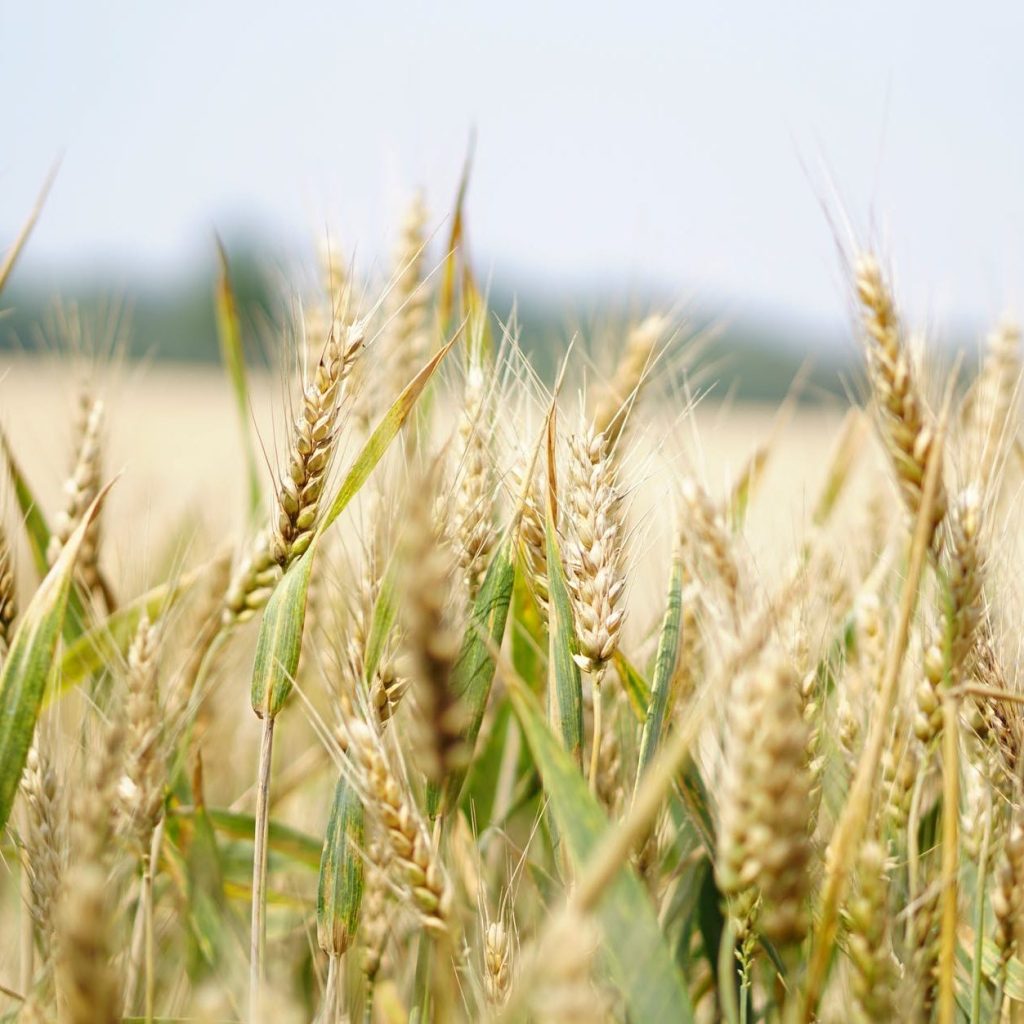
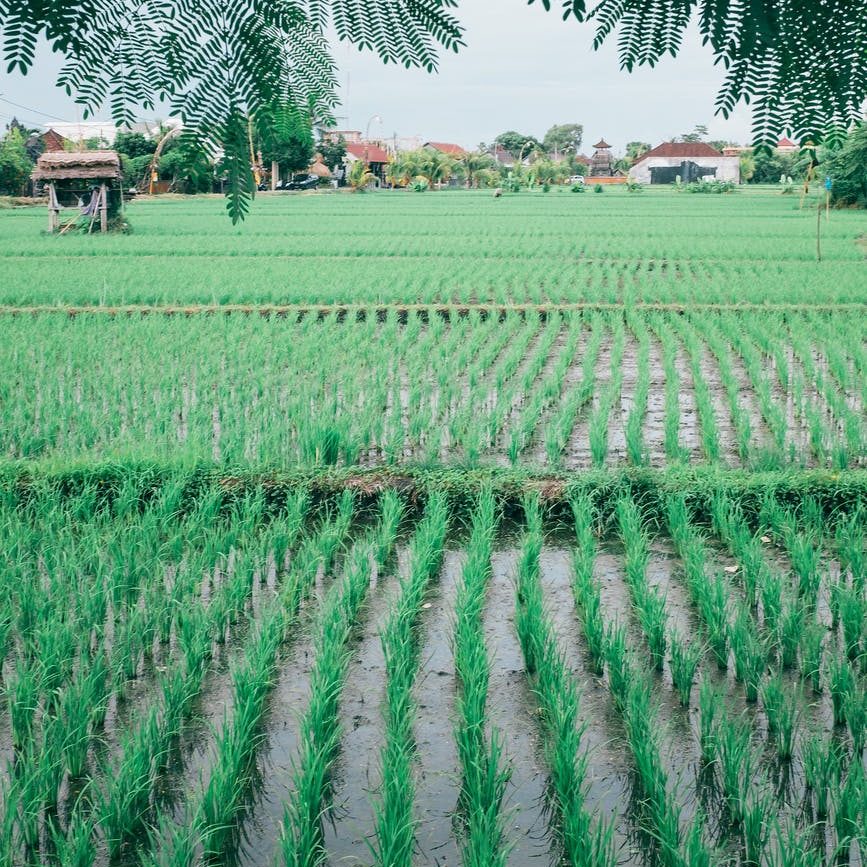
Before the mid-1960s,India relied on imports and food aid to meet domestic requirements.However,two years of severe drought in 1965 and 1966 made india to to reform its agricultural policy.This formed india’s Green revolution with better farming knowledge to improve productivity.The State of Punjab led india’s green Revolution and is known to be the Country’s BreadBasket.With agricultural policy success in wheat,india’s green revolution spread to rice,farmers innvoated tube-wells,to harvest ground water.Agricultural Scientist MS SWAMINATHAN has played a vital role in the Green revoulution in 2013.

Organic farming considered to be the Traditional practice of harvesting with ancestral practices and cultivating procedures.The primary aim of this Organic farming is to help soil to get healthy through biological wastes ,organic wastes and bio-Fertilizers.Organic farming is a sytem that avoids use of synthetic inputs like pesticides,Fertilizers and chemicals, that relys on the techniques like Crop rotation ,Organic Waste ,Farm Manure and crop residues for Plants Protection and nutrients required for its Utilization.The need for this farming is a natural balance between life and property of existence.

Organic farming is based on the Following principles:

  • Soil is a living entity and gives good fertility for plant growth
  • Nature provides all the neccesities and don’t use any external agents
  • The health of soil and its structure is maintained as it is believed to be the most important medium

since india has Traditionally been practicing organic Farming and there is regulatory body that ensures the quality.National Programe on organic production (NPOP) regulates domestic and export markets.As the entire theme of organic farming revolves around healthy,living soil crop residue management.It ensures optimum productivity without fertility loss.Some strategies to consider for Organic farming are :

RAIN WATER HARVESTING:

Rain water harvesting is an important step in organic farming that is the only source of irrigation are seasonal rains,local ponds,percolation tanks,lakes and wells.Farm ponds must be dug and cultivation is practiced.

SOIL ENRICHMENT:

Soil must be enriched to the maximum extent.The golden rule here is to circulate the crop residue,cattle Droppings,and other biological waste back to the field to attain and enrich fertility of the soil.Bio-nutrients,Bio-fertilizers,compost pits must be used.

TEMPERATURE MANAGEMENT:

Inspite of the increasing temparature and ill-effects of global warming this is a important consideration.The soil must be kept and covered to protect it from heat. Trees and bushes has to be planted on the banks.

MODERN CULTIVATION AND ITS ADVANTAGES:

Modern Agricultural systems , Modern machines can control the hard work of farmers.Modern farming was very successful in meeting a growing demand for food by the world’s population.Yields of primary crops such as rice and wheat increased dramatically with the general population growth.This boost in food production has been mainly to scientific advances and new crop varities with the use of pesticides and fertilizers and the construction of large irrigation systems.

The main Motto of Modern agricultural systems have been developed to obtain the highest yields and to get economic profit.It also has a concept of Monoculture,where only one crop is grown alone in a field .Monoculture makes it easier to sow seed,control weeds and harvest.Irrigation technolgies include supply of water to crops during times of dry weather in the place where natural rainfall is not sufficient for growing most of the crops.Modern culture has taken advantage of several more recent crop breeding techniques.

MODERN FARMING METHODS:

AEROPONICS SYSTEM:

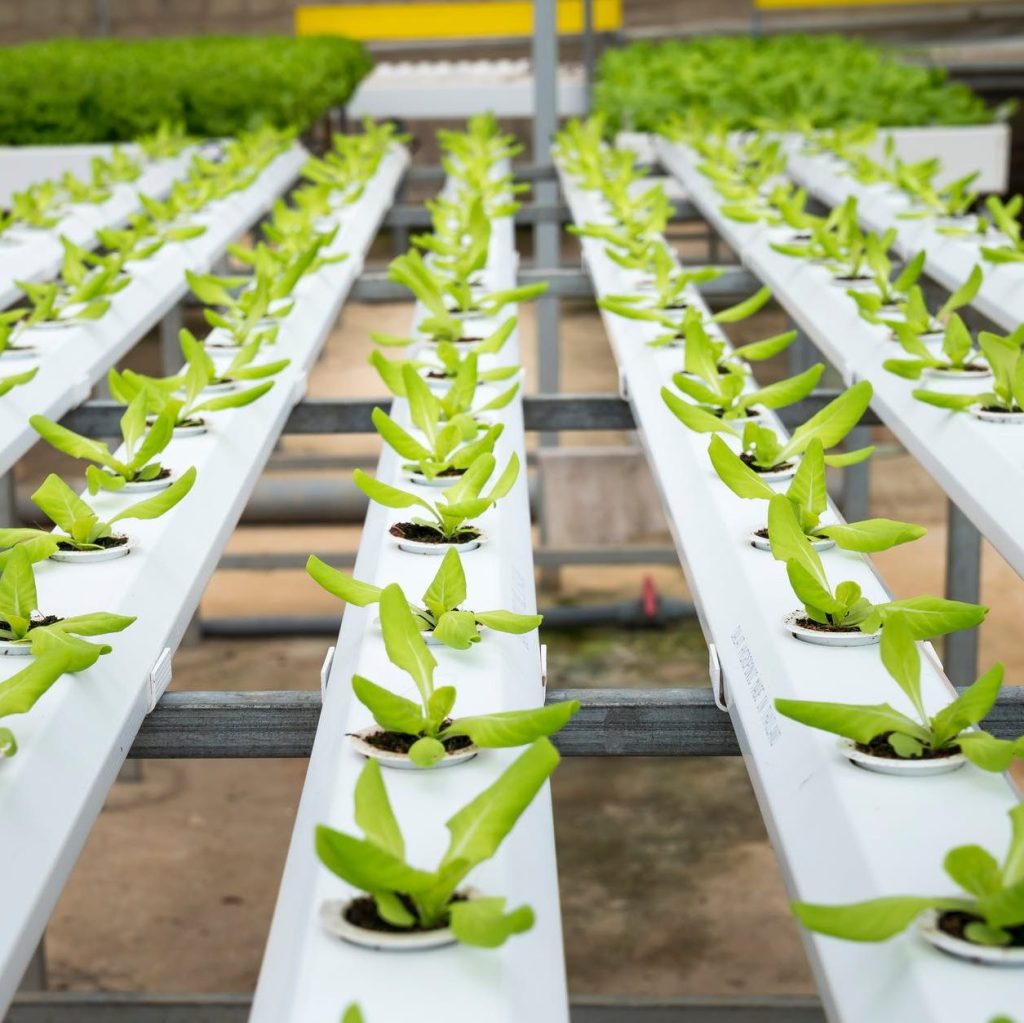
This process of growing plants in air or mist environment without the utilize of soil as medium.It is a subset of Hydroponics and grows by suspending plant roots in the air and misting them with nutrient water.This uses liquid nutrient result as a growing medium and essential mineral to maintain plant growth.These are cost effective since won’t have to spend money on irrigation channels.

AQUAPONICS SYSTEMS:

Aquaponics is a closed loops system that relies on the acquaculture and agriculture for fertilization.While fish waste accumulates in the water and provides the nutrients essential for plant growth,the plants naturally clean the water.It benefits by using all the normal fertilizer sources from fish waste.Efficient,Sustainable and extremely productive.These are some important modern farming methods that have been in practice in recent times all over the world.Cultivation has its Importance within a sustainable and healthy environment.

THANK YOU !