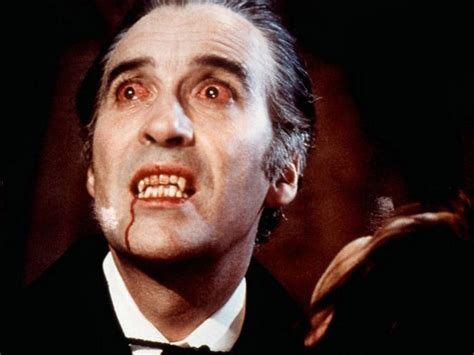
Vampires, they are a staple of the common folklore and a gold mine when it comes to shows of the drama and fantasy genre. They are amongst the most recognized when considering mythical creatures, and with numerous TV shows and movies constantly showcasing them one could very well say that they are the top of the chain in show biz as well. And even among the vampires, there is one figure who lives on in people’s minds as the most famous vampire ever, Dracula. While he is neither the first fictional vampire nor the most popular of his time, he may very well have remained buried in obscurity if not for a twist of fate.
Before Dracula came along, blood sucking monsters had already been a part of folklore for at least 800 years. It was the Slavic folklore that gave us the name vampire or “upir” in old Russian. The terms first known written mention came from the 11th century. Vampire lore in the region had predated Christian arrival and despite the church’s attempts to eliminate all pagan beliefs, vampiric folklore persisted. The stories of vampires originated from misinterpretations of diseases such as rabies and pellagra, and even decomposition. In the case of the latter, gasses swelling the body and blood oozing from the mouth could make it look like a corpse had recently been alive and feeding on blood. Vampires were often described as bloated with sharp teeth and overgrown nails, which had a perfectly well reasoned scientific explanation, however since the people then were ignorant of them, they fell into superstition. This gave rise to many rituals intended to prevent the dead from rising, such as burying bodies with garlic and poppy-seeds as well as having them staked, mutilated and even burned. Vampire lore remained a local phenomenon until the 18th century, when Serbia was caught between the struggle of two great powers of that time, the Habsburg monarchy and the Ottoman empire. Austrian soldiers and government officials observed and documented the strange rituals and their reports became wildly publicized which resulted in a vampire hysteria. It got so out of hand that in 1755, the Austrian Empress was forced to send her personal physician to investigate and debunk the rumors. The panic subsided but the vampire fascination had already taken root in western European imagination. This spawned books like “The Vampyre” in 1819 and “Carmilla” in 1872. These would go on to influence a young Irish drama critic named Bram Stoker who was born in Dublin in 1847. Until the age of seven he was severely bedridden with an unknown illness, during which his mother would tell him folktales and her experience during an outbreak of cholera in whose real-life horror would inspire Stoker to write. In 1897 he wrote “Dracula”, although the book’s main villain and namesake is thought to be based on historical figure Vlad III or Vlad the Impaler, it is only his name that they share. The rest of his characteristics were influenced by various works of the Victorian Era. The novel upon release saw moderate success and was only briefly ever mentioned in Stoker’s obituary in 1912. However, a critical copyright battle soon changed Dracula’s fate. In 1922 a German studio adapted the book into the now classic “Nosferatu” which despite minor changes was largely plagiarized, and was sued into bankruptcy. Stoker’s widow decided to copyright by approving a production by family-friend Hamilton Deane. This became a classic largely due to Bela Lugosi’s performance on Broadway. Lugosi would go on to Star in the 1931 film version of it by Universal, lending the character many of his signature characteristics.
Since then Dracula has risen again in many adaptations, finding eternal life beyond the humble pages of his birth.
Witch hunt, a phrase often used by politicians whenever accused has become very common these days. A witch hunt often means a persecution of someone through baseless facts and inconclusive evidence. But essentially it refers to the attempt to punish someone whose opinions are unpopular and said to be a danger to society. But the question arises as to how and when did the original witch hunts related to witchcraft started. Contrary to popular belief it wasn’t because of the uneducated masses started accusing those with odd behavior but rather belief in witches, in the sense of wicked people performing harmful magic, had existed in Europe since before the Greeks and Romans. In the early part of the Middle Ages, authorities were largely unconcerned about it. Things began to change in the 12th and 13th centuries, ironically because educated elites in Europe were becoming more sophisticated. Universities were being founded, and scholars in Western Europe began to pore over ancient texts as well as learned writings from the rest of the world, which often gave some sort of complex system of magics as an explanation for day to day phenomenon. Ordinary people – the kind who eventually got accused of being witches – didn’t perform elaborate rites from books. They gathered herbs, brewed potions, maybe said a short spell, as they had for generations. And they did so for all sorts of reasons, such practices were important in a world with only rudimentary forms of medical care.
Christian authorities had previously dismissed this kind of magic as empty superstition. Now they took all magic much more seriously. They began to believe simple spells worked by summoning demons, which meant anyone who performed them secretly worshiped demons. These ideas of common folk engaging in witchcraft really gained traction after the pope gave a friar and a professor of theology called Heinrich Kraemer permission to conduct inquisition in the search of witches in 1485. At first his ideas did not gain traction as the people disapproved of his harsh questioning of respectable citizens and shut down his trials. However undeterred in his supposed quest to rid the world of the devil’s influence Kraemer wrote a book called “Hammer of Witches”. He wrote a lot of ideas which would subsequently be seen practiced in various towns across Europe. His book spurned others to write their own books on the topic and give sermons on the “dangers of witchcraft”. Even though there was no evidence to support any of these claims belief in witchcraft became widespread. A witch hunt often began with a misfortune; a failed harvest, a sick cow, or a stillborn child. Many of the accused were people on the fringes of society, the elderly, the poor or social outcasts but it wasn’t just limited to them, any one could be targeted even children. While religious authorities sanctioned these hunts, it was the local secular government that carried out the detainment and punishment of the witches. Those suspected were tortured rather than questioned, and under these tortures thousands of people falsely confessed to witchcraft and implicated others to save their hides. This was a time where the way repentance rather than justice prevailed in the courts, so even with flimsy evidence a lot of people were persecuted. Punishments varied from a fine to burning at the state, for many of the poor it was always the later. While motivations of witch-hunters varied considerably from jealousy, anger and spite, many genuinely felt they were doing good by rooting out the evil in society. But like even in these troubled times, there were those of sound mind who dissented various scholars, jurists and physicians countered with logic and sense against the mob mentality of the masses and with a rise of strong central governments, witch hunting slowly declined until it disappeared altogether.
Both the onset and the demise of these atrocities came gradually and the potential for similar situations to arise is still there, where authorities use their power to mobilize against false threats, but with reasoned dissent to combat it we as a society can still move forward.
Cannibalism, a frowned upon act which society vehemently opposes or so we think. Cannibalism is the act of consuming another individual of the same species as food. Organisms from the animal kingdom practice cannibalism on a regular basis in fact more than 1,500 species alone practice it. Even as society frowns upon it, human cannibalism is well documented, both in ancient and in recent times. So how did this start? The word cannibal is dated back to the time of Christopher Columbus, which he may even have coined himself. It was first recorded in Columbus’s reports to the queen of Spain. He described the indigenous people as friendly and peace loving but sparked rumors about a group called Caribs, who apparently raided, plundered and ate their prisoners. The queen granted permission of capture and enslaving of anyone who ate flesh. However once Columbus found that he would not get gold from any of the locals, he began labeling any who resisted him as a Caribe. As the term reached Europe, somewhere along the way it had transformed from Carib to Canibe to Cannibal.
It was first used by colonizers to dehumanize indigenous people; it has since been applied to anyone who eats flesh. The term comes from an account with no hard evidence but it does have a real and complex history. Throughout the course of history, it has taken diverse forms such as 15th century Europeans believed they had hit upon a miracle cure: a remedy for epilepsy, hemorrhage, bruising, nausea and virtually any other medical ailment. It was a brown powder known as “mumia,” and was made by grinding up mummified human flesh. It had a large demand in 15th century Europe so much so that the stolen mummies from Egypt used to keep up with the mumia craze started dwindling. This opened up avenues for opportunists to use stolen bodies from European cemeteries to keep up with the craze. The use of mumia was so widespread that it continued for hundreds of years. It was even listed in Merck index a popular medical encyclopedia into the 20th century. During various famines, sieges and wars there have been accounts of survival cannibalism as the only options were starving or eating the dead. But various cultures saw a normalization of consumption of human flesh even in ordinary circumstances. Blood in liquid or powdered form used to treat epilepsy, human liver, gall stones, oil from human brains and pulverized hearts were popular medical concoctions back in the day. In china the written record of socially accepted cannibalism goes back to 2000 years. One form of cannibalism was filial cannibalism where adult sons and daughters provided a piece of their flesh to their sick parents and often seen as a last-ditch effort to save them. Cannibalistic funerary rites were yet another form of culturally sanctioned cannibalism. The best-known example came from the Fore people of New guinea. Through the mid-20th century, members of the community would, make their funerary preferences known in advance, often requesting family members to consume their flesh after death, however even though this honored the dead it bore the spreading of a deadly disease known as Kuru throughout the community.
Between fictionalized stories, verified facts and big gaps that still exist in our knowledge, there is no one history of cannibalism, however one thing we can be sure of that humans throughout the course of history have eaten and volunteered to be eaten by their fellow man. As Michel de Montaigne wrote “Everyone gives the title of barbarism to everything that is not in use in one’s own country”.
Summer vacations of young school children open up a whole new arena of hobbies for them to indulge in. These kids enroll themselves in various classes like dancing, singing, arts and craft, and sports. Although dancing is one of the primary activities, not many children these days opt for classical dance styles. Most of them prefer Freestyle or Bollywood. While no dance form is less than another, a few of them are losing their place in society. Lost in today’s times is one such dance form, Kuchipudi.
Kuchipudi, one of the eight classical dance styles of India, is a dance-drama performance art that originated in Andhra Pradesh in the Kuchelapuram village of Krishna, about 65km from Vijayawada. It is the only classical dance form that gains its name from a geographic location where it grew largely as a product of the Bhakti Movement in the early seventeenth century A.D.
The history of Kuchipudi can further be traced back to the 1st century B.C. but the more popular stories are from 1502 A.D. According to some local legends, an orphan boy adopted the name Sidhendra Yogi acquiring higher studies, and one day when he asked God to help him cross a river, he vowed to devote his life to religious affairs. He then began to teach Brahmin boys devotional dance which was called Natya Shastra (which translated to offerings to God). In those days Kuchipudi was performed once in a year but was cautiously kept out of the reach of Devadasis. Even today in some coastal areas of Andhra Pradesh Kuchipudi is not accessible by all; it is still performed by all-male troupes.
Kuchipudi today is known for its quick footwork, expressive eye movement, dramatic characterization, and spirited narrative. It is a representation of a fine combination of Nritta, Nritya, and Natya. The performer has to be skilled in speech, dance, and mime.
Earlier Kuchipudi was never a solo affair. Men and boys underwent rigorous training in abhinaya, music, and dancing. The sutradhar (director) played the key role and men played the roles of both the genders. Now it is fast becoming a solo affair enriched by the advent of female dancers.
With its lilting music and flowing music, Kuchipudi performances are a delight to watch. The beautiful costumes and light makeup of the artists contribute to their vibrant stage presence. While a male wears a dhoti, a female is adorned with a sari that is stitched with a pleated cloth that opens like a hand fan when the dancer stretches or bends her legs while portraying spectacular footwork. Traditional jewelry like a metallic waist belt is used along with ghungroos for producing rhythmic sounds. The eye expressions are given extra importance by outlining them with black kajal.
Indrani Bajpai and Yamini Krishnamurti kept Kuchipudi alive through public performances garnering not only new students but also making it known on the national and international stature. Names like Haleem Khan, Yamini Reddy, Atisha Pratap Singh, and Kalpalathika are trying to keep up with the tradition with their contributions.
Yogurt is a basic fermented milk product that usually contains the basic bacterial starter cultures of Lactobacillus bulgaricus and Streptococcus thermophillus. Although the composition of different types of yogurts changes but there is some fixed composition of fats present in them. It is important to note that all yogurts must contain at least 8.25% of solid which is not fat. The fat composition changes with the type of yogurt like full fat yogurt must contain not less than 3.25% of milk fat whereas low fat yogurt must not contain more than 2% milk fat. Also there is a category of non fat yogurt where the fat composition is even less than 0.5%. The yogurt is basically a mixture of milk and cream which is then fermented by using a culture of Lactic acid producing bacteria. The types of milk which can be used are whole, reduced-fat, low-fat or non-fat depending on which the type of yogurt is decided. The lactic acid produced by the starter culture bacteria is basically responsible for lowering the pH of the yogurt making it acidic and tart. This finally causes the milk protein to thicken. These bacteria ferment the milk which results in the production of yogurt leads to partial digestion of the milk making it more easily digestible. In addition, these bacteria also act as a beneficial microorganisms for the human body as they act as oral-antibiotic therapy and helps in eliminating the pathogenic-bacteria from the gut and replenishing the non-pathogenic bacteria.
Ingredients of yogurt – Milk Cream Sweeteners (e.g. sugar, honey, aspartame, etc) Flavorings (e.g. vanilla, coffee, etc) Other ingredients (e.g. fruits, preserves, stabilizers such as gelatin)
Types of yogurt –
Set yogurt – This type of yogurt has a jelly-like structure and texture and is incubated and cooled in a final package.
Stirred yogurt – This type is less firm than set yogurt. It is incubated in a tank and final coagulum is broken by stirring before cooling.
Drinking yogurt – It also has coagulum broken before cooling though very little reformation of coagulum will occur.
Frozen yogurt – This type of yogurt is incubated in the same way the stirred yogurt is incubated. It has an ice-cream like texture.
Flavored yogurt – In this type of yogurt, flavors are added just before yogurt is poured into pots and the sugar content present in this type of yogurt is about 50%.
General processing of yogurt –
Adjusting milk composition and blending all the ingredients
Pasteurization of milk (at 85 degrees celcius for 85 minutes)
Homogenization of milk (2000-2500psi)
Cooling of milk to 42 degree celcius
Inoculation with bacterial starter cultures into the cooled milk
pH reduction by waiting for sometime
Again cooling to 7 degree celcius
Addition of fruits and flavors
Packaging of prepared yogurt.
Health benefits of yogurt: • Yogurt is comparably easier to digest than milk. • It is rich in variety of vitamins. • It is a rich source of protein. • As it is source of protein, it may help in losing weight and gain muscles. • It acts as a booster for immune system • It is also important and useful for digestive system. It destroys the pathogenic microorganisms from the gut. • It is good for bones especially for kids and elderly • It may also be useful in lowering the blood pressure.
We know that trends are currently much changed in the world and people are more engaged in sports. Games are an ideal approach to unwind from the regular schedules and accomplish something else. For the most part, pros say that games keep the general people healthy and useful for the psyche too. There are numerous sorts of games, in which some of them can be effortlessly played at home with everything utilized as a part of them yet a few sports are expensive and hard to play at home. These sports are led through some amazing competitions and shows to show them everywhere throughout the world. Anybody can partake in these sorts of games if he or she is equipped for playing them.
All another typical type of sports can be played whenever however these can’t be played or can’t be taken as a profession. Everybody has no entrance in these sports because of their uniqueness. The most critical thing in every one of these sports is cash without which these sports are unrealistic. Every one of these sports is continuously connected with the exclusive class as they can manage the cost of them.
Here some sports, which are expansive
1.The Whitianga Festival of Sports:
It is very famous sport that is conducted in New Zealand in every year. It has helicopter used in it, boat, ski racing and helicopter racing as well. In this sport there is basically a competition between one another. Owning and keeping the equipment for this game are very expensive and requires about millions of dollars. It is the most expensive sports teams in the world as well. the boat used in this game cost around $20,000 to $2 million.
2.Ski Jumping:
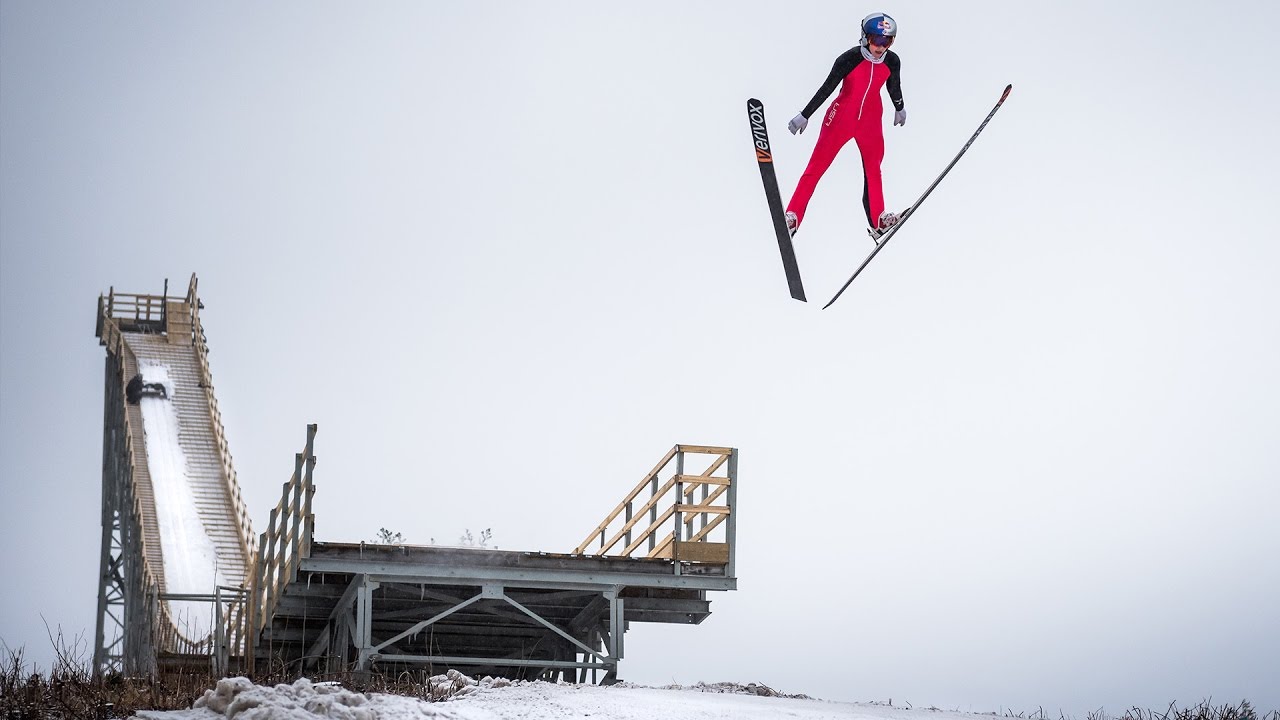
Ski jumping is a very famous and interesting sport in the world. The equipment used in this sport can cost about $2,500. The recreational ski jumping is very expensive and can only be affordable by the rich people. A jumper has to spend almost $100,000 to go for this ride. It is also ensured because of the high risk in this game.
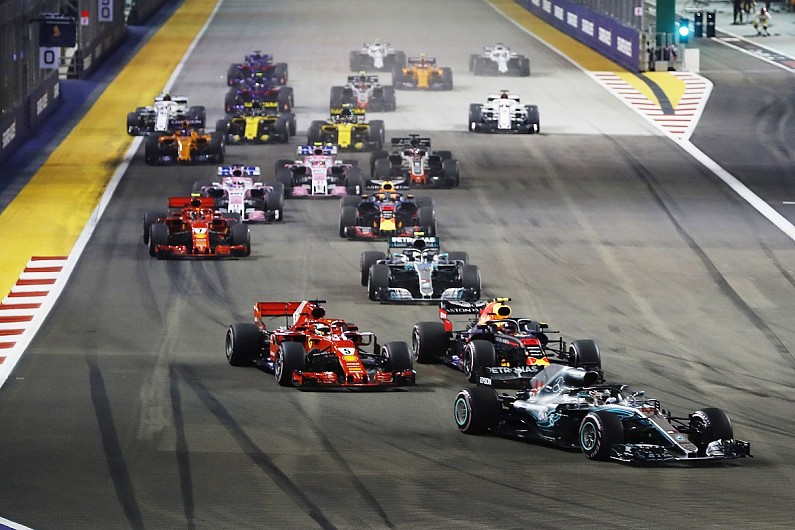
3.Formula 1:
Yes, cars can be cheap if you search patiently and diligently for the right deal. That rule doesn’t apply to Formula 1 cars. Each Formula 1 car may cost over $1 million. Even if you want to drive someone else’s car, you will still need to bring your own sponsors with deep pockets. Sometimes, the minimum sponsorship requirement can be as high as $190,000. Oh, and these Formula 1 car are extremely fragile as well. So the insurance premiums on the cars are going to be astronomical. There’s no wonder that this sport zooms right up to the top of the most expensive sports in the world list.
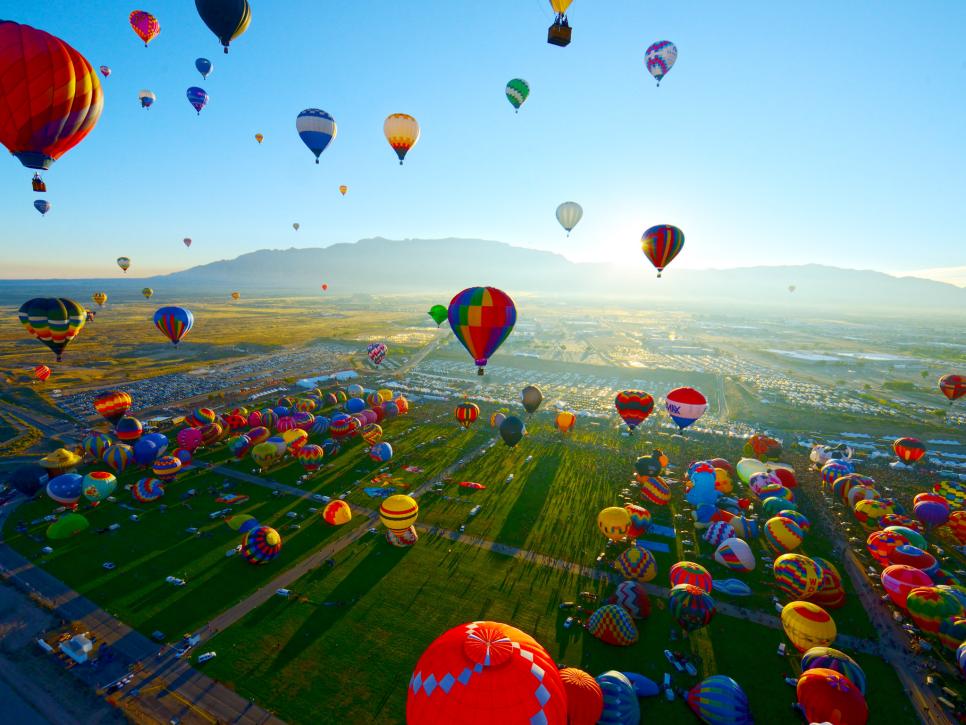
4.Hot Air Balloon Racing:
Most people did not know about the hot air balloon races in the world or it is basically a sport. An individual has to pay $300 for one hour ride on the balloon. Most people participating in them own their own balloons which are very expensive. A hot air balloon cost about $20,000 if purchased. Some measures must be adopted to participate in this sport like safety measures. The cost of training a pilot on these balloons cost about $3000 to go on these balloons.
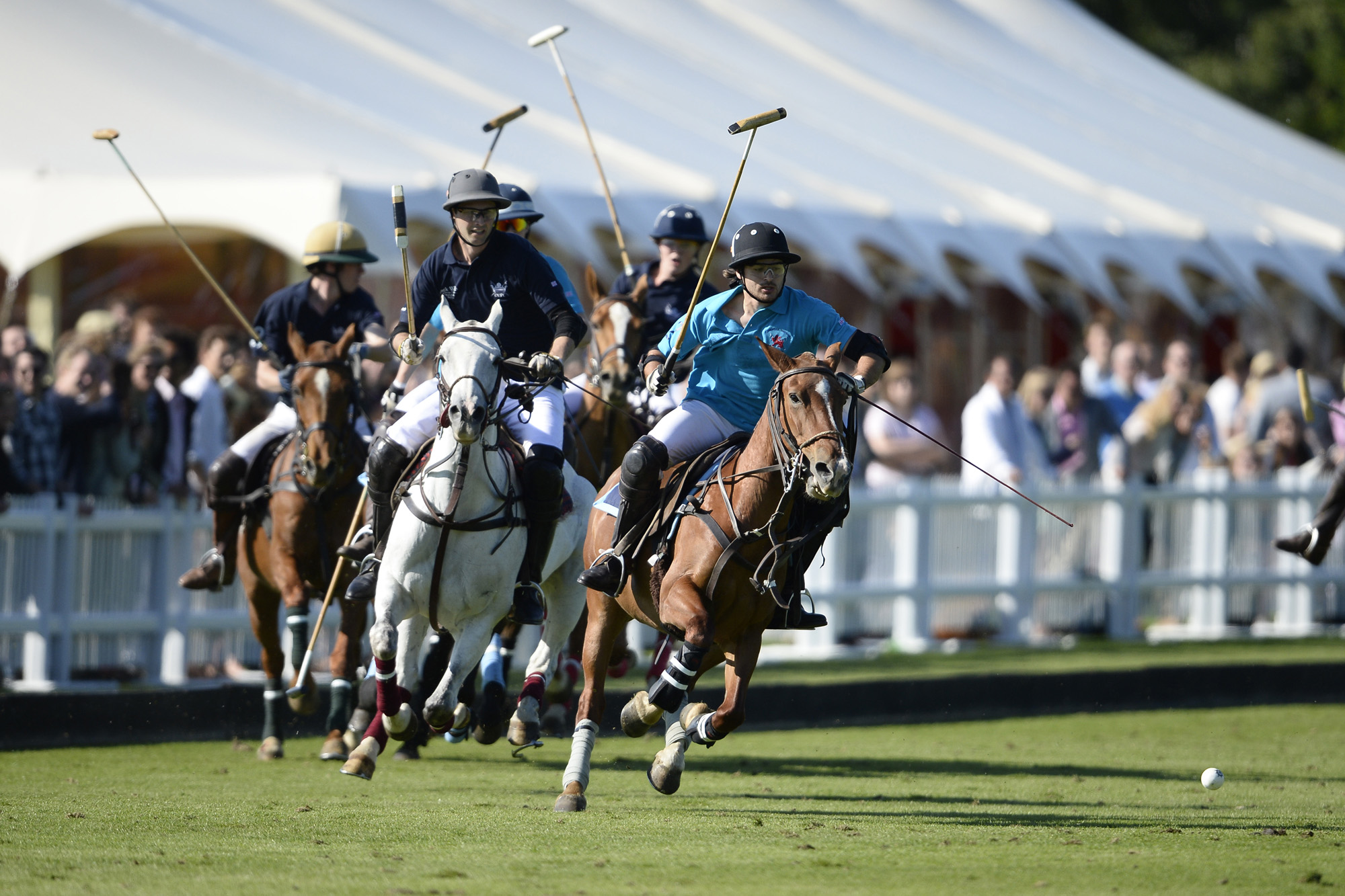
5.Polo:
Polo is a very famous sport also in countries like the UK. This sport is always associated with the upper class and rich people due to its high cost. Its cost is high as expenses on a horse their maintenance and all others are very high. Mostly polo players have to keep 4 horses in order to keep some as a backup plan. The matches conducted for polo can cost almost $150,000. Mostly polo matches are sponsored by famous companies that cost up to $1,000,000 which is very expensive and high charges. The one problem in this sport it causes many serious injuries to the polo players.
6.Sailing:
There was a time when humans just tied bamboo stems with ropes and sailed all over the seas. However, that time is long gone and modern-day sailing is one of the most expensive sports in the world. To sail, you will need a sailboat, and most of them cost more than the most expensive super cars. Maintaining the sailboats is also very expensive, so it is paying the crew to run it. Oh and in case you forgot, the sailboat needs to be stored on dry land when competition season is off. Good luck building a hangar for it.
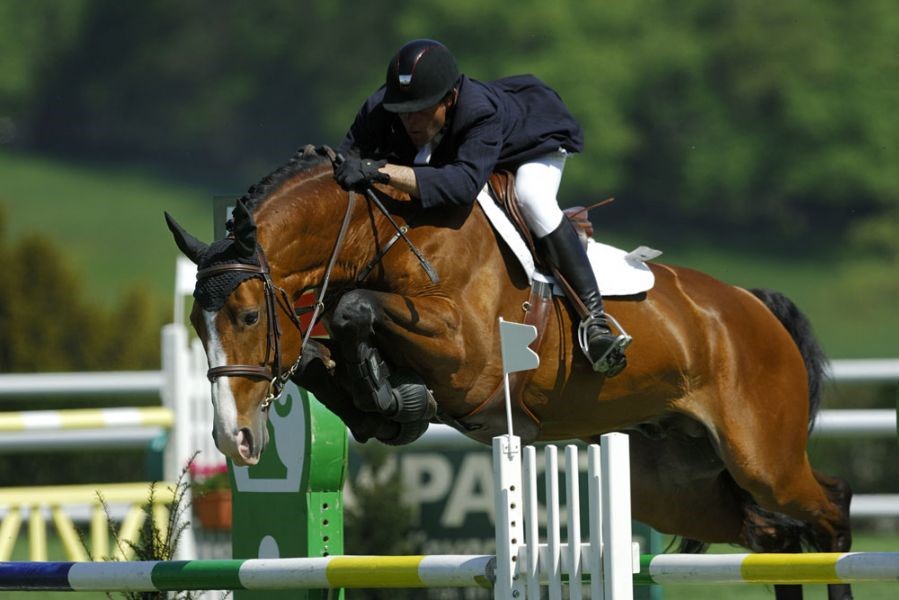
7.Equestrian:
It is a very famous sport which involves driving, riding, and chasing horses. We all know that riding a horse is the most favorite sport of many people. It is basically very rare for sport played with only a limited number of people due to its high cost. As the cost of training and keeping a horse for all these kinds of sports are very expensive and their traveling expenses are also very high. The cost of taking a horse to some this kind of event can cost almost $200,000 each year. In this amount, the cost of a horse is not included which is very expensive as well.
8.Bobsledding:
This interesting game was introduced in the Winter Olympics. This was first performed by the American star Lolo Jones as she got training after 2012. It is similar to F1 racing and requires a lot of sponsorship due to very high expenses. It can cost about $25,000 for bobsleds while training expenses are separate. People will not believe that the construction of bobsled can cost about millions of dollars. It is basically a team sport in which there are four members which shows cost will also four times greater.
Cultural diversity can be explained as the presence of different cultures within a social system, which differ in values, norms and behavior and encompasses different ways of thinking, managing, and communicating. It is important because a country, workplaces, and schools increasingly consist of various cultural, racial, and ethnic groups and hence makes a country stronger and better able to compete in the new global economy . People from diverse cultures bring language skills, new ways of thinking, creative solutions to difficult problems and negotiating skills.
Cultures are created through communication which is considered to be the means of human interaction through which cultural characteristics are created and shared. In every culture there are basic standards for social interaction such as personal space distance, eye contact, amount of body language displayed in public, negotiating style etc. Culture is very important because it covers many different parts of human life. It is directly related to the human experiences regardless of gender, age and race. It forms people’s everyday life, their views, lifestyles, basic assumptions, their perceptions and above all, the culture shapes the individuals’ relationship.People express their culture through the values they possess about life and the world around them which in turn affects their reasoning in what behaviors suits to certain situations. Learning about another culture does not necessarily mean that one must internalize the norms of another culture and accept them. It provides a channel to learn how to manage the cross-cultural conflicts and helps people understand different perspectives within the world in which they live, and helps eliminate negative stereotypes and personal biases about different groups.
Diversity is a concept that counters discrimination and embraces the inclusion of people with various experiences and backgrounds such education, parental status, geographic location, language, and culture. It is also about learning from others, providing support and respect to those with similar and different experiences.
Culture is a way of regarding and living life that is shared by members of a social group and that is passed on to people from the previous generation. More specific, culture consists of ways to behave and value aspects in life and is derived from the social environment where people grew up. Due to globalization and labor migration the presence of diversity in society and in organizations has accelerated the process cultural diversity further. Therefore it is evident that cultural diversity is becoming an unavoidable factor in many areas.
To support cultural diversity in our workplace or at school, we can increase our level of understanding about other cultures by interacting with people outside our culture, be proactive in listening, accepting, and welcoming people and ideas that are different from your own, avoid imposing values on others that may conflict or be inconsistent with cultures other than your own , intervene in an appropriate manner when you observe others engaging in behavior that show cultural insensitivity or bias and advocate for the representation of various cultural groups within the local community and the society in general.
As diversity keeps growing globally, cultural diversity should be embraced as it acknowledges and values various cultural ideas, encourages contributions from all groups, recognizes and respects diversity, people are empowered to achieve their full potential and differences are celebrated.
“Glory to Allah, who created in pairs all things that the earth produces, as well as their own(human) kind and (other) things of which they have no knowledge.”
-The Holy Quran [36:36]
No element on the life sustaining earth exists without its complement. For example, the complement of zero is one; solids and voids; light and dark; if one did not exist, the other would lose its meaning. This refers to both in terms of the one who sustains as well as the energies sustaining them. The balance among the elements of the entire universe is maintained through the various visible as well as invisible energies which in turn exist in pairs. The energy could be classified as the ones within the human who sustain the energies of the earth and the other being the natural forces of the universe that aids the universal equilibrium which further keeps the physical and psychic activity in balance. The harmony of the earth is controlled by the physical as well as the metaphysical energy forces of the cosmic energy. The energy takes part in influencing all the occurrences on the earth be it at architecturally large scale element like a city or a small scale architectural structure as a home. Both would be classified into the microcosmic level of the energy.
“Space is nothing, yet we have a kind of vague faith in it.”
-Robert Smithson
The existence of energy occurs in the place of nothingness. Voids hold the highest sources of energy. The architectural design is nothing but a technique of designing voids to show a flow of spaces making a way for the flow of energy among the various spatial arrangements. Most of the people in the Indian Society prefer Vastu Vidya to be incorporated while designing a space. The major reason being the energies that is considered to be flowing through the designed spaces and to create the balance between the concrete mass and the natural elements. Humans occupy the voids yet they fail to understand the meaning of the unseen energy forces that is felt through the experiences they encounter while inhabiting that particular personalized void that is the physical manifestation of the memories and imagination of their own. The metaphysical aspect of architecture lies within the fact that it influences the user experiences of their inhabited voids in the line of time. It connects the past to present and brings about a psychological and emotional connection.
An environology master, David Koh, stated, “When people built the house, the energy inside the house is static. Once the people live in, the energy inside the house is dynamic. People may affect the building, and the building may affect the people. And it’s not positive thinking that the people need, but it’s energy that makes people think positively.” The energy flowing through the various spaces creates an imbalance due to the dynamism of the humans living in. This in turn, creates a flux within the dialects of energy within the physical, emotional and psychic connectivity of the people. Architecture is a living tapestry and a constantly changing phenomena. The connection of the energy within the human body and outside, impacts not only buildings but other elements too that together builds the abstract and hypothetical whole. The spatial fabrication of the concrete masses and the multiplicity of the same in diverse alignments as a whole builds the city fabric. A city is a spatial and temporal dimensions of architecture on a vast scale. The physicality that a city comprises is, districts, landmarks, streets, edges and nodes. The streets become the prominent defining thread of the city, connecting the different entities through its networks. They show a directional shift in motion of spaces with respect to different frames of reference exploring more than what is comprehended by the senses with the metaphysical lens to look behind the abstraction.
To represent the extraordinary within the ordinary, the light is put forth to a street in Kolkata, Topsia, recognized by the number ‘90’, has not yet been identified as one of the most alive streets of the city of joy yet they have the metaphysical fundamentalism. The street is particularly a connectivity to one of the Muslim populated locality of the place. The majority of the population living in the locality belongs to the middle class strata of society. They adapt themselves to the concept of ‘less is more’3 and seek the intangible aspects of the spaces that they use. Considering the theories relating to the energy sources, streets becomes the most dynamic element that could be considered as the life of the whole city. They deal with more than the vehicular and pedestrian movement. The streets deal with the dialects of dynamics of metaphysical consequences.
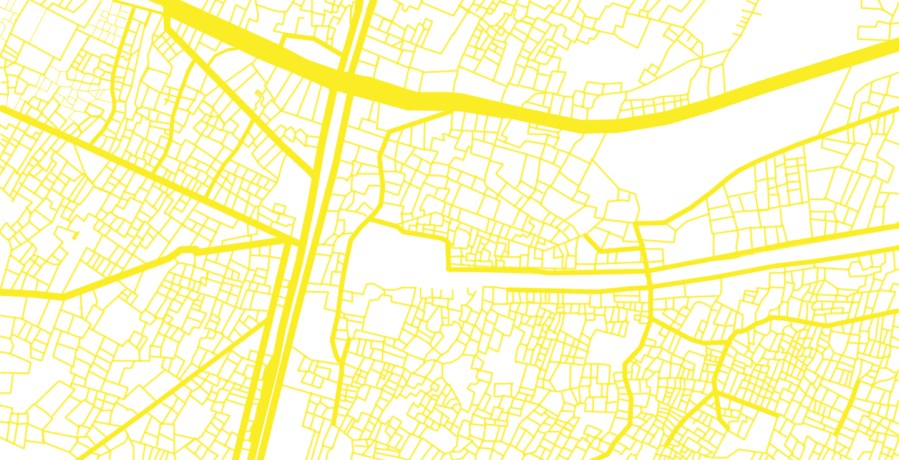
Figure 1: Layout of Streets of Kolkata; source: author.
Within and outside the realms of architecture, streets pave the way at the microcosmic level for the energy distribution network similarly to the way it functions for the crowd and vehicular activity. The metaphysical lens from different frames of reference gives an opportunity to analyze the impact of the metaphysical link and how it is evoked with the crowd in context to the existing surrounding. Different users feel a variety of different emotions in consideration to one particular space.
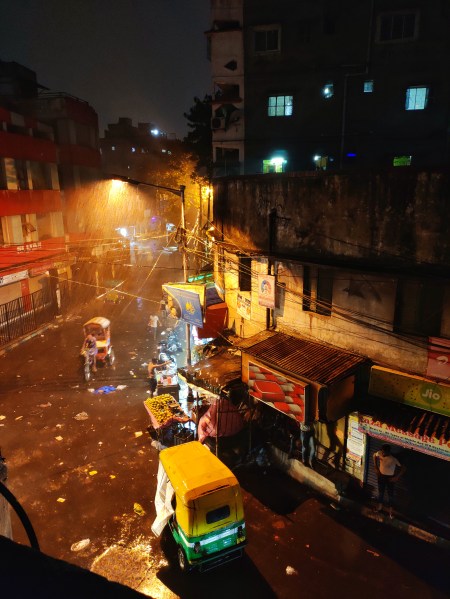
Figure 2: The Street ‘90’ on 12th June, 2019; source: author.
A resident of the place when asked about her experiences with the place said, “We have been staying here for about 15-18 years now. It has an essence of familiarity and home. The existing buildings, the shopkeepers, the vendors, and when I say vendors I really mean it. They are accurate with their location of stalls and wouldn’t trade it with anyone. Ive seen a lot of changes in the place. The building in red and white was built after demolition of an old 3-storey building for commercial purpose yet the upper floors still remain untouched after being built for so many years. The chaos is the essence of this place and without it, this street will lose its essence and identity.”
Considering the quantitative aspect of the street, it is about ten meters in width, with two meters of it occupied by the street vendors. An analysis of the street was done in three different phases of the day. When the morning struck, the silence is disturbed only by the daily activities of parents dropping off their half-dozed children to schools either by private or public convenience, which here is the auto rickshaws, who typically place themselves along the edge of the building as shown in Figure 2. Slowly and gradually as the time transcends the vegetable and fruit vendors take the edge of the street as their potential business spot. The traffic becomes evident by the noon with children coming back from school, having there go at the Sharbet waalas. As soon as the sun goes down, the street has an overwhelming response by the users creating itself in a chaotic mess of disoriented vehicles and people trying to make way to get out. Simultaneously, the sequence of functioning of the streets inflects thrrough its natural course. The female crowd encircles the ‘puchka waale bhaiya’, drooling over the smell of the tamarind water. A few steps towards the east would bring us to a smellscape of a multi-cuisine food corner with a large hot plate with parathas being fried, a traditional clay barbeque for the kebabs being cooked upon the coals, another man assorting the shelves with momos, fried crispy chicken and another struggling with delivering the order to the respective customers superimposing each other tones in a competitive streak to get their order first. The edges of the streets are defined by the utilities of all kind such as a pharmacy, general stores, grocery shops, food kiosks and corners, markets within a radius of a hundred meters, a shopping complex built few years back, occupied only the ground floor of the building structure. A fruit vendor defined the street as, “It is a metaphor of how our life is, always moving and moving in the forward direction. Despite the chaos we love our life so do we love this place.”
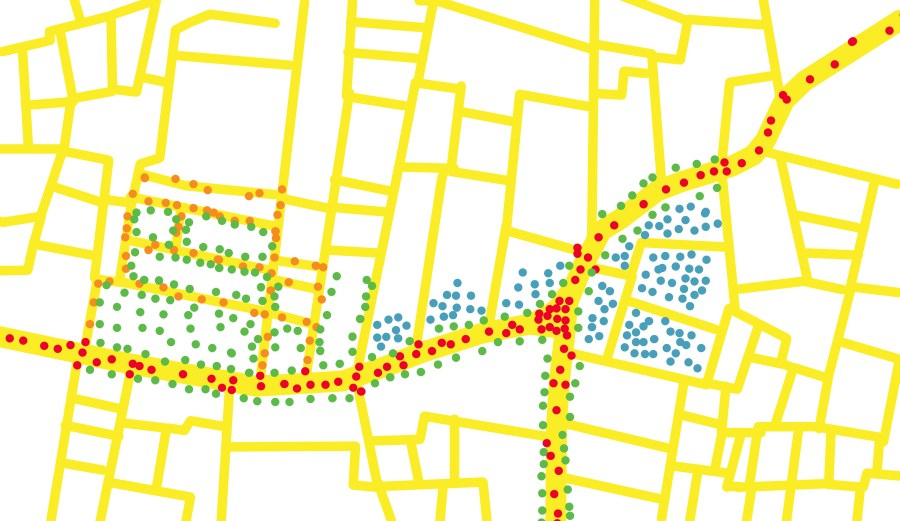
Figure 3: The Feeling Mapping of the Street (red-chaos, green- rejuvenation, orange-action, blue-contentment); source: author
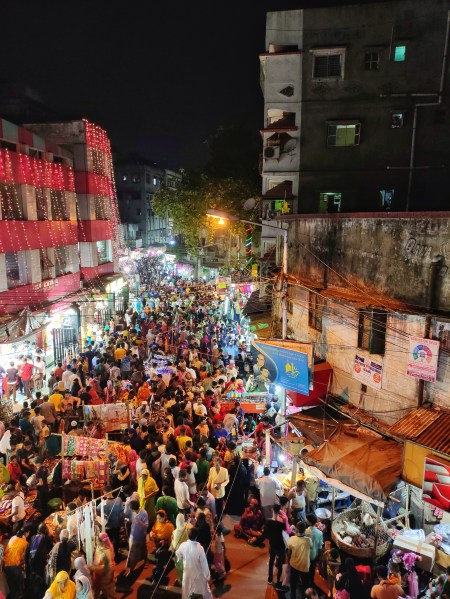
The rhythm of the basic functioning of the street is inflected during the festivities, such as the two Eids and Muharram. The zeal within the crowd becomes evident and the streets stop serving as a vehicular access instead it becomes a hub of utilities as shown in Figure 4.
Figure 4: The Street ‘90’ on 4th June, 2019 (On the Eve of Eid); source: author
In terms of architectural analysis, the flaws couldn’t remain unseen, but what the architects couldn’t see is the intrinsic experiences that the users have with the place. The elegance of the street is a culture of contentment and containment. It depicts the unification of the users belonging to all strata of the society interacting with each other whatever the purpose may be. The dynamics of the streets and the humans represent a whole of the community be it the rich or the poor. In a simple world, the whole of the world can be explored. The local architectural vocabulary of the streets shows motions and emotions of all colours. It depicts joy as well as sorrow. The chaos and the peace, all the comedies and tragedies. The energy drained is rejuvenated with the constant flow of energy on the street. The essence of the chaos in itself shows the intrinsic connection between the built and the unbuilt. The street evokes the intangible aspects of the userrs. The user activity is the result of the concentrated energy source at the micro cosmic level connecting humans with the space at a deeper level. Configuration of the whole of the city is determined by the streets that becomes the highest sources of energy flowing throughout. The built is to exist what the unbuilt is to life. The boundaries defined by the concrete is a personalized space to exist in harmony, but to co-exist, an undefined yet the key that holds the city together. A street has a potential to turn itself into anything it wants. The street is an induced public space. The street has evolved through the line of time of urbanization inflecting the course of its motion. Due to the increasing number of concrete massing, the spatial contraction of the streets are taking place in localities like Topsia in Kolkata whereas due to the urbanization, the expansion of streets also take place with putting an end to the life of the city creating it in a block of monotony and regularity only used as an access not as a space for creating an interaction between the built and the unbuilt, the known and the unknown. Spatial expansion and contraction taking place to accommodate structures. Street is one part to the whole that encapsulates the built and the user. People have a tendency to experience voids hence, they hold human sentiments. We are dehumanizing the streets by making it lose its existence by the loss of depiction of culture and tradition. It is a lost element with the thoughts drowned in hues of grey unaware of how to survive in the chaos. The task of an architect is to blend imagination with practicality by balancing ideas and reviving the true nature of the streets in context to human activities.
REFERENCES
1. The Holy Quran
2. Mustofa, 2011. According to Dr. R Tatang Santanu Adikara, the Head of Bioenergy Research Centre in Surabaya, human gets energy from two sources: inside the human body and outside the human body.
3. Metaphysical Approach for Design Functionality in Malay-Islamic Architecture, article in procedia-social and behavioral sciences-aug 2015
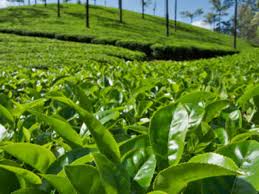
When you get up early in the morning and start your day the first thing you aspire for is tea. Tea is refreshing, energetic drink that sets up your day. we get to know about the popularity of tea from the fact that it is 2nd most consumed drink after water all around the globe. Tea is an aromatic beverage commonly prepared by pouring hot or boiling water over tea powder prepared by crushing leaves of the Camellia sinensis , an evergreenshrub (bush) usually found in East Asia . Tea is very ancient drink as its origin dates back to around 3rd century AD which is mentioned in medical records of Hua Tuo in the regions of today’s worlds North Burma and southwestern China.
Tea: history and origin
Tea has been in use as energetic and recreational drink since ancient time. During 18th-19th century tea had become very popular among Britishers who were using it as recreational drink. They were so much addicted to tea that they had started trading Opium drug derived from the seed capsules of the opium poppy Papaver somniferum grown in mostly Northeast part of India for the miraculous plant leaves Camellia sinensis from plantations of China. Later the Chinese liberals started fights against this conspiracy of western countries against Asian countries especially against East Asia. This led to famous Opium wars between two countries.
Tea and Health
Tea has many positive effects on health.If you are up to lose your weight then tea can be your best partner.Many researchers have stated that consumption of Tea helps in reducing risk of heart attacks as it lowers cholesterol level,it also helps in maintaining blood pressure.Green tea drinking is very effective to reduce risk against cancer and also it improves brain functioning.
Though it has many good health effects but its over consumption can lead to caffeine overload leading to dizziness,nervousness and disturb in sleep. It can also cause muscle pain , heartburn etc. It is recommended that daily intake of caffeine should not exceed 40 milligrams.
Tea: beverage of the world
Tea has gained popularity in almost over 100 countries where people enjoy this drink in various forms. A balanced consumption of tea is like boon to us.Tea has evolved over the centuries from native to only China and east Asia in 3rd century AD to almost in every household of the world in this 21st century.





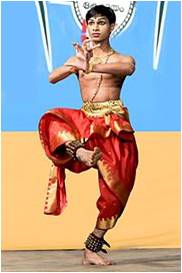 The history of Kuchipudi can further be traced back to the 1st century B.C. but the more popular stories are from 1502 A.D. According to some local legends, an orphan boy adopted the name Sidhendra Yogi acquiring higher studies, and one day when he asked God to help him cross a river, he vowed to devote his life to religious affairs. He then began to teach Brahmin boys devotional dance which was called Natya Shastra (which translated to offerings to God). In those days Kuchipudi was performed once in a year but was cautiously kept out of the reach of Devadasis. Even today in some coastal areas of Andhra Pradesh Kuchipudi is not accessible by all; it is still performed by all-male troupes.
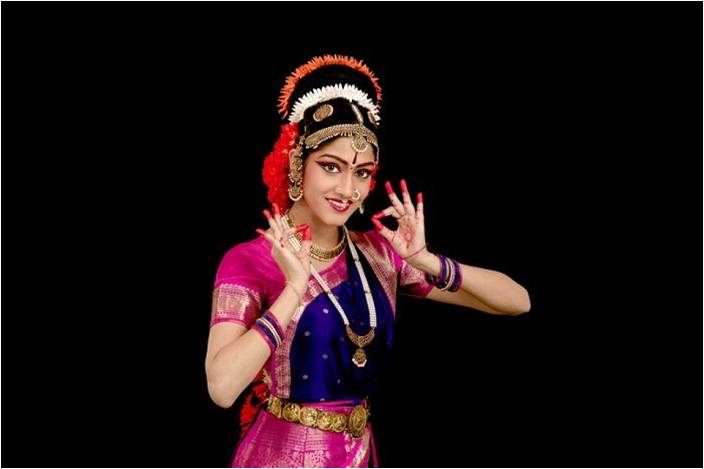 With its lilting music and flowing music, Kuchipudi performances are a delight to watch. The beautiful costumes and light makeup of the artists contribute to their vibrant stage presence. While a male wears a dhoti, a female is adorned with a sari that is stitched with a pleated cloth that opens like a hand fan when the dancer stretches or bends her legs while portraying spectacular footwork. Traditional jewelry like a metallic waist belt is used along with ghungroos for producing rhythmic sounds. The eye expressions are given extra importance by outlining them with black kajal.




 Eduindex
You must be logged in to post a comment.