According to a new report, Xiaomi is planning to supercharge displays in its mid-range Android phones. The company is looking to bring LTPO displays that go down to 1Hz to its mid-range smartphones.
Xiaomi is planning to supercharge displays in its mid-range smartphones This will, of course, help with power consumption. Those displays can dynamically raise or lower their refresh rates, from 1Hz to the max they offer, usually 120Hz. Pretty much all LTPO panels we’ve seen go all the way up to 120Hz.
This information comes from Digital Chat Station, a well-known tipster. Xiaomi is seemingly testing such a display in one of its mid-range smartphones. That display supports a 120Hz refresh rate, can go down to 1Hz, and it also offers DC dimming.
Xiaomi has been offering 120Hz displays in its mid-range smartphones for a while now. That includes Redmi and POCO phones as well. So, this move is not surprising, LTPO panels were expected to be offered in some mid-range devices sooner or later.
Xiaomi is a company that tends to offer really well-specced phones for reasonable price tags, so this is their forte. It remains to be seen what phone will break the ice, though.
LTPO displays have been around for quite some time now, and they keep evolving LTPO displays have been around for quite some time now, and we’re seeing the third-gen of this tech in flagship smartphones these days. Not all LTPO displays can go way down to 1Hz, though, keep that in mind.
Many people value great displays, high refresh rates, and certainly displays that require less power to run at the same time. Some OEMs are still way behind in that regard, but Xiaomi is not one of them.
We also don’t know when will the first mid-range Xiaomi smartphone with such a display see the light of day, nor how much will it cost. Such a phone is now in testing, so it may take Xiaomi a bit of time to deliver it.
According to a new report, Xiaomi is planning to supercharge displays in its mid-range Android phones. The company is looking to bring LTPO displays that go down to 1Hz to its mid-range smartphones.
Xiaomi is planning to supercharge displays in its mid-range smartphones This will, of course, help with power consumption. Those displays can dynamically raise or lower their refresh rates, from 1Hz to the max they offer, usually 120Hz. Pretty much all LTPO panels we’ve seen go all the way up to 120Hz.
This information comes from Digital Chat Station, a well-known tipster. Xiaomi is seemingly testing such a display in one of its mid-range smartphones. That display supports a 120Hz refresh rate, can go down to 1Hz, and it also offers DC dimming.
Xiaomi has been offering 120Hz displays in its mid-range smartphones for a while now. That includes Redmi and POCO phones as well. So, this move is not surprising, LTPO panels were expected to be offered in some mid-range devices sooner or later.
Xiaomi is a company that tends to offer really well-specced phones for reasonable price tags, so this is their forte. It remains to be seen what phone will break the ice, though.
LTPO displays have been around for quite some time now, and they keep evolving LTPO displays have been around for quite some time now, and we’re seeing the third-gen of this tech in flagship smartphones these days. Not all LTPO displays can go way down to 1Hz, though, keep that in mind.
Many people value great displays, high refresh rates, and certainly displays that require less power to run at the same time. Some OEMs are still way behind in that regard, but Xiaomi is not one of them.
We also don’t know when will the first mid-range Xiaomi smartphone with such a display see the light of day, nor how much will it cost. Such a phone is now in testing, so it may take Xiaomi a bit of time to deliver it.
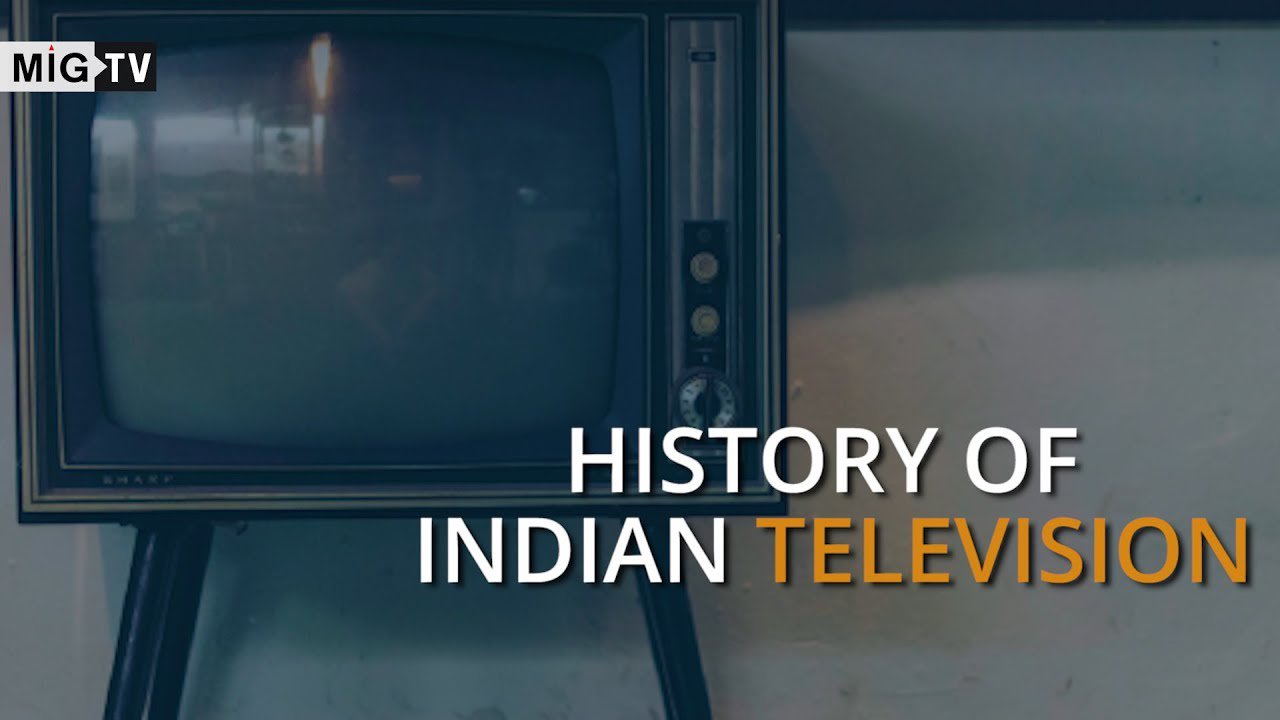
Television was founded by John Baird. The first television service was started in 1936 by British Broadcasting Corporation (BBC) of Britain . In 1939, television broadcasts began in the United States. In 1953 the first successful programme in colour was transmitted by Columbia Broadcasting System (CBS) in USA. In today՚s world, television has become one of the most powerful means of mass communication . It can impart education, information and entertainment . Television has end up becoming an necessary a part of our lives.
Credit-Youtube
HISTORY India’s first television station was established on October 24, 1951, in the Department of Electronics and telecommunications at Government Engineering College in Jabalpur. Television began in India as an experiment on September 15, 1959. It was first started as two hours programmes a week under the authority of AIR. Early programs of these experimental broadcasts were generally educational programs for children and farmers. By 1975, only seven Indian cities were using television services. The Satellite Instructional Television Experiment (SITE) was an important step by India for the use of television for the development of people and the country. Initially, the show was mainly produced by Doordarshan (DD), who was part of AIR at the time. Transmissions were made twice a day, morning and evening. In addition to information on agriculture, health and family planning, other important topics covered in these programs were audience education and awareness raising. Entertainment was also included in the form of dance, music and cinema. In 1976 Television services were separated from radio . Color television was introduced to the Indian market in 1982.
In the late 1980s, more and more people began to own televisions. There was only one channel, but the TV show was saturated. Therefore, the government opened another channel, partly broadcasting nationally and locally. This channel was called DD2 and was later renamed to DD Metro. Both channels were broadcast on the ground. In 1997, Prasar Bharati, was established.Doordarshan, along with AIR, was incorporated into a state-owned enterprise under Prasar Bharati. Transponders of the American satellites PAS-1 and PAS-4 assisted in the transmission and broadcasting of shows on DD. An international channel called DD International was launched in 1995 and broadcasts programs abroad 19 hours a day to Europe, Asia and Africa via PAS-4 and to North America via PAS-1.The 1980s were the prime time for DD, with shows like comedies such as Hum Log (1984-1985), Wagle Ki Duniya (1988), Buniyaad (1986-1987). Epics like Ramayan (1987–1988) and Mahabharat (1989–1990) brought millions to Doordarshan and later on Chandrakanta (1994–1996). Song-based programs for Hindi movies such as Chitrahaar and Rangoli, and crime thrillers such as Karamchand and Byomkesh Bakshi. Children’s shows such as Tenali Rama ,Vikram Betal and Malgudi Days .
Private Channels influence: The introduction of communication channels was a revolutionary move to reach so many people. It became an opening for Private and Commercial broadcasters in our country. The emergence of private channels began in India in the 1990s after CNN aired the Gulf War. Hong Kong-based STAR (Satellite Telivision Asia Region ) enterned in a contract between an Indian company and Zee TV. It became the first Private Indian Hindi satellite channel. During this time, several local stations have emerged. Apart from local ones various international channels such as Channel, CNN, BBC, Discovery, etc were also available for Indian TV viewers. Their were various categories of channels available for viewers,such as the 24-hour news channel, Religious channels, cartoon channels, movie channels, something for everyone .
Credit-Filmaker Fans
Changes and Evolution: A significant change that has occurred is the use of different methods of delivering television programming. Just a while ago their were satellite-based antennas, but now the mode has converted to dishes. Other shipping methods are are delivery via cable network and direct satellite transmission. Now you can watch TV shows on your mobile phone , the technology behind it is called Internet Protocol Television. The emergence and spread of televisions and computers and the access to content anytime, anywhere, everyone has brought revolutionary change and access to the world of entertainment.
“I always say film is art, theater is life and television is furniture .”
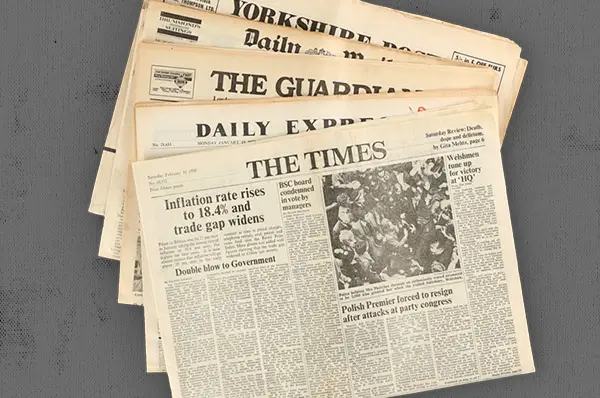
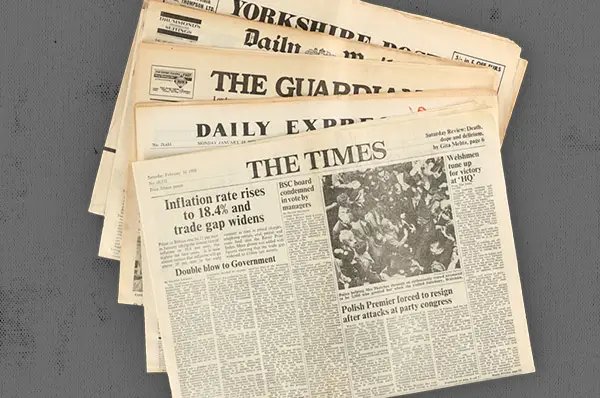
Newspaper can be defined as a print medium for conveying current news of various information .
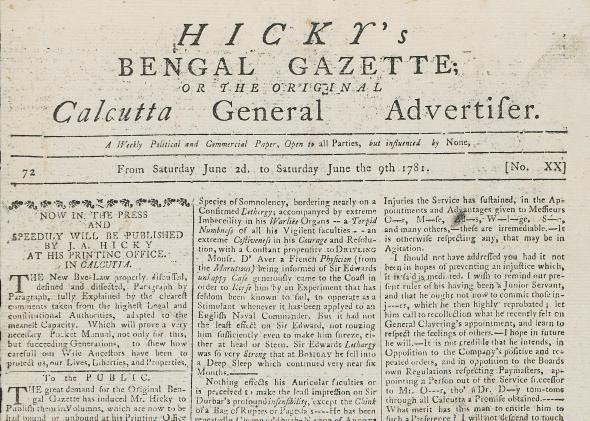
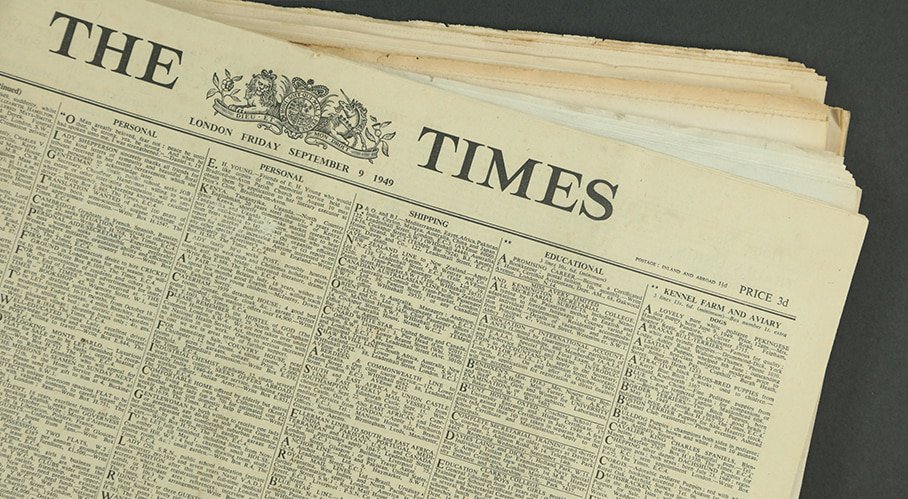
History of newspaper in India: The first newspaper in India the Bengal Gazette was published in January 29, 1780 by James Augustus Hicky ,which was also known as”Calcutta Advertiser”. It was commonly known as “Bengal Gazette “. The first edition of the newspaper has two pages and was later expanded to page 4. Its size was 35 cm x 24 cm. East India Company did not considered Freedom of the Press good for society. They tried to curb the publication of newspapers. He was a very brave editor. He continued to criticize British authorities and publishing reports attacking East India Company officials for their way of working. British Authorities have arrested Hicky many times. Finally they finished his work of newspaper in 1782 and stopped publishing. Hicky was asked to leave Country. He was sent back to England. A copy of the Bengal Gazette is still preserved in the National Library of Calcutta and the British Museum in London.
Following in Hickey’s footsteps in 1780, a second newspaper was launched “The Indian Gazette” and “Calcutta Gazette” which begins publishing in 1784 and the “Bengali Journal” was started in 1785 which is also the third and fourth newspaper from Calcutta. The previous four newspaper were all published in English. Slowly Newspapers also begun to issue from other parts of the country in different languages and. The Tuesday “Madras Courier” (1785) and “Madras Gazette” (1795) starting from Madras. From Mumbai, “Bombay Herald” was started in 1789. The strict press regulations and censorship imposed by the UK hindered publication of more newspapers in India.In 1818, Lord Hastings abolished these strict censorship measures which leads to the appearance of many new newspapers in various Indian languages. Raja Ram Mohan Roy, who is known to have fought for the freedom of the press, edited a Persian weekly newspaper called “Mirat-ul-Akhbar”. But the editors of this newspaper were foreigners, not Indians. The first Indian language newspaper published by an Indian was “The Bengali Gazette” which was started in Calcutta by Gangadhar Bhattacharjee in 1816. Pandit Jugal Kishore started Udant Martand the first Hindi newspaper published in India beginning on May 30, 1826, in Calcutta the weekly was published every Tuesday .
Importance of newspaper in India Freedom Struggle: The newspaper and the press played a very important crutial role in the struggle for independence. The newspapers made the Indian public aware to the cruelty of the British Empire on the people . The press was the main tool for carrying out political tasks, propagating, political education, forming and spreading national ideology, mobilizing and consolidating national public opinion. The press is a powerful weapon in nationalist struggles, and Indian nationalists have led the struggle through the help of press. In fact, many of the great leaders of the freedom movement became journalists themselves and used the press as an instrument to spread their ideas to the masses and people in different parts of the country.
Credit- Historical newspaper
The Vernacular Press Act of 1878, against Indian-language newspapers, was passed in a meeting of the Royal Legislative Council. The law orders the seizure of a newspaper’s publications, papers, and other materials if the government believes the newspaper is publishing instigating material that could be harmful for the government. The Indian press enjoyed considerable freedom until 1908. However, due to the great growth of the nationalist movement, the Press Act was passed in 1908 and the Indian Press Act of 1910. Till 1930 the Indian press enjoyed relative freedom to give free opinion. However, the Press Act of 1932 and the Foreign Relations Act of 1932 refused India’s press freedom. The press was used as an effective weapon in the hands of social reform groups to expose social evils such as class restriction, child marriage, the prohibition of widows remarrying, social inequalities, laws and regulations.At that time it was very useful to uplift the society.
Newspaper at present: Newspapers today occupy an important place in the world. The presence of newspapers is inevitable in today time. They are the reflections of the world. The press is considered the fourth pillar of democracy. The press is the most powerful of the powerful. They are defenders of truth and human rights. They act as spokespersons for the public. They are the link between the people and their government. It was still preferred by people over other media platforms because of its reliability, at a time when media was seen as a fake system that didn’t work properly.
“A good newspaper, I suppose , is a nation talking to itself ”
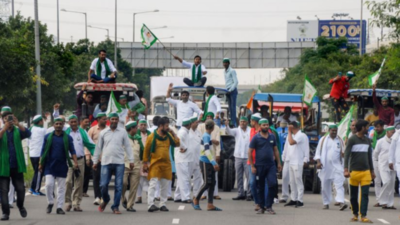
A Bharat bandh has been called by the Samyukt Kisan Morcha (SKM) on 27th of September from 6 am to 4 pm. The prime reason behind the protests is pressurizing the government in repealing the three farmer laws passed in the September (monsoon session of the Parliament) of last year. The ruling Congress in Punjab however, has shown its support to the cause of the Farmer’s Union. The national highways, link roads and railway tracks have been blocked and vehicular movement has been prohibited within the bandh’s time frame in Punjab. In Noida, Barricades were broken by the protestors who reached the Noida Authority Office in sector-6. The farmers were protesting over their demands and the compensation for their lands which was acquired by the Noida Authority. In Punjab, farmers have protested in 350 places and in Haryana 25 places have been blocked in the Jind district itself. The protests led to the vehicular disruption in Jharkhand where the supporters blocked the highways. Similar demonstrations have been witnessed in Jammu demanding the laws to be repealed. The protest was led by CPI(M) leader MY Tarigami who sat on a dharma and took out a rally. Thereby, blocking the road. Chaos was witnessed in many parts. In Jalandhar for example, Army vehicles were stopped by the protestors and said that the jawans should support them in their protest. In Bengaluru, on the other hand, a protestor ran his car over the DCP(Deputy Commisioner of Police)and was arrested. However, states like Arunachal Pradesh and Maharashtra remained unaffected The BKU leader Rajesh Tikait spoke about how Yogi Adityanath had promised in the manifesto to increase the price of the of sugarcane to Rs 375-450 but ended up being increased by mere Rs 25 and therefore asked for the accountability of the losses faced. However, he also mentioned the Bandh to be successful and the main reason for the protest to talk with the government which is not happening.
Let’s Rewind
What were the farm laws of 2020?
•The Farmers’ Produce Trade and Commerce (Promotion and Facilitation) Bill, 2020 •The Farmers (Empowerment and Protection) Agreement of Price Assurance • Farm Services Bill, 2020, and The Essential Commodities (Amendment) Bill, 2020
Why were they resented?
The provisions of the new farm law intends to help the marginalized farmers who lack the means to bargain or invest in technology for their farms. The provision of the act of Agri Market is one of the key reasons for the current protests. It mentions that the farmers can sell their produce to whoever they want, outside than the APMC mandi but however it may lead the commission agents to be deprived of their mandi fees. Better prices were also promised through cost cutting on transportation and competition.
The law on contract farming seeks to help the marginal farmers by the provision which states that the farmers can enter into contract with agri business firms on pre agreed prices of their produce. This will shift the market unpredictability from the farmer to the sponsor.
Why are the farmers resenting the laws?
Firstly, they fear that the companies may change the terms of the agreement and they will have to suffer loses for the crops. The primary fear is the dismantling of the Minimum Support Price (MSP) system. Secondly, the farmers fear that selling the produce to WHOEVER they want might not provide them with an assured price. The disbanding of the mandi system and the losses of the arthiyas(commission agent who provides farmers with loans) is indeed a fact to be feared of.
What are the farmers demanding?
The farmers are demanding the withdrawal of the three laws which is putting a question on the further existence of the MSP system. The farmer unions are also ready to accept if the MSP is legally assured to stay prevalent.
What is the root of the protest?
It is the system of Minimum Support Price which is prevalent in India. MSP is the minimum price provided by the government to the farmers on buying on their produce. The MSP is decided by the the state-run Commission for Agricultural Costs and Prices (CACP) which consists of 23 commodities which it procures. The Food Corporation of India on the other hand largely procures only wheat and paddy which it sells to the poor at a subsidized price.
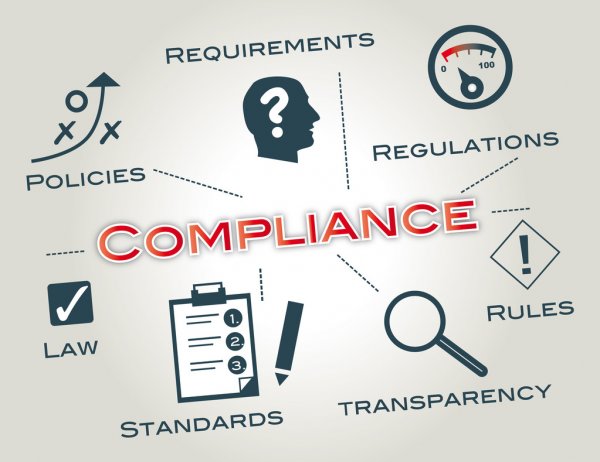
COMPANY COMPLIANCES DURING THE COVID-19 ERA: AN INTRODUCTION
The global outbreak of the novel coronavirus has taken the world by storm. While the issue pertaining to the public health is the talk of the town, the impact of COVID-19 on businesses and corporates seems to be least talked about.
Day to day business of the corporates is being affected due to decreased inflow of the human resource and a decrease in the workflow. While technologies have provided a relief to the human resource for physical attendances and conferences, there seemed to be unsettled trouble regarding legal compliances that required various filings and physical meetings.
Pursuant to the ongoing global COVID-19 pandemic and the Finance Minister, Ms. Nirmala Sitharaman’s announcements on March 24, 2020, the Ministry of Corporate Affairs (“MCA”) has issued various circulars to provide relief to companies from certain compliances under the Companies Act, 2013 (“Act”) and associated rules. This has been done as a measure to reduce the compliance burden on entities during the unprecedented health and economic situation caused by COVID-19. Following are the measures:-
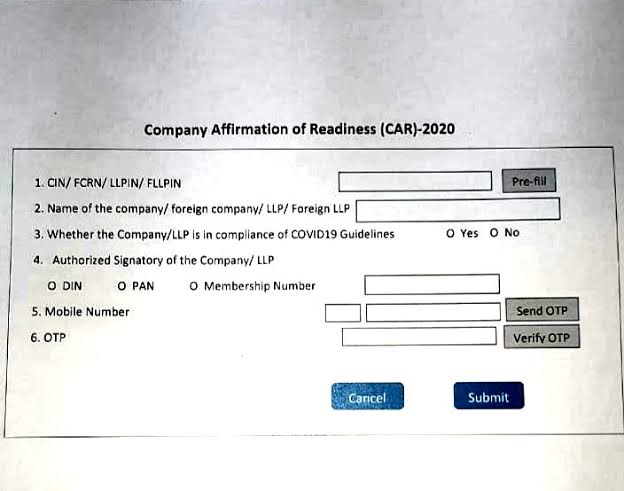
1. Company Affirmation of Readiness towards COVID-19
Social distancing has gained its importance as a way to contain the spread, morbidity, and mortality of COVID-19. Government of India (“GOI”), responsible for the public welfare at large, has realised that social distancing can be achieved in its true sense only if the employers of the Indian public make the same application in their respective premises.
Considering that major employers of the nation belong to the companies or limited liability partnership (“LLP”) type entity, GOI as part of disaster management have advised all companies/LLPs to put in place an immediate plan to implement the “work from home” policy as a temporary measure up till March 31, 2020.
Further, in case of a requirement of physical visits of the essential staff to such offices by the employers, staggered timings may be followed in order to minimize physical interactions of all kinds.
A simple webform for companies/LLP shall be deployed by MCA on March 23, 2020, in order to confirm the readiness of the employers to deal with COVID-19 threat. The webform shall be called CAR (Company Affirmation of Readiness towards COVID-19) and would be required to be signed and submitted by the authorised signatory of the company/LLP.
Therefore, it shall be expected by each company/LLP to ensure reporting of the compliance through CAR instantly from the date of its deployment.
2. Companies Fresh Start Scheme 2020
The MCA issued a circular on March 30, 2020, introducing the Companies Fresh Start Scheme, 2020 which, inter alia, grants a one-time opportunity to defaulting companies to complete all belated filings, including, without limitation, annual filings and filings required under IEPFA (Accounting, Audit, Transfer and Refund) Rules, 2016 in relation to transfer of money remaining unpaid or unclaimed for a period of seven years under Section 124(5) of the Act and transfer of relevant shares in the name of the ‘Investor Education and Protection Fund’ under Section 124(6) of the Act, with the MCA21 registry, without incurring additional fees on account of any delay.
This scheme came into force on April 1, 2020, and is valid till September 30, 2020. The application for seeking immunity for belated filings under this scheme should be made within a period of six months from September 30, 2020, through Form CFSS-2020. Thereafter, an immunity certificate will be provided by the designated authority on the basis of the declarations made in such form.
However, no immunity shall be provided under the scheme in a matter where (i) an appeal or management dispute is pending before any court or tribunal, or (ii) a court has ordered a conviction, or the adjudicating authority under the Act has imposed a penalty, and in respect of such orders, no appeal has been filed prior to the scheme coming into force.
Further, the scheme shall not apply: (i) where an application has been filed or an action for final notice for striking off the name of the company has already been initiated; (ii) where the company has been amalgamated; (iii) when application of obtaining dormant status has been filed; (iv) to vanishing companies; and/or (v) where charge related documents or an increase in authorised capital is involved.
3. CSR Spending
The MCA has by way of circular dated March 23, 2020 and the office memorandum dated March 28, 2020, clarified that the spending of CSR funds by companies in relation to COVID-19, including by way of contribution to the PM CARES Fund, is an eligible CSR expenditure under the Act.
The MCA has further clarified by way of FAQs dated April 10, 2020 that contributions made to the State Disaster Management Authority will also be eligible CSR activity, but contributions towards (a) ‘Chief Minister’s Relief Fund’ or ‘State Relief Fund for COVID-19’; and (b) payment of salary/ wages to employees and workers (including contract labour/ temporary/ casual/ daily wage workers) during the lockdown period will not be considered as eligible CSR expenditure.
However, ex-gratia payment over and above the disbursement of wages to temporary/ casual workers/ daily wage workers, specifically for the purpose of fighting COVID-19, will be admissible towards CSR expenditure, provided there is an explicit declaration to that effect by the board of the company, which is duly certified by the statutory auditor.
4. Meetings of Board and the Shareholders
The Companies (Meetings of Board and its Powers) Rules, 2014 were amended by a notification dated March 19, 2020, to enable companies to hold board meetings on the following matters (which earlier had to be necessarily held at a physical meeting) through video-conferencing or other audio-visual means (collectively “VCC”) till June 30, 2020: (i) approval of annual financial statements and board’s report; (ii) approval of prospectus; (iii) audit committee meetings for consideration of financial statements; and (iv) approval of amalgamation, merger, demerger, acquisition and takeover.
MCA has, by way of a general circular dated April 8, 2020, requested companies to pass all decisions of an urgent nature requiring shareholder approval, other than those of ordinary business or business where any person has right to be heard, through postal ballot/ e-voting in accordance with the relevant statutory provisions without holding a physical general meeting. However, in cases where holding an extraordinary general meeting (“EEGM”) is unavoidable, these have now been permitted to be held through VC until June 30, 2020. The circular further lays down certain conditions to be met for conducting an EGM through VC and the key conditions, inter alia, include: (i) attendance of at least one independent director (where a company is required to appoint one) and auditor (or his authorised representative who is qualified to be the auditor); (ii) maintenance of recorded transcripts of the EGM and, in case of a public company, such transcripts to be uploaded on the company website (if any); and (iii) e-voting facility being available. All other provisions relating to general meetings under the Act (and relevant rules) will continue to apply.
Due to difficulties faced by various stakeholders in serving and receiving notices/responses by post on account of COVID-19, the MCA, on April 13, 2020, provided that notice of EGMs to be held through VC (and for passing shareholder resolutions through postal ballot/ e-voting) may now be given to shareholders only through email addresses of the shareholders registered with the company or with the depository participant/ depository. This circular also specifies various conditions which companies must comply with while sending email notices to shareholders.
CONCLUSION
Business entities in India are requested and expected to keep an eye on the major government websites to ensure timely compliance with all such immediate requirements and mandates issued by GOI as need of the hour from time to time.
WEBSITES REFERRED:-
1) MCA General Circular No. 10/20 dated March 23, 2020 on Clarification on spending of CSR for COVID-19.
2) MCA General Circular No. 12/20 dated March 30, 2020 on Companies Fresh Start Scheme, 2020
3) MCA Notification dated March 19, 2020 on Companies (Meetings of Board and its Powers) Amendment Rules, 2020
4) MCA General Circular No. 14/2020 dated April 8, 2020 on Clarification on passing of ordinary or special resolutions by companies under the Companies Act, 2013 and rules made thereunder on account of threat posed by Covid-19.
5) MCA General Circular No. 17/20 dated April 13, 2020 on clarification on passing ordinary and special resolutions by companies under the Companies Act, 2013 and rules made thereunder on account of threat posed by COVID-19.
It is necessary to assure that food remains safe at every stage from production to harvest, processing, storage, distribution, preparation, and consumption. That’s why World Food Safety Day is celebrated on 7 June to highlight the health consequences of contaminated food and water. The World food safety day was observed by the United Nations from 2019. This year’s world is celebrating second world food safety day. Unsafe food is a threat to human health and economies, and marginalized people, especially women and children.
World Food Safety Day Theme: Food-Safety Everyone’s Business
This year’s theme for world food safety day is food safety everyone’s business. This campaign will promote global food safety awareness and will call upon countries, the private sector, civil society, UN organizations, and the general public to take action. The theme Food-safety everyone’s business depicts that whether we grow, transport, process, distribute, store, sell, prepare, or consume food, everyone has a role to play in making consumed food safe and uncontaminated for people. Through World Food Safety Day, the World Health Organization pursues its efforts to mainstream food safety in the public agenda and reduce the burden of foodborne diseases globally.
Food Safety Tips
* It is important to keep foods safe to maintain healthy eating. We all can reduce contaminants in food and keep food safe by following food safety tips:
* Wash your hands properly with soap and water before going to the kitchen.
* Before eating, cooking, and cutting fruits and vegetables rinse them properly under running water.
* Clean inside and outside of appliances and buttons and handles of appliances.
* Daily sanitize kitchen surfaces with hot and soapy water or use disinfectant.
* While doing food shopping keep raw seafood, poultry, and meat in a separate bag and fresh fruits and vegetables ina separate bag.
* Clean your refrigerator once a week, discard cooked leftovers in 4 days and raw poultry and ground meats in 1 to 2 days.







 Eduindex
You must be logged in to post a comment.