Socio-Cultural Factors and Attitudes Affecting the Health Status of Rural Communities

Daily writing prompt
What could you do differently?

By Eduindex News

Socio-Cultural Factors and Attitudes Affecting the Health Status of Rural Communities

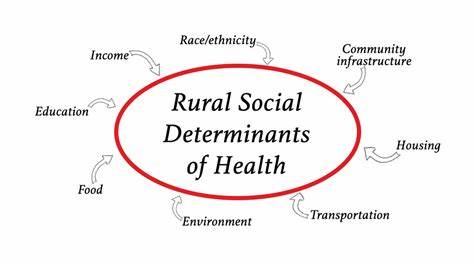
Health is a multidimensional concept influenced by biological, environmental, and socio-cultural factors. Among rural communities, socio-cultural factors and attitudes often play a crucial role in determining health outcomes. These factors are deeply embedded in the social fabric and cultural norms of rural societies, influencing health behaviors, access to healthcare, and overall well-being. Understanding these influences is critical for designing effective health interventions and policies tailored to rural populations.

1. Socio-Cultural Factors Influencing Health

1.1 Traditional Beliefs and Practices

Many rural communities rely on traditional health practices and remedies passed down through generations. While some of these practices may be beneficial, others can hinder timely medical intervention. For instance:

  • Faith in Folk Healers: Many rural residents consult local healers or shamans before seeking formal medical care, delaying diagnosis and treatment.
  • Herbal Remedies: Although some herbal remedies are effective, unregulated use can lead to complications or interfere with prescribed treatments.

1.2 Gender Norms and Roles

Gender dynamics significantly affect health outcomes in rural areas:

  • Maternal Health Neglect: Women’s health, particularly during pregnancy and childbirth, is often deprioritized due to traditional gender roles.
  • Limited Autonomy: In patriarchal rural settings, women may lack the authority to seek healthcare independently, exacerbating health issues.
  • Preference for Male Children: This can lead to neglect of the nutritional and healthcare needs of female children, affecting their long-term health.

1.3 Literacy and Education

Low literacy rates and lack of health education are major barriers to improving rural health:

  • Limited Awareness: Poor understanding of hygiene, nutrition, and disease prevention leads to high incidences of preventable illnesses.
  • Misinformation: Superstitions and myths about diseases like tuberculosis or HIV/AIDS further stigmatize affected individuals and impede treatment.

1.4 Social Hierarchies and Caste

Caste-based discrimination and social hierarchies can restrict access to healthcare for marginalized groups:

  • Healthcare Disparities: Lower-caste individuals may face discrimination at healthcare facilities or hesitate to seek care due to perceived inferiority.
  • Social Exclusion: Fear of ostracism often discourages marginalized communities from addressing sensitive health issues.

2. Attitudes Toward Health and Healthcare

2.1 Perceptions of Illness

Cultural perceptions of illness influence how rural communities respond to health problems:

  • Fatalistic Attitudes: Many believe illnesses are a result of fate, divine punishment, or witchcraft, leading to resignation and inaction.
  • Stigma: Diseases like leprosy, mental illness, and sexually transmitted infections are often stigmatized, preventing individuals from seeking treatment.

2.2 Preference for Traditional Over Modern Medicine

Resistance to modern medicine is prevalent due to:

  • Mistrust of Modern Healthcare: Skepticism toward doctors and hospitals arises from lack of familiarity, previous negative experiences, or perceived high costs.
  • Accessibility Issues: Long distances to healthcare facilities and inadequate transportation reinforce dependence on local remedies.

2.3 Attitudes Toward Preventive Care

Preventive healthcare is often undervalued in rural communities:

  • Low Vaccination Rates: Misinformation and fear of side effects reduce vaccine uptake.
  • Neglect of Routine Checkups: Seeking healthcare is often reserved for emergencies, neglecting preventive measures like regular screenings.

3. Structural Challenges and Their Socio-Cultural Impact

3.1 Limited Healthcare Infrastructure

Inadequate healthcare facilities and professionals in rural areas amplify the socio-cultural barriers to health:

  • Scarcity of Female Healthcare Workers: Cultural norms may prevent women from consulting male doctors, reducing access to maternal and reproductive healthcare.
  • Overburdened Systems: Overcrowded and understaffed facilities lead to long wait times, further discouraging rural residents from seeking care.

3.2 Poverty and Economic Constraints

Economic hardship intensifies socio-cultural barriers:

  • Healthcare Costs: The high cost of modern medical treatments often drives rural residents toward cheaper, traditional alternatives.
  • Opportunity Costs: Rural families may prioritize daily wage labor over addressing health issues, leading to delayed care.

3.3 Government and NGO Interventions

While initiatives like mobile health clinics and telemedicine aim to bridge gaps, their effectiveness is often limited by:

  • Cultural Mismatch: Programs not tailored to local beliefs and practices face resistance.
  • Lack of Community Involvement: Exclusion of local leaders and influencers from planning processes reduces program acceptance.

4. Strategies to Improve Rural Health Outcomes

4.1 Promoting Health Education

  • Awareness Campaigns: Using local languages and traditional media to disseminate health information can improve understanding and acceptance.
  • School-Based Programs: Introducing health education in rural schools ensures early exposure to preventive healthcare practices.

4.2 Culturally Sensitive Interventions

  • Engaging Local Leaders: Collaboration with community elders and religious leaders can build trust and ensure program success.
  • Integrating Traditional and Modern Medicine: Recognizing the value of certain traditional practices while promoting evidence-based modern treatments can foster acceptance.

4.3 Empowering Women

  • Self-Help Groups: Encouraging women’s groups to discuss health issues and pool resources for medical care can enhance access and awareness.
  • Training Female Healthcare Workers: Employing and training women from local communities to provide healthcare can overcome gender-related barriers.

4.4 Strengthening Healthcare Infrastructure

  • Decentralized Services: Establishing more primary health centers and mobile clinics can improve accessibility.
  • Subsidized Healthcare: Government subsidies for healthcare services and medicines can alleviate financial barriers.

Conclusion

The health status of rural communities is intricately linked to socio-cultural factors and attitudes that influence healthcare behaviors and access. Addressing these challenges requires a holistic approach that combines culturally sensitive health interventions, robust infrastructure, and community empowerment. Policymakers, healthcare providers, and NGOs must work collaboratively to bridge the gap between traditional beliefs and modern healthcare, ensuring equitable and effective health services for rural populations. Only through such inclusive efforts can we hope to achieve sustainable improvements in rural health outcomes.

References

Abdullah, M. A. (1993). Traditional practices and other socio-cultural factors affecting the health of children in Saudi Arabia. Annals of tropical paediatrics13(3), 227-232.

Amadi, L., Wordu, S., & Ogbanga, M. (2015). Sustainable Development in Crisis? A Post Development Perspective. Journal of Sustainable Development in Africa17(1), 140-163.

Chelogoi, D. N., Jonyo, F. O., & Amadi, H. (2020). The influence of socio-cultural factors in access to healthcare in Kenya: A case of Nairobi County, Kenya. Journal of Social and Political Sciences3(3).

Ogbanga, M. M. (2024). Oil, Gender and Unemployment: Social Issues in the Niger. Eduindex.

Riemenschneider, H., Balázs, P., Balogh, E., Bartels, A., Bergmann, A., Cseh, K., … & Voigt, K. (2016). Do socio-cultural factors influence medical students’ health status and health-promoting behaviors? A cross-sectional multicenter study in Germany and Hungary. BMC Public Health16, 1-10.

Uzobo, E., Ogbanga, M. M., & Jackson, J. T. C. B. (2014). Socio-cultural factors and attitudes affecting the health status of rural communities: a study of Danmusa, Katsina State, Nigeria. Int J Sci Res3(3), 837-844.

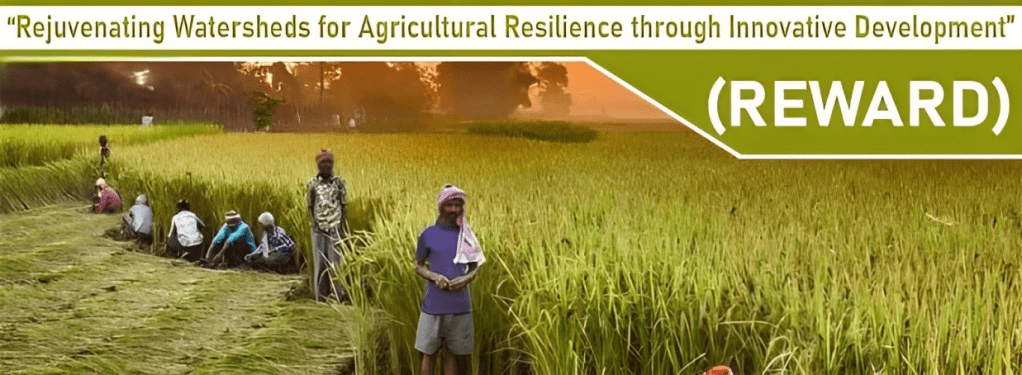
REWARD – Rejuvenating Watersheds for Agricultural Resilience through Innovative Development Programme

Daily writing prompt
What could you do differently?

By Shashikant Nishant Sharma

REWARD (Rejuvenating Watersheds for Agricultural Resilience through Innovative Development Programme) is a collaborative effort between the Government of India, the State Governments of Karnataka and Odisha, and the World Bank. This program, funded with a $115 million (INR 869 crore) loan, aims to enhance farmers’ resilience to climate change and promote higher agricultural productivity and incomes. By adopting improved watershed management practices, the program seeks to support the restoration of degraded land, double farmers’ income, and build a more resilient food system. It will leverage science-based approaches, spatial data, technologies, and knowledge exchanges to achieve its objectives.

Through this short article I would like to introduce you to an exciting initiative called REWARD (Rejuvenating Watersheds for Agricultural Resilience through Innovative Development Programme). This scheme has been launched by the World Bank. The REWARD is a comprehensive program designed to address the challenges faced by agricultural communities in ensuring water availability and promoting sustainable farming practices. Water scarcity and its impact on agriculture have become increasingly significant concerns in recent years. The REWARD program aims to rejuvenate watersheds by implementing innovative solutions that enhance water conservation, management, and agricultural resilience. By adopting a holistic approach, the program seeks to create a positive and sustainable impact on local communities, agriculture, and the environment. Here are some key components of the REWARD program:

Watershed Restoration: REWARD focuses on restoring and rehabilitating degraded watersheds through various techniques such as reforestation, soil erosion control measures, and the construction of check dams and percolation tanks. These efforts aim to improve water retention capacity and recharge groundwater levels (Larson et al., 2001).

Water Conservation and Management: The program emphasizes the adoption of water conservation practices within agricultural systems. It promotes efficient irrigation methods like drip irrigation and micro-sprinklers, encourages rainwater harvesting, and implements water storage infrastructure. These measures help optimize water use and reduce wastage (Jha et al., 2019).

Capacity Building and Training: REWARD provides training and capacity-building programs to farmers, local communities, and other stakeholders. These initiatives enhance their knowledge and skills in water management, sustainable agricultural practices, and the implementation of innovative technologies. By empowering individuals and communities, the program seeks to create long-term resilience (Hanchinal et al., 2014).

Research and Innovation: REWARD encourages research and development activities to identify cutting-edge technologies and practices for water conservation and watershed management. This includes promoting the use of precision agriculture, remote sensing, and data analytics to optimize water usage, crop selection, and resource allocation (Fielke et al, 2022).

Collaboration and Partnerships: The success of REWARD relies on collaboration among various stakeholders, including government agencies, non-profit organizations, research institutions, and local communities. The program encourages partnerships to leverage expertise, resources, and knowledge-sharing, fostering a collective effort towards achieving sustainable water and agricultural practices (Daves et al., 2002).

In a collaborative effort, the Government of India, along with the State Governments of Karnataka and Odisha, and the World Bank, have entered into a significant agreement. This agreement involves a financial commitment of $115 million (INR 869 crore) for the implementation of a program called Rejuvenating Watersheds for Agricultural Resilience through Innovative Development Programme (Press Bureau of India, Feb 18, 2022). The primary objective of this program is to enable national and state institutions to adopt improved practices in managing watersheds. By doing so, the program aims to enhance the resilience of farmers to climate change, promote higher agricultural productivity, and ultimately improve their incomes. India’s government has set ambitious goals of restoring 26 million hectares of degraded land by 2030 and doubling farmers’ income by 2023. Effective watershed management plays a crucial role in achieving these targets, especially in rainfed areas, by fostering livelihood improvements and creating a more resilient food system (Mirzabaev & Wuepper, 2023). The new program will assist the participating state governments in their endeavors to revamp watershed planning and execution processes, emphasizing science-based approaches that can be replicated nationwide. It will also encourage other states to adopt innovative strategies for watershed development.

The COVID-19 pandemic has highlighted the urgent need for sustainable and risk-averse agricultural practices in India. Such practices can safeguard farmers from climate uncertainties and bolster their livelihoods (Sonkar et al., 2022). Although India already has a robust institutional framework for watershed development, this project places renewed emphasis on science-based and data-driven approaches, opening up new opportunities for farmers in the face of climate change (Lele et al., 2020).

India currently boasts one of the world’s largest watershed management programs. This new initiative will further advance the progress made by leveraging comprehensive spatial data and technologies, decision support tools, and knowledge sharing platforms. The International Bank for Reconstruction and Development (IBRD) will provide financial support through a loan. Out of the total loan amount, $60 million (INR 453.5 crore) will be allocated to Karnataka, $49 million (INR 370 crore) to Odisha, and the remaining $6 million (INR 45.5 crore) will be allocated to the central government’s Department of Land Resources. The loan has a maturity period of 15 years, which includes a grace period of 4.5 years (Press Bureau of India, Feb 18, 2022).

Through the REWARD program, the government aims to improve the overall water availability and quality, enhance agricultural productivity, and build resilient communities. By integrating innovative solutions with traditional knowledge, we envision a future where agriculture thrives while preserving our precious water resources.

References

Dawes, S. S., & Pardo, T. A. (2002). Building collaborative digital government systems: Systemic constraints and effective practices. Advances in digital government: Technology, human factors, and policy, 259-273.

Fielke, S., Taylor, B. M., Coggan, A., Jakku, E., Davis, A. M., Thorburn, P. J., … & Smart, J. C. (2022). Understanding power, social capital and trust alongside near real-time water quality monitoring and technological development collaboration. Journal of Rural Studies, 92, 120-131.

Hanchinal, R. R., Agrawal, R. C., Prakash, R., Stephen, T., & Jaiswal, J. (2014). Impact of awareness programmes and capacity building in Farmers’ Plant Variety Registration under the PPV&FR Act.

Jha, S., Kaechele, H., & Sieber, S. (2019). Factors influencing the adoption of water conservation technologies by smallholder farmer households in Tanzania. Water, 11(12), 2640.

Larson, M. G., Booth, D. B., & Morley, S. A. (2001). Effectiveness of large woody debris in stream rehabilitation projects in urban basins. Ecological Engineering, 18(2), 211-226.

Mirzabaev, A., & Wuepper, D. (2023). Economics of Ecosystem Restoration. Annual Review of Resource Economics, 15.

Press Bureau of India. (2022, February 18). Govt. of India, World Bank sign loan agreement of $115 million for implementation of “Rejuvenating Watersheds for Agricultural Resilience through Innovative Development” (REWARD) Project. Press Bureau of India. https://pib.gov.in/PressReleaseIframePage.aspx?PRID=1799348

Sonkar, V. K., Bathla, S., & Kumar, A. (2022). Impact of National Lockdown on Rural Household’s Income. Economic & Political Weekly, 57(1), 59.

Positive Impact of ASEAN – India and Thailand Trade Relations Flourishing

Daily writing prompt
What could you do differently?

By Shashikant Nishant Sharma

Abstract:

The ASEAN-India and Thailand trade relations have witnessed significant growth over the years, leading to positive impacts on the economies of the participating countries. This paper highlights the benefits and opportunities arising from the flourishing trade relations between India, Thailand, and ASEAN countries, including enhanced market access, increased trade volume, and strengthened economic ties. The study also sheds light on the challenges faced by the ASEAN-India and Thailand trade relations, such as non-tariff barriers and limited infrastructure. The paper concludes that the ASEAN-India and Thailand trade relations have the potential to be a driving force for economic growth and regional integration, and recommends measures to further enhance the trade and investment ties between the regions.

Keywords:

ASEAN, India, Thailand, Trade Relations, India and Thialand

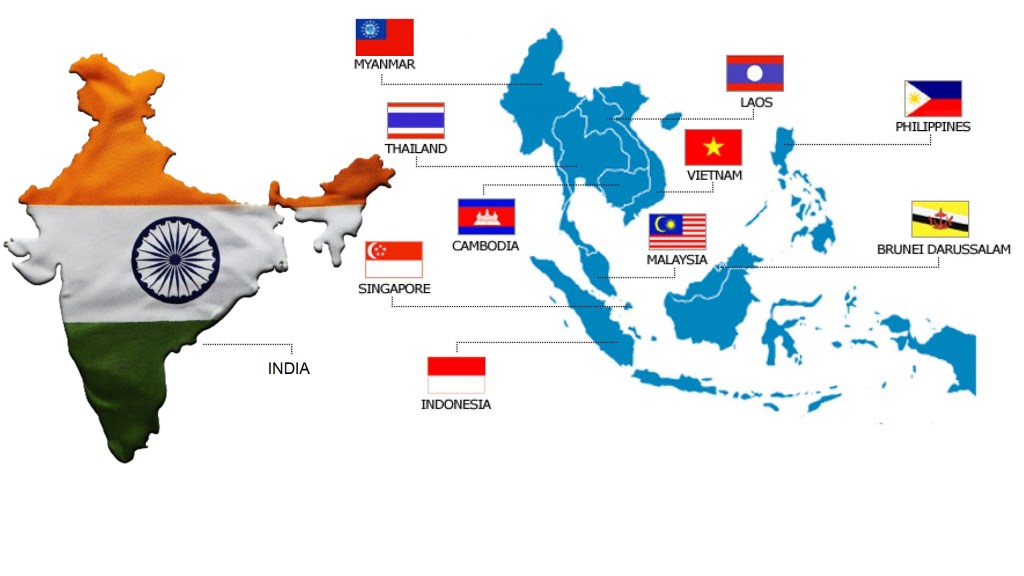
The aim of the Association of Southeast Asian Nations (ASEAN) is to promote economic, political, and security cooperation among its member countries in Southeast Asia. ASEAN was established on August 8, 1967, with the signing of the ASEAN Declaration, also known as the Bangkok Declaration. The founding members of ASEAN were Indonesia, Malaysia, the Philippines, Singapore, and Thailand. Brunei Darussalam joined in 1984, Vietnam in 1995, Laos and Myanmar in 1997, and Cambodia in 1999.

ASEAN’s role in Asia is significant. It is a regional organization that fosters economic integration and cooperation, political stability, and social progress among its member states. ASEAN plays an important role in promoting peace, security, and stability in the region, as well as in enhancing regional economic growth and development. ASEAN also serves as a platform for dialogue and cooperation between the member states and with other countries in the region and beyond. It has established several partnerships with countries such as China, Japan, South Korea, India, and the United States, among others.

In recent years, ASEAN has become increasingly important in the evolving regional security architecture of Asia, particularly with the rise of China and its growing influence in the region. ASEAN-led forums such as the East Asia Summit (EAS) have become key platforms for discussing security issues in the region, including the South China Sea disputes.

India and Thailand share a long-standing historical and cultural relationship that dates back several centuries. India and Thailand have been trading partners for over two thousand years, with cultural and economic exchanges flourishing during the ancient times along the land and sea routes. In recent times, India and Thailand have developed a strong strategic partnership based on shared values and interests. The two countries have close economic ties, with Thailand being one of India’s important trading partners in the ASEAN region. The total trade between India and Thailand stood at USD 13.76 billion in 2020-21.

India’s main exports to Thailand include gems and jewelry, machinery, iron and steel, organic chemicals, and vehicles. Thailand’s main exports to India include pearls, precious stones, electrical machinery, boilers, machinery, and parts. India and Thailand also cooperate in areas such as defense, security, tourism, and cultural exchanges. In the defense sector, the two countries have been conducting joint military exercises, and Thailand has purchased military hardware from India.

Tourism is another area of cooperation, with over a million tourists from each country visiting the other annually before the COVID-19 pandemic. Cultural exchanges between the two countries are also vibrant, with several cultural festivals and events being held in each other’s countries. India and Thailand also collaborate in regional forums such as ASEAN, BIMSTEC, and the Mekong-Ganga Cooperation. The two countries share a commitment to promoting regional integration and connectivity in the region.

The 13th Meeting of the India Thailand Joint Trade Committee (JTC) took place in New Delhi today. Ms. Auramon Supthaweethum, the Director General of Department of Trade Negotiations, Ministry of Commerce of Thailand, and Ms. Indu C. Nair, the Joint Secretary, Department of Commerce, Ministry of Commerce & Industry, India, co-chaired the meeting. This was the first in-person meeting of the JTC since its revival in 2020, after a 17-year hiatus.

Thailand is an important trading partner for India in the ASEAN region, with a total trade of USD 16.89 Billion in 2022-23, accounting for 13.6% of India’s total trade with ASEAN. India exports gems and jewelry, mechanical machinery, auto and auto components, and agricultural products, especially marine products, to Thailand.

During the meeting, the chairs reviewed the current status of bilateral trade and discussed the need to identify new potential products and priority sectors to expand bilateral trade. They also discussed market access issues and technical barriers faced by exporters and agreed to resolve them through regular and sustained bilateral discussions. India raised concerns about the restrictions it faces in exporting marine, poultry, and meat products.

Both sides identified several potential commodities and sectors for a stronger partnership, such as value-added marine products, smartphones, electric vehicles, food processing, and pharmaceuticals. They also agreed that there is a vast scope for collaboration in the service sector and decided to explore establishing mutual recognition/cooperation arrangements in nursing, accounting, audio-visual, and medical tourism. The meeting also reviewed the progress of the ongoing efforts to connect India’s Unified Payment Interface (UPI) with Thailand’s Prompt Pay Service and the settlement of trade transactions in local currency.

Some recommendations for enhancing the India and Thailand trade relations are:-  

  • Strengthen bilateral economic engagement through the establishment of joint ventures, investment, and technology transfer.
  • Enhance connectivity between the two countries by improving transport links, including air and sea connectivity.
  • Promote cooperation between small and medium enterprises (SMEs) in both countries to enhance trade and investment.
  • Work towards establishing mutual recognition/cooperation arrangements in various sectors, including nursing, accounting, audio-visual, and medical tourism.
  • Address trade barriers and technical issues faced by exporters through regular and sustained bilateral discussions.
  • Explore the possibility of signing a Free Trade Agreement (FTA) to further enhance economic engagement between the two countries.
  • Overall, there is significant potential for India and Thailand to deepen their trade and economic partnership. By addressing trade barriers, promoting cooperation in key sectors, and enhancing connectivity between the two countries, India and Thailand can further strengthen their relationship and realize the untapped potential of their trade and economic ties.

References

Sivadasan, S. K., Susheel, M. A., & Bindu, C. (2012). India-Thailand Bilateral Trade A Review against the Backdrop of the Framework Trade Agreement. ABAC Journal, 32(3).

Asher, M. G., & Sen, R. (2005). India-East Asia integration: A win-win for Asia. Economic and Political Weekly, 3932-3940.

Chenoy, A. M. (2023). The Multipolar Global Political Economy. Economic & Political Weekly, 58(2), 31.

Francis, S. (2011). A sectoral impact analysis of the ASEAN-India free trade agreement. Economic and Political Weekly, 46-55.

Marwah, R. (2020). Reimagining India–Thailand Relations: A Multilateral and Bilateral Perspective.

Nataraj, G., & Sekhani, R. (2015). China’s One Belt One Road: An Indian Perspective. Economic and Political Weekly, 67-71.

Sen, R., Asher, M. G., & Rajan, R. S. (2004). ASEAN-India economic relations: current status and future prospects. Economic and Political Weekly, 3297-3308.

Raping the Tourism – Tarnishing the image of Incredible India

Daily writing prompt
What could you do differently?

By Shashikant Nishant Sharma

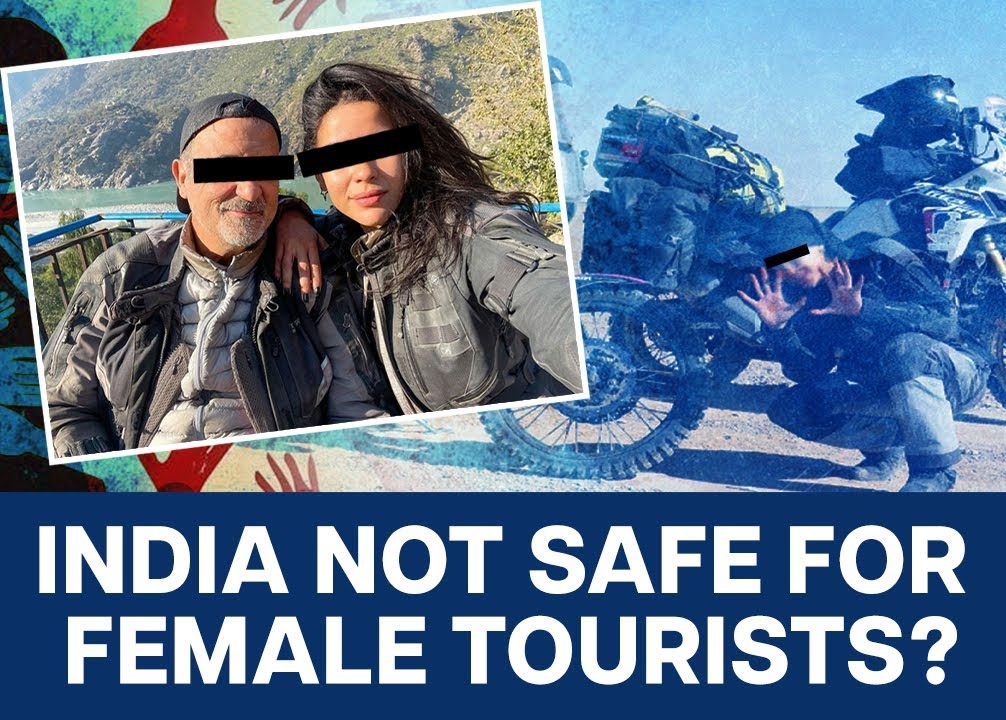
The occurrence of rape incidents involving tourists in India is a deeply concerning issue that has significant repercussions, not only for the victims and their families but also for the reputation and image of the country as a tourist destination. These incidents tarnish the perception of “Incredible India,” which is known for its rich cultural heritage, diverse landscapes, and warm hospitality. However, the prevalence of such crimes casts a shadow over these positive attributes and raises serious questions about safety and security for visitors.

Firstly, each incident of rape involving tourists erodes trust and confidence in India as a safe destination. Travelers, especially women, may become apprehensive about visiting the country due to fear for their personal safety. This fear can deter potential tourists from choosing India as their travel destination, resulting in a significant loss for the tourism industry. Moreover, repeated incidents contribute to negative media coverage, amplifying the perception of India as an unsafe place for tourists.

Secondly, the failure to effectively address and prevent these crimes reflects poorly on the authorities’ ability to ensure the safety of visitors. It highlights systemic issues such as gaps in law enforcement, inadequate infrastructure, and cultural attitudes towards gender-based violence. The lack of swift and decisive action to address these underlying issues undermines the credibility of India’s commitment to ensuring the well-being of tourists.

Additionally, the impact of rape incidents on the victims cannot be overstated. Beyond the physical and emotional trauma they endure, these incidents often result in long-lasting psychological effects, shattered confidence, and a reluctance to seek justice in a foreign legal system. The failure to provide adequate support and justice for victims further damages the perception of India as a compassionate and just society.

To mitigate the tarnishing of India’s image and restore trust in its tourism sector, comprehensive measures are required. This includes improving safety infrastructure, increasing police presence in tourist areas, enhancing awareness and sensitivity training for law enforcement officials, and implementing stringent legal measures to ensure swift and effective prosecution of perpetrators. Additionally, promoting a culture of respect and gender equality is essential to address the root causes of violence against women.

In conclusion, the occurrence of rape incidents with tourists in India not only inflicts harm on the victims but also undermines the country’s reputation as a welcoming and safe destination. Addressing these issues requires concerted efforts from the government, law enforcement agencies, tourism stakeholders, and society as a whole to ensure that India remains truly incredible in every aspect.

References

Dubey, P. (2018). No Nation for Women: Reportage on Rape from India, the World’s Largest Democracy. Simon and Schuster.

Kennedy, K. M., & Flaherty, G. T. (2015). The risk of sexual assault and rape during international travel: implications for the practice of travel medicine. Journal of travel medicine22(4), 282-284.

Thomas, T. K., & Mura, P. (2019). The ‘normality of unsafety’-foreign solo female travellers in India. Tourism Recreation Research44(1), 33-40.

Rao, N. (2012). The dark side of tourism and sexuality: trafficking of Nepali girls for Indian brothels. In Sex and tourism (pp. 155-165). Routledge.