How Real-Time Stock APIs Are Transforming Education and Financial Research

In today’s era of information and automation, data has become the foundation for learning, research, and innovation. The world of finance is no exception. With global markets operating around the clock and generating millions of data points per second, the ability to access live information is redefining how we teach, study, and apply financial knowledge.

For universities, business schools, and research institutions, integrating real-time financial data into their learning environments is no longer optional — it’s essential. The next generation of economists, data scientists, and fintech developers must be trained with the same tools and technologies used by industry professionals.

One of the most effective ways to achieve this is by using a real time stock API that provides instant access to live and historical market data.

Bringing Real Markets into the Classroom

Traditional finance education has often relied on theoretical examples and historical datasets. While these are valuable, they don’t capture the dynamic nature of real-world markets. By using APIs that deliver up-to-the-second stock data, educators can bridge the gap between theory and practice.

Imagine a finance or data analytics course where students can:

  • Track live price movements of global stocks and analyze market reactions in real time.
  • Build portfolio simulations using authentic market data instead of static case studies.
  • Develop predictive models powered by accurate, continuously updated datasets.
  • Experiment with algorithmic trading and quantitative analysis in a controlled environment.

This approach not only enhances engagement but also provides students with hands-on experience using professional-grade data tools.

Empowering Research with Data

Academic research thrives on data integrity and accessibility. Economists, analysts, and scholars often require large datasets to identify patterns, measure volatility, or test economic theories. With APIs that deliver clean, structured financial information, researchers can bypass traditional barriers like data collection, formatting, and validation — focusing instead on analysis and discovery.

A robust real time stock API allows researchers to:

  • Access historical data spanning years or decades for time-series analysis.
  • Study market responses to macroeconomic events with precision.
  • Compare performance across sectors, regions, and indices instantly.
  • Feed machine learning algorithms with reliable financial indicators.

This kind of accessibility democratizes financial research, enabling more institutions and students to engage in advanced, data-driven studies.

From Education to Innovation

The role of APIs in education goes beyond learning — it extends into innovation. Many students and researchers who start working with live stock market data go on to develop fintech applications, predictive analytics tools, or academic projects that evolve into commercial ventures.

Platforms like Finage, which offer comprehensive solutions through their real time stock API, empower the academic community to innovate confidently. The API provides scalable access to global market data, including real-time prices, historical records, and key performance metrics. By integrating it into academic and research projects, users gain the same advantages that professional traders and analysts rely on.

Shaping the Future of Financial Literacy

Financial literacy in the digital age requires more than just understanding balance sheets or investment terms — it requires data fluency. Students trained to interpret, visualize, and apply real-time market data will have a significant edge in both the academic and professional world.

By embedding tools like Finage’s real time stock API, educational institutions can equip their students with the skills needed to navigate a data-driven economy. They can transform financial education from static and theoretical to interactive and applied, preparing learners for the complexities of tomorrow’s markets.

Photo by ThisIsEngineering on Pexels.com

Sculpting Strength: Essential Exercises for Muscle Growth

Daily writing prompt
What’s the biggest risk you’d like to take — but haven’t been able to?

Building muscle is a goal many fitness enthusiasts aspire to achieve, whether to enhance athletic performance, improve overall health, or achieve a specific aesthetic. The journey to muscle growth requires dedication, proper nutrition, and a well-structured exercise routine. This post will explore essential exercises that effectively promote muscle growth, focusing on compound movements that engage multiple muscle groups, as well as isolation exercises that target specific muscles.

Photo by Pikx By Panther on Pexels.com

Understanding Muscle Growth

Before diving into specific exercises, it’s essential to understand the science behind muscle growth. When you engage in resistance training, you create small tears in your muscle fibers. The body repairs these tears through a process called muscle protein synthesis, resulting in thicker and stronger muscle fibers. To maximize muscle growth, you should focus on progressive overload, which involves gradually increasing the weight, frequency, or number of repetitions in your workouts.

Essential Compound Exercises

Compound exercises are fundamental to any muscle-building routine because they work multiple muscle groups simultaneously. Here are some of the most effective compound exercises for muscle growth:

1. Squats

Squats are a powerhouse exercise that primarily targets the quadriceps, hamstrings, and glutes. They also engage the core, back, and calves, making them a comprehensive lower-body workout.

How to Perform Squats:

  • Stand with your feet shoulder-width apart.
  • Lower your body by bending your knees and pushing your hips back as if you’re sitting in a chair.
  • Keep your chest up and back straight.
  • Go as low as you can while maintaining good form, ideally until your thighs are parallel to the ground.
  • Push through your heels to return to the starting position.

Variations: Barbell squats, front squats, goblet squats, and jump squats.

2. Deadlifts

Deadlifts are another excellent compound exercise, primarily targeting the hamstrings, glutes, lower back, and core. They also enhance grip strength and overall stability.

How to Perform Deadlifts:

  • Stand with your feet hip-width apart, with a barbell positioned over the middle of your feet.
  • Bend at your hips and knees to grip the barbell with both hands, keeping your back flat.
  • Drive through your heels to lift the barbell, extending your hips and knees simultaneously.
  • Keep the barbell close to your body as you lift it to hip level.
  • Lower the barbell back to the ground by bending at the hips and knees.

Variations: Conventional deadlifts, sumo deadlifts, and Romanian deadlifts.

3. Bench Press

The bench press is a classic upper-body exercise that primarily targets the chest, shoulders, and triceps. It’s essential for developing upper body strength and mass.

How to Perform Bench Press:

  • Lie on a flat bench with your feet flat on the ground.
  • Grip the barbell slightly wider than shoulder-width apart.
  • Lower the barbell to your chest, keeping your elbows at a 45-degree angle.
  • Push the barbell back to the starting position, fully extending your arms.

Variations: Incline bench press, decline bench press, and dumbbell bench press.

4. Pull-Ups

Pull-ups are a fantastic bodyweight exercise that primarily targets the back, biceps, and shoulders. They require no equipment other than a sturdy bar, making them accessible and highly effective.

How to Perform Pull-Ups:

  • Hang from a pull-up bar with your palms facing away from you and hands shoulder-width apart.
  • Engage your core and pull your body up until your chin is above the bar.
  • Lower yourself back to the starting position with control.

Variations: Assisted pull-ups, chin-ups (palms facing you), and wide-grip pull-ups.

Isolation Exercises for Targeted Growth

While compound exercises are vital for overall muscle development, isolation exercises help target specific muscles for balanced growth.

5. Bicep Curls

Bicep curls are effective for isolating the biceps and improving arm strength and aesthetics.

How to Perform Bicep Curls:

  • Stand with a dumbbell in each hand, arms fully extended at your sides.
  • Curl the weights toward your shoulders while keeping your elbows close to your body.
  • Lower the weights back to the starting position with control.

6. Tricep Dips

Tricep dips effectively target the triceps, shoulders, and chest.

How to Perform Tricep Dips:

  • Find a sturdy bench or dip station.
  • Position your hands shoulder-width apart on the edge of the bench, with your legs extended in front of you.
  • Lower your body by bending your elbows until your upper arms are parallel to the ground.
  • Push through your palms to return to the starting position.

7. Leg Curls

Leg curls focus on isolating the hamstrings, helping to develop balanced leg strength.

How to Perform Leg Curls:

  • Use a leg curl machine, adjusting the pad to sit just above your heels.
  • Curl your legs towards your glutes while keeping your upper body stationary.
  • Lower your legs back to the starting position.

In Conclusion

Building muscle and sculpting strength demands commitment and a comprehensive exercise plan. By integrating both compound and isolation exercises, you can effectively engage all major muscle groups, leading to balanced development. Don’t forget to support your workouts with a nutritious, protein-rich diet and ensure you stay hydrated.

With consistency, patience, and the right strategy, you’ll be on track to reach your muscle-building objectives. If you’re in Lehi, consider working with a personal trainer to tailor your program for optimal results. Enjoy your journey to strength!

Exploring the Cycle of Nutrients in Natural Ecosystems

Nature is an intricate ballet of life, energy, and nutrients—a dance that sustains the world around us. In the heart of ecosystems, whether dense forests or arid deserts, lies a cycle of nutrients that fuels this balance. This process not only supports the thriving diversity of flora and fauna but also underpins agricultural productivity and climate stability. By grasping how nutrients move through ecosystems, we gain insight into how to preserve and enhance these natural processes.

Photo by Pixabay on Pexels.com

The Marvel of Nature’s Nutrient Cycle

The nutrient cycle is a continuous loop vital for life on Earth. It involves the movement and exchange of organic and inorganic matter back into the production of living matter. Plants, animals, and microorganisms all play crucial roles, working together to keep the environment balanced. This cycle encompasses the major nutrients necessary for life, including carbon, nitrogen, phosphorus, and others.

Decomposers The Unsung Heroes

Have you ever wondered what happens to fallen leaves or deceased animals? Decomposers—bacteria, fungi, and certain insects—are nature’s recyclers. They break down dead organic matter, transforming it into simpler substances. This decomposition returns nutrients to the soil, making them available for plants to absorb and use in their growth and development.

Plants The Primary Producers

Plants are remarkable entities that harness sunlight, water, and nutrients from the soil to create food via photosynthesis. They form the foundational base of the food web, providing nourishment to herbivores, which in turn support carnivores. By absorbing nutrients through their roots, plants redistribute these essential elements throughout the ecosystem.

Herbivores and Carnivores Transferring Energy

Herbivores, such as deer and rabbits, consume plants, transferring the stored energy and nutrients to higher trophic levels. Carnivores, like wolves or eagles, then prey on herbivores, further distributing nutrients. This consumption cycle ensures that nutrients flow throughout the ecosystem, supporting diverse life forms.

Symbiotic Relationships Nature’s Partnerships

Within ecosystems, symbiotic relationships between organisms enhance nutrient cycling. For example, nitrogen-fixing bacteria in the roots of legumes convert atmospheric nitrogen into a usable form for plants. In return, plants provide carbohydrates to the bacteria. Such partnerships boost soil fertility and productivity, showcasing nature’s collaborative spirit.

Nutrient Storage in Soil The Reservoir

The soil acts as a reservoir for nutrients, storing them until they are needed by plants. Organic matter, such as decaying plant material and animal waste, enriches the soil with essential elements. This dynamic storage system prevents nutrient loss and serves as a buffer during periods of scarcity, ensuring ecosystems remain resilient.

Human Impact on Nutrient Cycles

Human activities, including agriculture and industrialization, can disrupt natural nutrient cycles. Excessive use of fertilizers, for instance, can lead to nutrient runoff, polluting water bodies and causing harmful algal blooms. Recognizing our impact and adopting sustainable practices are vital for maintaining nutrient balance and ecosystem health.

The Role of Organic Compost

One of the most effective ways to support natural nutrient cycling is by using organic compost. Composting organic waste allows us to recycle nutrients back into the soil, improving both its fertility and structure. In Salt Lake City, many residents and community gardens embrace organic compost to strengthen local ecosystems, showcasing their commitment to sustainable practices.

Agricultural Practices Mimicking Nature

Innovative agricultural practices, such as crop rotation and cover cropping, mimic natural nutrient cycles. These methods enhance soil health by reducing erosion, maintaining moisture, and improving nutrient availability. By aligning farming techniques with nature’s wisdom, we can ensure long-term productivity and environmental stewardship.

Climate Change and Nutrient Dynamics

Climate change poses challenges to nutrient cycles by altering temperature and precipitation patterns. These changes can affect the timing and availability of nutrients, impacting plant growth and ecosystem stability. Understanding these dynamics is crucial for developing strategies to adapt to and mitigate climate change impacts.

The Future of Nutrient Cycling in Ecosystems

As we look to the future, safeguarding nutrient cycles is paramount for sustaining life on Earth. By fostering education, research, and collaboration, we can devise solutions to preserve these natural processes. A collective effort will ensure that ecosystems continue to thrive, providing essential services for generations to come.

Conclusion

The cycle of nutrients in natural ecosystems is a testament to nature’s ingenuity and resilience. By appreciating and nurturing these cycles, we safeguard the delicate balance that sustains biodiversity and human civilization. Through conscious actions and sustainable practices, we can ensure that this intricate dance of nutrients continues to support life in all its forms.

Understanding Soil Types and Their Impact on Construction

Daily writing prompt
What’s the biggest risk you’d like to take — but haven’t been able to?
Photo by Andre on Pexels.com

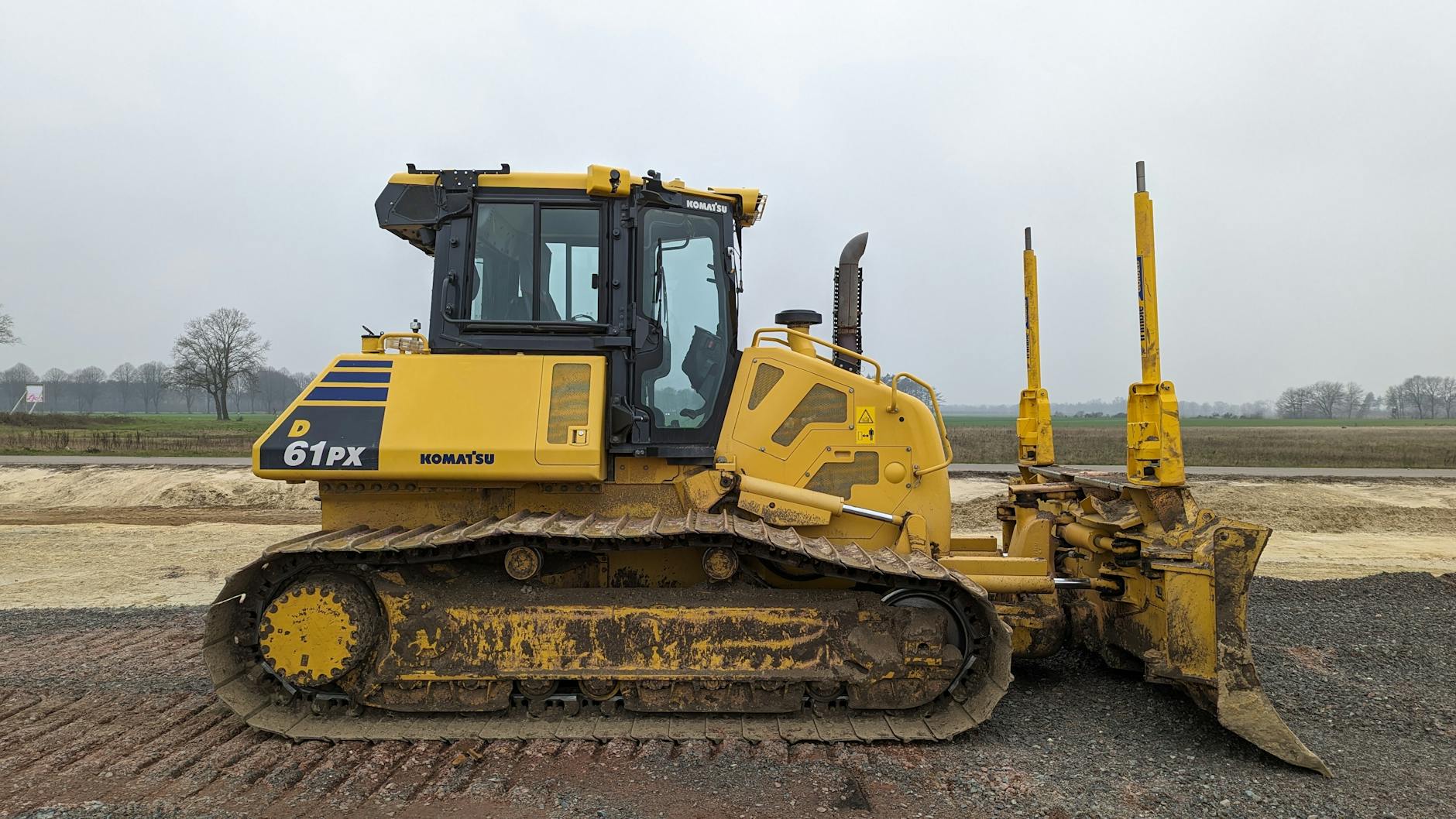
When it comes to construction, what’s beneath the surface is as crucial as what’s above it. Understanding soil types can mean the difference between a sturdy structure and a costly mishap. For professionals in the construction industry, knowing the types of soil they are dealing with is not just beneficial—it’s essential. This blog post will uncover the importance of soil analysis in construction and provide insights into how different soil types can impact your building projects.

Why Soil Matters in Construction

The ground you build on is your foundation, both literally and figuratively. The type of soil determines the stability of your project. For builders, this knowledge ensures safety, durability, and cost-effectiveness. Each type of soil behaves differently under various conditions, and these differences can influence everything from the choice of materials to the design of the foundation.

First, soils have distinct properties—such as moisture retention, density, and load-bearing capacity—that directly affect how they interact with structures. Ignoring these properties can lead to issues like settling, shifting, or even structural failure. Second, understanding soil types helps in planning effective drainage solutions, which are critical in preventing water-related damage. Finally, knowing your soil type aids in estimating project timelines and costs, minimizing unexpected surprises.

Common Soil Types in Construction

Builders encounter a variety of soil types, each with unique characteristics. The most common ones include clay, silt, sand, gravel, and loam. Clay soils are dense and hold water well but can expand and contract dramatically, leading to potential foundational cracks. Silt, found near bodies of water, is smooth and retains water, but it can become unstable when wet.

Sand, with its large particles, drains well but doesn’t hold its shape, making it less stable. Gravel offers excellent drainage and stability, yet it doesn’t retain moisture, which can be both an advantage and a drawback. Loam, considered the ideal soil, is a balanced mix of clay, silt, and sand, providing good drainage, stability, and fertility.

The Impact of Soil Composition

Understanding the composition of the soil on a building site is crucial for making informed decisions. Soil composition affects load-bearing capacities and the potential need for soil modification techniques. For instance, clay-heavy soils might require stabilization or specific foundation designs to accommodate their expansion and contraction tendencies.

The mineral content of soil also influences its behavior. High organic content can cause soil to shrink or decompose, impacting structural integrity. Furthermore, certain minerals can corrode building materials over time, necessitating protective measures. By analyzing soil composition, builders can tailor their approach to ensure safety and longevity.

Soil Testing Methods

Before breaking ground, it’s vital to perform a thorough soil test. Several methods can help determine soil type and suitability for construction. The simplest is the visual inspection, observing color, texture, and structure. However, more detailed laboratory tests analyze moisture content, density, and load-bearing capacity.

Field tests, such as the Standard Penetration Test (SPT) and Cone Penetration Test (CPT), provide in-situ data about soil conditions, helping builders understand how soil will behave under stress. These tests are crucial for designing foundations and predicting how soil might shift over time.

The Role of Soil in Foundation Design

The type of soil influences the design and depth of foundations. For example, clay soils might require deeper or wider foundations to distribute weight and prevent movement. Sandy soils, which offer less support, may necessitate specialized piling techniques to achieve stability.

Understanding soil properties allows builders to choose appropriate foundation types, whether slab, pier, or basement. Proper foundation design minimizes risks and ensures long-term structural safety.

Drainage and Soil Considerations

Effective drainage is integral to maintaining soil stability around a structure. Poor drainage can lead to waterlogging, erosion, and foundation issues. Different soil types require unique drainage solutions. Clay, which holds water, demands well-planned systems to divert excess moisture away from structural elements.

Conversely, sandy soils require techniques to retain enough moisture for plant growth while avoiding erosion. Implementing the right drainage solutions enhances the longevity and safety of construction projects.

Addressing Soil Stability Challenges

In some cases, soils may not be naturally suitable for construction, necessitating stabilization techniques. Lime stabilization, for instance, can improve clay soil’s load-bearing capacity by altering its chemical properties. Geotextiles and geogrids are often used to reinforce weak soils, providing additional support.

These techniques enhance soil stability, allowing for safe construction on challenging sites. By addressing soil stability concerns early, builders can avoid costly repairs and ensure the success of their projects.

The Importance of Local Expertise

Local knowledge plays a significant role in understanding soil types and their impact on construction. Excavation contractors in Salt Lake City, for instance, have unique insights into the regional soil conditions and can provide invaluable guidance. Collaborating with local experts ensures that your project adheres to best practices and local regulations.

This partnership minimizes risks associated with soil-related challenges and helps streamline the construction process, saving time and resources.

Environmental Considerations in Soil Management

Sustainable construction practices take into account the environmental impact of soil management. Preserving the natural landscape and minimizing soil disruption are key factors. Implementing erosion control measures, such as vegetation cover and retaining walls, helps maintain soil health.

Additionally, using recycled materials and environmentally friendly stabilization techniques contribute to sustainable building practices, benefiting both the environment and the community.

Monitoring Soil After Construction

Once a project is complete, soil monitoring remains essential. Regular inspections help identify shifts or changes in soil conditions that could affect structural integrity. Monitoring moisture levels, drainage efficiency, and any signs of erosion are important maintenance tasks.

Proactive soil management ensures that the building remains safe and stable over time, protecting both the investment and its occupants.

Conclusion

Understanding soil types and their impact on construction is a foundational aspect of successful projects. By knowing the characteristics and behaviors of different soil types, builders can make informed decisions that enhance safety, longevity, and sustainability. From testing and stabilization to collaboration with local experts, every step contributes to a solid foundation for your construction endeavors.

For further exploration of soil types and construction techniques, consult industry resources or connect with professionals who can provide tailored guidance. With the right knowledge and approach, you can ensure that your construction projects stand the test of time.